The development of the D.XI
In June 1922, Anthony Fokker flew the only D.IX in America at McCook Field. A discussion then arose about how this aircraft would perform if equipped with the still-secret Curtiss D-12 engine.
Fokker took on the challenge of building a better aircraft. On August 10, 1922, a contract was signed for three aircraft.
The PW-7 was intended to be a biplane for the Army Air Service. These were originally designated as the Fokker D-10. Because in the meantime a development of the F.VI monoplane had already been called D.X in the Netherlands, the aircraft was called the D.XI for America.
The development of the D.XI was a difficult process as, initially, only a mock-up of the new engine was produced. This was followed by an unreliable and unflyable version.
At Fokker there were therefore a number of trials before the type was found to be satisfactory.
Curtiss, who was also building a fighter designated D-12, was in no hurry to send an engine to the Netherlands. As a result, the design for the D.XI did not progress smoothly.
Fokker then wanted to send the D.X Hispano to America and have a D-12 engine installed. Noorduyn strongly advised against this, as America didn't want a monoplane. Experiences with the F.VI/PW-5 were also poor.
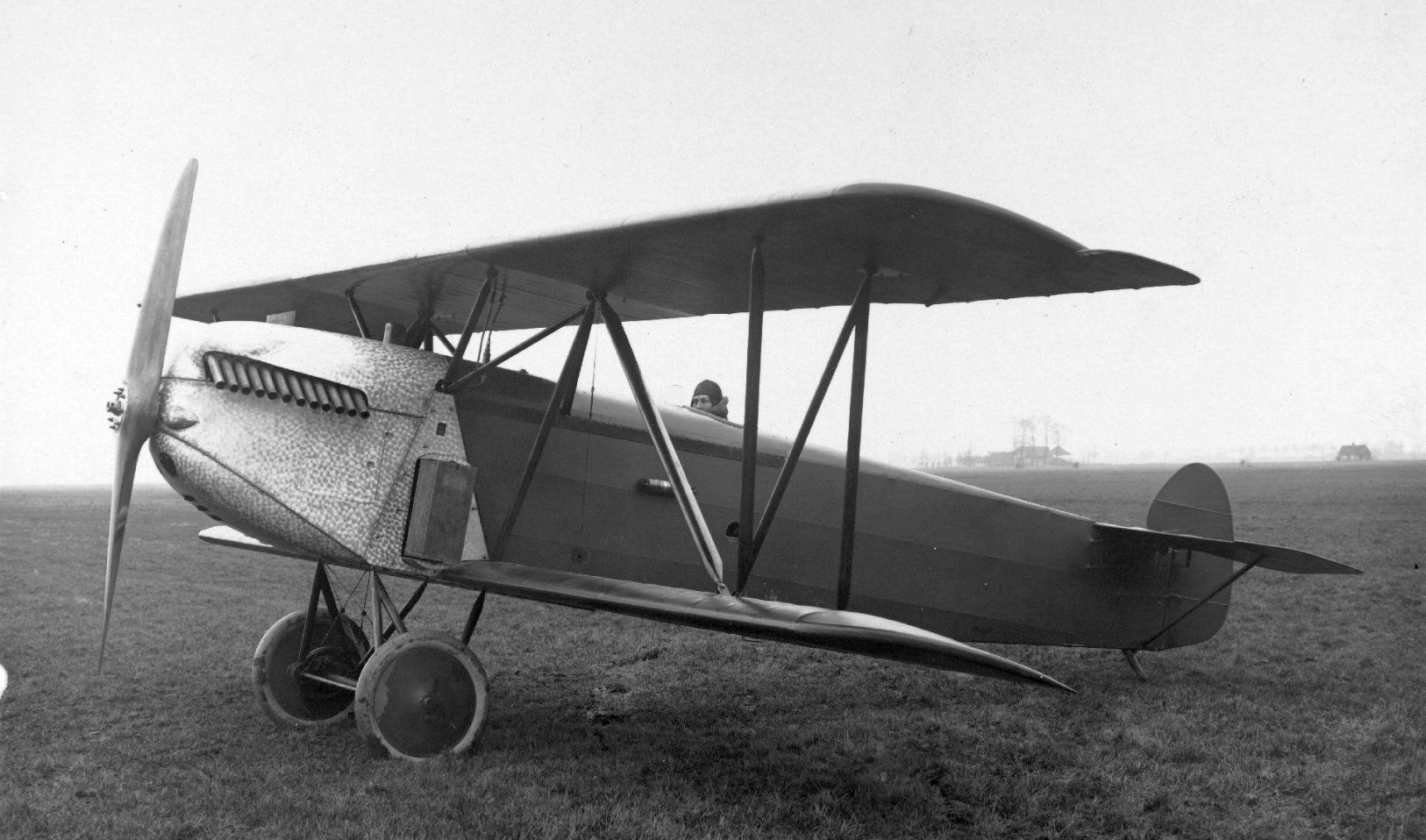
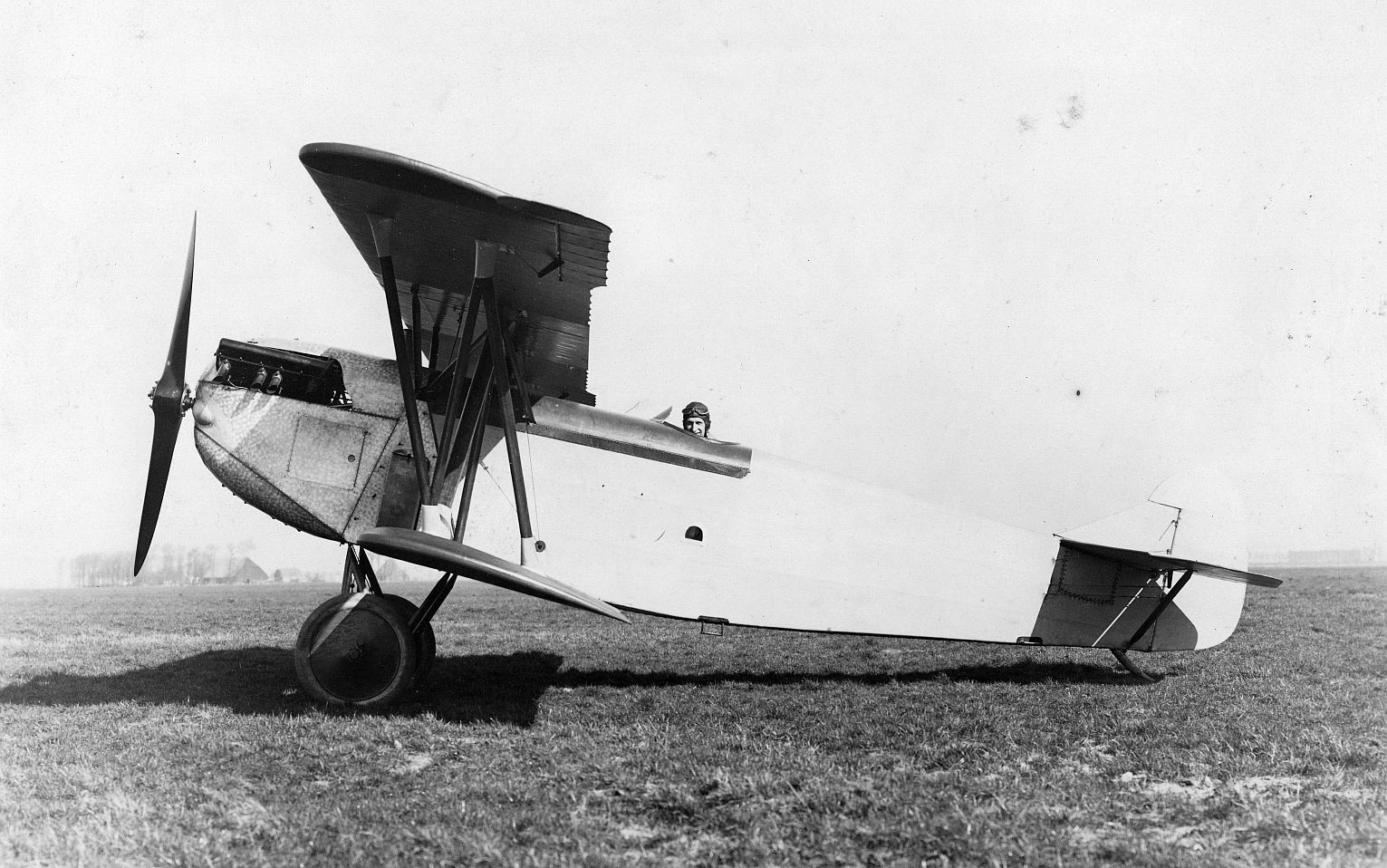
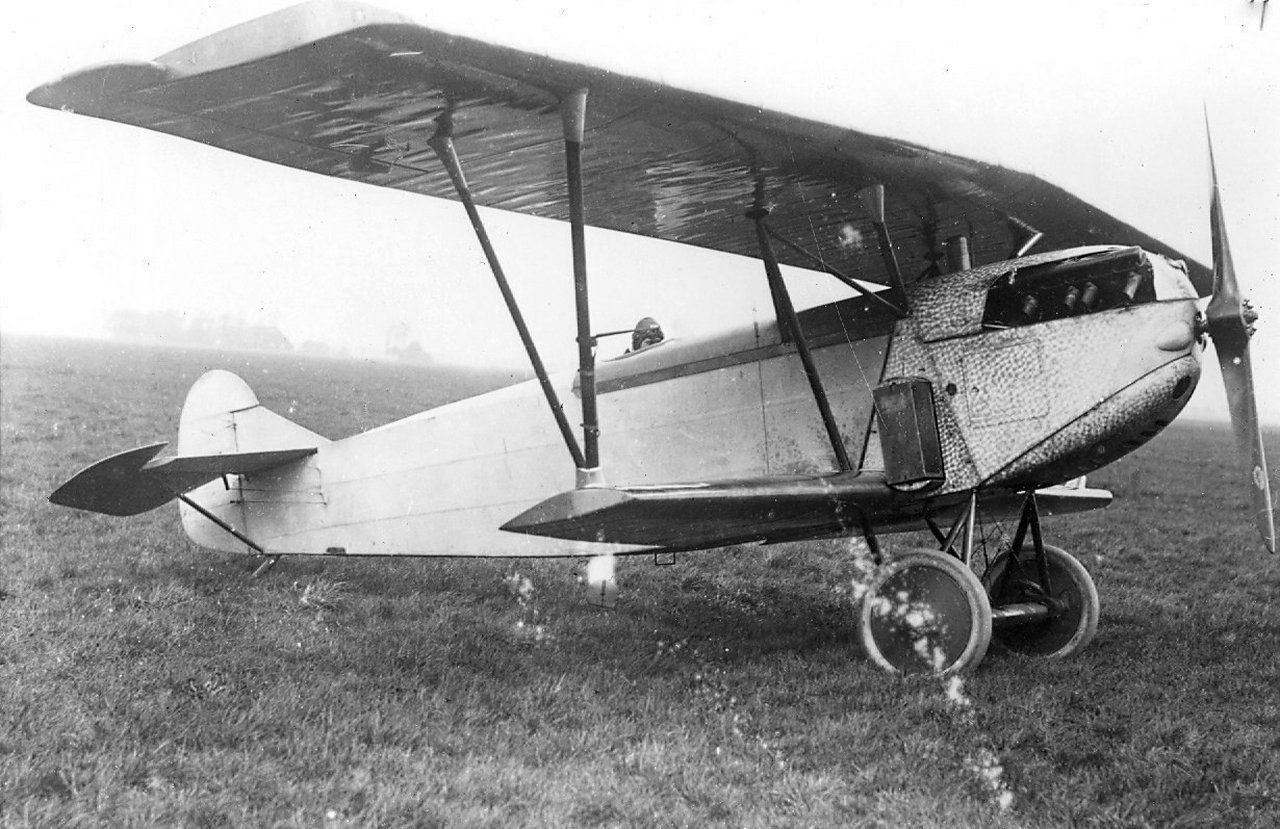
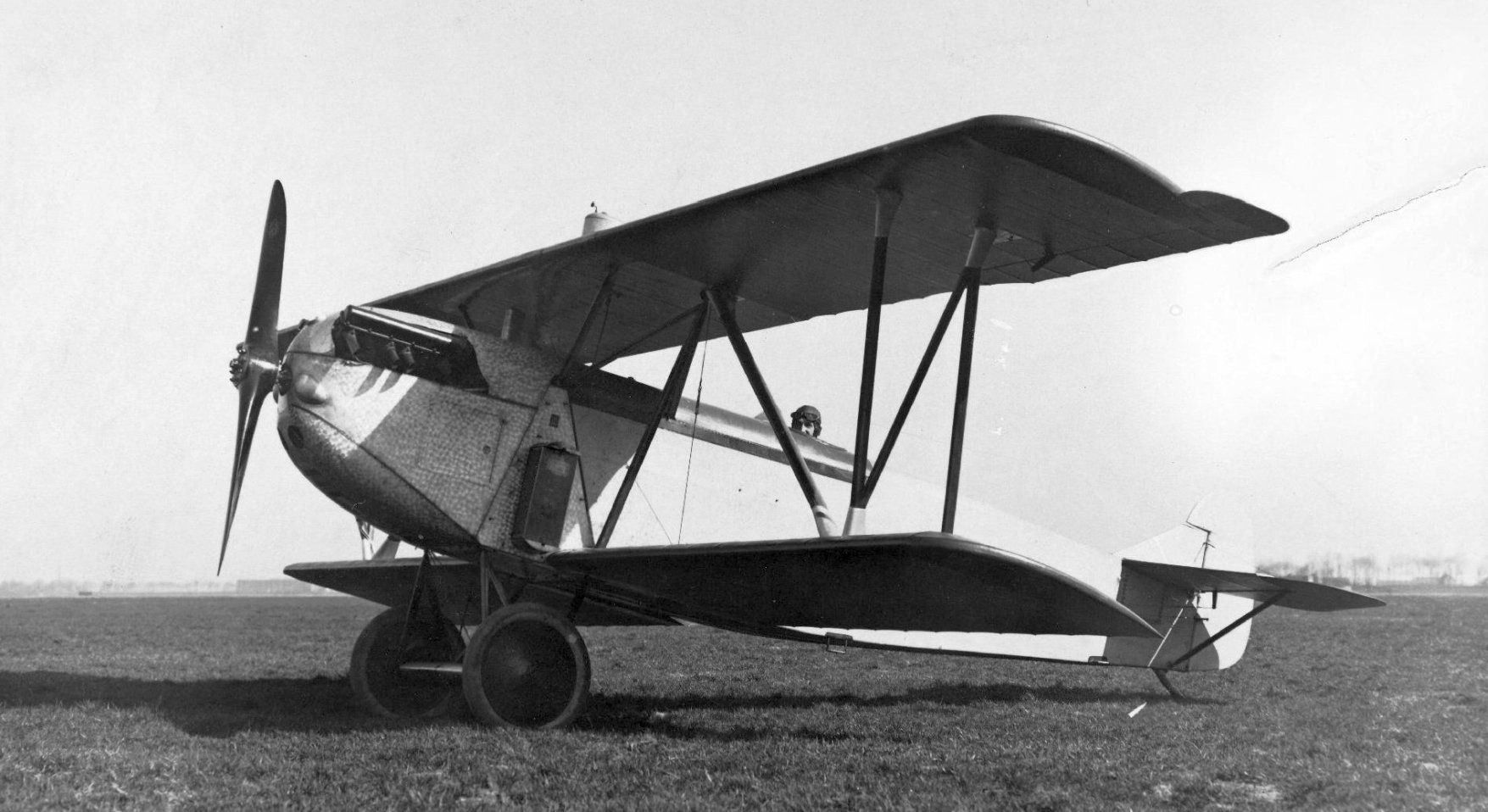
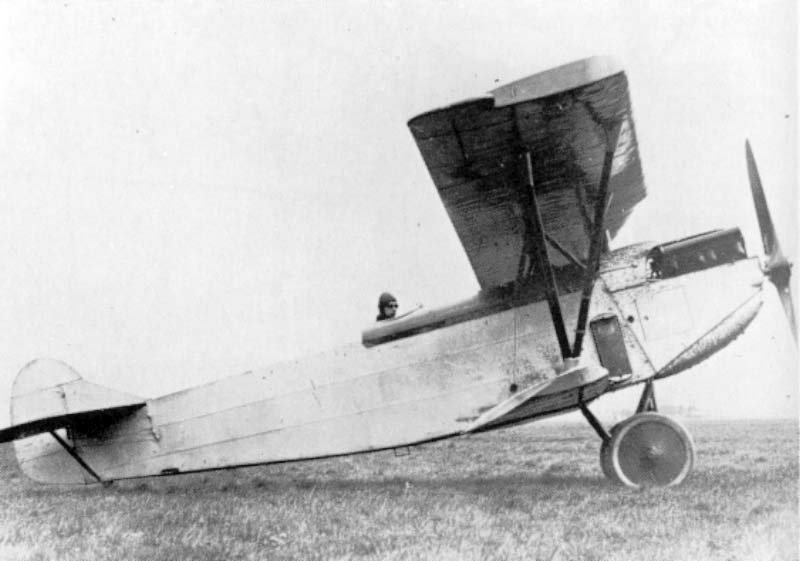
A first D.XI was then built as a biplane. This was photographed with a mock-up of a D-12 engine.
Fokker then no longer wanted to wait for the D-12 engine, even though interest in the new type was growing.
It was therefore decided to continue development with a Hispano 8fb engine for the D.XI.
The slightly modified biplane with Hispano engine was tested, but was not a success.
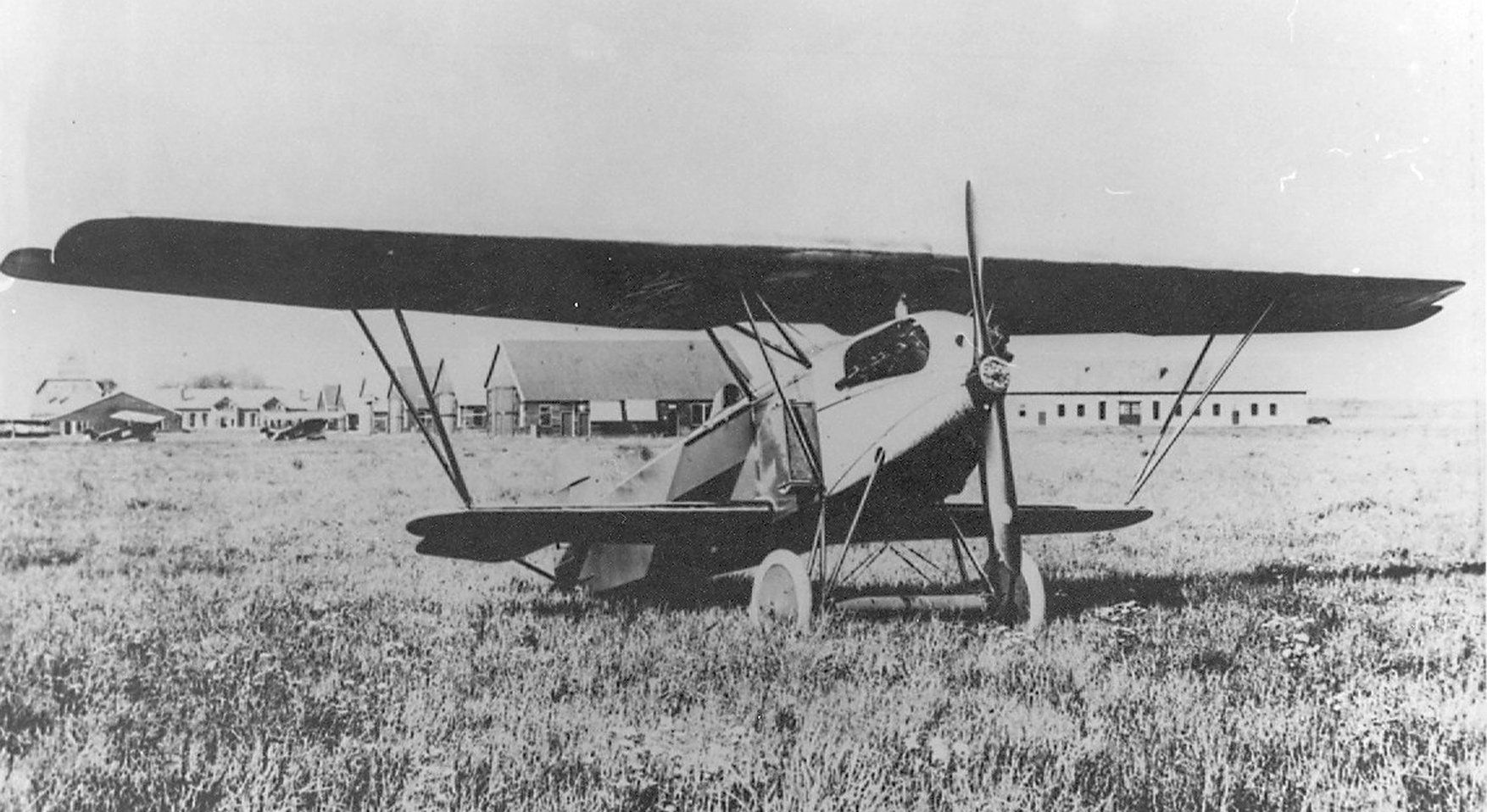
Then a new set of plywood-covered wings was developed, first as a one-and-a-half-wing aircraft.
These were mounted on the fuselage of the Hispano and gave better results. This aircraft was displayed at the ILUG exhibition in Gothenburg, Sweden.
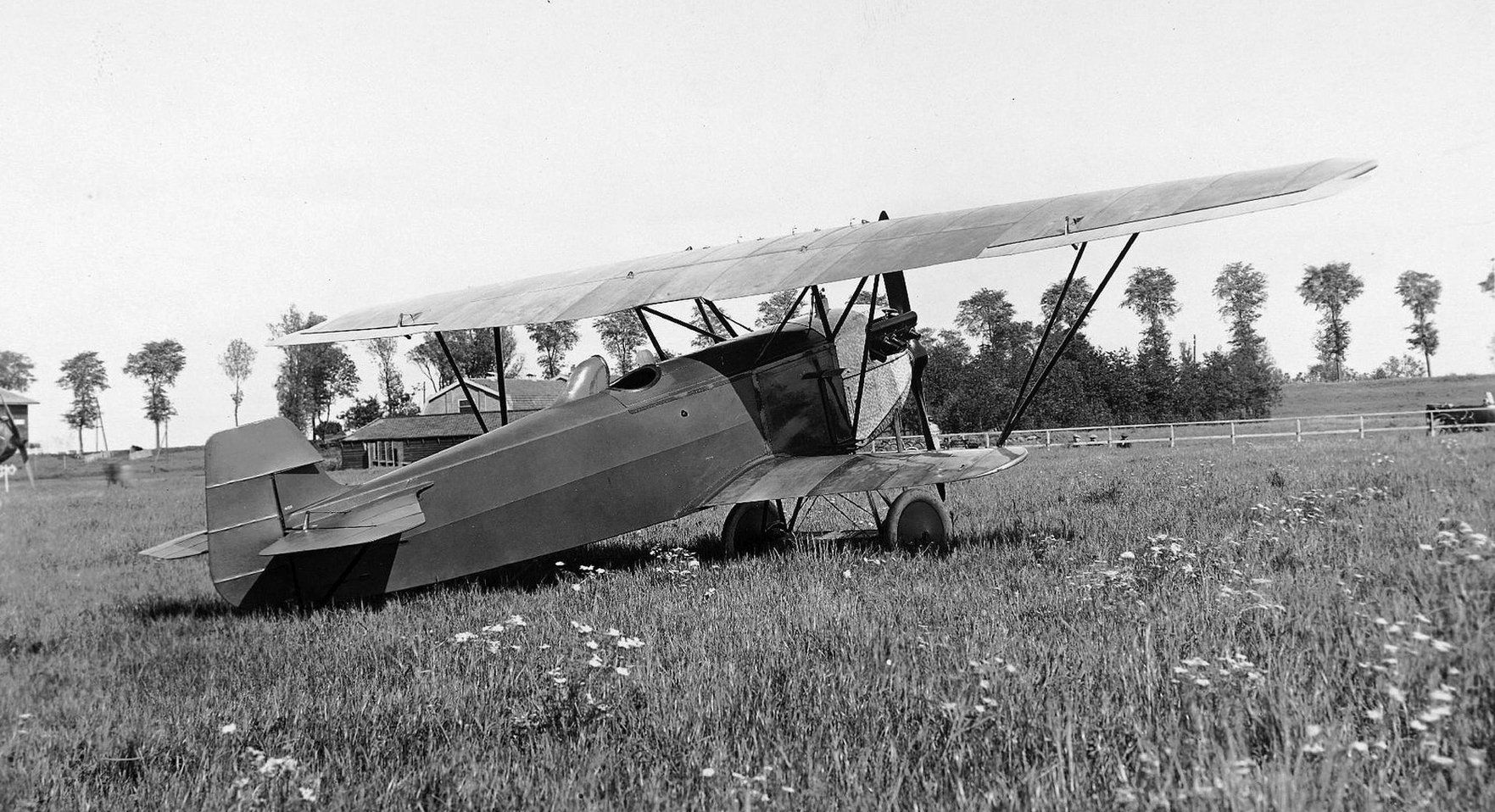
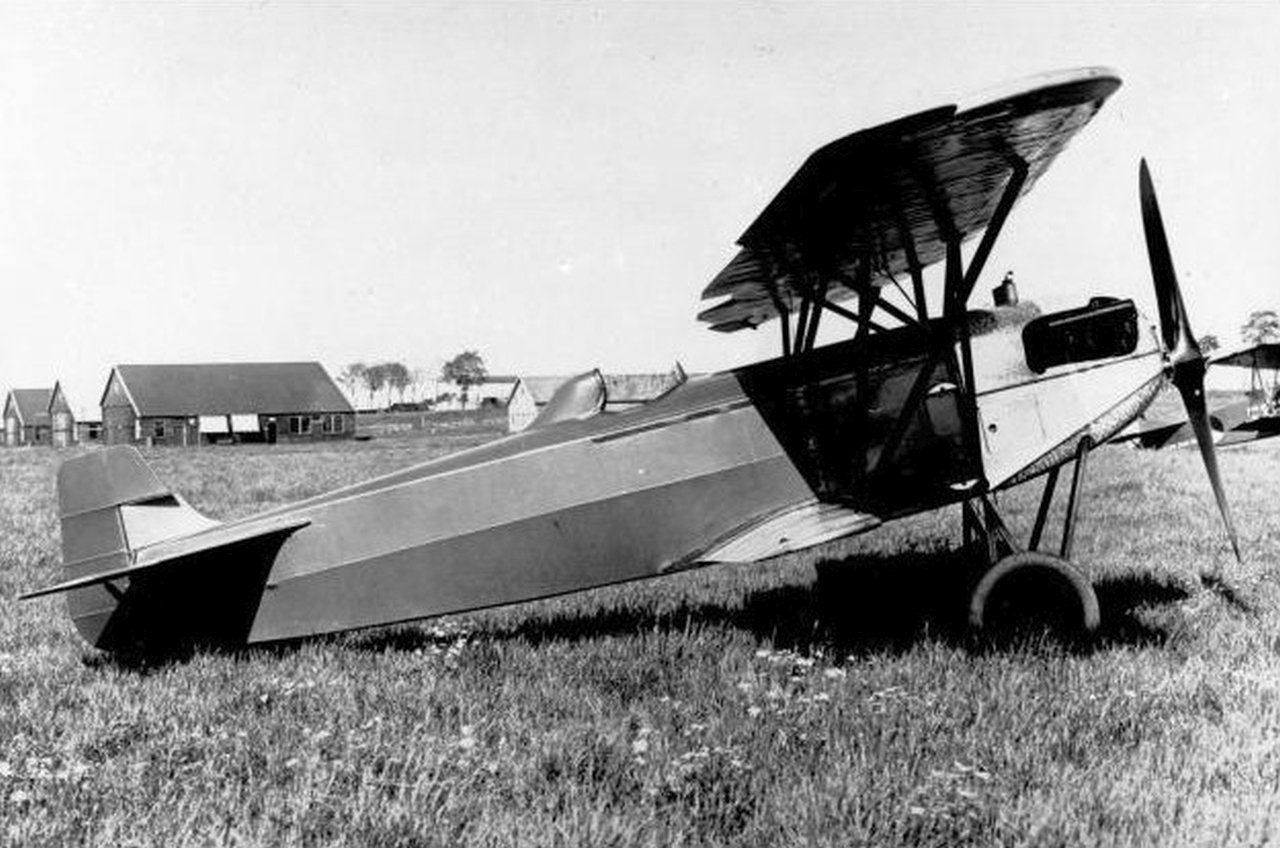
Meanwhile, work continued on an improved variant. This one had a slimmer fuselage with tapered wings. This became the prototype of the D.XI Hispano as it entered production (after further modifications).
With all the developments, it was now June 1923, but Fokker still did not have a smoothly running D-12.
While its competitors (Curtiss with the PW-8 and Boeing with the PW-9) were already flying it. In addition, the successful prototype of the D.XI still had to be adapted to the more powerful D-12 engine; Later the type designation D.XII was used for this.
The US no longer had much confidence in the development. Therefore, they wanted to test the plane in the Netherlands before bringing it to America.
In November 1923 the time had come, but not after the necessary adjustments and a difficult propeller choice.
The first two aircraft were shipped in December 1923, and the third almost a year later.
Click on the photo to enlarge the photo