
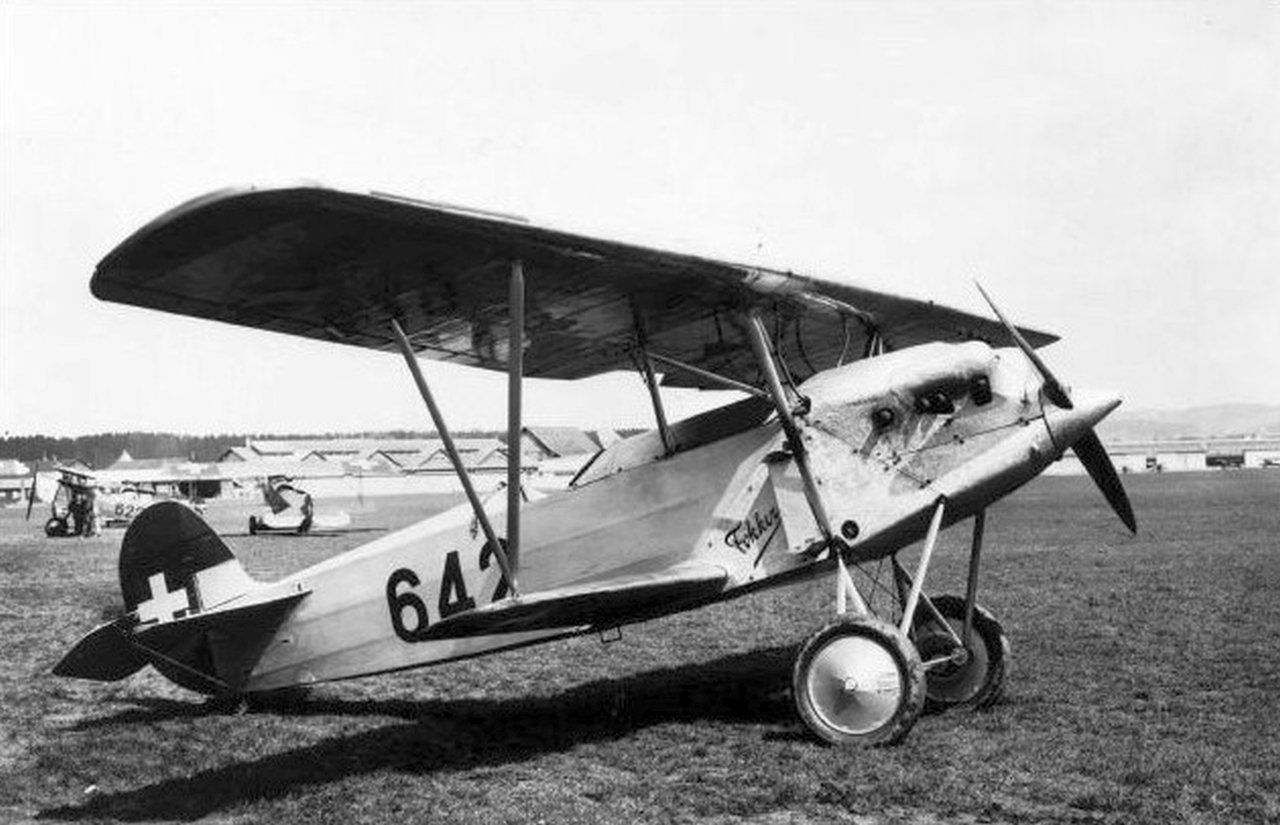
The D XI in service with several countries
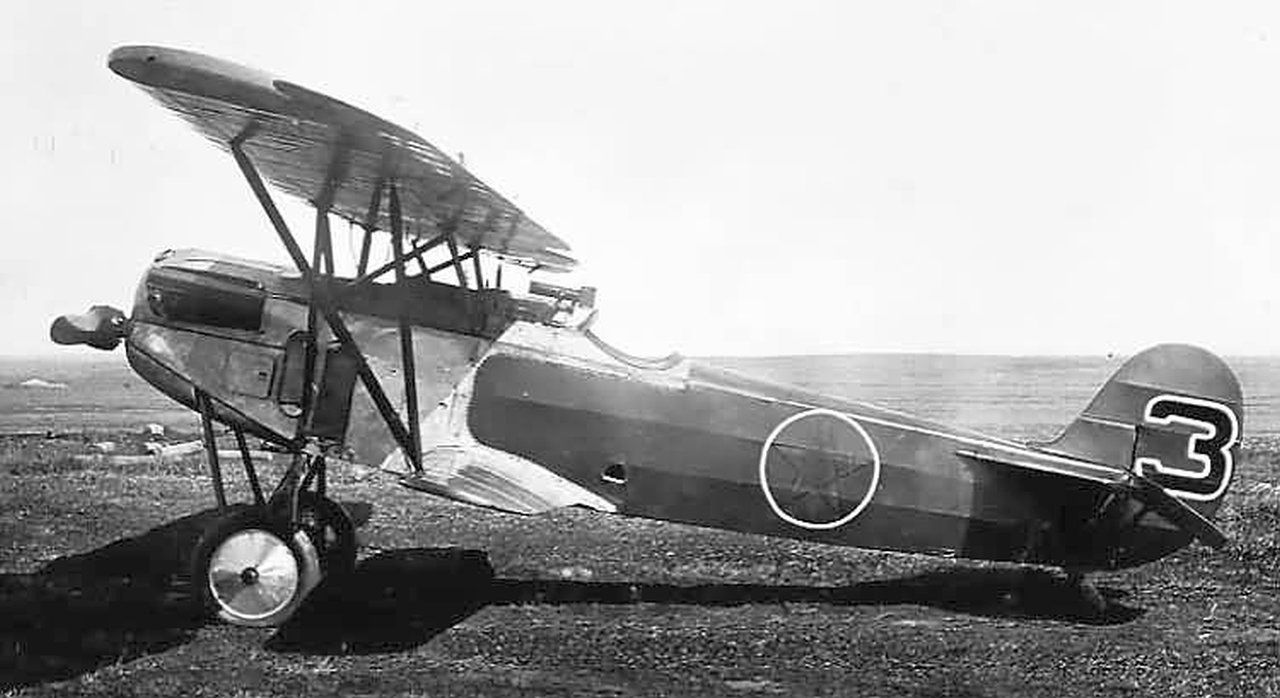
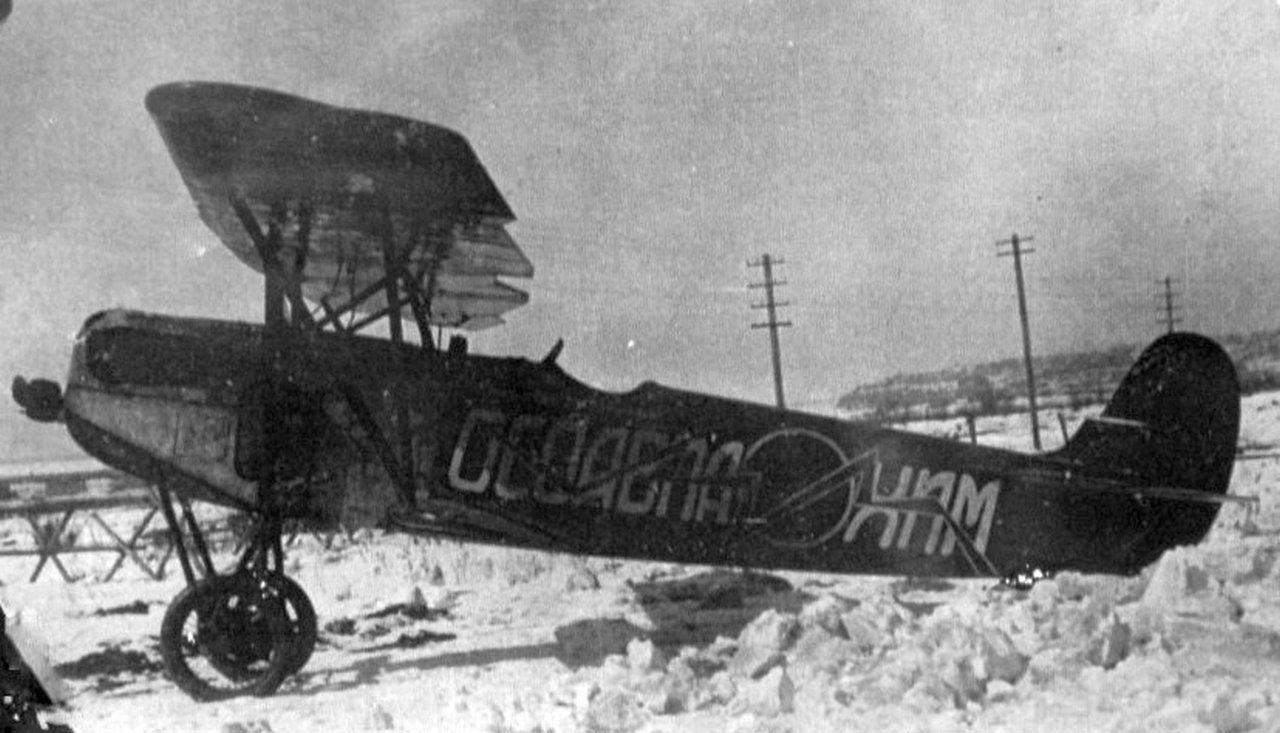
Fokker's initial negotiations regarding the planned D.XI were with the Soviet Union. Fokker had previously delivered D.VIIs and C.IIIs to the Soviet Union, and the new type had apparently been discussed during these negotiations. On February 26, 1923, a prototype D.XI was ordered. Contacts regarding this were made through the Trade Representative at the Soviet Embassy in Berlin.
But during that period, the realization also grew in Germany that they had to build up an armed force, even though this was prohibited by the Treaty of Versailles.
The reason was the French/Belgian invasion of the Ruhr region. This took place between January 11 and 16, 1923, to secure German reparations.
Already a few months later, secret negotiations began with Fokker to help Germany acquire new fighter aircraft.
Germany indicated that they were interested in 44 D.XI Hispanos and 6 D.XI Napier Lions.
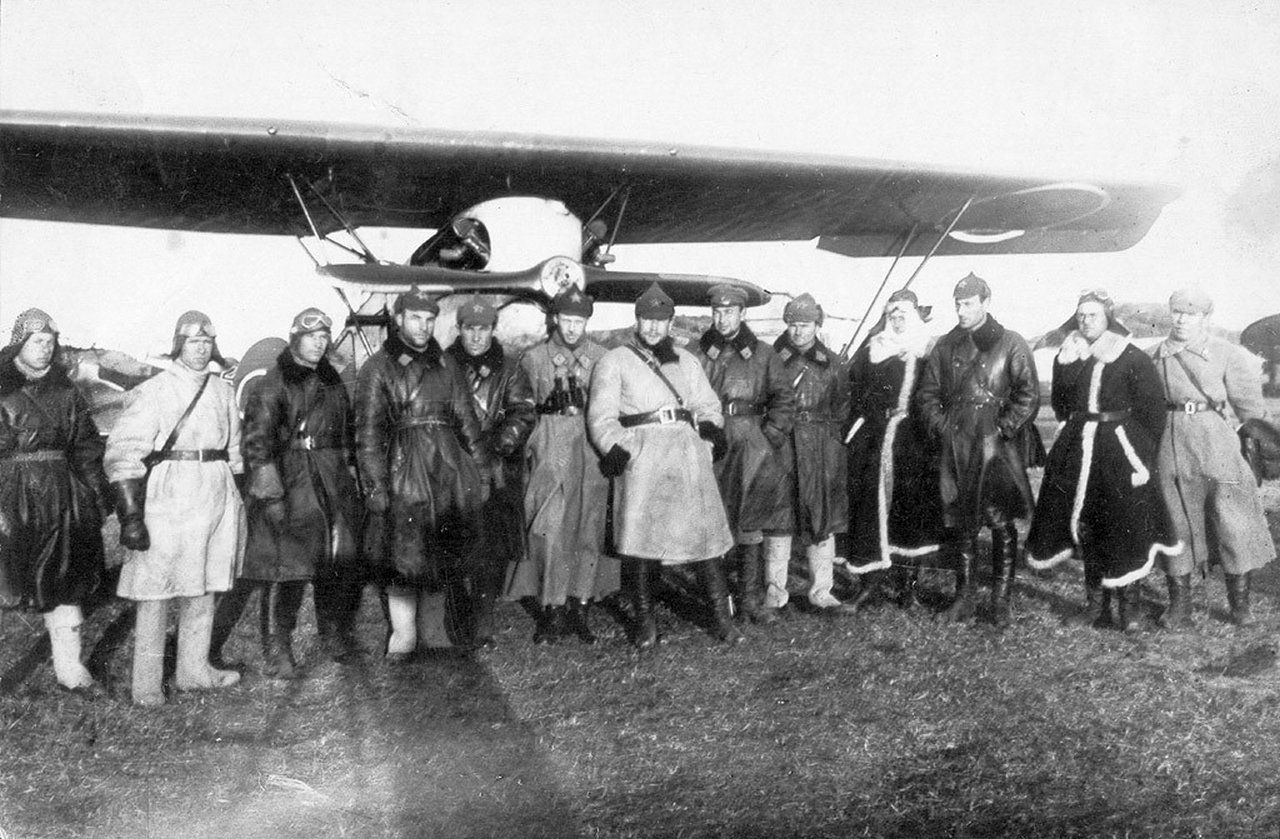
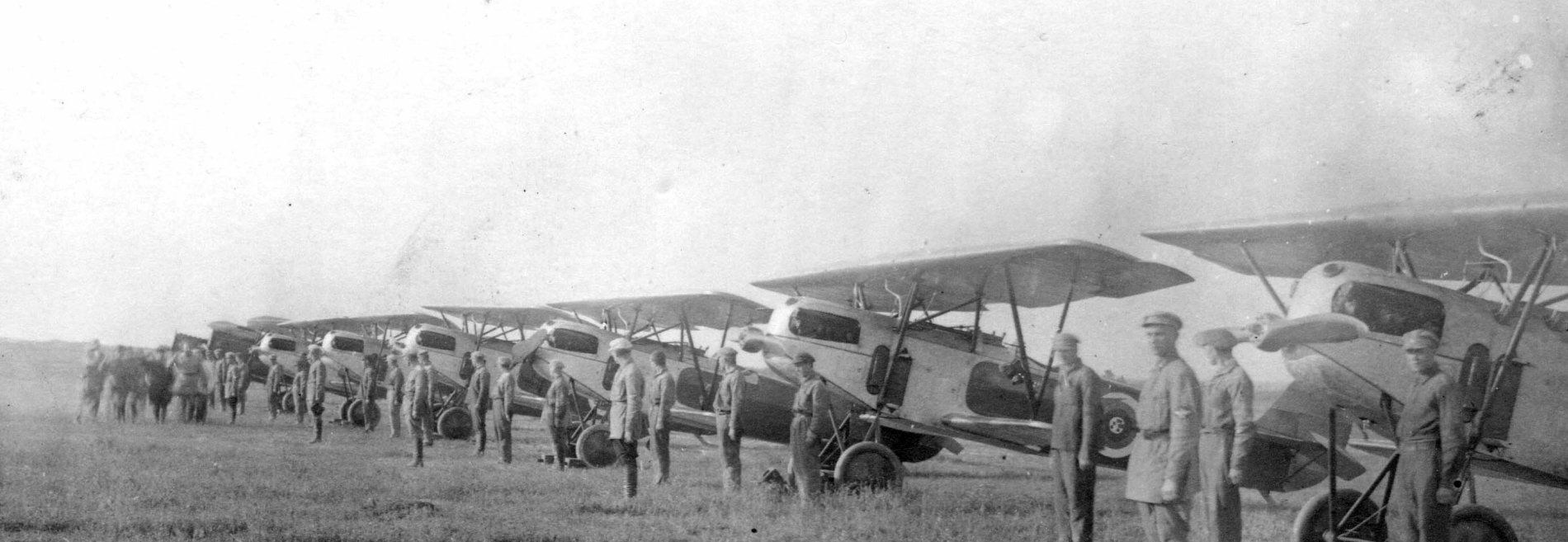
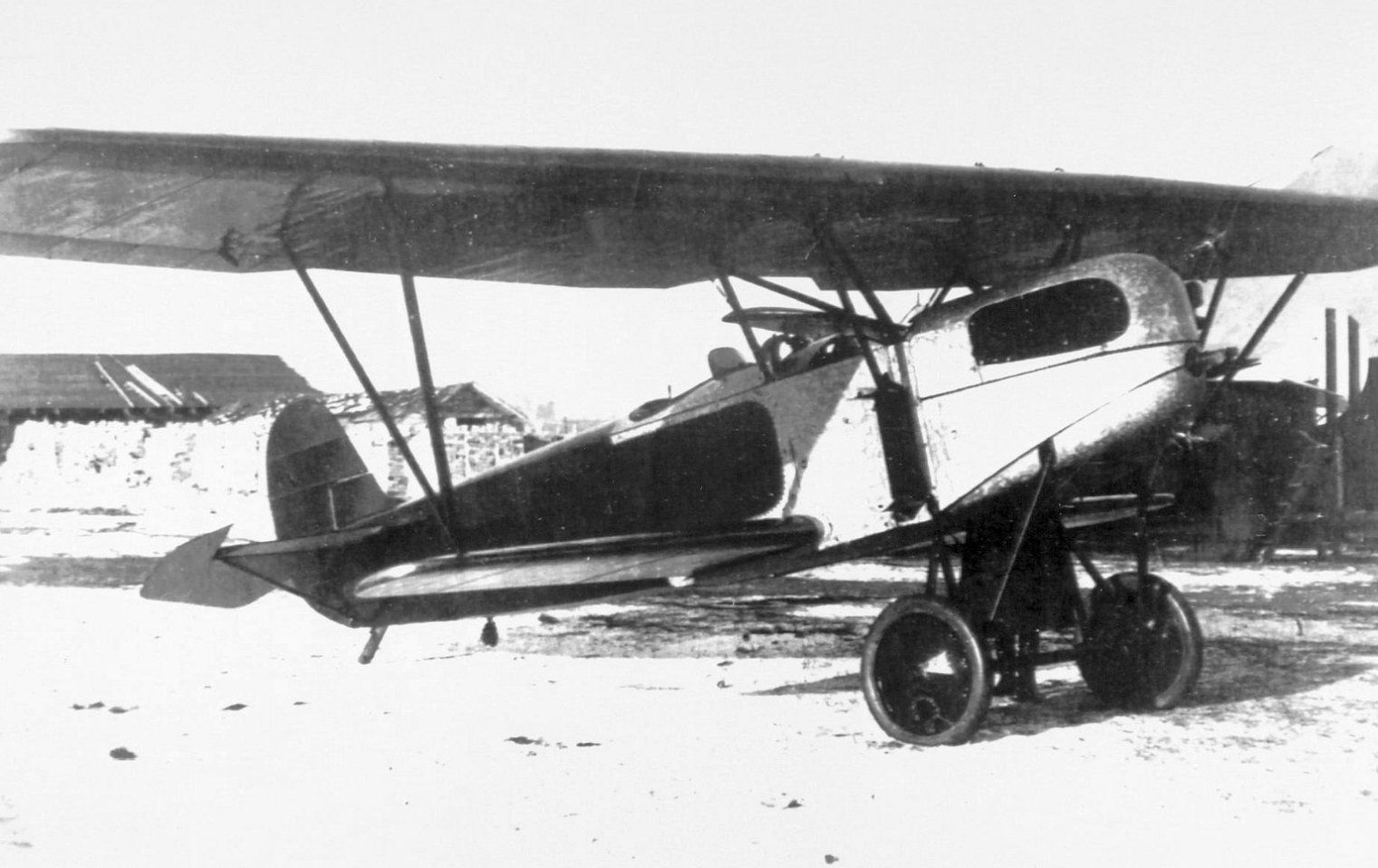
The Soviet Union even promised an order for 125 D.XI Hispanos. It was not until the end of 1923 that this final order was finalized.
But the German side acted more quickly. An order was placed in June 1923, with the D.XI Napier Lion being renamed shortly afterwards D.XIIIFokker started production immediately.
In January 1924, the German order was increased to 50 D.XIs and 50 D.XIIIs. However, when production of the D.XI was completed, it was decided to purchase only the D.XIIIs. These went to the secret German base at Lipetsk in the Soviet Union.
The D.XIs destined for Germany were stored by Fokker and later delivered to Romania.
The 125 D.XIs for the Soviet Union had already been shipped.
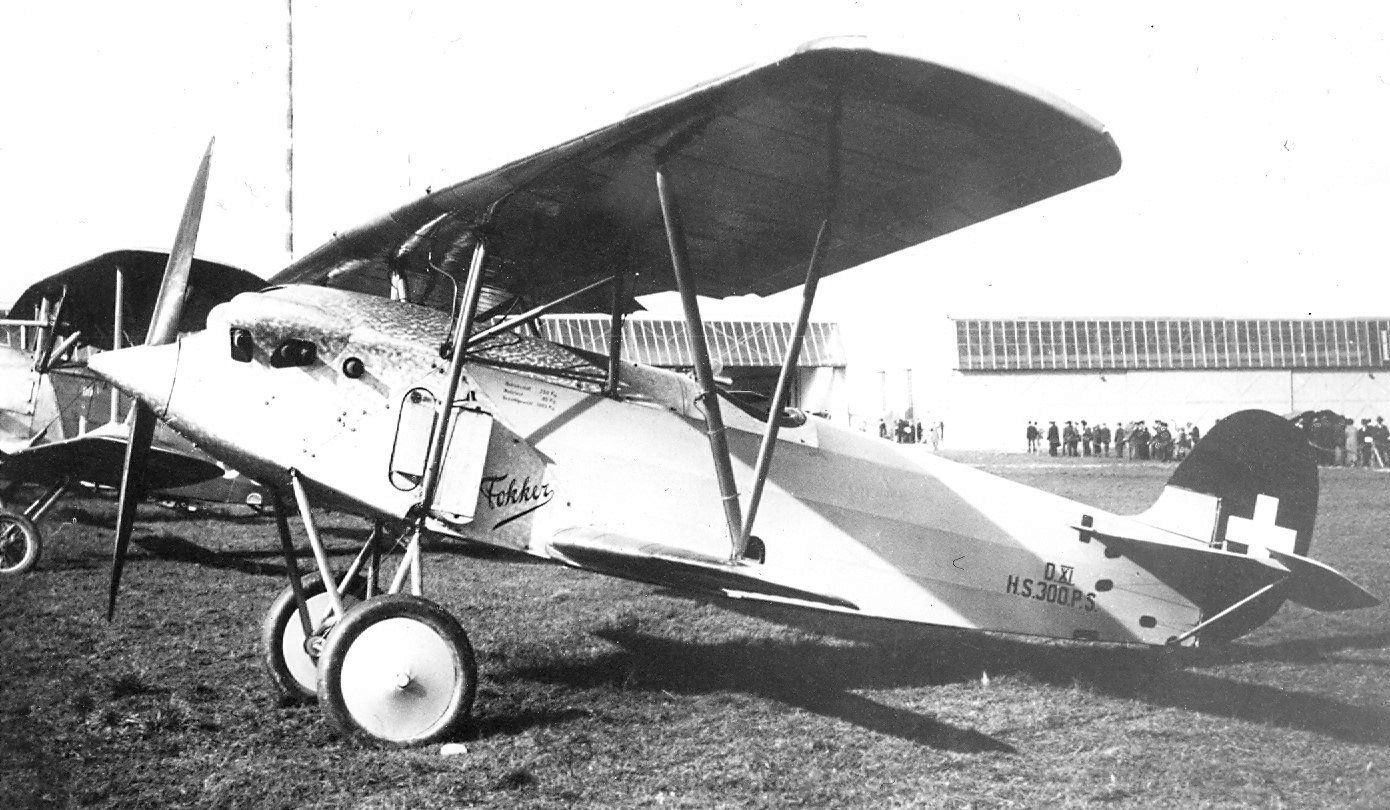
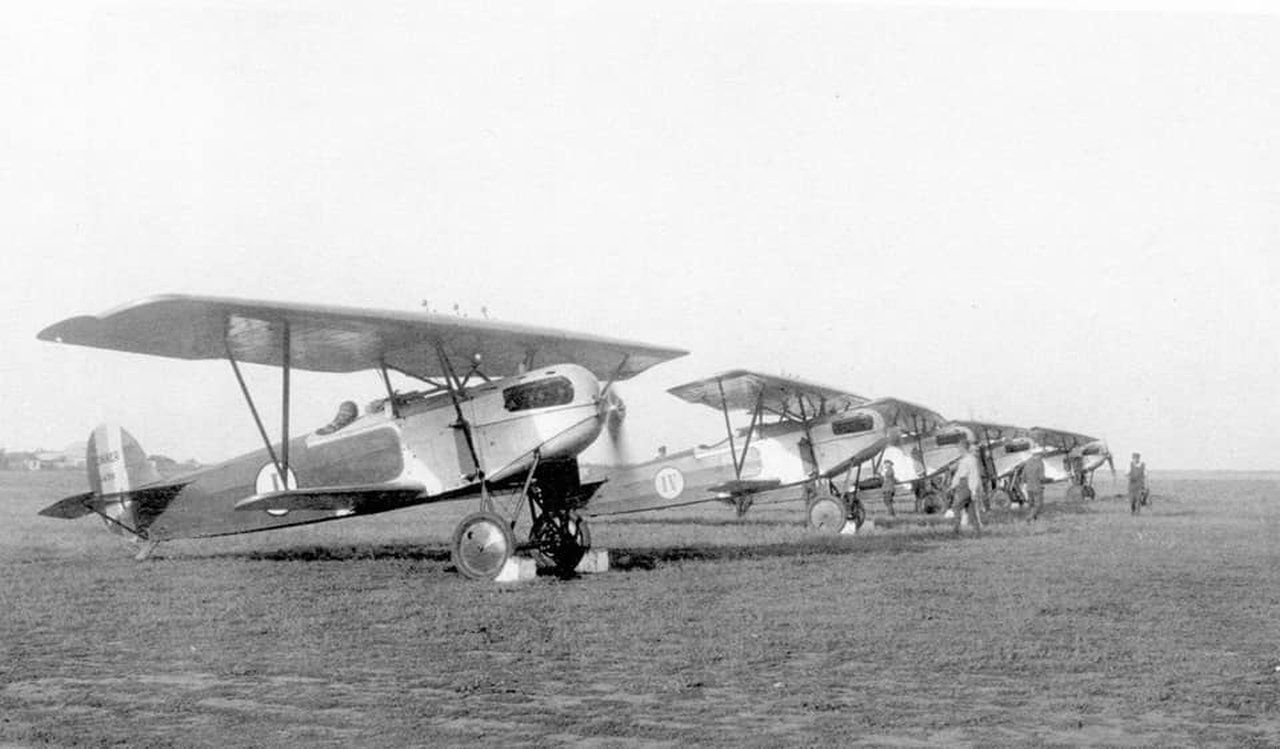
In addition to Germany and the Soviet Union, Spain and Argentina each purchased one D.XI. Switzerland purchased two of a later model of the D.XI.
Despite the many requests Fokker received for the aircraft, it remained at that volume. A D.XIII was sold to the Soviet Union, and Fokker used one to set a world speed record.
Click on the photo to enlarge the photo
Soviet Union
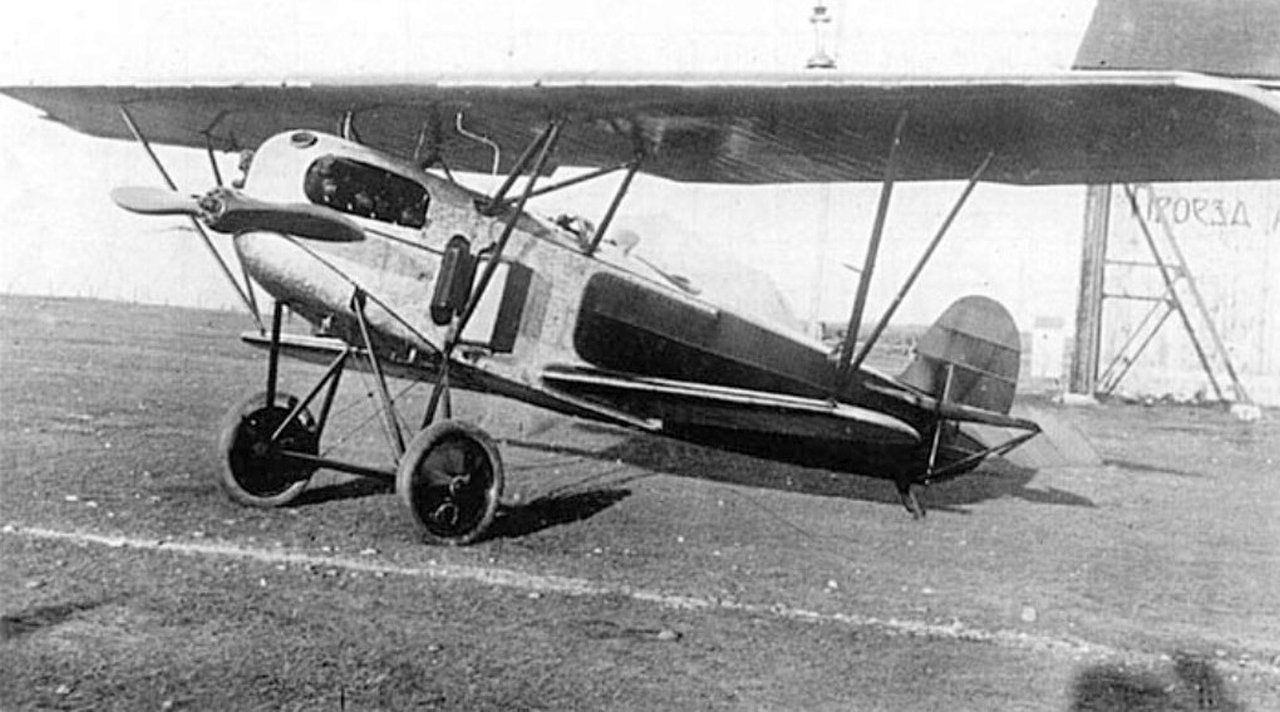
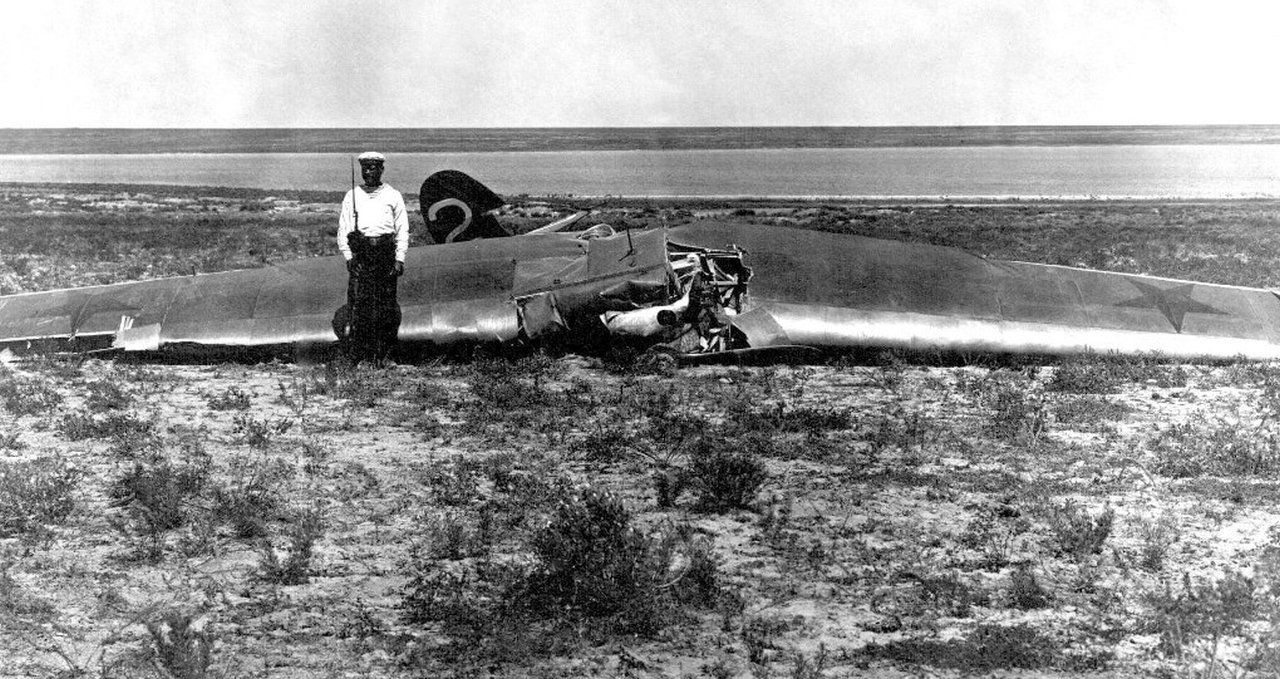
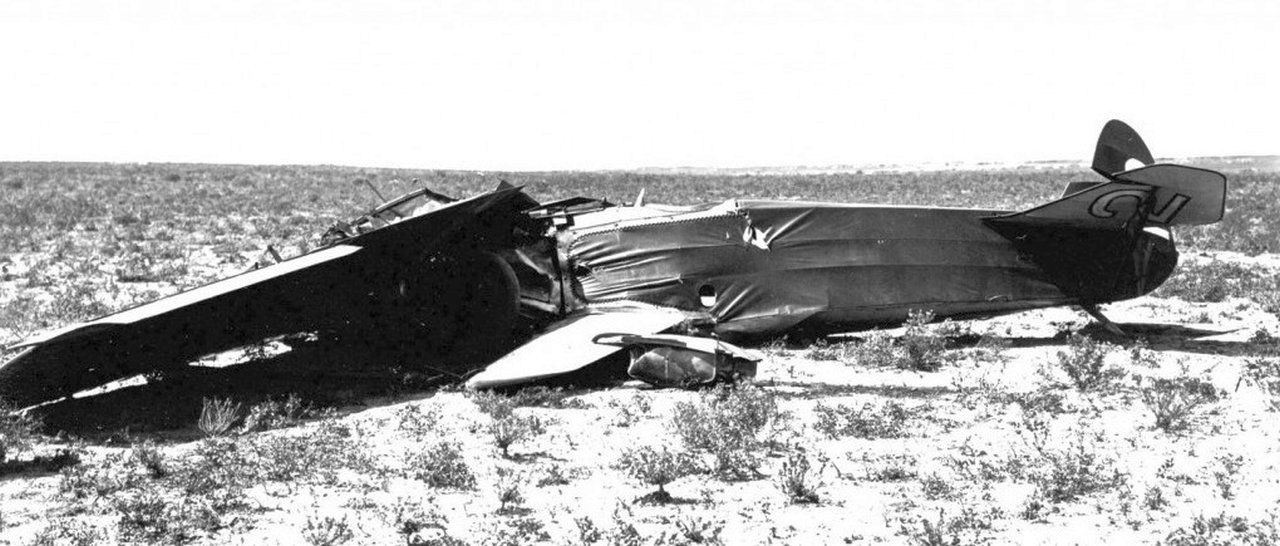
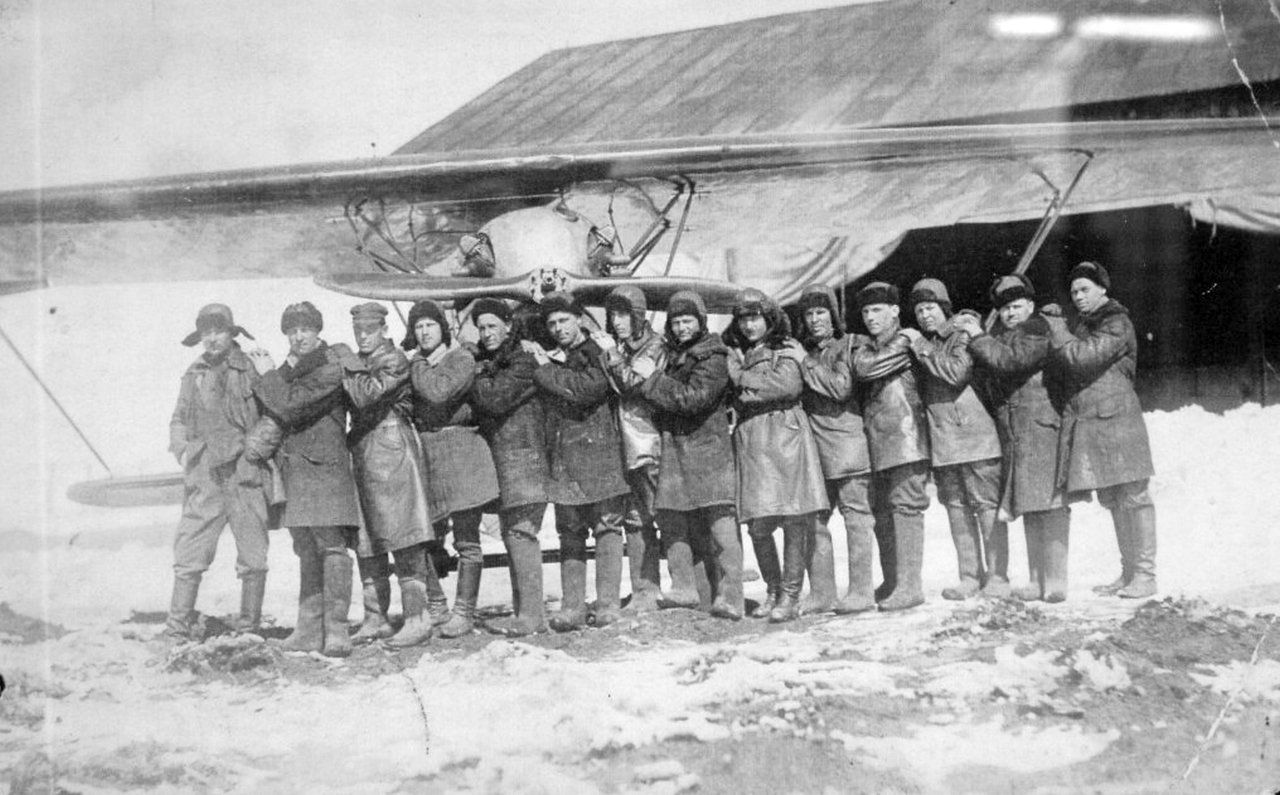
Other countries

Germany
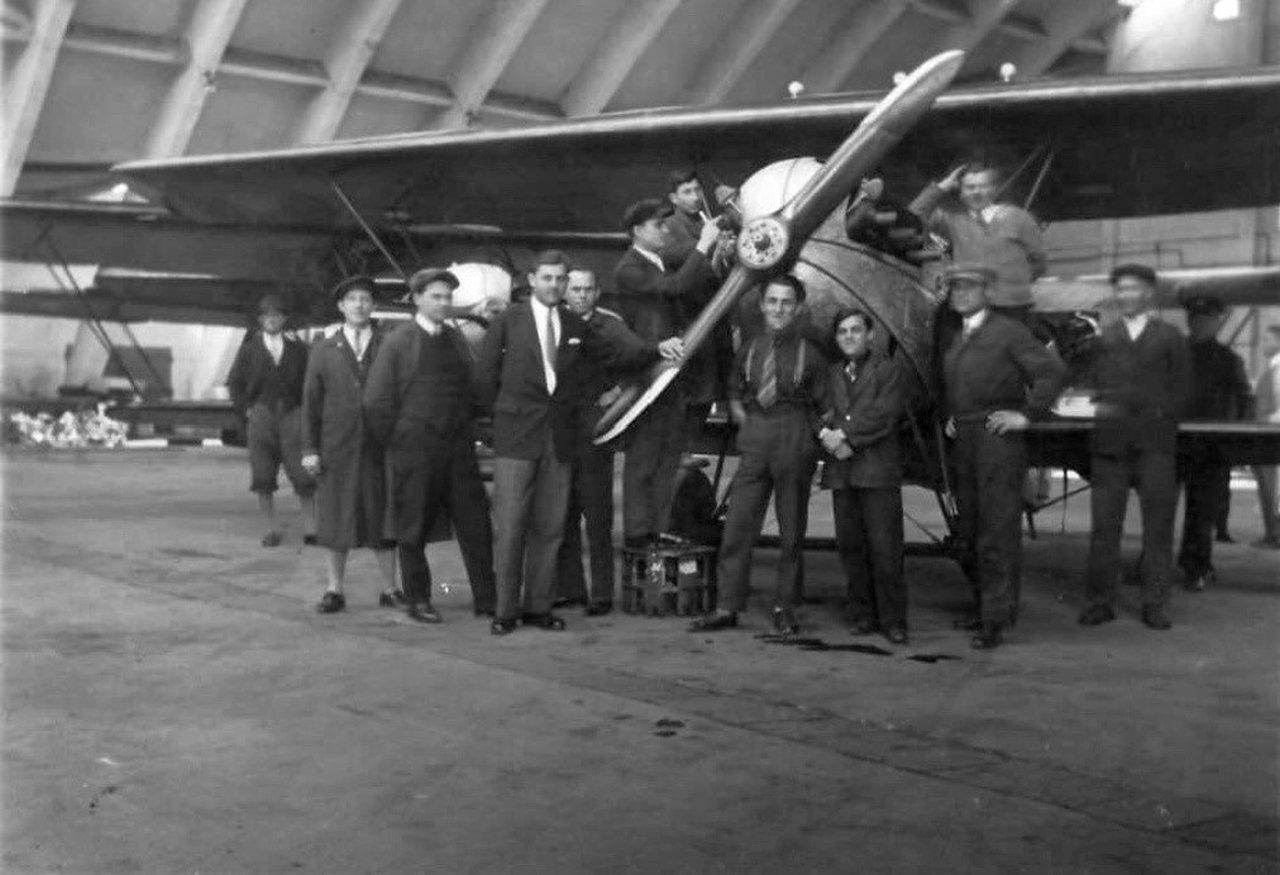
Because the order for Germany was cancelled, the devices were stored and later sold to Romania, so only photos from during production exist.