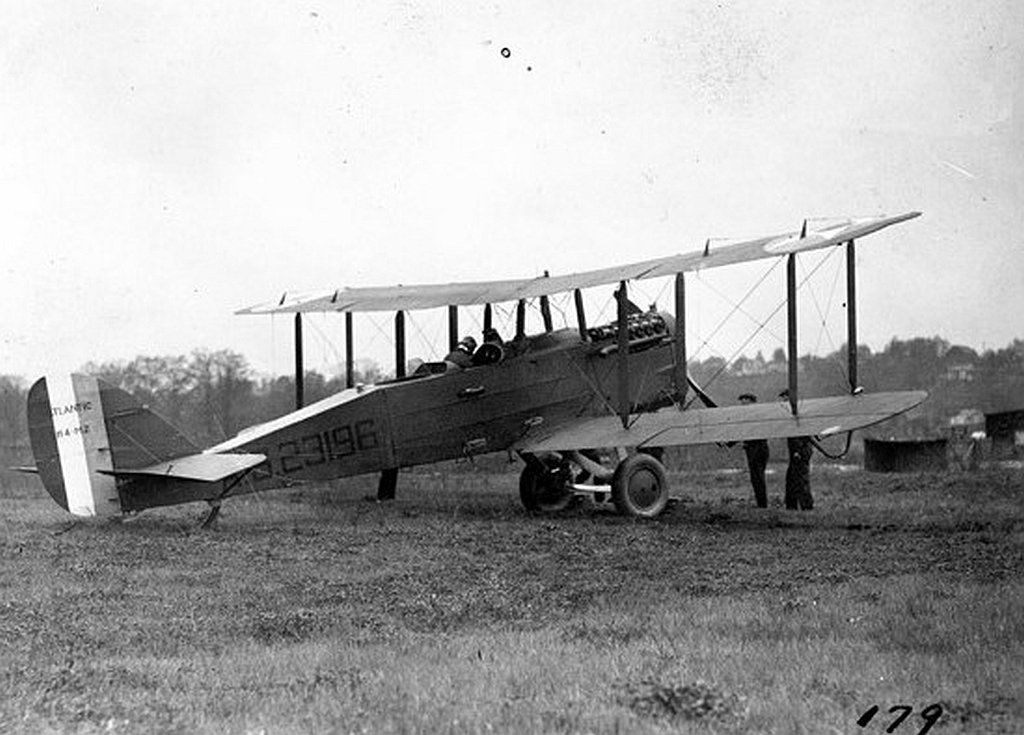
The Fokker Atlantic DH-4M-2
The De Havilland DH-4 was built under licence in large numbers in America from late 1917. Powered by the Liberty engine, Dayton Wright, Fisher Body and Standard delivered nearly five thousand aircraft. About the same number were cancelled after the war. Even so, it went on to become the Army Air Service’s most important aircraft.
Small numbers of further-developed DH-4s continued to be built after the war.
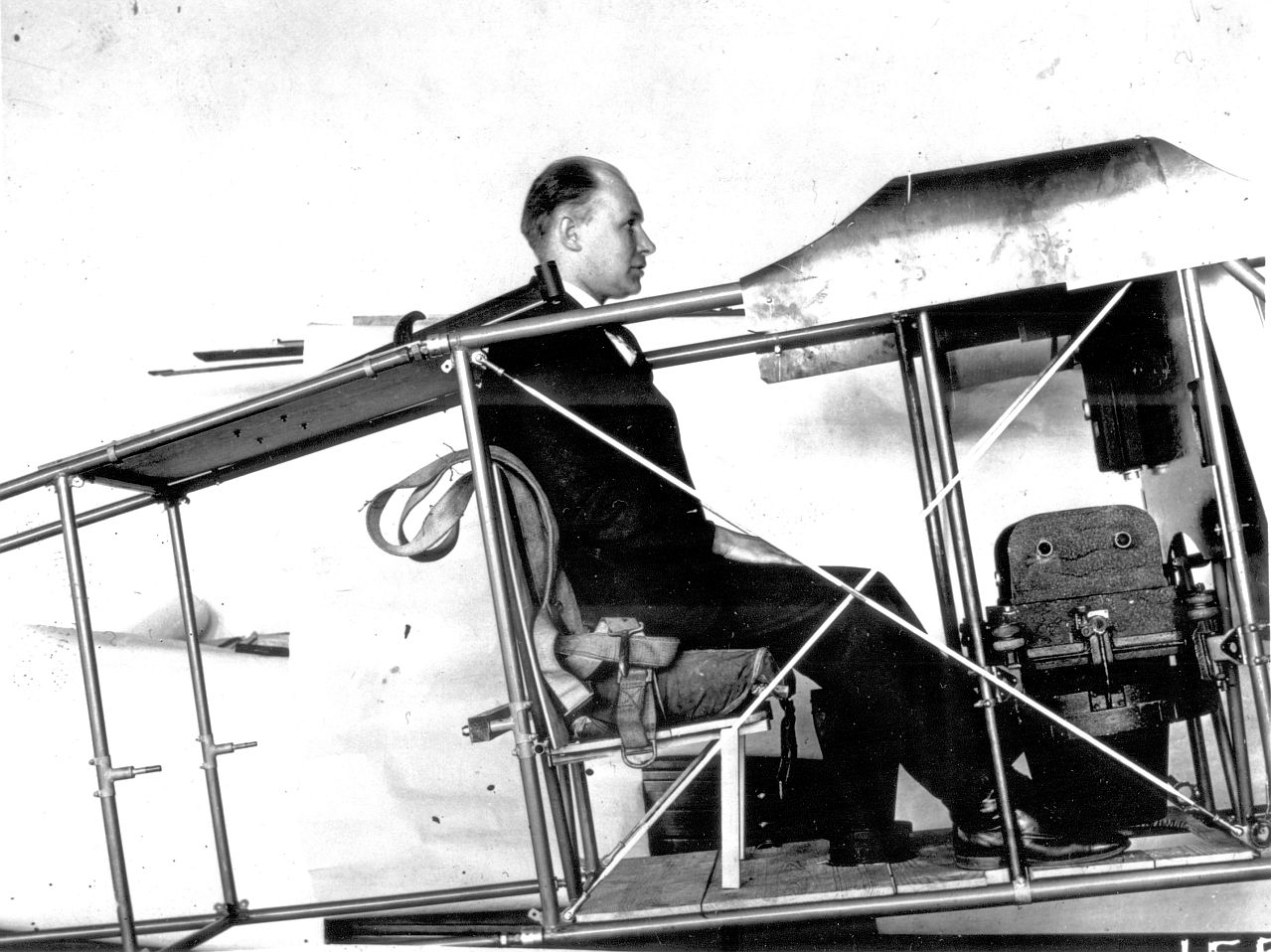
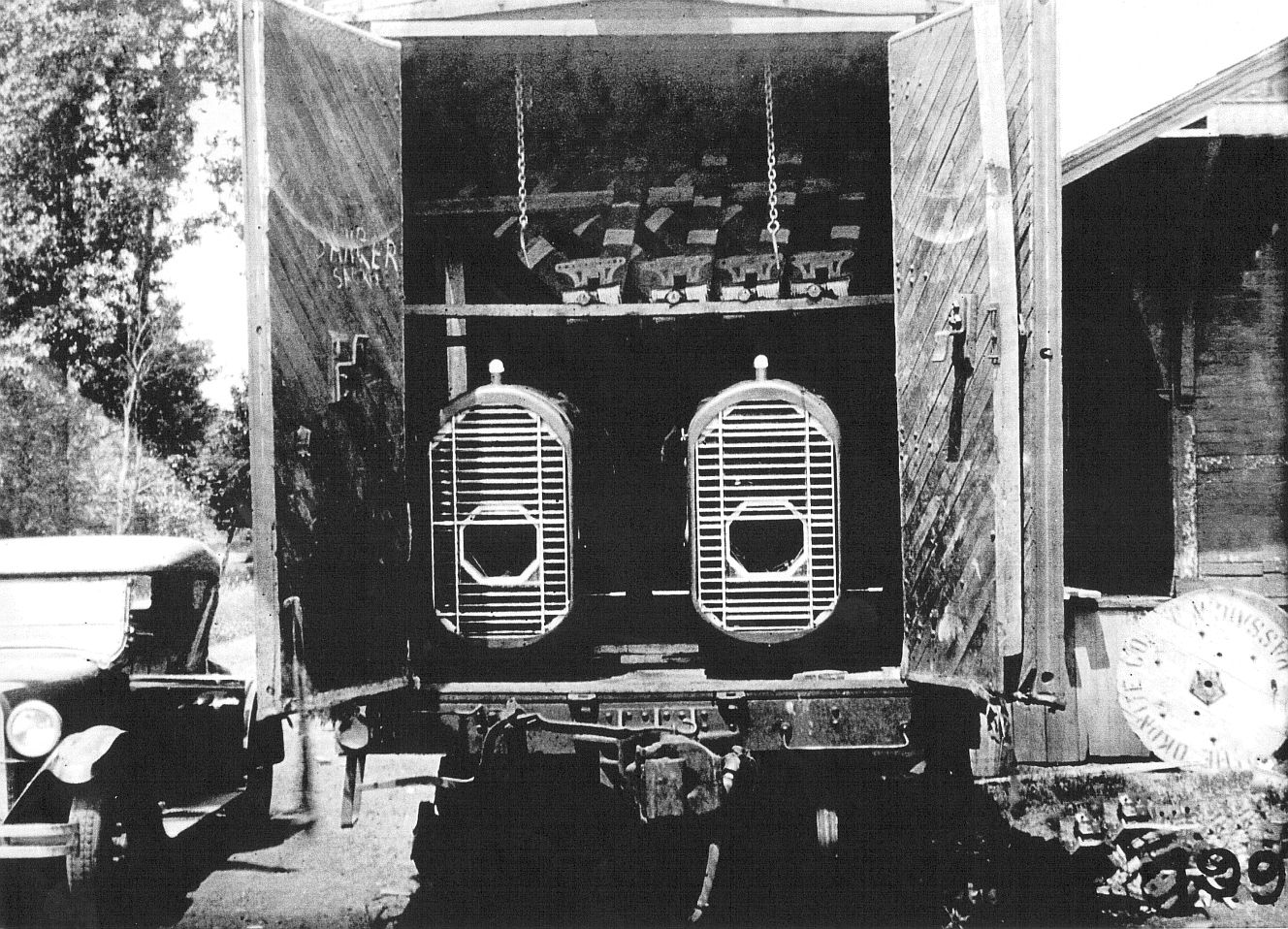
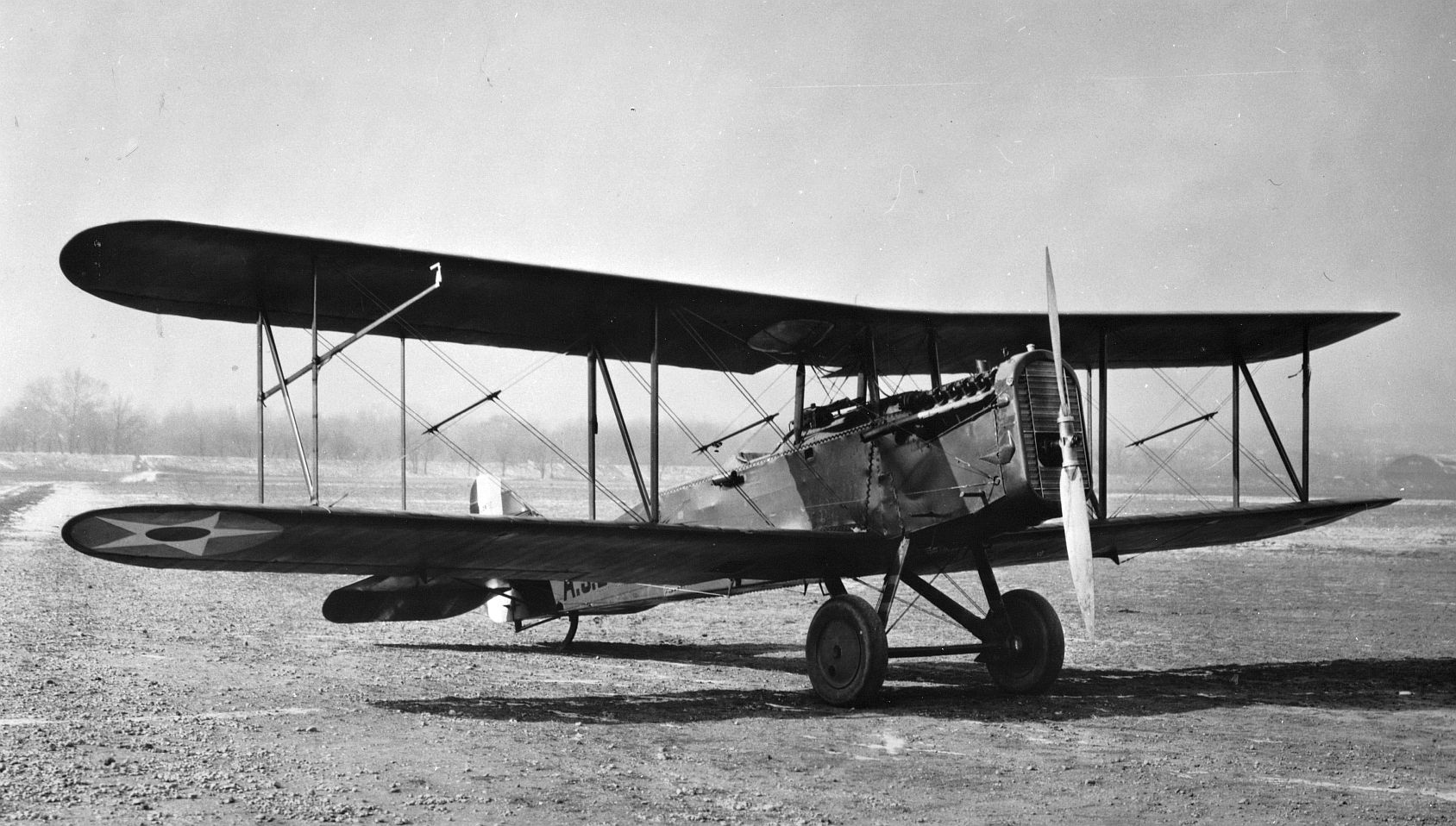
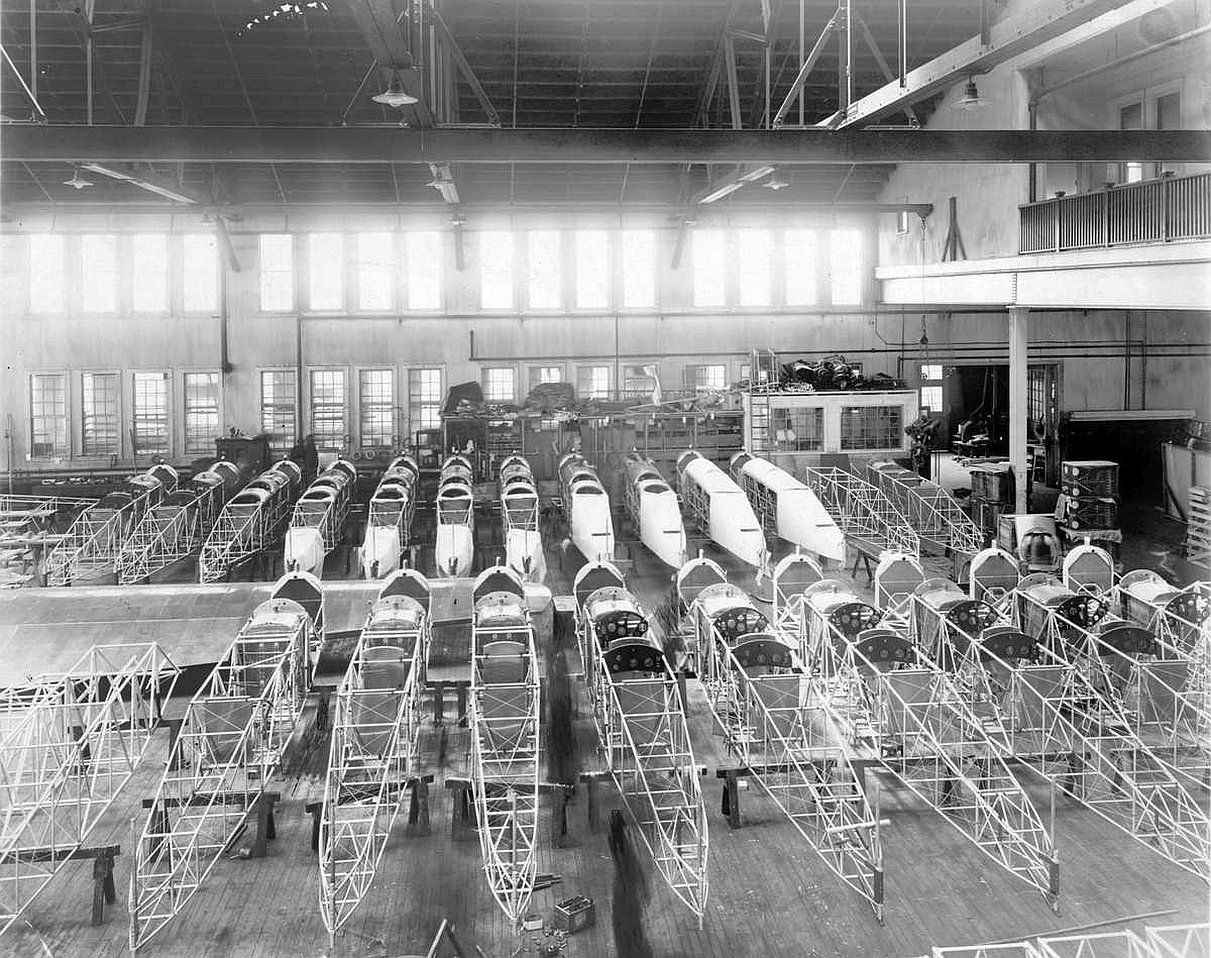
However, the wooden fuselage frame proved vulnerable. During his visit to the Netherlands in 1922, General Mitchell was impressed by Fokker’s steel-tube fuselages. This would pay off a few years later.
In April 1924, a further modernisation programme for the DH-4 was in the works. The specification was tailor-made for Fokker. Bids from industry were due by 30 April. By 15 May, Noorduyn could report that AAC’s bid had been accepted.
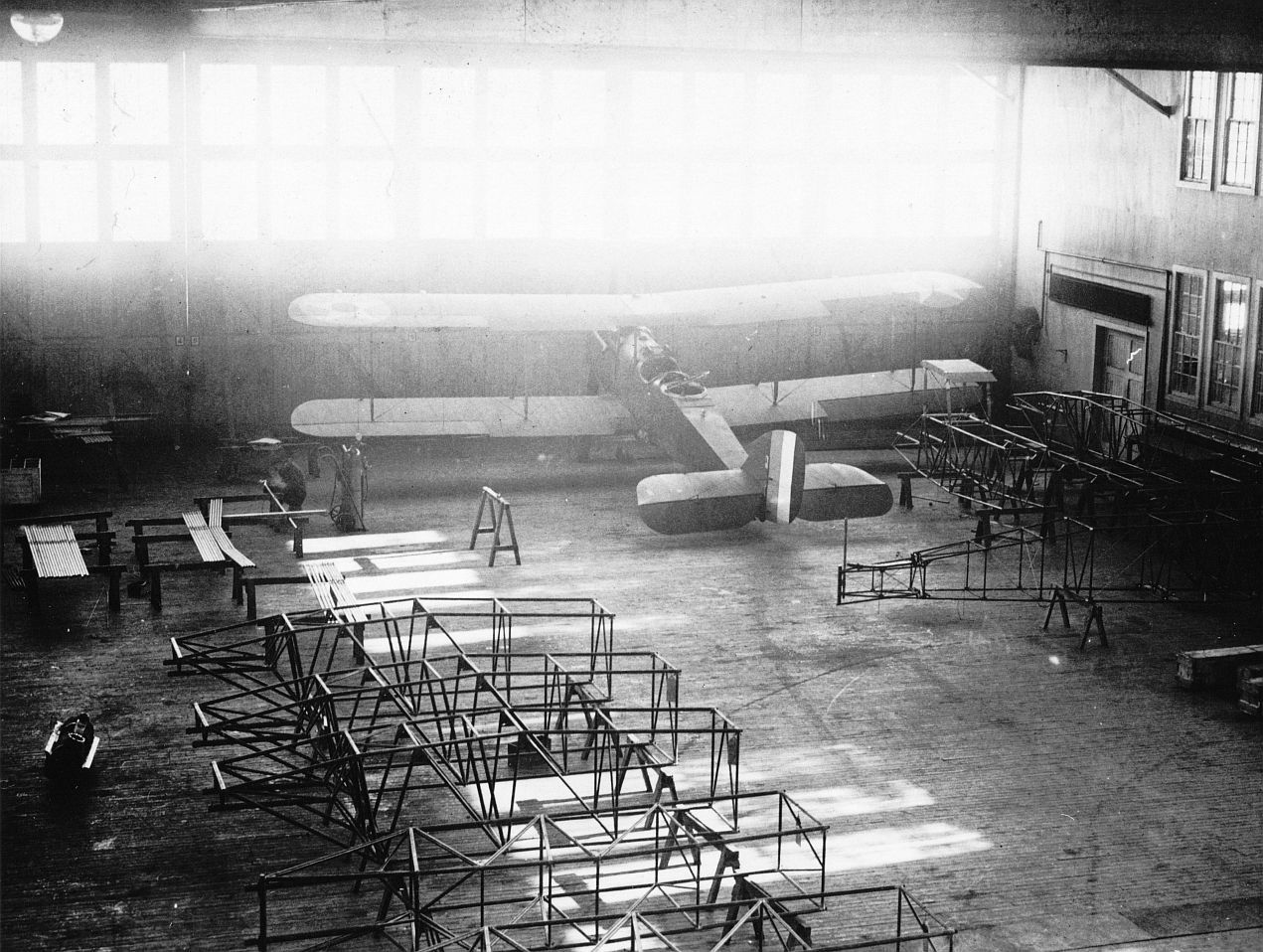
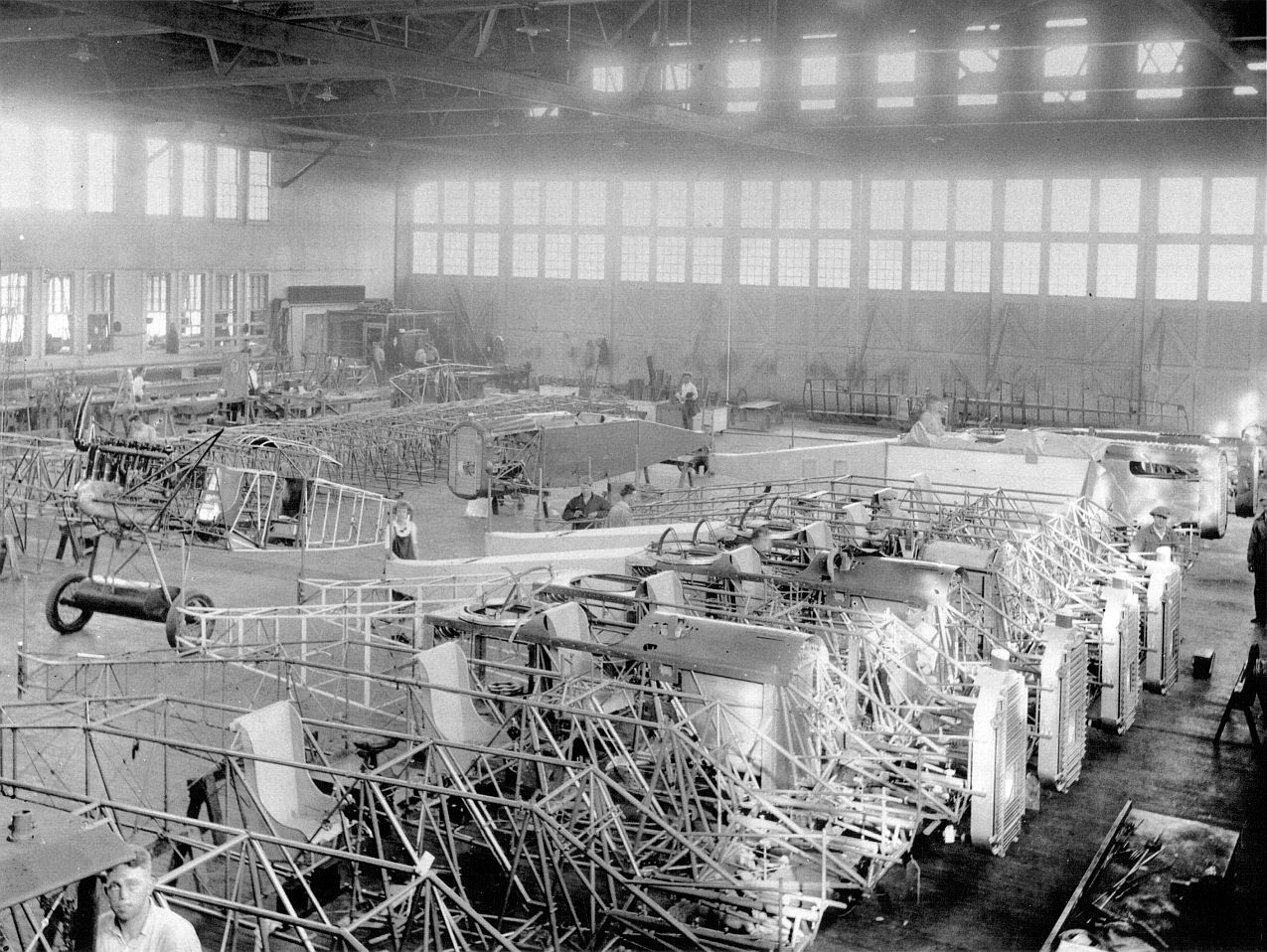
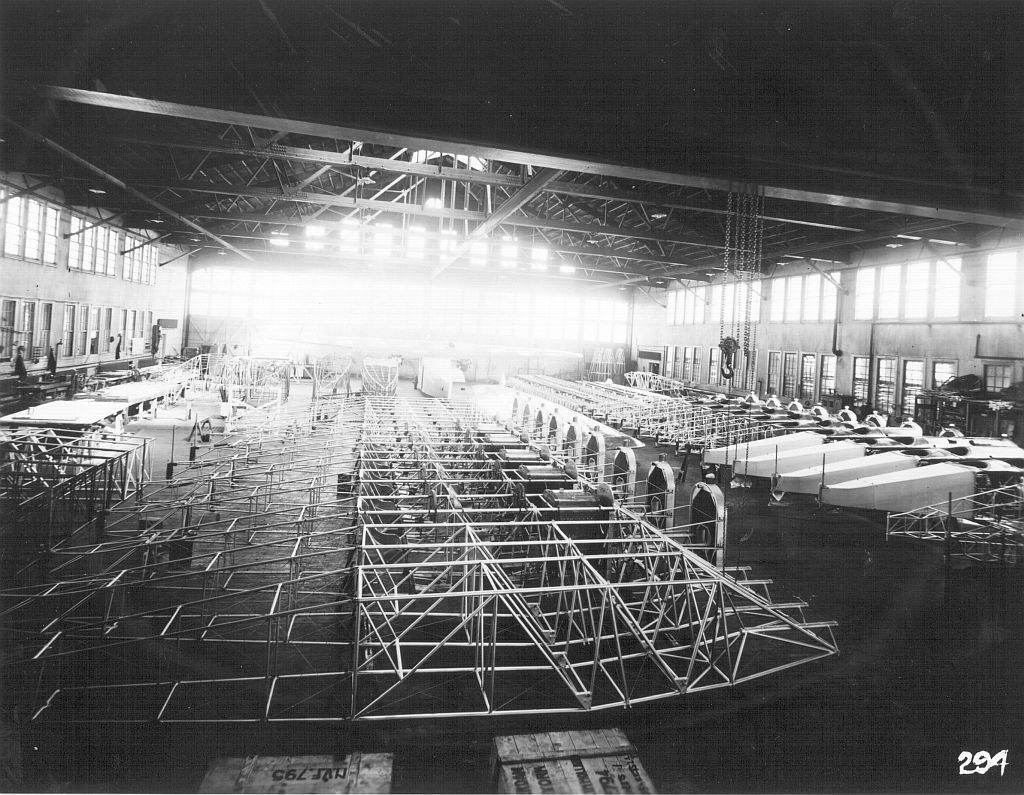
Although AAC was not the lowest bidder, it won the contract. This comprised 100 new fuselages, which were assembled with existing parts at the Fairfield Depot in Dayton.
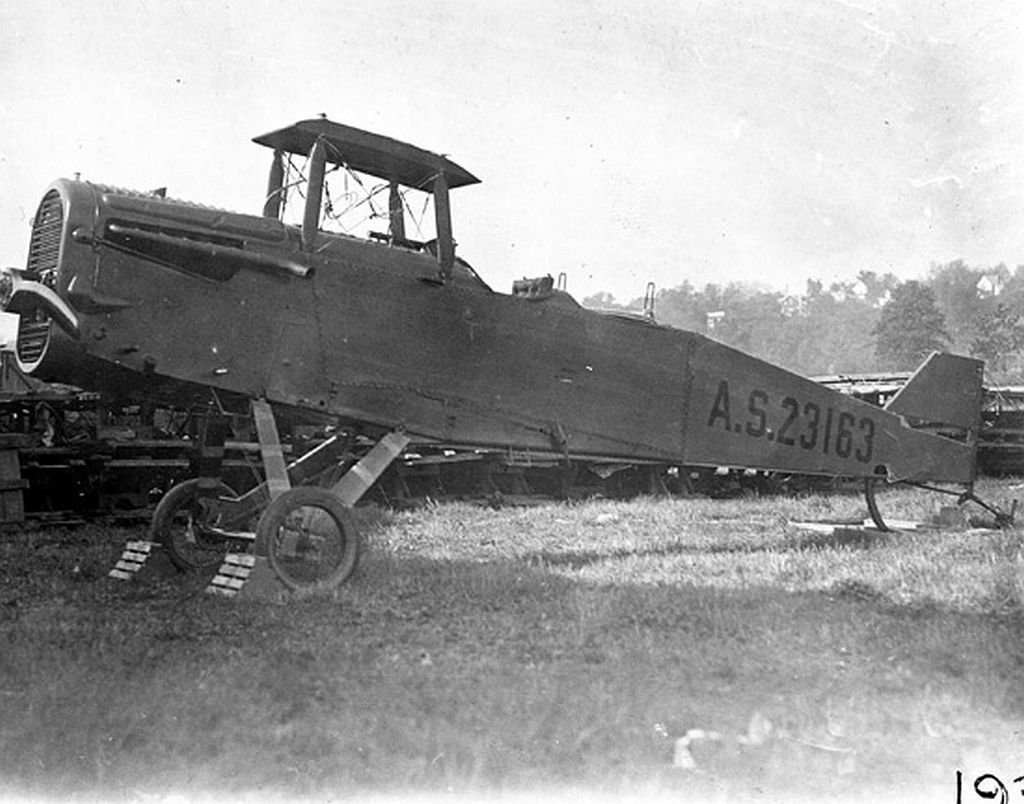
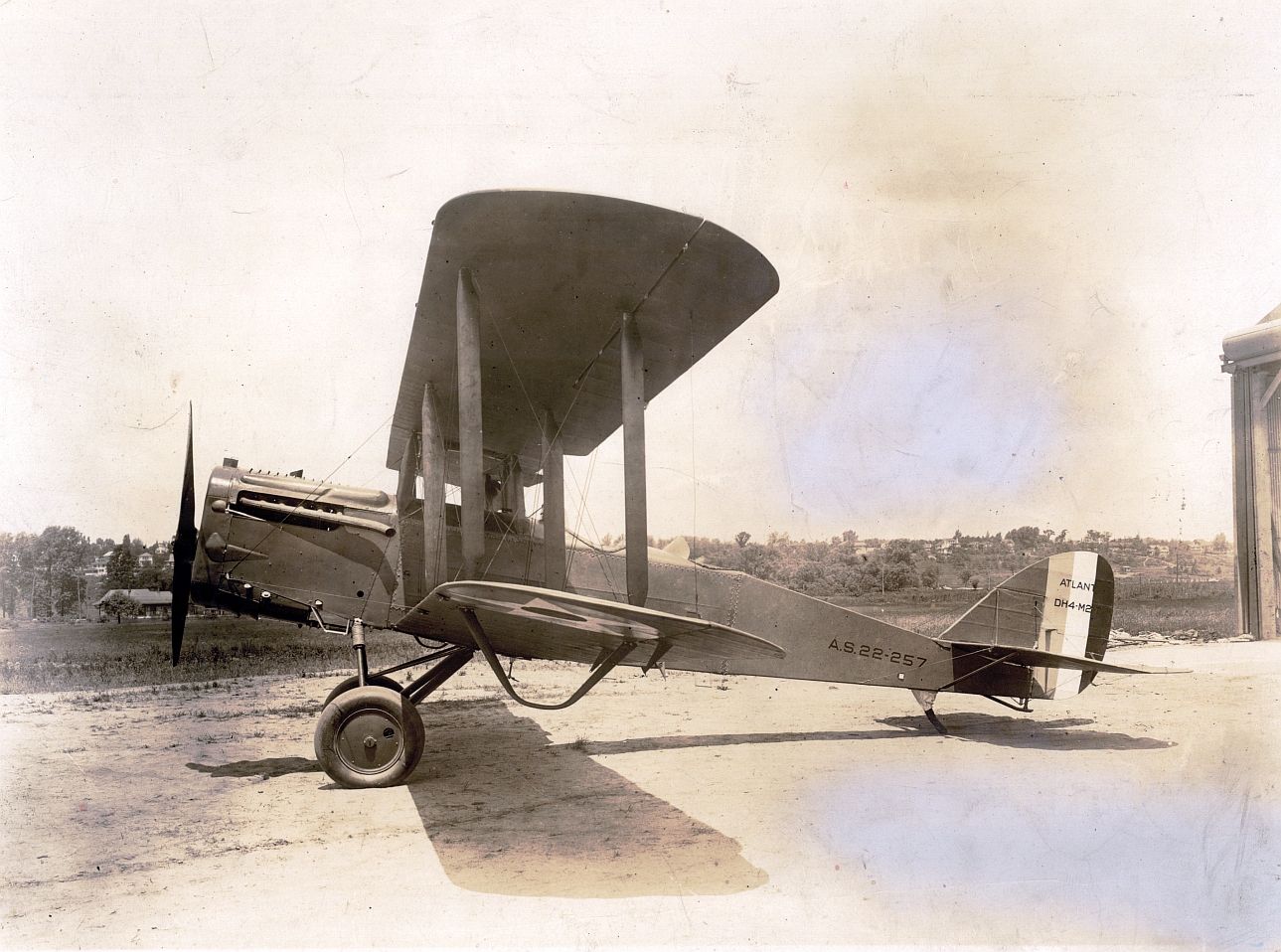
The ‘new’ aircraft were given the serial numbers of DH-4s already withdrawn from service. This made it possible to use maintenance funds for the contract.
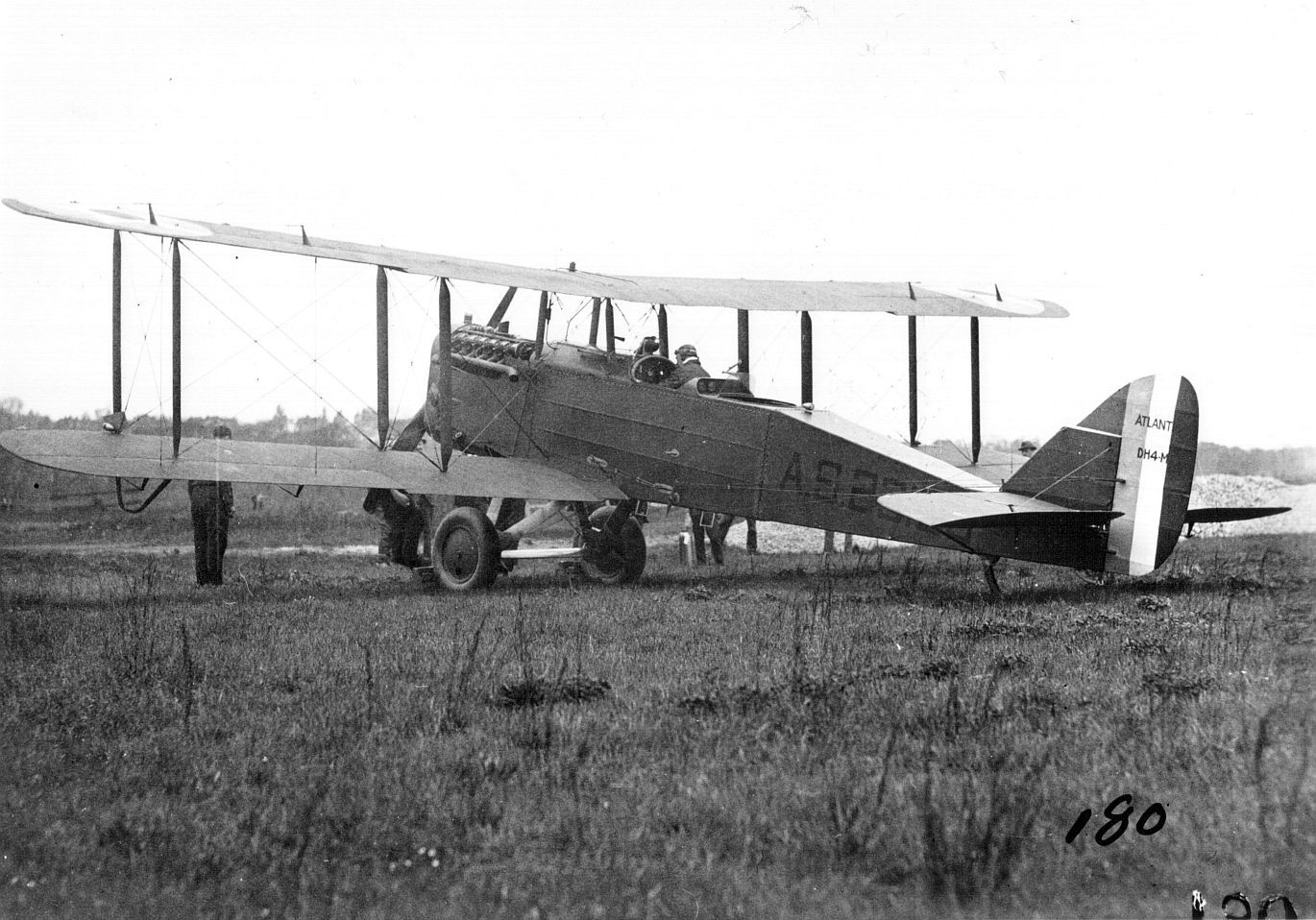
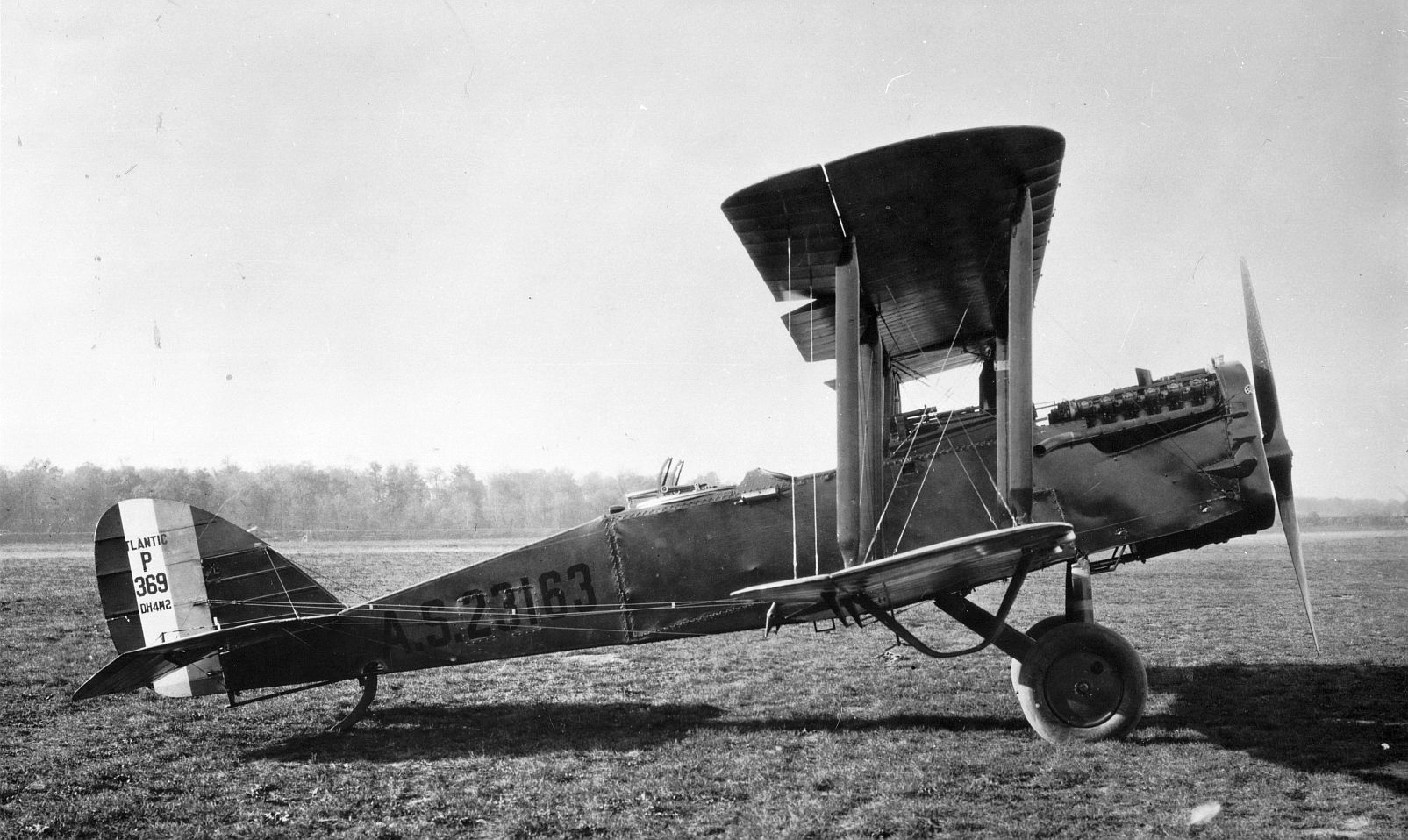
The aircraft were designated DH-4M-2 (Boeing was already building DH-4M-1s). The contract was divided into
- 65 reconnaissance aircraft
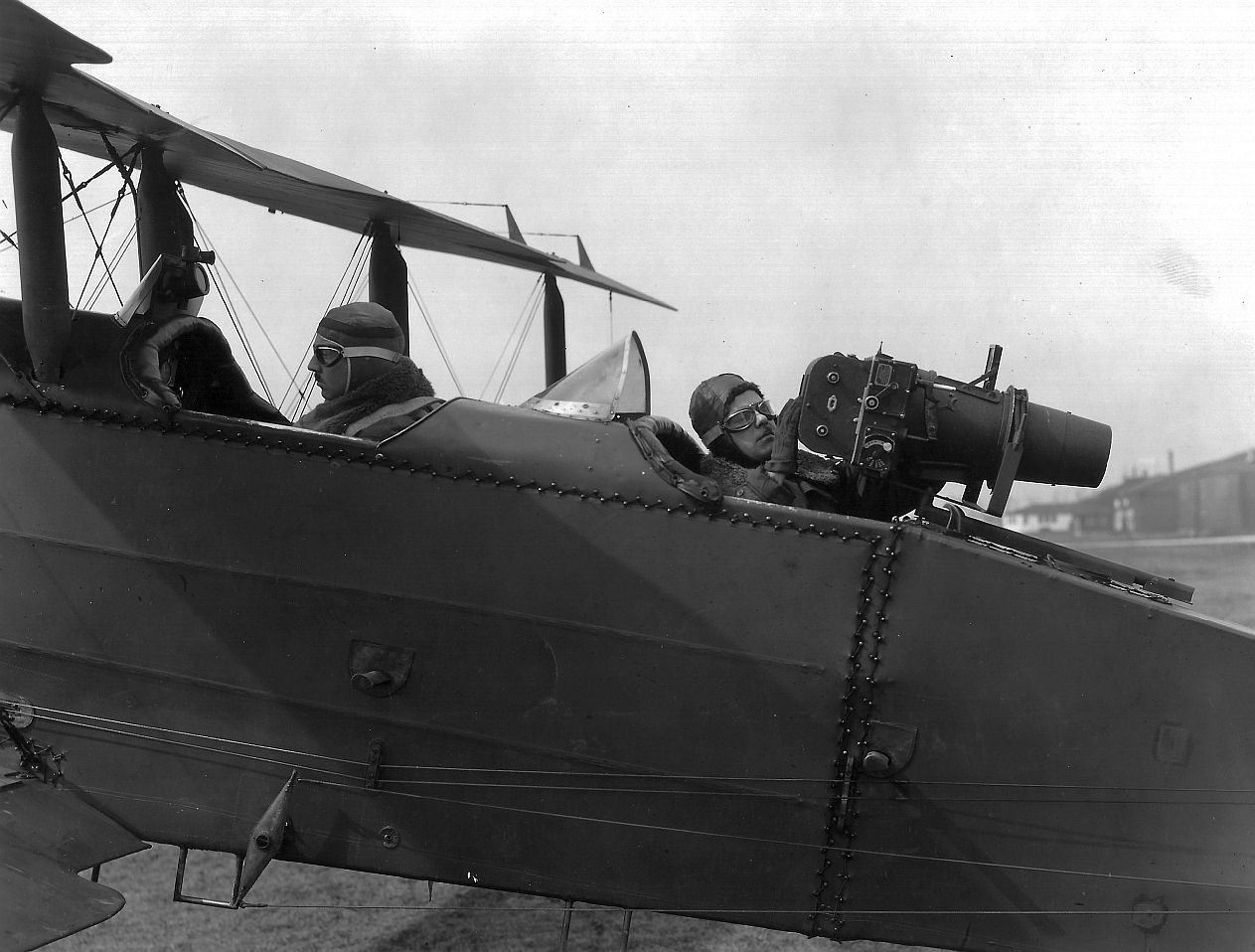
- 25 photographic aircraft (DH-4M-2P)
- 10 reconnaissance aircraft with supercharger (DH-4M-2S). (the supercharger was a compressor that forced air into the cylinders under high pressure).
In mid-1925, AAC received a follow-on contract for 35 DH-4M-2T trainer fuselages.
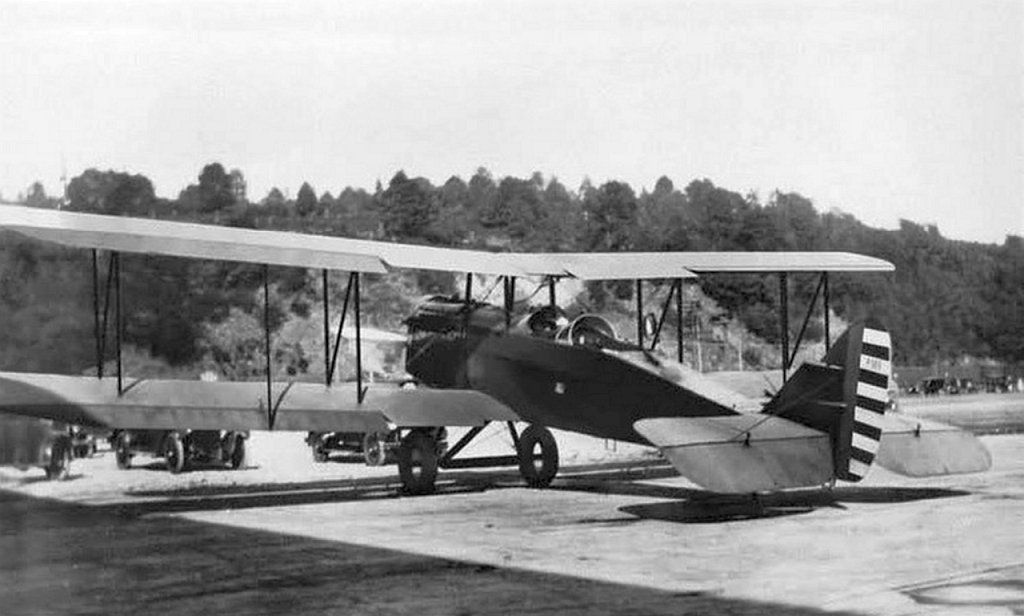
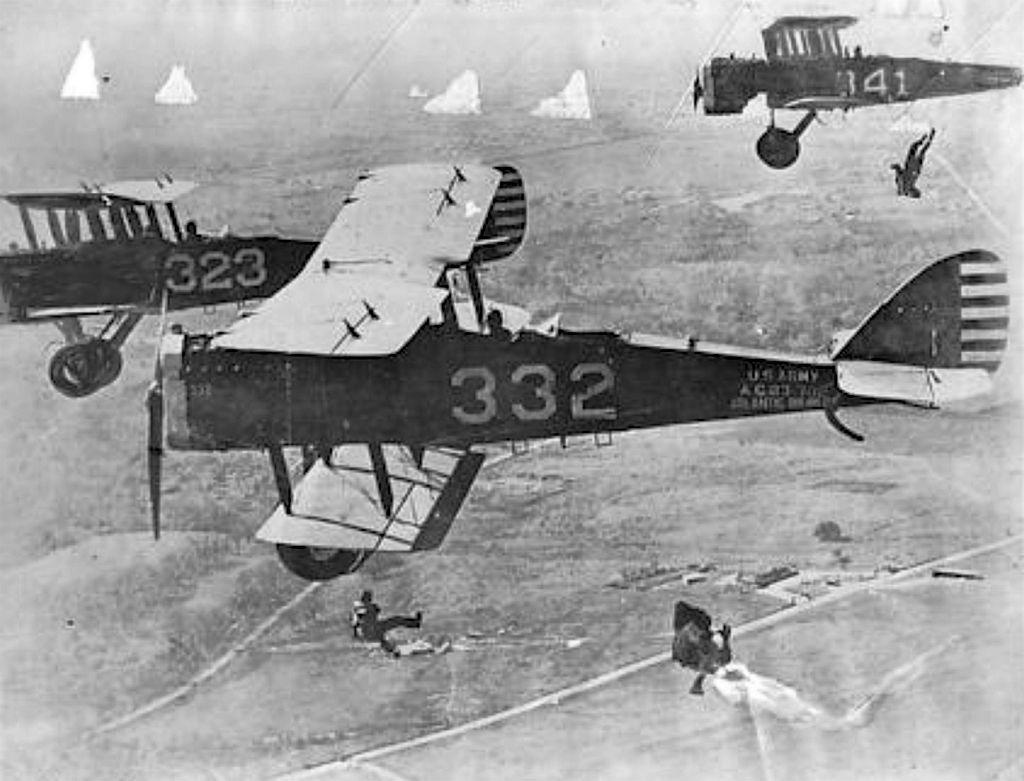
The DH-4M-2s were assigned to almost all the major Air Service airfields. They saw intensive use, with some still in service in the early 1930s.
Some were also designated DH-4M-2A (for air mail routes) and DH-4M-2K (as target tugs).
One fuselage was fitted with a new wing design at McCook Field and designated XCO-8.
Click the photo to enlarge