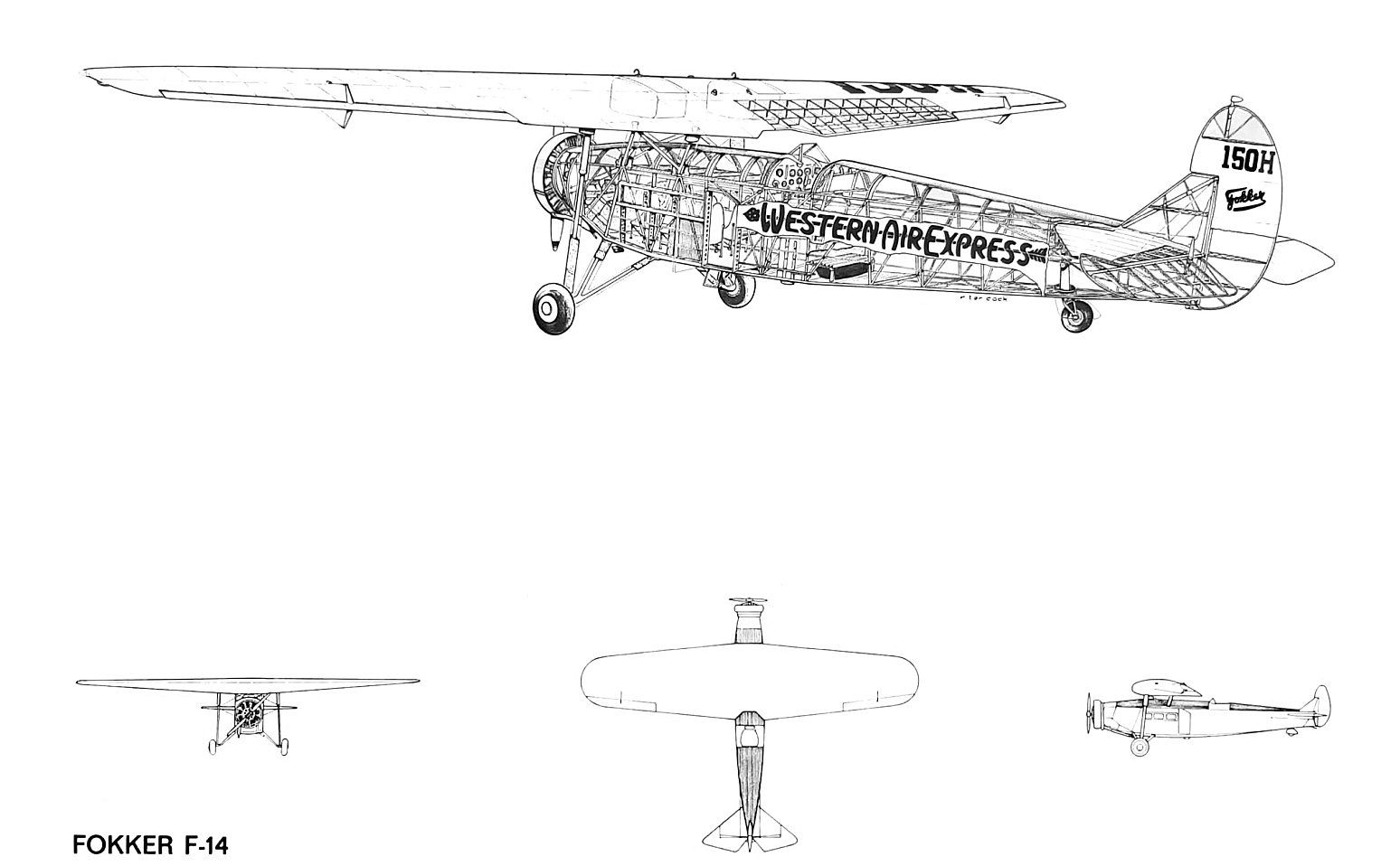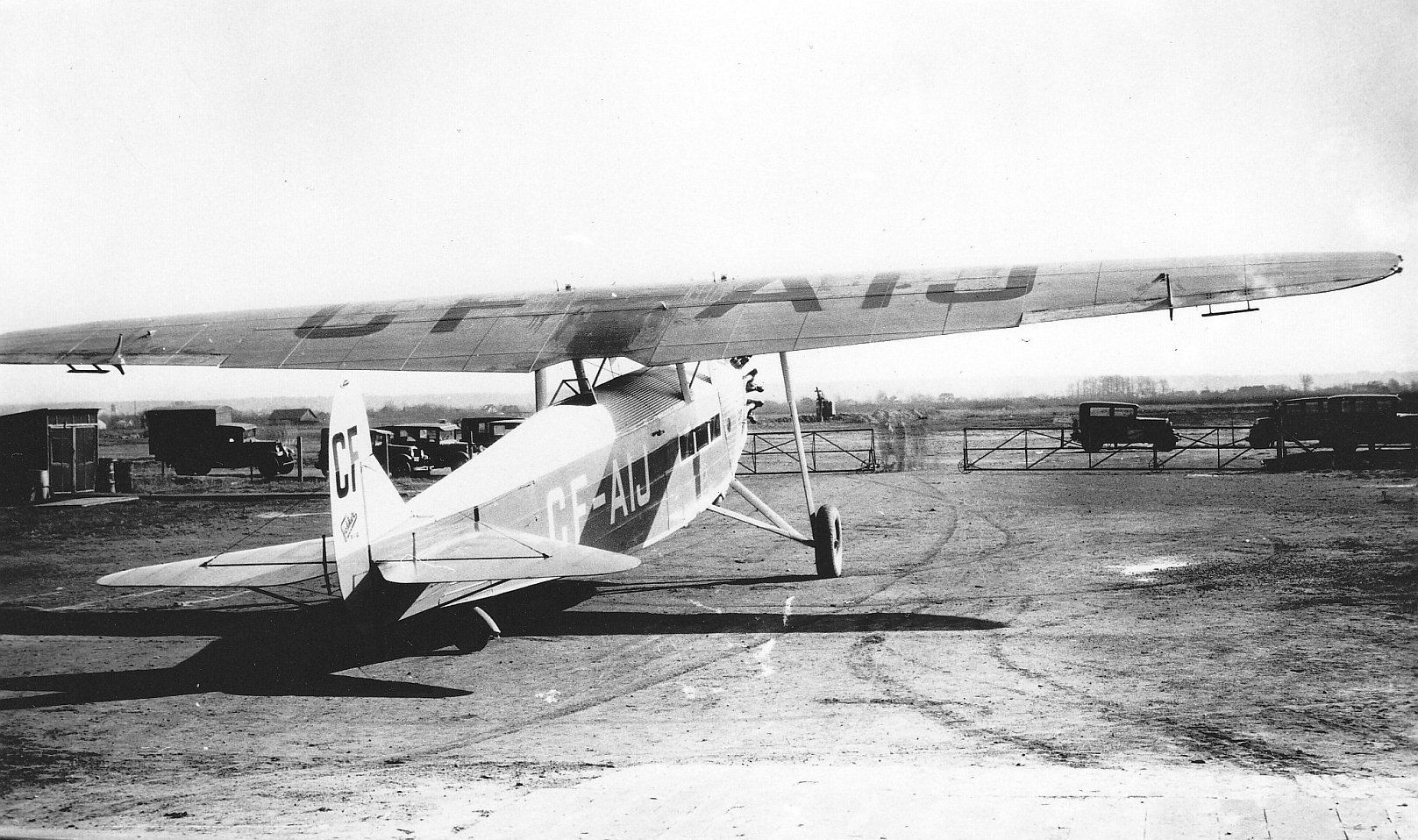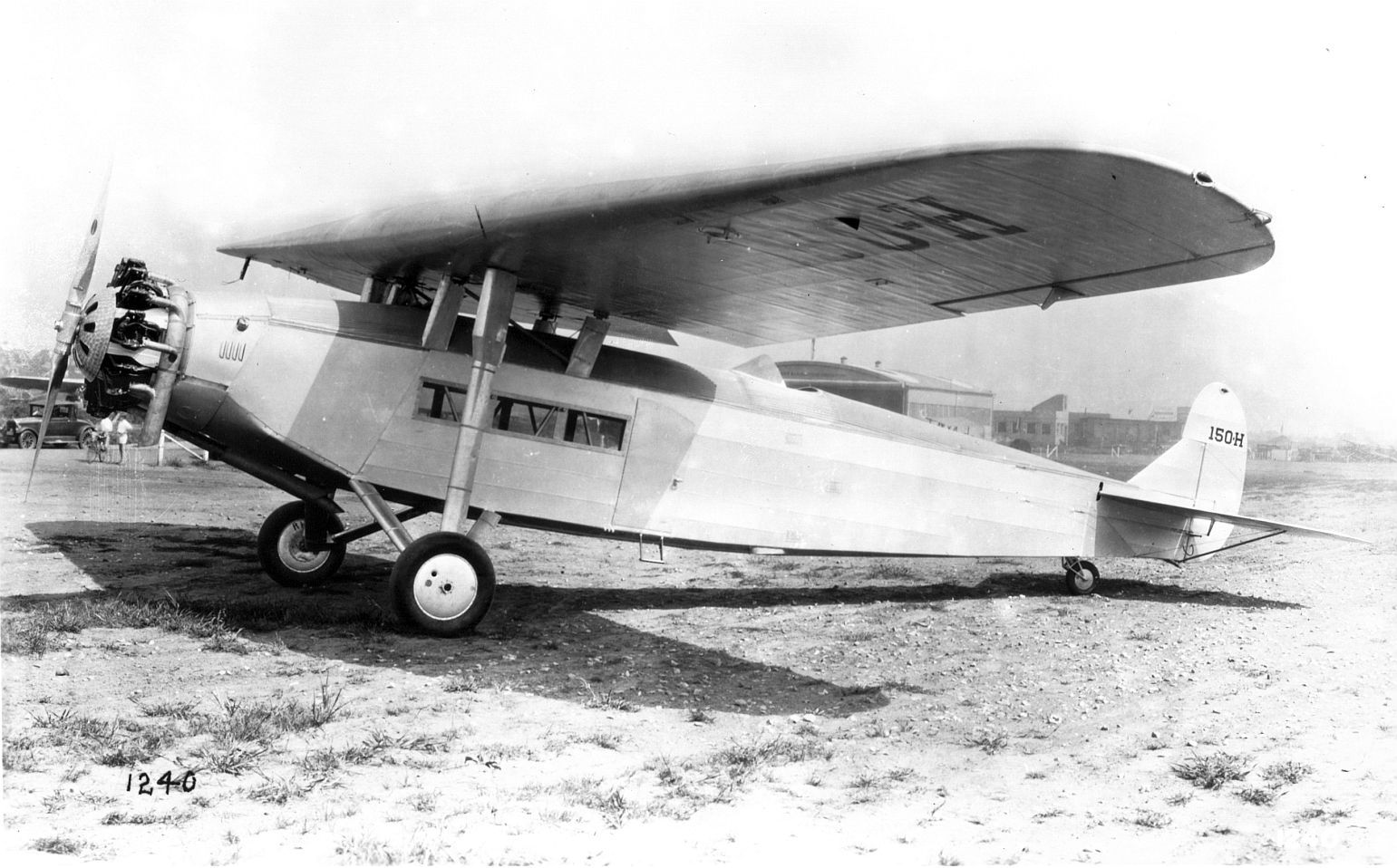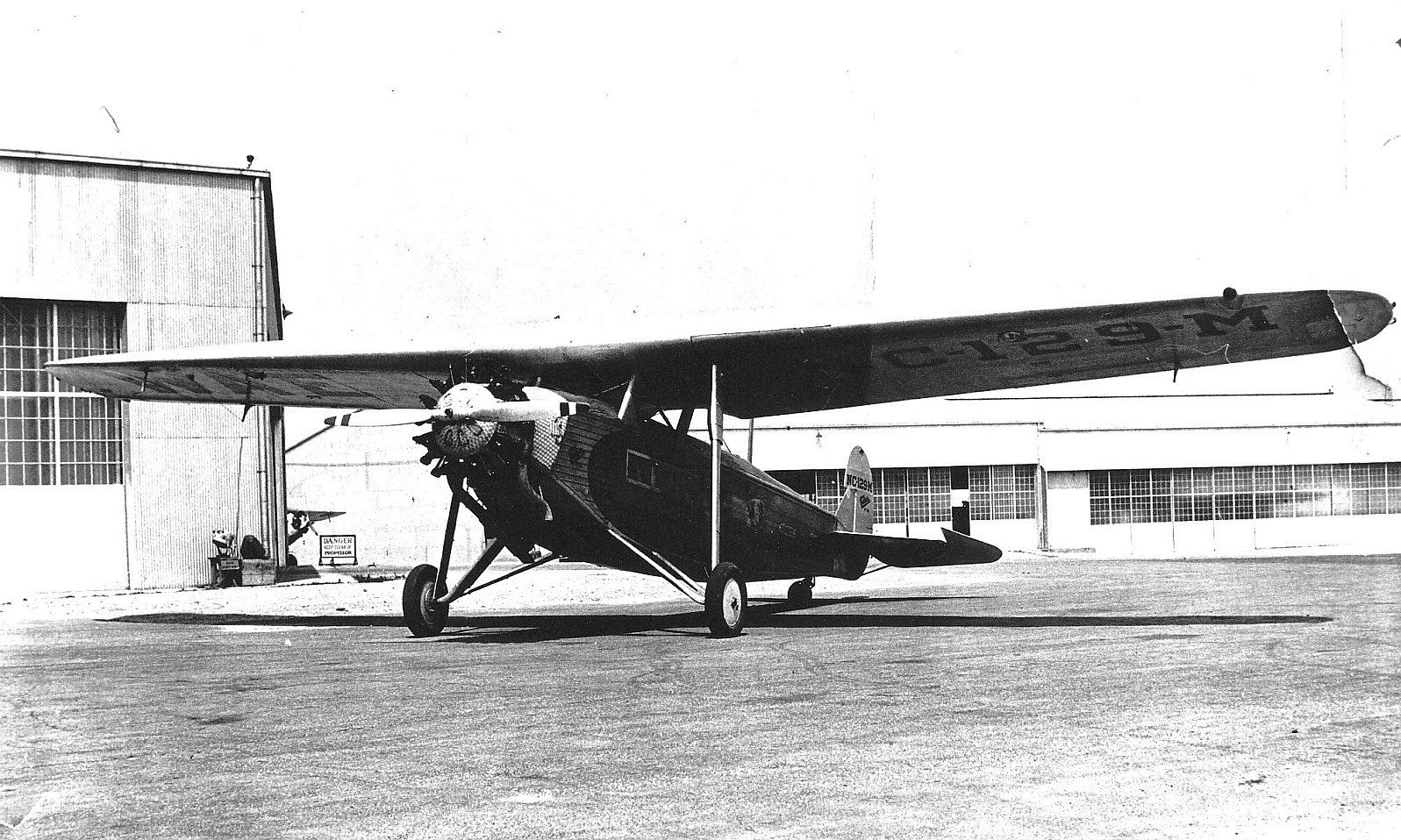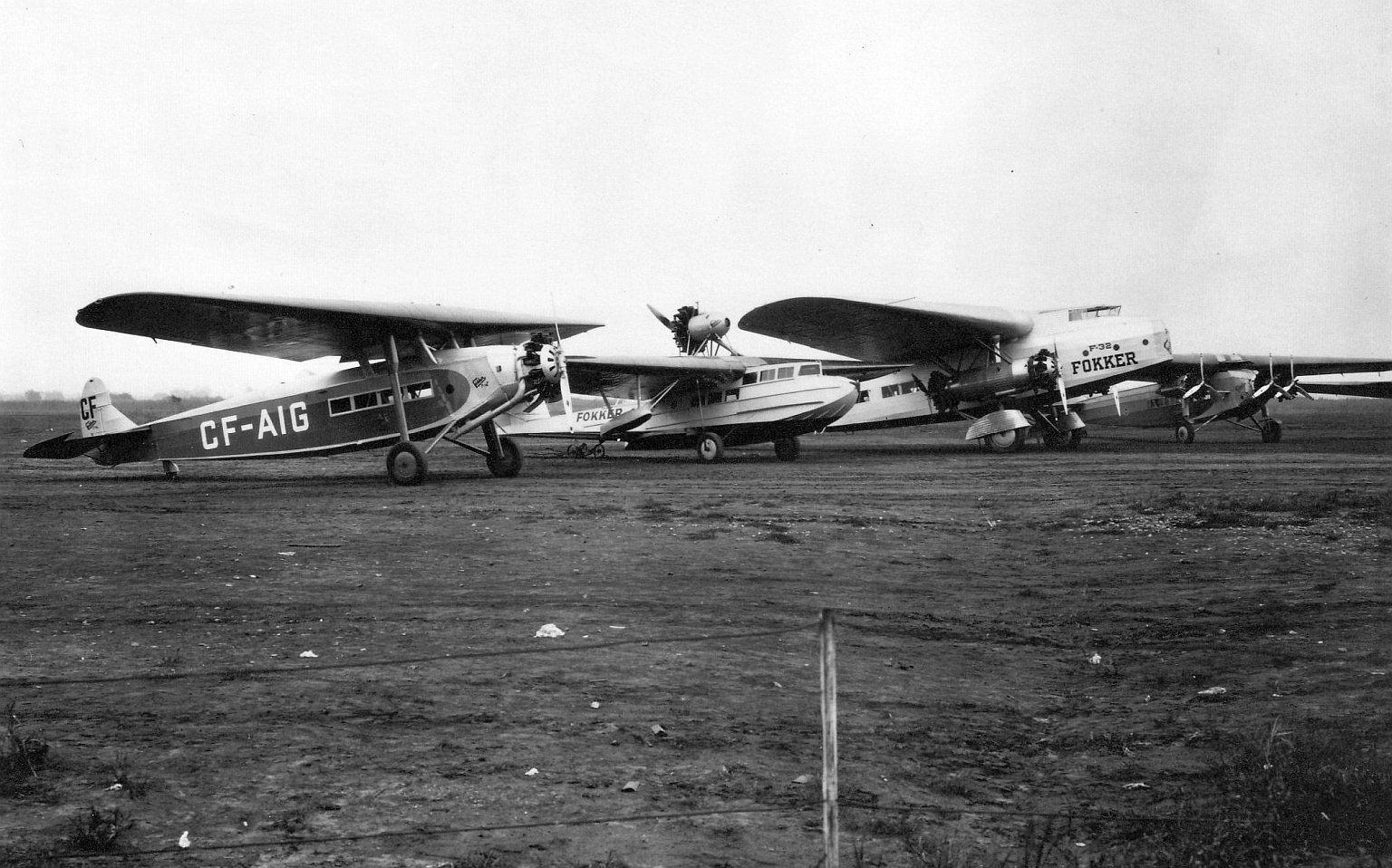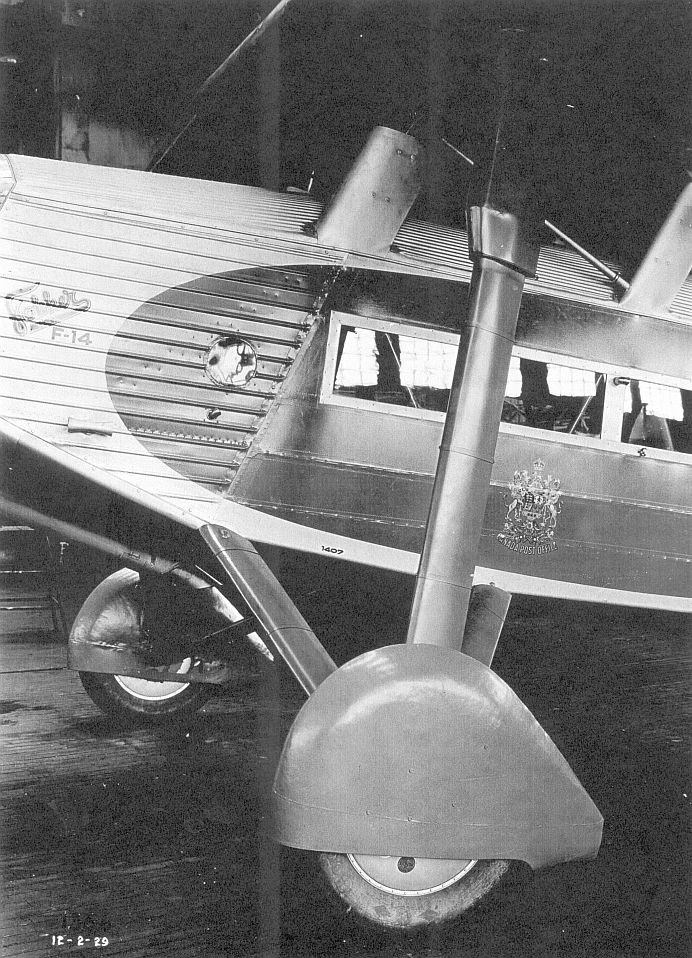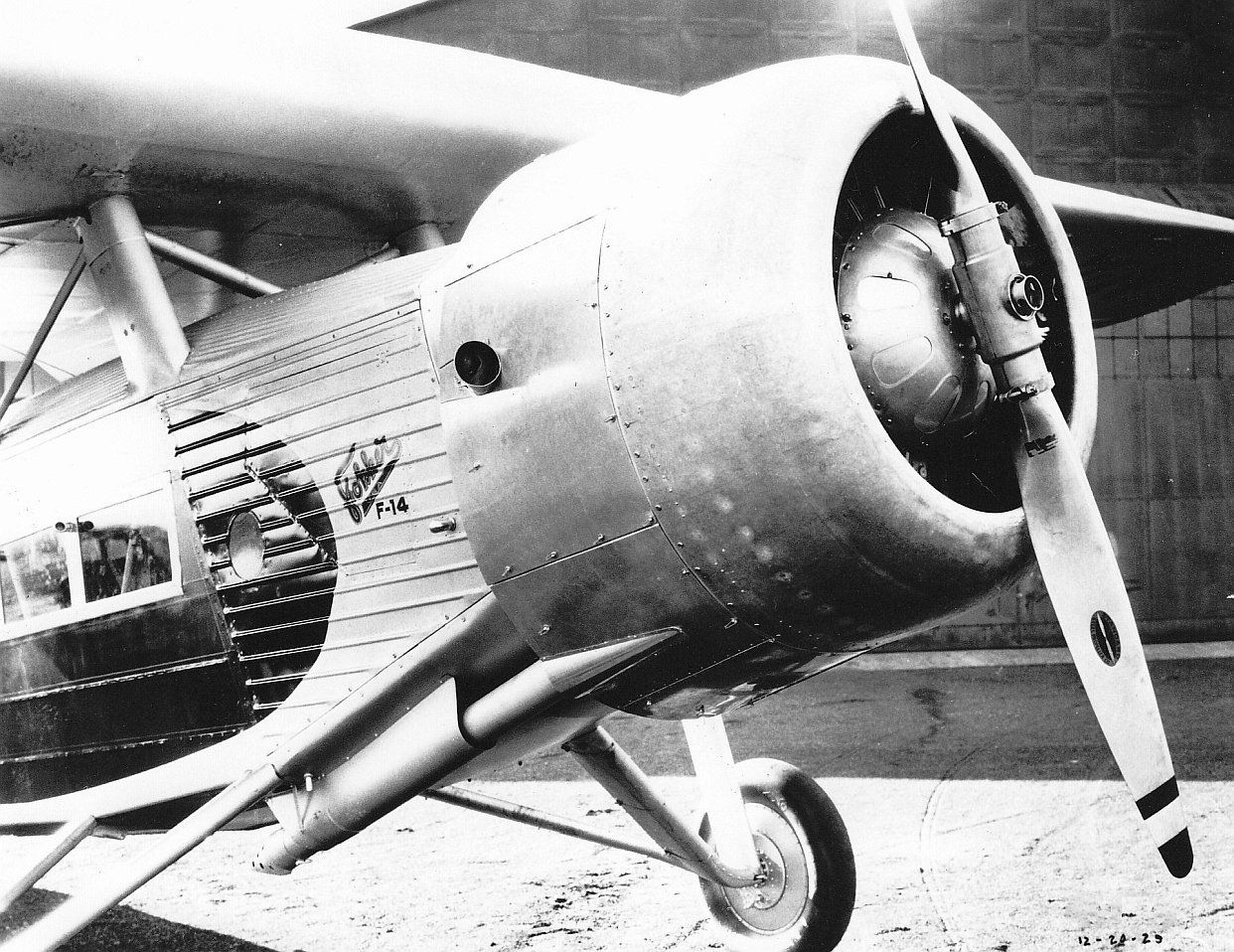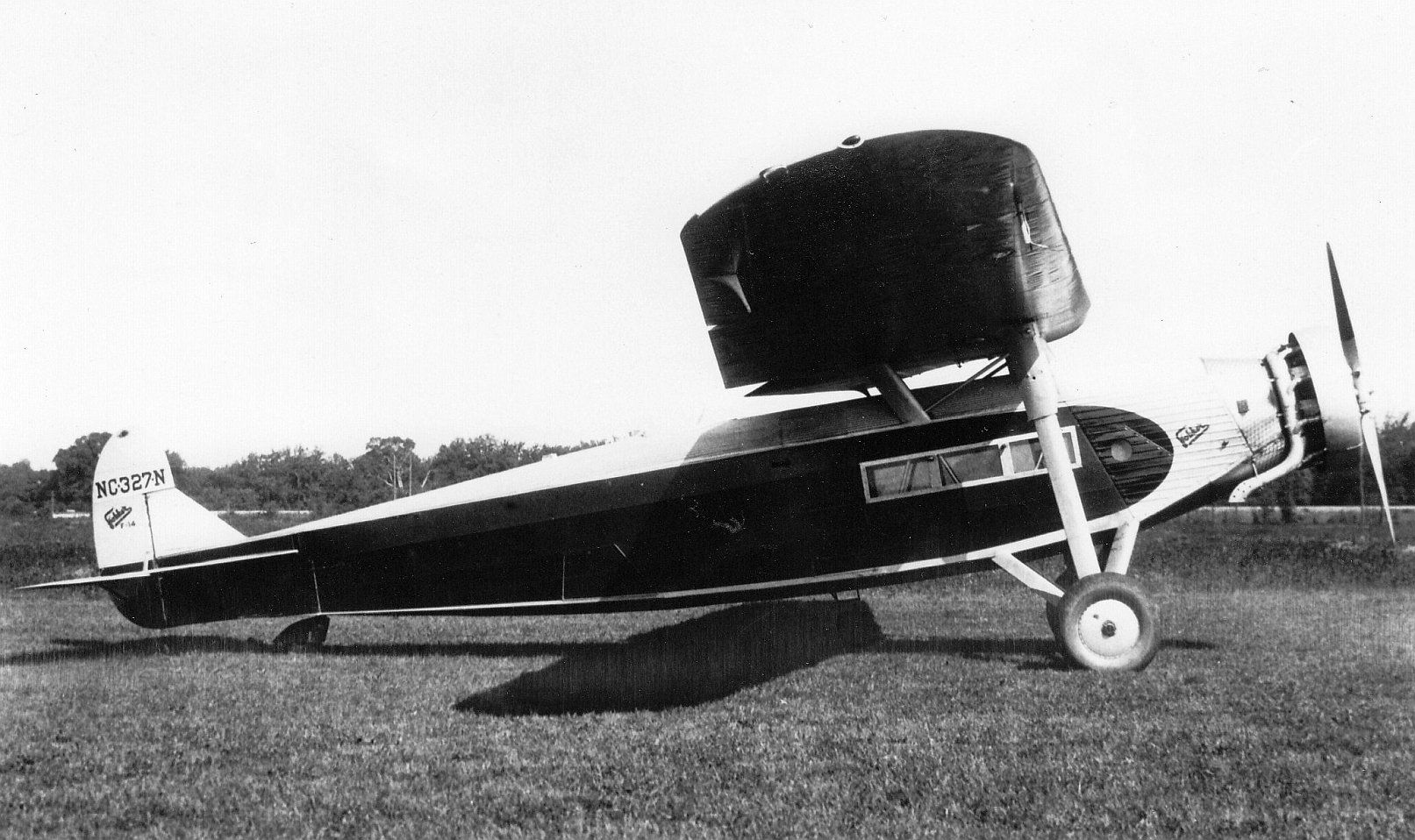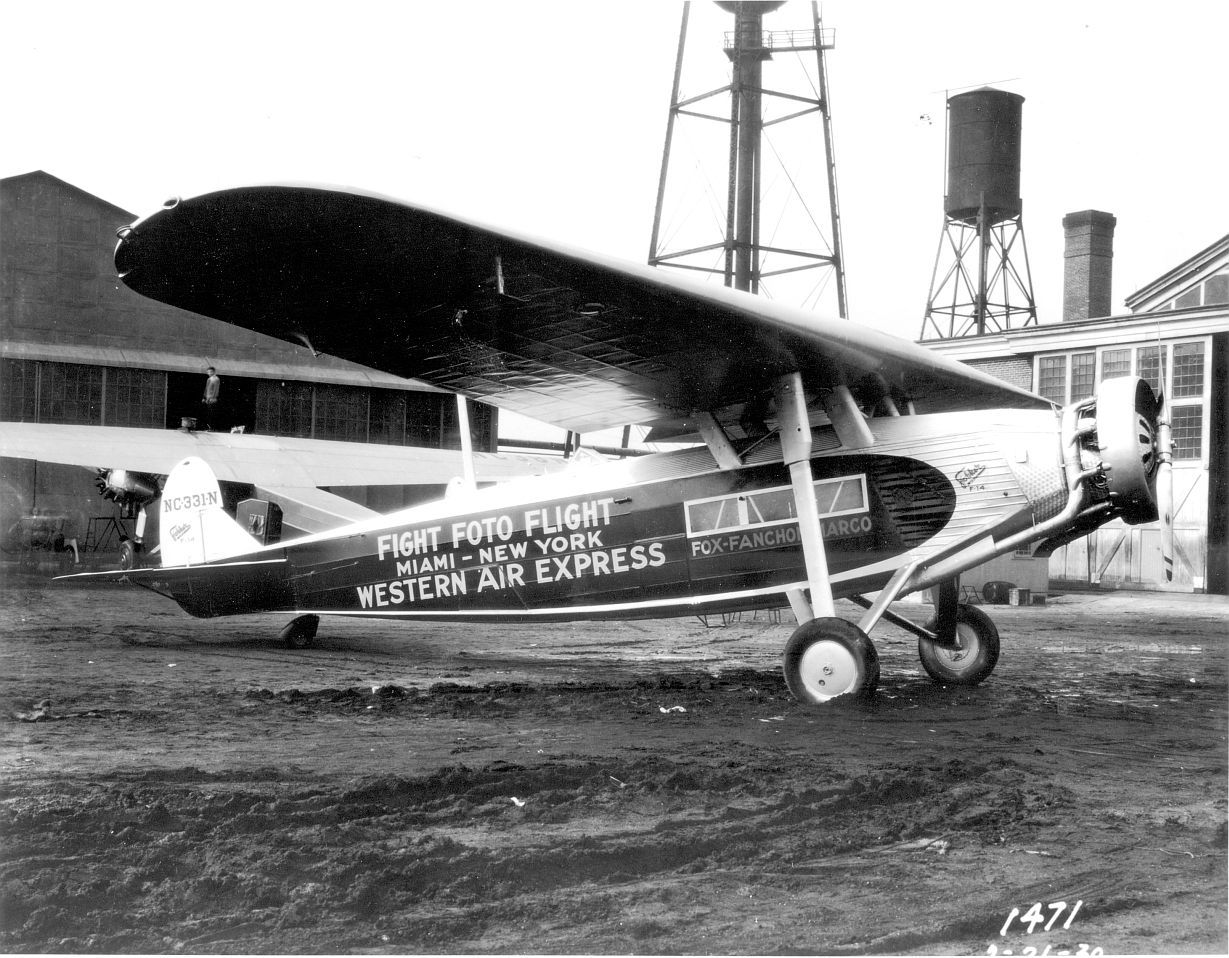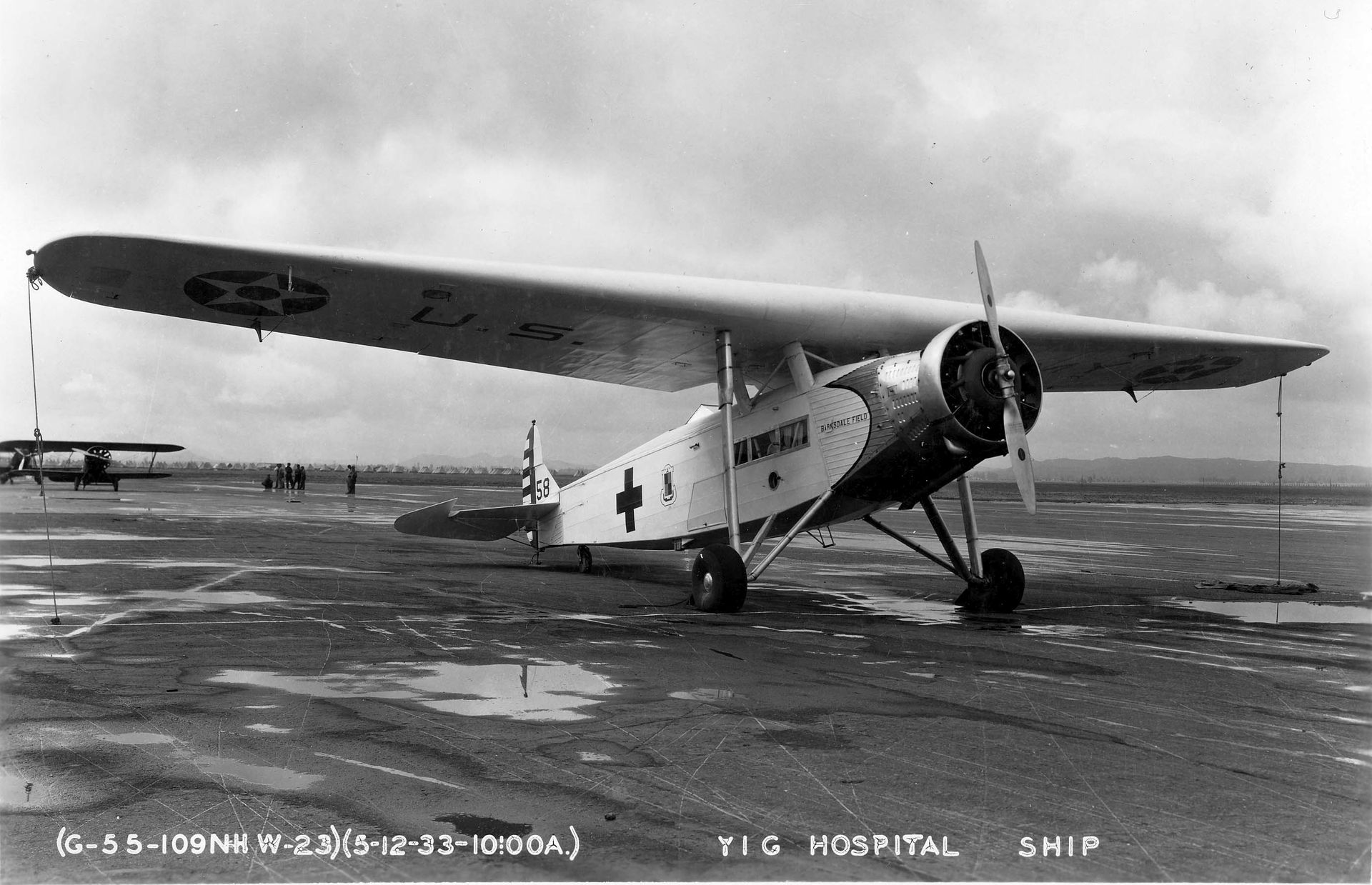
Fokker Model 14 Mailplane
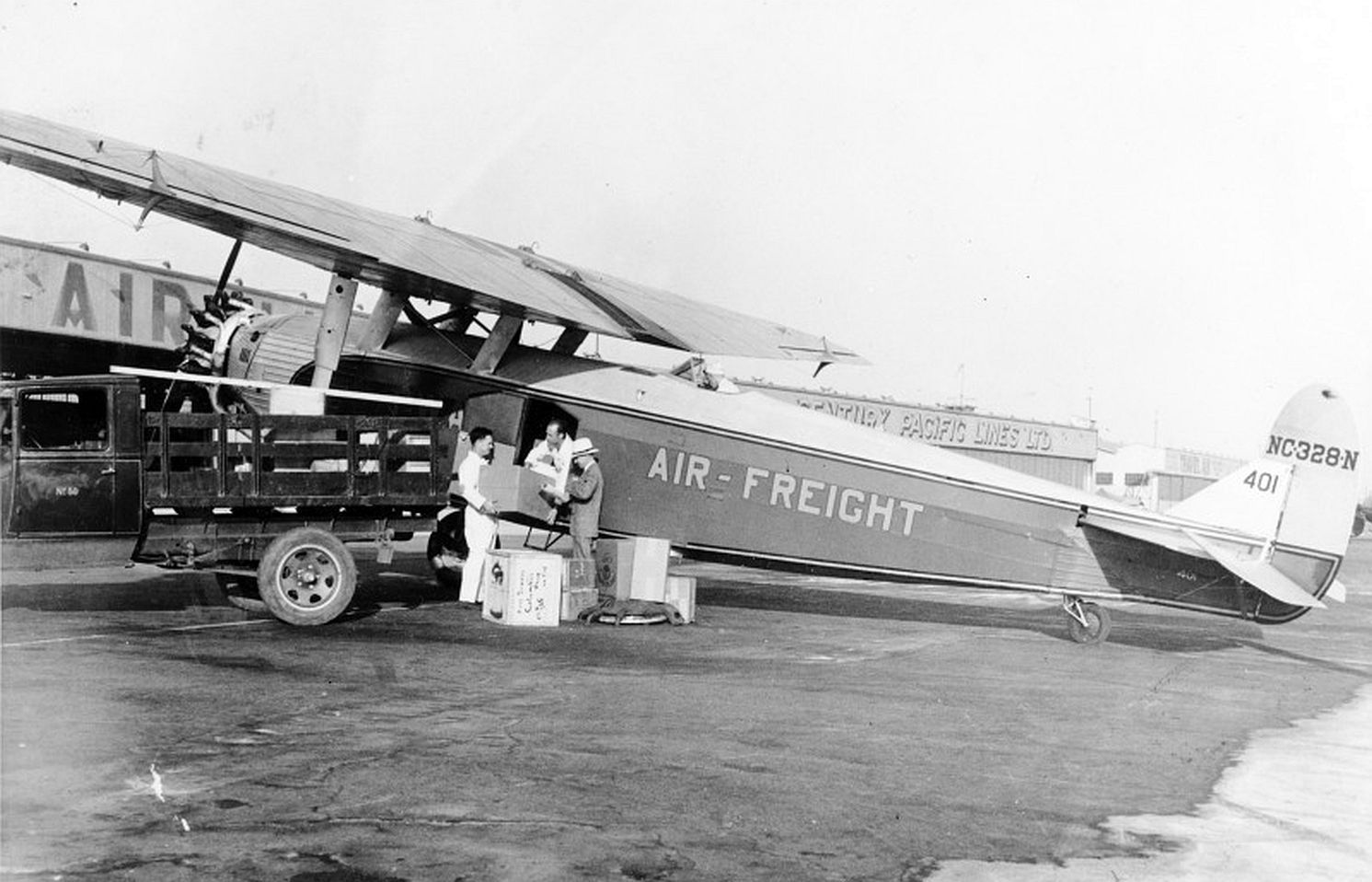
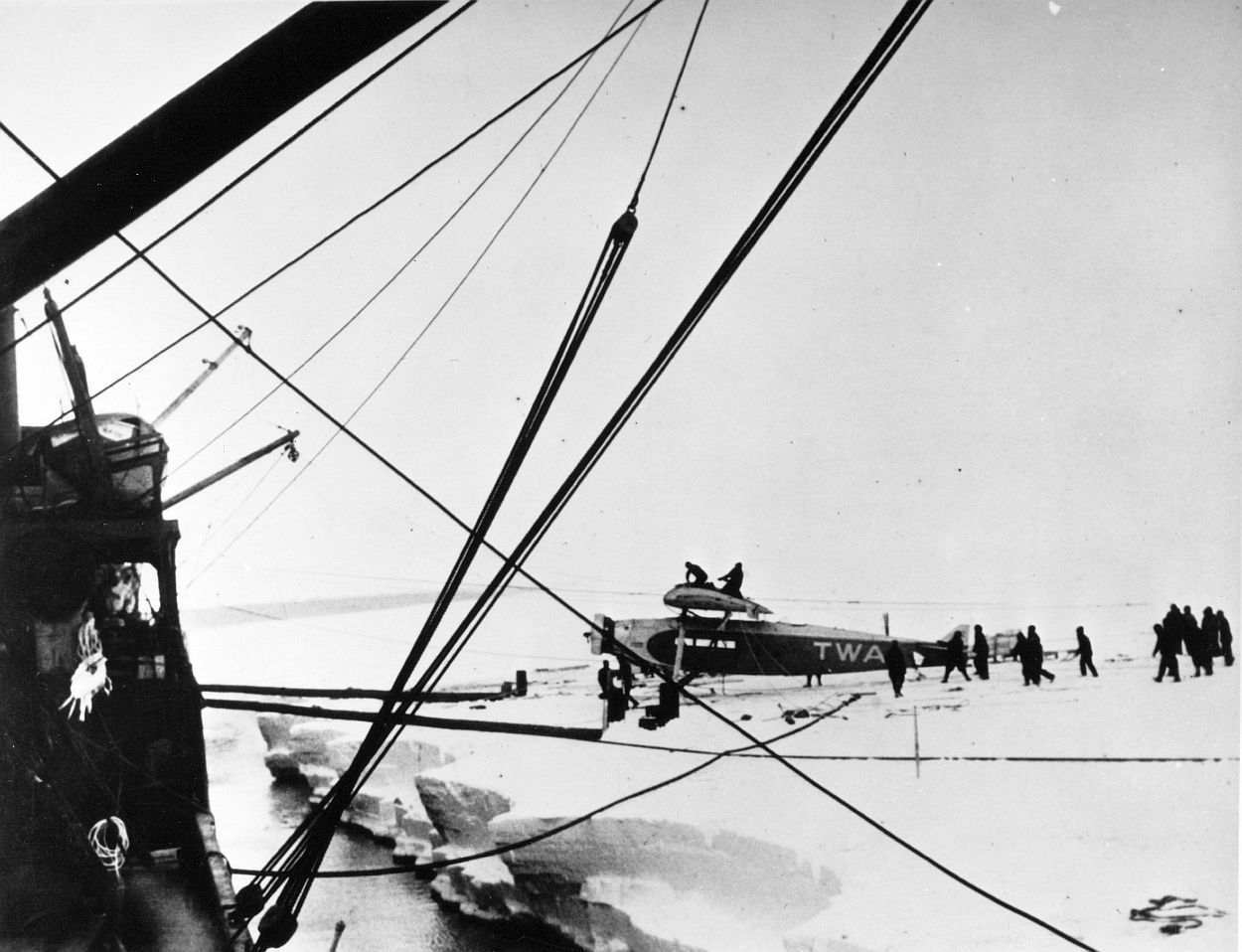
Following the introduction of the Super Universal, a number of airlines also began using the aircraft on subsidized airmail routes. Passengers were carried on these flights as well.
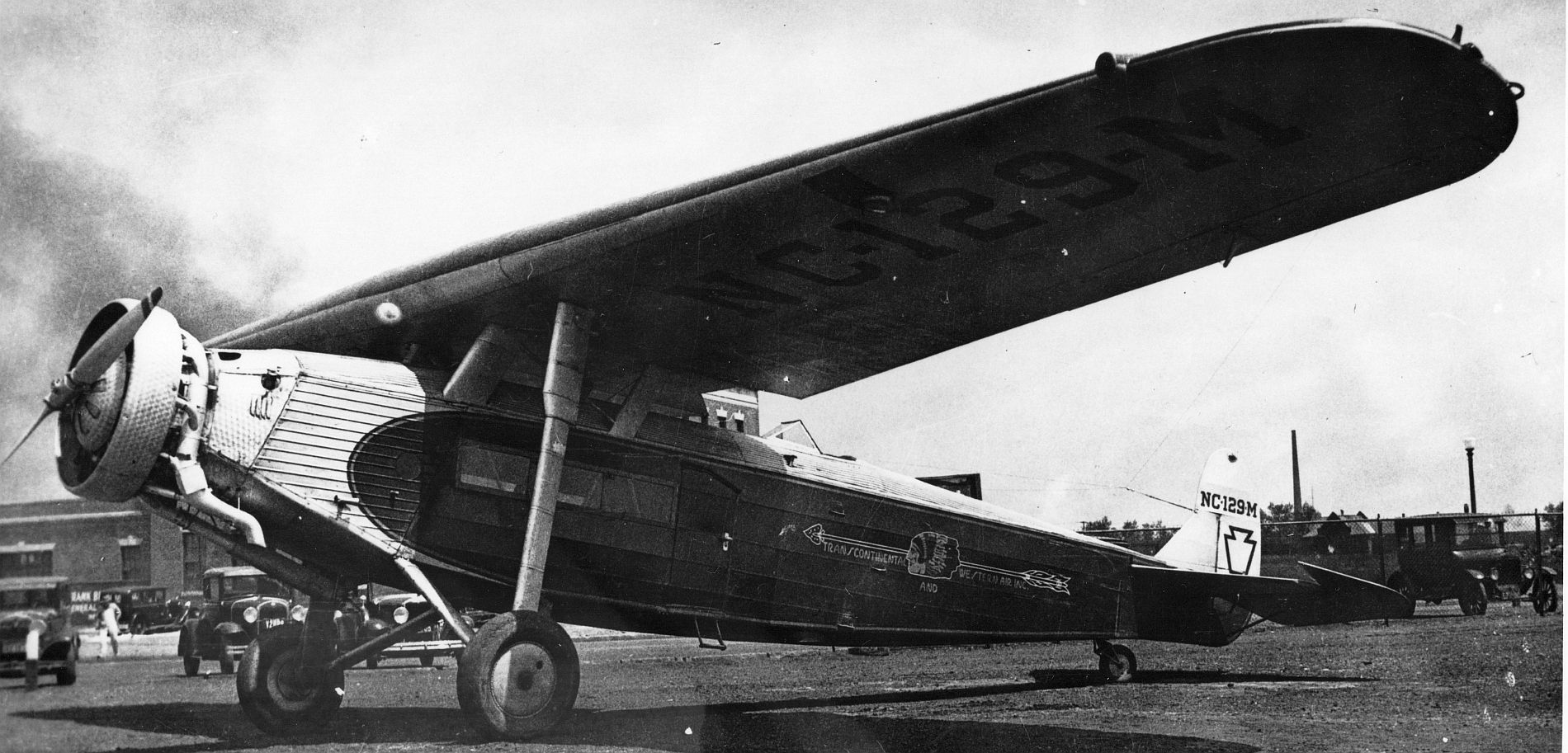
Western Air Express was one of those airlines that also had subsidiaries doing this. Most of its routes were located in the mountainous west of America.
Most mail plane pilots were accustomed to an open cockpit halfway up the fuselage and also expressed a preference for it.
In early 1929, Fokker was asked whether it could also supply such a type. Despite the great pressure on the production of the F-32, it was decided to bring this new type to market.
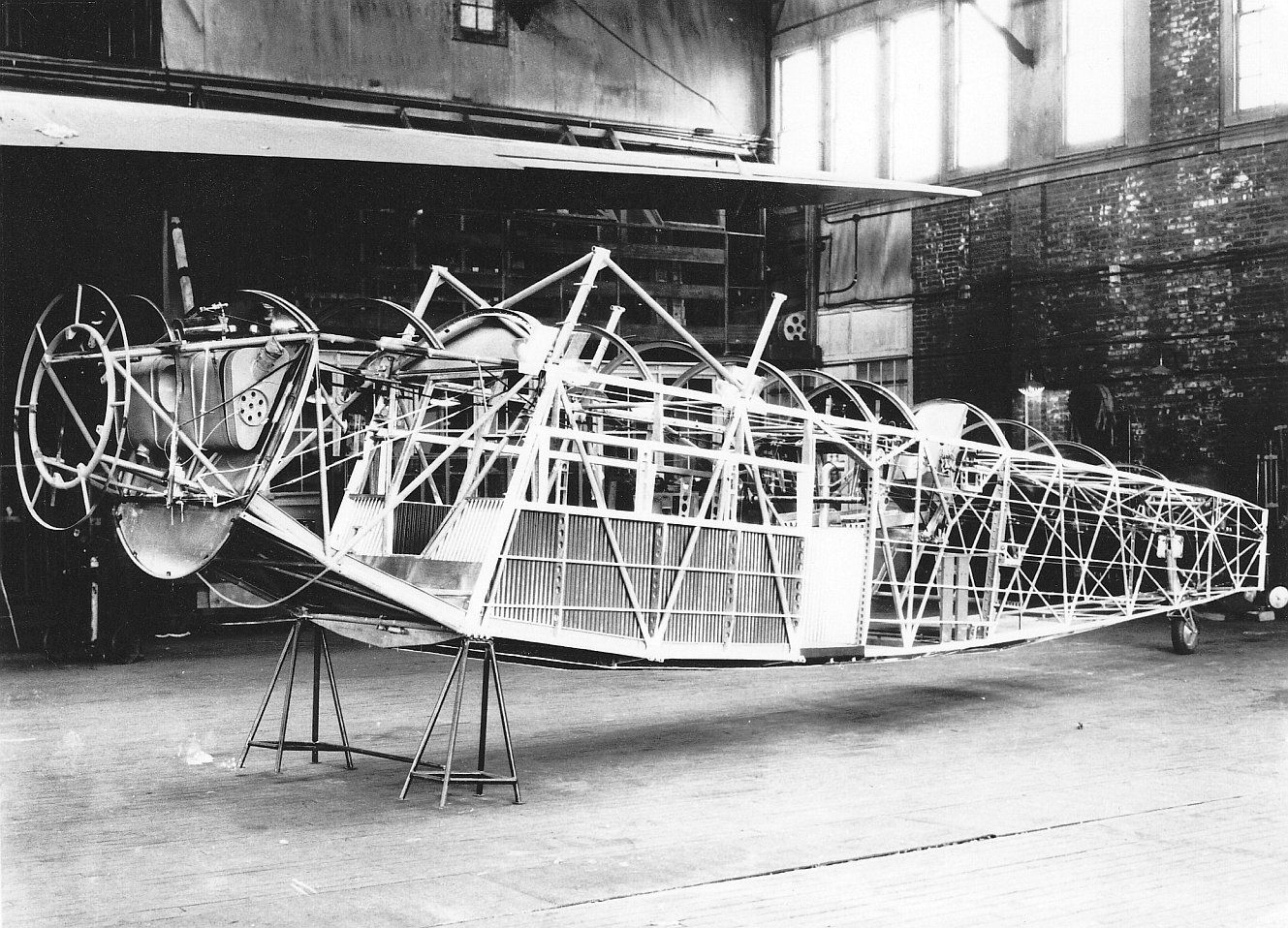
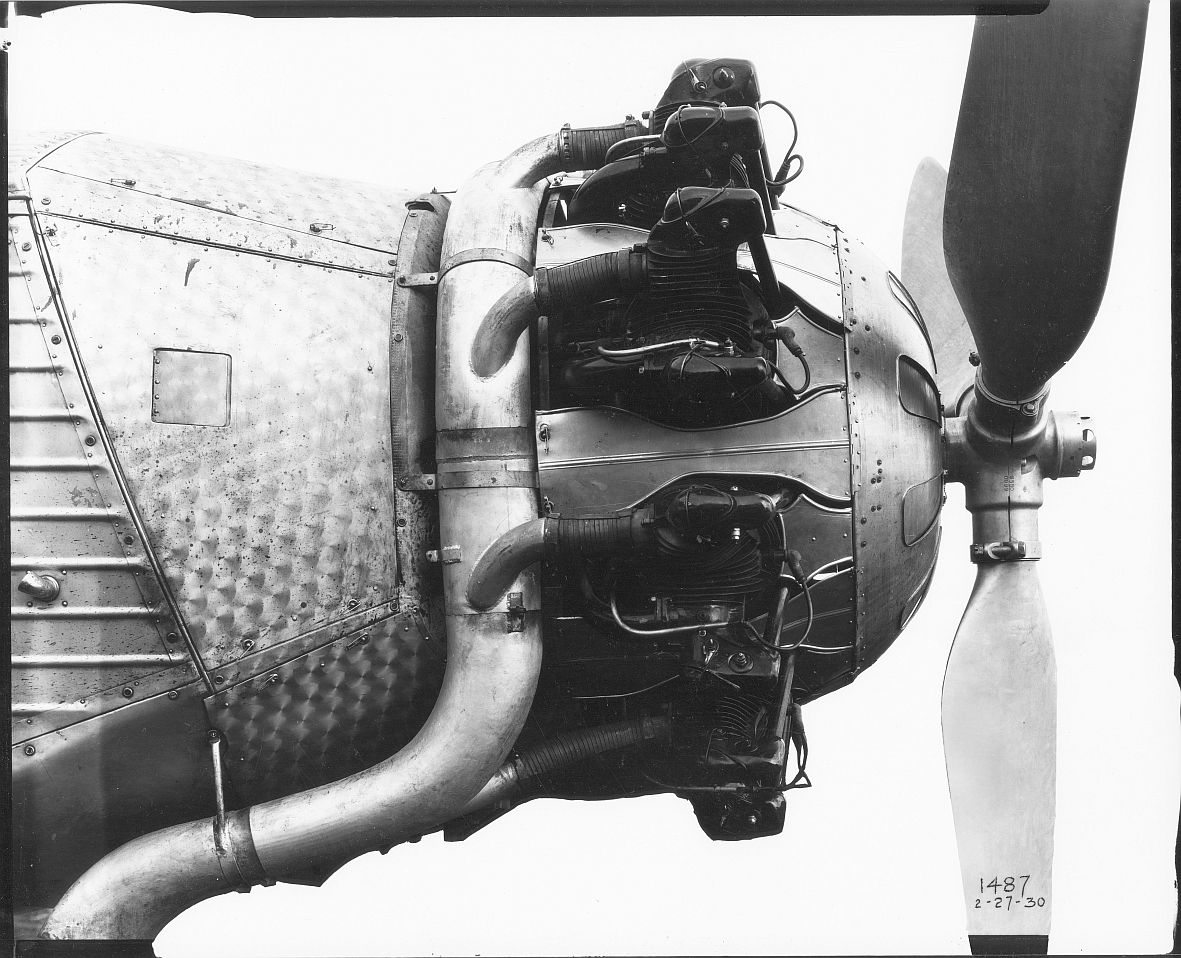
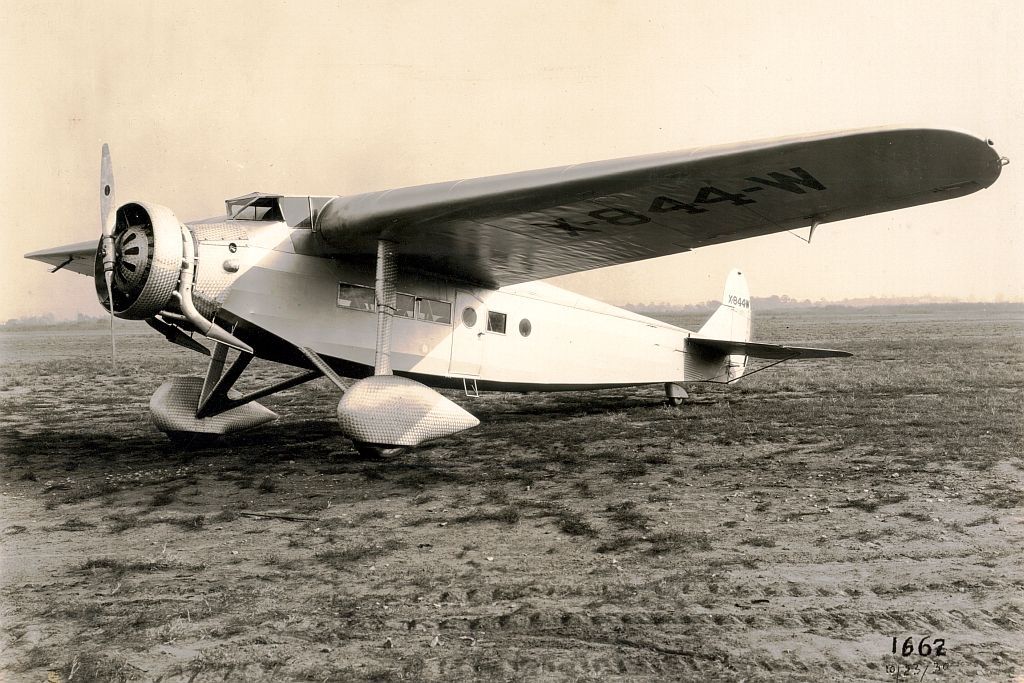
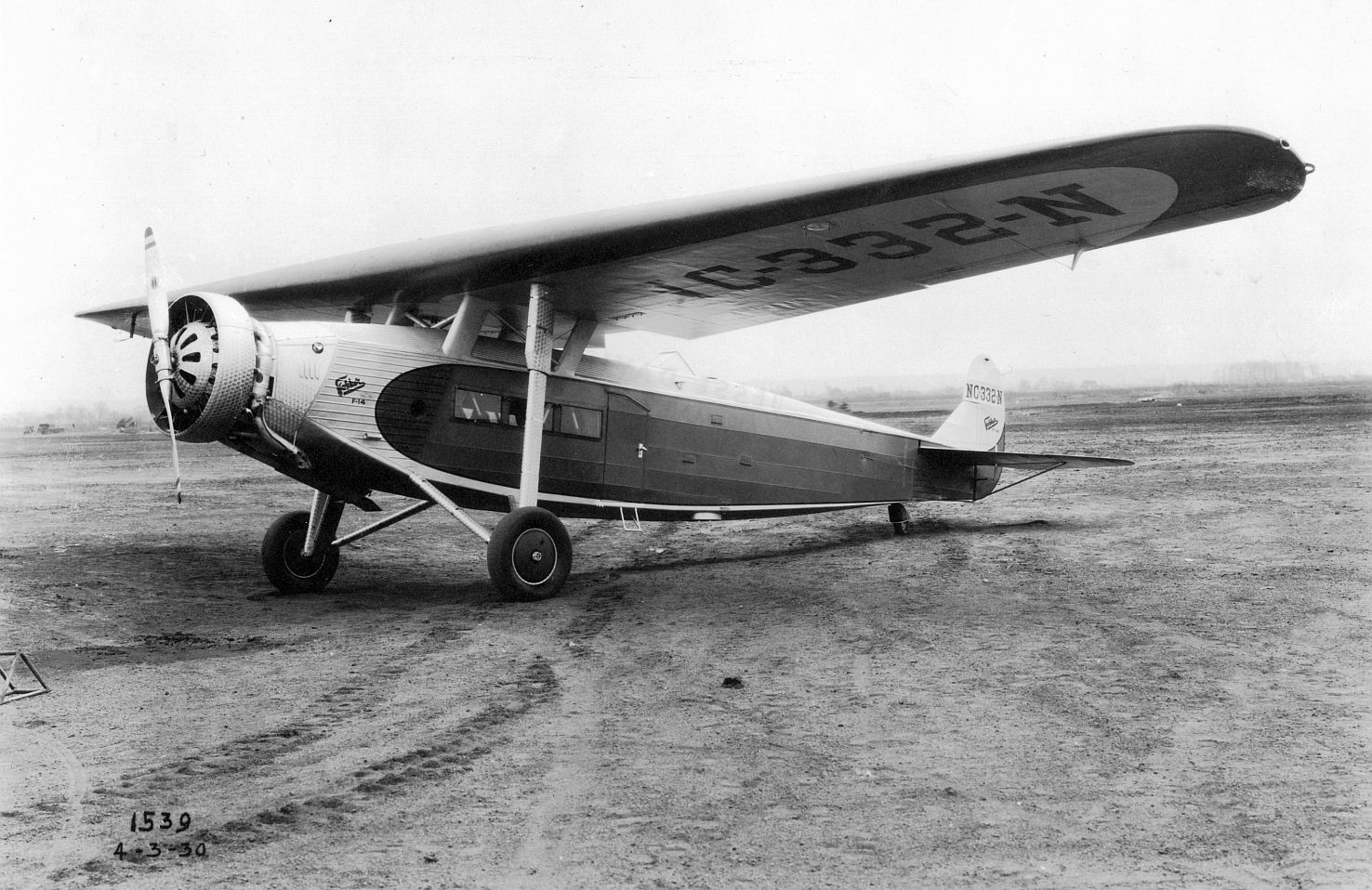
It became a parasol-wing aircraft with a more powerful Hornet A engine and the cockpit behind the cabin for six passengers. Both Western Air Express and Western Canada Airways showed interest.
It was then decided to build a first series of 20 units (1401/1420).
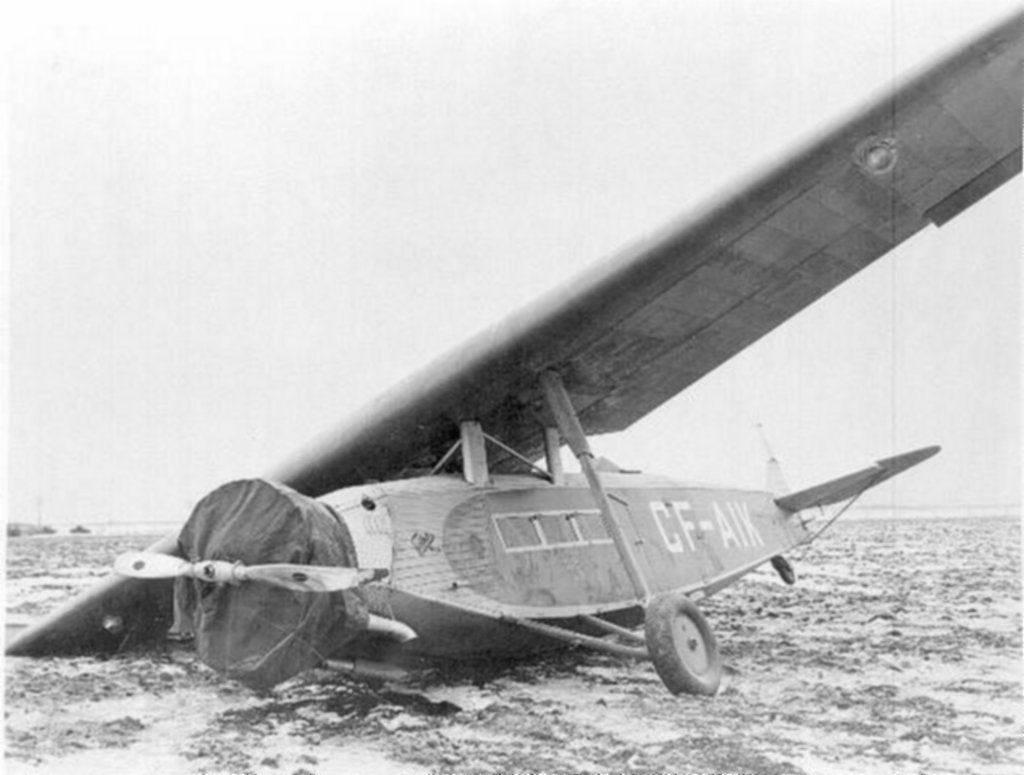
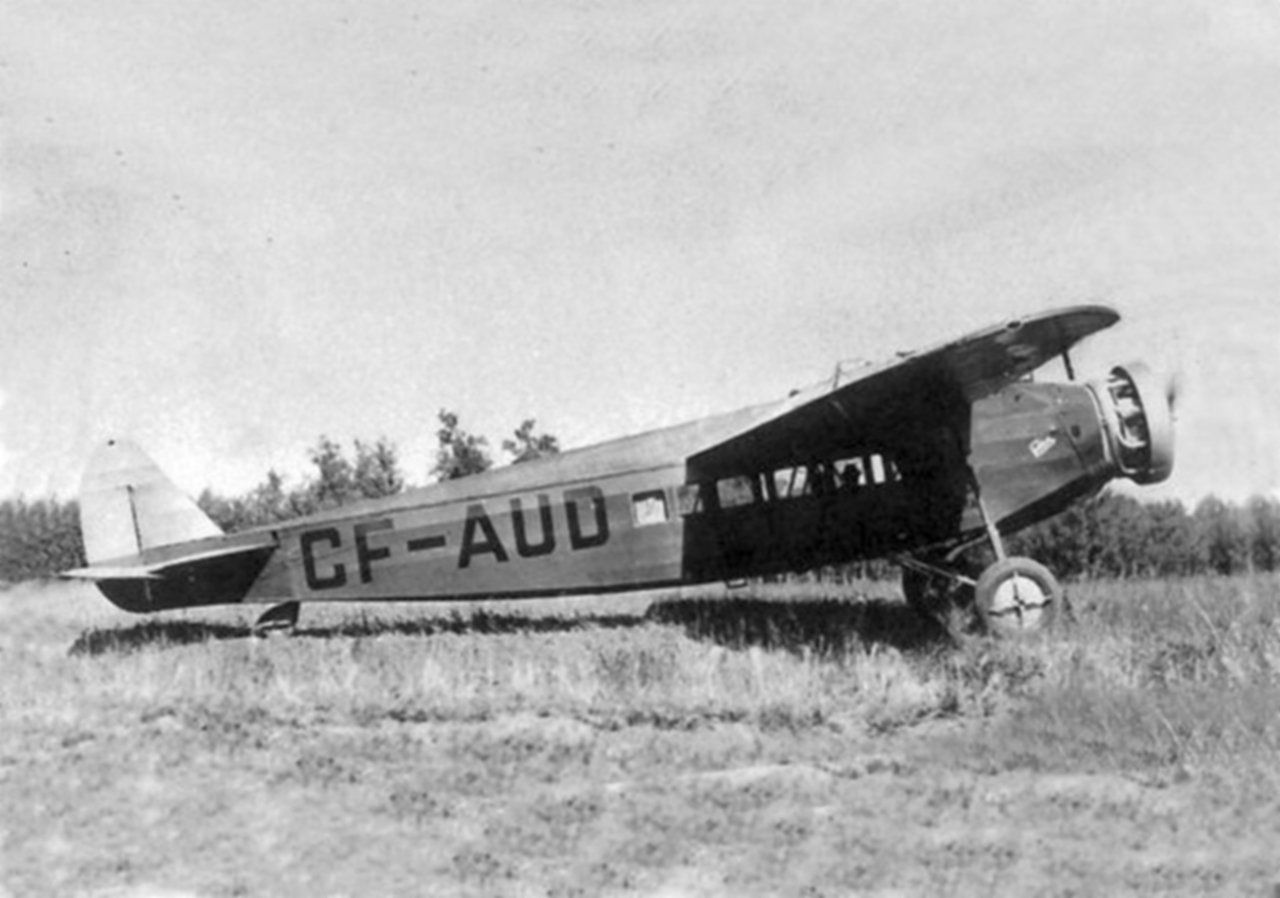
After securing the Prairie Air Mail Contract in late June, WCA ordered ten aircraft. WAE soon followed with interest in ten aircraft as well. However, only six were ordered so far.
It soon became apparent that the type did not deliver the expected performance. It was 40% heavier than the Super Universal.
In addition, performance was slightly lower. In response, WCA reduced its order to six units and WAE to three.
The device was included in the production program for 1930, but that did not lead to orders.
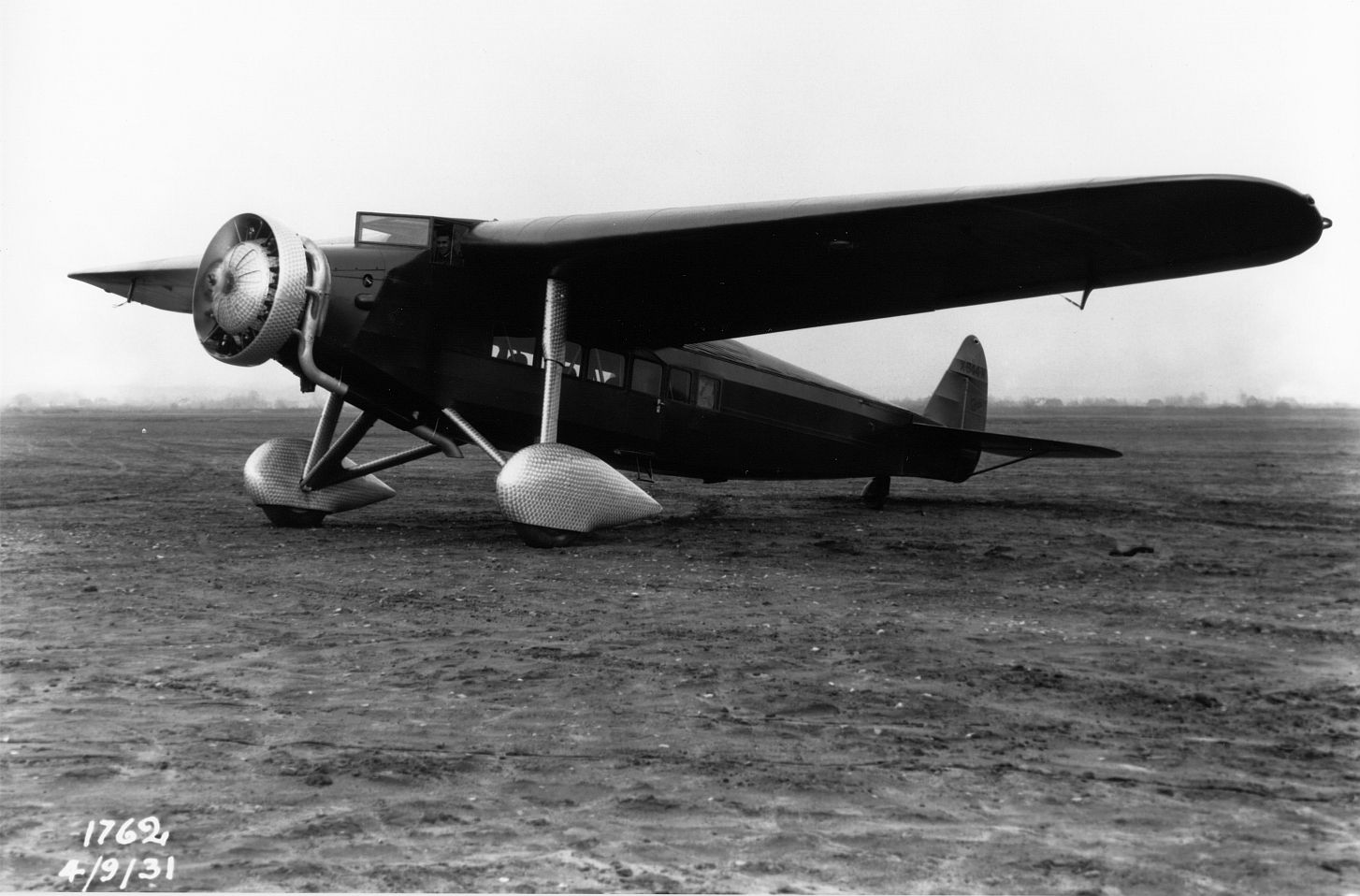
As early as October 1929, a study was begun to apply the Hornet B or Curtiss Conqueror to improve performance. Trials were also conducted on unsold aircraft. This led to a long road in which a few sales eventually took place.
A boost for Fokker was that the Air Corps placed additional orders as part of keeping the industry employed. In July 1930, 20 Y1C-14s were purchased, which, however, were completed under the separate model number 18.
It is assumed that a number of unfinished F-14s were used for this. See model 18 for this.
Two additional examples were built later under the designation F-14.
Msn 1421 was built as a high-wing aircraft with an enlarged cab, which was eventually sold to Canada.
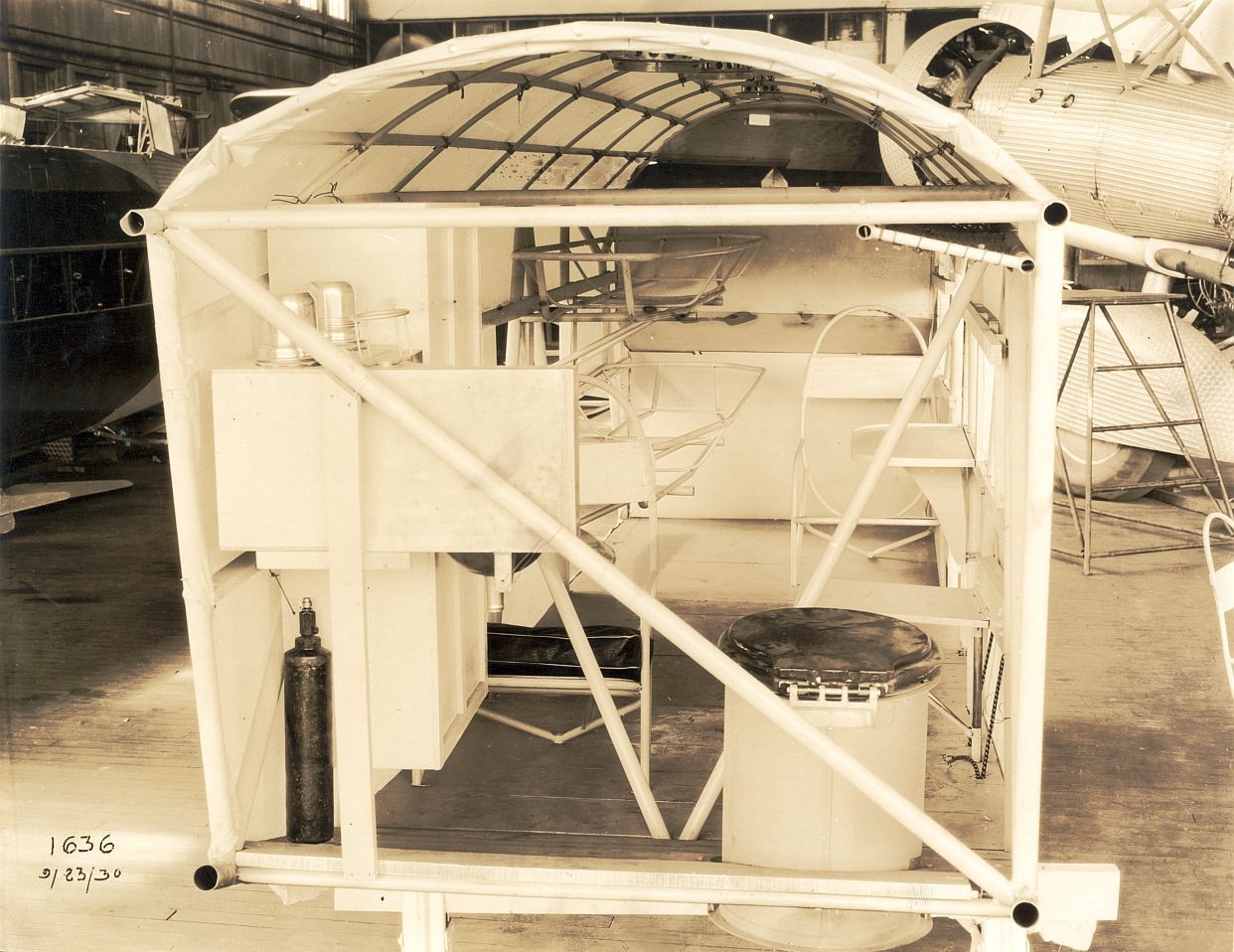
MSN 1422 was the prototype for an ambulance aircraft. It was eventually acquired by the Air Corps.
Click on the photo to enlarge it.