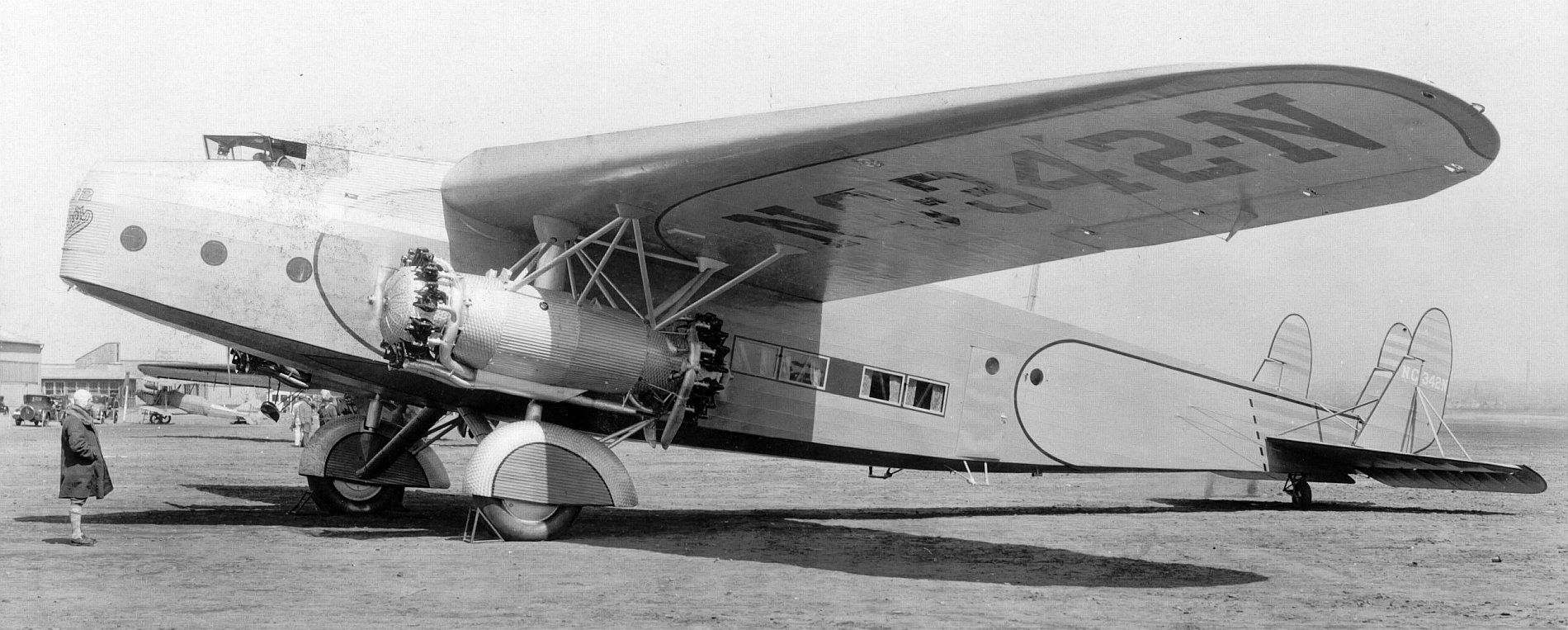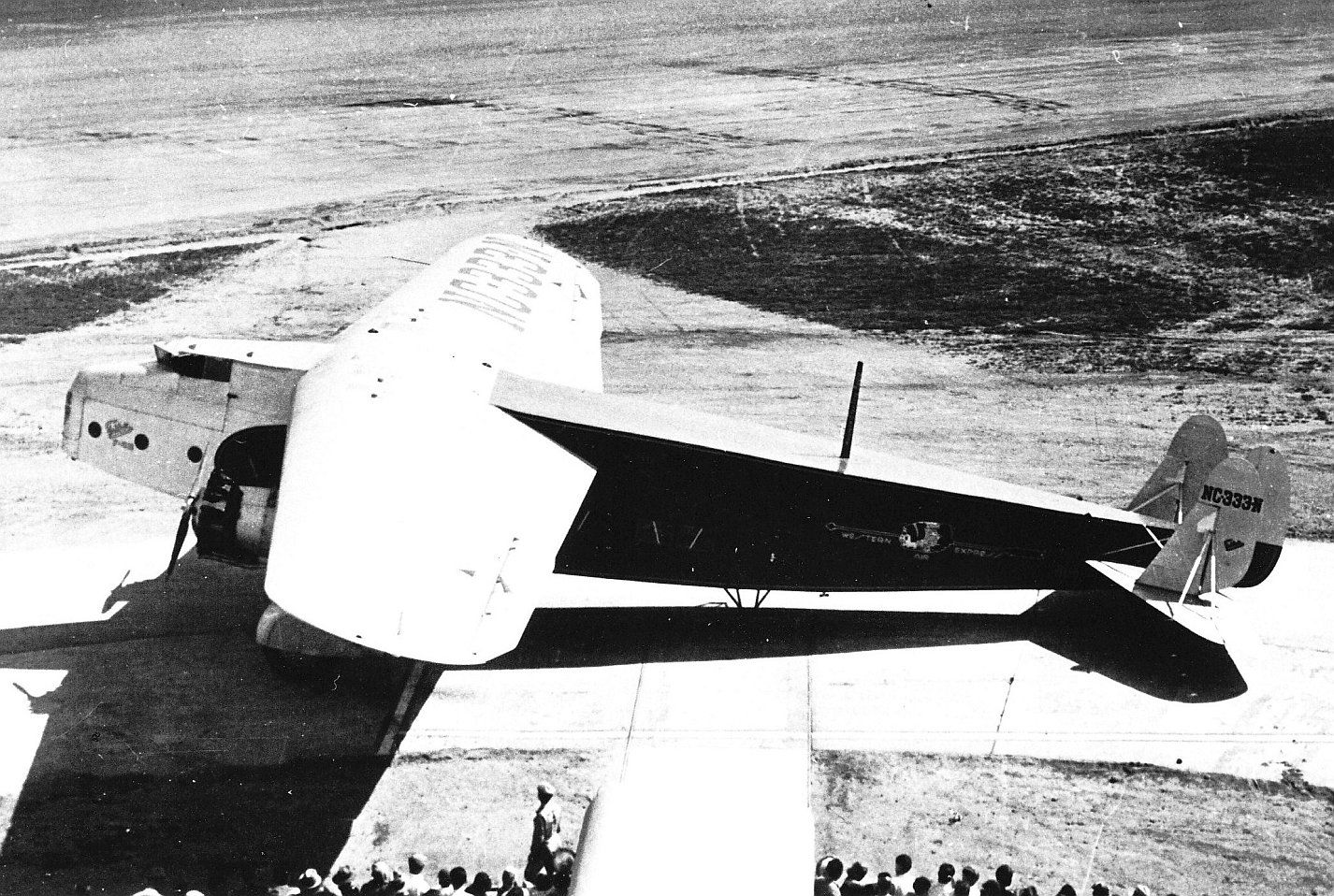
The Fokker F.32 (Model 12)
Anthony Fokker was regularly questioned by newspapers about his future plans. He often predicted that ever-larger aircraft would be built. And with the F-12 (later called the F-32), that was it.
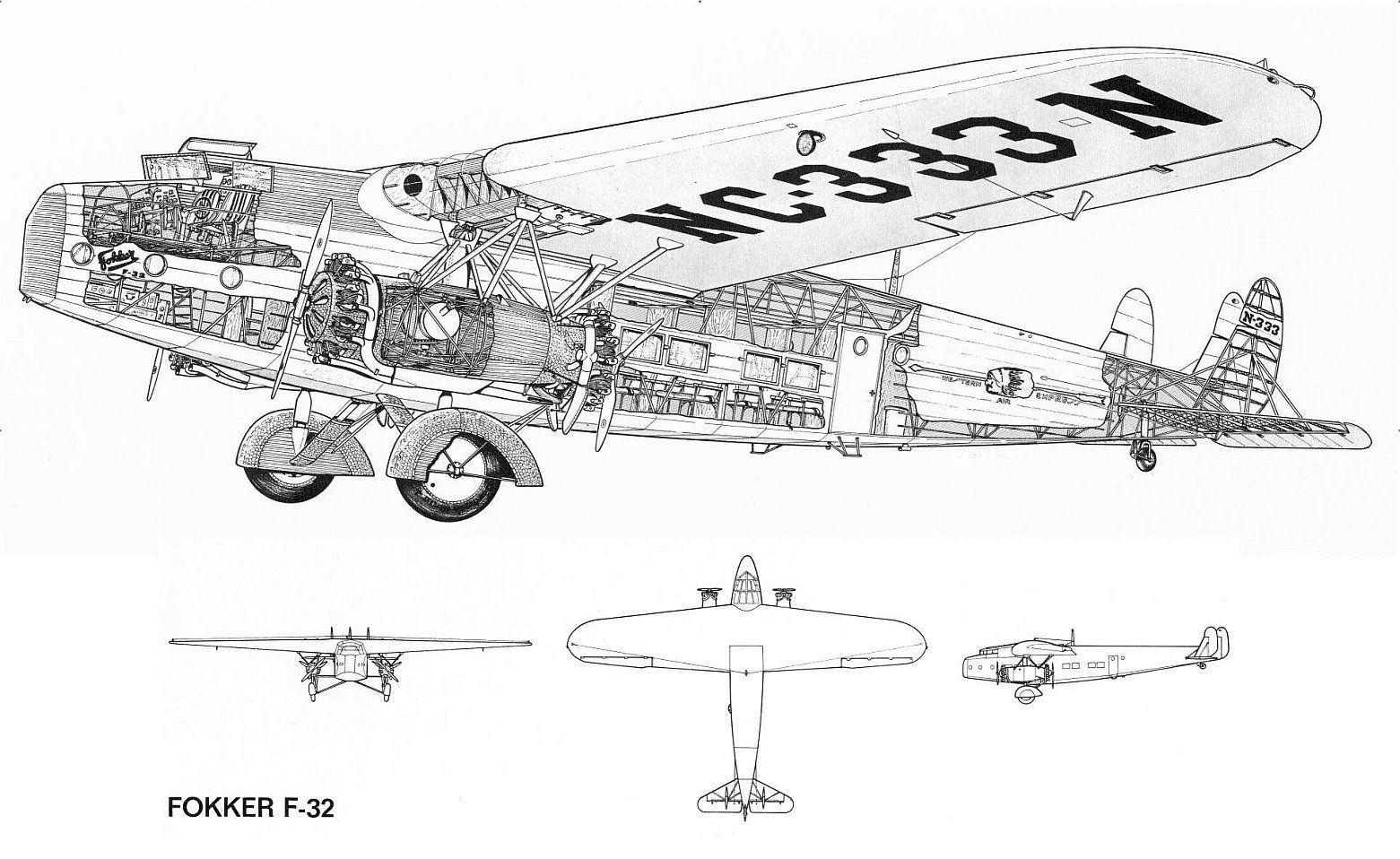
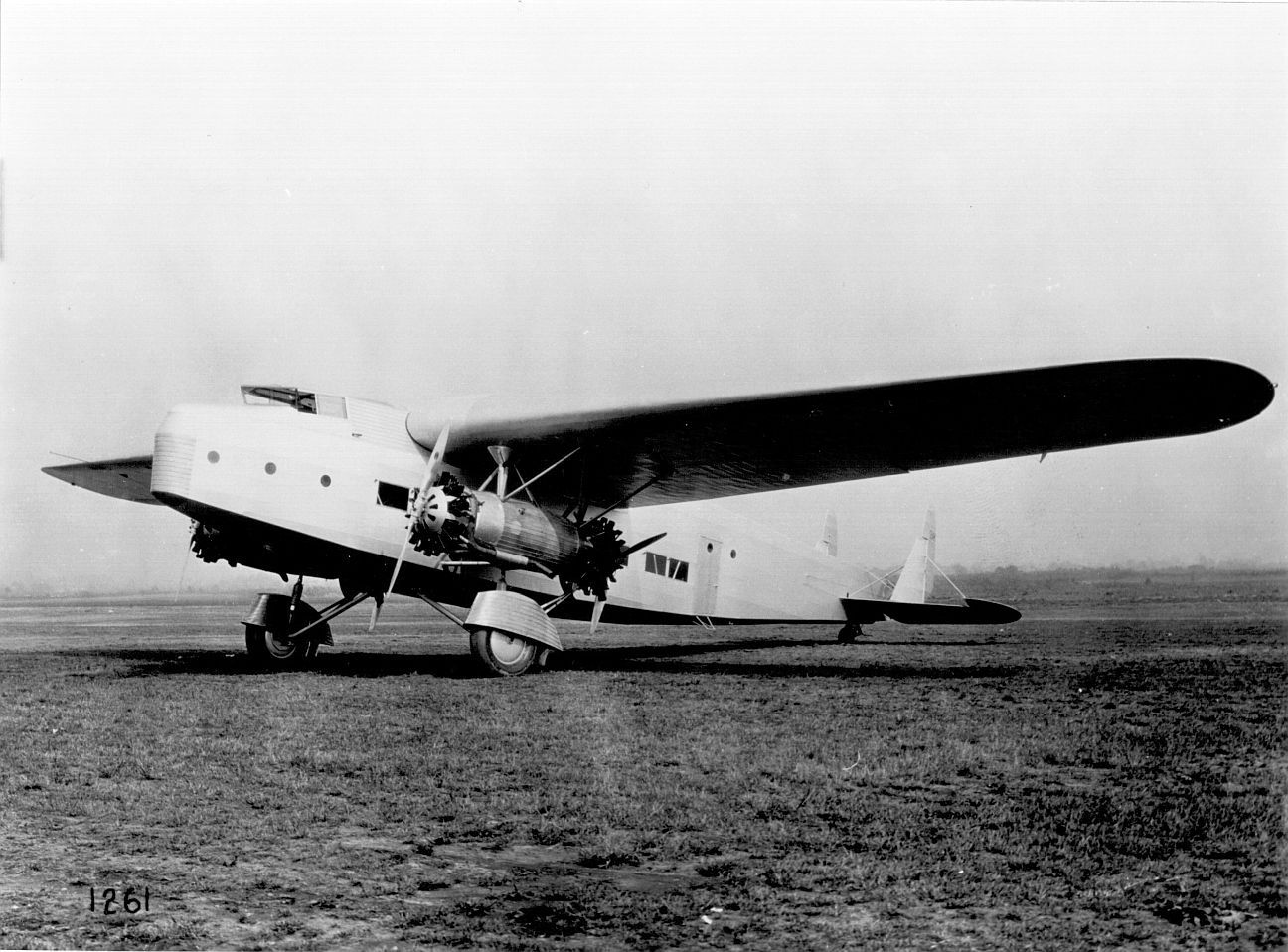
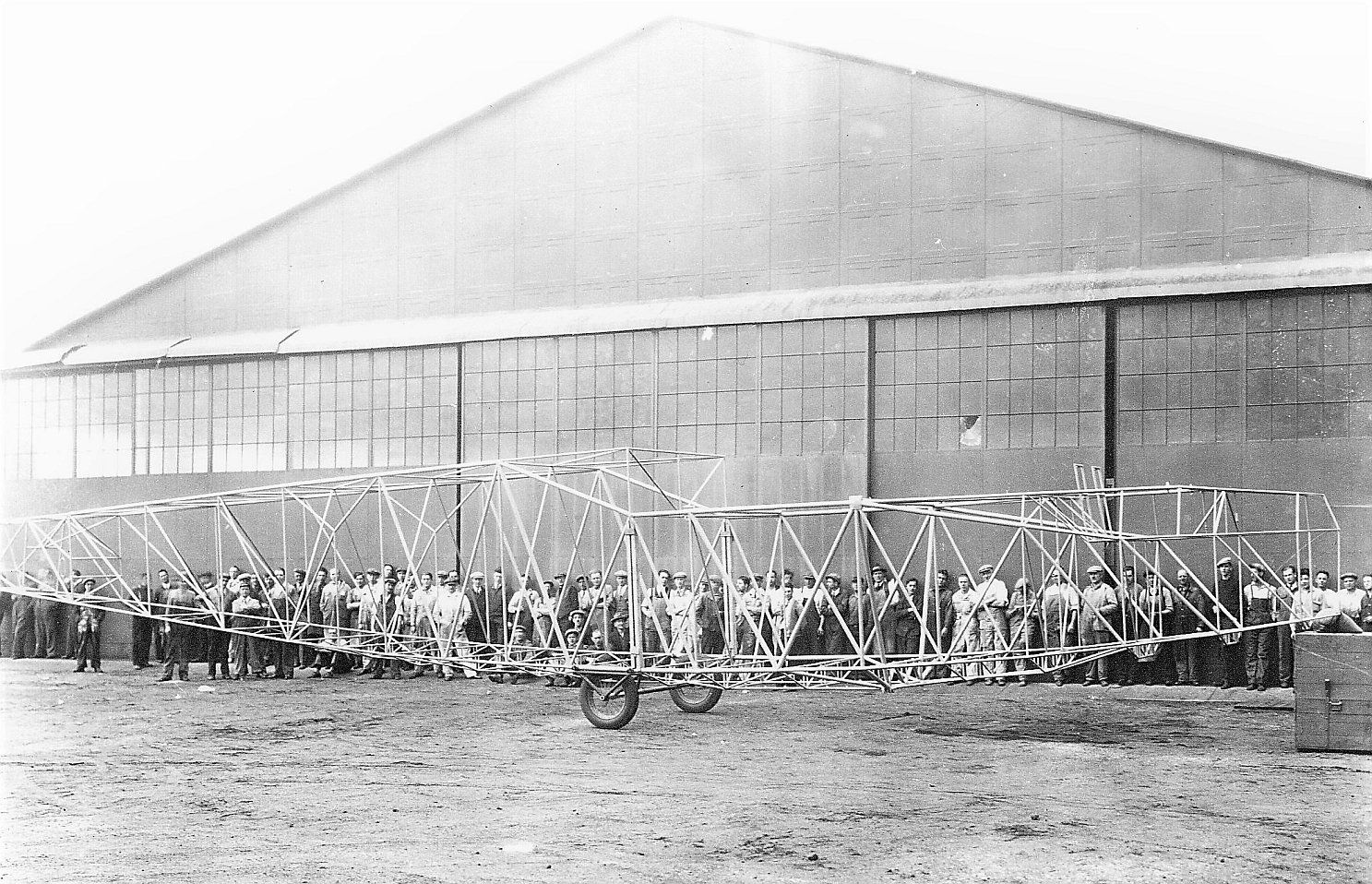
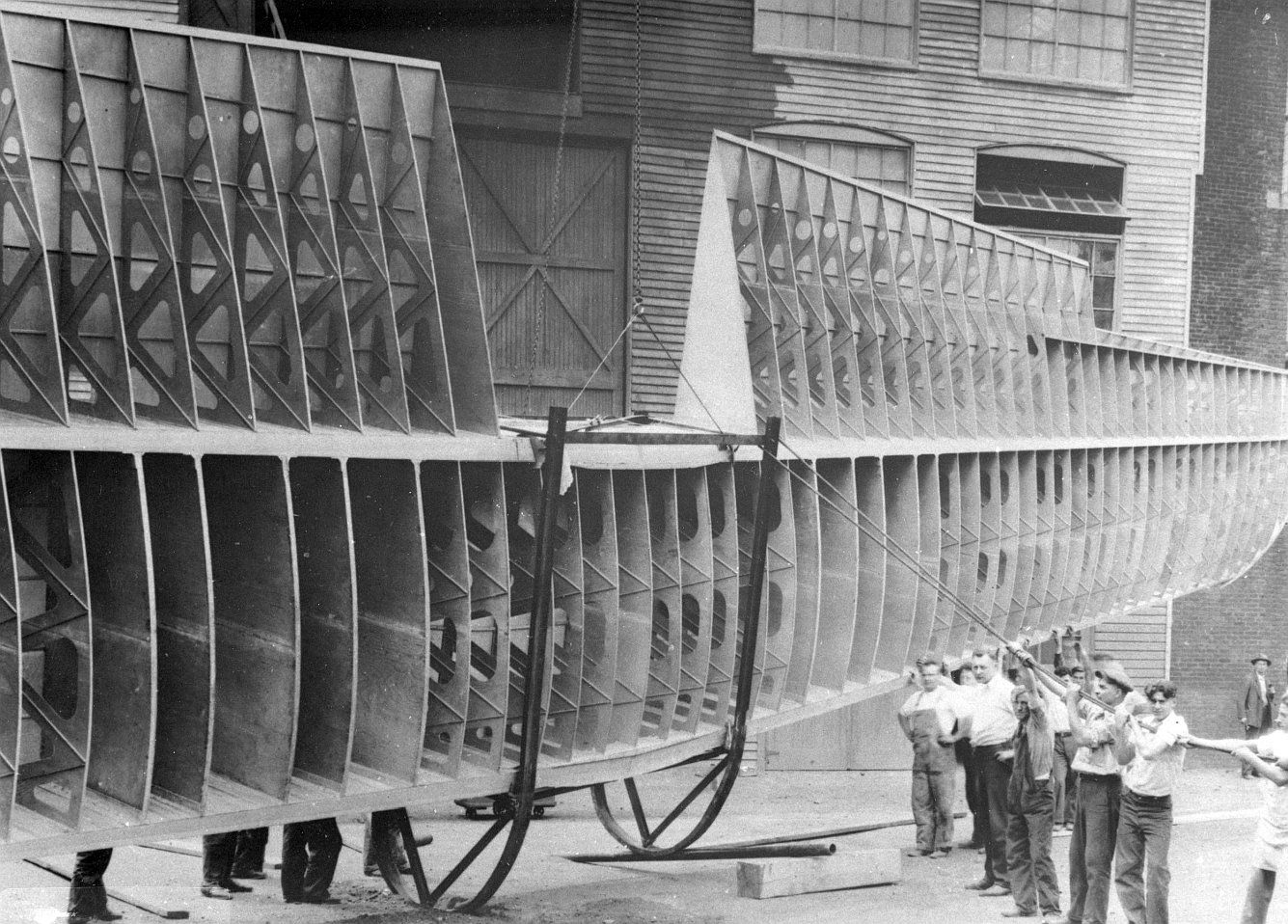
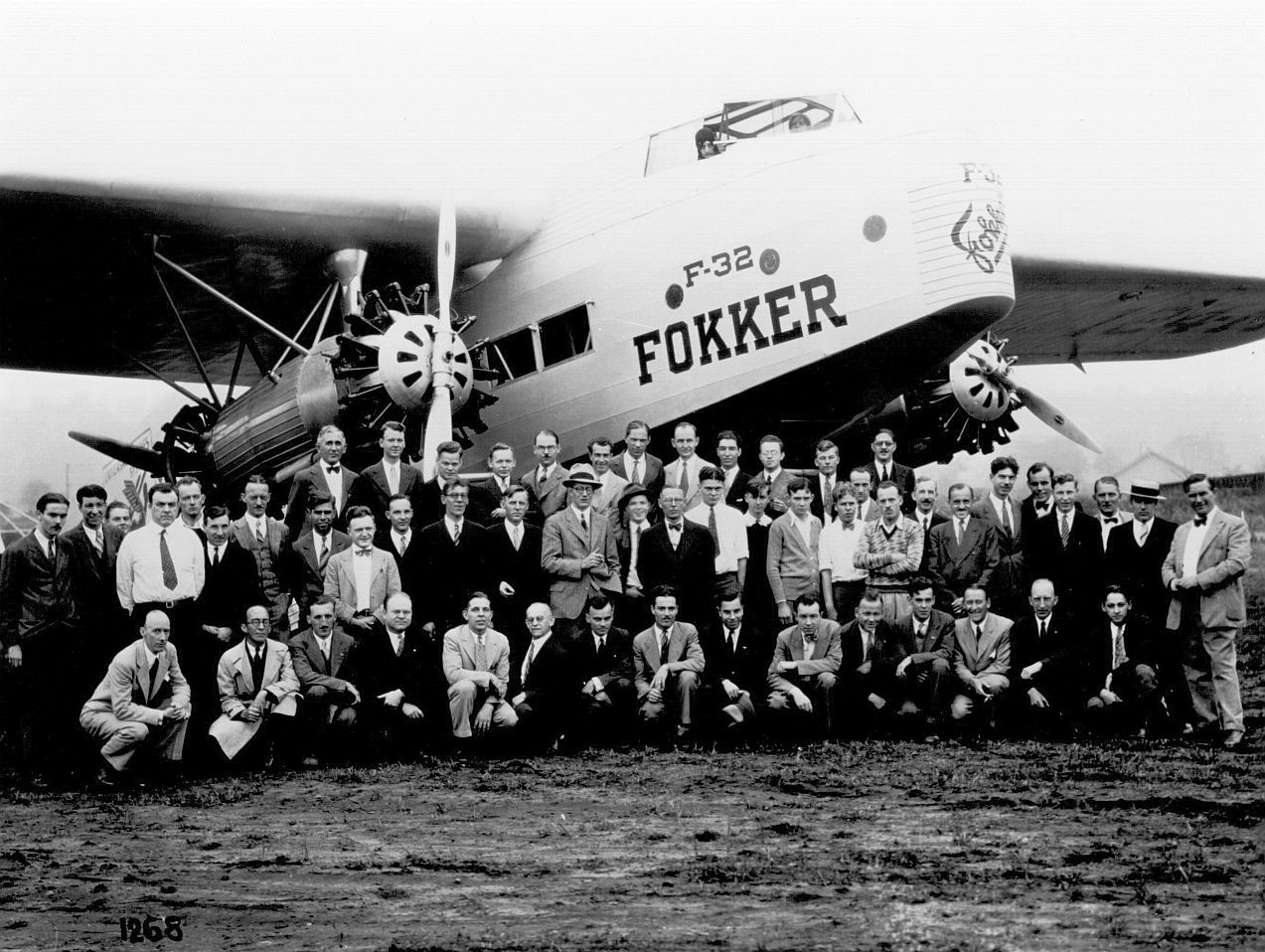
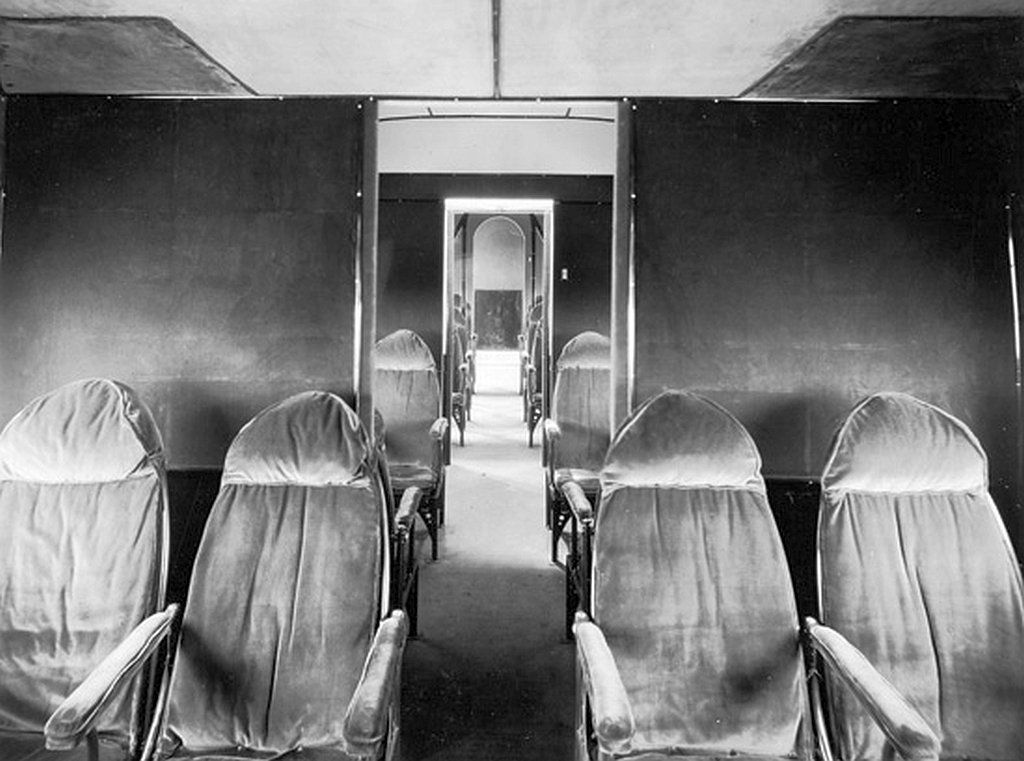
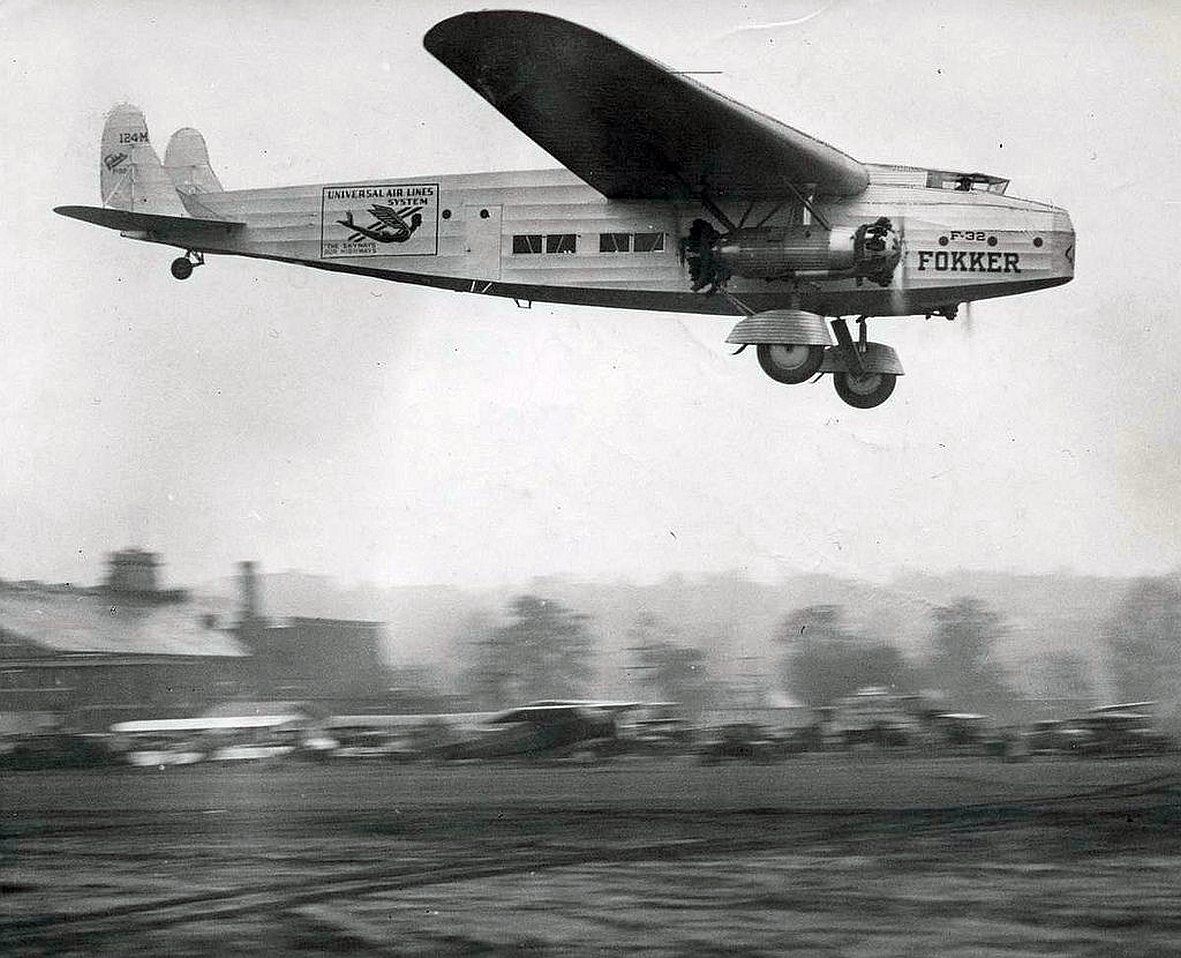
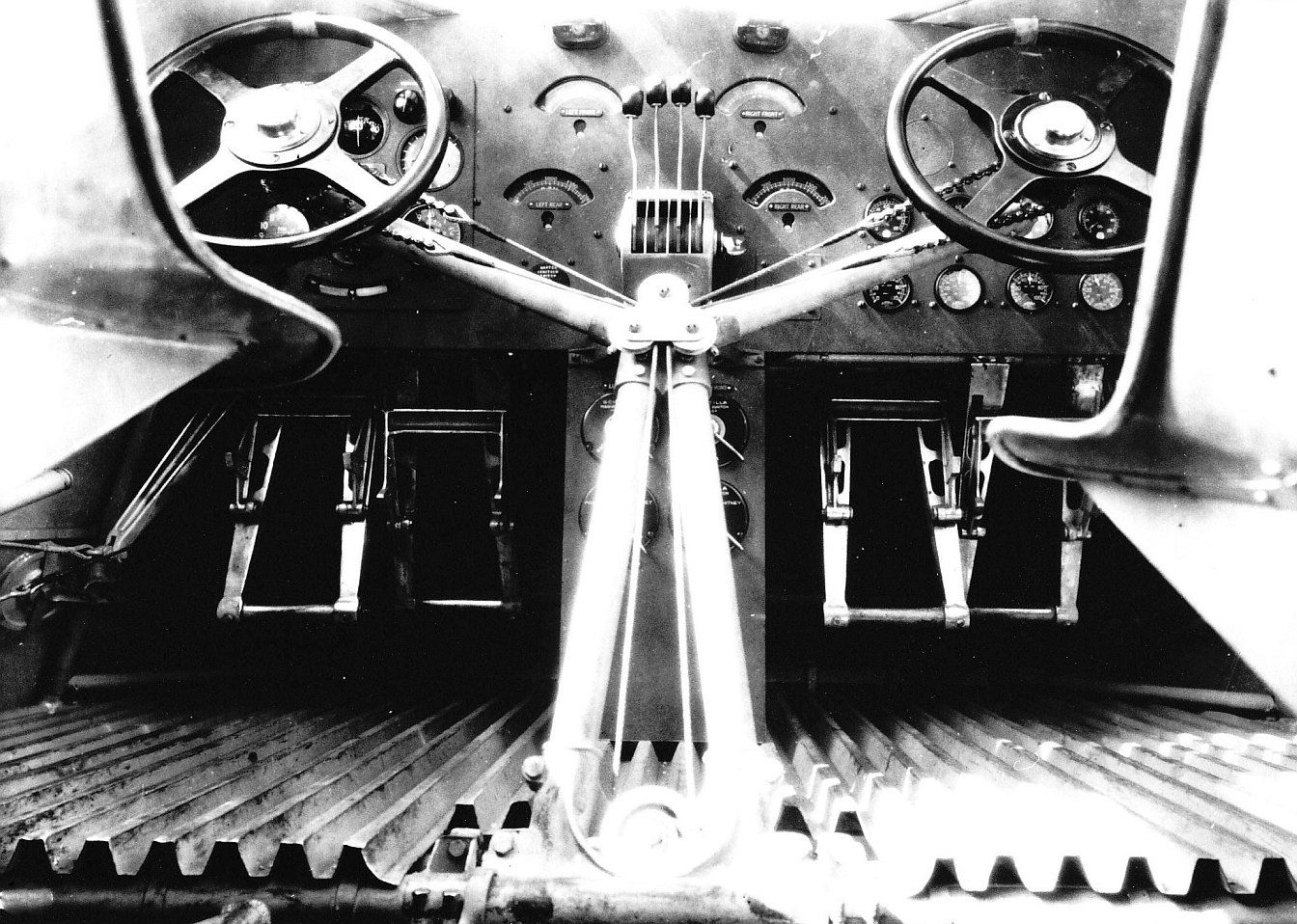
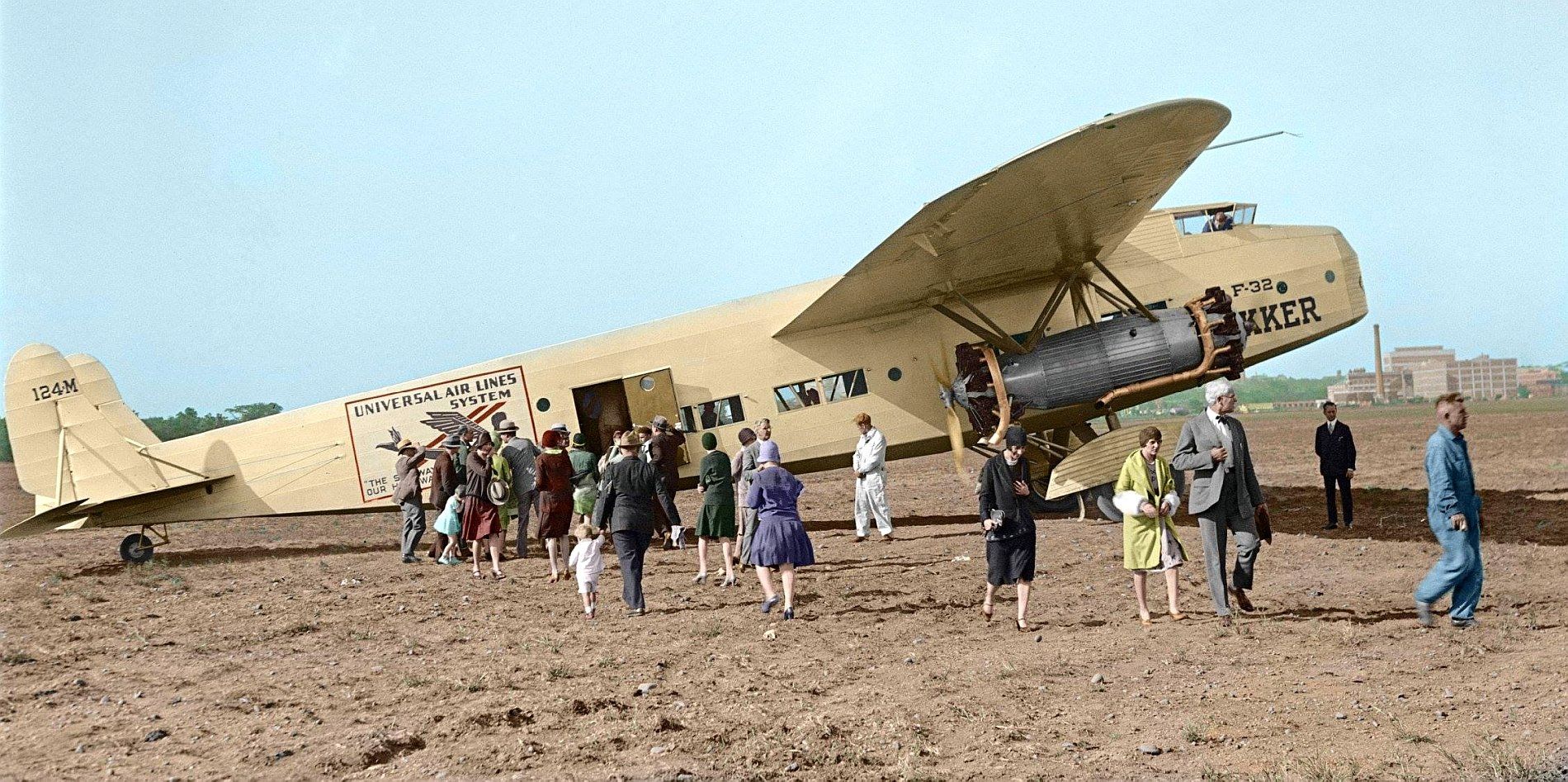
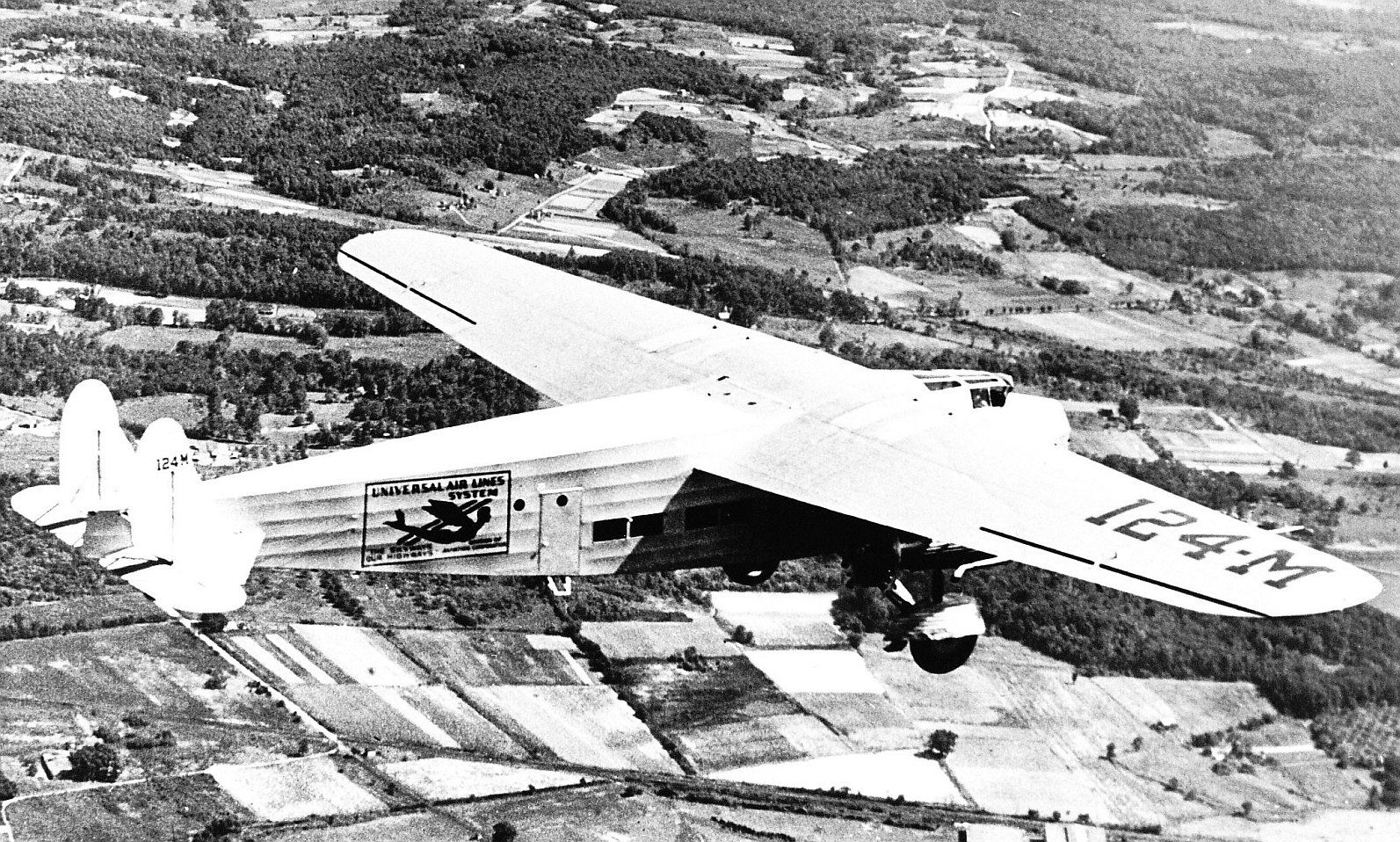
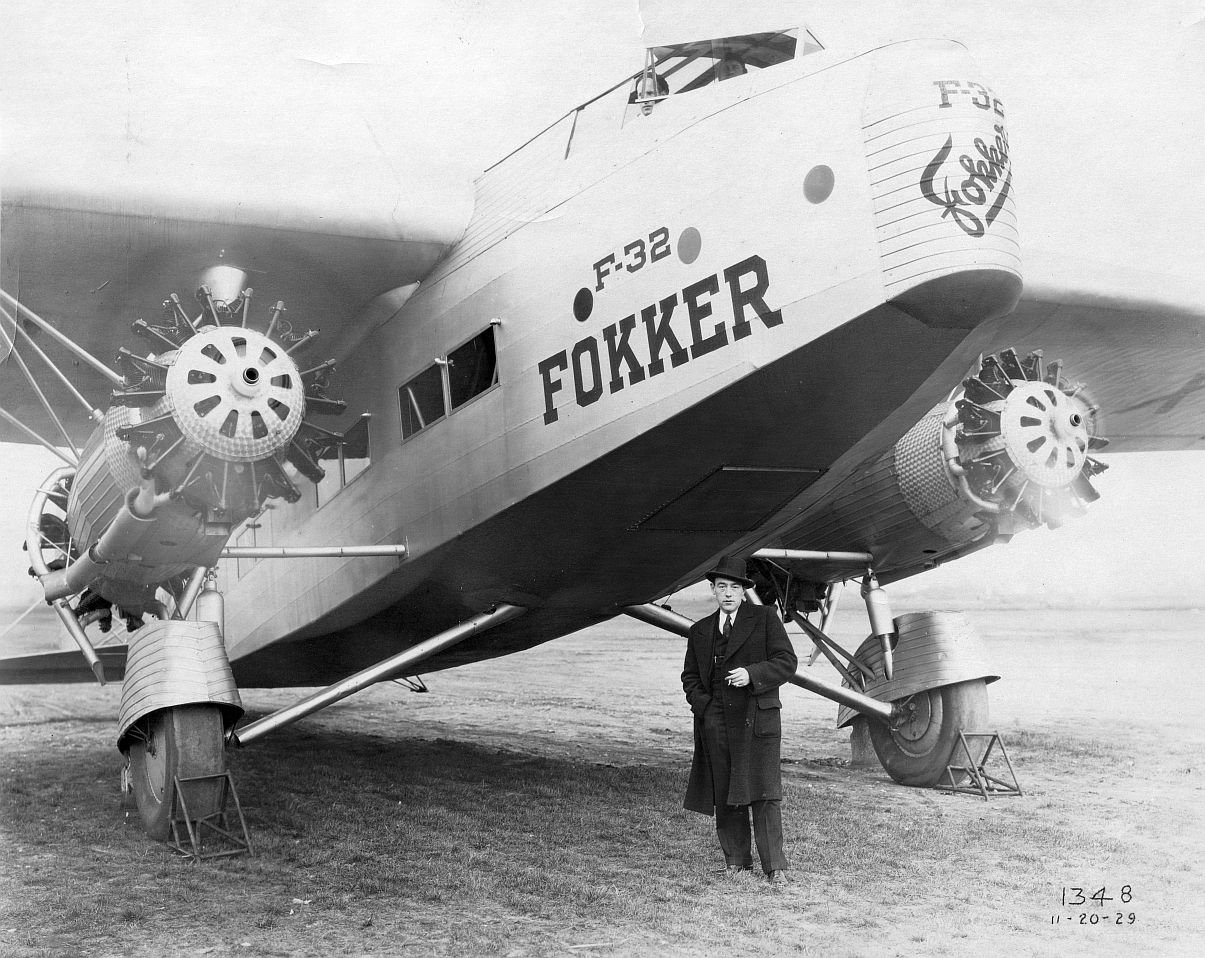
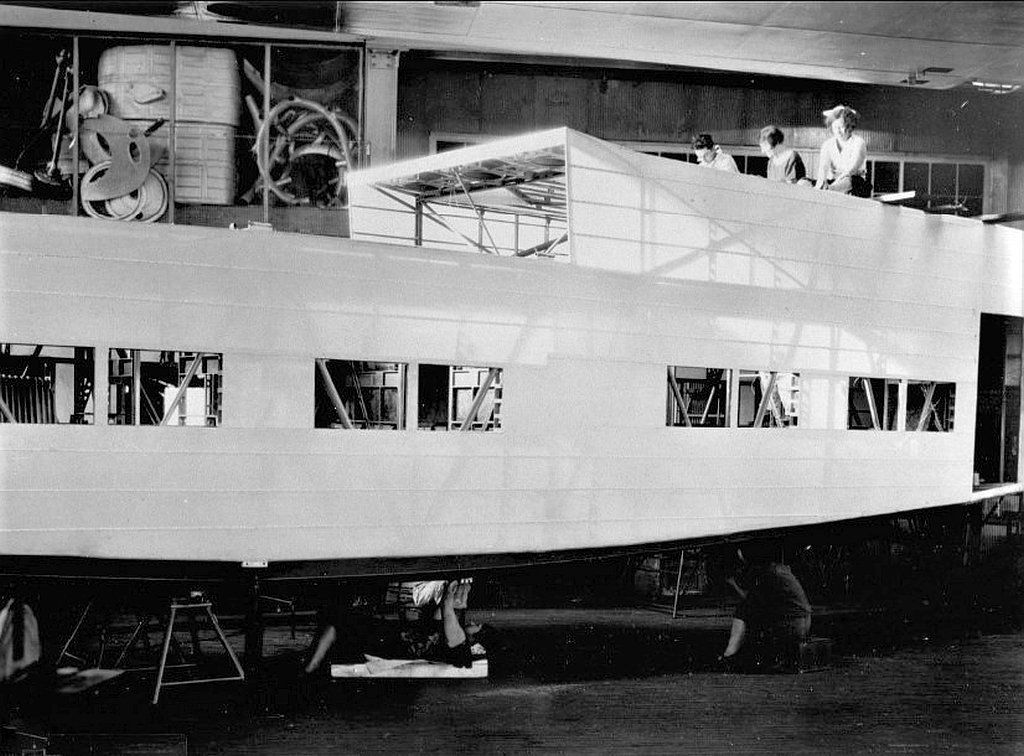
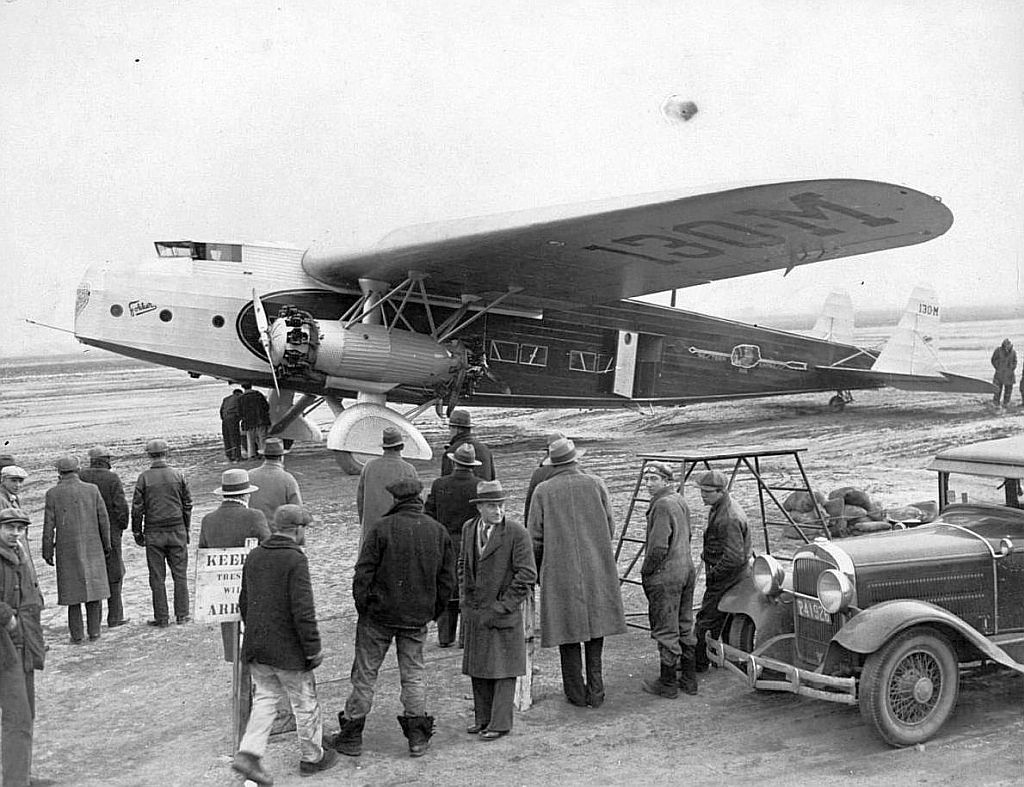
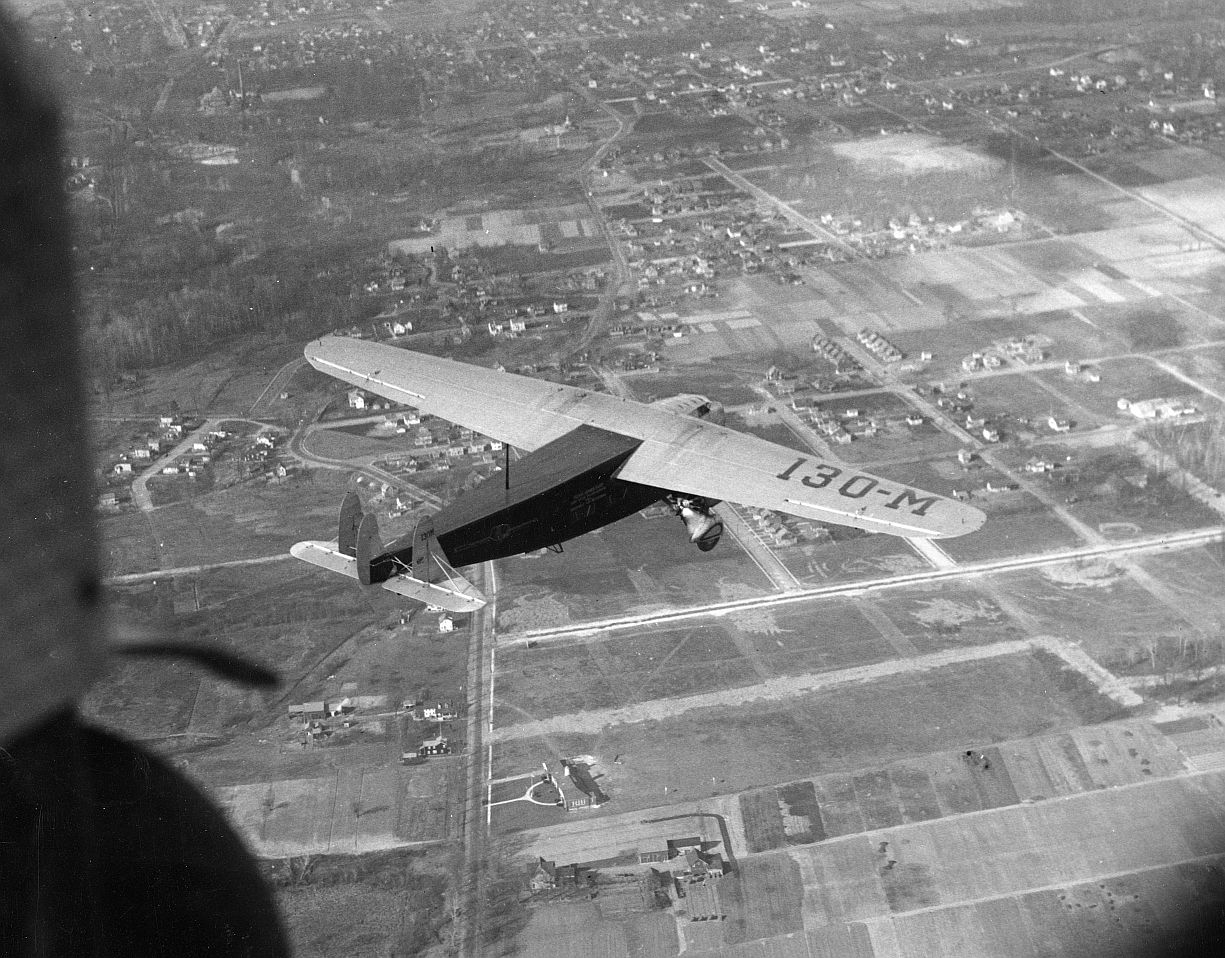
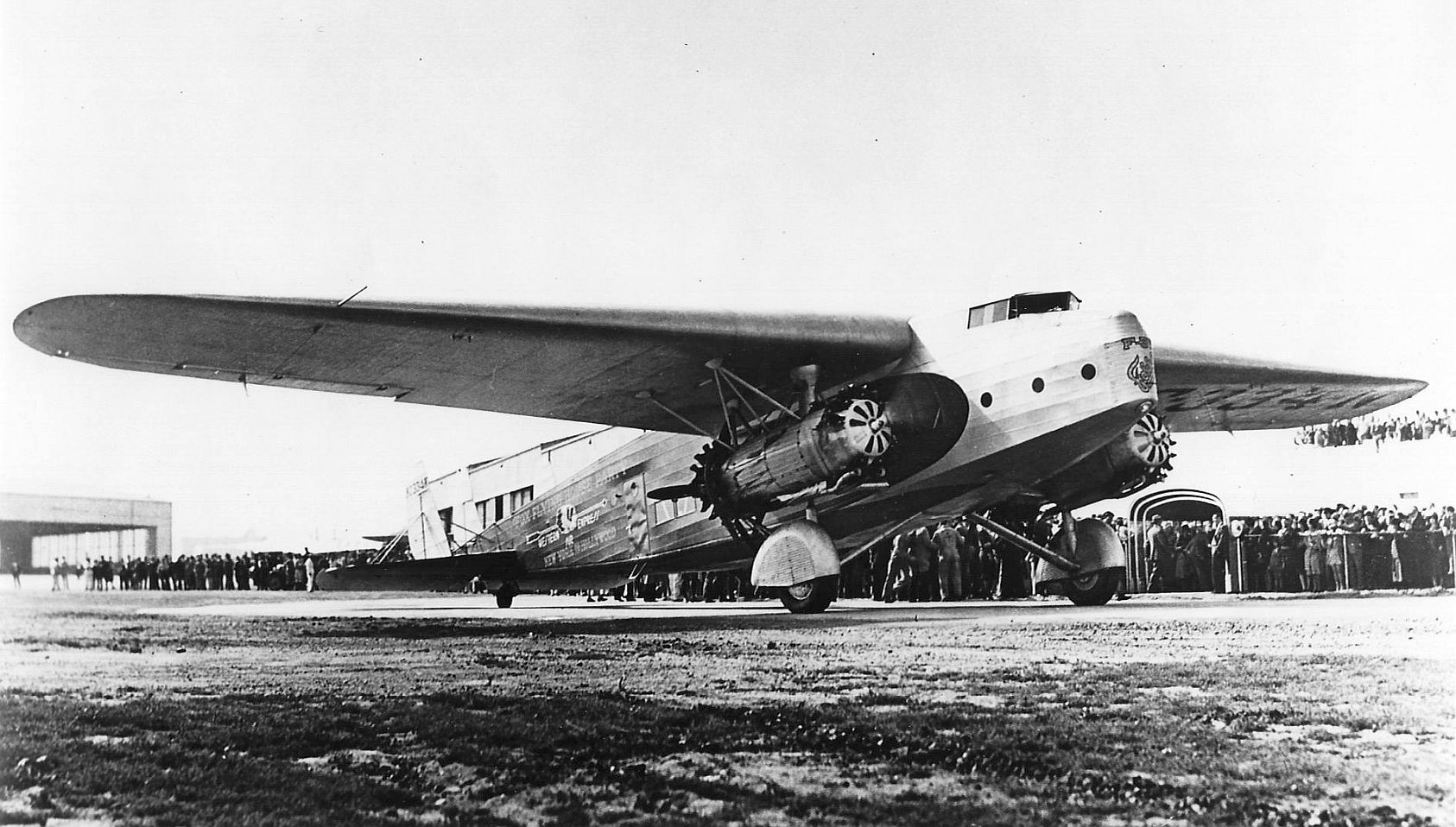
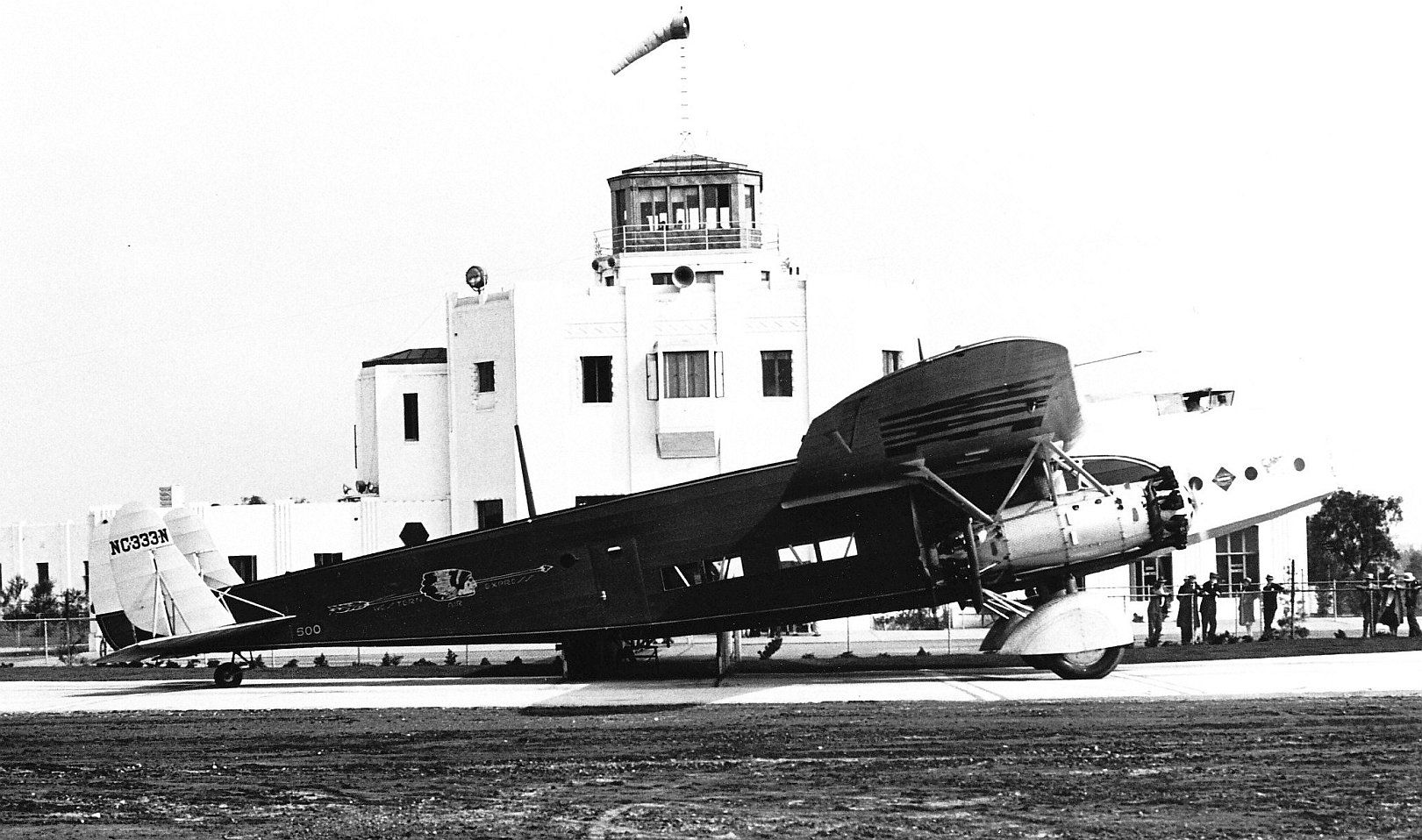
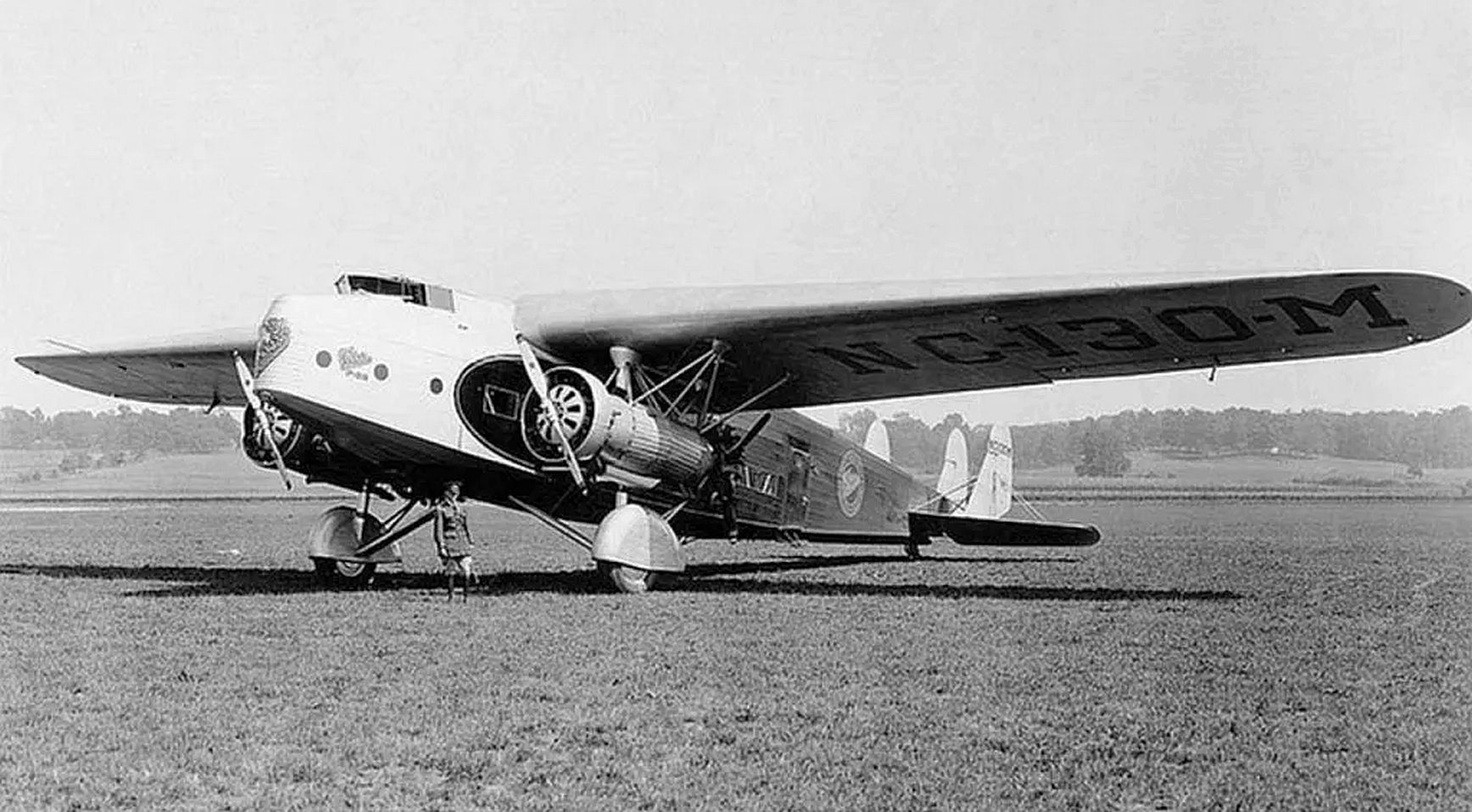
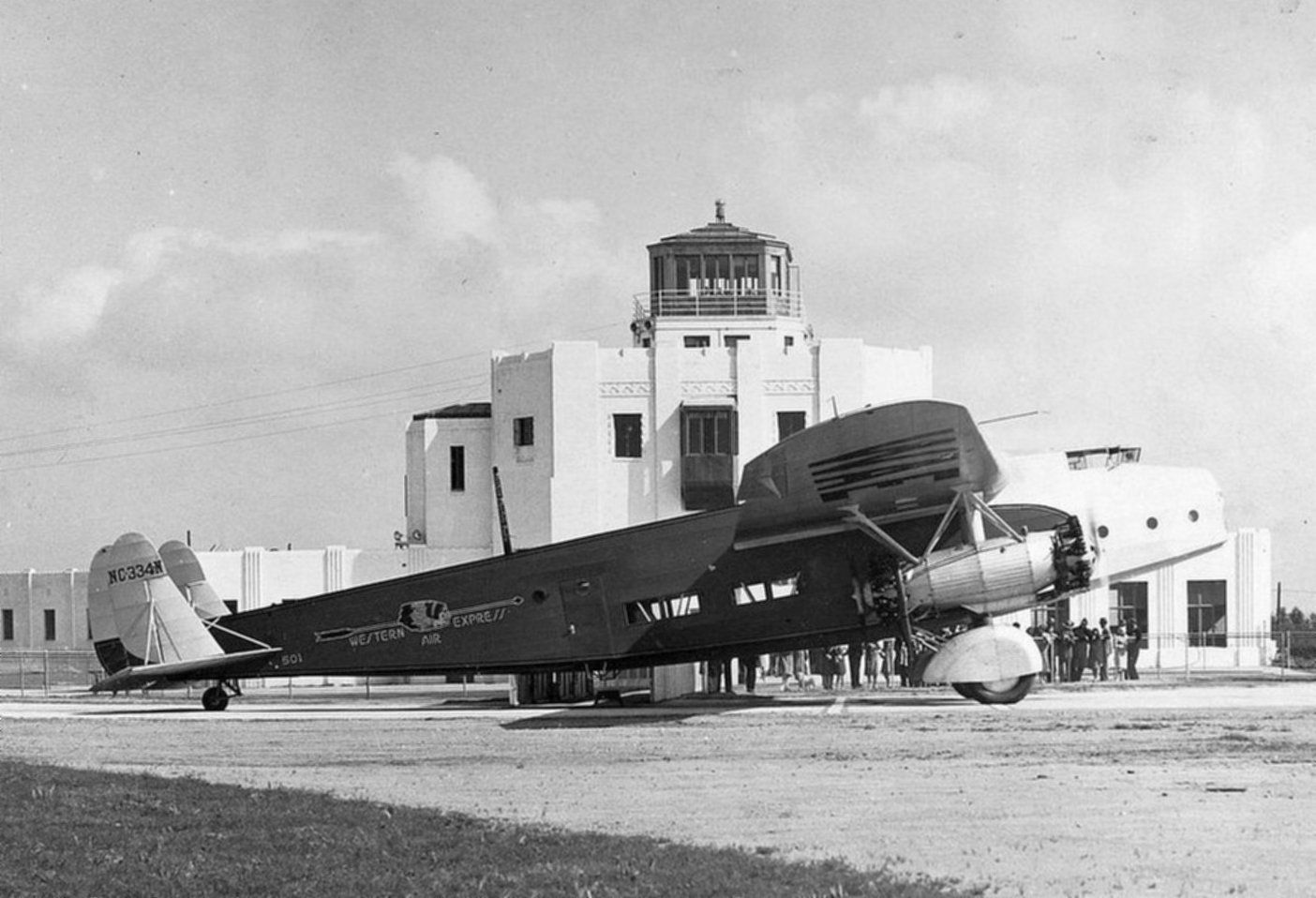
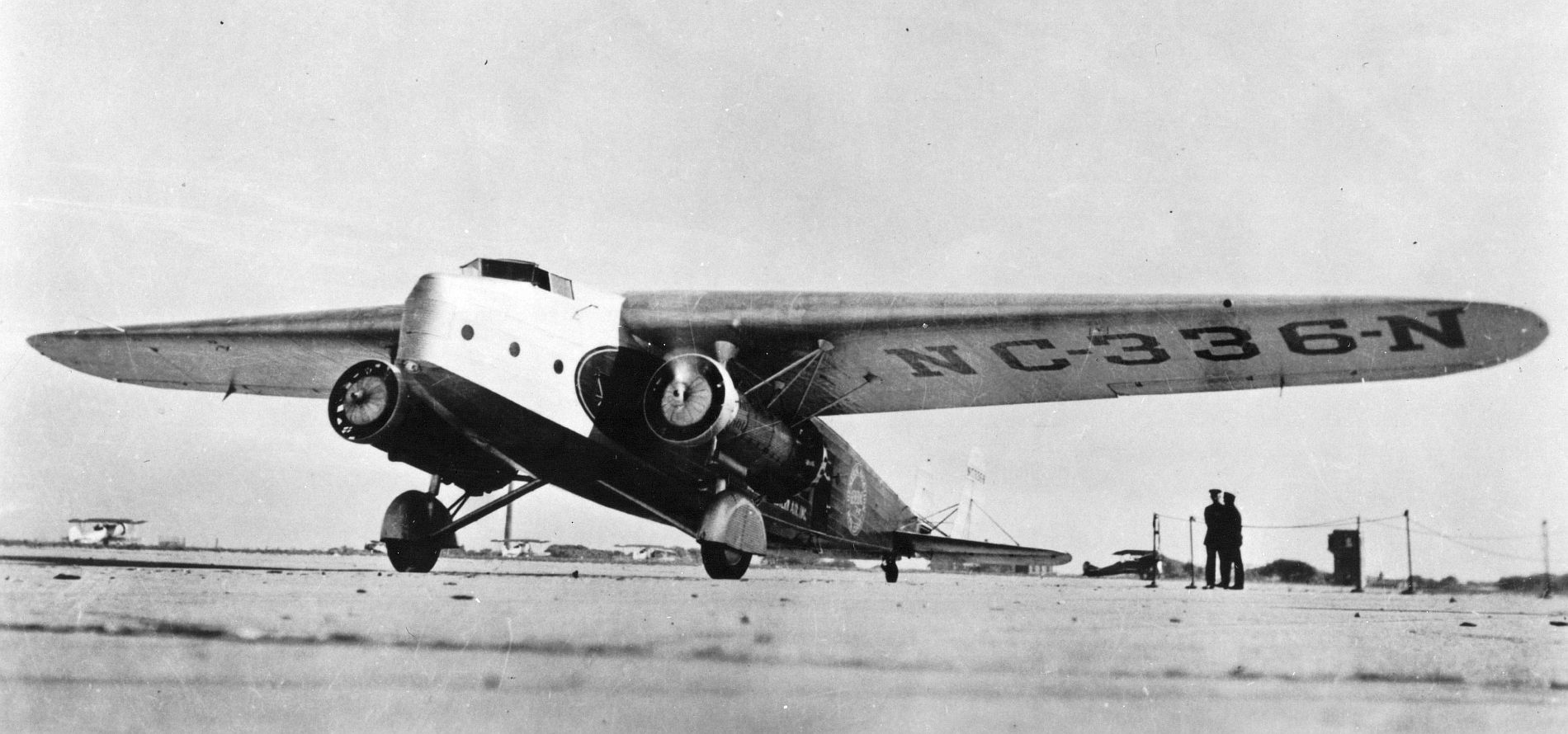
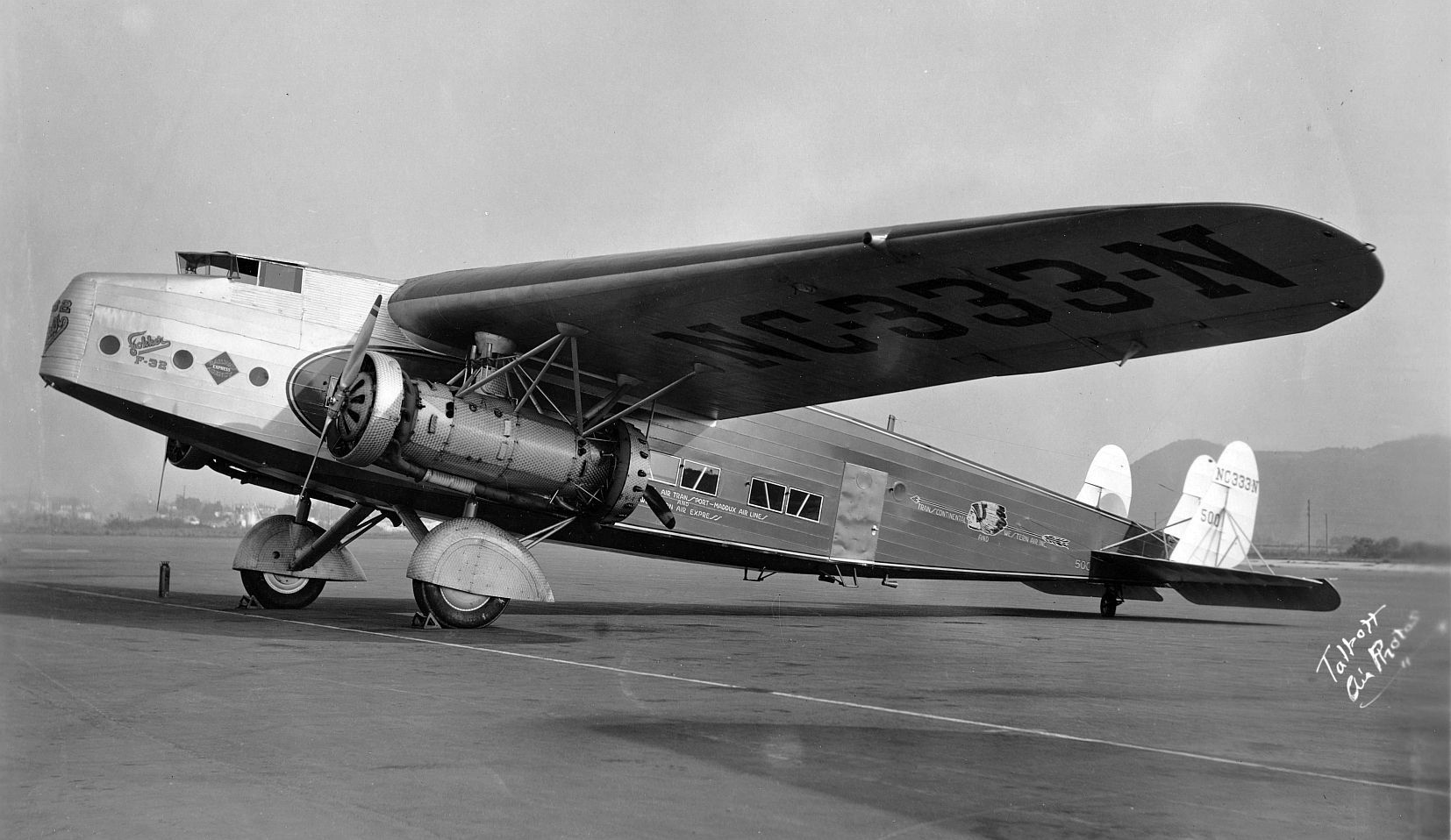
The design continued the Fokker tradition of a metal tube fuselage and a wooden cantilever wing. Only larger than any Fokker had ever built before. And at the time, it was the largest American aircraft. With a wingspan of nearly 100 feet (over 30 meters) and a capacity of 32 people.
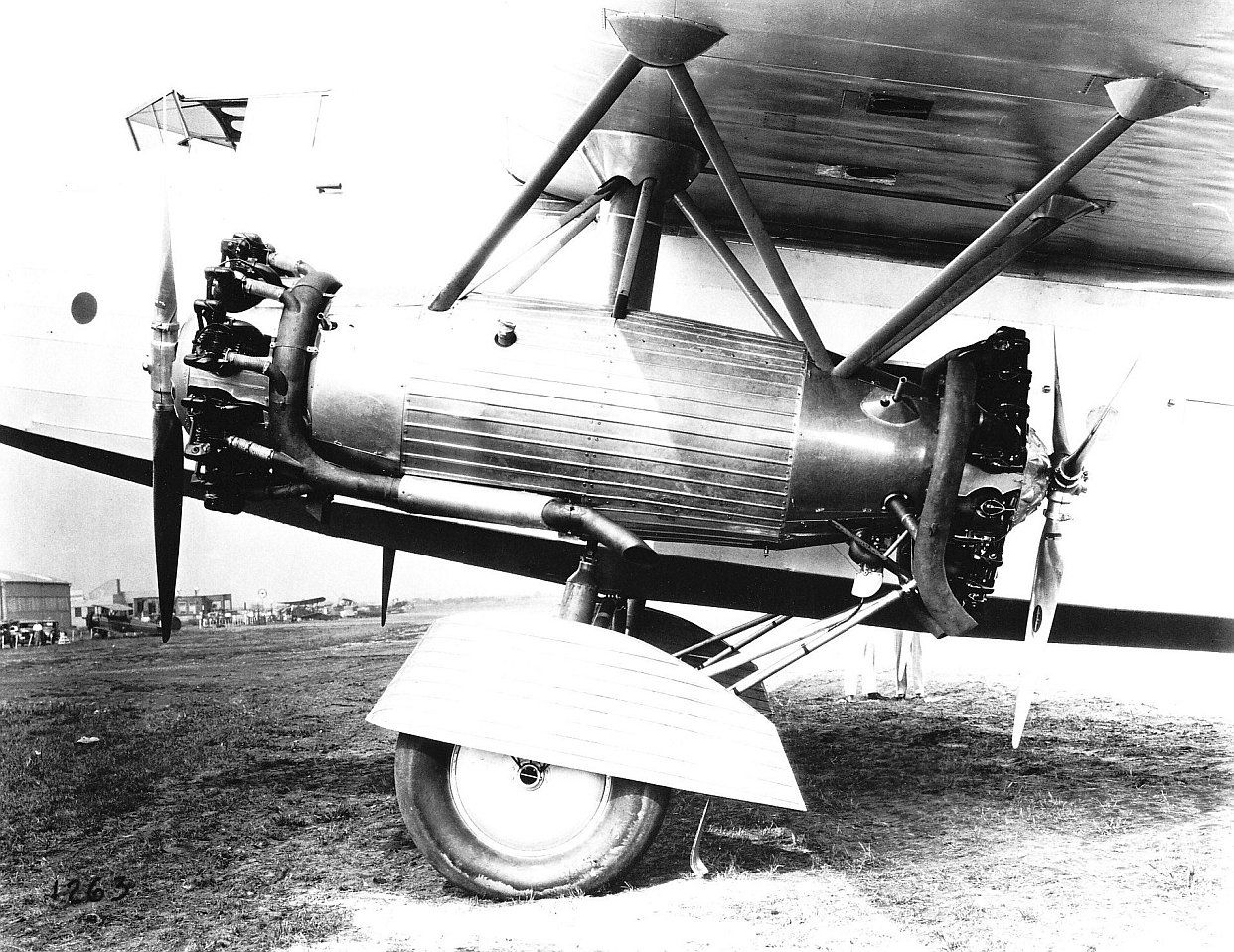
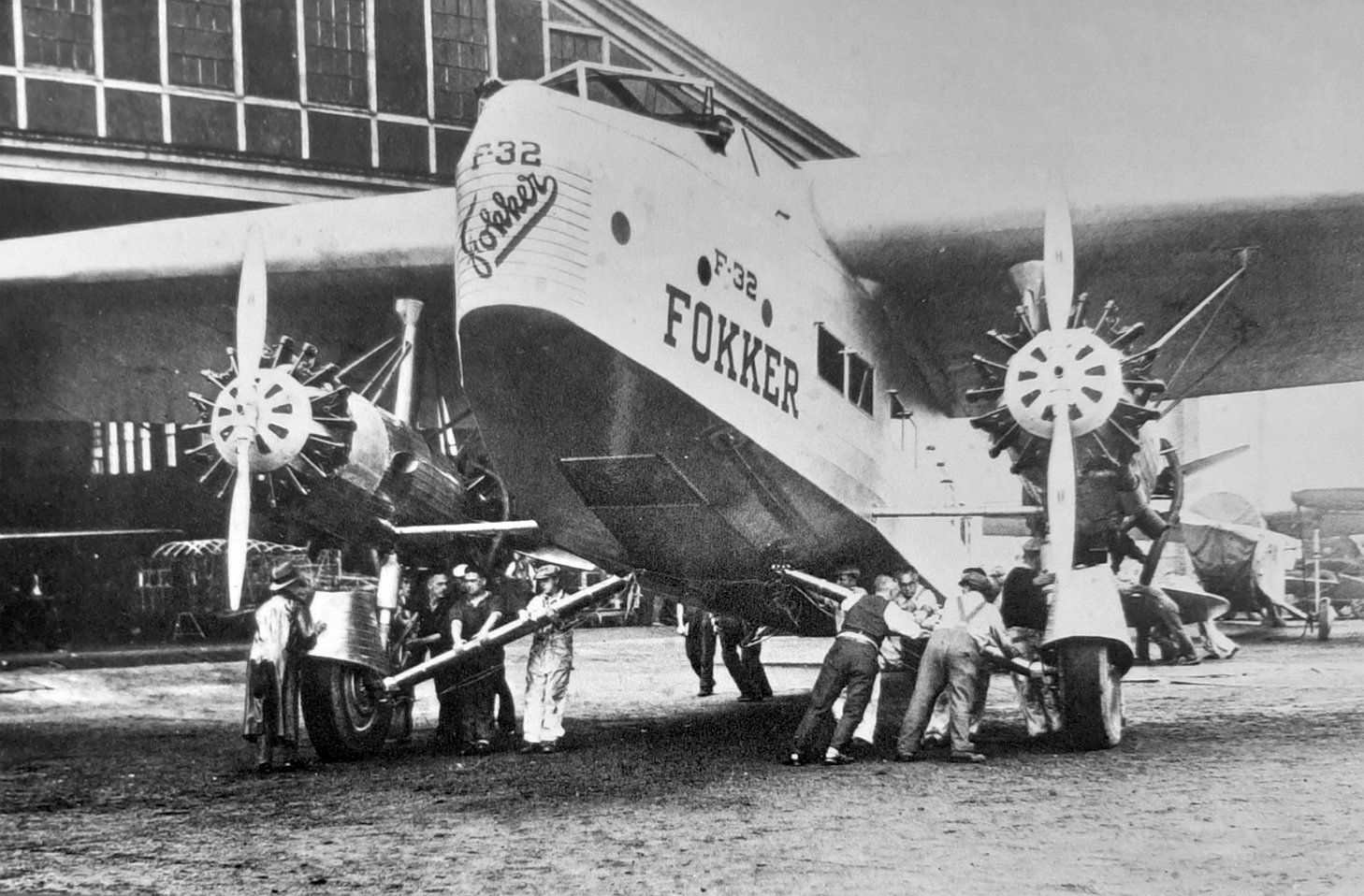
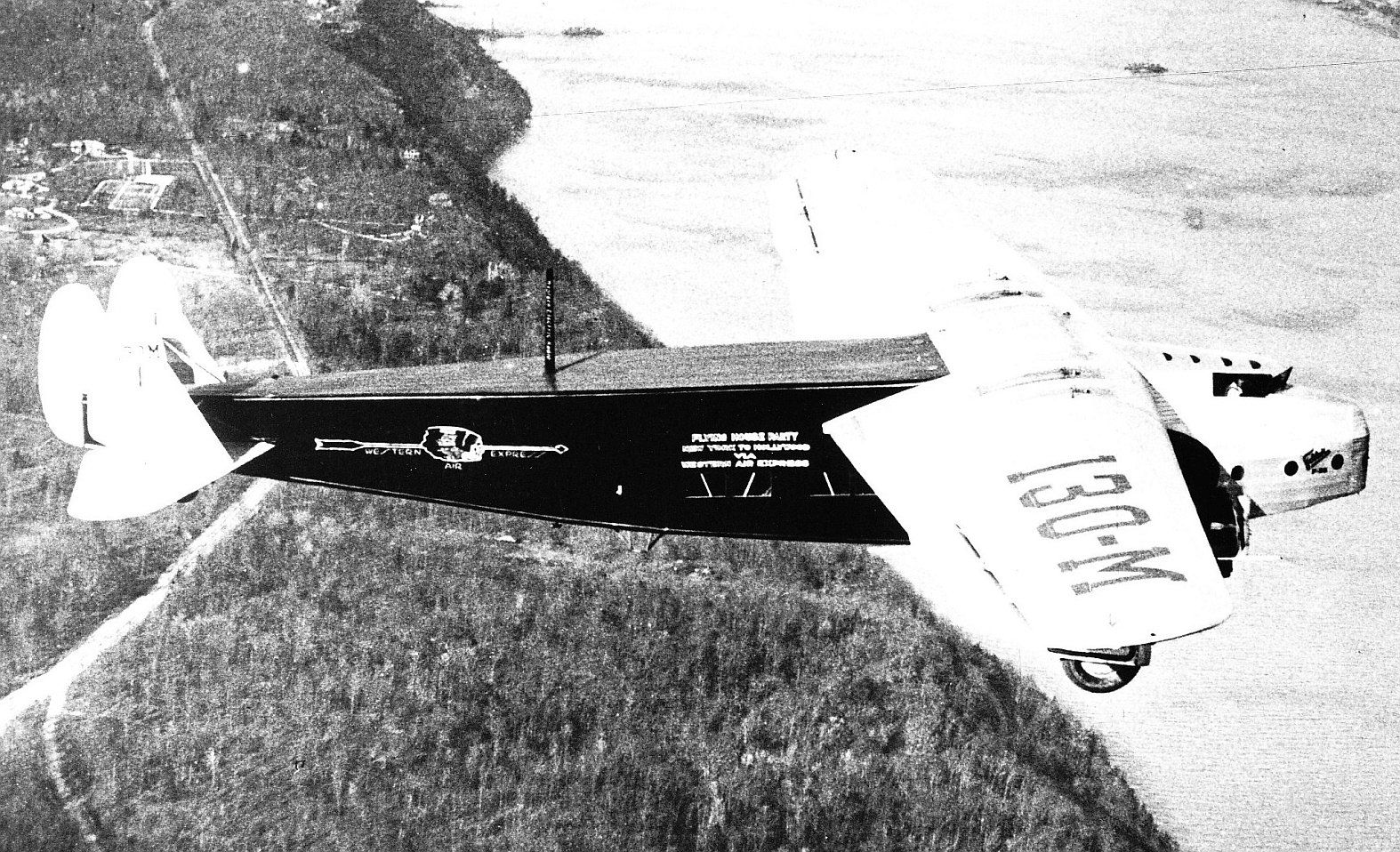
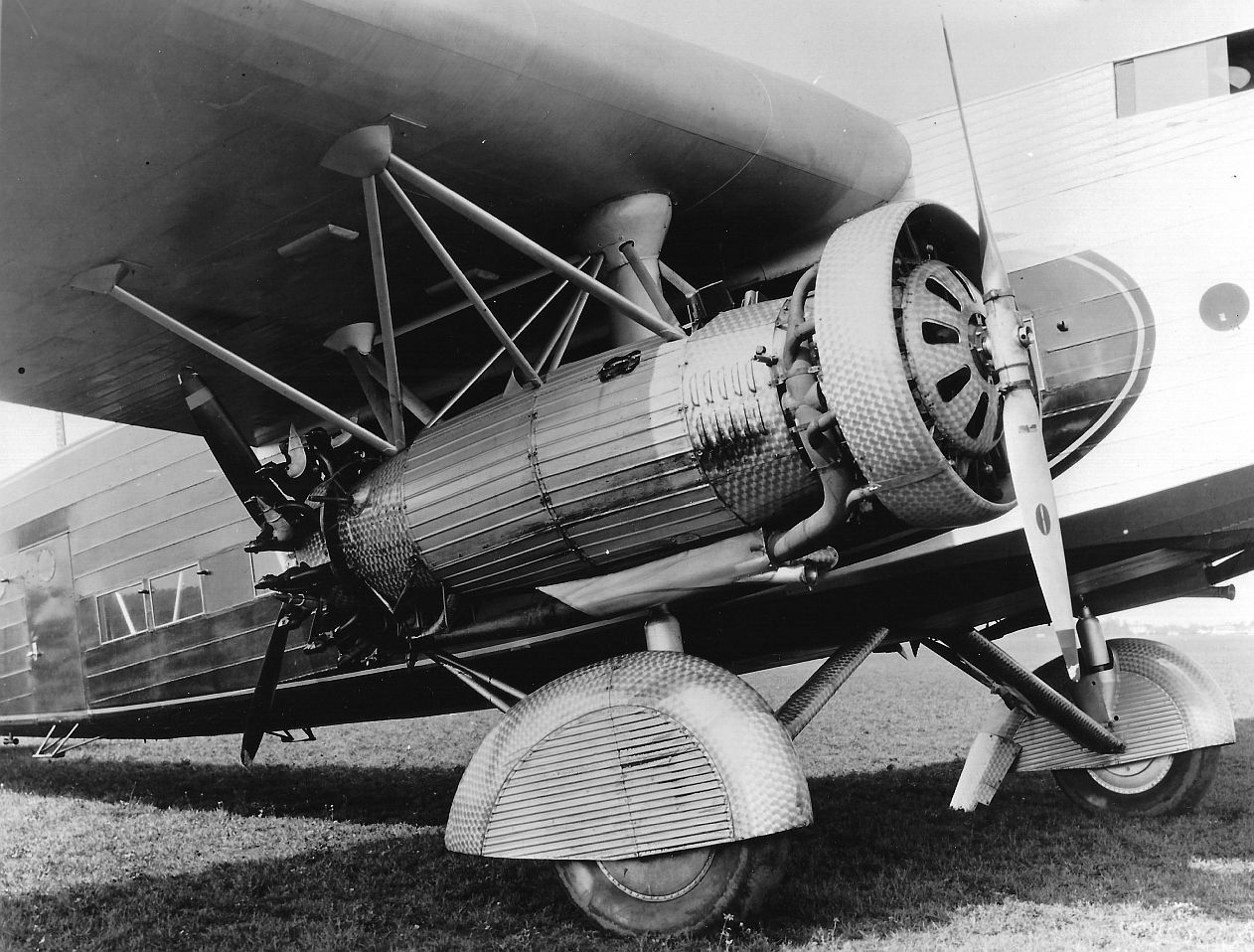
Because four engines were needed for propulsion, two engine nacelles were chosen, suspended beneath the wing. This meant both a pusher and a puller propeller. Furthermore, the aircraft had to be as fuel-efficient as possible per passenger/kilometer. EV Rickenbacker, who had joined Fokker as Vice President of Sales from General Motors, saw a bright future for it.
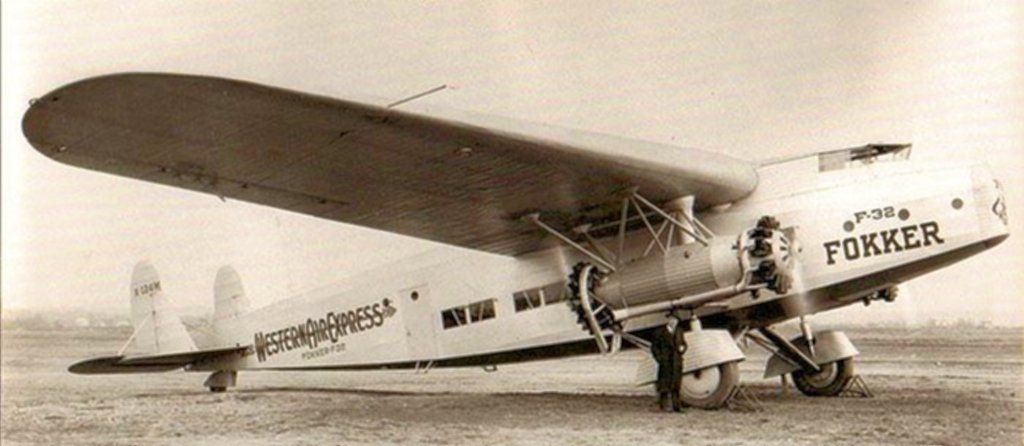
Universal Air Lines (the predecessor of American Airlines) and Western Air Express were both already flying the F-10As. They also ordered the F-32 before it had even been tested.
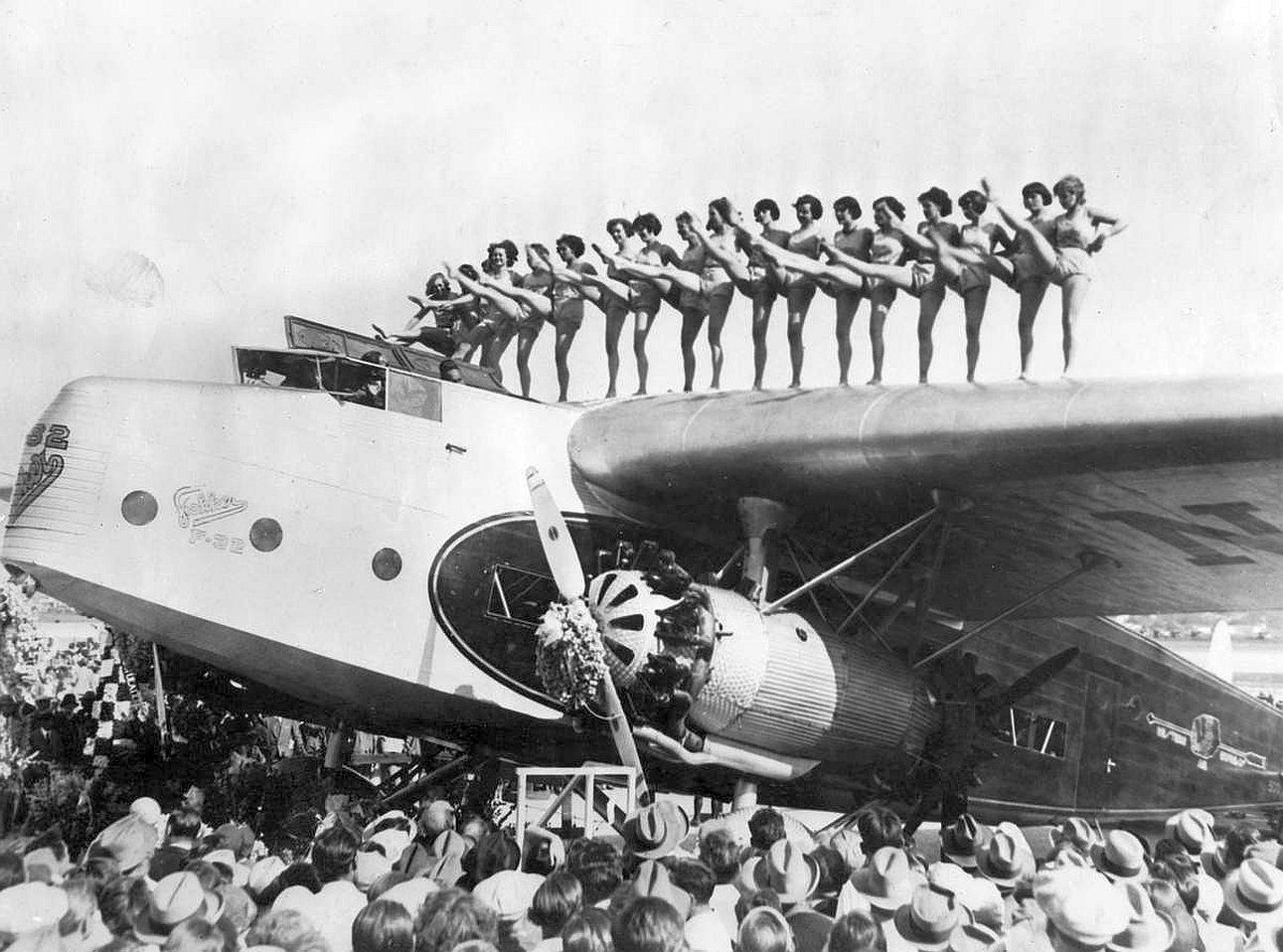
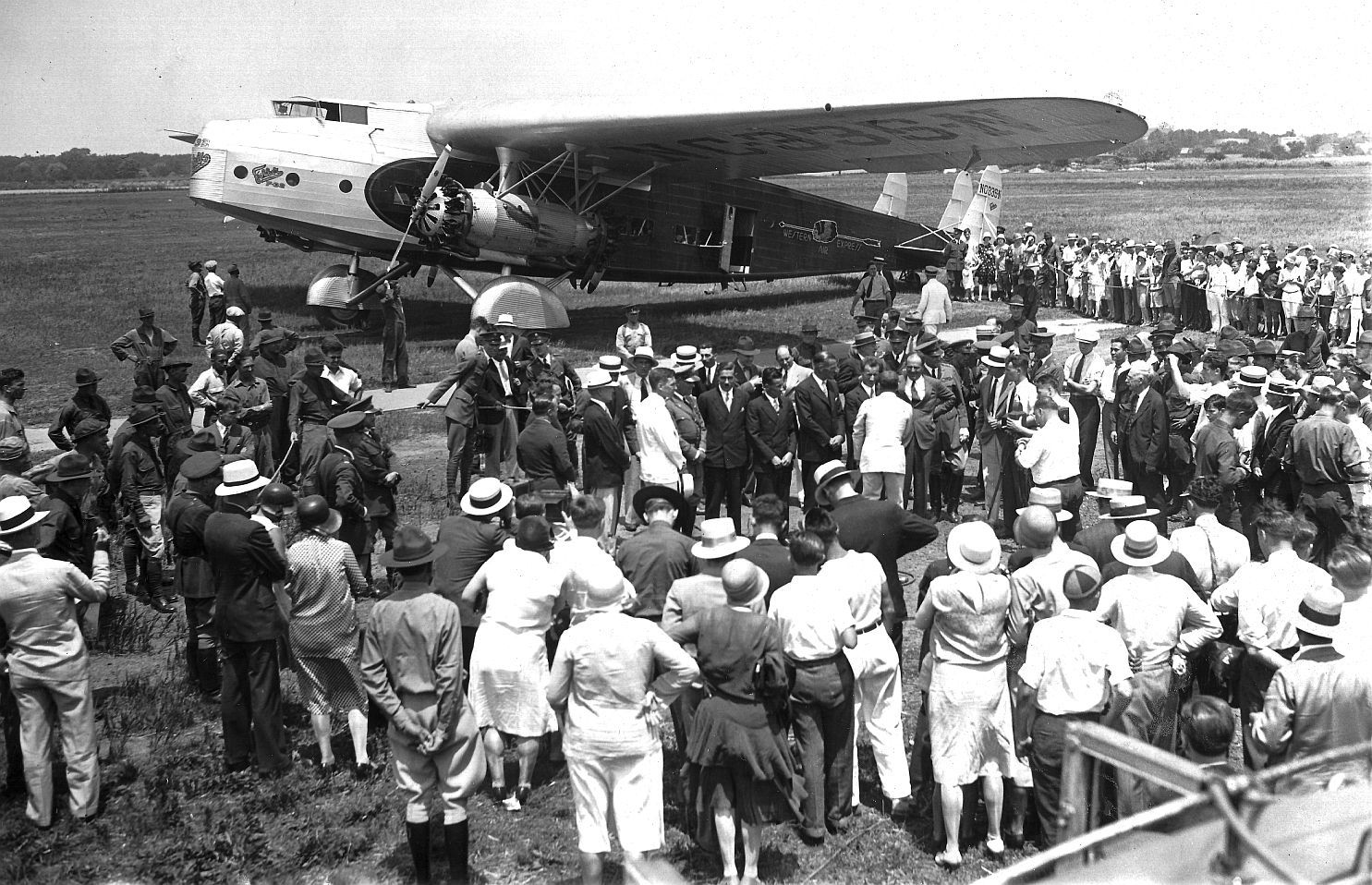
On September 9, 1929, the unpainted prototype quietly made its maiden flight. When it was a success, the aircraft was demonstrated a few days later with great fanfare at the Teterboro factory airfield.
Demonstration flights were also held elsewhere in America afterward, generating considerable publicity.
The thrusters proved problematic due to insufficient air cooling. But that wasn't the only problem.
The first signs of a recession appeared on Wall Street's stock exchange in early October 1929. This turned into blind panic on October 24th (Black Thursday). An economic malaise was looming, and there was no room for larger aircraft.
Universal Air Lines, however, came out on top. The contract with Fokker stipulated guaranteed performance targets. All were easily met, but the rate of climb lagged slightly behind. This gave Universal the opportunity to back out of the purchase.
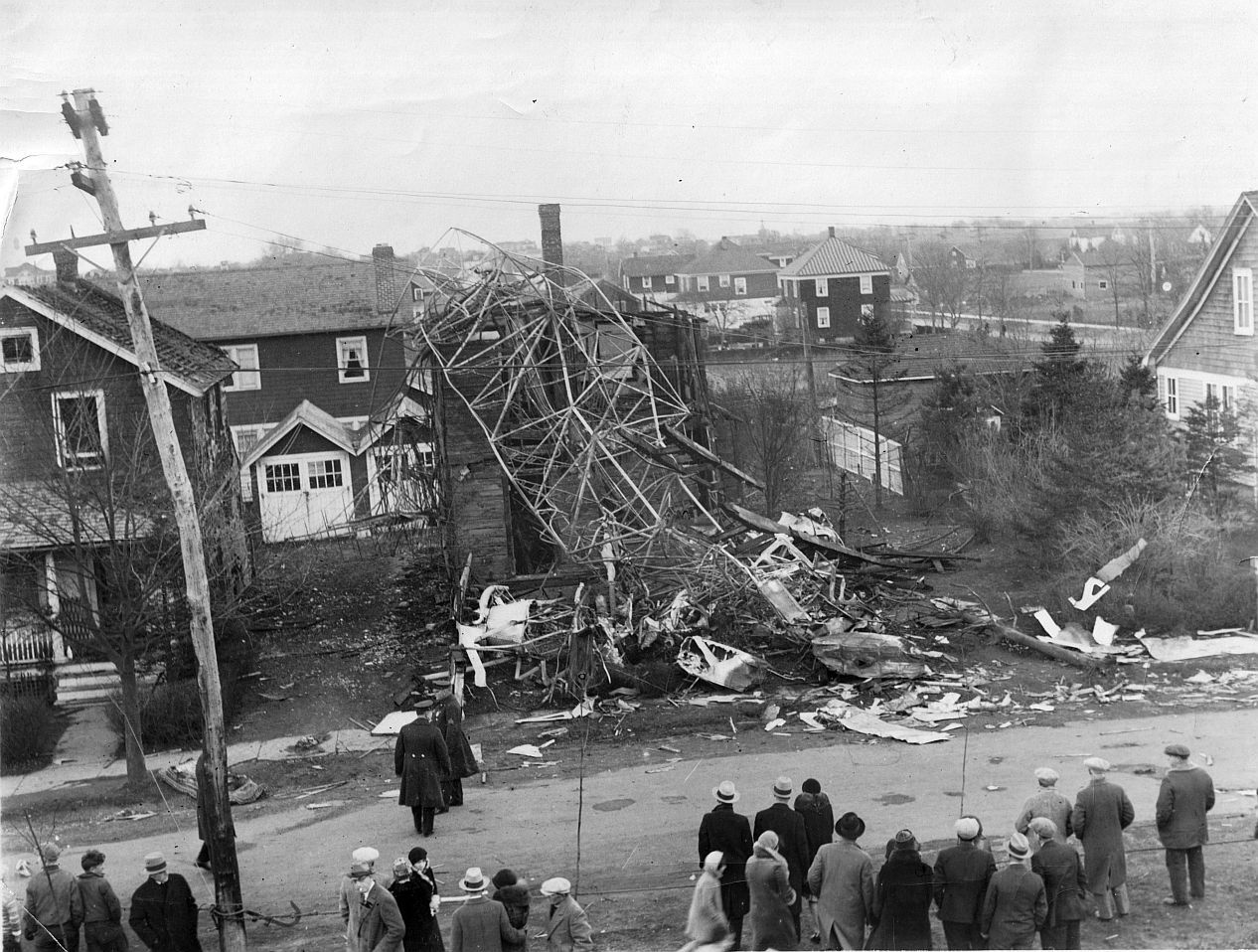
To make matters worse, the prototype crashed on November 27th. After taking off from Long Island on three engines, another engine failed.
Fokker and its majority shareholder, General Motors, were left holding the bag. Eight aircraft were under construction, and materials for six more had yet to be purchased. The market seemed so large that a separate factory for the aircraft would be built in California.
Four units were supposed to be delivered there per month. But further sales failed to materialize. And WAE scaled back its order.
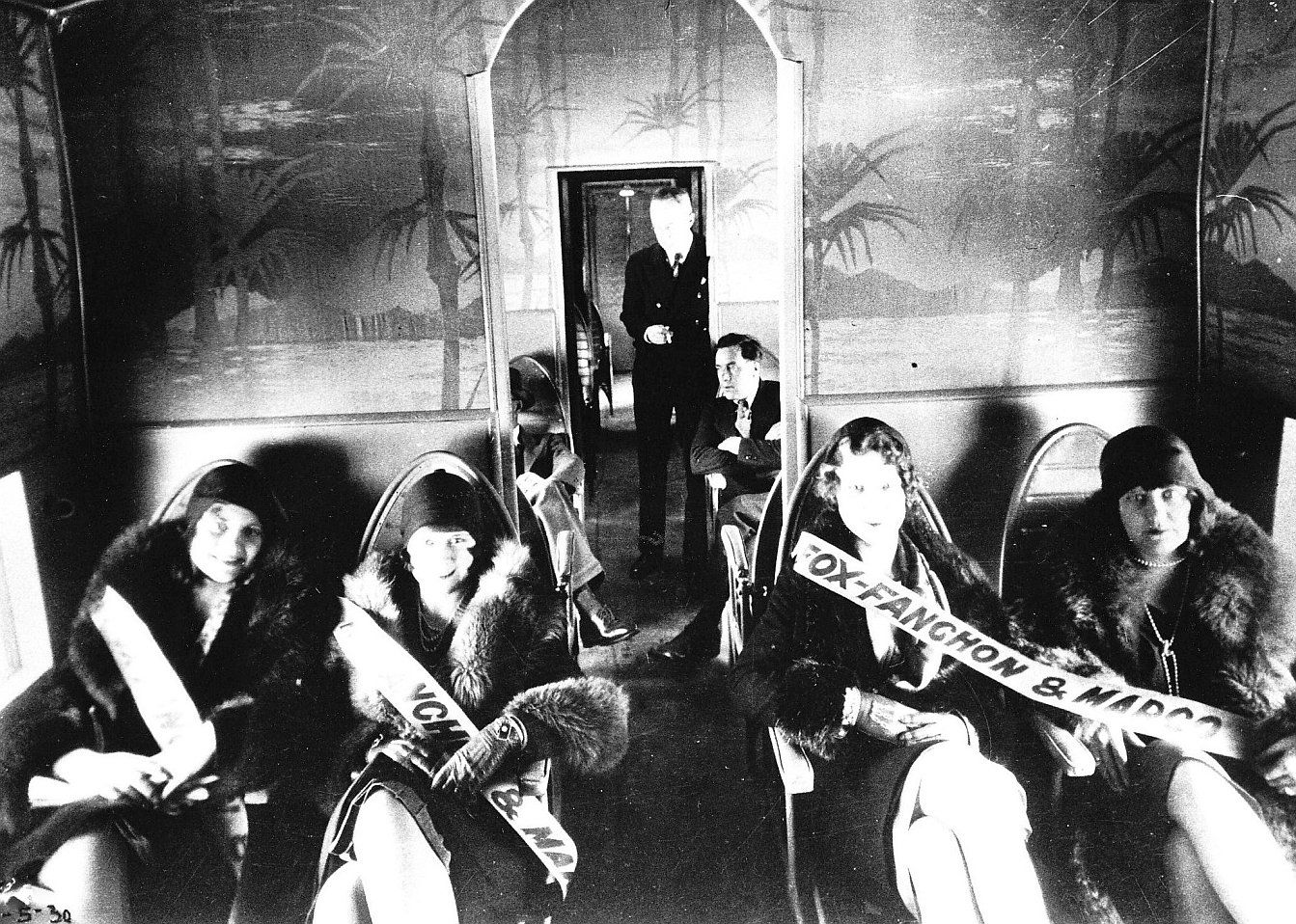
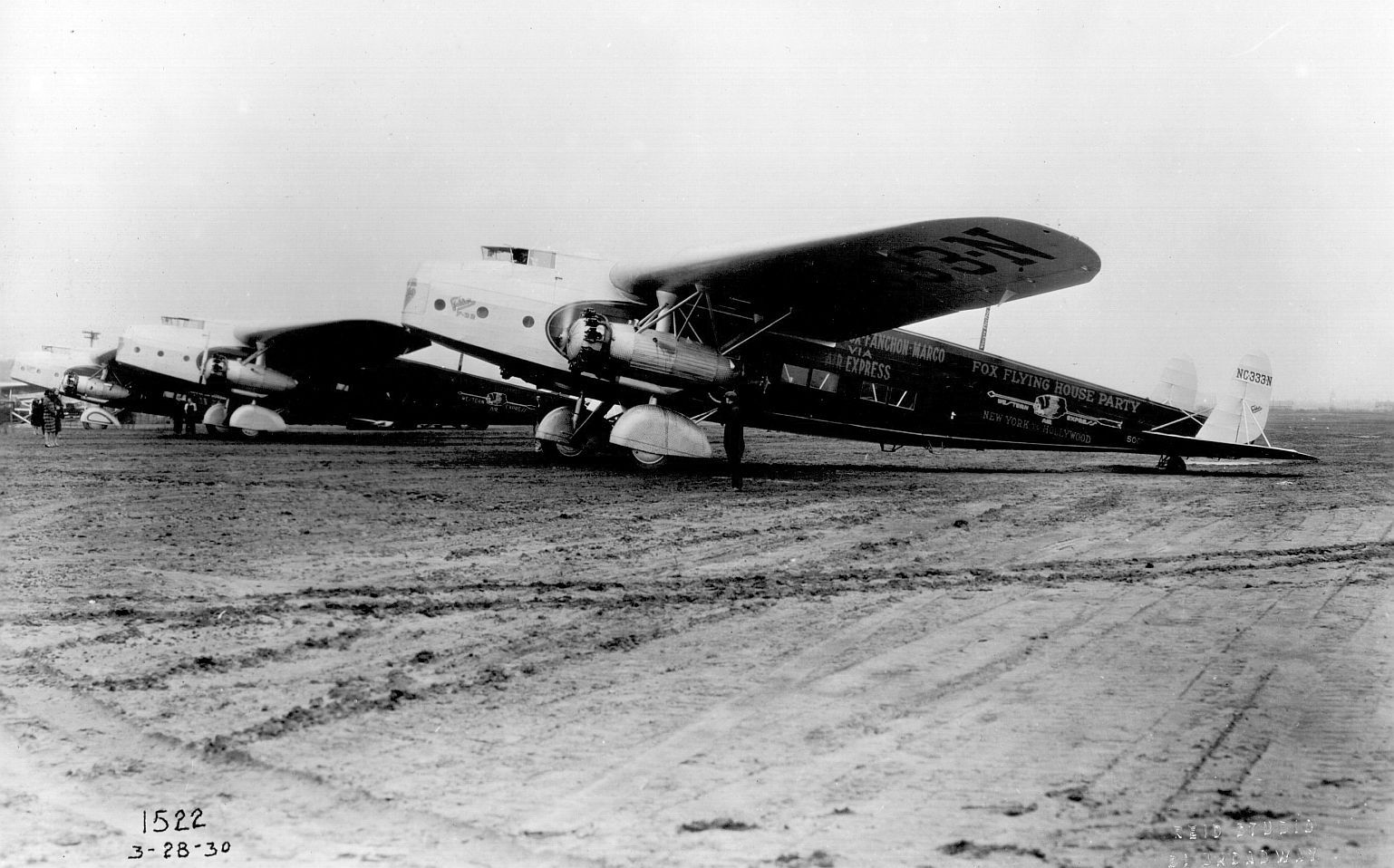
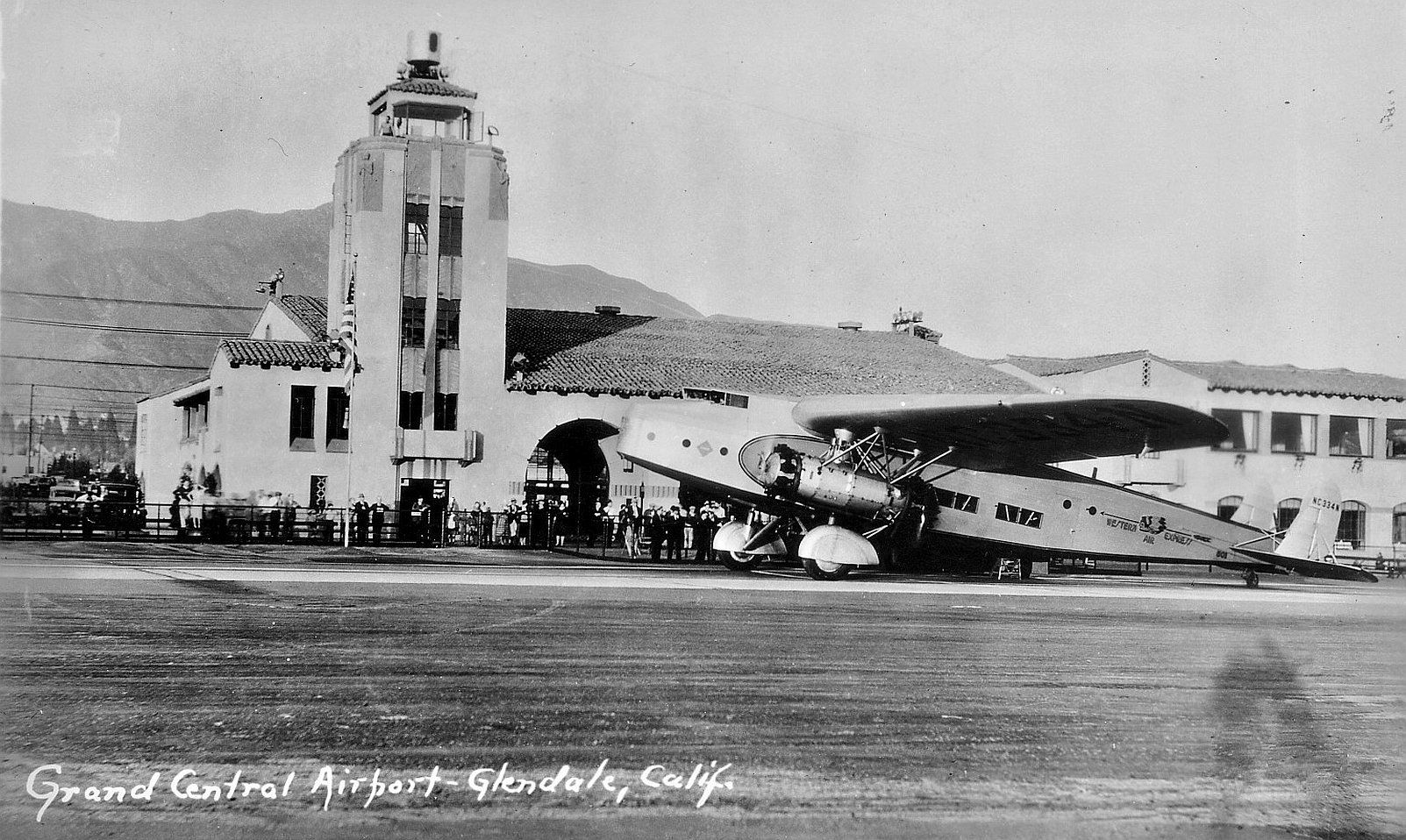
Two more F-32s (msn 1203 and 1204) were delivered to WAE with great fanfare. In March 1930, they flew to the West Coast with a group from the Fox-Fanchon & Marco film company. WAE then put them into service on the Los Angeles-San Francisco route.
Meanwhile, Fokker was working on improving the type's performance, primarily by reducing weight. And they were targeting the market for wealthy companies.
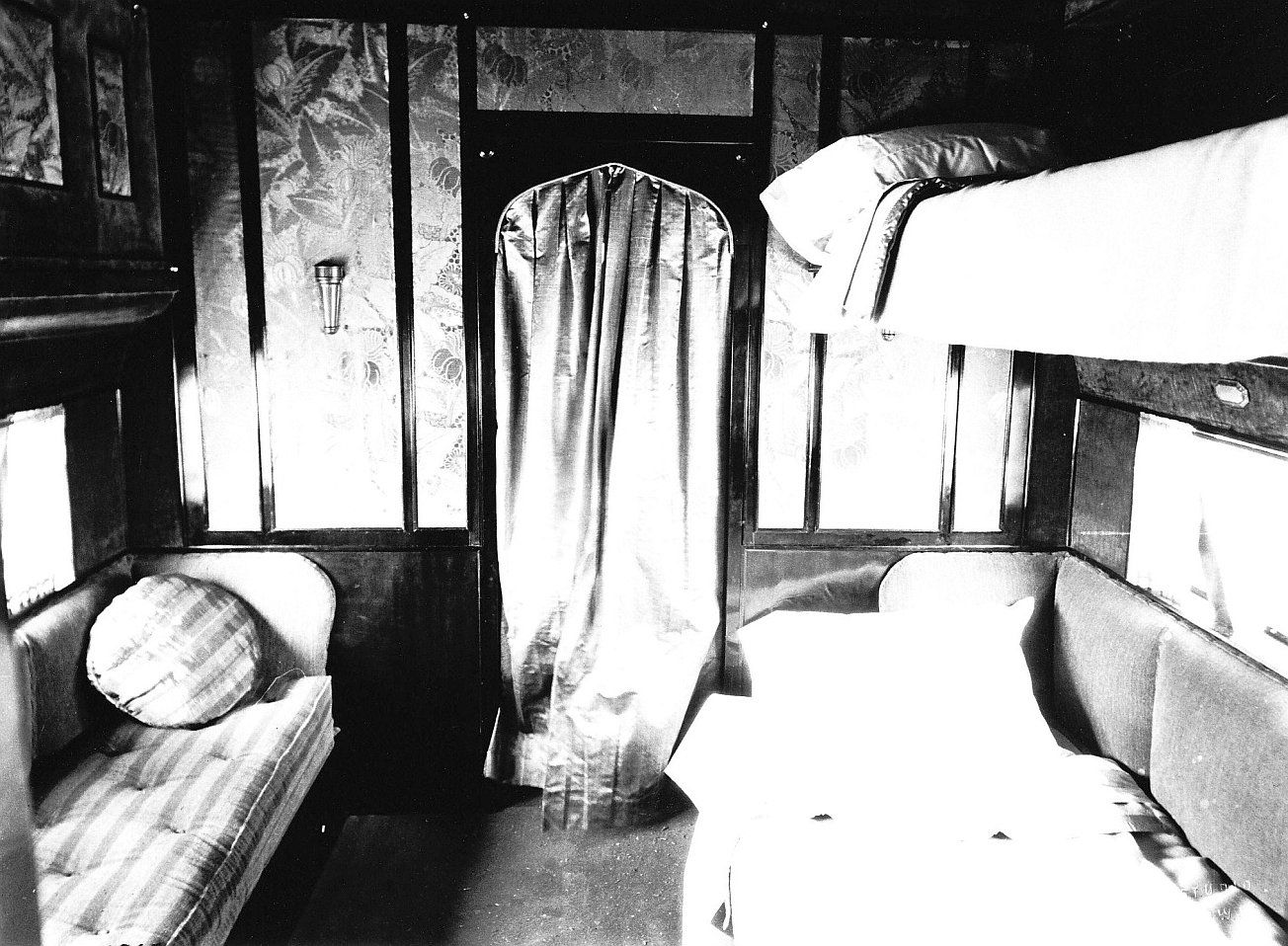
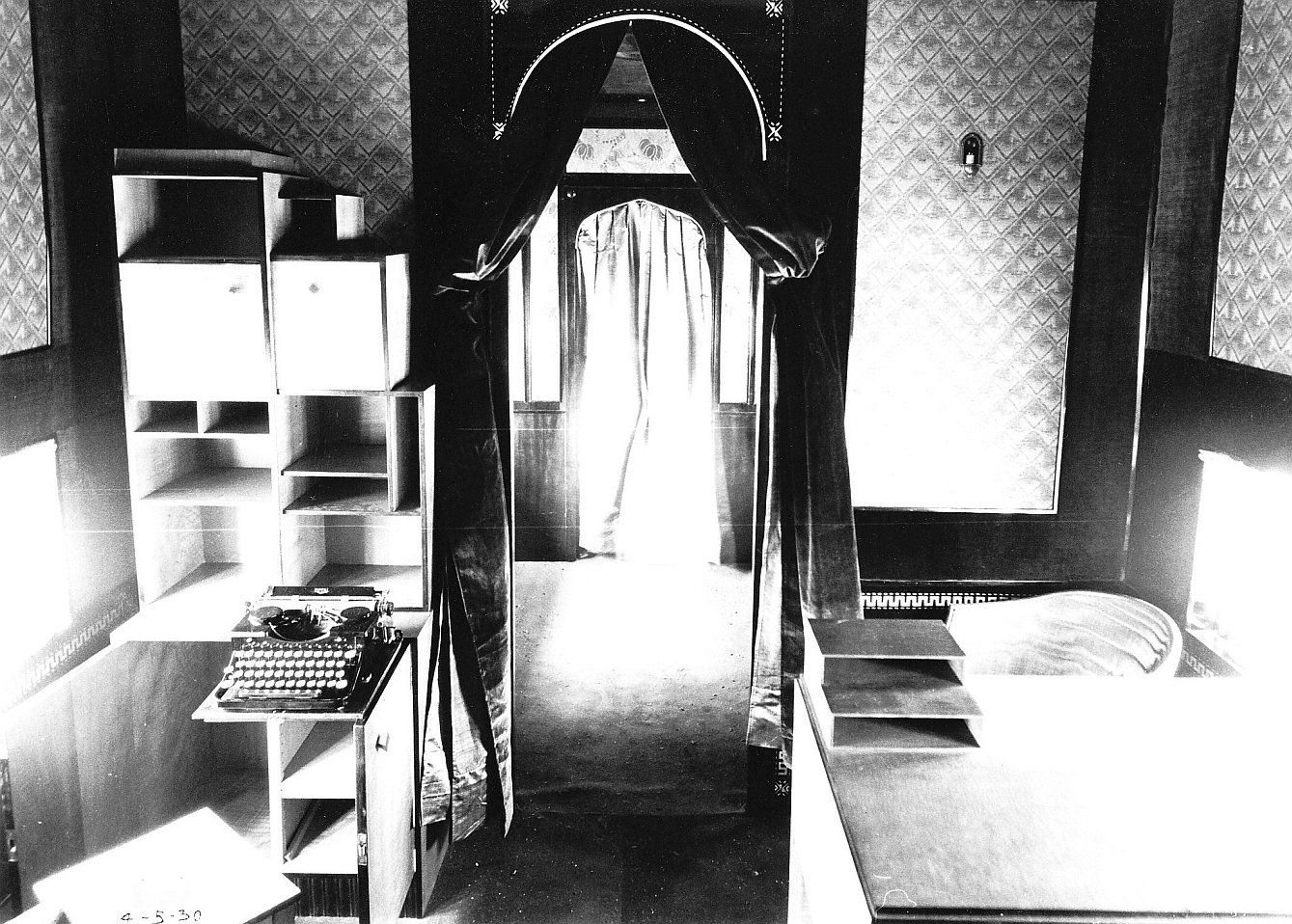
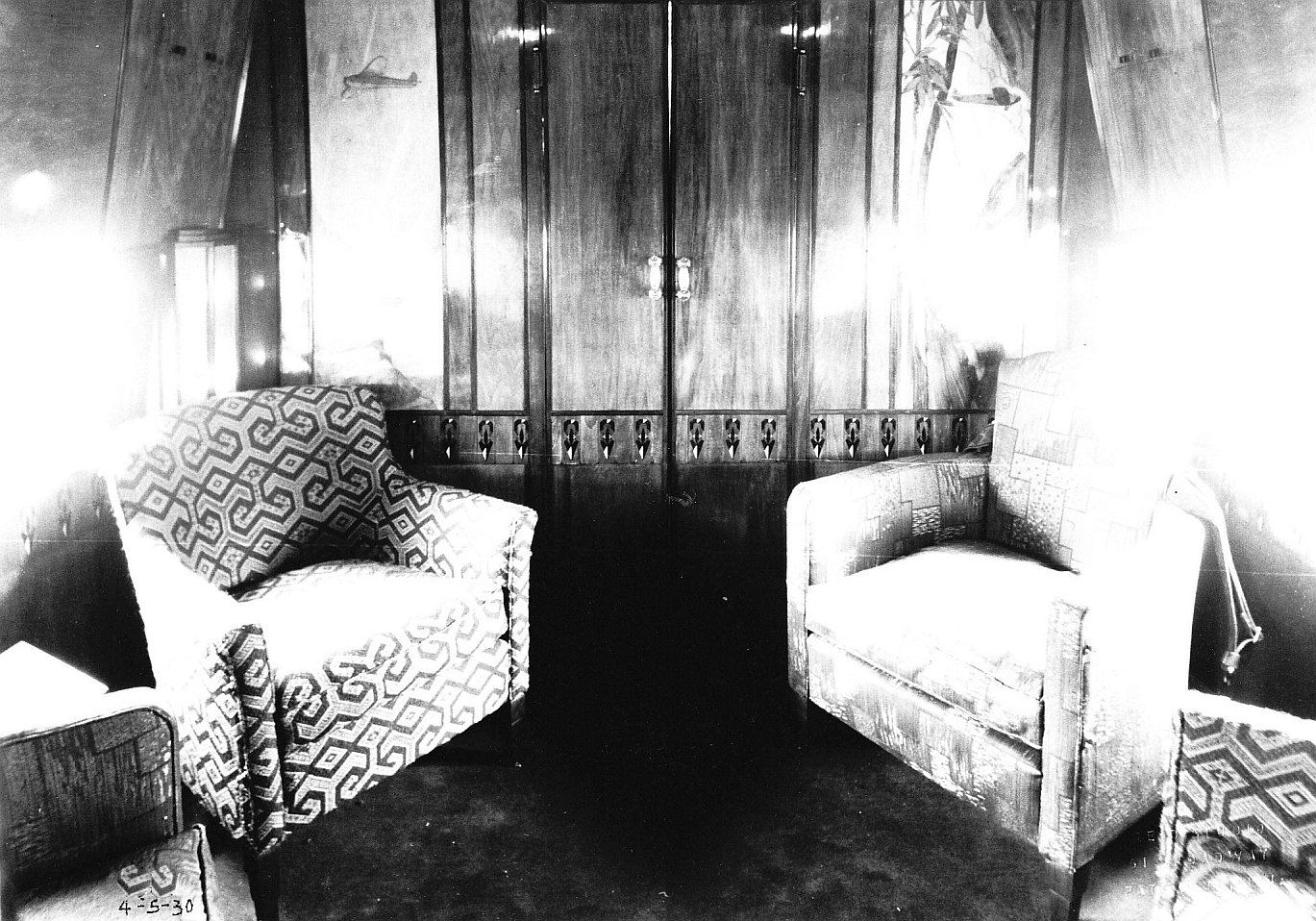
MSN 1207 was prepared for this purpose, equipped with all the amenities. But that aircraft also failed to sell.
The Army Air Corps' testing of the second prototype (msn 1202) as a YC-20 also failed to lead to an order.
MSN 1206 did fly along for a 'service test' during the Air Corps exercises at the end of May 1930. Of course at the factory's expense.
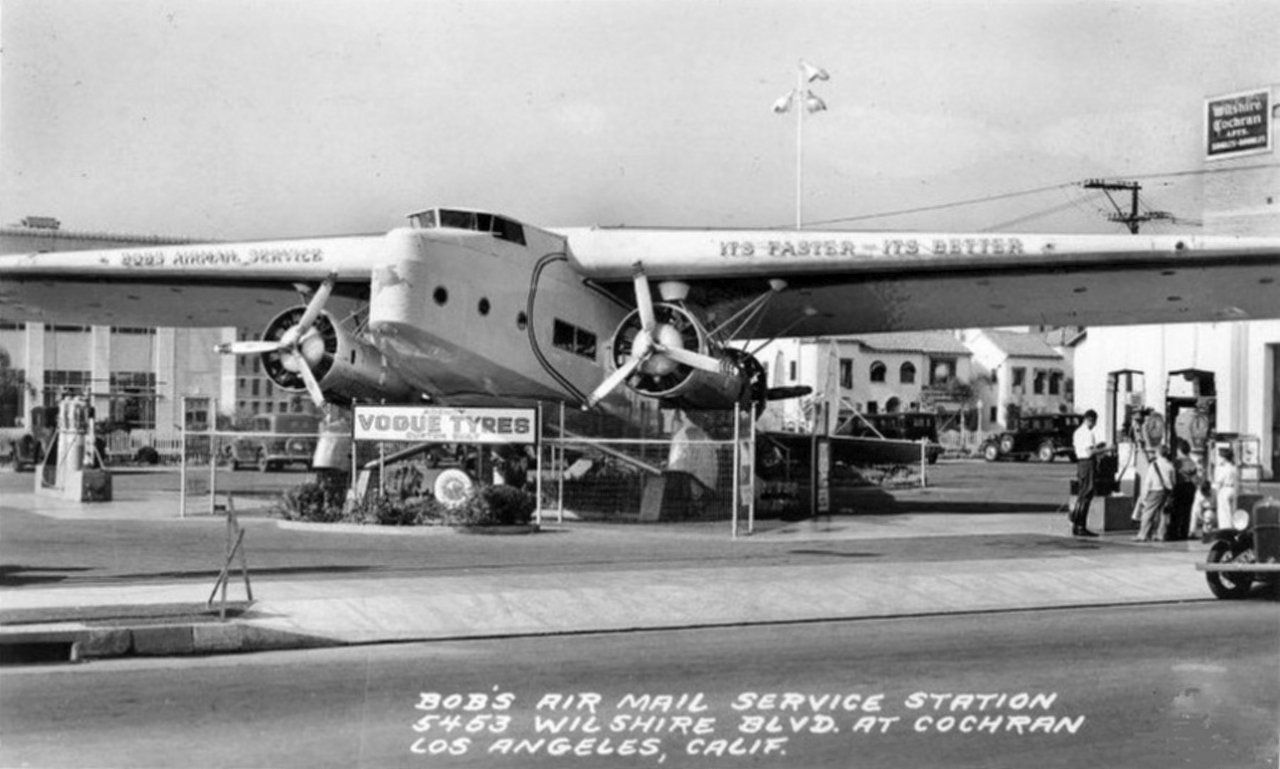
MSN 1205 was also completed. It was used to welcome the Southern Cross crew when they arrived in New York for the world flight. But all unsold aircraft were ultimately scrapped.
Click on the photo to enlarge the photo