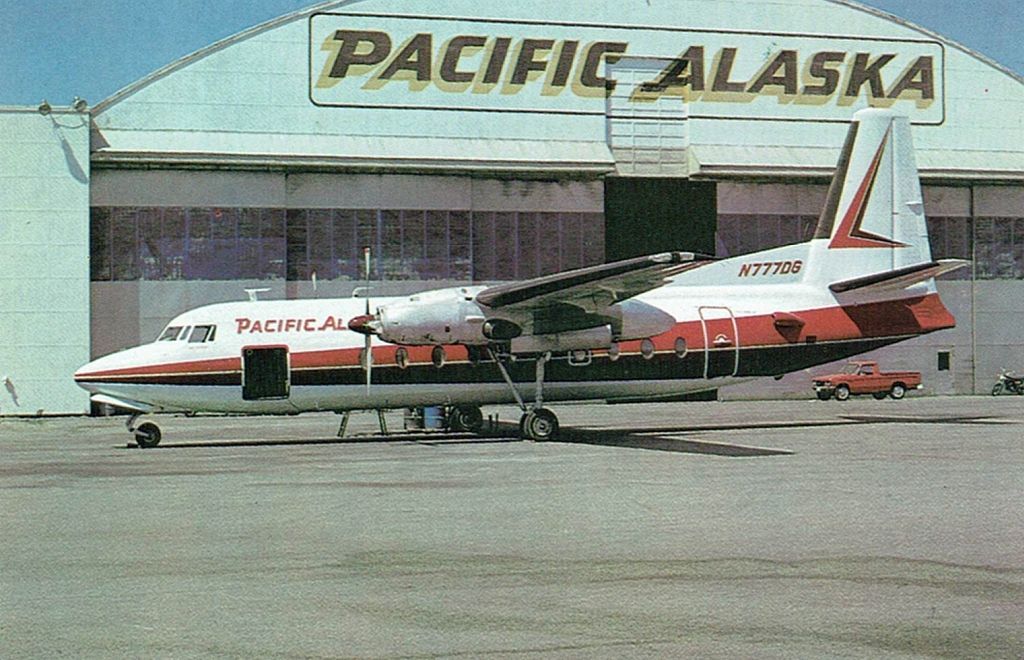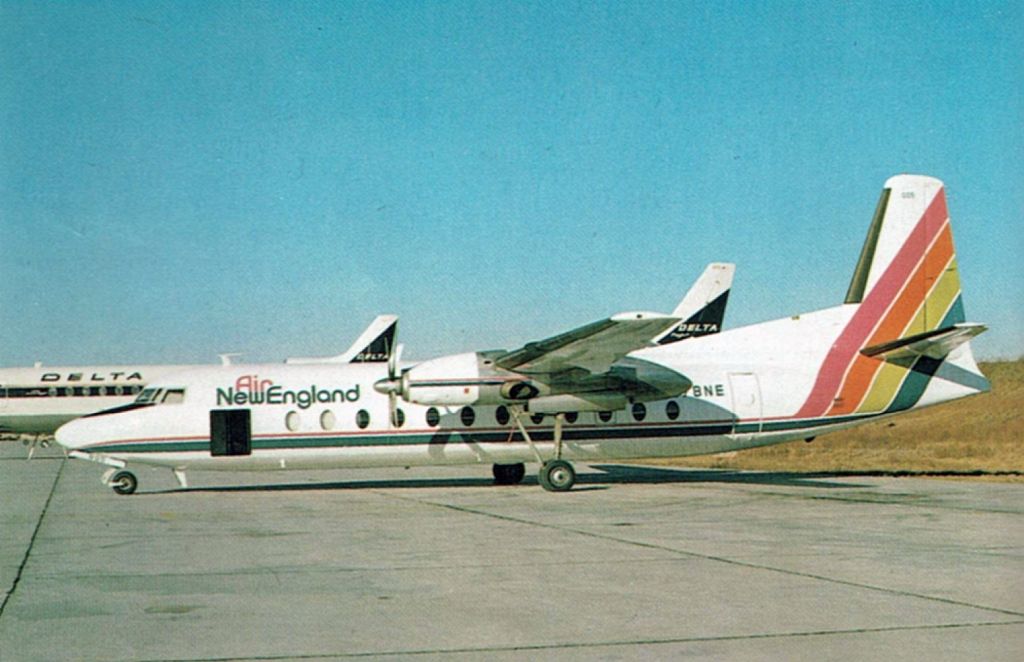
De Fairchild F.27
A Dutch Idea Takes Flight in America
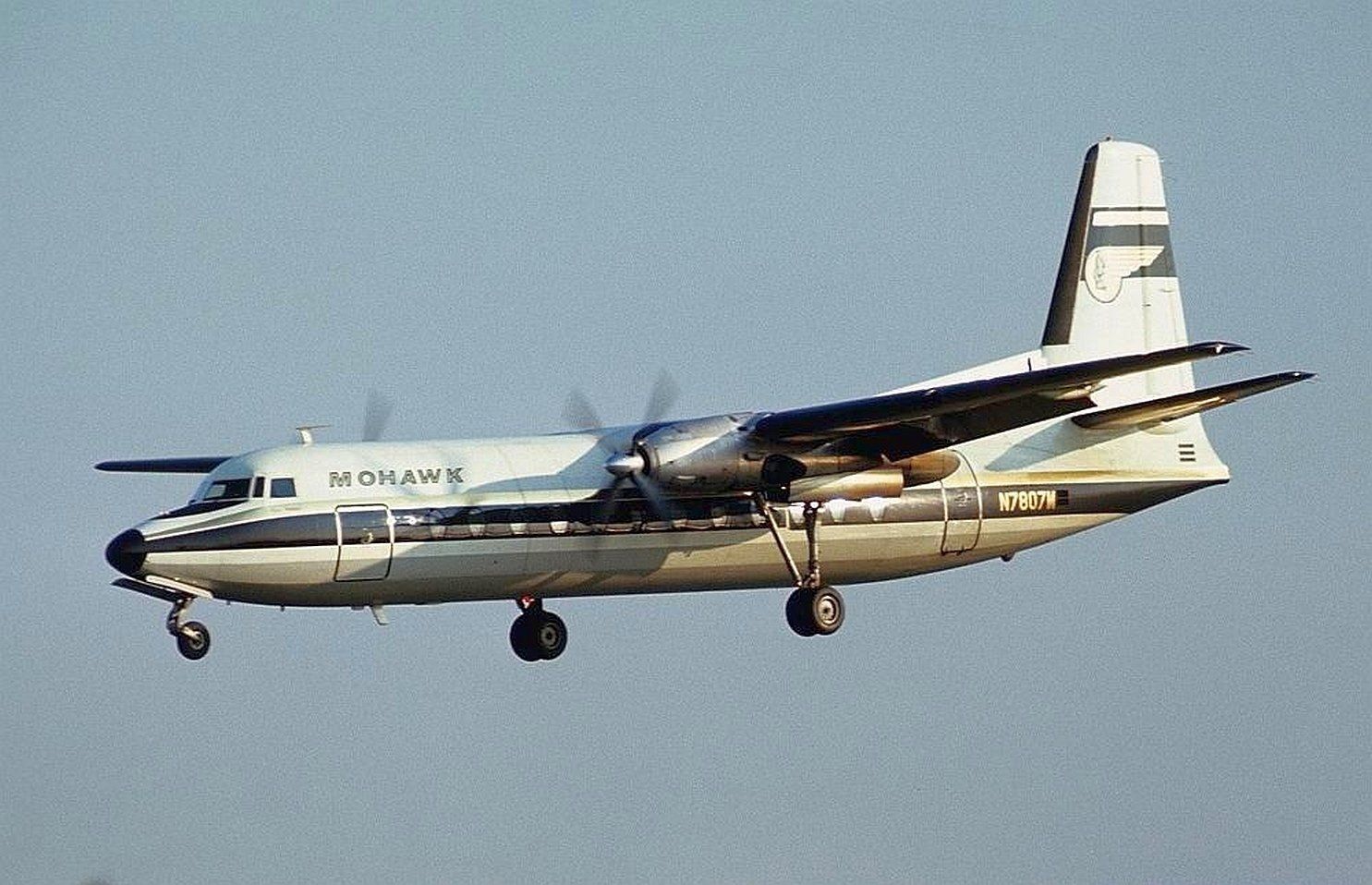
In the early 1950s, the Dutch aircraft manufacturer Fokker set out to design a modern replacement for the aging DC-3. The result was the Fokker F27 Friendship — a sleek, pressurized, twin-turboprop airliner that became one of the world’s most successful regional aircraft.
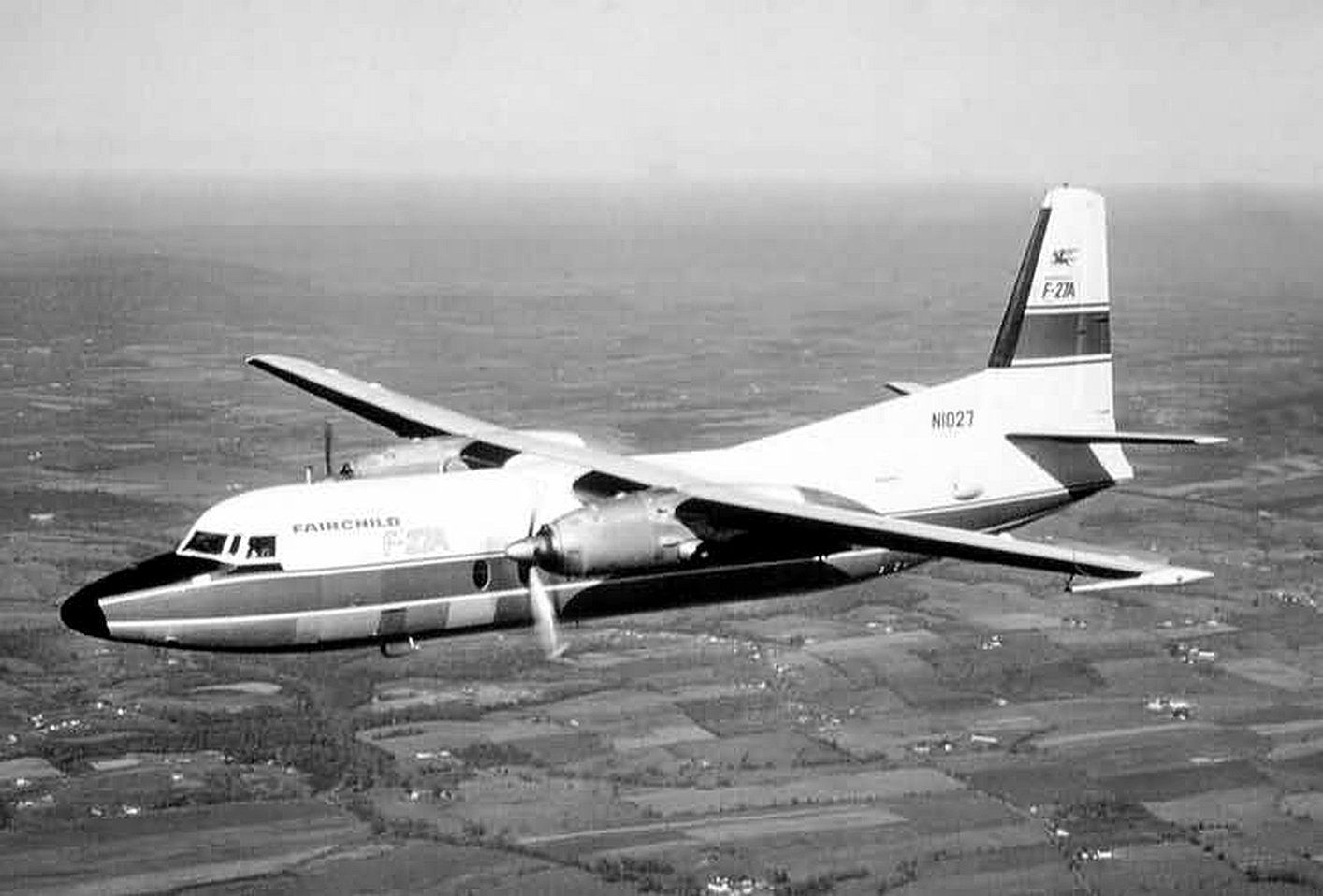
Recognizing its potential for the American market, Fairchild Aircraft of Hagerstown, Maryland, signed a license agreement in 1956 to build the aircraft domestically. The first U.S.-built example, designated Fairchild F-27, flew on April 12, 1958 — months before Fokker’s own certification in Europe.
Fairchild ultimately produced more than 200 examples, followed by the stretched FH-227 variant, marking one of the most successful transatlantic industrial collaborations of the era.
Design Excellence in a Compact Package
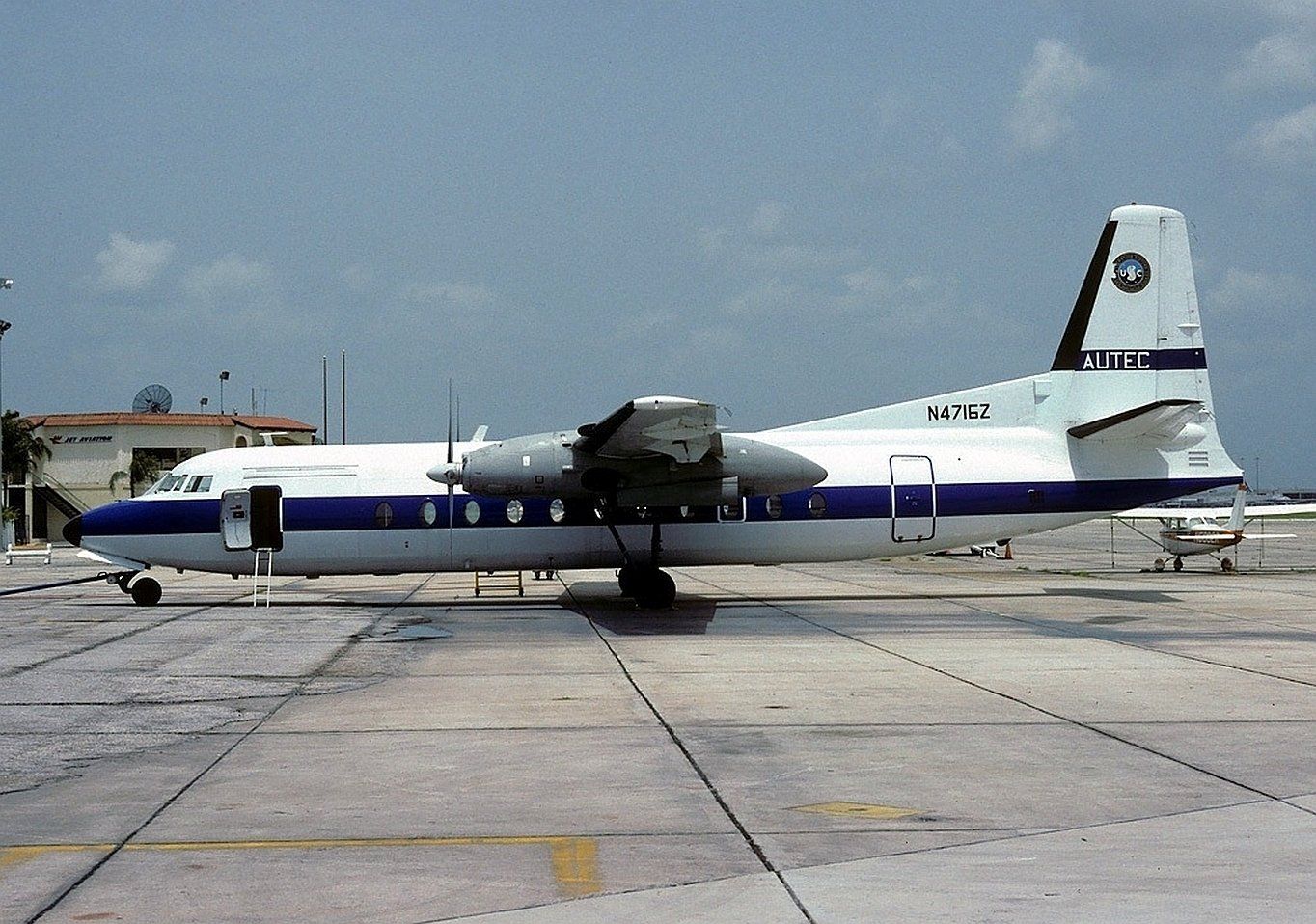
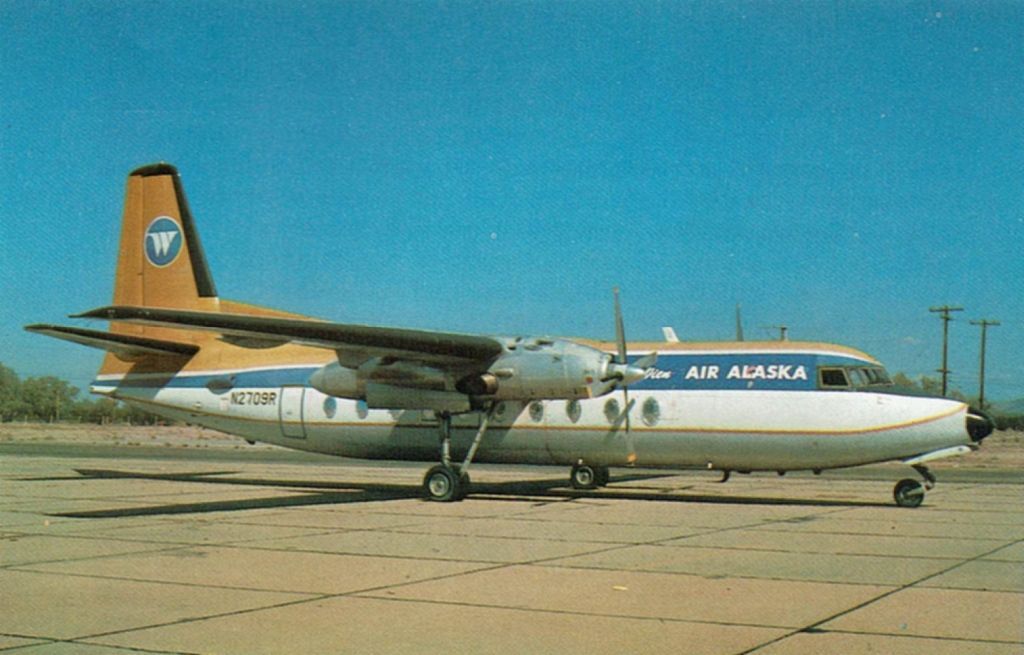
The Fairchild F-27 kept the core design of its Dutch counterpart: a high wing, a pressurized fuselage, and twin Rolls-Royce Dart turboprop engines. It typically carried 40–44 passengers at a cruise speed of around 270 knots (500 km/h) with a range of about 1,200–1,500 km.
Its high-mounted wing provided excellent clearance and stability on rough or short runways — a key advantage for regional carriers. Combined with the smooth Dart engines, it offered an ideal balance of comfort and performance.
Key Differences Between Fokker and Fairchild Versions
Though visually similar, the Fairchild F-27 and Fokker F27 Friendship were far from identical. Fairchild made numerous structural, operational, and comfort-related modifications to suit the North American market.
- Structure and Materials: Fairchild substituted U.S.-standard alloys, fasteners, and components to meet American manufacturing and FAA requirements.
- Passenger Comfort: The U.S. version introduced a built-in rear airstair door, enhanced soundproofing, and stronger air-conditioning systems.
- Fuel Capacity: Larger fuel tanks extended range for longer American regional routes.
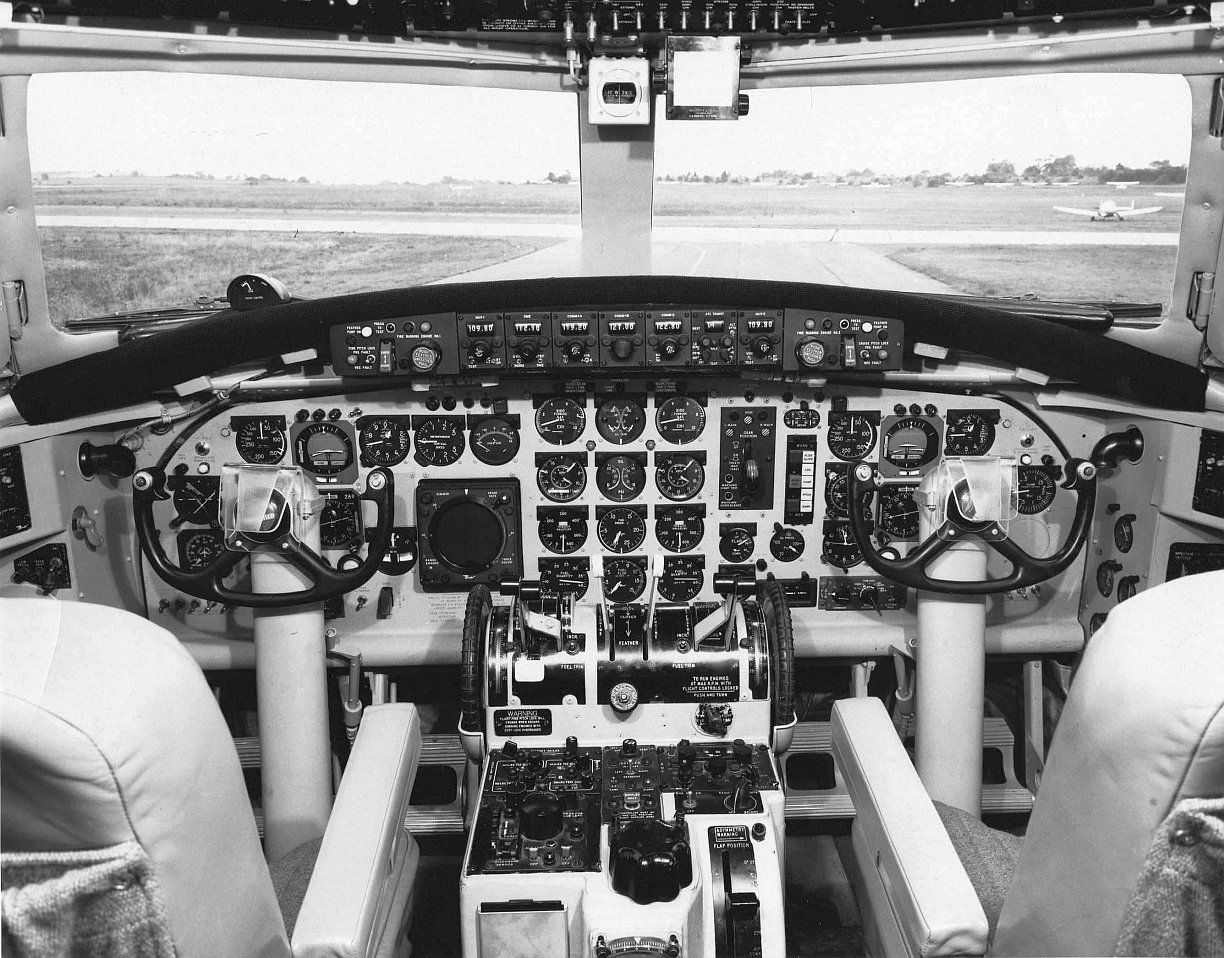
- Avionics: Cockpit instrumentation was adapted to U.S. standards, easing pilot transition and maintenance.
- Certification Timing: Fairchild’s F-27 gained FAA certification before Fokker’s European model, allowing U.S. operators early access.
The Fairchild-Hiller FH-227: The American Stretch
Following Fairchild’s merger with Hiller Aircraft in 1965, engineers developed a stretched model — the FH-227. With a 6-foot (1.83-m) longer fuselage, upgraded Dart 532/536 engines, and capacity for up to 56 passengers, the FH-227 debuted on January 27, 1966.
It quickly found favor among U.S. regional airlines and military operators such as the U.S. Air Force and Uruguayan Air Force, offering more capacity while retaining the F-27’s trusted handling.
In Service Around the World
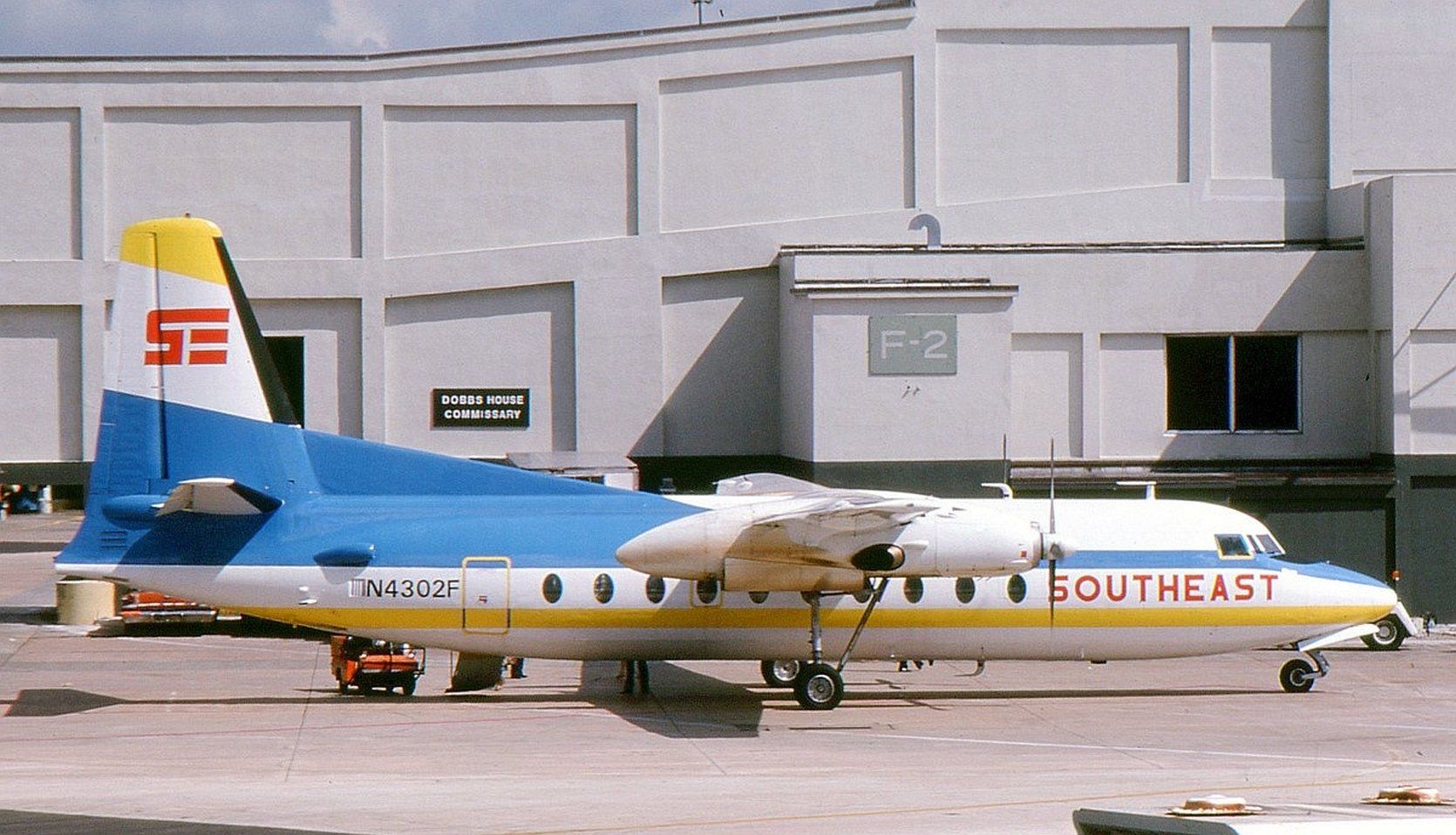
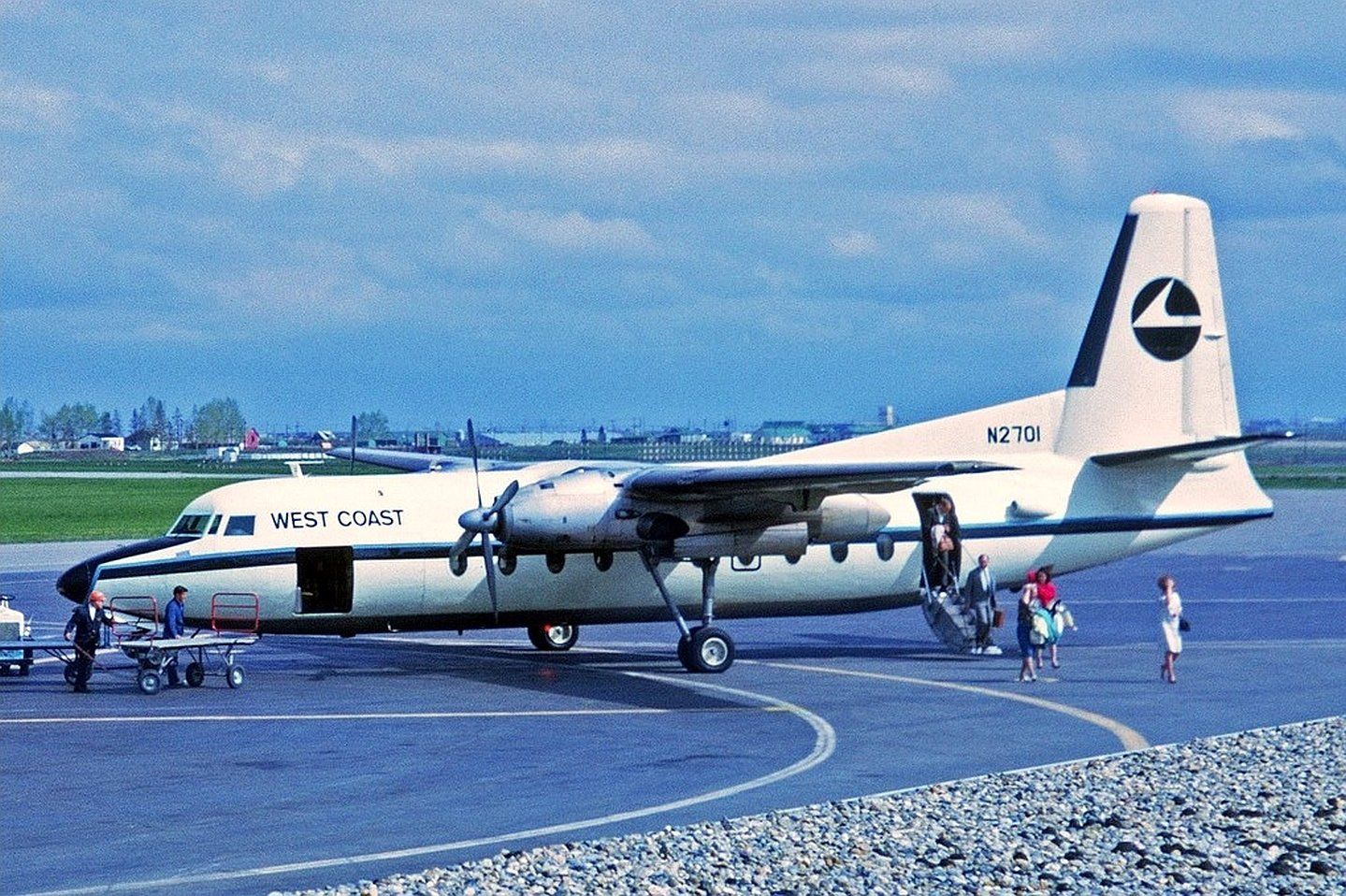
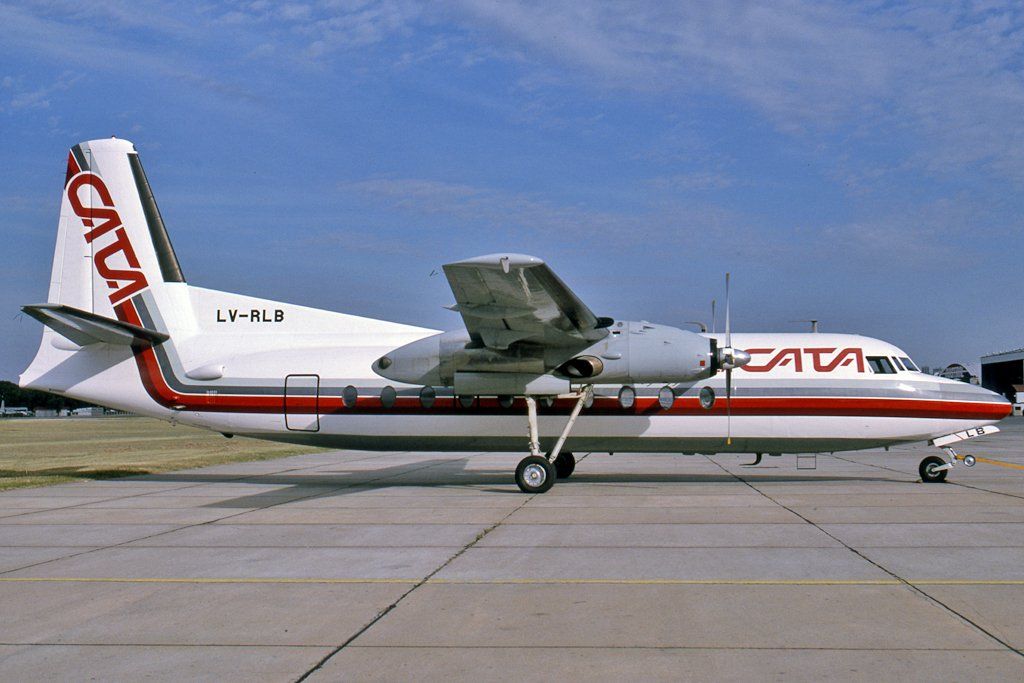
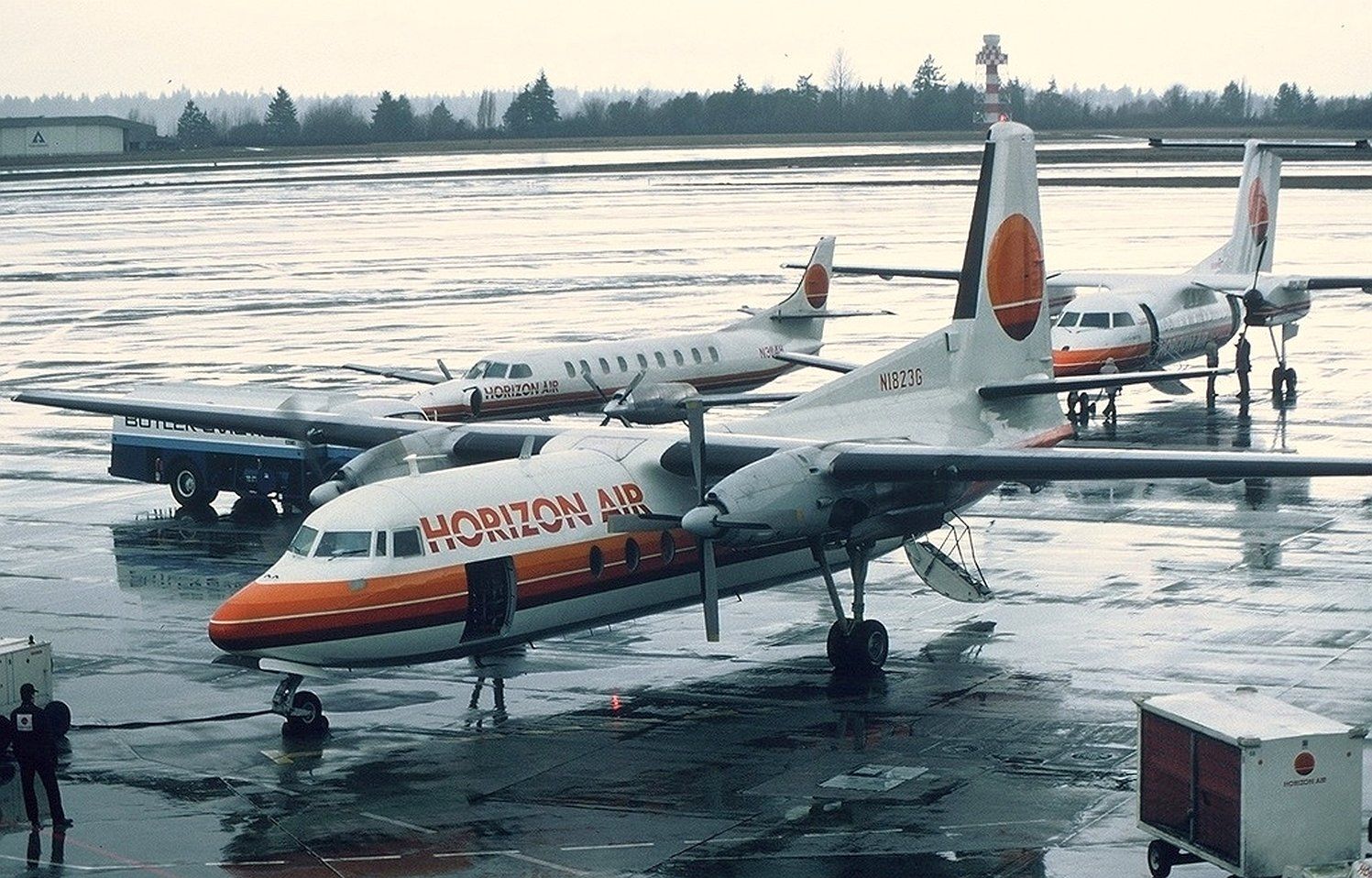
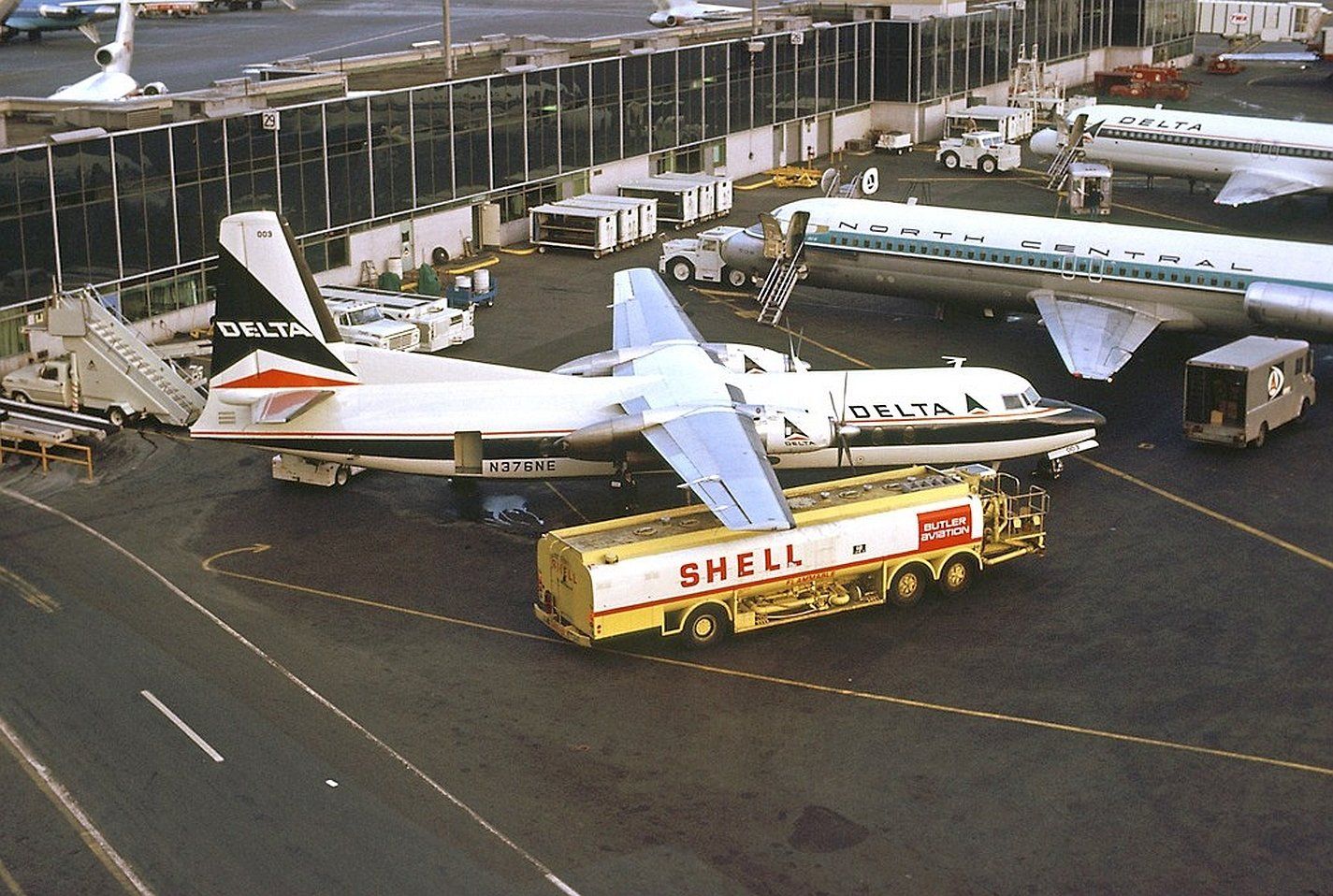
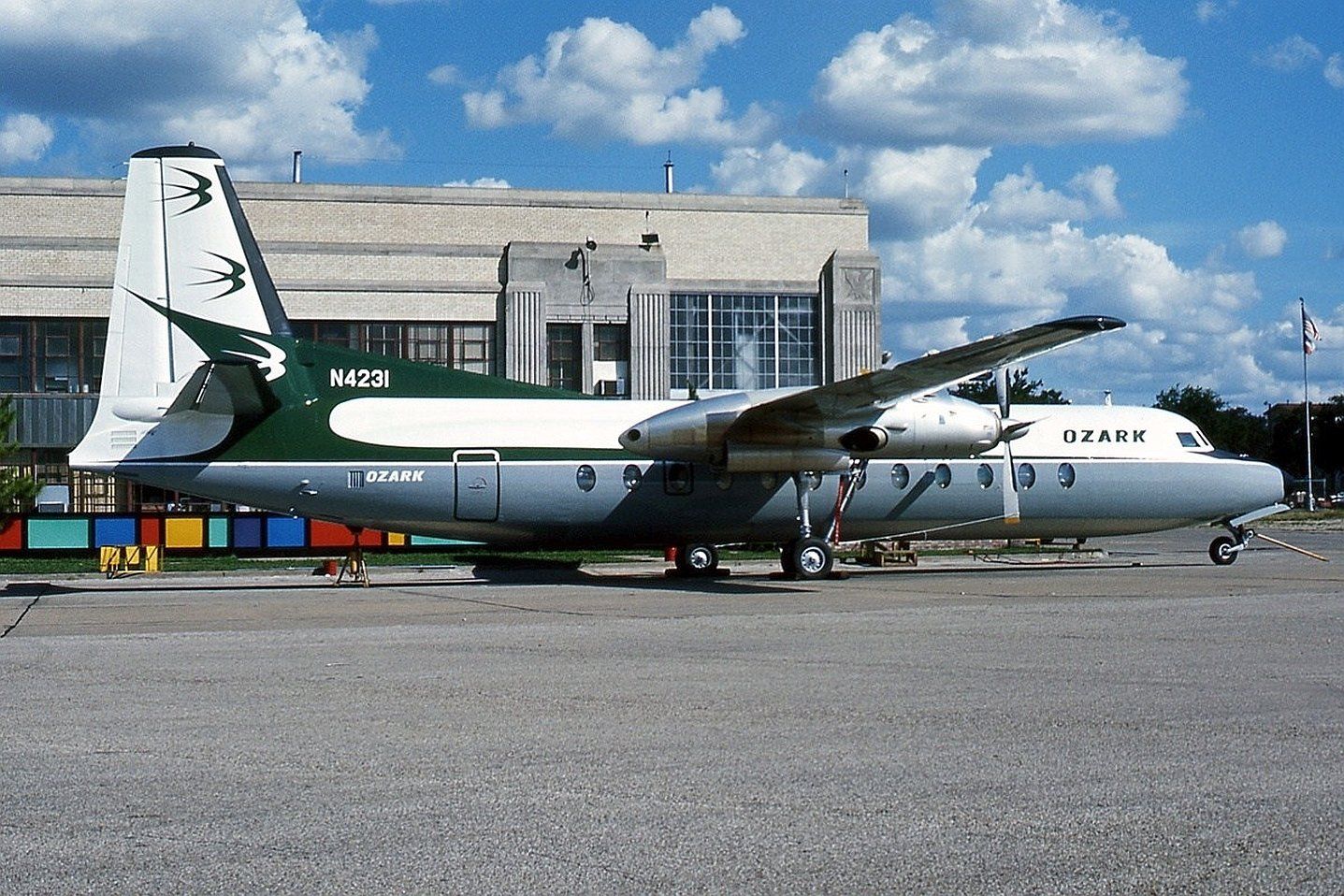
The Fairchild-Hiller F-27 and FH-227 became fixtures of 1960s and 1970s regional aviation. U.S. carriers like Piedmont, West Coast, Ozark, and Aloha Airlines used them on short-haul routes, while others saw service in Latin America and the Pacific.
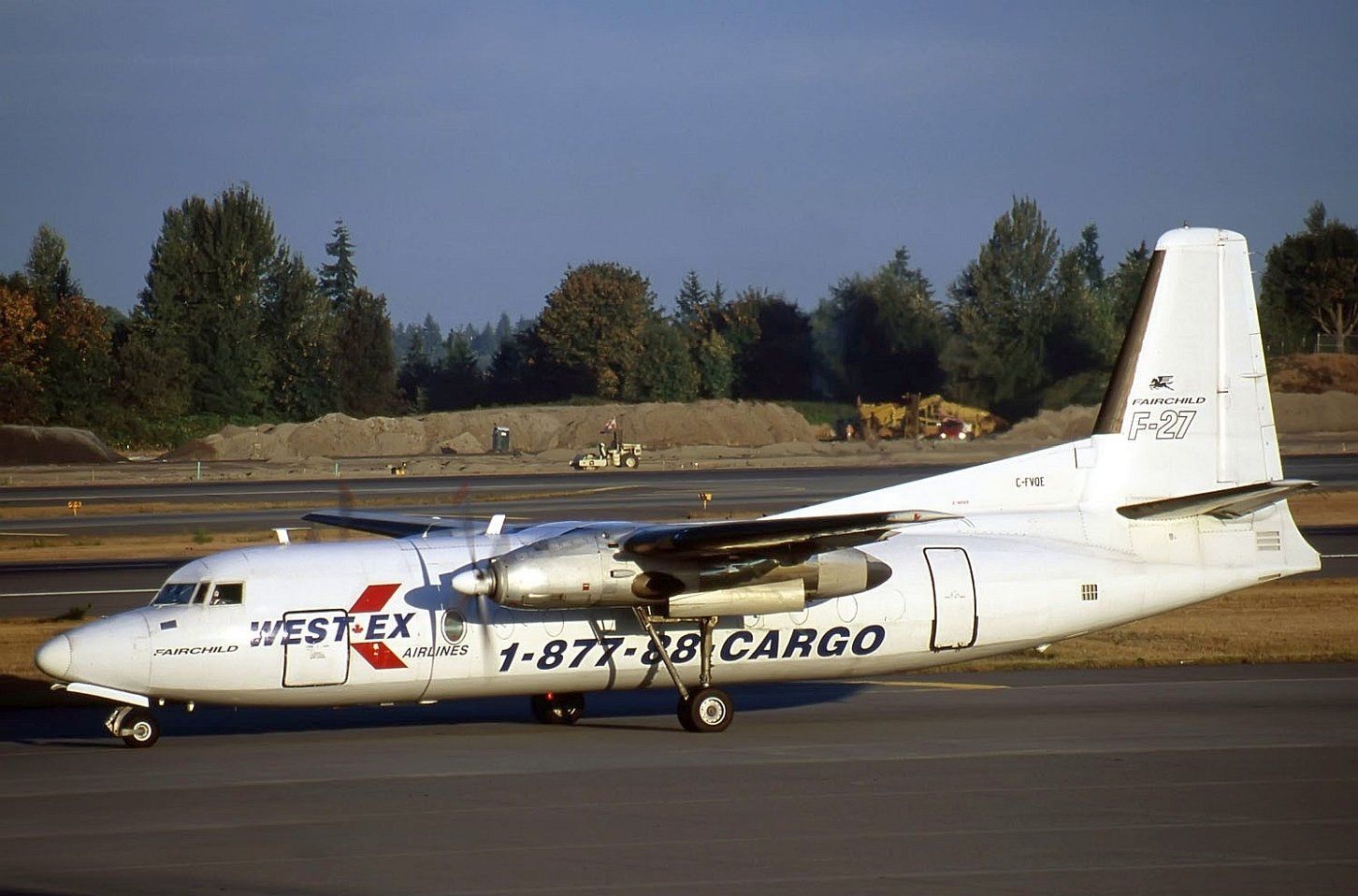
Renowned for their durability and short-field capability, many were later converted for freight or charter operations, proving their adaptability well into the 1980s and beyond.
A Lasting Legacy
The partnership between Fokker and Fairchild marked a pioneering transatlantic collaboration, blending Dutch engineering with American practicality. Even decades later, surviving aircraft in museums and collections stand as symbols of an era when turboprops reshaped regional air travel.
“The Fairchild F-27 wasn’t just a copy — it was America’s re-engineering of a European masterpiece.”
Click on the photo to enlarge the photo