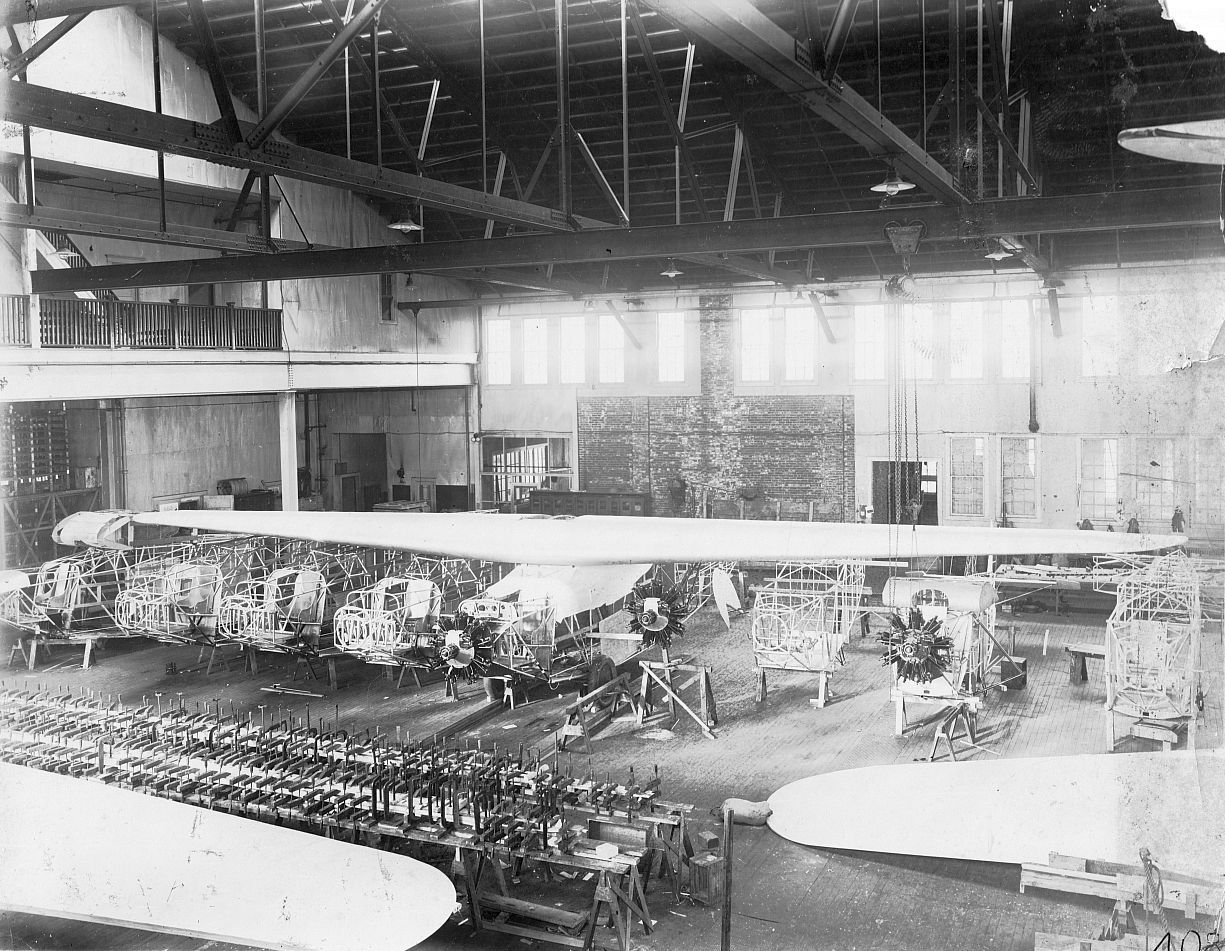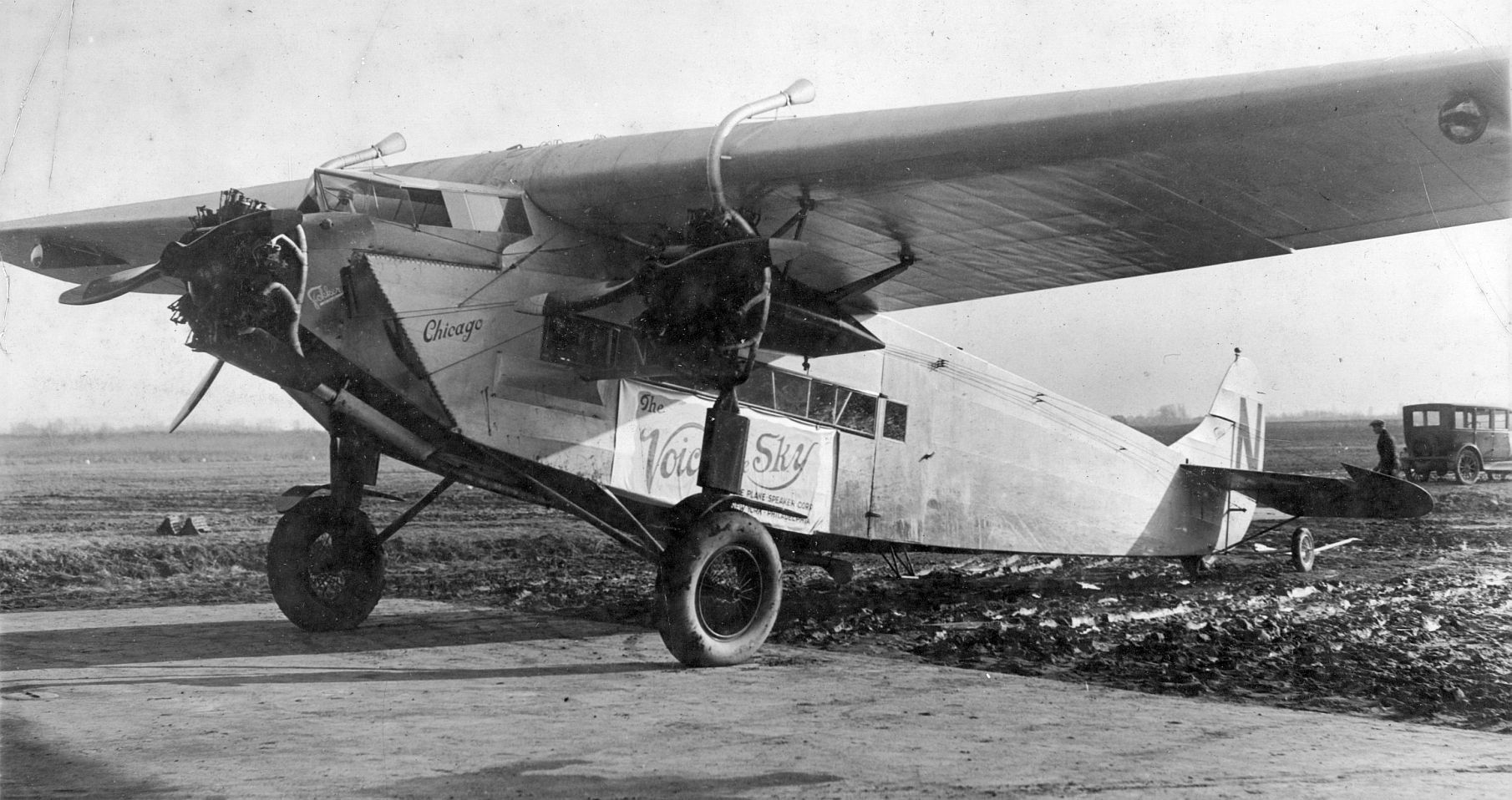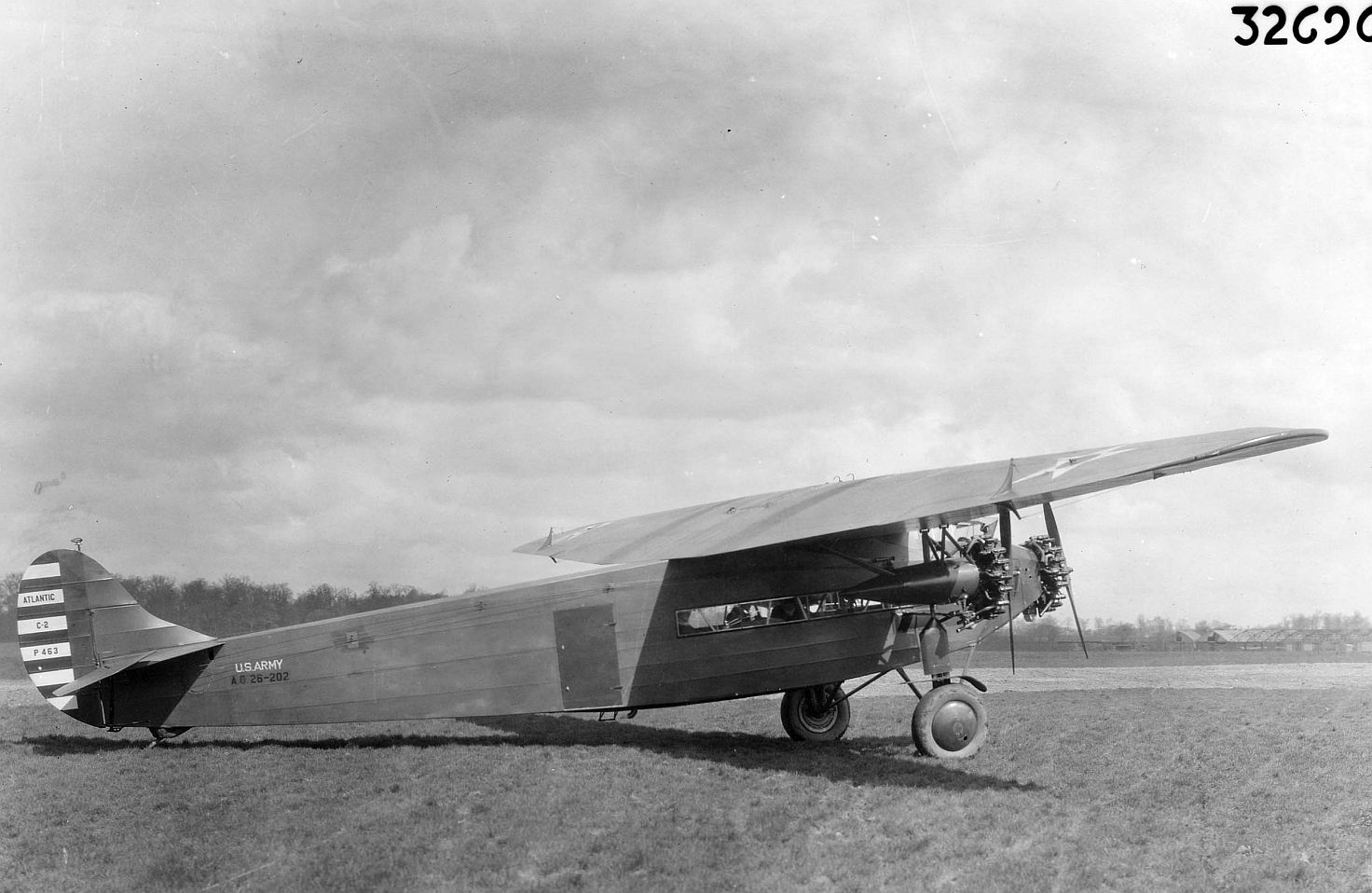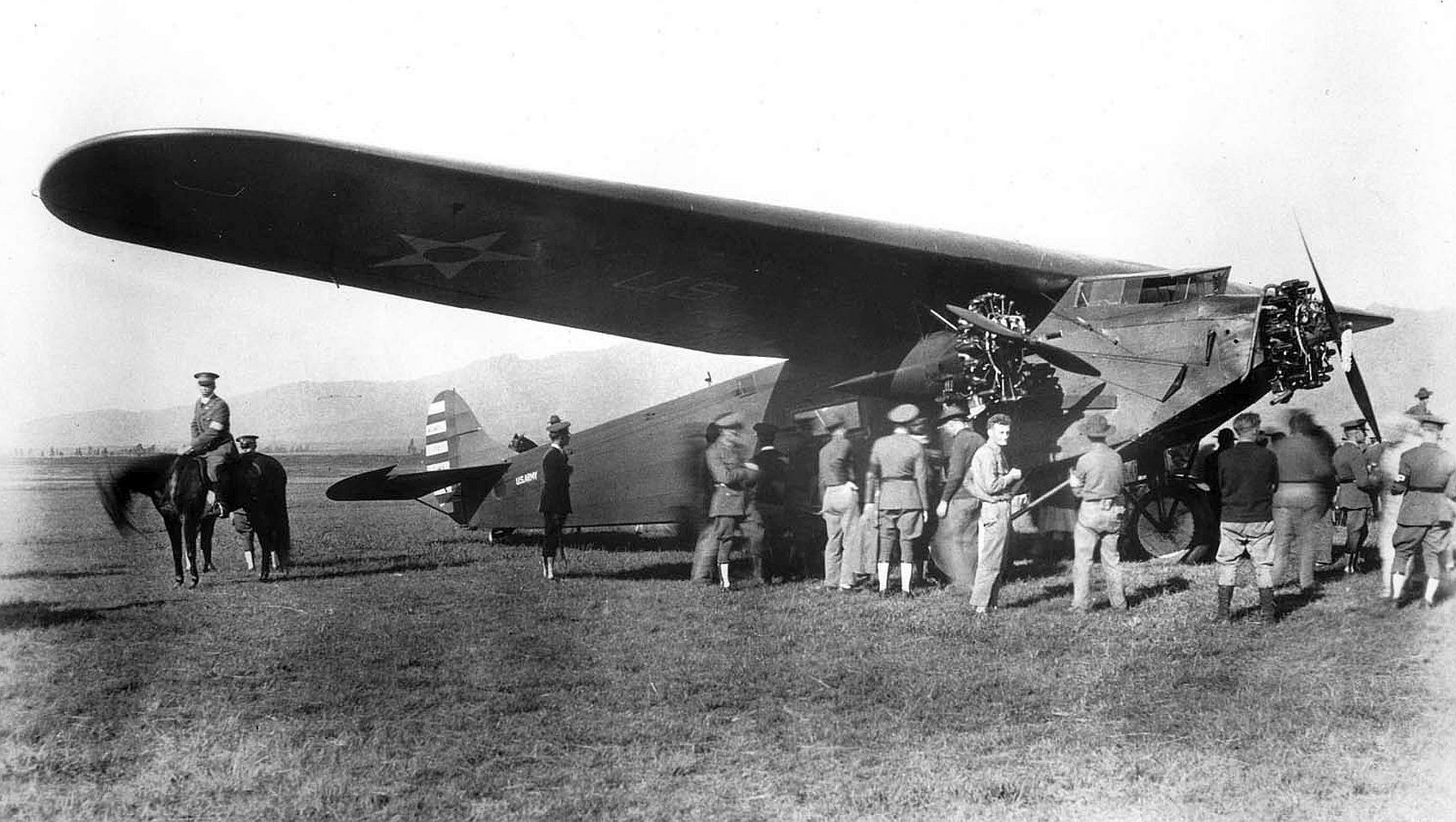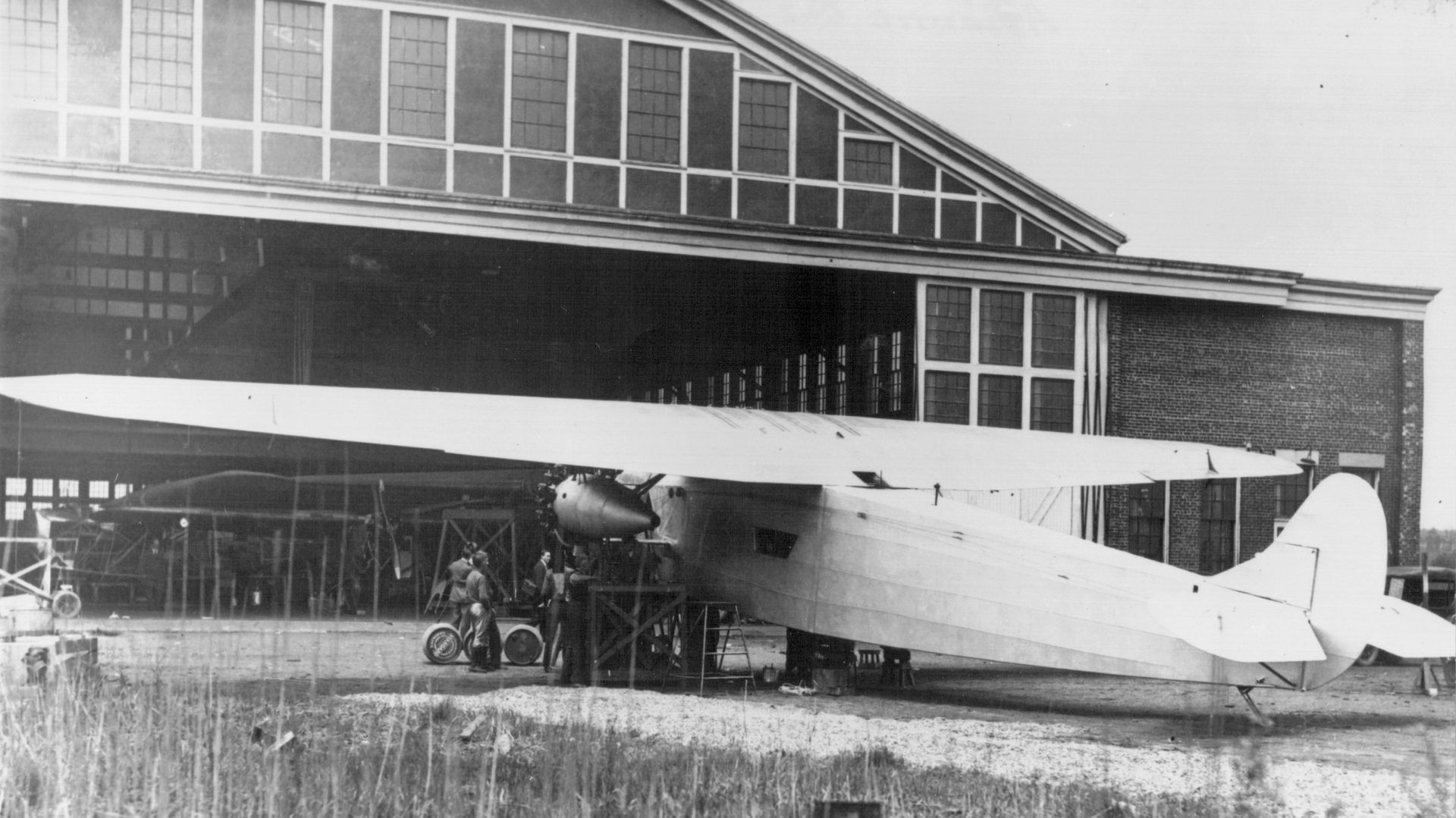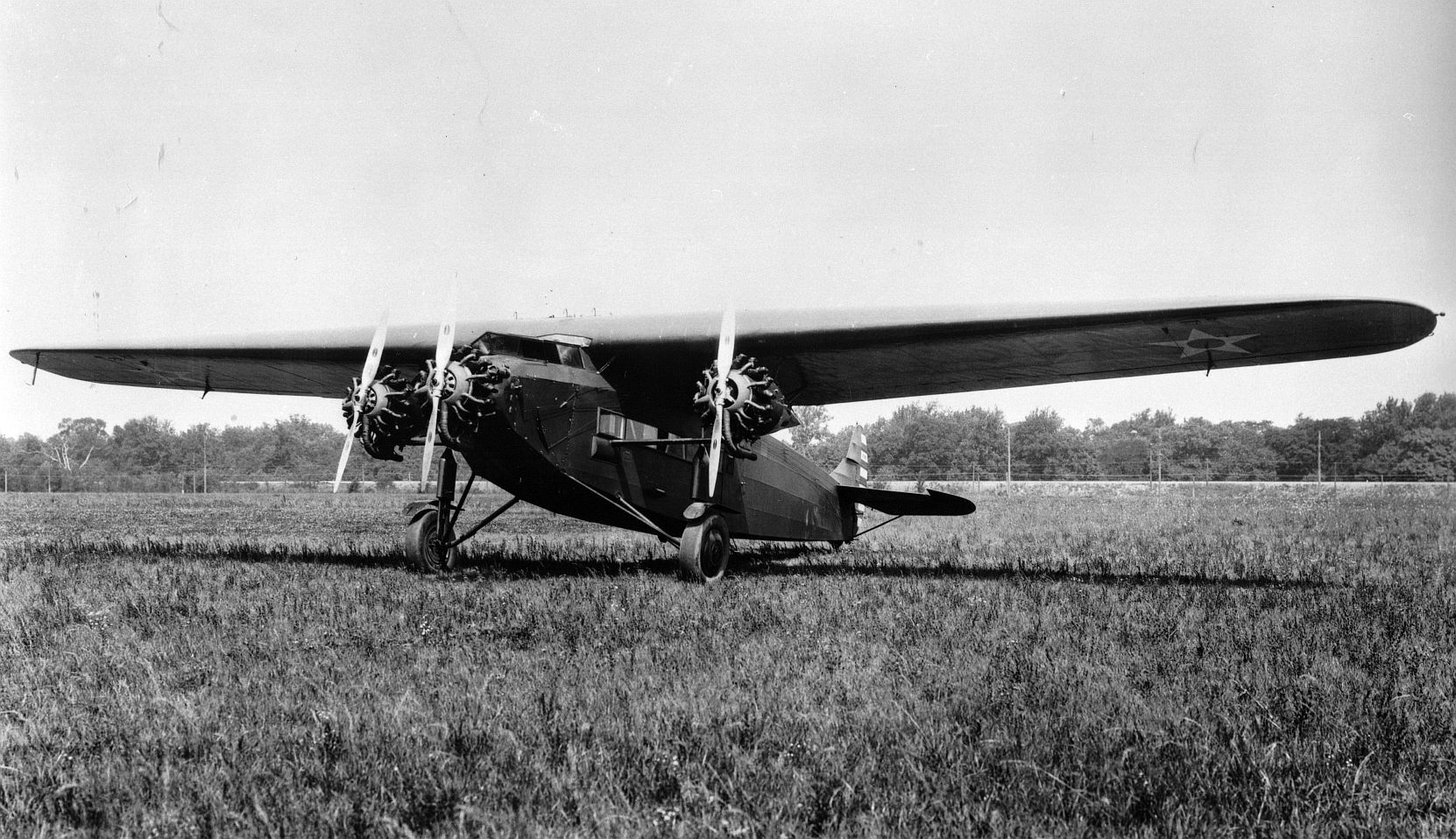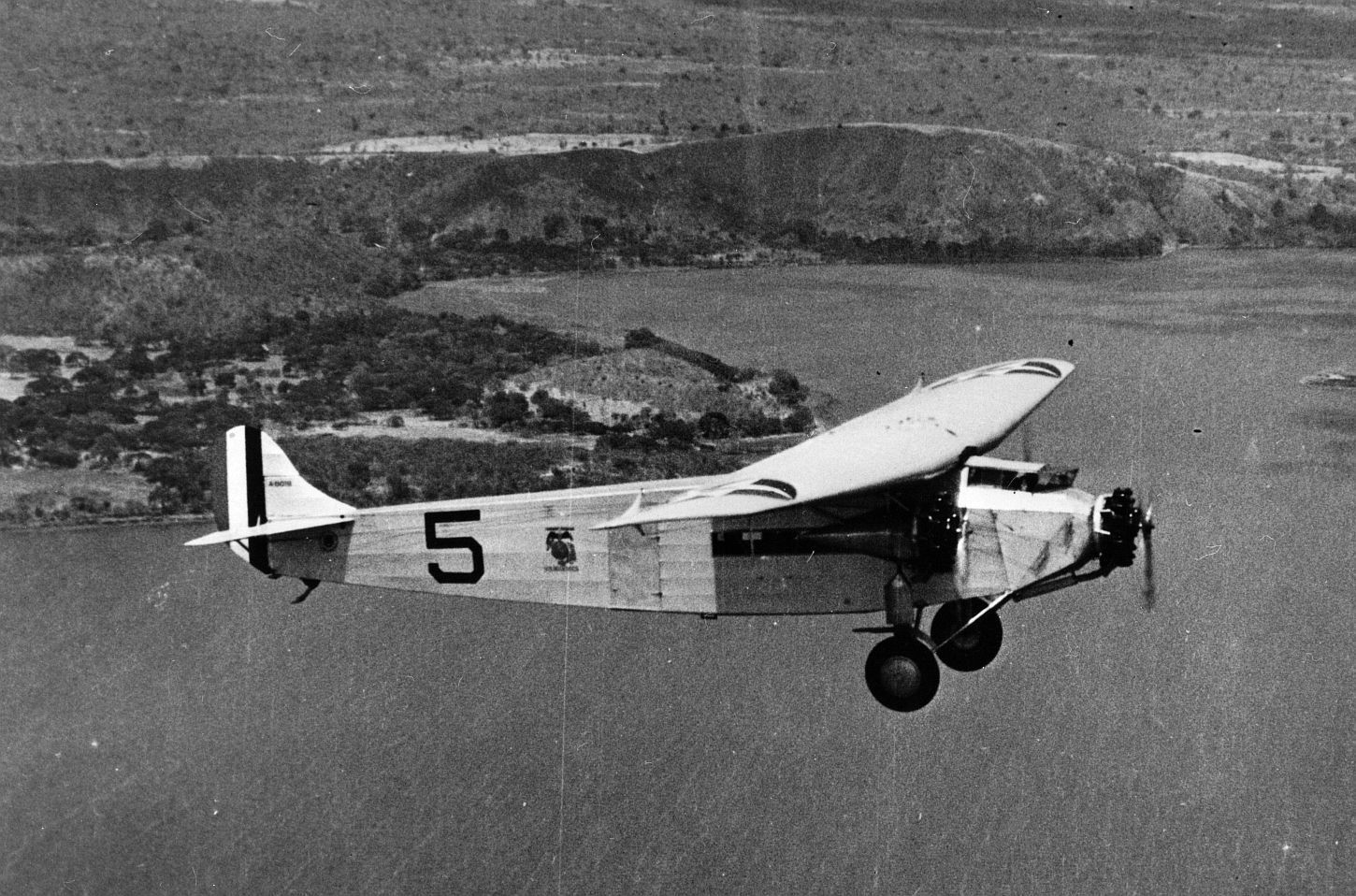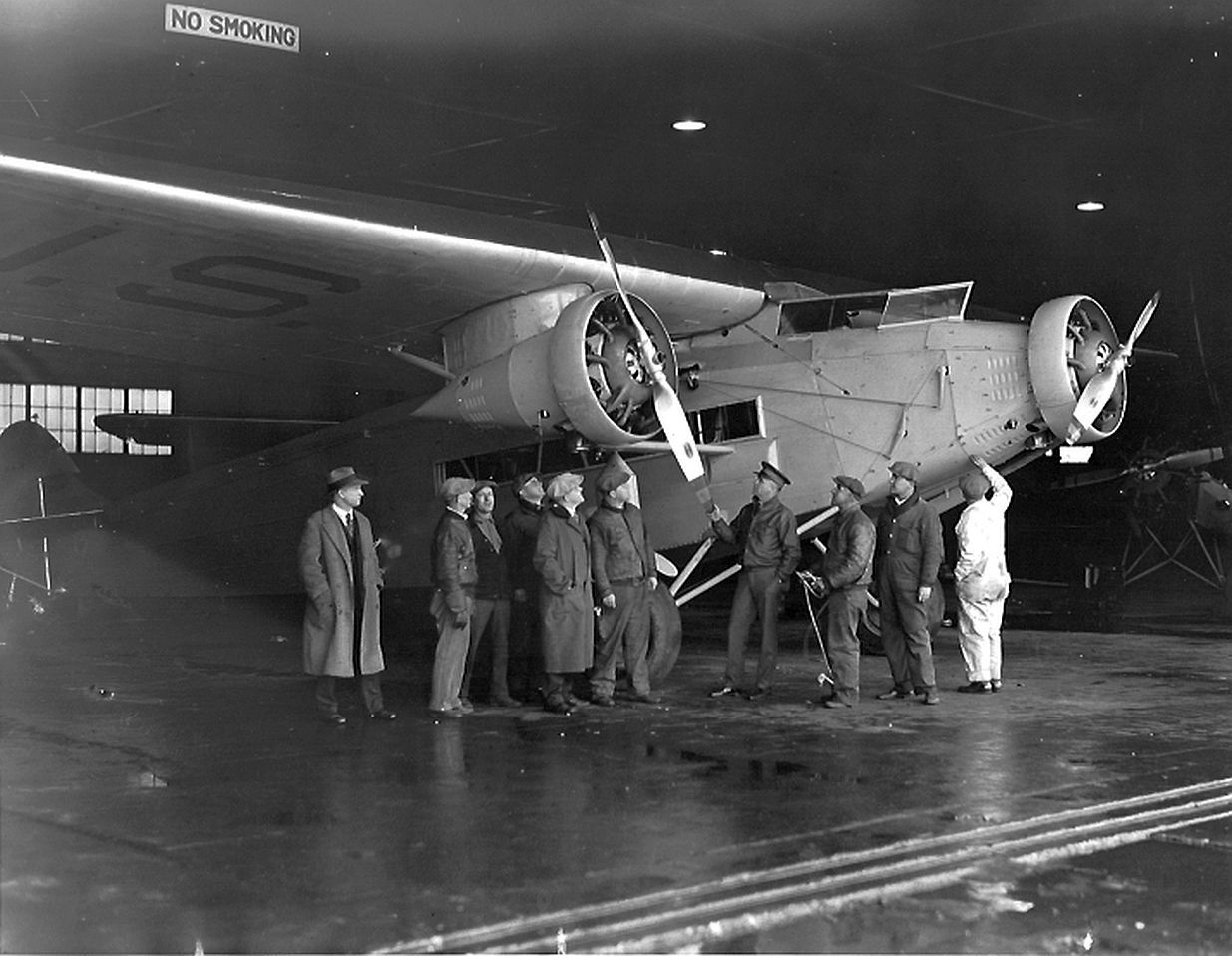
Fokker Model 7 Trimotor
Although the name Trimotor was also used for Model 6 (the three-engined F.VII), this is a different aircraft.
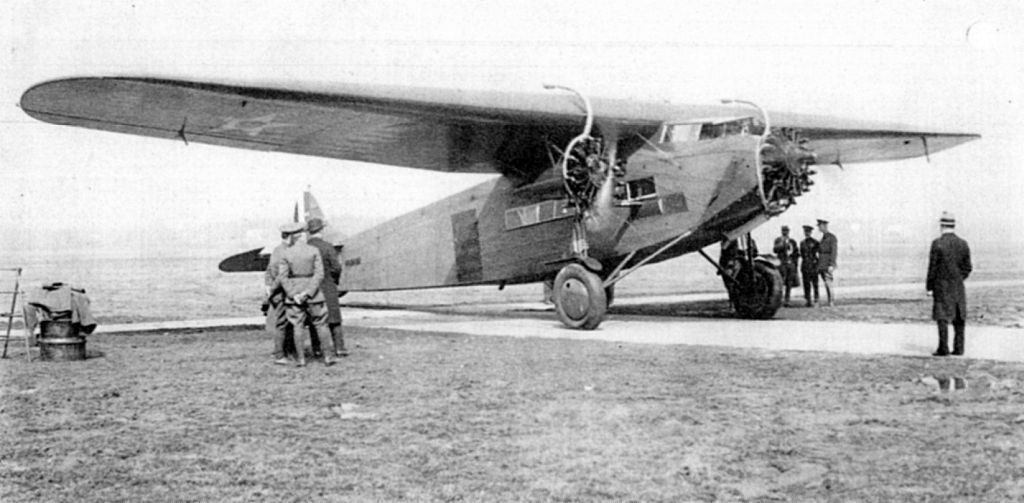
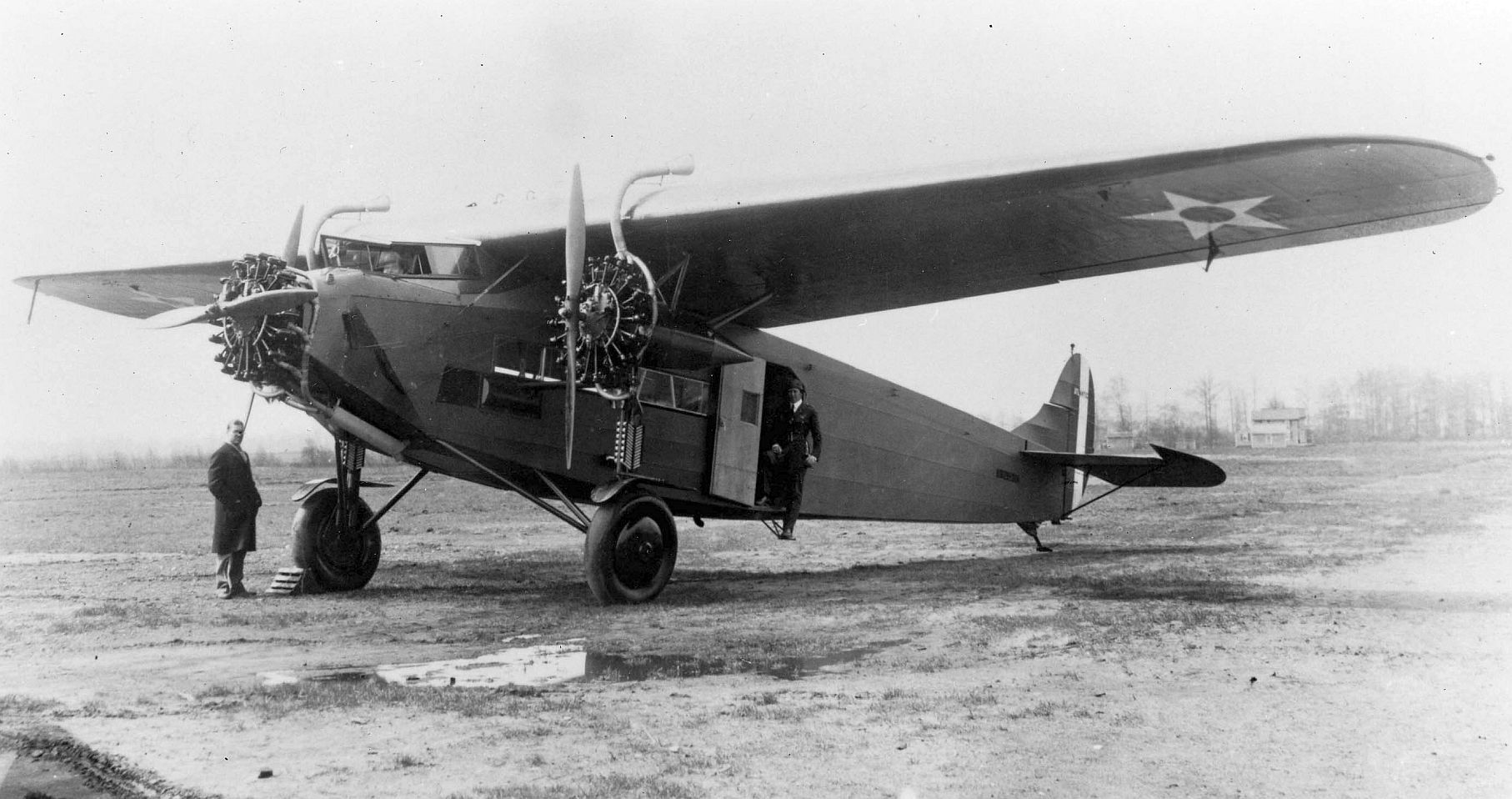
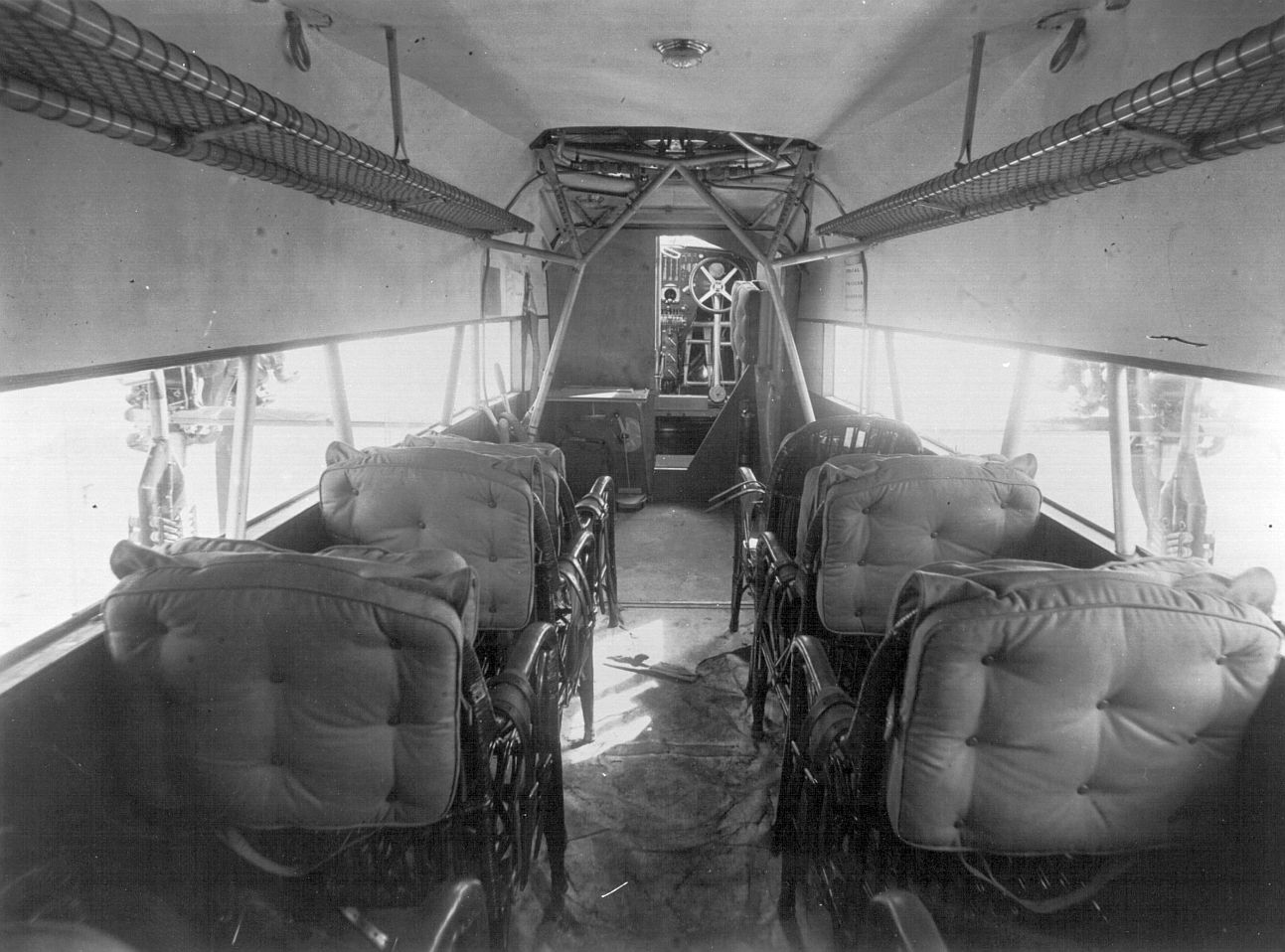
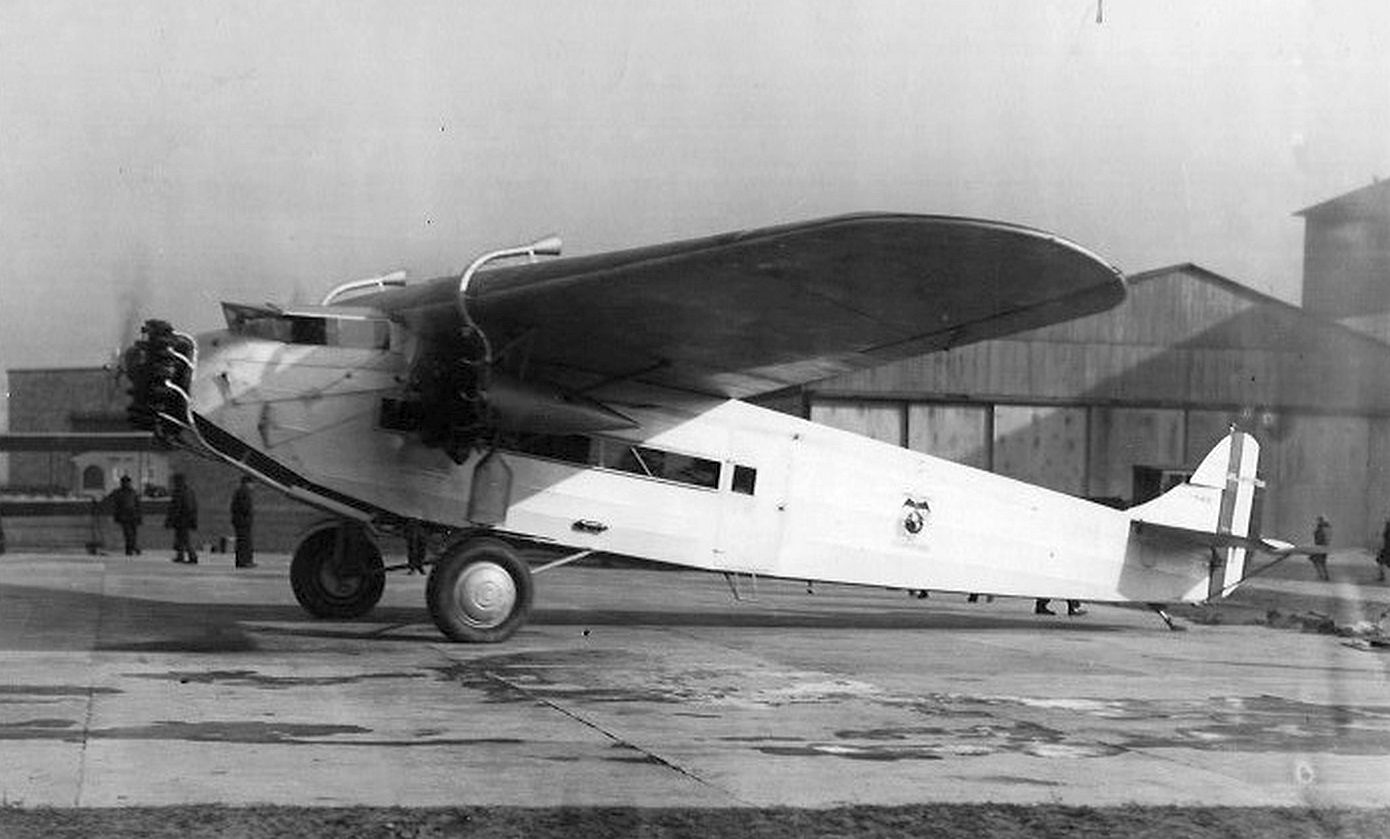
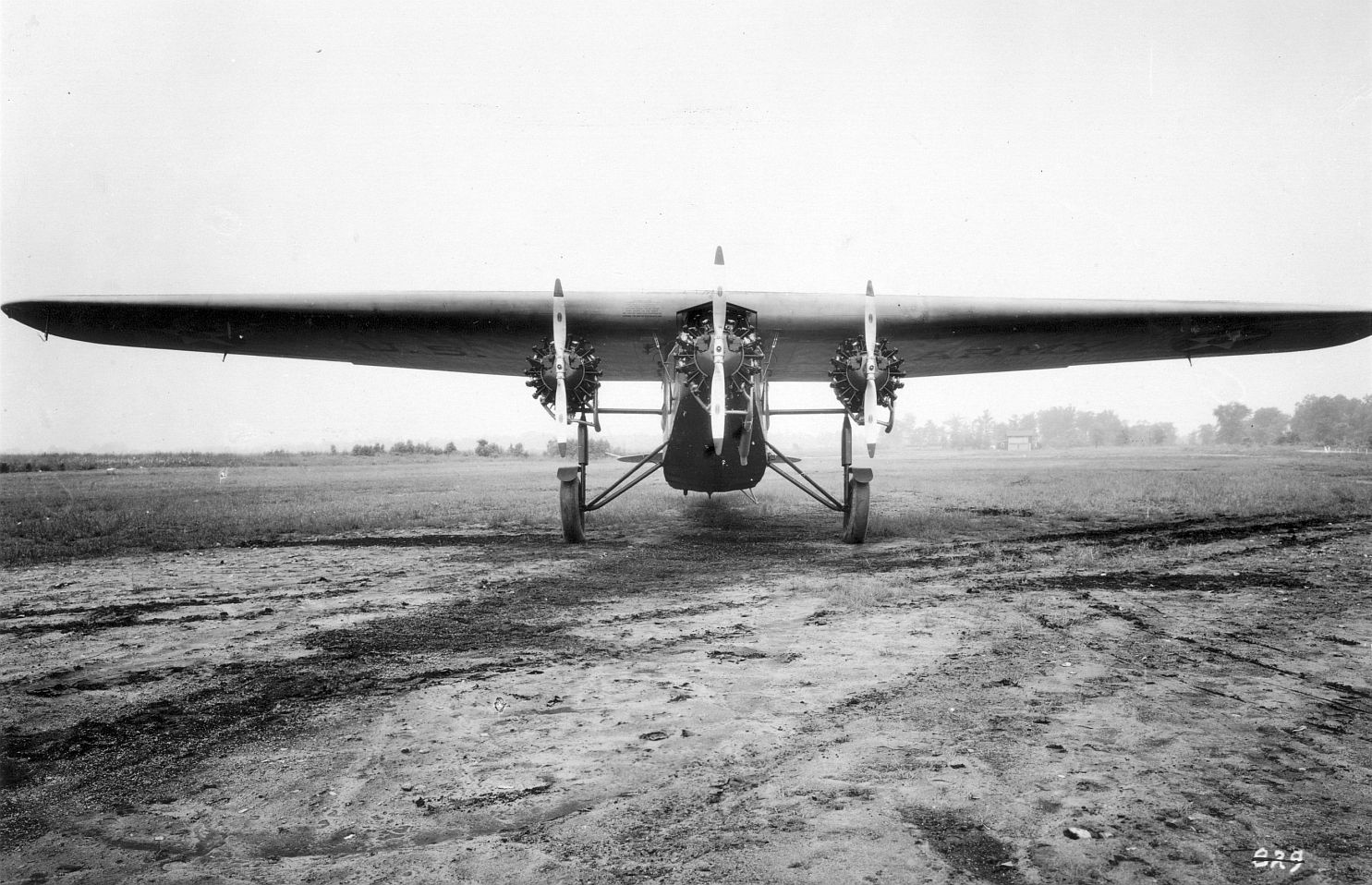
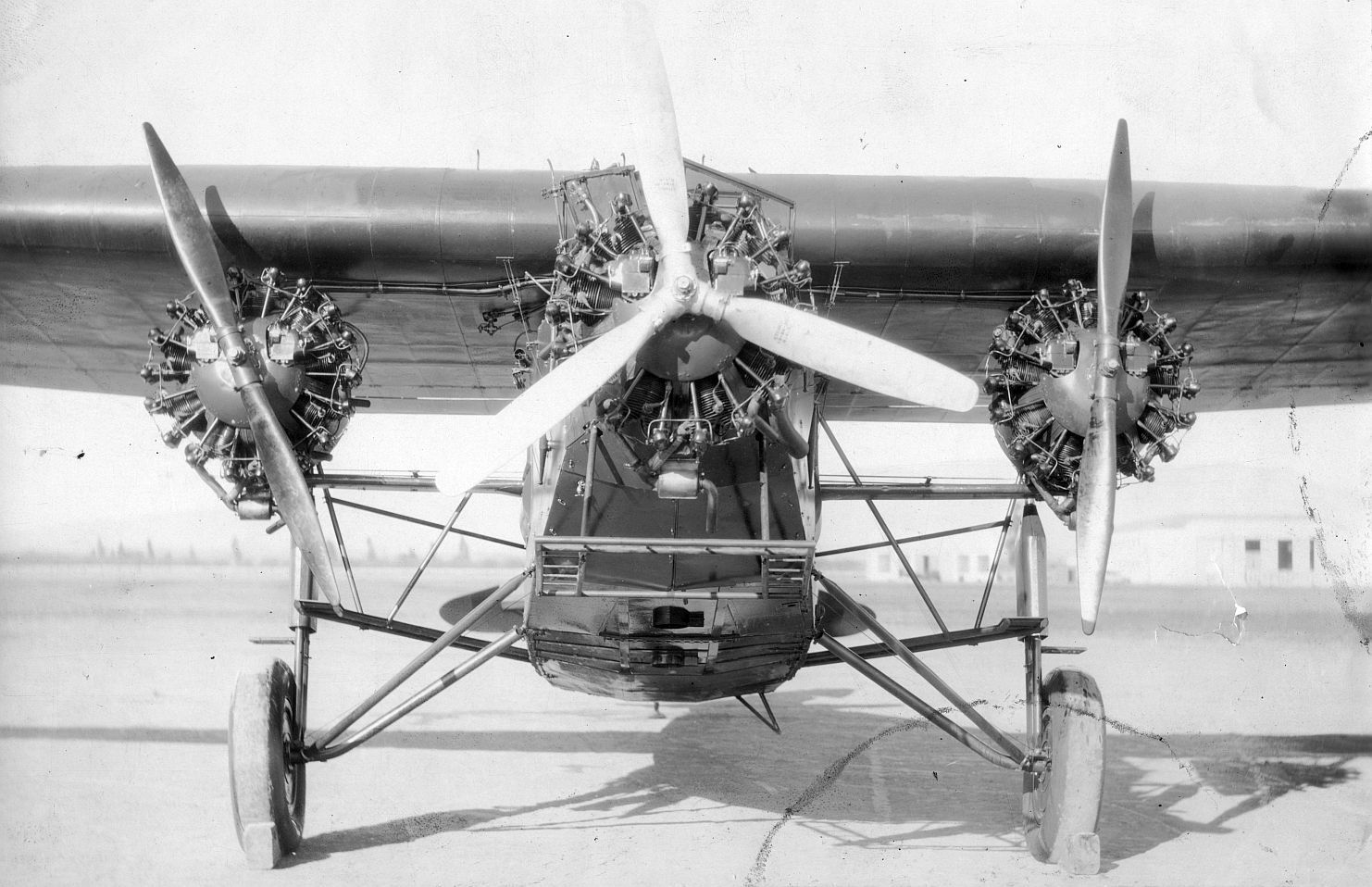
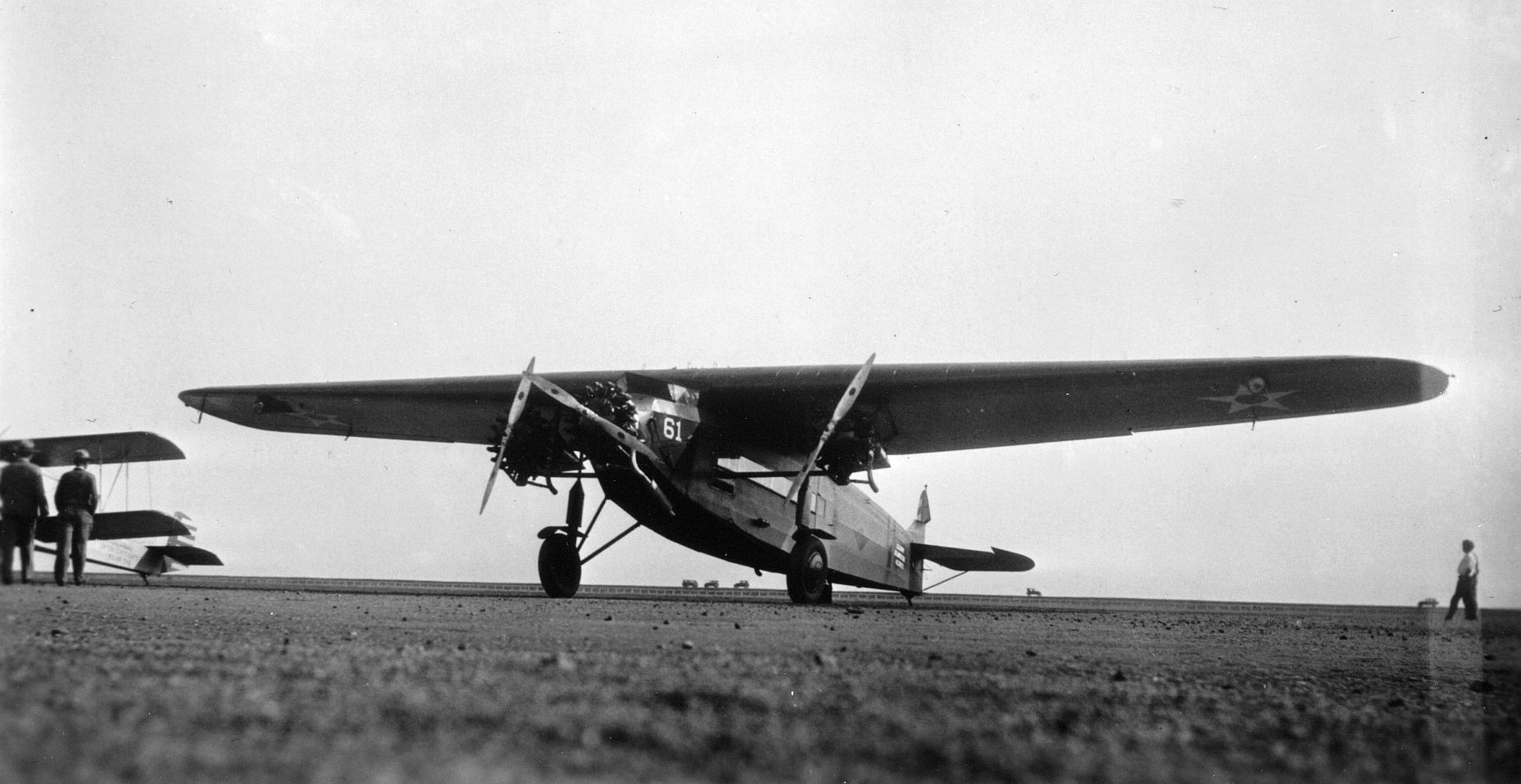
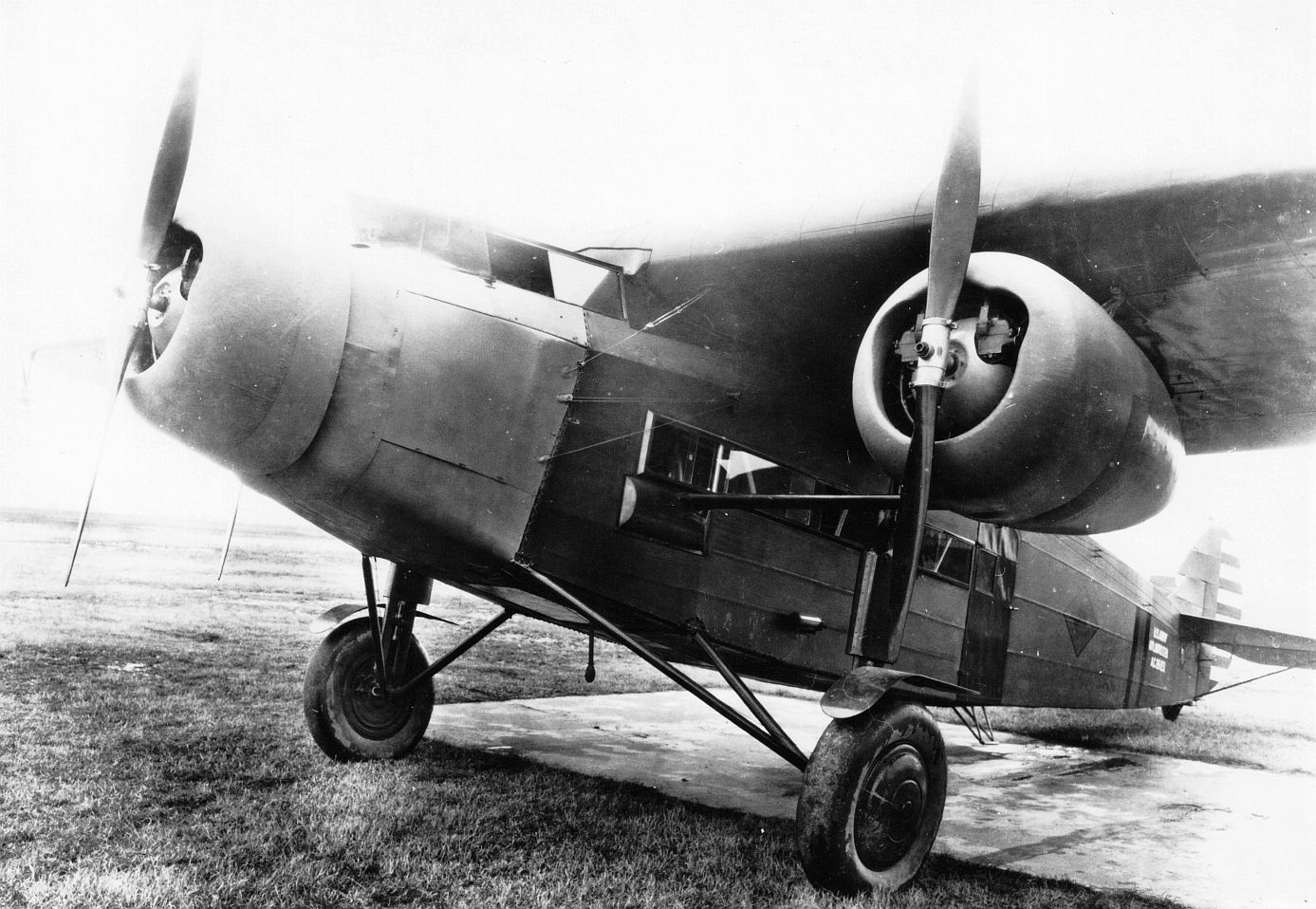
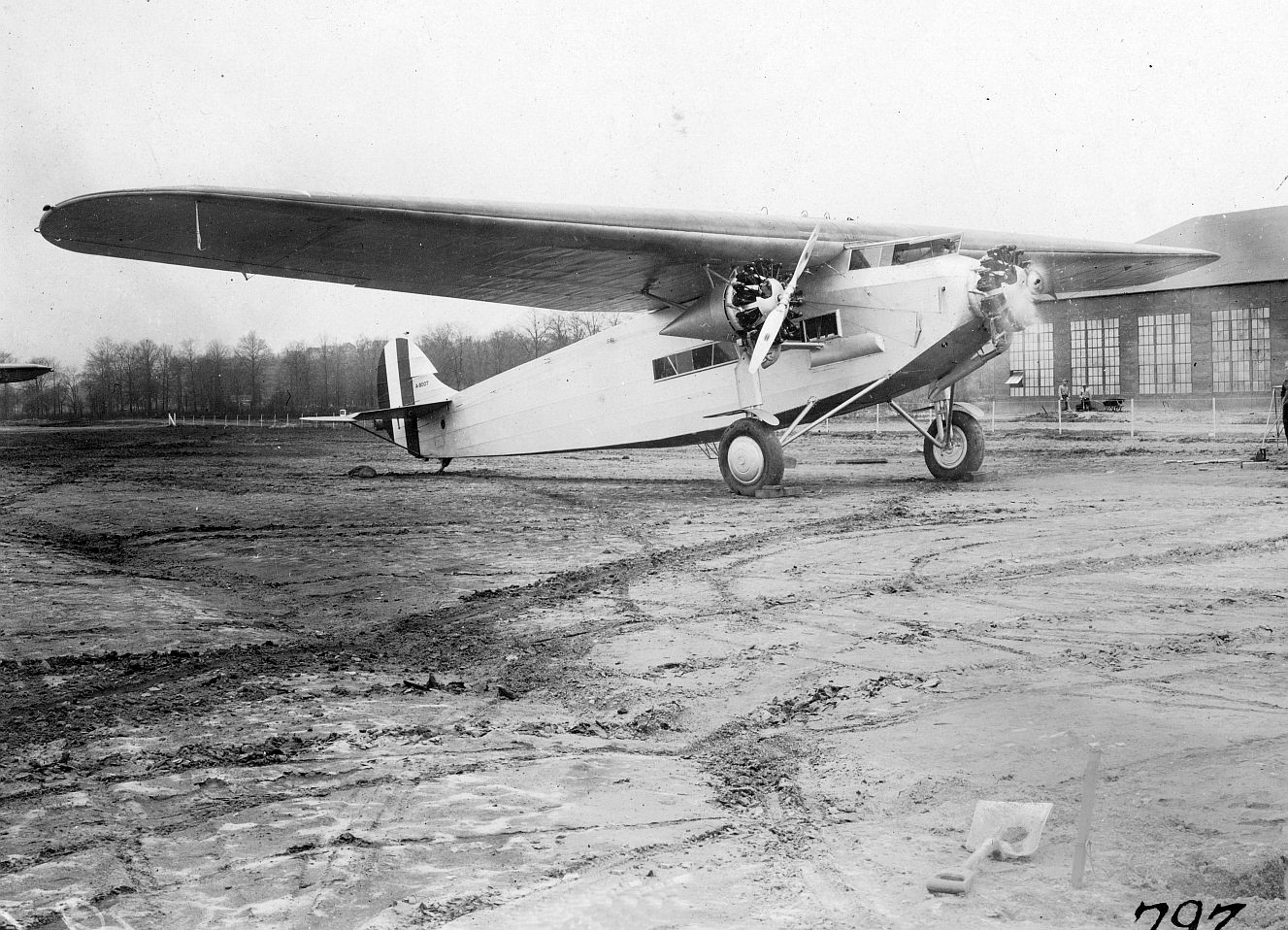
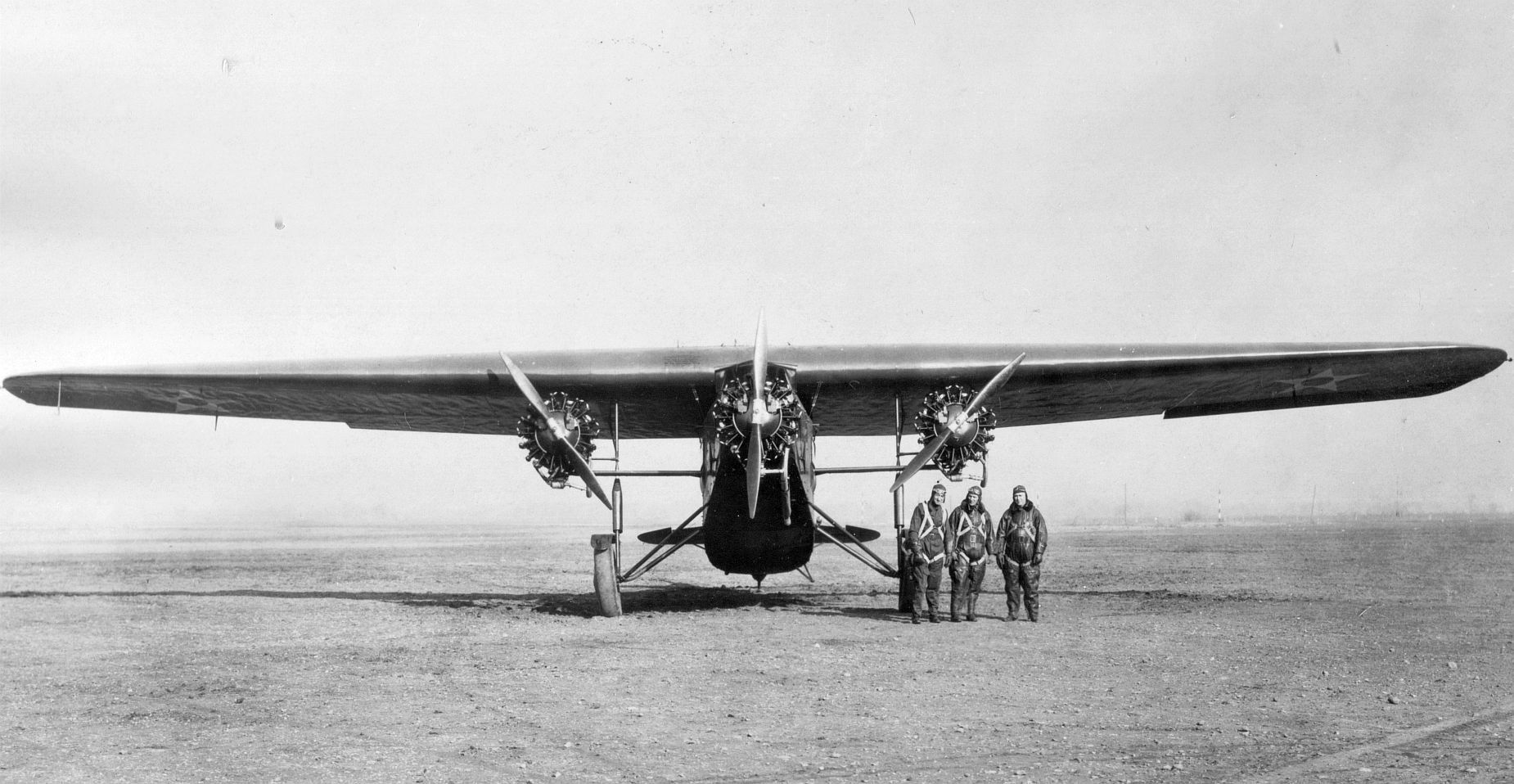
When Anthony Fokker offered the F.VII Trimotor to the US Army Air Service, this included versions for transport, ambulance and bomber duties. He called them the F.VIIA, F.VIIB and F.VIIC. The ‘B and ‘C versions had an open cockpit set slightly farther forward. This was because the AAS considered the cockpit beneath the wing, in the propeller arc of the engines, dangerous.
A large number of other changes were made during development. These warranted a new model designation.
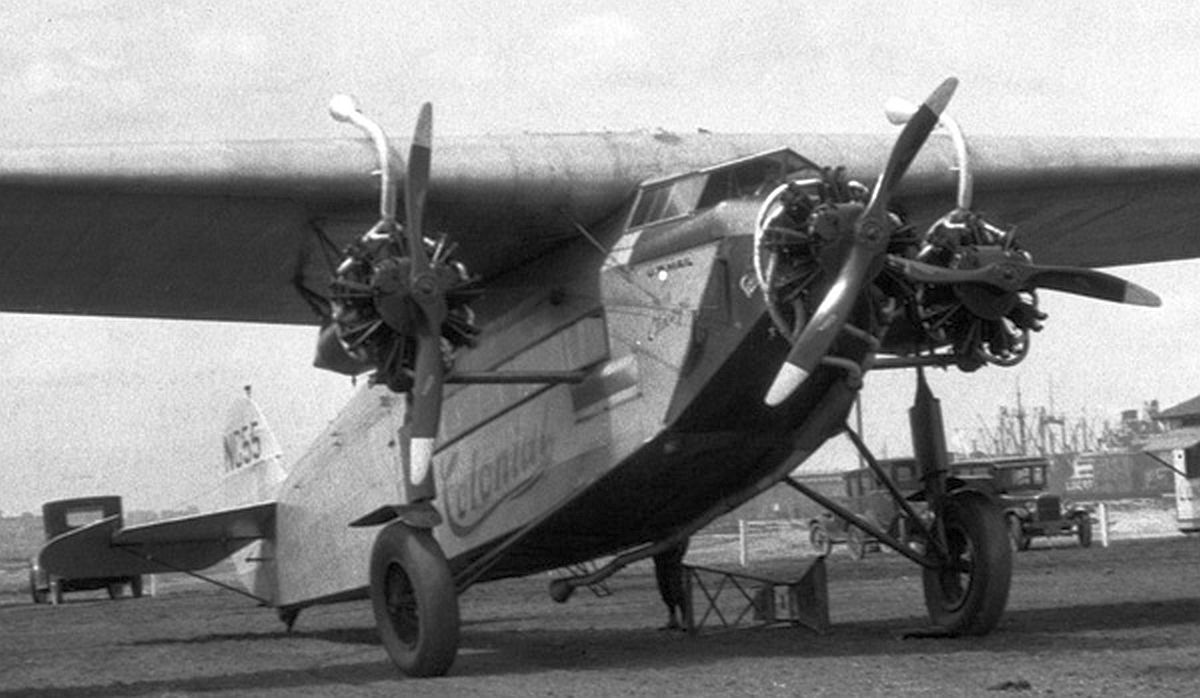
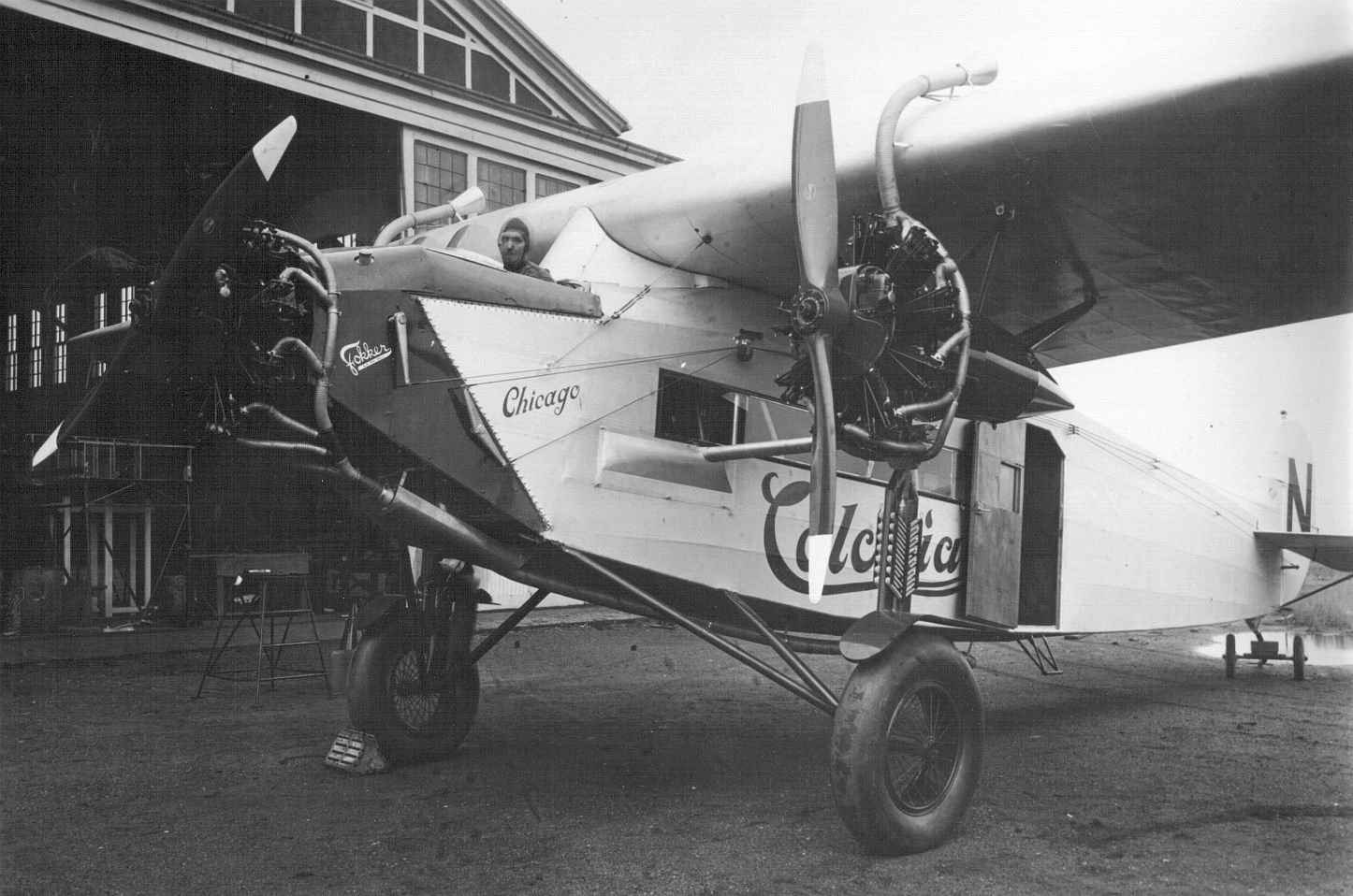
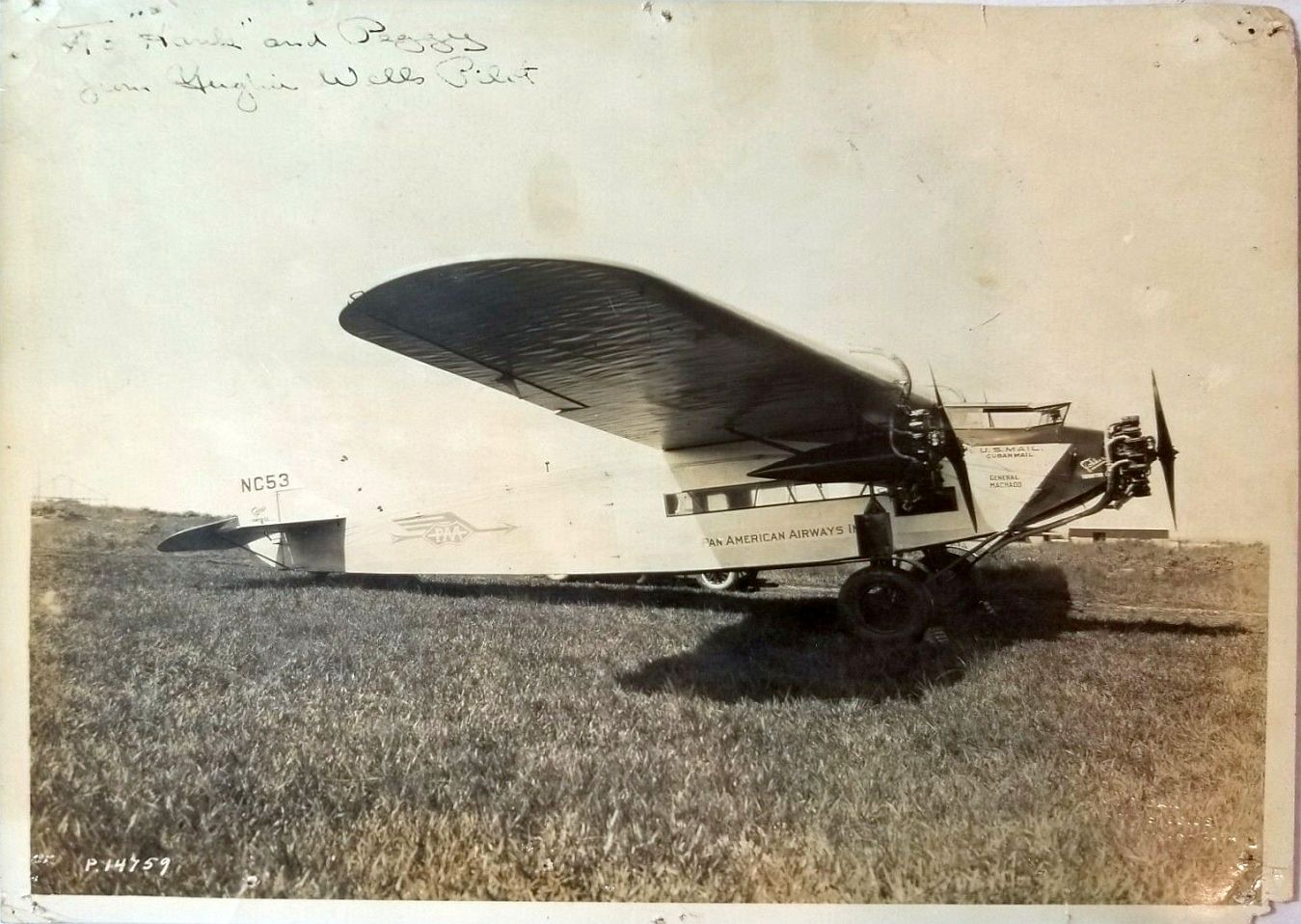
The AAS ordered three aircraft as C-2s, and the Navy also ordered three as TA-1s. However, it had taken a long time to finalize the aircraft specifications. As a result, the first two Trimotors were intended for an airline. Juan Trippe had ordered them for Colonial Air Transport. They were to fly the New York–Hartford–Boston airmail route. Unfortunately, Trippe had not realized that the contract specified single-engine aircraft. Universals therefore had to be ordered instead, leaving the Trimotors surplus to requirements.
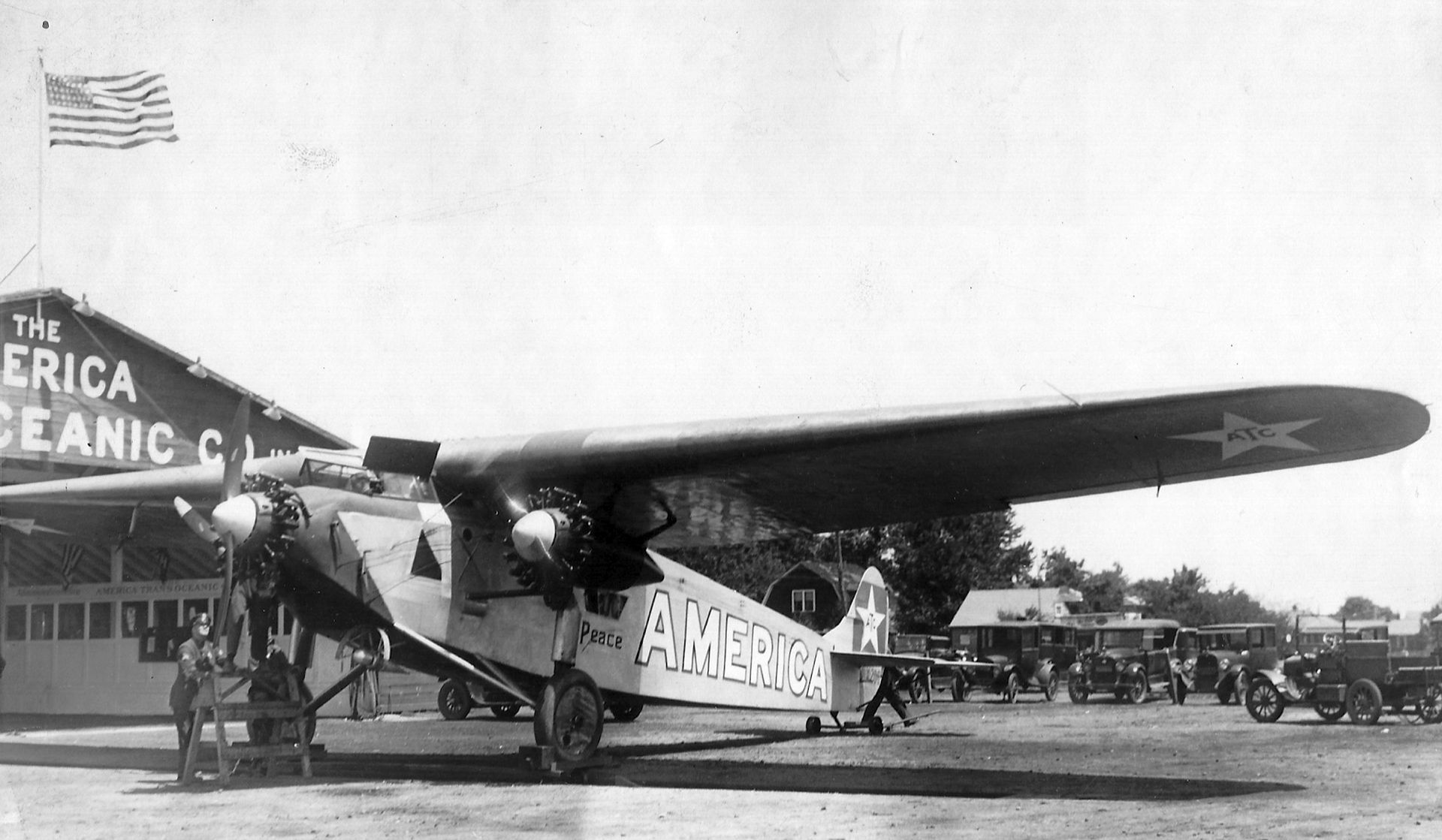
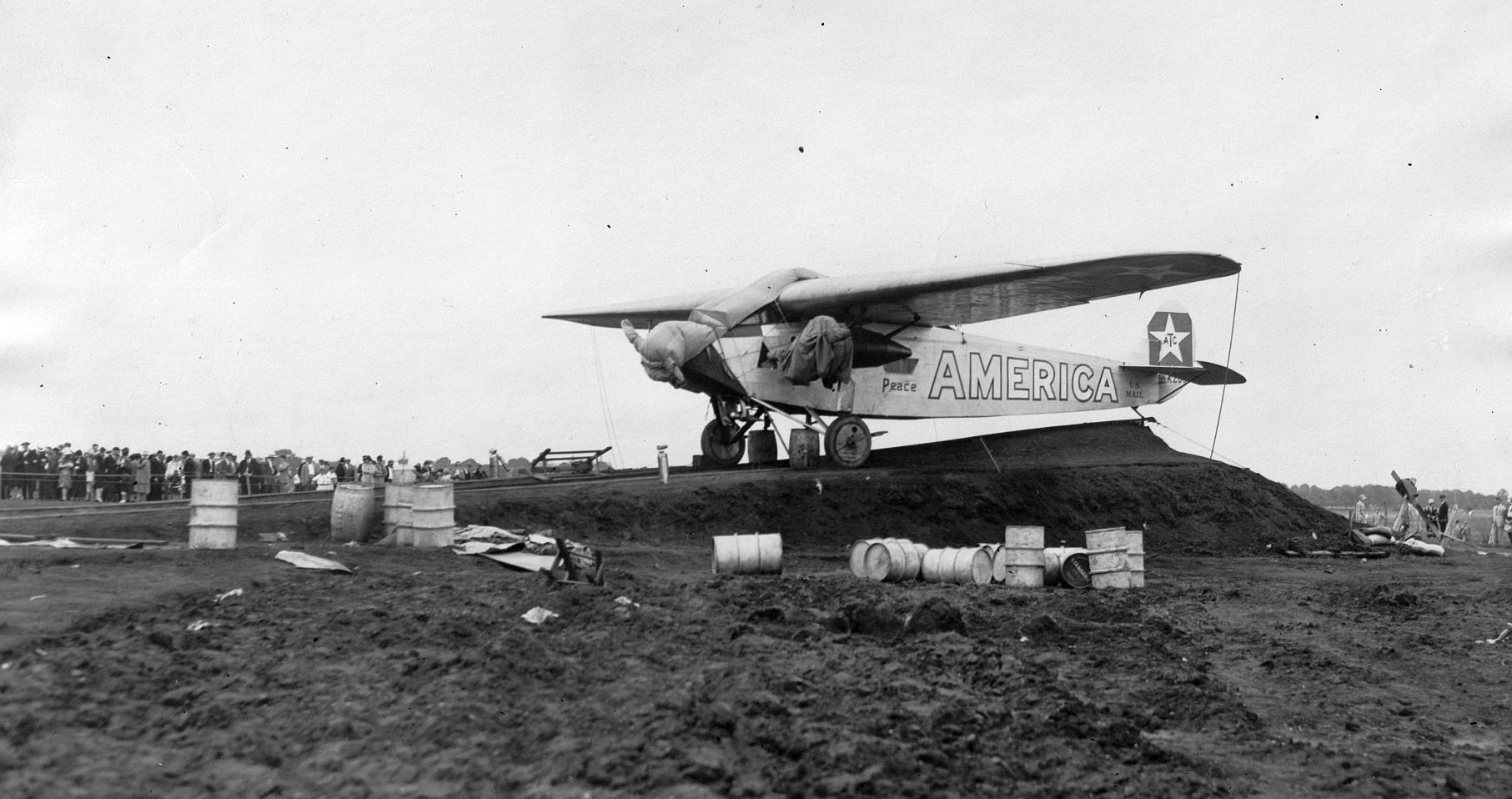
The first was finally delivered in late 1926, after considerable delay. The second had been sold to Pan American Airways shortly after delivery to Colonial. An old acquaintance also bought a Trimotor: Byrd, who wanted to make the first nonstop flight from New York to Paris with it.
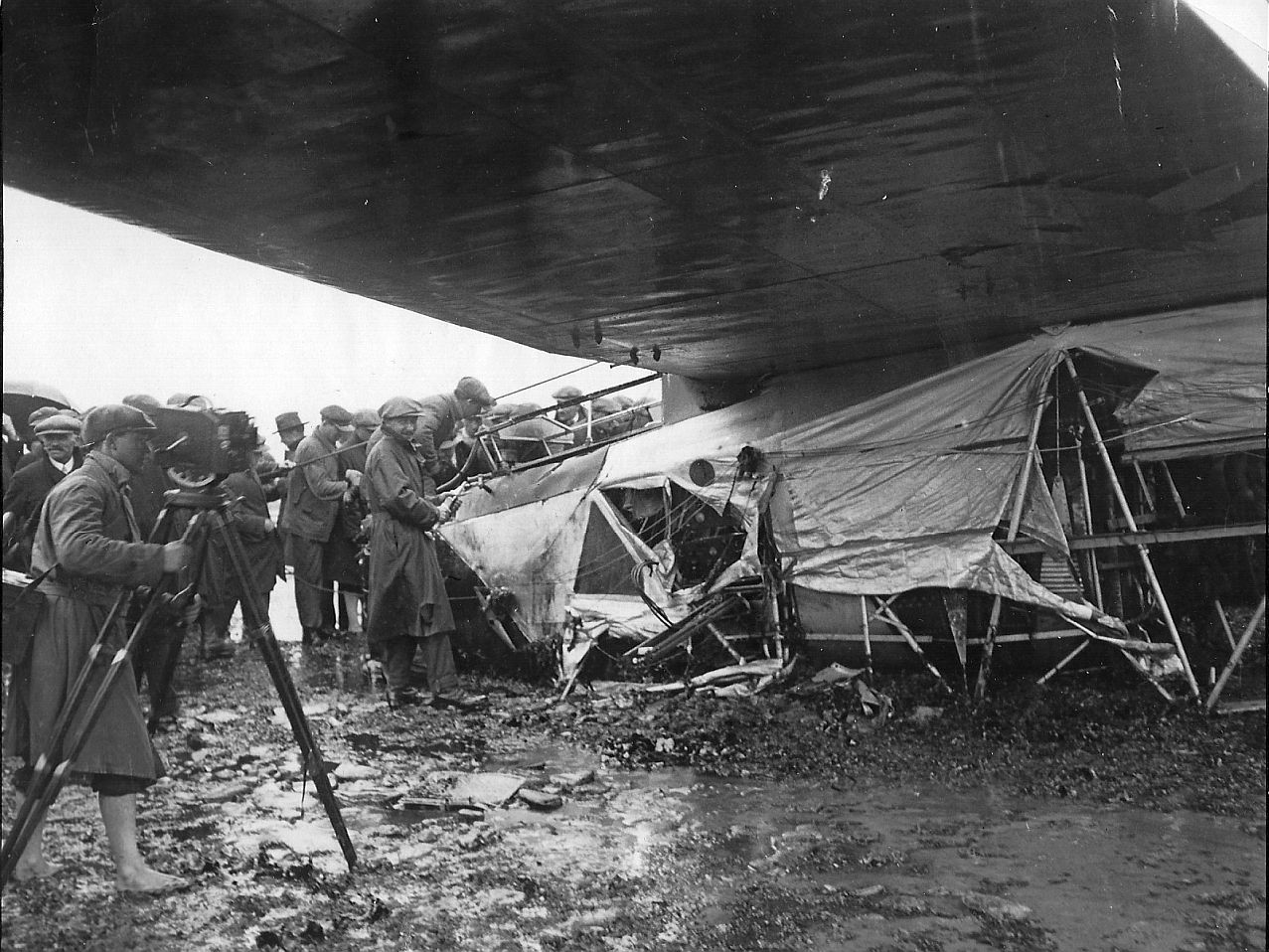
However, with Anthony Fokker at the controls, the aircraft flipped over during its first flight in April 1927. Lindbergh and Chamberlin (who flew to Germany) thus beat Byrd to it.
The Trimotor ‘America’ ended up on a beach at Ver sur Mer, in the English Channel, after its crew failed to find Paris.
Meanwhile, deliveries to the Army Air Service (by then the Air Corps) got underway in the spring of 1927.
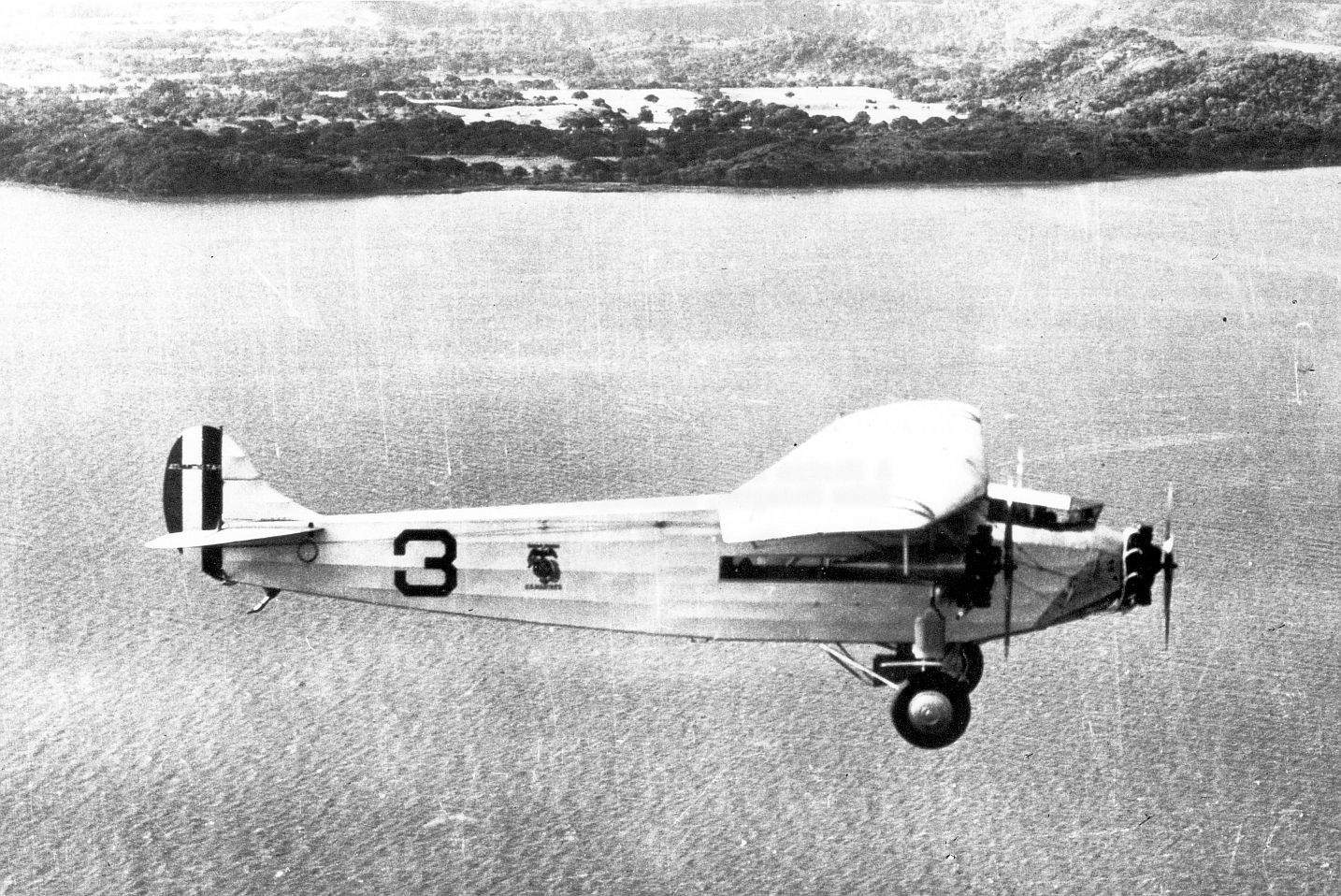
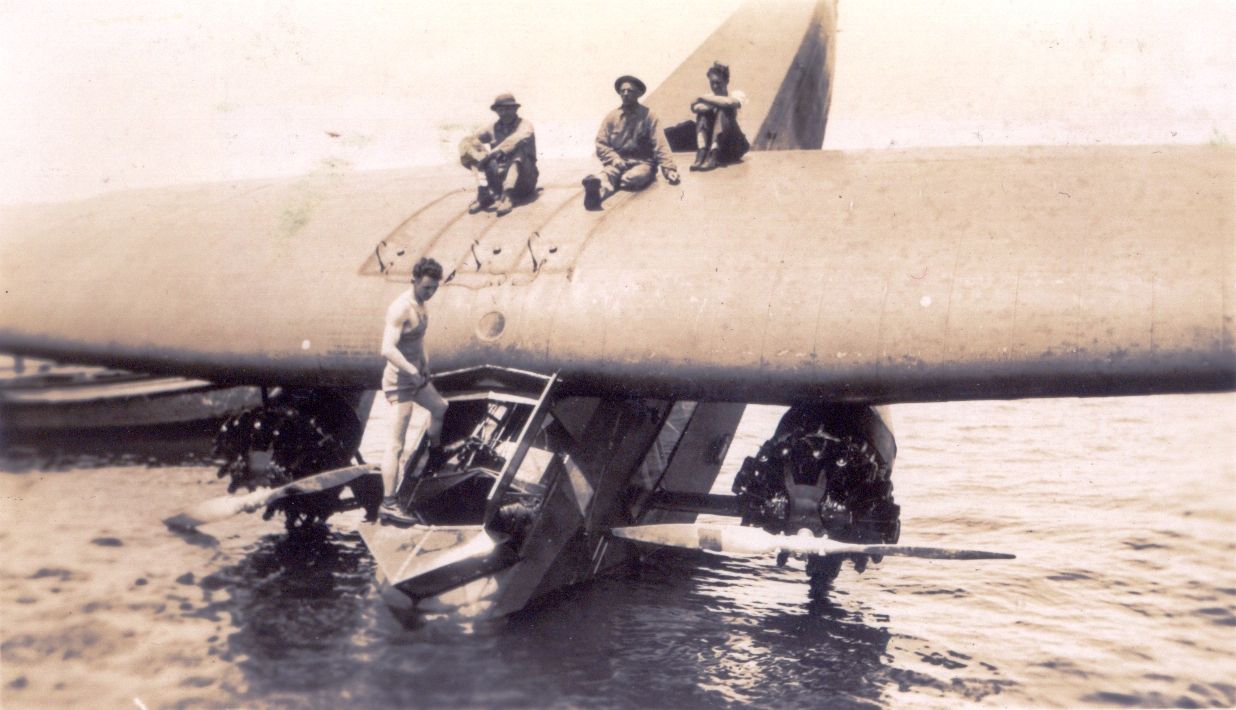
The Navy aircraft followed and were intended for the Marines fighting in Nicaragua.
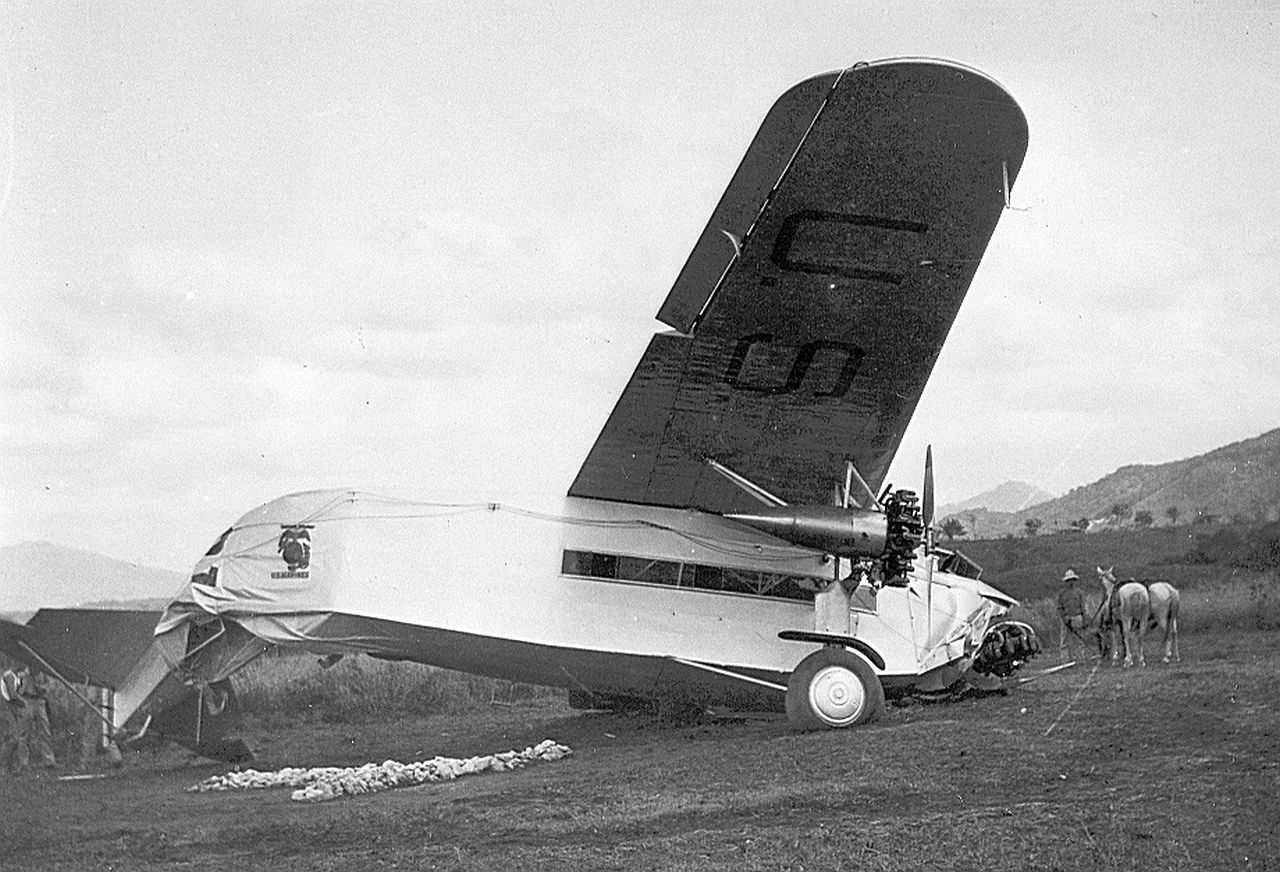
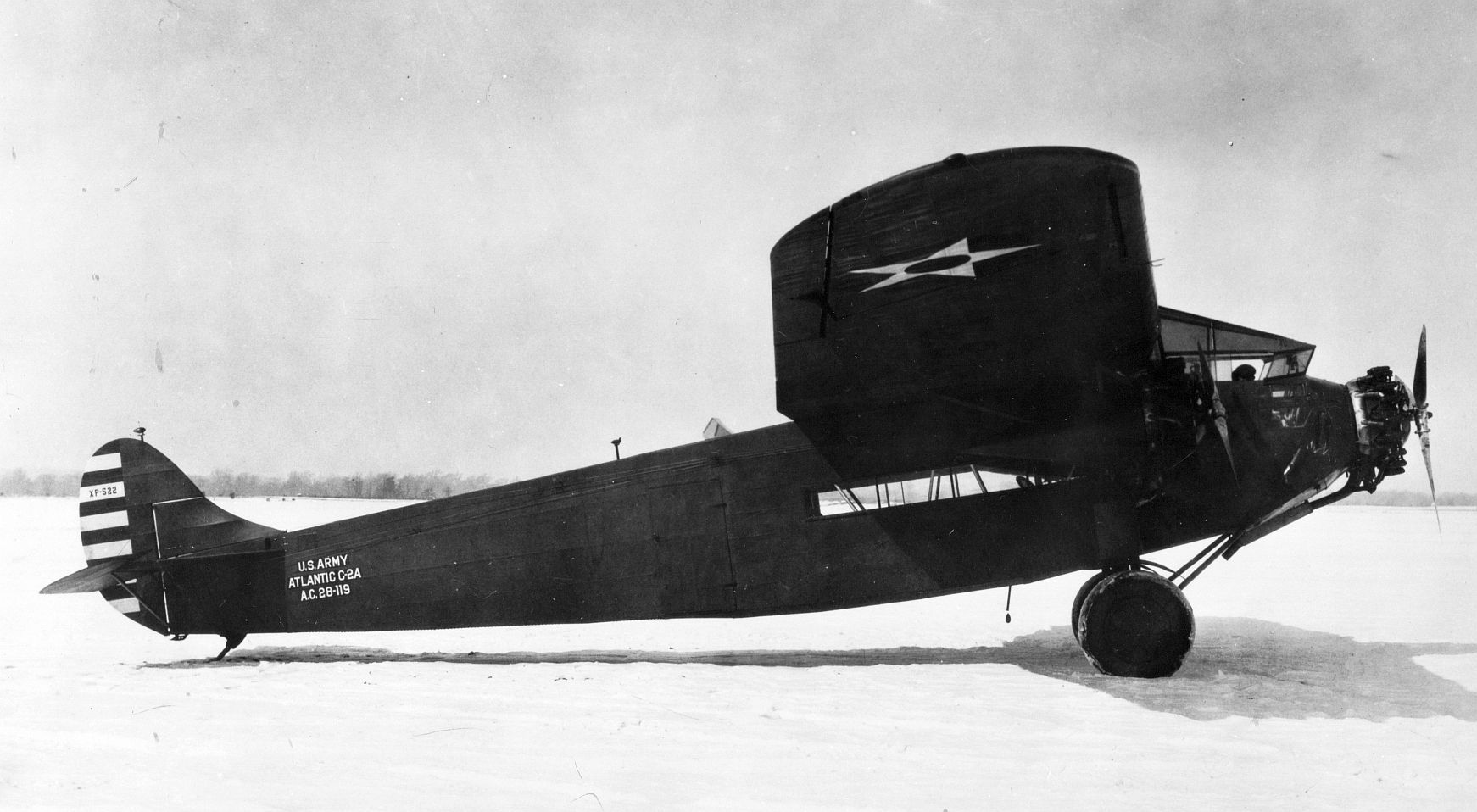
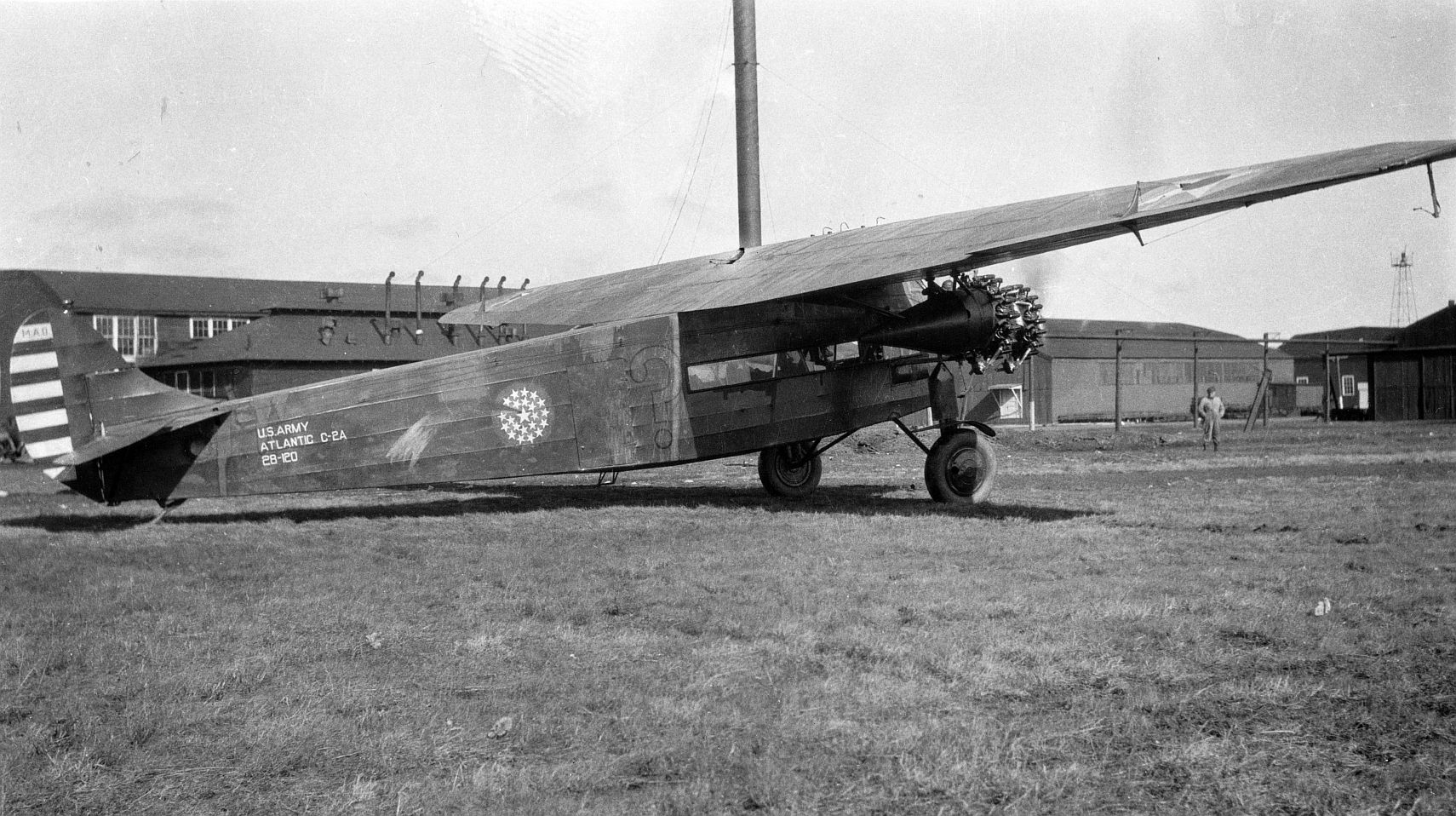
Despite pressure from Fokker, the number of follow-on orders remained limited. The Air Corps bought another ten C-2As with a larger wing, two of which were rushed to the Marines in Nicaragua. A third TA-2 was also purchased.
When one of these aircraft crashed shortly after, Fokker was ordered to build another TA-3 with a Wasp engine in the nose.
After it emerged that Fokker was using a rejected Air Corps fuselage for it, the order was cancelled.
Anthony Fokker was furious. But when a new fuselage was subsequently offered, the offer was declined.
In 1929, the more powerful J-6 replaced the military version of the Wright J-5 engine. A number of C-2As were then fitted with the new engine and designated C-7s. The Navy followed suit, converting several TA-1s and TA-2s into RA-3s. The designation for the transport role was also changed from T to R.
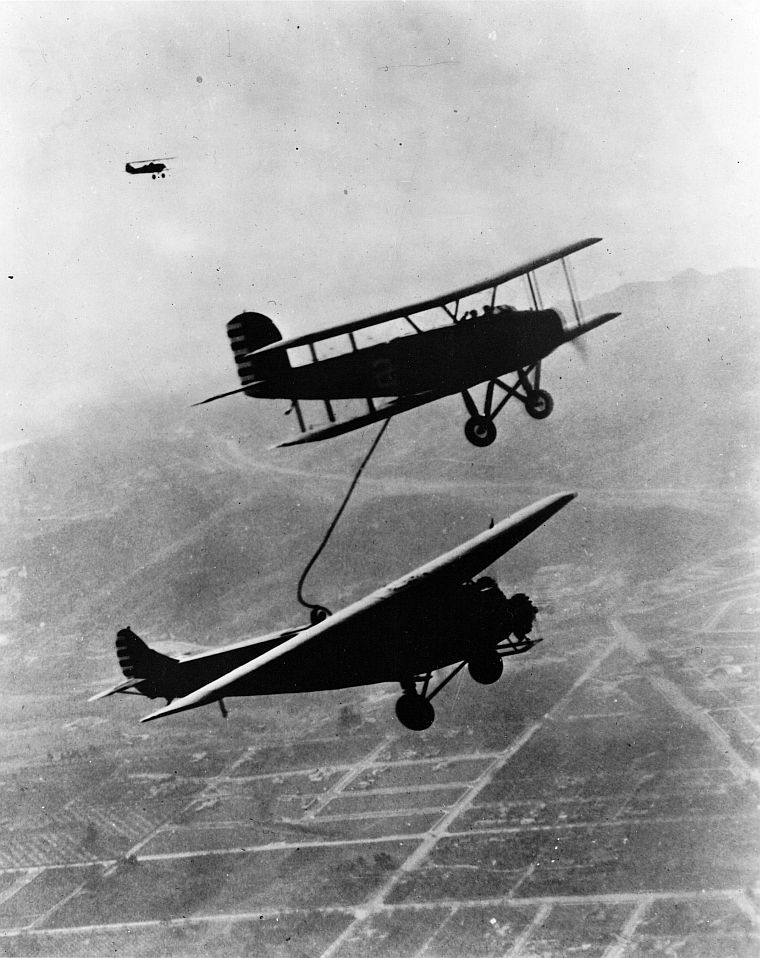
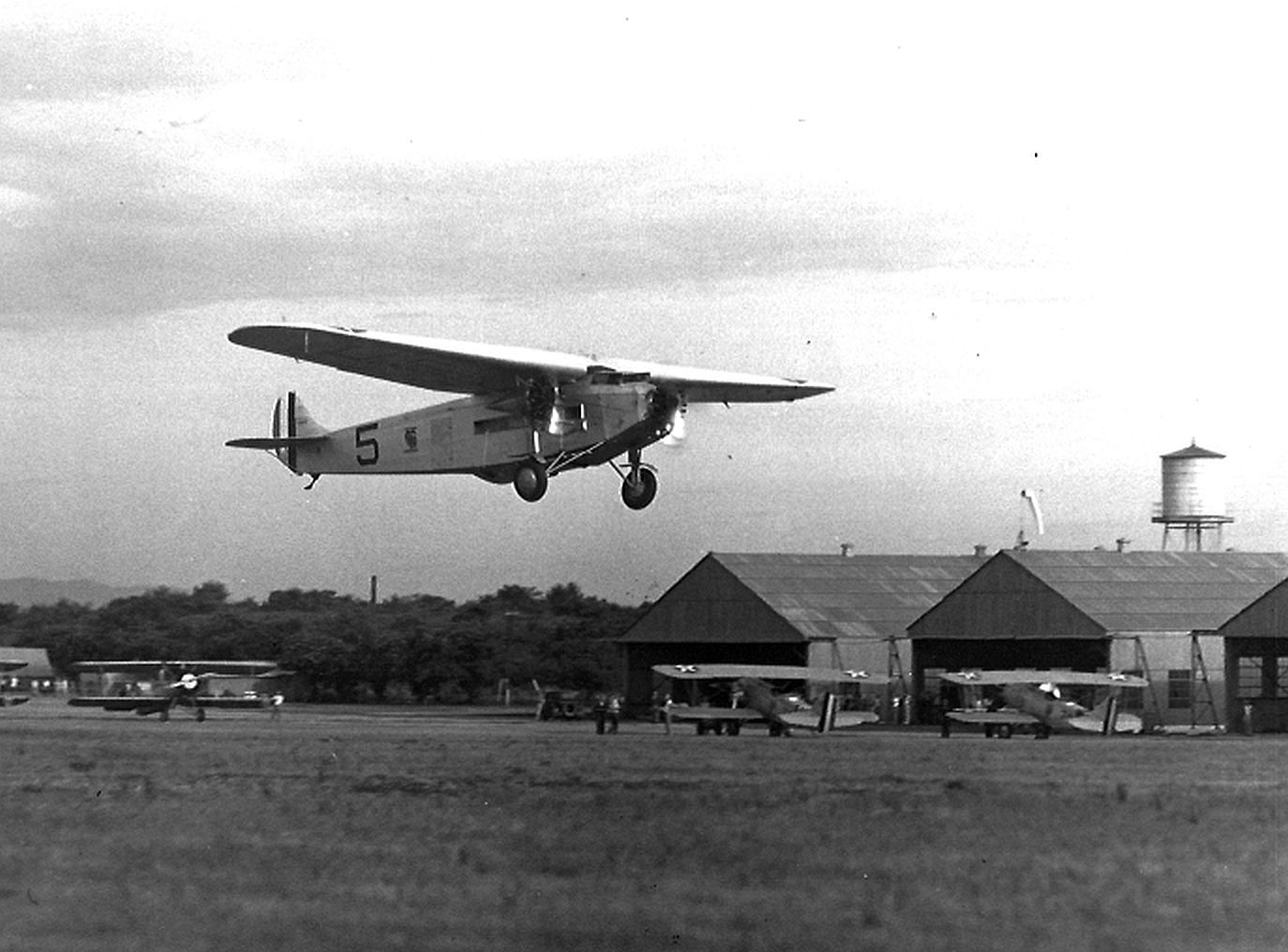
Famous flights were also made with this type of Trimotor. In addition to Byrd’s transoceanic flight, a C-2 flew from California to Hawaii. And in early 1929, a C-2A set a world endurance record for aerial refueling.
Click the photo to enlarge it