
The Fokker G.1 in foreign military service
text to follow
Click on the photo to enlarge the photo
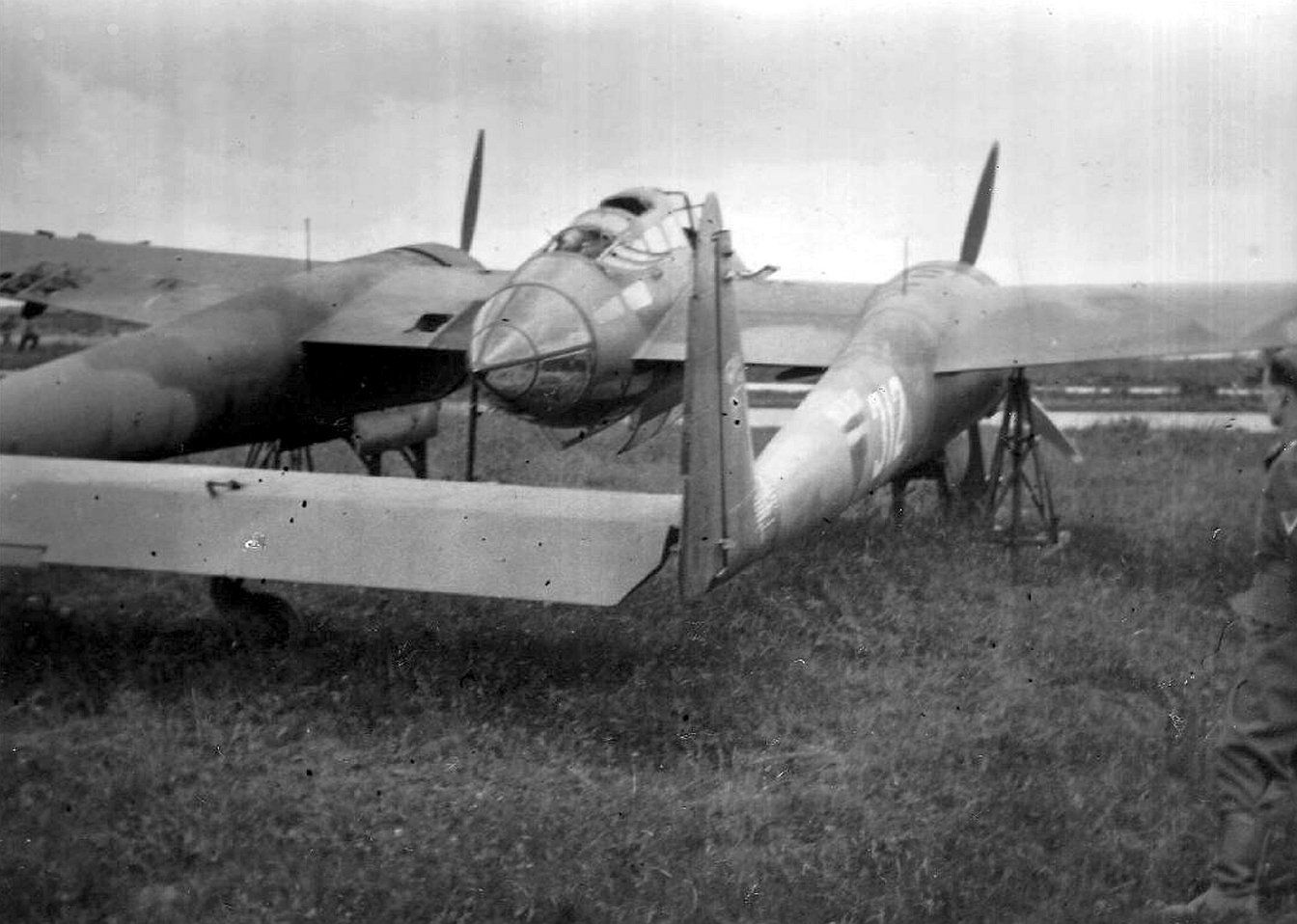
1
The G.1A 312 was delivered to the LVA on July 21, 1939, with c/n 5533. It was flown from Waalhaven Airfield by 2nd Lt. Flt. P. Noomen and tail gunner Sgt. H. de Vries. As early as May 10, 1940, they returned to Waalhaven with considerable damage, as can be seen in the photo: the tail section, the left wing, and the damaged landing gear. The 312 fell into German hands and was possibly (?) repaired later. In any case, a German soldier is visible on the right. The photo could have been taken around May 11, 1940.
Button
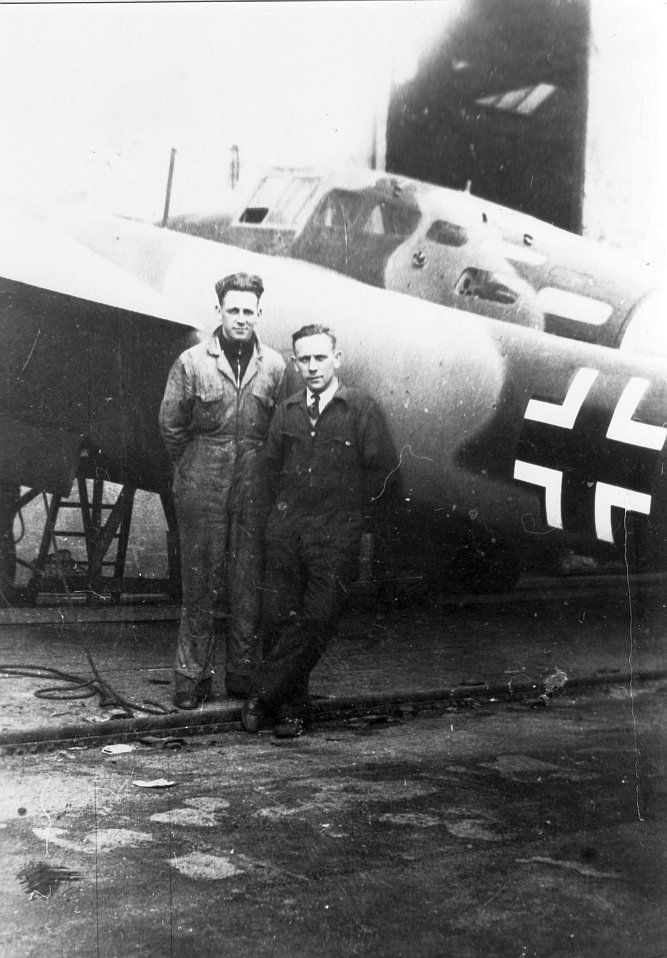
4
Two Fokker mechanics at work in Blauwhoedenveem-Vriezenveem in the western port of Amsterdam. Fokker repairs G.1 aircraft there and is involved in the completion of half-finished G.1B fighter cruisers, commissioned by the German Luftwaffe.
Button

2
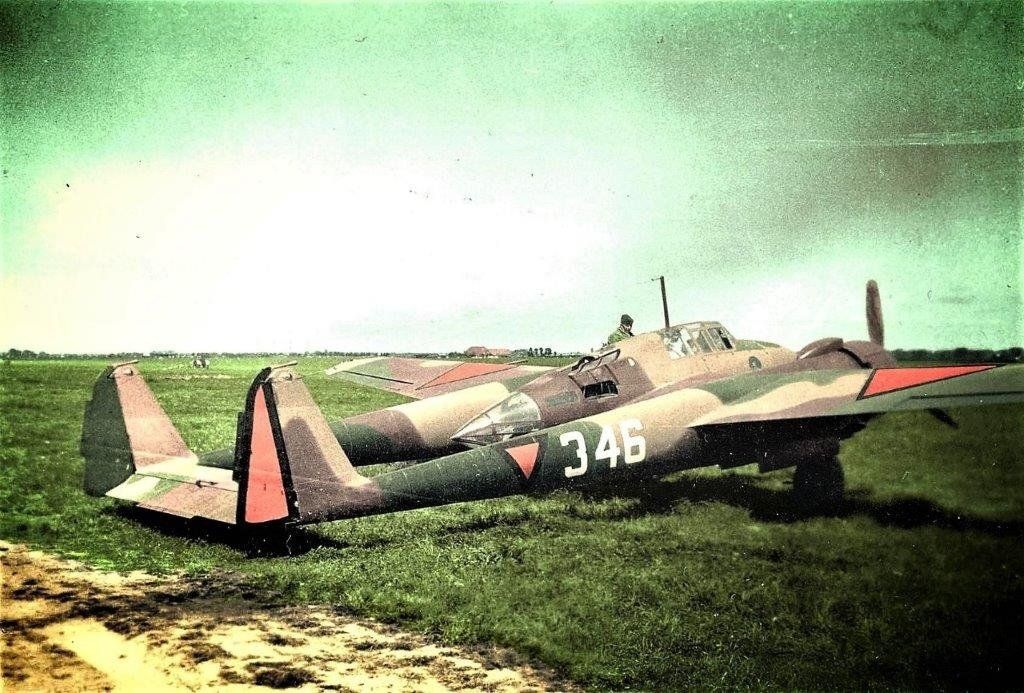
Fokker G.1B 346 c/n 5566 was not delivered to the LVA until May 13, 1940, as part of the Schiphol detachment. Along with the 342 and 343, they were initially equipped with four machine guns in the nose turret and one in the tail turret. They had the same camouflage paint as the G.1A fighter cruisers. Sgt.Vl. C. Ottes was the pilot, and the tail gunner was a variable number. This slightly smaller G.1B (compared to the A) also had spinners and a radio mast. The 346 was also parked at Schiphol for a time, along with seven other aircraft, awaiting armament. On May 14, 1940, this 346 collided with the 343 due to blocked wheels and fell into German hands the following day. The 346 continued its service with the Luftwaffe as a TD KC. The photo was taken on May 15, 1940, see the German guards.
Button
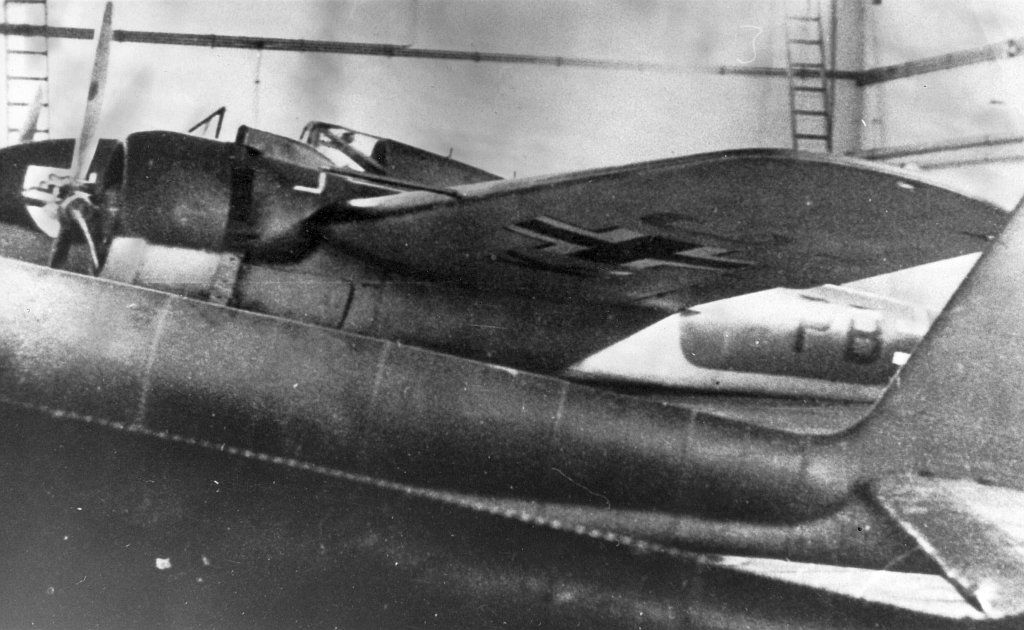
5
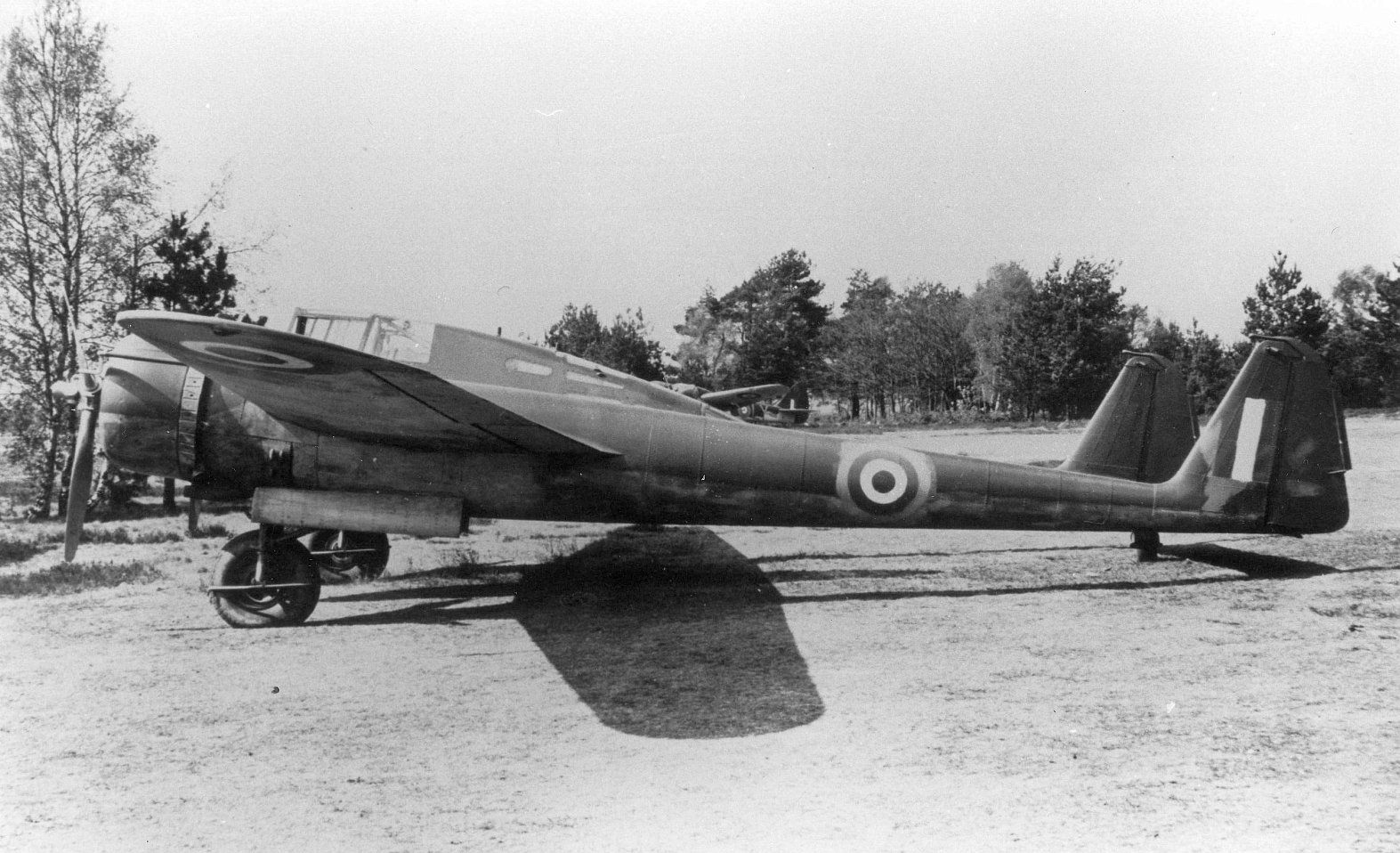
One of the last G.1B aircraft for the LVA is c/n 5567, registration number 362. At the emergency location Blaauwhoedenveem-Vriezenveem, this G.1B is almost complete. The Germans took over the aircraft on May 14, 1940, and had it completed along with several other G.1B fighter cruisers. Luftwaffe markings and the registration PB KC were already applied to this. Here, the G.1B is probably still in the Air Service Building at Schiphol. On May 5, 1941, at 4:20 PM, it flew, but not for the Luftwaffe, but for LVA pilot and pilot-in-charge Hidde Leegstra and Ir. Piet Vos of Fokker.
The story of the flight
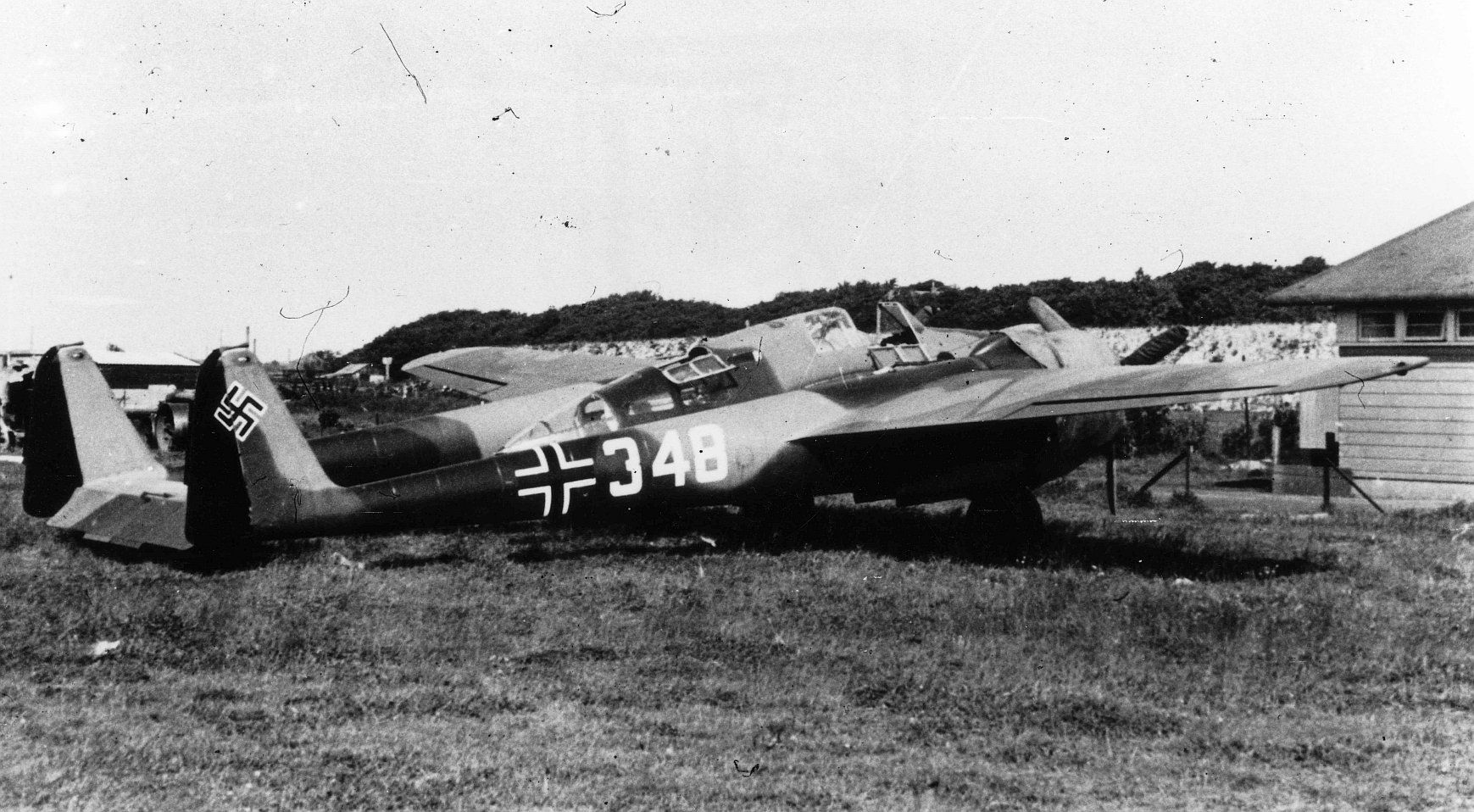
3
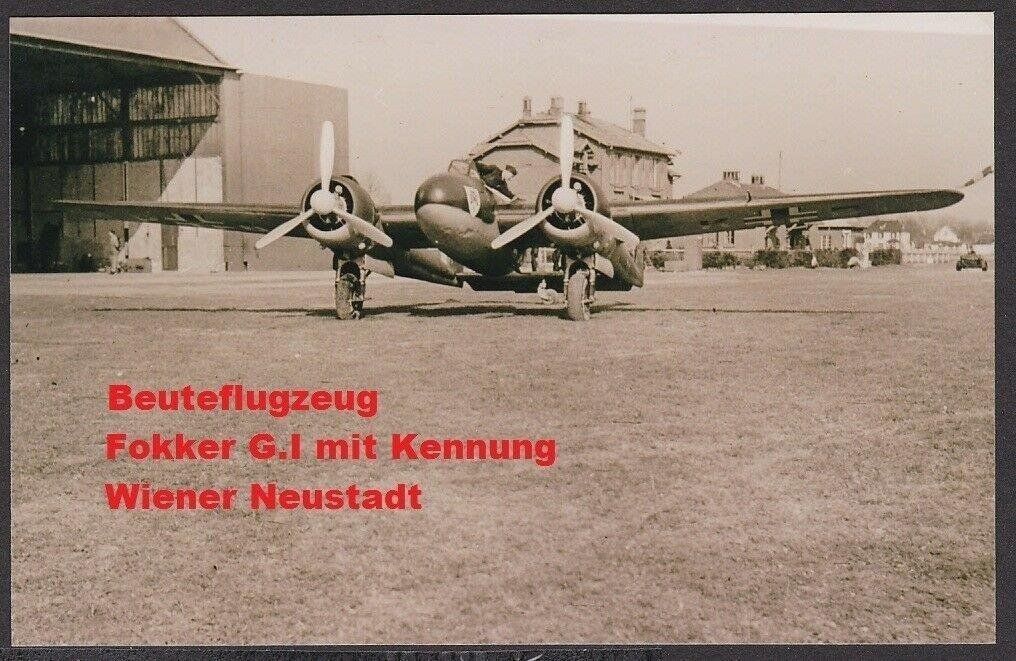
The 348 had already been repainted in German colors, still bearing the original LVA designation '348'. The 348 also belonged to the group of seven G.1B fighter cruisers that would remain on the Schiphol apron for a long time. The Dutch government's blocking of the sale and the non-arrival of the armament caused repeated delays. On October 2, 1939, LVA flew in the 348, but was still unable to install the armament. It entered service with LVA on January 25, 1940, instead of being delivered to the Spanish Republicans or Finland. On May 8, 1940, the 348 was moved to Ockenburg emergency airfield near The Hague. The German attack on May 10, 1940, blocked the runway. The fighter cruiser remained behind and was taken over by the German Luftwaffe on May 15, 1940.
Button
6
The test flight would soon change in nature despite the escort of another G.1B. This latter headed towards the then Zuiderzee (now the IJsselmeer) to locate the missing cruiser. Emil Meinecke, also a Fokker pilot, participated, willingly or not. The usually limited fuel supply for test flights turned out to consist of fully filled tanks in this aircraft. This was no coincidence, but part of the plans the pair had hatched in a clubhouse at the Amsterdam Golf Club. Flying westward, they crossed the North Sea, and Leegstra opted to lower the landing gear. This was intended as a signal to demonstrate their good intentions, despite their German livery. Nevertheless, the G.1B attracted considerable interest from three Hurricanes, who fully demonstrated their marksmanship. Along the East Suffolk coast, they located a meadow 10 km from Great Yarmouth, and on May 7, 1941, they headed to Mortesham-Heath. From there, on May 10, 1941, it continues to Farnborough. Its final destination will be Miles Aircraft Company in Reading, south of London.
Button
7
The final destination was reached on December 14, 1941, in Reading, south of London. Tests with the mixed Fokker design continued until 1942. It is highly likely that this aircraft, in service with the Royal Air Force, was scrapped there.
Button
8
A color photo (or color photo) of c/n 5566, which was transferred to the LVA on May 13, 1940. On May 14, 1940, the G.1B collided with the 343. The fighter cruiser was fitted with spinners and a radio mast. The pilot was Sgt.Vl. C. Ottes, and the gunner was a variable presence in these turbulent wartime days. The Germans took it over on May 15, 1940, and designated it TD KC.
Button
9
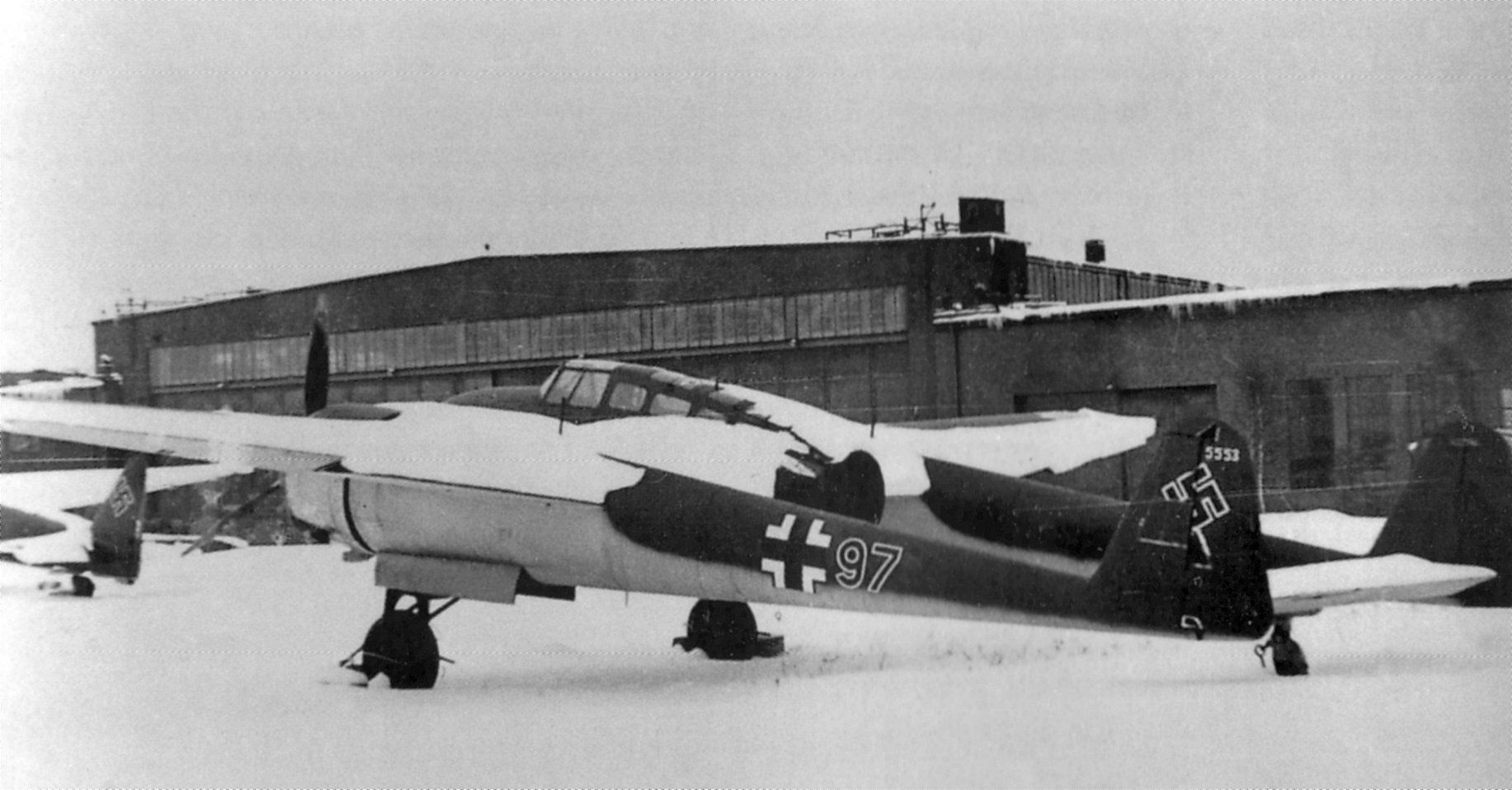
The Fokker G.1A (!) 332, c/n 5553, was delivered to the LVA (Dutch Air Force) on September 30, 1939, at Bergen Air Park. The 332 was assigned to the 4th JaVA (Fighter Aircraft Section) of the LVA. On May 10, 1940, it was severely damaged by the Germans. The former 332 was thoroughly repaired and put into service by order of the German Luftwaffe. This took place in Bergen or at Schiphol Airport. Its duties ranged from reconnaissance to training aircraft, and its registration was ?? 97. This photo was taken around winter 1944 near Munich. It speaks volumes about the reliability of this Fokker product. (Photo: Family W. Vredeling in Hoofddorp)
Button