
The Fokker G.1B
The G1B is intended for export.
The test flights took place in June 1937 by the Finns, among others, and in September by the Danes.
Turkey also showed great interest and tested the G1B in September 1938 by pilot Enver Akaylou.
Ultimately, the Spanish Republicans first ordered 12 and subsequently a total of 26 units.
This will also partly involve license construction.
Due to the end of the Spanish Civil War in 1939, the first series, already under construction, is not purchased.
The Dutch government also does not give permission to supply the Nationalists.
Even a detour via Estonia offers no solution.
In 1939, Finland took over Spain's order for at least 12, but ultimately 26, fighter cruisers.
Then there is a delay due to the non-delivery of the 20 mm Madson cannons.
This is partly compensated for by installing 4 Browning FN 7.9 mm machine guns in the nose dome.
The first series will therefore remain at Schiphol Airport for some time and will eventually be incorporated by LVA.
In 1939, Denmark ordered 12 of them under license with the name IVK, but the capitulation of the Netherlands and Denmark prevented license construction.
On March 30, 1940, the Swedes purchased another 18 fighter cruisers with Bofors armament and designations B7 and S13.
Here too, the Dutch capitulation plays spoilsport and Fokker is also not allowed to supply neutral Sweden.
The role of G1B at LVA is described elsewhere on the site, as are those of the German Luftwaffe and Royal Air Force.
Click on the photo to enlarge the photo
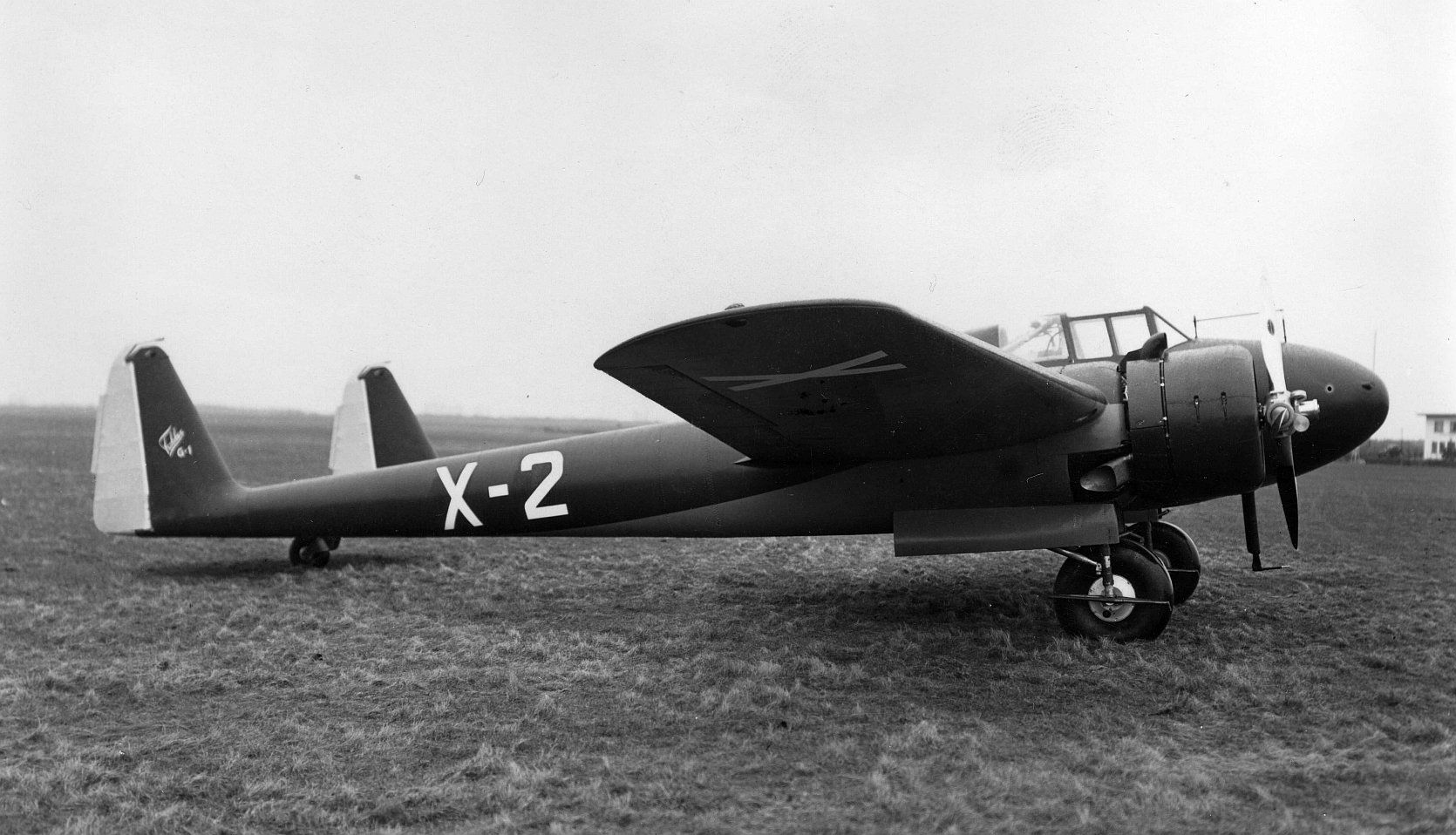
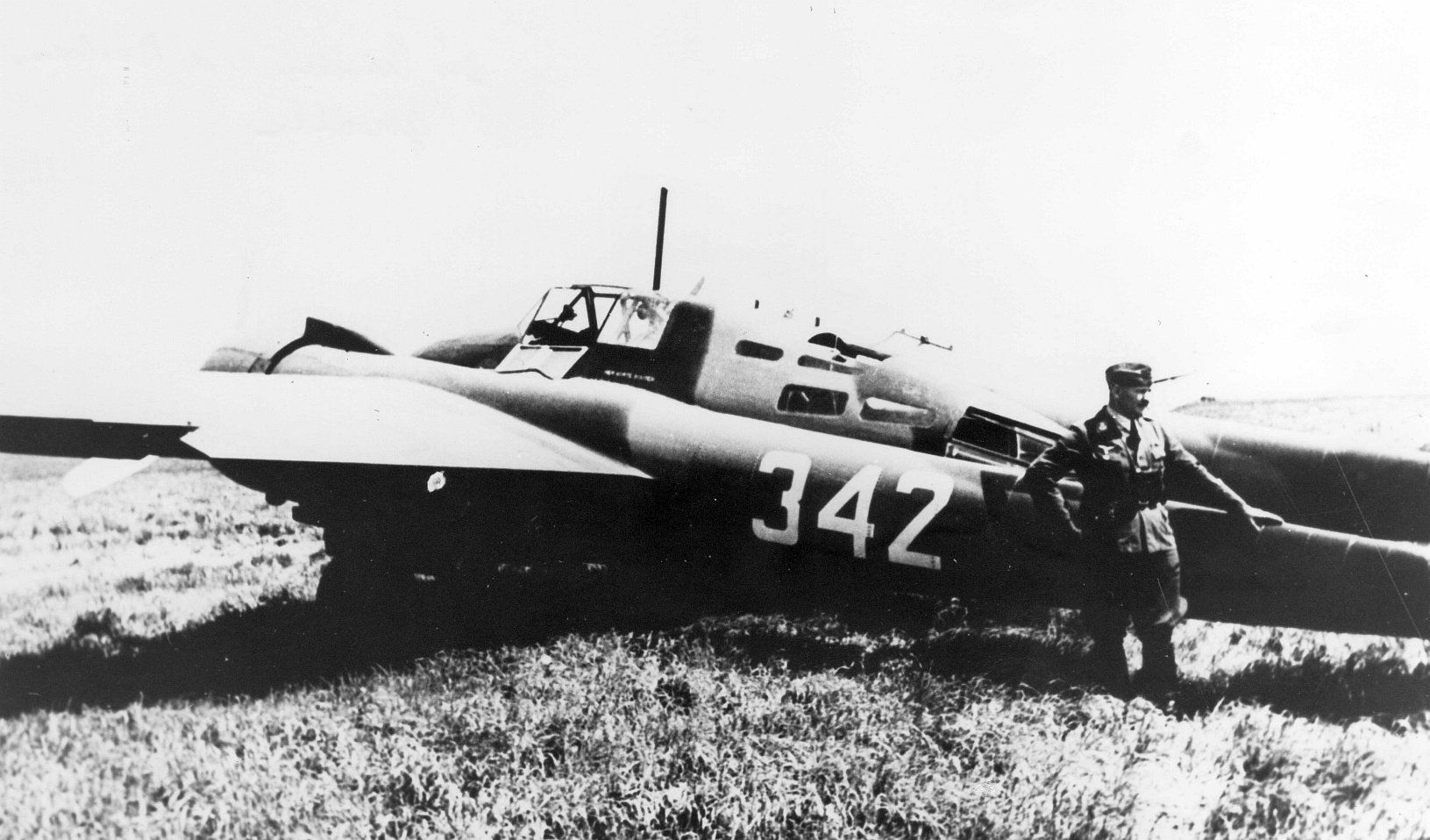
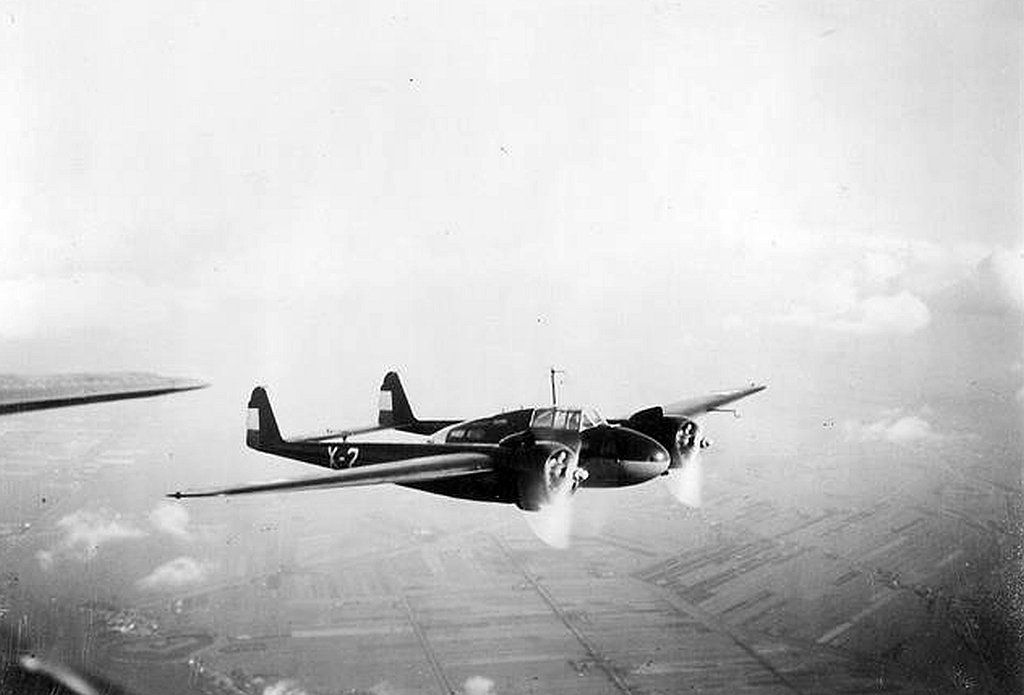
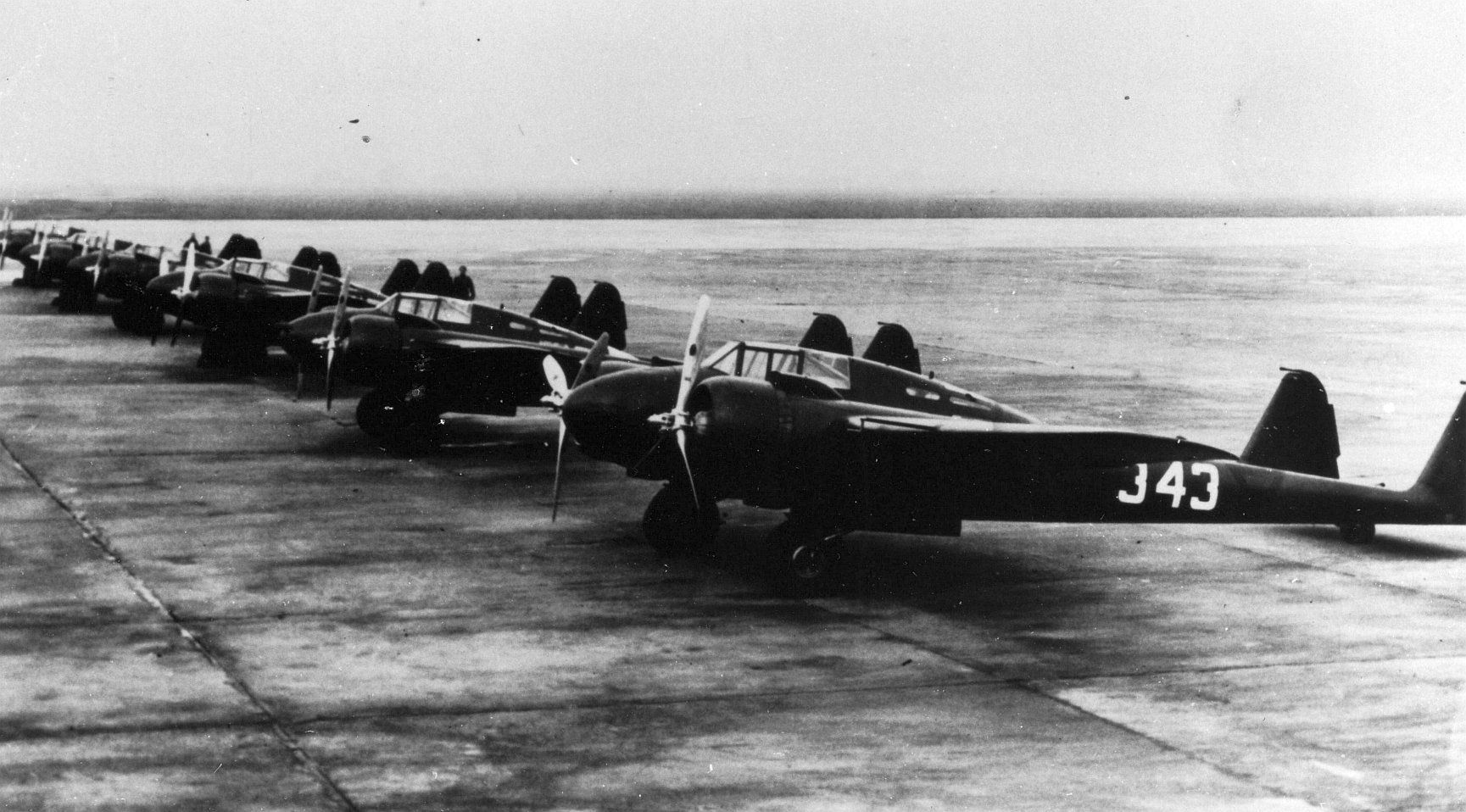
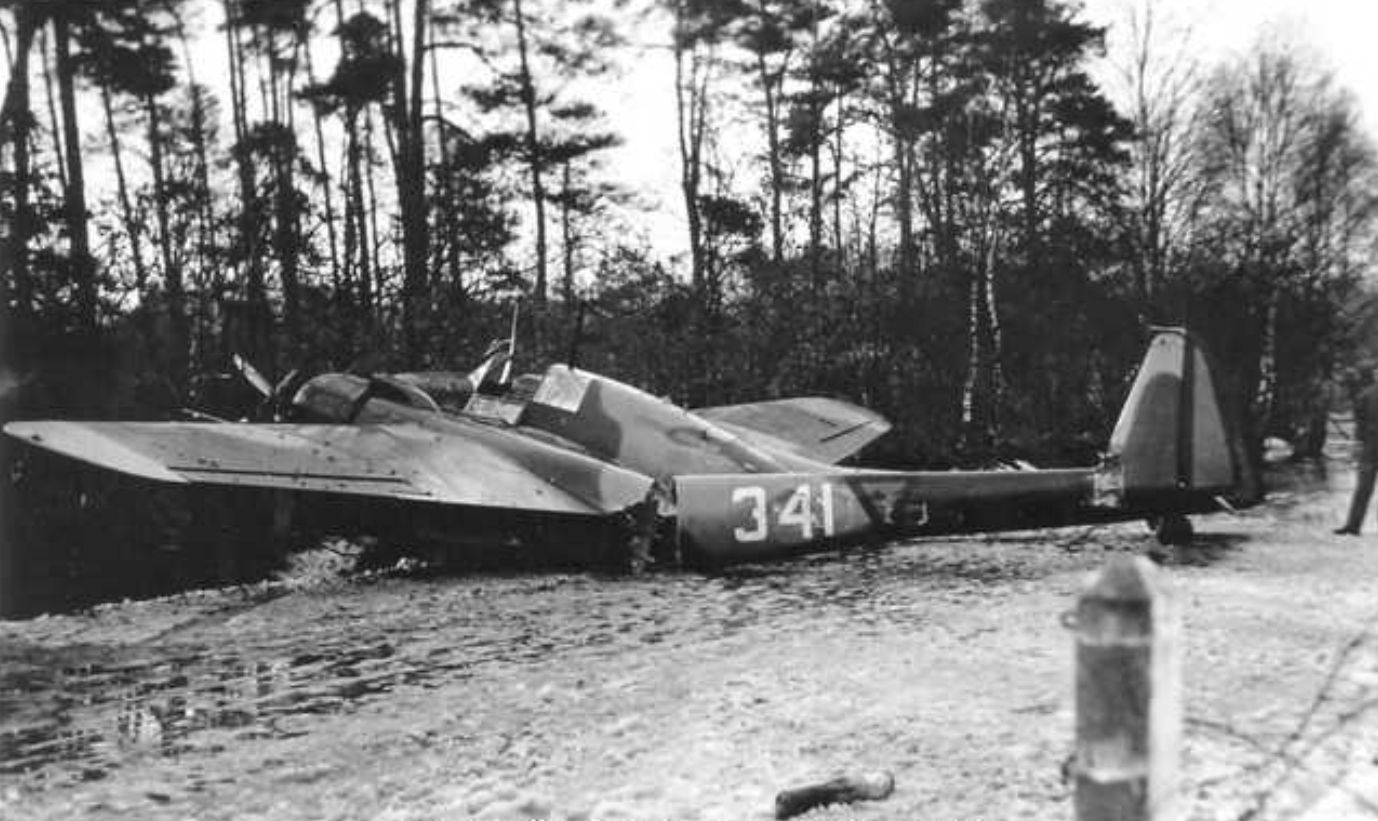
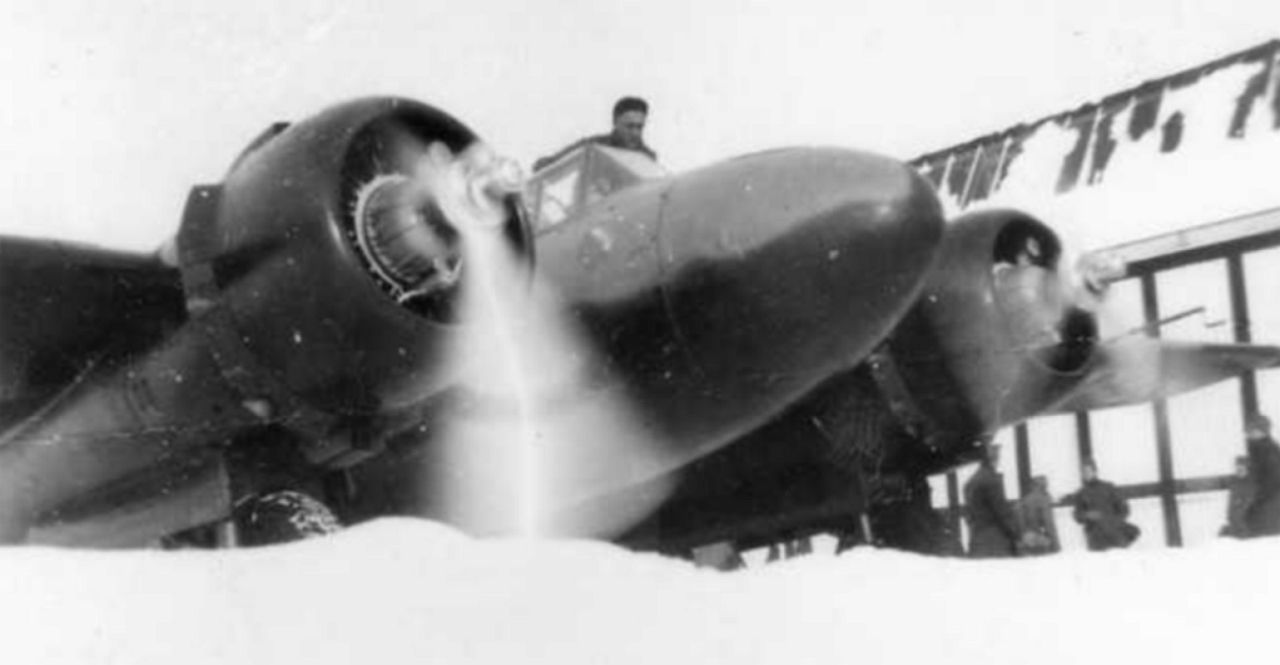
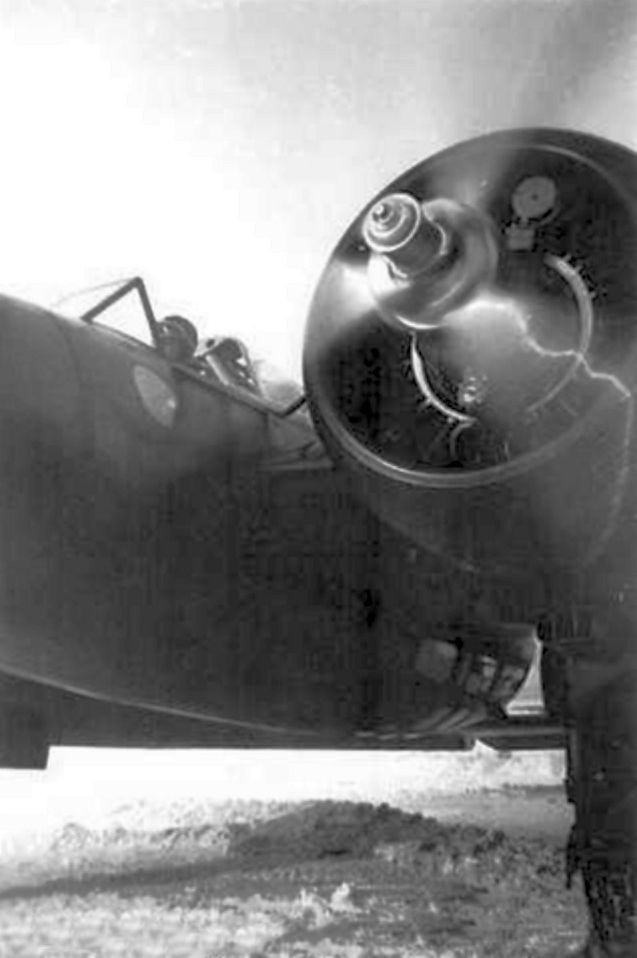
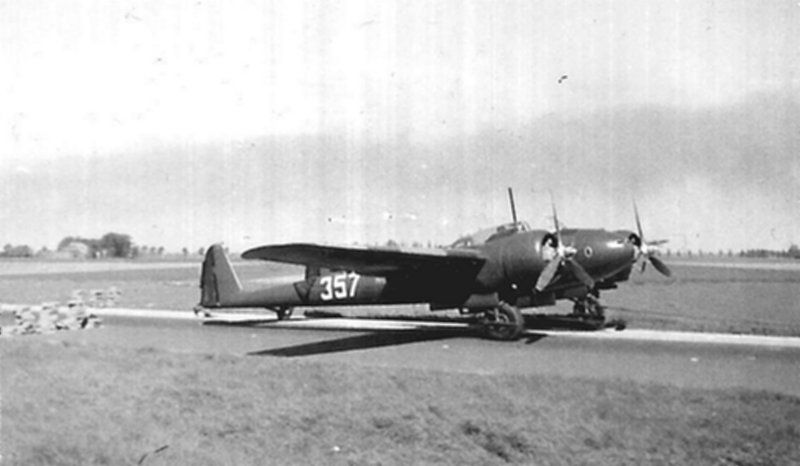
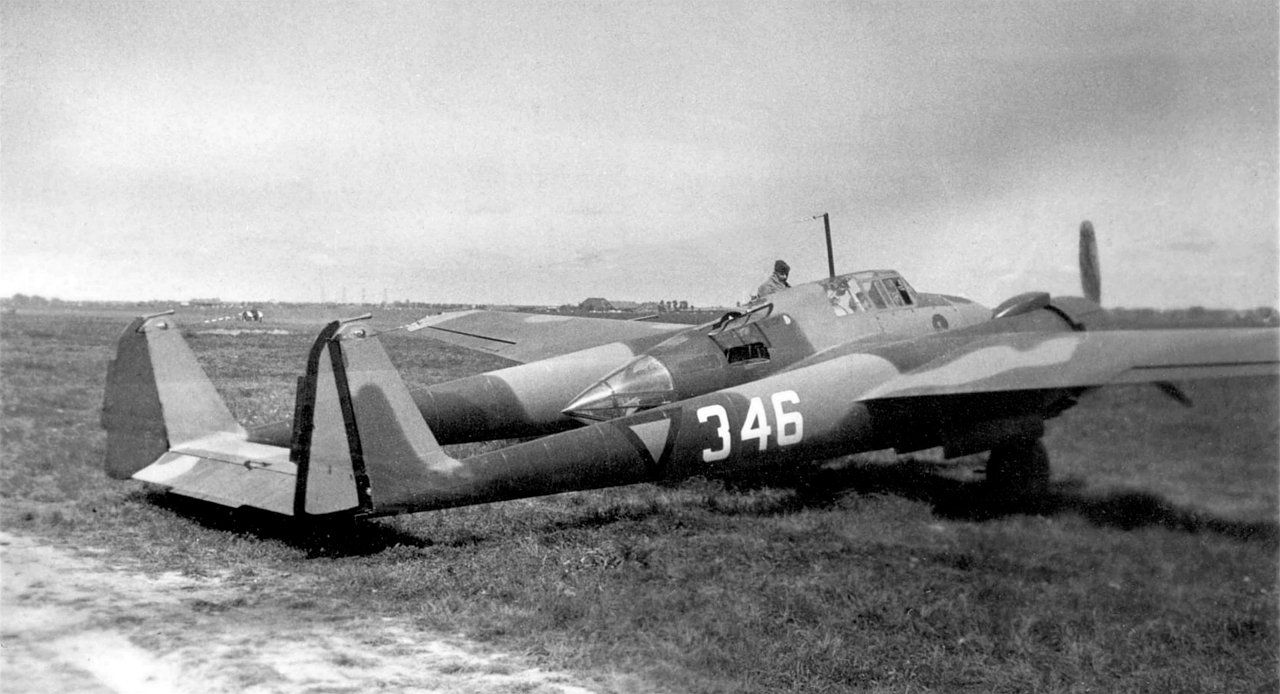
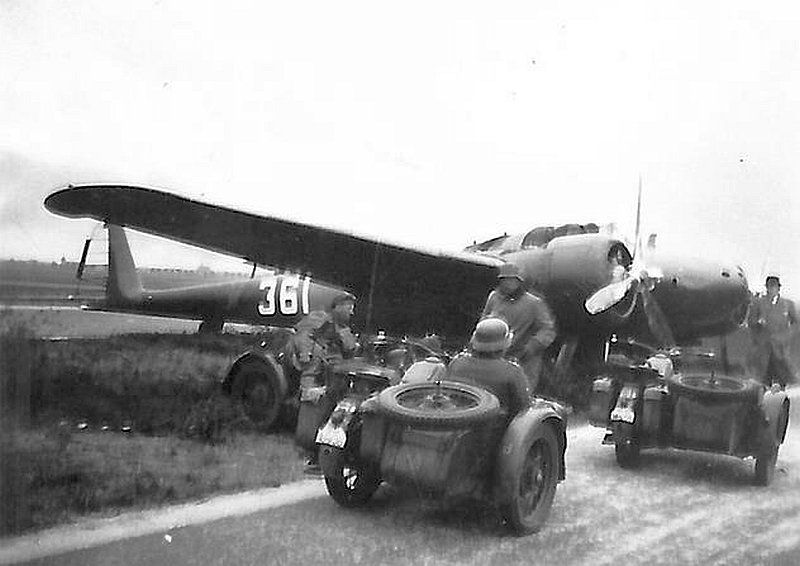
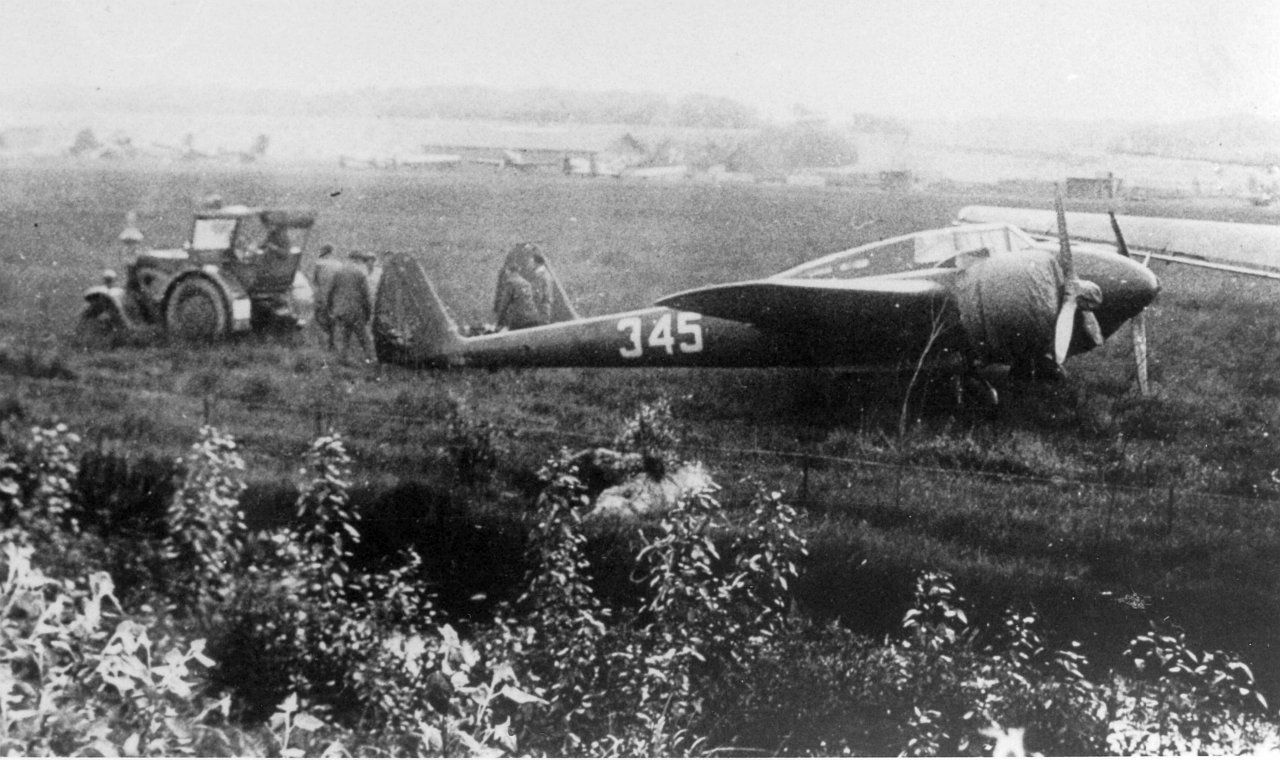
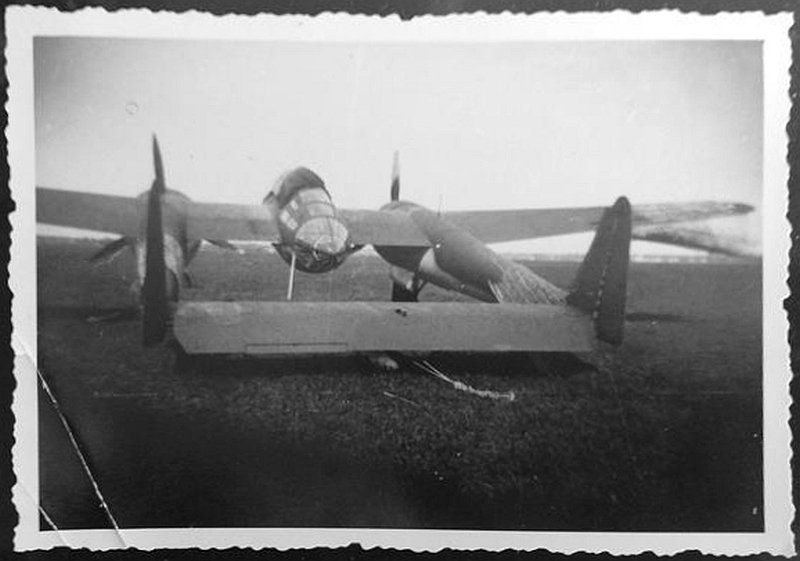
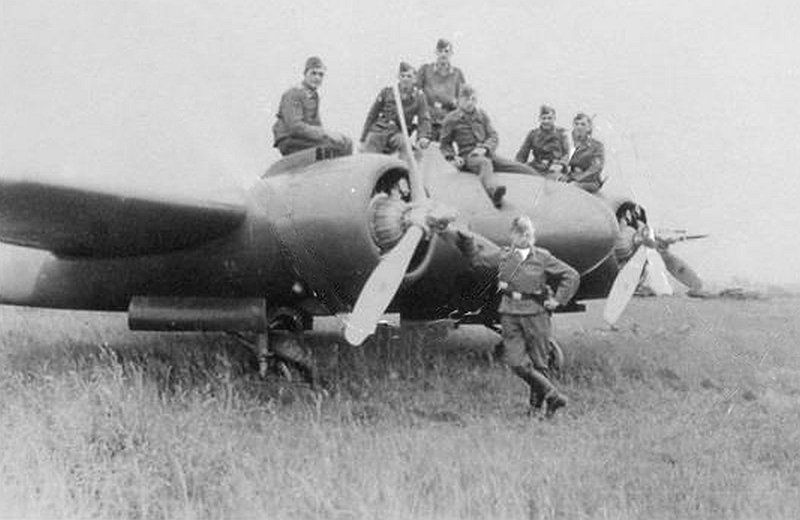
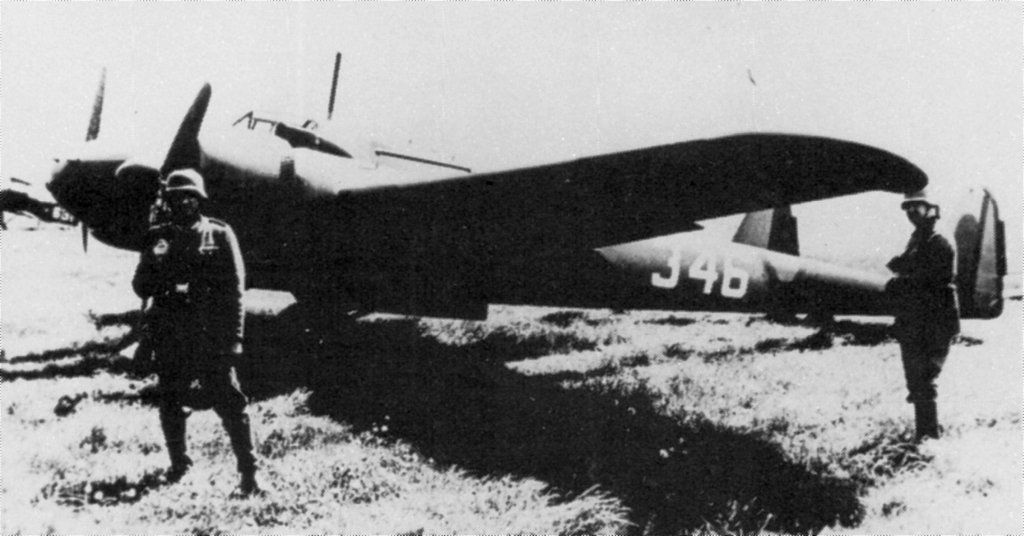
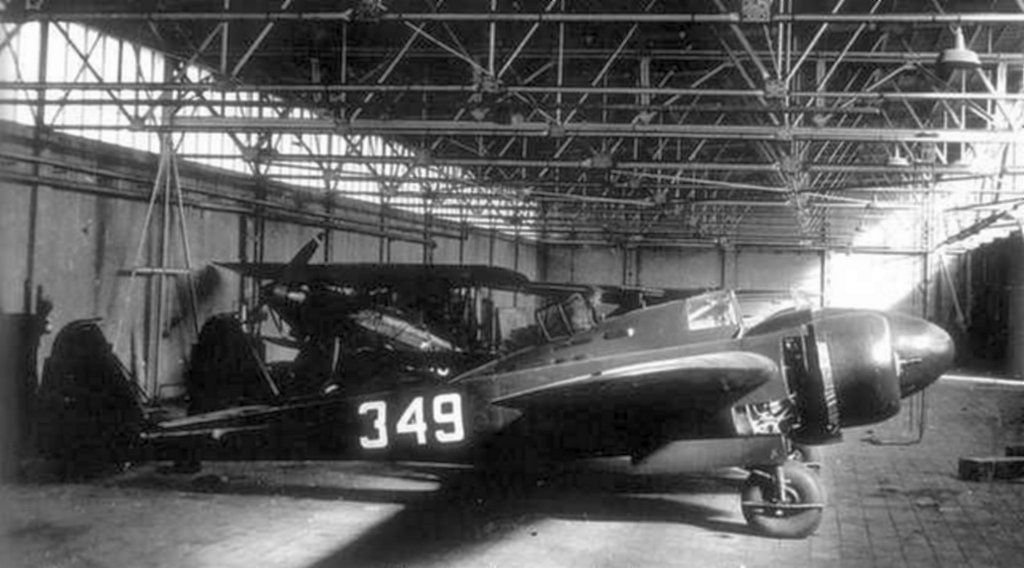
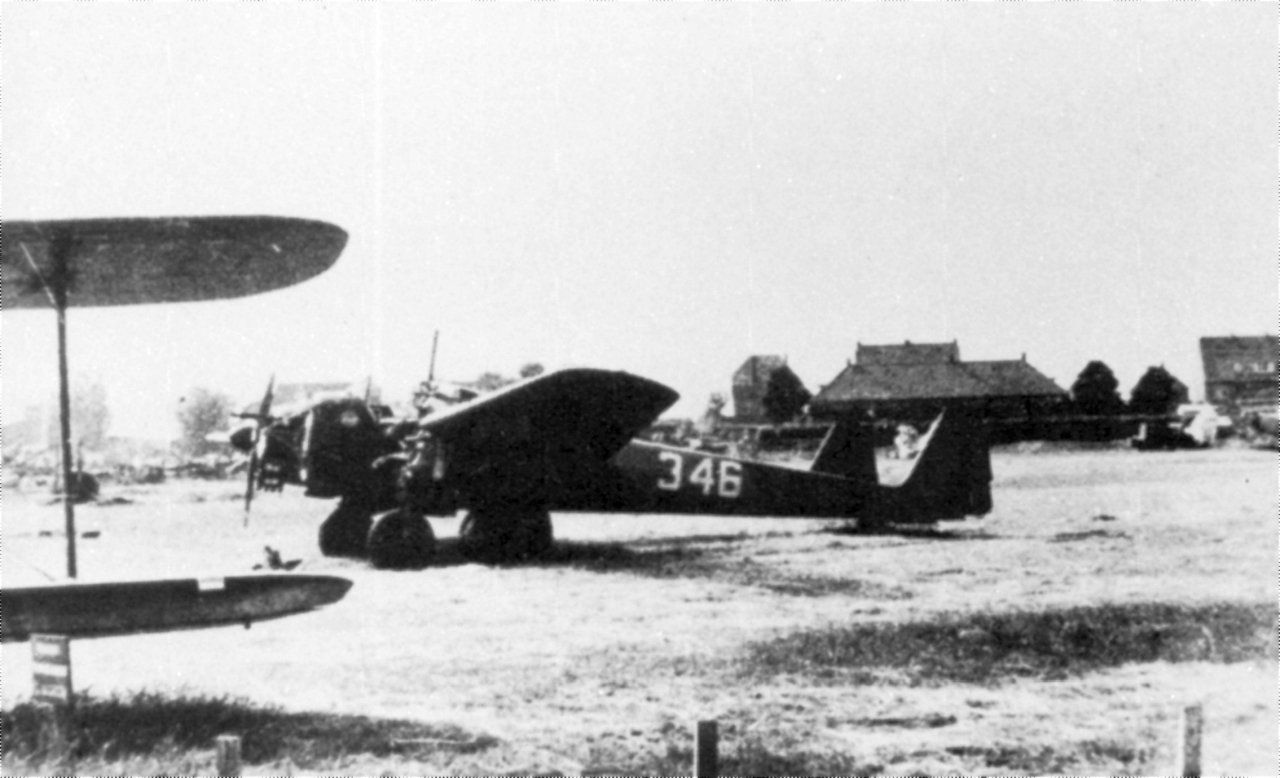
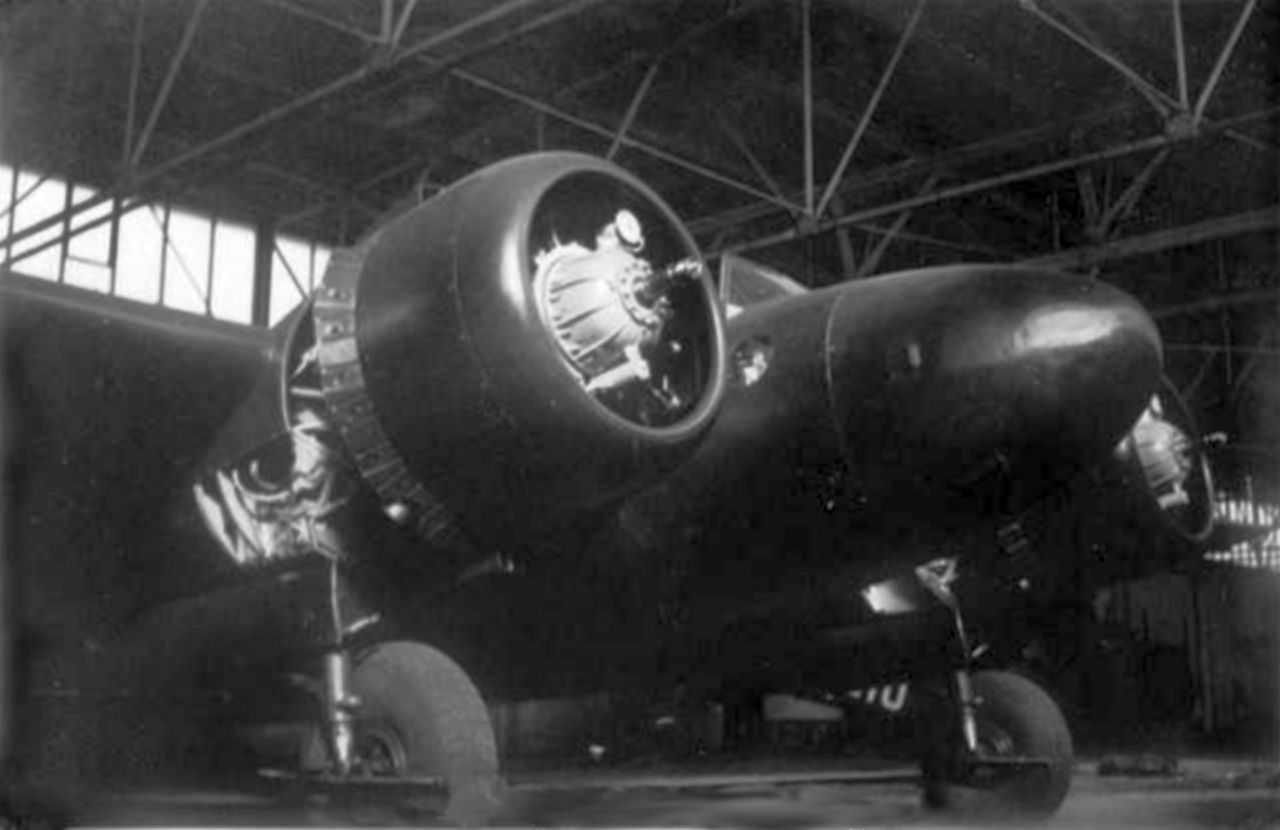
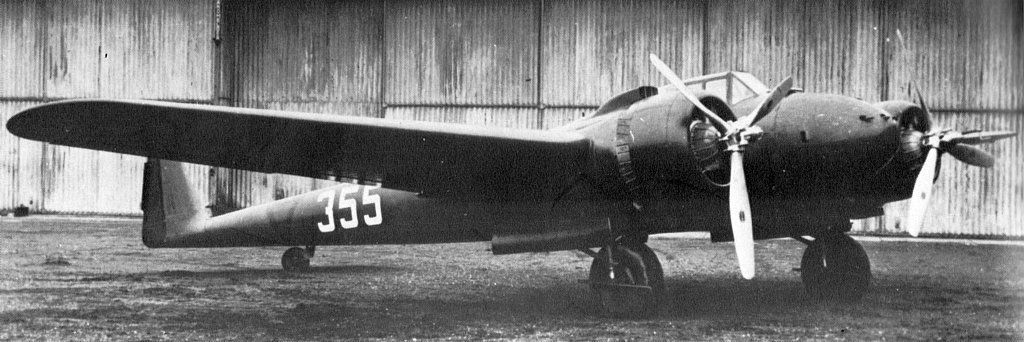
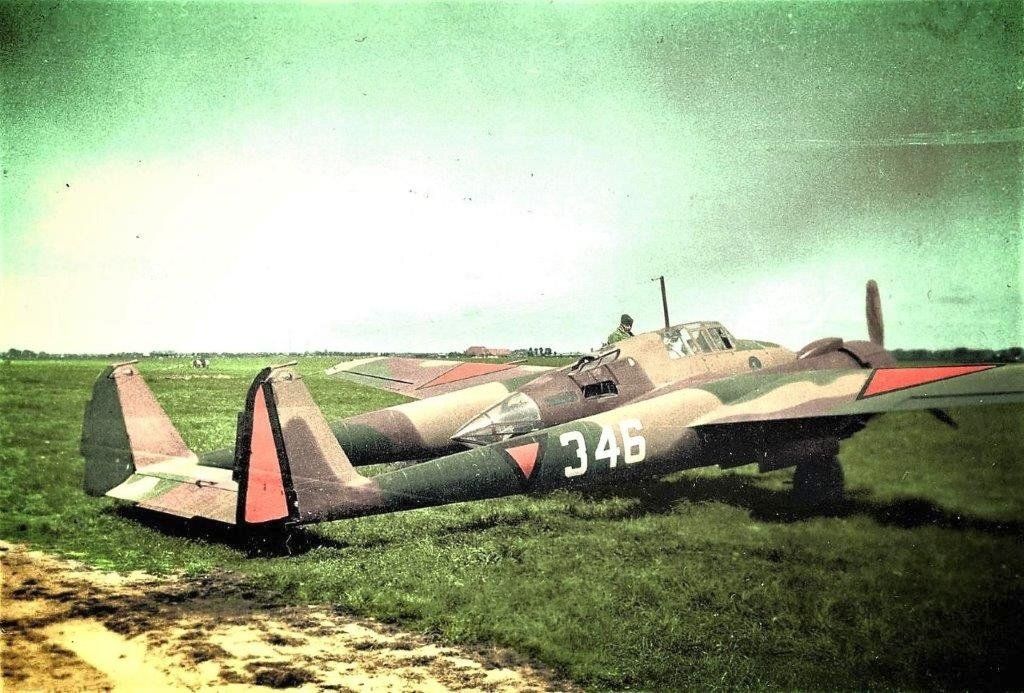
No photo available of the 358
After a lot of bad luck during the trial period, the LVA 358 with c/n 5558 and engines 1399 and 1398 was 70% ready.
Not at Fokker, but in the Blauwhoedenveem-Vriezenveem sheds on the Distelweg in Amsterdam Noord.
This was mentioned in Fokker's repair/overhaul list.
All this led to the completion of this GI B on May 14, 1940.
But transport to the Fokker hangar at Schiphol takes too long.
The Germans were happy to take over the 358.
No photo available of the 359
The LVA 359 with c/n 5576 with engines 1459 and 1461 was also 70% ready, also at the Blaauwhoedenveem-Vriezenveem sheds.
This was also mentioned in the Fokker overhaul/repair list, kept by LVA Captain Kruijff Van Dorssen.
Completion also took place on May 14, 1940.
And the transport to Schiphol of this LVA 359 was also delayed so that the Luftwaffe could take over this GI B after the Dutch capitulation.
Under construction at the Blauw Vries Warehouse on the Distelweg in Amsterdam-Noord.
LVA c/n % ready
register.
362 5567 80%
363 5570 80 to 90%
364 5571 80 to 90%
365 5565 in parts ready
Engine numbers no longer known.
End of production in the Netherlands and for Germany.
Een zestal G.I B jachtkruisers van LVA stonden in reparatie bij Fokker Amsterdam Noord.
LVA c/n % gebruikte motoren
registr. gereed
341 5557 50 % 1400 en 1394
344 5561 70 % 1392 en 1395
351 5568 90 % 1433 en 1434
353 5581 70 % 1519 en 1470
358 5558 70 % 1399 en 1398
359 5576 70 % 1459 en 1461
Overview of Fokker G1B achievements
In the overview below we have listed the most important achievements of the G1 from various sources.
We would of course be happy to receive additions or corrections.
Sources often contradict themselves or state different 'facts'.
| Register. | Construction-no. | The story of this plane |
|---|---|---|
| 340 | 5419 | The 340 c/n 5419 was test-flown on March 16, 1937. It was a smaller version of the G.1A and intended as an export version. For the time being, the owner remained the Fokker company, which subjected it to numerous tests, including takeoff and landing trials in March 1939 at Welschap airfield in Eindhoven. Tests followed at Soesterberg and Schiphol airfields. Pilot pilots were the Czech Karel Mares, the Dutch/German Emil Meinecke, and Gerben Sonderman. The planned deliveries to the Spanish Republicans were cancelled due to the end of the Civil War. Deliveries to Sweden, Finland, and Denmark were also cancelled. These countries, like the Netherlands, faced increasing difficulties due to the impending war. The two 750 hp Hispano-Suiza 14 engines were soon replaced by Pratt & Whitney Twin Wasp Jr engines, also with 750 hp. All series-production G.1B fighter cruisers received these engines. In the nose are four FN Browning 7.9 mm machine guns and another identical machine gun in the tail turret. Early 1940, the X-2 was transferred to the LVA and was given the registration number 340. On May 10, 1940, the Germans captured the 340 in a military hangar at Schiphol and it may or may not subsequently catch fire. Sources contradict each other. |
| 341 | 5557 | The 341 was flown in on April 3, 1939, the first production aircraft officially intended for export to Estonia, but intended for Spain. On November 11, 1939, the G.1B received registration 341, and on November 23, 1939, a so-called follow-up delivery followed. The aircraft was fitted with a radio mast and painted solid green, clearly intended for Spain. On January 16, 1940, the LVA (Dutch Air Force) took over the aircraft and flew it to Soesterberg airfield. A landing accident occurred there, forcing the 341 to remain under repair at Fokker at Schiphol until May 1940. It was then still waiting for the available armament. The 341 joined the line of six G.1B fighter cruisers with orange triangles. The group then consists of the 341, the 342, the 343, the 346, the 347 and the 348. Ultimately the Germans take over the 341 and the damage is further repaired. |
| 342 | 5559 | The 342 was flown in on May 8, 1939, and was destined for Estonia, i.e., Spain. This G.1B was camouflaged in three colors, had a radio mast, and also joined the famous line of six at Schiphol Airport. The armament was delayed, but eventually four 7.9 mm FN Browning machine guns were mounted in the nose and one in the tail turret. The 342 was not delivered to the LVA until May 13, 1940. The pilot was Second Lieutenant F. Droste and tail gunner Sgt. J. Staal, and they began reconnaissance flights on May 13, 1940, from Schiphol Airport, from 5:00 PM to 7:00 PM, together with the 343. On May 14, 1940, the 342 conducted the same reconnaissance and patrol flights, also from Schiphol, between 7:00 AM and 8:00 AM. Of these, No. 342 ultimately returned damaged to Schiphol and fell into German hands after the capitulation. It is uncertain whether No. 342 was repaired further or continued to fly with the Luftwaffe. In any case, this No. 342 was written off on May 14, 1940, and was the last flying G.1 of the LVA. |
| 343 | 5560 | This aircraft was flown in on June 30, 1939, and was destined for Estonia, i.e., Spain. This G.1B was also painted solid green (Spanish green) and delivered to the LVA (Dutch Air Force) on November 11, 1939. This 343 also stood in the famous row of six unarmed aircraft at Schiphol. Along with 342, 2nd Lt.vl. Govert Steen and tail gunner Sgt. J. Kentie flew the same program. On May 14, 1940, after the capitulation, 343 was set on fire along the Amsterdam-The Hague highway. Consequently, 343 was also written off by the LVA on May 14, 1940. |
| 344 | 5561 | The 344 was never delivered to LVA, so it's essentially a virtual designation. The cruiser was almost finished and was located at Fokker's emergency location "Blaauwhoedenveem-Vriezenveem" on Distelweg in Amsterdam Noord when it was captured and completed by the Germans. The aforementioned location would soon play a significant role in the restoration and completion of many Fokkers. |
| 345 | 5563 | This aircraft made its maiden flight on August 14, 1939, and was given LVA registration 345 on October 23, 1939. Between October 23 and December 21, 1939, Fokker pilot Gerben Sonderman flew the 345. The NLL National Aerospace Laboratory was called in for this. White stripes were added to the right wingtip. The aircraft was then painted solid green due to export plans with Spain. Due to the failed export, the 345 was delivered to LVA on February 16, 1940. On May 8, 1940, it was in storage at the Ockenburg emergency airfield near The Hague. The armament had yet to arrive, and the 345 was unable to fly on May 10, 1940. The runway was completely blocked by the many aircraft parked, landing, or crashing there. The Germans captured it after May 14, 1940, and transported it to Germany. There he crashed in November 1941 near Köthen, north of Leipzig. |
| 346 | 5566 | The 346 made its first flight on May 13, 1940, and was immediately transferred to the LVA (Dutch Air Force). The fighter cruiser was camouflaged in three colors and equipped with a radio mast and spinners. This G.1B also spent a long time at Schiphol, part of the series of six aircraft awaiting export. On May 13 and 14, 1940, it participated in various patrol and reconnaissance flights. Its regular base at Schiphol Airport. We know only the pilot: Sgt. C. Ottes. We have no information about the tail gunner. Finally, the 346 collided with the 343 on May 14, 1940, damaging the 346. On May 15, 1940, the 346 was captured by the Germans and was registered TD KC. |
| 347 | 5578 | The 347 was flown in on September 18, 1939, and was destined for Estonia (thus Spain). This G.1B also remained at Schiphol for a considerable time in the group of six aircraft. It was not fully operational until May 14, 1940, but was unarmed. (?) The 347 was then assigned to the 4th JaVA at Schiphol, where the last G.1 aircraft were stationed. The LVA decided to discontinue the G.1B, so it fell into German hands. An emergency landing did occur near Gorinchem. |
| 348 | 5579 | The 348 was flown in on October 2, 1939, and remained unarmed at Schiphol in the aforementioned row of six. Initially, this 348 was also ready for delivery to Latvia (and thus to the Spanish Republicans) and later to Finland. However, all export attempts failed due to government objections and problems with arms supplies. Finally, on January 25, 1940, the LVA took over the 348, which was then camouflaged but unarmed. On May 8, 1940, the G.1B went into storage at Ockenburg airfield, where takeoff on May 10, 1940, was impossible due to the blocked runway. Participation in the battle was therefore impossible, and on May 15, 1940, the Luftwaffe took over the 348 at Ockenburg. Its subsequent fate remains completely unknown to us. |
| 349 | 5580 | The 349 was flown in on January 16, 1940, and taken over by the LVA as early as January 23, 1940. The increasing pace of the fly-in and takeover by the LVA is becoming increasingly clear. The 349 is once again completely painted Spanish green and is also unarmed. Perhaps this aircraft was captured by the Germans at Soesterberg airfield? In any case, the 349 did not participate in further combat. What the Germans did with it is unclear. |
| 350 | 5577 | The 350 entered service with the LVA on May 10, 1940, was armed, and was on standby at Schiphol. Even on May 14, 1940, the 350 had not yet participated in combat. This is puzzling, given the enormous failure rate of the G.1A aircraft. On the same day, the G.1B 350, parked at Schiphol, caught fire and was lost. |
| 351 | 5568 | On May 14, 1940, the 351st was almost ready at the Fokker location Blaauwhoedenveem-Vriezenveem in Amsterdam Noord. The fighter cruiser was immediately armed, captured by the Germans, and completed. Later, it entered service with a German flight school with the registration DE BB and was lost on April 9th at the Austrian military airfield of Zeltweg, southwest of Vienna. |
| 352 | 5573 | On May 14, 1940, the 352 was almost ready at Schiphol. The Luftwaffe captured it and completed the fighter cruiser. The former 352 then entered German service. |
| 353 | 5581 | The 353 is almost finished at Blaauwhoedenveem-Vriezenveem. It is already armed, captured, and completed on May 15, 1940, and is transferred to the Luftwaffe. Afterward, the former 353 enters German service. |
| 354 | 5572 | The 354 was flown in on February 9, 1940, and delivered to the LVA on February 16, 1940, without armament. The aircraft was stored at Waalhaven airfield until armament arrived. Incidentally, this 354 was painted in a single-color green (from Republican Spain). On May 14, 1940, the Germans captured the G.1B at Waalhaven airfield. At that point, it was still unarmed. |
| 355 | 5574 | The 355 was flown in on December 23, 1939, and taken over by the LVA on January 26, 1940. Like the 354, this 355 was also delivered in solid army green. The 355 was extensively deployed for various firing tests at the end of January 1940. On May 14, 1940, the 355 disappeared into storage at Waalhaven Airport in Rotterdam. This G.1B did not participate in the battle. Strange, because this aircraft must certainly have been armed. There must still be a photo of this 355 in LVA colors. In any case, the Germans also put this G.1B into service. |
| 356 | 5564 | The 356 is almost ready at Schiphol on May 14, 1940. The G.1B is camouflaged in three colors and prepared unarmed for takeover by the LVA (Dutch Air Force). The aircraft is captured by the Germans, who also have it finished at Schiphol. This also marks the changing of the situation. Therefore, the Luftwaffe must have used it. |
| 357 | 5596 | On May 14, 1940, the 357 was almost ready for acceptance by the LVA, as evidenced by a photo. Like many G.1B fighter cruisers, the 357 was also lined up along the Amsterdam-The Hague highway. During these chaotic days, other sources indicate that the 357 was ready at Waalhaven airfield. Regardless, this fighter cruiser fell into German hands on May 15, 1940. |
| 358 | 5558 | The 358 was flown in on April 19, 1939, as a so-called export prototype. Its destination was supposedly Estonia, but Spain was its actual destination. On July 4, 1939, it crashed into a hangar door, presumably belonging to the Fokker Aviation Service at Schiphol Airport. The cause was brake failure, after which this G.1B returned to the factory in Amsterdam Noord. As if the brake incident wasn't enough, the 358 ended up in a side canal during transport from Schiphol to Amsterdam Noord. The 358 was salvaged and was almost ready for transport around May 14, 1940, the last day of the war. Transport was awaited in a warehouse at Blaauwhoedenveem-Vriezenveem on Distelweg in Amsterdam Noord. The German Luftwaffe gratefully accepted the fighter cruiser and later delivered the engines to Finland. This may have been related to the Fokker D.XXI fighters operating in Finland. |
| 359 | 5576 | The 359 suffered a similar fate to the 358. The G.1B was also nearly finished on May 14, 1940, in a warehouse at Blaauwhoedenveem-Vriezenveem in Amsterdam Noord. The fighter cruiser was captured by the German Luftwaffe and completed. |
| 360 | 5562 | The 360 c/n 5562 was delivered to LVA on May 10, 1940, at Schiphol Airport, almost finished but not yet armed. Time was too short, and the armament was not yet available, making a practical delivery virtually impossible. On the last day of the war, May 14, 1940, the 360 burned to ashes at a stabling area near the Amsterdam-The Hague highway. This fighter cruiser did NOT fall into German hands, unlike many others. |
| 361 | 5575 | The 361 is practically finished on May 10, 1940, and is given a three-color camouflage. This G.1B is also positioned on the edge of the Amsterdam-The Hague highway. A photo shows the 361 in LVA colors and surrounded by German soldiers. The fighter cruiser is captured by the Germans and completed for the Luftwaffe. This likely involved, among other things, the installation of the armament. |
| 362 | 5567 | On the last day of the war, the 362 was 90% ready at Blaauwhoedenveem-Vriezenveem. This aforementioned complex was located on Distelweg, not far from the Fokker factory in Amsterdam-Noord. The 362 was then captured by the Germans and completed for the Luftwaffe. Naturally, it received a German registration number PB+KC, and the orange triangles disappeared in favor of the German crosses. Something special happened to this G.1B. It was one of the last fighter cruisers to be completed. LVA pilot H. Leegstra and Fokker Ir. Piet Vos made a plan to escape to England with this G.1B. Instead of the usual fuel supply for the approach, they managed to completely fill the fuel tanks. A so-called test flight on May 5, 1941, led to the IJsselmeer. The pilot was pilot Emil Meinecke. It lost the PB+KC in the clouds, which then crossed the North Sea and lowered its landing gear near England. It first landed at Great Yarmouth. On May 7, 1941, it continued to Farnborough, where the German markings and registration were replaced with RAF markings. Finally, on December 14, 1941, the G.1B was flown to Miles Aviation in Reading, south of London, for bad-weather trials. This is where this G.1B must have been scrapped, as happened to many Fokkers in the United Kingdom at the time. See also the newspaper article about this. |
| 363 | 5570 | The 363 is at Blaauwhoedenveem-Vriezenveem, 90% complete. The fighter cruiser is captured by the Germans and completed starting on May 14, 1940. The Luftwaffe gives it the registration NF+UN. |
| 364 | 5571 | The 364 is also at Blaauwhoedenveem-Vriezenveem, 90% complete. The Germans captured it and had it finished. This aircraft was supposedly used to supply parts, but that's uncertain. Our information doesn't go beyond that. |
| ------------------------------ | ------------------------------- |