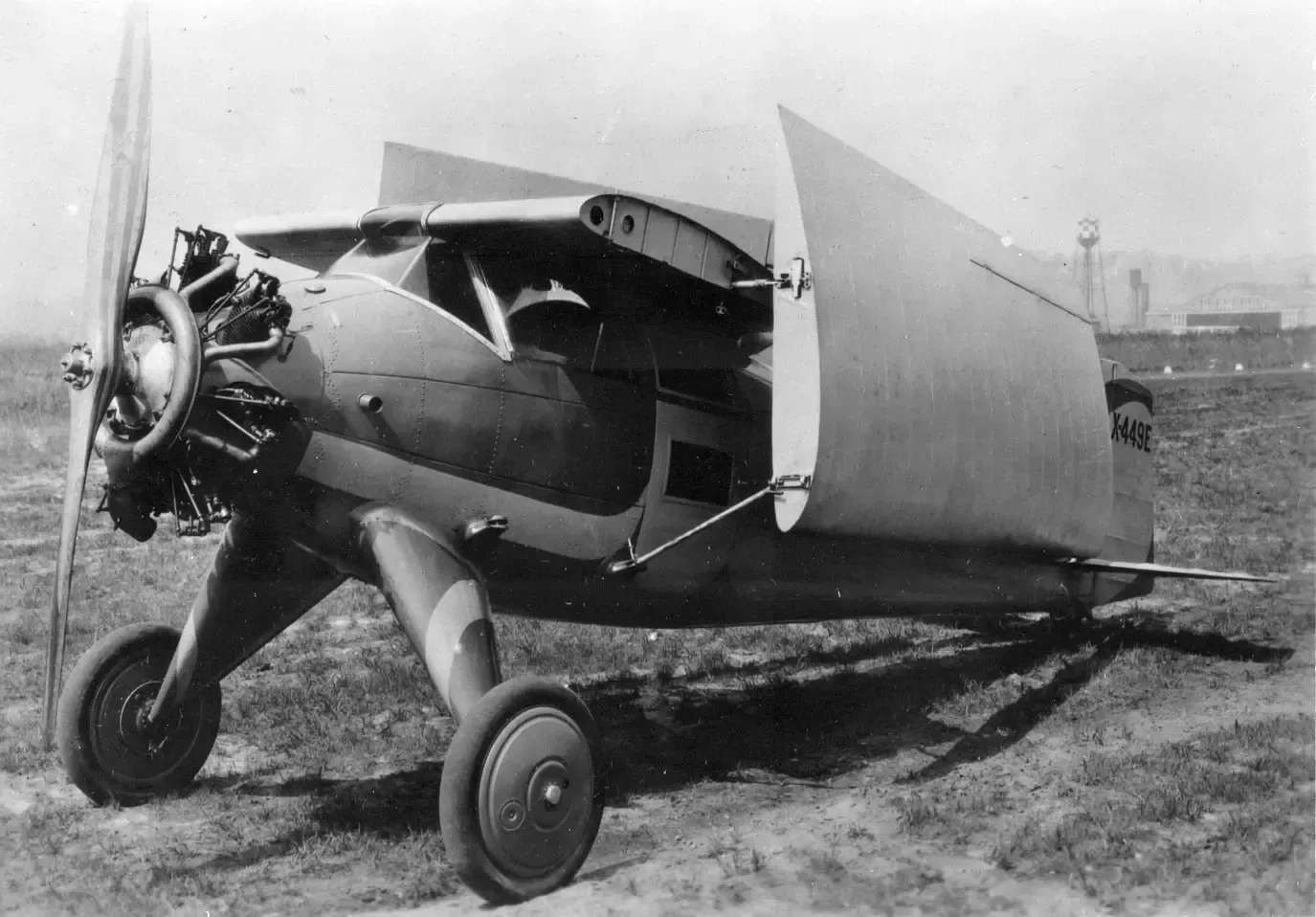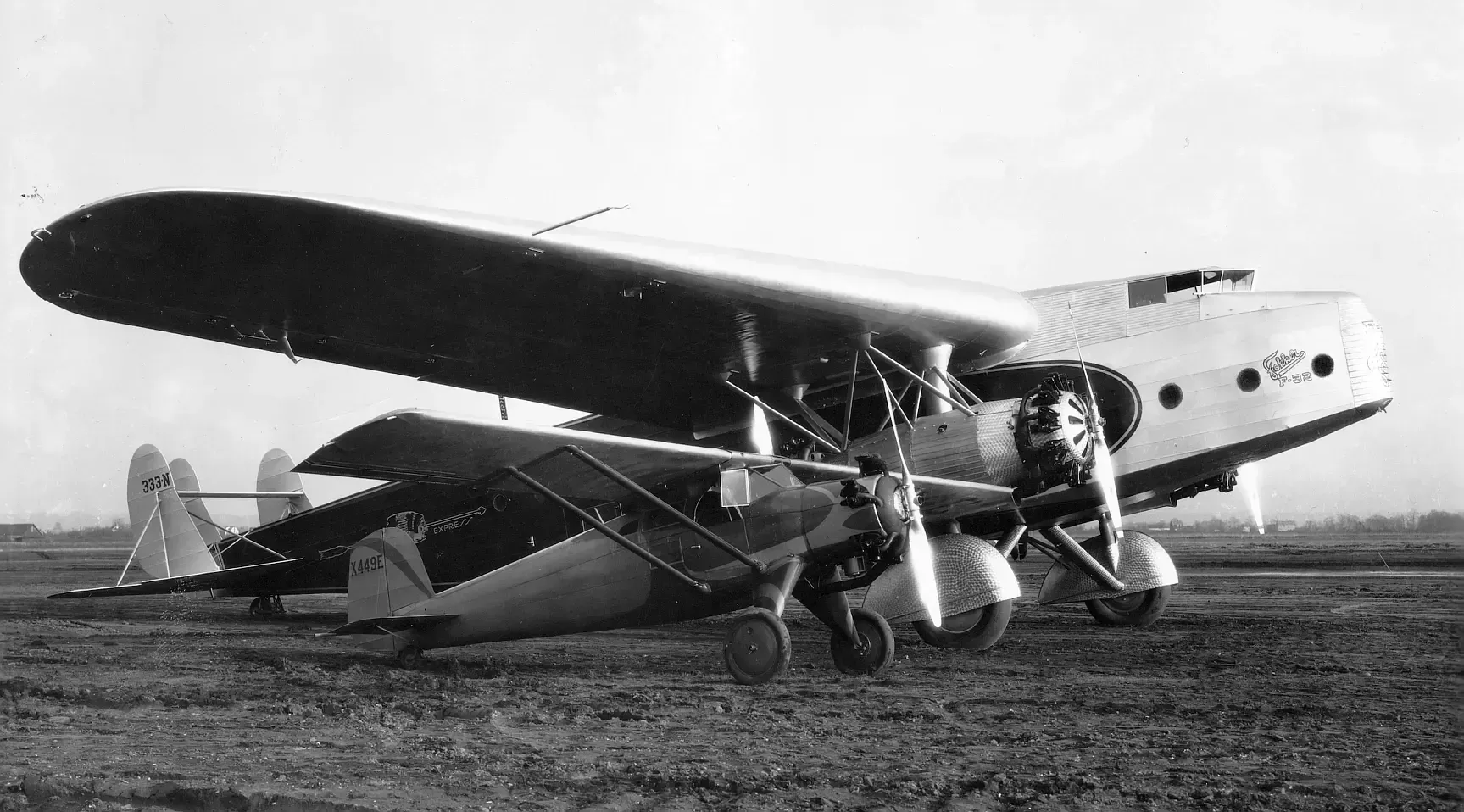
The Fokker H-51, Model 11
This was a bit of an odd duck at Fokker. After Huff Daland Airplanes, Inc. was acquired in 1927 and became part of Keystone, Thomas H. Huff joined Fokker as a designer in 1928. He was given a position in the rented factory in Passiac, NJ, and began focusing on metal fabrication.
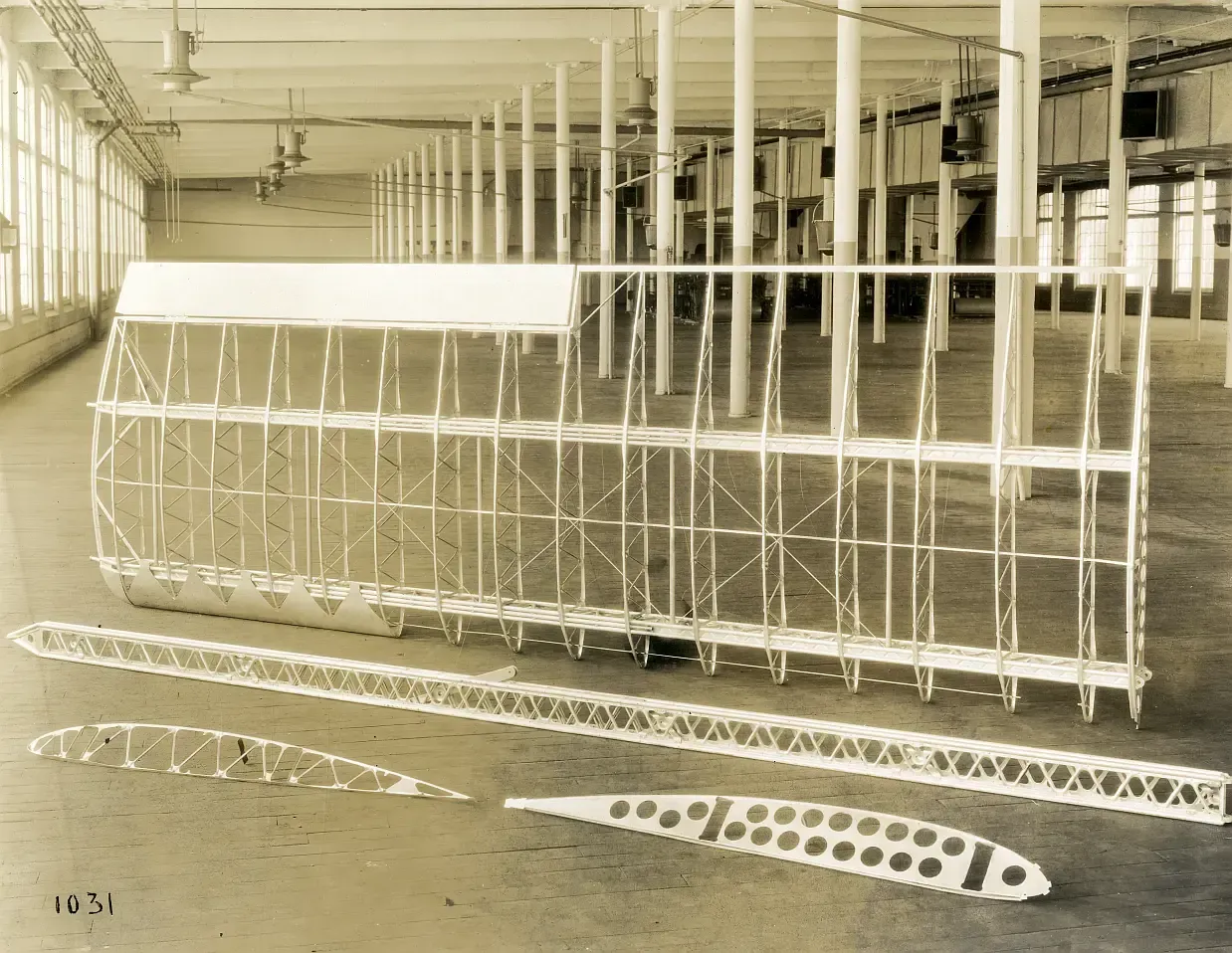
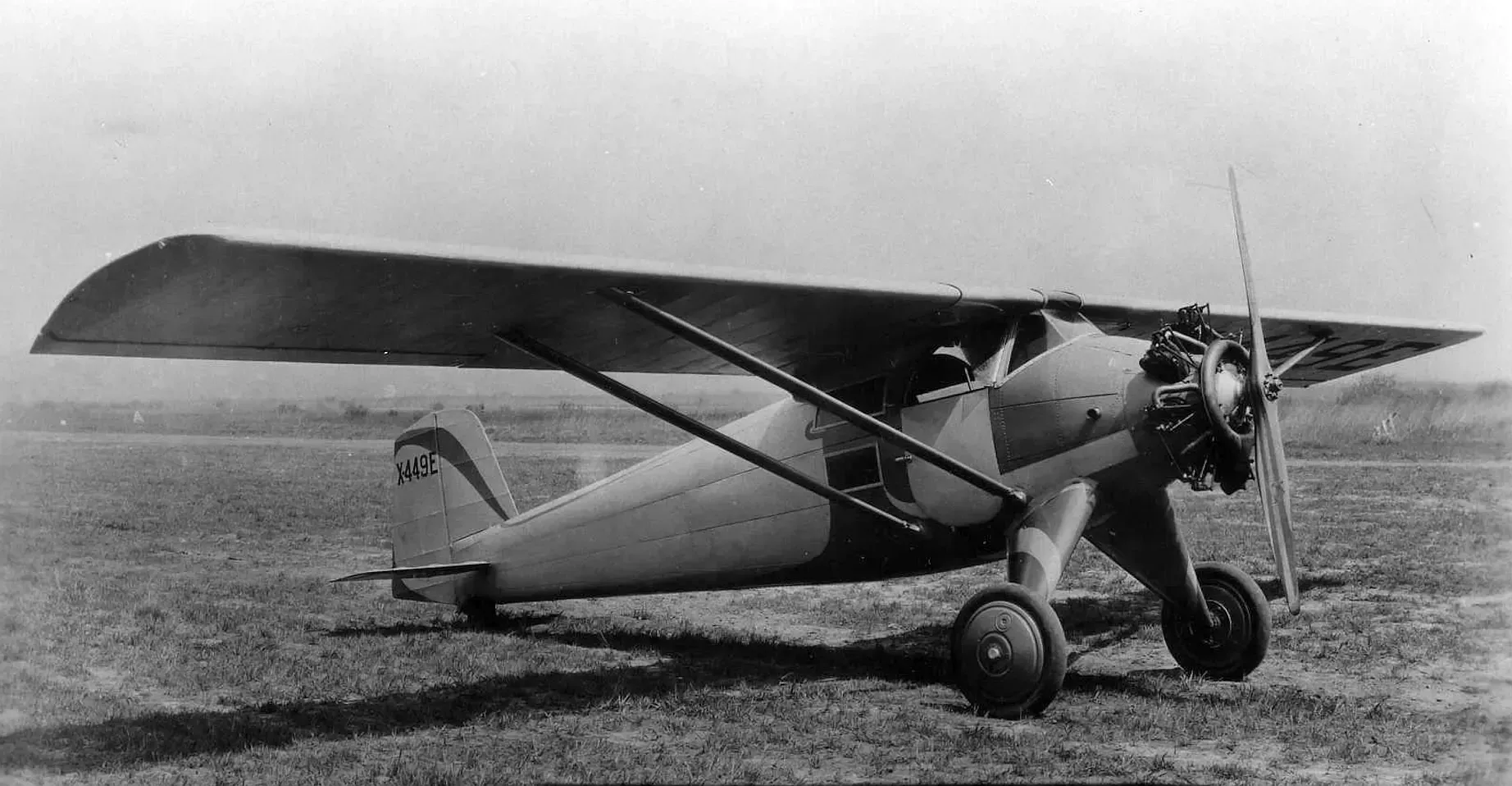
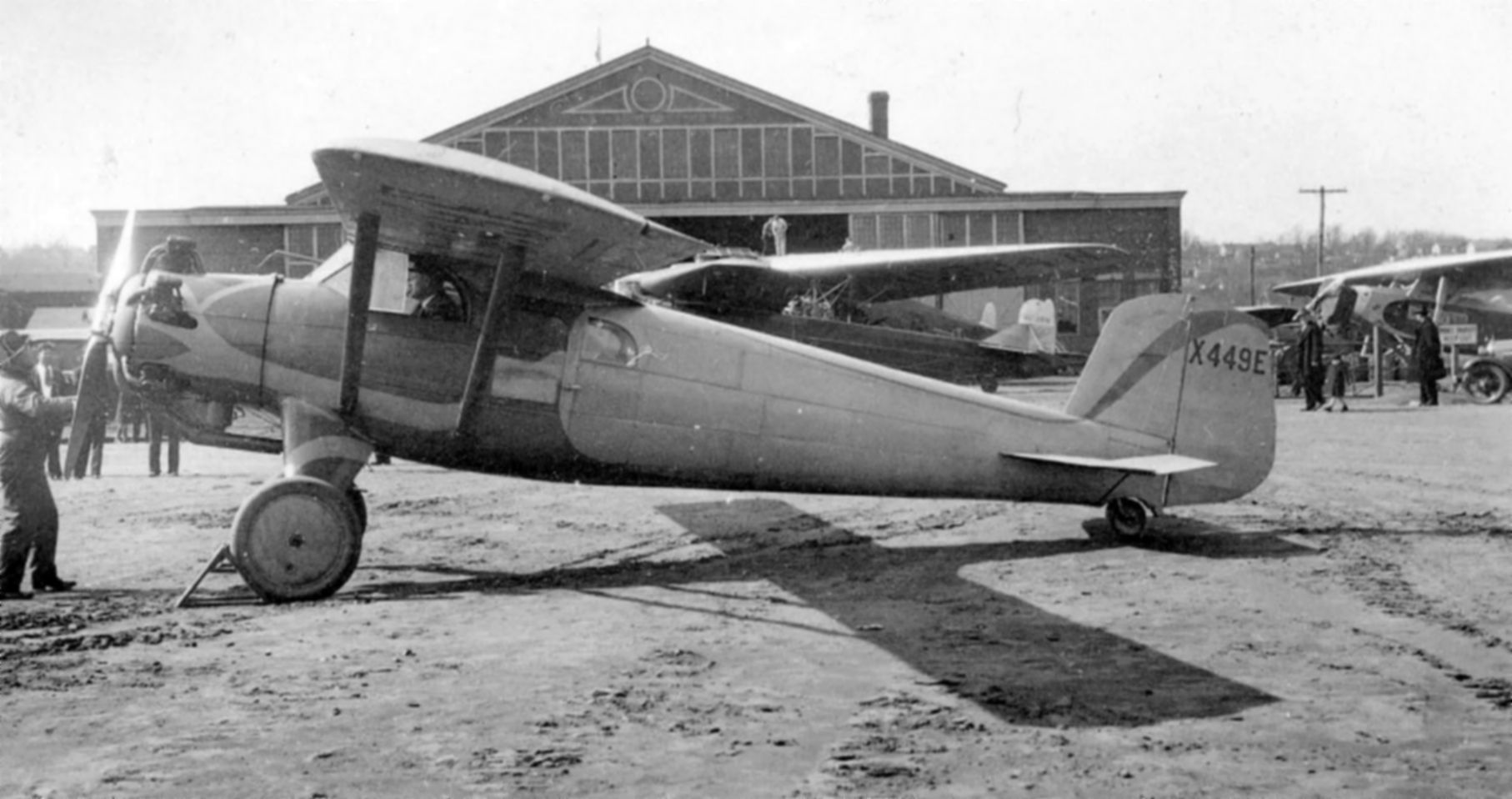
His first design was a four-seat high-wing aircraft with a metal fuselage. A Fokker innovation, it also featured a tail wheel. The linen-covered wings (which could be folded back) were supported by two struts.
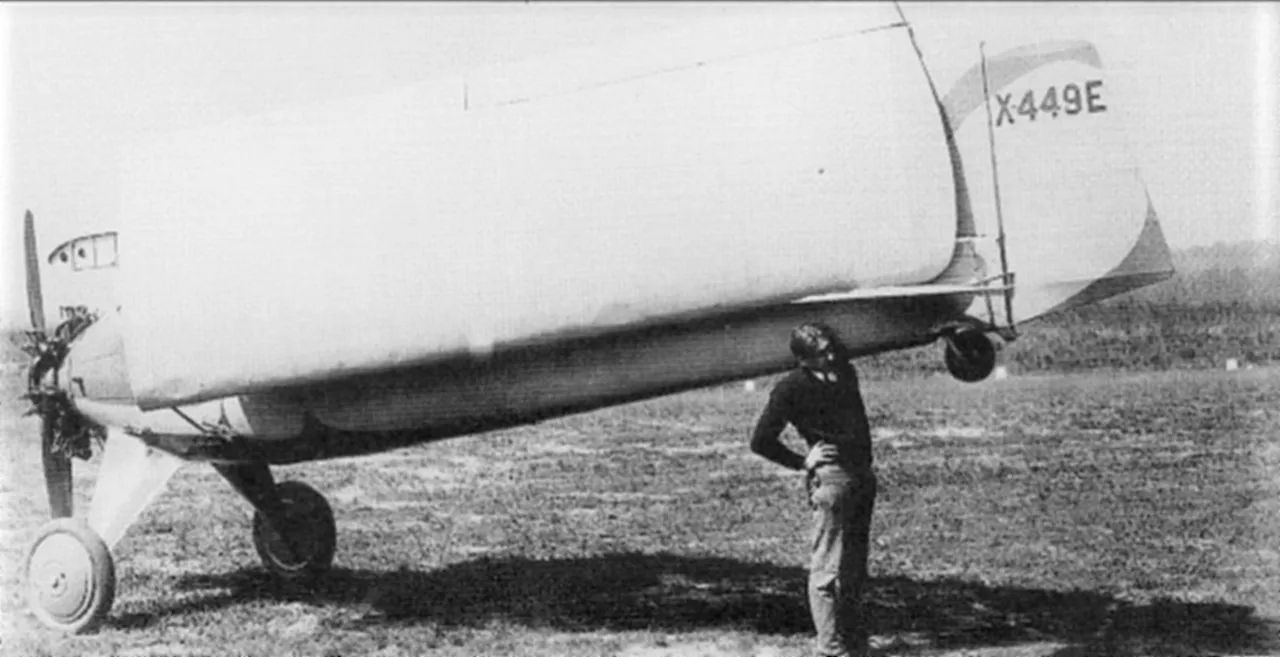
Alclad, a corrosion-resistant aluminum alloy with an aluminum top layer, was used for the oval fuselage. This was developed in collaboration with Hall-Aluminum Aircraft Corp.
Hence the aircraft was also known as Fokker-Hall.
The aircraft, which was also called the 'Mystery plane' within Fokker, made its first flight on May 5, 1929.
It was given the msn 1100 and registration X449E. Max Holzem was the test pilot.
Originally, the aircraft was equipped with a Siemens-Halske 7-cylinder radial engine. Several different engine types were subsequently tested on the aircraft. In the mid-1930s, it was fitted with a 165 hp engine and tested on EDO floats.
The performance did not lead to a production version of the type. However, the experience gained was used for the later XA-7 (model 17) and the XFA-1.
In September 1931, the name of the Fokker factory was changed to General Aviation Manufacturing Corporation.
The H-51 was moved with the factory when it was relocated to Dundalk, MD, in late 1931. It didn't survive the subsequent move to Baltimore, MD, and was scrapped by its own crew.
Click on the photo to enlarge the photo