The plane crash with Knut Rockne and the consequences for Fokker
Introduction
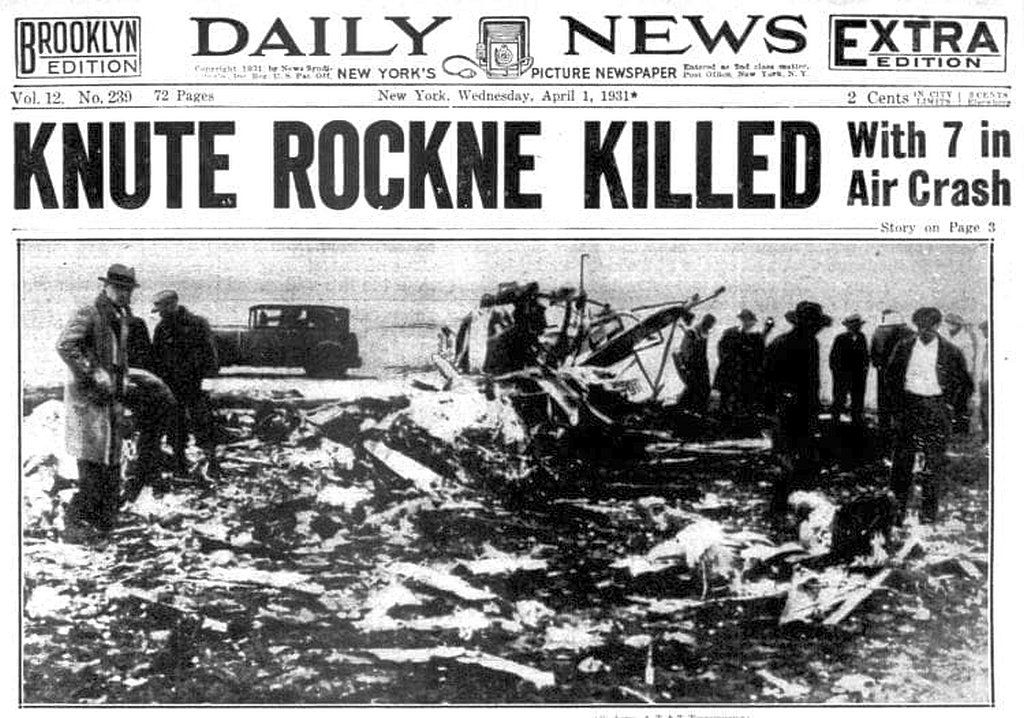
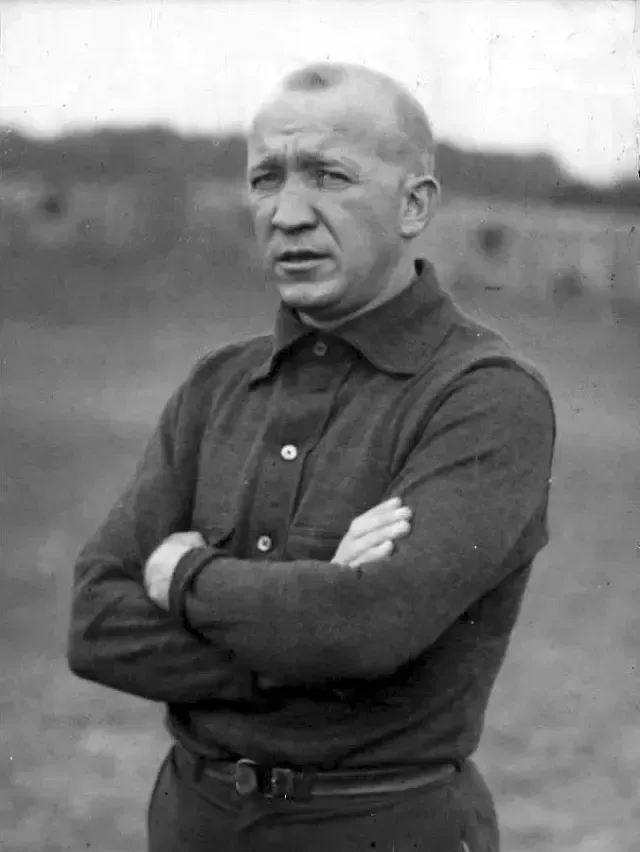
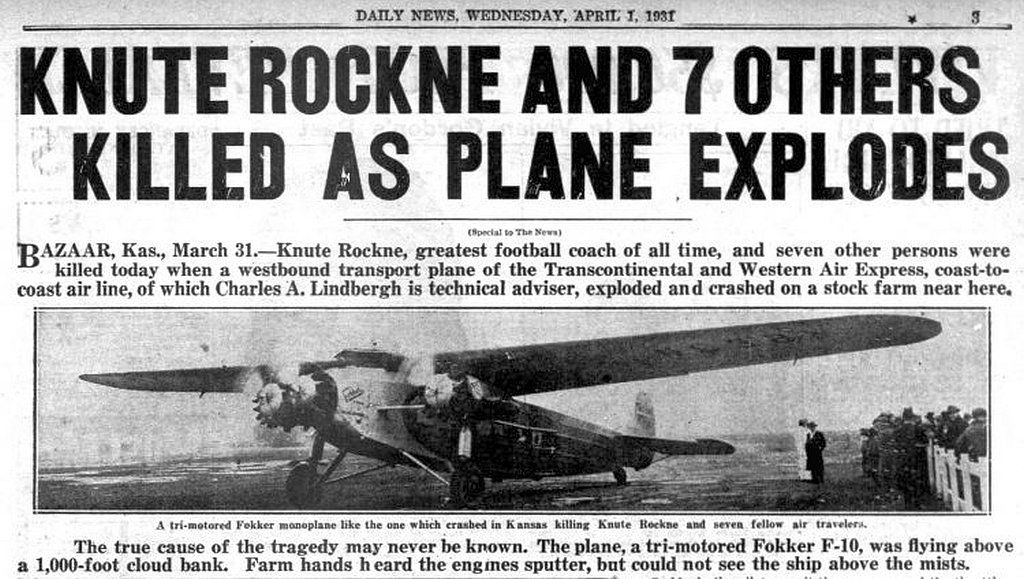
On March 31, 1931, a disaster occurred near Bazaar, Kansas, that would permanently change not only the American sports world but also international aviation. A Fokker F-10A Trimotor operated by Transcontinental & Western Air (TWA) crashed during a scheduled flight from Kansas City to Los Angeles. Eight people were on board, including legendary University of Notre Dame football coach Knut Rockne. Rockne (see photo below) was an icon in the United States: a charismatic coach with an impressive track record, whose fame far exceeded that of an average sports figure. His death sent shockwaves through the country and led to unprecedented social and political pressure to improve flight safety.
The investigation
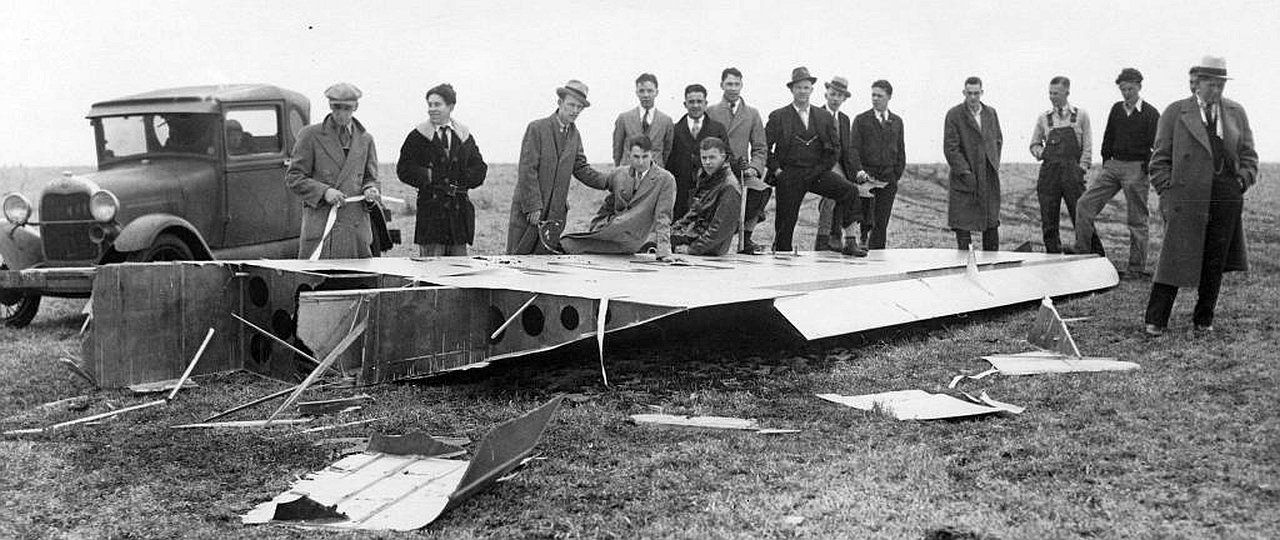
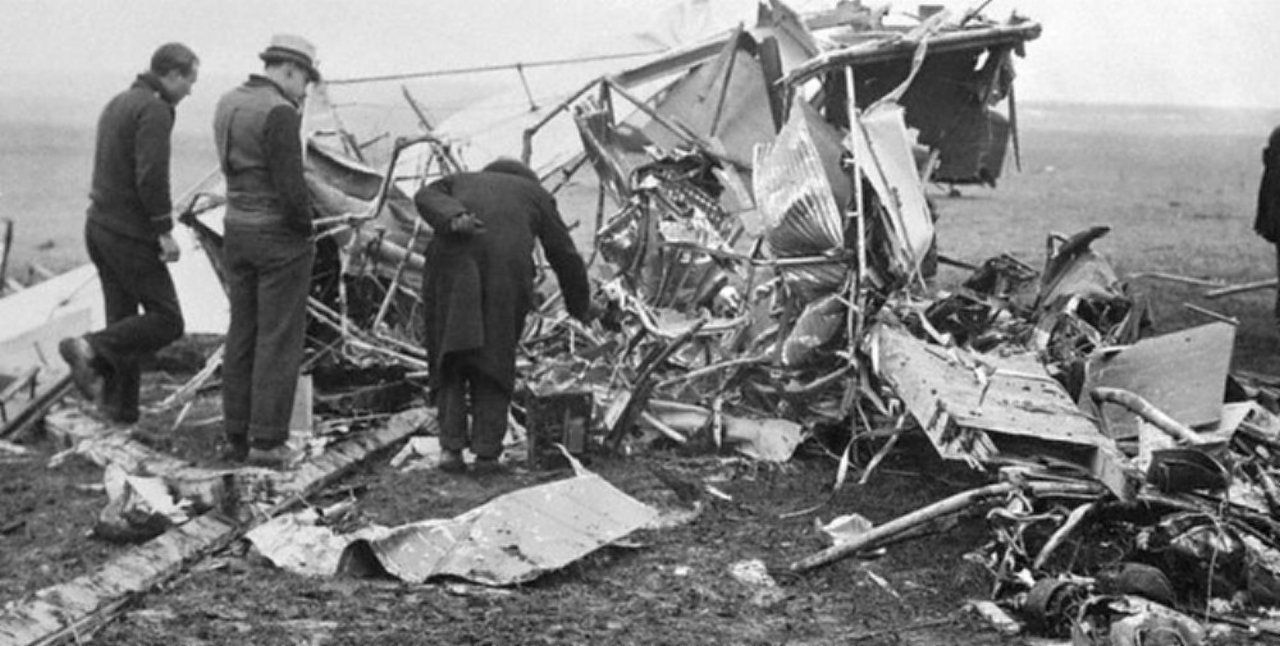
The investigation into the accident revealed that the cause was likely due to delamination of the aircraft's wooden wing structure.
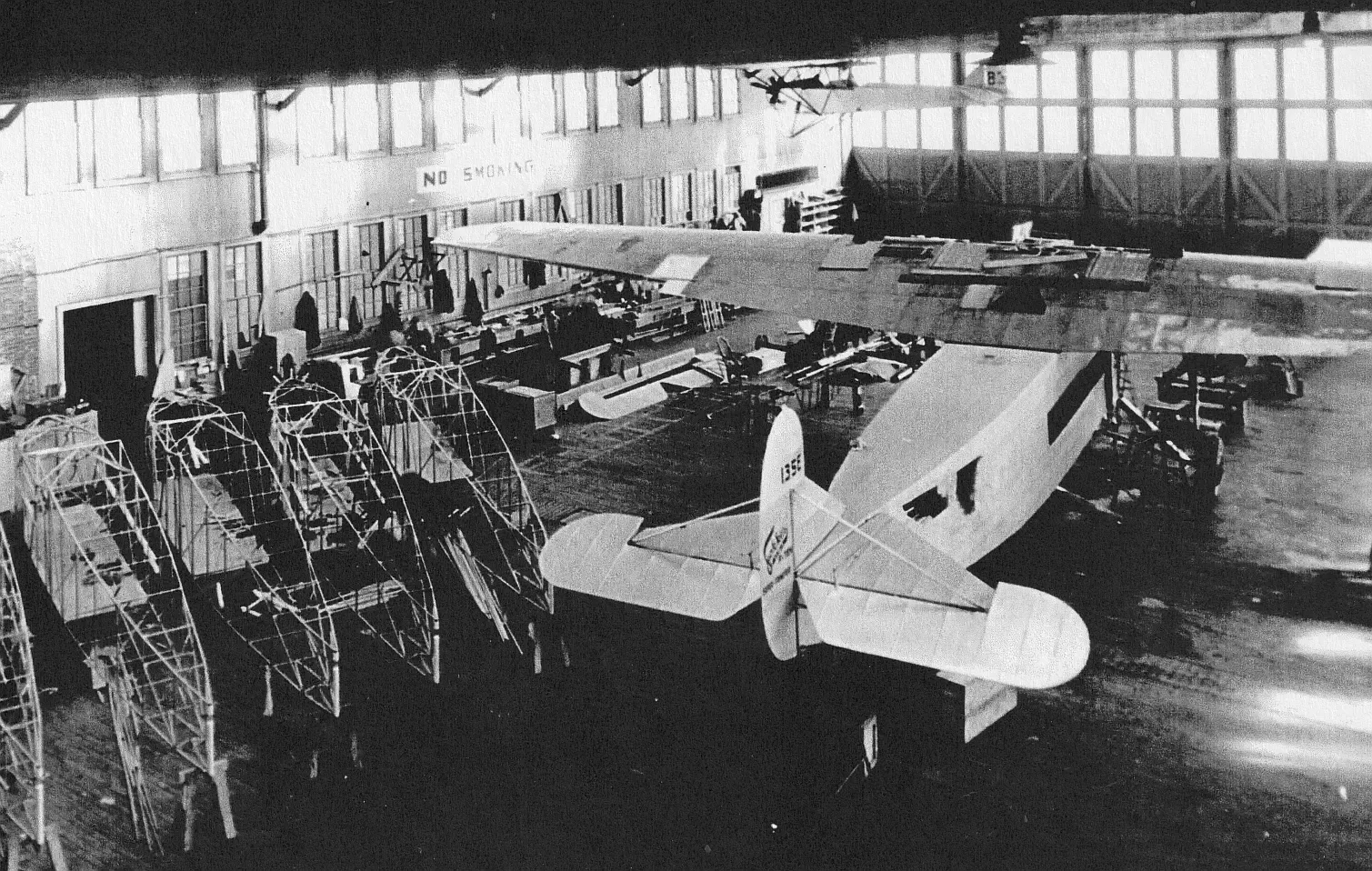
The Fokker F-10A was a modern and reliable machine by the standards of the late 1920s, but still used a wooden structure constructed with plywood and glue.
This technology, which had made Fokker famous, proved sensitive to moisture and material aging. When part of the wing detached from the crashed aircraft, the plane lost stability and fell irreversibly from the sky.
The consequences
The public reaction to Rockne's death was enormous. Tens of thousands attended his funeral, newspapers devoted front pages to the disaster for days, and politicians openly expressed their concern about the state of civil aviation.
In the aftermath of the accident, the US Department of Commerce, which was responsible for aviation safety, decided on a thorough review of inspections and certification rules.
Wooden wings came under strict scrutiny, and airlines were urged to switch to all-metal aircraft.
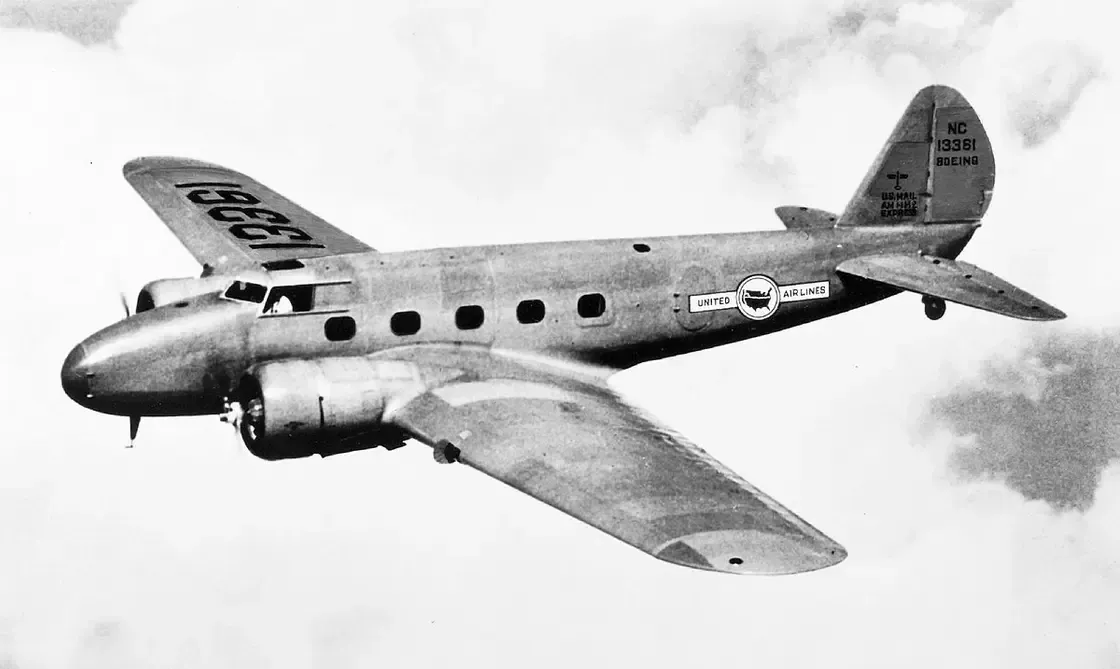
The technological trend towards metal construction, which had already been initiated by Boeing and Ford, among others, was thus accelerated.
The consequences for Fokker
The consequences for Fokker were dire. Although Anthony Fokker had been one of the world's most successful aircraft manufacturers in the 1920s, the disaster plunged the company into a deep slump. American airlines, which had until then been loyal to Fokker's designs, grounded the F-10A and similar models or sold them at a loss.
Fokker's reputation as a producer of safe and progressive aircraft took a severe blow.
The Fokker factory in the United States, Fokker Aircraft Corporation of America, also faced declining orders and ultimately a loss of market share.
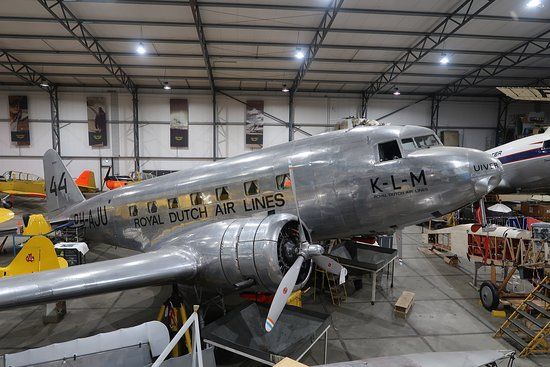
Competitors such as Boeing and the new Douglas Aircraft Company took advantage of the changed safety standards and quickly introduced all-metal aircraft, such as the Boeing 247 and later the Douglas DC-2 and DC-3.
Although Fokker remained relevant in Europe for some time, its international dominance was gone forever. The Knut Rockne accident has since been considered a crucial turning point in aviation history: a tragedy that not only claimed the life of a national sports hero but also marked the transition from wooden to metal aircraft construction and heralded the end of Fokker's global leadership.