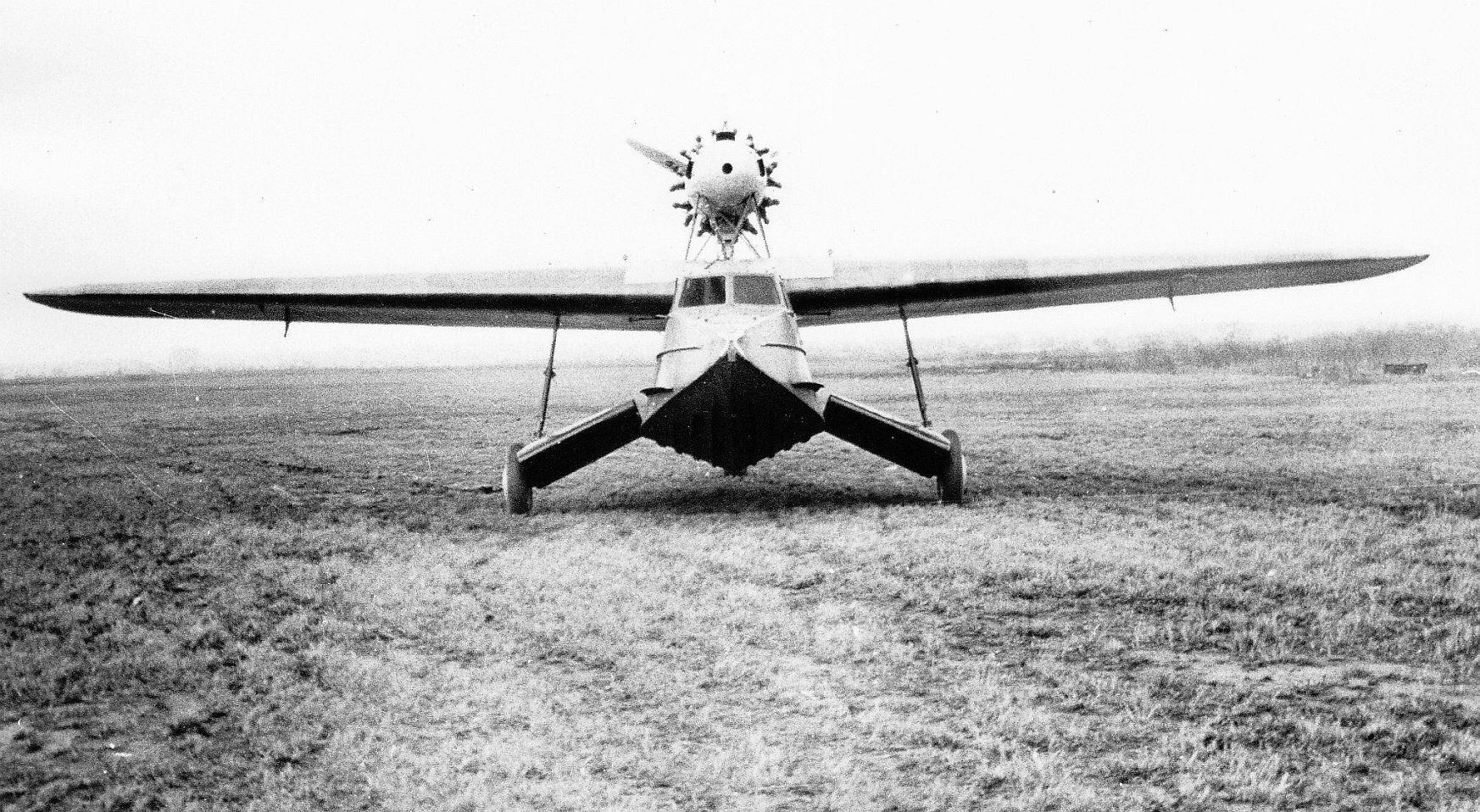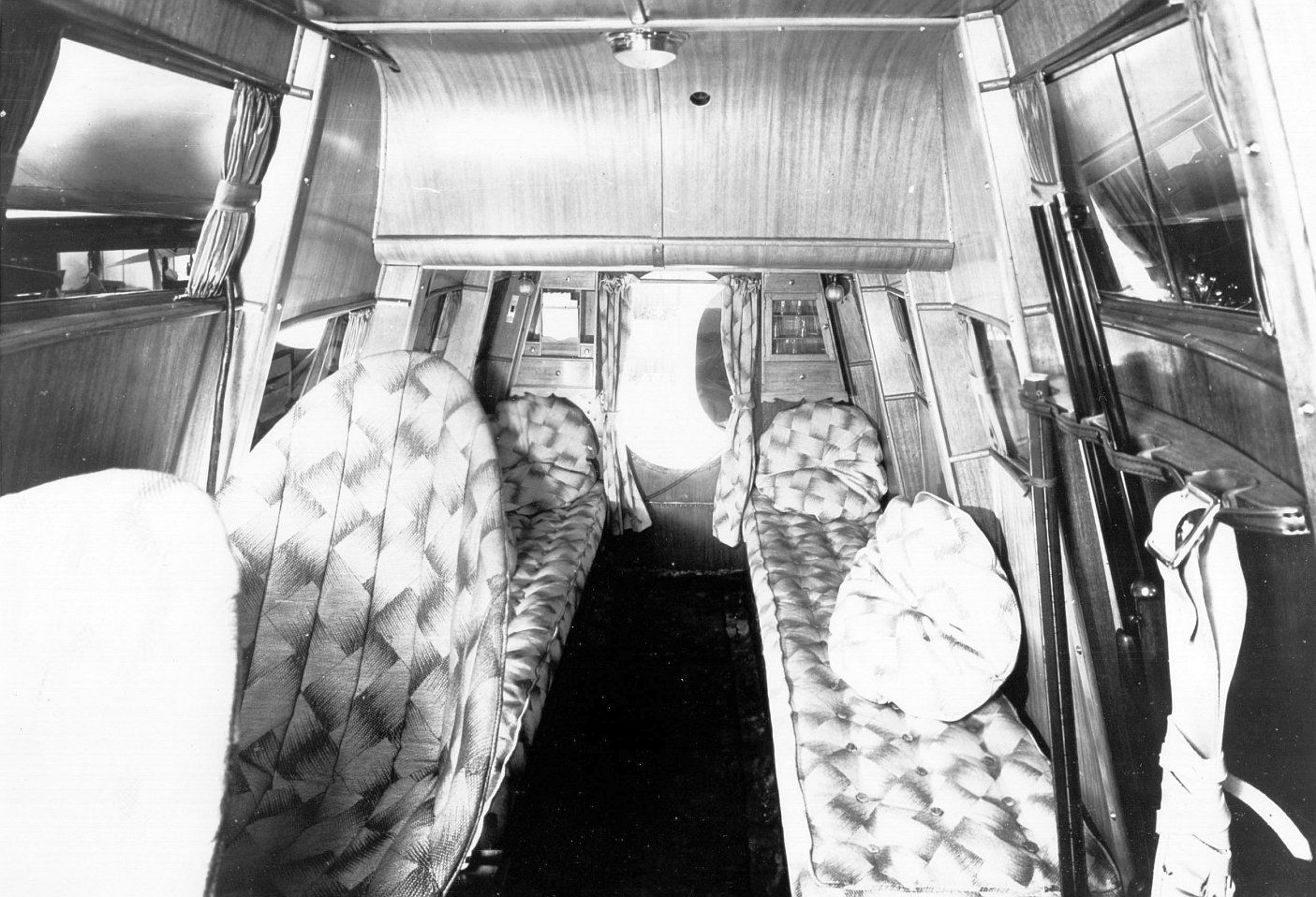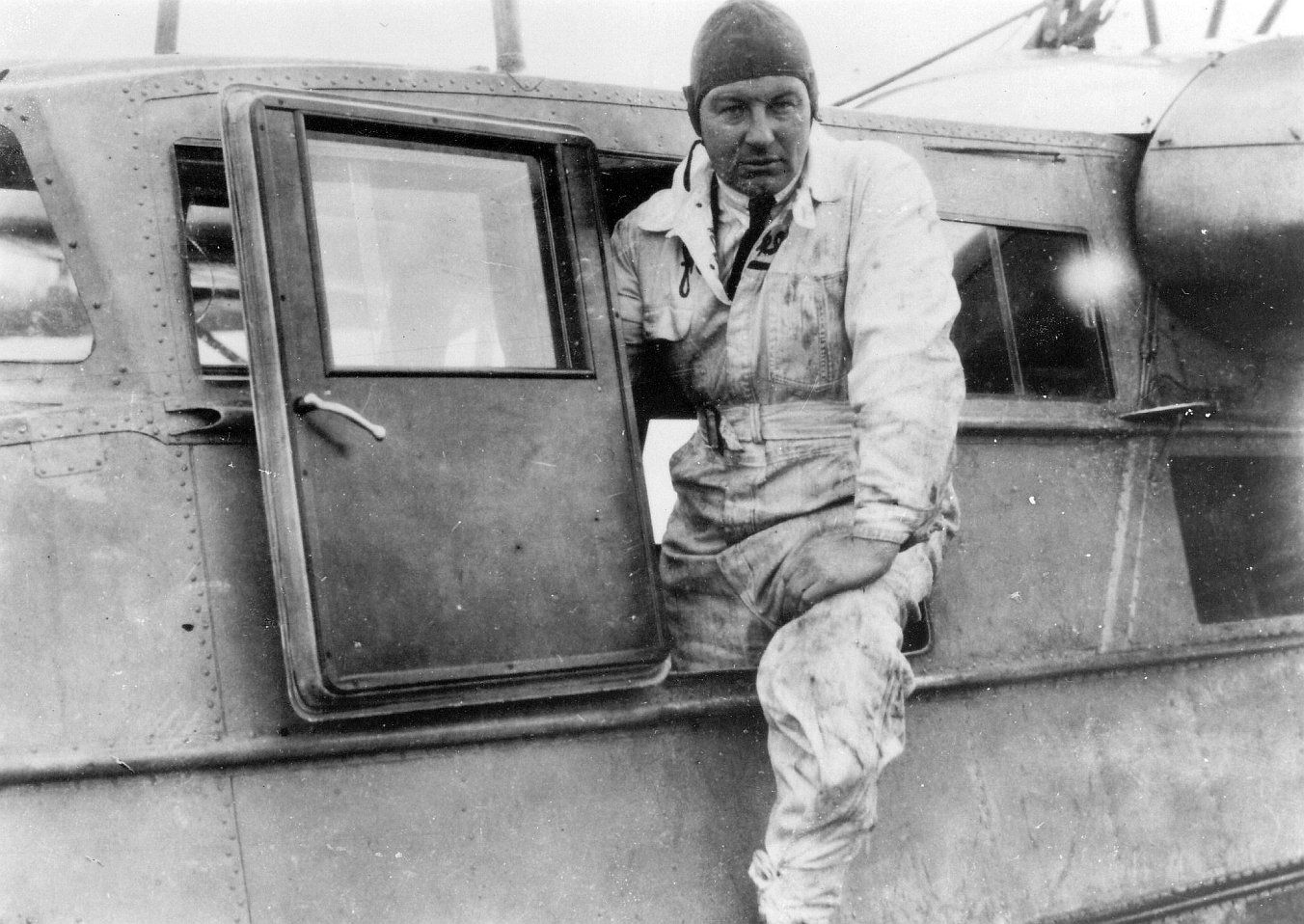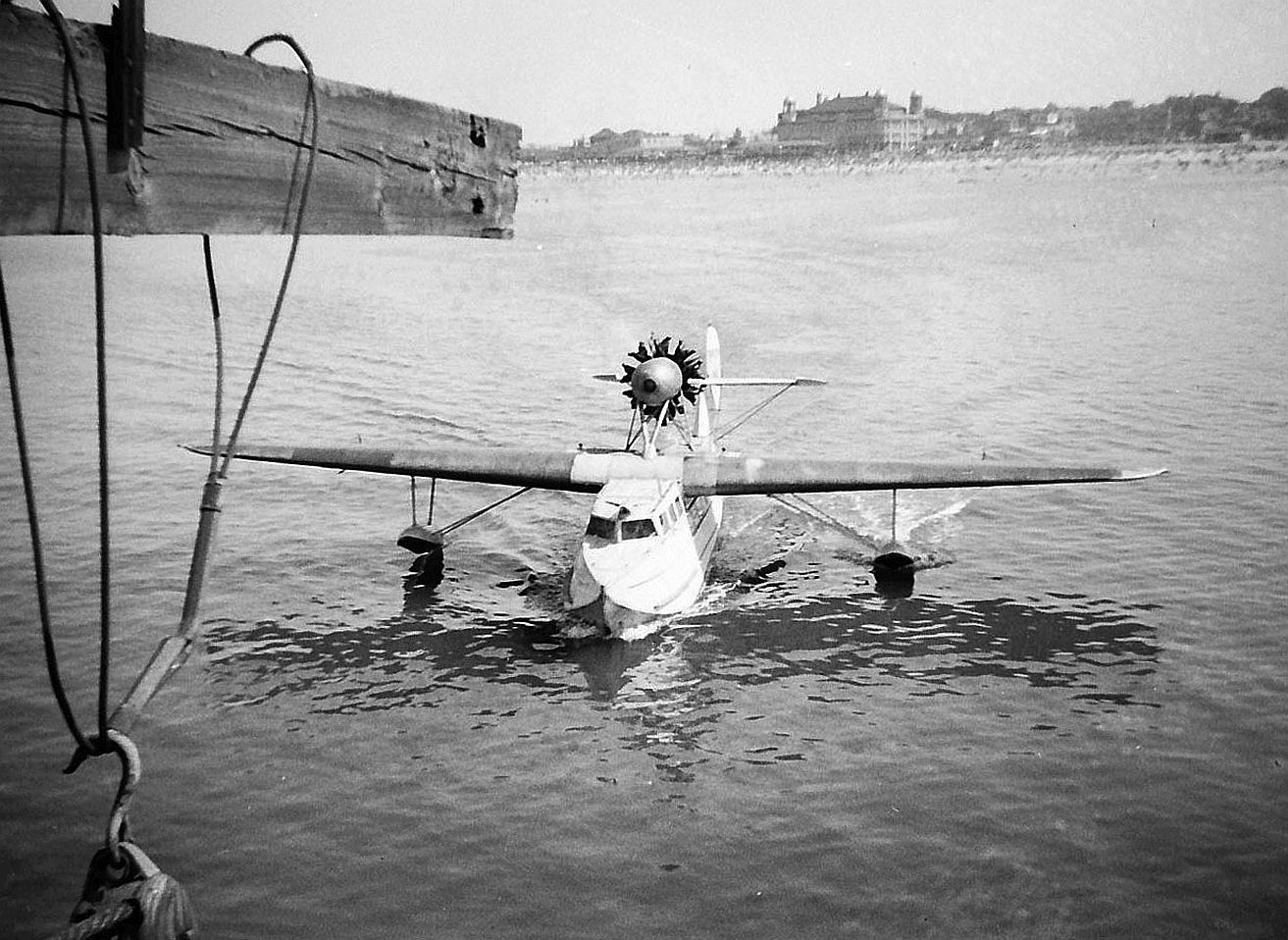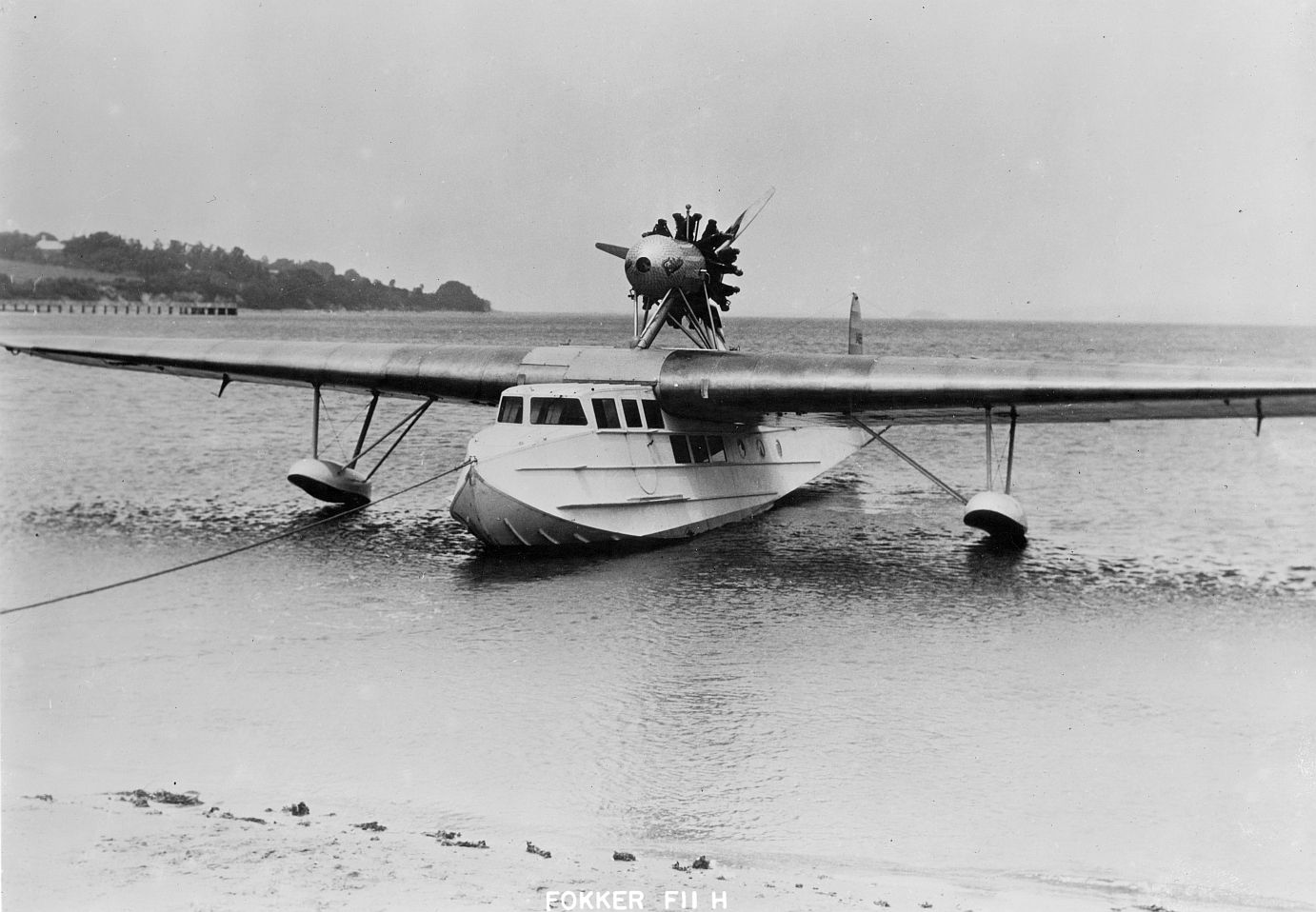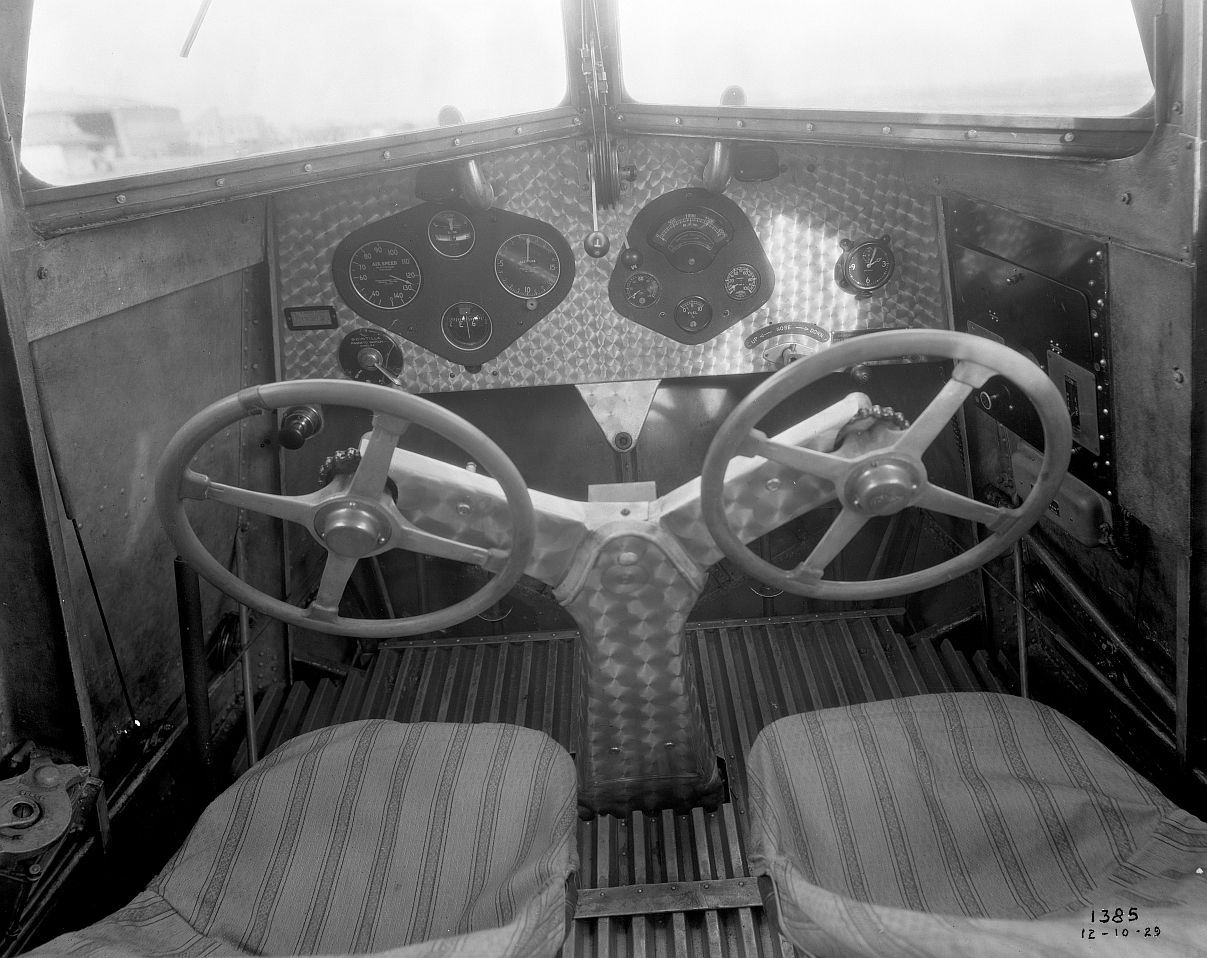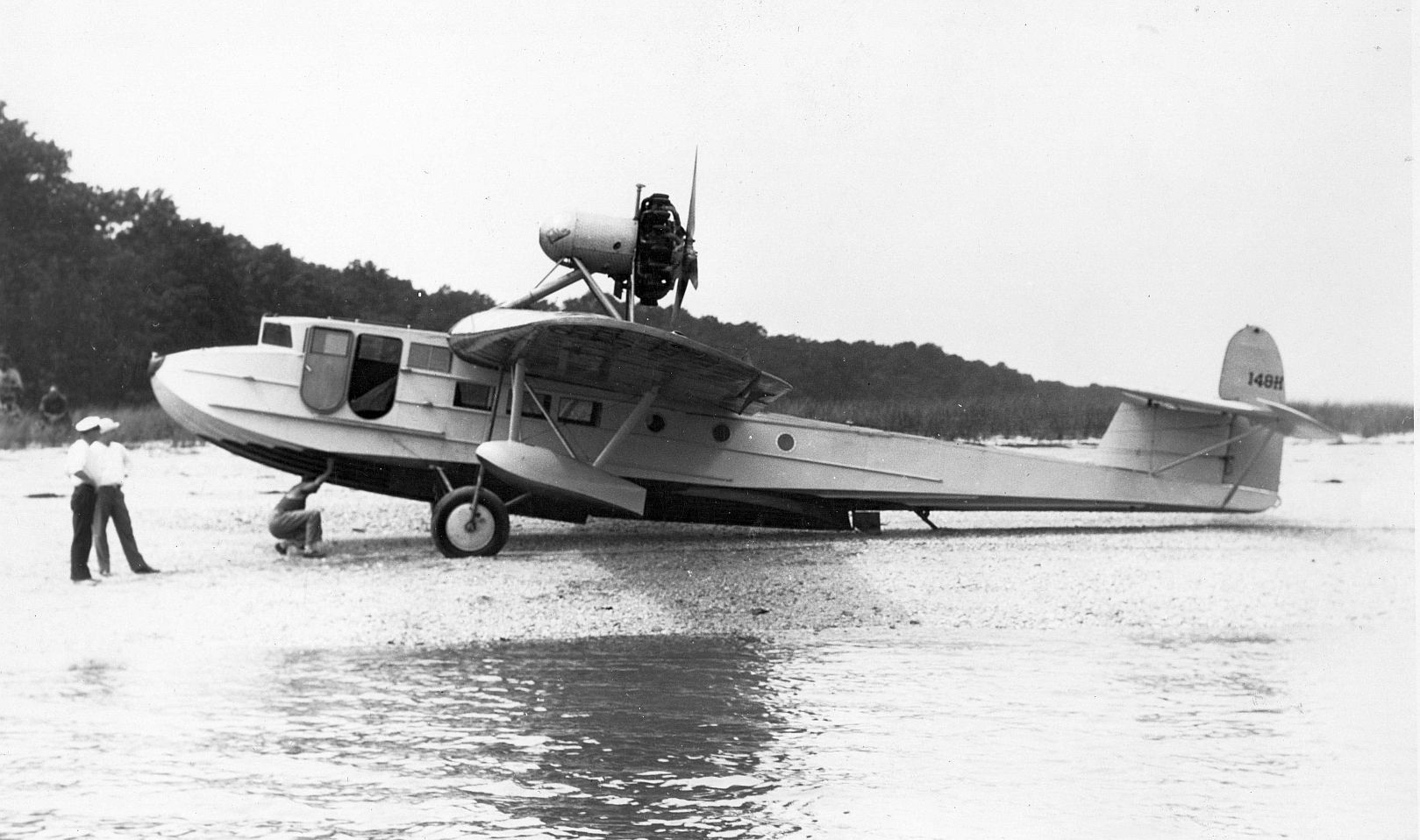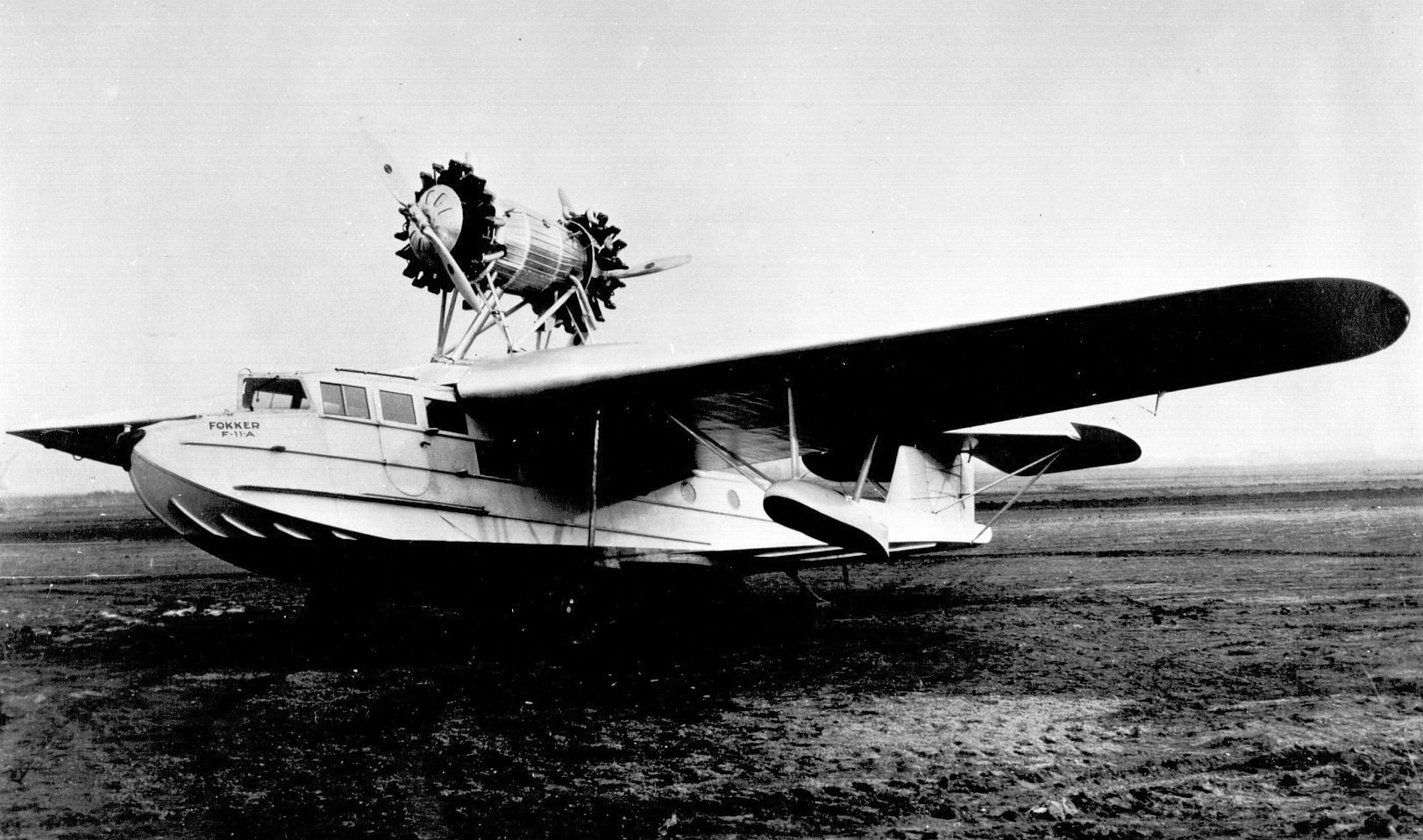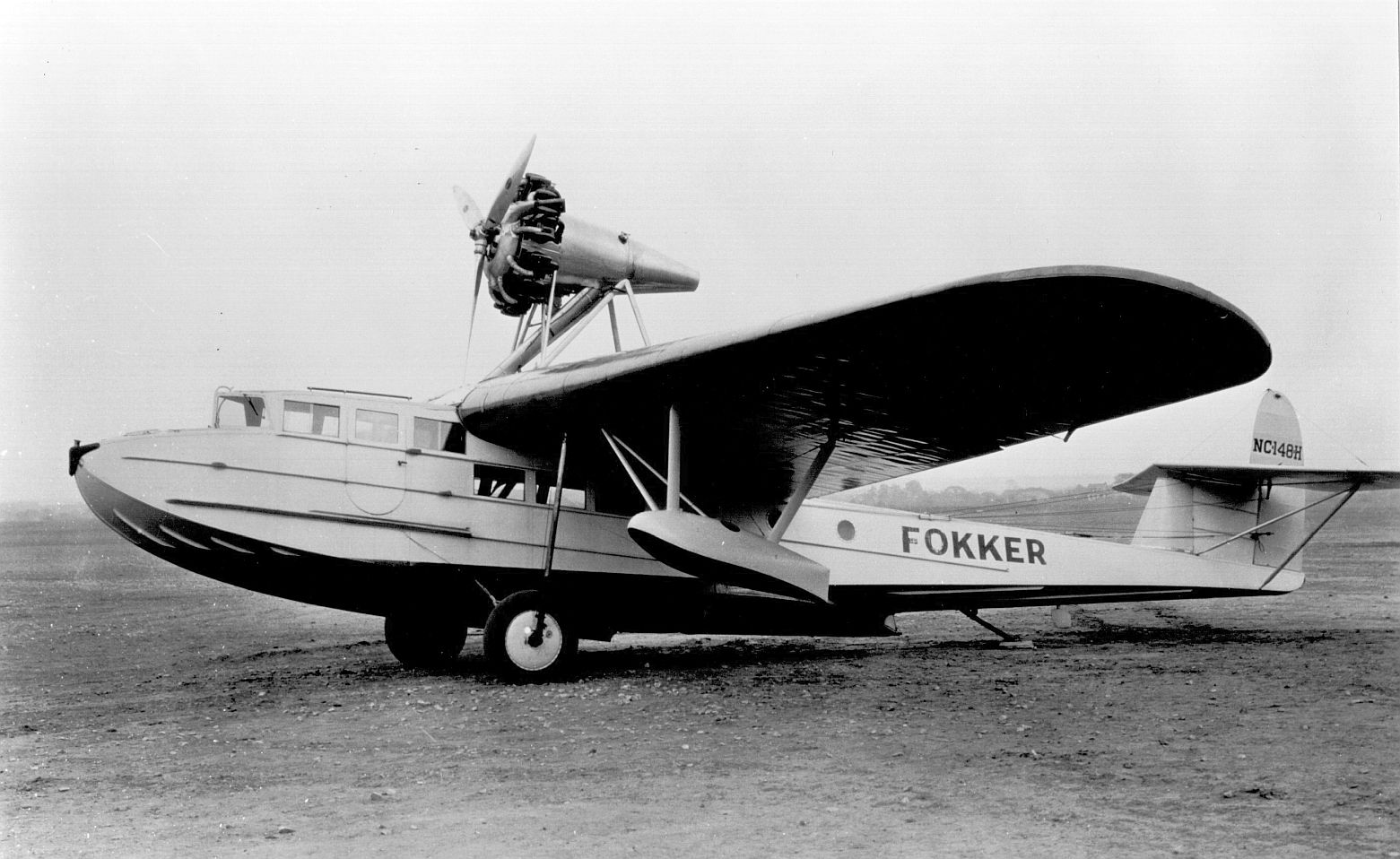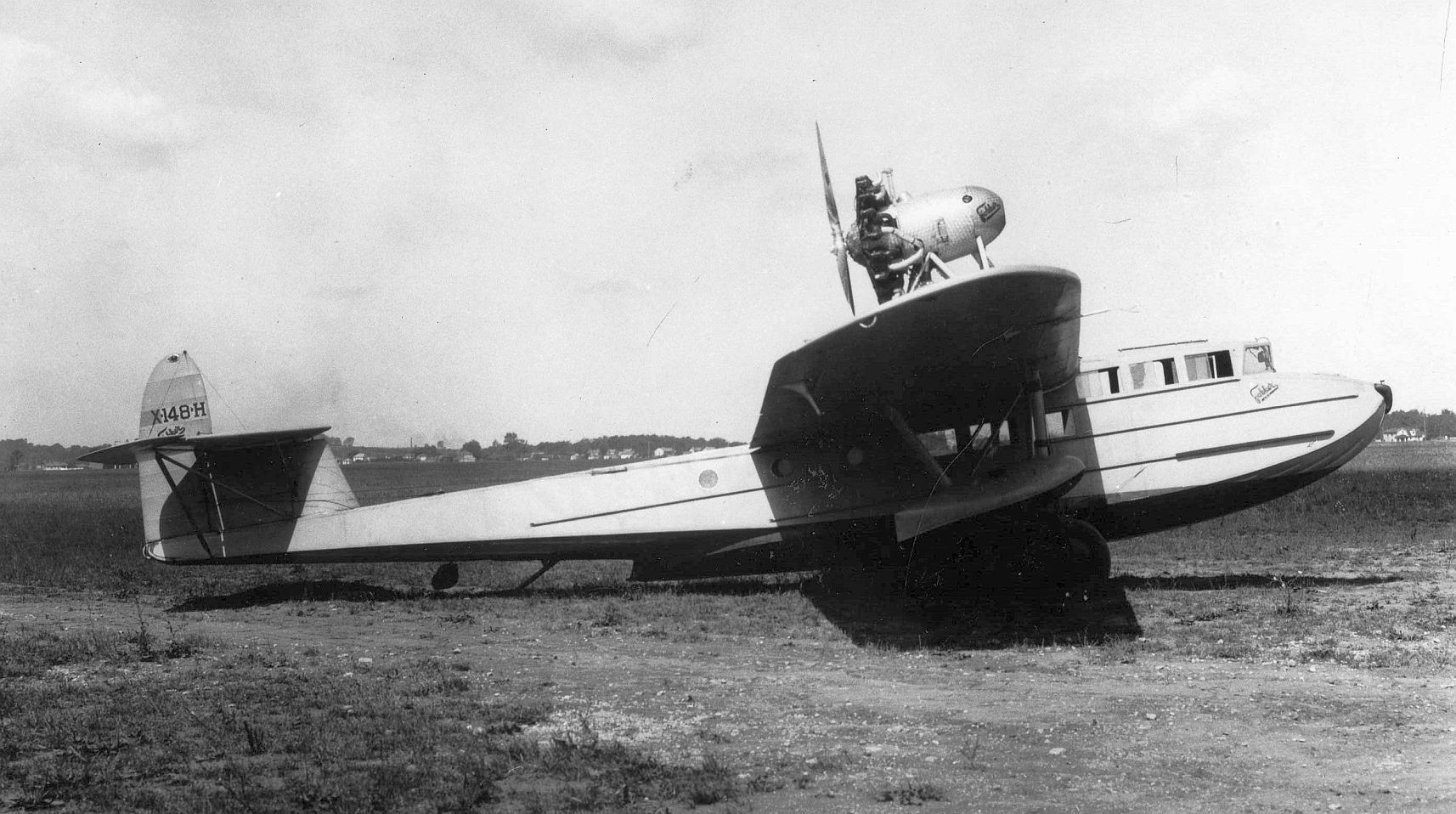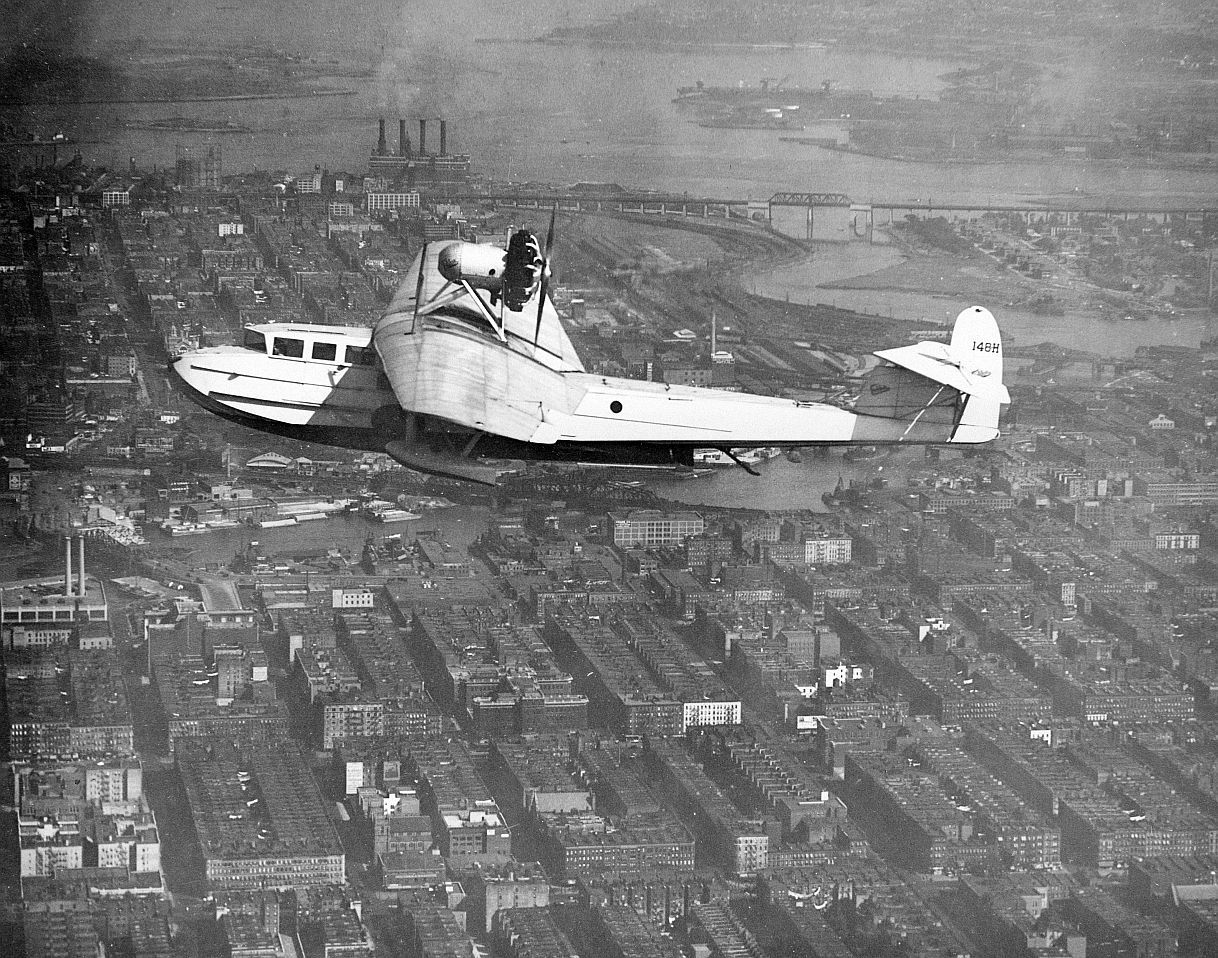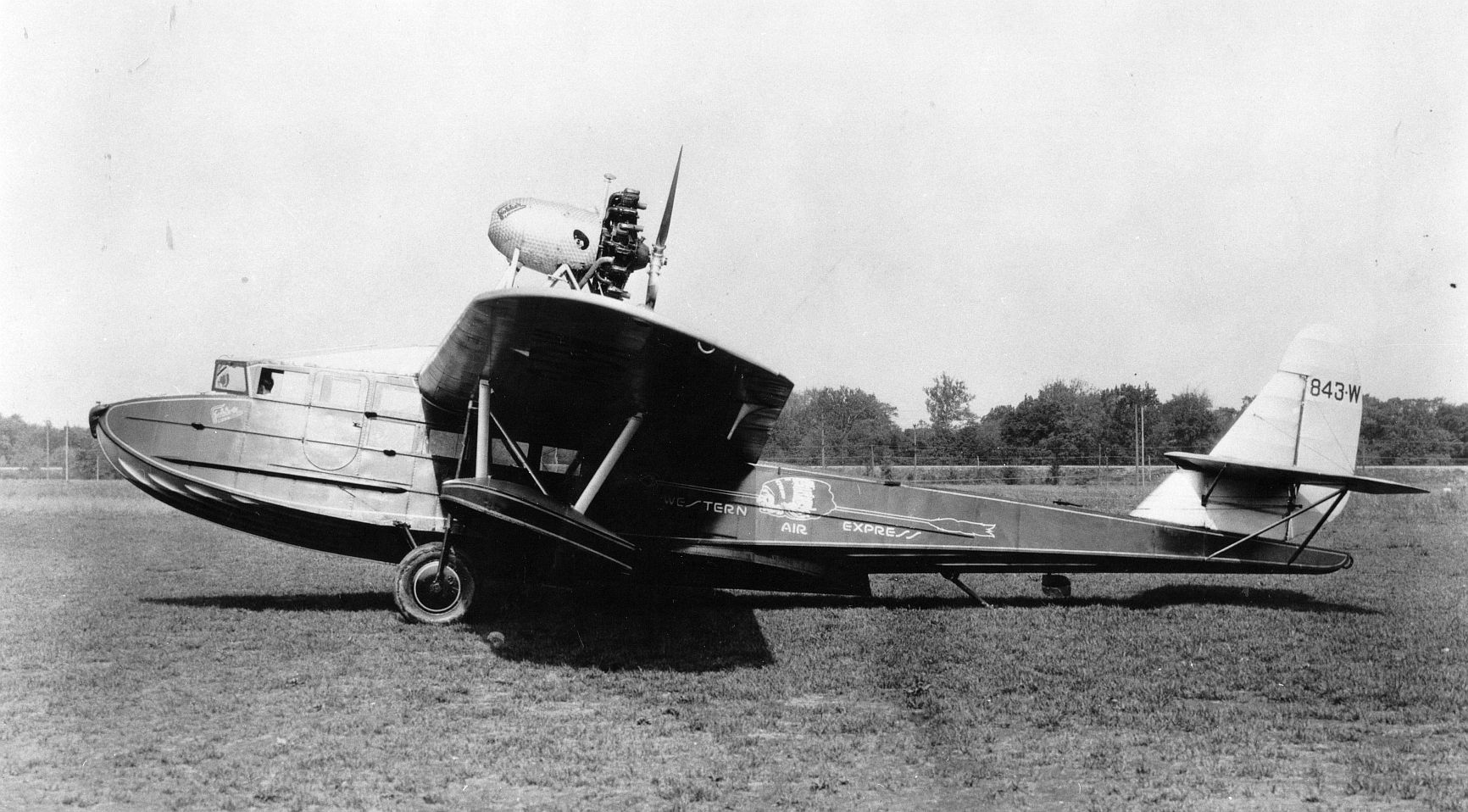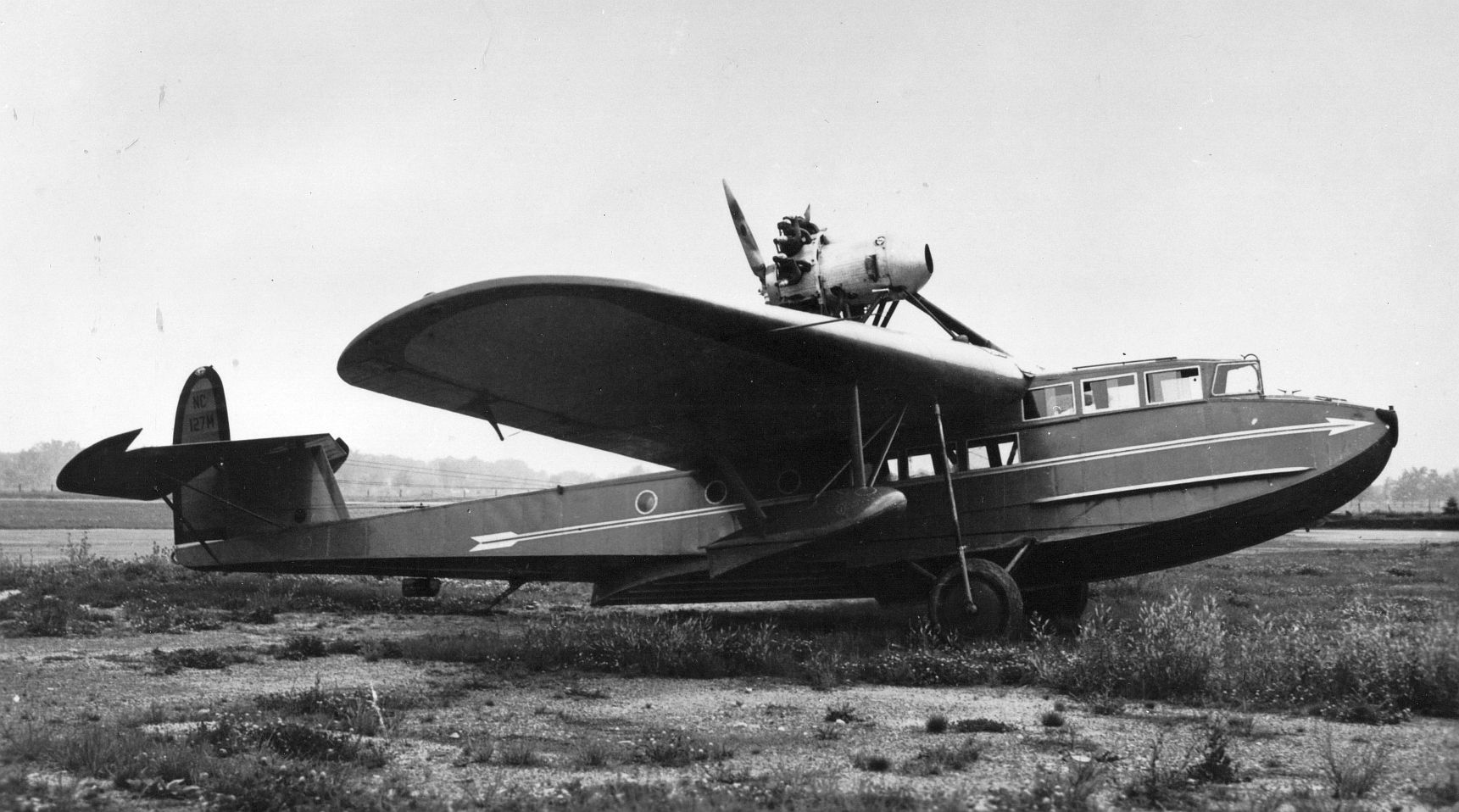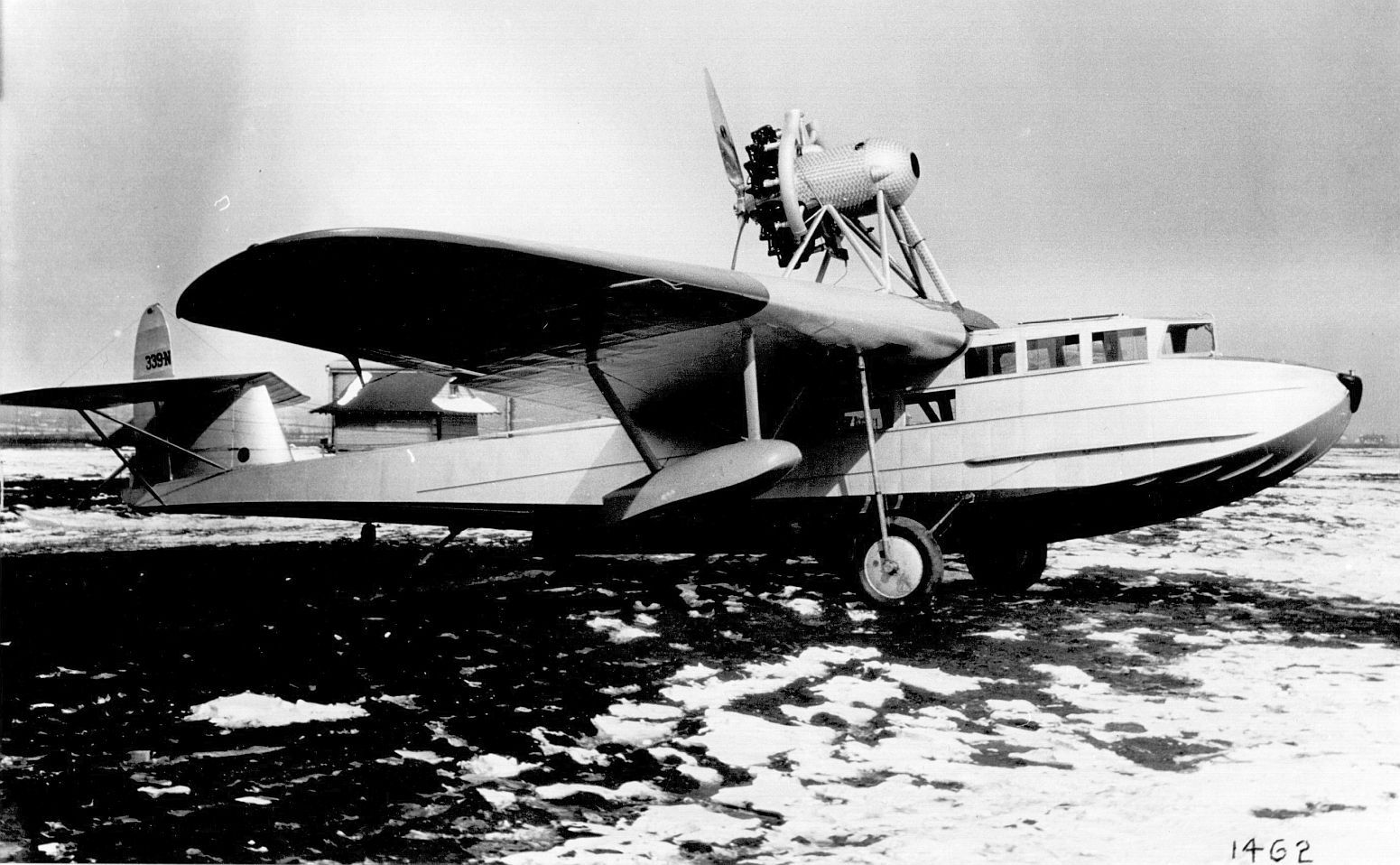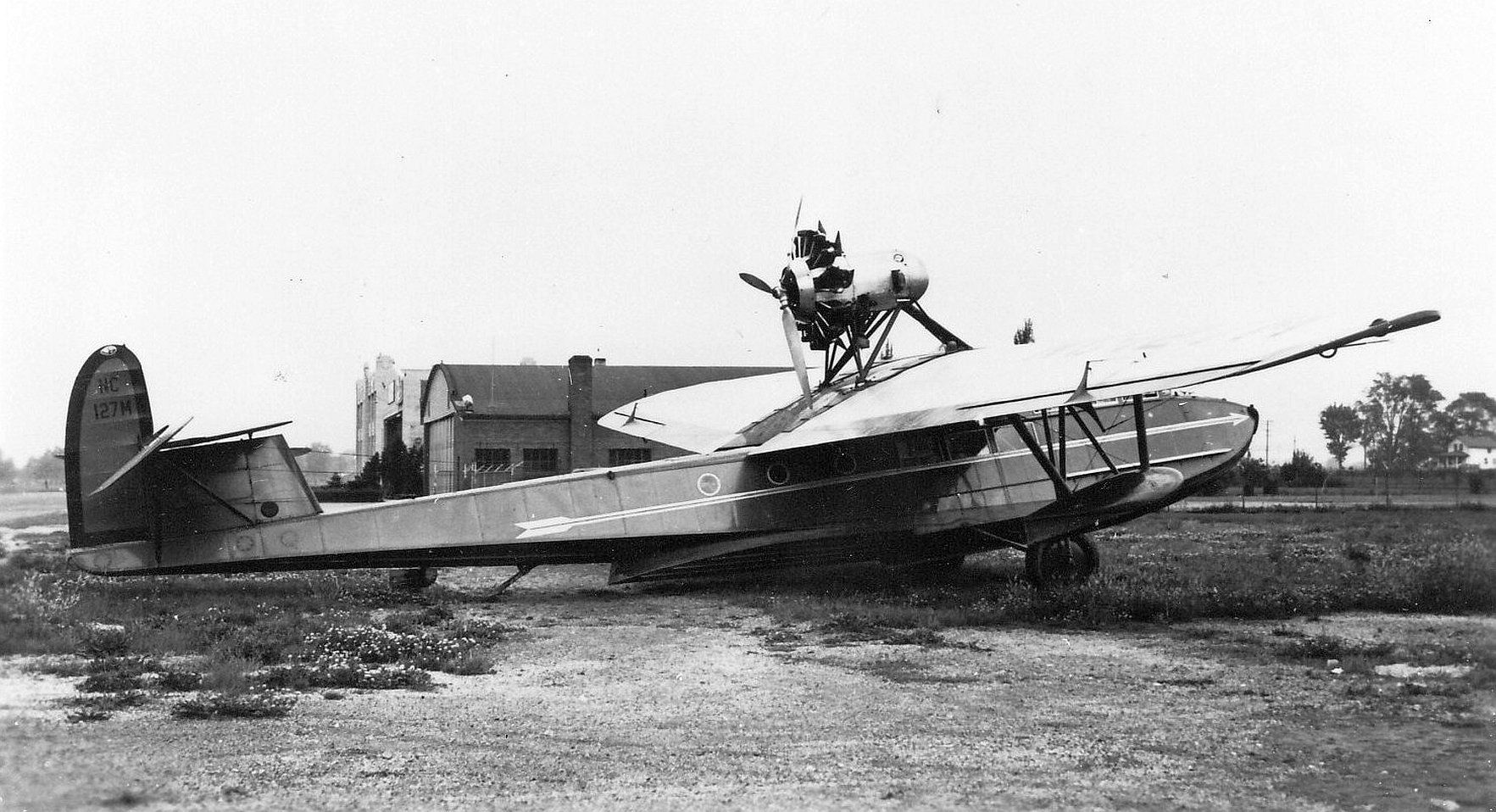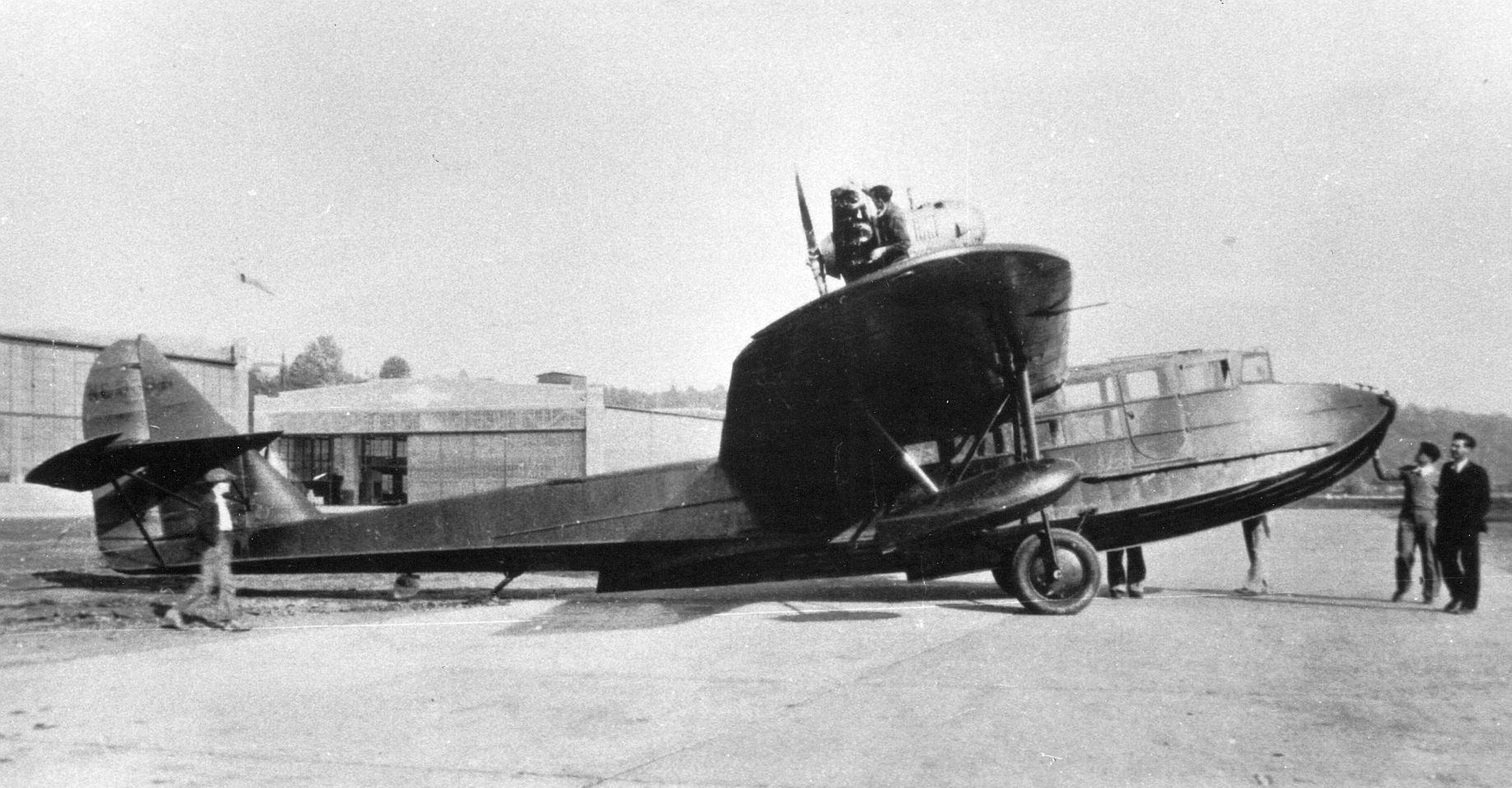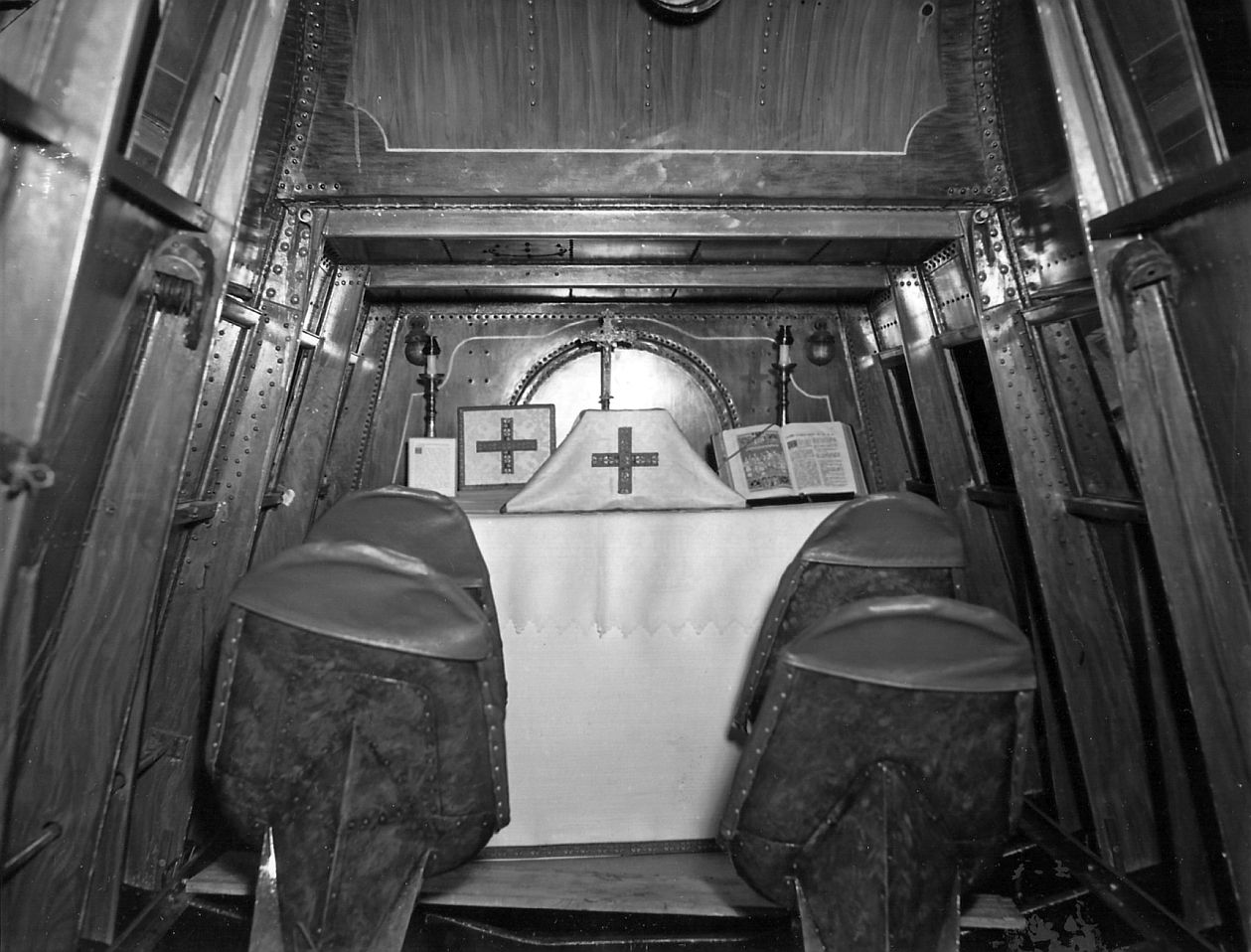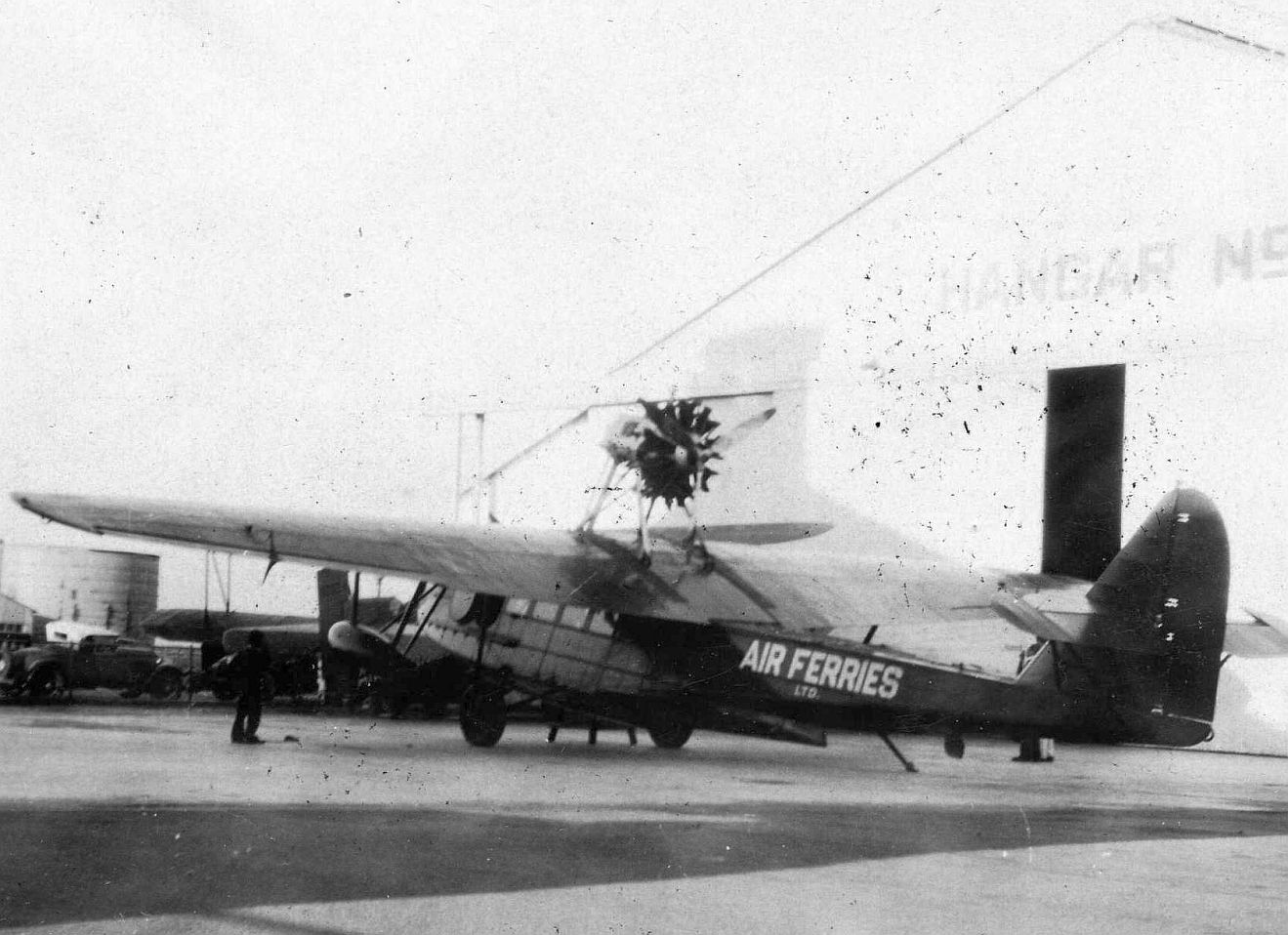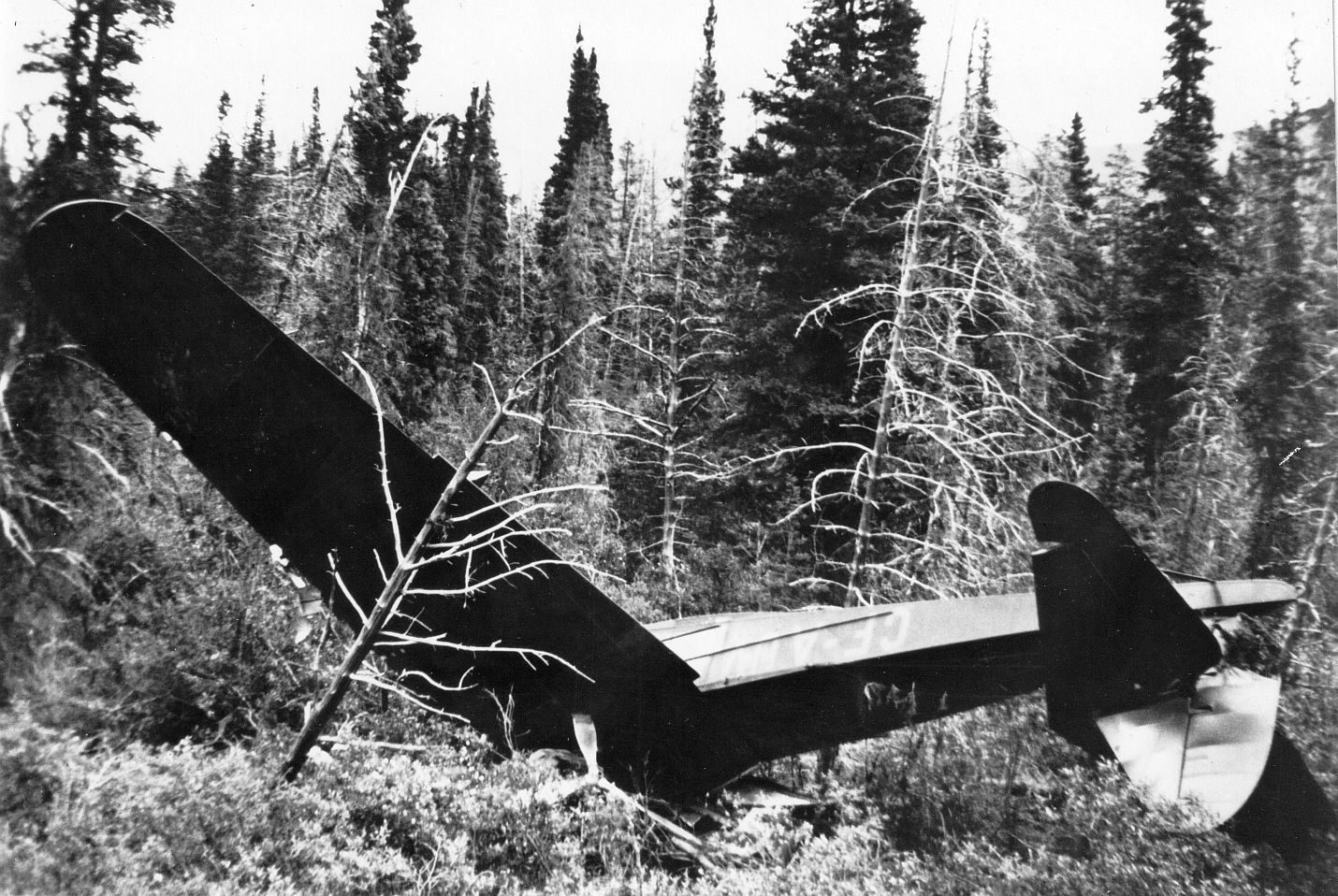
Fokker F-11(A) Flying Boat and Amphibian (Model 9)
The first Model 9 aircraft (msn 900) was still a predecessor of the F-11. This was the B.IIIc, built in the Netherlands and sold to America. For more information, see this type under aircraft built in Europe for America.
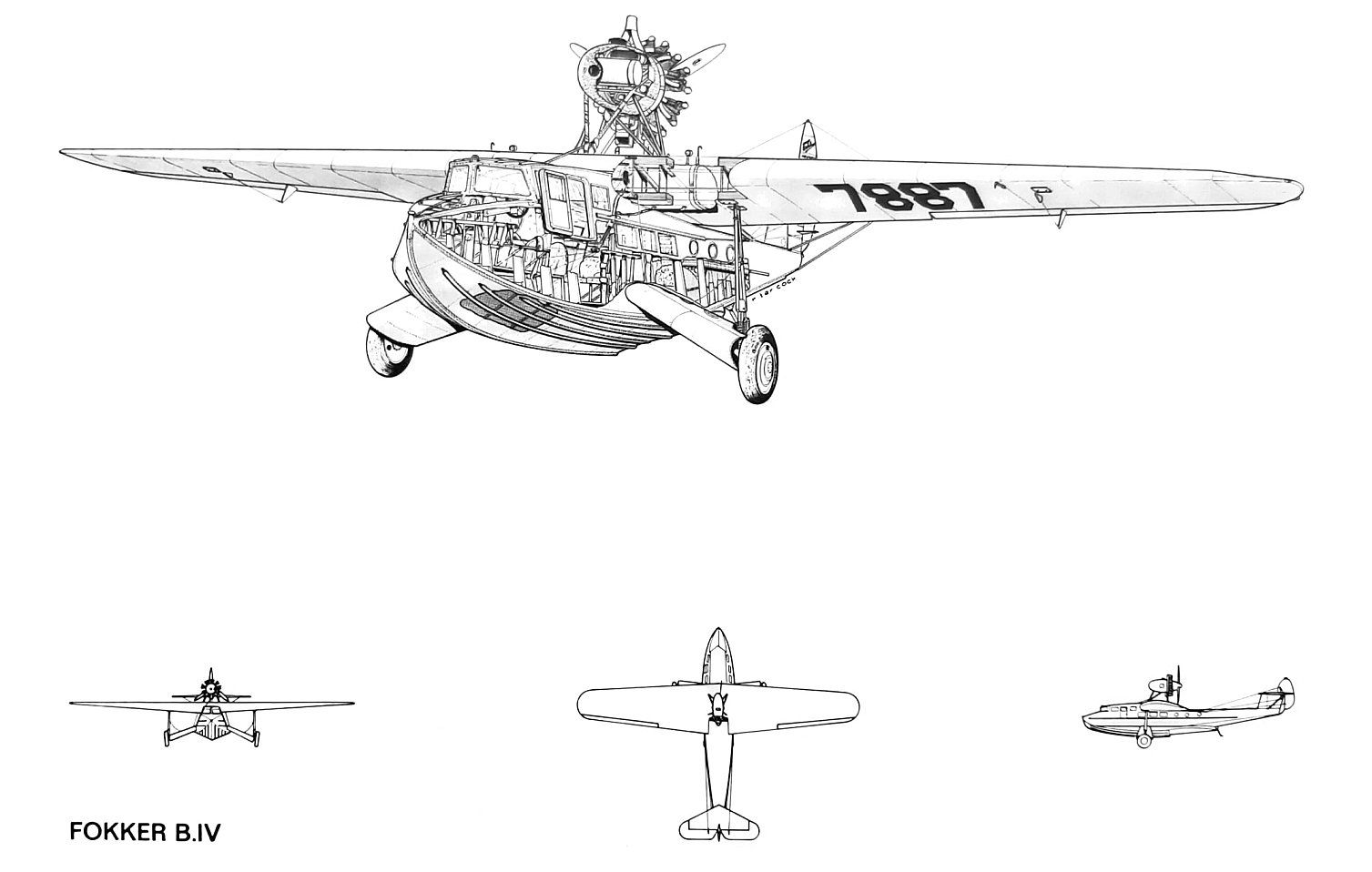
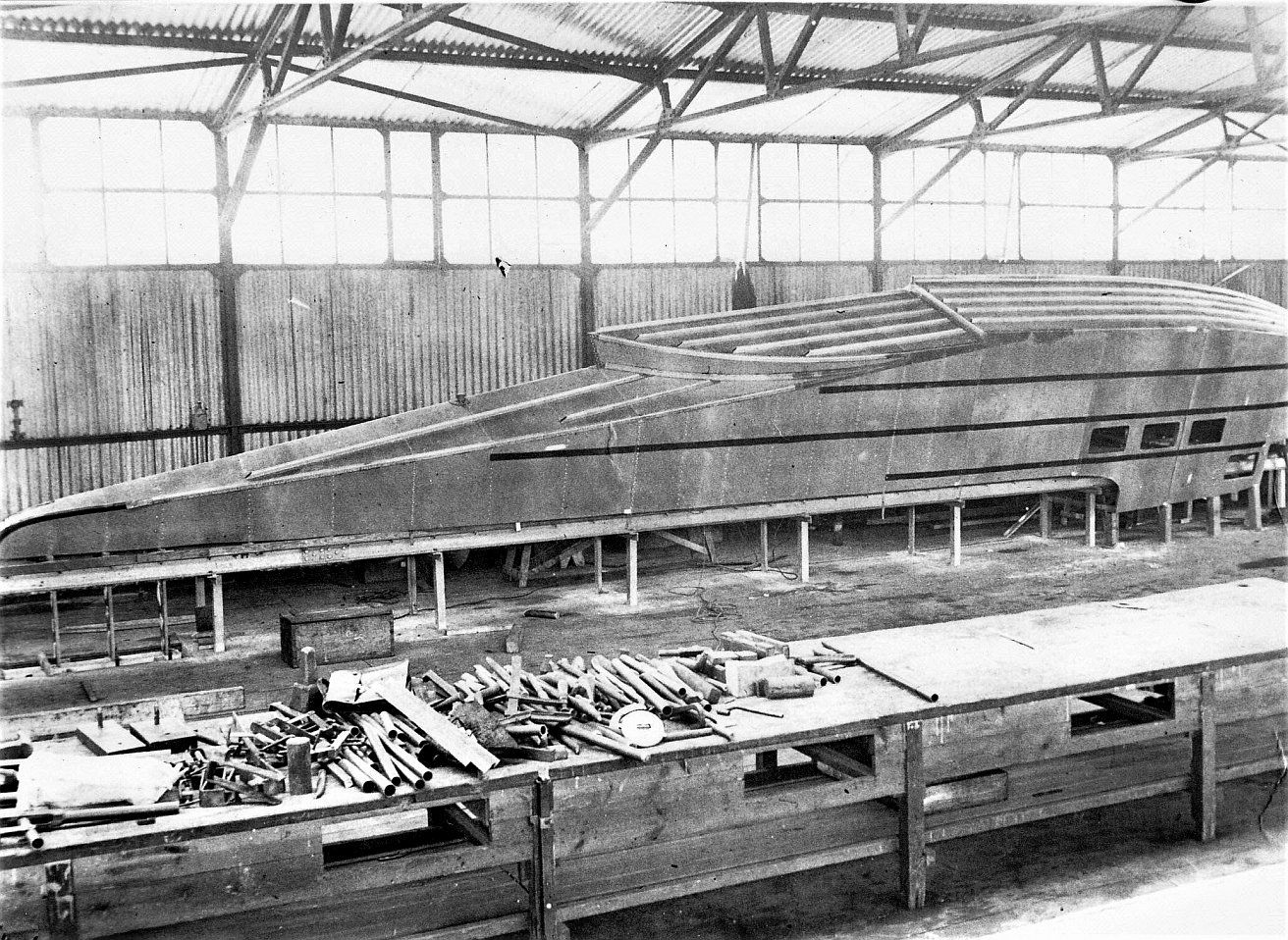
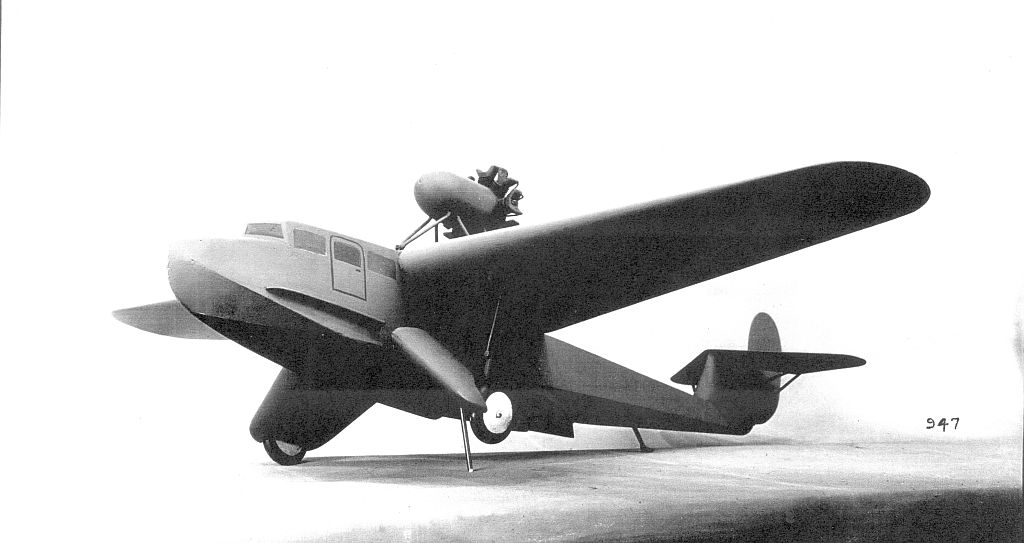
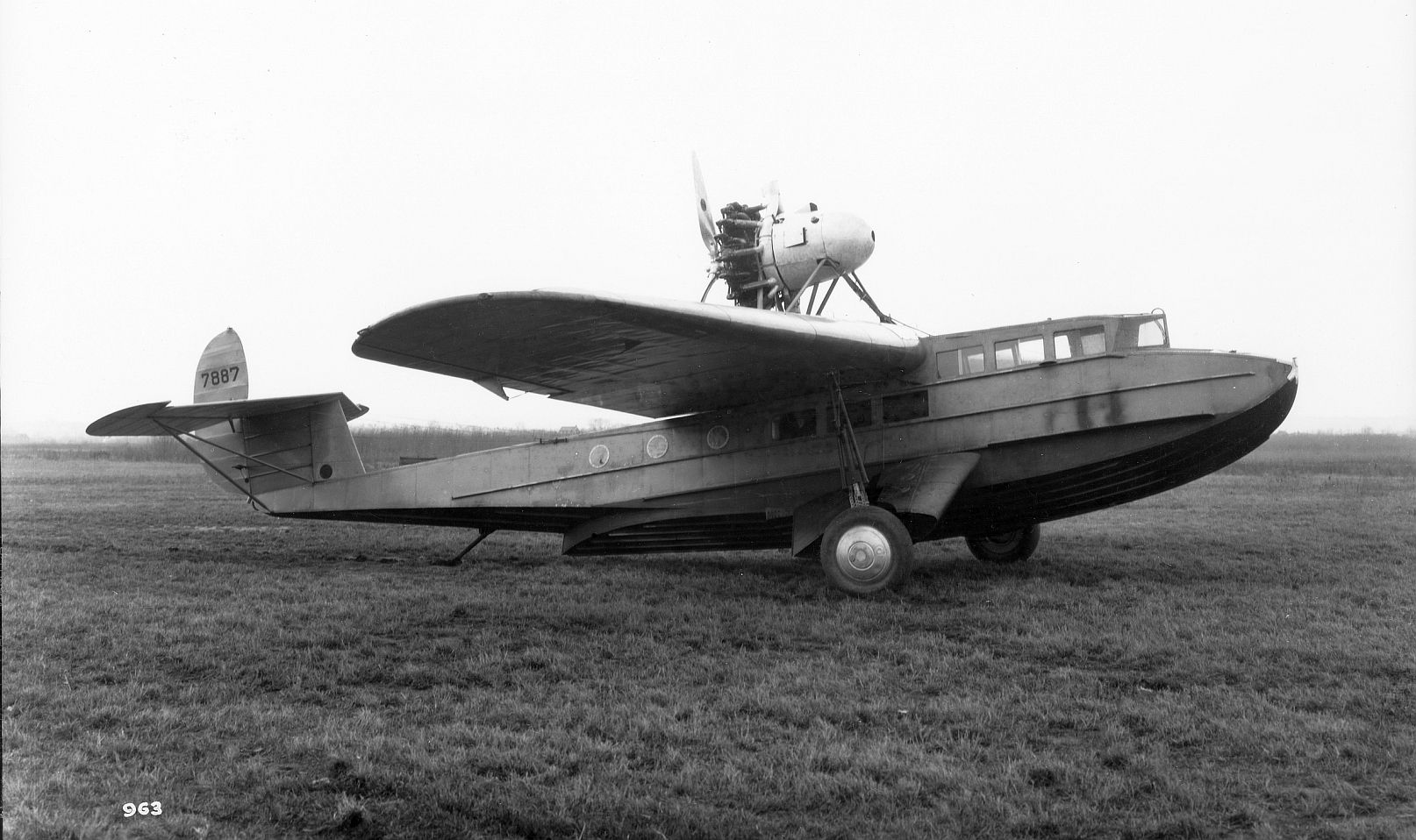
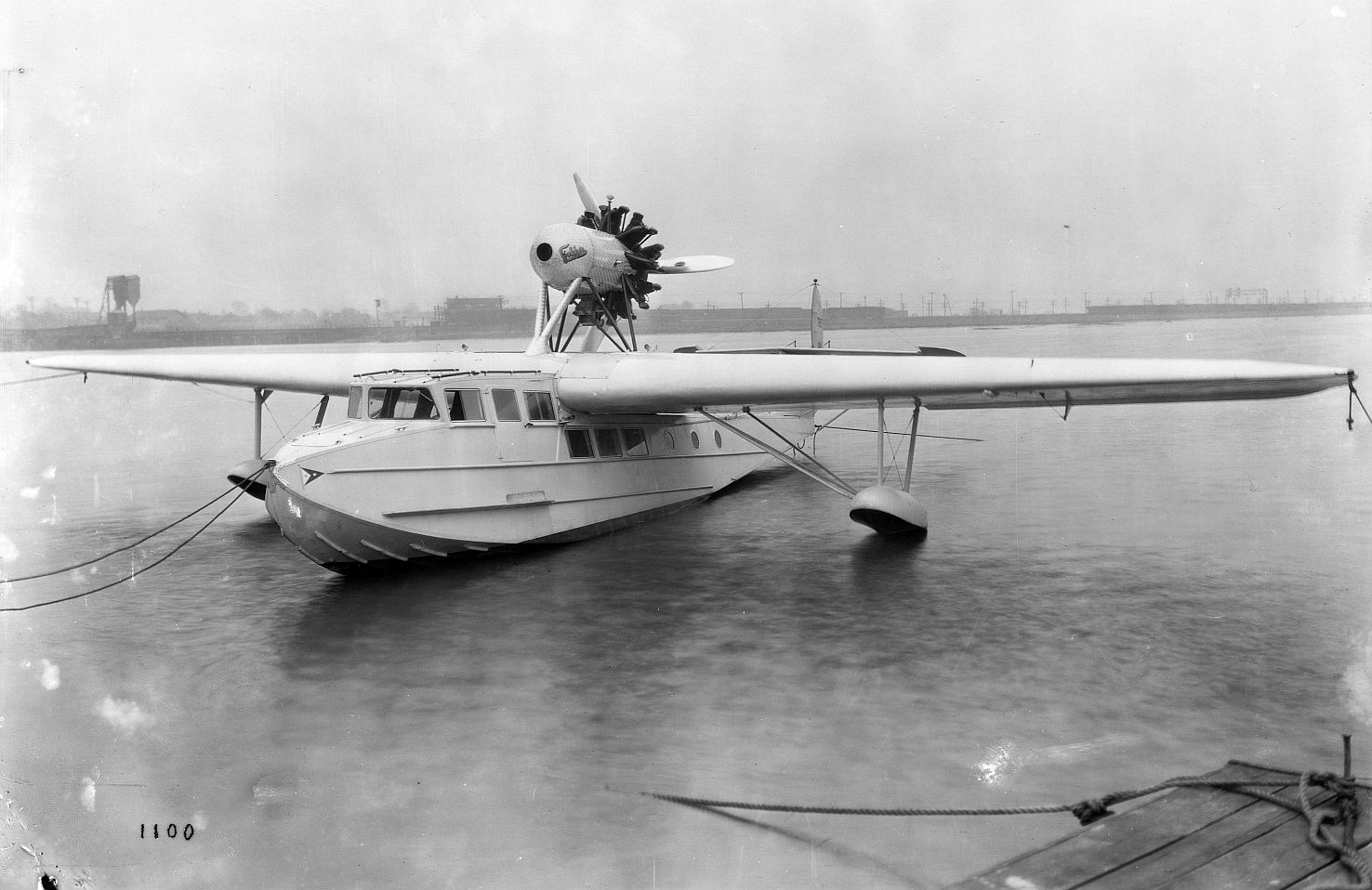
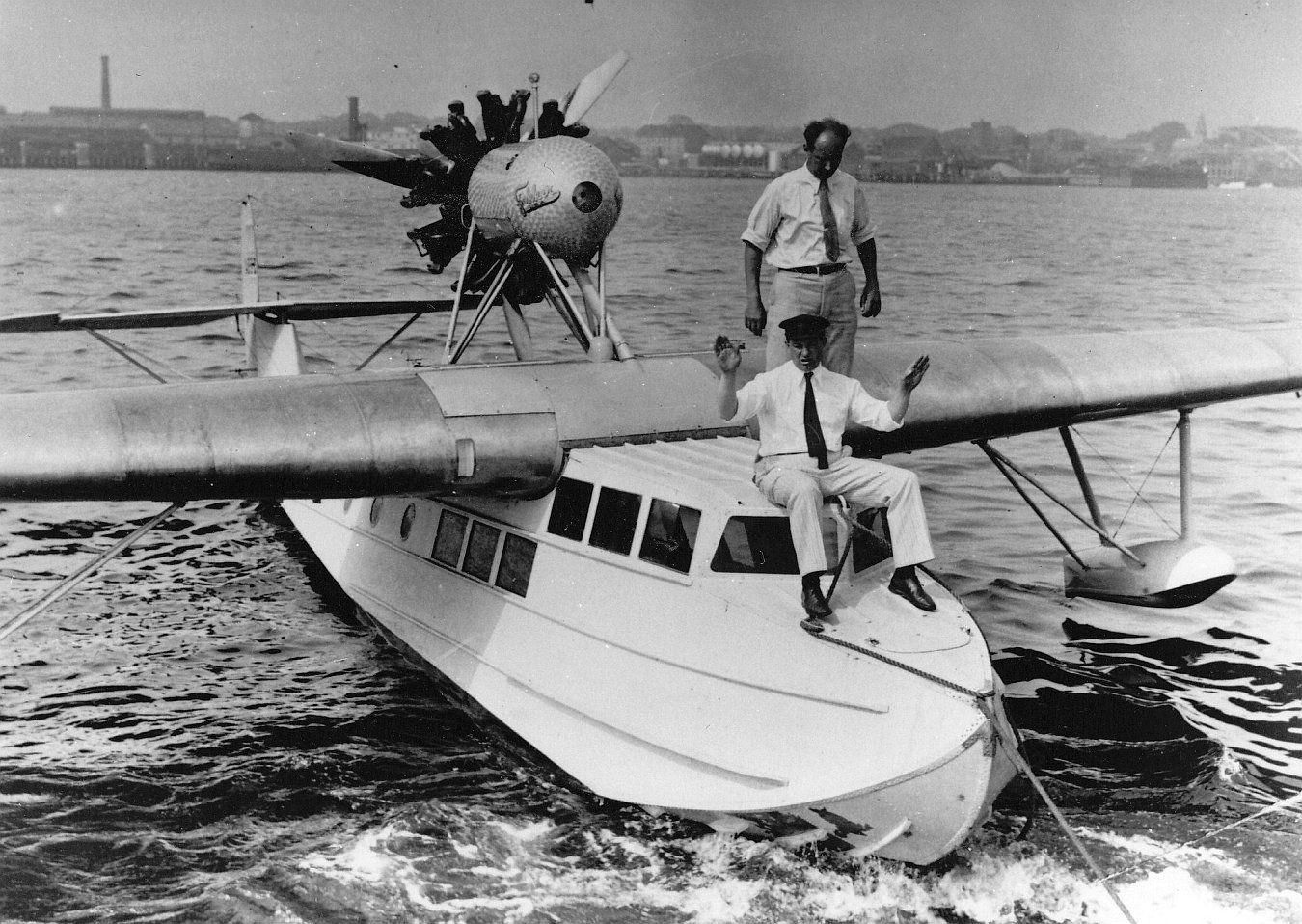
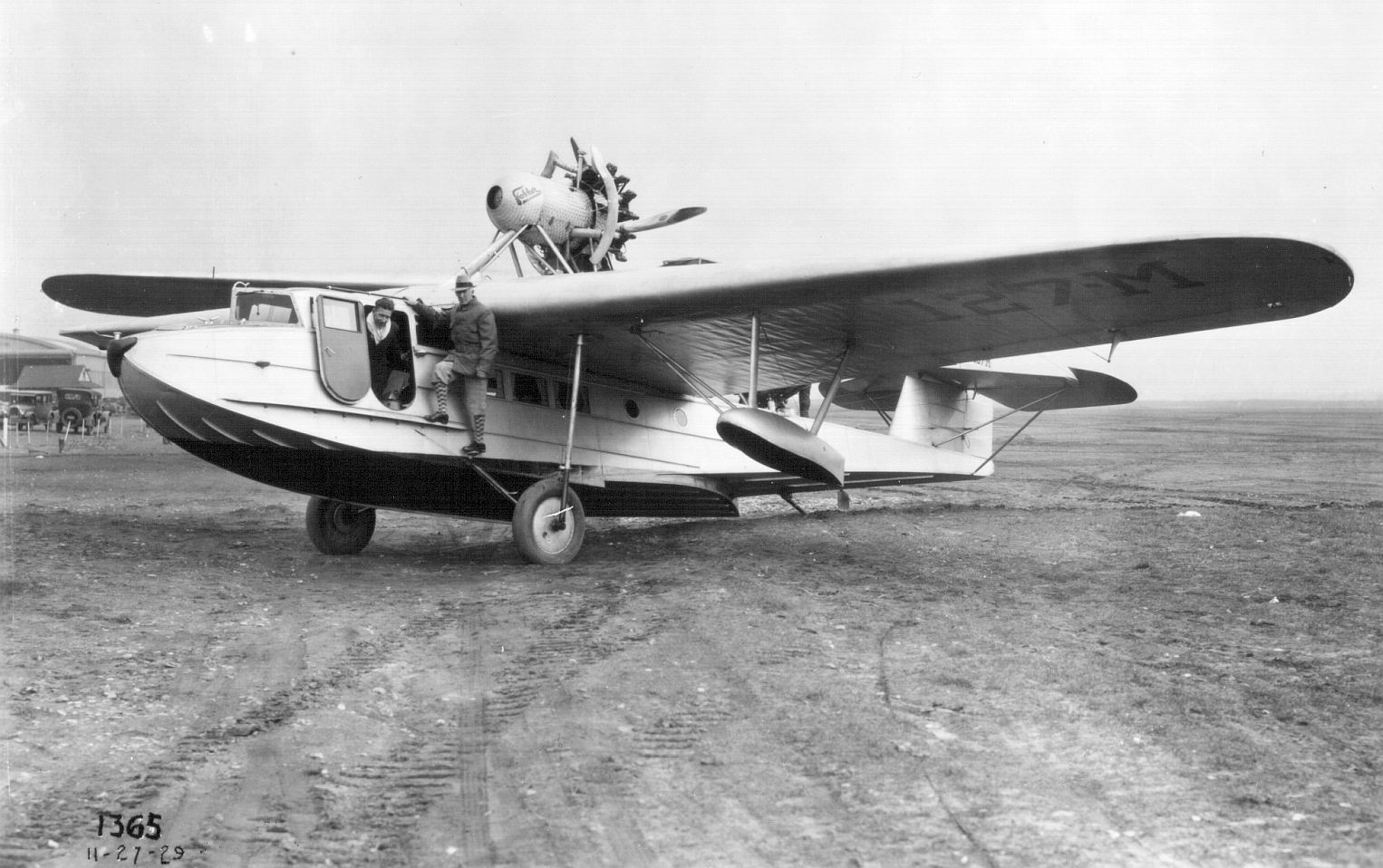
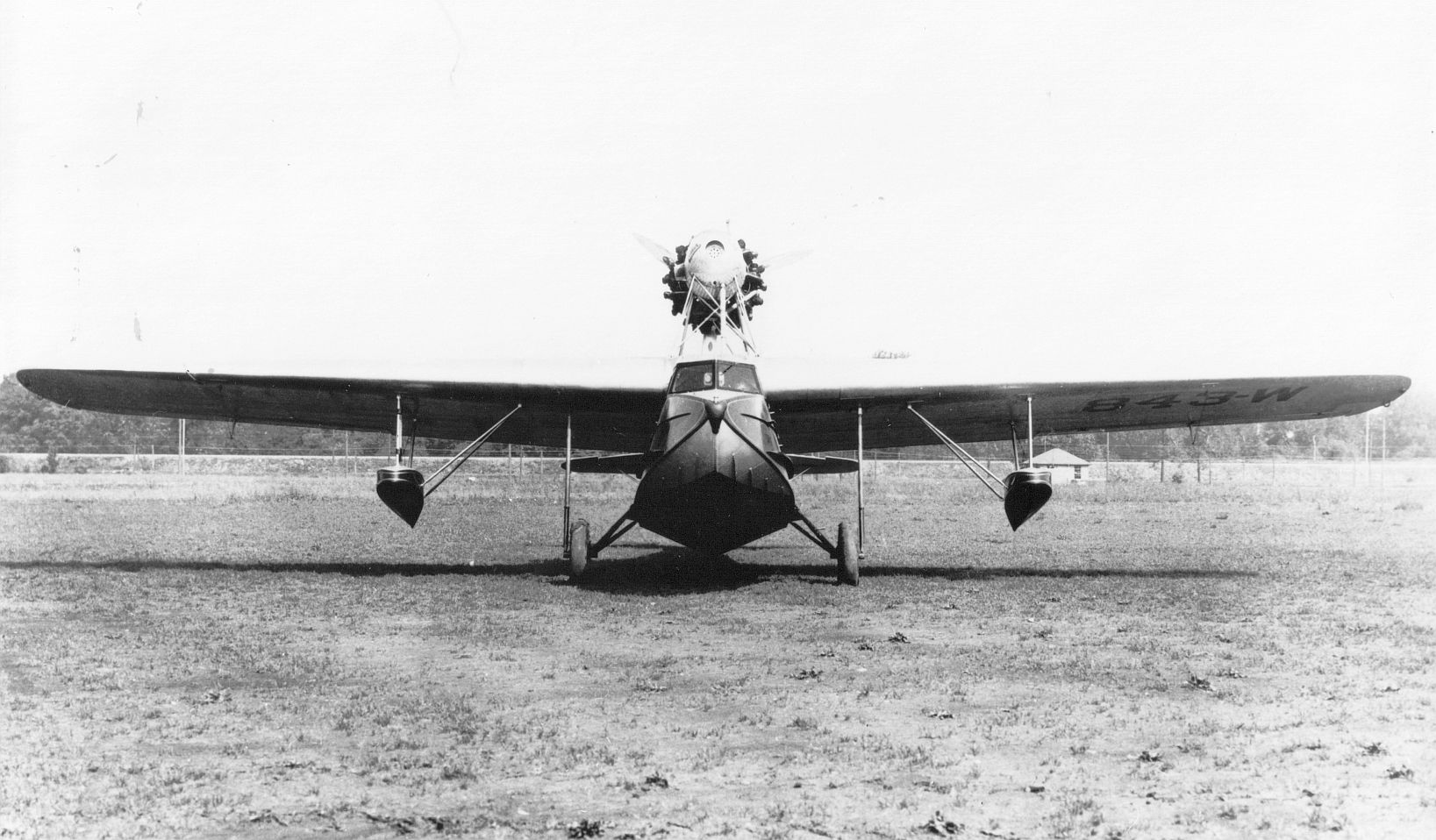
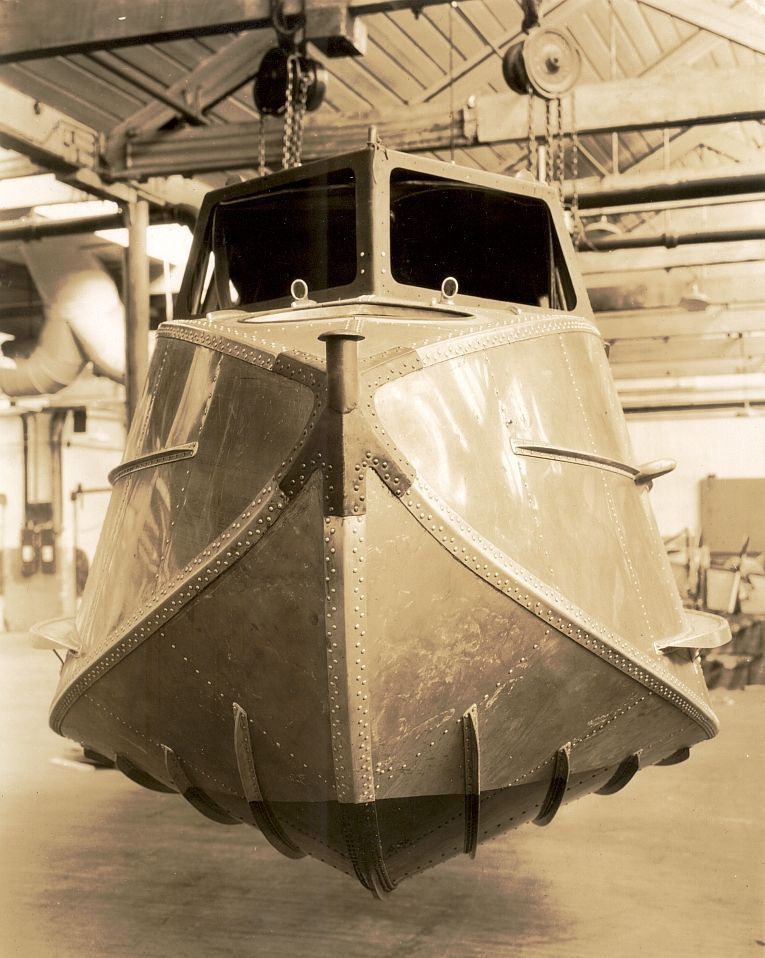
The F-11 was designed by A.A. Gassner, chief engineer of the Atlantic Aircraft Corporation. It consisted of a metal flying-boat hull with a wooden wing. This wing was the same as that used on the Super Universal.
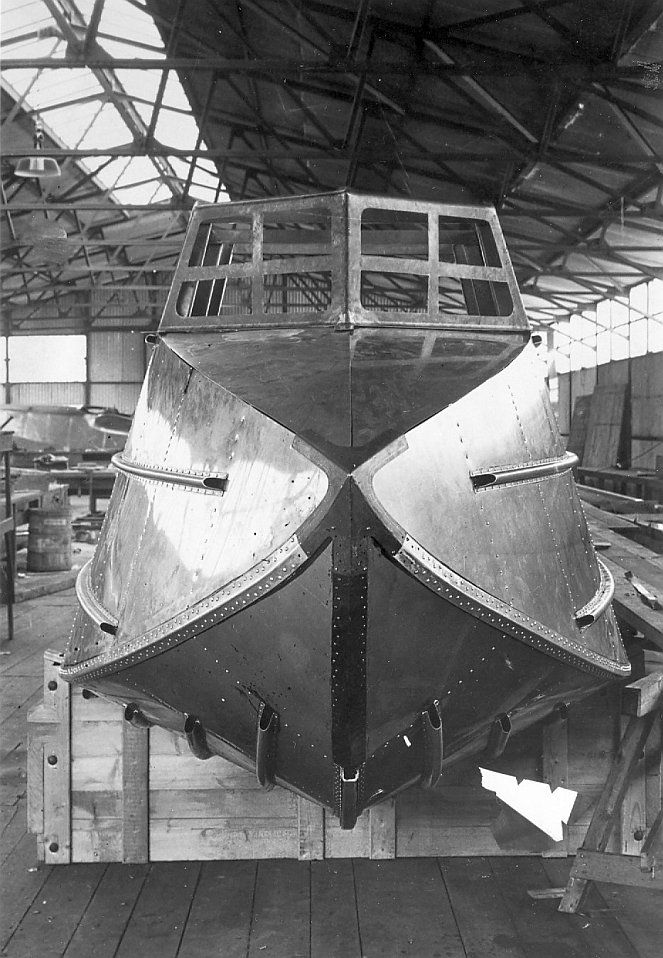
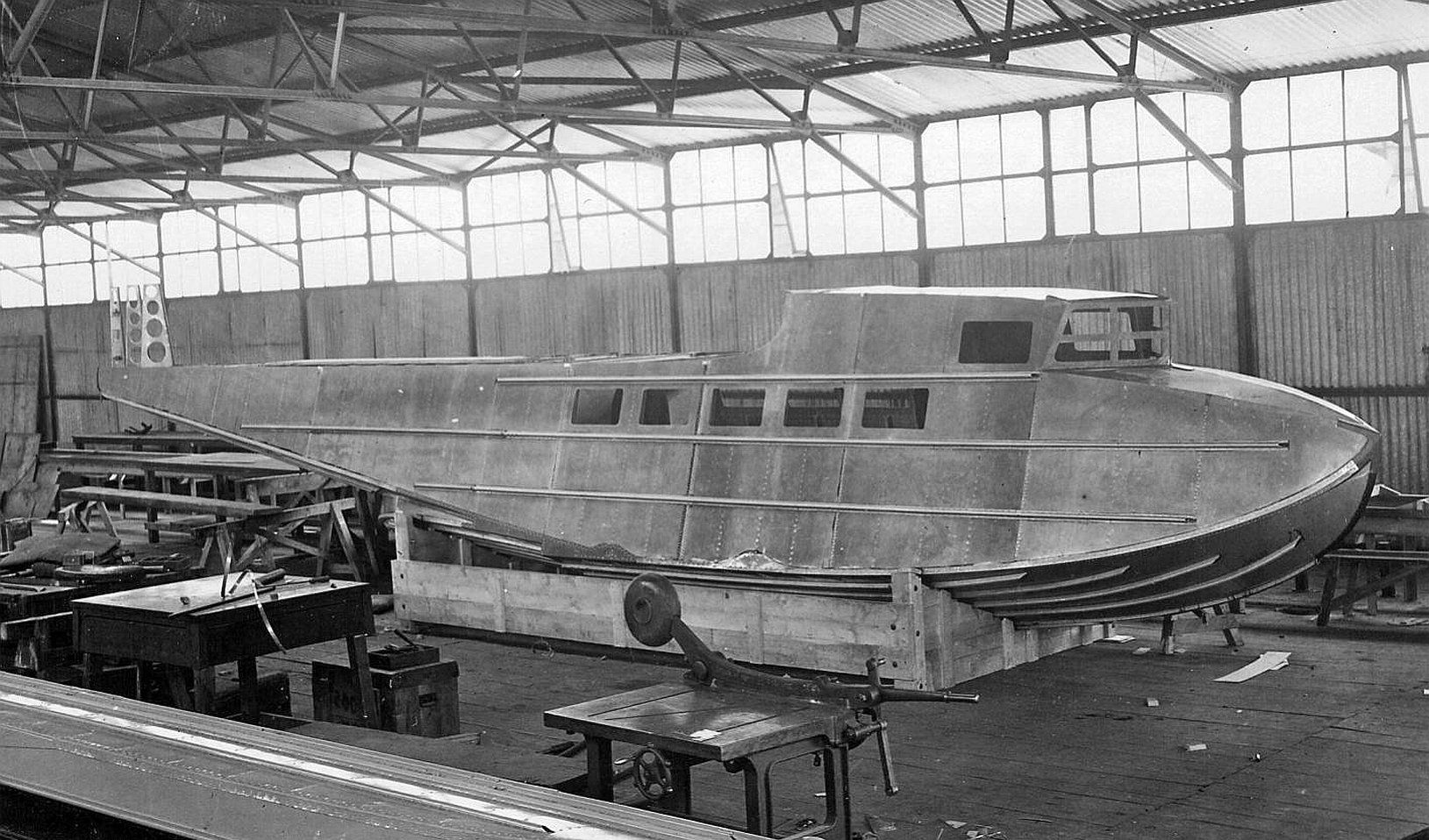
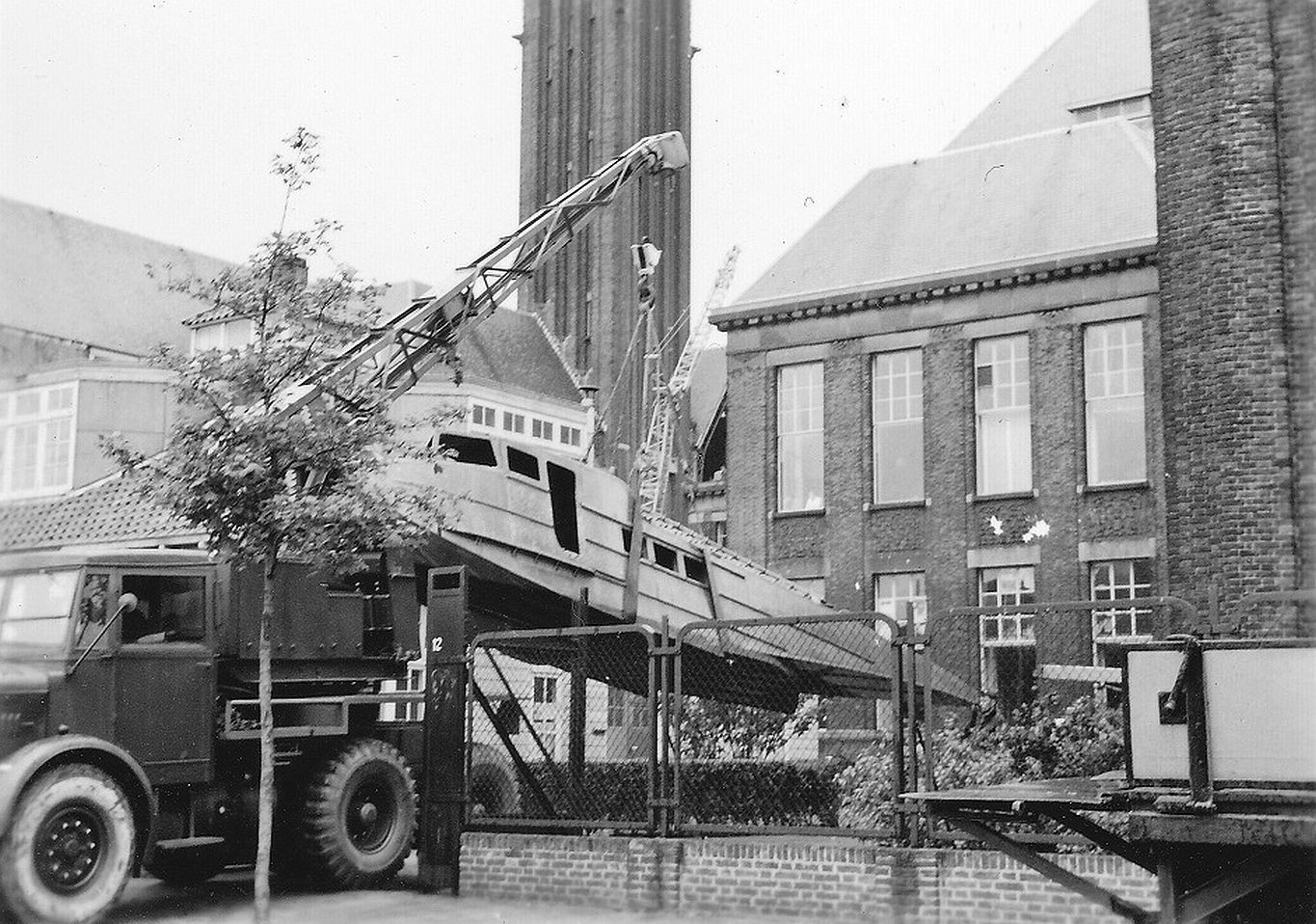
Since the expertise to build the boat hull was lacking in America, it was ordered from the Netherlands, where this type was called the B.IV. The prototype hull was shipped to America in June 1928. There it was completed as a flying boat with msn 901 and was ready in October 1928.
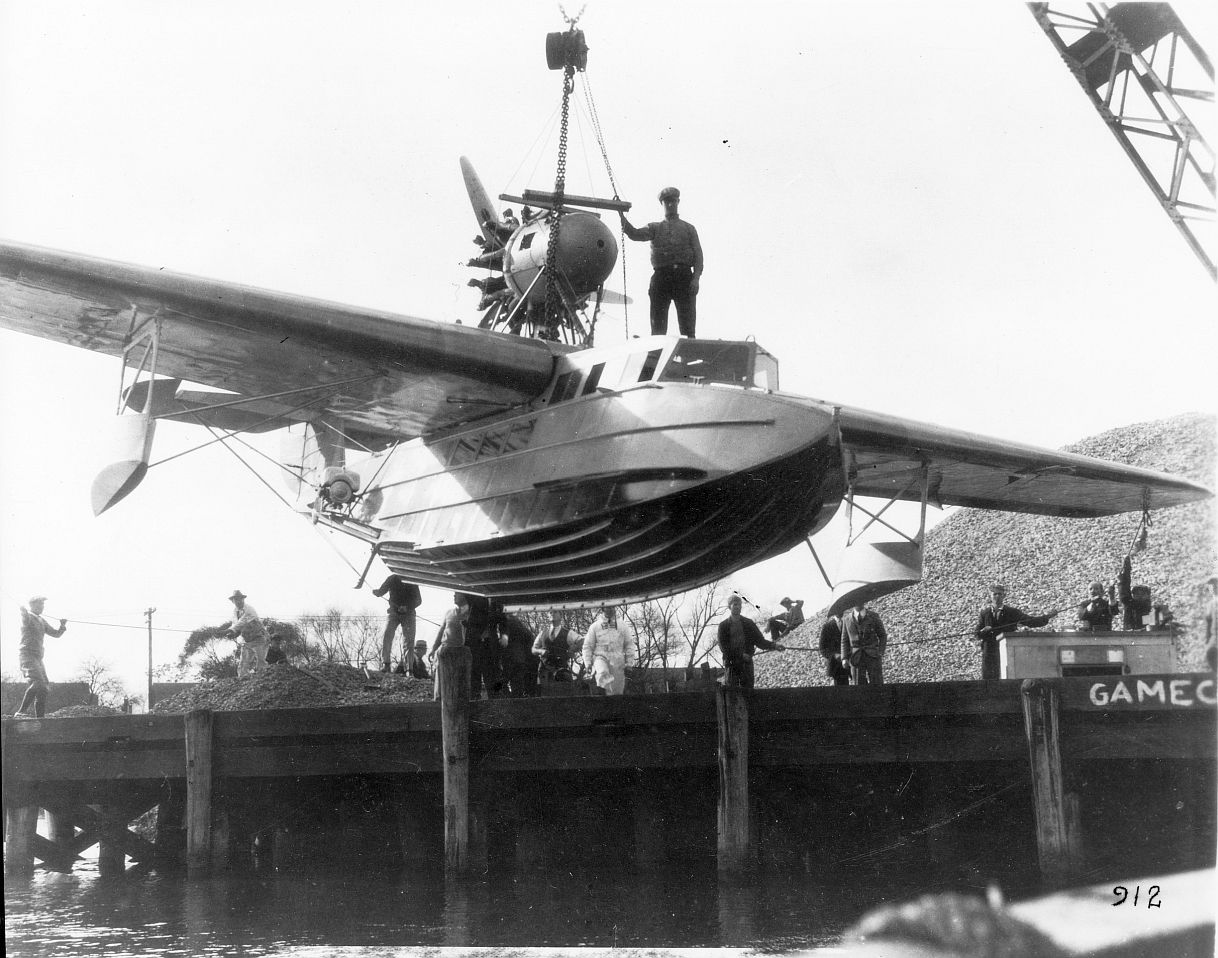
After test flights, the aircraft was converted into an amphibian by adding sponsons. It was later converted back into a flying boat and sold to Vanderbilt in July 1929.
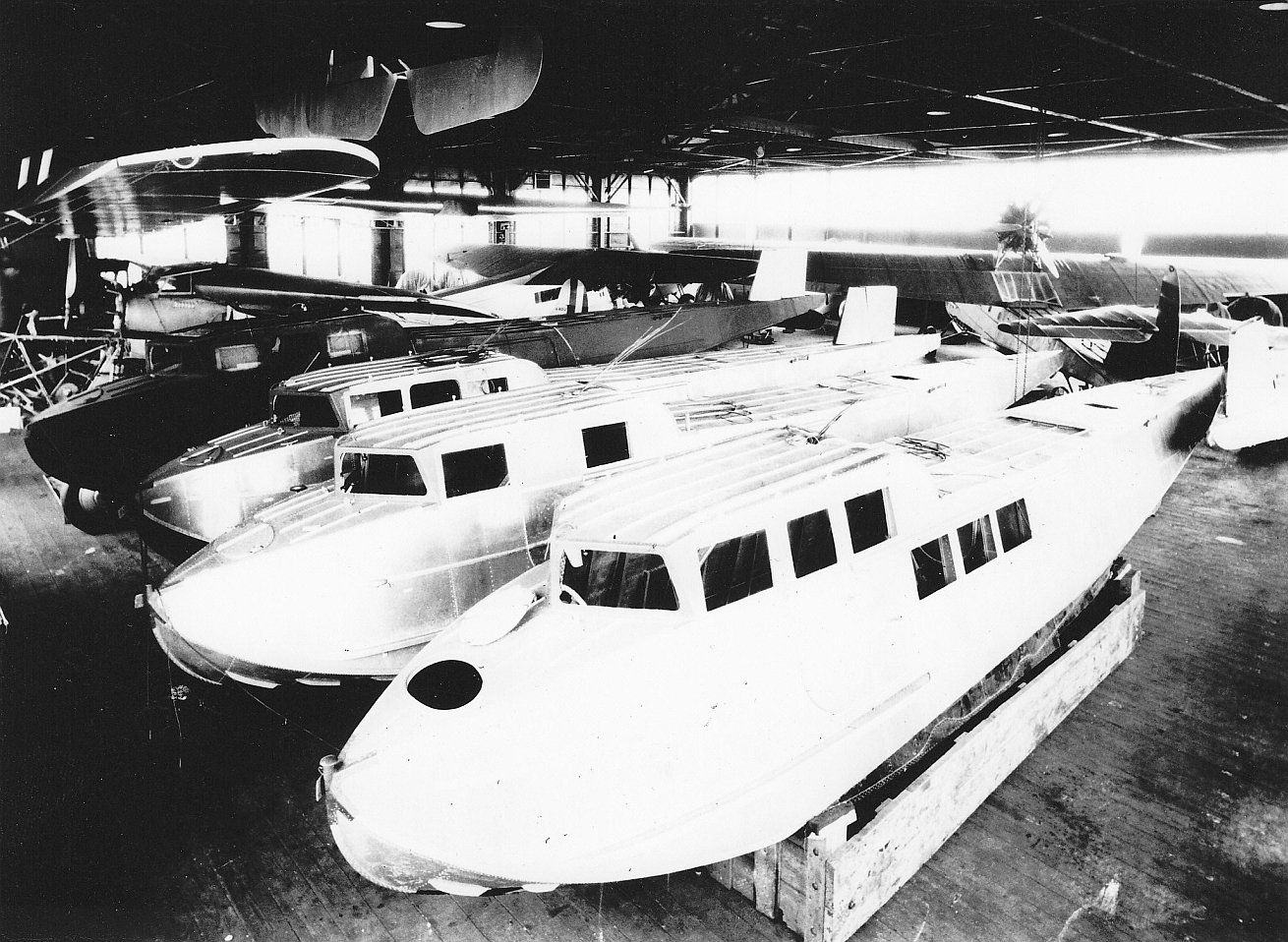
Meanwhile, AAC had ordered ten boat hulls of a slightly improved type from the Netherlands in December 1928. Before the first of these had been delivered, Anthony Fokker had independently ordered another ten hulls. That decision would come back to haunt him. The boat hulls for production began shipping to America in April 1929.
The history of the type was marked by modifications intended to improve performance and handling.
To this end, the original P&W Wasp engine was replaced by a Hornet or Wright Cyclone. A larger wing was also adopted. The vertical tail was enlarged to prevent the aircraft from yawing in flight. In addition, serious vibration occurred in the fuselage and could not be eliminated. These problems became especially apparent during series production.
Final assembly using the hulls from the Netherlands began with msn 902, completed in June 1929. Msn 904 followed in September and msn 906 in February 1930.
The last to be completed was msn 903 in June 1930; 905 was never finished. Only 904 and 906 were sold.
The aircraft’s performance remained poor and its cost high. Meanwhile, shipments of boat hulls from the Netherlands had been stopped at America’s request. The last eight hulls were never shipped. America did not pay for five of them. The surplus hulls in America were scrapped as early as 1932. Attempts in the Netherlands to put them to use came to nothing.
Click the photo to enlarge