Russian Fokkers 9
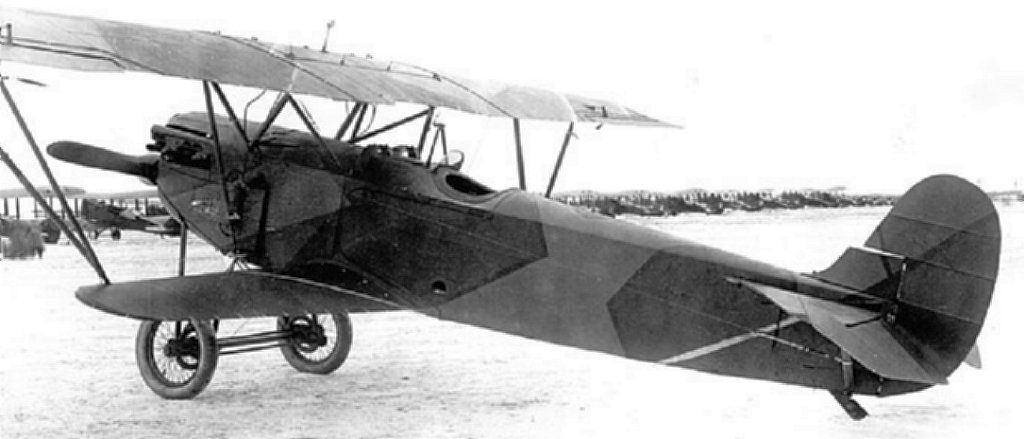
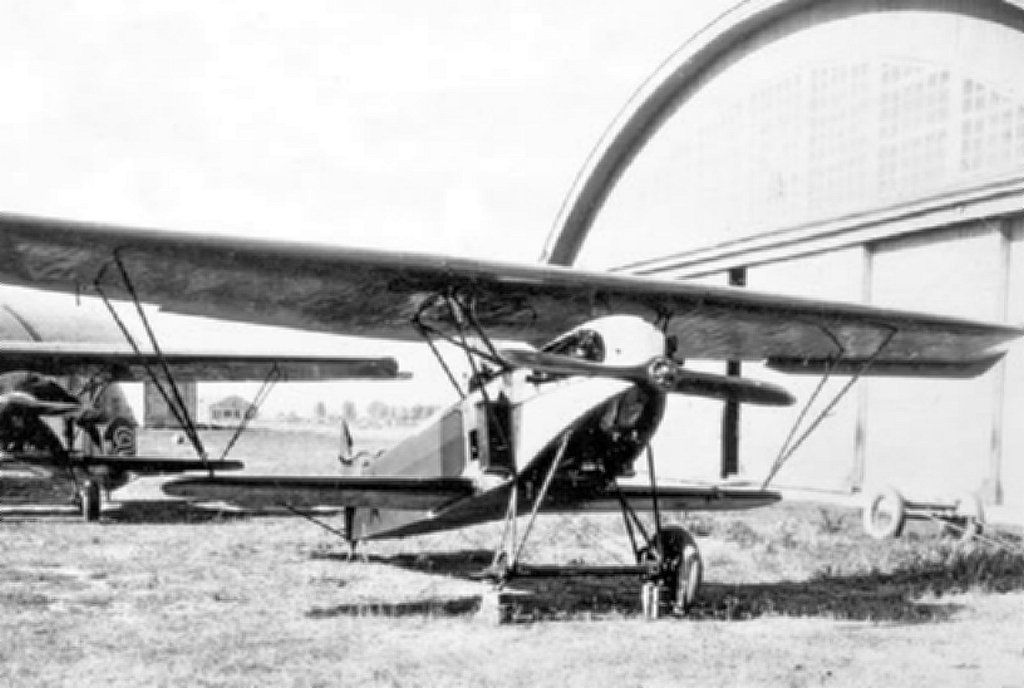
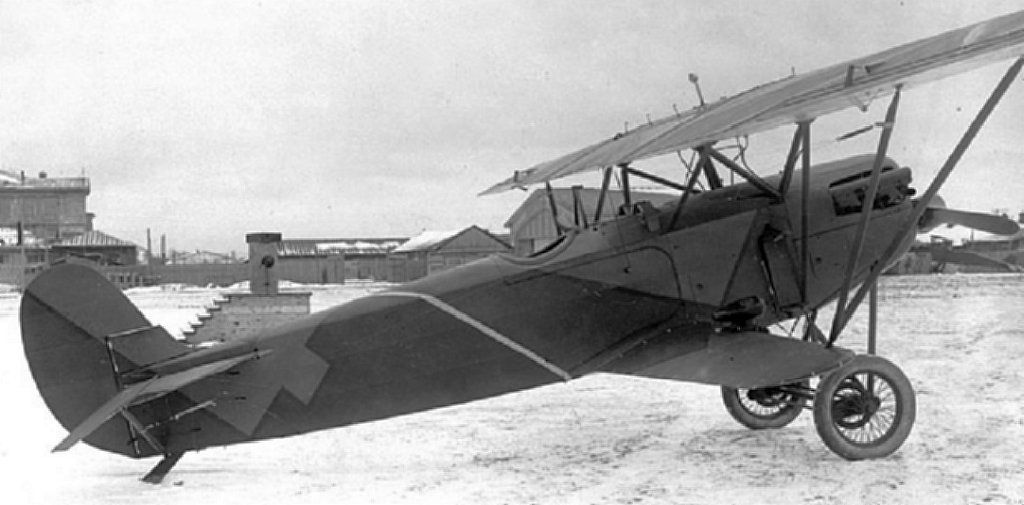
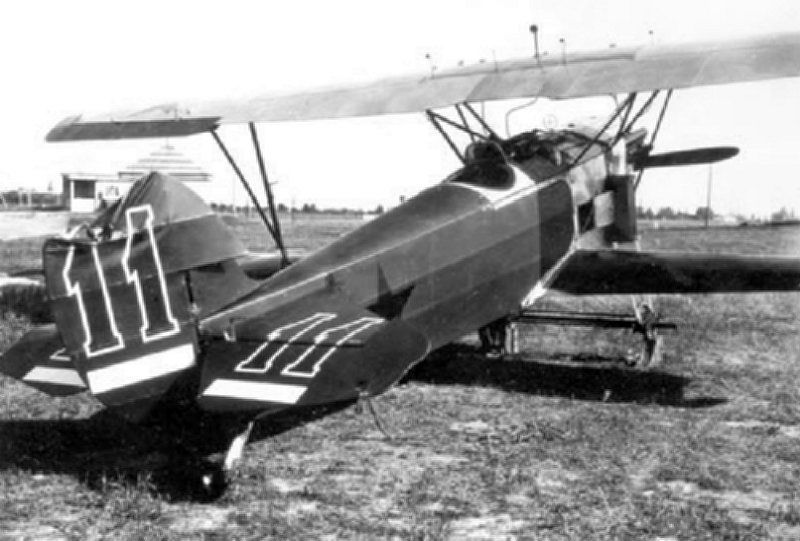
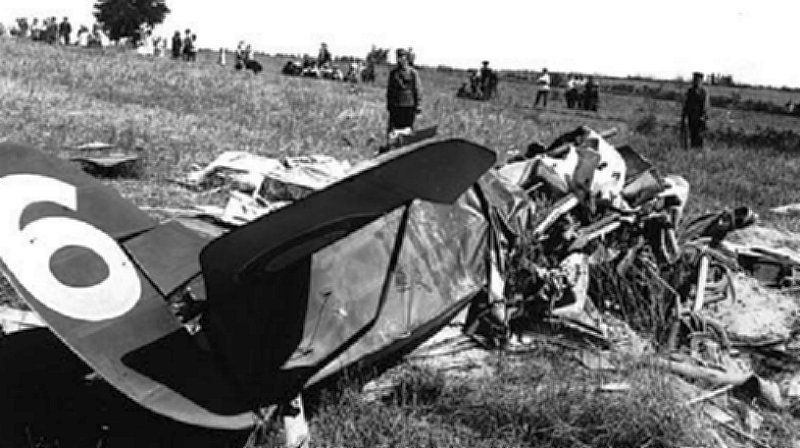
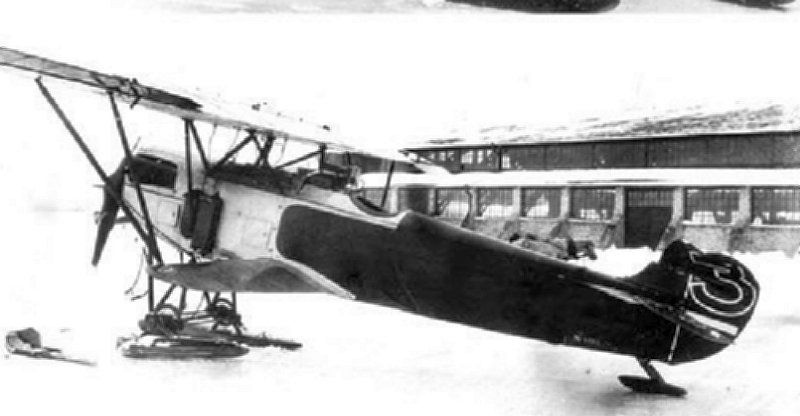
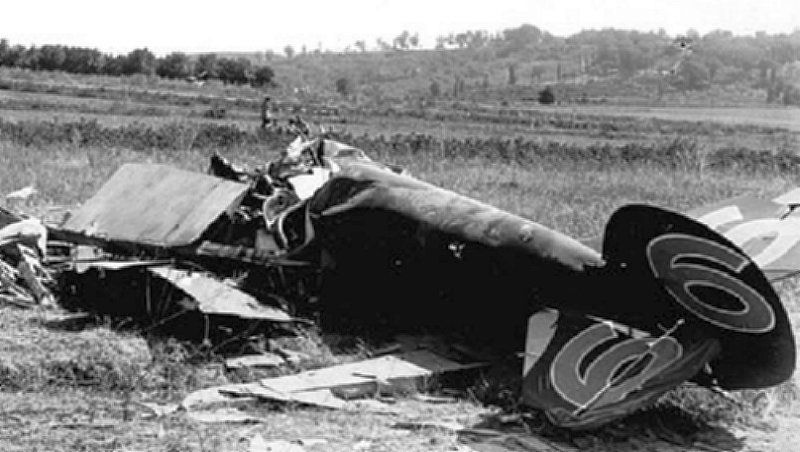
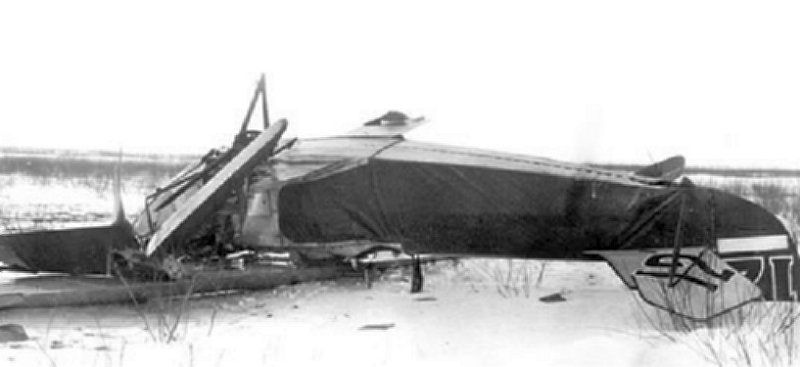
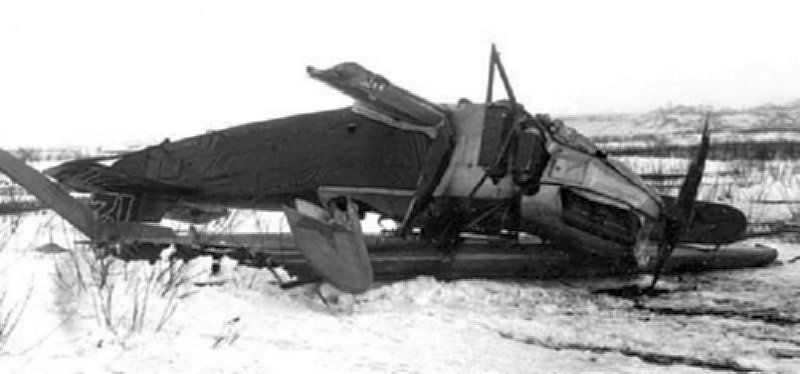
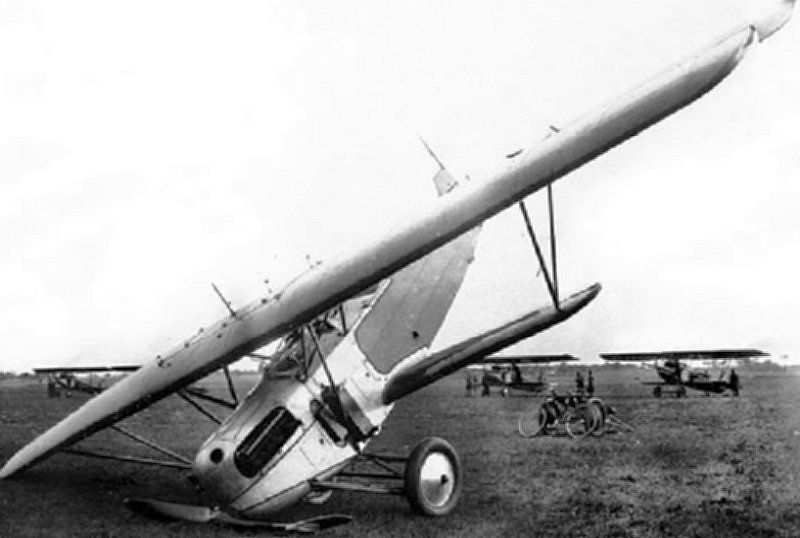
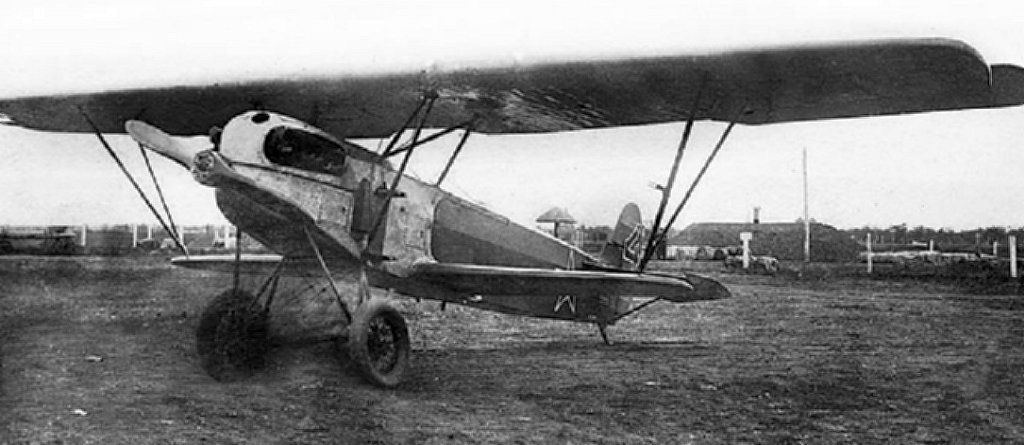
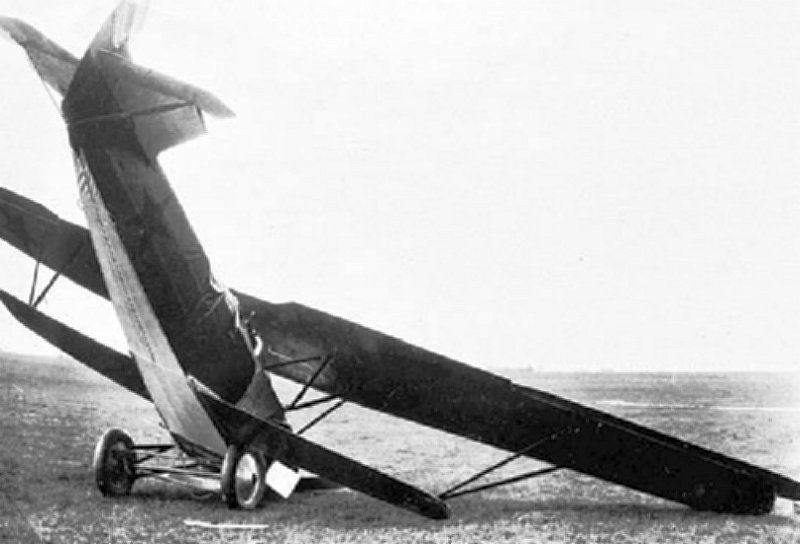
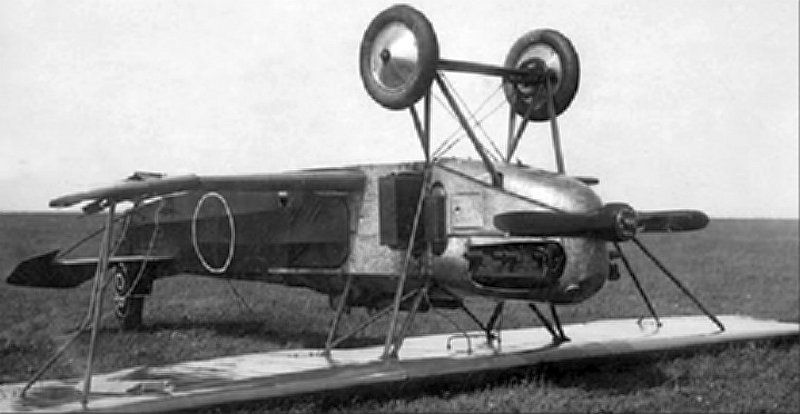
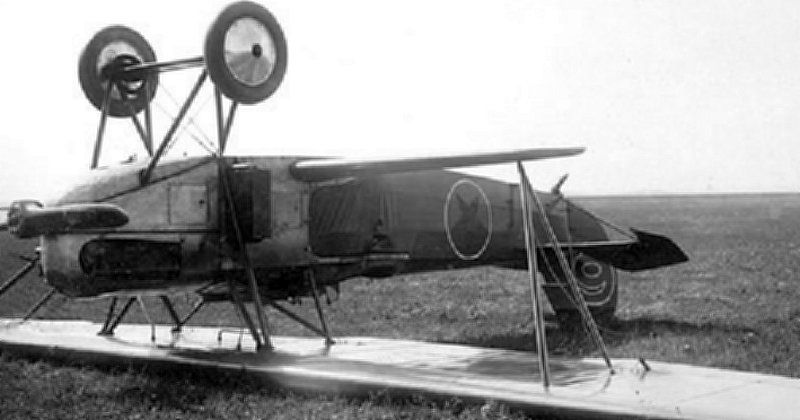
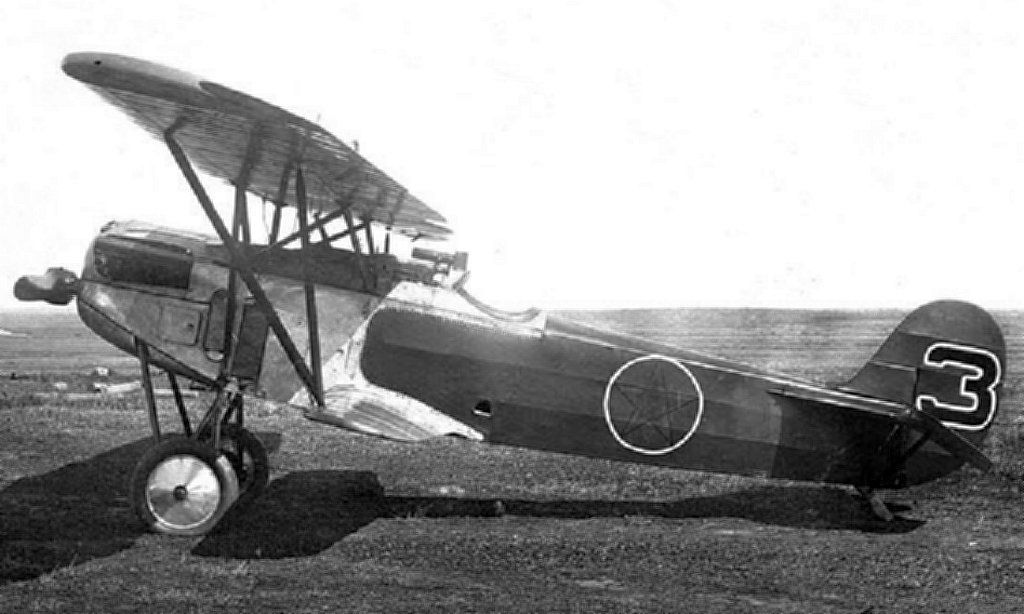
The D.XI's career in Russia lasted about ten years. At the beginning of 1925, 126 D-XIs were in service. By 1927, that number had fallen to 112, and by 1930 to 87. By 1931, only 52 remained (36 of which were unflyable).
On 1 January 1933, nine airworthy and 17 defective D.XIs remained. The very last D.XIs remained in use by flying schools until 1936.
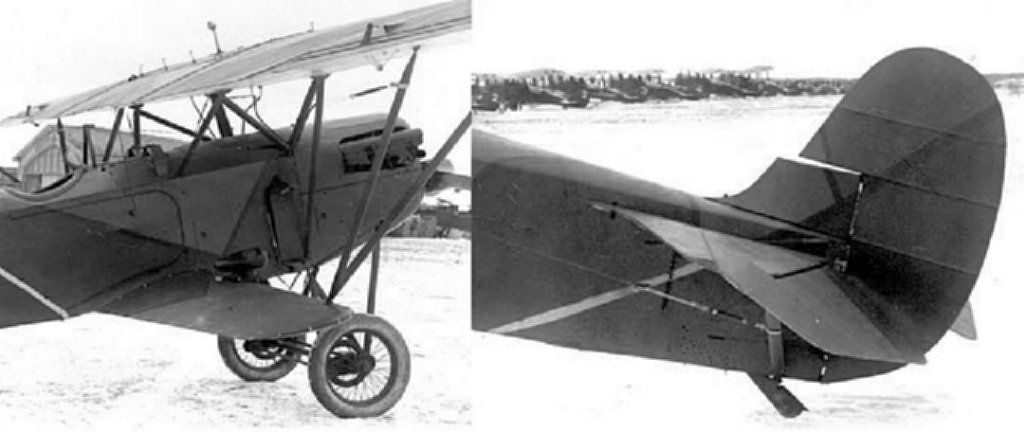
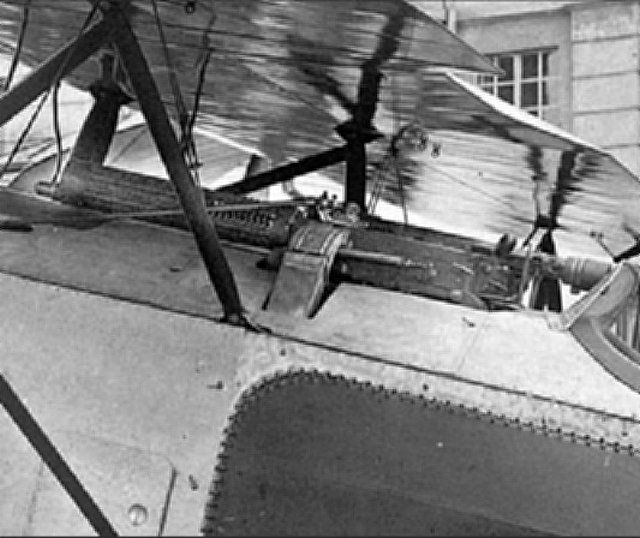
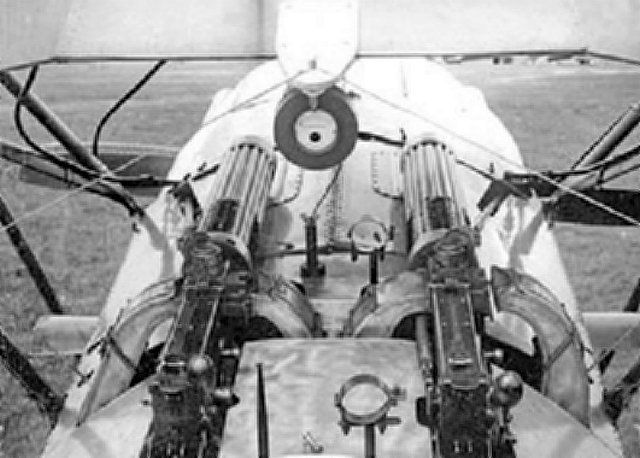
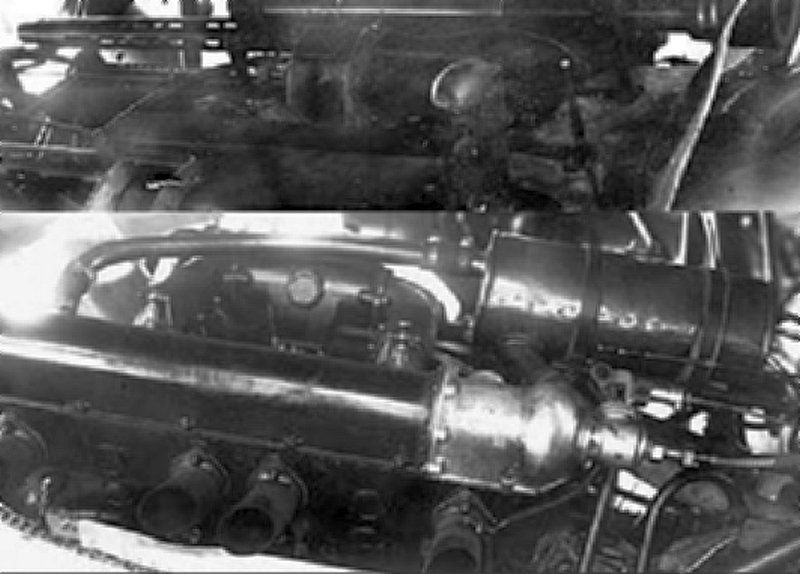
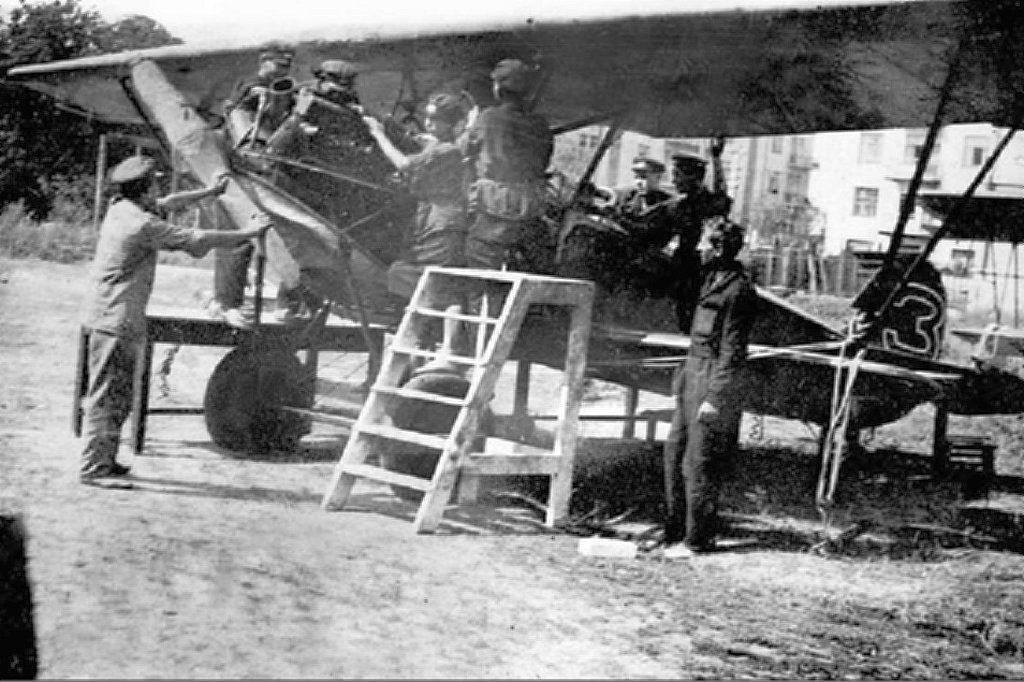
At the end of the 1920s, all D.XIs had their Hispano-Suiza 8Fb engines replaced by the Russian M-6. The M-6 was a copy of the 8Fb. The British Vickers machine guns were gradually replaced by Russian PV-1s.
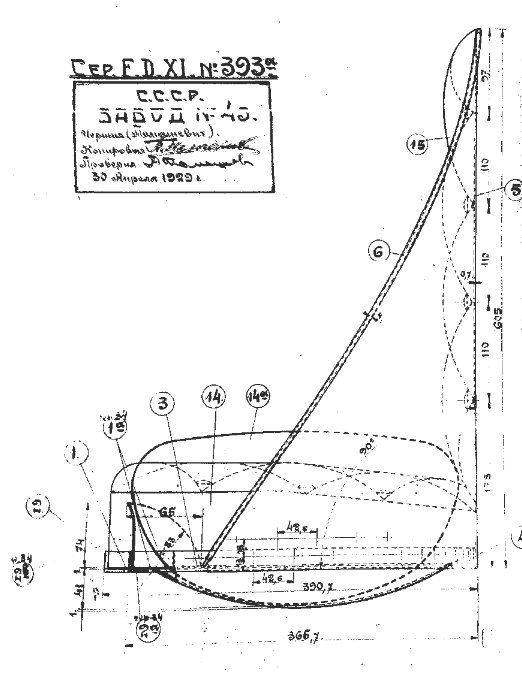
An attempt was also made to modify the D.XI's seat to allow the pilot to carry a parachute under his seat. The original seat didn't allow this, as the pilot would sit much too high on the extra cushion.
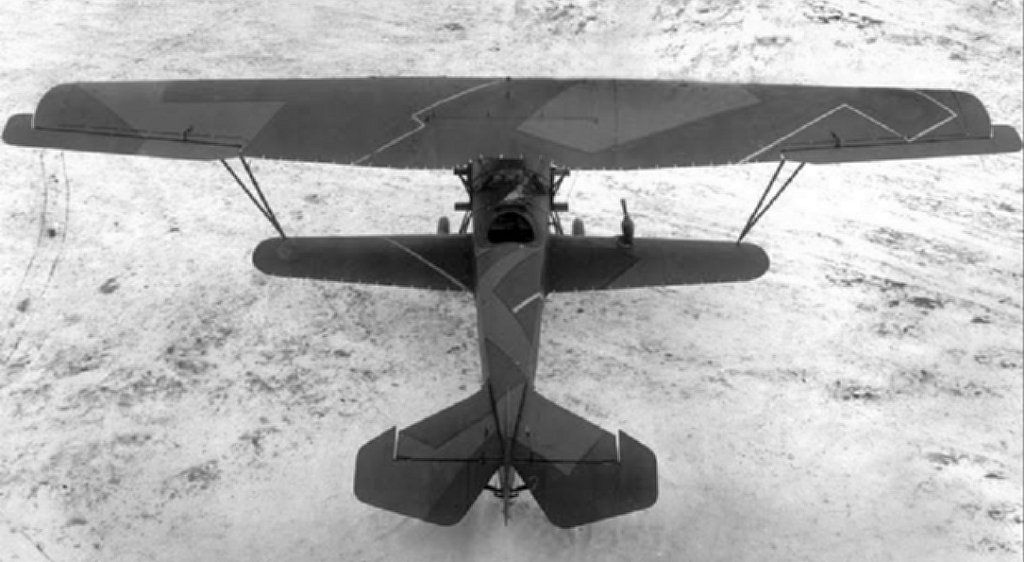
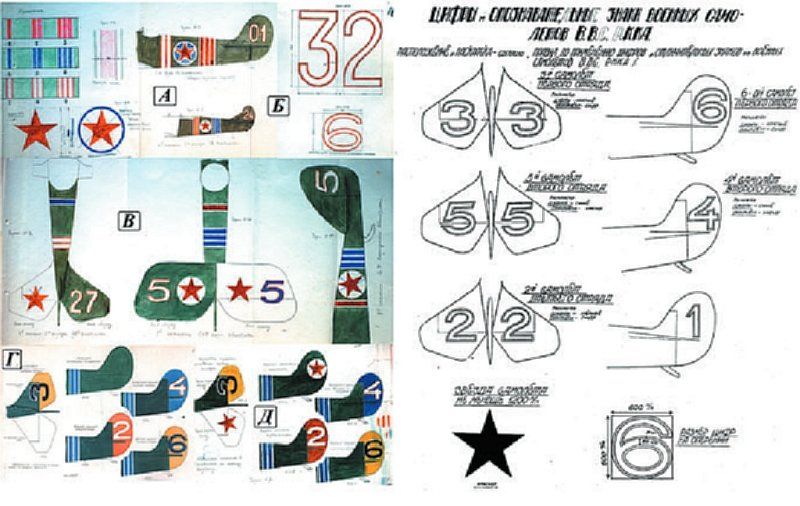
Experiments were carried out with radio communications, with painting and with a new type of camouflage.
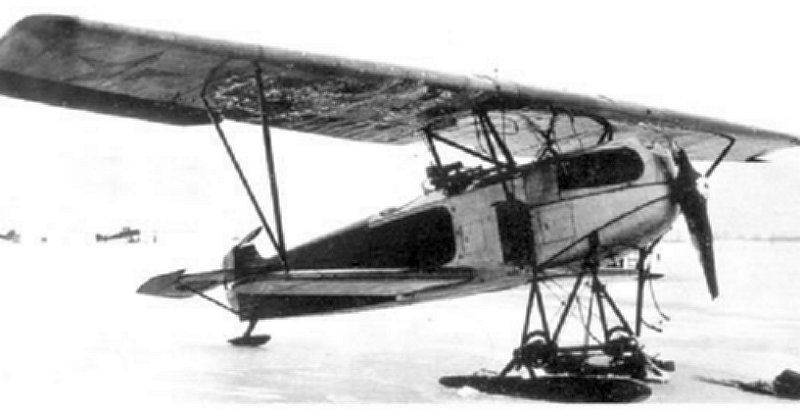
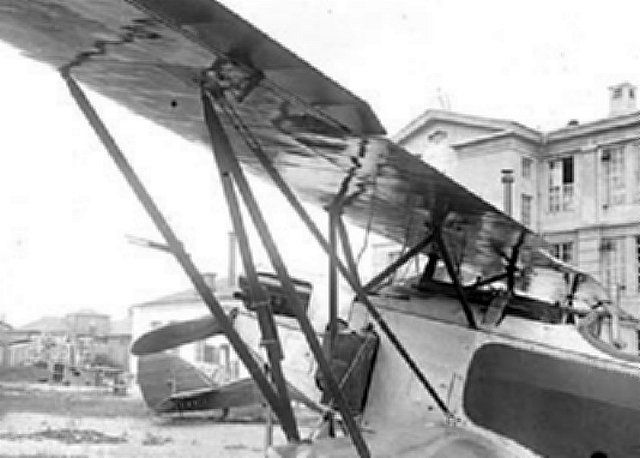
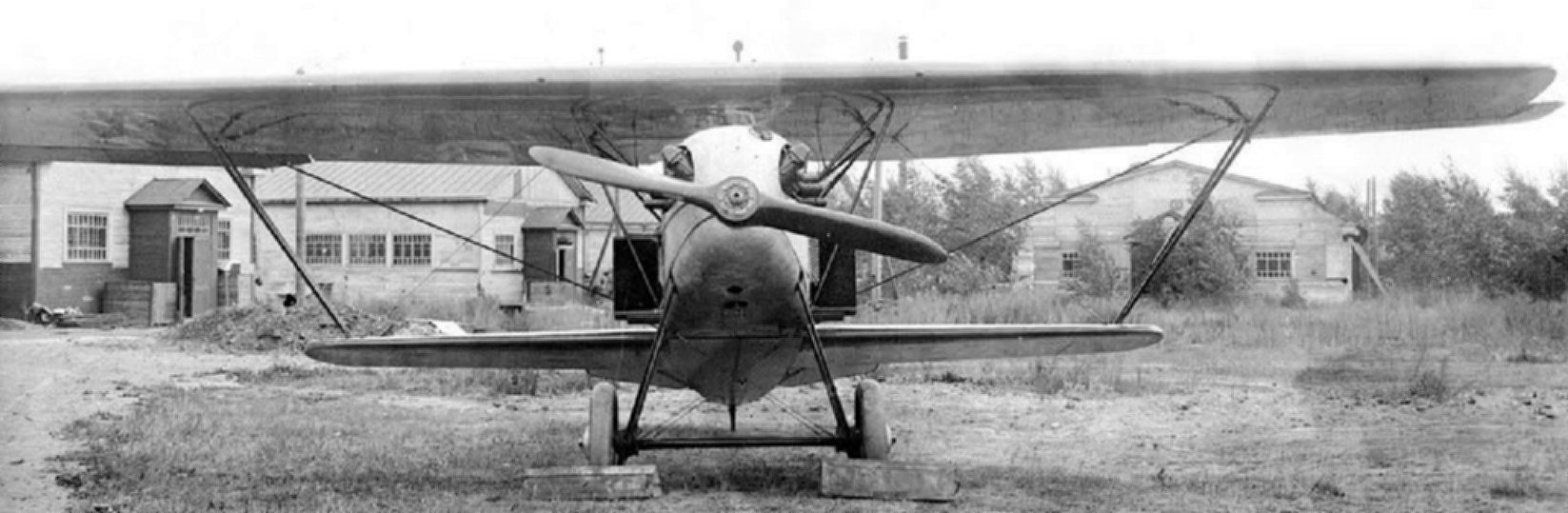
Attempts were also made to strengthen the wing box of the D.XI (the wooden wings had a tendency to warp over time). In 1929, on a trial basis, the V-struts between the wings were replaced by N-struts.
But none of these attempts led to a systematic upgrade, the changes remained limited to individual aircraft.
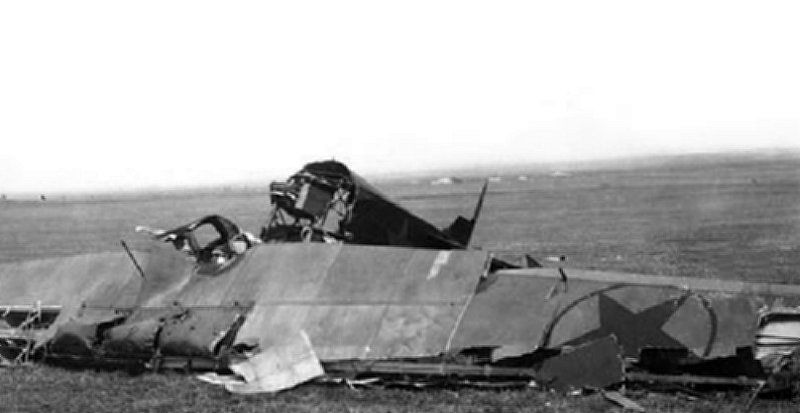
The D.XIs saw operational service only once, in 1929, when a conflict broke out between Russia and China.
The well-known Trans-Siberian Railway has a branch in the Far East, heading south, ending at Dalian, a port city in China. This branch runs straight through Manchuria and is therefore called the Trans-Manchurian Railway.
The Soviet Union leased Dalian from the Chinese to gain access to an ice-free port on the Yellow Sea. In late 1929, the railway was confiscated by Chinese rebels.
Russia fought back militarily (and won), involving fifteen D.XIs. They were used to escort Polikarpov R-1 bombers.
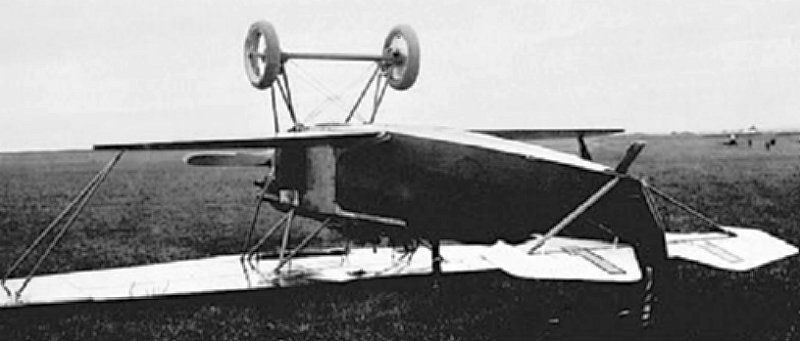
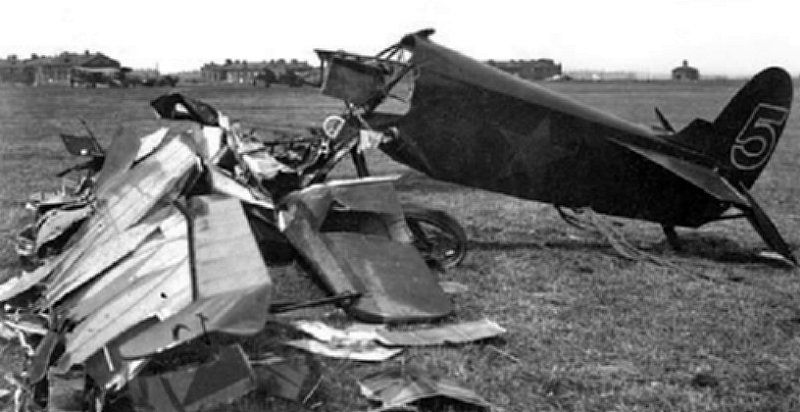
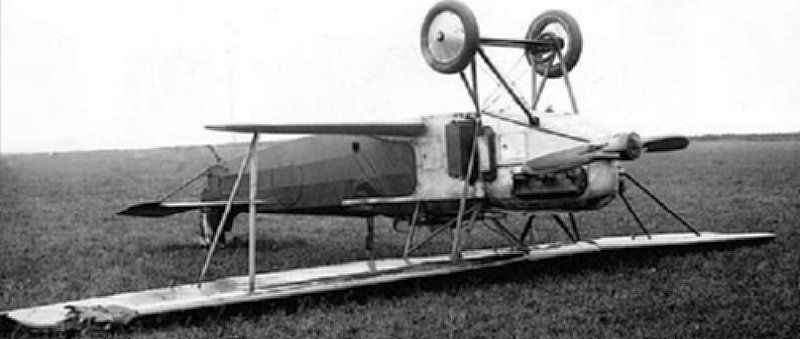
Click on the photo to enlarge the photo