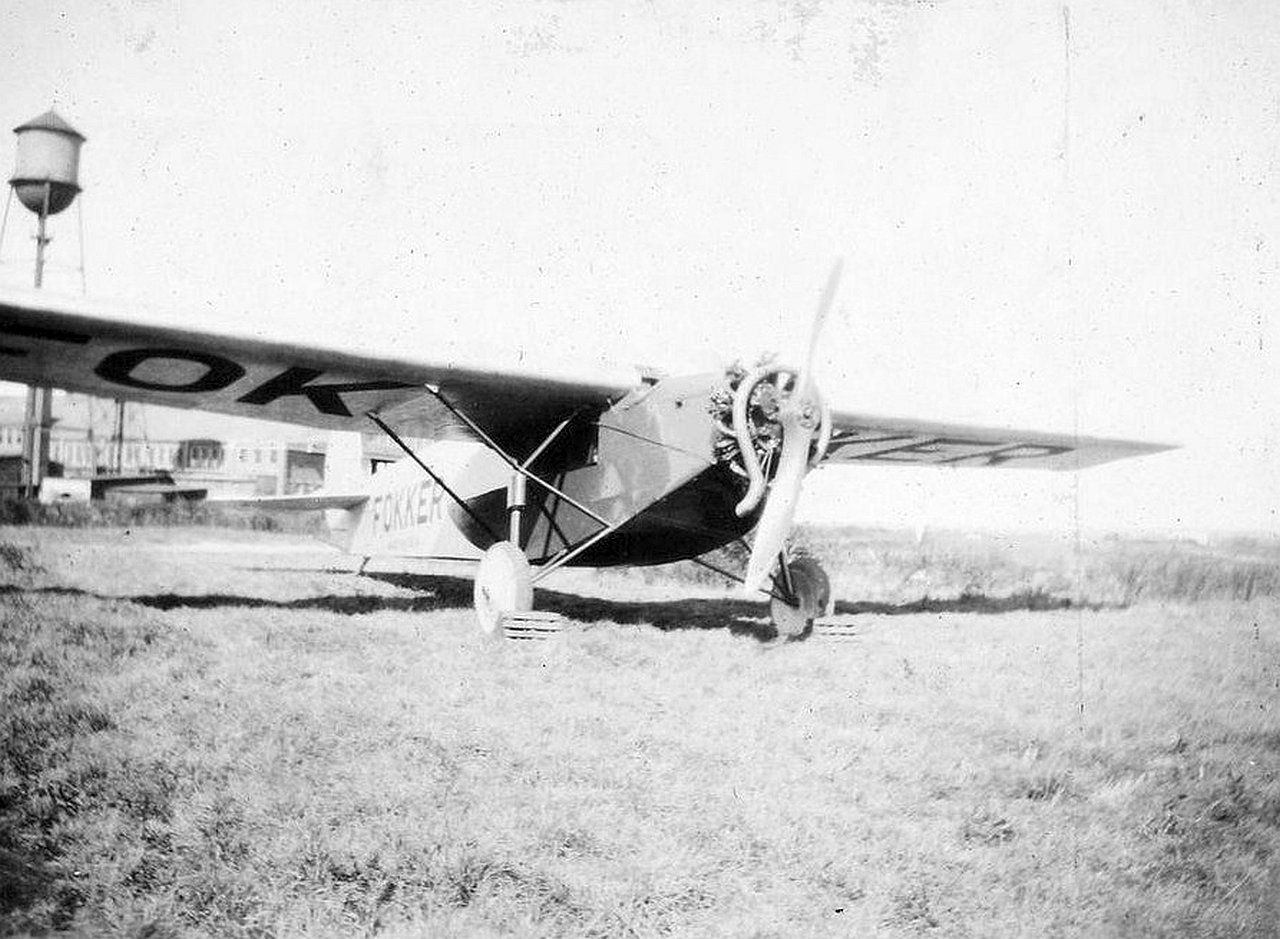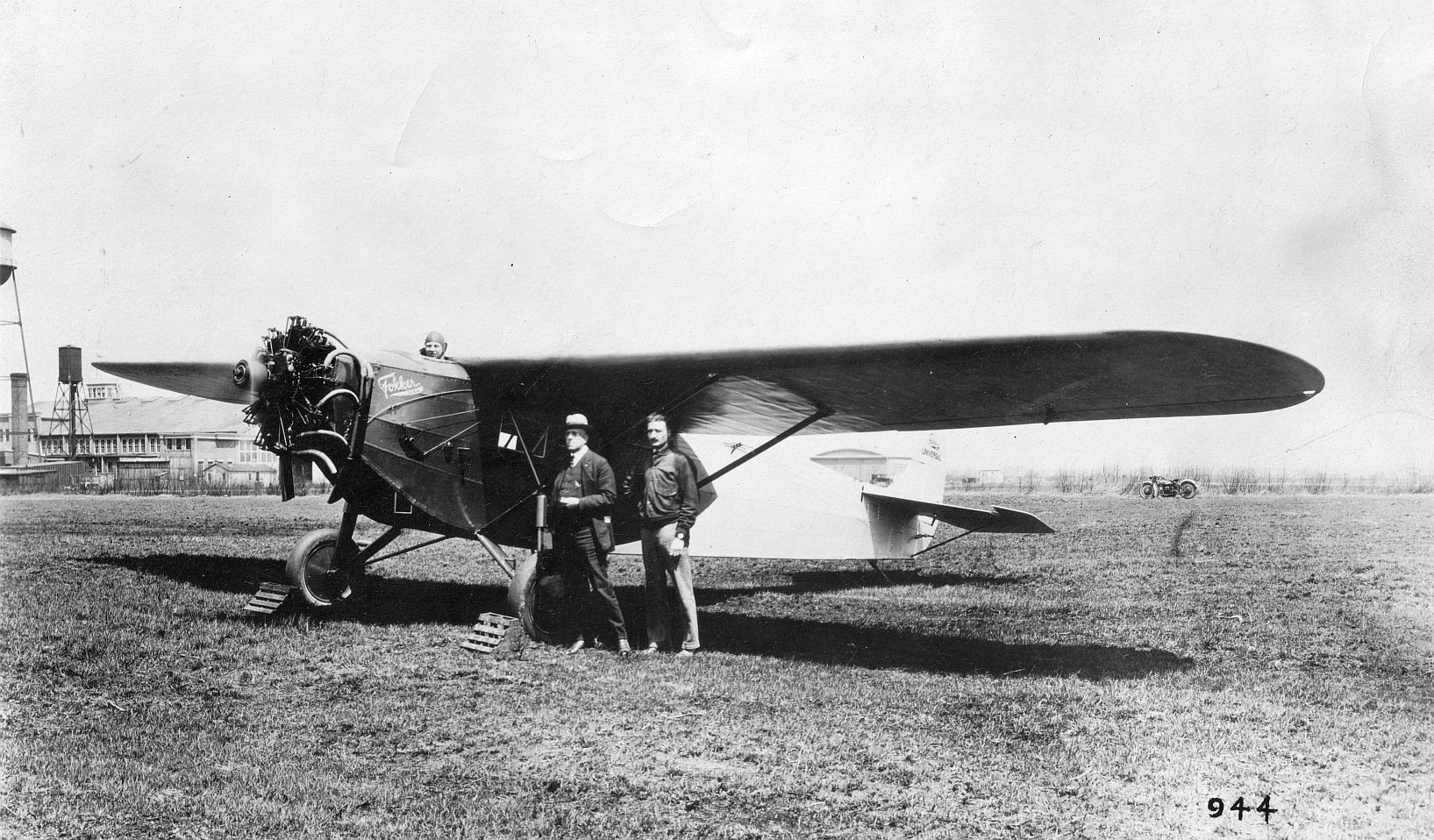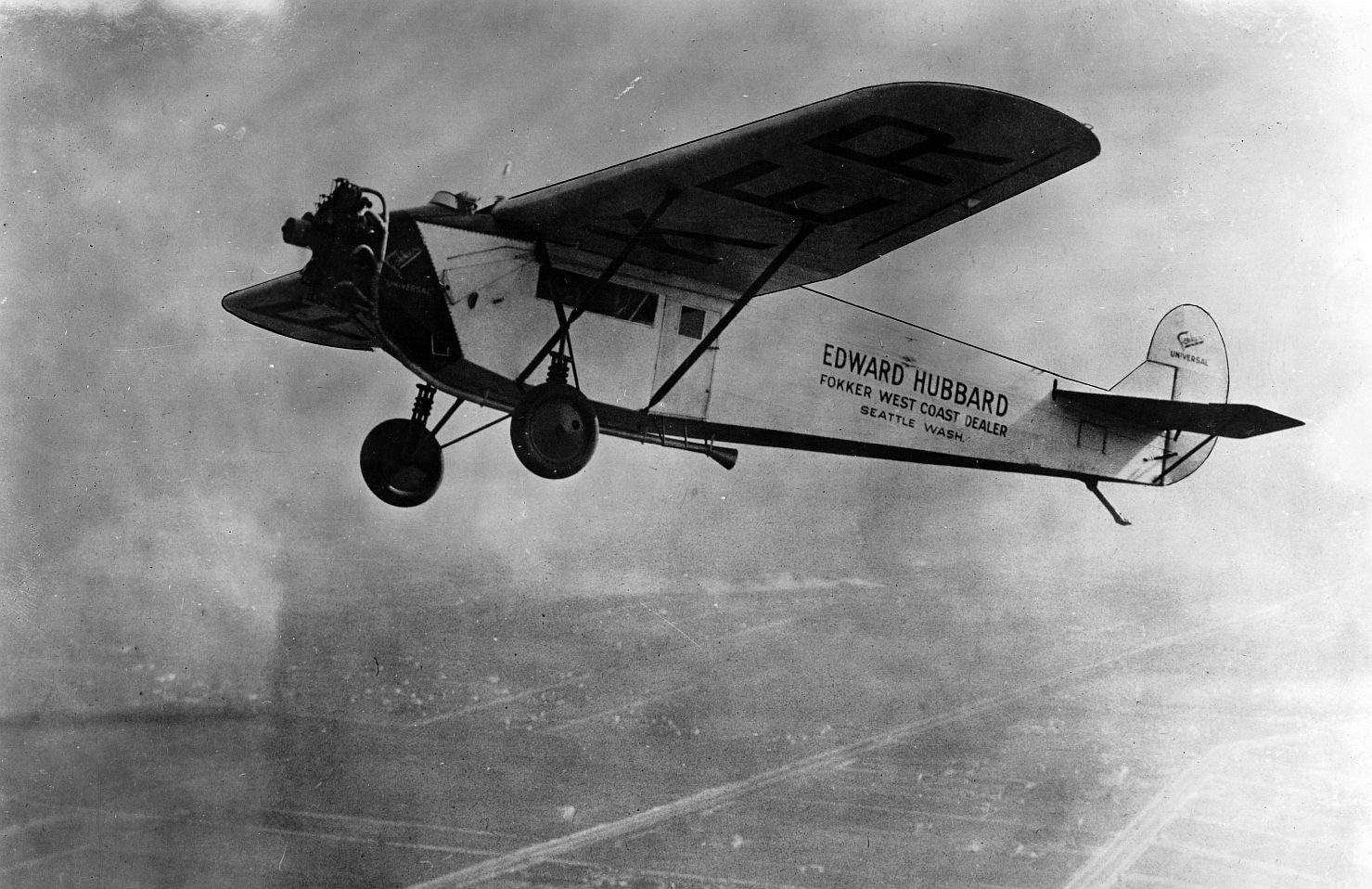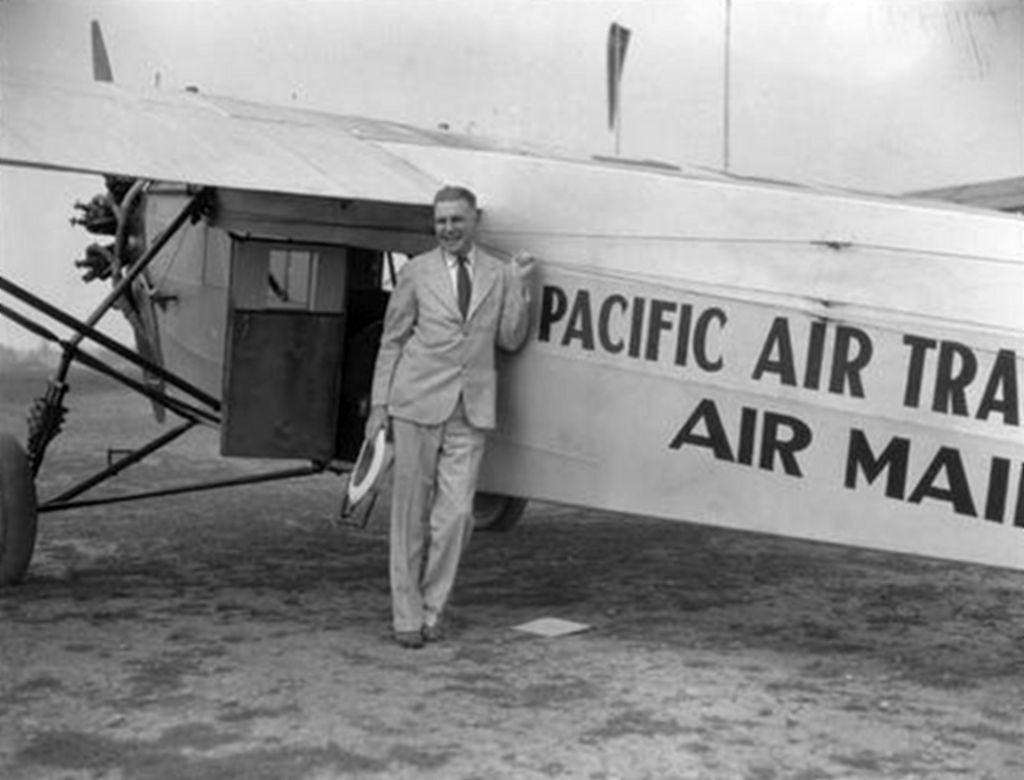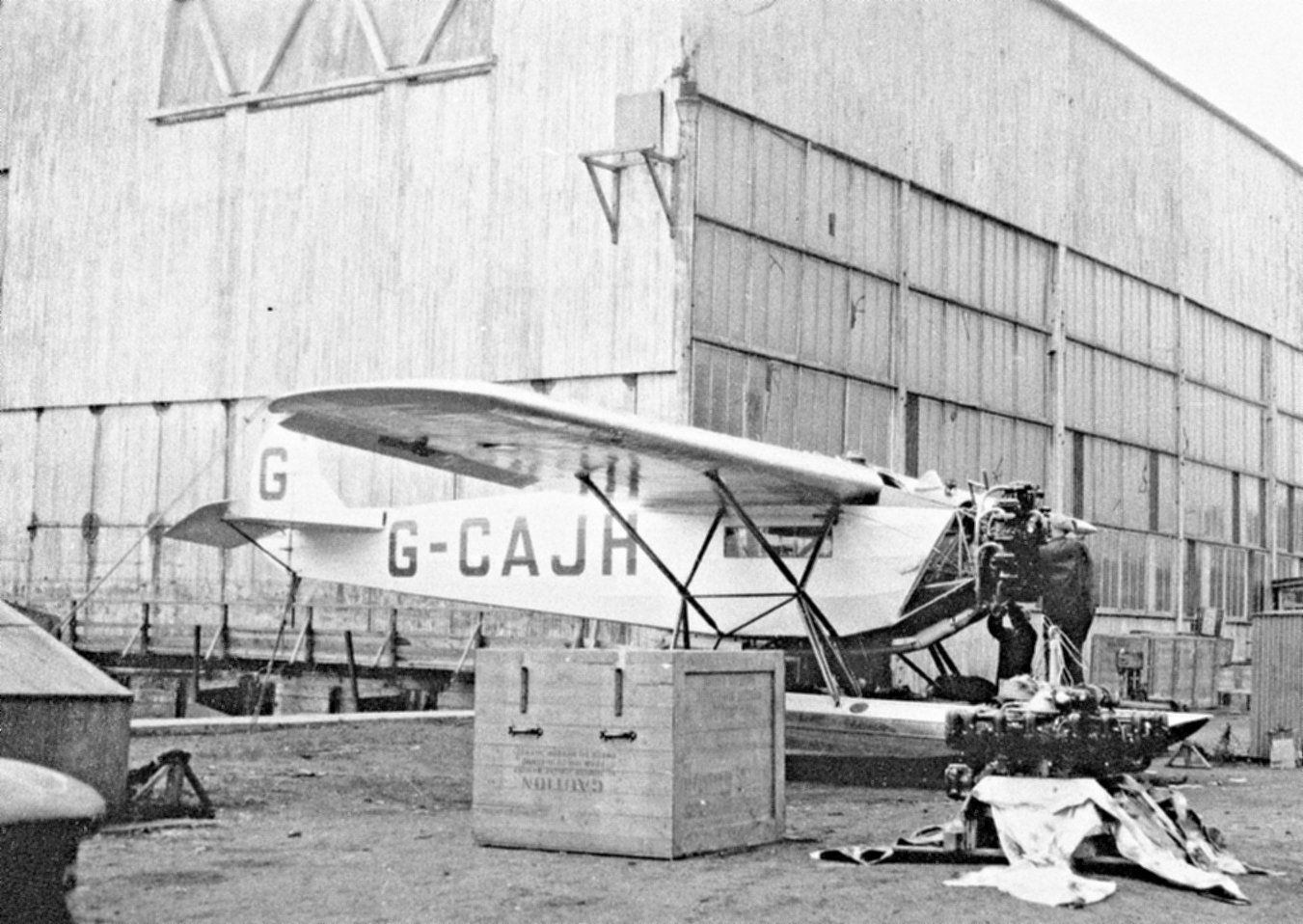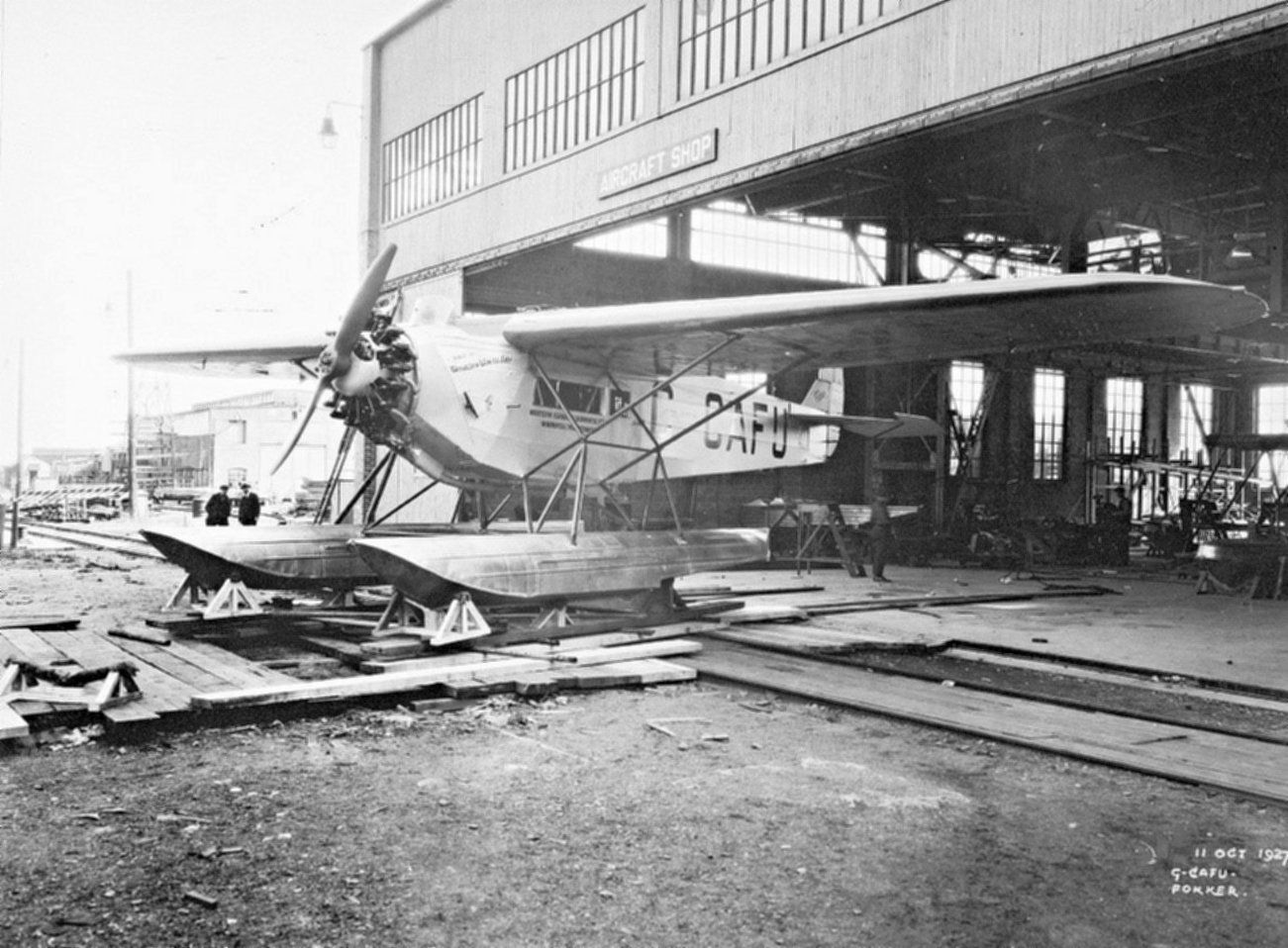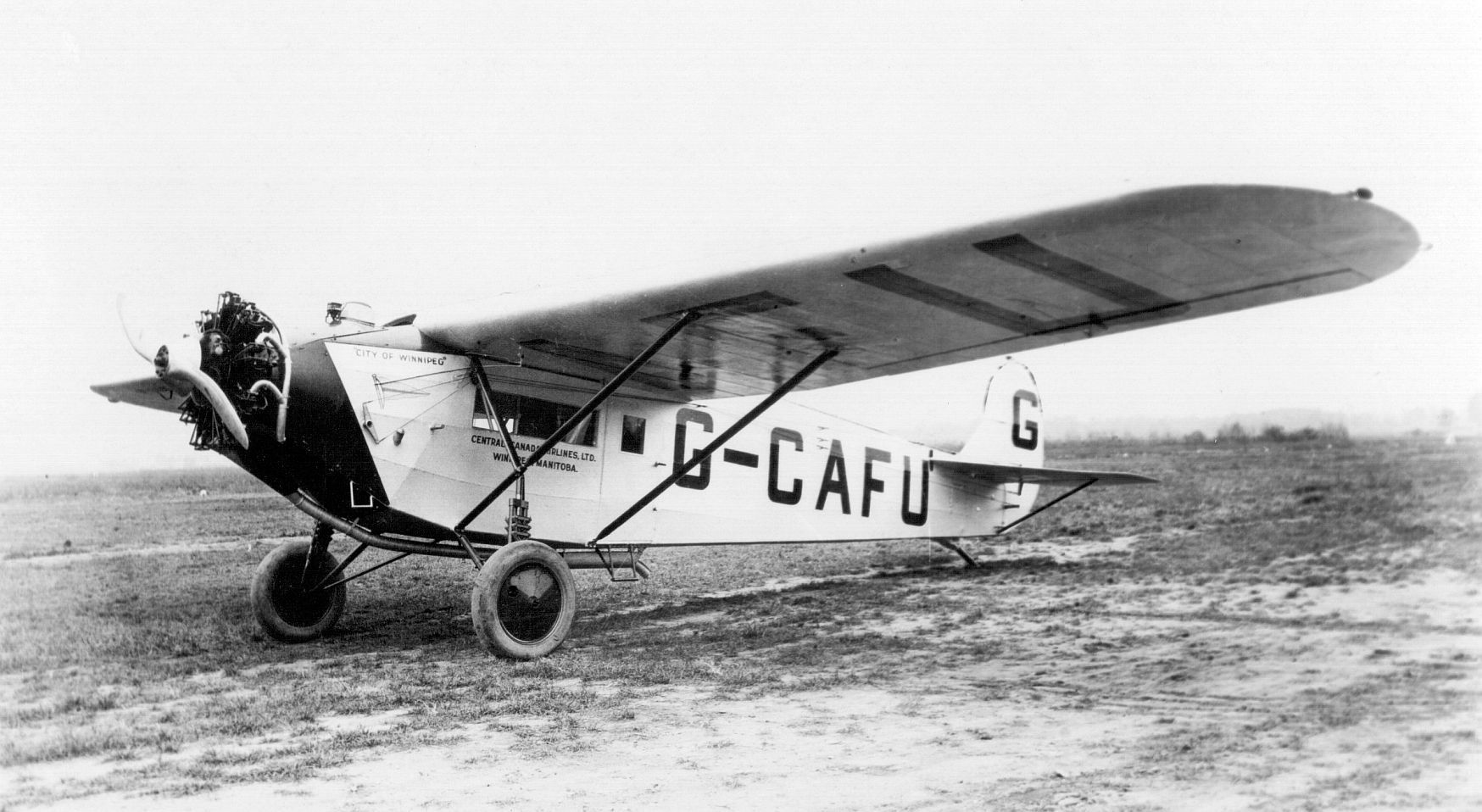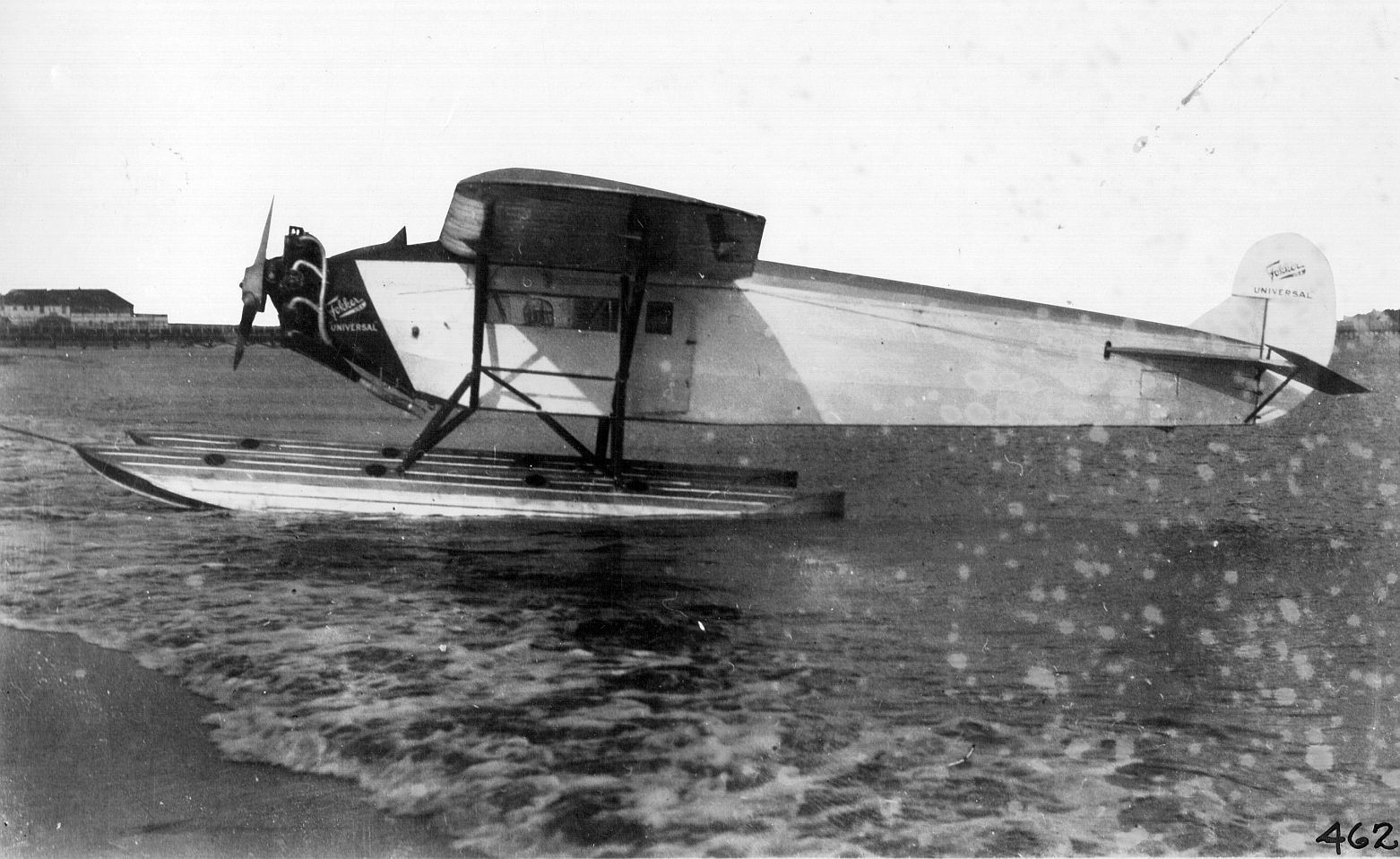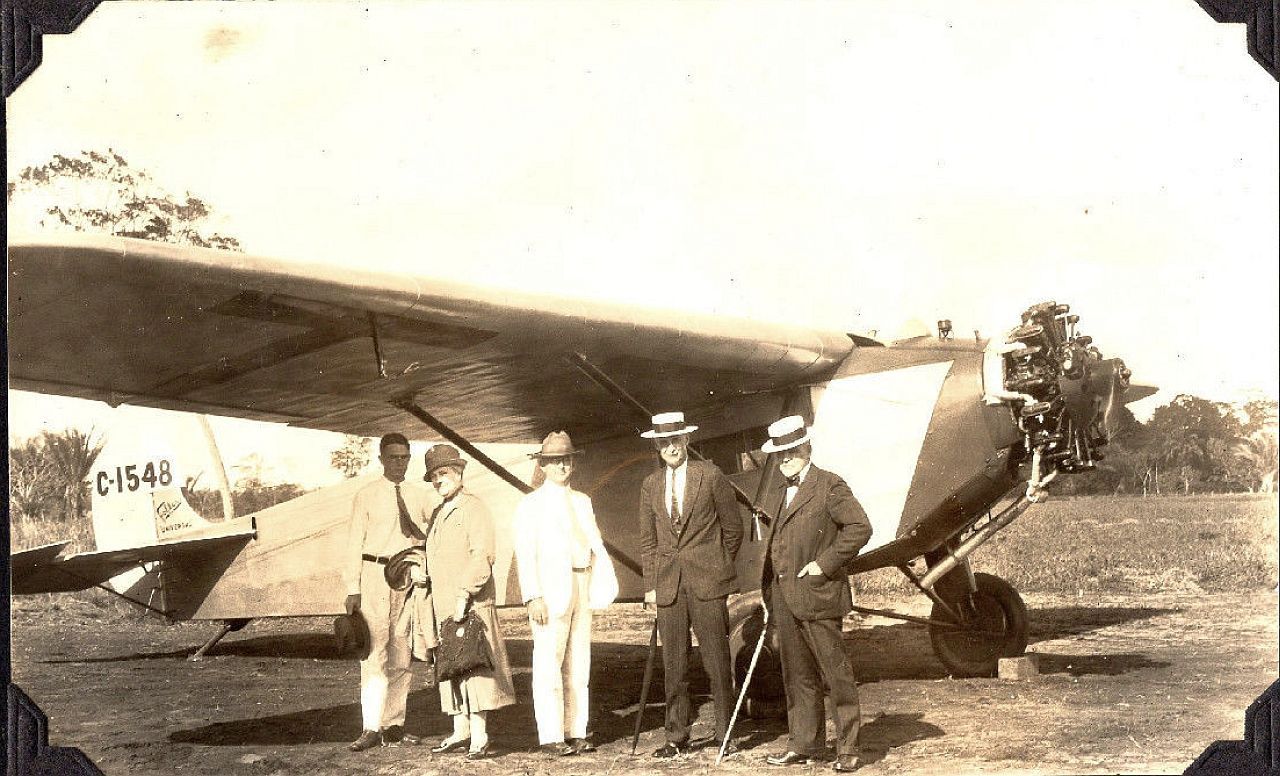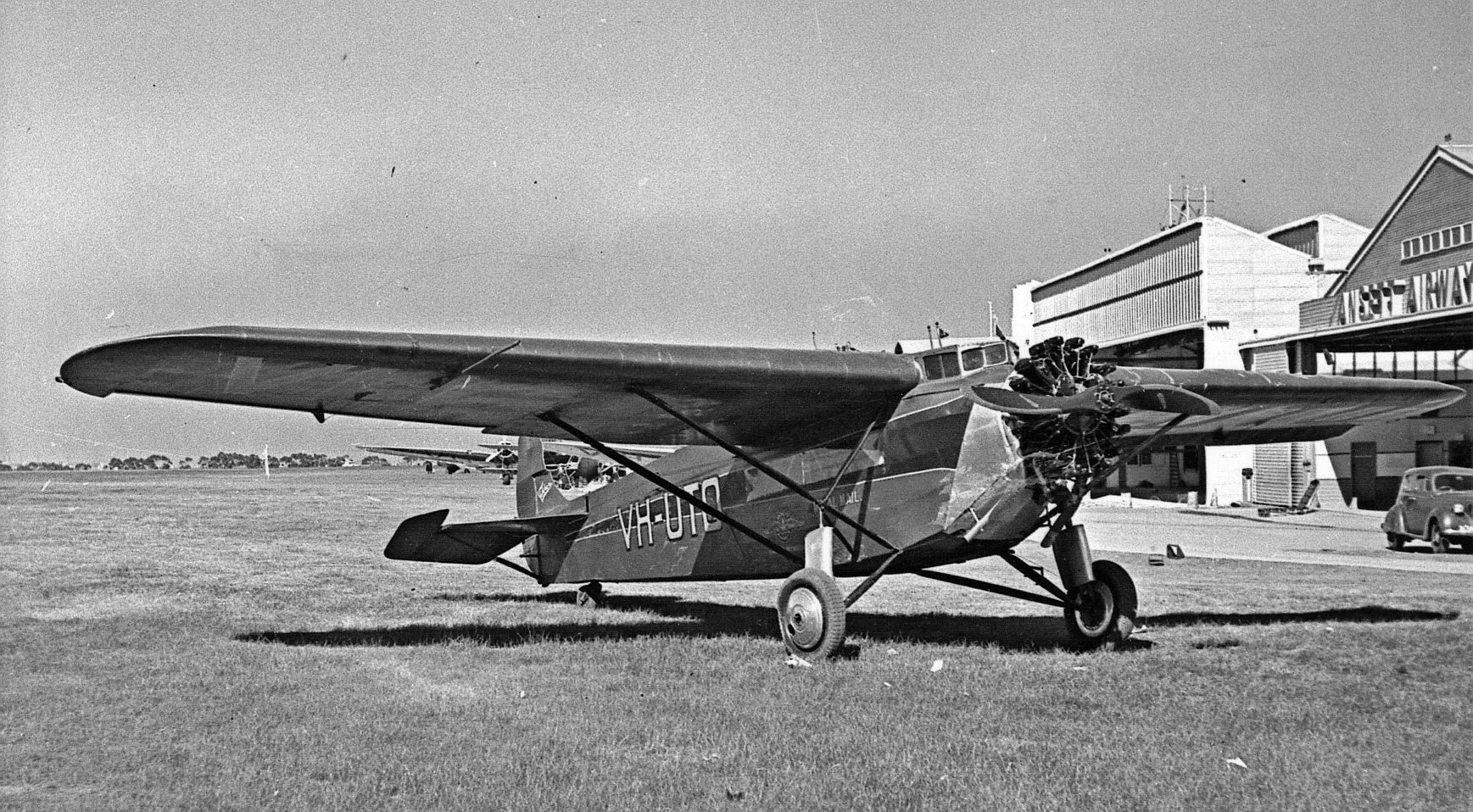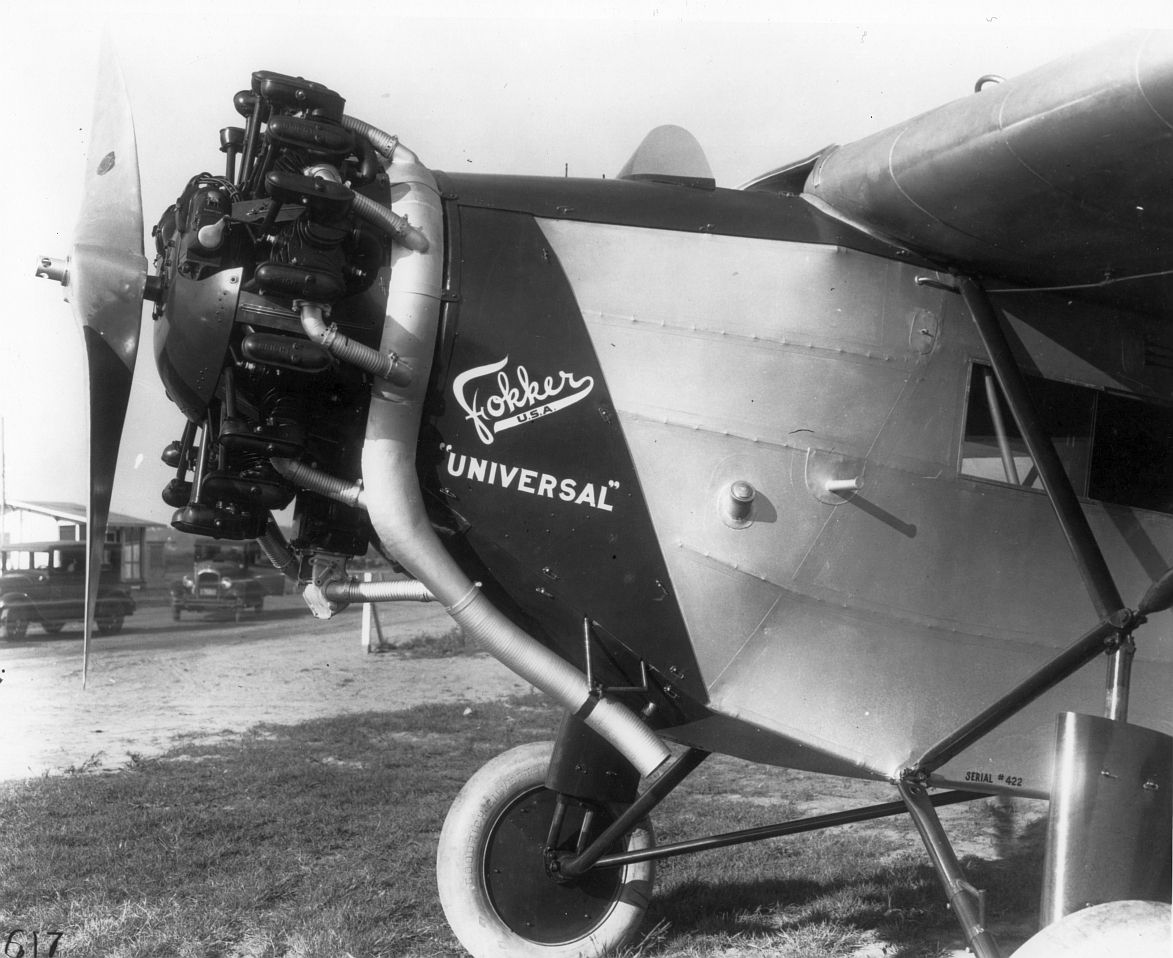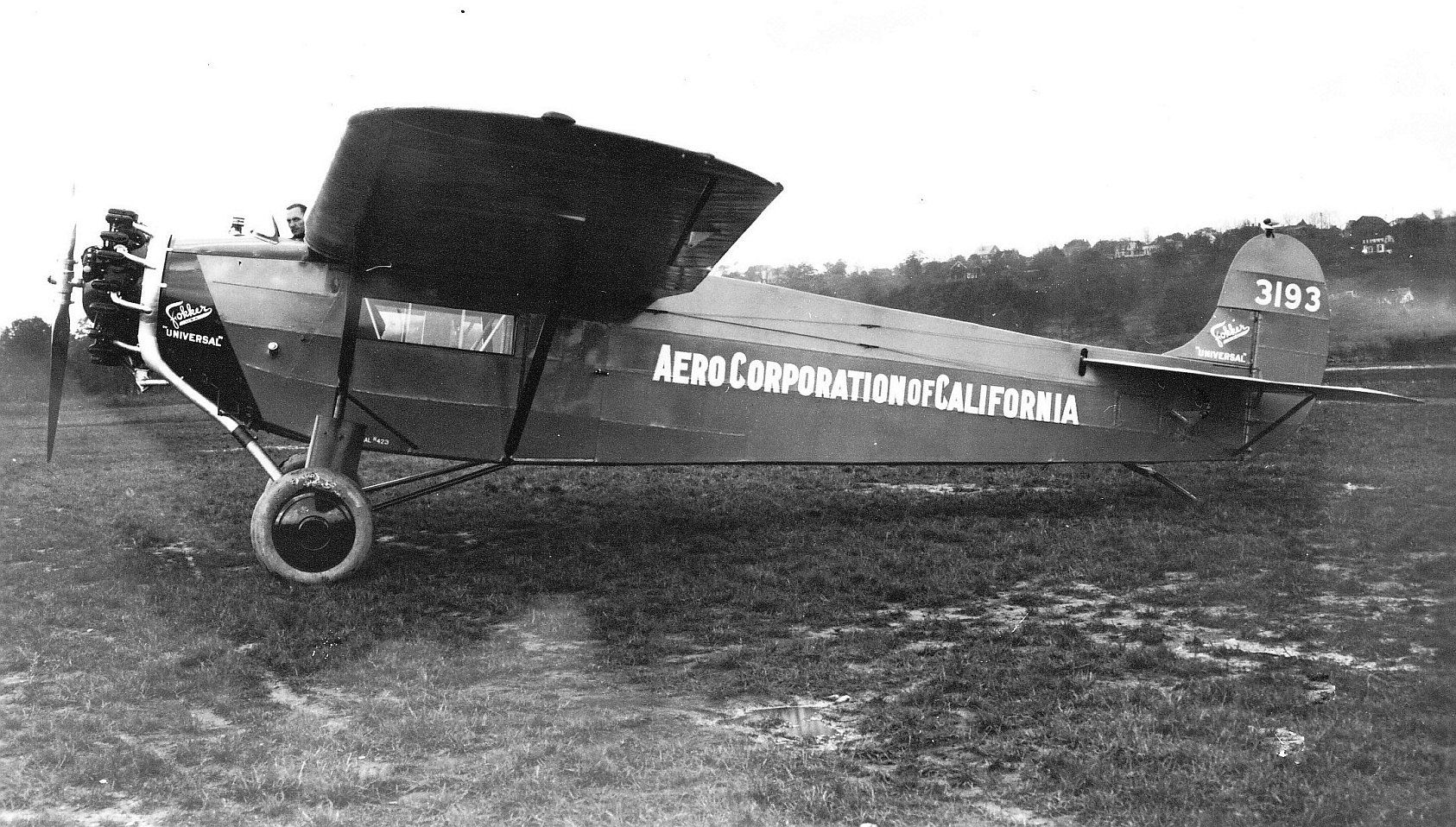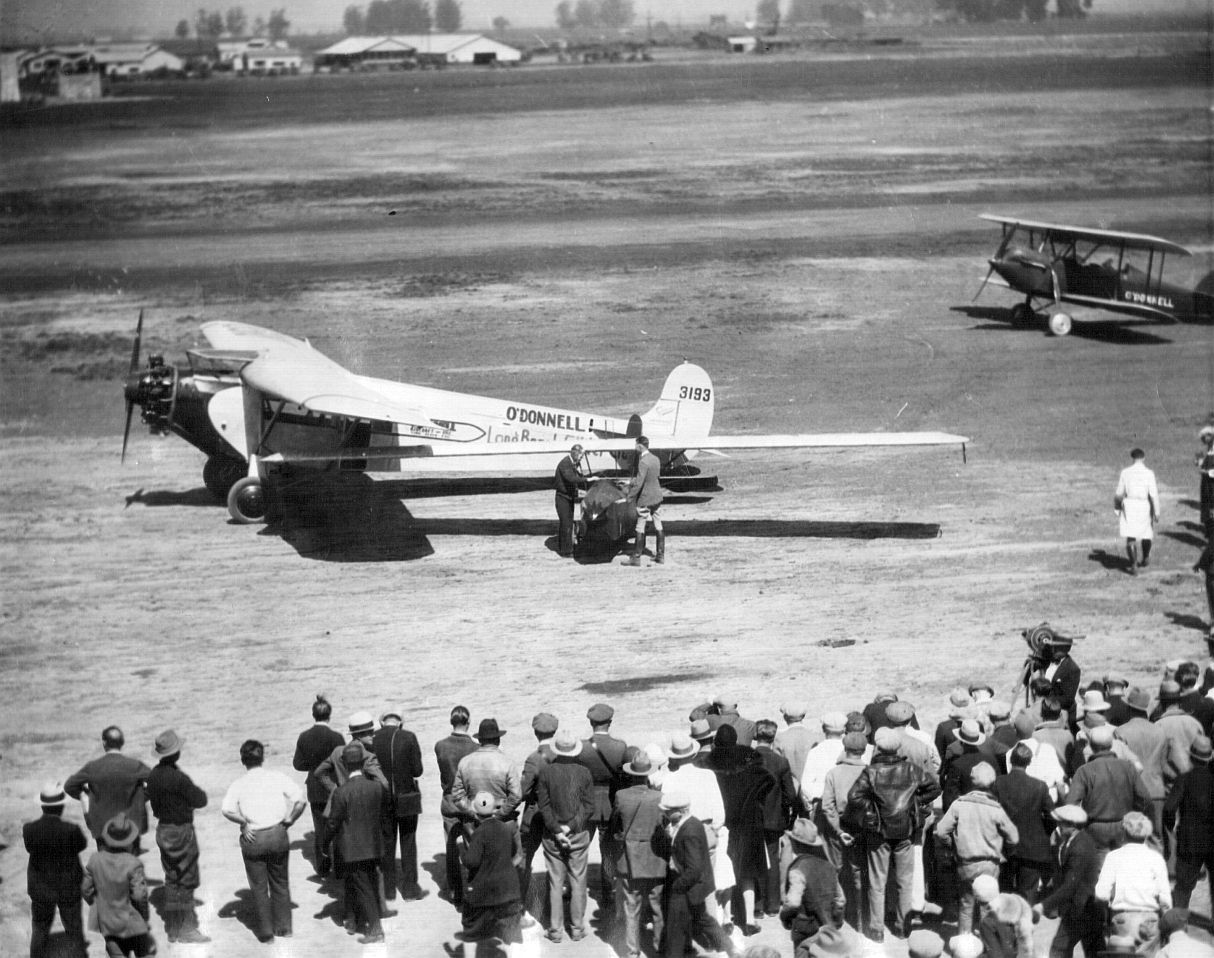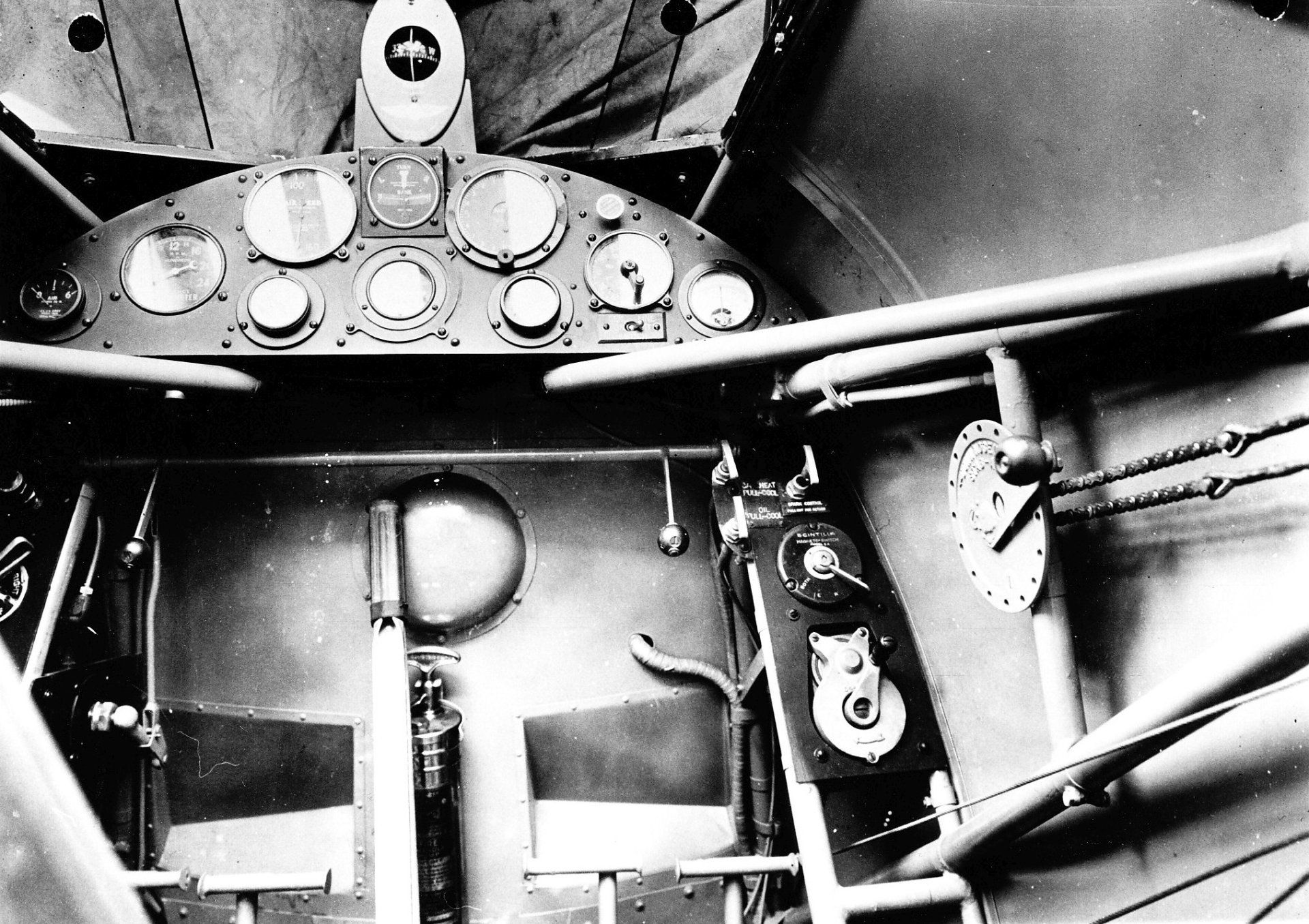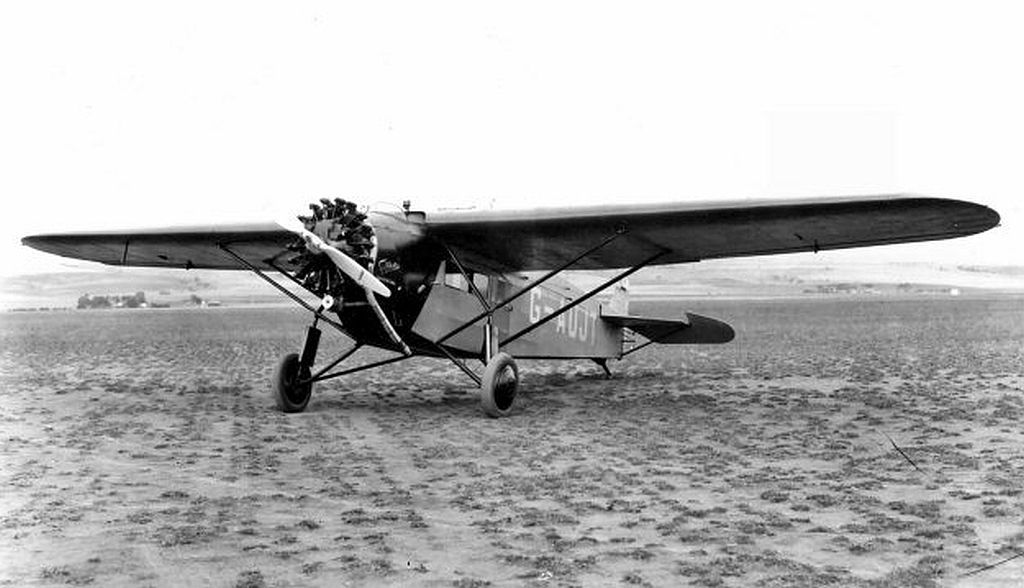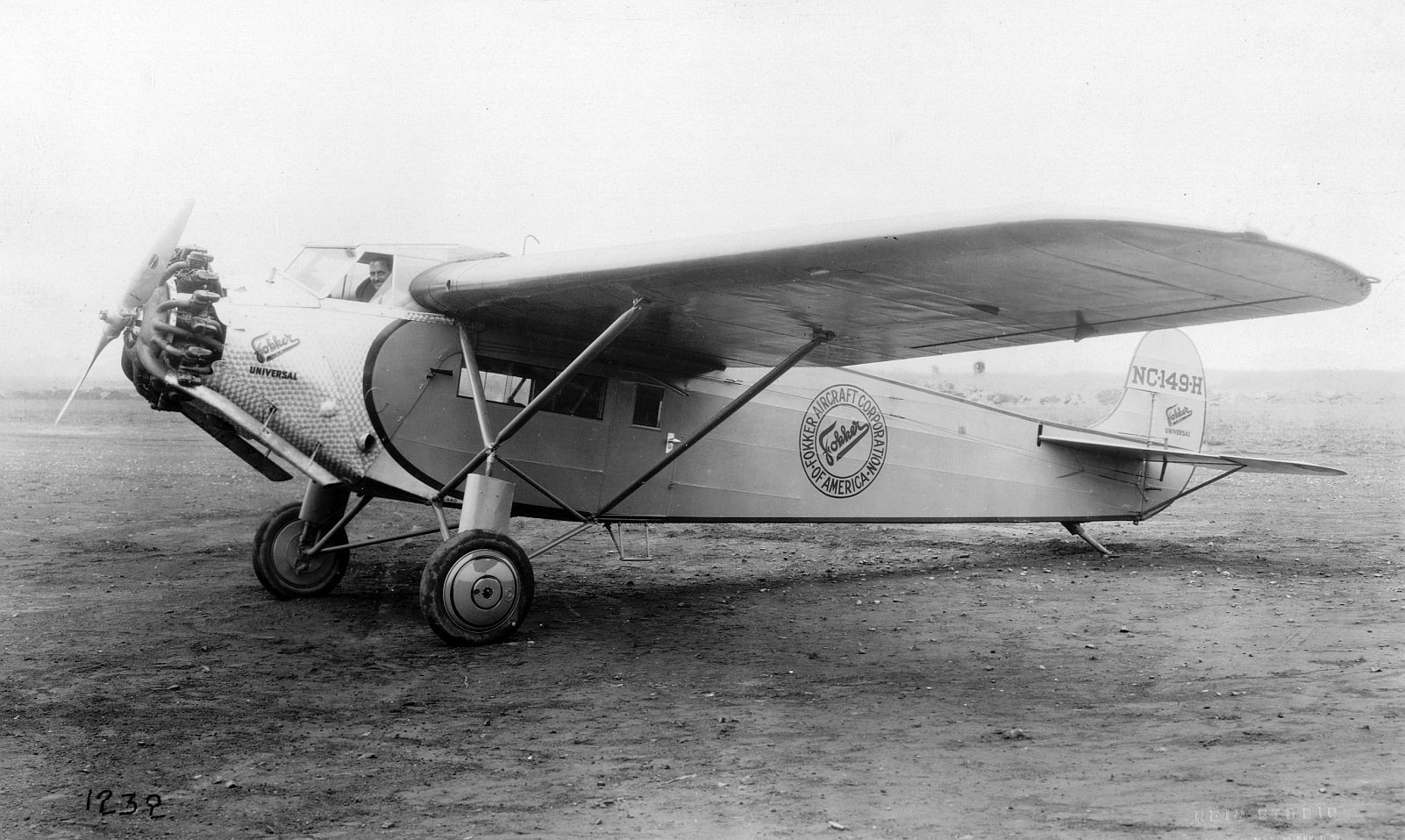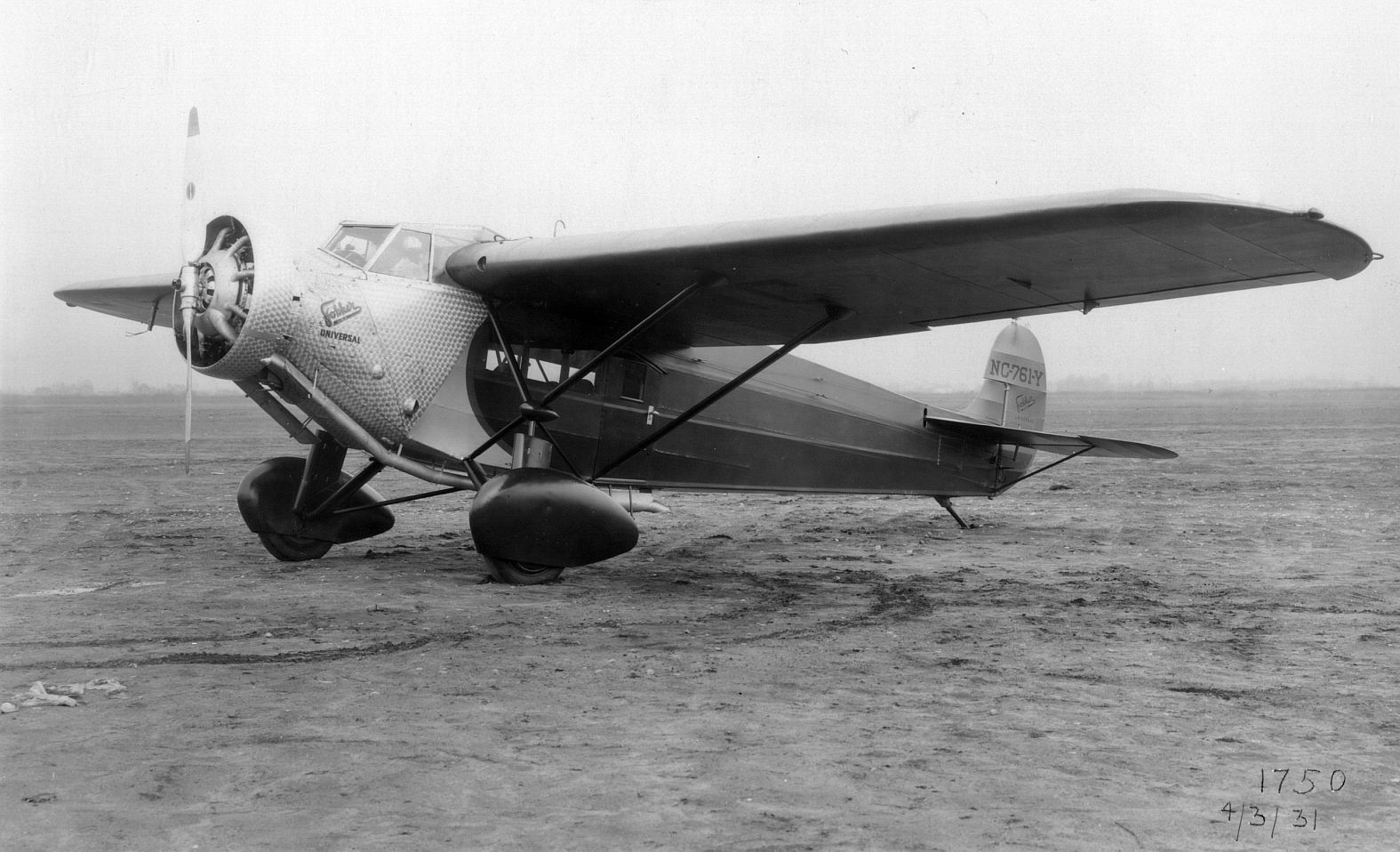
Fokker Atlantic Universal (Model 4)
With the order for DH-4M-2 fuselages, AAC also had room to develop its own designs. Noorduyn and A. Francis Arcier (who had joined from Wittemann) got started on this. At the Board meeting on March 3, 1925, the next step was taken. Approval was given to develop a design for a small passenger aircraft.
On August 7, approval was given to build two aircraft. By the end of September, the prototype was already complete.
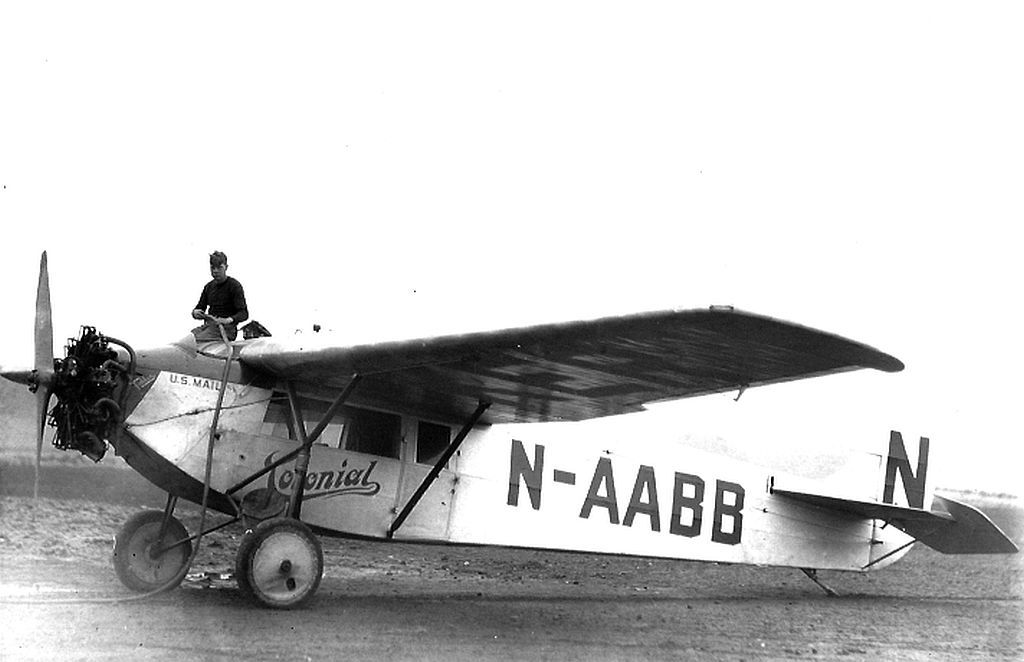
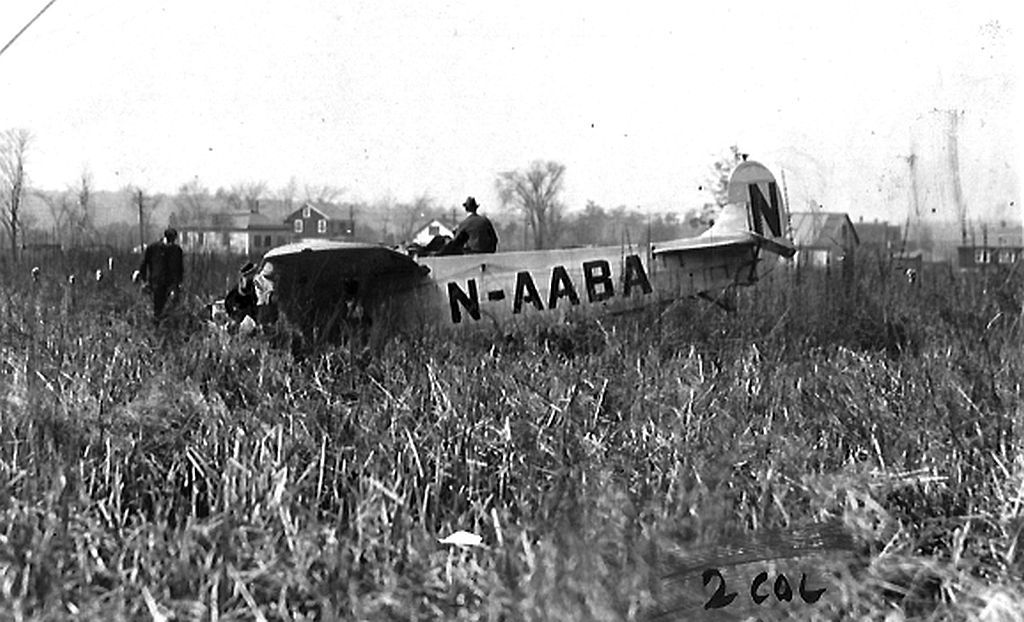
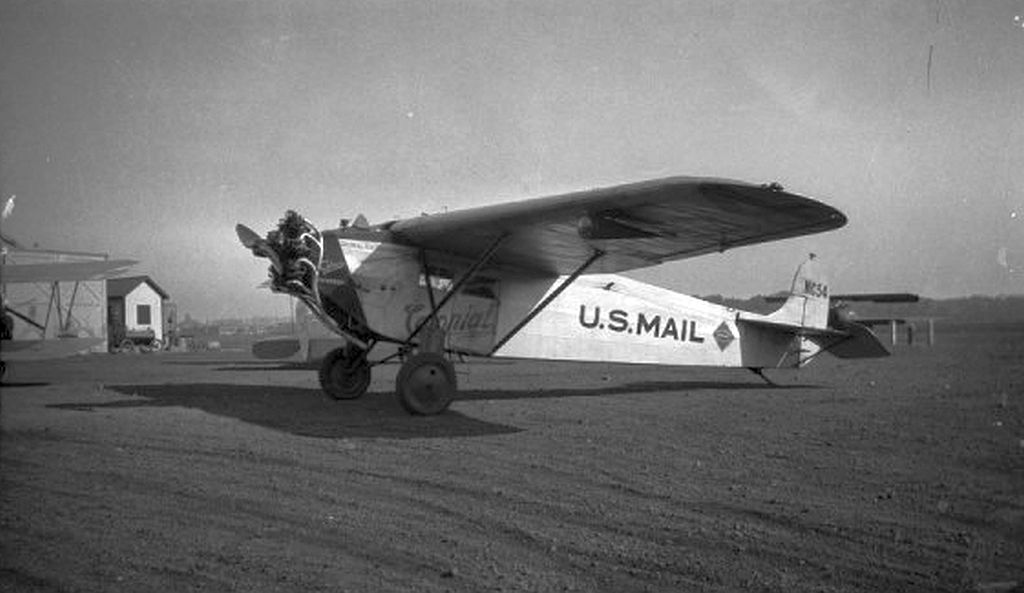
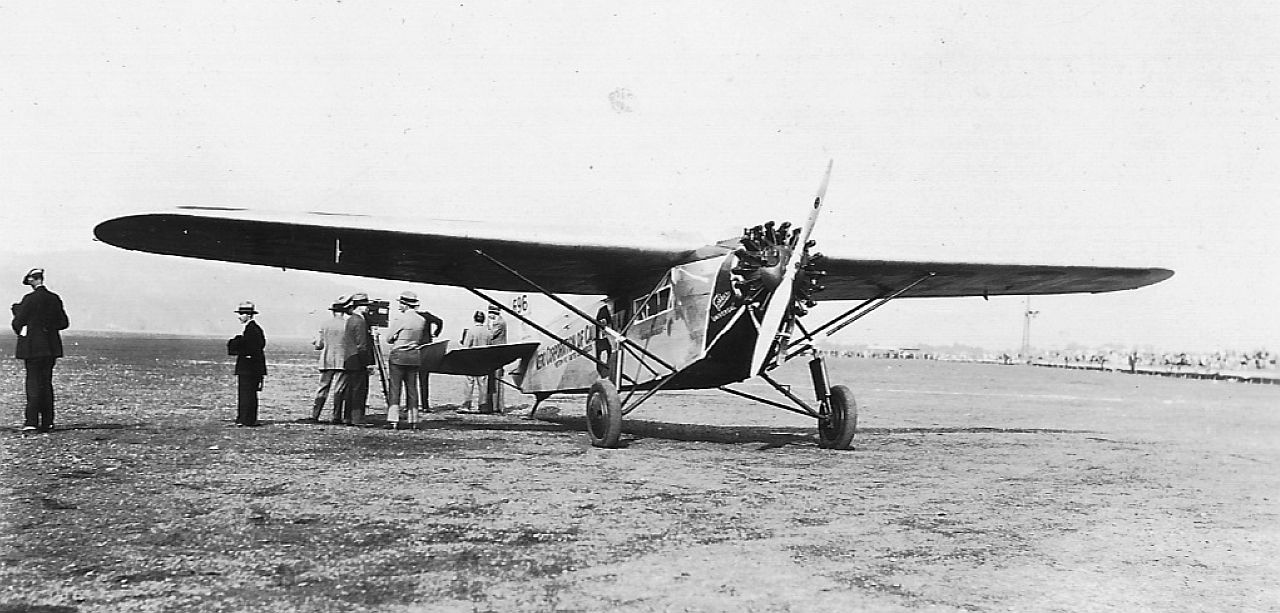
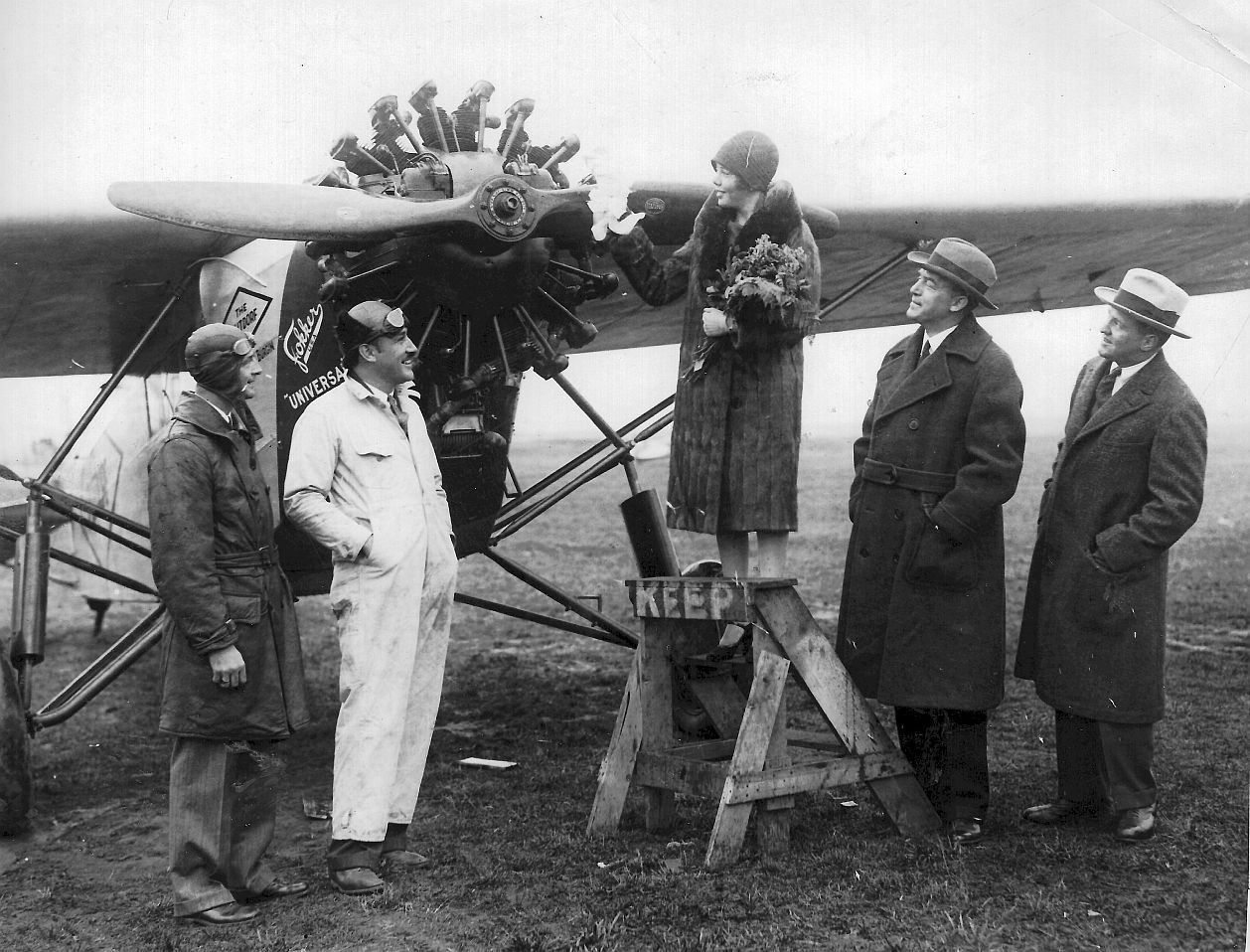
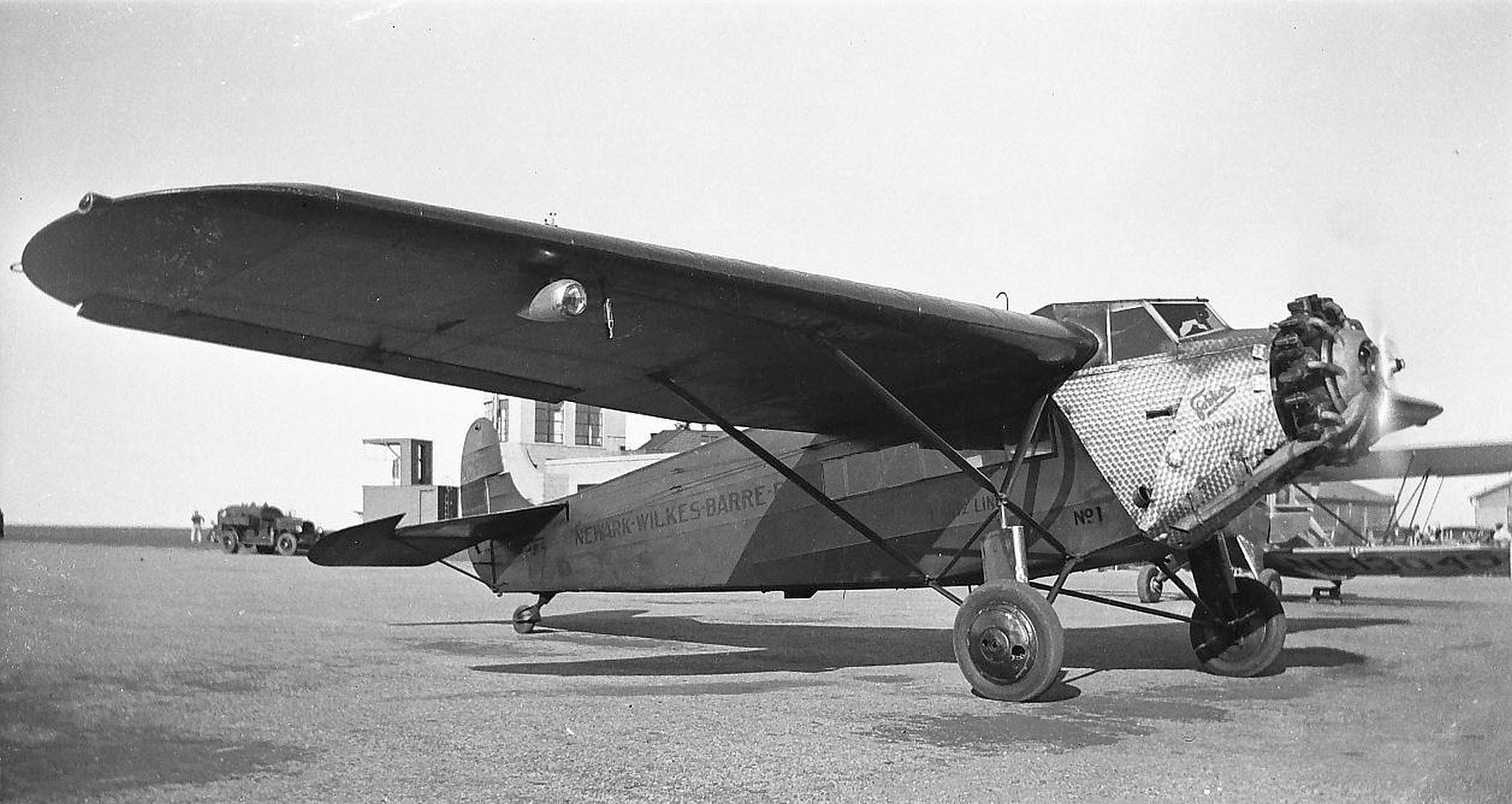
It was shown at the National Air Races at Mitchel Field, LI, NY, from October 8 to 13. The first buyer soon came forward. In January 1926, Colonial Air Transport bought two for the New York–Boston airmail route. This marked the beginning of the type’s success.
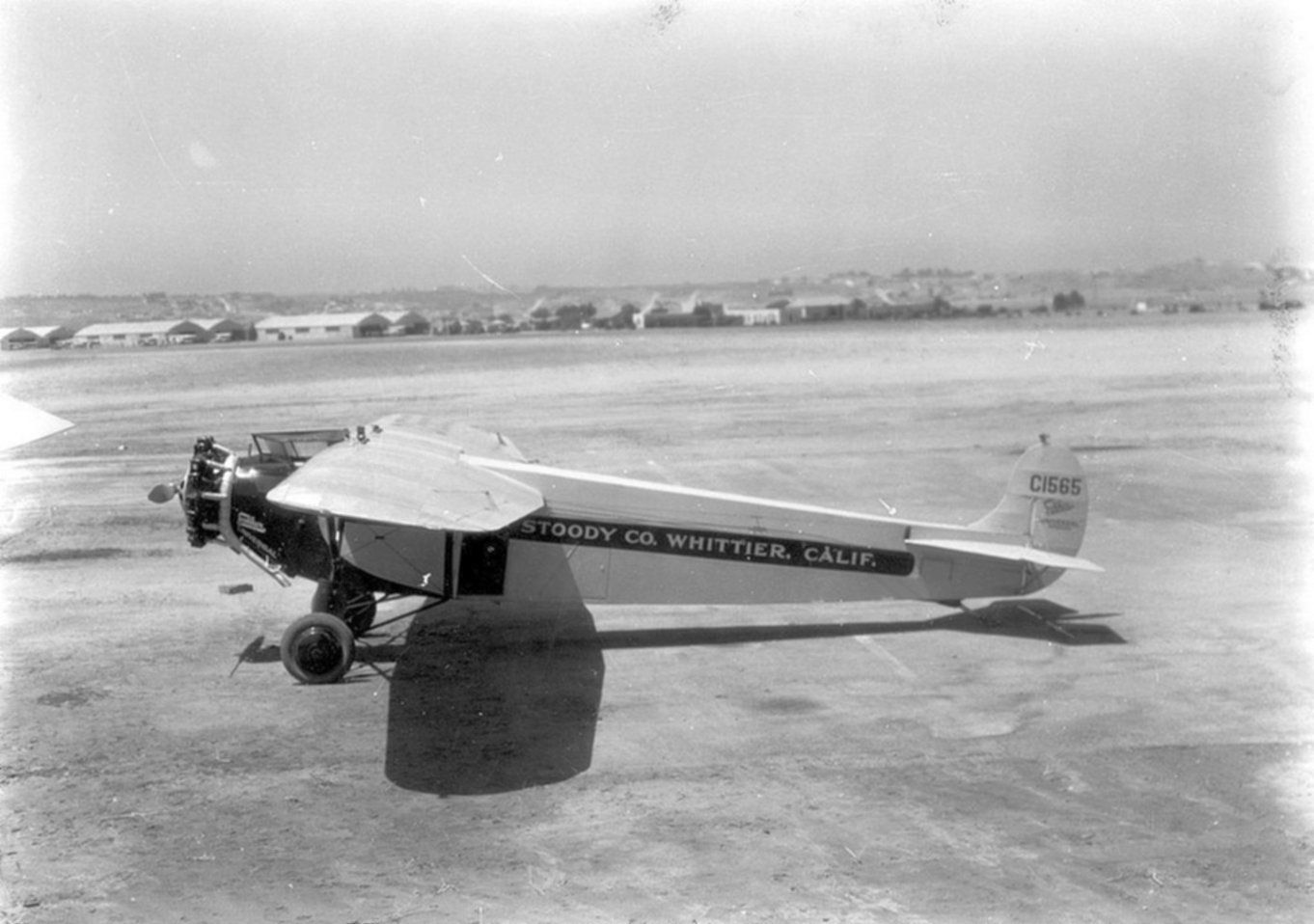
A total of 46 Universals were built, although nothing is known about msn 413 and msn 445 was never sold. Production of this type also initially began with msn 1 and continued in sequence. But starting with msn 404, the model number was also included.
The four aircraft before it were apparently designated msn 400/403 retrospectively.
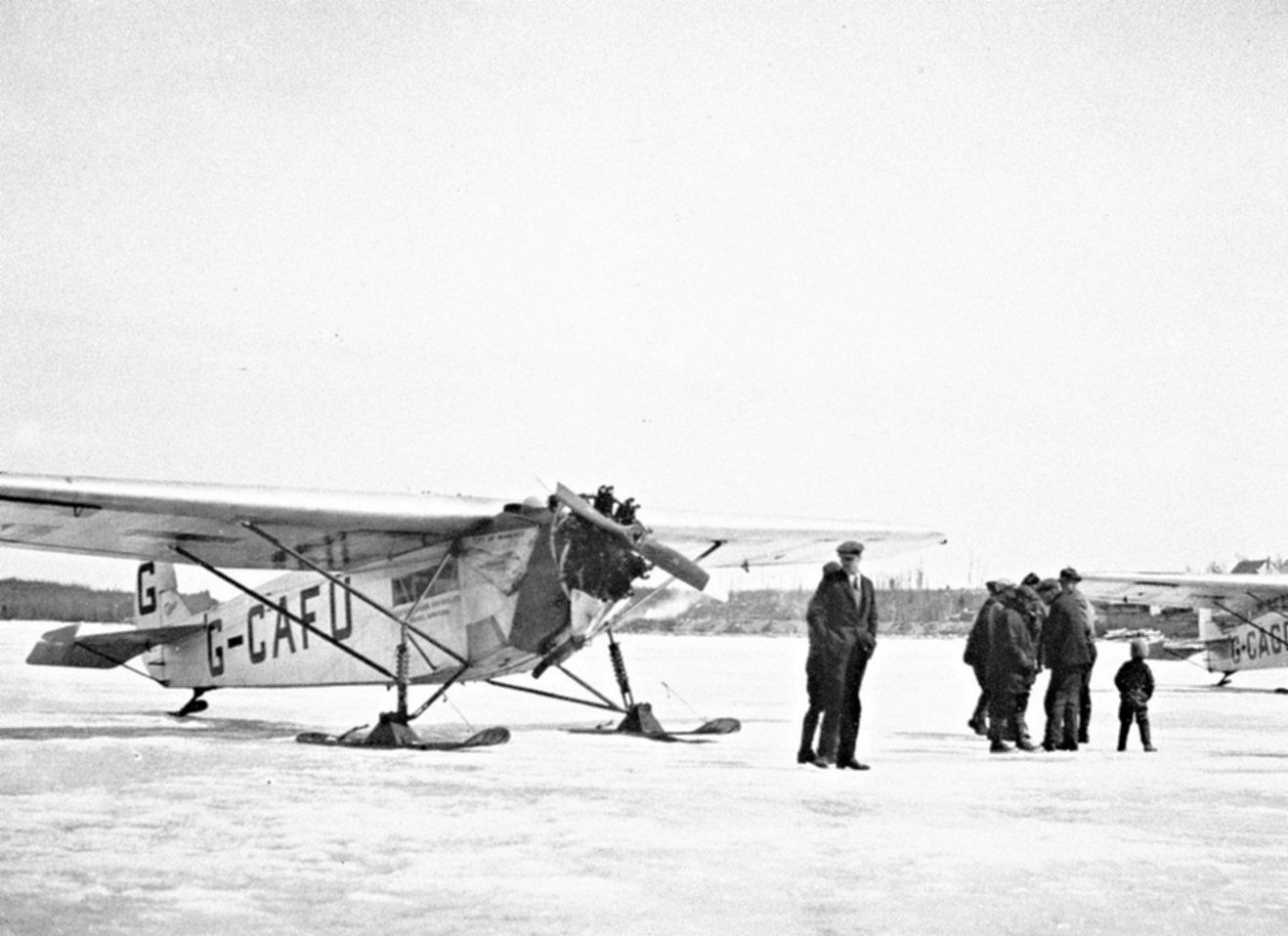
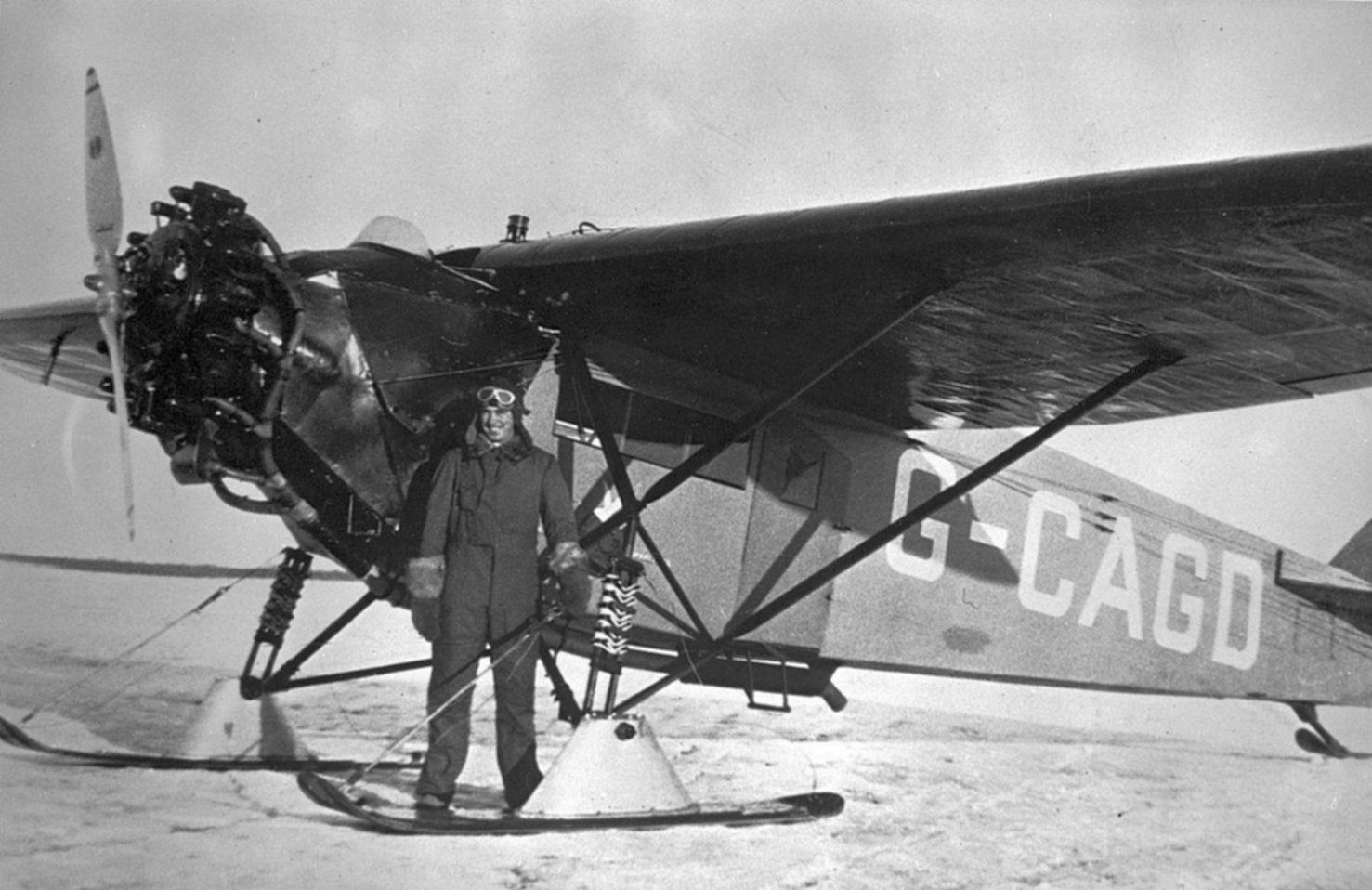
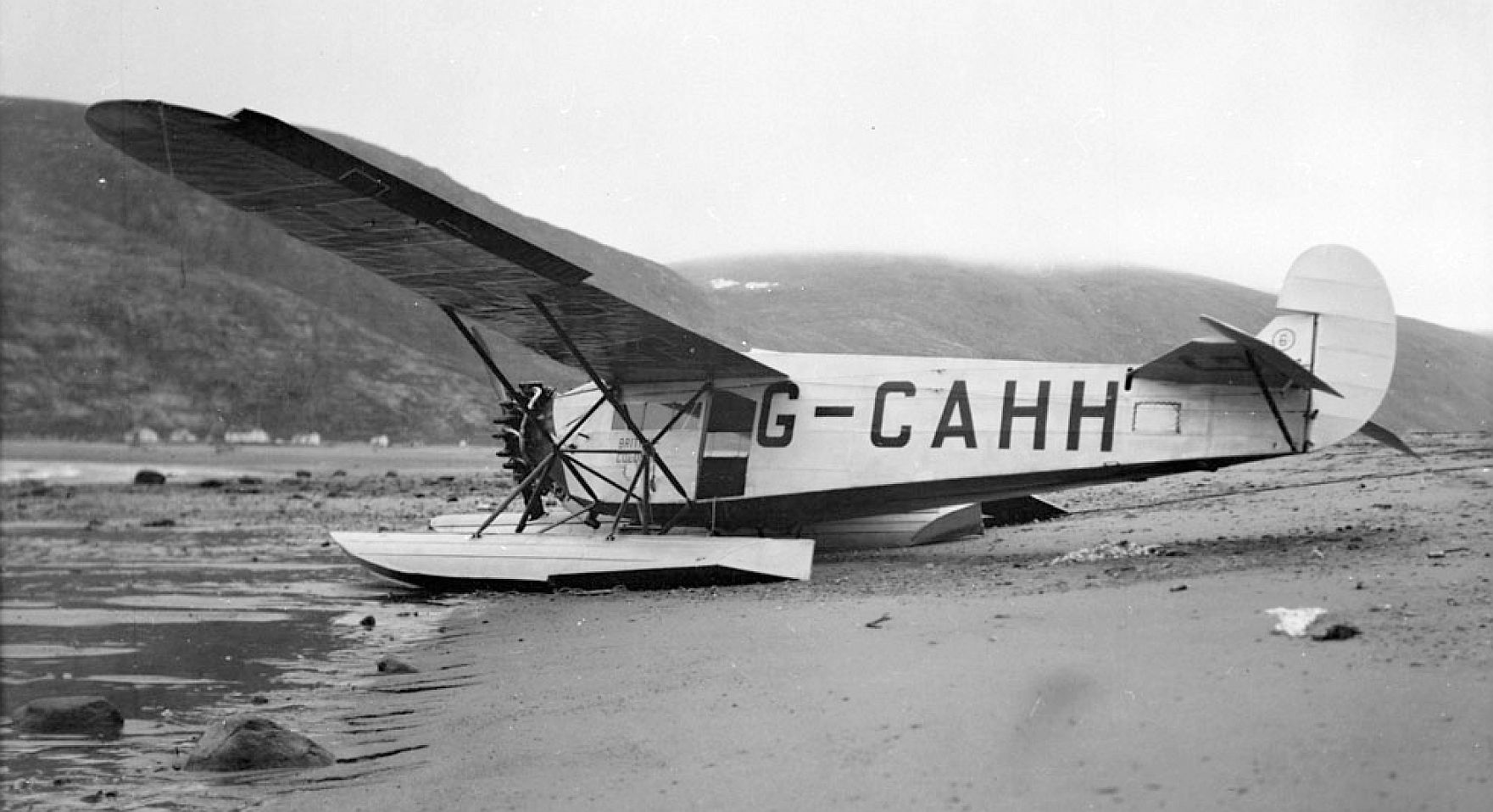
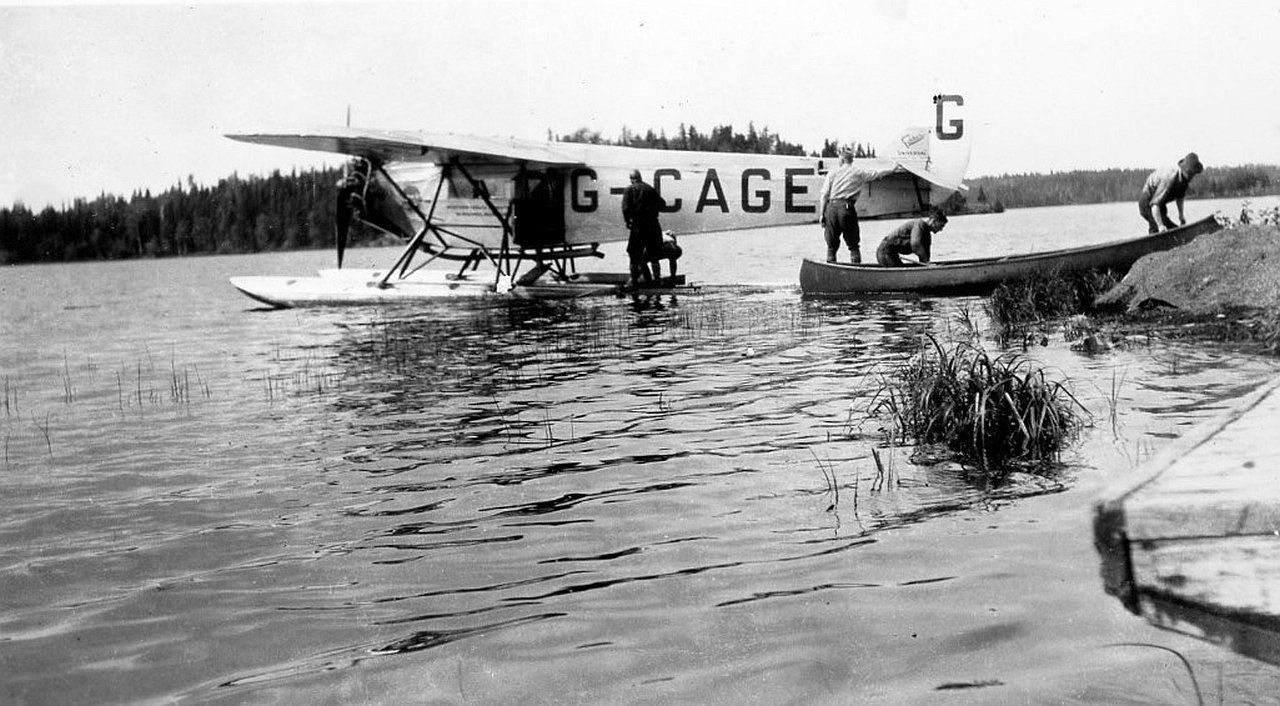
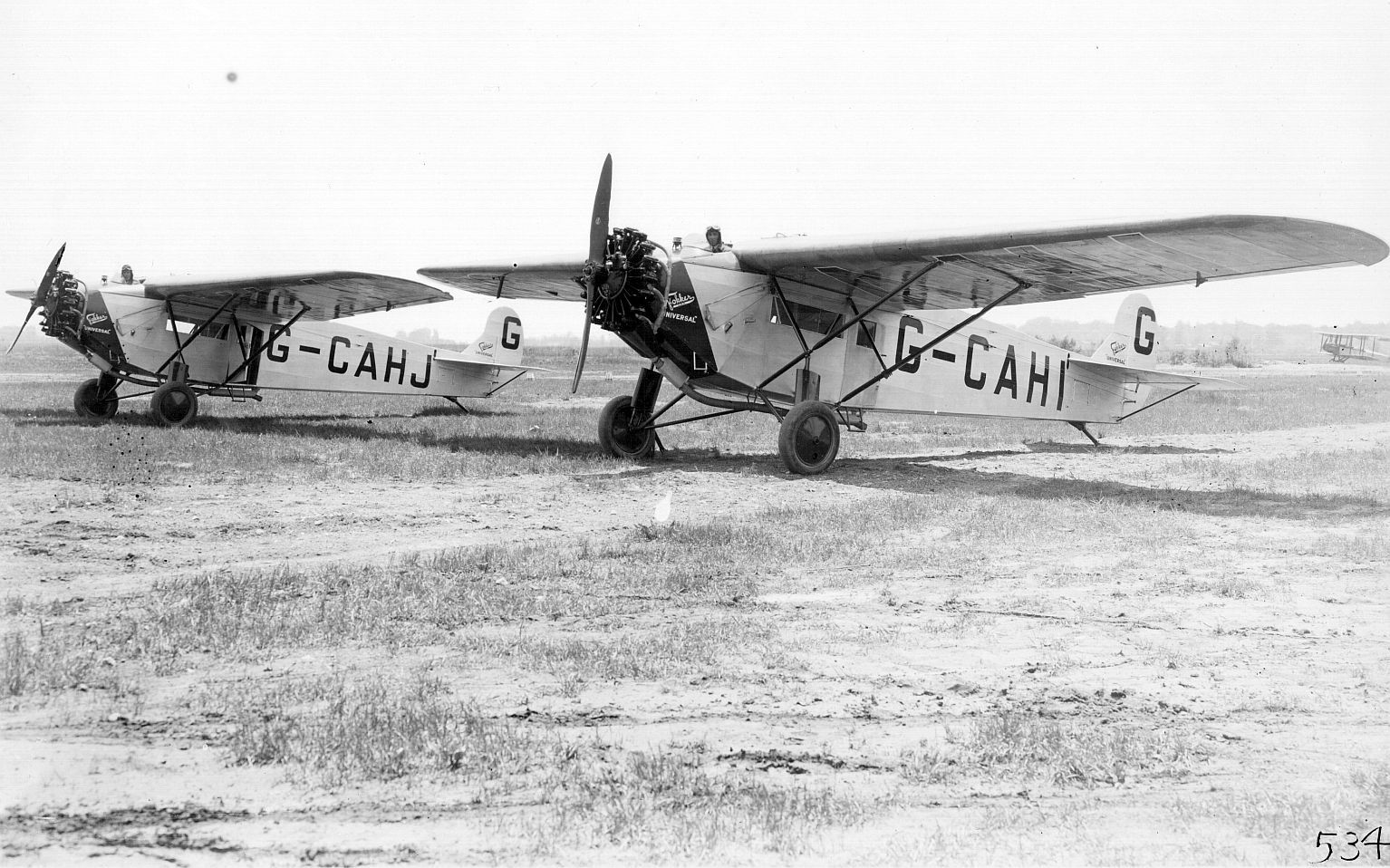
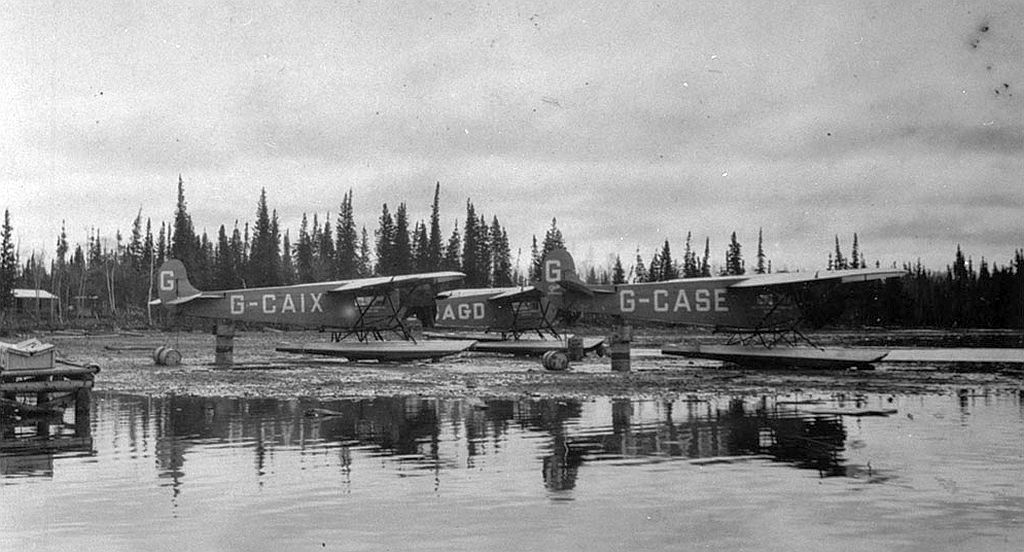
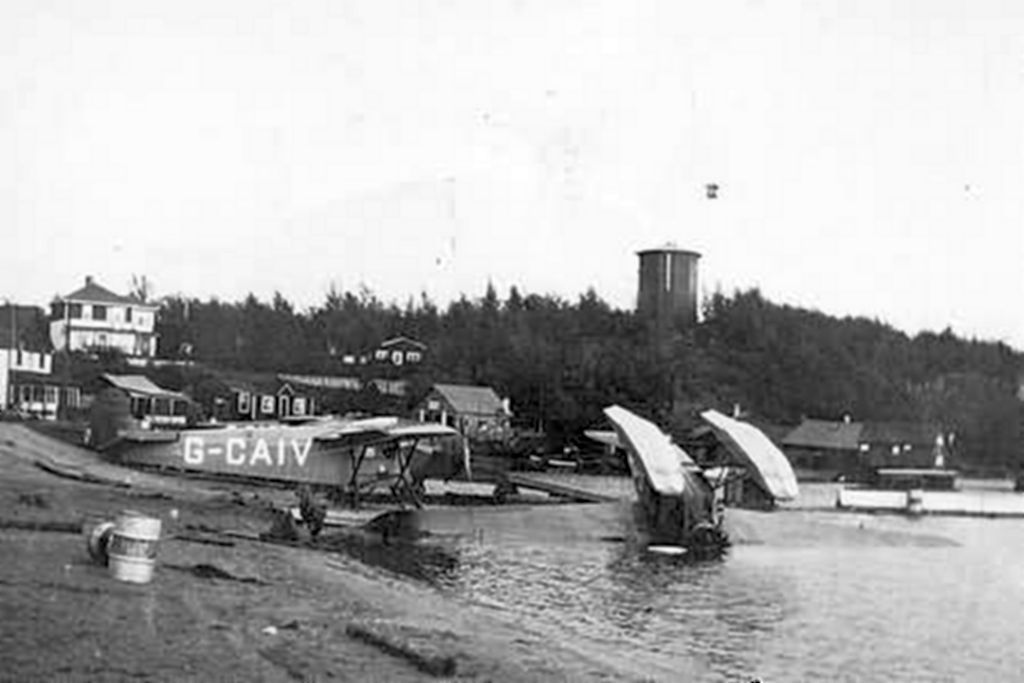
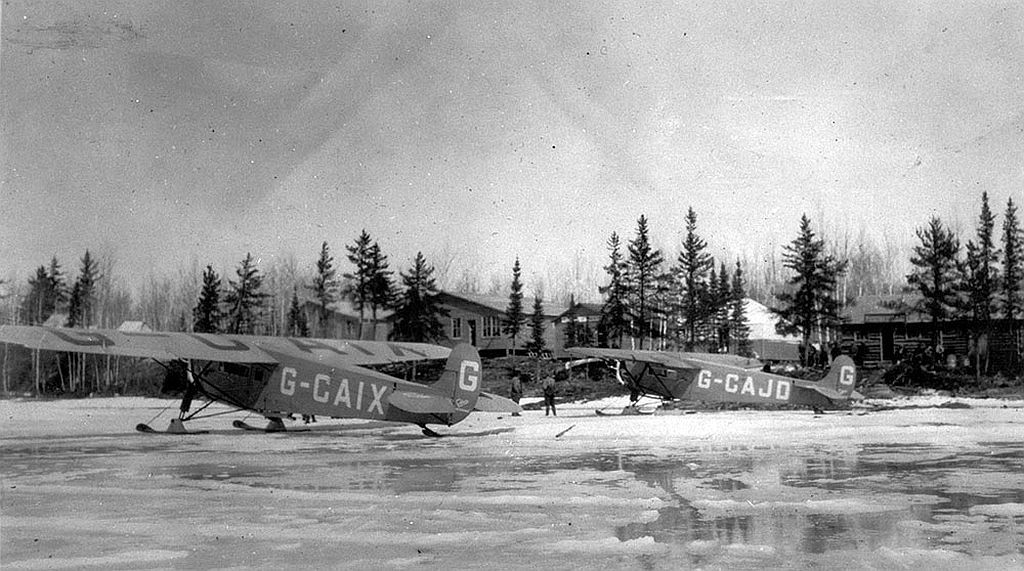
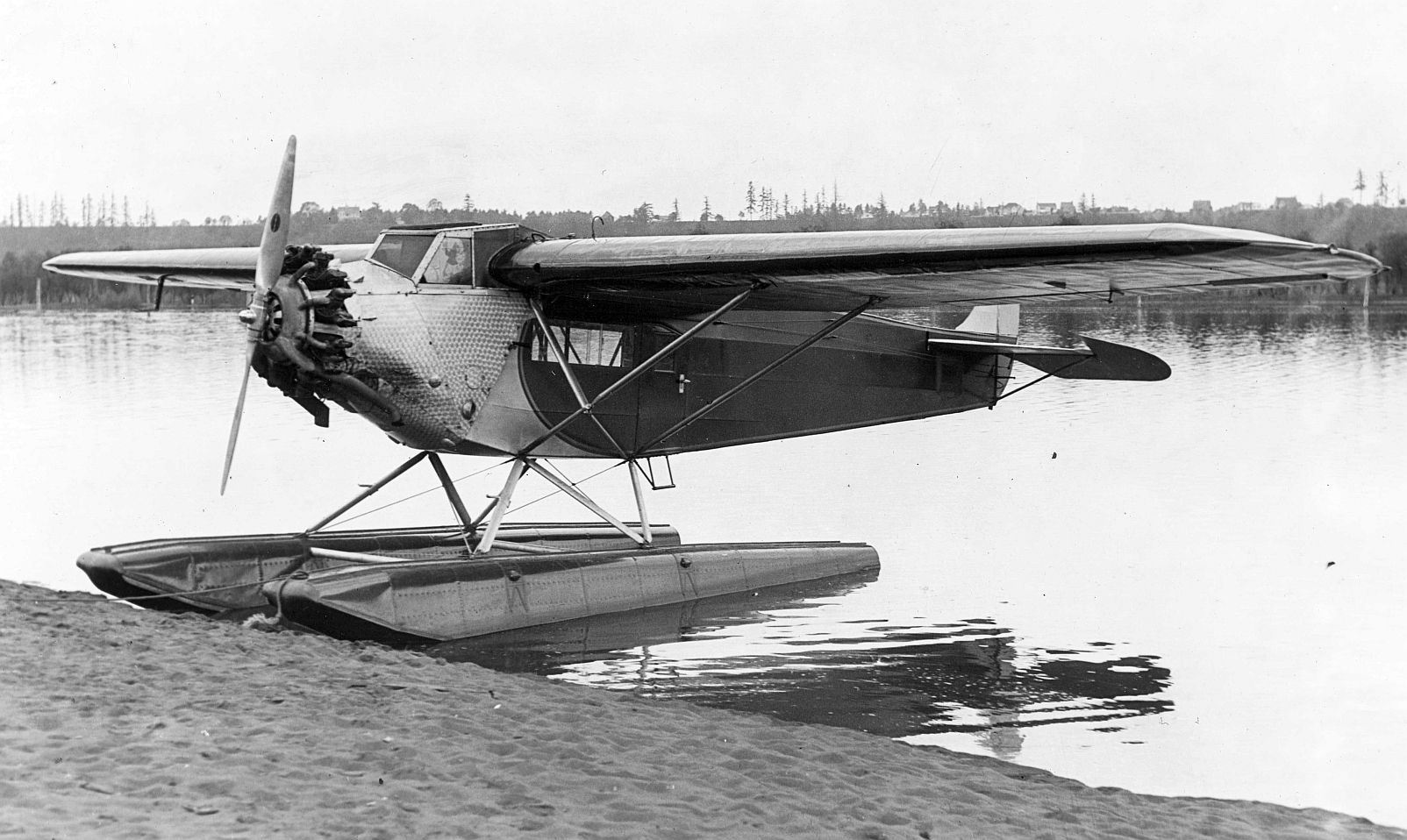
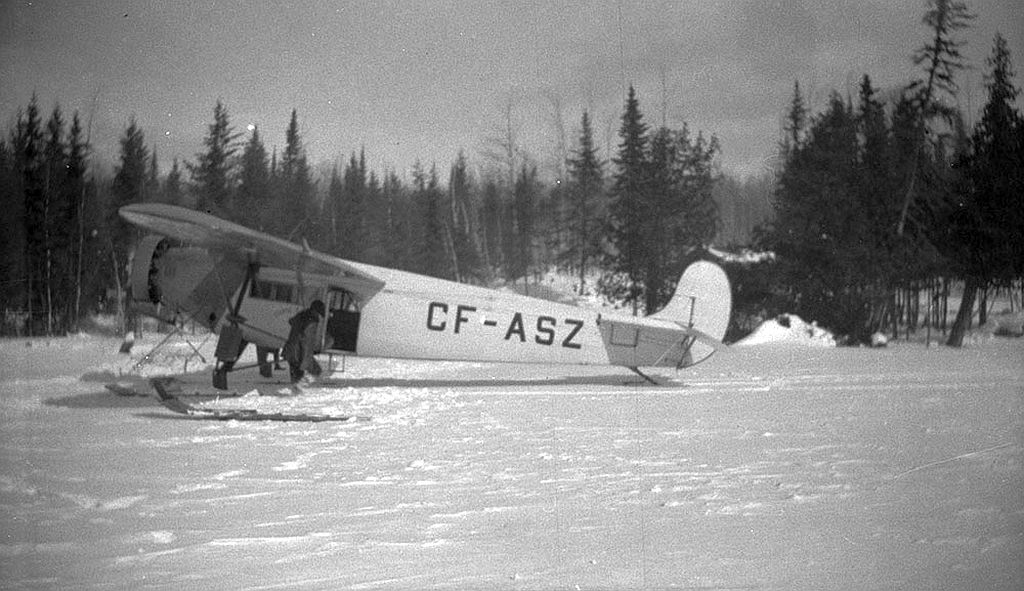
The Universal was used in many countries. But outside the United States, Canada was the largest customer, with 21 aircraft.
The Universal played a major role in opening up the Canadian wilderness.
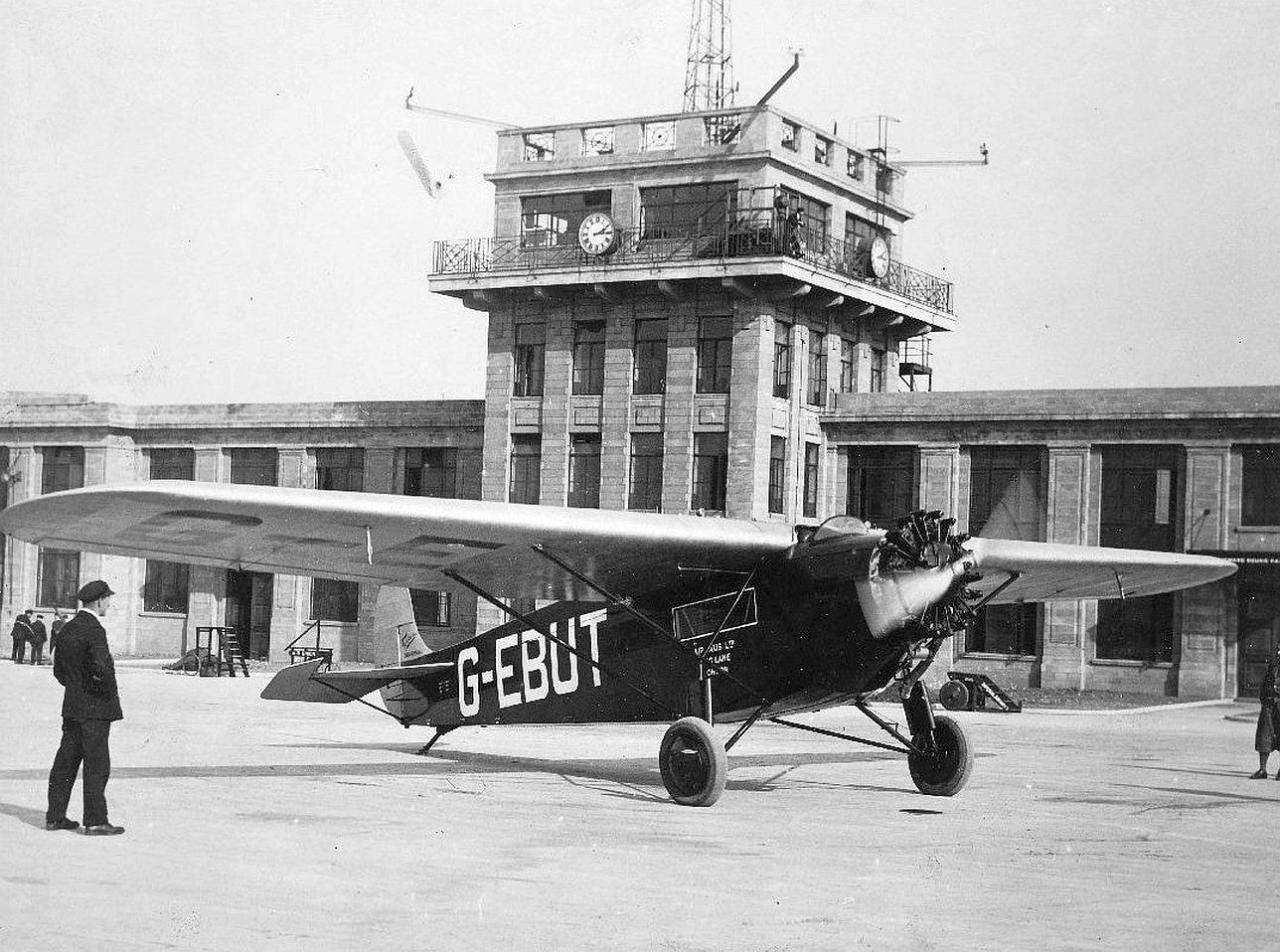
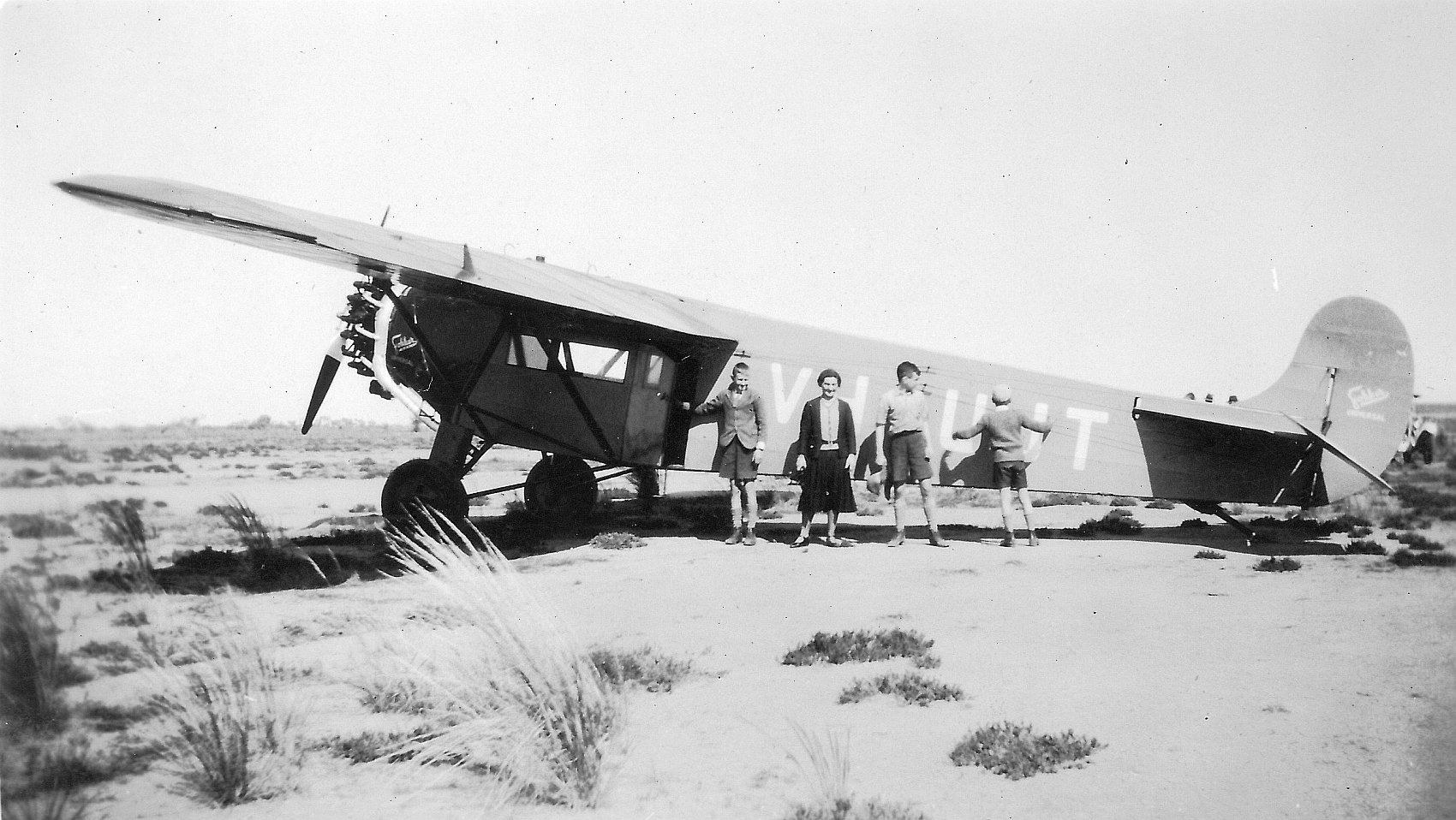
The Universal also found its way to Australia, Costa Rica, Cuba, Honduras, Great Britain, Kenya, Mexico and Papua New Guinea.
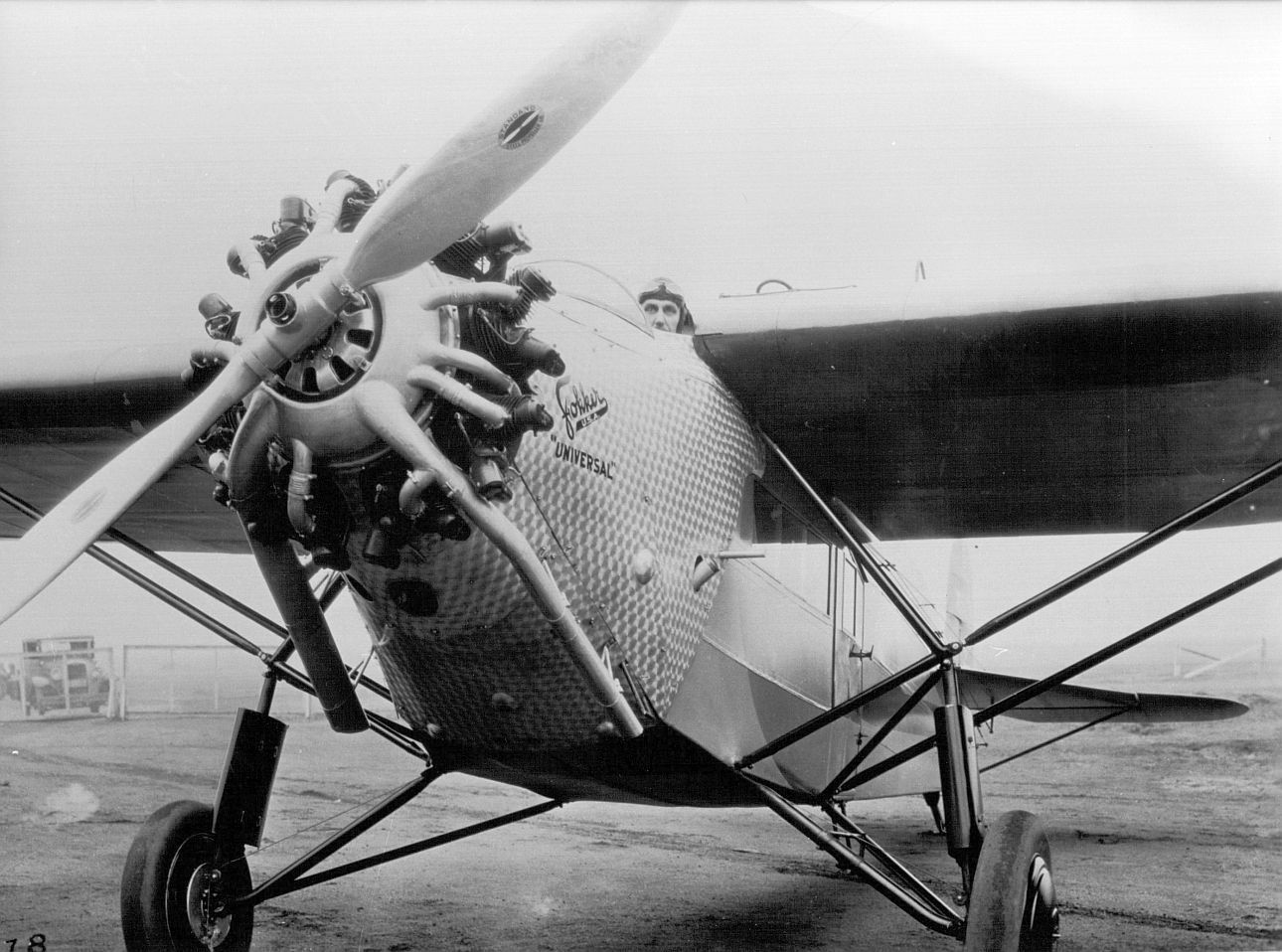
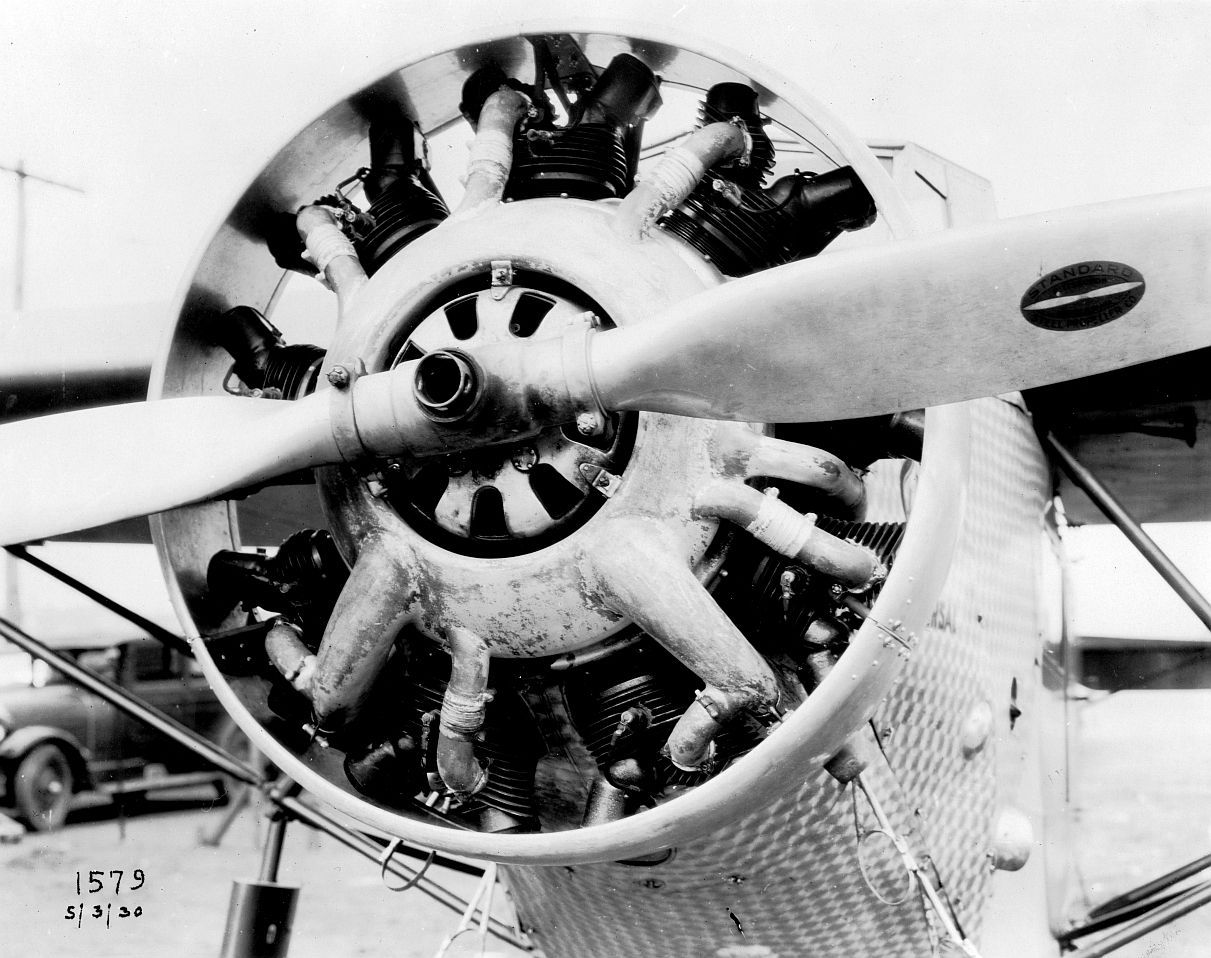
The aircraft was improved during production. The Wright Whirlwind J-4 engine was replaced by the J-5 and later the J-6.
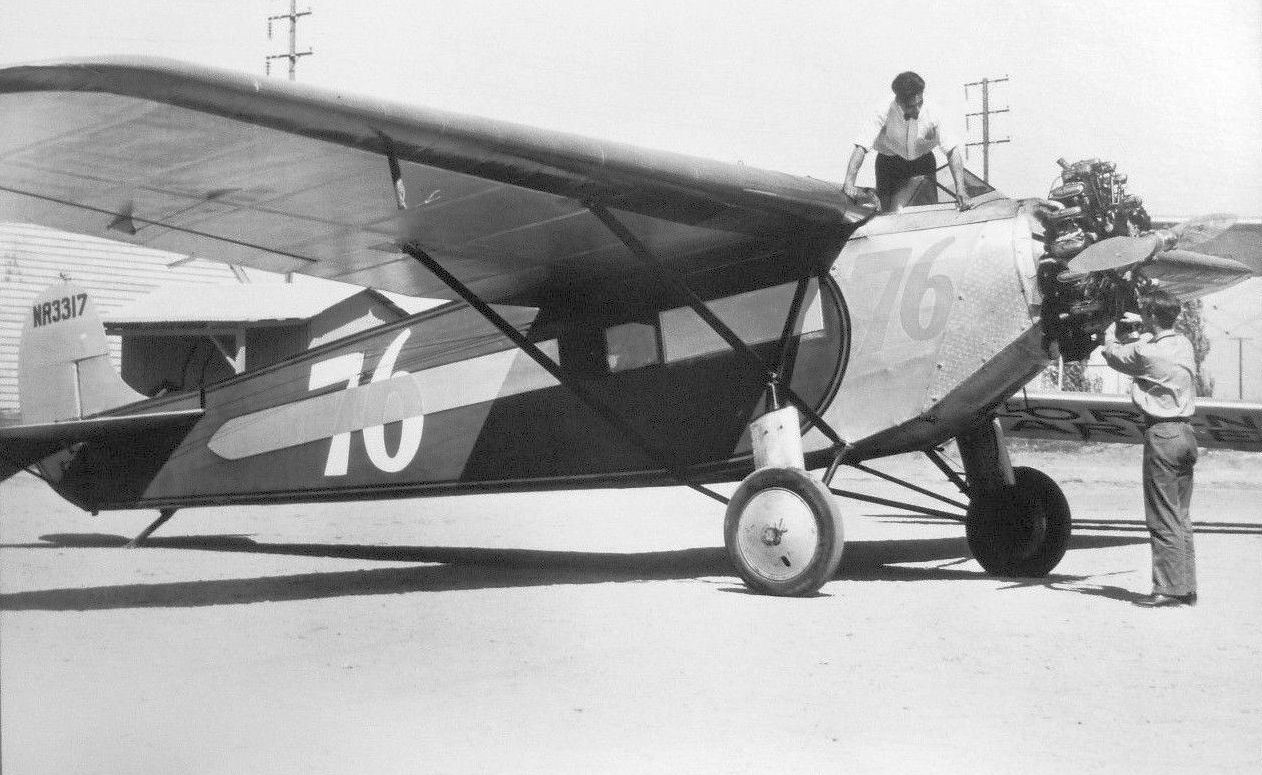
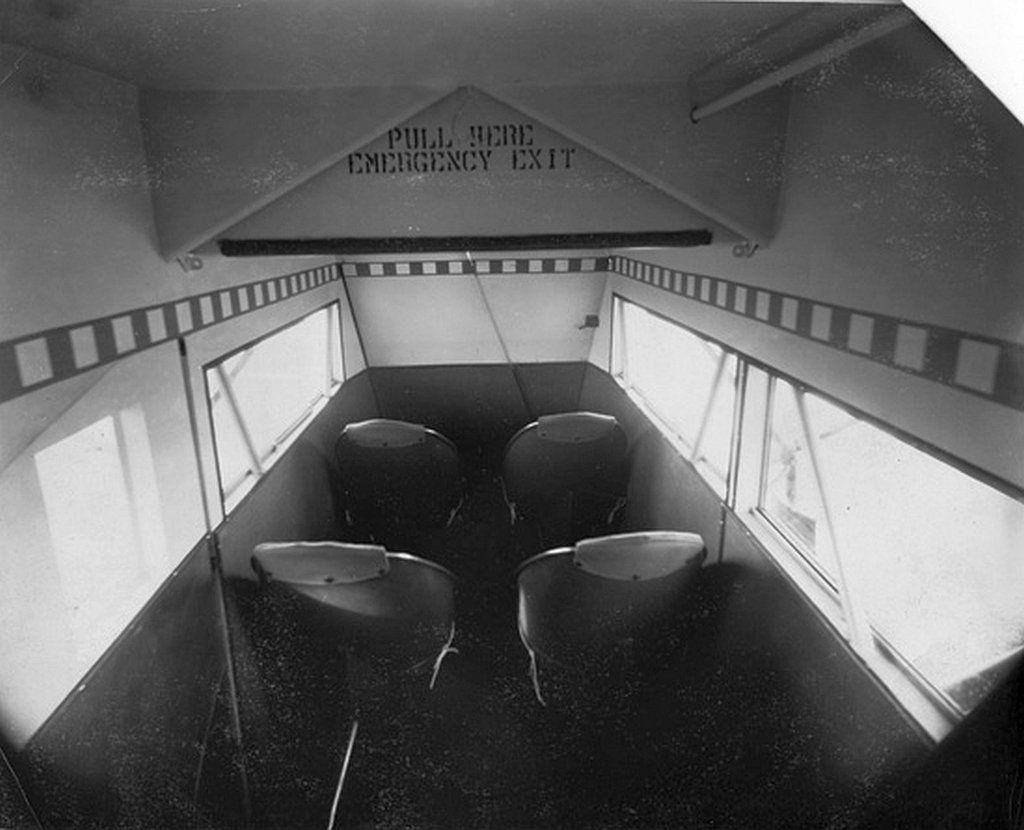
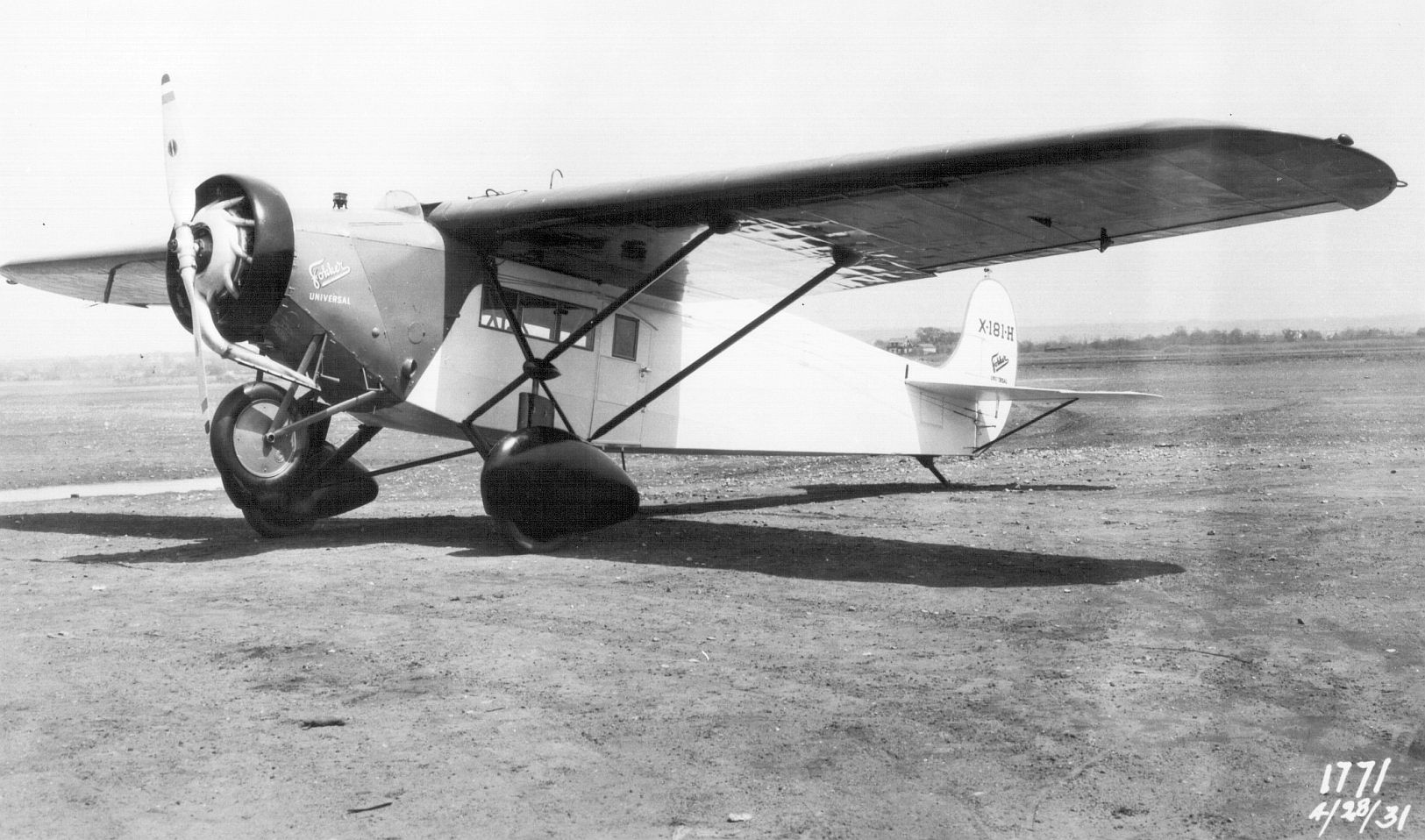
The final production series featured an enclosed cockpit. Wheel fairings and the Townend ring were also introduced. The designation Standard Universal was used to distinguish it from the Super Universal. Although more expensive, that aircraft could carry more than the Universal’s four (later five) passengers.
The last Universal was completed in early 1931. The type continued flying, particularly in remote parts of Canada, until around 1940.
Click the photo to enlarge