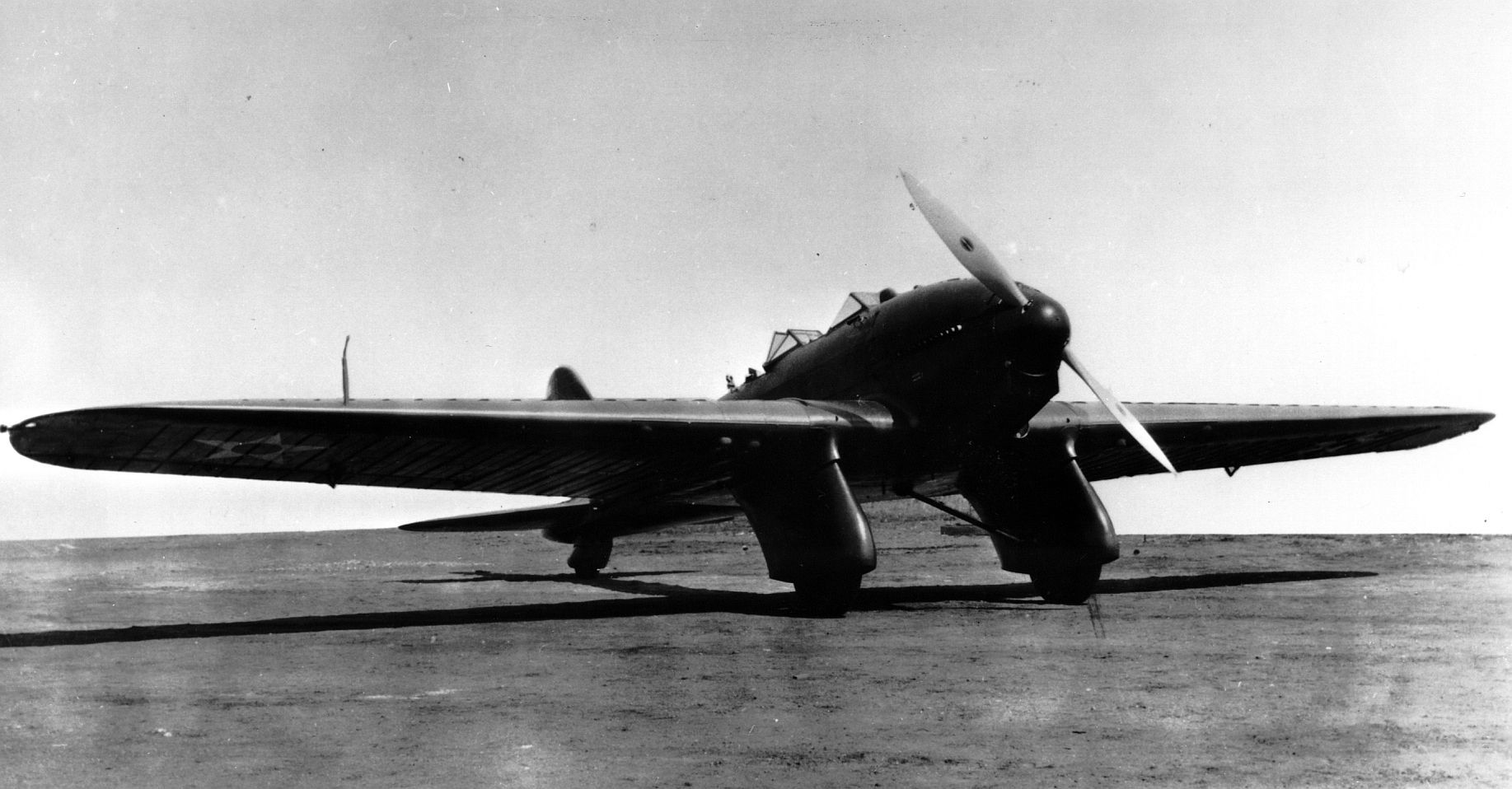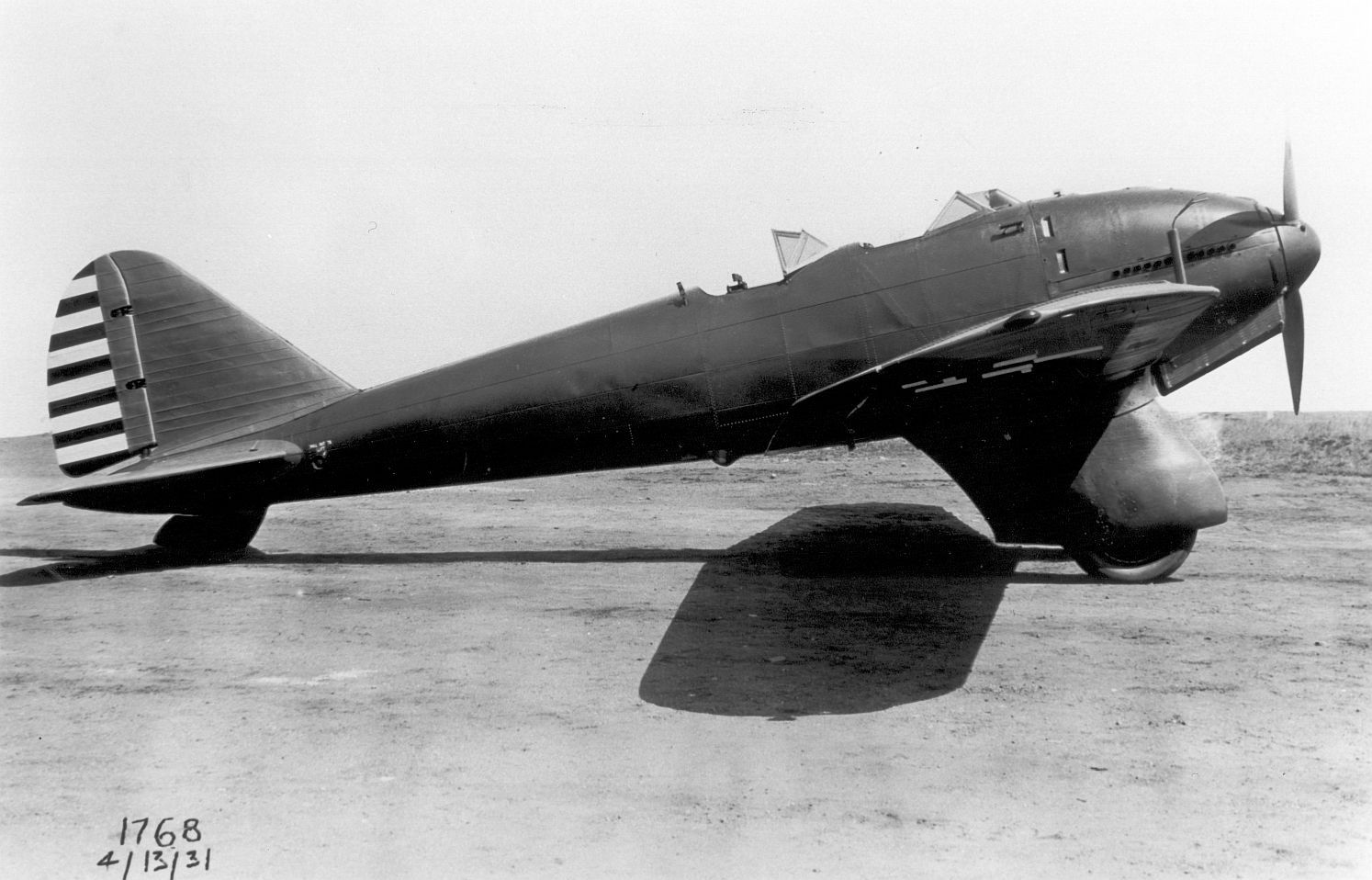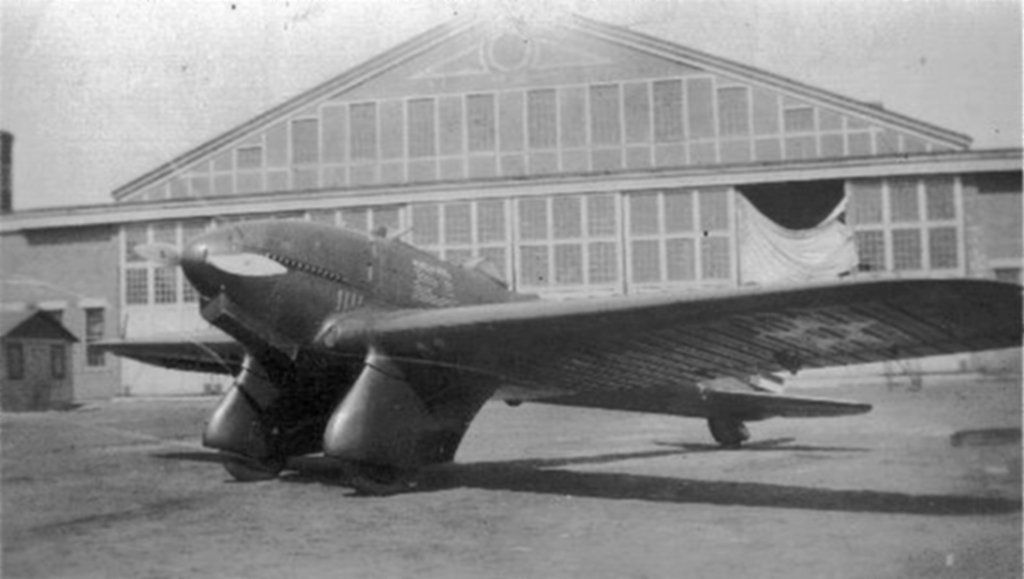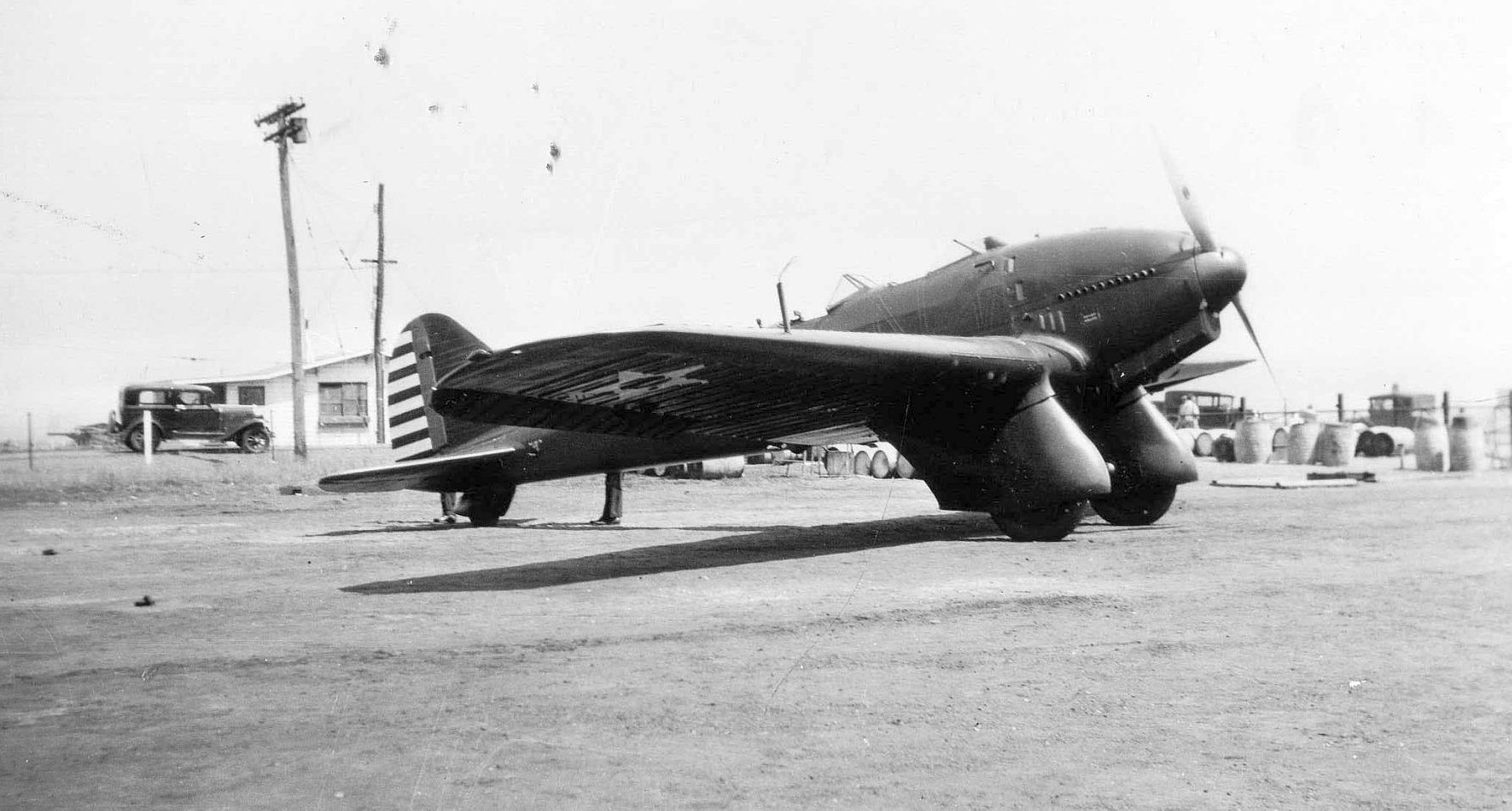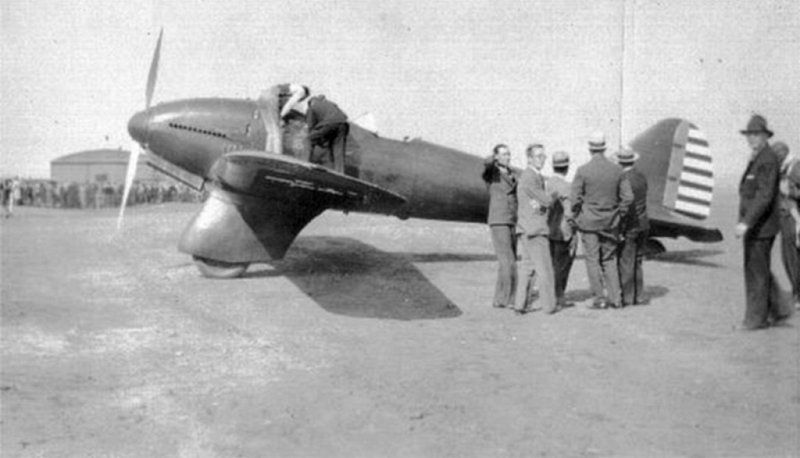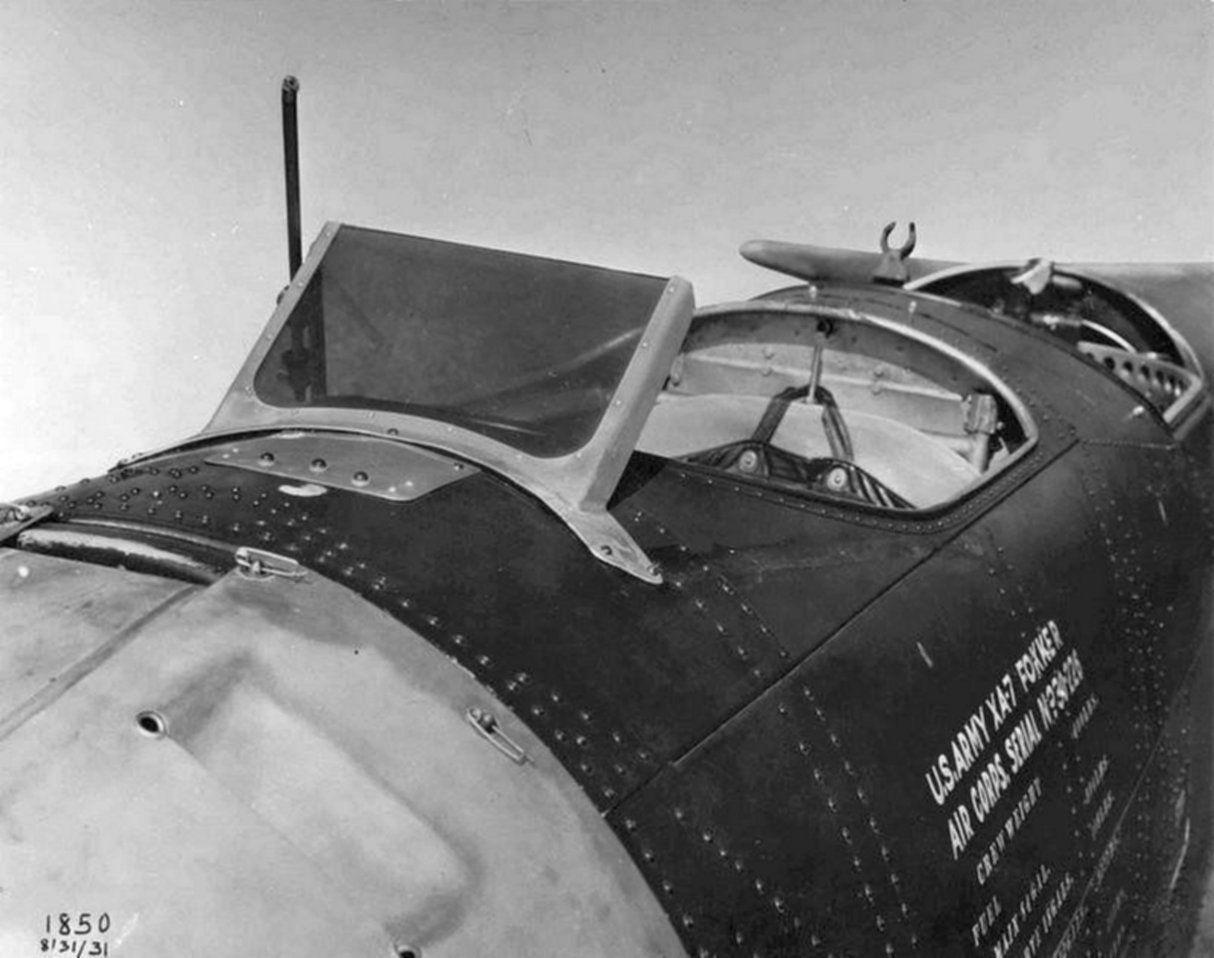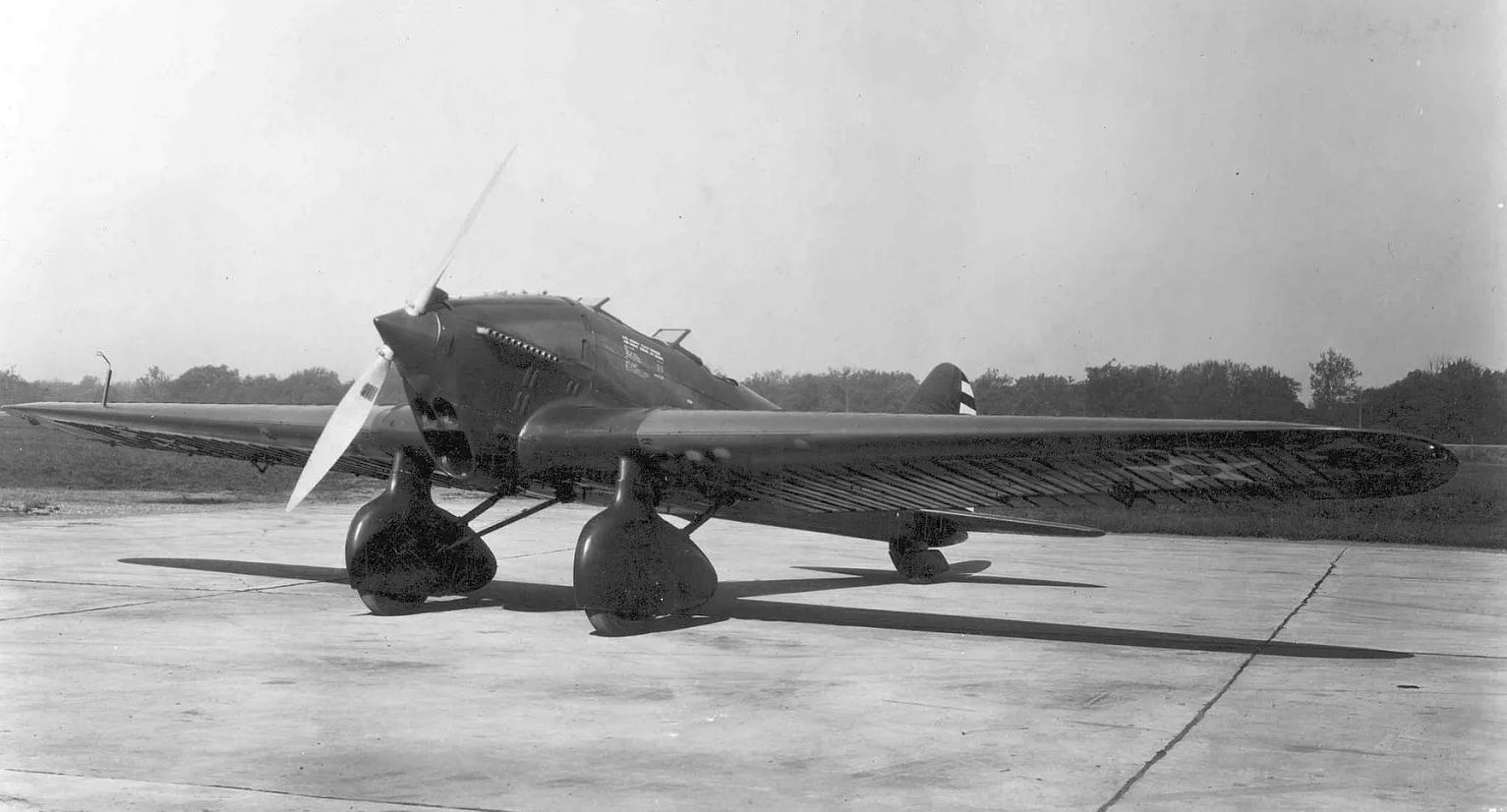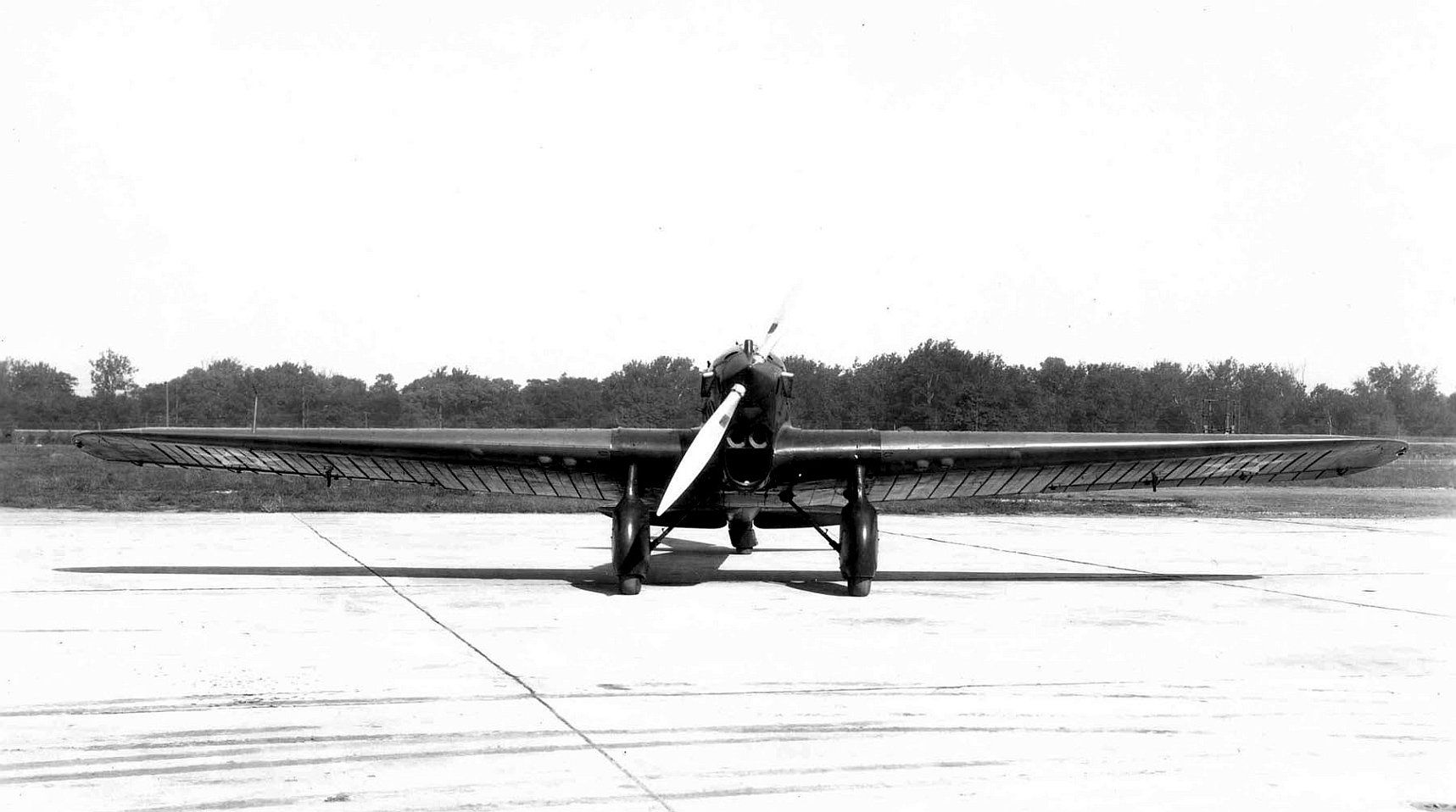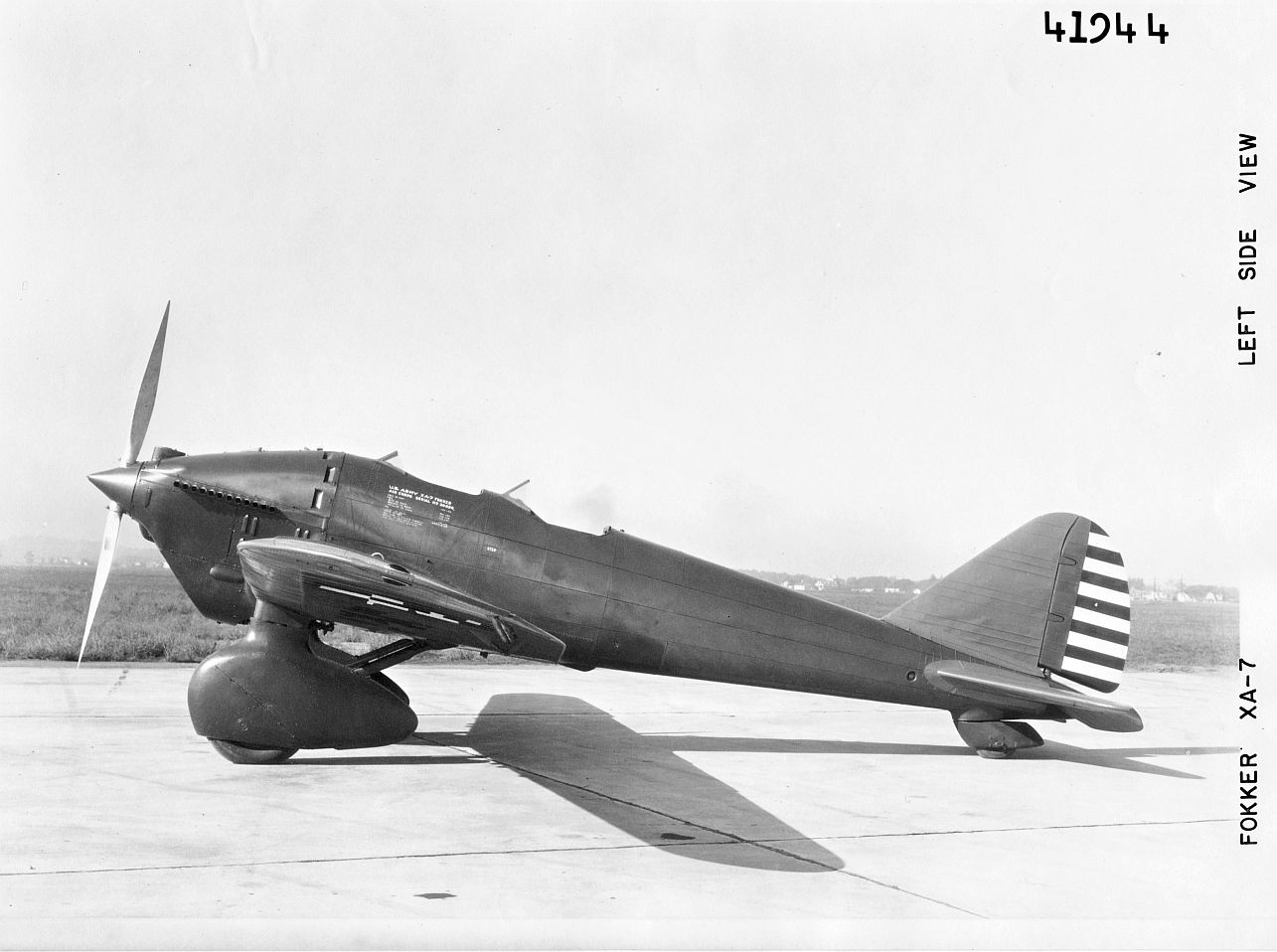
Fokker Model 17, XA-7
With this model, Fokker re-entered the military market. The US Air Corps had already been ordering aircraft for ground target attacks for several years. However, these were derived from existing types. The designation 'A' had been used for this (not to be confused with the older designation for ambulances).
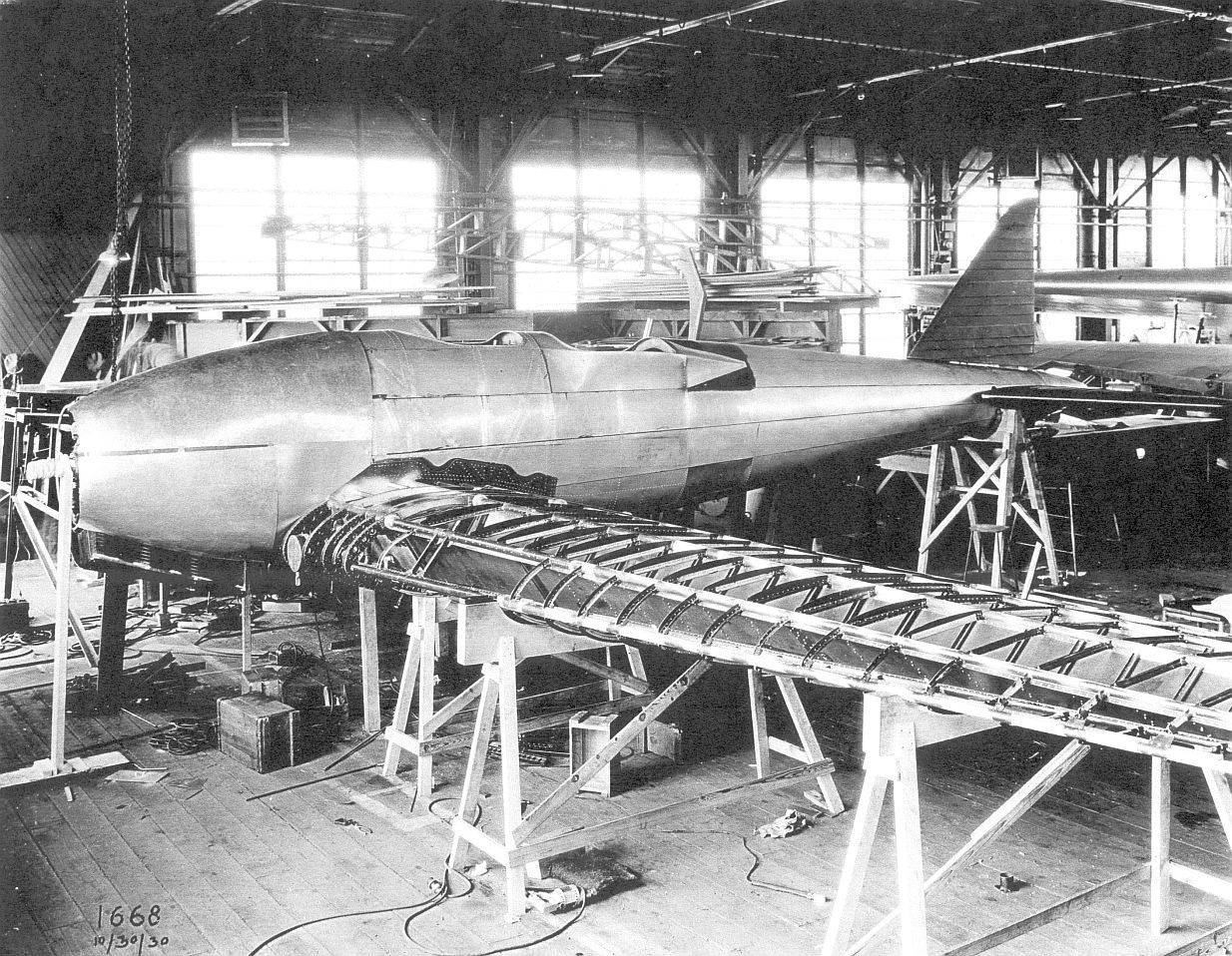
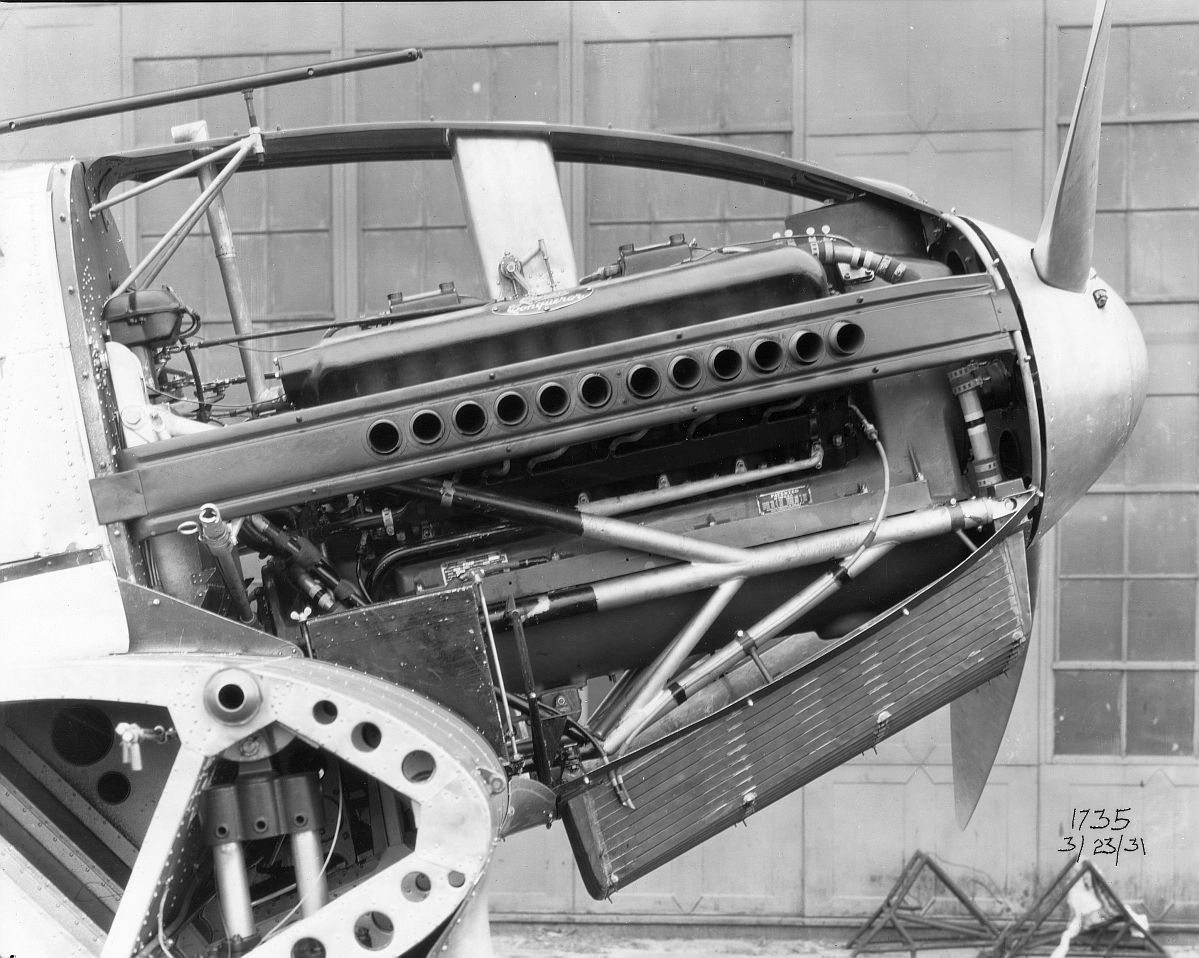
In 1929, specification X1659B was issued for an entirely new type of attack aircraft. Fokker also participated in the design competition for this. And for the first time, it became an all-metal low-wing aircraft, powered by the liquid-cooled Curtiss G-1V 1570C.
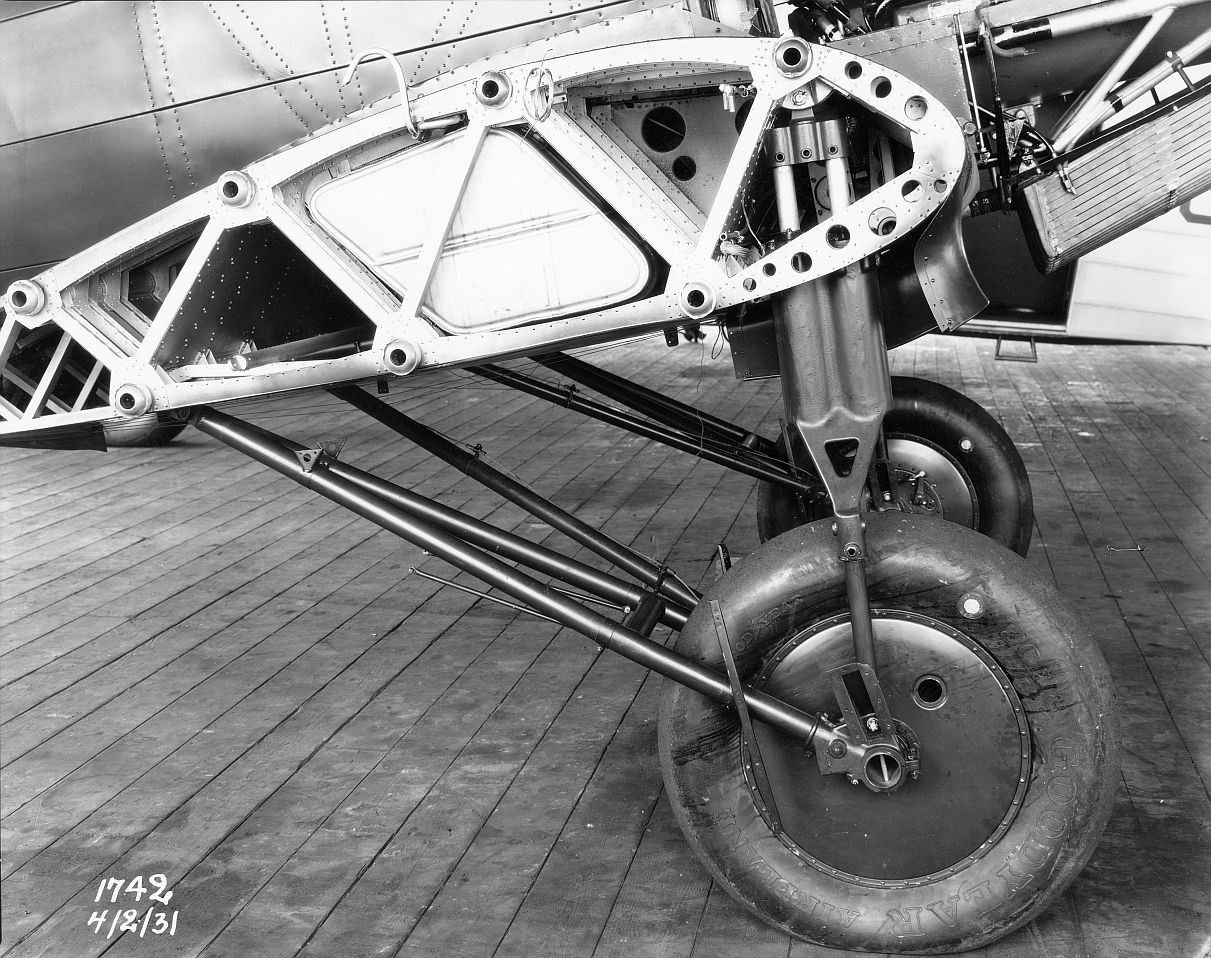
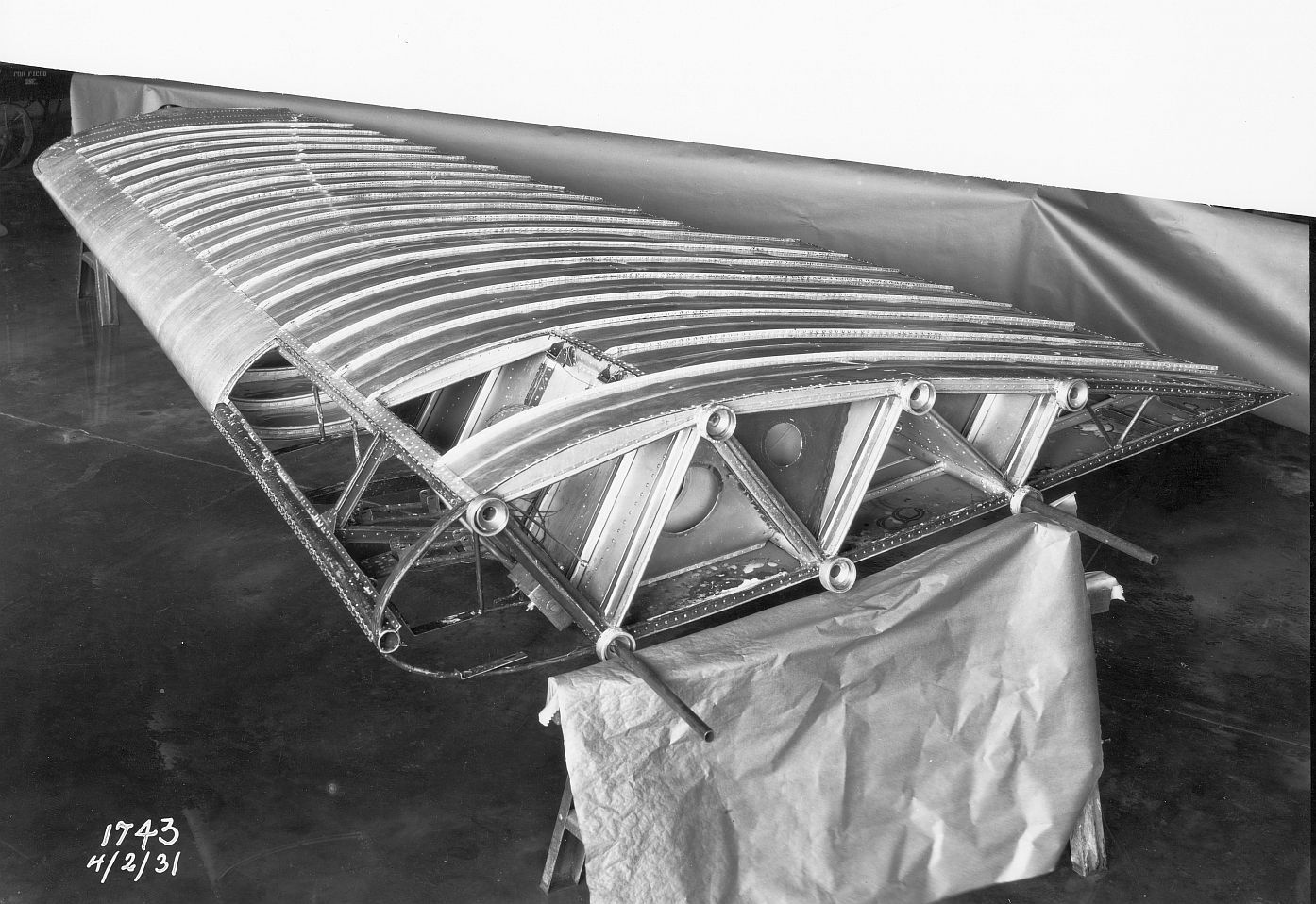
For the fuselage, the H-51 (Model 11) was built upon, and an entirely new wing structure was designed.
In December 1929, Fokker received the sole order for the construction of a prototype. The aircraft was then assigned the model number 17. The XA-7 with MSN 1701 received the registration AC 30-226. This registration had previously been issued to the cancelled Curtiss XO-30.
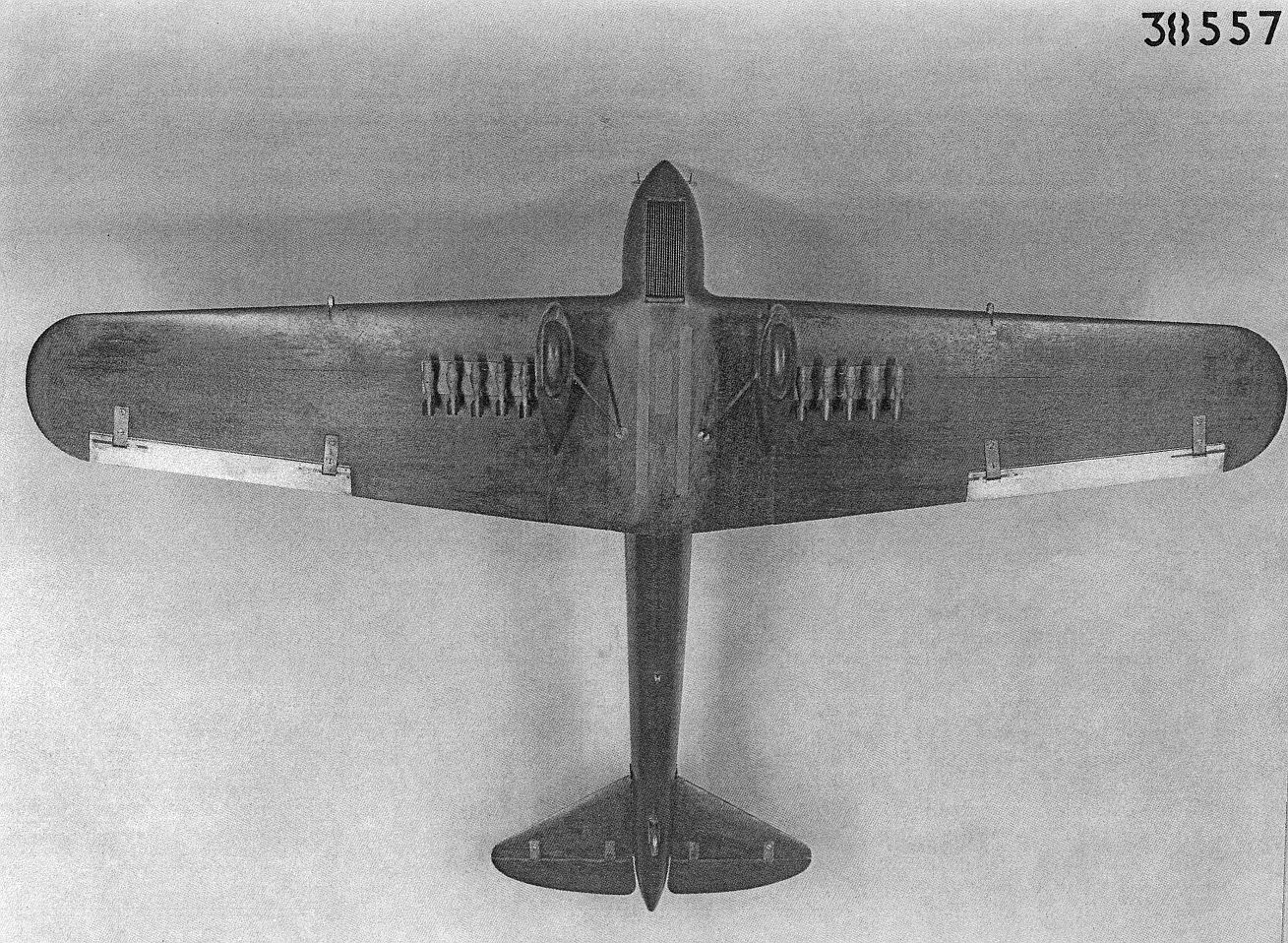
In the first phase, the design was further developed and a mock-up was made. Work also commenced on the strength calculations for the Air Corps. A wind tunnel model was also constructed and tested.
After that period, some doubts about the XA-7 must have arisen within the Air Corps. Progressive reports of weight gain caused concern. These were likely fueled by Curtiss, who saw a competitor entering 'his' market.
In June 1930, the XA-8 AC 30-387 was therefore ordered from Curtiss for the same specification.
It was generally assumed that Fokker did not engage in metal construction. The XA-7 proves the opposite. But according to Anthony Fokker himself, it was the model that gave him the most headaches.
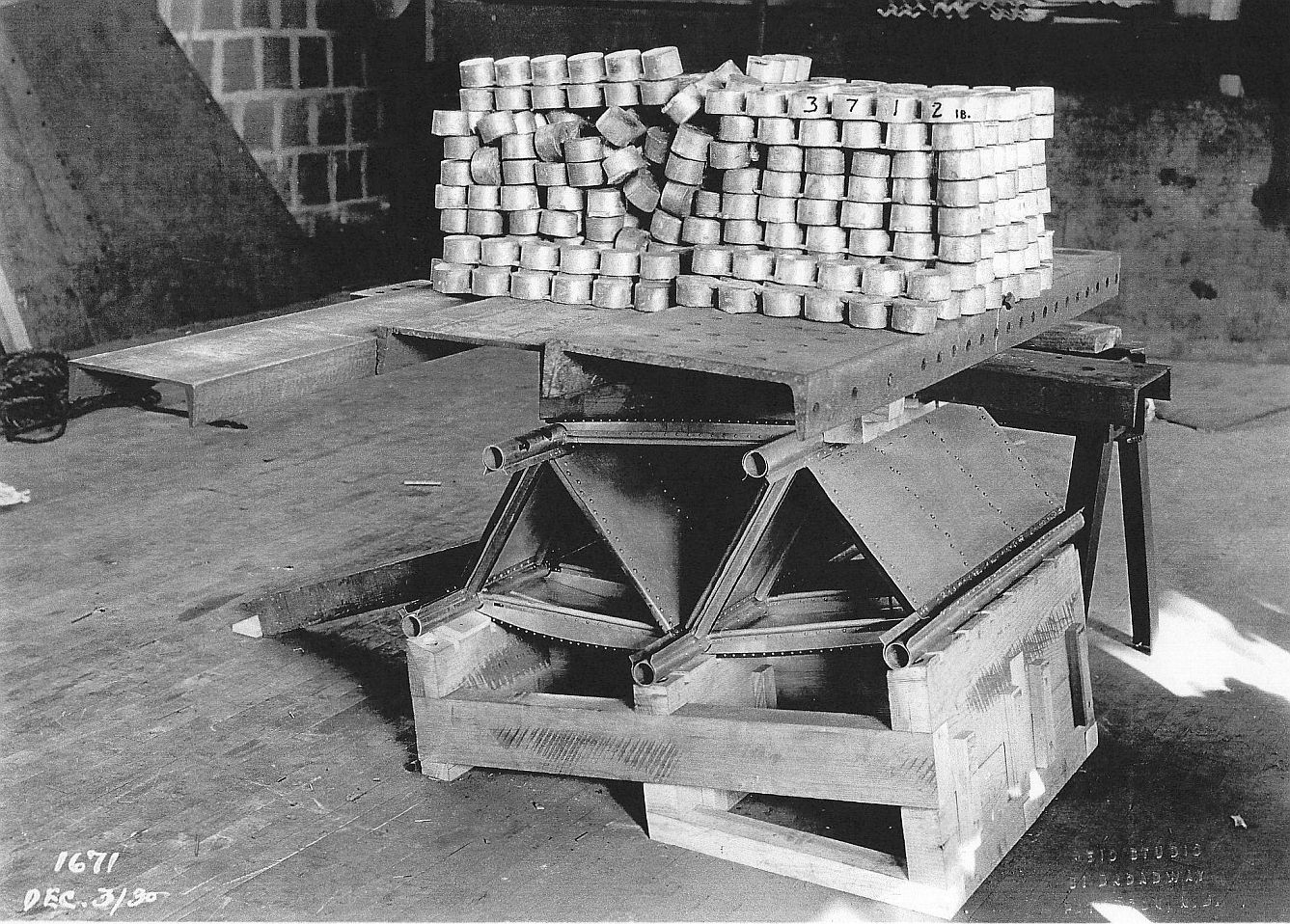
Its development was therefore arduous. The wing structure, in particular, was extensively tested.
There were also a number of contract adjustments that were not conducive to the planning.
All in all, the costs also rose sharply. And the weight had increased from 2,942 lbs to 3,868 lbs.
However, on April 13, 1931, the aircraft could be flown by two Air Corps pilots. Three weeks later, the aircraft departed for Wright Field to be tested. During that period, the more traditional Curtiss XA-8 also made its first flight.
Because performance left something to be desired, the XA-7 returned to the factory as early as the end of June. There, an improvement program was drawn up.
It was precisely during that period that Anthony Fokker decided to break with major shareholder General Motors. He resigned his position as Director of Engineering, and with him, Gassner also disappeared as chief designer.
Meanwhile, the Air Corps appointed a Board of Officers to advise on the choice between the XA-7 and the XA-8.
It met on August 3, but the XA-7 was still at the factory for modifications at that time. As a result, it was proposed to put the XA-8 into production.
When the Fokker finally arrived at Wright Field in September, the aircraft was still tested. But on September 29, 1931, Curtiss received the production contract. It was an expensive lesson in metalworking for Fokker.
Click on the photo to enlarge the photo