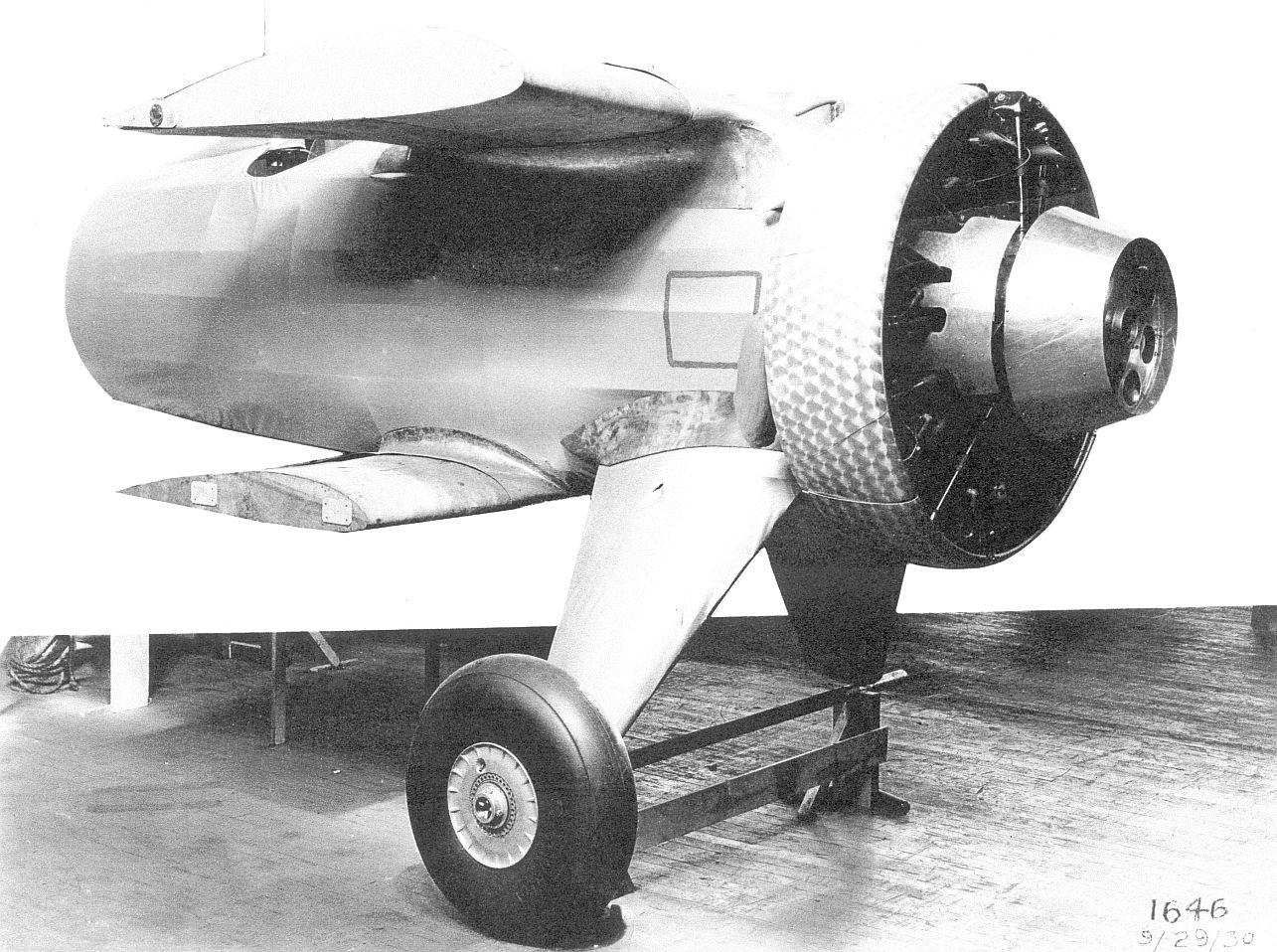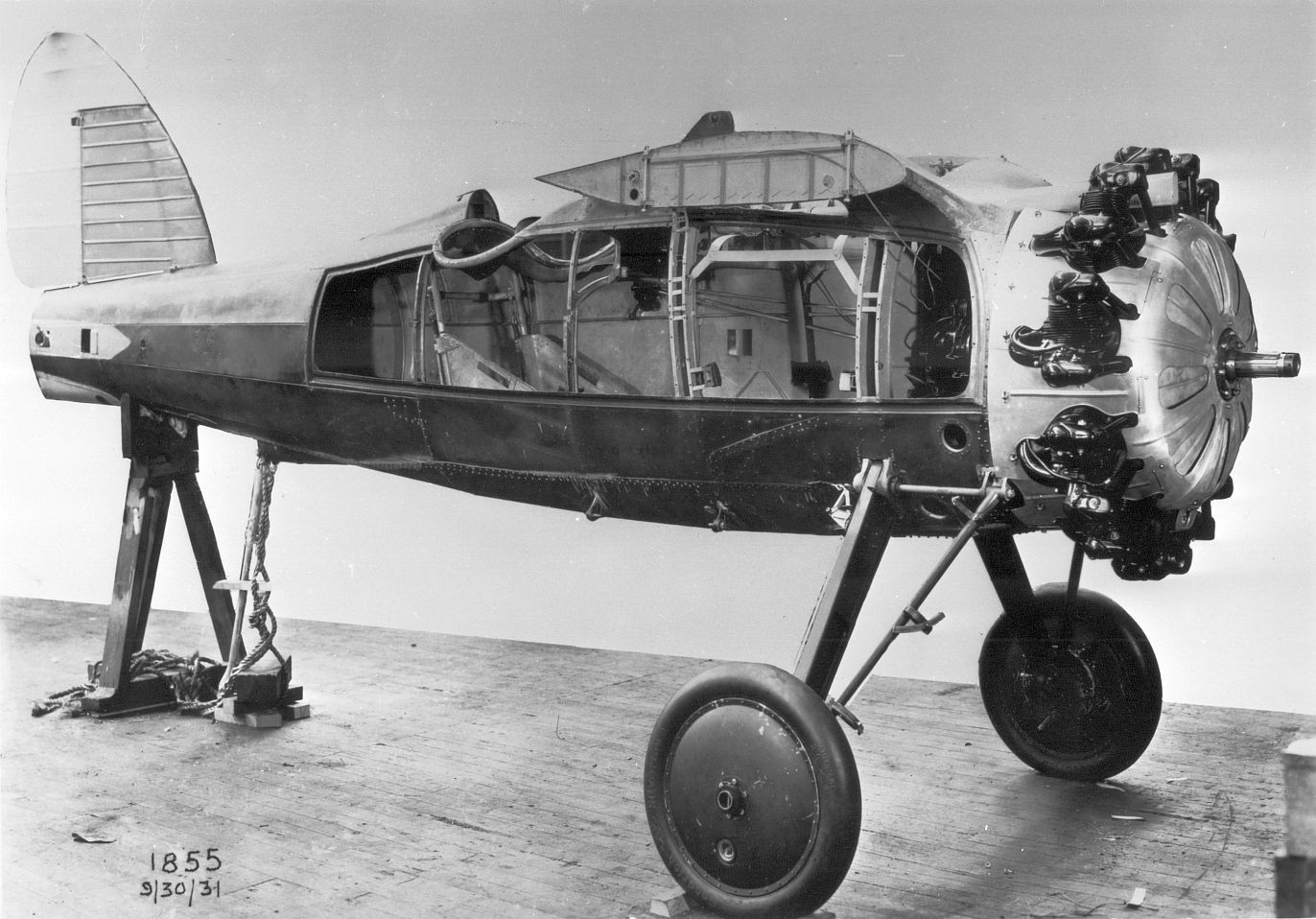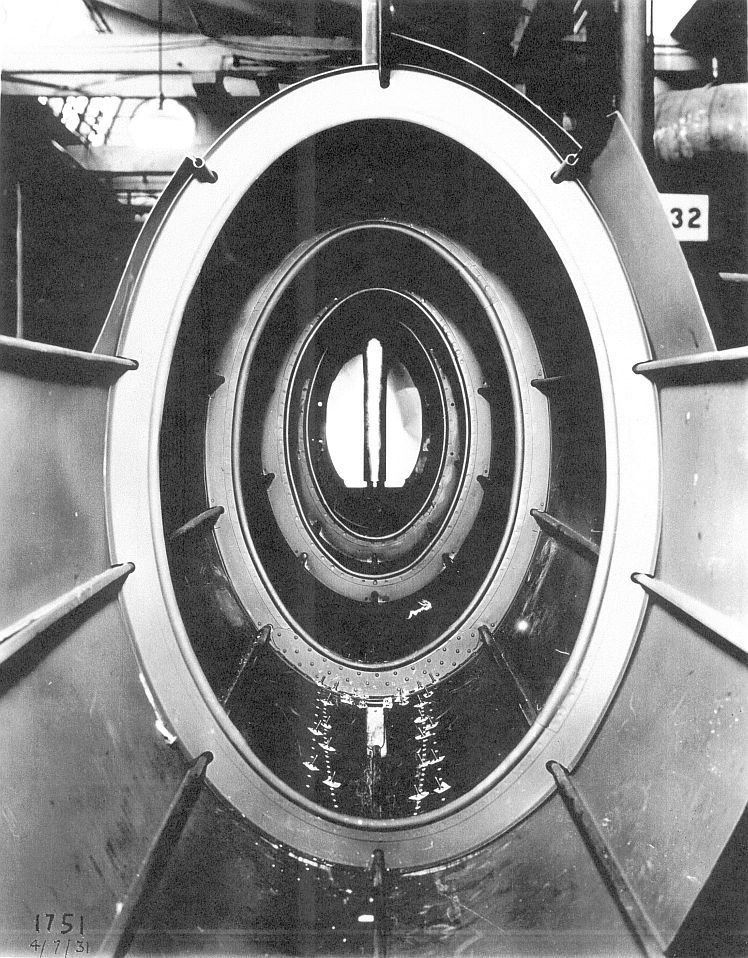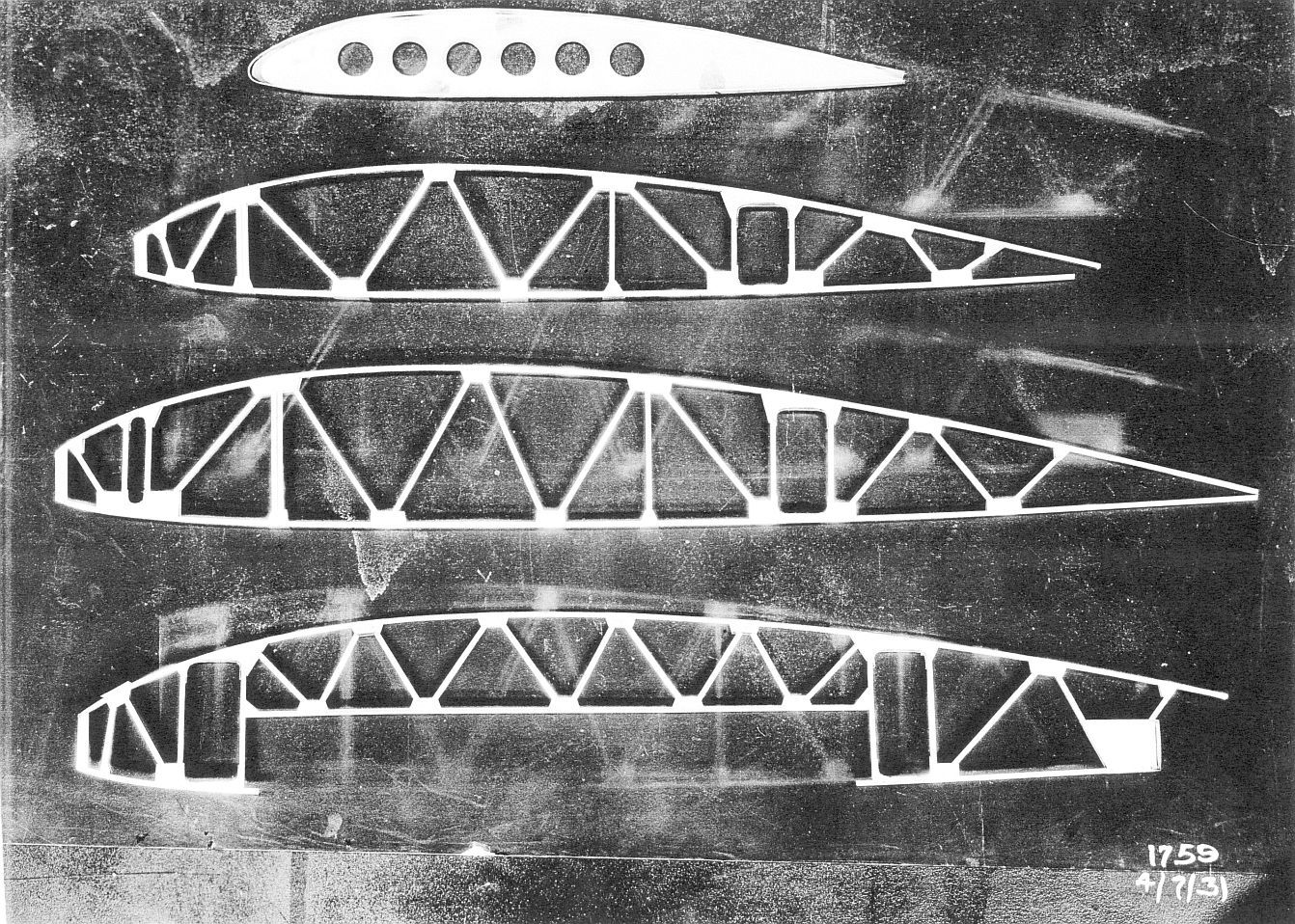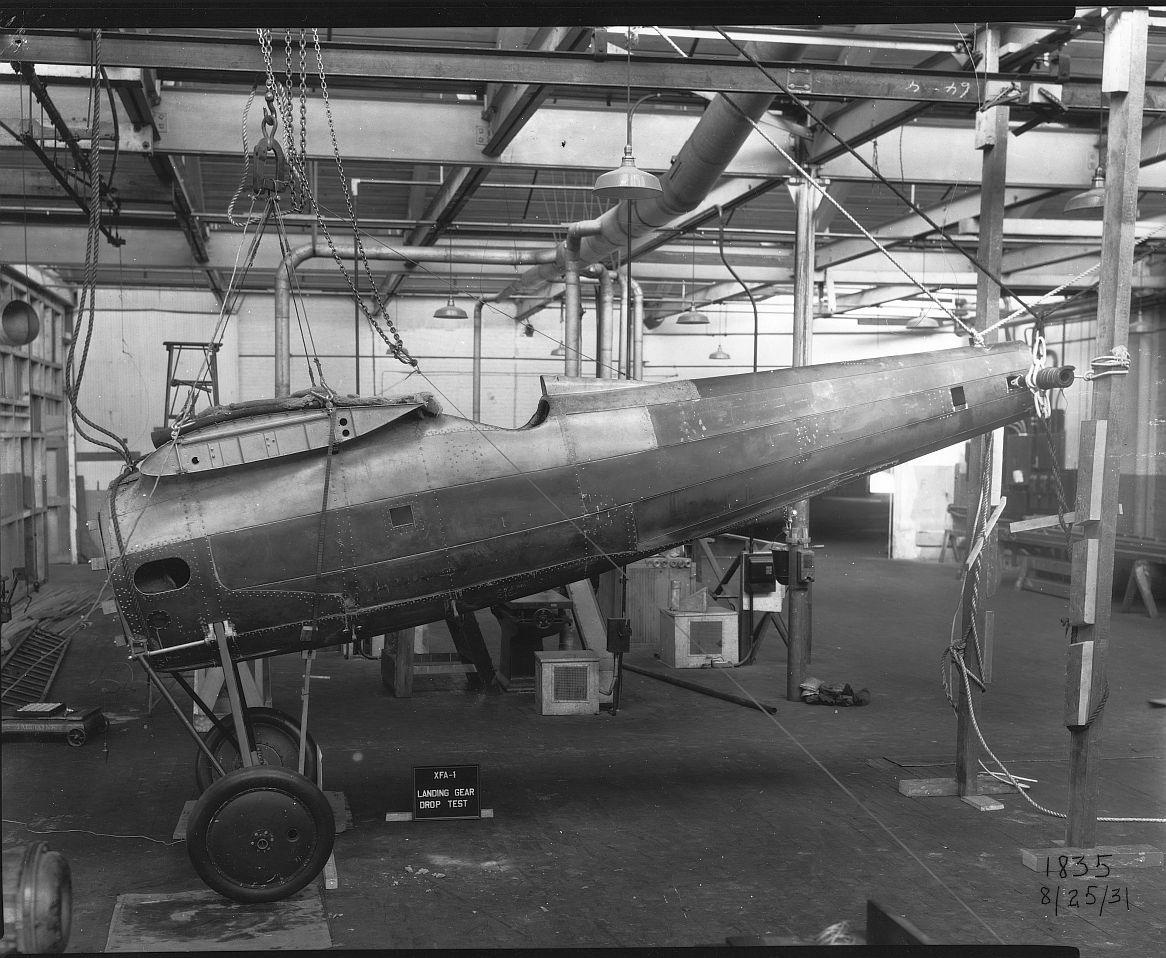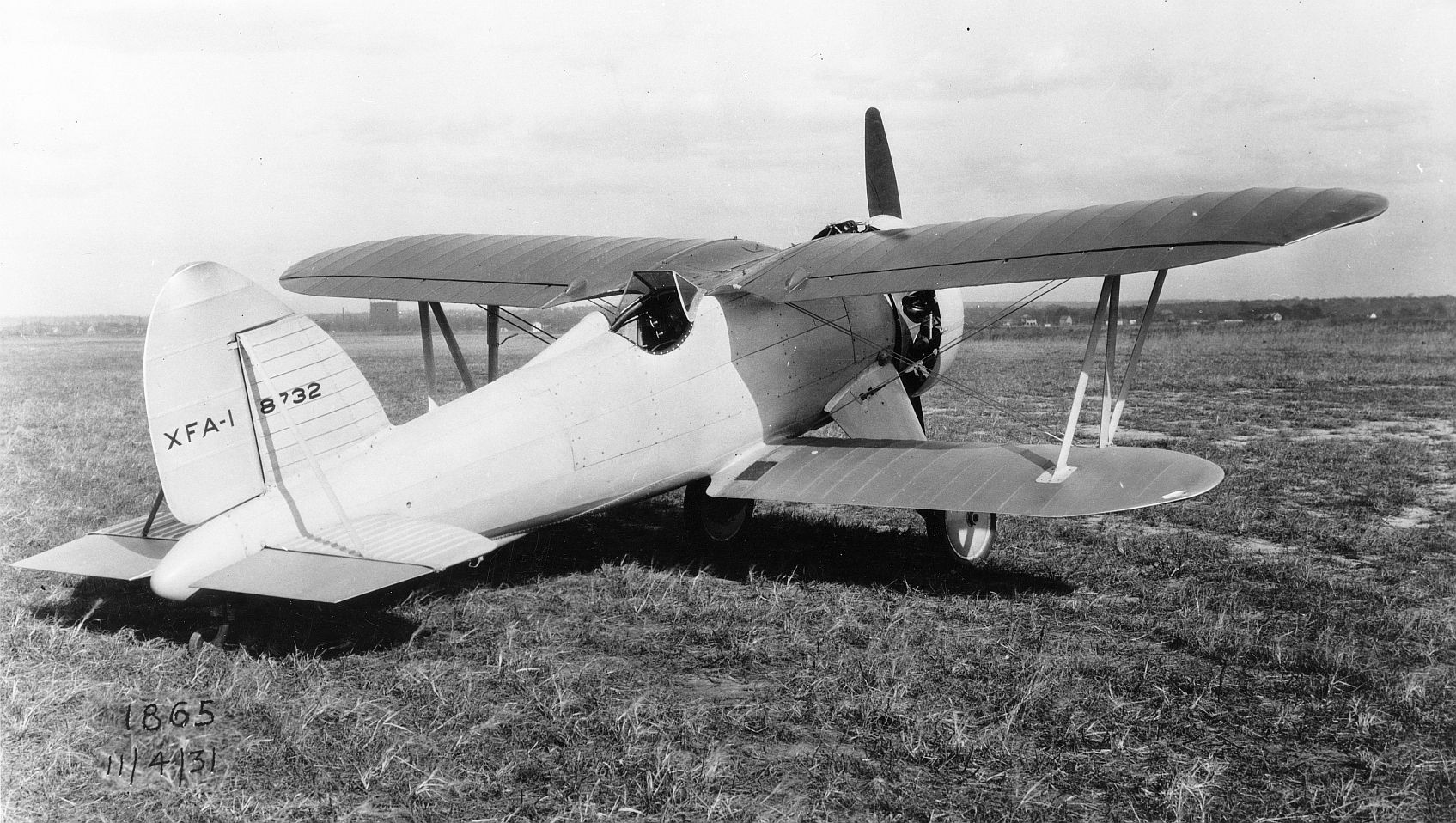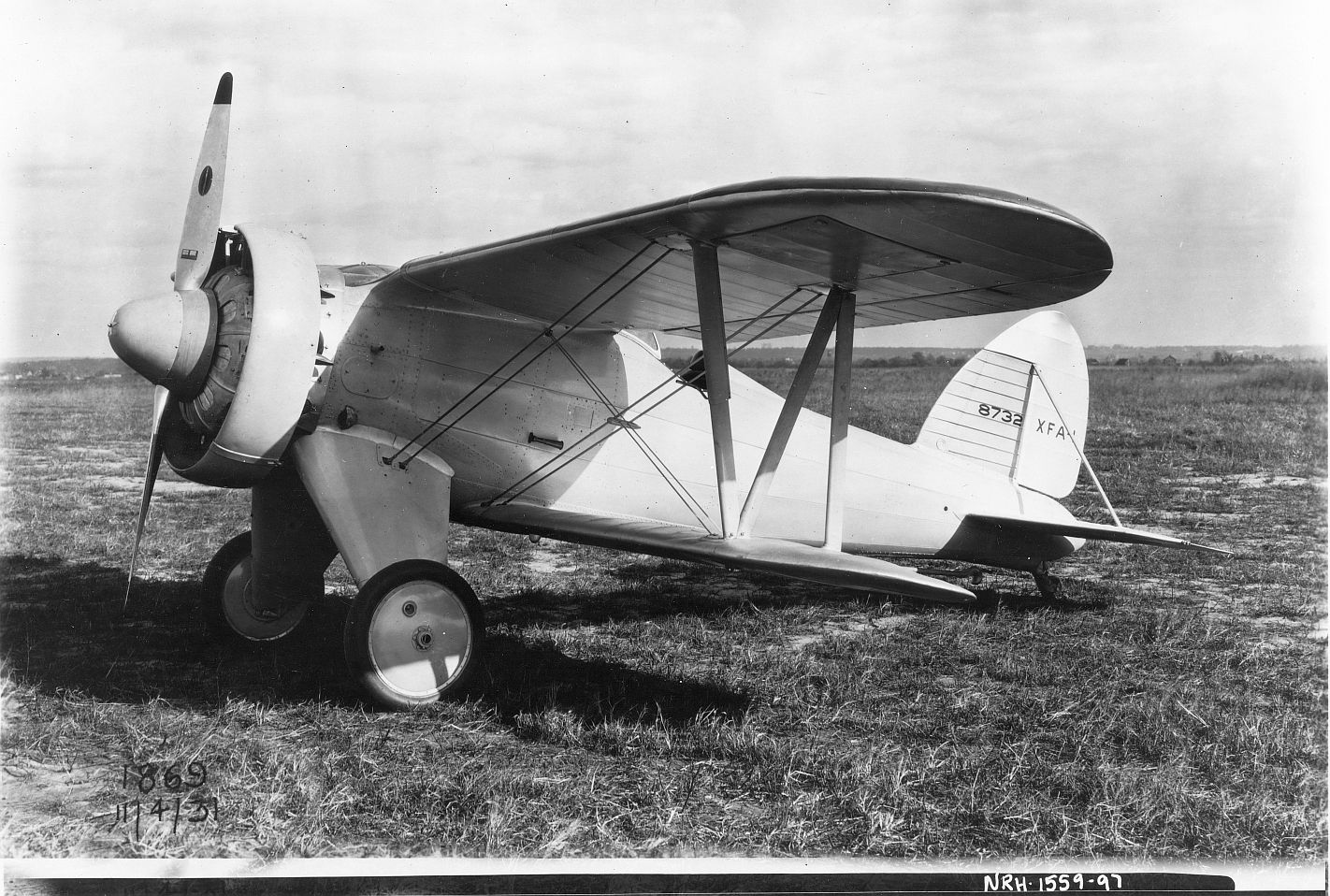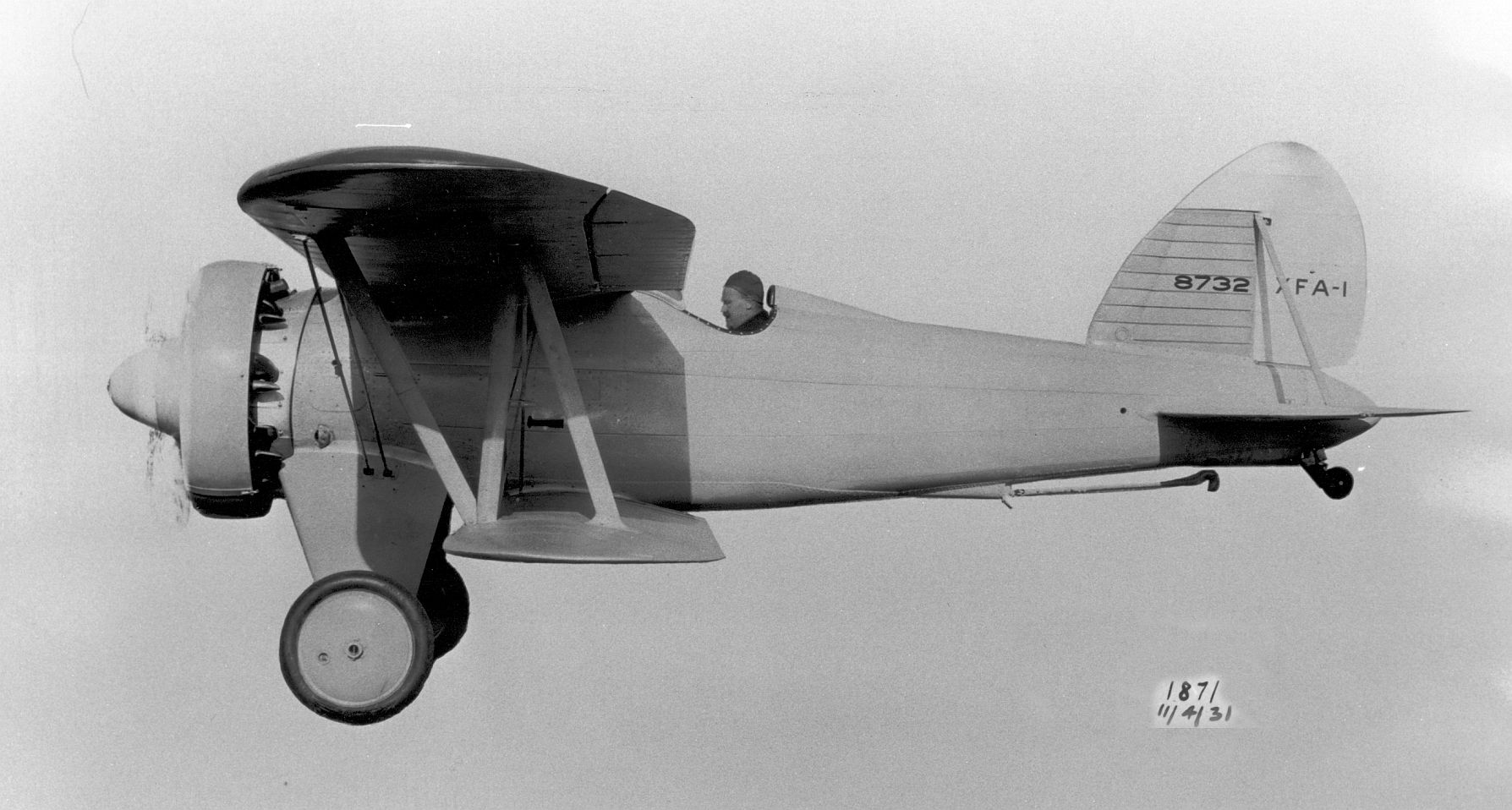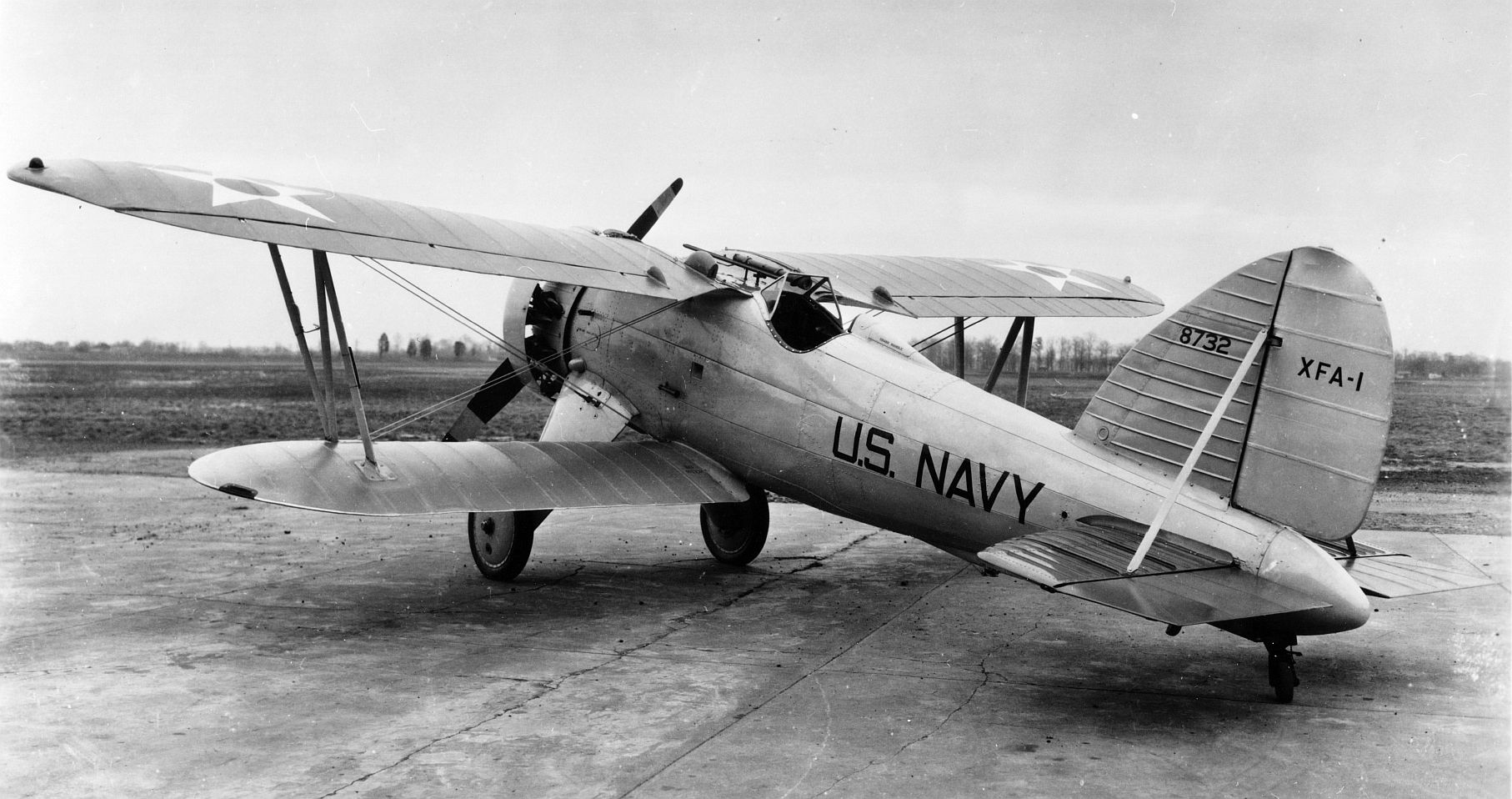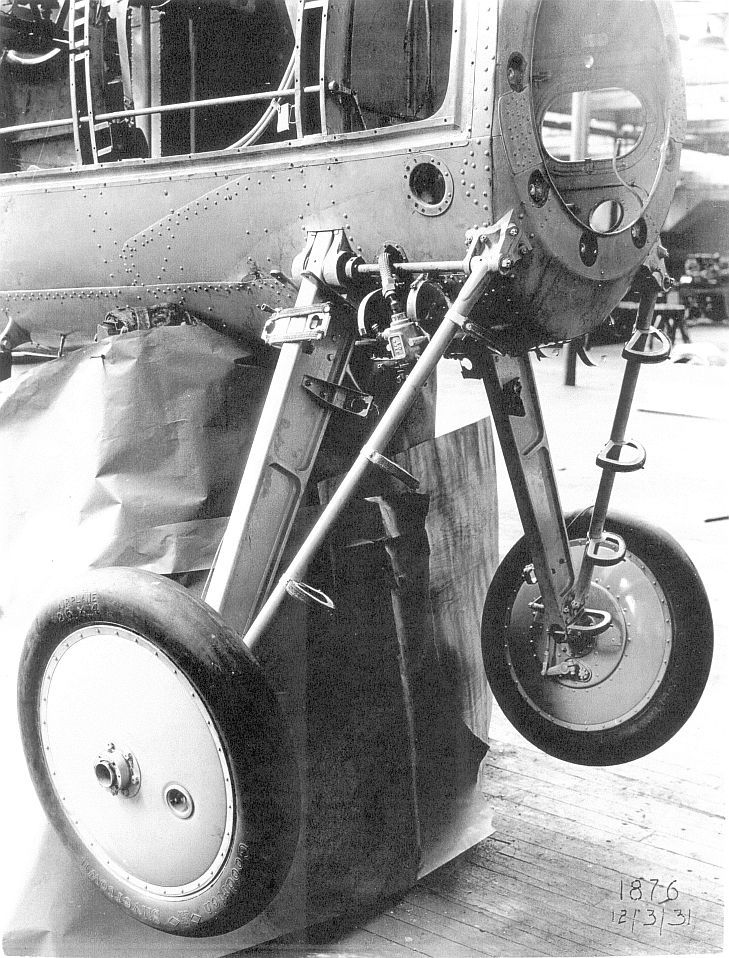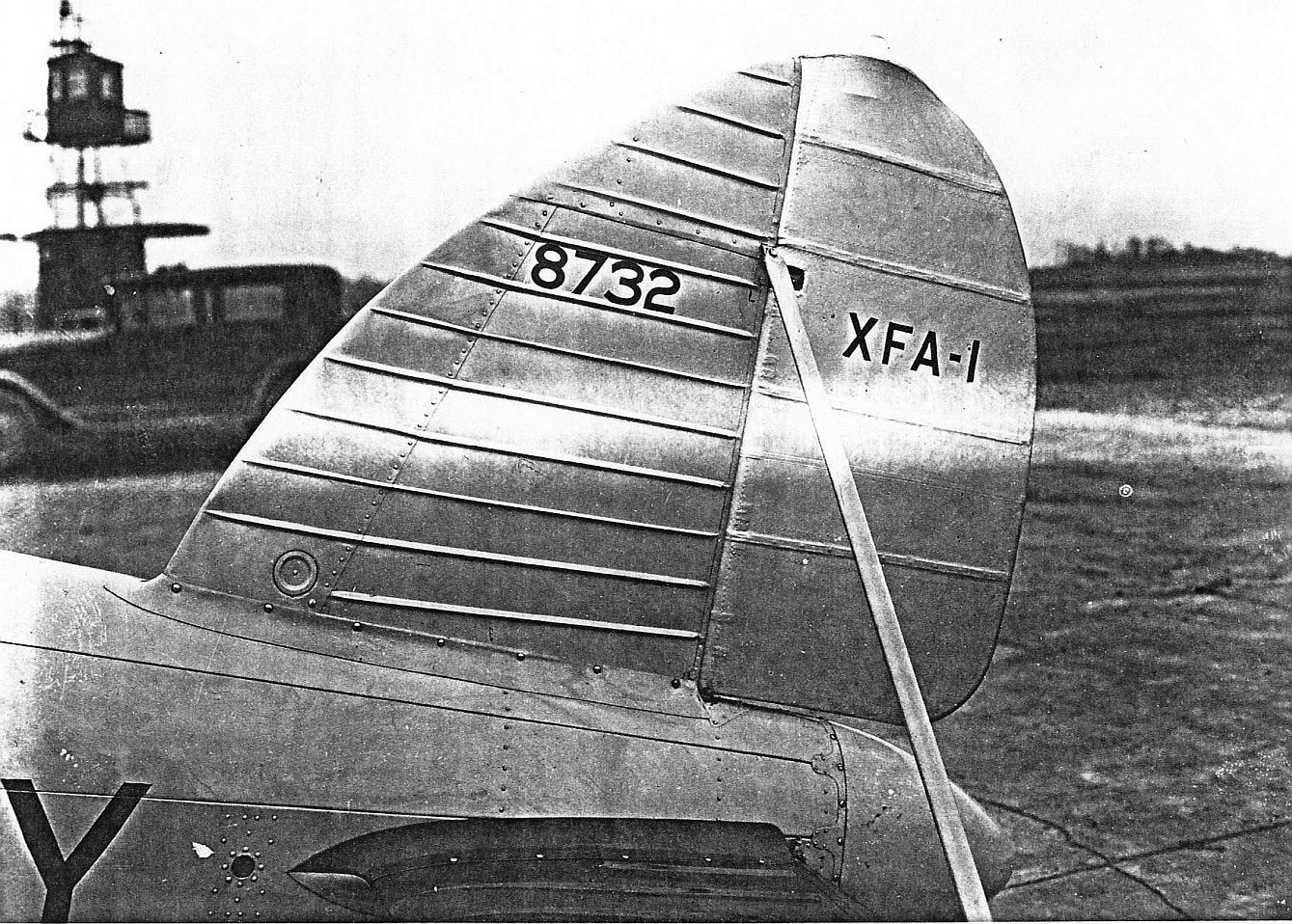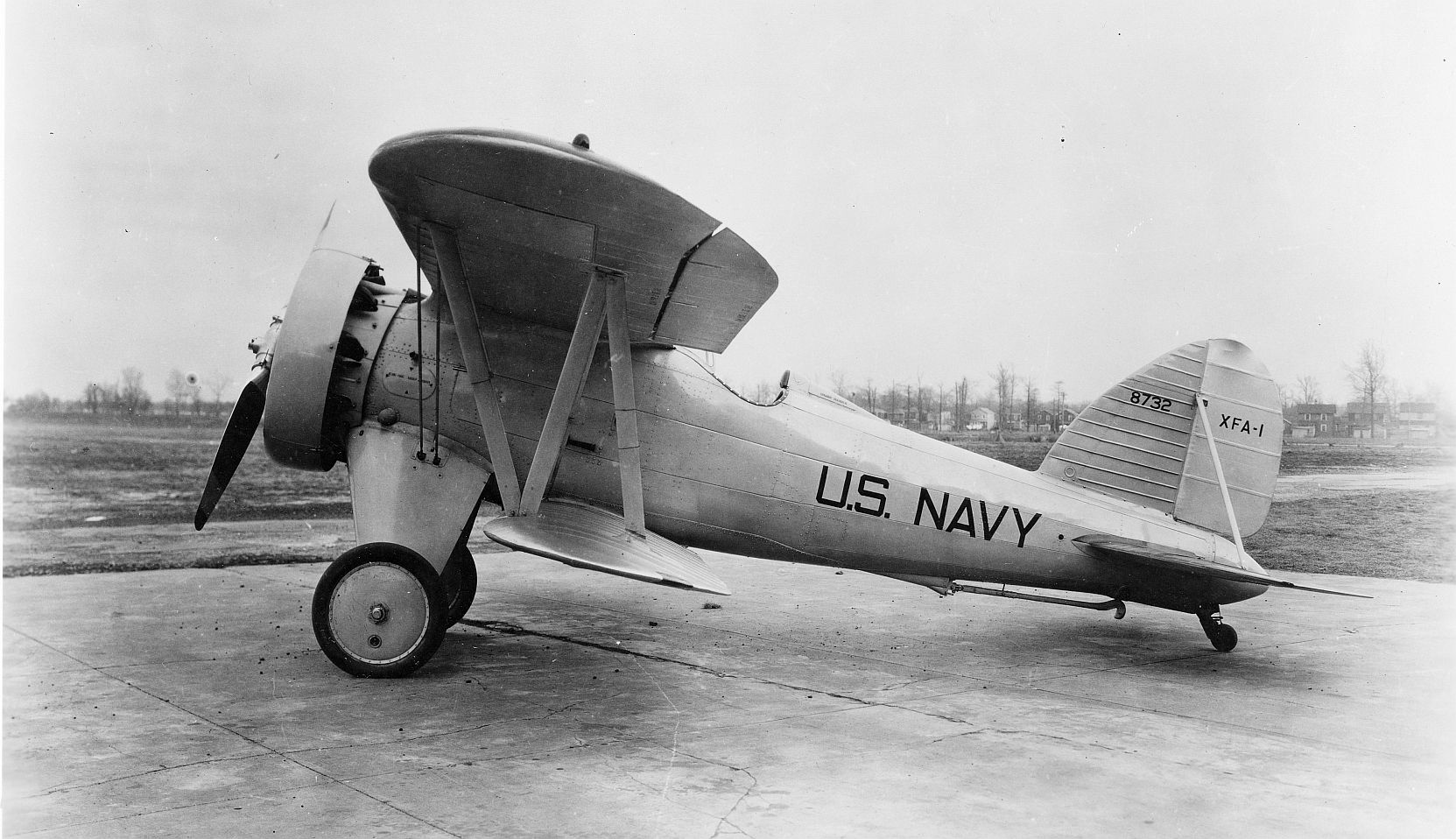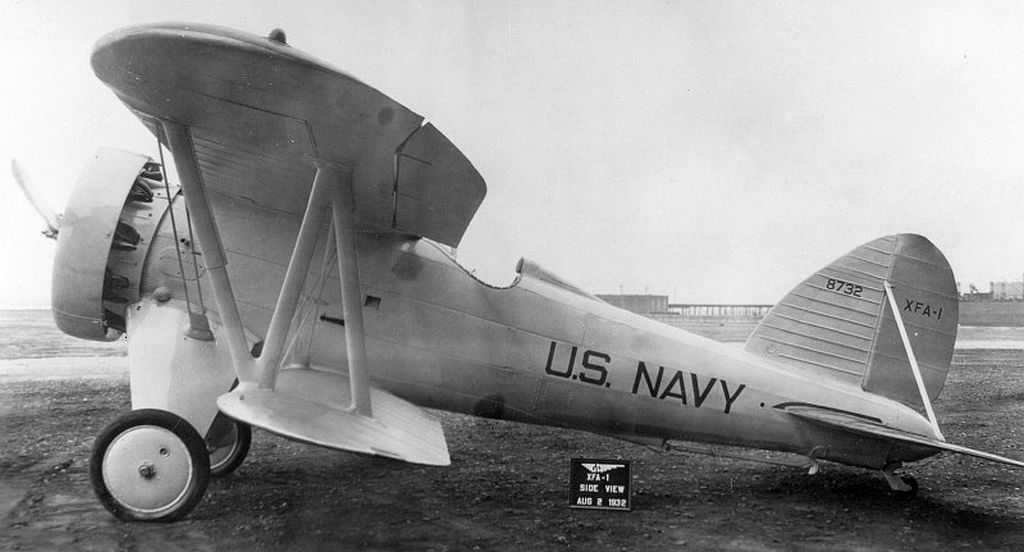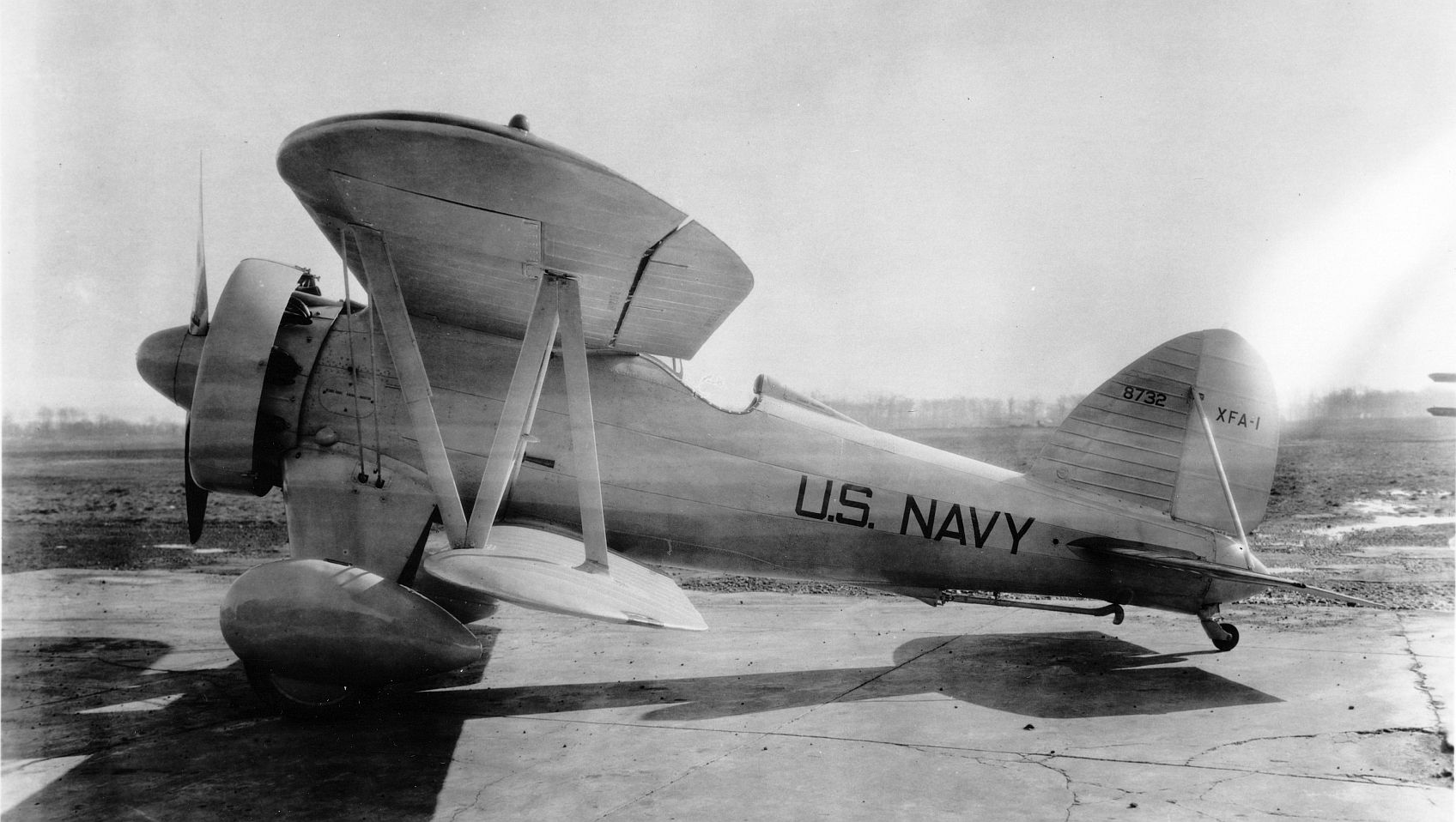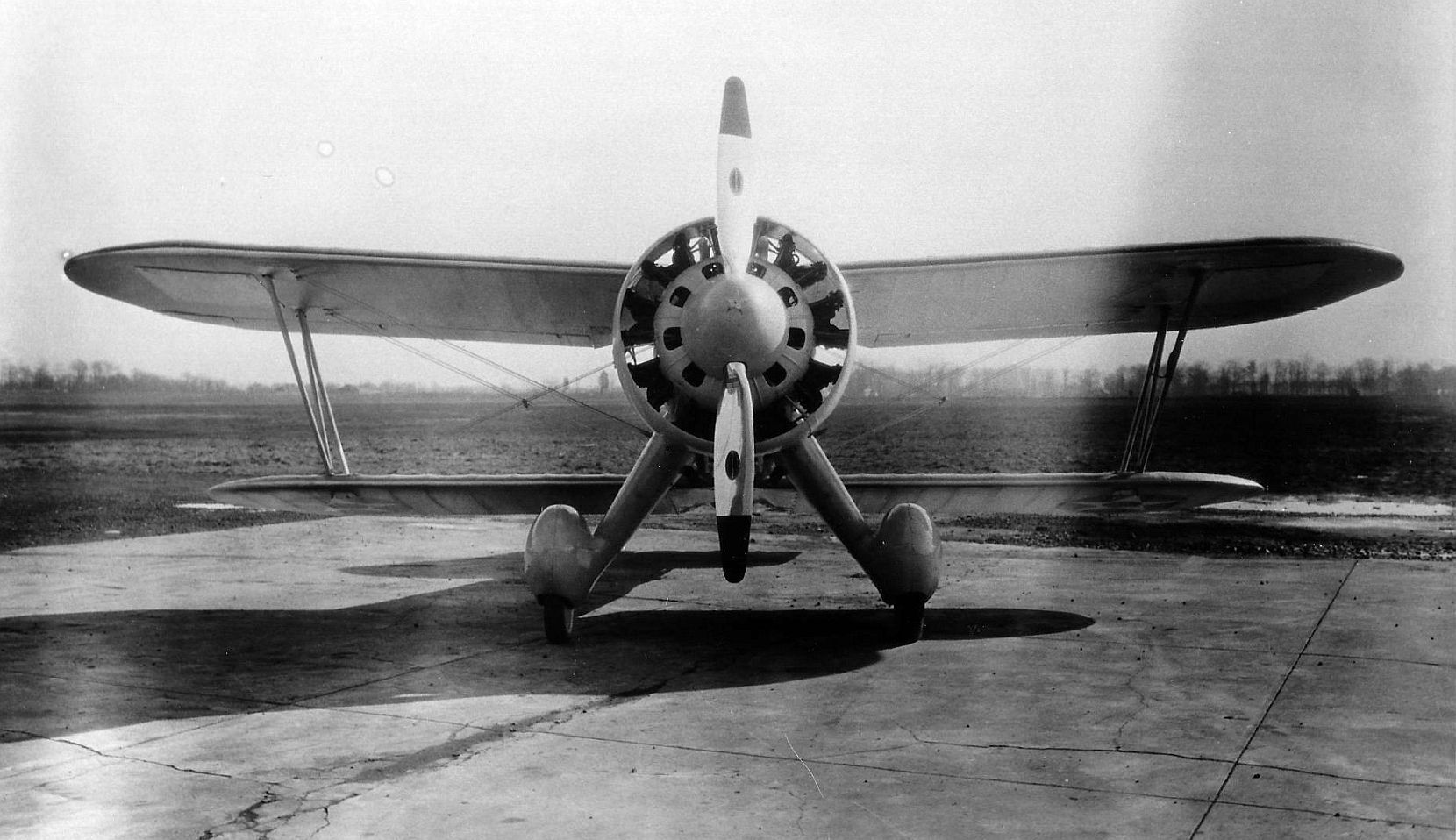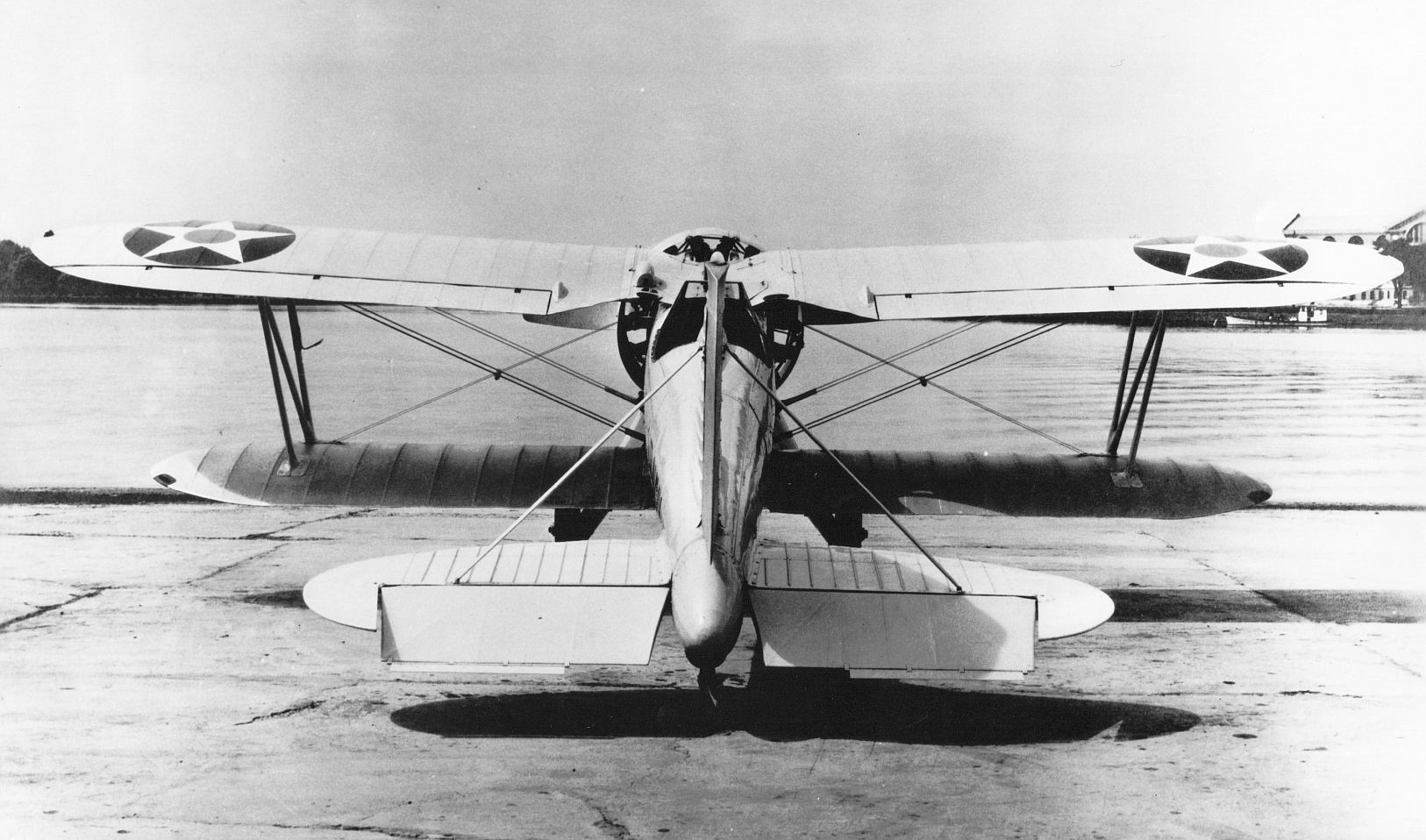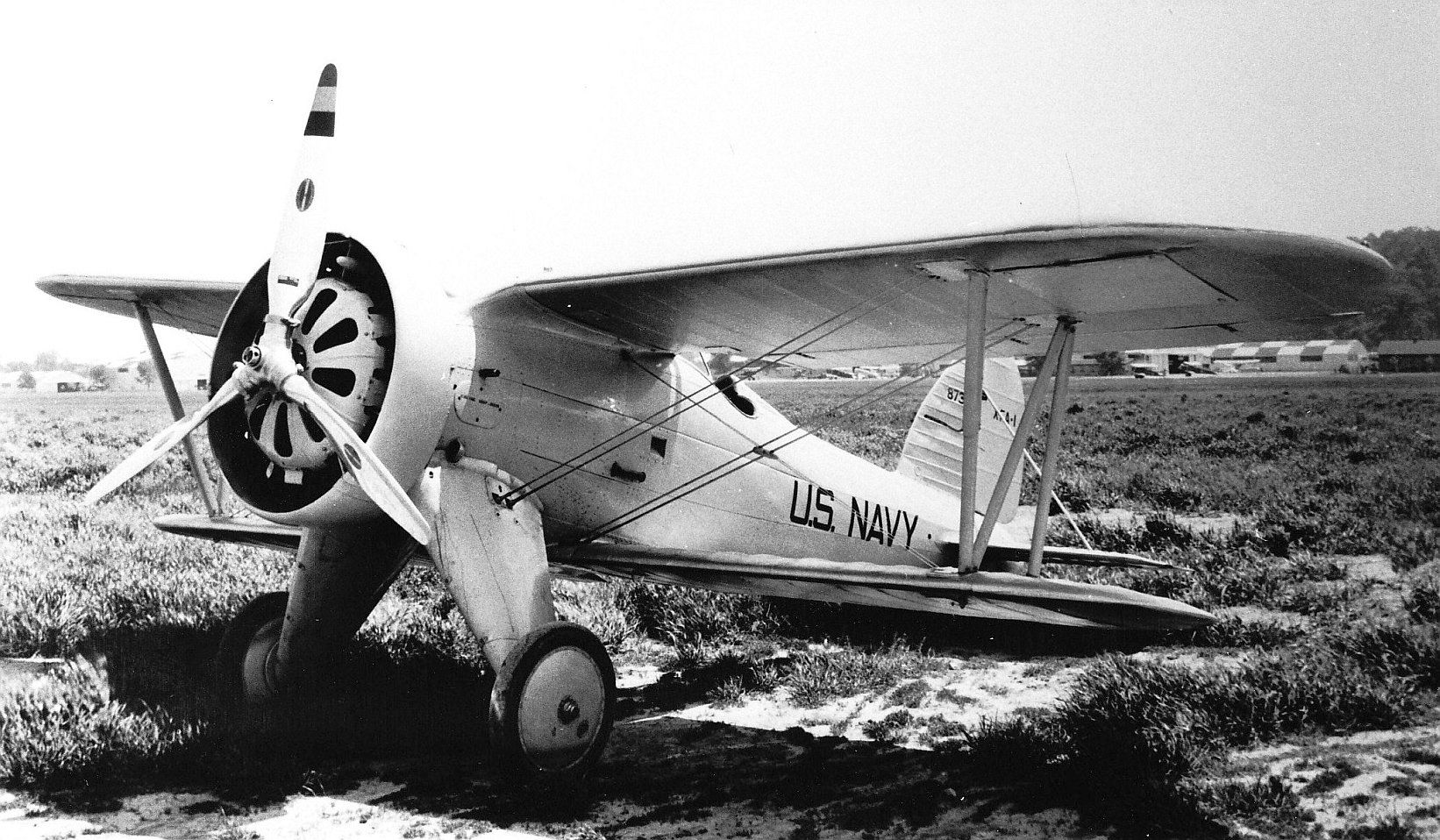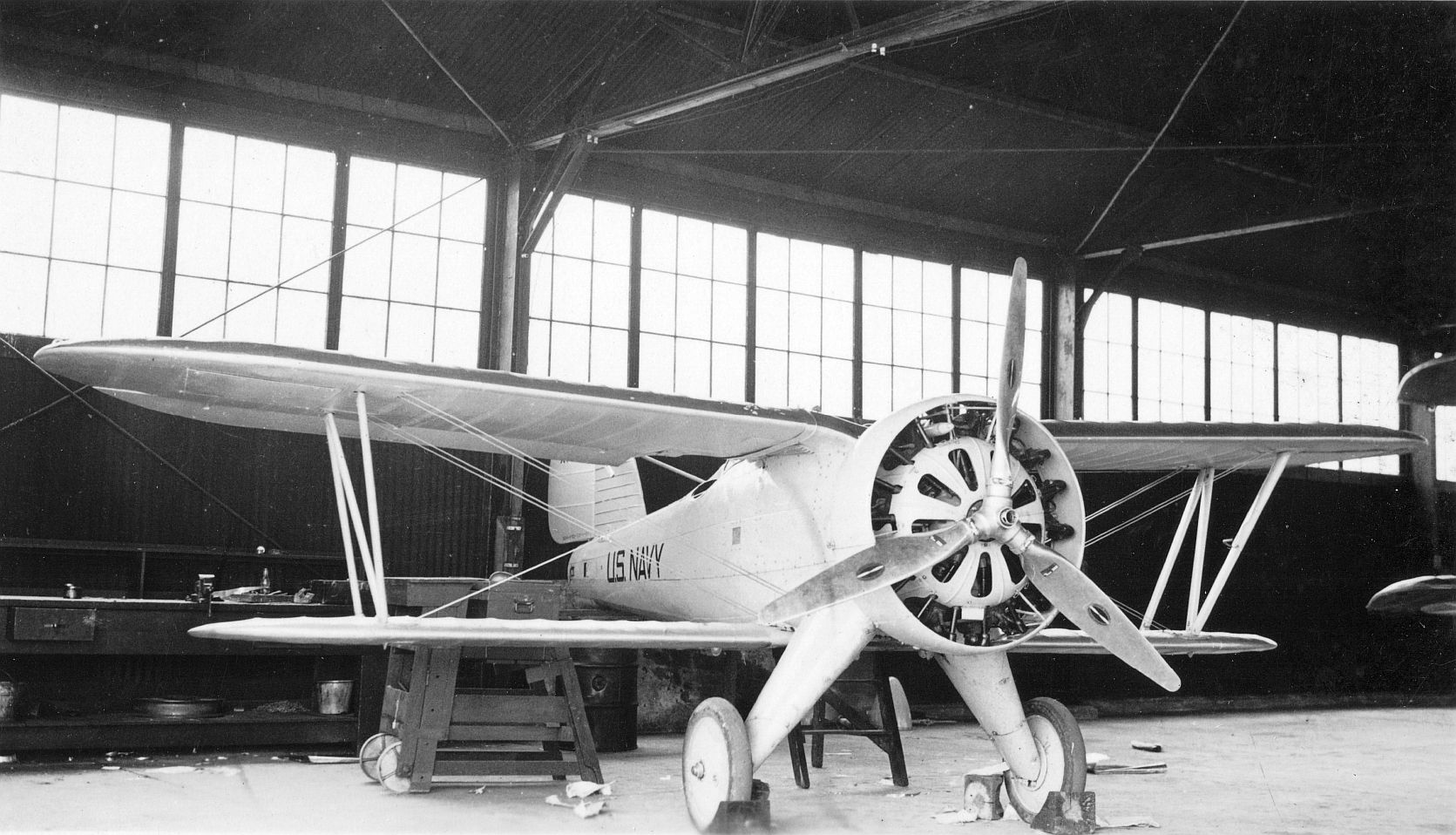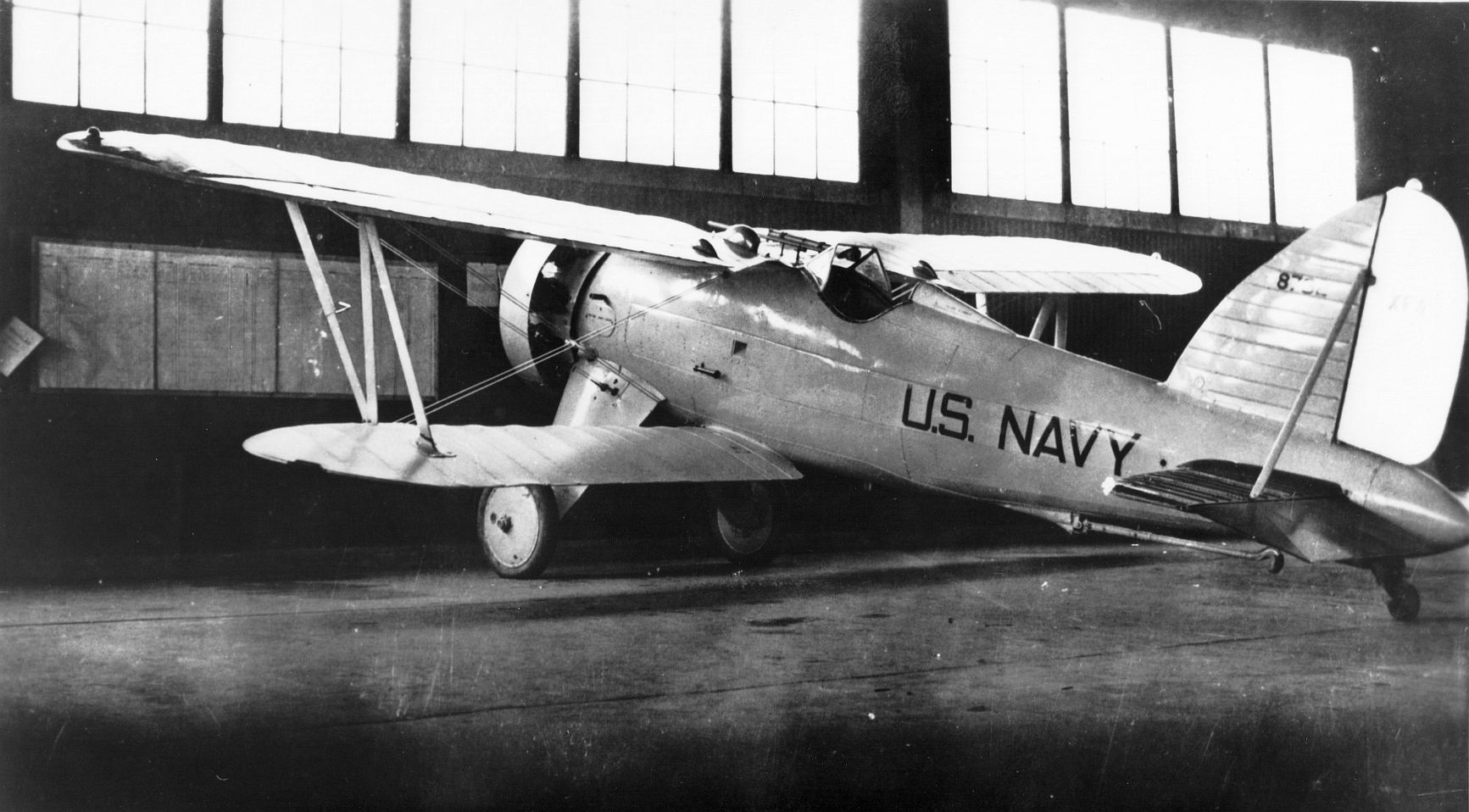
Fokker model (19?), H-54, XFA-1
Once again, this was a military aircraft, this time for the US Navy.
They received offers for a biplane fighter aircraft in the early 1930s. This was to operate from aircraft carriers.
At Fokker, Thomas H. Huff designed the H-54 in the Passiac factory.
The metal fuselage of this model was based on the Model 11, the H-51. And the 400 hp Wright R-975A (J-6) engine was proposed.
For Fokker in America, it was the first biplane after 6 years.
The design was already presented to the Navy in April 1930. However, it was not until a month later that they provided the strict specifications it had to meet: BuAer design proposal 96. In this proposal, the P&W R-985 (Wasp Jr) engine was prescribed.
As early as June 30, 1930, a Curtiss XF9C-1 (A8731) and the XFA-1 (A8732) were ordered. The existing Berliner-Joyce XFJ-2 was ruled out. Meanwhile, Fokker attempted to interest the Air Corps in the design as well. It was included in an evaluation under the designation XP905. This designation had previously been used for a Fokker low-wing fighter project. Fokker even offered to build a prototype at its own risk. Nevertheless, contact regarding this was terminated by the Air Corps.
According to the weekly reports prescribed by the Navy, progress was slow. The delivery date of May 10, 1931, was repeatedly postponed. Changes to the design also contributed to this.
At the end of October 1931, the aircraft was reported 95% ready. However, this only reached 98% in early November. It was, however, already photographed 'as ready' by then.
It was precisely during that period that major changes took place within the company. The name changed to General Aviation Manufacturing Corporation. And the factory moved to Dundalk in the state of Maryland.
GAMC wanted to make a number of adjustments and requested a postponement of the delivery again.
To make matters worse, the aircraft sustained a nose stand during testing. It was not until March 5, 1932, that the Navy could begin testing the aircraft.
The longitudinal stability proved insufficient, and on May 23, the aircraft returned to the factory. It subsequently made a few more trips back and forth to Anacostia, the Navy's test base. There, it was tested in 43 flights totaling 21 hours and 35 minutes.
However, the performance ultimately remained unsatisfactory. On September 27, 1932, it was requisitioned by the Navy, with a fine for late delivery.
However, after 51 flight hours and 35 minutes, the aircraft was designated for static testing.
The Curtiss XF9C did not fare much better. Six production aircraft of the F9C-2 were still built.
They received excessive publicity because they were able to link up under the airships Akron and Macon. However, the later assumption that BuA proposal 96 was intended for this is incorrect.
So the XFA-1 wasn't built for that either.
Click on the photo to enlarge it.