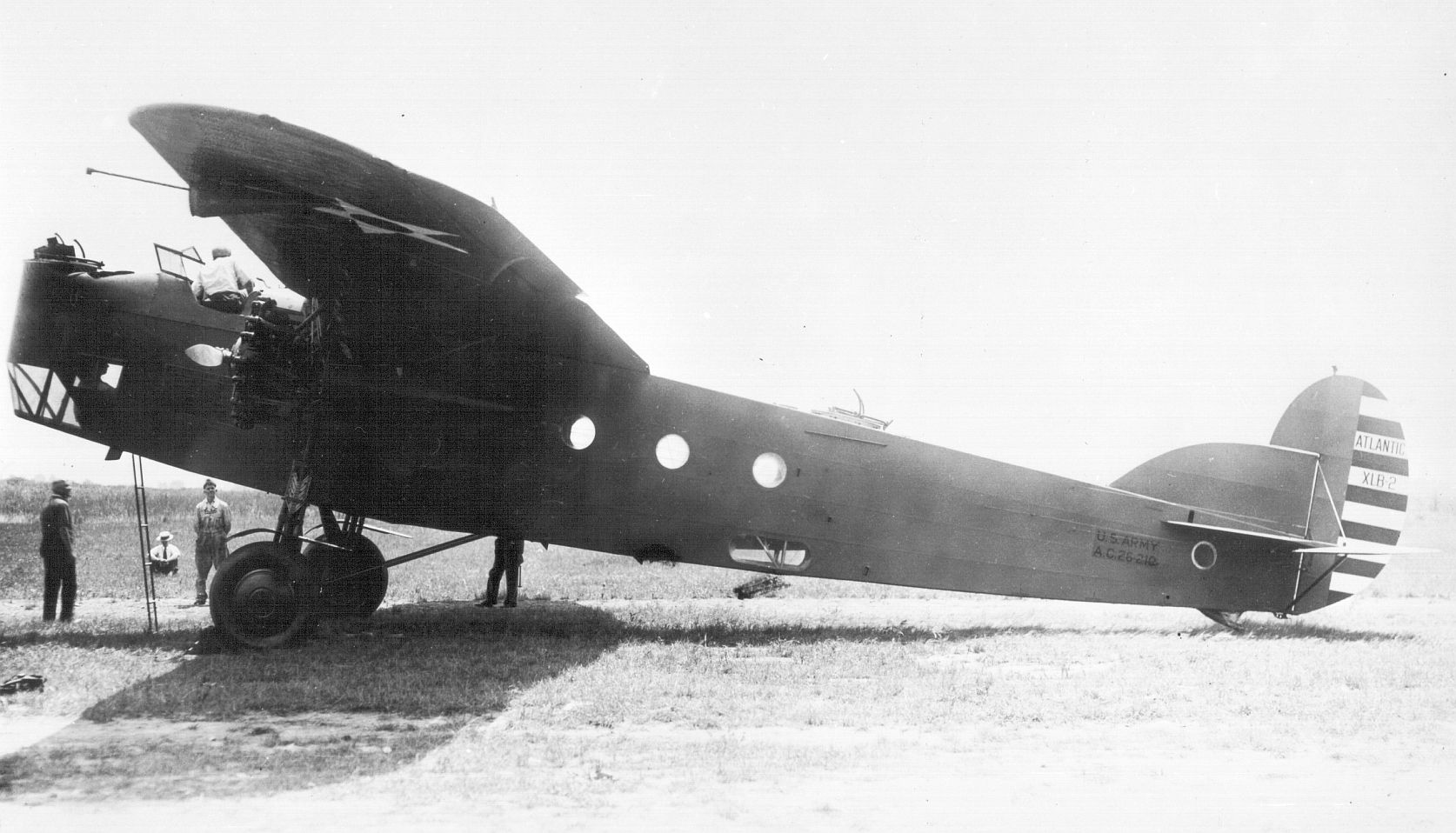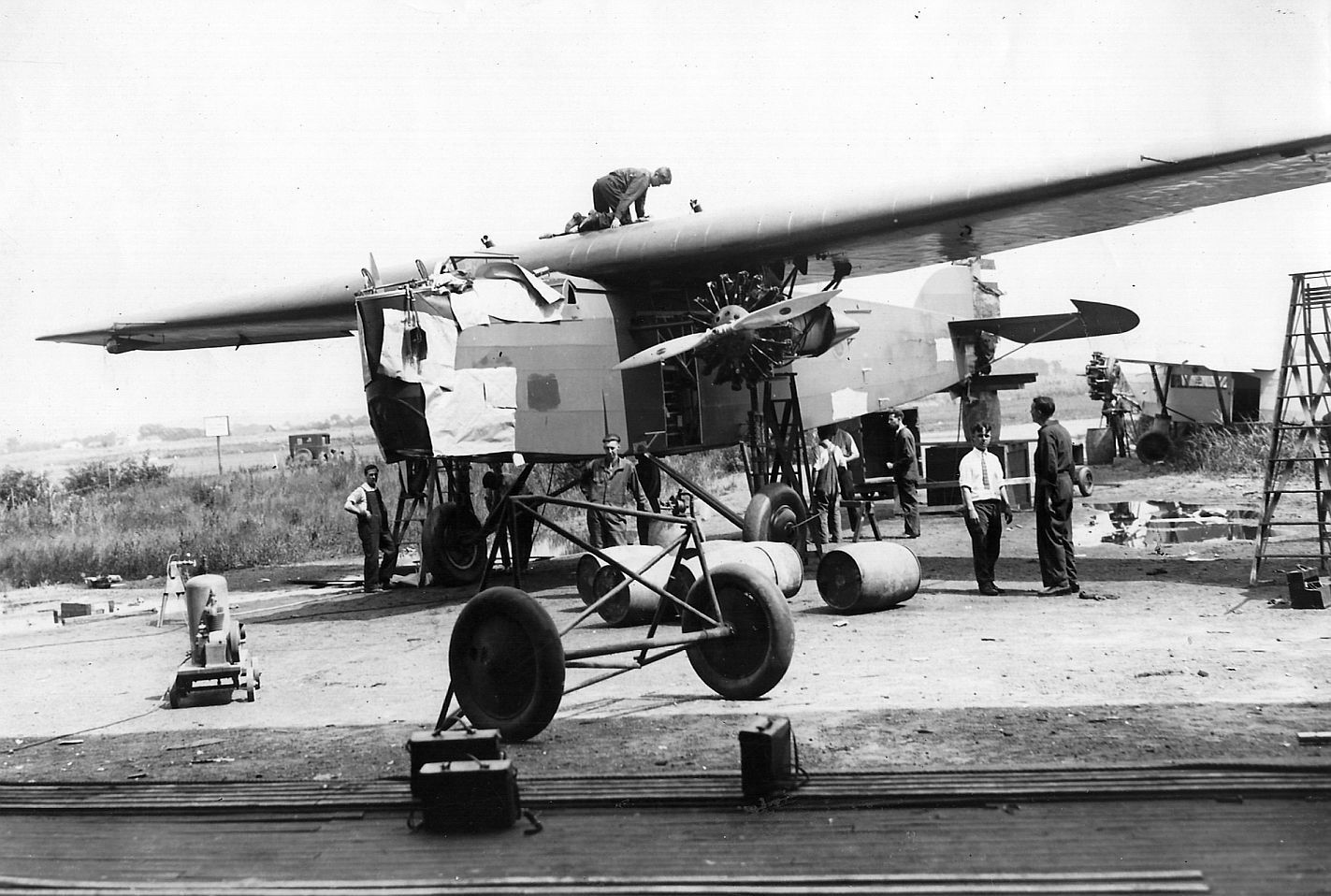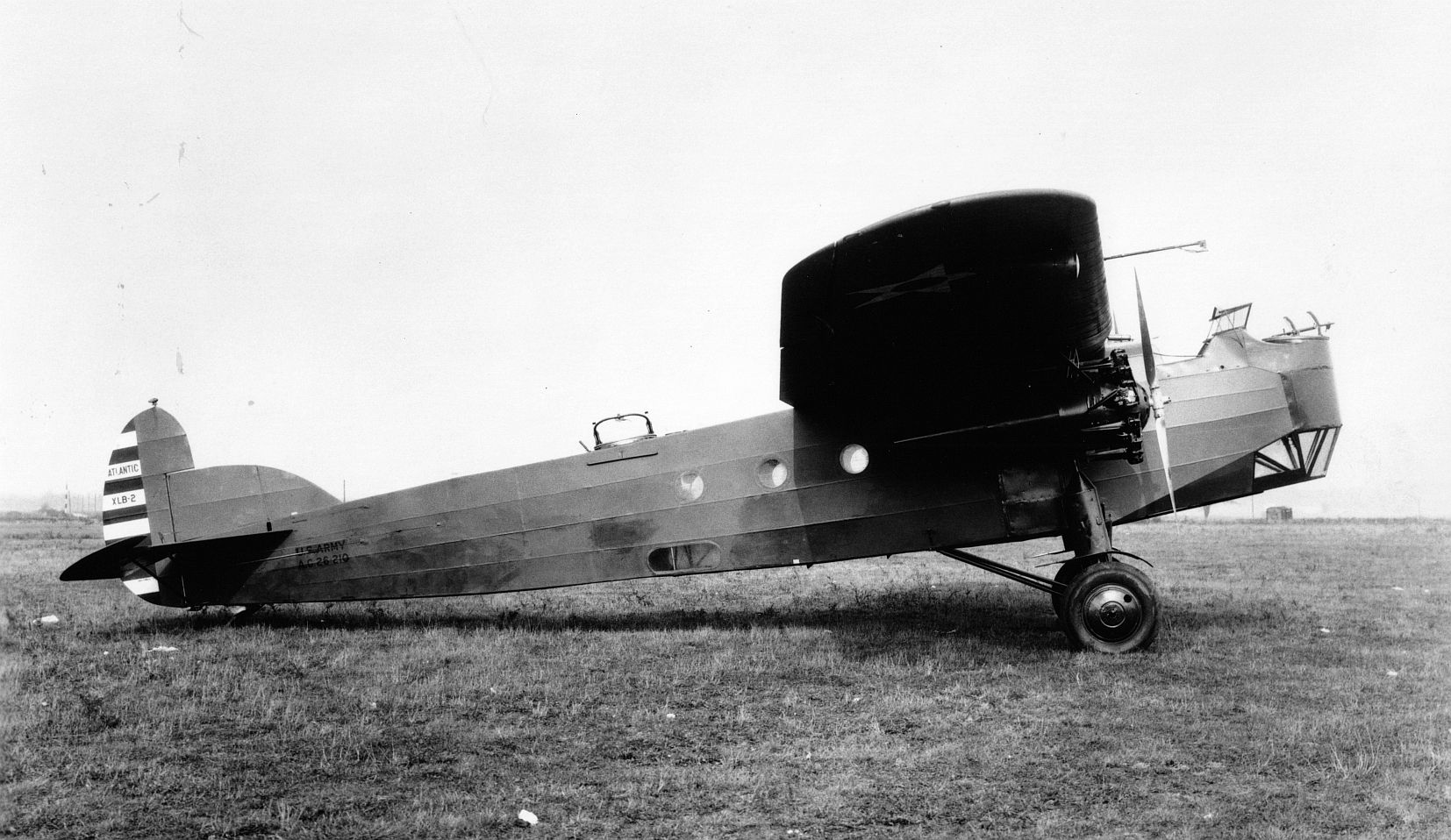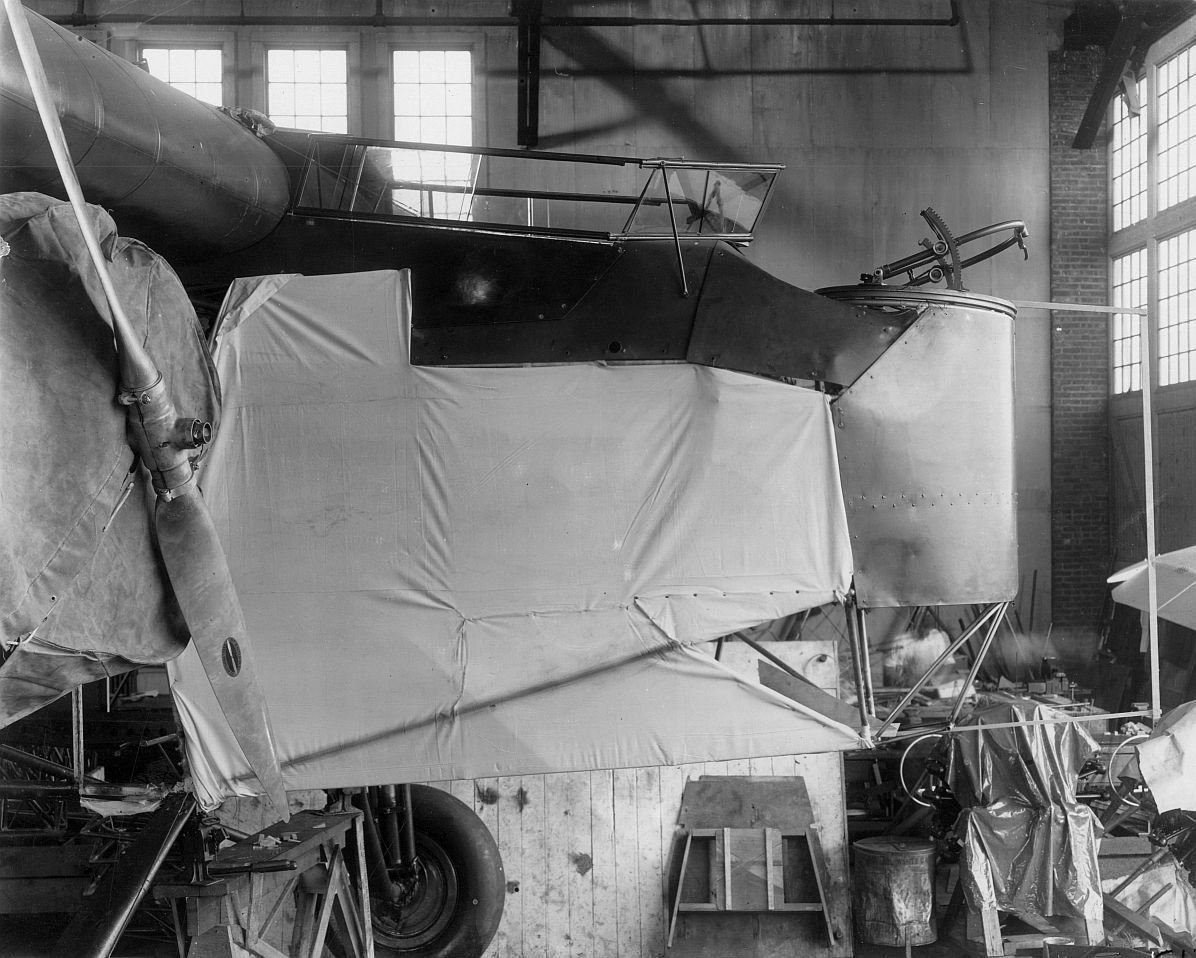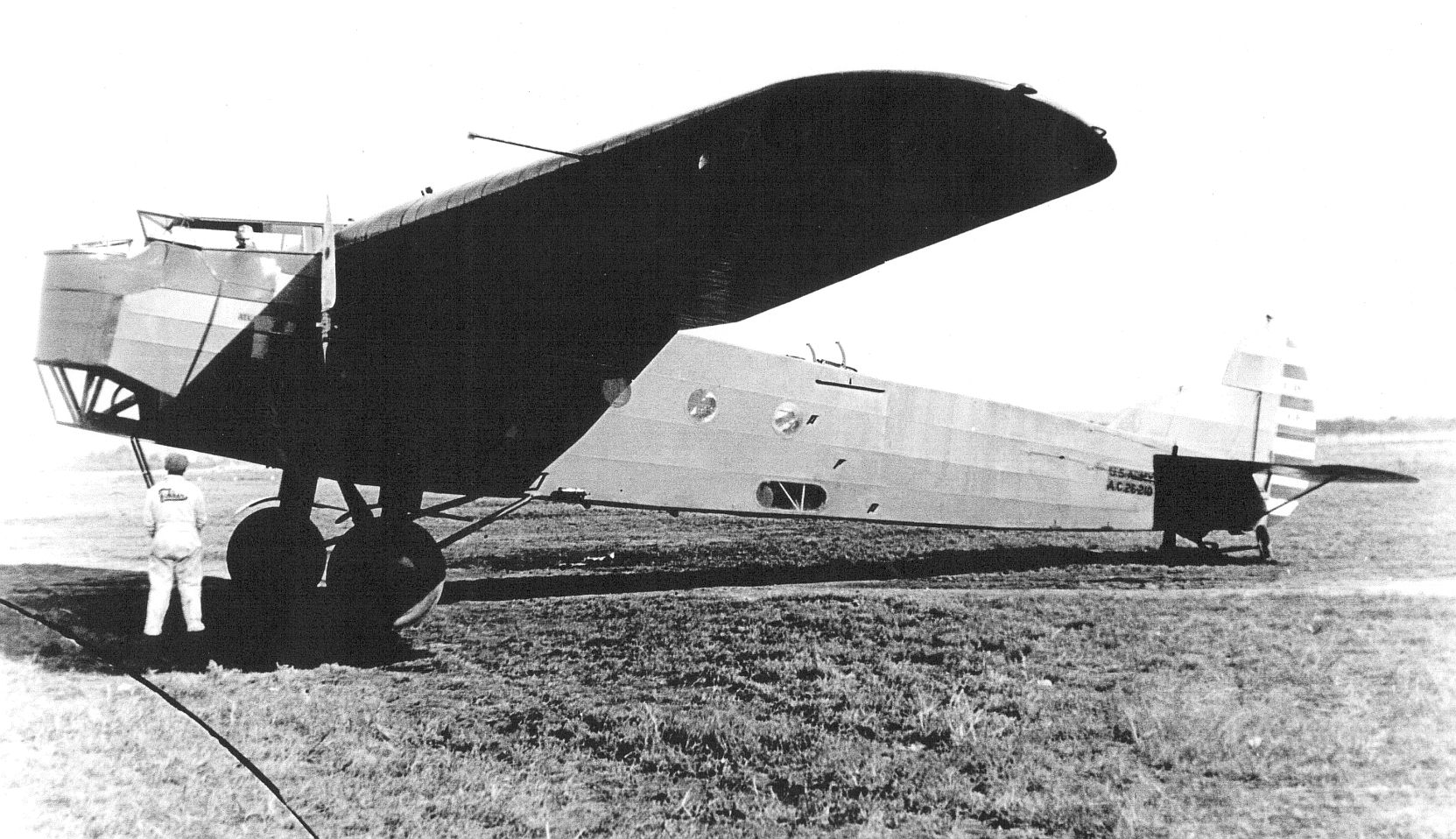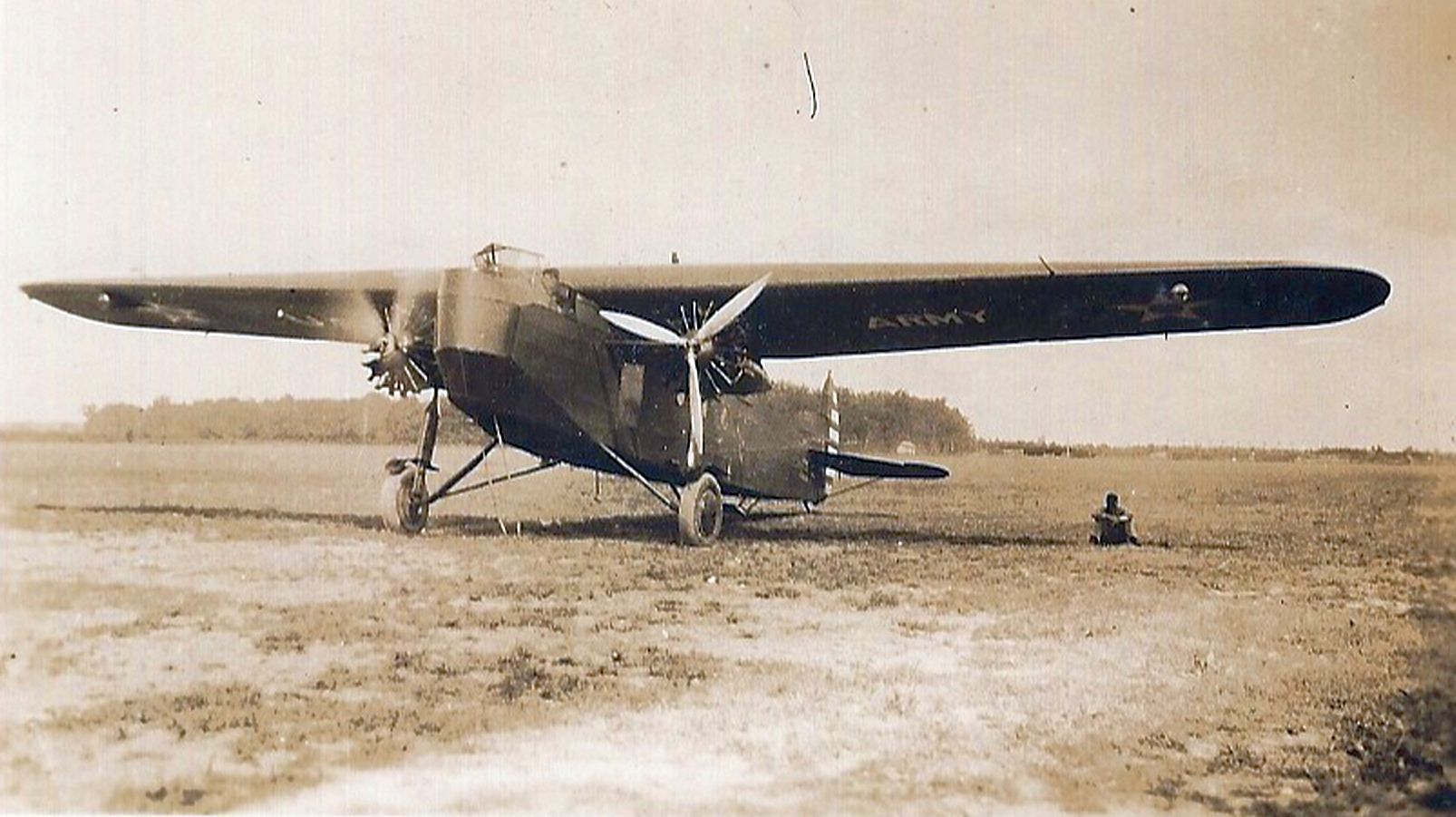
Fokker XLB-2 Bomber (Model 7A unc)
At the end of 1925, Anthony Fokker presented his successful F.VII Trimotor to the US Air Corps. He also showed various versions of this basic model, including a bomber.
The response was that the aircraft's nose needed to accommodate a bombardier and/or armament.
This meant switching to a twin-engine aircraft. There were also doubts as to whether a monoplane was suitable for this role. All bombers in service up to that point were still biplanes.
Based on this, Fokker set to work on a new proposal: an aircraft powered by two Allison air-cooled Liberty engines, then under development.
On May 28, 1926, a contract was signed with the Atlantic Aircraft Corporation for a prototype at a cost of $ 48,000.
The aircraft was designated the XLB-2 and was assigned the registration AC 26-210.
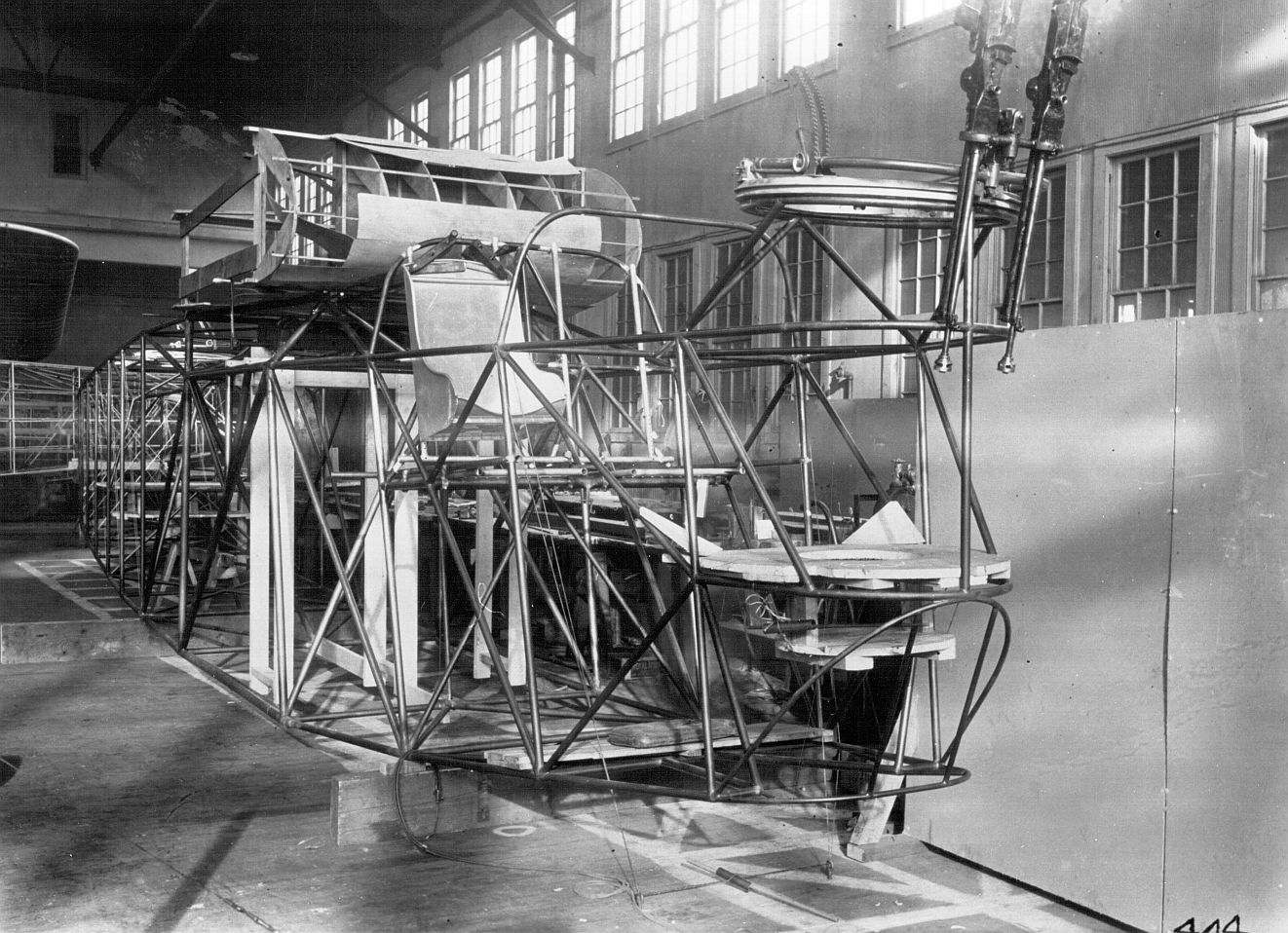
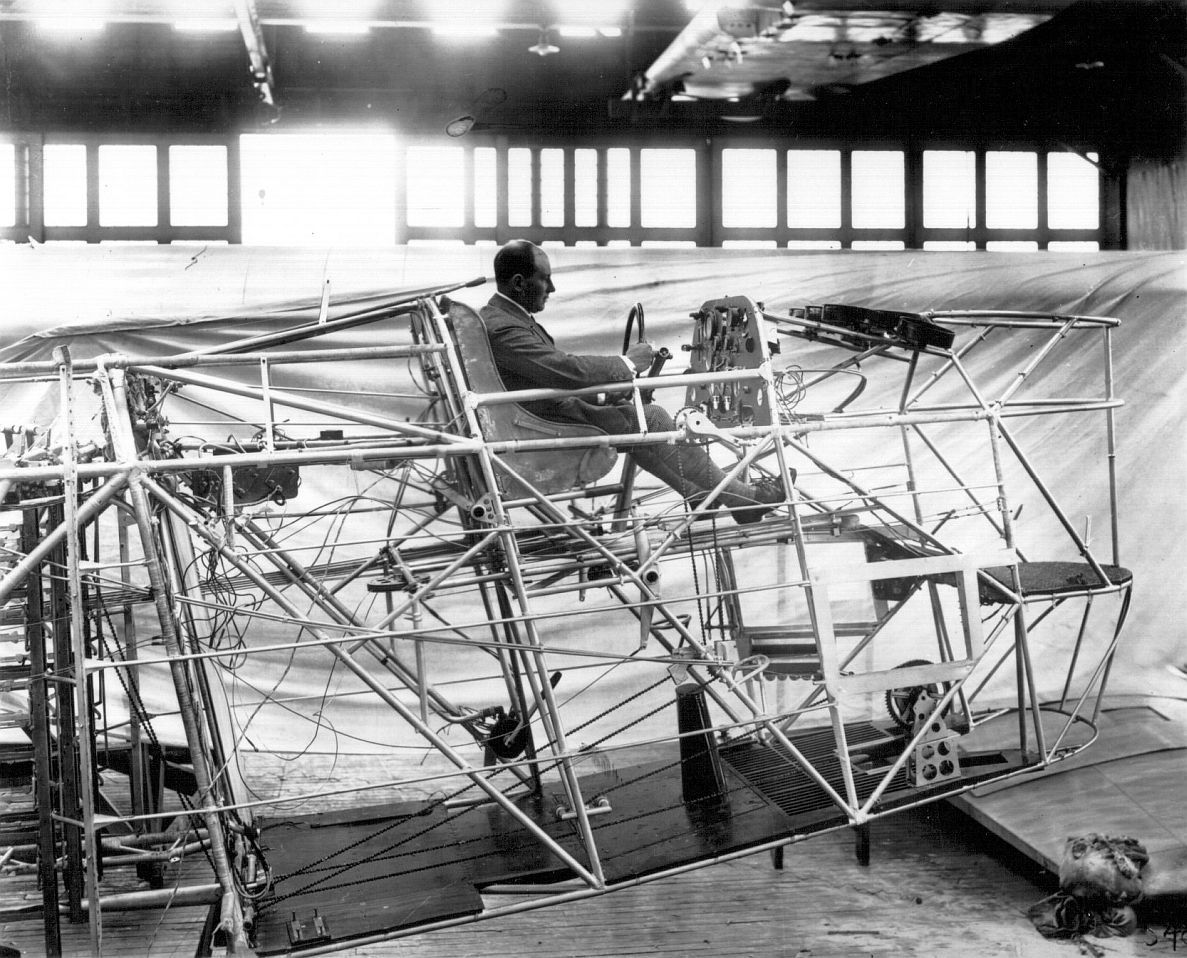
Construction of the aircraft proceeded with difficulty. First, Fokker had to demonstrate compliance with the ‘Buy American Act’.
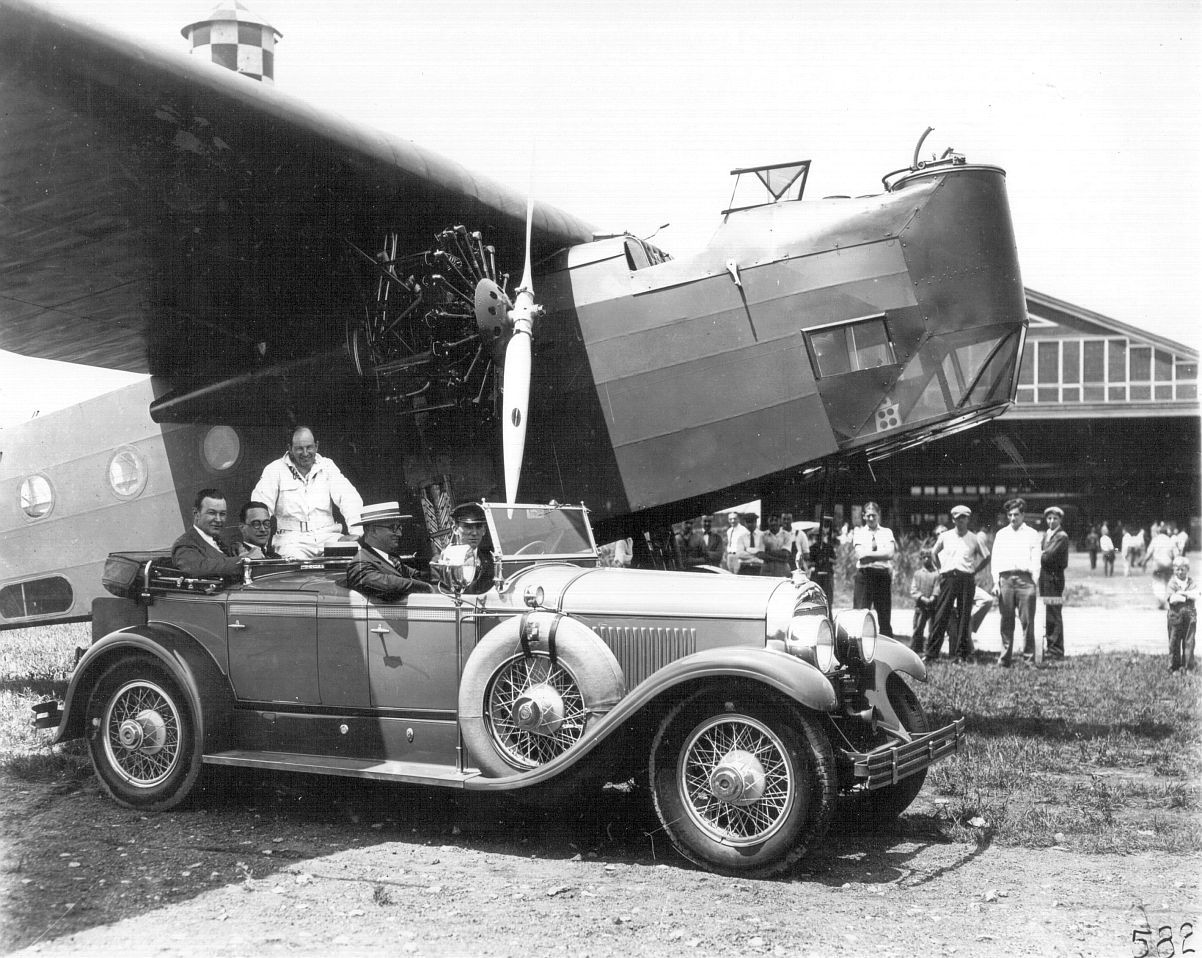
Delivery of the bomb rack to be installed was then delayed. Finally, the Allison engine also proved unsuccessful, and the aircraft was switched to P&W Wasp engines.
As a result, the aircraft did not make its first flight until August 5, 1927. After some modifications, it was sent to the Wright Field test center in Dayton, OH.
Meanwhile, Anthony Fokker indicated that he expected an order for fifty aircraft, which would be built at the new factory in Glen Dale, WV.
The aircraft was put through its paces at the bomber competition at Aberdeen Proving Ground, MD, but did not make it past the first round. It was decided, however, to replace the Wasp engines with the new, more powerful P&W Hornets—a change made in May 1928.
The sole aircraft remained mostly at Aberdeen and flew only occasionally. A request to convert it into a cargo aircraft was denied.
In April 1931, it was retired after 580 flight hours.
Click the photo to enlarge