The
Fokker Model 16, O-27, B-8
In early 1929, the US Air Corps put ideas on paper regarding a new type of reconnaissance aircraft. For the first time, it was to be a twin-engine aircraft. And suitable for long-range reconnaissance and photographic missions over difficult terrain and water.
Three crew members were provided for. On March 13, the request for this was sent to a number of manufacturers.
The provider was allowed to propose the choice of engines.
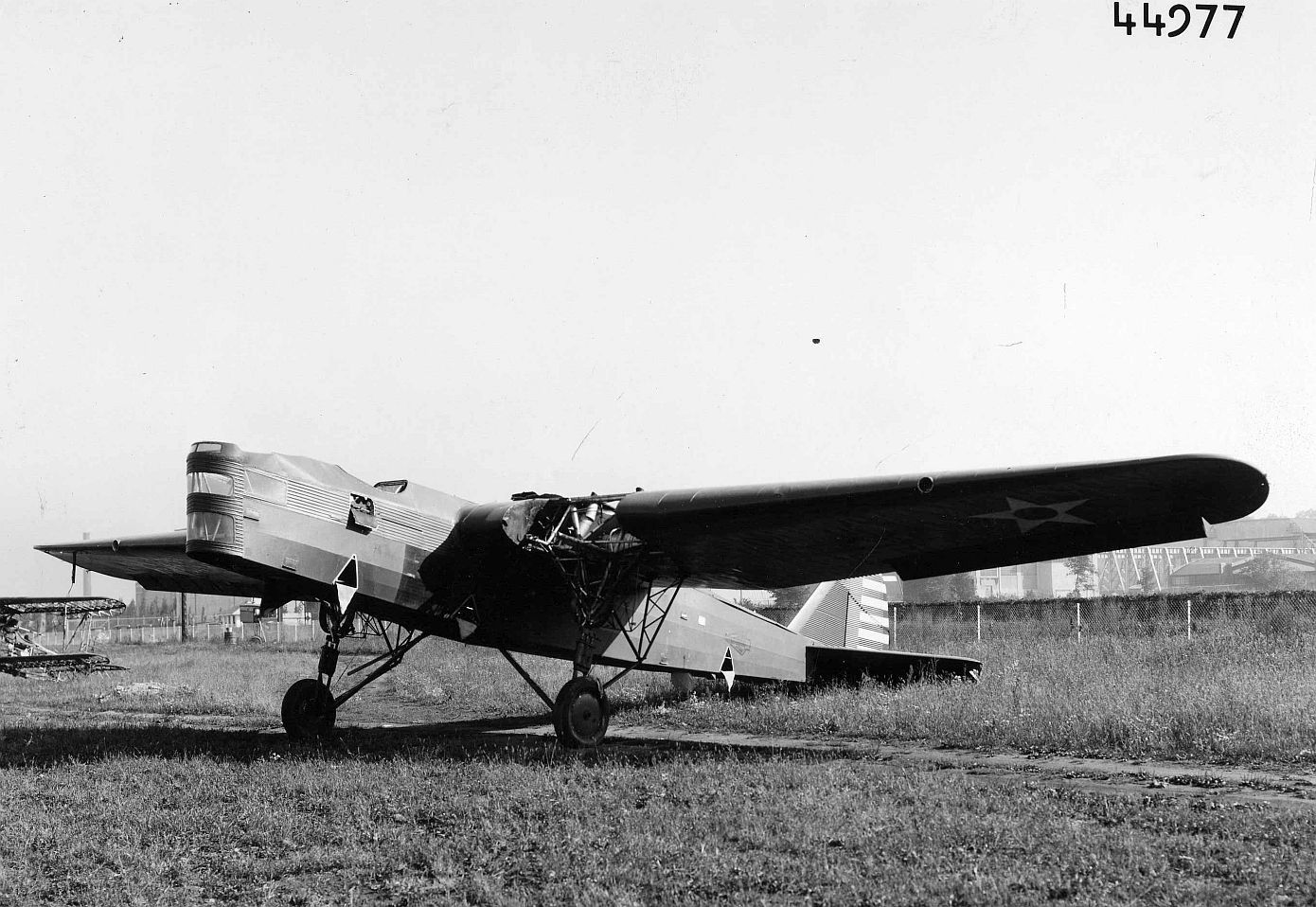
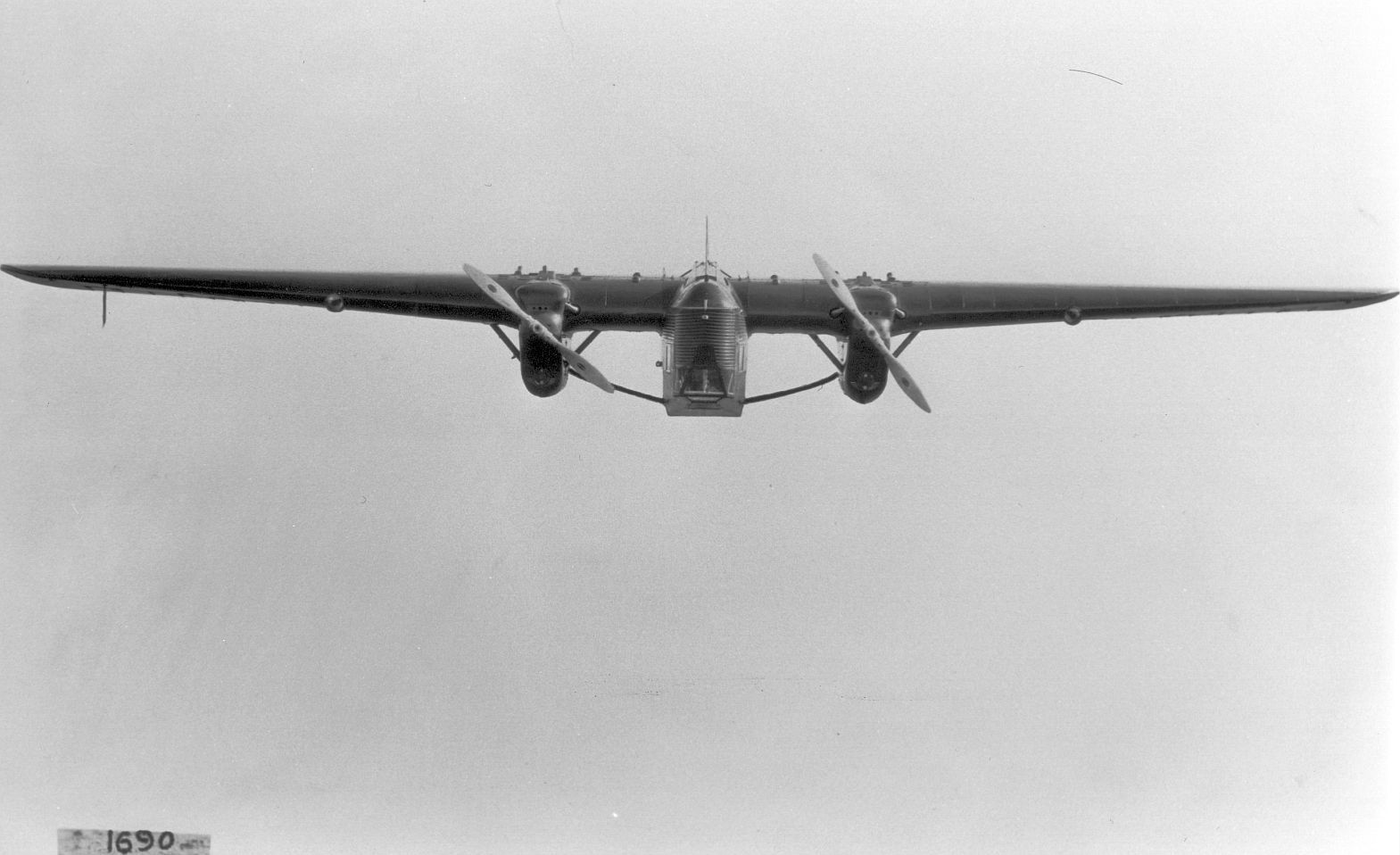
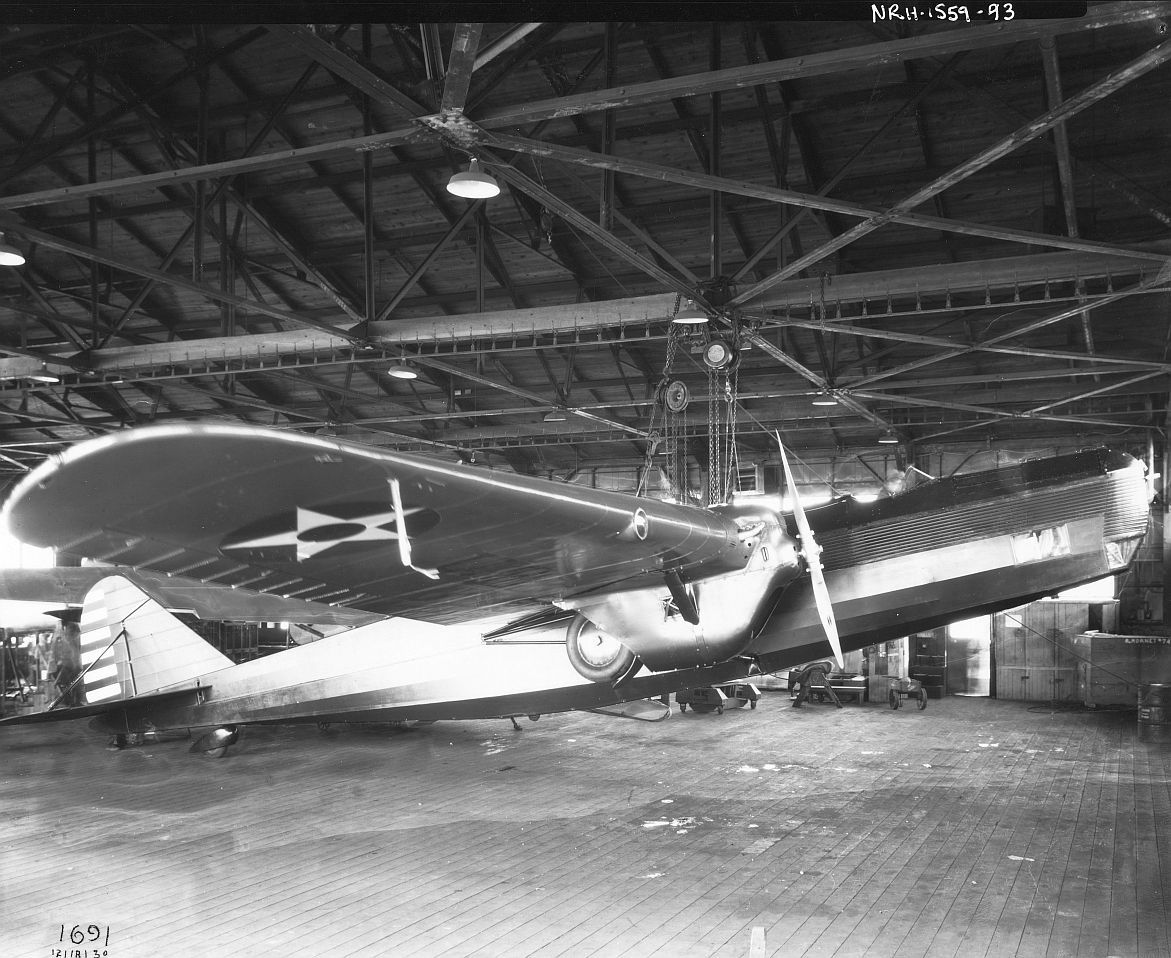
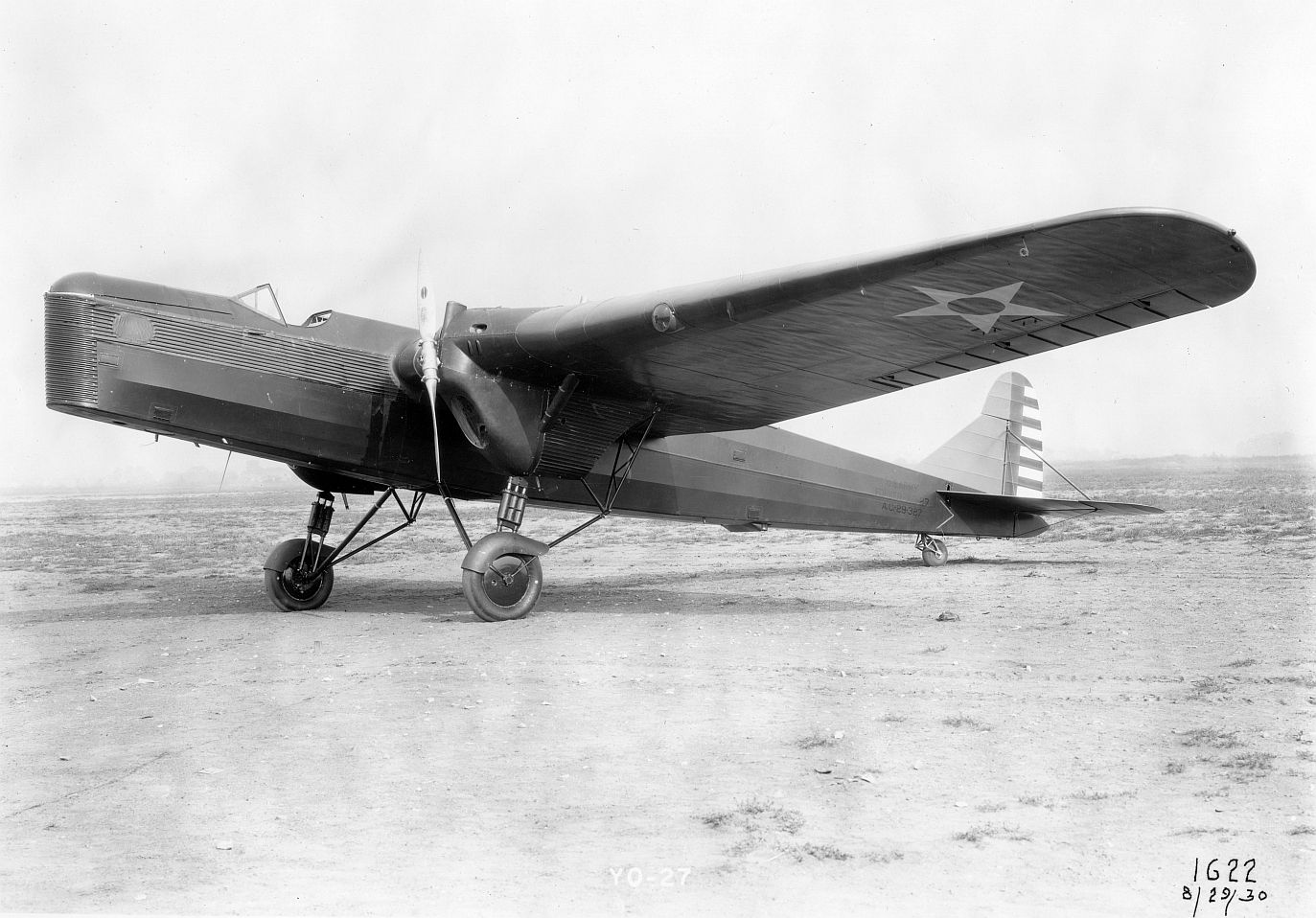
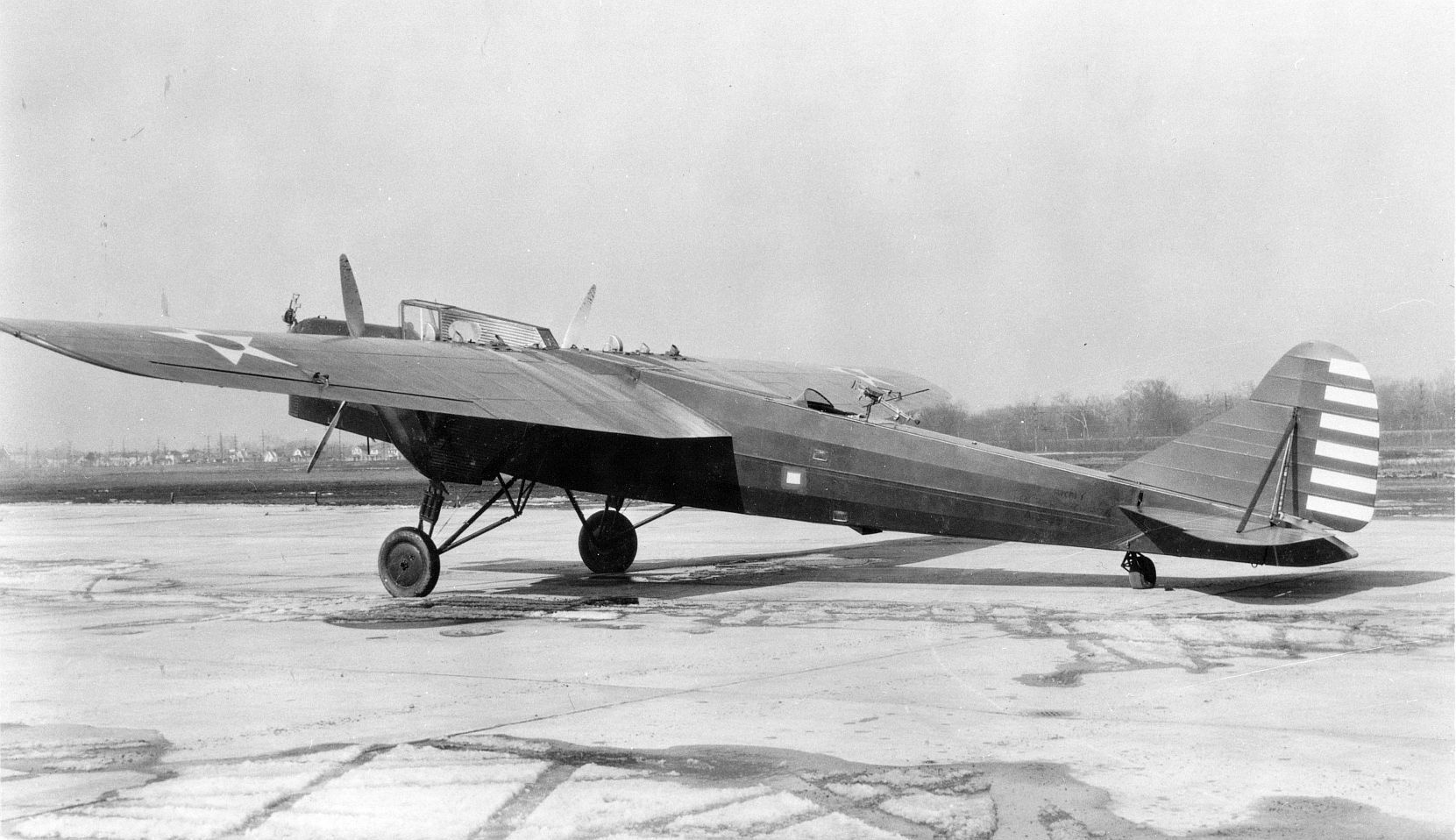
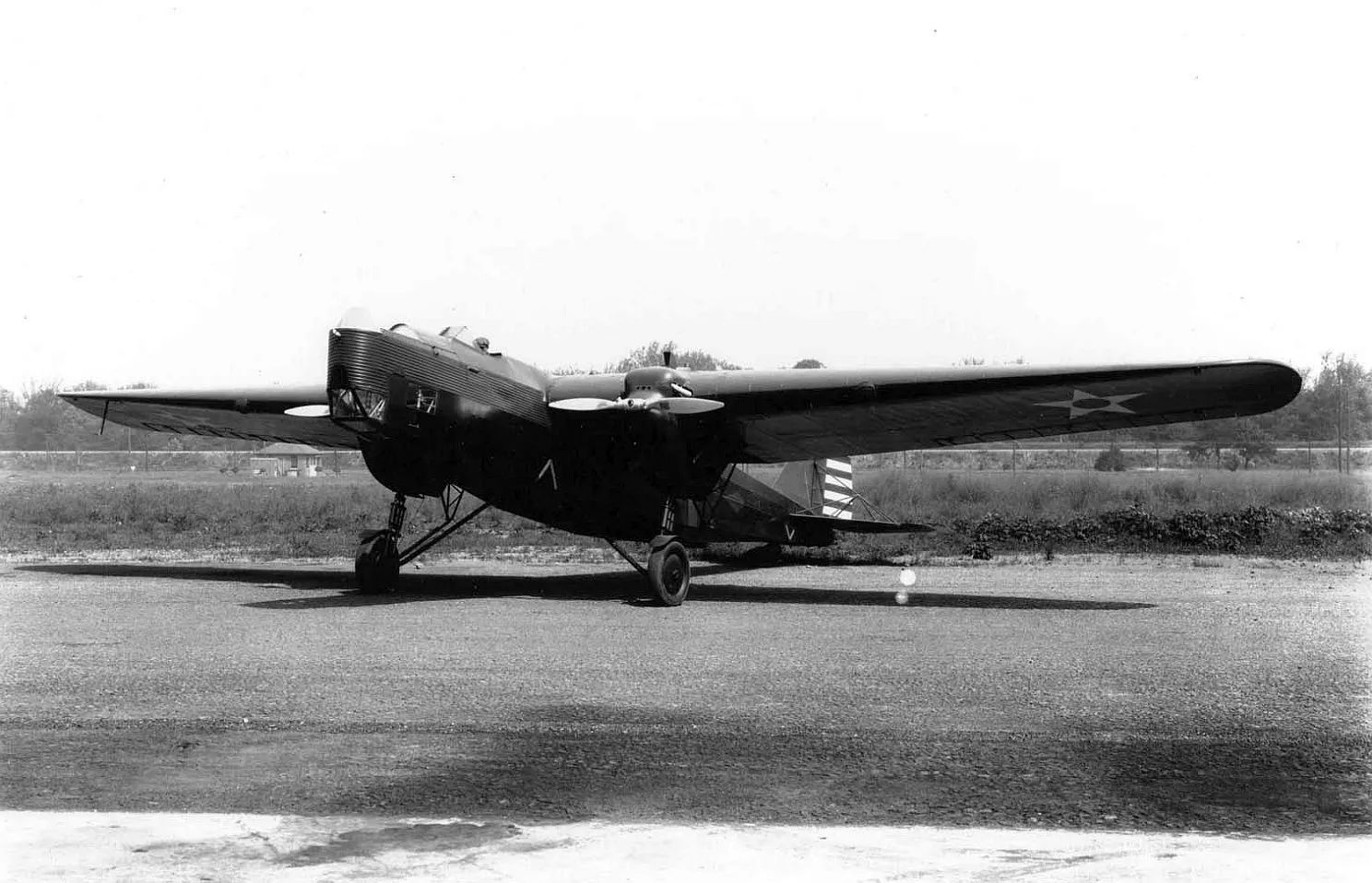
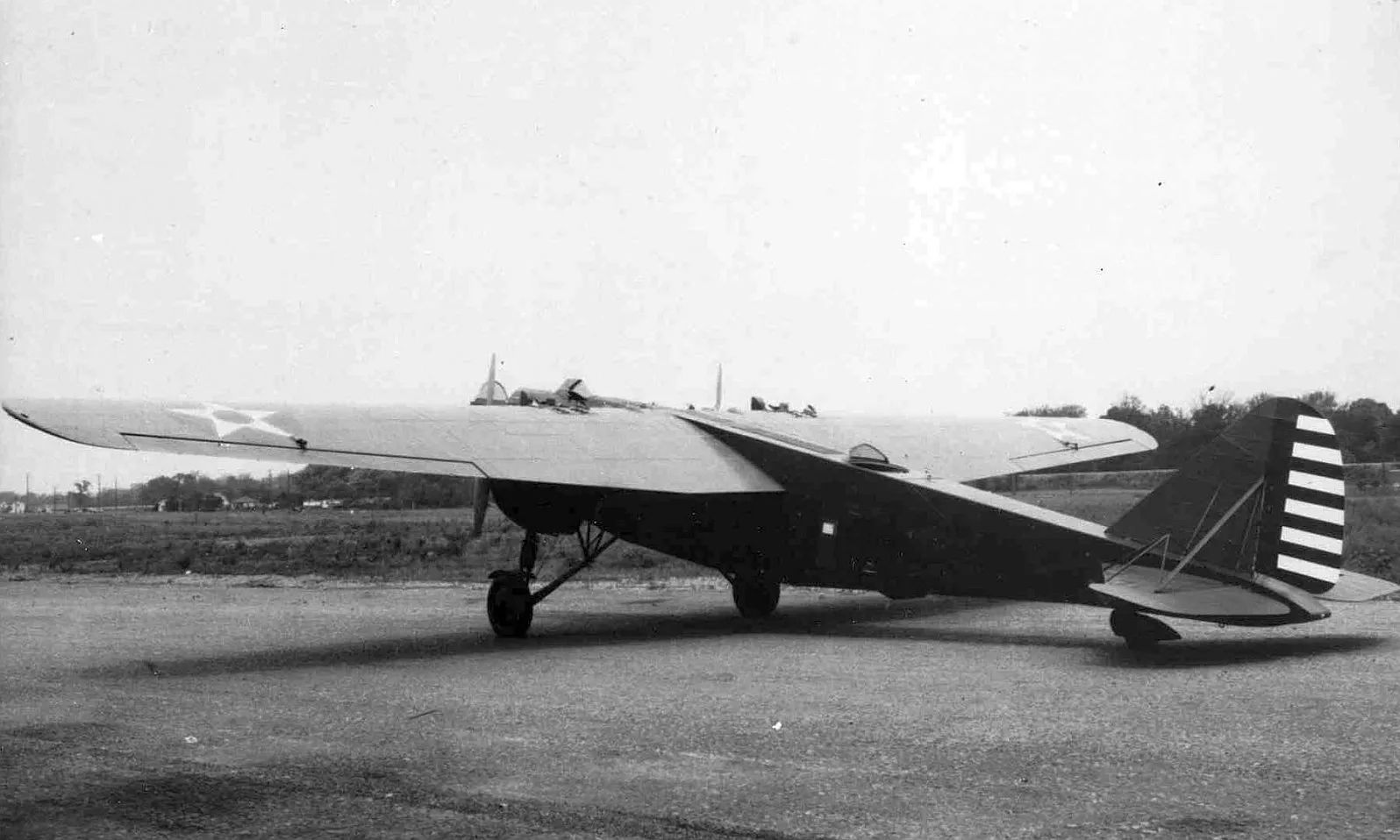
At Fokker, work on a proposal was proceeding with great urgency. This resulted in a shoulder-wing aircraft with a wooden wing and a fabric-covered steel tube fuselage. The engines were built into the wing.
On April 22, the design was submitted, and it was proposed to equip the aircraft with P&W Wasp engines. Furthermore, a retractable landing gear was included as a special feature. A choice between an open or closed cockpit had not yet been made.
The design was well received by the Air Corps, partly due to its streamlined shape.
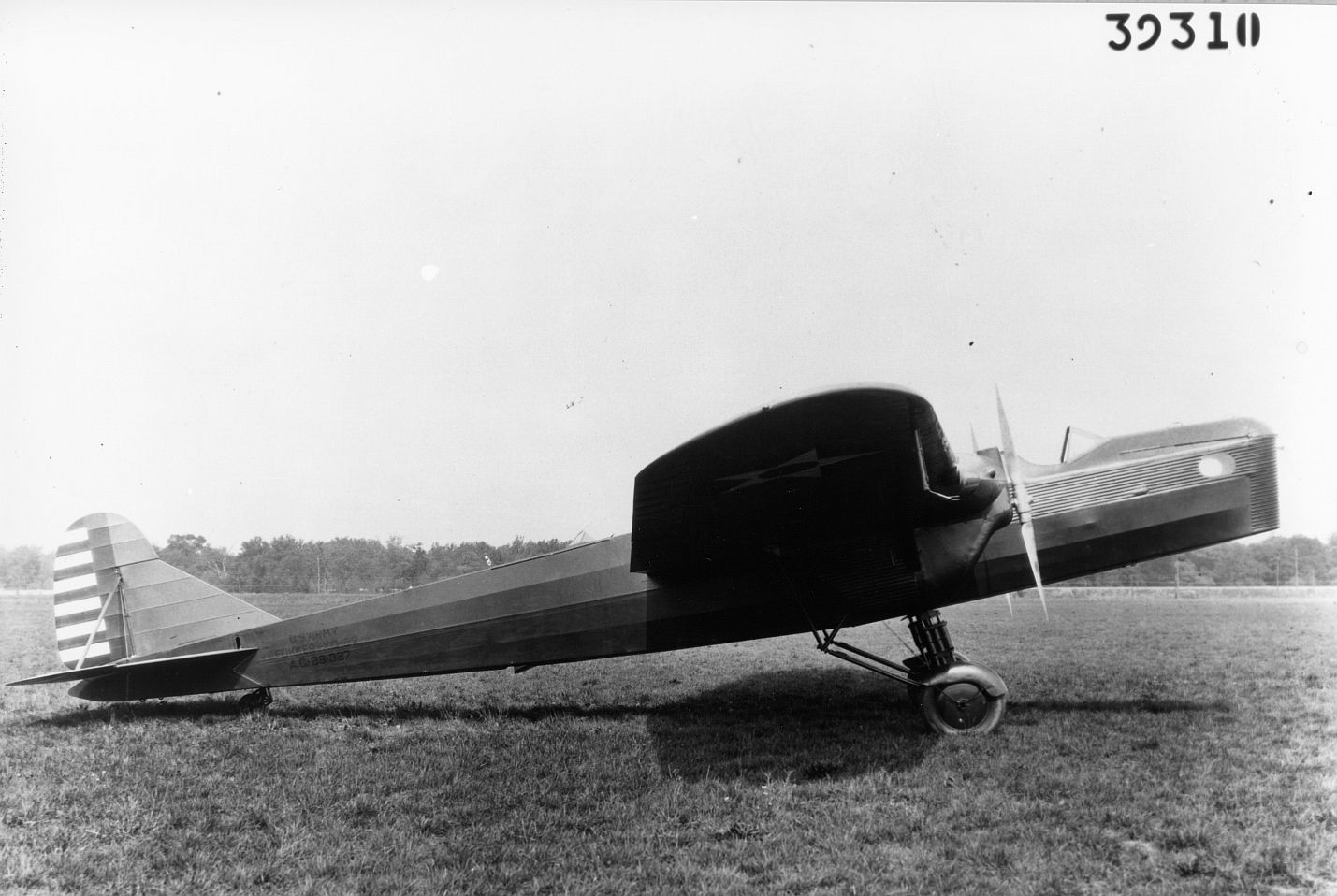
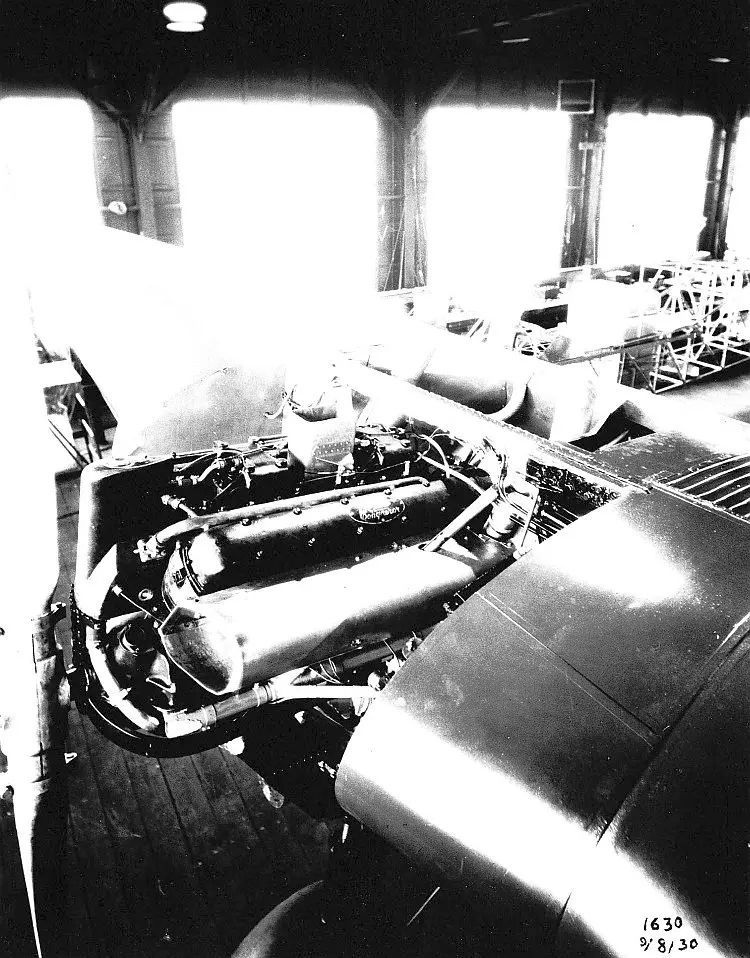
However, at their request, Fokker also developed a design with Curtiss V-1157 engines. For this latter modification, Fokker received an order for two prototypes in June 1929. These were designated as XO-27 (AC29-327/328).
Douglas was not pleased that the order for a reconnaissance aircraft went to Fokker. This was a type for which Douglas had long been the leading supplier. Through the necessary lobbying efforts, Douglas also secured an order for two twin-engine aircraft in March 1930. These were the XO-35 and XO-36.
However, based on the expected performance, the Air Corps modified the orders. The second prototypes became light bombers: the XB-7 for Douglas and the XB-8 for Fokker.
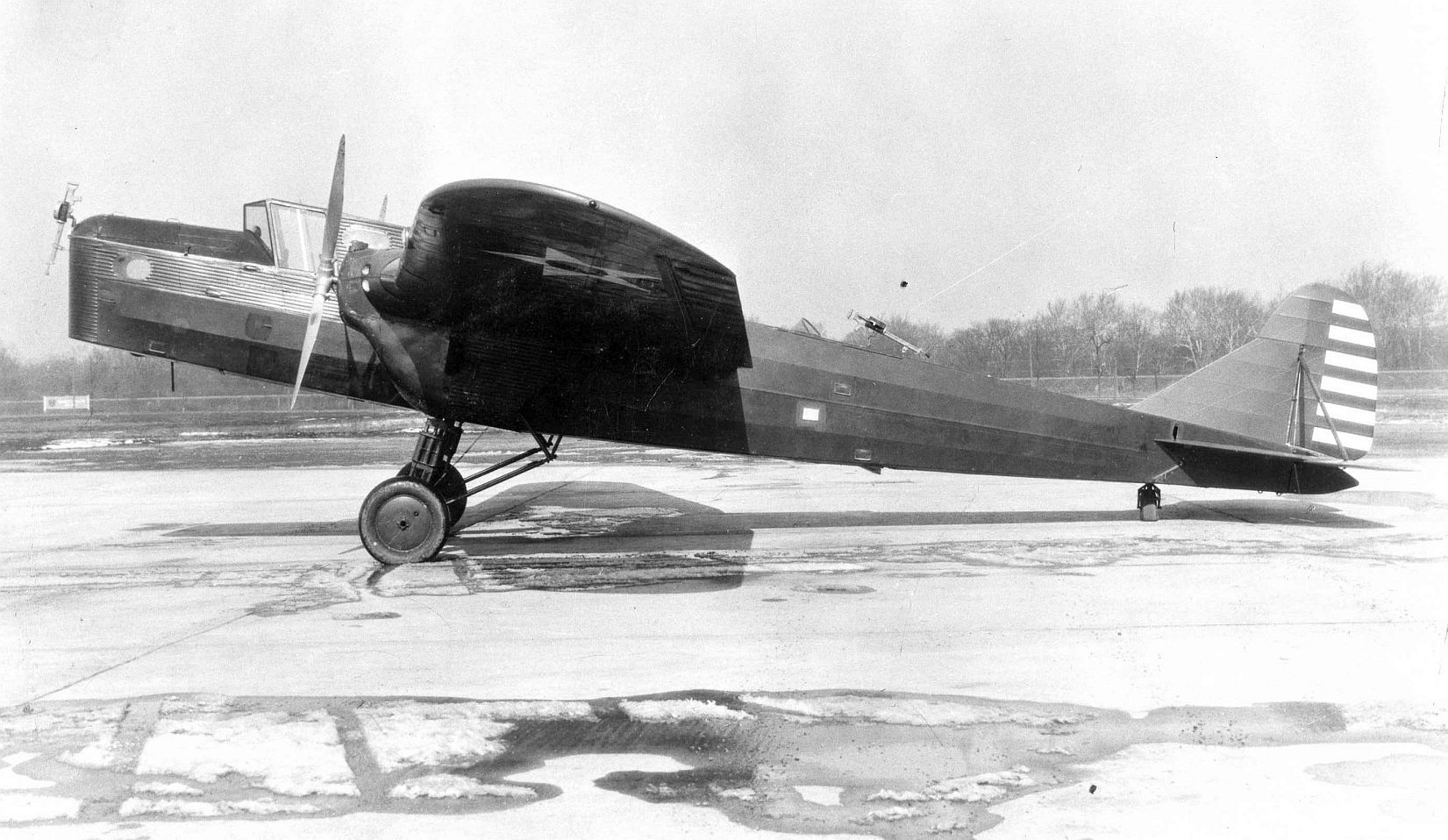
The XO-27 was ready by late August 1930 but suffered from being overweight. A weight reduction proposal was submitted to address this. Nevertheless, testing was started by the Air Corps. This led to several modifications, including an enclosed cockpit, G1V-1570-29 engines, and an enlarged directional turret. The designation then became XO-27A.
The assessment led the Air Corps to want radical changes. The XB-8 was completed in December 1930 but had to make an emergency landing en route to Bolling Field due to engine failure. After repairs at the factory, it went to Wright Field in March 1931 to be tested.
Both prototypes were taken out of service at the end of 1932 with very few flying hours.
Upon completion of the XO-27, negotiations for pre-production were started immediately. Major changes were made to the type during this process. Mock-ups were also used for this purpose.
This led to the ordering of three O-27s and three YB-8s on March 30, 1931 (AC31-587/592).
Shortly afterwards, another order followed for two Y1O-27s and four Y1B-8s (AC31-598/603).
Douglas also received a production order for five Y1O-35s and seven Y1B-7s. Soon after, the order to Fokker for the B-8s was converted to O-27s. As a result, this became 12 aircraft.
In August 1931, the name change from Fokker to General Aviation Manufacturing Corporation took place.
Around the same time, the Air Corps indicated that the order might be cancelled. In particular, confidence in the wooden wing had been undermined by the Rockne crash. In the end, the assignment went ahead after all.
Because the factory moved from Hasbrouck Heights, NJ to Dundalk, MD a few months later, production took place there. However, attempts to continue production of an improved design after September 1932 failed.
As usual, the aircraft had an MSN that started with the model number. Only 1604 is missing from it, possibly because that fuselage was rejected after the necessary modifications.
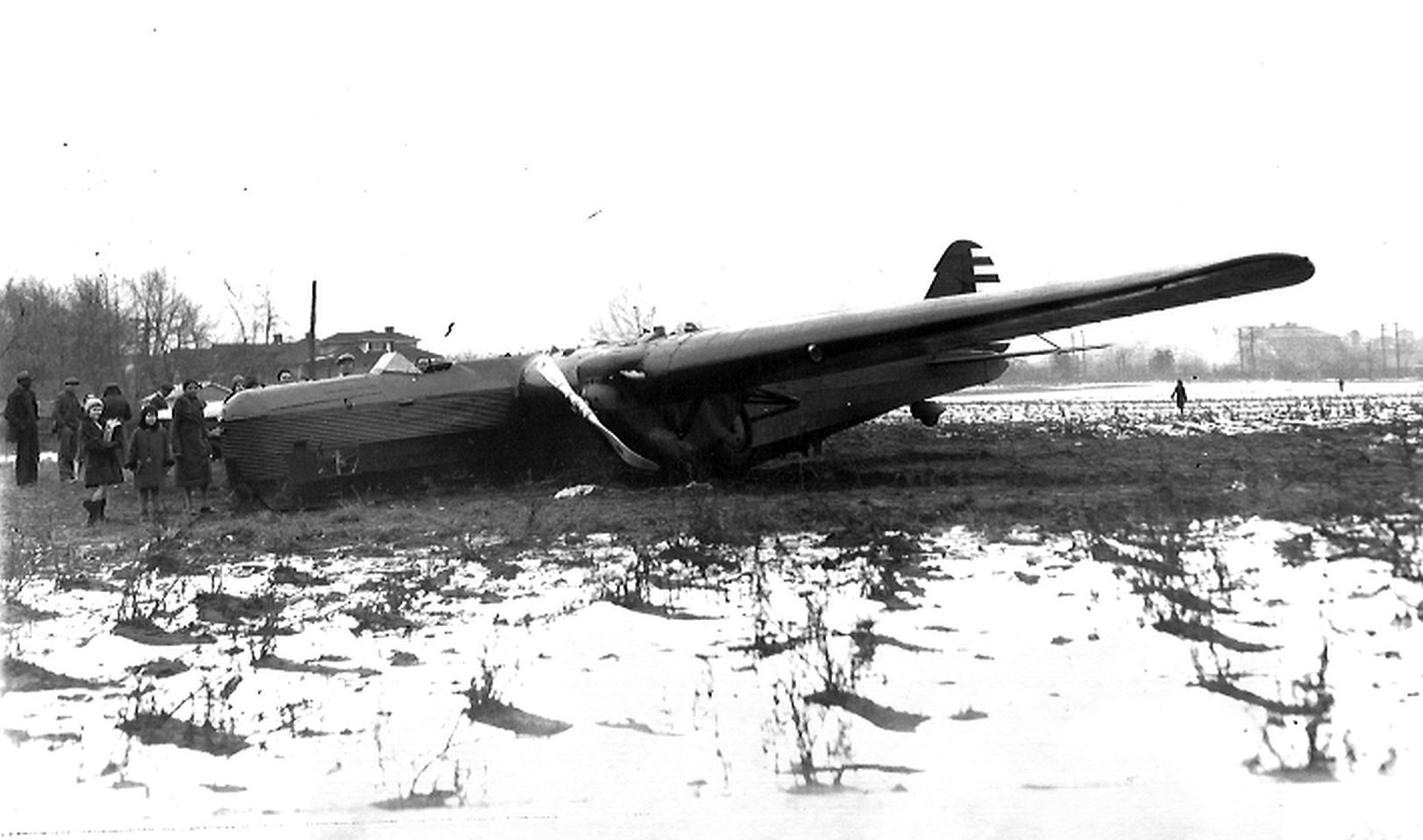
In January 1934, the designation of all YO-27s and Y1O-27s was changed to O-27. Most aircraft had already been taken out of service by the end of 1934. Two continued flying until the end of 1936. Operational deployment was marked by accidents in which the landing gear had been forgotten to be extended upon landing.
However, the landing gear also caused many minor problems. This led to the aircraft being grounded frequently.
Partly due to this, the number of flying hours they logged was limited.
Click on the photo to enlarge it.
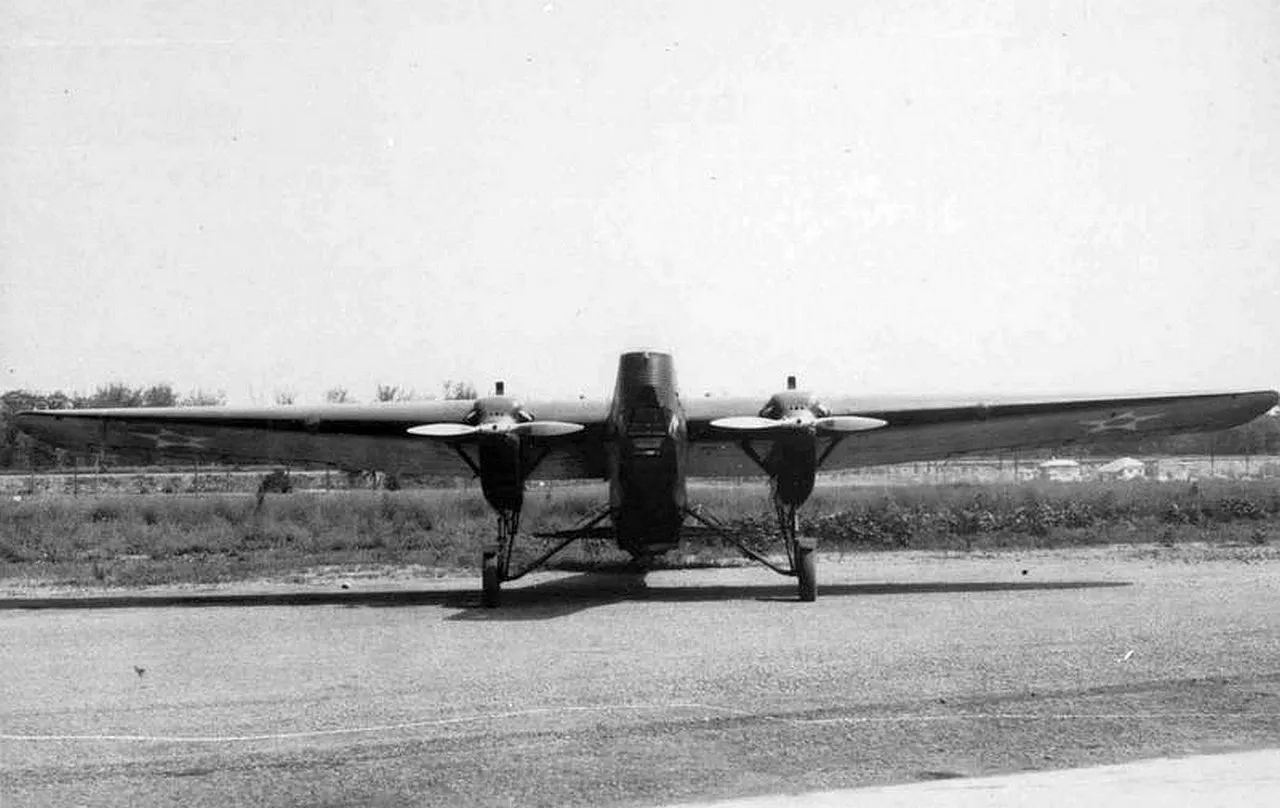
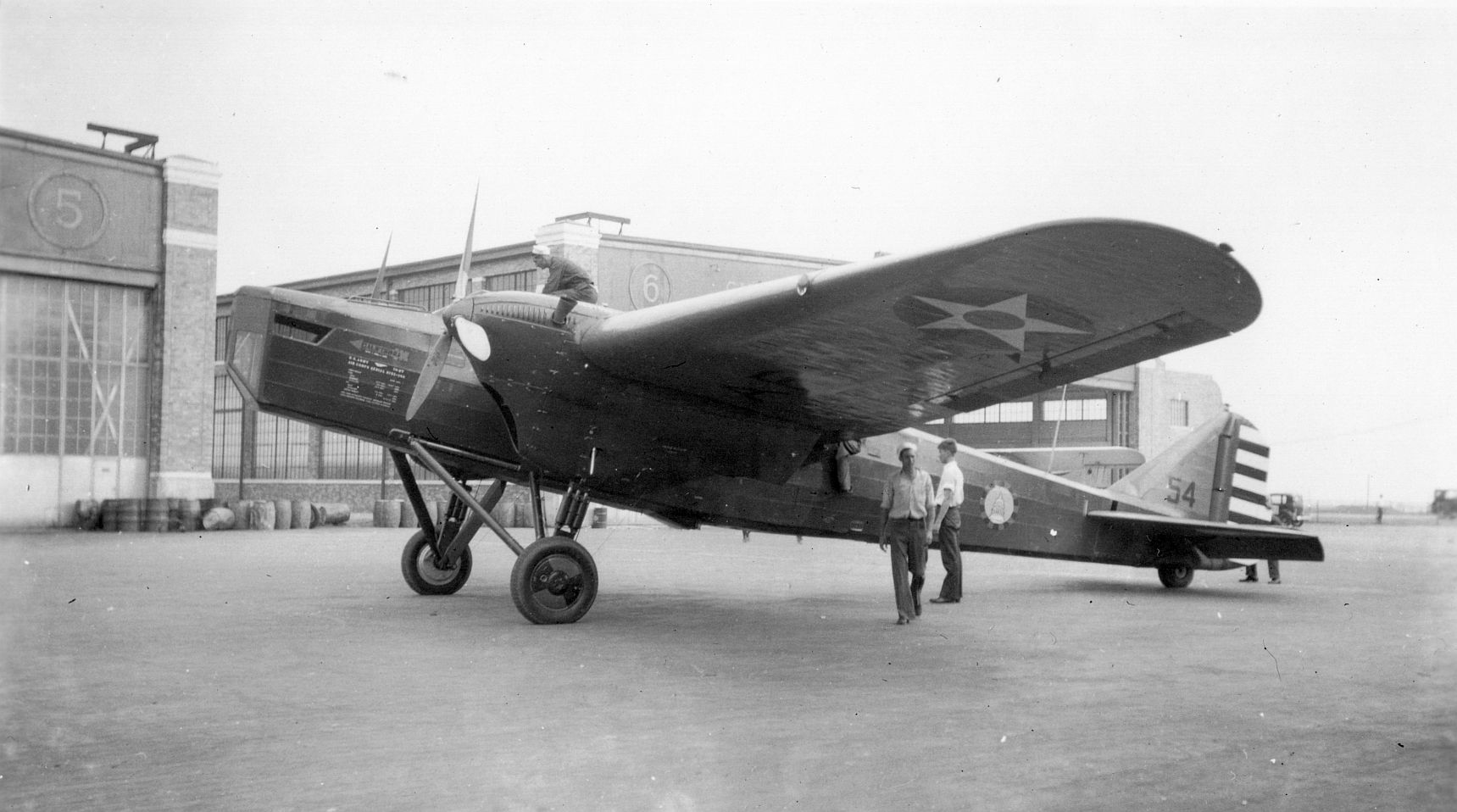
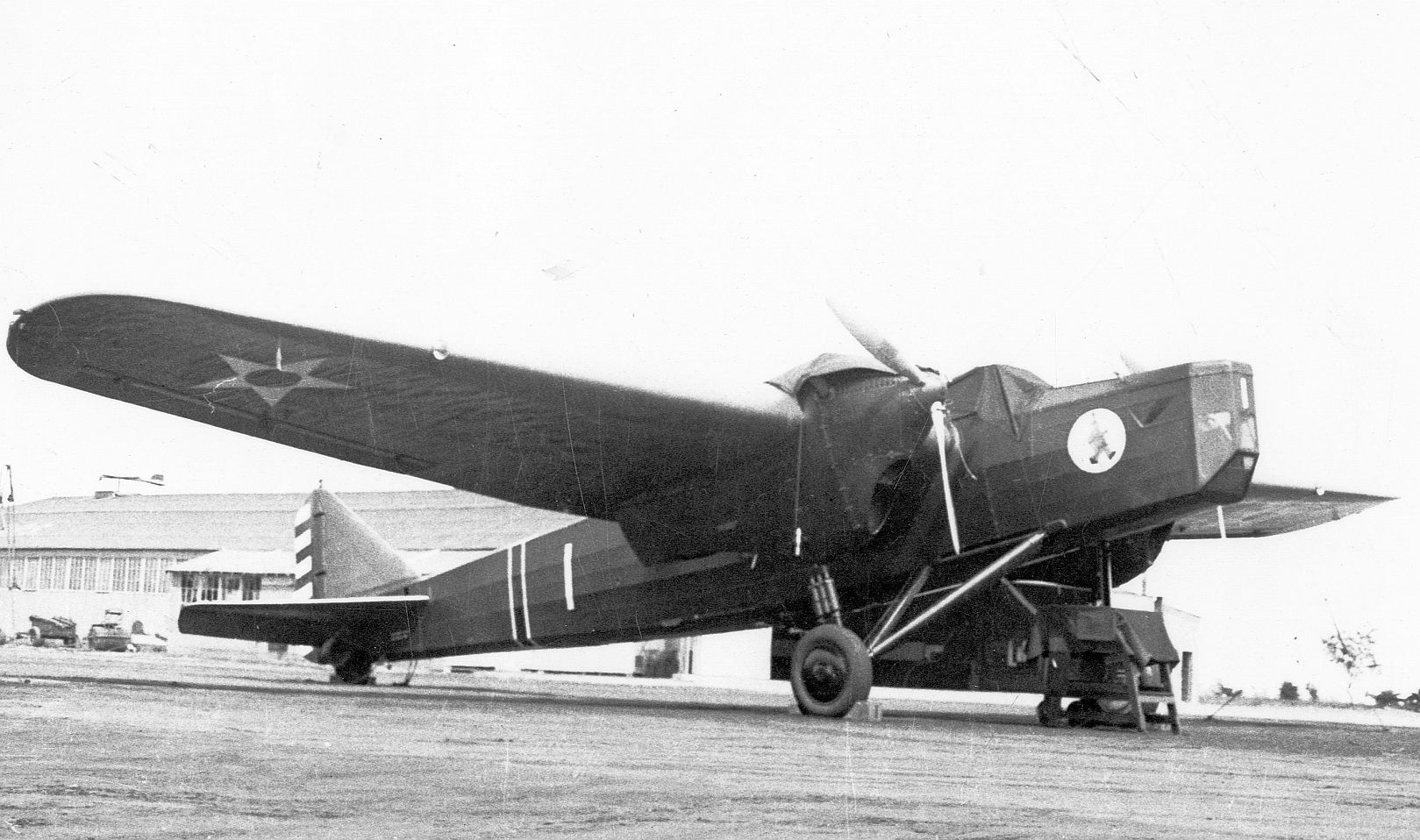
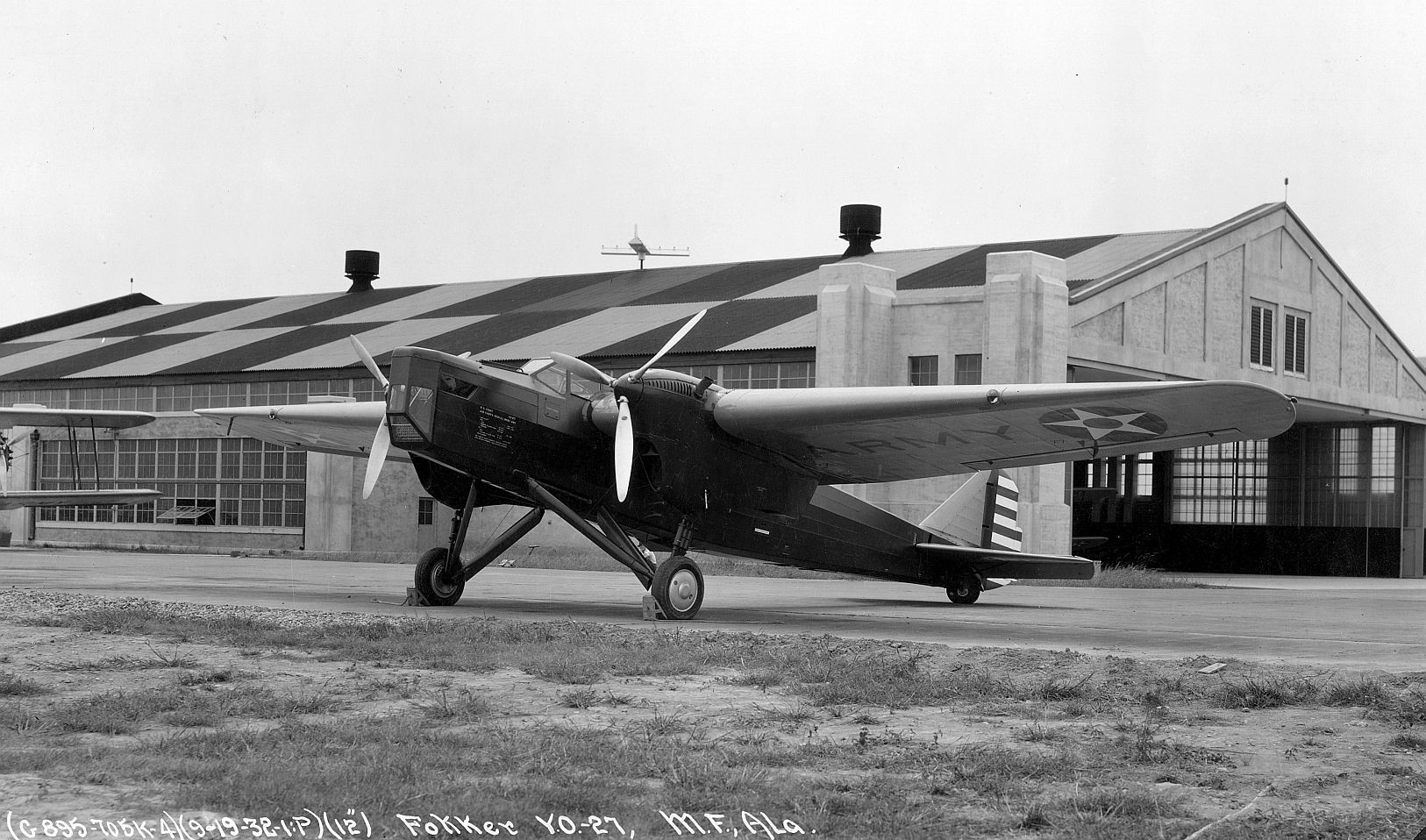
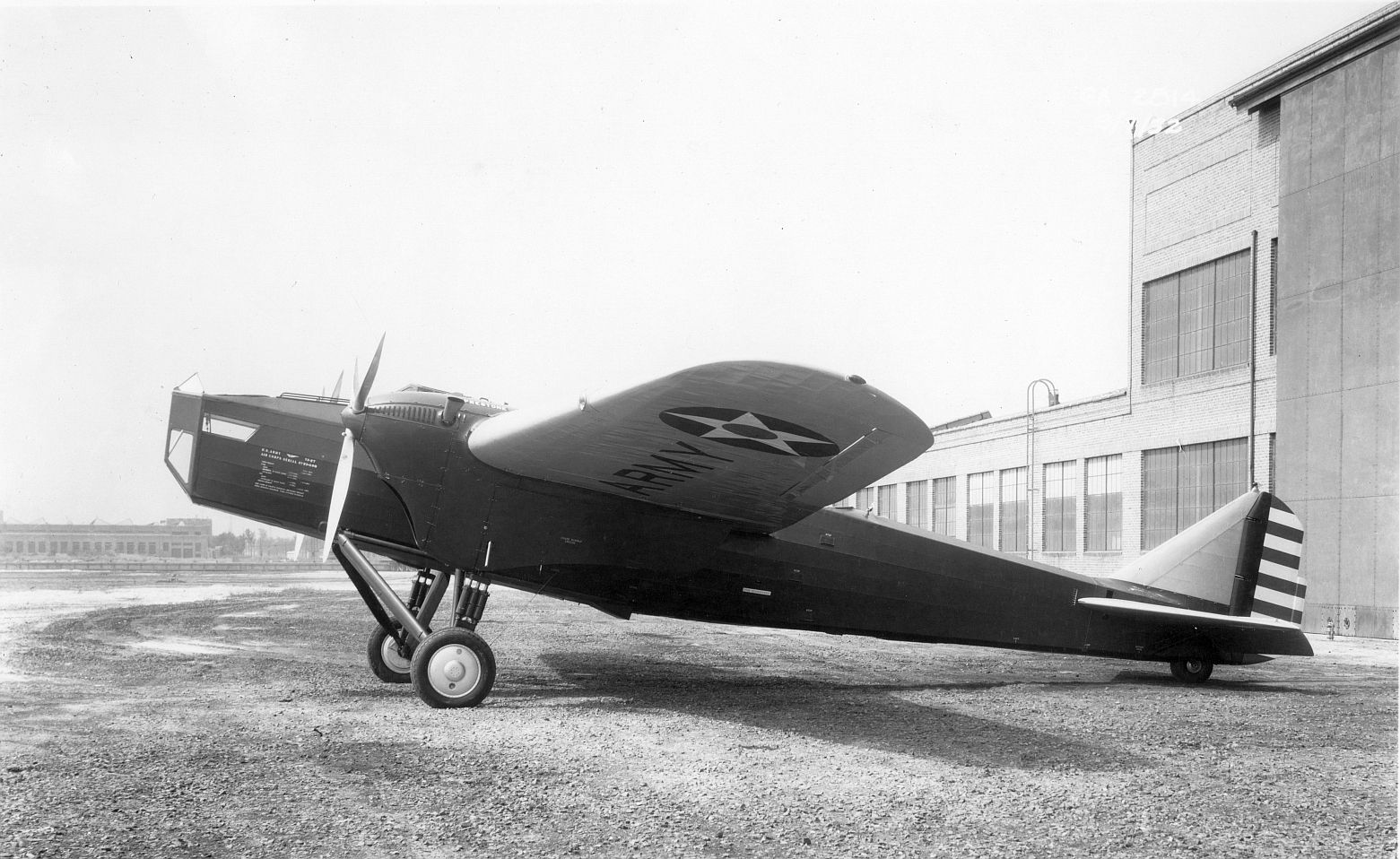
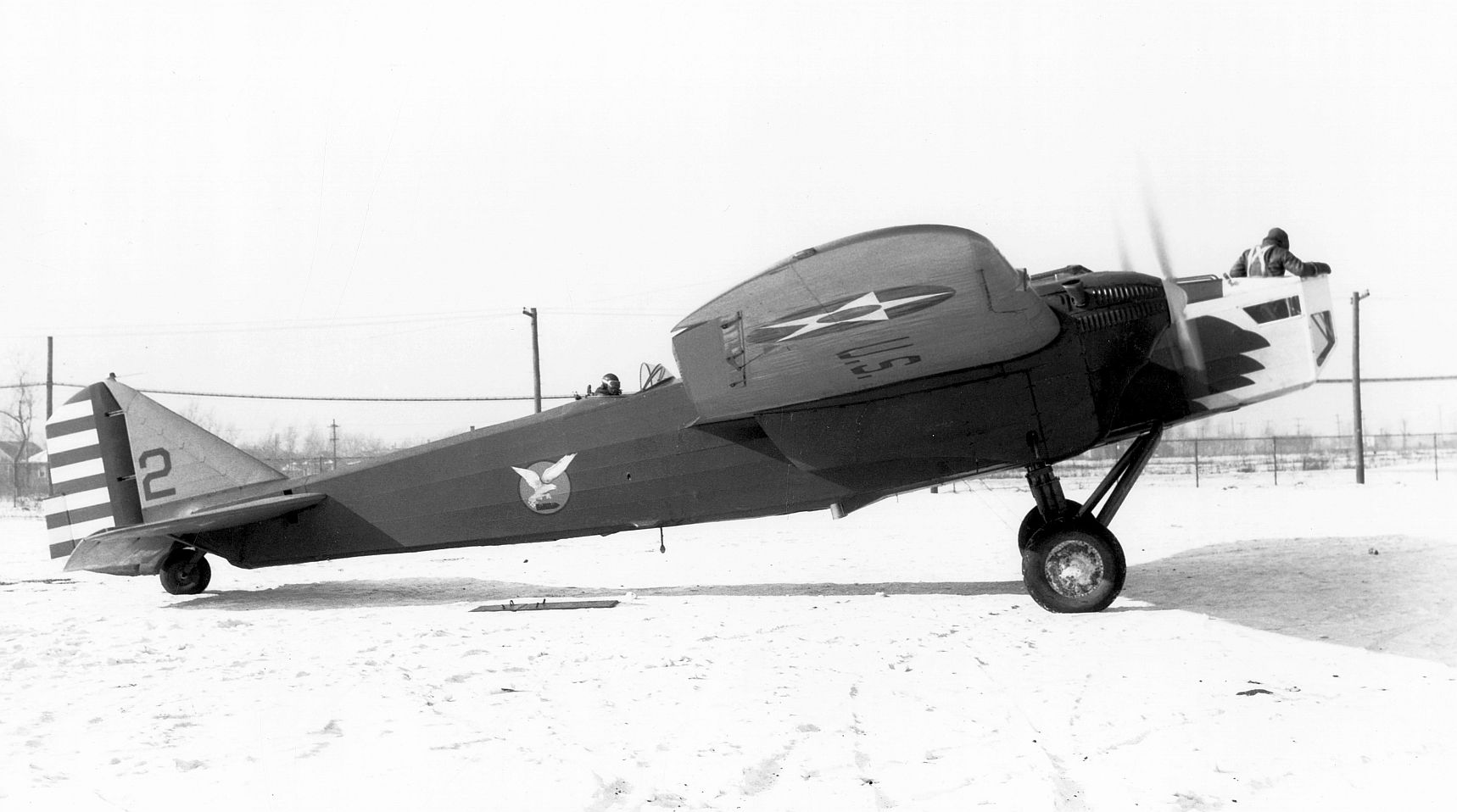
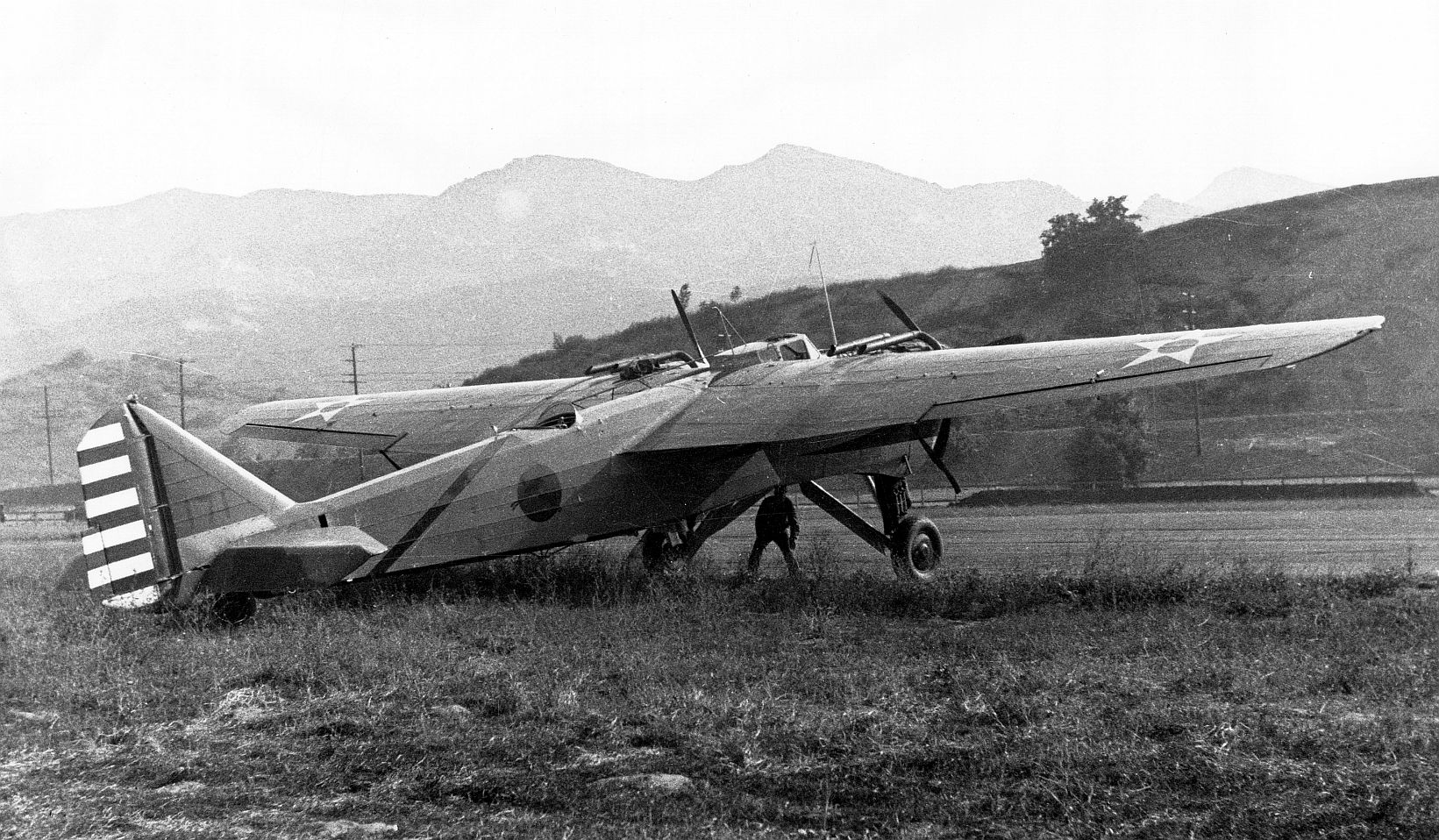
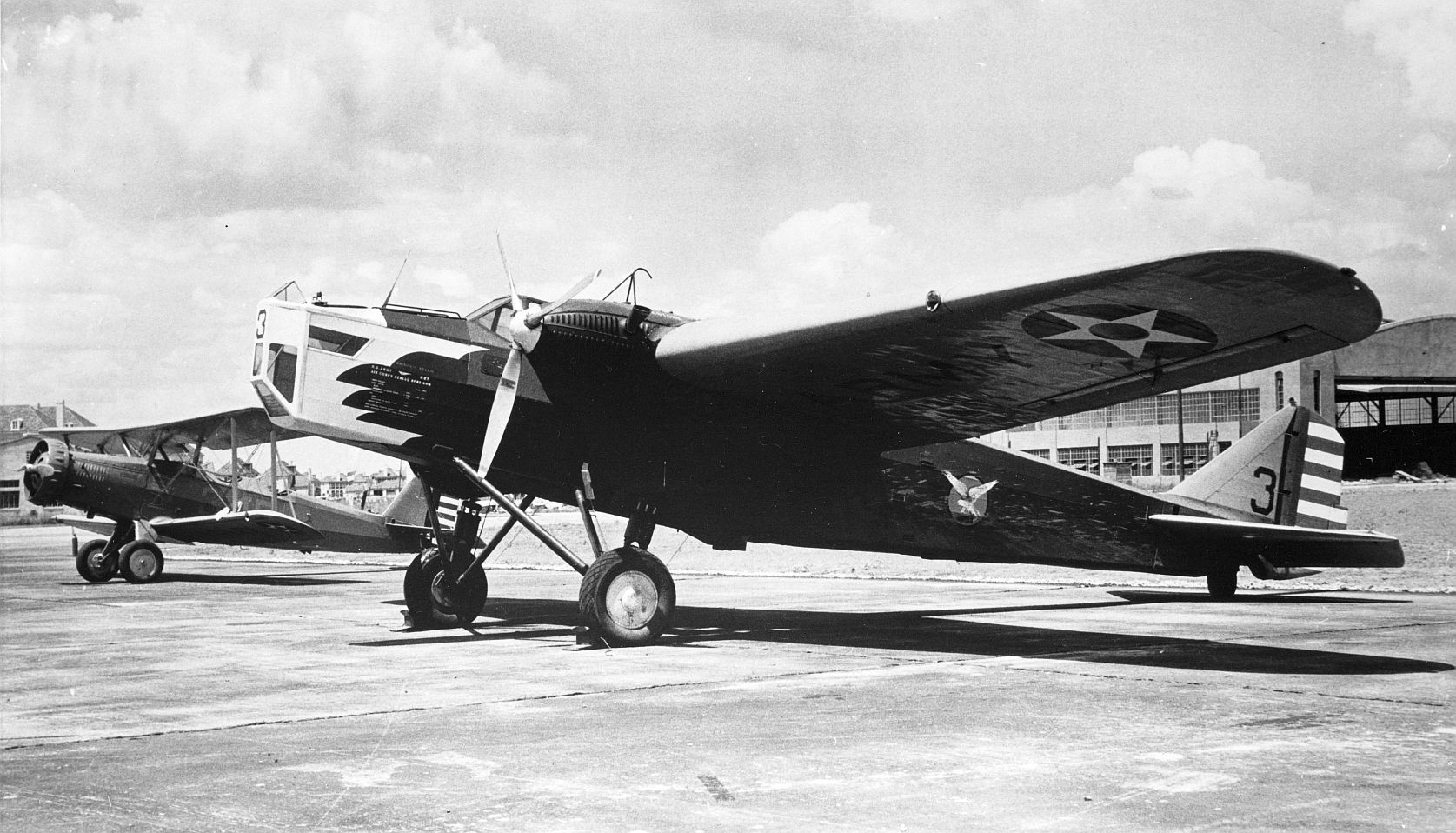
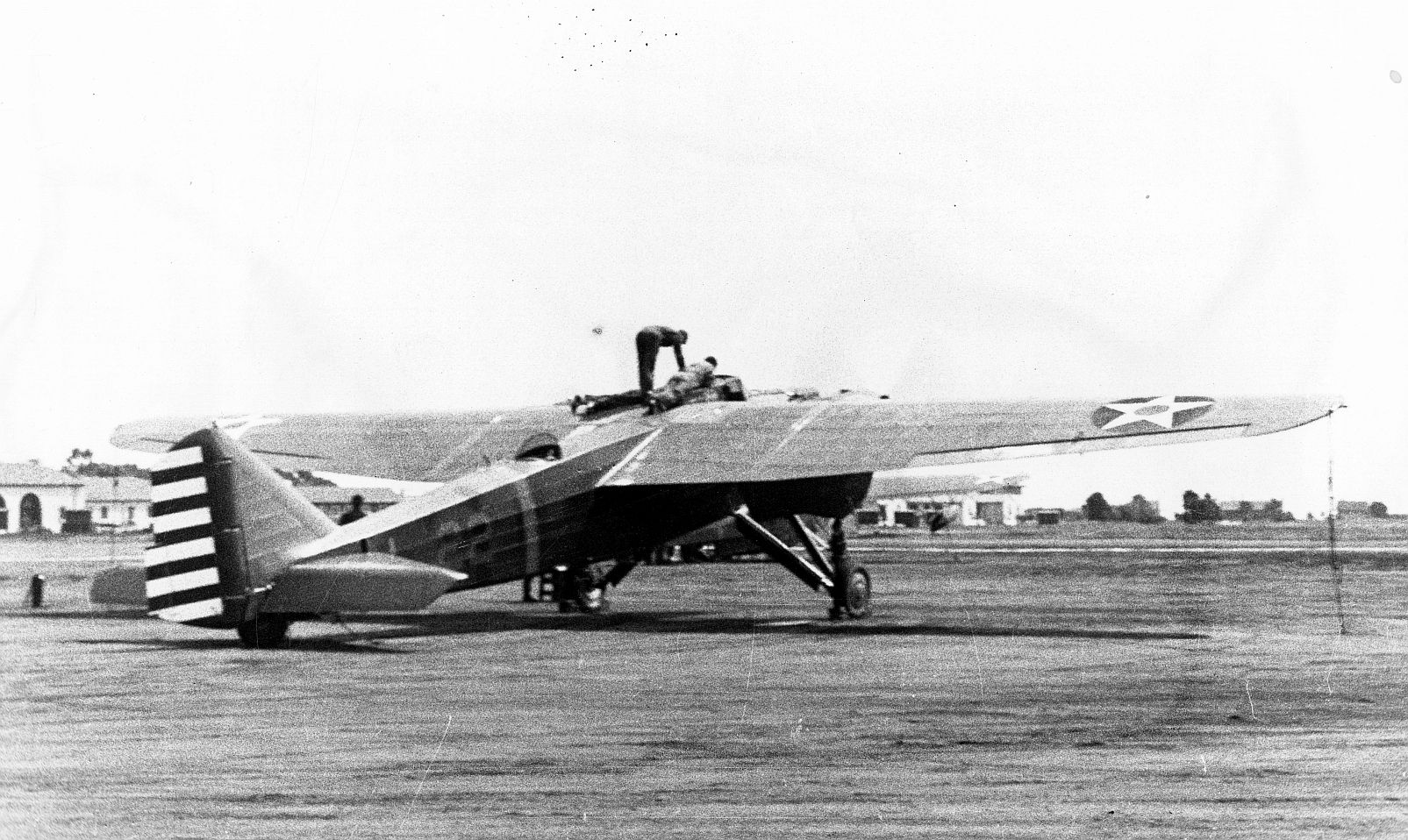
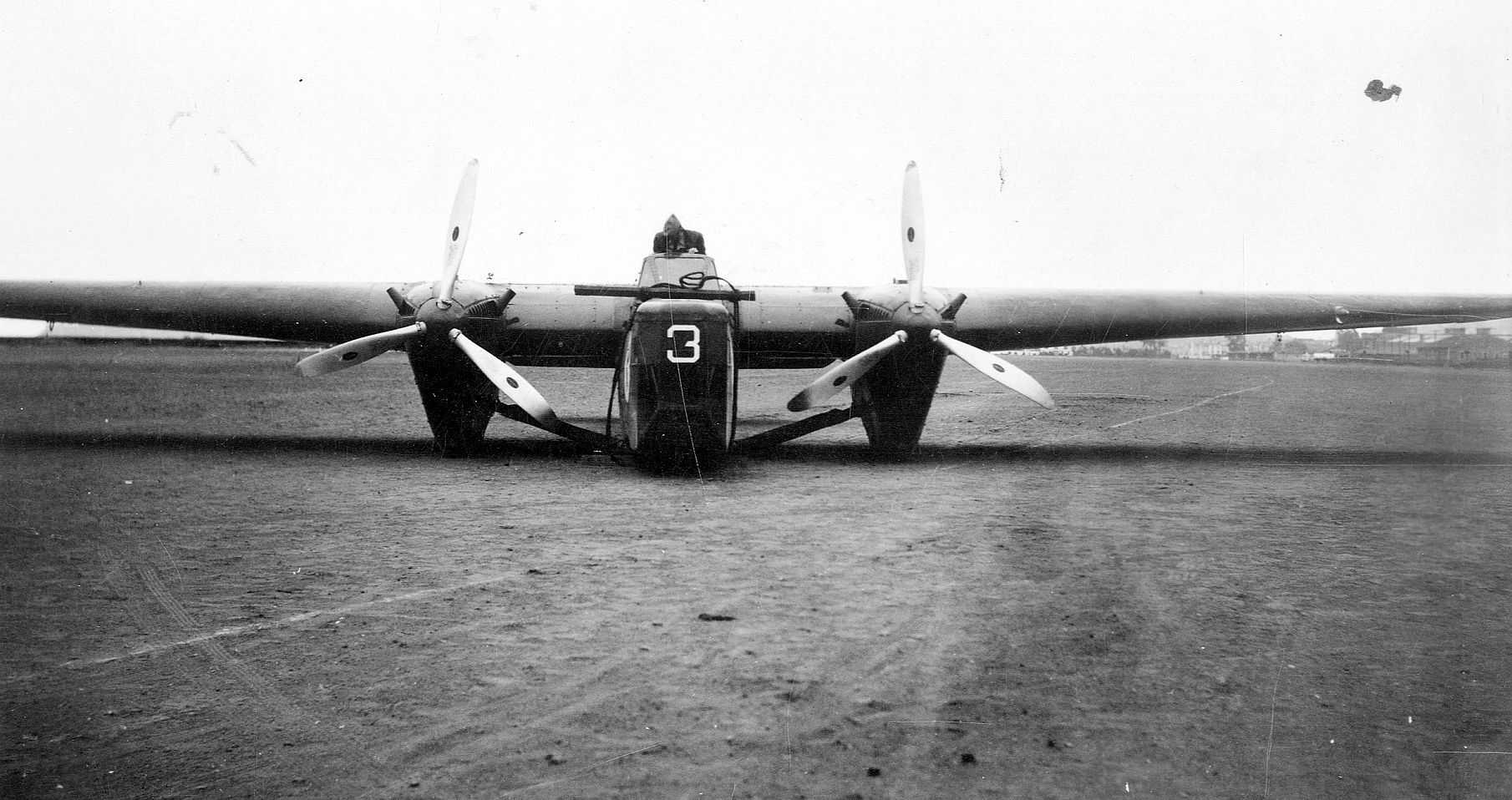
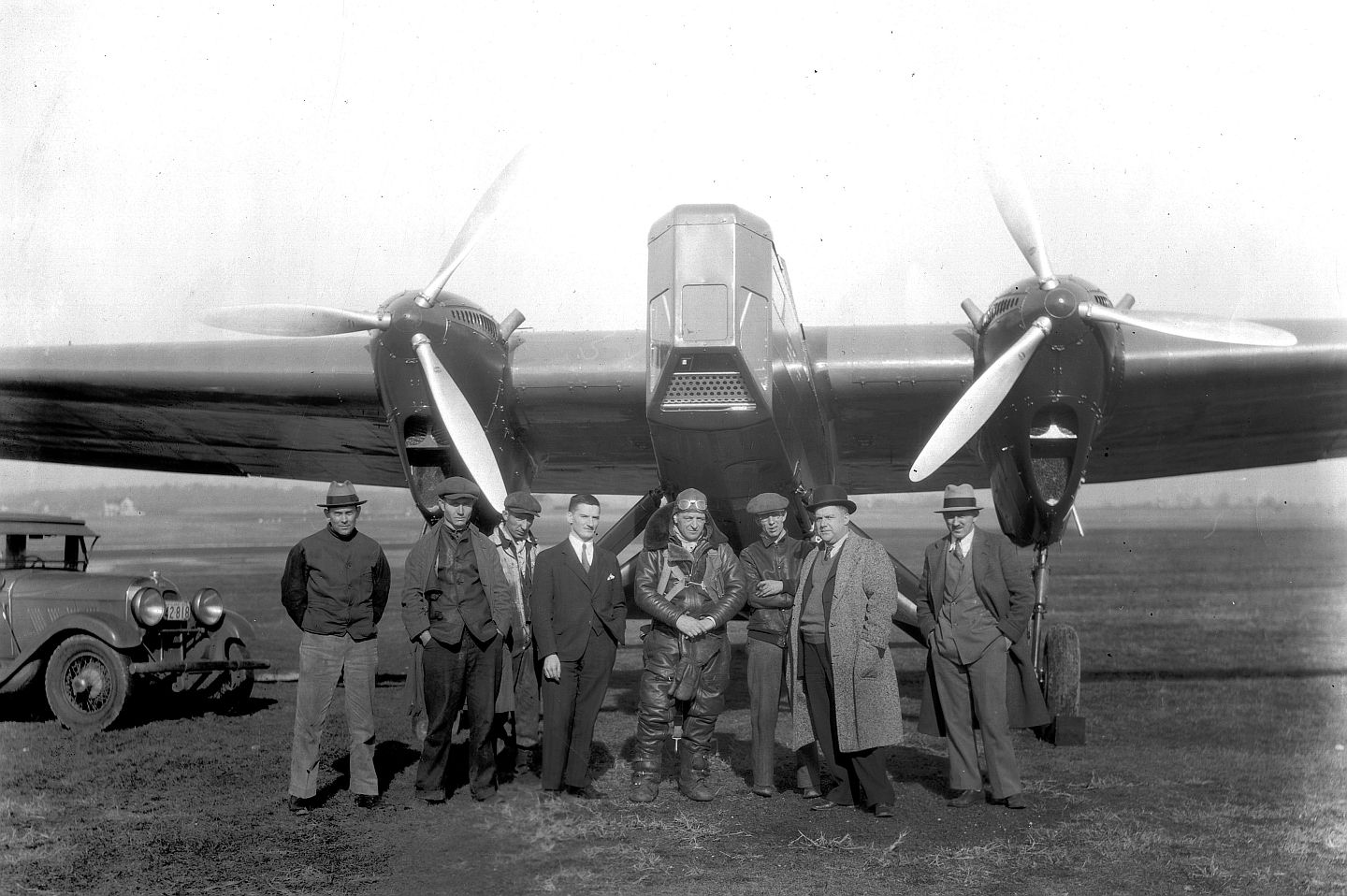
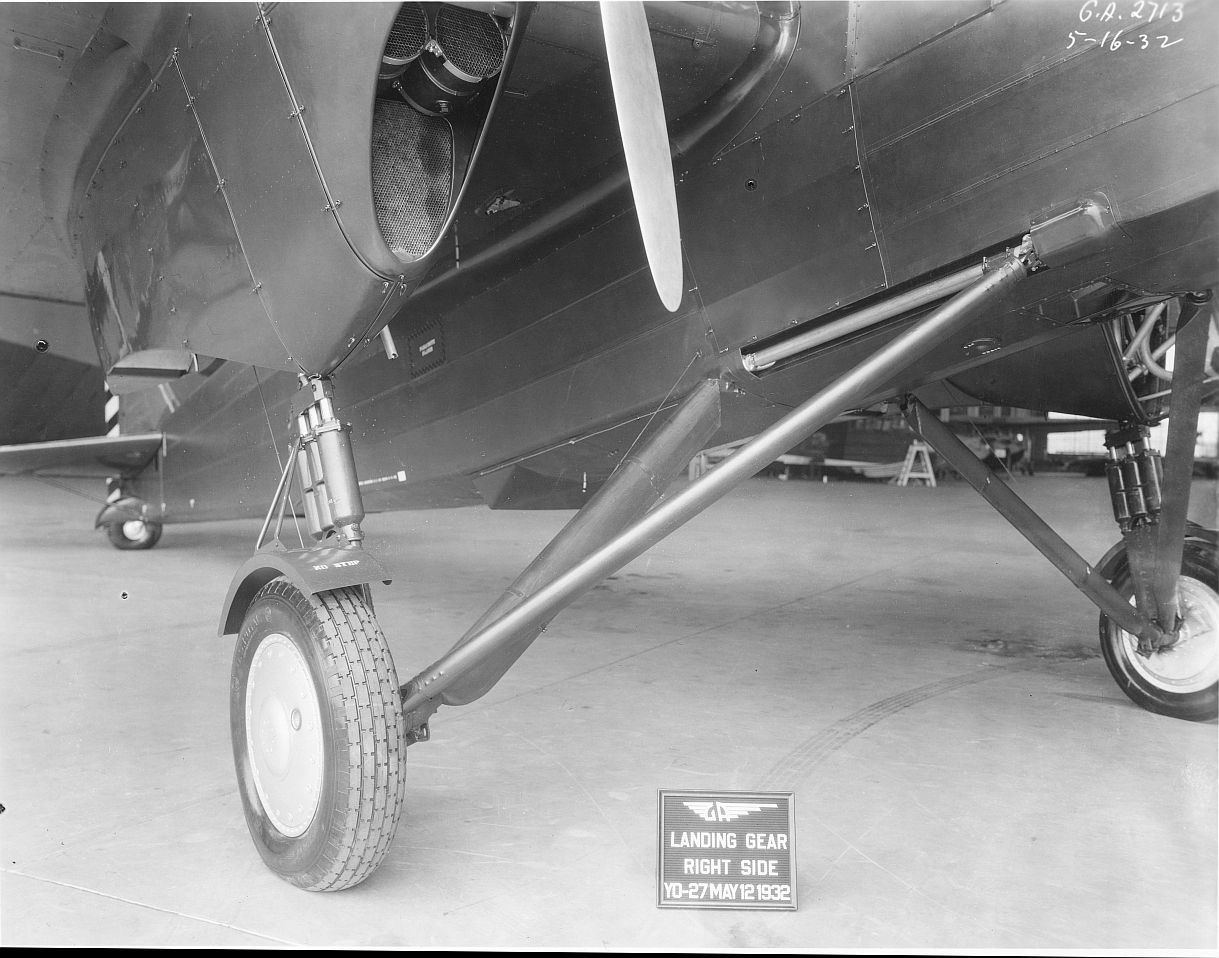
The unusual landing gear
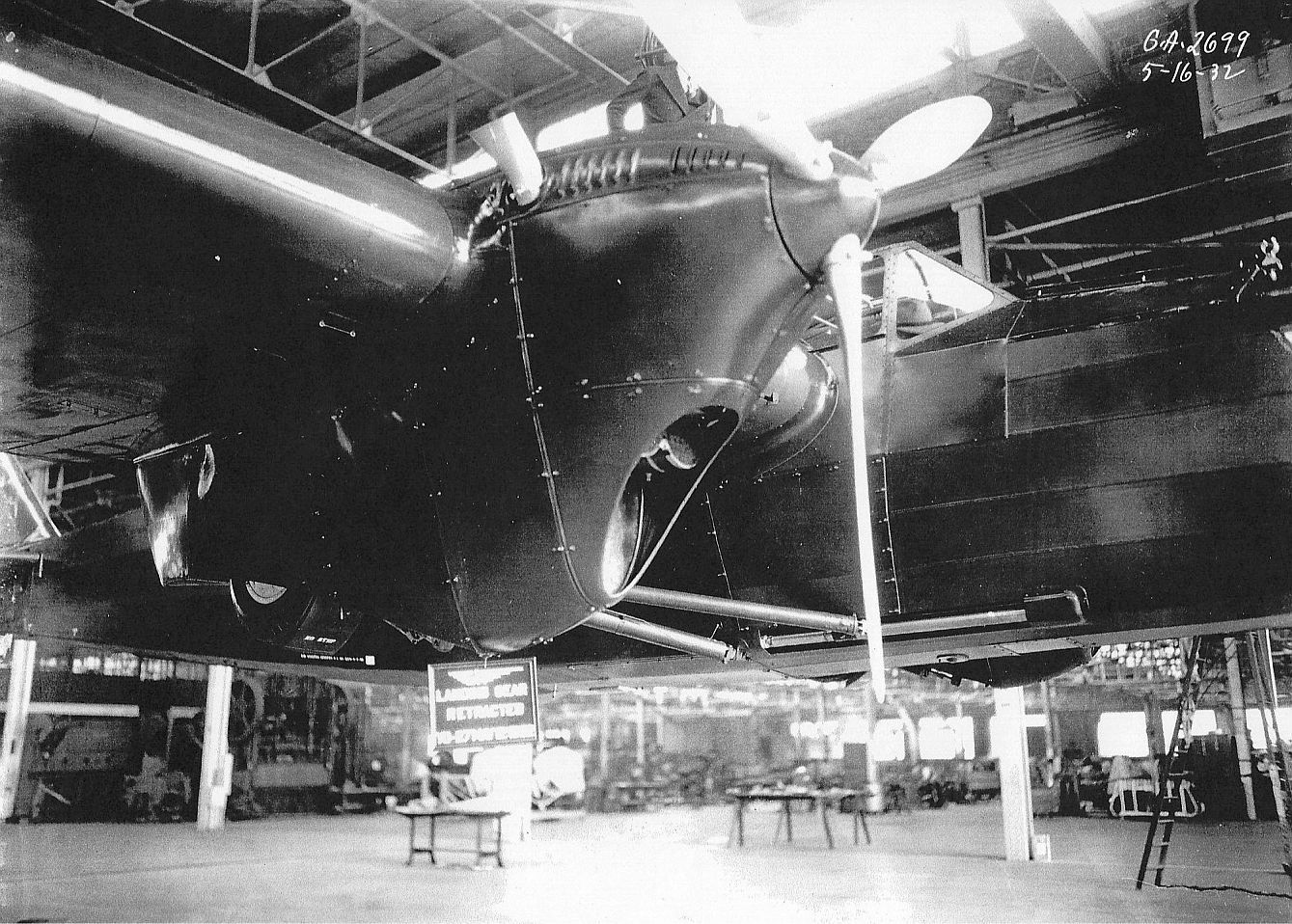
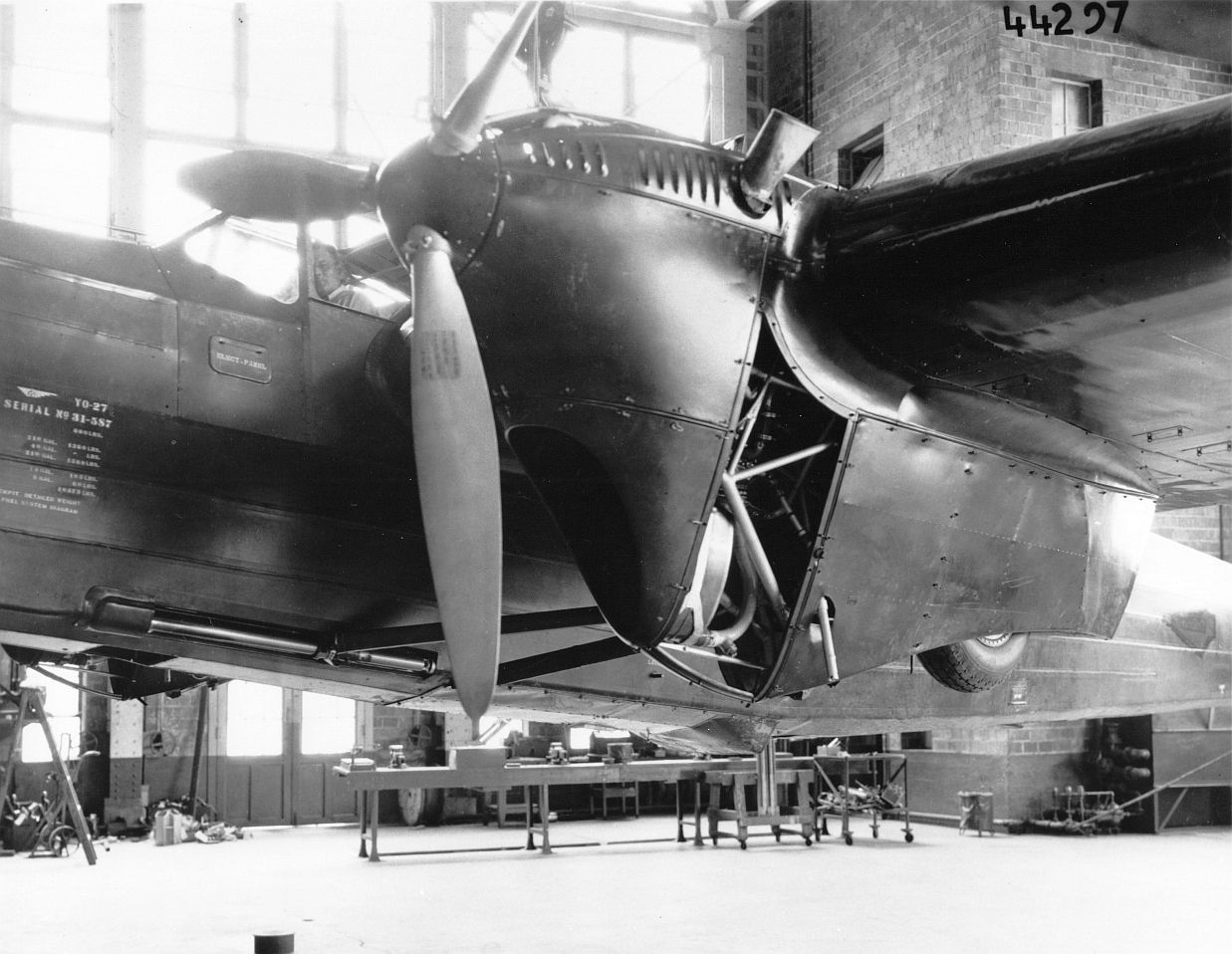
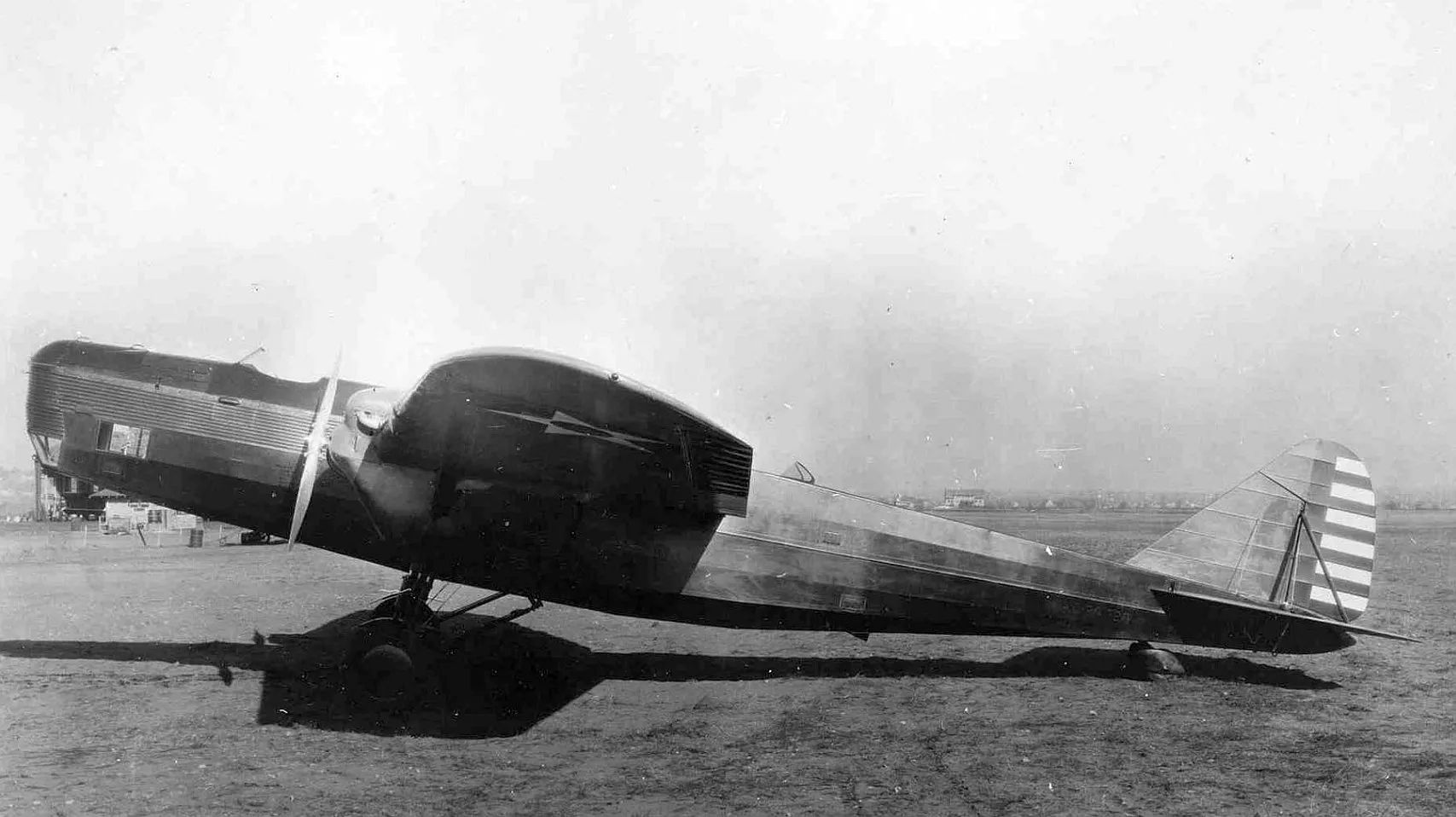
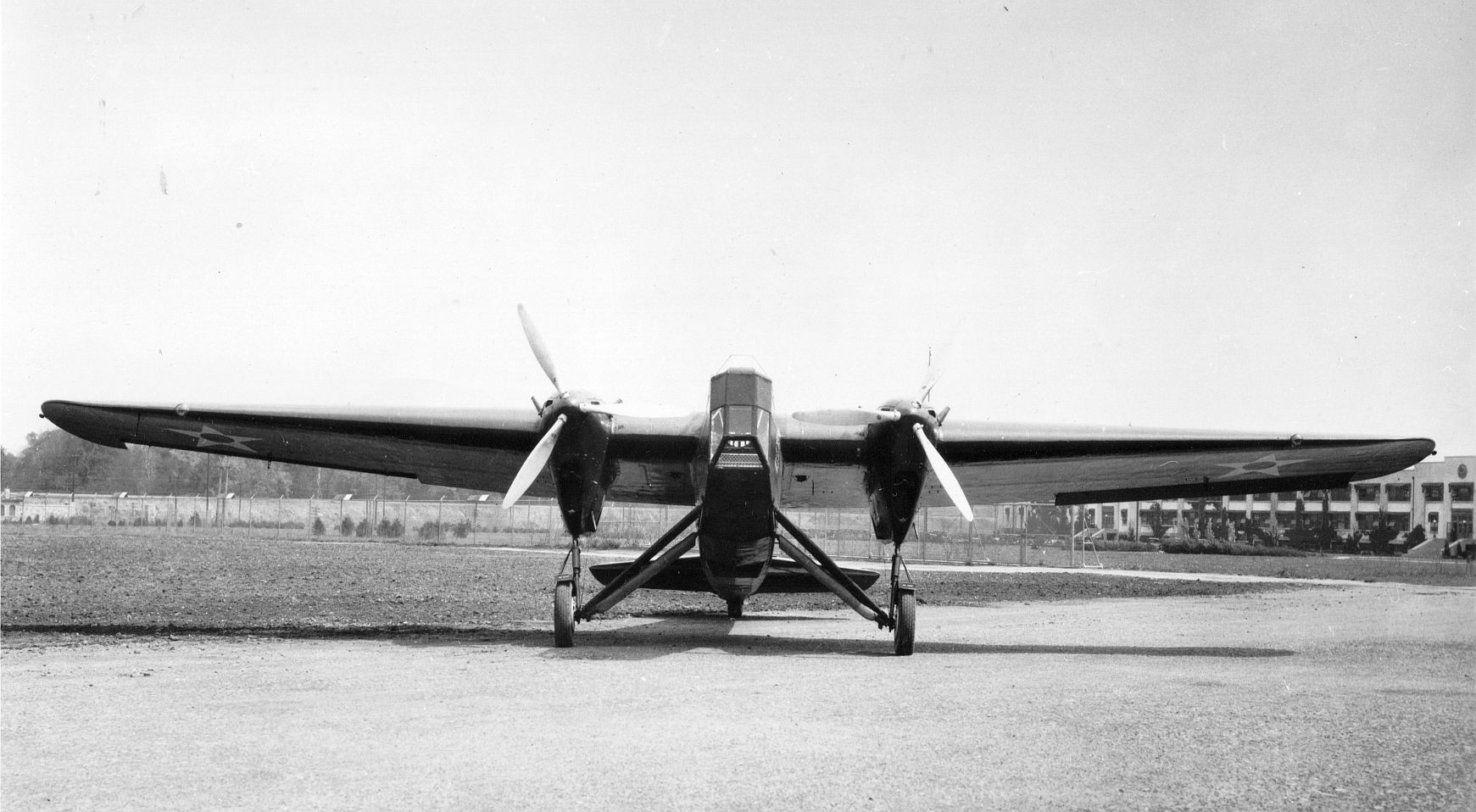
This was the first model for which Fokker designed retractable landing gear. That is why it gets special attention at the end of the photo gallery.
The first design proved unsuccessful. After the prototypes, an entirely new type of landing gear was designed for production.
But even that did not work flawlessly in practice.