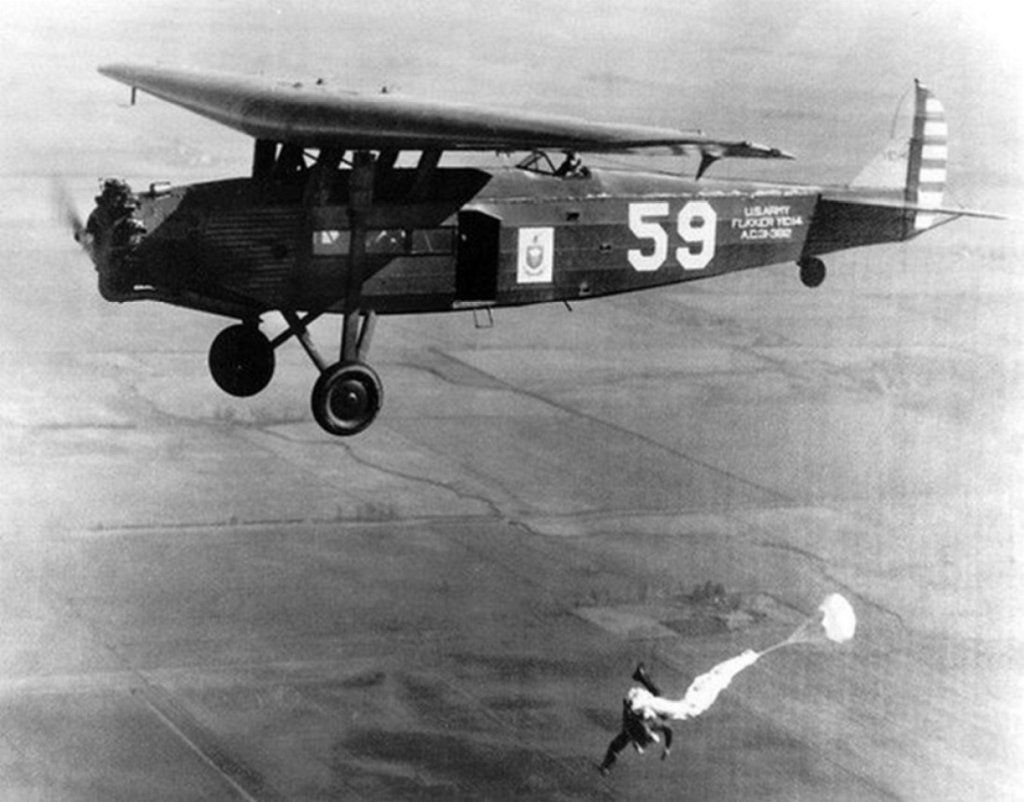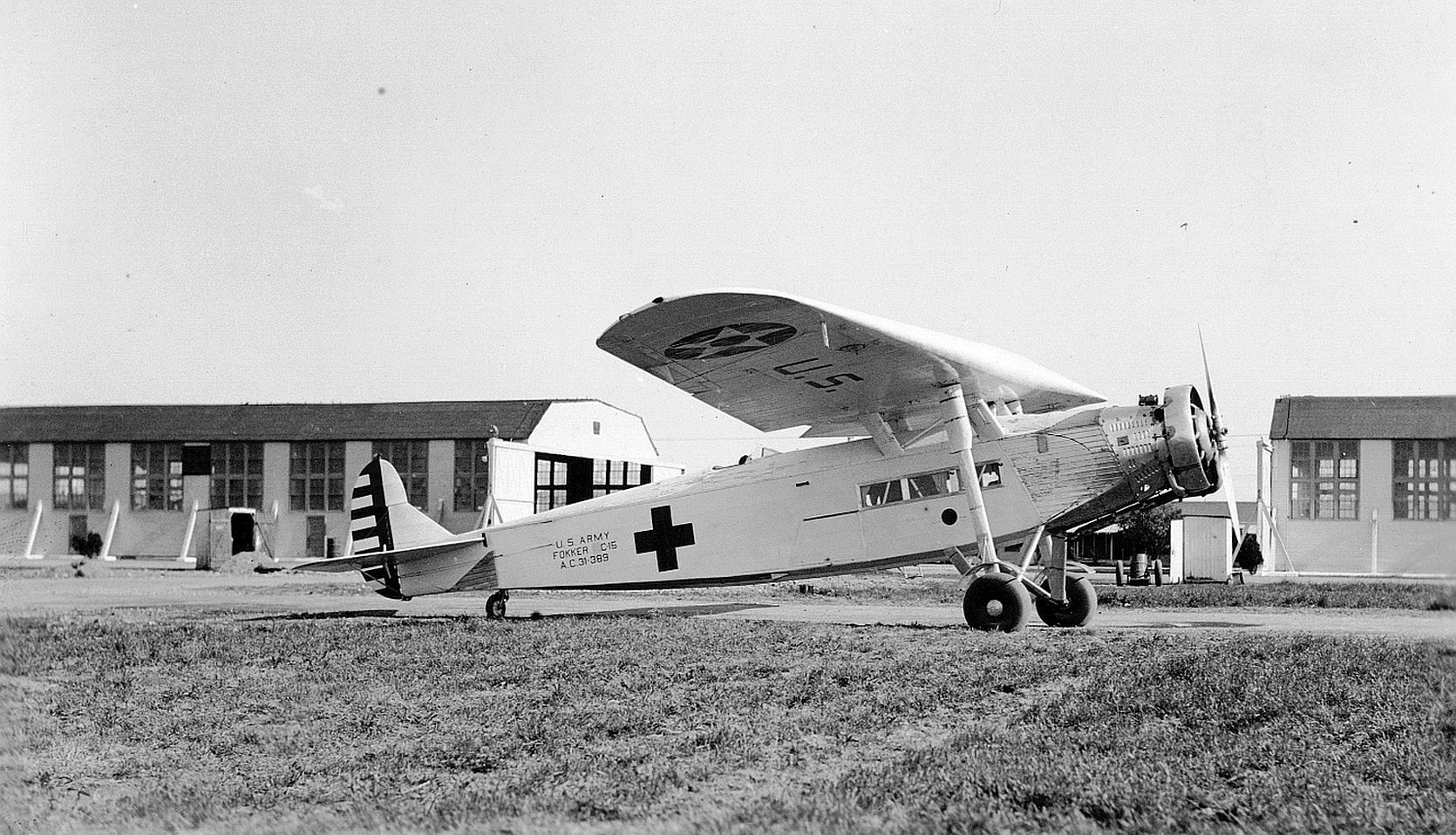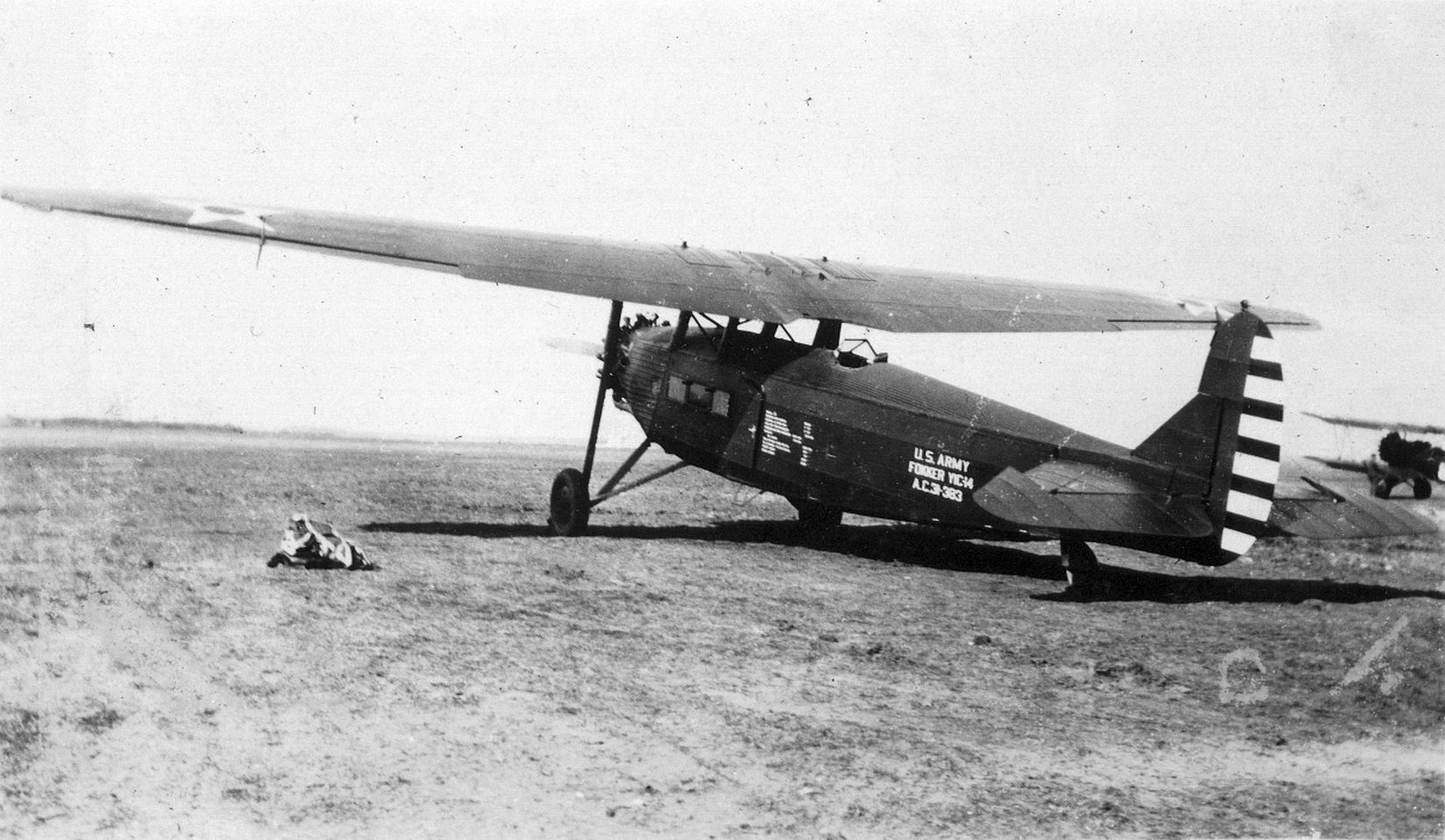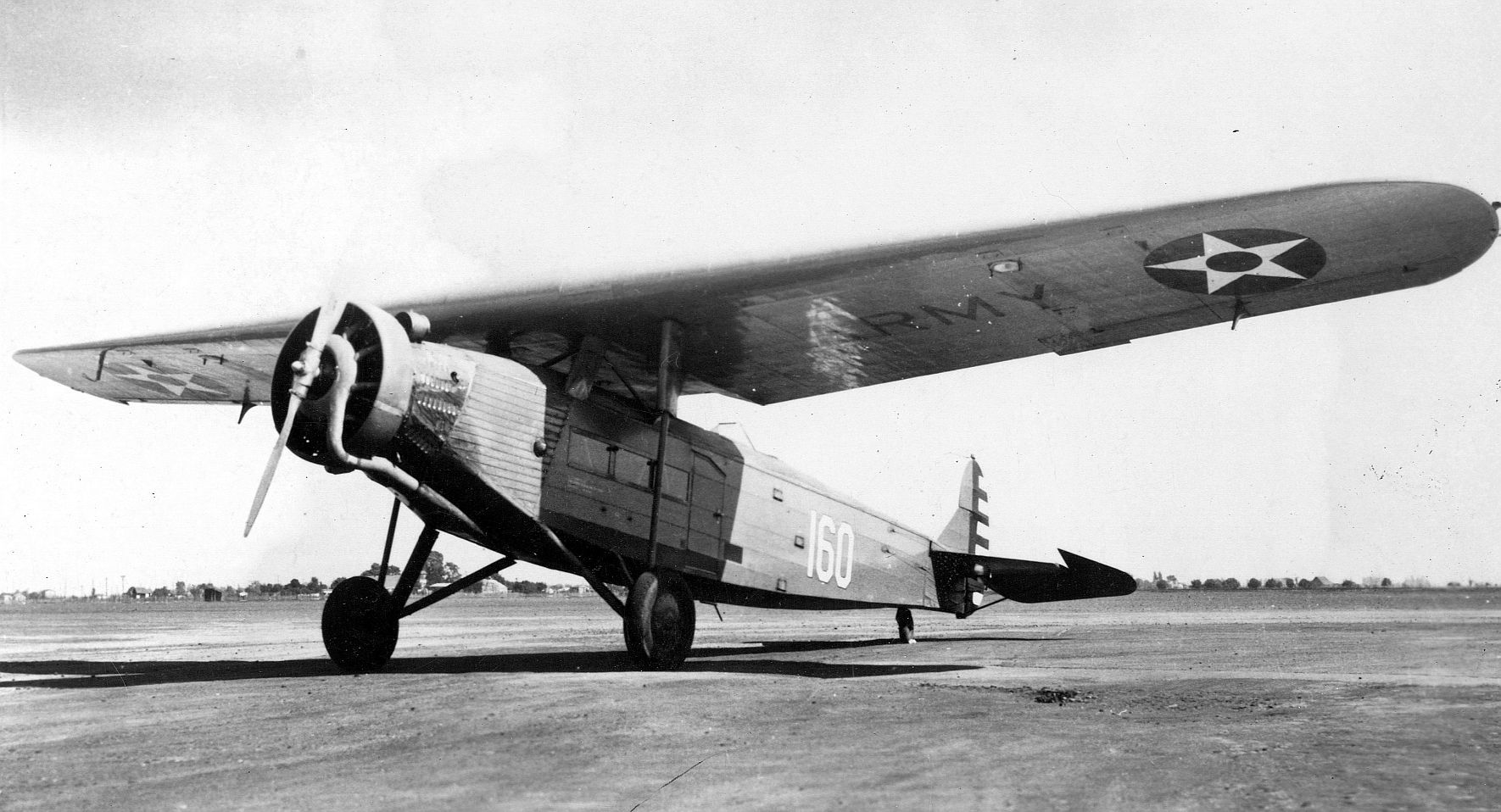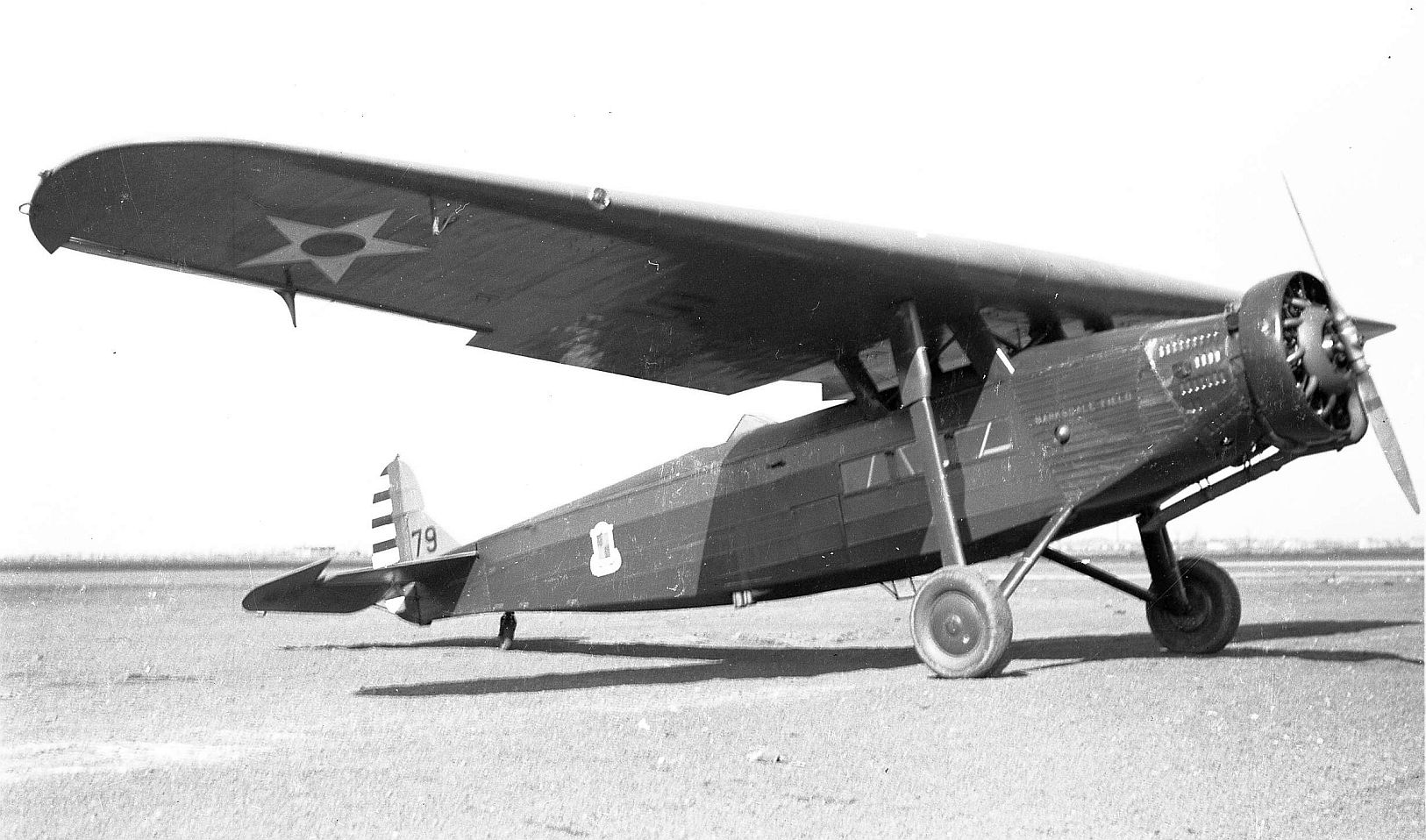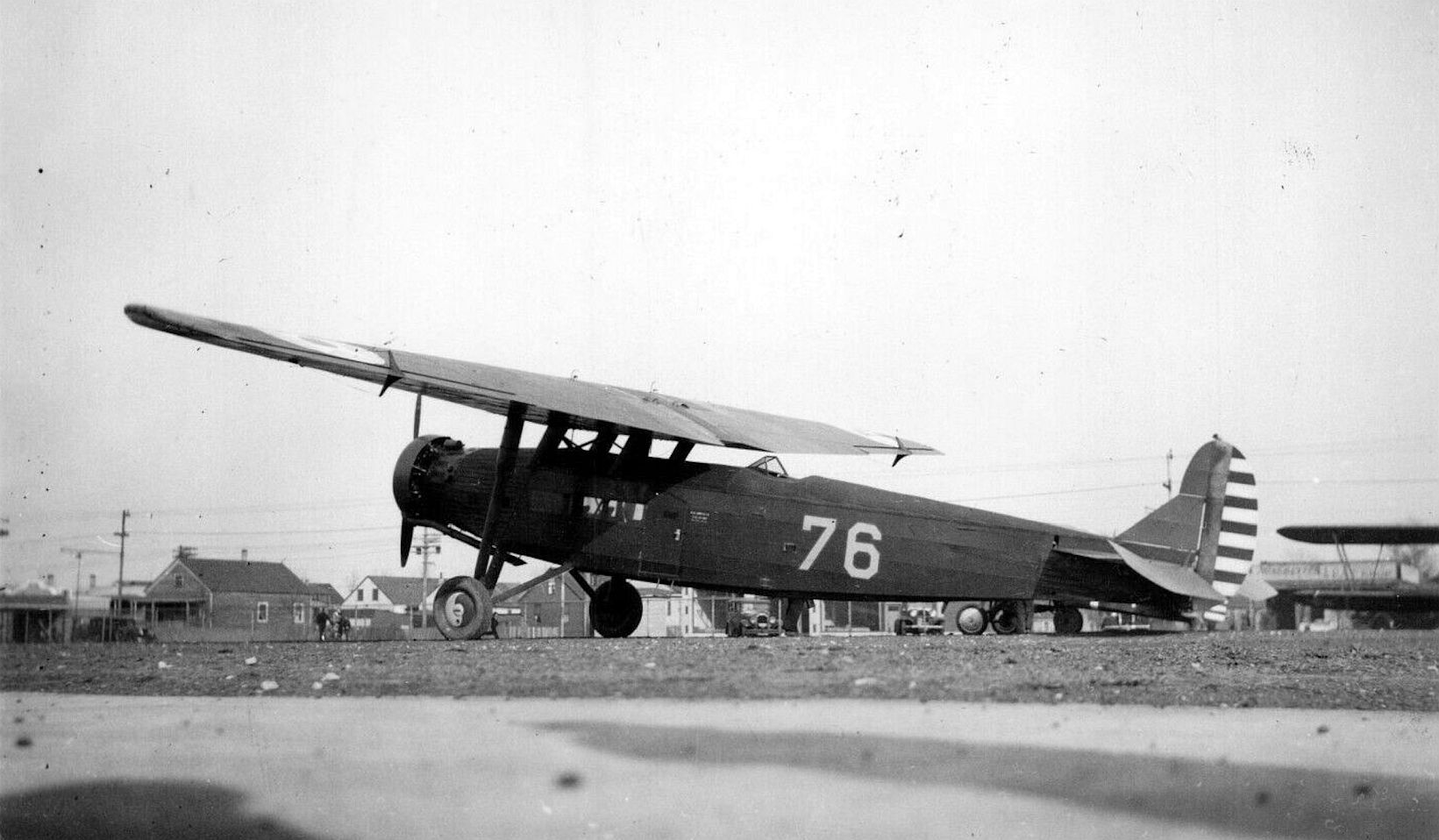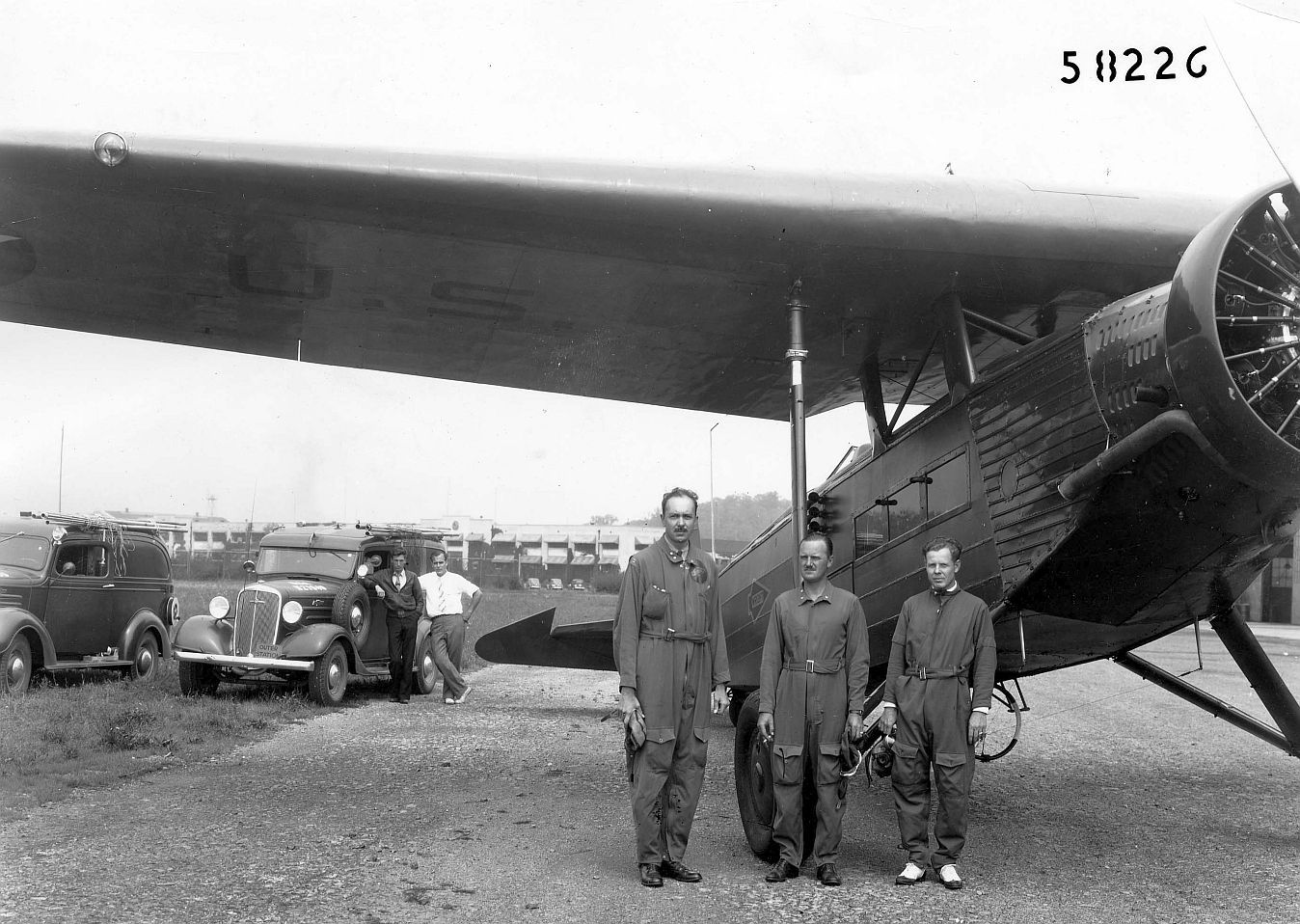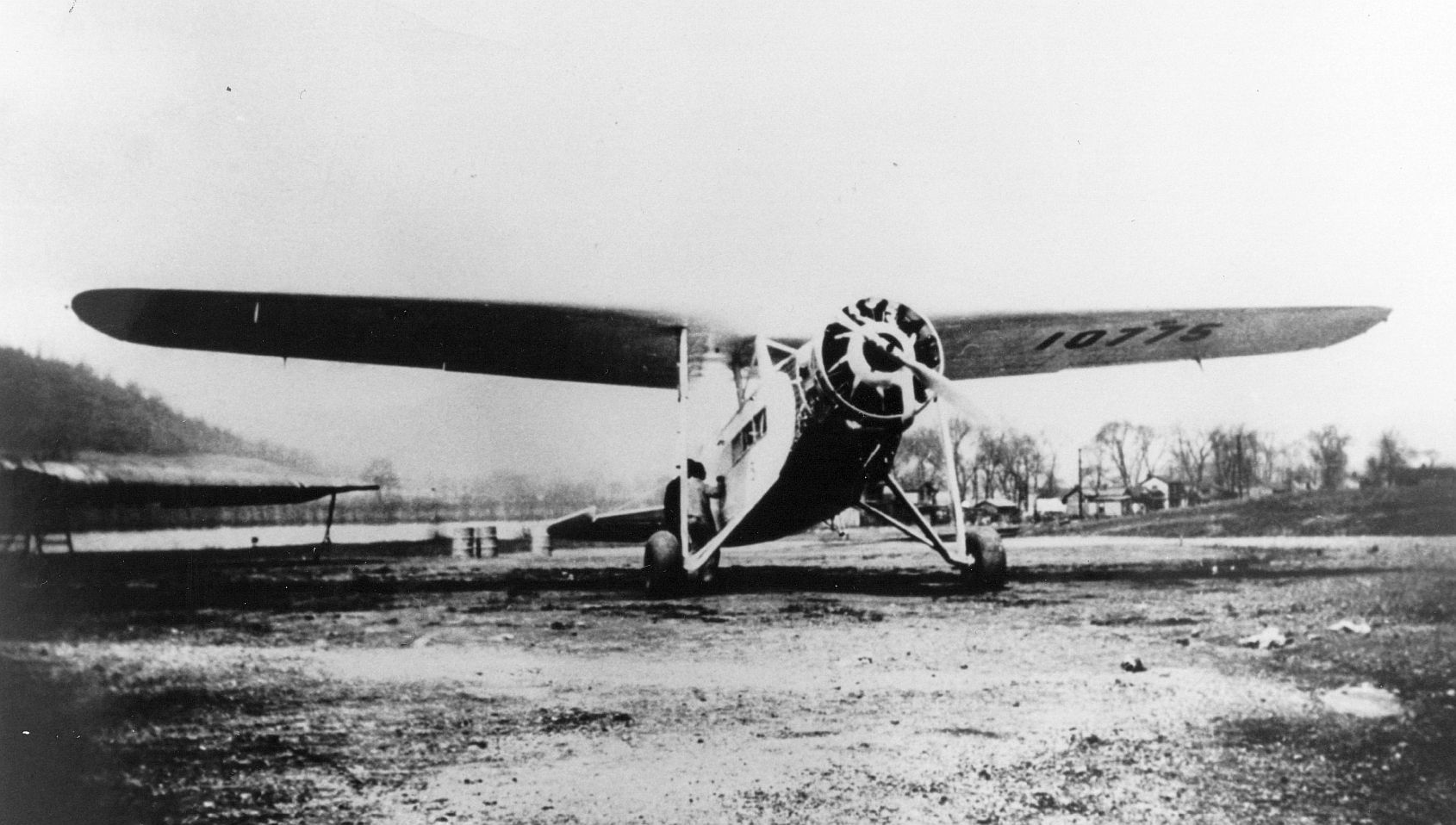
Fokker Model 18, Y1C-14 and Y1C-15 (later C-14 and C-15)
The aviation industry in the US suffered severely from late 1929 as a result of the economic crisis.
The Air Corps watched this with dismay, fearing that much knowledge would be lost due to the expected contraction of the industry.
Therefore, a program was set up to provide additional orders to the companies. In doing so, the focus was primarily on existing commercial models for which there was no longer a market.
Many types were tested, and in June 1930 an F-14 also came to Wright Field for this purpose.
For Fokker, the renewed attention for the F-14 Mailplane came at just the right time. Of the series of 20 aircraft that had been put into production, a large proportion remained unsold.
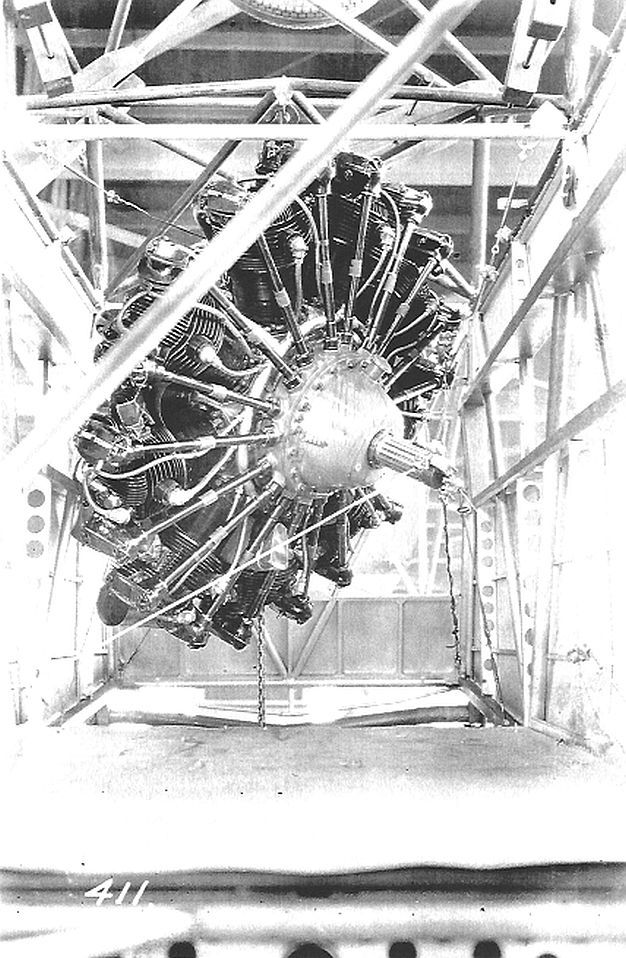
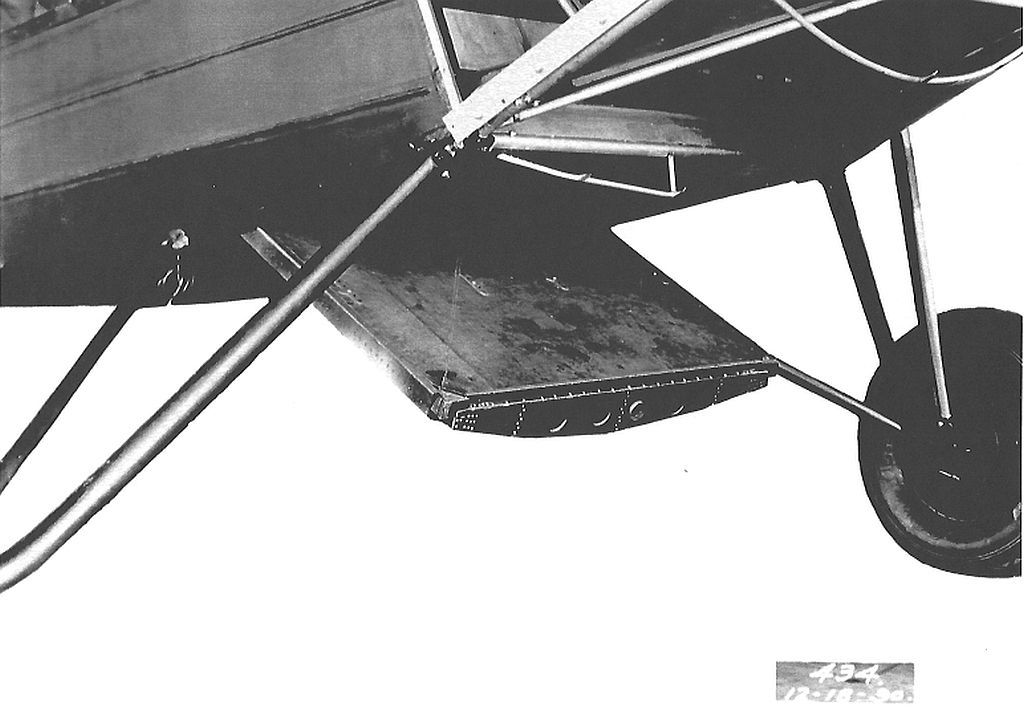
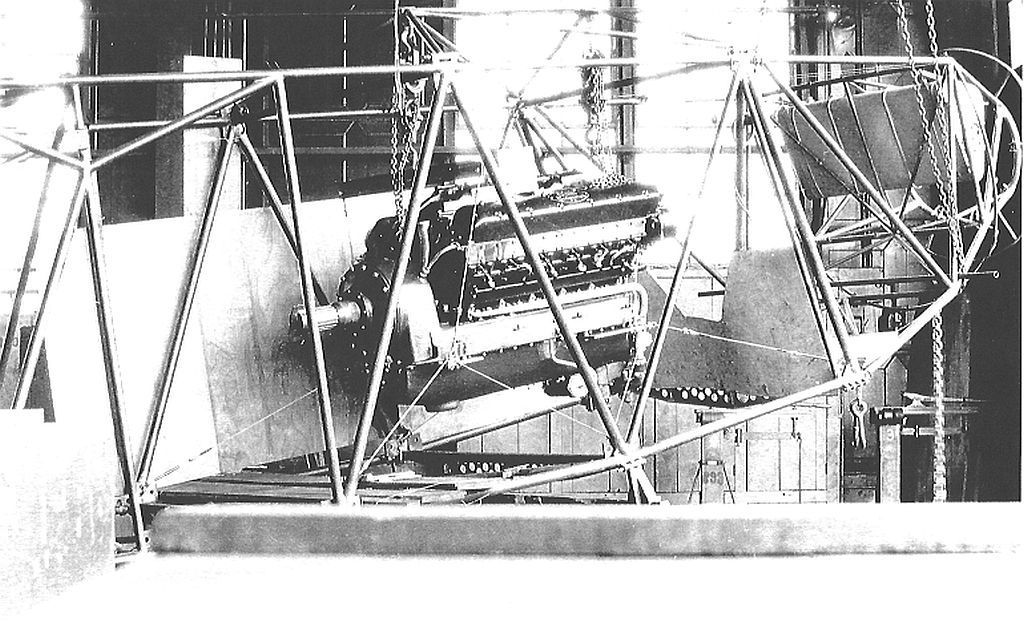
The Air Corps wanted to expand the transport sector and asked if the F-14 could be made suitable for, among other things, the transport of aircraft engines.
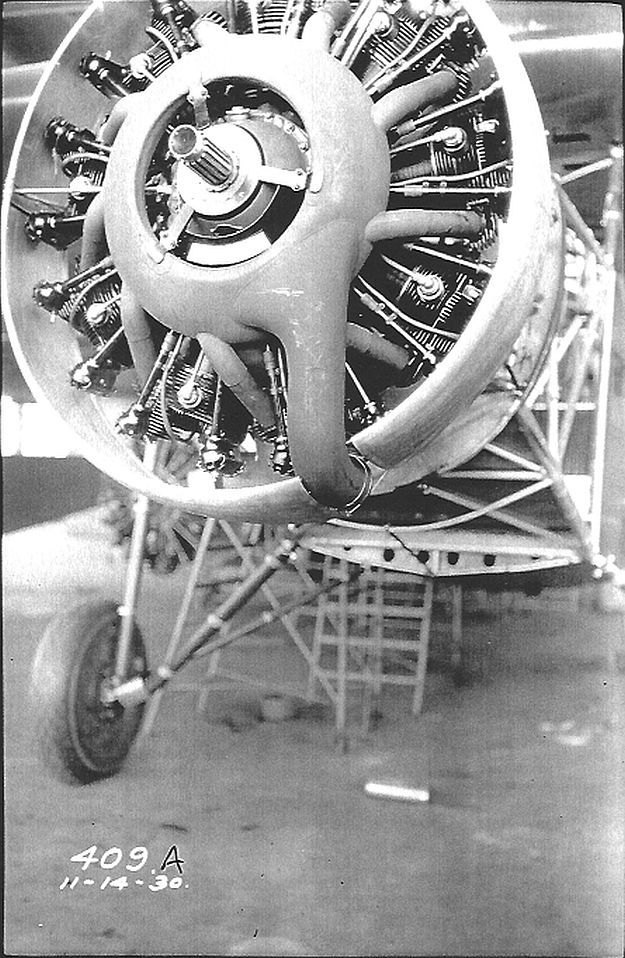
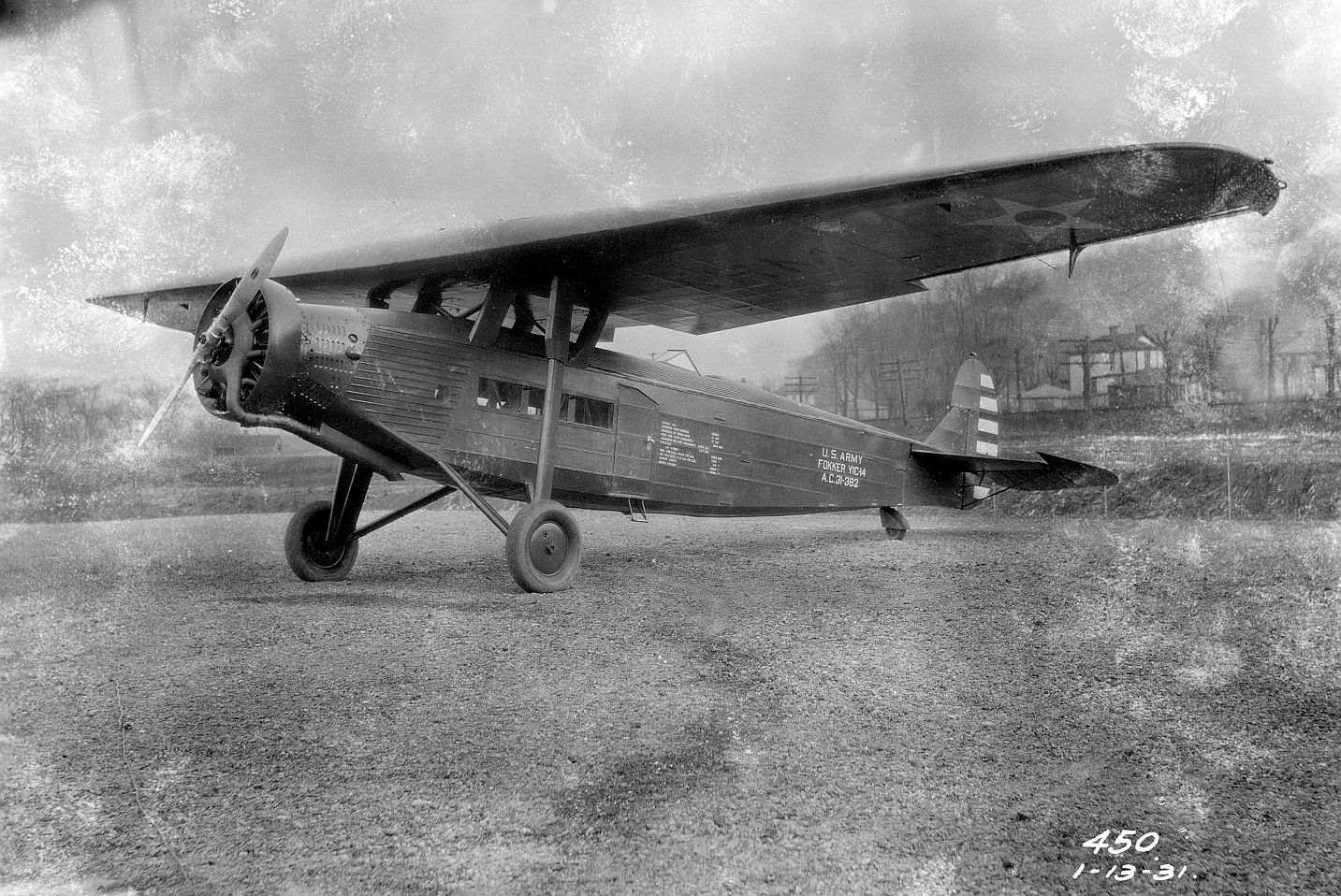
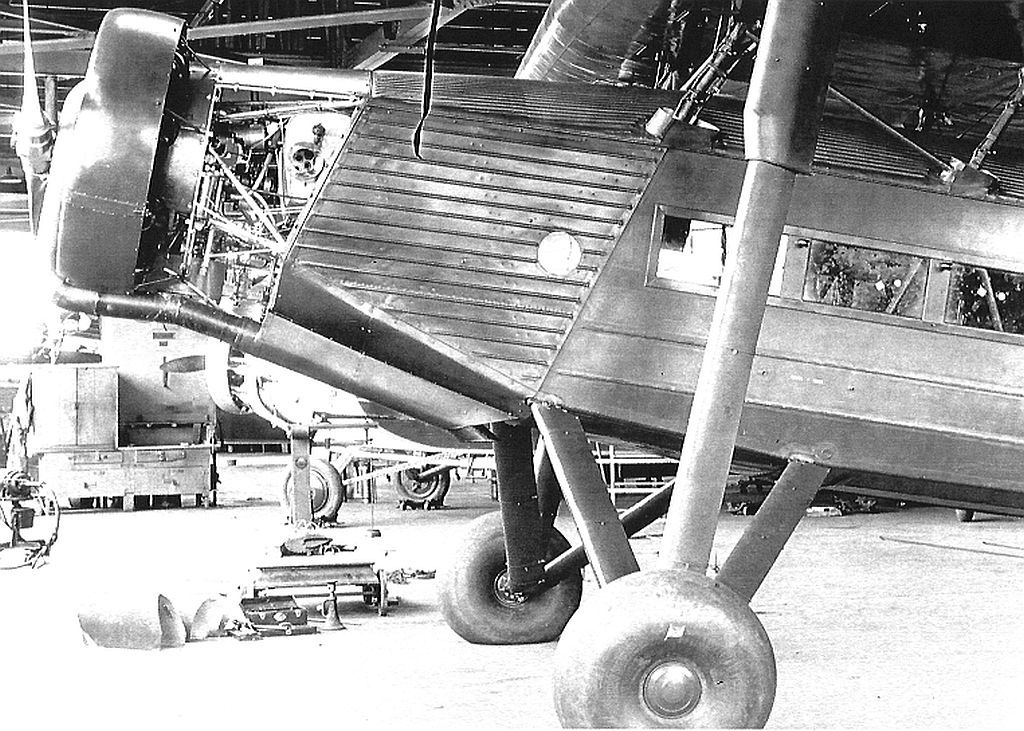
Fokker quickly responded to this and developed a military variant as the Model 18. At the request of the Air Corps, they were fitted with a Wright Cyclone engine.
As early as July 1930, Fokker received an order for twenty aircraft. It was agreed that the first aircraft would be allowed to deviate from the military requirements.
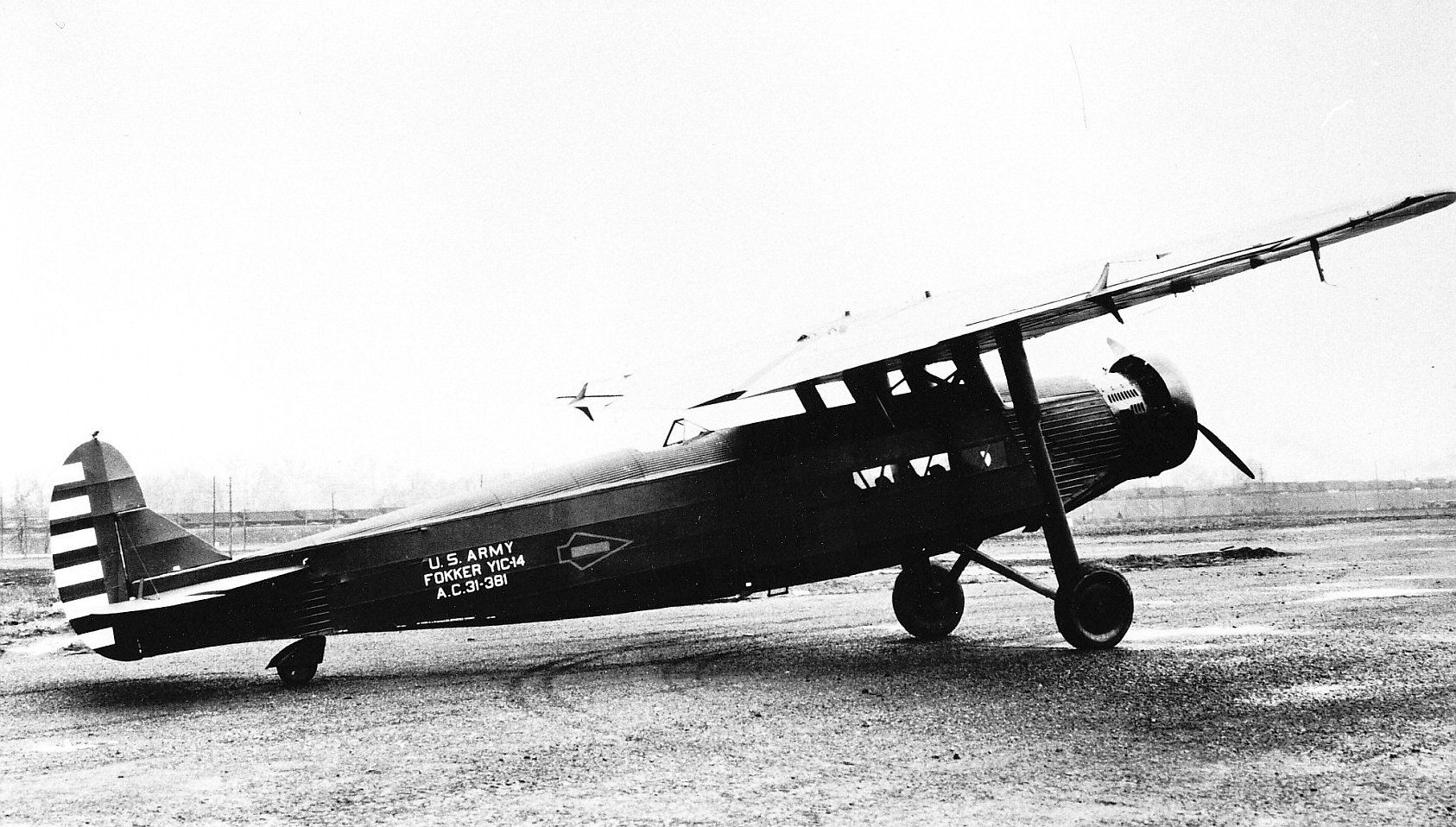
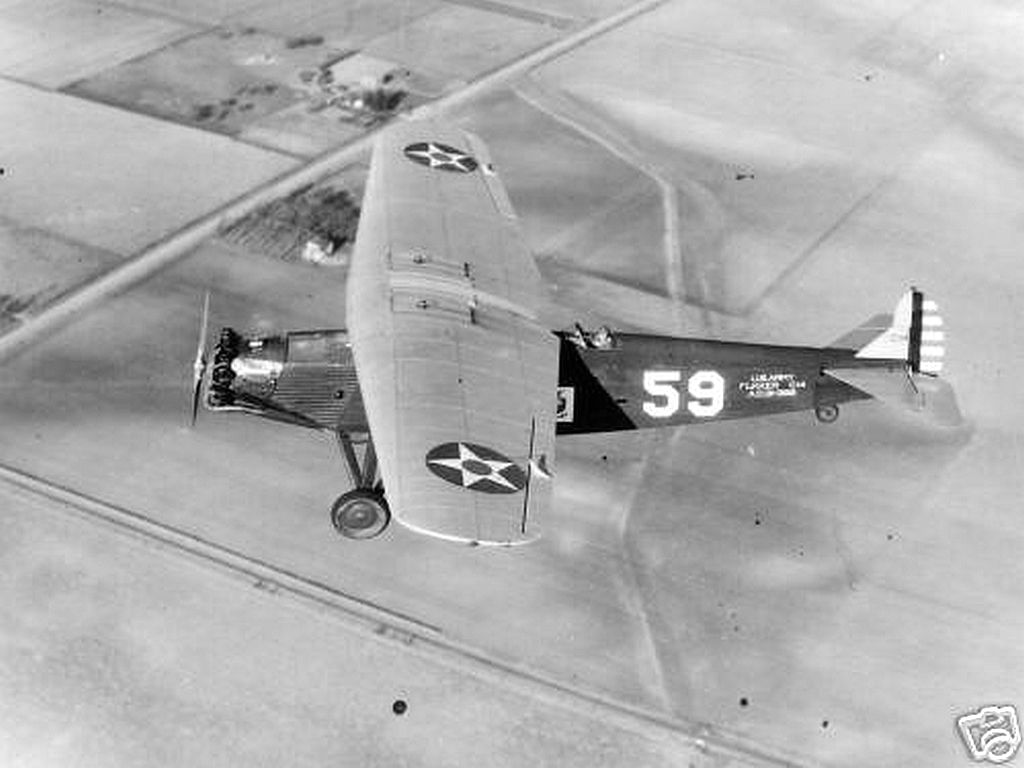
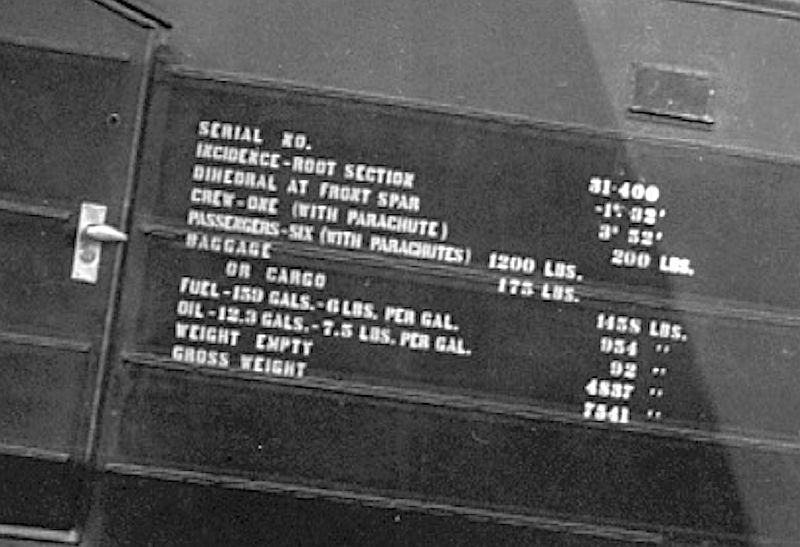
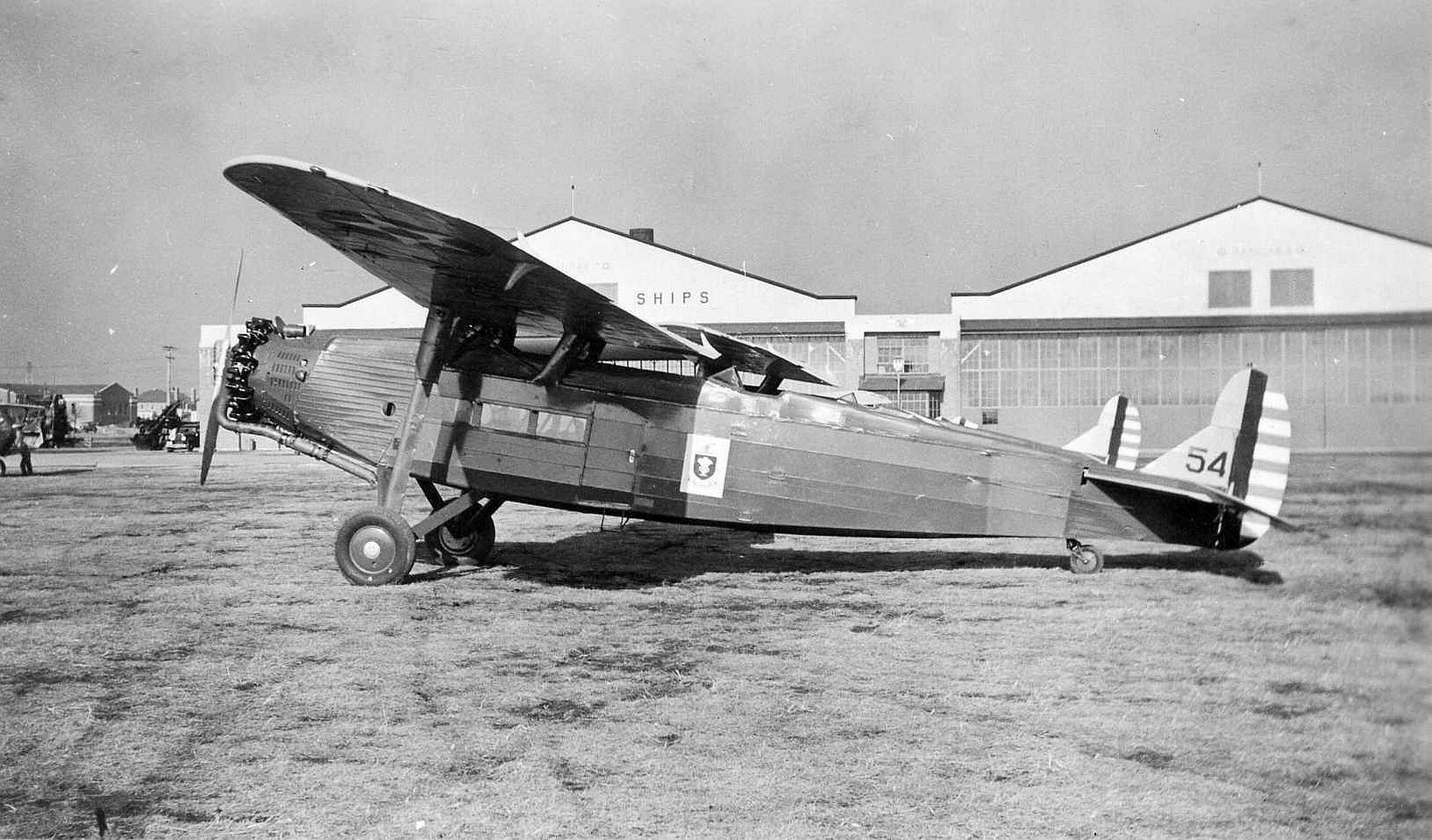
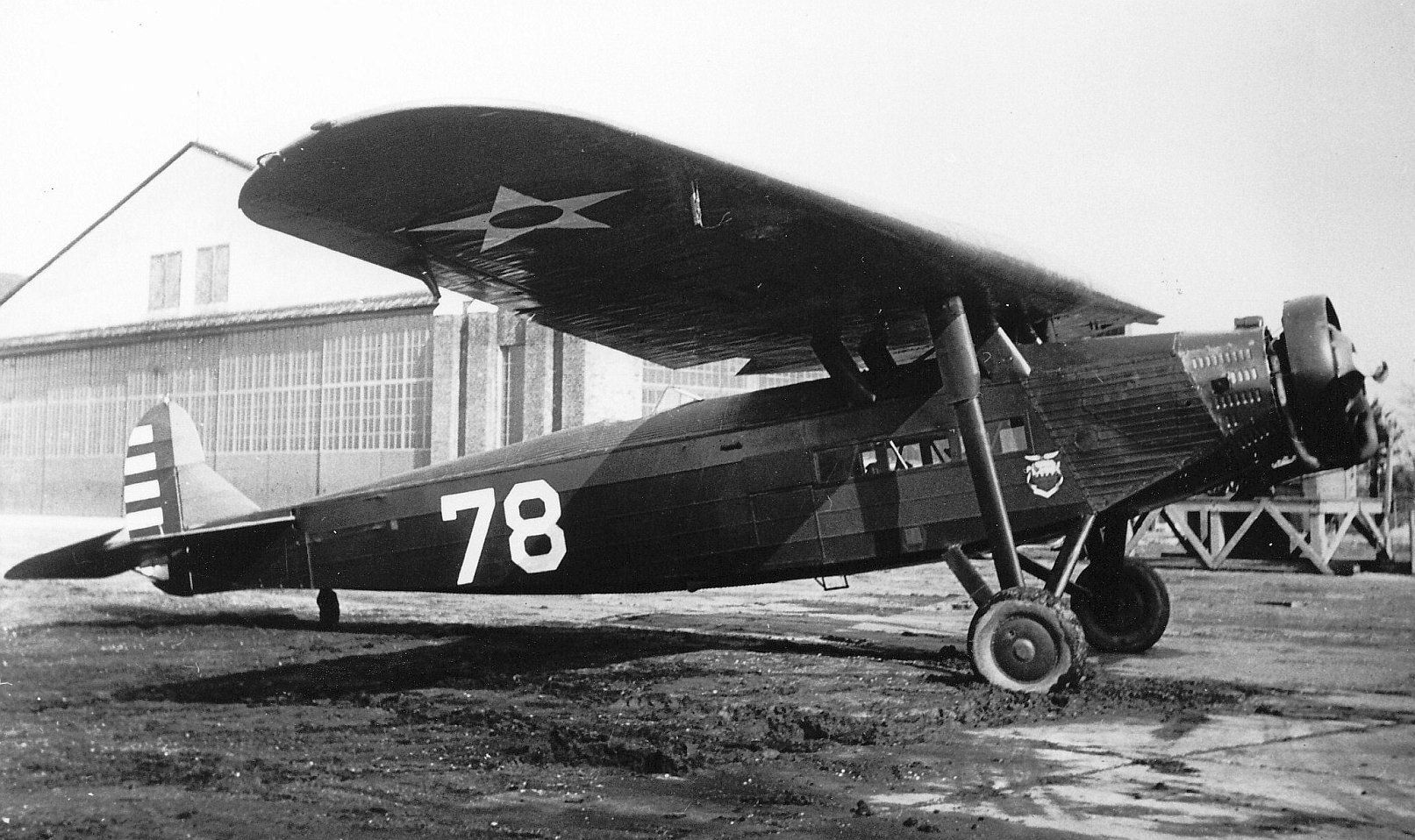
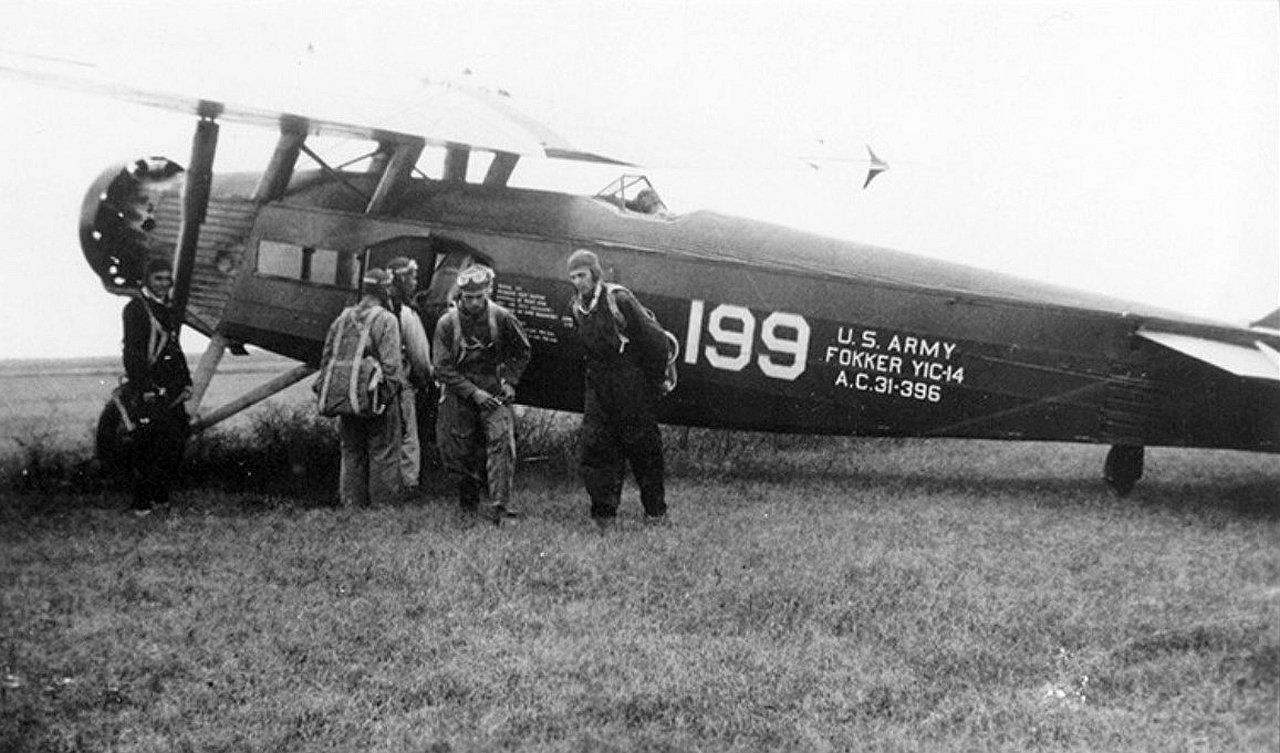
As a result, unsold aircraft from the F-14 line could be used for this purpose. The Air Corps designated the aircraft Y1C-14 with the registrations 31-381/400, and Fokker built them as MSN 1800/1820.
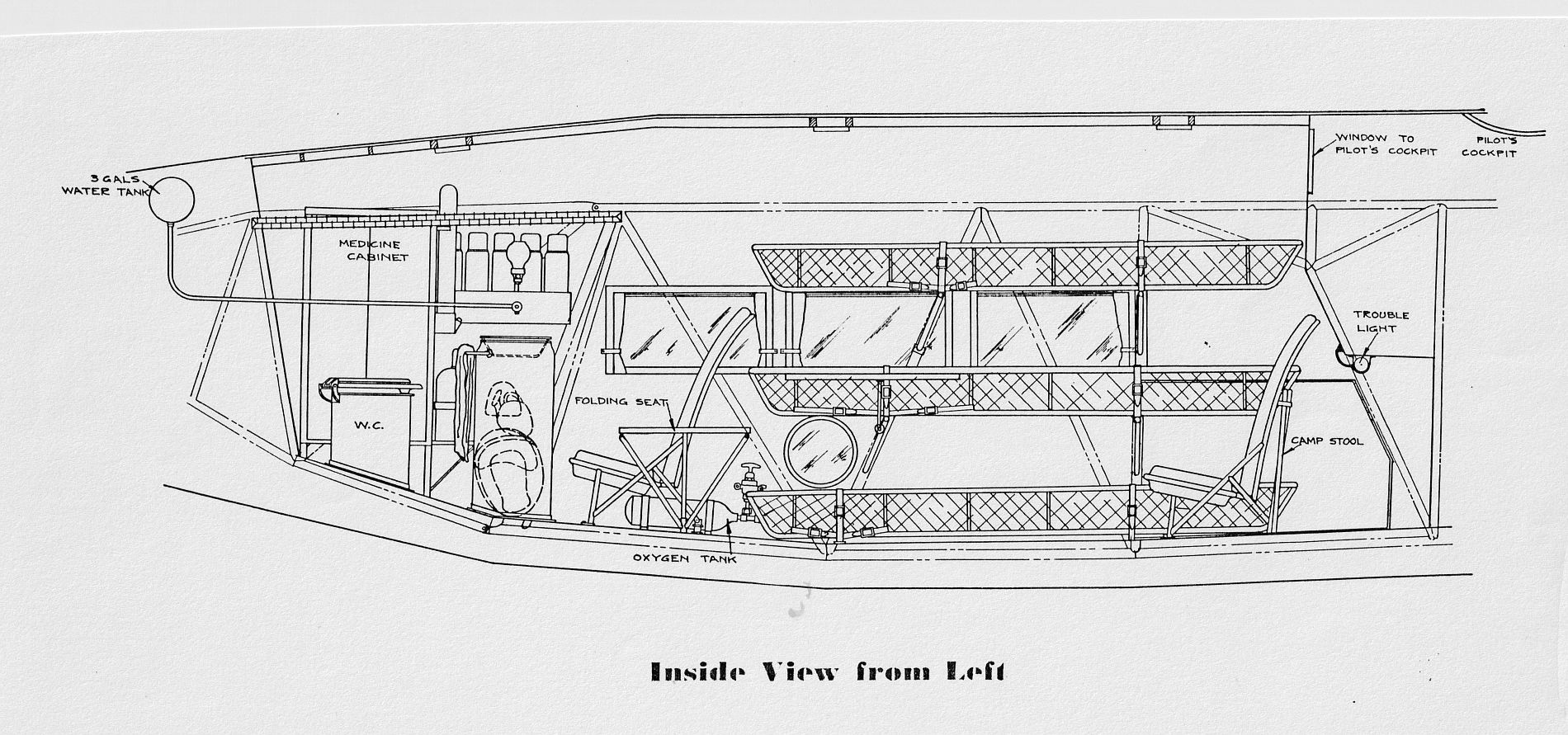
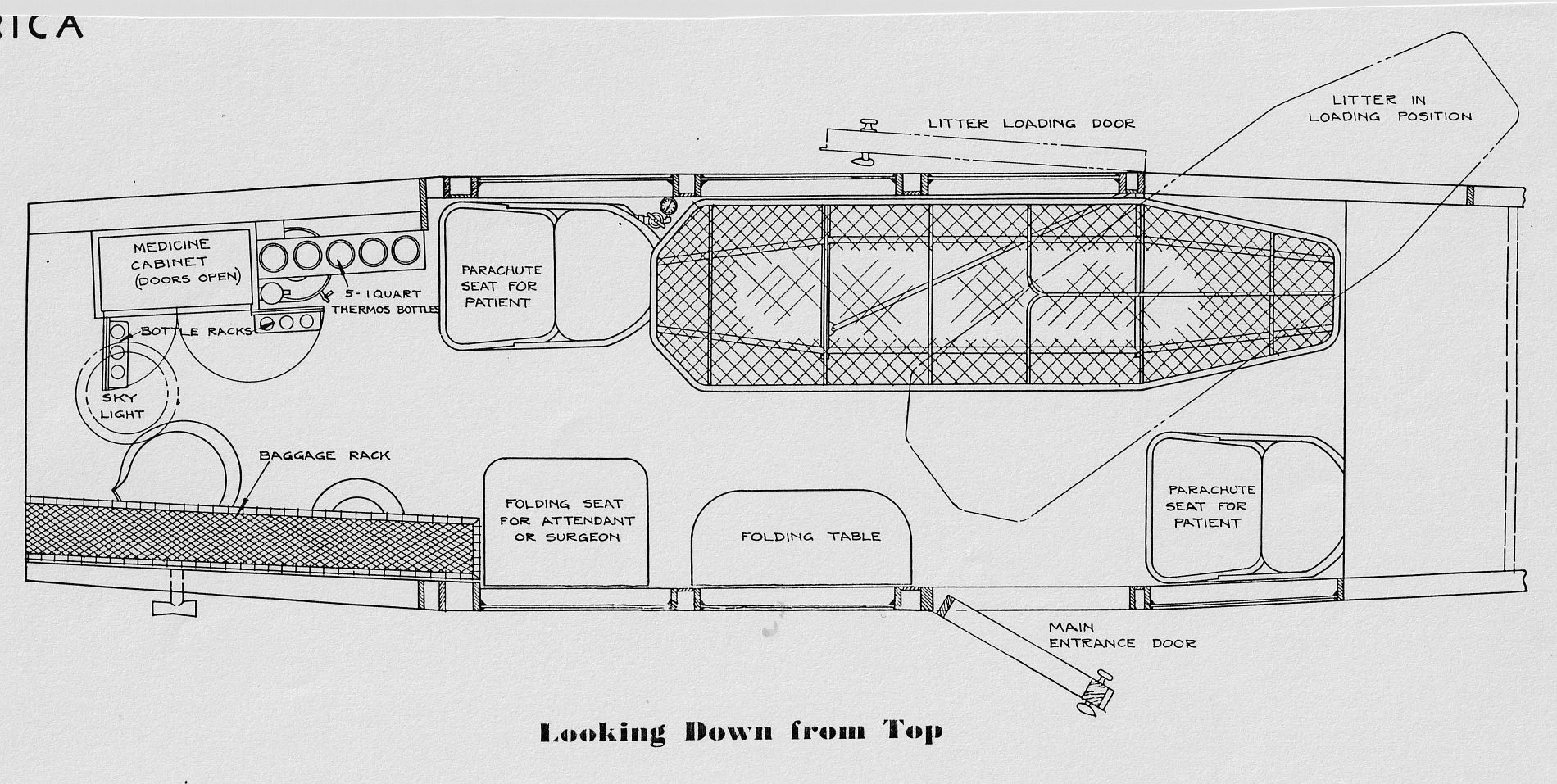
It was soon decided to equip one unit as an ambulance with the designation Y1C-15.
The first aircraft were probably only completed in Glen Dale, WV. From 1809 onwards, production took place there entirely.
The method for transporting aircraft engines was also developed there in late 1930. The solution for this was captured in photographs.
Msn 1809 was executed as an ambulance. The F-14 ambulance (msn 1422) served as the model for this.
The first Y1C-14 was delivered just before New Year's Eve 1930. This was followed by another 18 aircraft until mid-July; between 2 and 3 per month. The last example was delivered in September 1931. That was 14 months after the order!
The aircraft were distributed across a number of bases and used for various purposes.
Meanwhile, the designation had changed to C-14 and C-15.
It seems, however, that the transport of engines never materialized.
At the beginning of 1935, 15 were still in use, and at the beginning of 1938, 8. It was not until 1940 that the last 2 (including the C-15 ambulance) were taken out of service.
The F-14 Ambulance that Fokker had built at its own risk was purchased as C-15A 32-398. It continued flying until mid-1939.
Although Model 18 was not an innovative design, the devices remained in use for a long time for that era.
Click on the photo to enlarge it.