
Fokker Argentina
This page tells the story of Argentinians who flew Fokker aircraft.
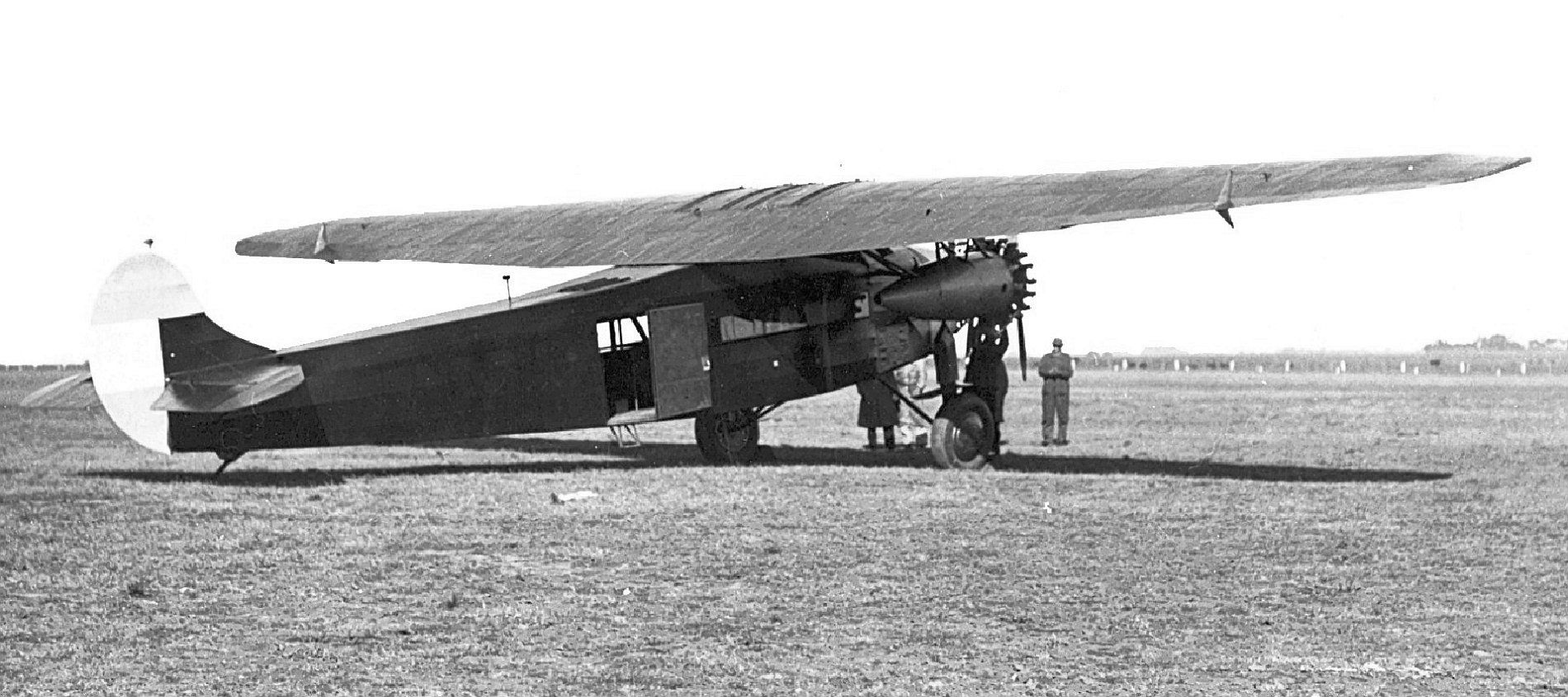
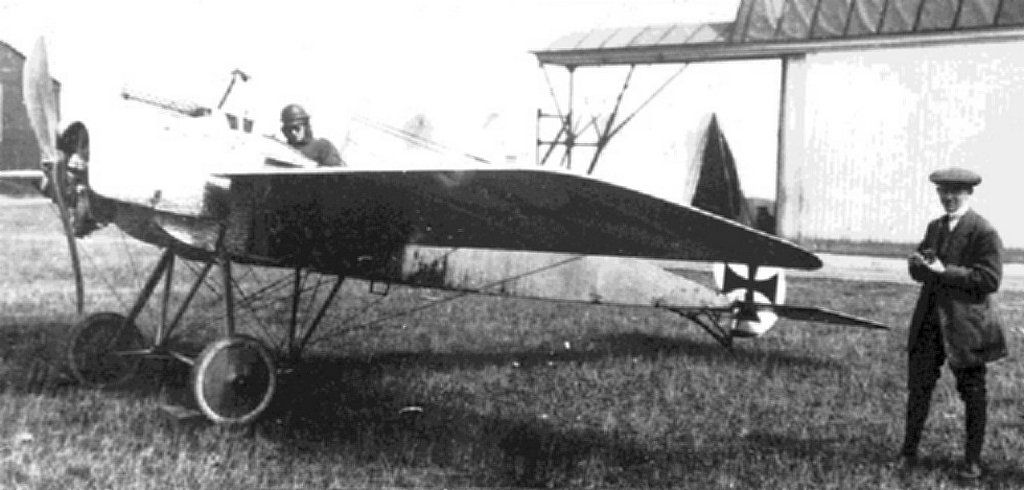
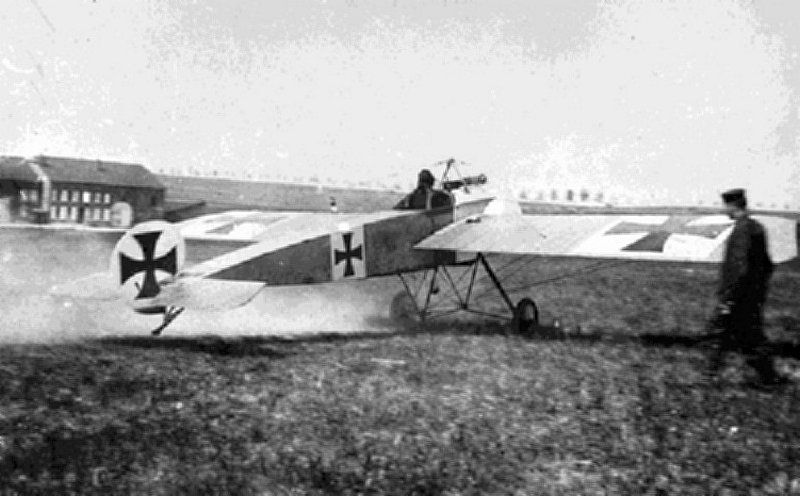
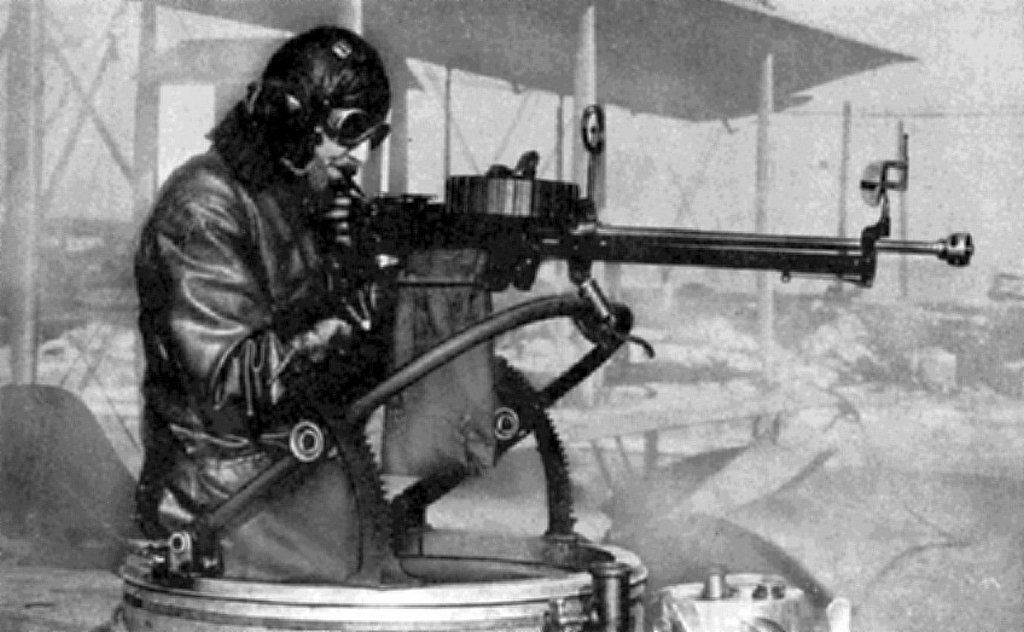
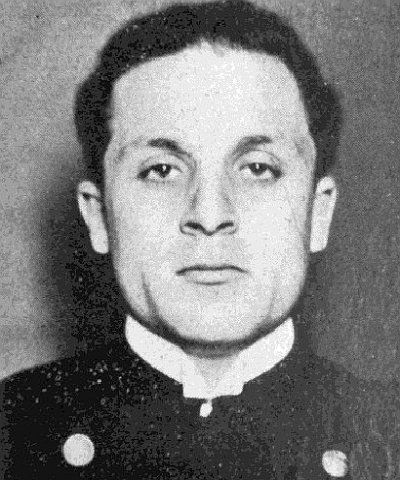
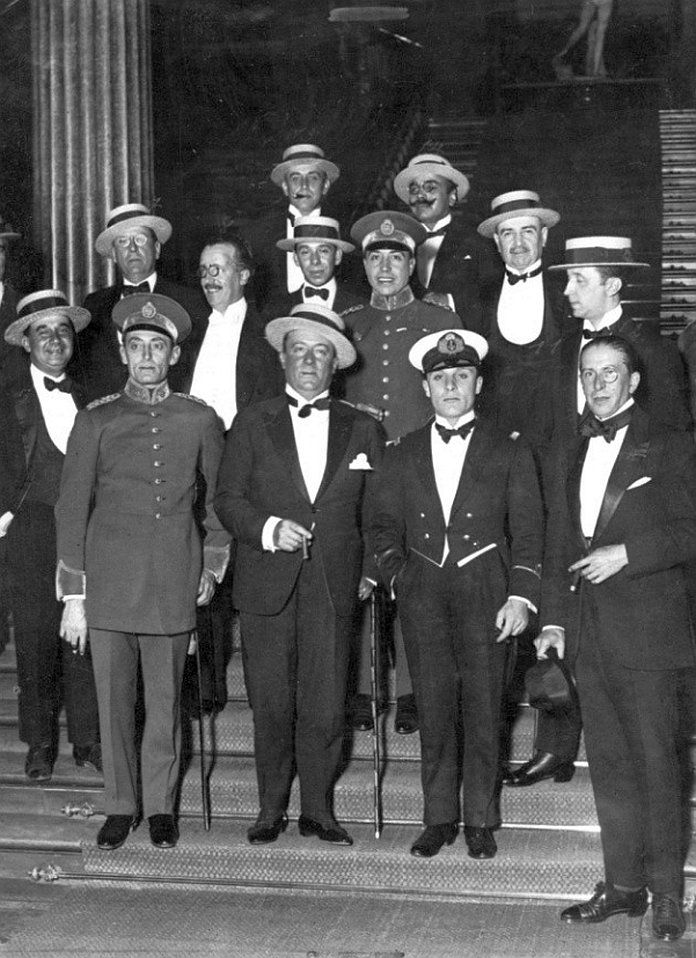
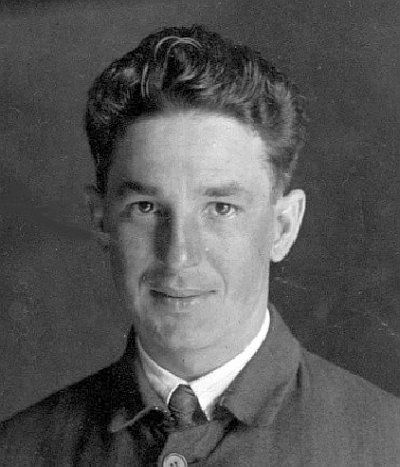
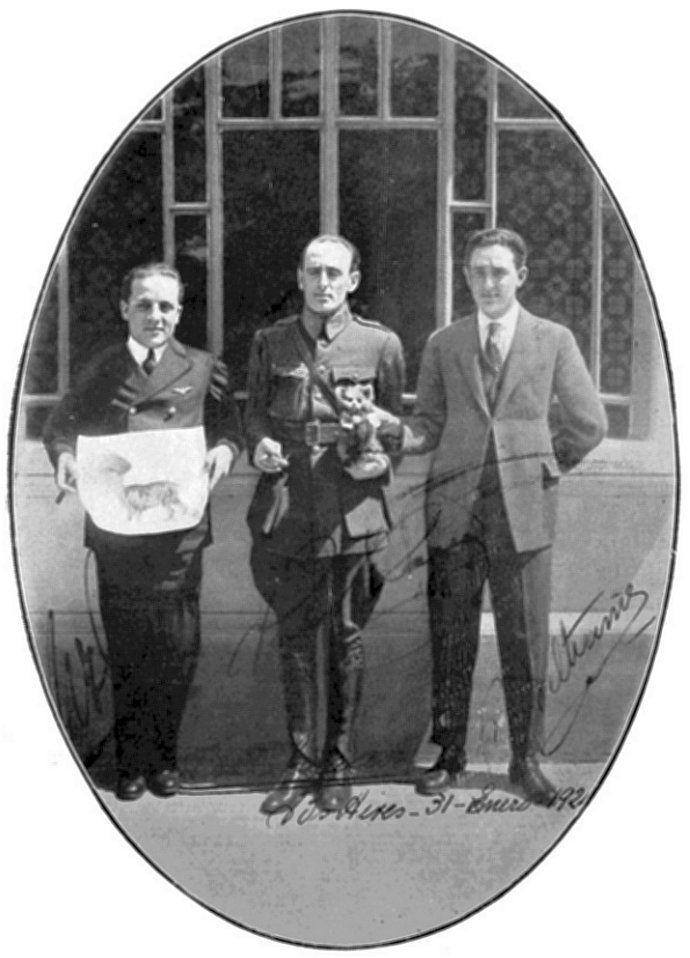
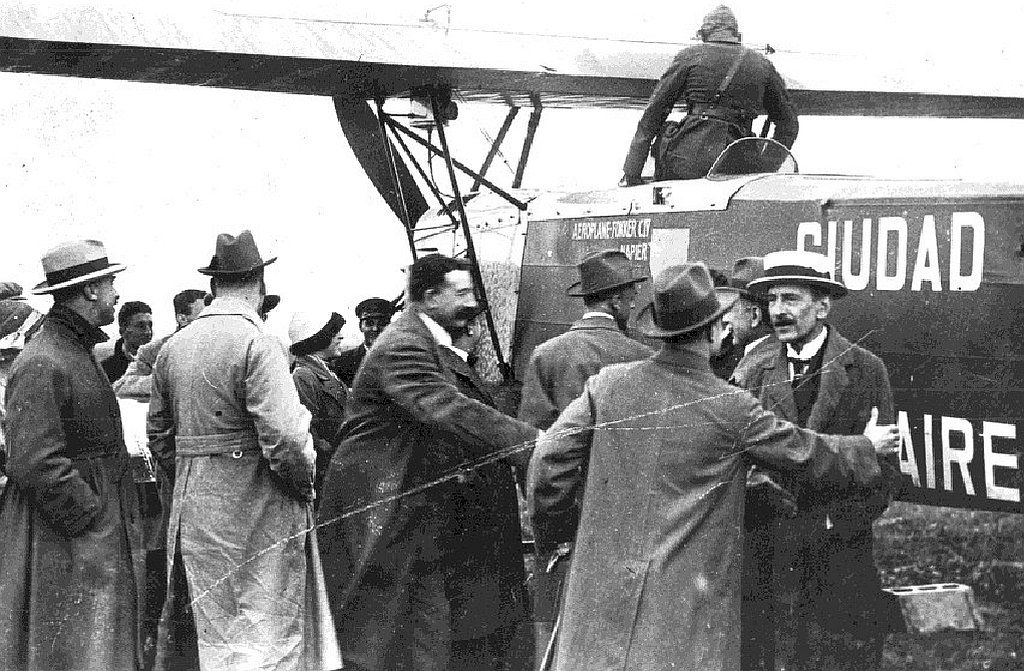
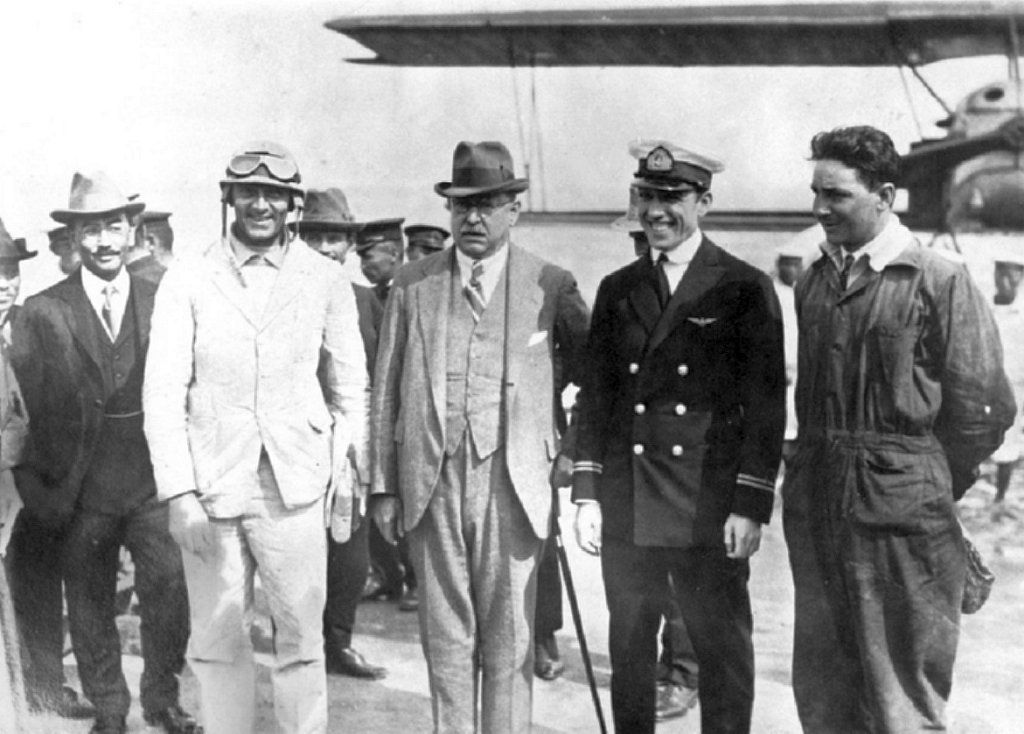
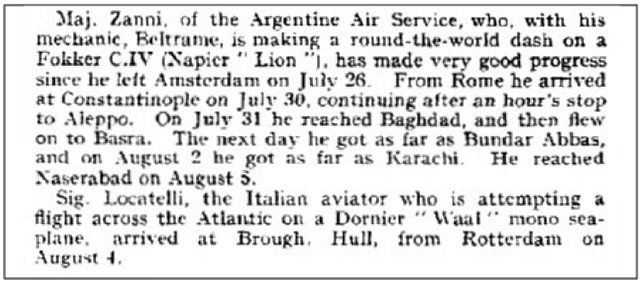
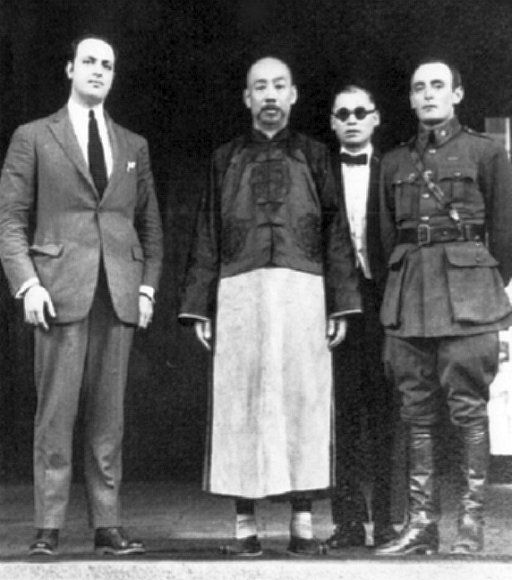
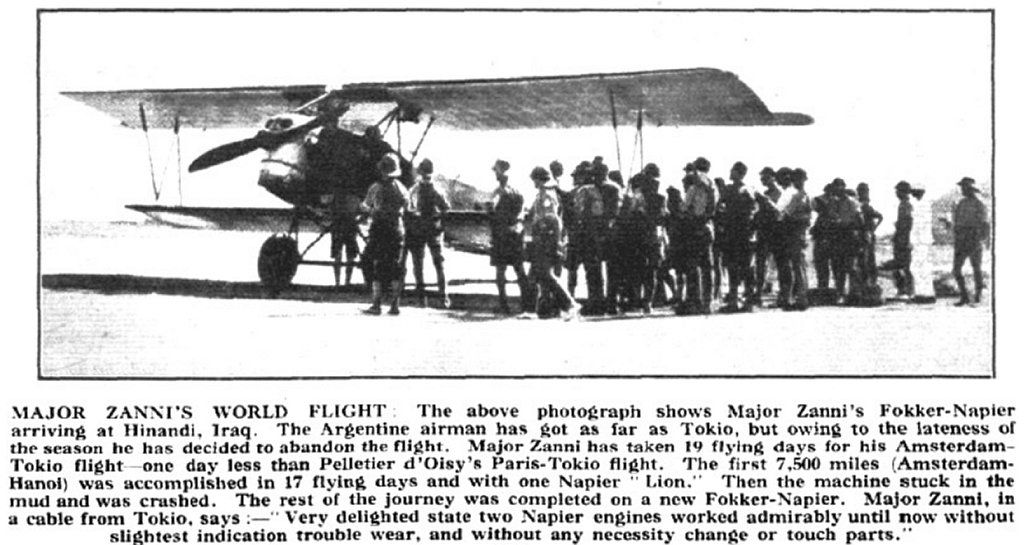
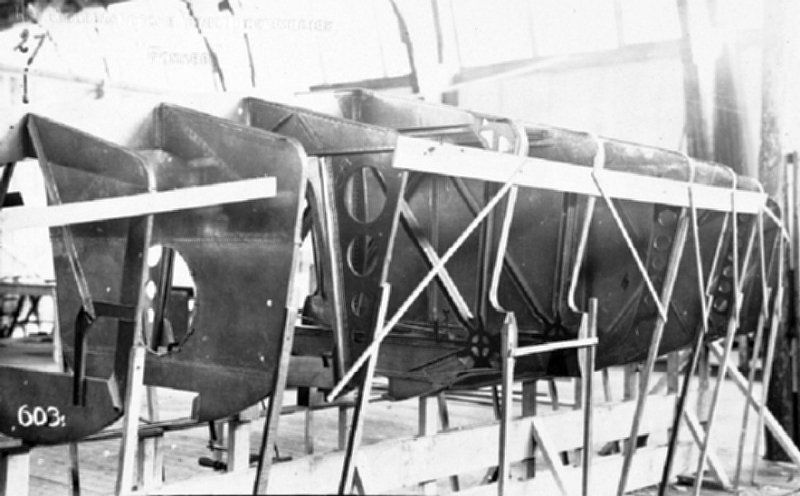
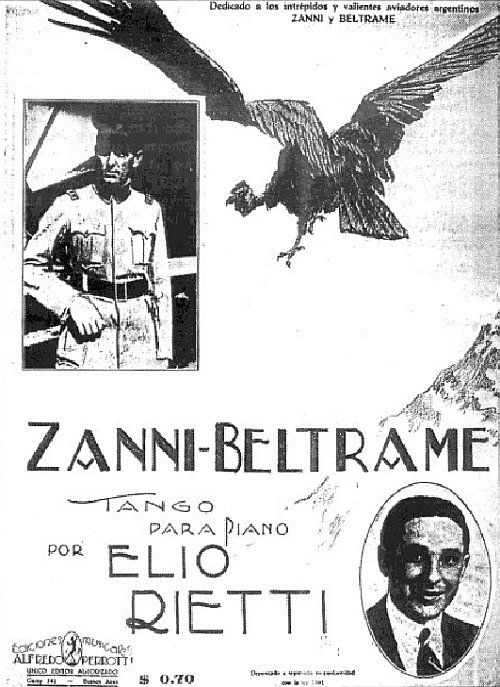
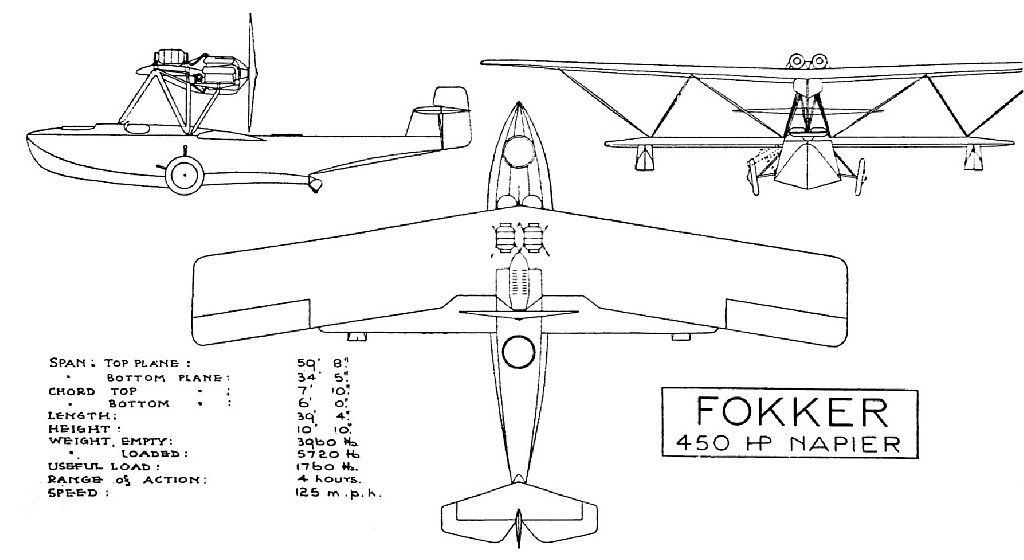
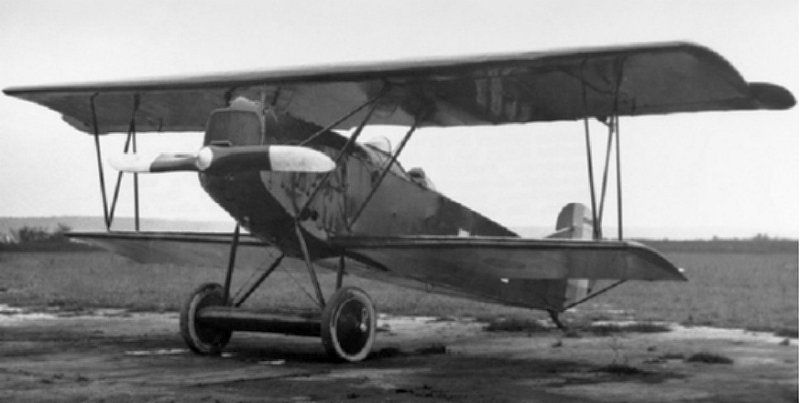
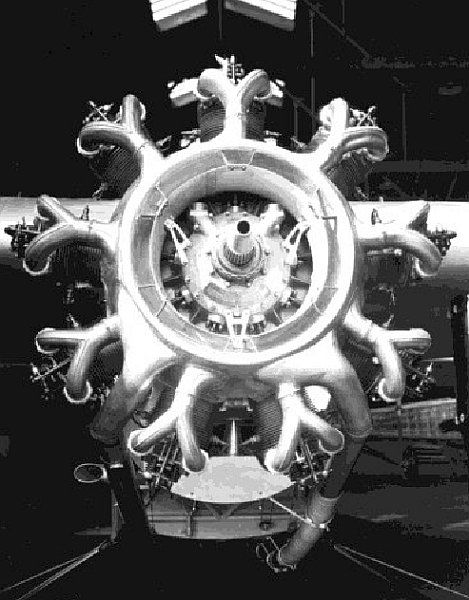
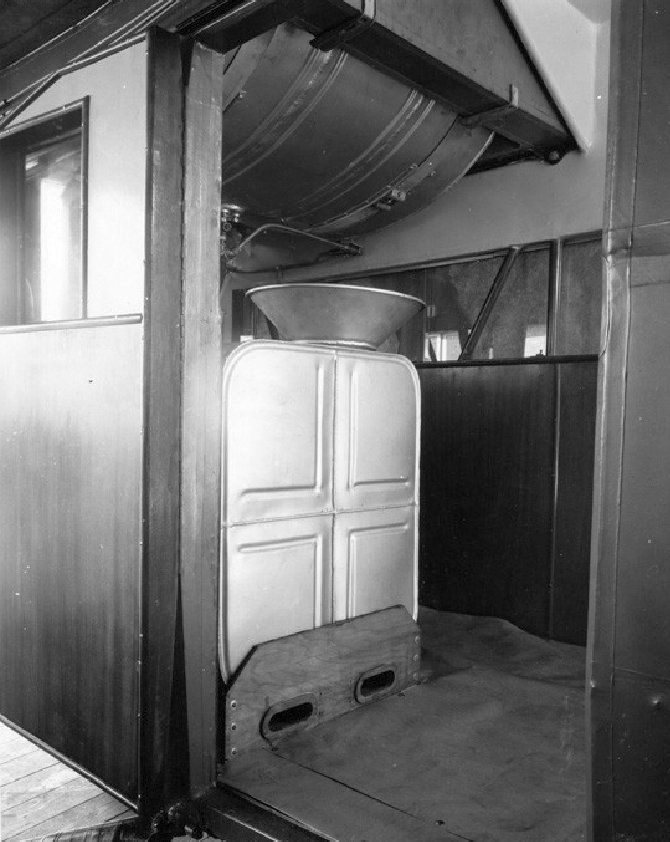
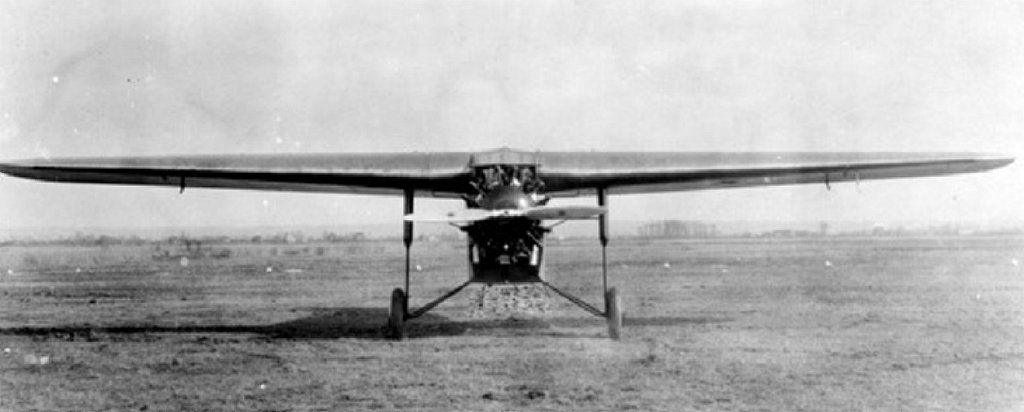
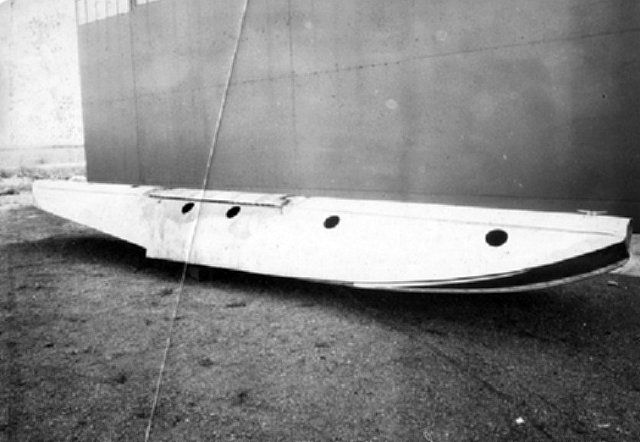
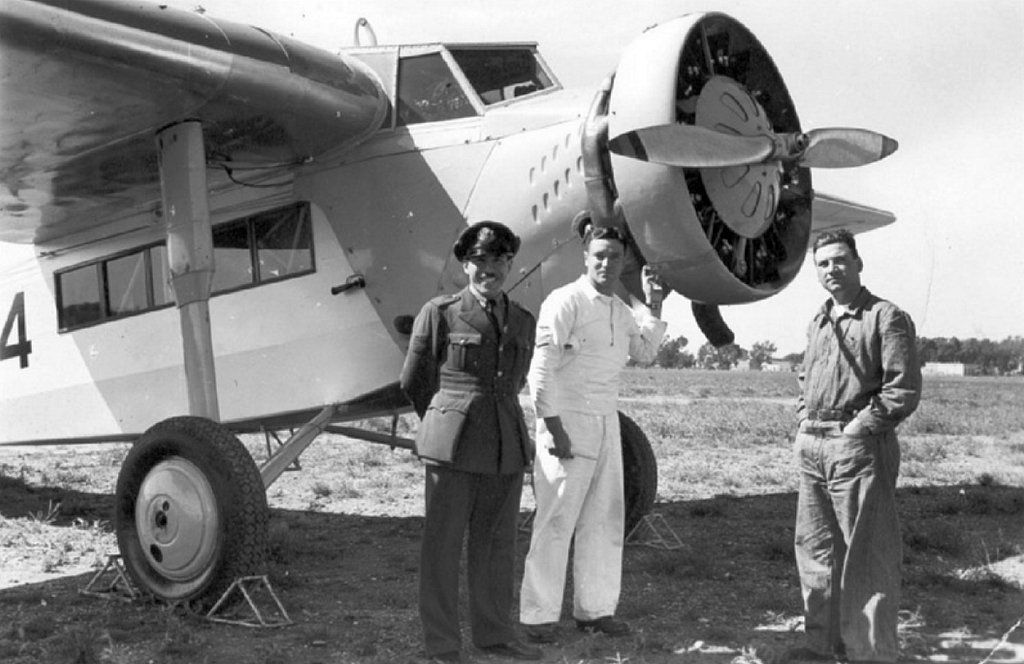
The Argentine Breeder (Period 1919-1942)
Introduction
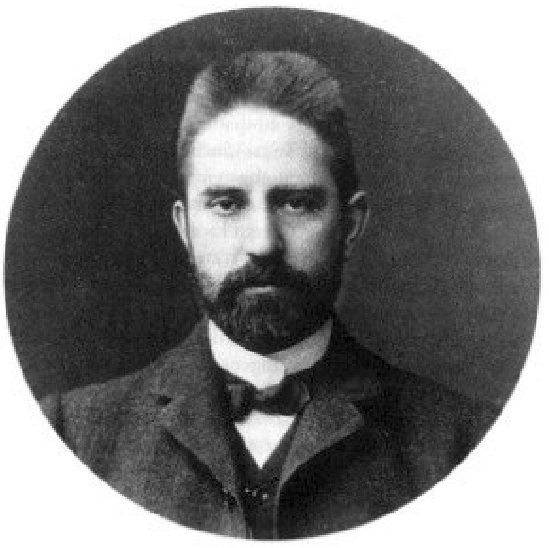
On February 22, 1912, Anthony Herman Gerard Fokker (1890-1939) founded the Fokker Aeroplanbau company in Berlin. Shortly thereafter, he moved to Schwerin.
Between 1911 and 1912 he built his first aircraft, the Spin, and shortly afterwards signed a contract for the production of five two-seater school aircraft equipped with a 100 hp Mercedes or Argus inline engine.
The aircraft was designated MI, the same year the factory received a new order for ten aircraft, designated M.II, which were essentially the same as the previous model, but with a rounded fuselage section and designed so that they could be quickly dismantled for transport by road or rail.
After the outbreak of World War I, he joined forces with Hugo Junkers to produce aircraft for Germany and the Austro-Hungarian Empire.
During this period he made his name with the E-series monoplanes (E: Eindecker, monoplane), E.I, E.II and E. III, which featured a synchronisation system allowing the Maxim LMG 08/15 Spandau machine gun to be fired through the propeller, the Fokker D.VII biplane and the legendary Dr.I triplane aircraft used by Manfred von Richthofen.
In 1919, Fokker separated from Junkers and settled in Amsterdam, where he established his own company thanks to the plans and parts of the D.VII and CI that he was able to bring from Germany by rail.
There his main successes were not military but commercial, although this did not stop Fokker from continuing to build military aircraft.
It is worth mentioning the exceptional fact that the Finnish Air Force was equipped with Fokker CV, CX and D.XXI.
Fokker's greatest success in the 1920s was the three-engine F.VIIA/3m airliner, which dominated the European market until the mid-1930s, when German and American all-metal aircraft entered the market.
The Argentinian Breeder
In our country (Argentina), between 1919 and 1942, models were used in both the armed forces with organic aviation (army and navy) and in civil aviation. In this regard, a few things need to be clarified.
1. The equipment operated by the Army, after its evaluation, was intended for civil aviation, since the Army controlled it through its specific bodies for most of the period analyzed, in particular from March 21, 1919, with the creation of the Army Aeronautical Service.
2. Between 1919 and 1927, the army and navy held official records of private or military aircraft made available for civilian use. However, these records are currently missing, and despite the efforts of national researchers to date, only partial reconstruction has been possible. Reference identifications exclude the material analyzed.
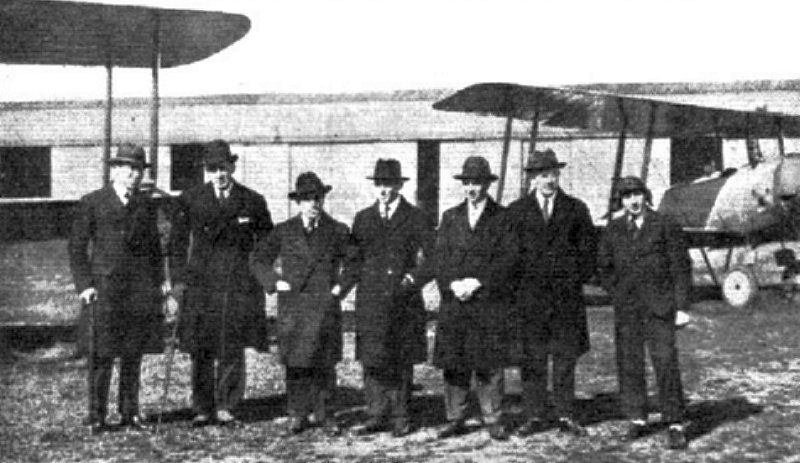
3. There is a group of private aircraft, which includes those purchased by the government for use by Major Pedro Leandro Zanni in the project of a round-the-world flight, and the Fokker F.VII/3m purchased to carry out a transoceanic flight to Spain by Major Claudio Armando Mejía and the civil pilot Diego Arzeno. This group of aircraft did not belong to the military but was operated by both military and civilian pilots.
[Table omitted]
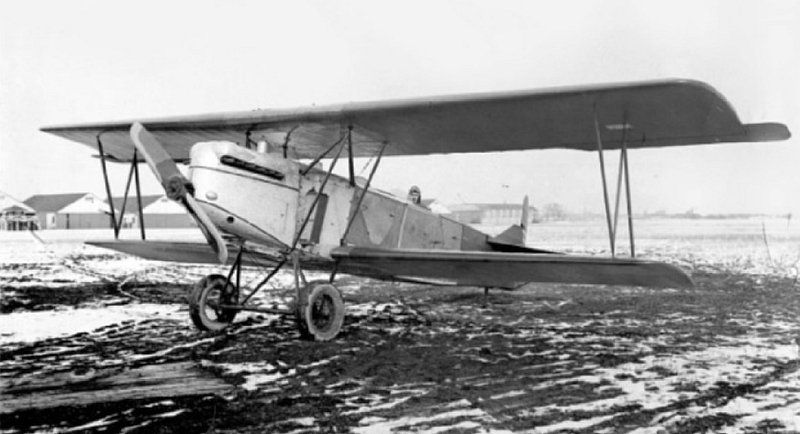
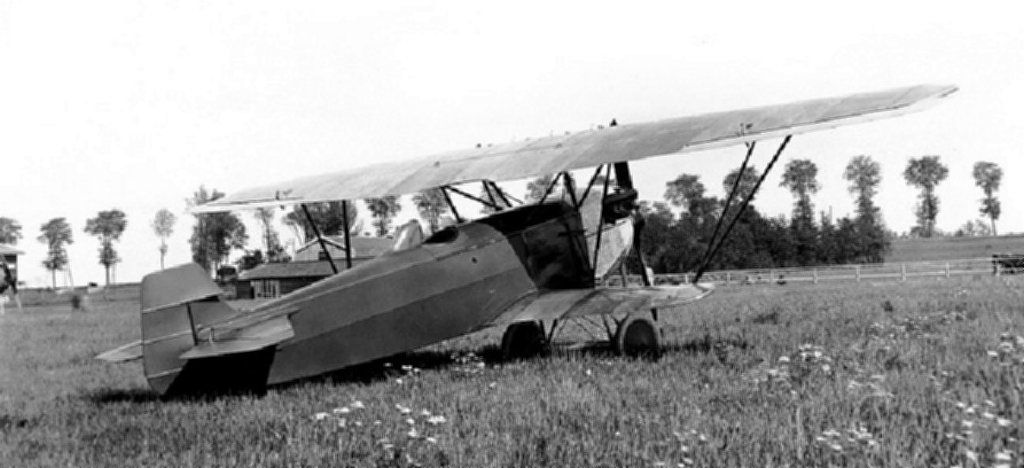
Fokker C.IV and S.III
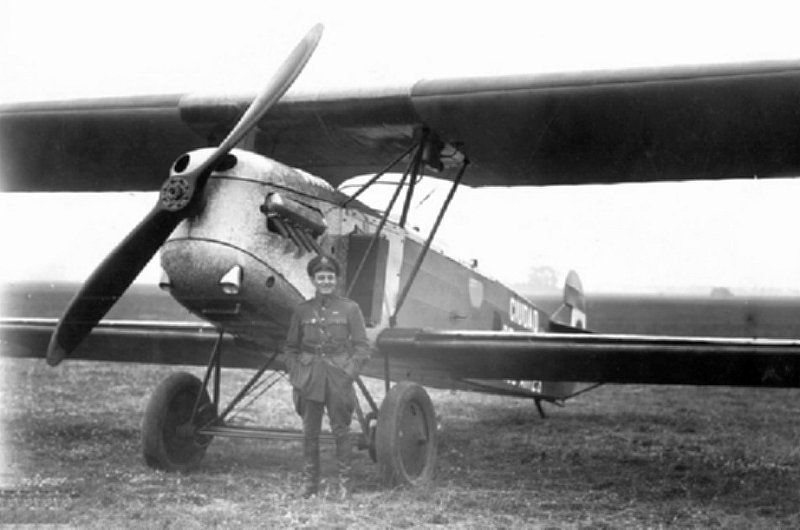
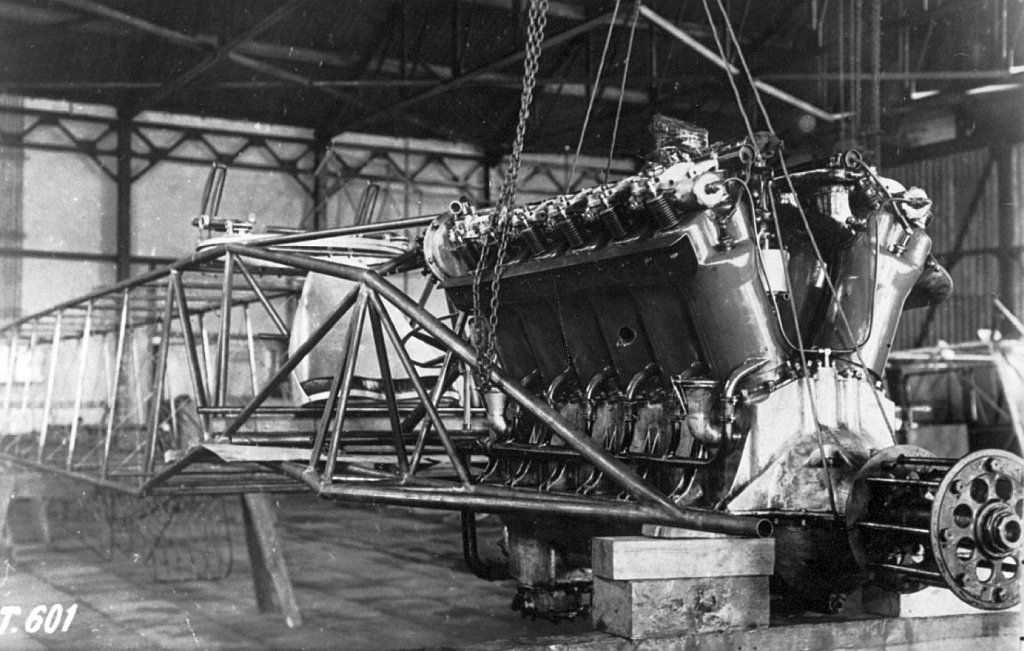
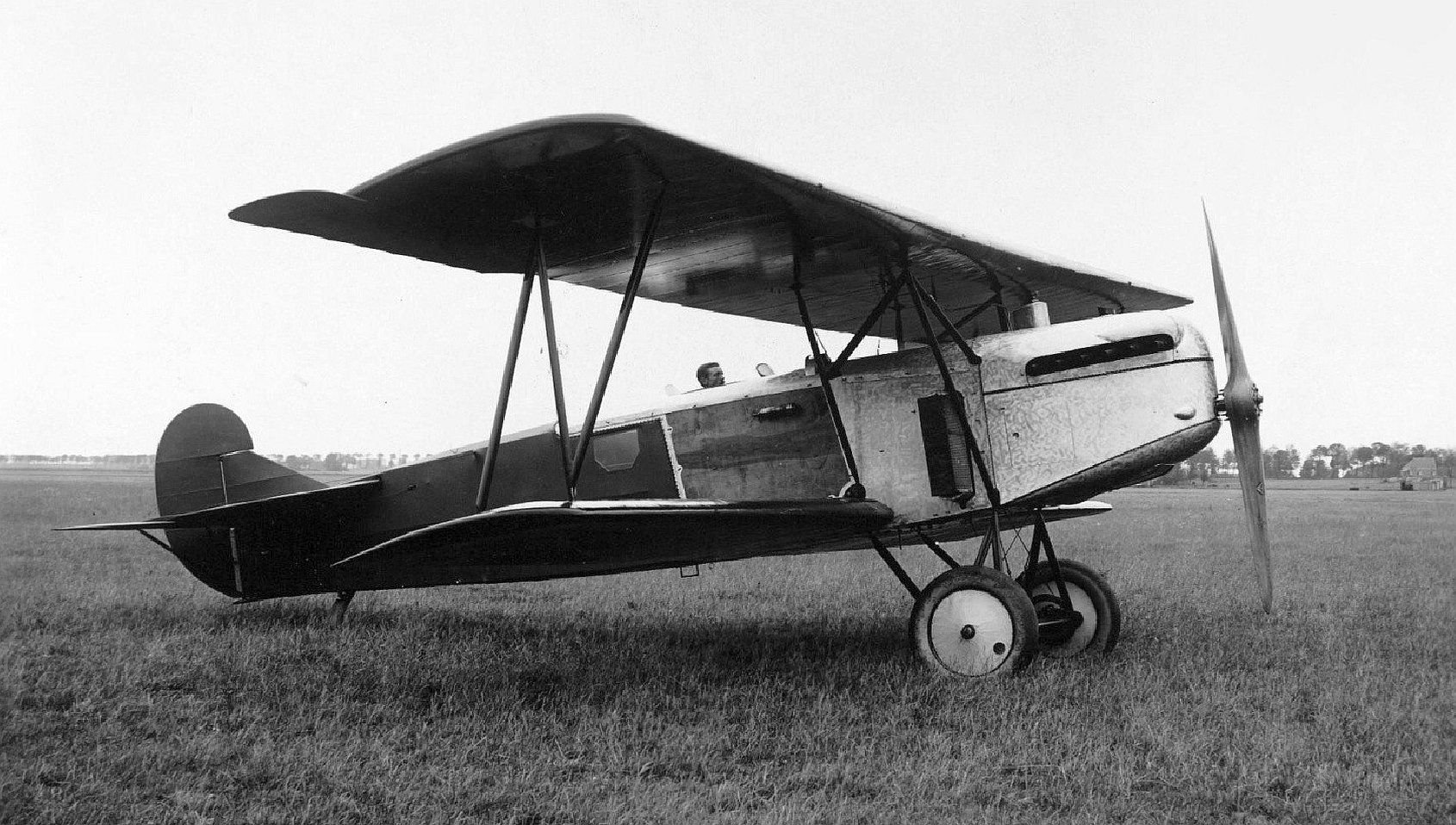
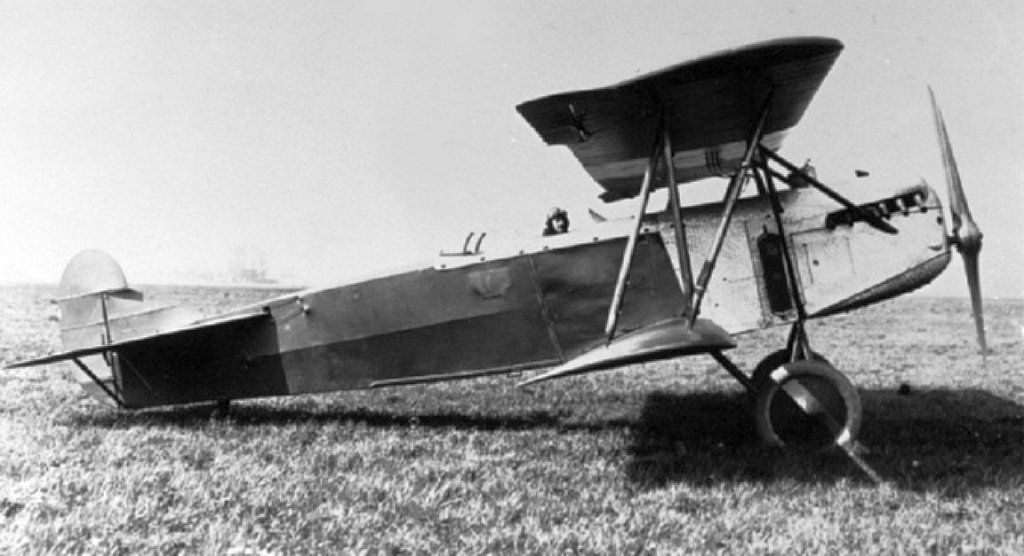
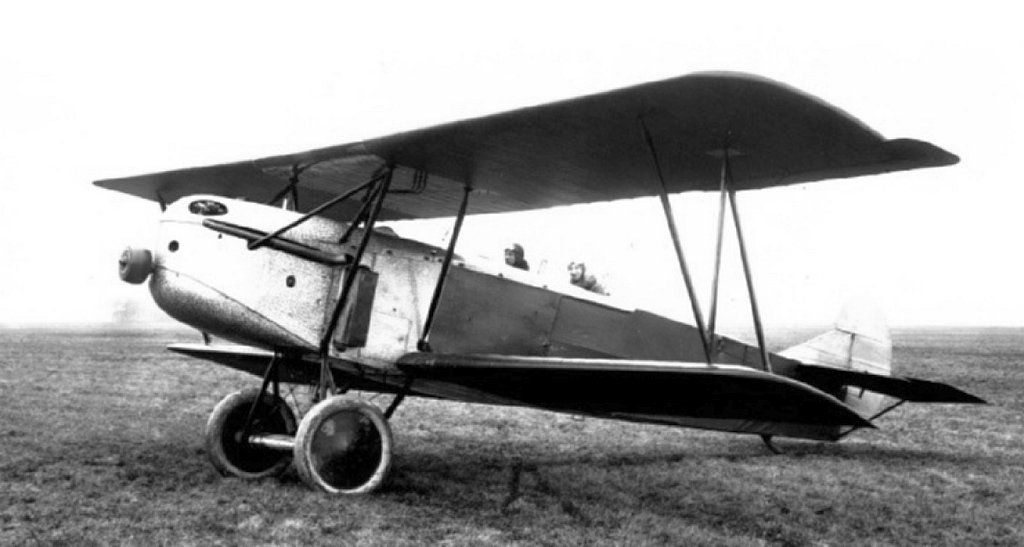
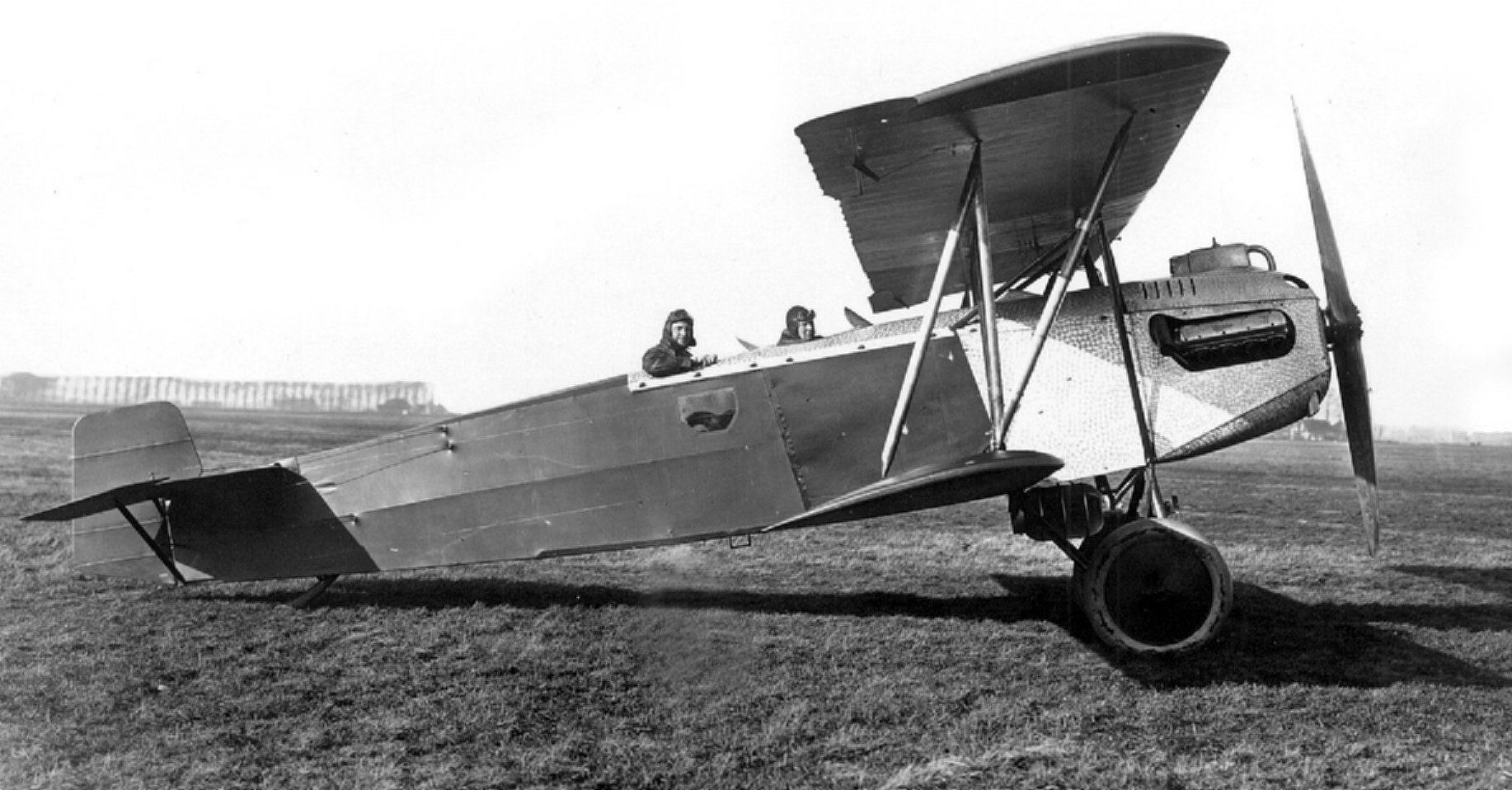
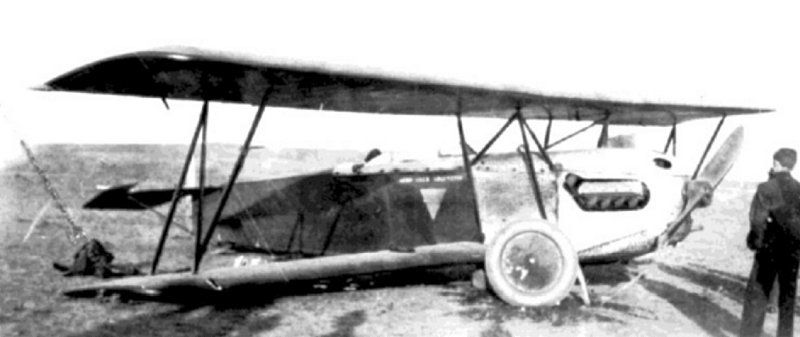
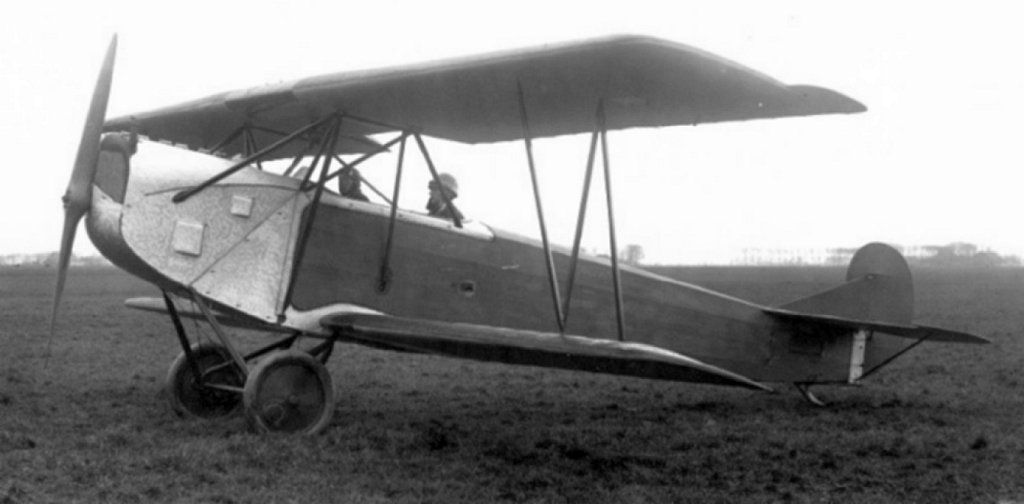
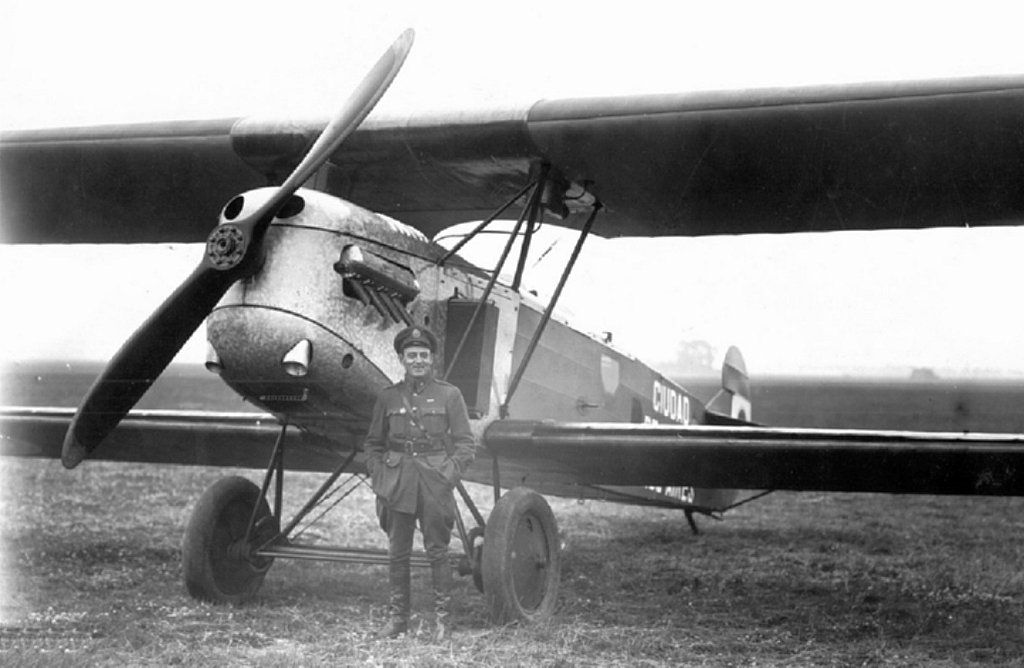
The C.IV was a development of the C.I. It was a very high performance, two-seat tandem reconnaissance fighter, with a wing loading factor of 51.5 kg/m2, a power-to-weight ratio of 4.9 kg/hp and the ability to climb to 10,000 ft with maximum payload (700 kg) in just 11 minutes at a top speed of 240 km/h.
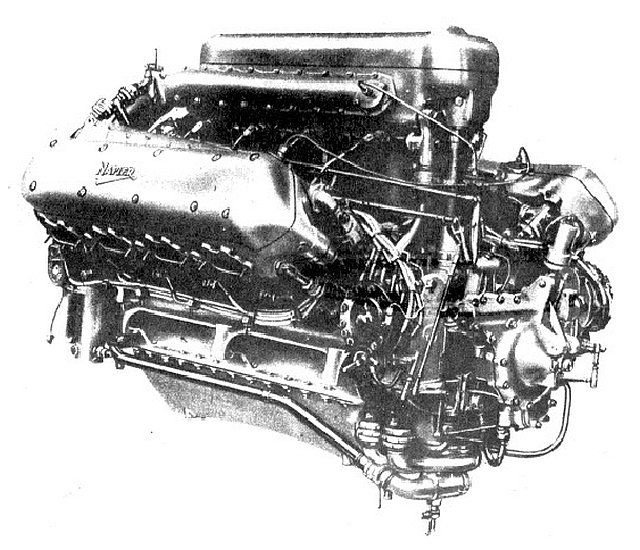
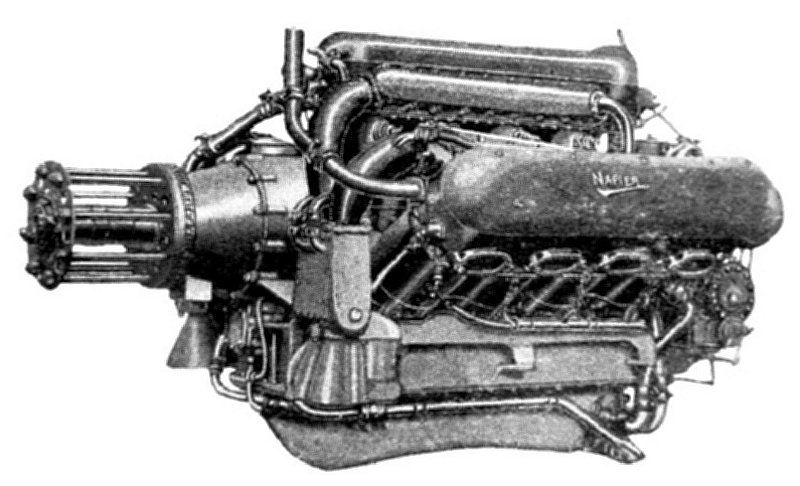
It was originally issued for service with a 400 hp Liberty engine, later replaced by the 450 hp Napier Lion.
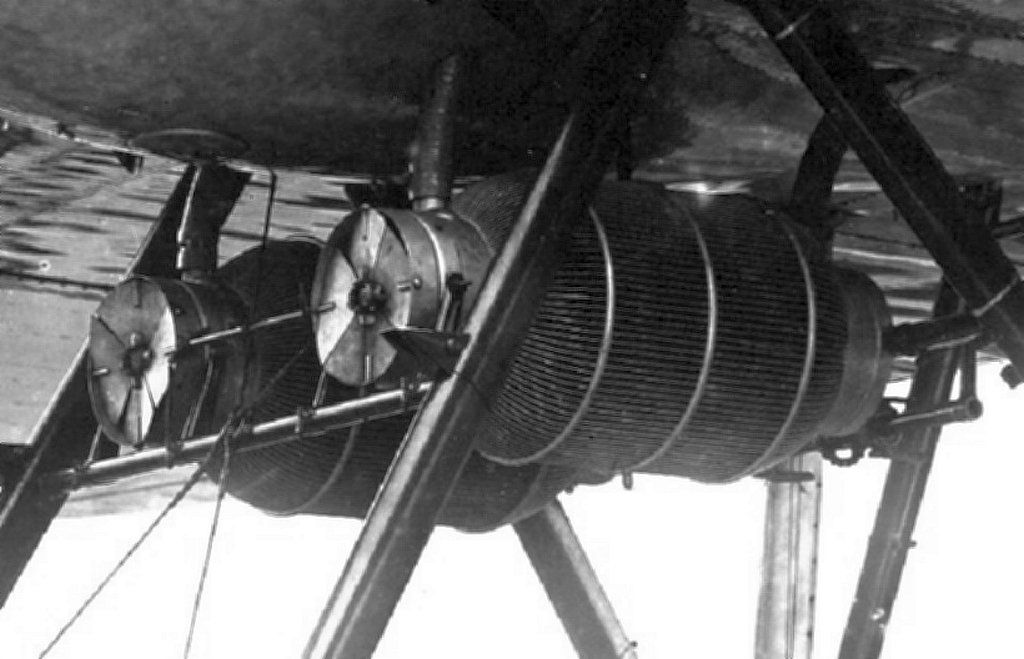
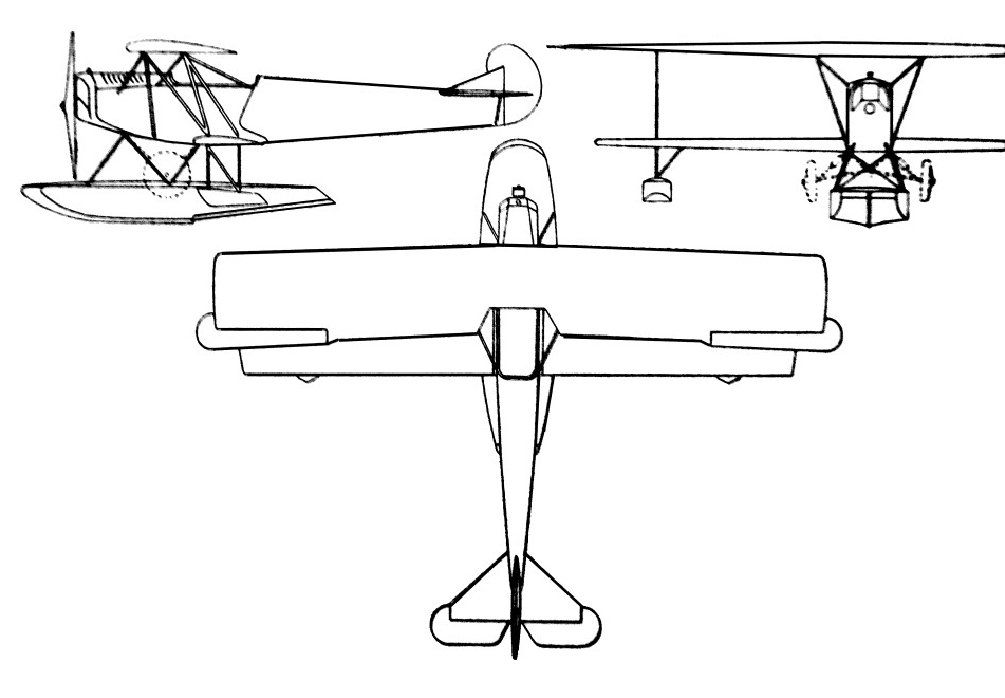
The appearance was similar to that of the D.VII model and the round Lamblin5 radiator at the bottom of the nose gave it a very characteristic look; these cooling systems were later replaced by a pair of rectangular radiators mounted on the sides of the engine.
The fuselage was made of steel tubing and the engine and cockpit were covered with aluminum plates.
Standard equipment included dual controls, full instrumentation, cameras, an on-board fire extinguisher and a Scarff-type stand in the observation post for a pair of machine guns.
A total of 159 units were produced and deployed in the Netherlands, Spain, Russia, the United States and Argentina.
The first C.IVs deployed by our country (Argentina) corresponded to the equipment acquired by Major Zanni.
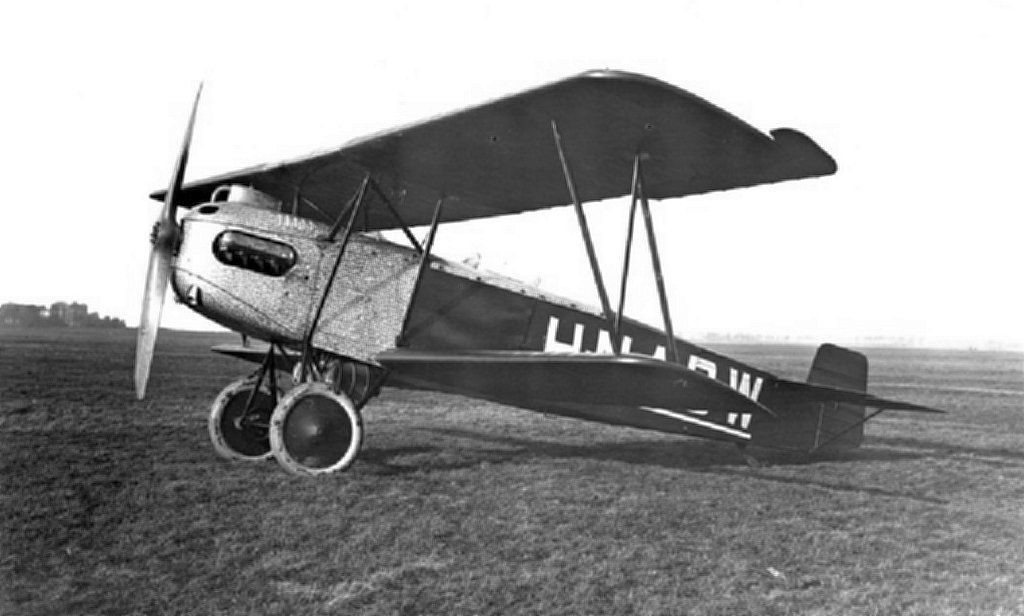
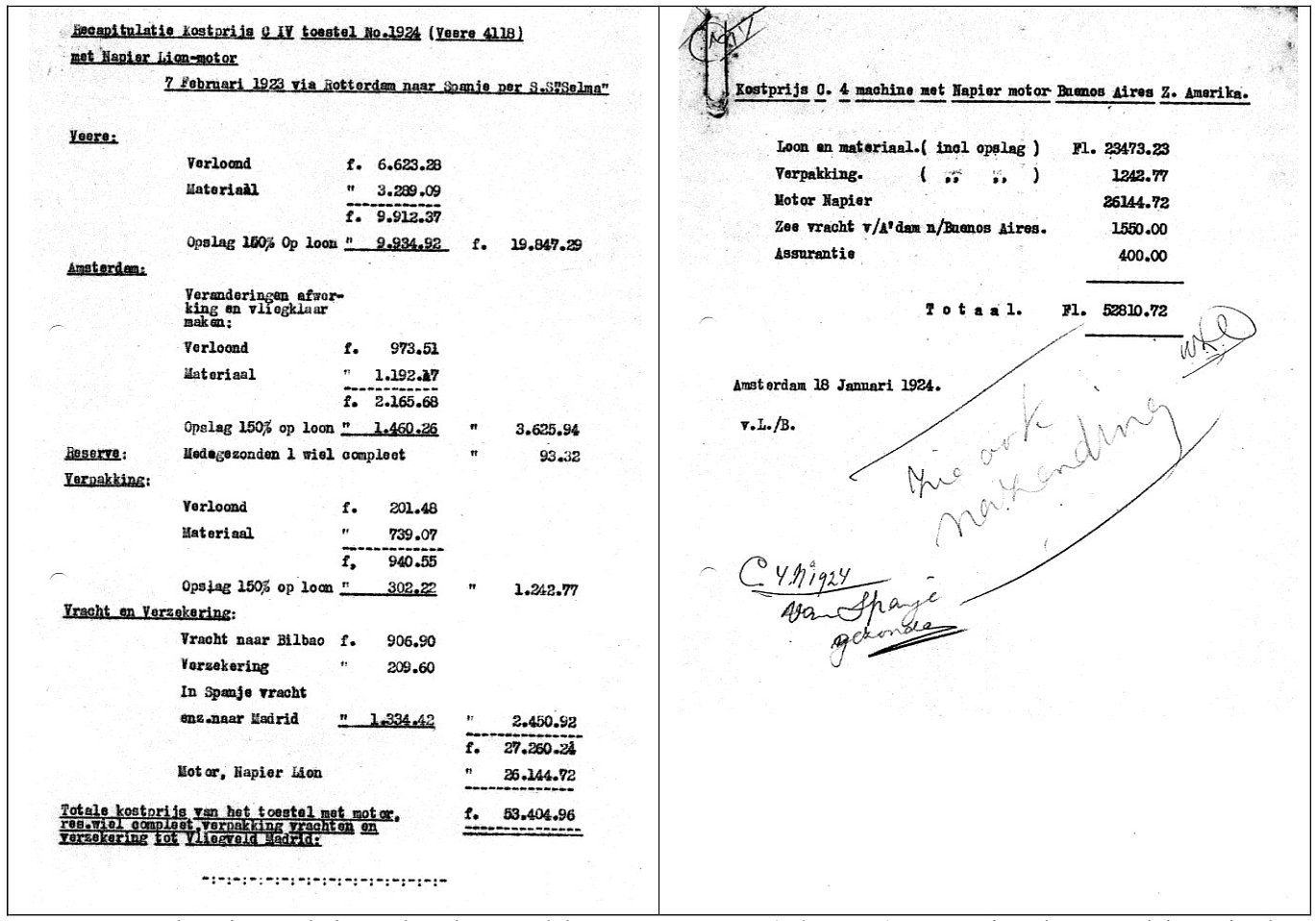
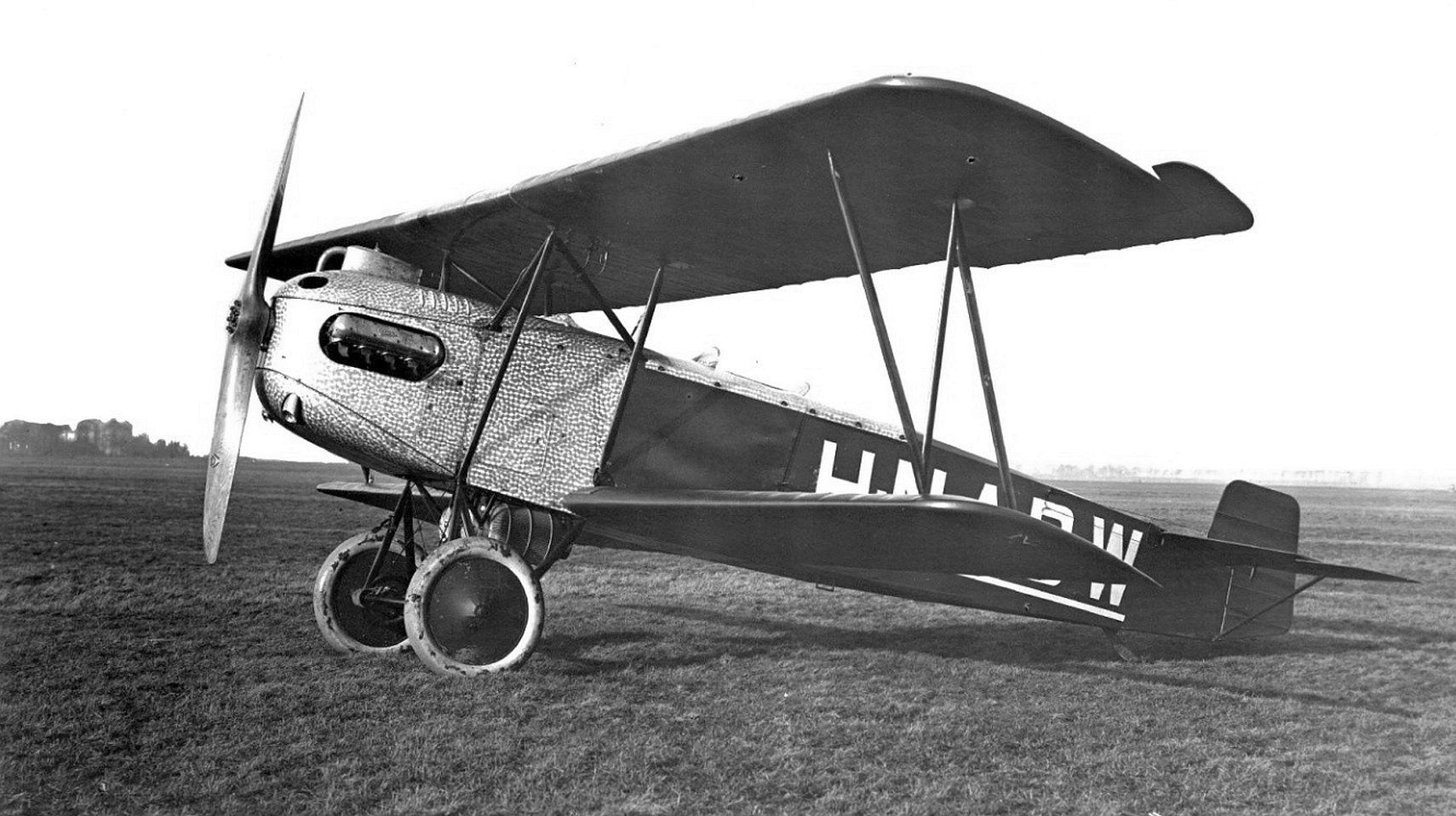
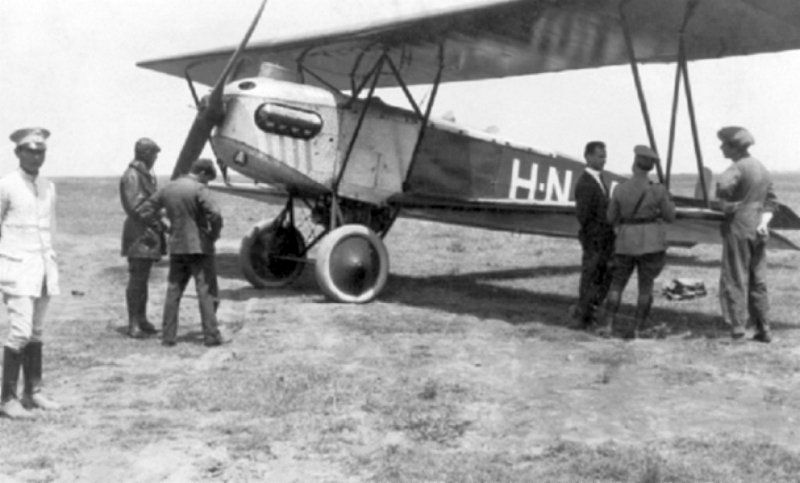
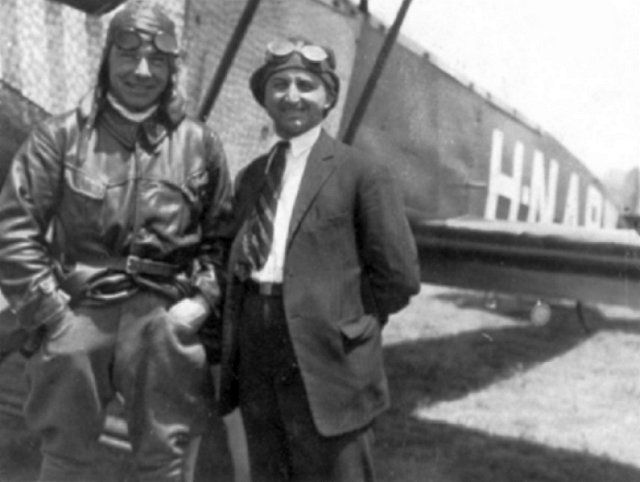
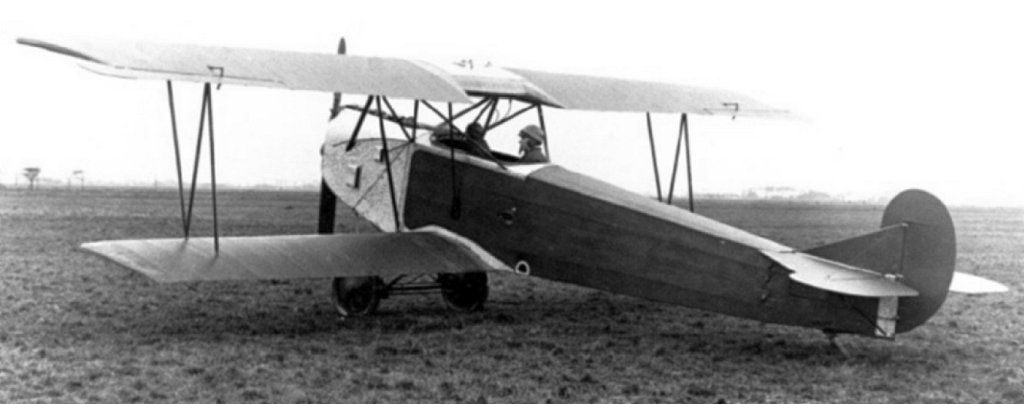
The H-NABW6 (N/C 4118) was originally intended for sale to Spain7, but after receiving the certificate of airworthiness on 24 January 19238 and on 7 February it was loaded onto the SS Selma under orders from Hugo Dieter Stinnes.
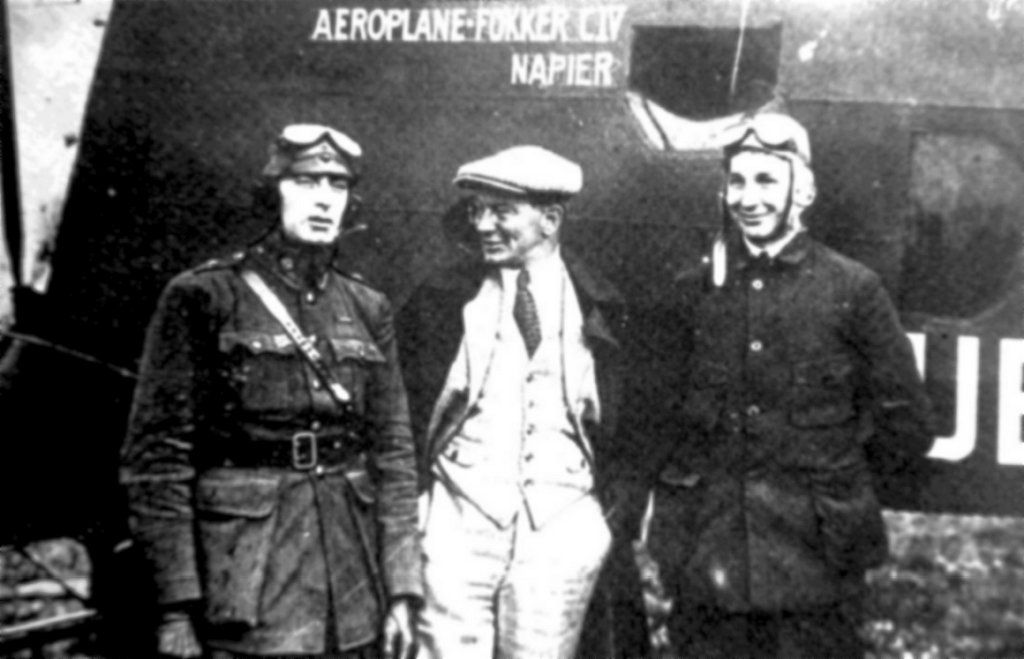
The total cost amounted to 55,000 guilders. In the middle of that year, Captain Otto Ballod arrived, thanks to Mr. Kinkekin, Fokker's representative in Buenos Aires.
At that time, there were two Fokker aircraft in the country. The first was a C.IV Napier Lion MD 450 hp 10 equipped with Lamblin lower round radiators. The second was a 120 hp S.III Mercedes D-II for schools.
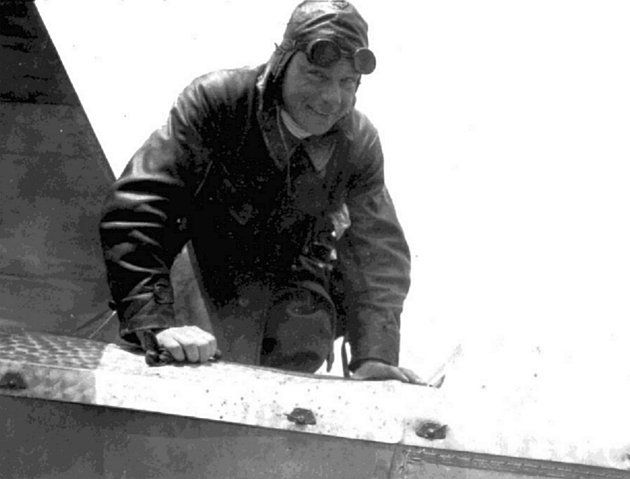
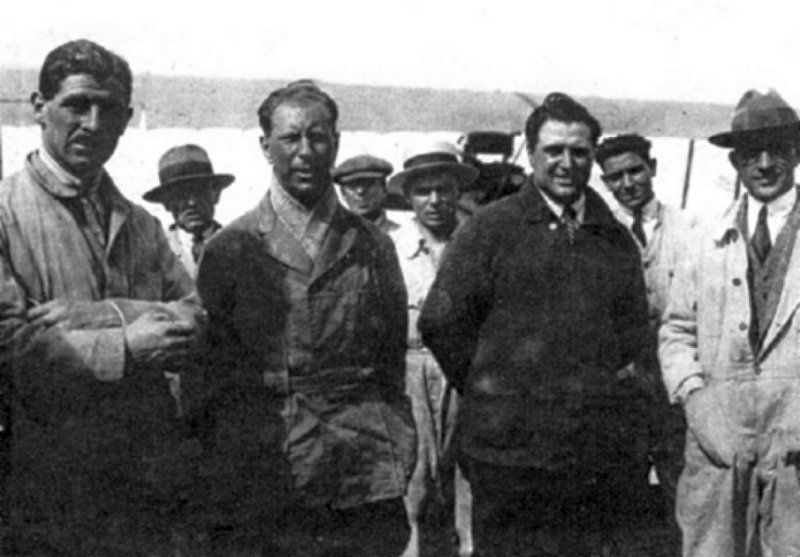
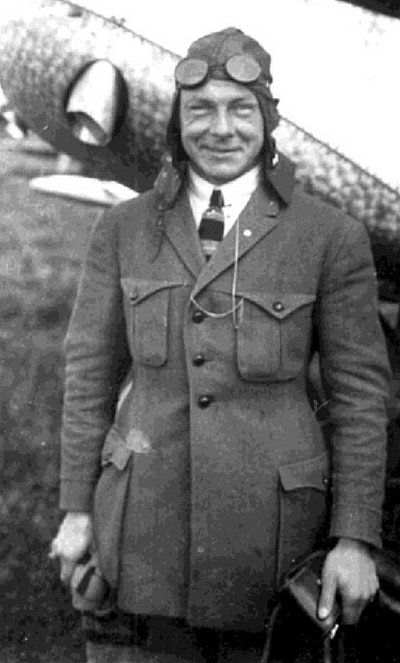
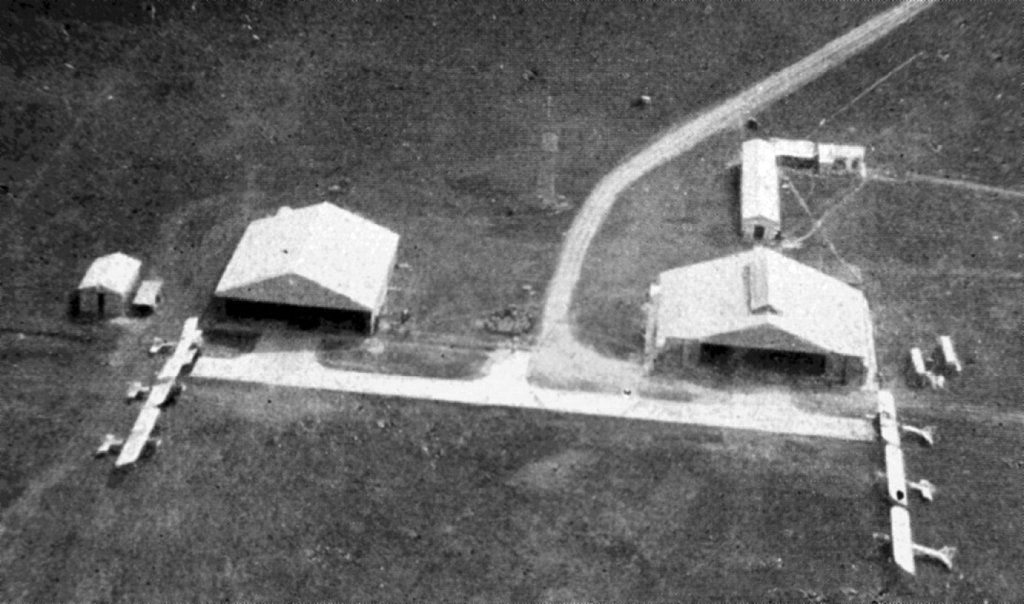
Ballod settled at El Palomar (an airfield in Buenos Aires), where he was assisted by a team of mechanics from the Army Aeronautical Service's construction department, led by Ambrosio Luis Vicente Taravella. There, he tested the aircraft on October 9, 1923, and performed exhibitions.
Among these flights with the C-IV (Napier Lyon 450 hp), we can mention the speed record achieved on December 9 in La Plata (253.125 km/h) and the altitude records achieved on January 7 and 22, 1924 (7,300 m and 6,485 m, respectively); the latter was considered a world record, achieved with a 500 kg payload in a flight of 1 hour and 50 minutes. After testing his aircraft, Ballod instructed student pilots: Lieutenants Carlos Ignacio Manni and Alfredo Francisco Caffar Fokker C.IV H-NABW.
The Army evaluated one of these aircraft in November 1923 with three flights of 1:01 hours each.
The aircraft was later assigned to Grupo No. 1 de Aviación. On July 25, Ballod set a new record by reaching 8,037 m above El Palomar.
Frustrated raid [here it says 'raid' and it can also mean 'to storm' or 'to attack'] between Buenos Aires and Lima
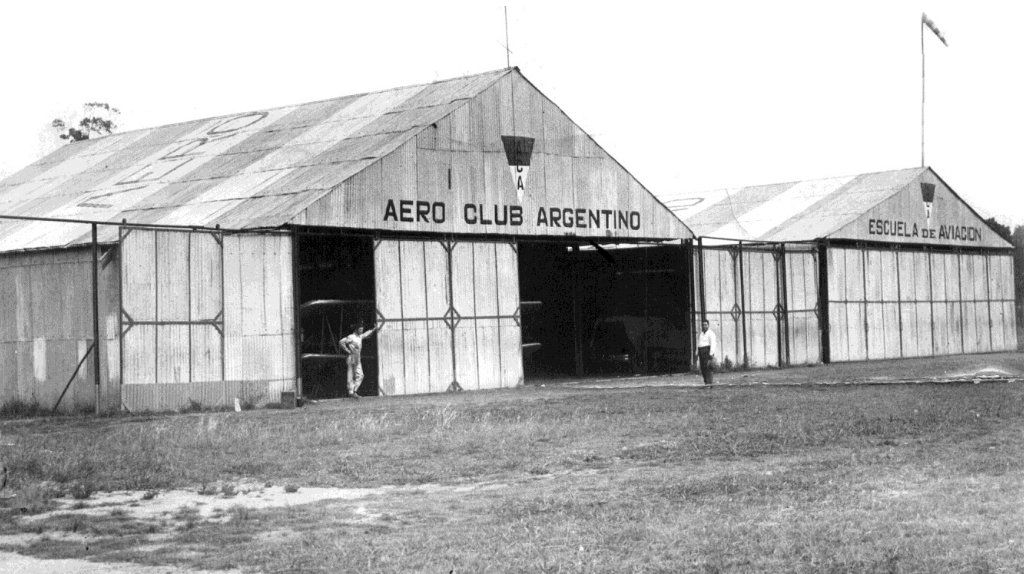
One of the C.IVs (450 hp Napier Lion) was offered to the Aero Club Argentino to enable the raid between Buenos Aires and Lima via the Salta-Antofagasta route.
The offer was discussed at the session of November 28, 1924, and the same members of the Commission, Dr. Gonzalo García and Enrique Lavalle, were given the mandate.
Gonzalo García and Enrique Lavalle, to meet the Fokker representative.
During the session of December 1, Dr. García reported on the outcome of the task entrusted to him.
He had met with representatives of the Fokker company to finalize negotiations in anticipation of purchasing this aircraft for the new raid, which had initially been considered as Panama's final destination, but ultimately became Lima.
The price set by the representative was $75,000 m/n with a 10% discount due to usage plus an additional bonus of $16,500 as a contribution for the execution of the raid.
The operation will conclude with the signing of documents valid for three months, signed by the President and Treasurer of the Aero Club.
After a lengthy discussion on this matter, the purchase of the aircraft was approved under the conditions set.
For example, the aviators Juan José Etcheverry and Ing. Jorge Alfredo Luro attempted a raid between Buenos Aires and Lima.
The invasion was planned between December 5 and 9, 1925.
On the 5th they took off from El Palomar to Rosario where they experienced an oil pump failure.
The next day they continued to Santiago del Estero and Metan, where they had weather problems (fog).
Unfortunately, the aircraft was severely damaged in Metan (1,187 m above sea level) the day after departure when it failed to comply with the density altitude and attempted to take off from the runway with a full fuel load (360 l of naphtha), which ended dramatically when it struck a ditch. The aircraft was transferred to the Aero Club facilities in San Isidro.
Repair of the C.IV H-NABW
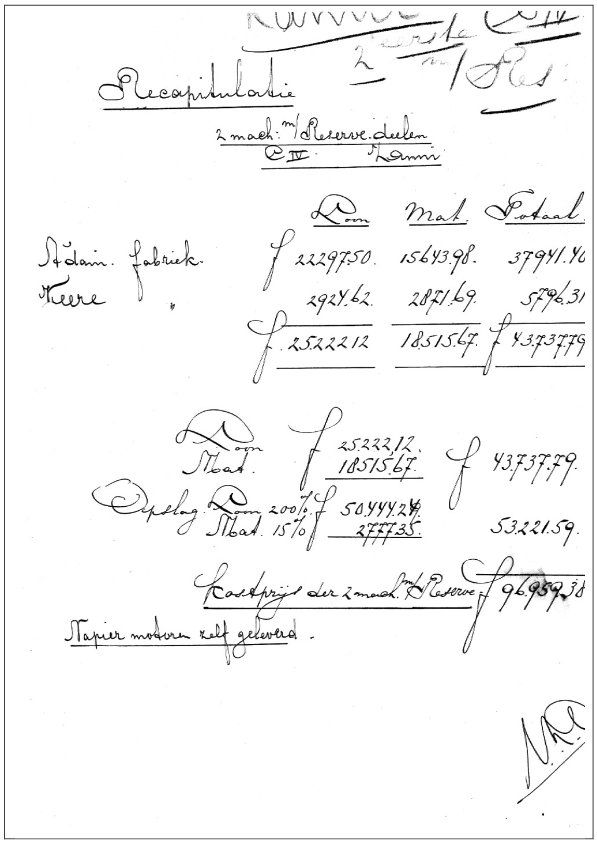
The consequences of the unfortunate takeoff at Metan led to a series of complex procedures for its return to service. The repair was extremely complicated from an economic and administrative perspective, as procedures were still ongoing after the completion of the round-the-world flight, which were reactivated by the need to repair the crashed CIV.
To identify the most salient aspects, the procedure focused on three components: with the Army Aeronautical Service, with the Naval Aviation Service, and with the representative of the Fokker company to settle outstanding debts and repatriate spare parts and components left behind at the logistical support points.
When the facility moved to Morón due to the closure of San Isidro Airport, arrangements were made with the Army Aeronautical Service to transport the aircraft to the El Palomar workshops for repairs.
To this end, the Directorate of Aviation assisted in transferring the aircraft from San Isidro Airport to the El Palomar workshops for repairs by providing a truck. Technical supervision of the transport was provided by member André Marcel Paillette.
Meanwhile, the institution's board of directors requested the estimated budget for repairs and began resolving pending issues related to the world tour.
Members García, Lavalle and Noble were assigned to settle outstanding debts with Mr. Kinkelin, their local Fokker representative for the purchase contract of the C.IV H-NABW that had crashed at Metán.
These alternatives, combined with the outstanding balances of the collection committee established for the sightseeing flight, put the institution in a serious financial situation.
The problems with the aircraft repairs at El Palomar were delayed too much due to a lack of funding, and the army sent a note requesting the removal of the Fokker to free up hangar space for other aircraft undergoing maintenance.
Steps were taken with the Army Aviation Directorate to obtain military personnel and vehicles for transfer to the Morón hangars.
While all this was going on, there were a number of problems associated with the materials being deployed at various points for the flight around the world.
Intervention of the Naval Aviation Service in the repairs
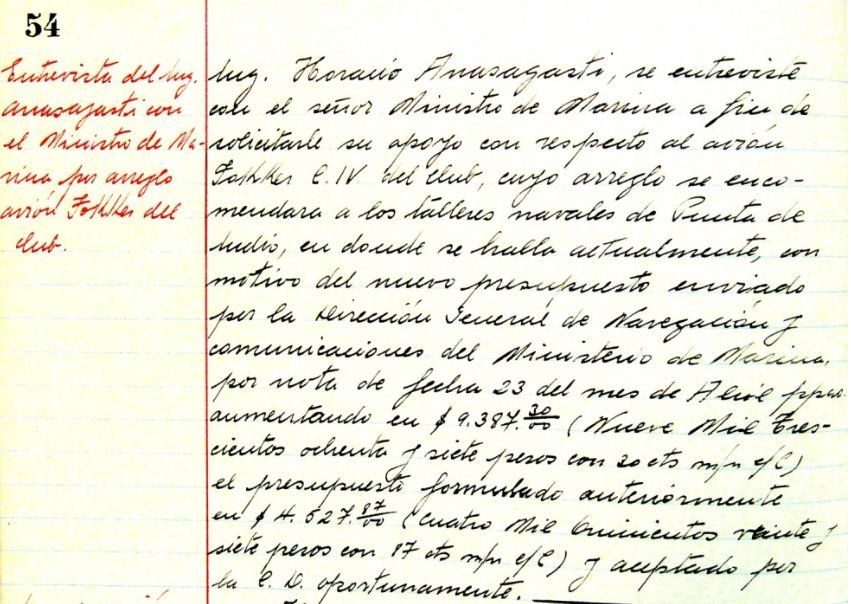
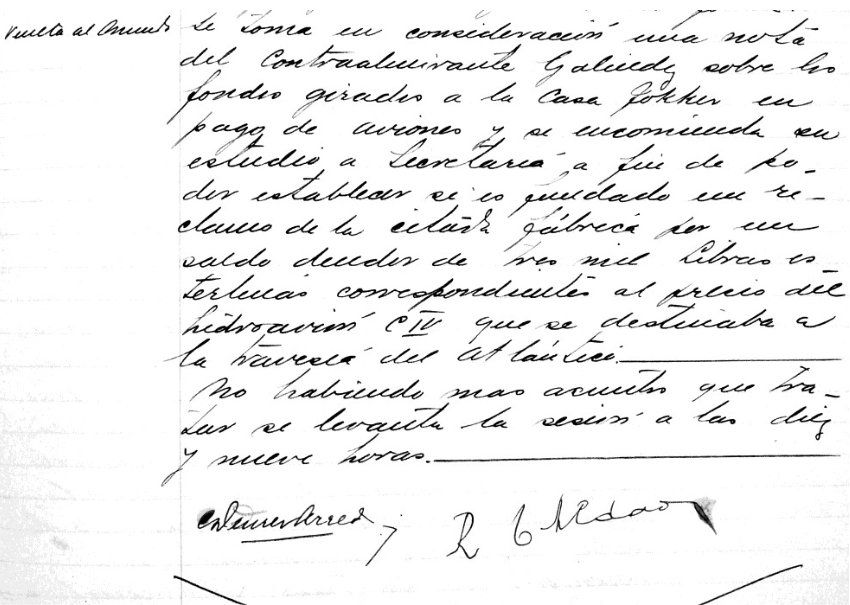
On April 23, the Argentino Aero Club sent a note to the Ministry of the Navy under Admiral Galíndez, ordering Eng. Anasagasti to repair the engine in the workshops at the Punta Indio naval air base, using a new budget. An attempt was made to use the £3,000 sent to Fokker as payment for materials and freight secured for Zanni's voyage, and the Admiral facilitated payment for the repairs in installments to overcome this difficult financial situation.
It was eventually decided to send the engine to the engine house Napier & Son Limited in London in payment of a debt of £1,271 and six shillings and eight pence left over from the round-the-world robbery.
For this purpose, and with the cooperation of the Directorate of Naval Aviation, the engine was transferred from the Punta Indio naval base to Casa Amarilla; and the payment of 48 dollars was ordered to Despachante Antonio Blanco to arrange for the shipment of the engine.
As a result of all these problems, we assume that the C.IV H-NABW cell ended its days in Morón awaiting an engine that never arrived.
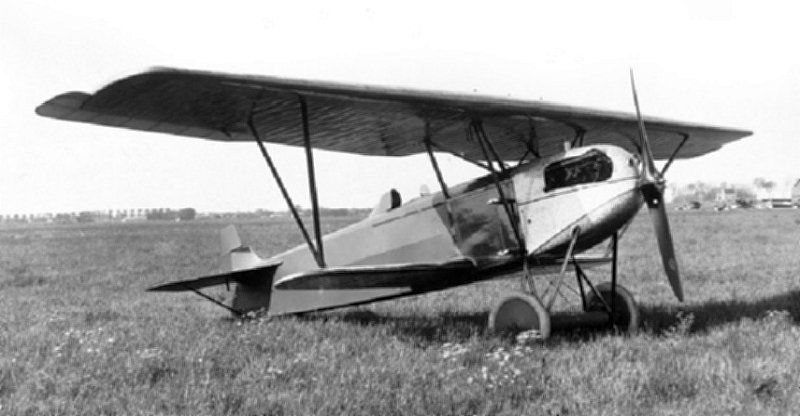
Fokker S.III
The S.III was a two-seat trainer that appeared in 1923, of which only eighteen were produced and incorporated into Dutch military aviation.
The information gathered so far is limited to a few isolated quotes from the arrival of the plane along with the pilot Otto Ballod.
It was tested at El Palomar on October 9, 1923. It could have remained in the Civil Aviation Service and then been transferred to the Aero Club Argentino.
Recently, researcher Jan M. Grisnich provided us with more specific documentation of the aircraft (construction number 4523), stating that the material was brought to Argentina by Stinnes on May 30, 1924, one month after the Fokker D-XI was offered to the army as a fighter aircraft.
It was equipped with a Mercedes D-II engine (serial number 37946) and cost 29,568.08 guilders. The only note on this document is that it says 1924, while according to Argentine Military Aviation records, the D-XI arrived in 1923.
Project around the world
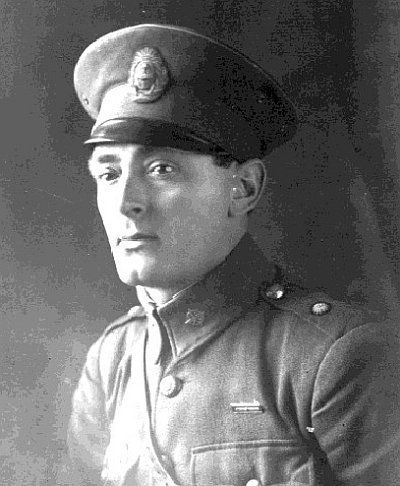
After a long and detailed study, begun in 1922 with the intervention of the National Meteorological Service, Captain Pedro Leandro Zanni submitted on December 7 to the authorities of the Aero Club Argentino31 a project to fly around the world with an airplane.
The proposal was adopted by the institution's authorities, and they quickly began gathering the resources to make it a reality.
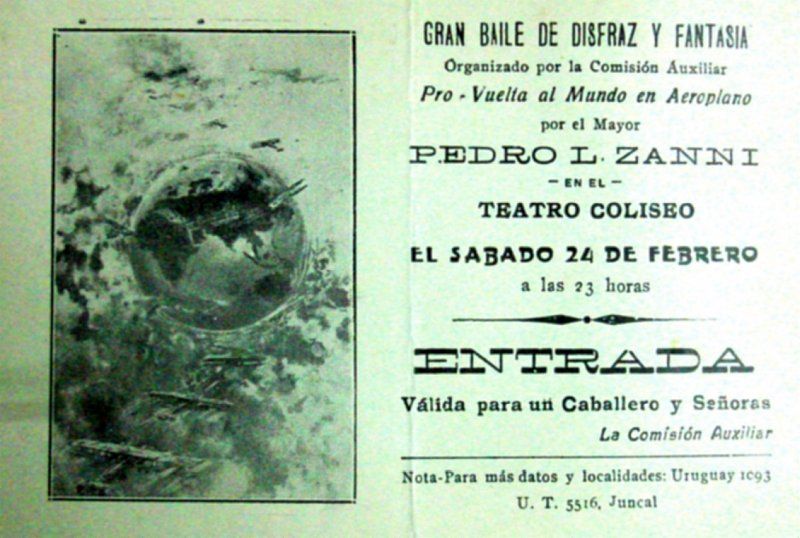
A public fundraising committee was organised, headed by the tireless Baron Antonio De Marchi and consisting of Jorge Duclout, Julio Argentino Noble, Eduardo Bradley, Gervasio Videla Dorna, Major Ángel María Zuloaga, Captains González and Arcos, Antonio María Biedma Recalde, Vicente Almandos Almonacid and Vidal Freyre.
He immediately began raising the necessary funds to finance the project, a task he carried out through various mechanisms between May and December 1923.
One of the official bodies was the Municipality of Buenos Aires, at the initiative of council members Gallo, Casco, and Ray, which contributed an initial sum of $30,000, which was later increased to $65,000, corresponding to the price of a new aircraft with the conditions and characteristics necessary for the challenge.
The president of the Buenos Aires Chamber of Senators, Dr. Joaquín Martínez Sosa, took over the municipal initiative and added $50,000. The National Congress, at the request of Dr. Rodolfo Moreno and Dr. Pintos, and Senator Alberto Aybar Augier added $80,000 to the project.
And of course, the community, either anonymously or through institutions, once again expressed its solidarity with this project and held a fundraiser to make it a reality, adding another $21,000,000.
The total amount raised for the project was $567,262.
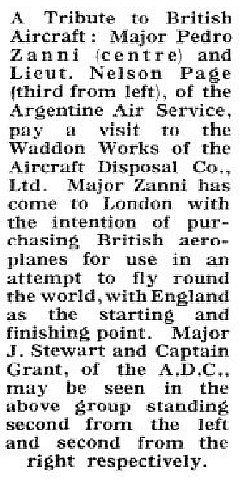
With the express permission of the Ministries of War and Navy, the crew consisted of Zanni, Ensign Nelson Tomás Page and First Aircraft Mechanic Felipe Carlos Antonio Beltrame (chief mechanic at the El Palomar military airfield) who left for Europe on January 31, 1923, arriving in London at the end of February.
Preparations in Europe
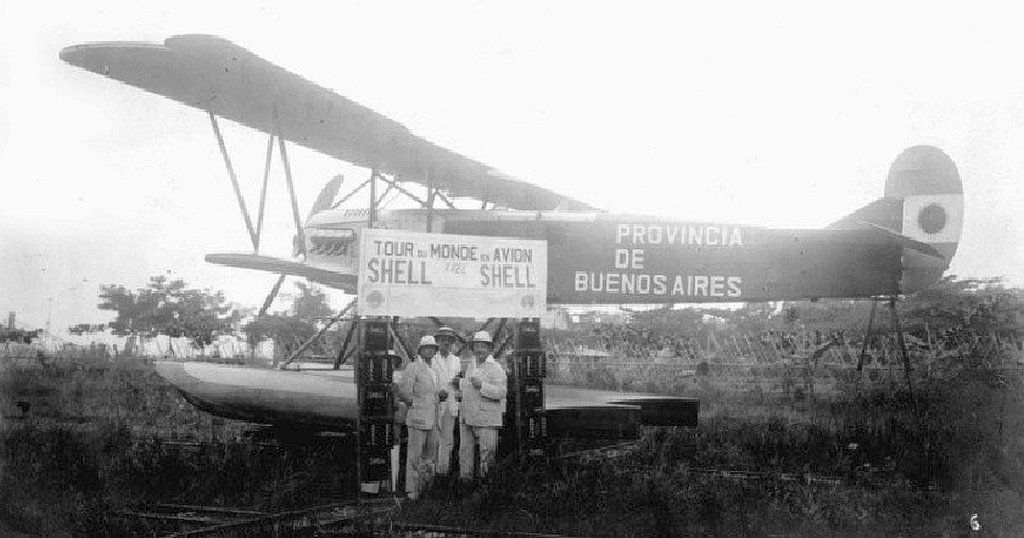
In that city, while Zanni and Beltrame were busy with all the material tasks, Page was busy collecting the cartographic material through Hughes in London and coordinating all the logistical aspects of obtaining and locating the fuel and lubricant reserves through Shell.
The planning and preparation of the route was carried out in collaboration with Patricio D. Murphy.
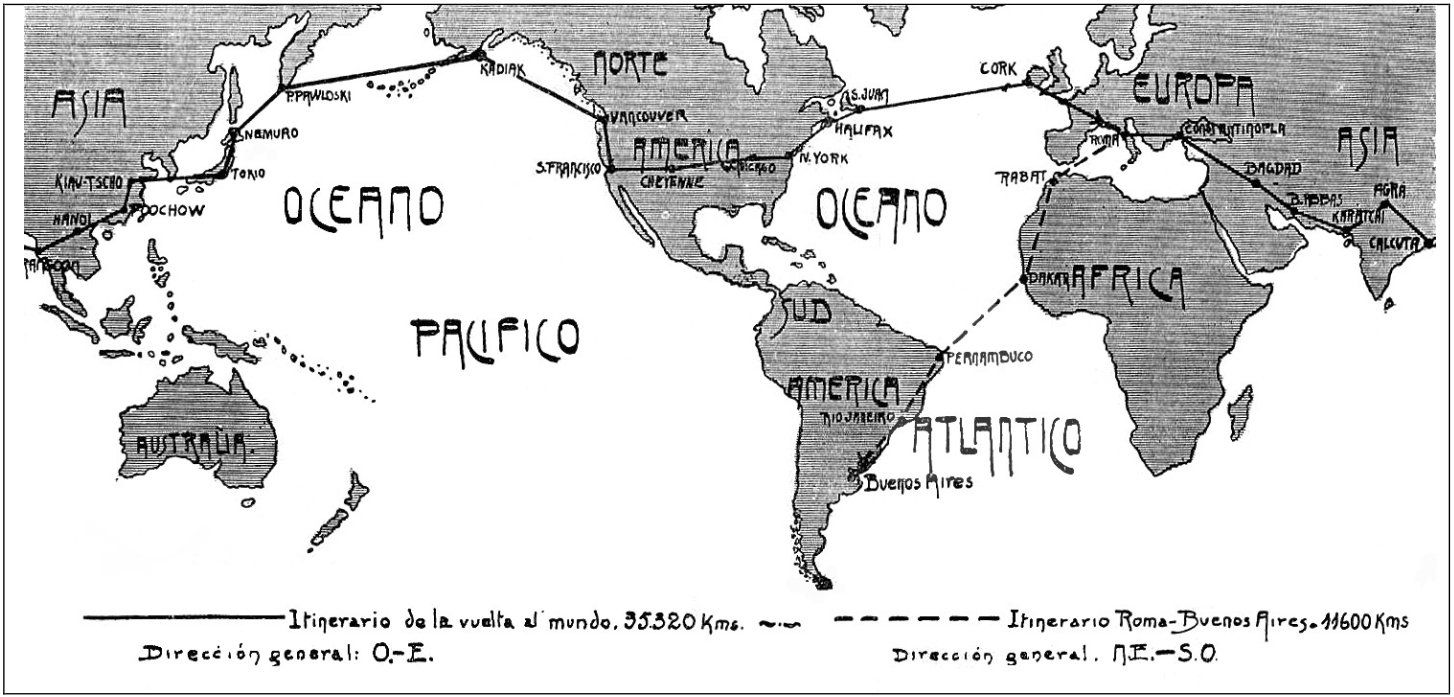
Three logistical support bases with spare parts (propellers, landing gear, structural and engine parts, camera, tires, etc.) were organized at Karachi, Shanghai and Vancouver (the third C-IVW was held in reserve there), and a secondary one at Calcutta where a spare engine and spare parts were allocated.
Selected aircraft
The choice of aircraft was up to Fokker. Although the company's production line was significantly compromised, it could make an exception to make the flight feasible, a fact that, if effectively publicized, would yield commercial benefits for the company.
The use of three modified C.IV models was considered (two of them C.IVW, one version with floats) and a B.II flying boat in reserve, the prototype of which was in the final stages of production.
Improvements were studied and introduced for the C.IVs to meet the demands of the crossing.
The wing area was increased by 5 m2, sacrificing cruise speed in exchange for increased cargo capacity, so the aircraft were certified with a maximum take-off weight of 2,500 kg and 250 kg of cargo in the hold.
Additional fuel tanks were fitted to the upper aircraft, increasing the flight range to 18 hours; the fuselage length was increased by 80 cm and the cockpits were improved to accommodate three crew members.
These changes made it necessary to relocate the aircraft assembly to compensate for the shift in center of gravity. Regarding the engine, following the results of the flight of British military pilot Archibald Stuart Charles Stuart-MacLaren aboard the Vickers Vulture II G-EBGO flying boat, an agreement was reached with parent company Napier & Son Limited to equip the engines with reinforced reduction gears.
The C-IVs rolled off the production line on June 2, were delivered to Amsterdam, and immediately began the process of modification and test flights with a view to starting the voyage on the 15th of that month, while the flying boat remained at the factory.
Unfortunately, on that date, Page was struck by an illness that forced him to postpone his departure. Page underwent surgery and was evacuated to Paris, where he underwent further surgery, with a recovery time of six months.
This sensitive complication was further exacerbated by communiqués from the British and Indian governments, which specifically recommended that the departure not be extended beyond the first half of June due to weather complications with monsoon winds bringing torrential rain and flooding, and limited terrain for air operations.
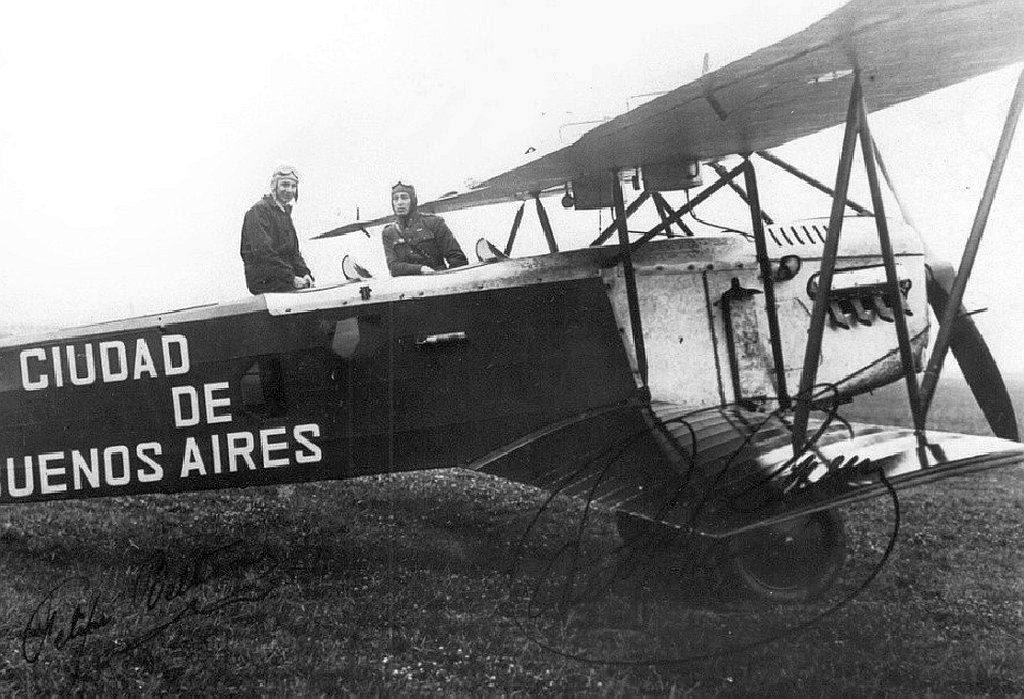
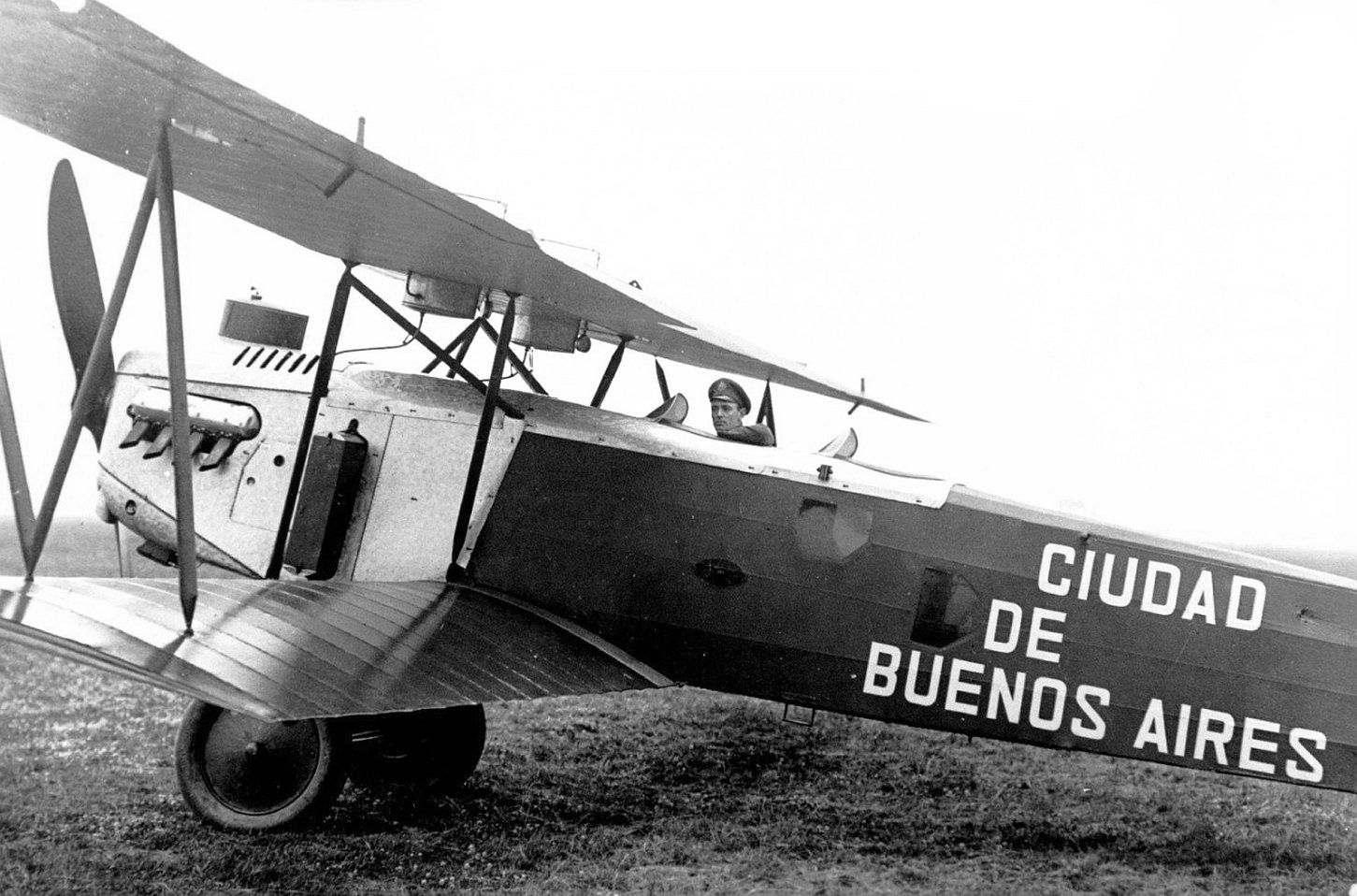
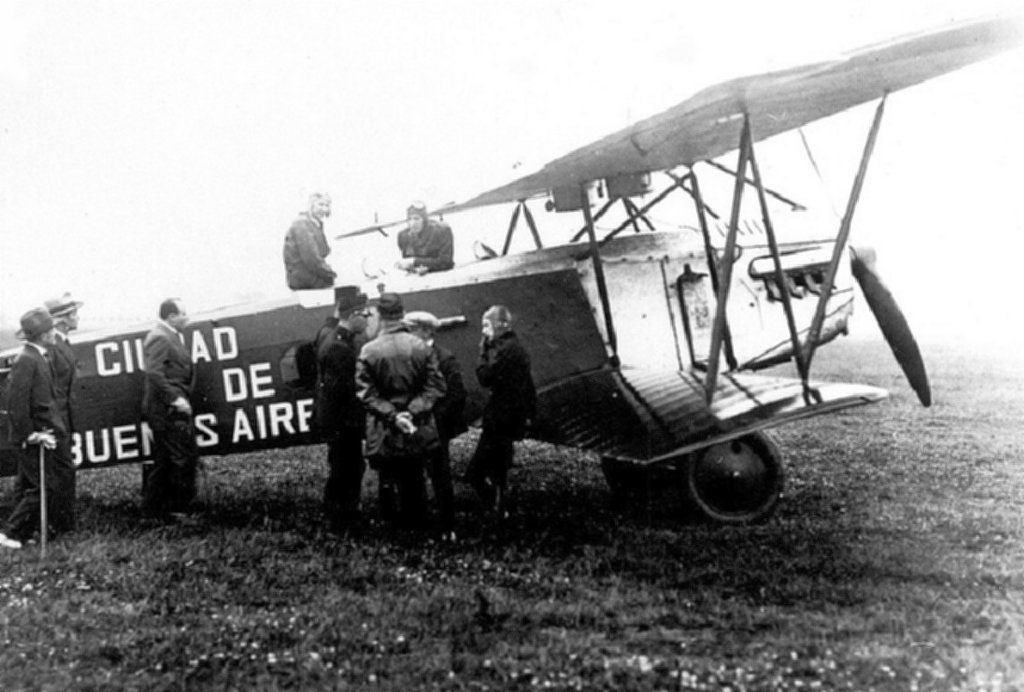
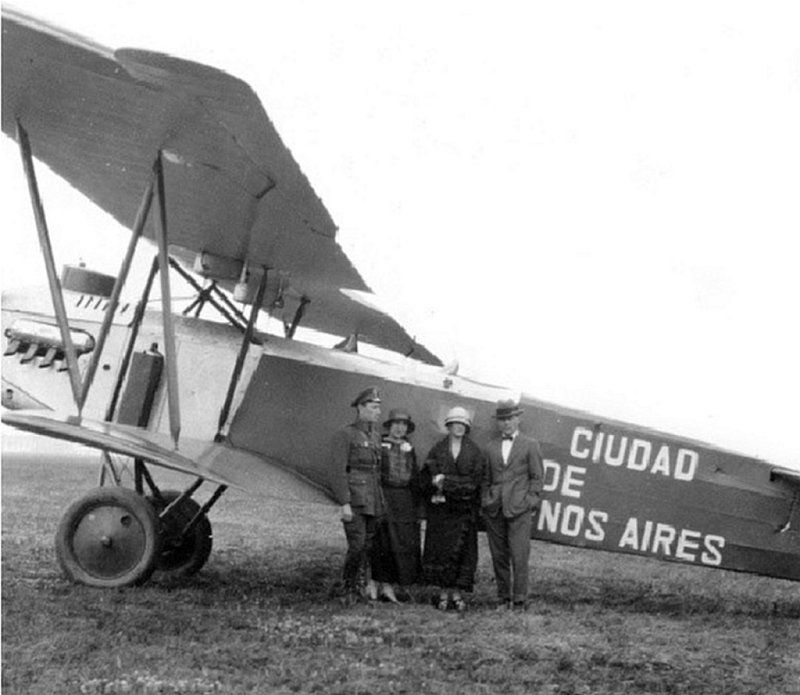
Fokker C.IV City of Buenos Aires
It had a larger wing area, a strengthened and improved conventional landing gear, a longer fuselage and fuel tanks on the upper surfaces.
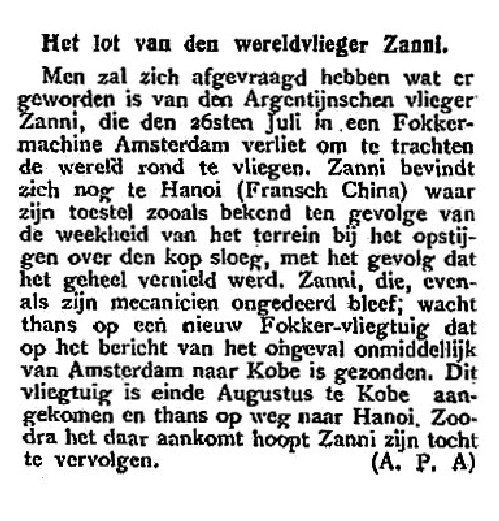
On June 6, 1924, it was tested by the factory and officially delivered four days later. The flight departed Amsterdam at 6:35 a.m. on July 26 in poor weather conditions, forcing the aircraft to land in Rotterdam (80 km from its departure point). The aircraft was disabled in Hanoi on August 19 when it capsized during a rainy takeoff.
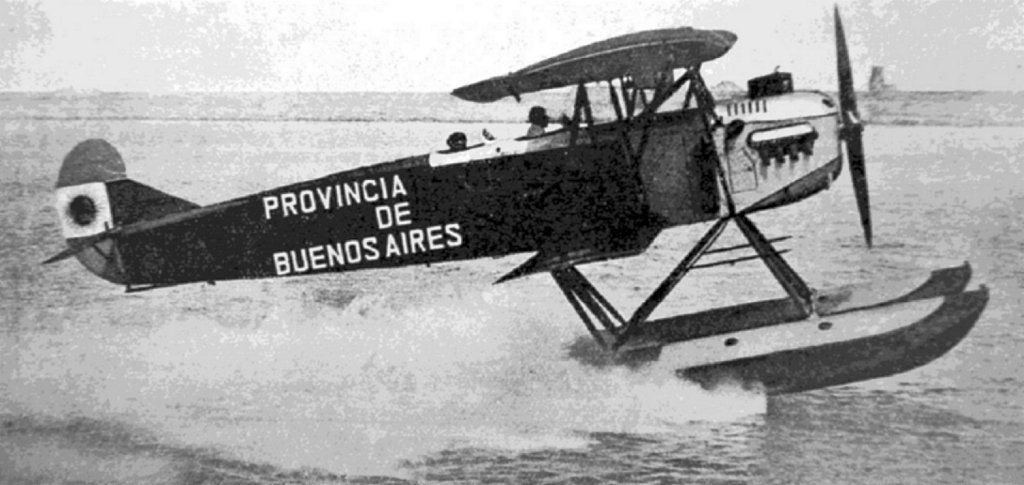
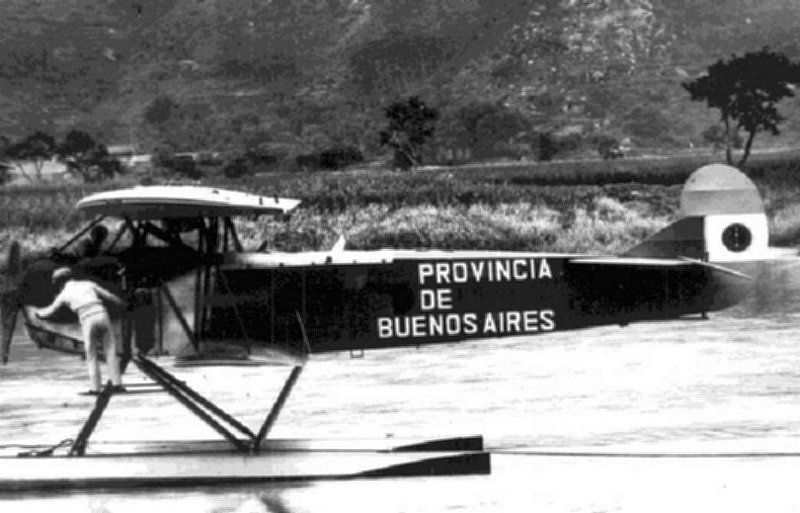
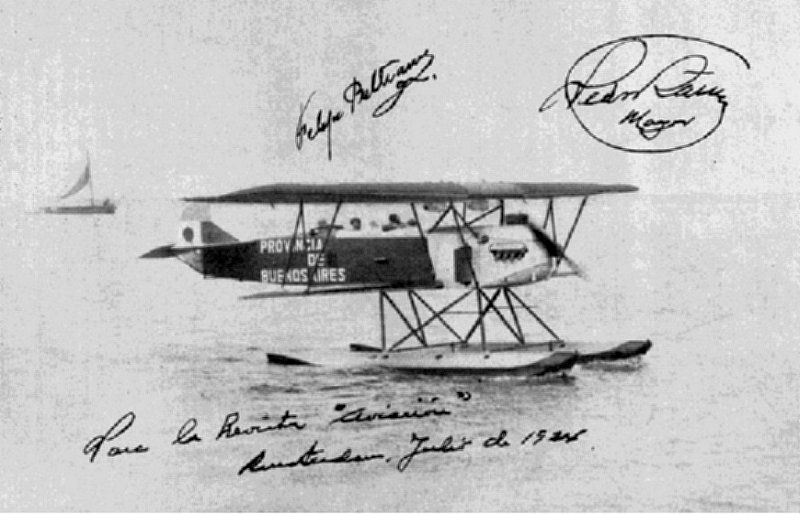
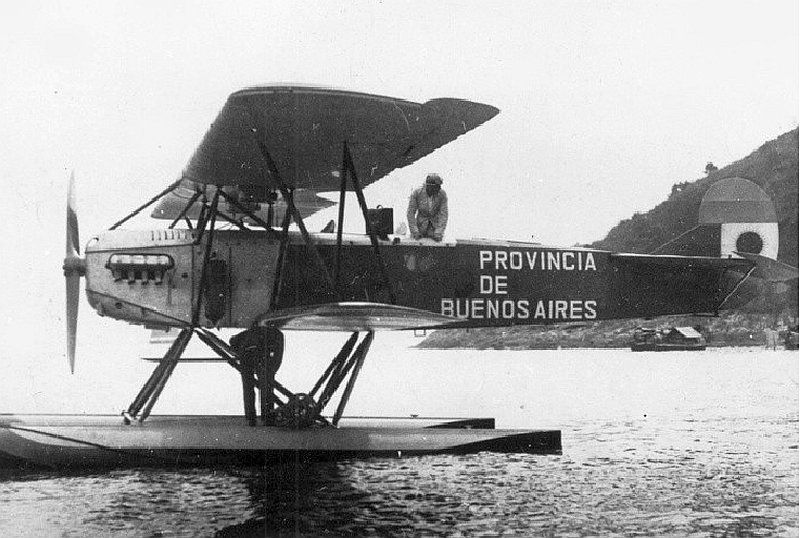
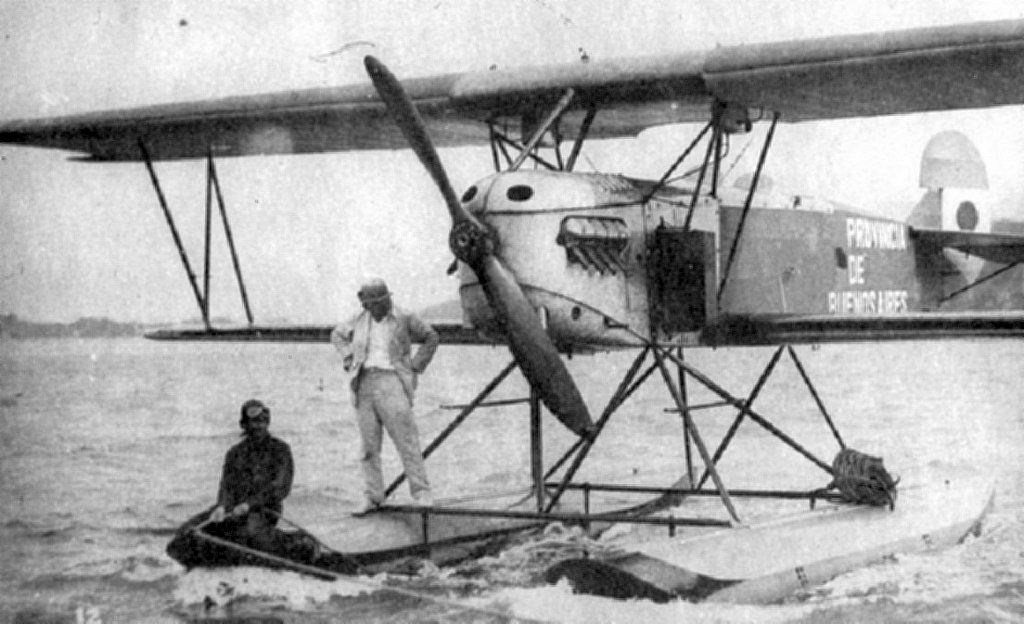
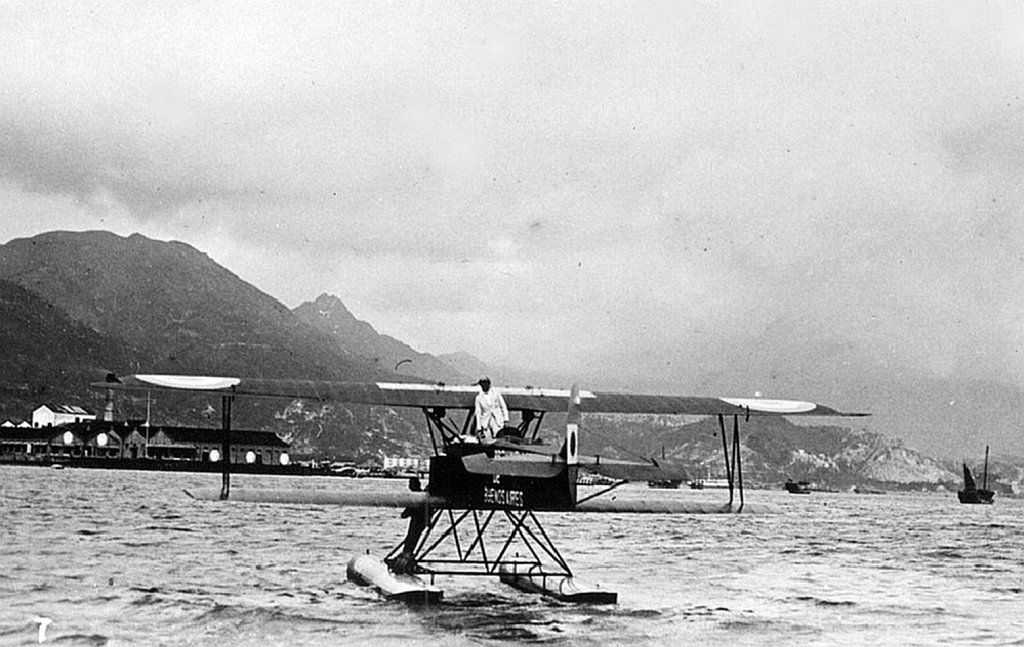
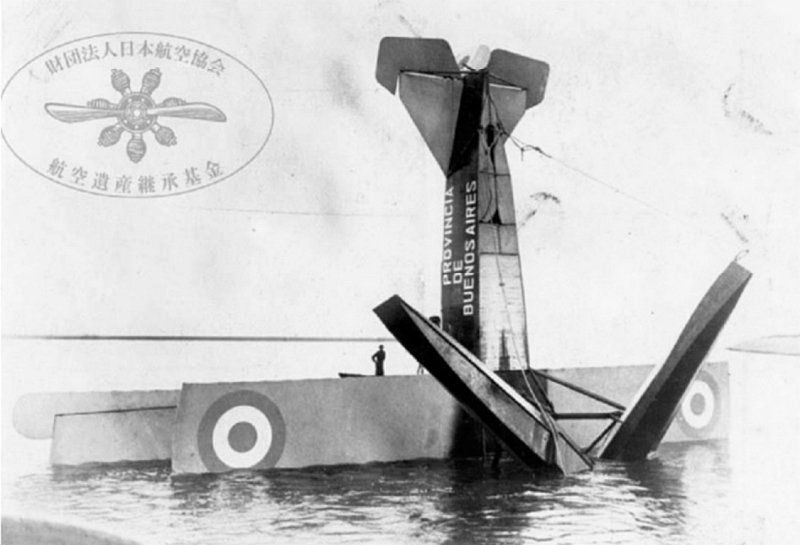
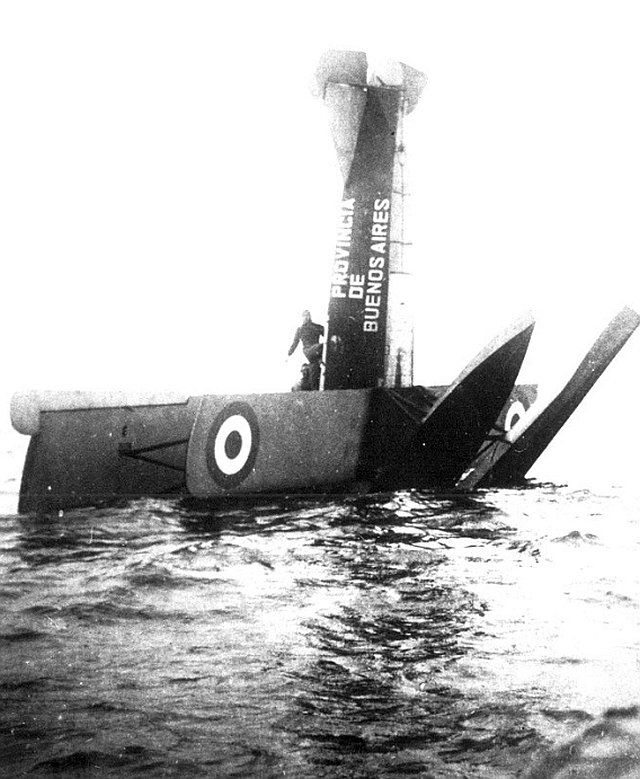
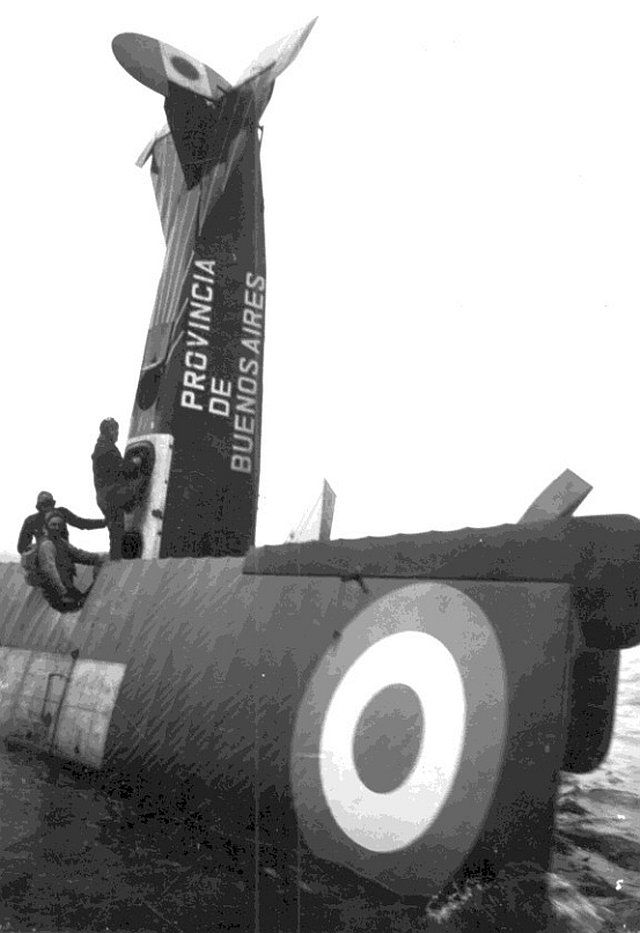
Fokker C.IVW Buenos Aires Province
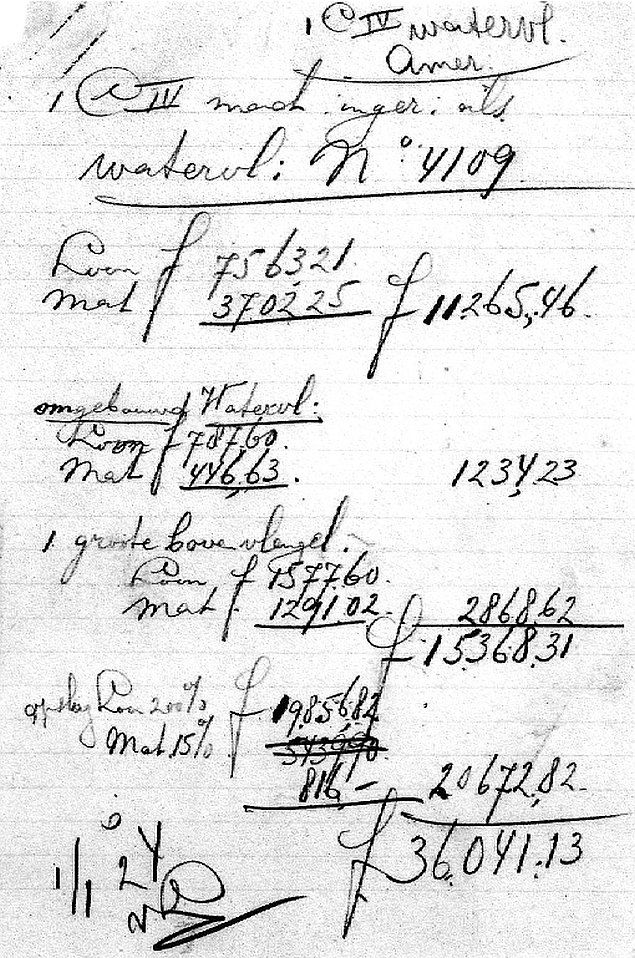
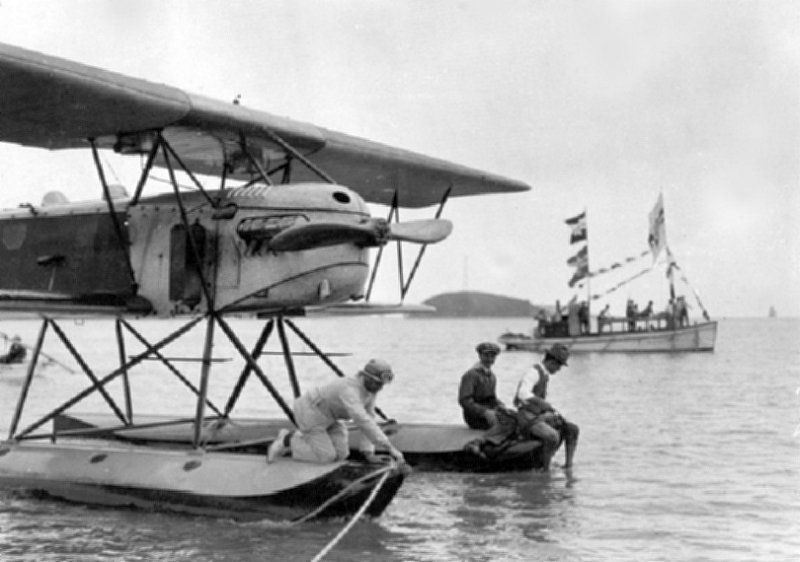
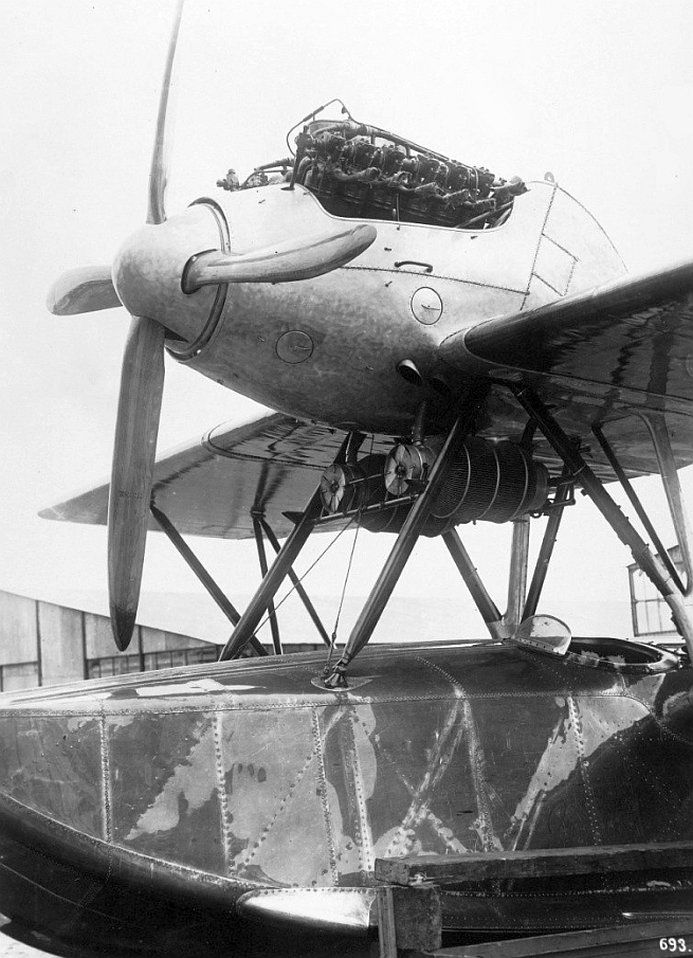
It was C.IVW serial number 4109, originally built for the Dutch navy. It had the same structural modifications as the Ciudad de Buenos Aires and a pair of improved pontoons (floats).
It had fuel tanks that gave it a range of 18 hours and a range of 3,200 km.
On June 21 it was tested by Anthony Fokker and Zanni, then dismantled and loaded aboard the steamship Kamo Maru in London five days later, with Kobe (Japan) as its final destination.
She was then transferred to Haiphong and on September 22 flew to Hong Kong.
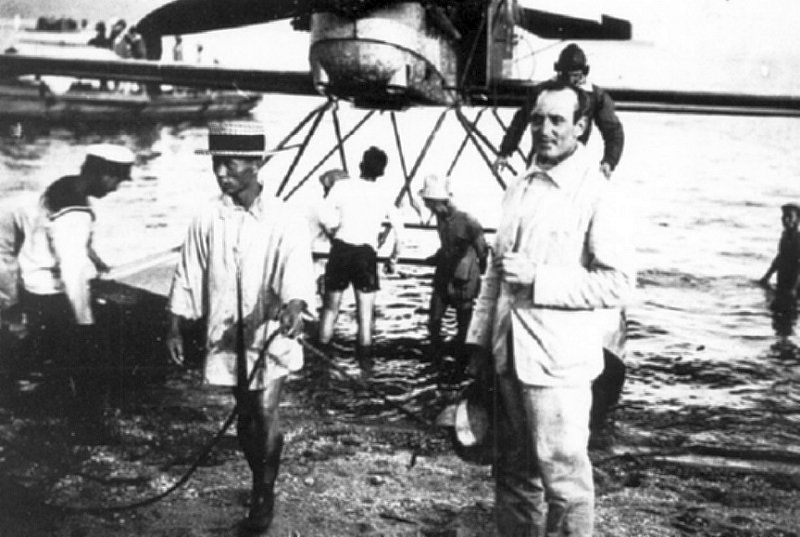
On October 11, she flew from Hong Kong to Kasumigaura, where she remained for several months awaiting the meteorological improvements necessary for the continuation of the flight.
On May 14, 1925, he was knocked out during takeoff.
Travel route and flight log (1924-1925)
Note: This section is based on the pilot's testimony. The light blue shaded area corresponds to the actual flight; the yellow shaded area corresponds to the rest of the planned route.
Fokker C.IVW
According to the Aero Club Argentino minute books, there was also a second C.IVW that was brought to Vancouver with a consignment of spare parts.
There he was held in reserve awaiting the arrival of the Provincia de Buenos Aires to continue the final stage of the journey.
According to information provided by Jan Grisnich, the serial number is estimated to be 4127, although this information is currently highly probable and has not been categorically confirmed.
The storage of the aircraft continued to incur significant storage costs long after the raid ended, and although attempts were made to repatriate it, it was eventually sold to cover the remaining costs of the voyage.
It was probably sold to the US and registered in civil aviation NC439.
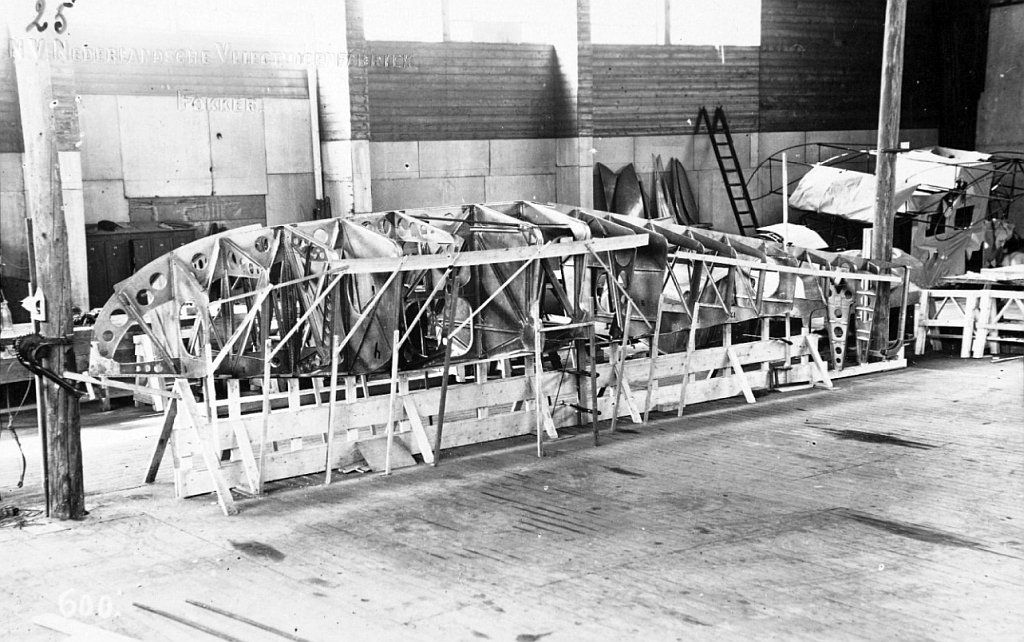
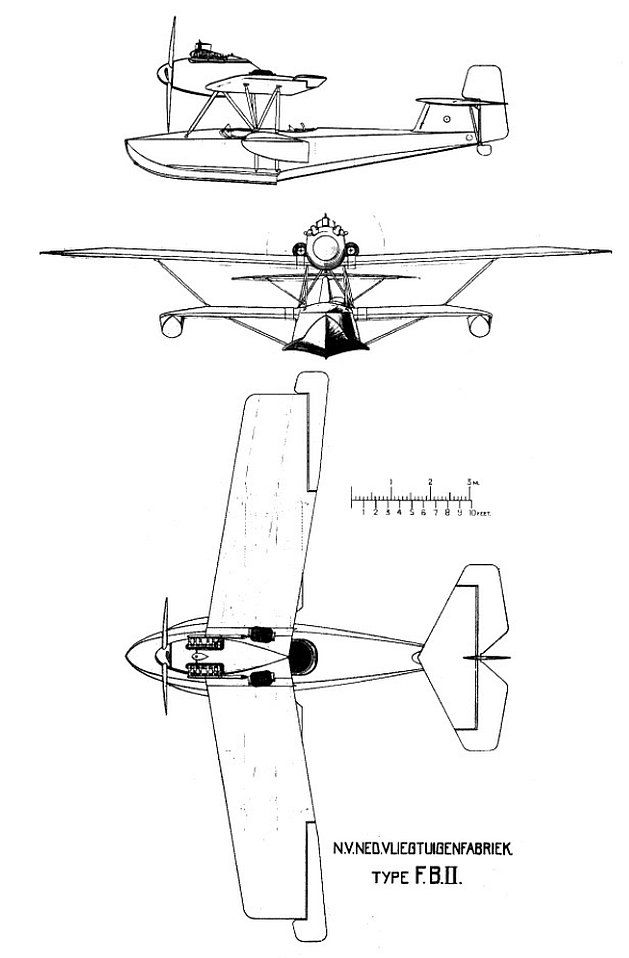
Fokker B.II
There was a third unused aircraft, a Fokker B.II, of which a single prototype was built and made its maiden flight on December 15, 1923. It was a two-seater (pilot and observer) with a traction propeller equipped with a 360 hp Rolls-Royce Eagle IX engine cooled by two Lamblin round radiators, which gave it a cruising speed of 175 km/h.
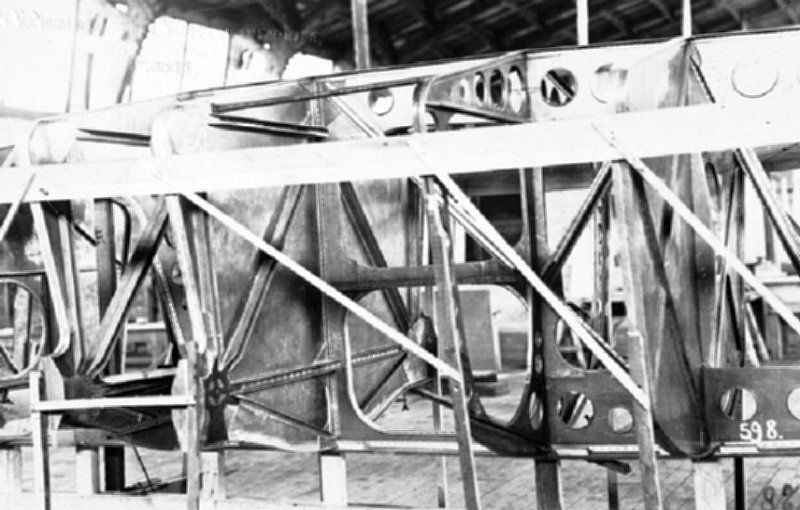
The aircraft were built of wood (load factor 52.5 kg/m2).
It had a power-to-weight ratio of 5.85 kg/hp, which allowed it to climb to 1,000 m in 6 minutes and reach a top speed of 195 km/h.
The pilot's position was on the left side under the aircraft and the observer directly behind the wings.
This aircraft, probably personally offered by the manufacturer, was chosen by Major Zanni's team to complete the round-the-world flight, but although it was purchased in budget, it was not actually used and was definitively replaced by the Fokker C-VIW sent to Vancouver.
The flying boat was eventually transferred to the Dutch Navy for evaluation.
Upon returning to the country, Zanni gave a lecture at the Círculo Militar about the alternatives to the journey.
According to historian Biedma Recalde in one of his articles, the aviator was modest on that occasion
He said: I do not intend, nor do I want, to give this exhibition the character or name of a conference; it will only deal with the way the flight was planned, organised and executed.
Fokker V-LC
It was built by Fokker Flugzeugwerke in 1916. This advanced experimental two-seat training prototype was built in Schwerin, Germany from the D.VII model.
In 1919 it was donated to the Navy by the French Aviation Mission.
The aircraft had been captured by the Allies and was exhibited by the French trade mission at the Palermo Rural Exhibition in 1945. It was stationed at Fort Barragan.
On March 5, 1919, Juan José Esteguy, an Argentine pilot from La Plata, secretly made several training flights in this aircraft in an attempt to cross the Andes. During one of them, he suffered an emergency, breaking his crankshaft and propeller.
The carpenter Guillermo Covas, the same who had built the screw of the Farman of the Condestable Oytaben, carried out a series of studies and built a screw in the Arsenal of Río Santiago using a piece of American walnut, which was balanced and calibrated by hand.
On May 26, 1921, he had another emergency, landing in the city of La Plata on some eucalyptus trees on Avenida 51 between 1 and 2. The aircraft was decommissioned due to a lack of spare parts and was used for educational purposes. Esteguy's project was abandoned when he embarked for Morocco on September 2 to join the Spanish Foreign Legion with the rank of Ensign.
Esteguy and his passenger died on October 23, 1922, during a mail flight aboard the De Havilland DH-9C M-AAAG Sevilla of the Compañía Española de Tráfico Aéreo (CETA).
He crashed when he hit some elevation changes south of Tangier. It was the first Spanish commercial airline fatality.
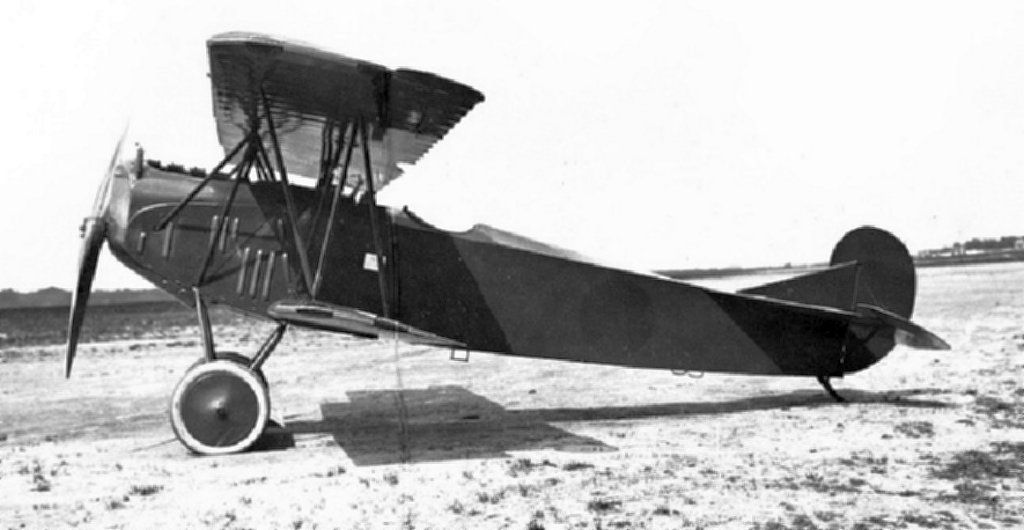
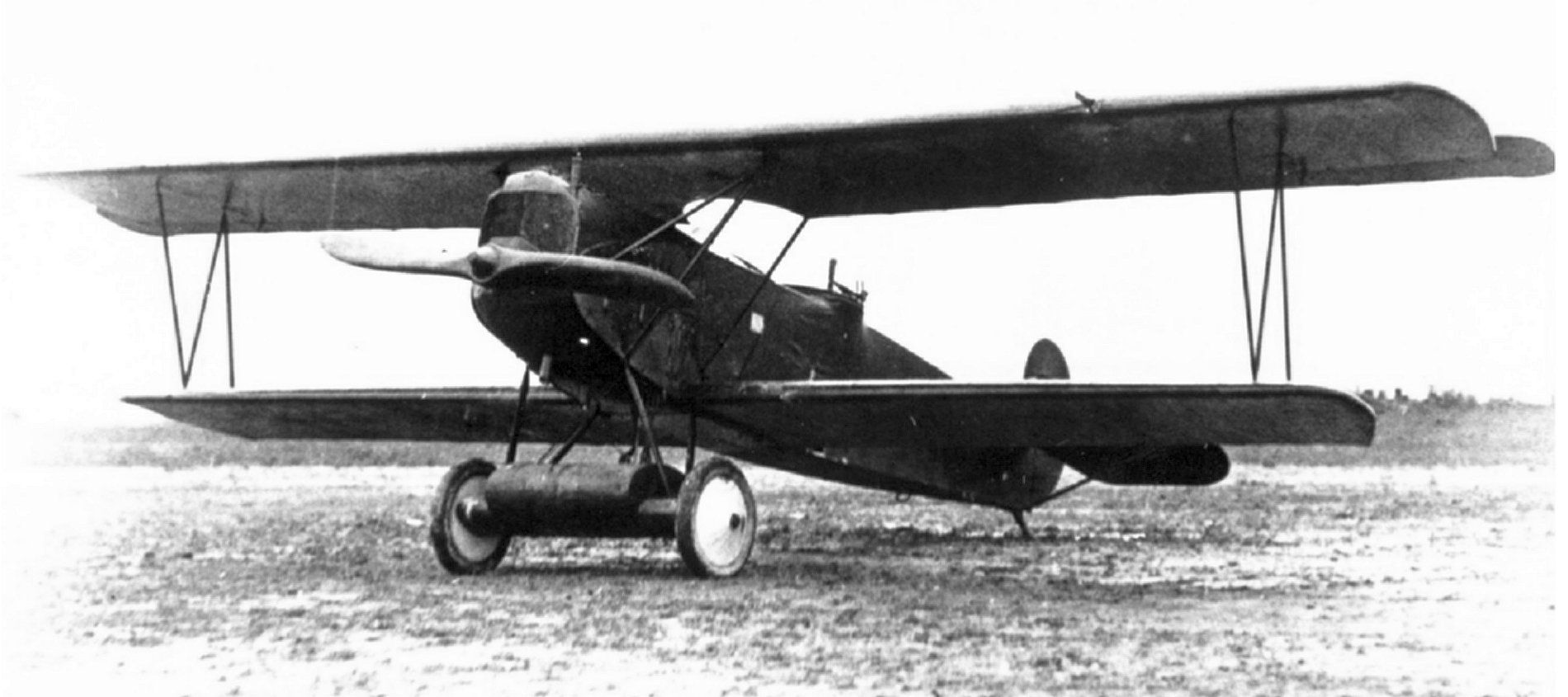
Fokker D.XI
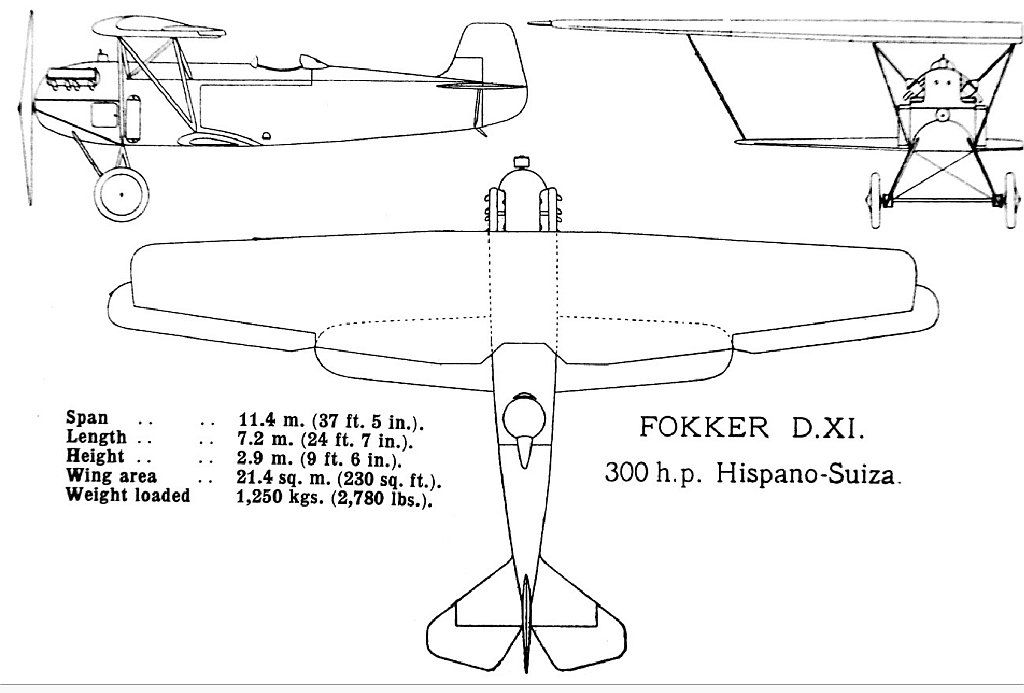
It was designed by Reinhold Platz (1886-1966) and first flew between 5 and 23 May 1923.
It had a Hispano-Suiza 8-Fb engine of 300 hp with 8 V-cylinders cooled by two lateral radiators, the fuselage was made of steel tubes covered with plywood sheets as were the aircraft.
It was equipped with two 7.7mm LMG 8/15 caliber machine guns synchronized with the propeller. Individual engine radiators were located on the sides of the nose. A total of 178 were produced.
Although the construction incorporated compensated wood as wing and fuselage coverings, making it more weather resistant than linen cloth, the by now common use of duralumin on Breguets proved more practical and no further purchases of the Fokker D.XI were ordered, despite its good flying condition.
The success of this model in 1924 led to a purchase order for 125 units from the Soviet government, and subsequently a further 50 units of the improved model, the D.XIII, for the German army, arranged through the German financier Hugo Dieter Stinnes (1870-1924).
This purchase was a covert materiel operation for the German armed forces, influenced by the military restrictions established by the Treaty of Versailles on June 25, 1919.
As a stopgap measure, secret training camps were established in Allied countries such as Russia. One such facility was the Fighter Pilot School in Lipezk (about 500 km southeast of Moscow), where crews, mechanics, and aviation technicians were secretly trained in conjunction with an interesting glider school developed on German soil.
However, this order of fifty aircraft was cancelled the following year and the aircraft were eventually sold to Romania.
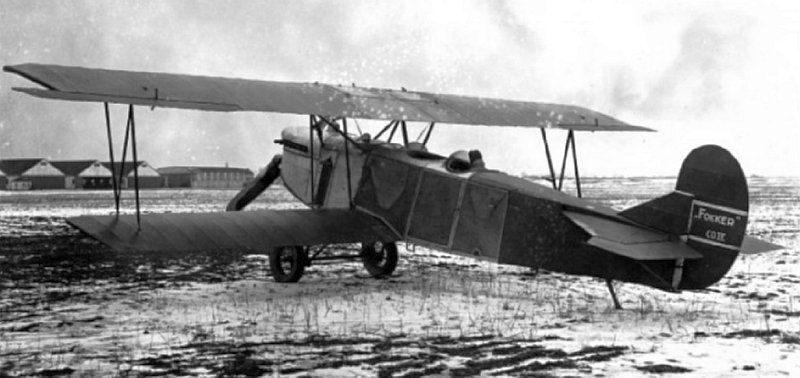
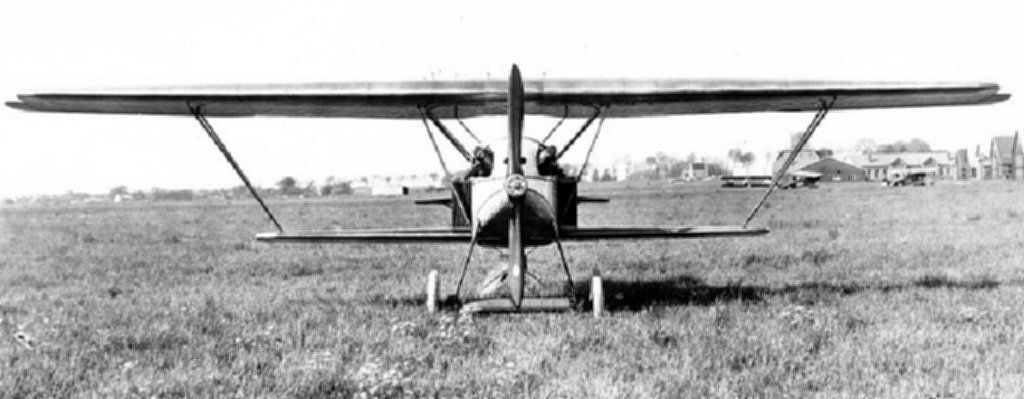
In February 1924, General Billy Mitchell, impressed by their excellent performance, took delivery of some units of the C.IV model (CO-4 S/Nº 68557), then two more units (68565, 68566) and finally four more CO-4As (S/Nº 23-1205/1209).
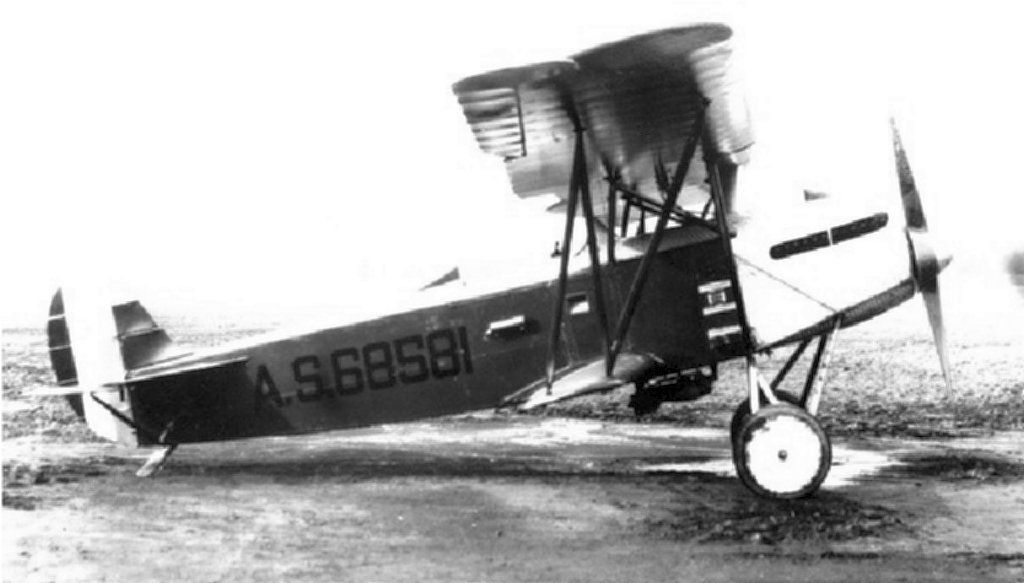
That month, three aircraft (S/Nº 68580 to 68582) registered P326, P327 and P378 respectively were delivered to Mc Cook Field for evaluation by the United States Army Air Service (USAAS).
These aircraft, designated PW-7 (Pursuit Watercooled), were powered by a 440 hp Curtiss D12 engine and two .30 caliber machine guns.
In 1925 two more D XI aircraft were sold to Switzerland for evaluation by the Swiss Fliegertruppe.
The USAAS already had two Fokker F VIs (PW-5 S/Nº 64231/64323), registration P231, 232; ten later built PW-5s (S/Nº 68547/68556), and a single-seat prototype Fokker D IX (PW-6 S/Nº 68575) which was a version of the D.VII model but with slightly longer wings and a 320 hp Wright-Hispano-Suiza H2 engine.
This aircraft was also evaluated at Mc Cook Field and was given the registration P246.
Other countries that operated this aircraft in 1925: Romania (50), Switzerland (2) for evaluation at the Fliegertruppe field and Spain.
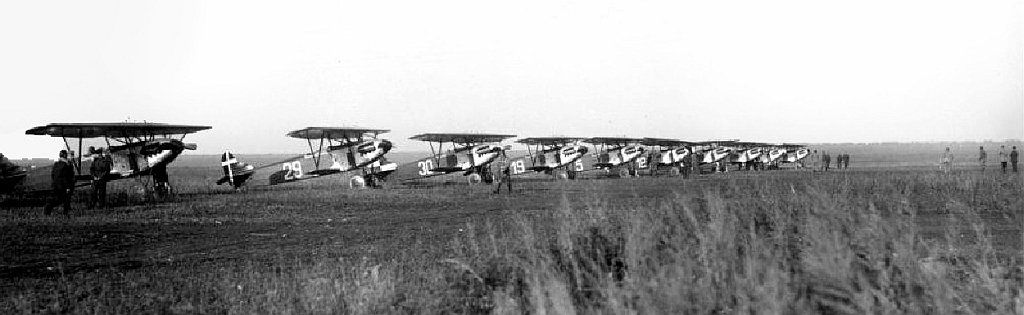
The first and only aircraft of this type in military aviation was sent to Argentina on July 3, 1924, arriving as demonstrator D.XI with serial number 4636.
It was equipped with a Hispano-Suiza 8Fb engine (serial number 207166) and cost 12,244.62 guilders.
It was introduced in the interim period between the use of the Nieuport 29C1 and the Breguet XIX-A2.
It cannot be ruled out that this demonstrator was introduced with a view to sale to Army Aviation as equipment originally intended for the Russian government, as at that time the possibility of acquiring fighter and bomber equipment was being considered.
The choice fell on the Breguet XIX and later on the Dewoitine models 25 and 21C1.
In November he was discharged from the Fighter Squadron of No. 1 Observation Group until 31 December 1927.
On May 27 of that year, he was rammed on the El Palomar platform by Dewoitine D-25C1 No. 248, and on June 3, he suffered an accident during landing, twisting one of the fuselage tubes at the first quadrant.
It was then reportedly transferred to the Directorate of Civil Aviation.
@@@@@@@@@@@@@@@@@@@@@@@
Fokker F-VII/3m
During the latter half of the 1920s, Dutchman Anthony Herman Gerard Fokker, who had made a name for himself as a designer and builder of aircraft for Germany during World War I, settled near Amsterdam and began producing aircraft for commercial air transport.
In mid-1925 the new industry began delivering the single-engine F-VII.
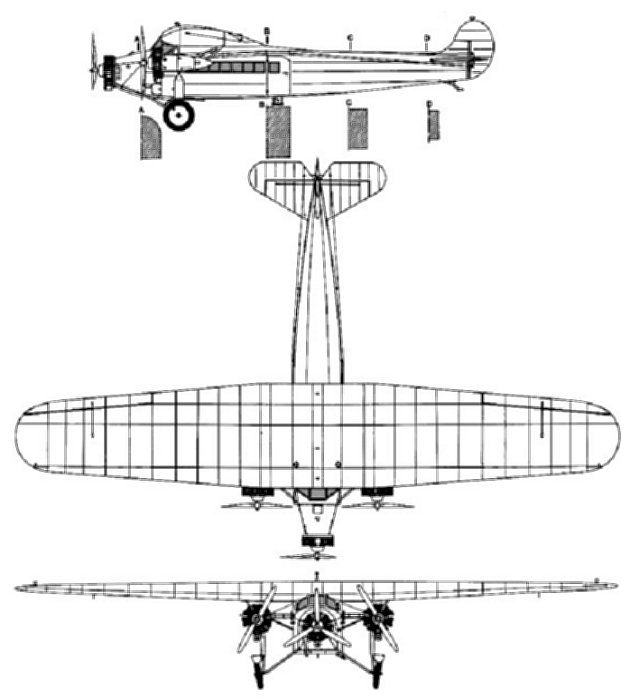
The success of this new aircraft was almost immediate. It was a conventional, high-wing, all-metal transport aircraft developed in 1926 based on the F.VII model.
It was equipped with a 400/450 hp engine (Napier Lion, Rolls Royce and/or Lorraine Dietrich).
The ailerons were made of wood, the fuel and oil tanks were in the wings.
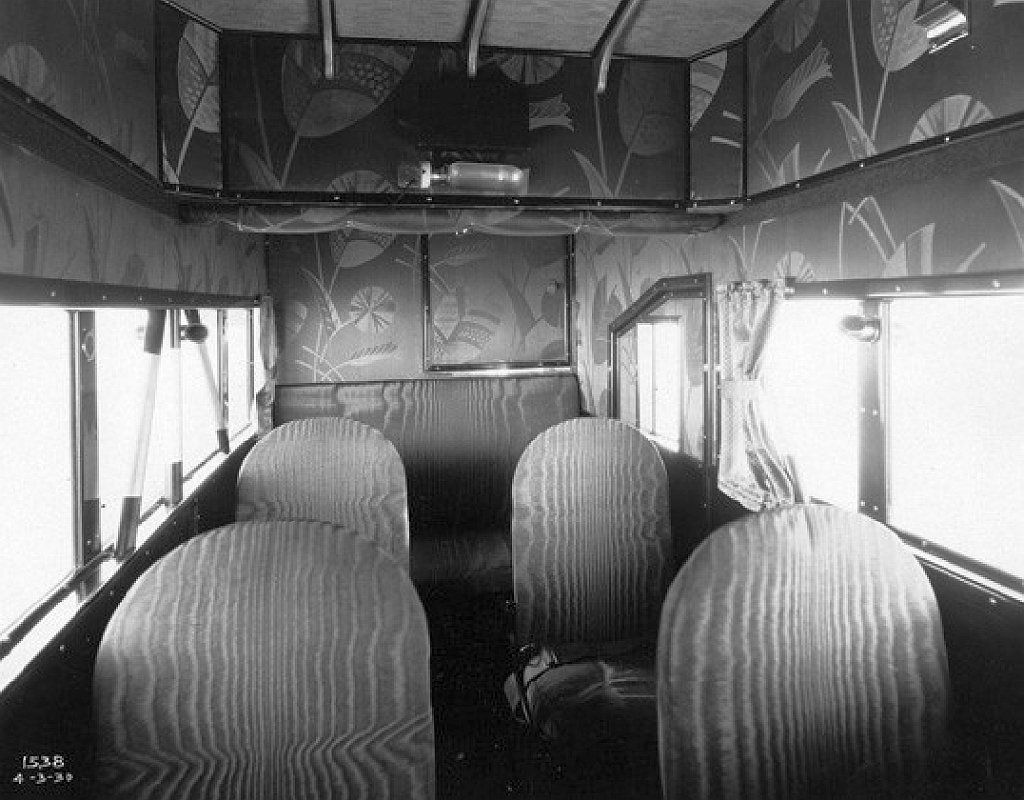
It comfortably accommodated eight passengers in two rows of four seats and luggage.
The cockpit was dual-purpose, with side-by-side seats for pilot and co-pilot.
It had the added advantage of being able to operate with excellent performance even with only two engines operational, allowing it to climb at 1.52 m/sec even at 2,400 m (8,000 ft).
Anthony Fokker heard about a race organized by Henry Ford to fly a 3,000 km circuit from Detroit during a visit to his Netherlands Aircraft Manufacturing Co. facility in the USA.
Fokker immediately began improving the robust Model VII by adding two extra engines and within three months the project was completed, giving rise to the legendary FVIIA/3m.
Its performance made the aircraft the ideal choice for many long-range missions, particularly transpolar flights, as its interior allowed for the installation of additional fuel tanks, significantly increasing range, and it featured an incidence correction system that allowed conditions to be modified during the flight as fuel was consumed, allowing for a more efficient, safer and more comfortable flight.
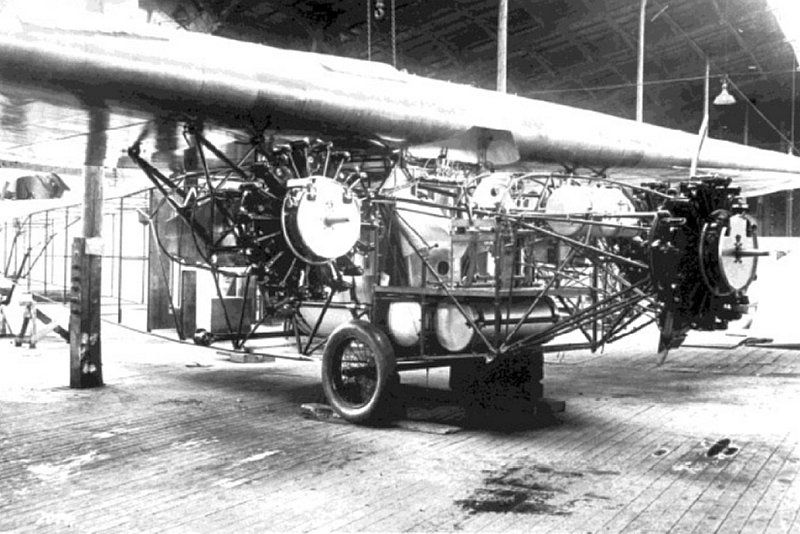
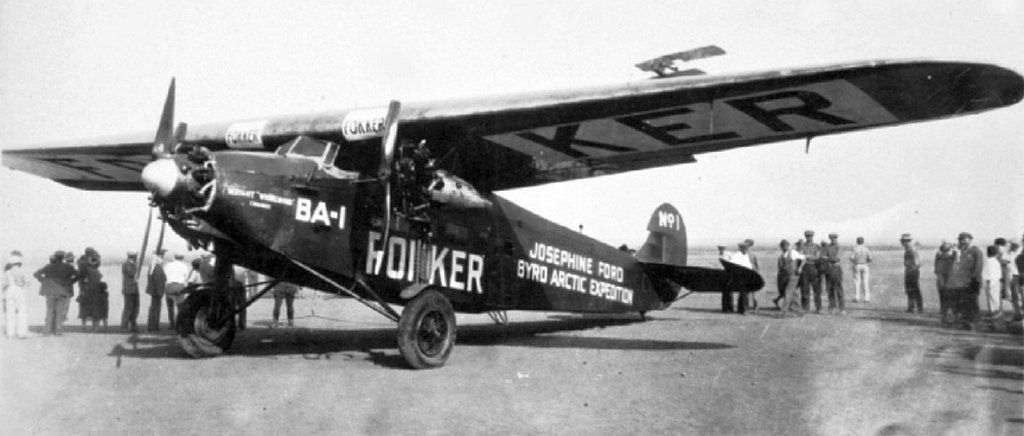
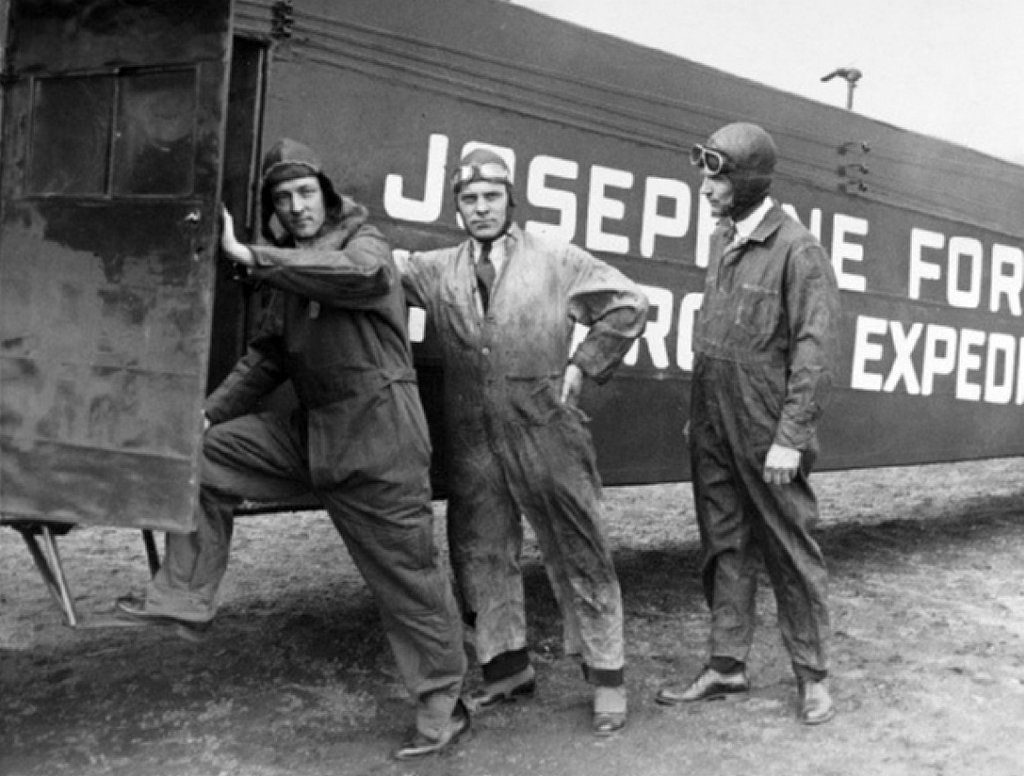
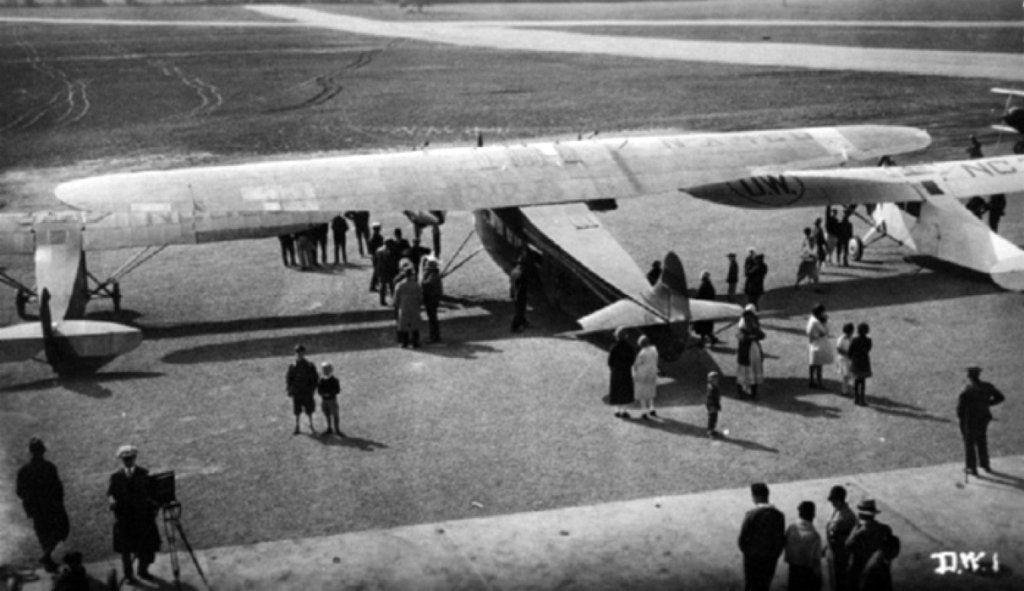
The first F.VII (registration NC267, N/C: 600) was purchased by US Navy Commander Byrd. He named it Josephine Ford and used it in May 1926 for his historic flight over the North Pole.
The model was manufactured in the USA and was designated C-2.
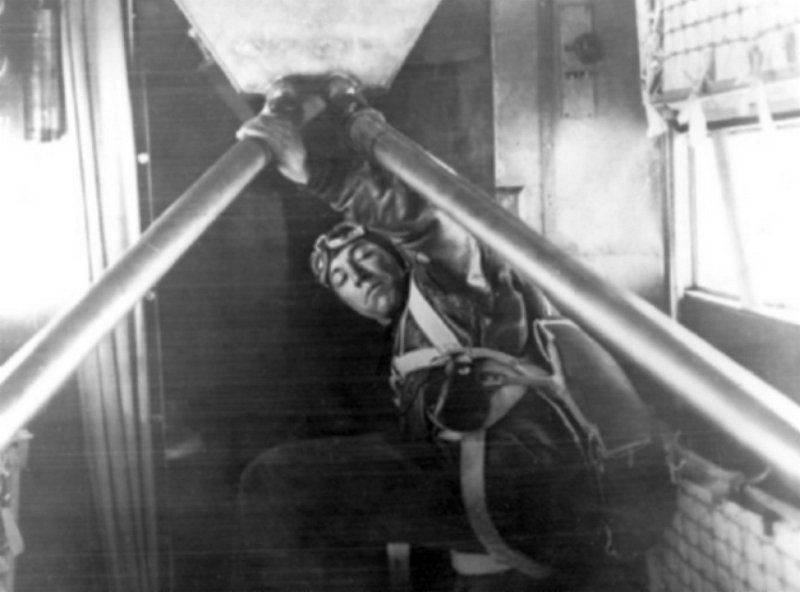
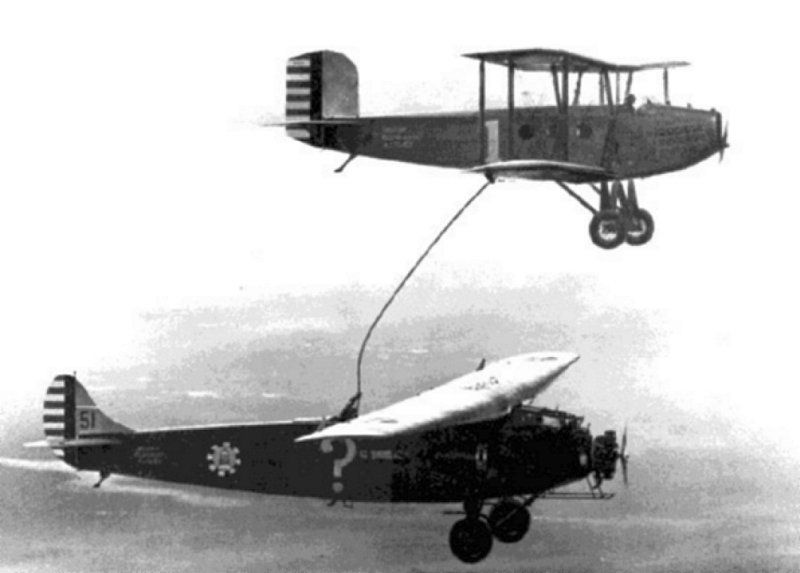
In June 1927, it was used on the first flight from California to Hawaii. Two years later, Fokker C-2A No. 51, with a large question mark painted on the empennage, was refueled in flight by two modified Douglas C-1s.
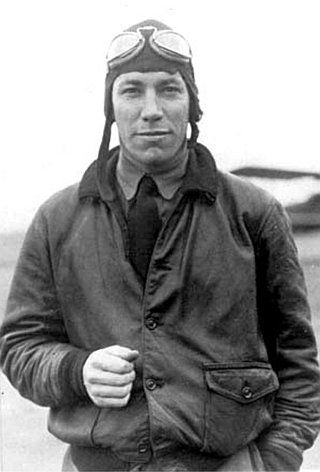
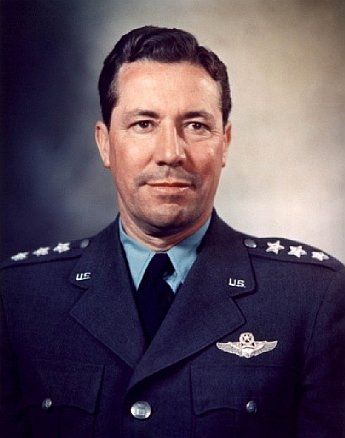
Among those crews was Lieutenant Elwood Richard (Pete) Quesada, the same captain who was part of the delegation that visited our country (Argentina) in 1944.
During the operation, which began on New Year's Day 1929 and ended 150 hours and 40 minutes later on January 7, the Douglas aircraft transferred 5,660 gallons of fuel.
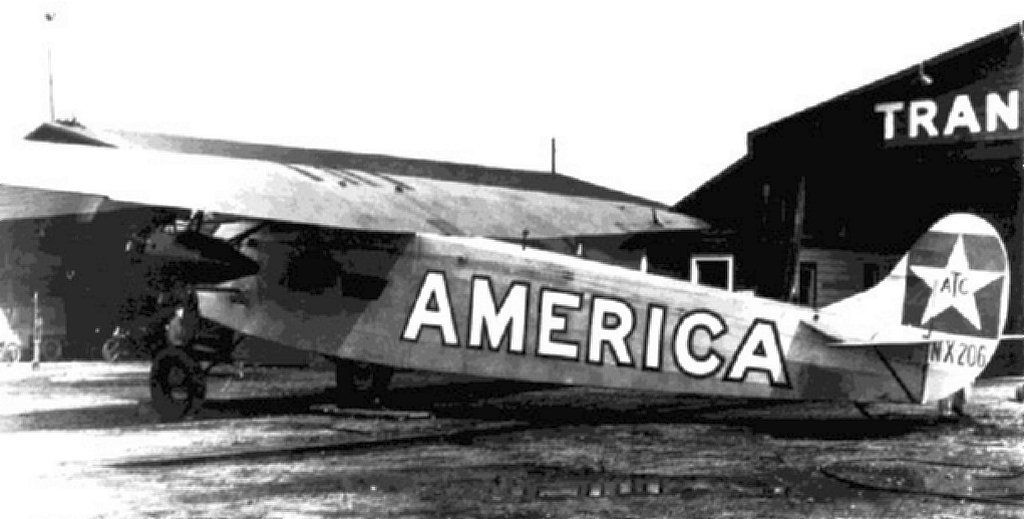
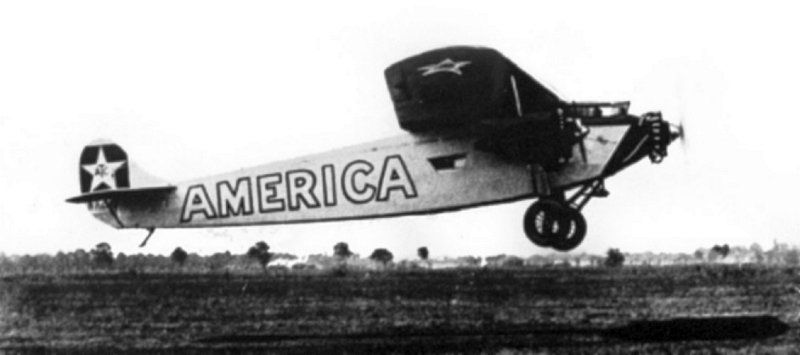
Between June 29 and July 1, 1927, Admiral Byrd and three crew members made another flight between the US and France aboard NC206 America.
He departed from New York for Paris. Upon arrival, the city was shrouded in dense fog, and after flying over it, the commander decided to make an emergency landing near Brest.
Just a few days later, Charles Lindbergh gained fame and glory by winning the fantastic transatlantic adventure.
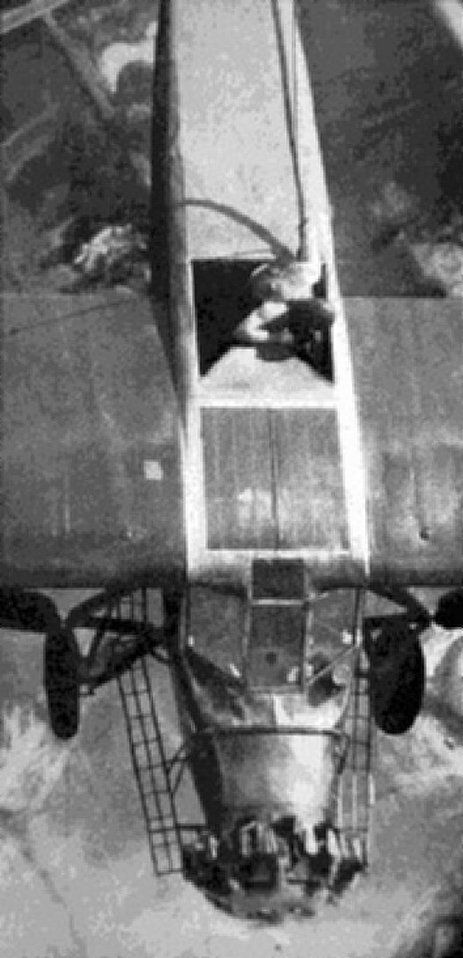
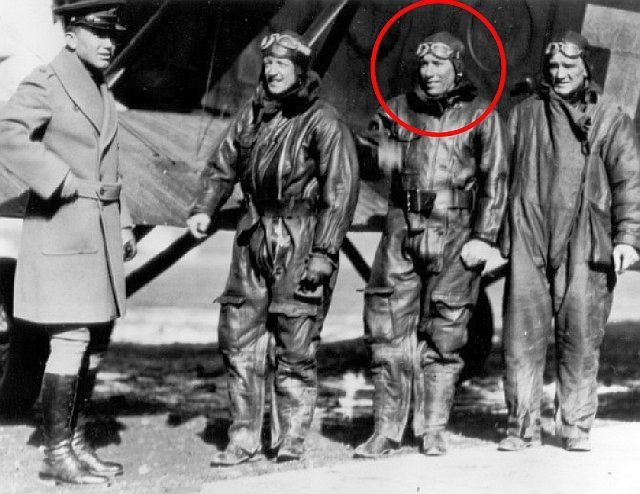
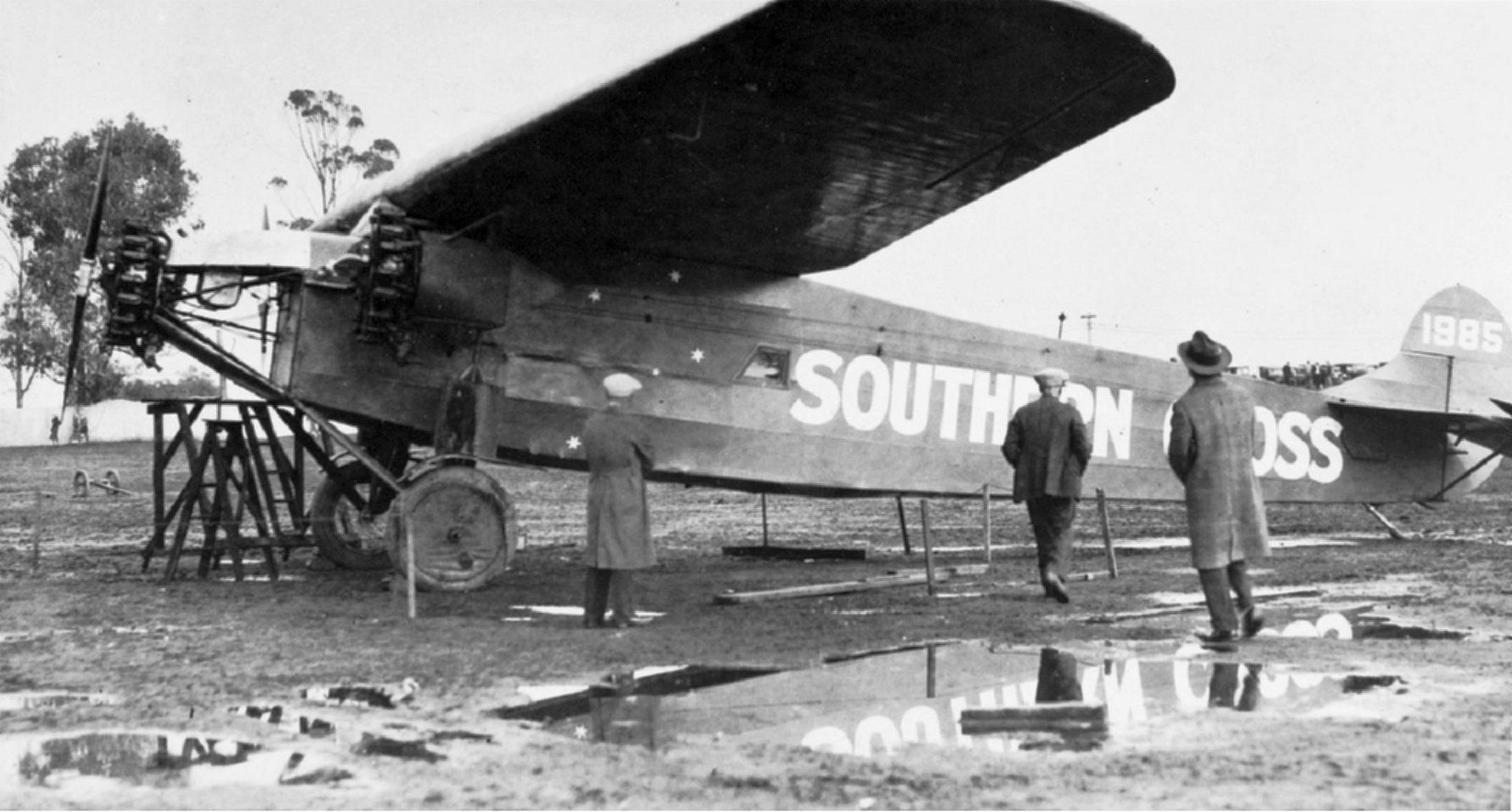
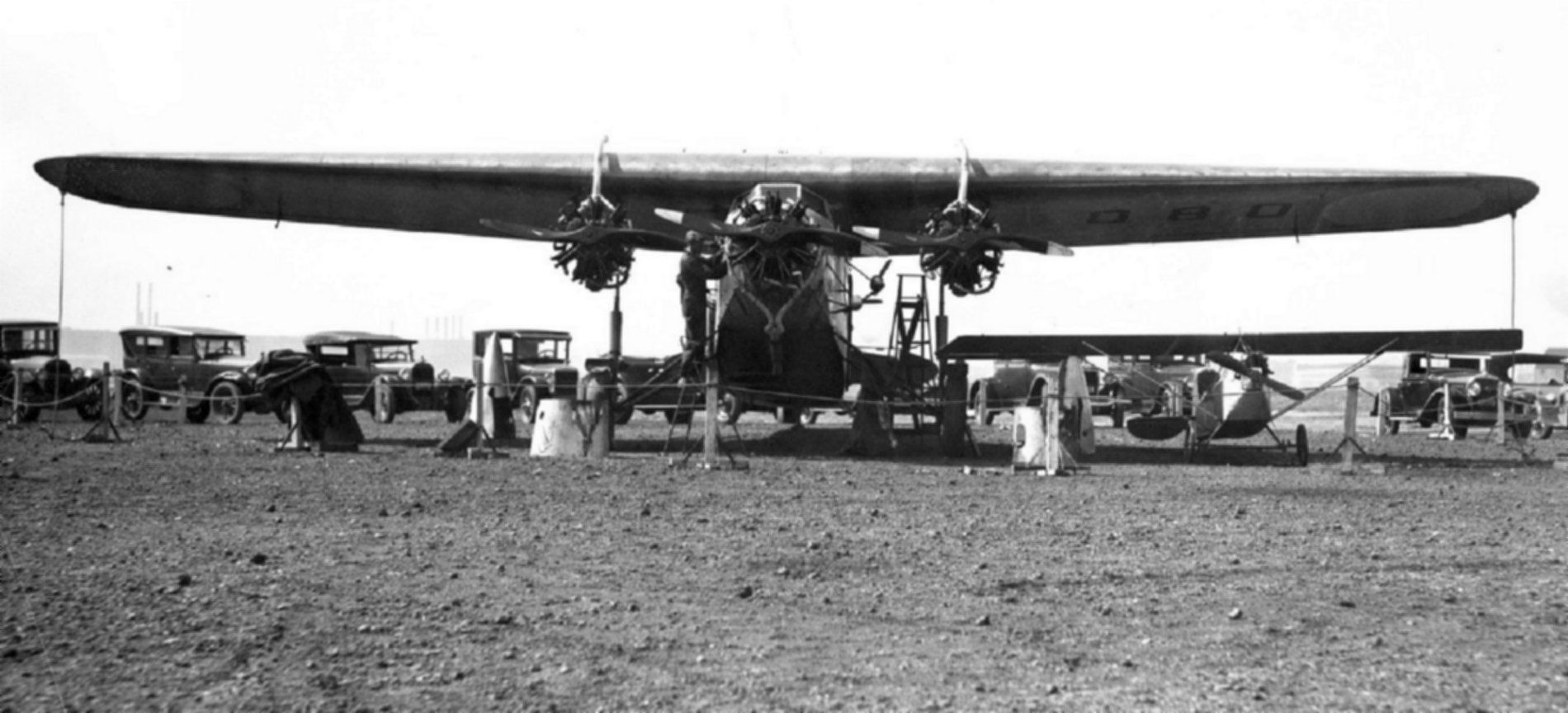
Another trimotor to be called into the hall of fame was the F-VIIb/3m Southern Cross.
In May 1928, Charles Kingsford Smith flew across the Pacific Ocean from California to Australia.
But in the anniversary of major air raids there was still room for another triumph for these famous trimotors.
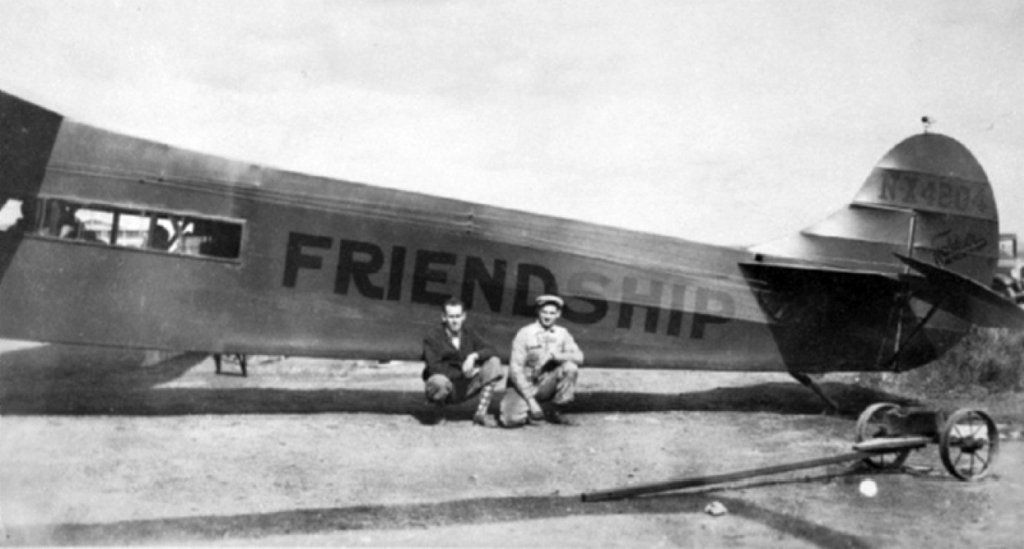
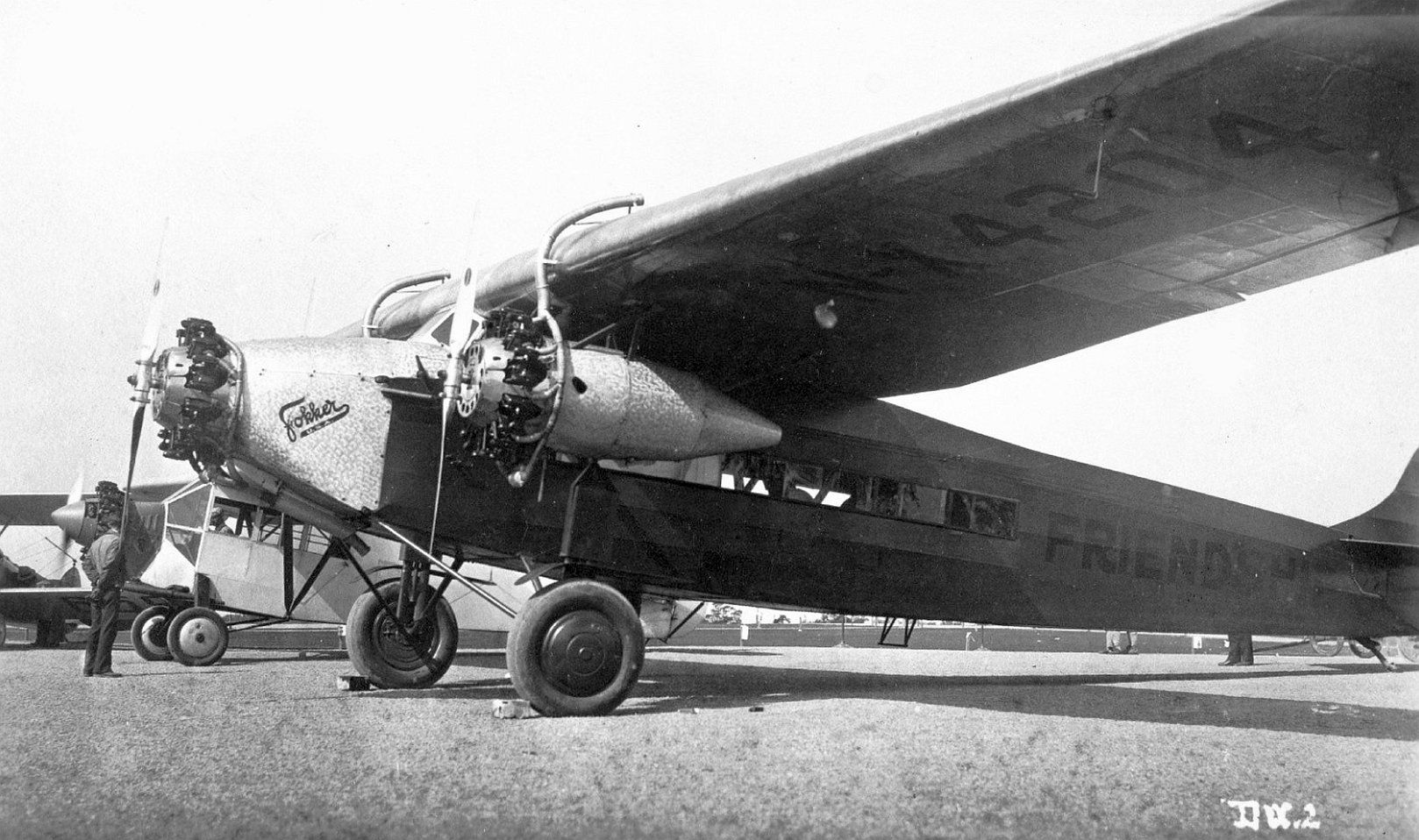
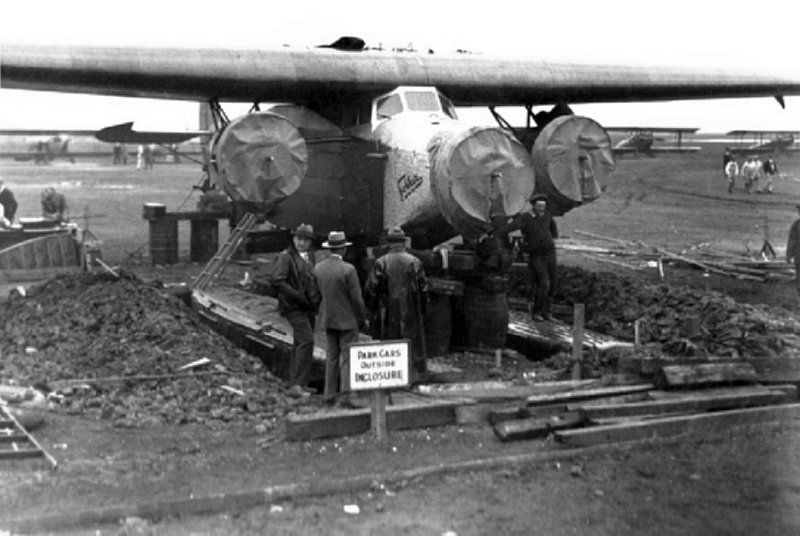
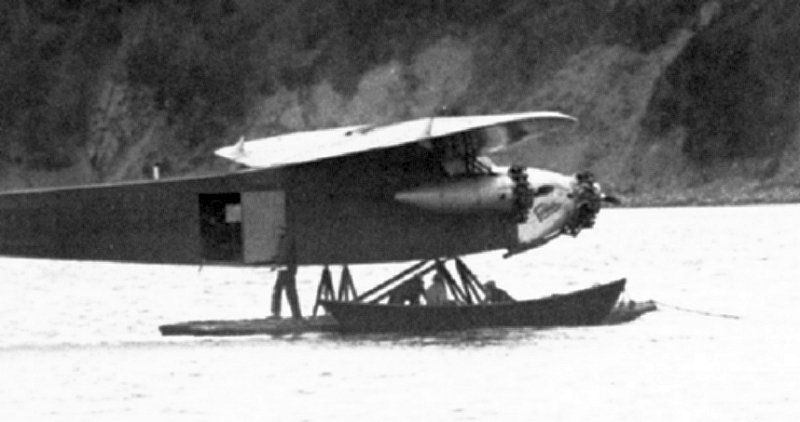
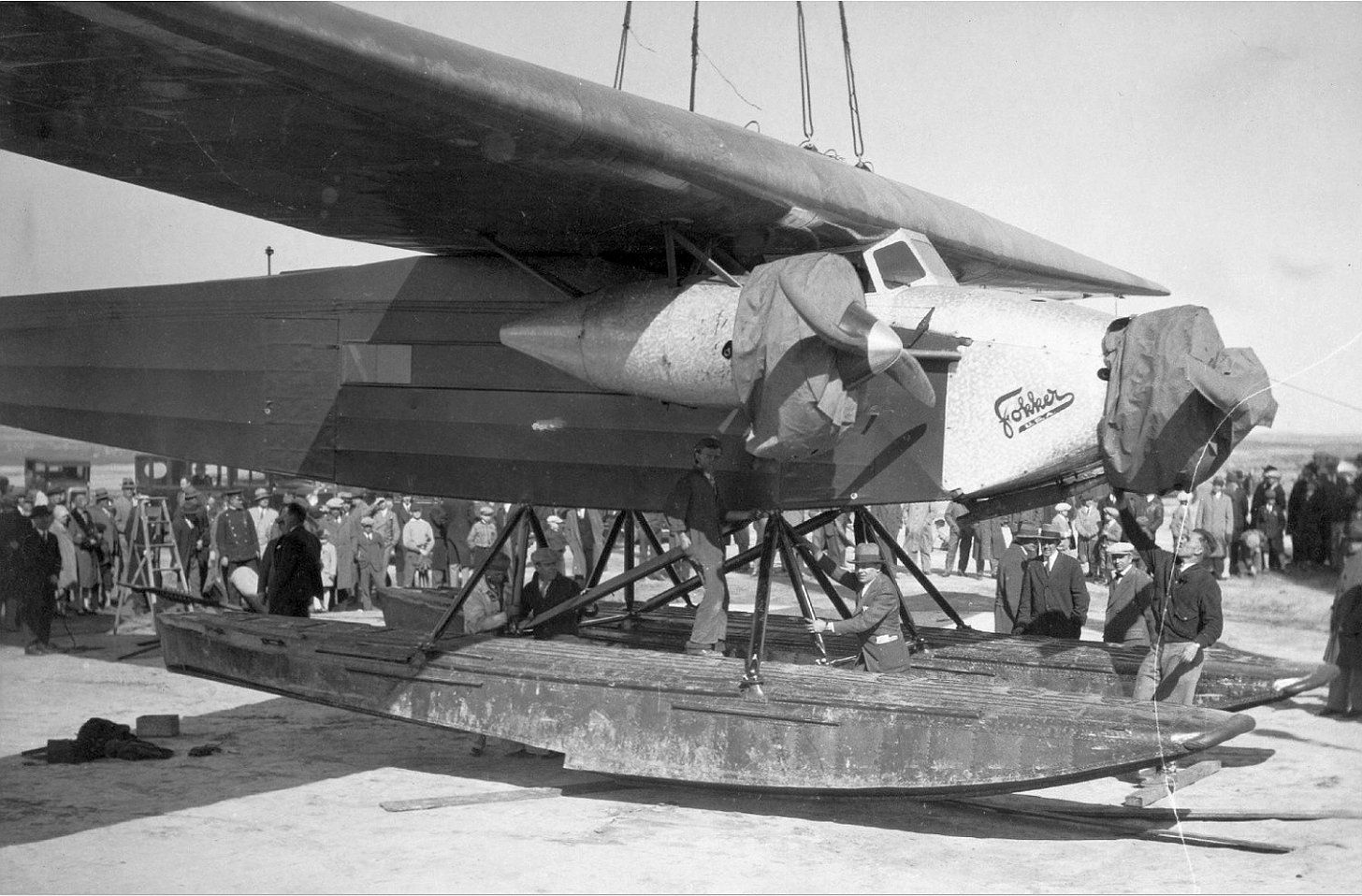
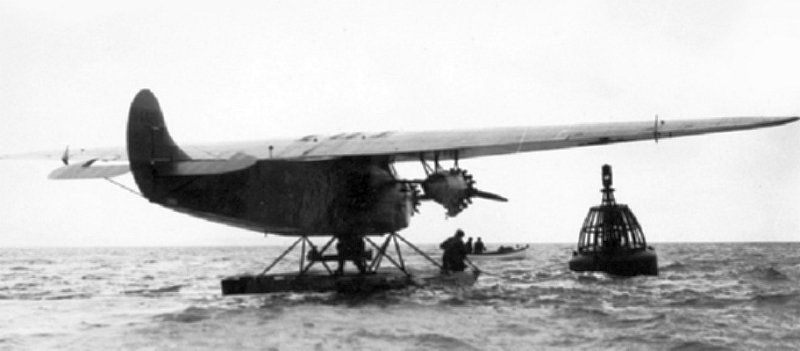
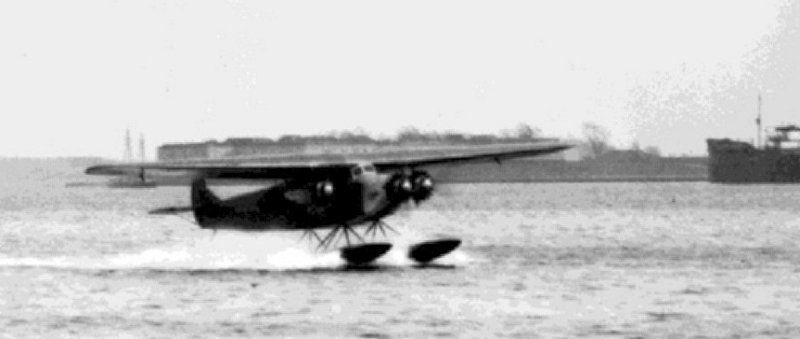
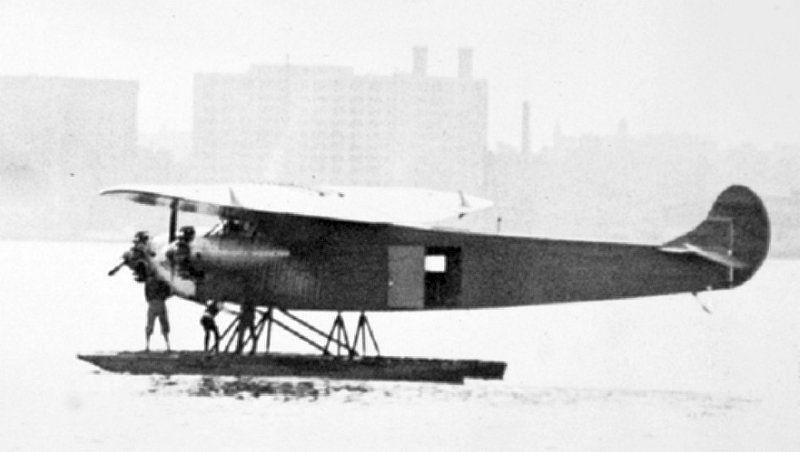
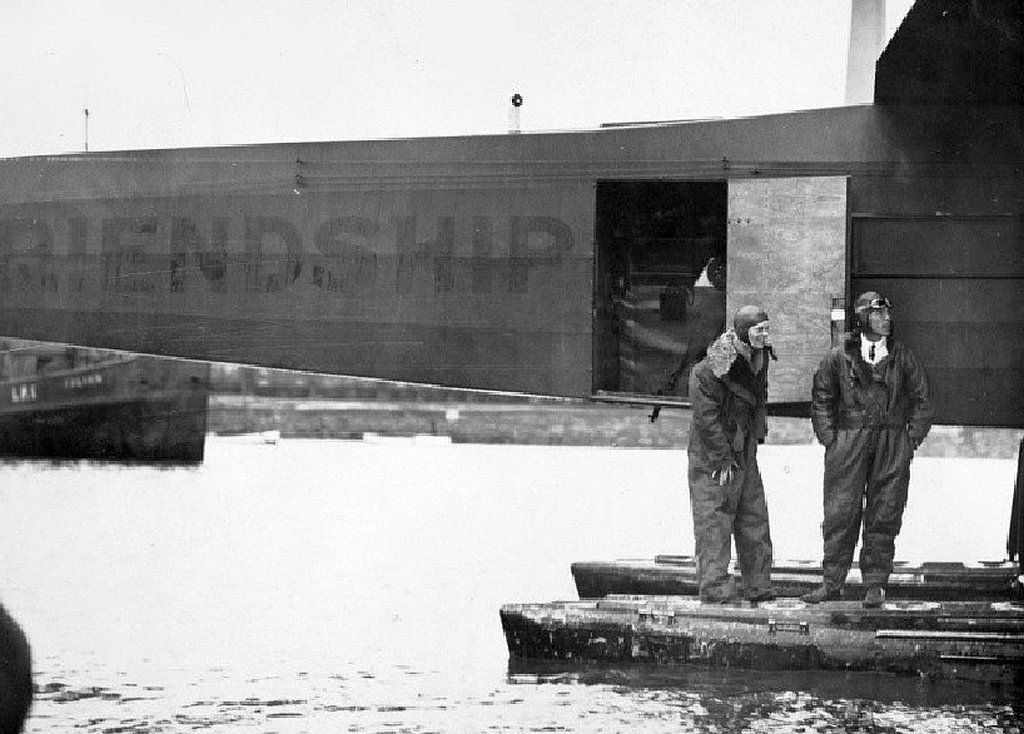
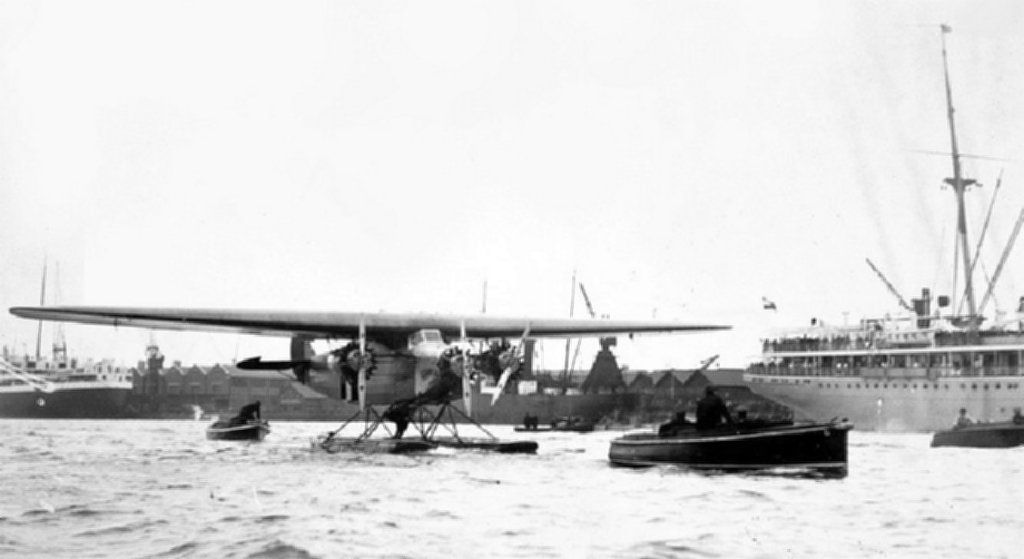
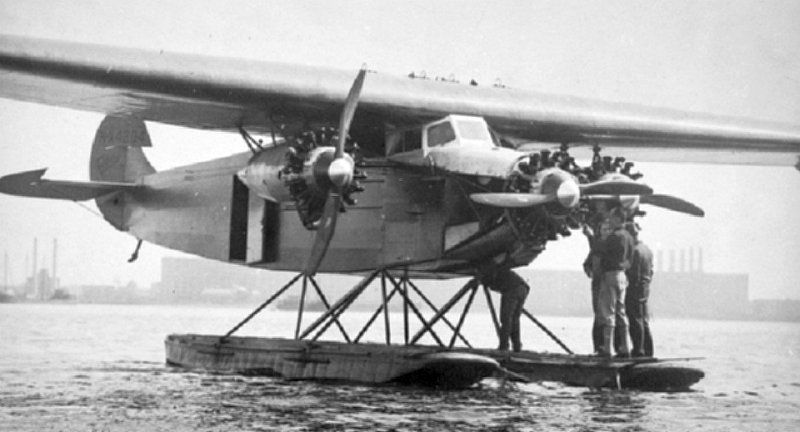
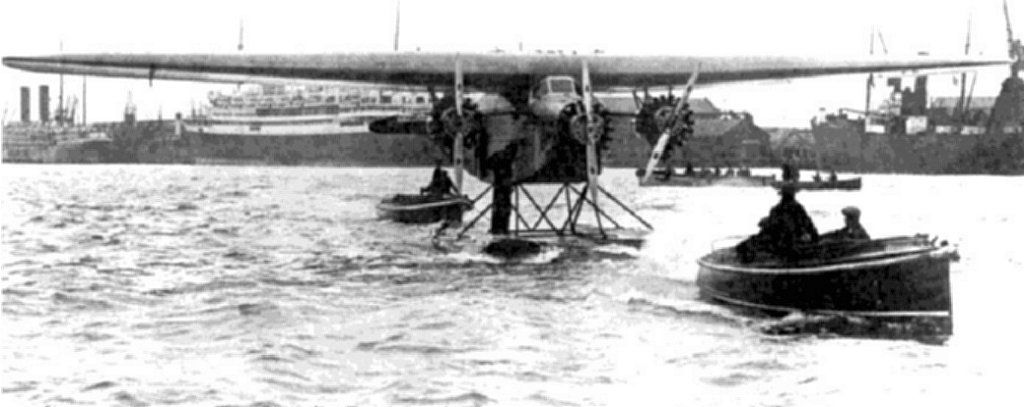
Fokker F.VIIB/3m Friendship
The aircraft had been ordered by Commander Richard Evelyn Byrd (1888-1957) to develop exploratory flights to the South Pole, but Henry Ford, sponsor of the new expedition, made his financial support conditional on the use of one of the Ford trimotors that were beginning to populate American airways.
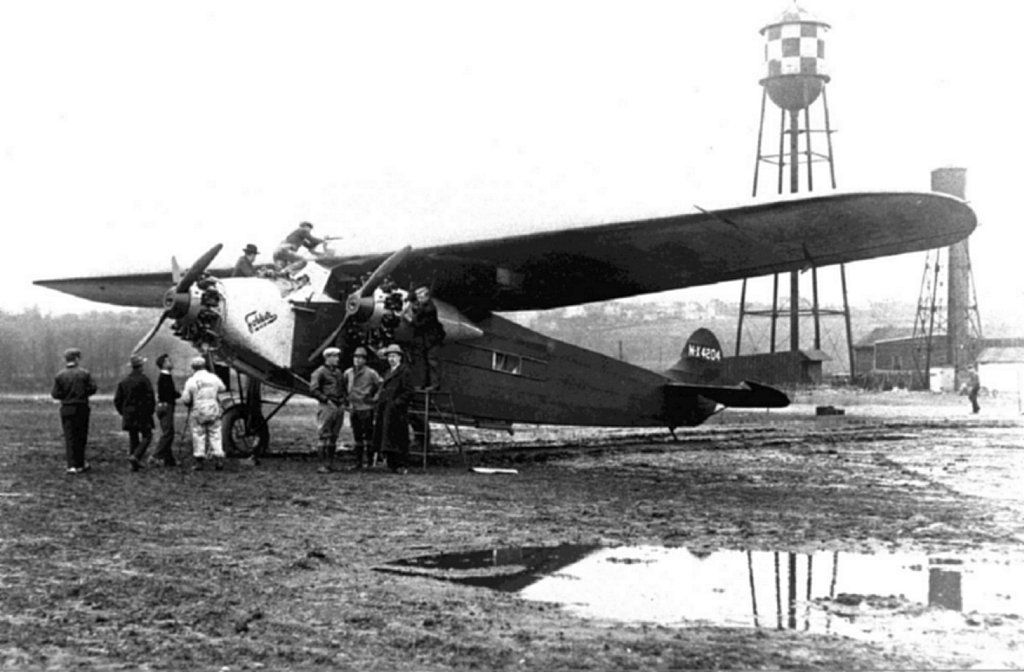
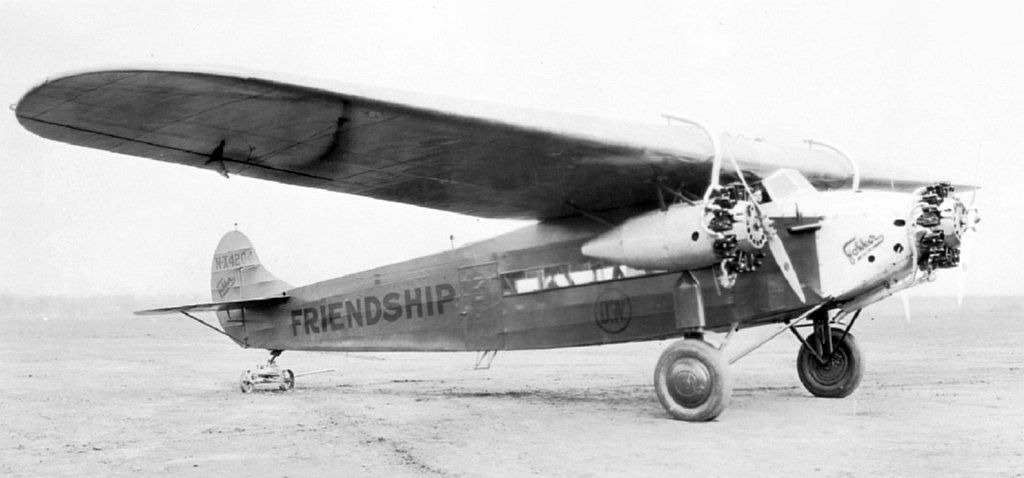
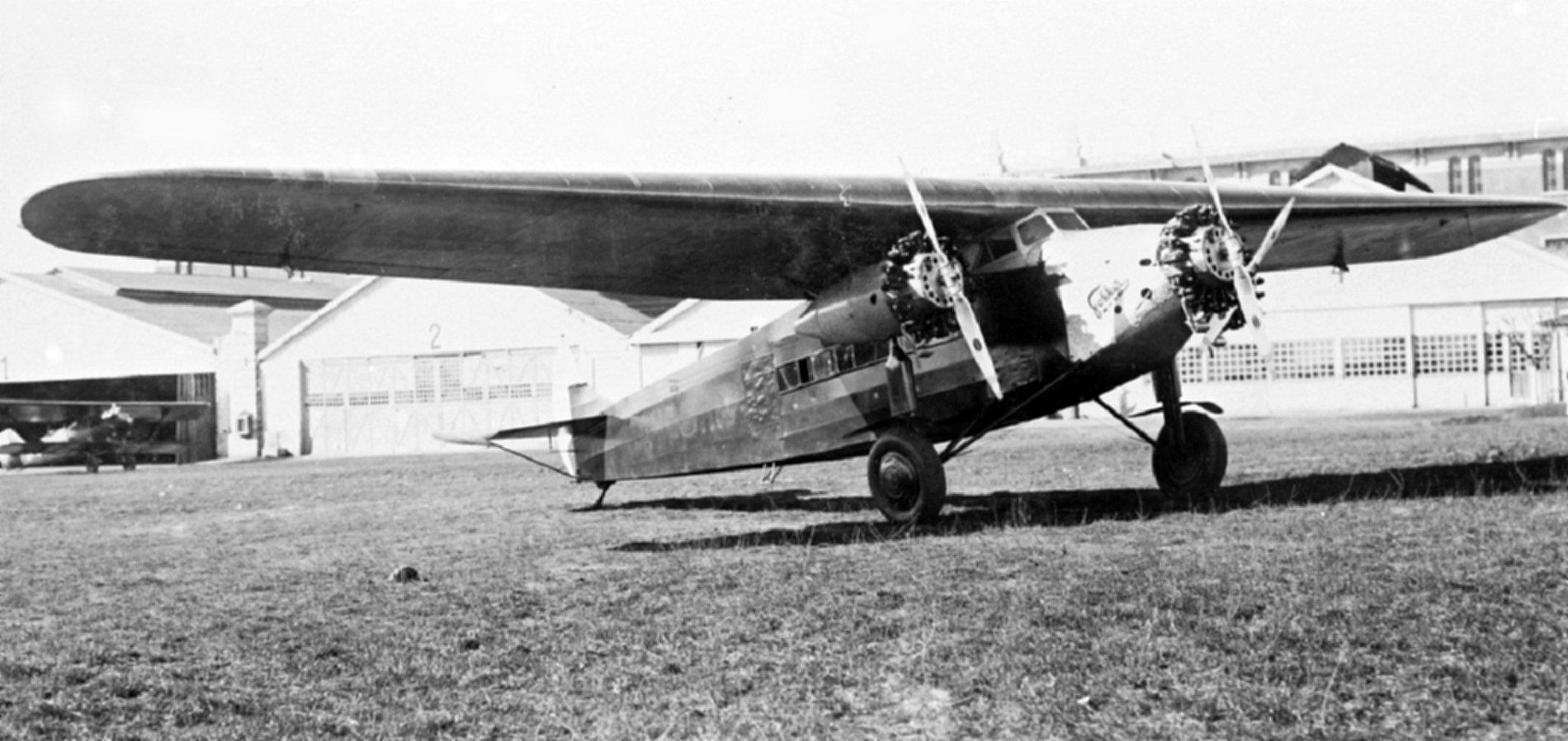
The fuselage was orange-red and registered as NX 4204.
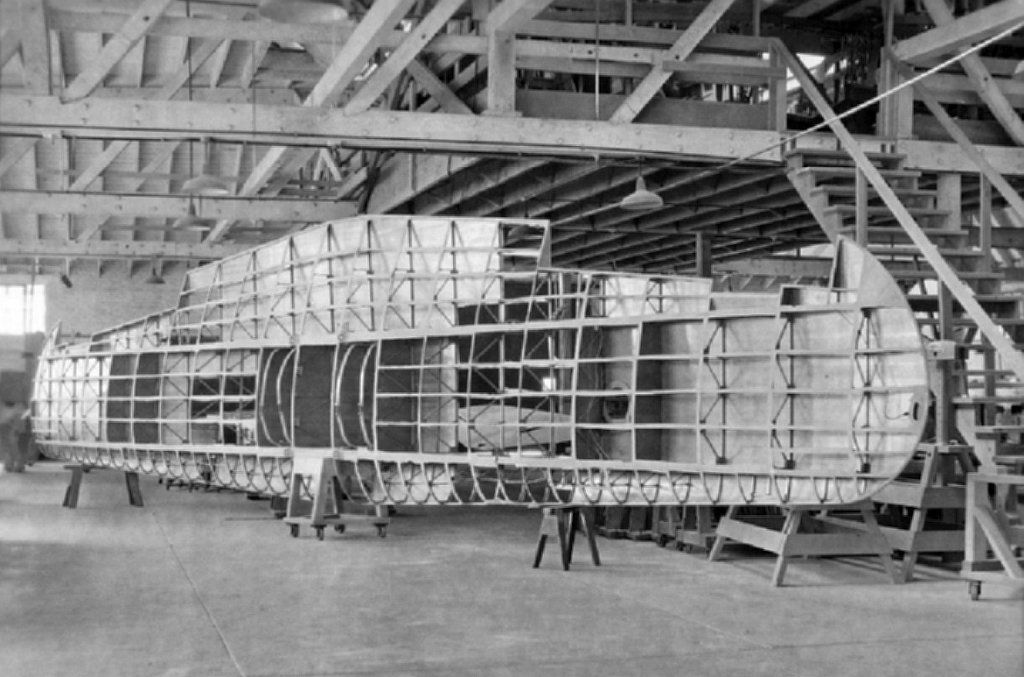
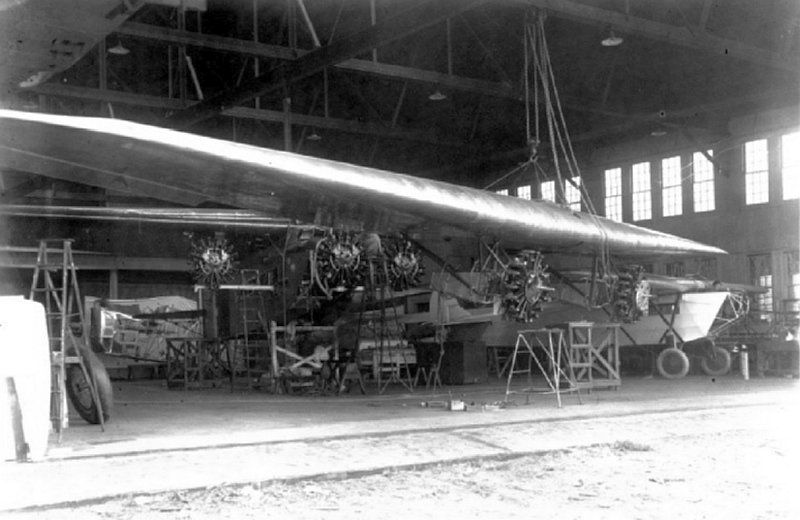
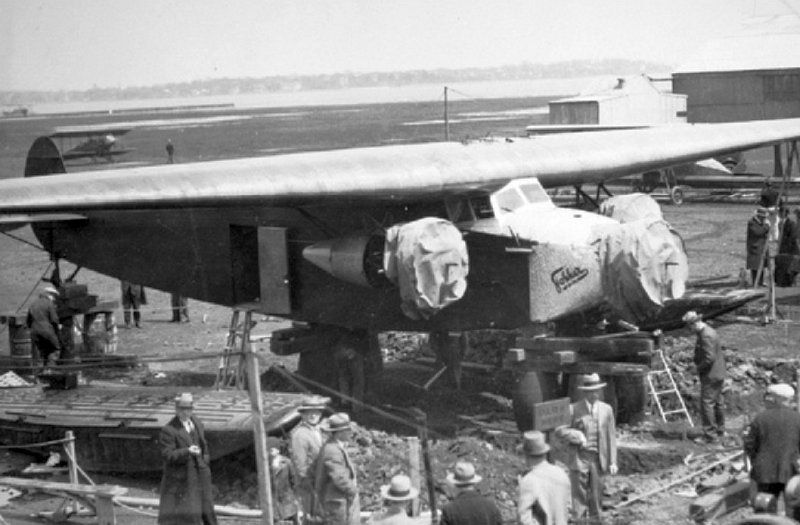
This Fokker F.VIIB/3m was built in late 1927 by the Dutch Aircraft Factory, Amsterdam. The fuselage serial number was 5028, while the plans had serial number 5066.
It was shipped without engines to Teterboro, Jersey where the Atlantic Aircraft Co.
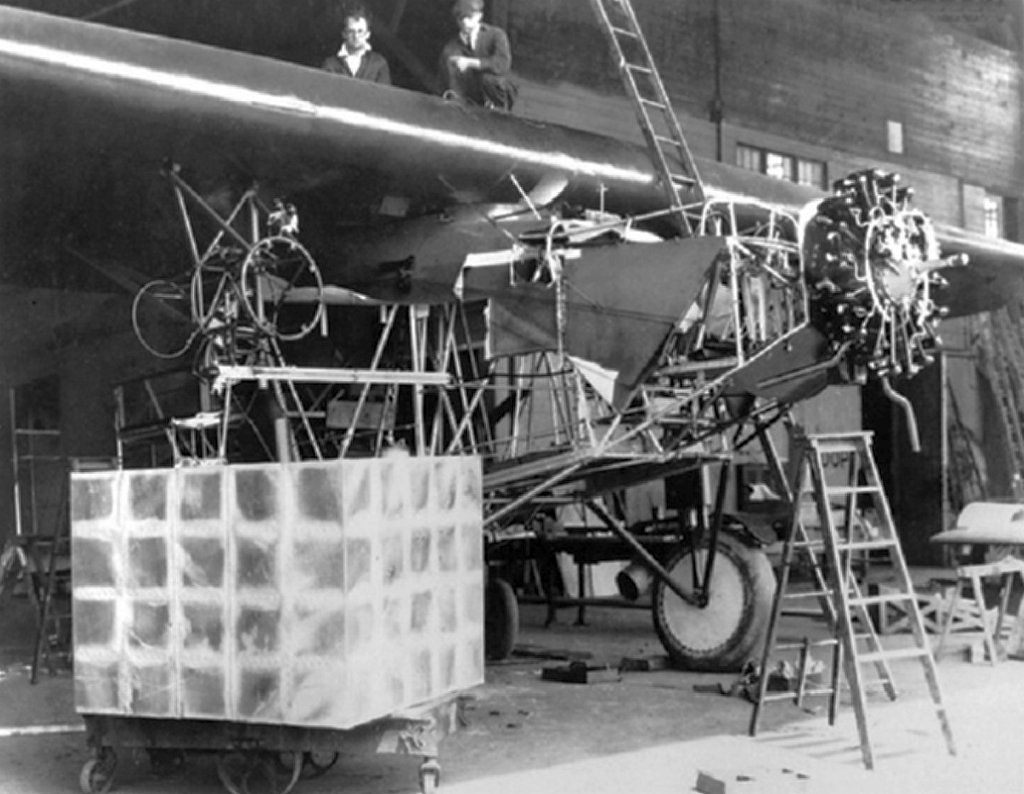
That company installed three Wright J-5 Whirlwind engines of 240 hp each (S/N: 8229 left, 8280 center, and 8321 right) and added two 360-liter wing tanks and two additional 950-liter tanks in the fuselage, bringing the total fuel capacity to 2,620 liters. It made its first flight on February 16, 1928, under the command of Bemt Balchen.
This aircraft was planned for a transatlantic friendship flight between the United States of America and the United Kingdom and was therefore named Friendship.
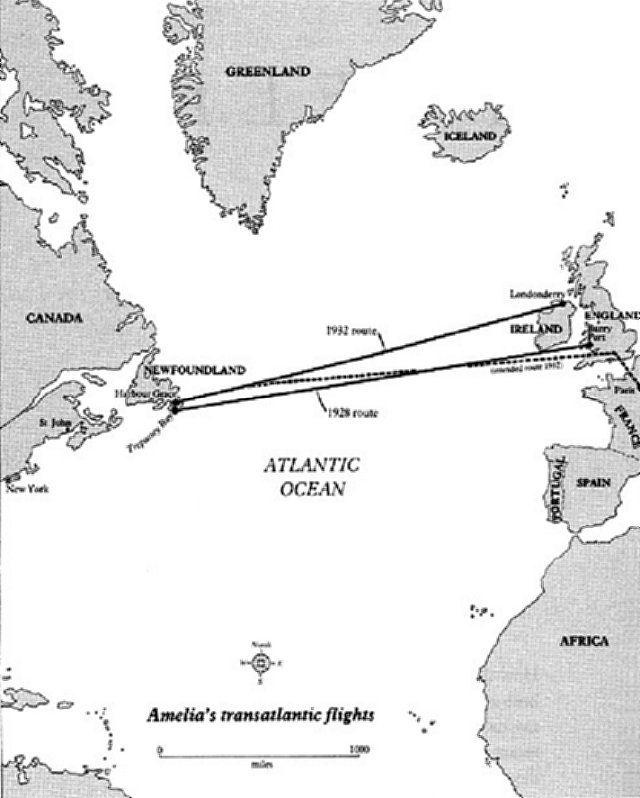
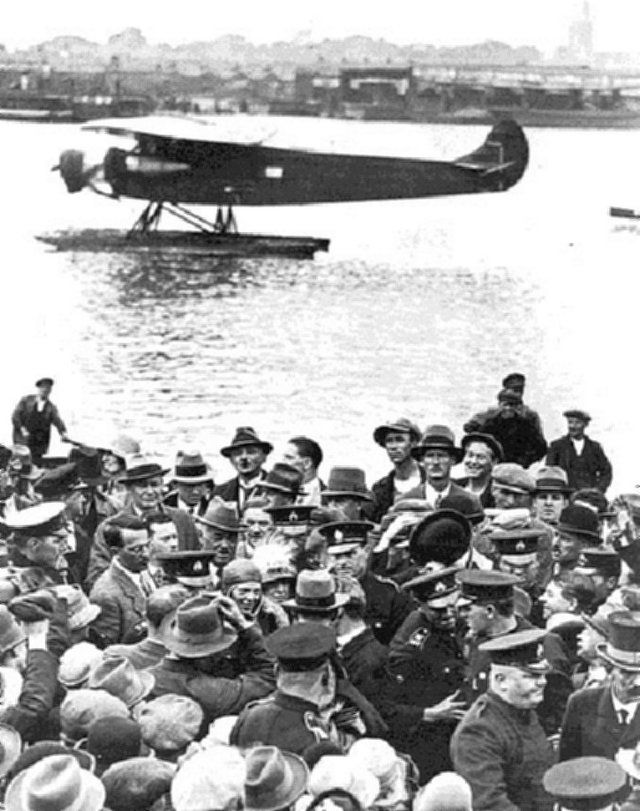
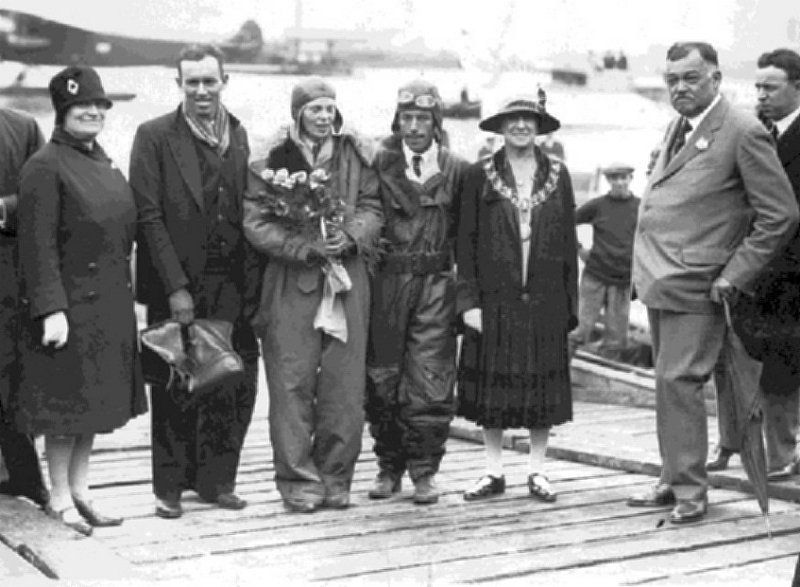
It took place between June 17 and 18, 1928, and was crewed by aviators Wilmer Stulz, Louis Gordon, and Amelia Mary Earhart. They departed from Boston for Newfoundland, but due to bad weather conditions, they had to land in South Wales, Ireland, after an 8:40-hour flight.
They left Boston for Newfoundland, but bad weather forced him to land in Ireland.
However, this feat made the female pilot the first female passenger to fly across the Atlantic Ocean in 8:40 pm.
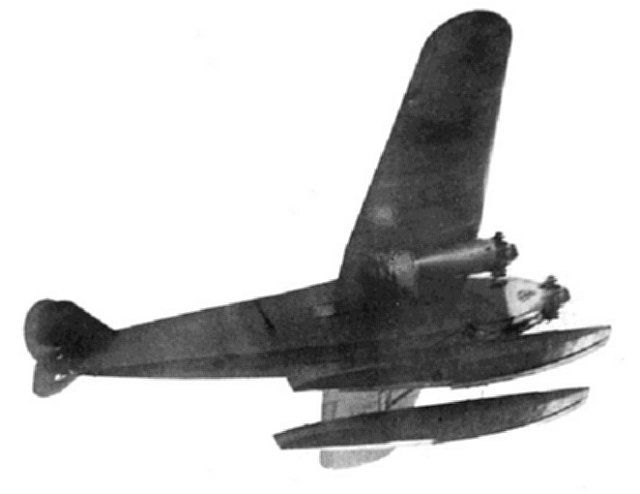
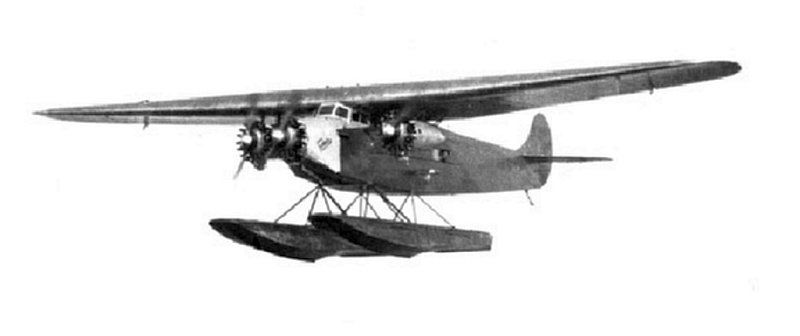
Thus, Friendship became the first seaplane to carry a woman across the Atlantic Ocean.
Arrival in the country
Some time later, the Friendship was modified with a conventional landing gear. In 1925, José Roger Balet established a $50,000 prize for the first aviator to connect Spain and Argentina by air.
José Roger Balet was born in Barcelona on March 3, 1889. At the age of 17, he emigrated to South America. On September 3, 1906, he boarded the Spanish ship Patricio de Zatrústegui, and after twenty-one days, he arrived first in Montevideo and then in Buenos Aires. He began working in the Del Plata market at the intersection of Artes and Cuyo streets. Thanks to his commercial ingenuity, despite the hardships of the early years, he opened the Mundial Bazaar at the intersection of San Juan and Lima streets in 1913, and on May 13, 1915, at the age of 26, he founded the Dos Mundos bazaar at the intersection of Corrientes and Jean Jaures streets.
The store soon opened a series of branches and the headquarters later moved to 312 Callao Avenue at the intersection of Cuyo (now Sarmiento) Street.
In 1929, he was asked about any factor that might have contributed to his triumph: an unwavering faith in this still virgin land for a number of productive enterprises. He never interfered with the militant policies of any party.
He said that governments pass, change, are renewed, and the nation continues its march; it is always united, and for that we must fight and work. These were the concepts that animated his career.
On September 2, 1845, Bernardino Rivadavia died in the house on San José and Cánovas del Castillo streets.
The Spanish Chamber of Commerce in Buenos Aires placed a plaque in this building and launched the initiative to purchase and build a Rivadavian museum.
This group of Spaniards asked Mr. Pelayo Quintero, president of the Academia de Ciencias y Letras Hispanoamericana de Cádiz, to organize the project. Several attempts had been made to acquire the house, but these were unsuccessful, as the owners refused to sell it, claiming it was a family heirloom.
The Argentine colonel in Cadiz, Benito Urreta Saenz Peña, obtained a promise from the president of the Spanish Directory that he would attempt to expropriate it by means of a special resolution if a Spanish association residing in Buenos Aires expressed interest in acquiring it and donating it to the Argentine government. Upon learning of this, Roger Balet met with the President of the Republic, Don Marcelo Torcuato de Alvear, and expressed his desire to acquire the property and then donate it to the Argentine government.
He met with the Spanish Minister of the Interior, who instructed the governor of Cádiz to meet with the owners to ensure they agreed to the sale, or else the property would be expropriated. Given the pressure, they set a very high price for the historic mansion: three hundred thousand pesetas.
When the Argentine government agreed, Roger Balet purchased the property through the Bank of Spain, and on October 12, 1928, the day Dr. Hipólito Irigoyen became President of the Republic for the second time, he signed the corresponding deed. Roger Balet said: "I decided to carry out the transaction on that day because it was such a symbolic day for both nations." At the time, Mr. García Mansilla, grandson of Manuel José García, Minister Plenipotentiary of the Rivadavia government, was Argentina's ambassador to Spain.
Events, circumstances, and changes in government made it impossible to transfer this house to the Argentine nation, despite Balet's repeated visits to the Presidency of the Republic. The donation was proposed in writing on April 3, 1929, and reiterated in 1930, but no decision was made, and therefore the donation was not notarized. The deed of ownership had been lost, and a duplicate was obtained, containing all the legal requirements. This copy was officially presented to the Vice President of the Nation, Dr. Ramón Castillo, on September 2, 1941, coinciding with the 96th anniversary of Bernardino Rivadavia's death. This act reached a height of emotion when Roger Balet presented the Head of State with the deeds and keys to the historic Cádiz house, thus adding it to Argentina's heritage abroad.
Fifteen years had passed since the purchase, and on the morning of December 17, 1943, Casa Rivadavia in the city of Cádiz was handed over to the Argentine state. The ceremony took place in the building itself, at the consulate headquarters on the third floor. The ceremony began with the notary reading the deed of handover and the receipt of the signature.
Afterwards, the poet José María Pemán gave a speech in his peculiar style, with sentences such as: Here, on the first floor of this house, surrounded by a very Spanish atmosphere, with two beautiful nieces from Cadiz, related to one of the last viceroys of the River Plate, died Don Bernardino Rivadavia, the first of the Argentine statesmen... From this moment on, not only was led the creation of a museum, but also the initiative to create in this house a Center for Historical and Economic Research with an exhibition of Argentine products, an exhibition of Argentine newspapers and magazines, a conference and concert hall, in short, a true cultural center, the project of which was the work of the Argentine consul Tito Livio Froppa, but which unfortunately did not come to fruition.
Nicknamed the Sower of Schools, he founded 48 public schools in Argentina, 5 in Uruguay, and one in Chile. He died in 1973 at the age of 84 in Buenos Aires.
To carry out the transatlantic flight between Argentina and Spain, military aviator Lieutenant Claudio Armando Mejía and civilian pilot Diego A. Arzeno went to the United States of America on May 11, 191951, where they bought the trimotor that was for sale at Le Roy airport in New York.
It was acquired on the orders of Balet and the owner of a famous bazaar named Vignoli also took part, with the aim of carrying out the planned robbery.
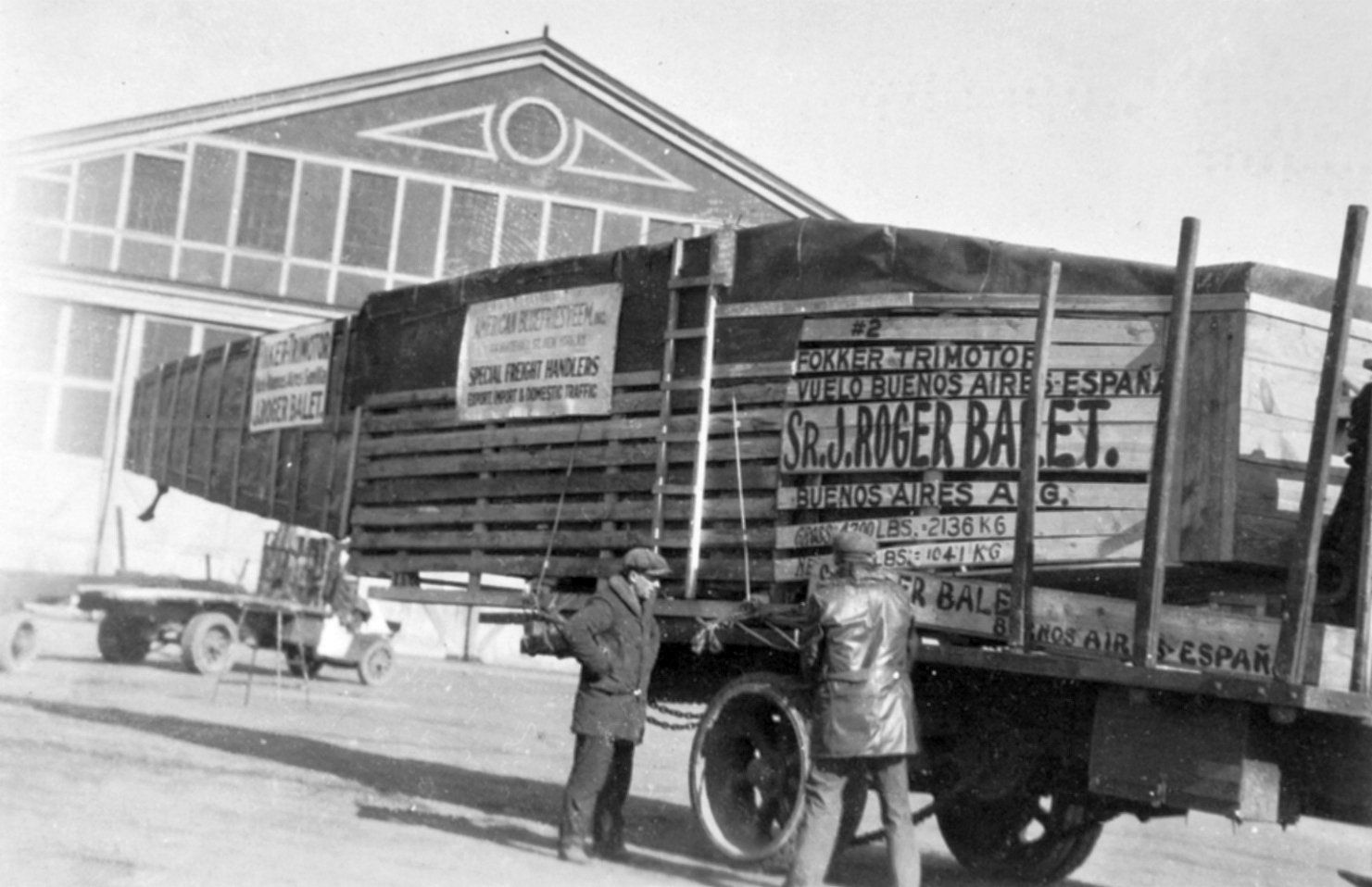
The three-engine was disassembled, packed and sent to Buenos Aires aboard the American Legion on April 19, 1929.
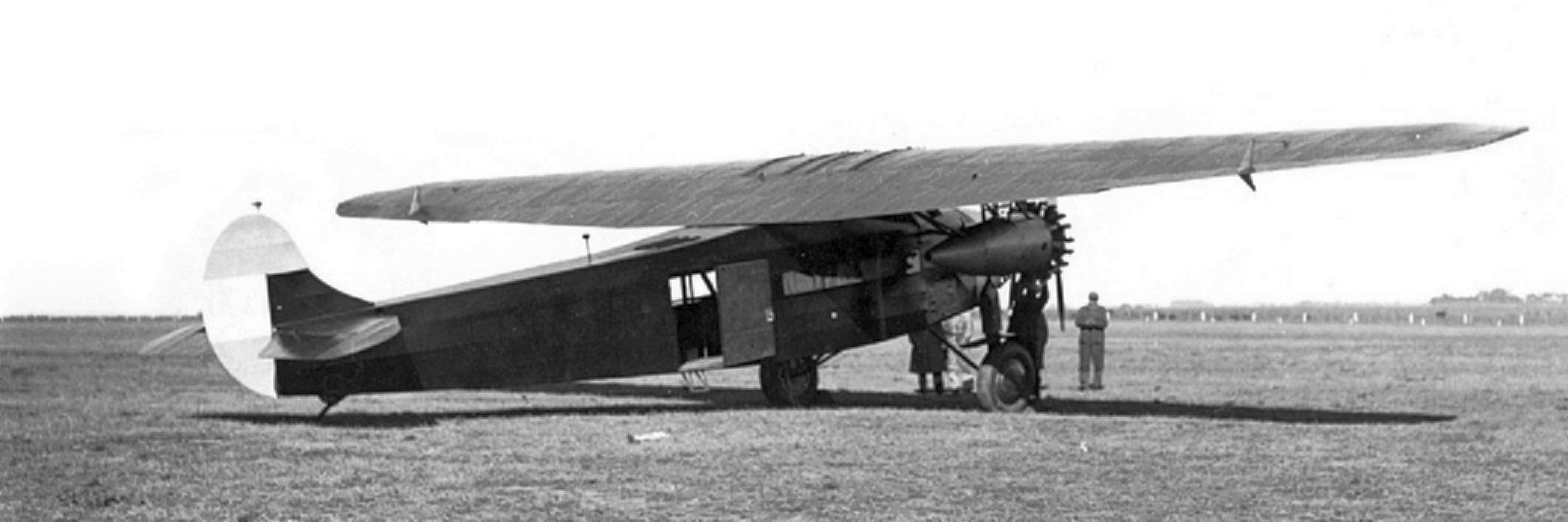
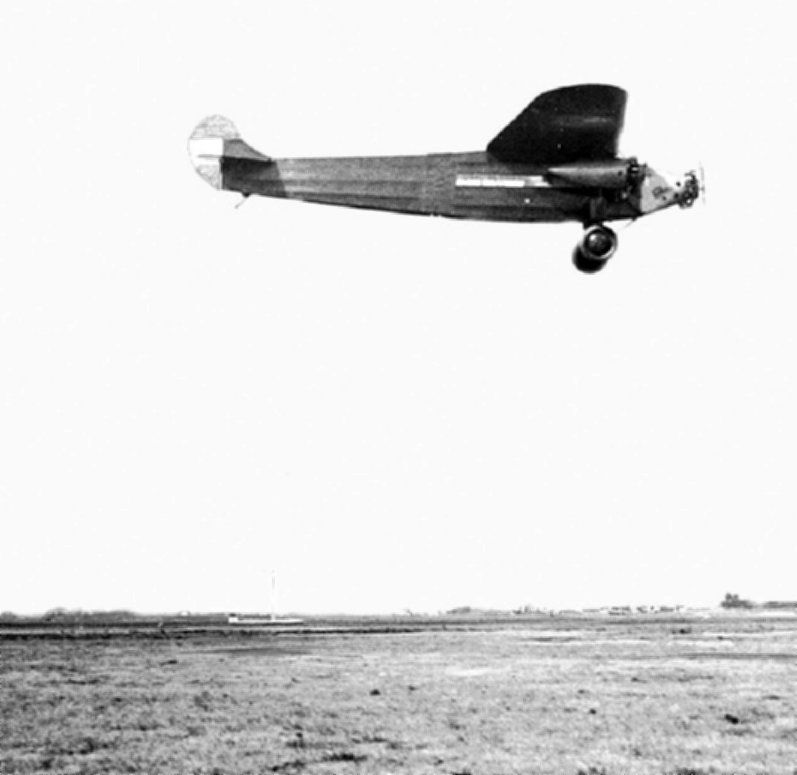
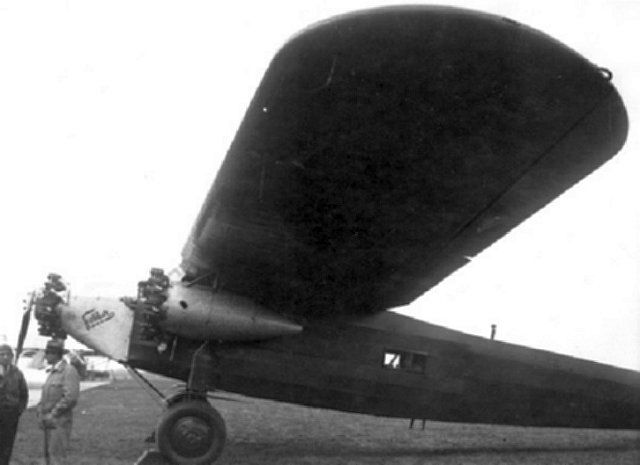
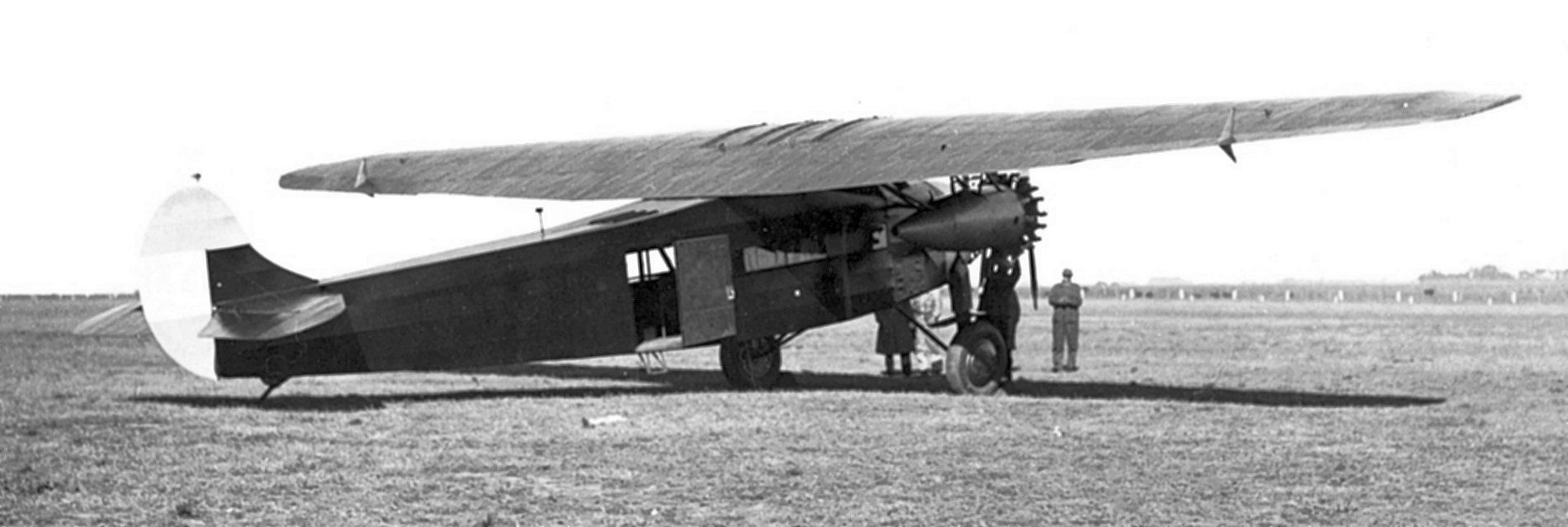
Once in Buenos Aires, it was transferred to General Pacheco Airport, where it was armed. On May 25, 1929, it was christened 12 de Octubre, although it was known in the aviation world as El Colorado because it retained its bright orange-red color with a slight variation of the Argentine flag painted on the rudder.
From there, it operated flights between June and October, awaiting presidential approval, authorization for a national registration number, and optimal seasonal conditions for the crossing. During this period, Aeroposta, the owner of the hangars, received new equipment, including at least six Latécoère aircraft: two 26-6 models (F-AJGE, F-AJGJ) and four 28-1 models (F-AJIO, F-AJIQ, F-AJLE, F-AIAB), which filled the limited space available. Therefore, it was transferred to the El Palomar military airfield. There, it remained in the hangar of the Artillery Squadron of Observation Group No. 1, without national registration or formal inclusion in the Army Aviation fleet, and Balet retained ownership until early September 1930.
Travel to Chile
At that time, the Republic of Chile was led by Colonel Carlos Paco Ibañez del Campo, who had expelled opponents. Those exiled in France included former President Arturo Alessandri Palma, General (R) Enrique Bravo Ortiz, Colonel Marmaduque Grove Vallejos (former director of the Chilean Aeronautics Department), and Carlos Millán, Agustín Edwards Mac-Clure, and José Santos Salas.
On January 17, 1928, these exiles organized a Revolutionary Committee to overthrow him.
In Buenos Aires, other followers of Alessandri, such as Horacio Hevia, Pedro León Ugalde, Carlos Vicuña Fuentes, Galvarino Gallardo Nieto and Luis Salas Romo, formed a revolutionary committee, and in Chile another was founded.
On January 23, Alessandri Palma met with Marmaduque Grove, Vallejos, General Enrique Bravo Ortiz, Mac-Clure, and Santos Salas in the French port of Calais, marking the beginning of a conspiracy to overthrow the Chilean president.
But the incumbent government had a well-oiled intelligence network that discovered the maneuver and arrested Major Carlos Millán Iriarte and Warrant Officer Plinio Macaya in Valparaíso on March 7 upon their return from Europe.
On July 31, Grove was relieved of his duties in Paris and discharged from the army.
In May 1929, Grove arrived in Buenos Aires and joined the conspiracy activities.
In February 1930, the revolutionaries, Guillermo García Burr and Aurelio Benavente, traveled to Concepción and contacted officers in the garrison.
About a hundred of them claimed to support the overthrow of the Ibañez dictatorship. Concepción was therefore the ideal place to launch the action.
García Burr went to Buenos Aires to report on the situation and handed over the plan of the Revolutionary Committee of Santiago: General Enrique Bravo was to travel overland to Concepción, arriving there before September 17, 1930, and lead the uprising.
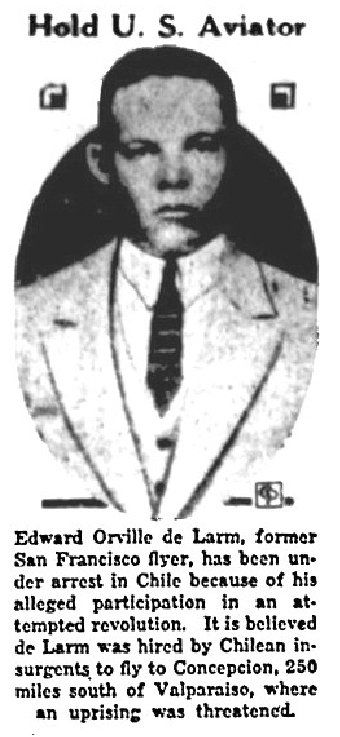
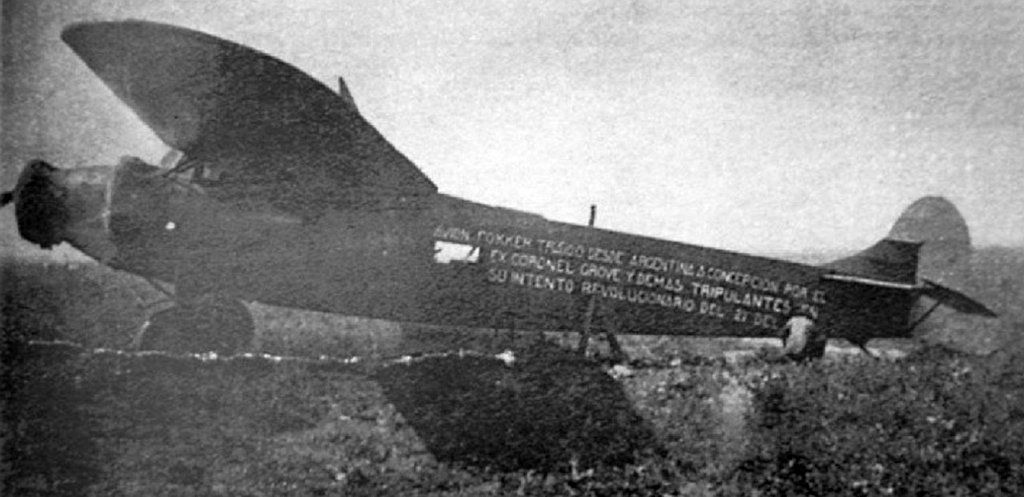
Under these circumstances, the three-engined 12 de Octubre was sold to the Revolutionary Committee on September 10, 1930, for the sum of 75,000 (Chilean currency) with funds contributed by other exiled compatriots led by Colonel Grove Vallejos and General Bravo Ortiz. The owner of the newspaper Crítica, Natalio Botana, intervened to avoid covering up the operation and to conceal the true owners and their intentions. The revolutionary conspirators then hired former NYRBA pilot Edward Orville de Larm and his compatriot Ralph E. Smith, who lived in Buenos Aires.
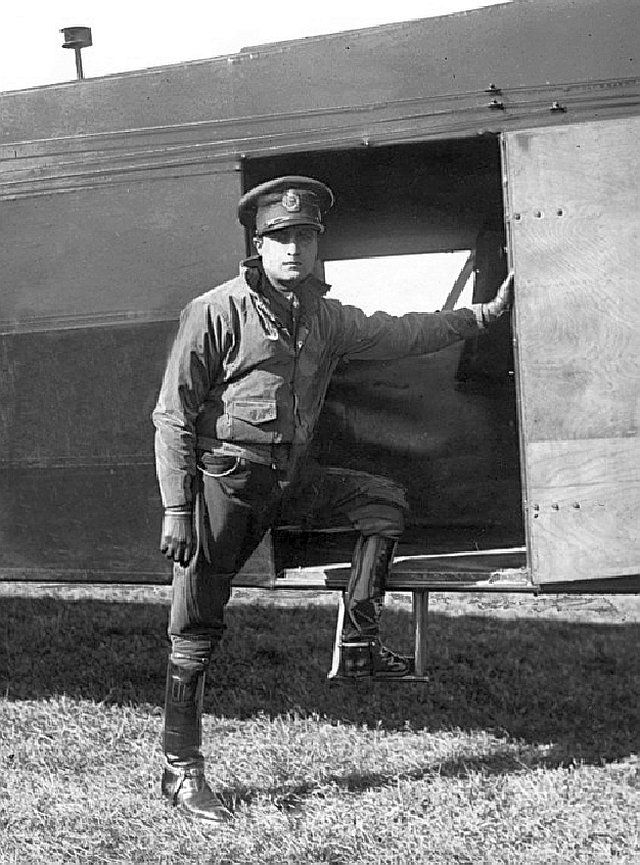
On September 20, it took off from Morón under the command of pilot Edward Orville de Larm and mechanic Rodolfo E. Smith, with General Ortíz, Colonel Grove Vallejos, Salas Romo (a former senator), Pedro León Ugalde, Professor Vicuña Fuentes, and José Luis Sánchez Pizarro on board. The flight made a stop in Mar del Plata and continued to the city of San Rafael in Mendoza, where it landed at 3:30 p.m. to refuel. However, the garrison commander detained them until 11:00 a.m. on Sunday, the 21st, to check their documents. It finally landed shortly after 4:00 p.m. on September 21st, in Hualpencillo at the Concepción racecourse, to demand what would become known as "The Plot of the Red Plane."
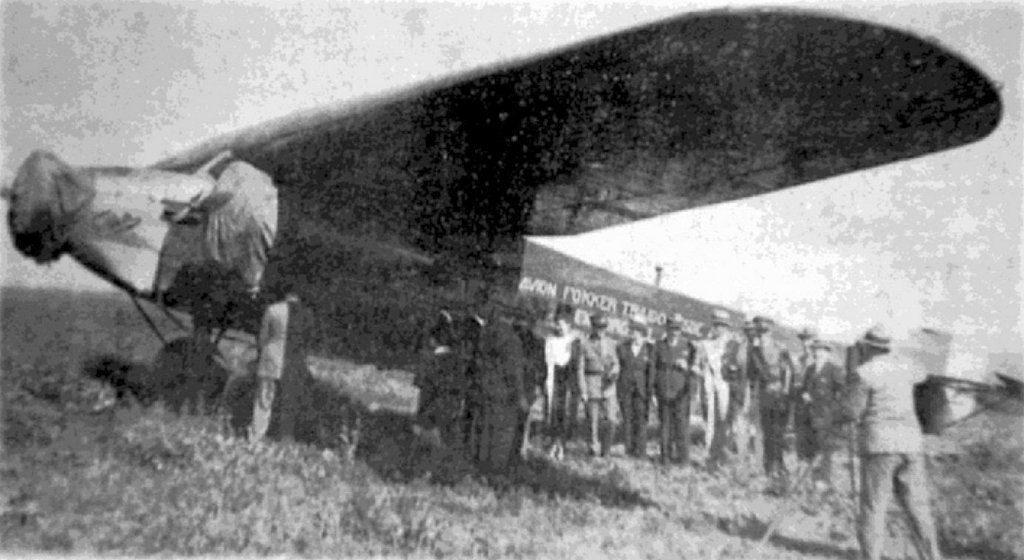
The Chilean revolutionary attempt failed, the leaders were imprisoned on Easter Island until February 1931, and the aircraft was captured from the revolutionaries and confiscated by the government.
This episode became known as the flight of the red plane. One of the photographs published in Volume I of the History of the Chilean Air Force shows the following inscription painted on the left side of the red-orange fuselage: AVION FOKKER TRAIDO DES DESDE ARGENTINA A CONCEPCION POR EL EX CORONEL GROVE Y DEMAS TRIPULANTES EN SU INTENTO REVOLUVIONARIO DEL 21 DEL…
(FOKKER AIRCRAFT BROUGHT FROM ARGENTINA TO CONCEPCION BY FORMER COLONEL GROVE AND OTHER CREW MEMBERS IN THEIR REVOLUTIONARY ATTEMPT OF THE 21ST...)
Continuity of aircraft service in Chile
The three-engined aircraft was brought to Santiago by Ensign José Pérez Castro to join the fleet of five Ford 5-AT-C three-engined aircraft of the Líneas Aéreas Nacionales (LAN) as No. 4, operating from Santiago de Chile to Arica.
This line also had seven Fairchild FC-2W2 monoplanes and 17 De Havilland DH.60 Gipsy Moths.
On June 21, 1931, the Colorado is said to have flown over Argentine territory for the last time.
That day, crewed by Chilean Captain Eduardo Larrain, Lieutenant Alberto Fernández Barreira, Warrant Officer Luis Retamales, Dr.
It made other flights to Northern Chile in service of the national airline and it has been established that the Fokker was returned to General Enrique Bravo in November 1931 under DM No. 347 and immediately purchased by the National Air Force (FAN) for a value of $235,727.
Once ownership of the aircraft was regularized, the FAN command ordered an investigation during 1932 to determine whether it was worth undergoing a complete overhaul to maintain its certificate of airworthiness.
The study in question was conducted by engineer Raul Alamos, who determined that it was necessary to invest $1,346,124 in repairs that were not justified, given the amount of the investment, the high operating costs of the aircraft, and its meager capacity for eight passengers.
The report further added that it would have been better to use the Wright J-5 Whirlwind engines, Standard propellers, cockpit instruments and gauges, Low Carbon Steel-1020 steel tubing, and plywood fuselage panels as spare parts for the Fairchild FC-2 single-engine aircraft, particularly number 8, whose remains were awaiting rebuilding in Antofagasta.
There are several versions of the final fate; according to the report, the Fokker 12 de Octubre was decommissioned in July 1932 and its usable parts were transferred to the LAN.
According to another source it was destroyed by accident (or fire) and according to the last source it was returned to its owners in September 1934 (although it is assumed it remained parked in Santiago).
Finally, a similar aircraft, representing Friendship, 12 de Octubre, or simply El Colorado—whatever you prefer—appeared in the filming of a recently released film about Amelia Ehart.
This is the story of one of the many planes that passed over El Palomar during the military.
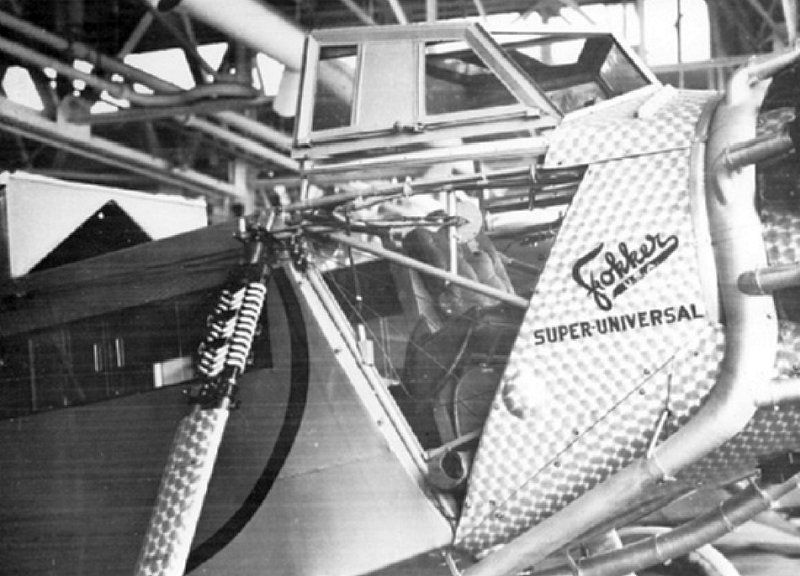
Fokker Super Universal
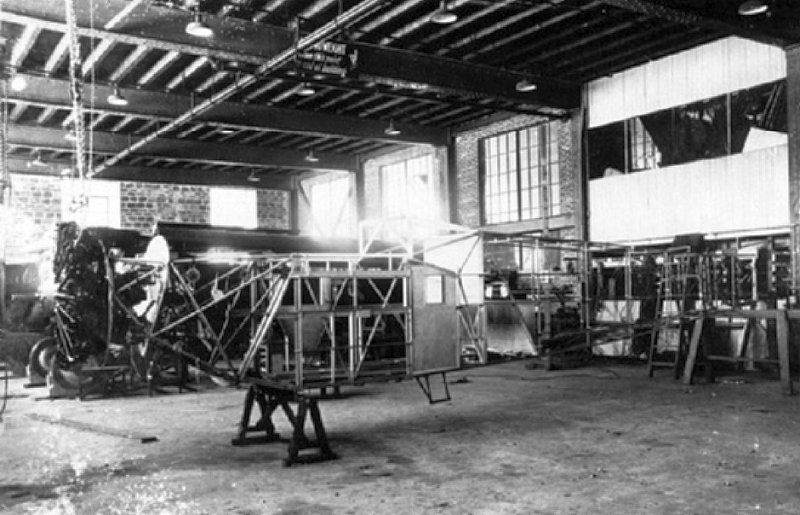
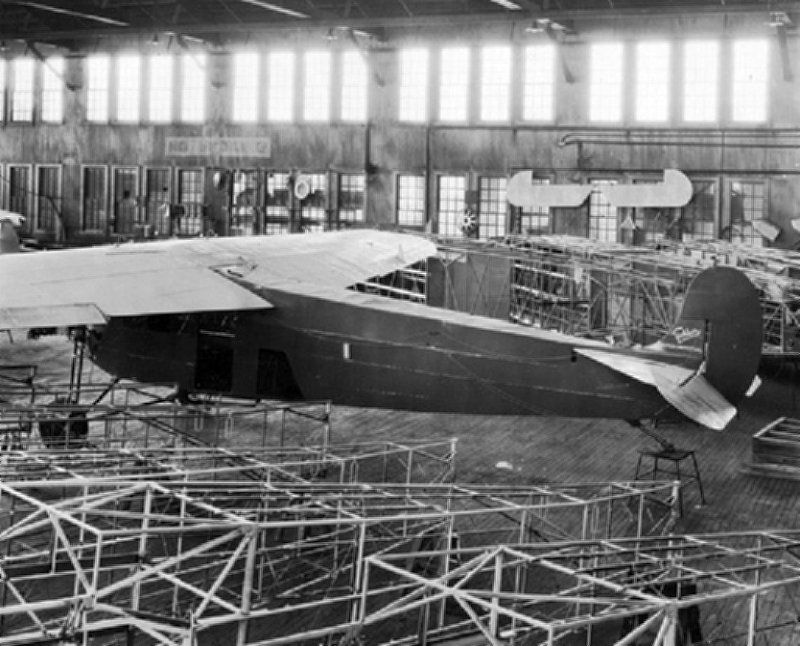
The first of these transport monoplanes was produced by the Dutch parent company in 1928.
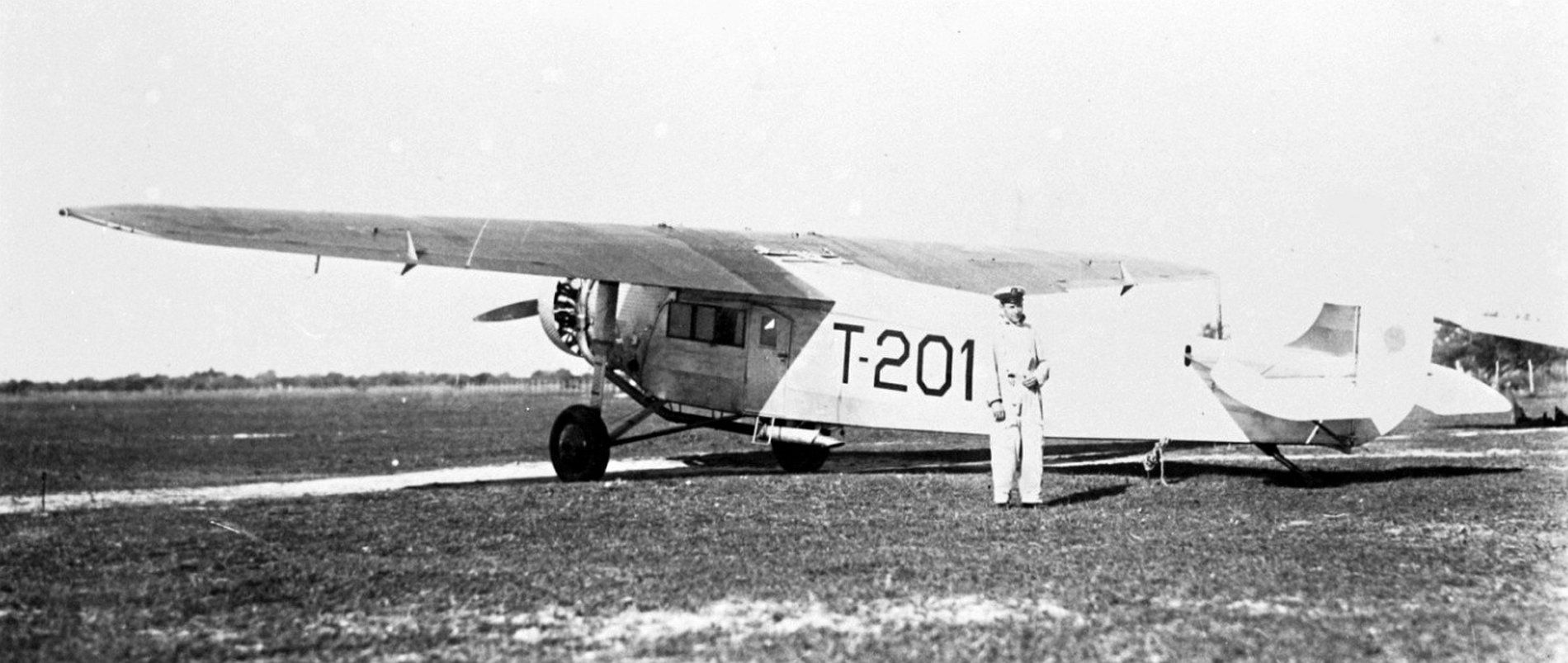
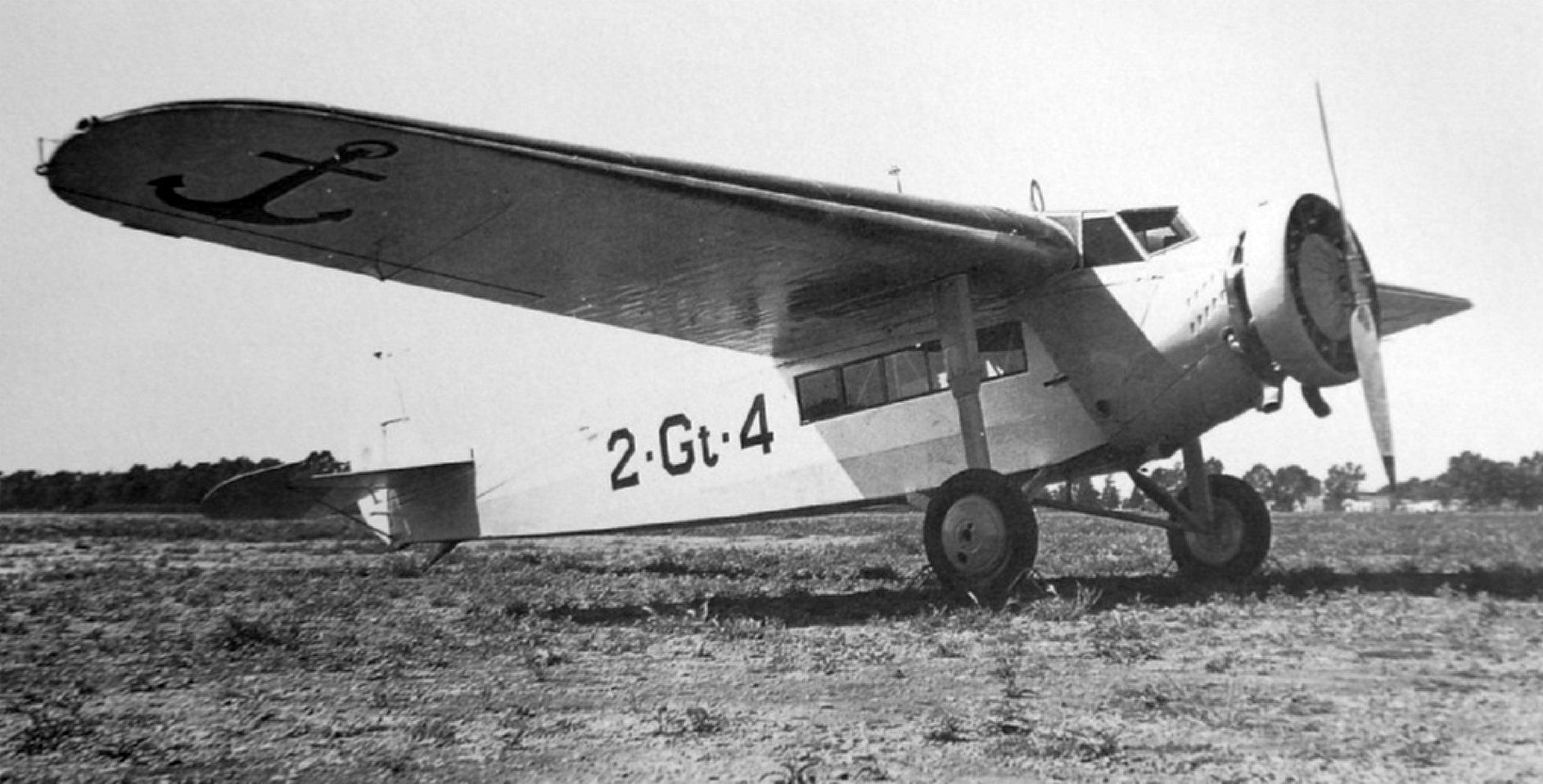
Its large enclosed cabin offered seating for five passengers or the potential for use as a general-purpose aircraft. It was purchased new from the factory in the Netherlands in 1931 for transport.
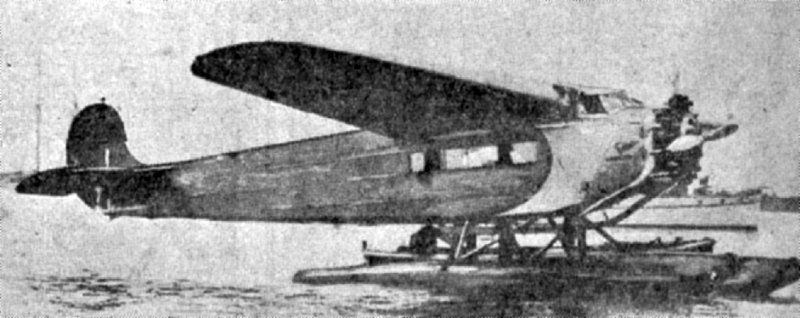
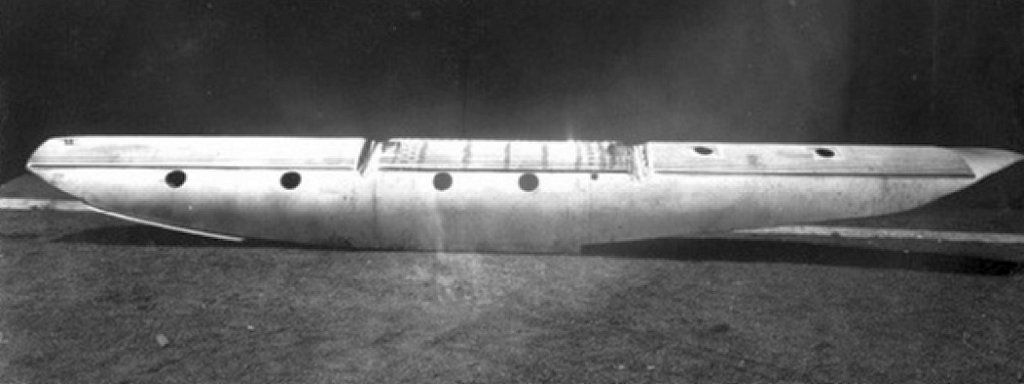
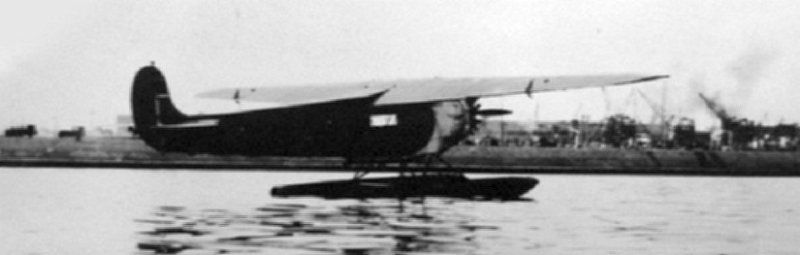
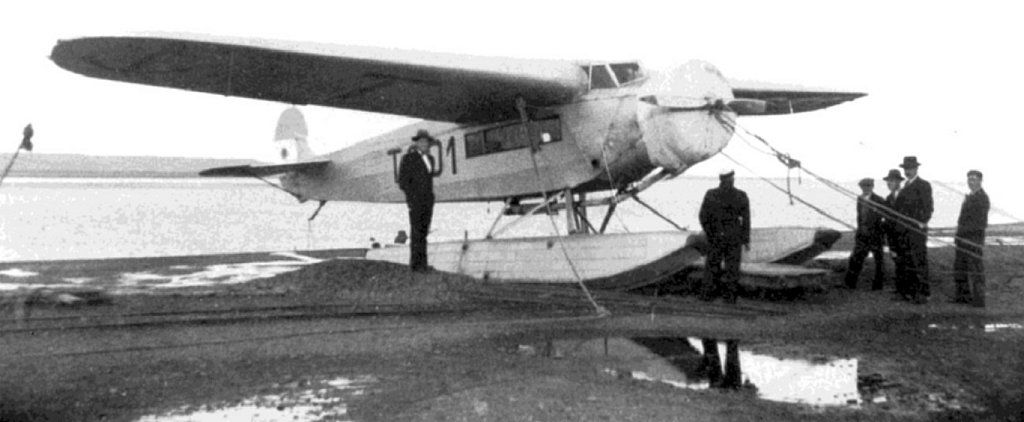
It was equipped with conventional fixed gear but could also carry pontoons; the Navy operated it in both configurations. In 1928, the average cost ranged from $17,500 (land-based version equipped with a 420-hp engine) to $22,450 (pontoon version).
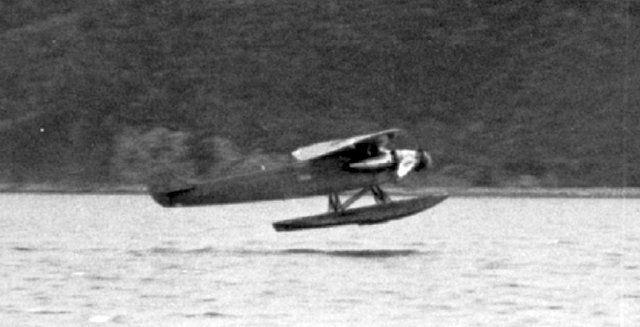
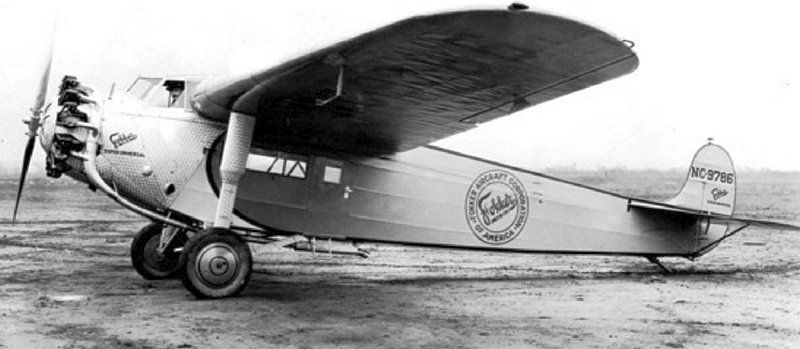
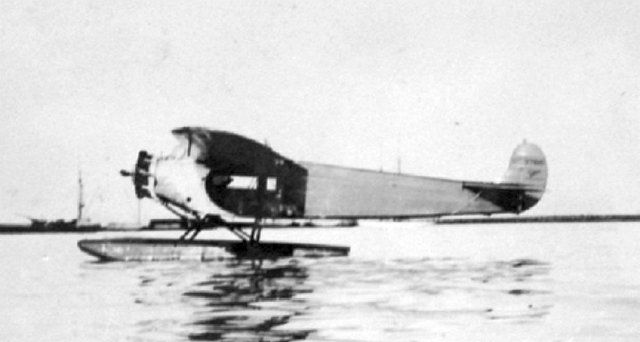
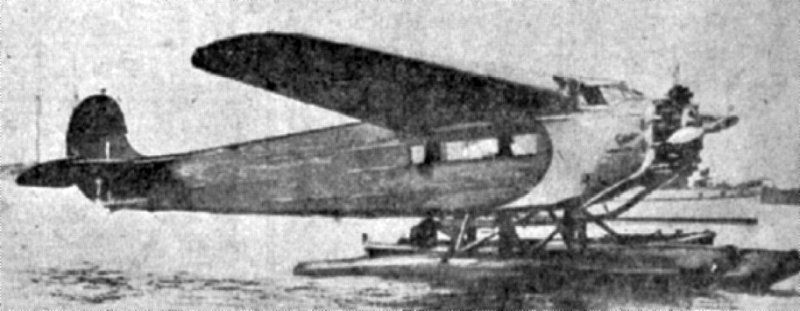
The seaplane (construction number 837) that arrived in the country was registered on May 31, 1929, first as NX9786 and then NC9786. It was purchased by Pan American Airways, equipped with pontoons, and flown in Brazil. The seaplane was painted yellow and resembled the Virginia used by Richard Byrd on his Antarctic flights. It had a 420-hp Pratt & Whitney Wasp radial engine, carried 385 gallons of fuel, had a top speed of 140 mph (225 km/h), and a range of 2,800 miles (4,630 km).
On August 8th, at 12:10 p.m., she arrived at the north dock of the port of Buenos Aires from Rio de Janeiro, via Montevideo, manned by pilots James D. Summers55, Eduardo Bradley, and mechanic Otto Lapzko. She was anchored at the Yacht Club Argentino. On the 17th of that month, she was registered as R128, but her useful life was short-lived as she was disabled during a dive on September 26th.
Aircraft incorporated into the Navy
According to researcher Jan M. Grisnich, it was manufactured in the Netherlands in November 1930 (serial number 879). It originally had a 480 hp Pratt & Whitney Wasp engine. On April 19, 1929, it was delivered to the Corporation of America of Teterboro, Hasbrouck Heights, New Jersey. On January 8, 1931, it was issued Certificate of Airworthiness No. 52 and registered as NC9793 to Atlantic Aircraft Corporation.
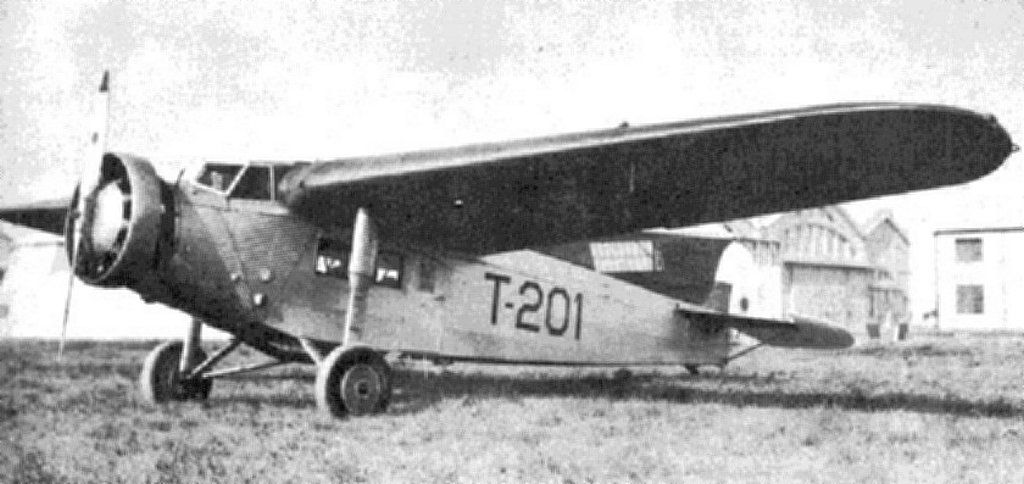
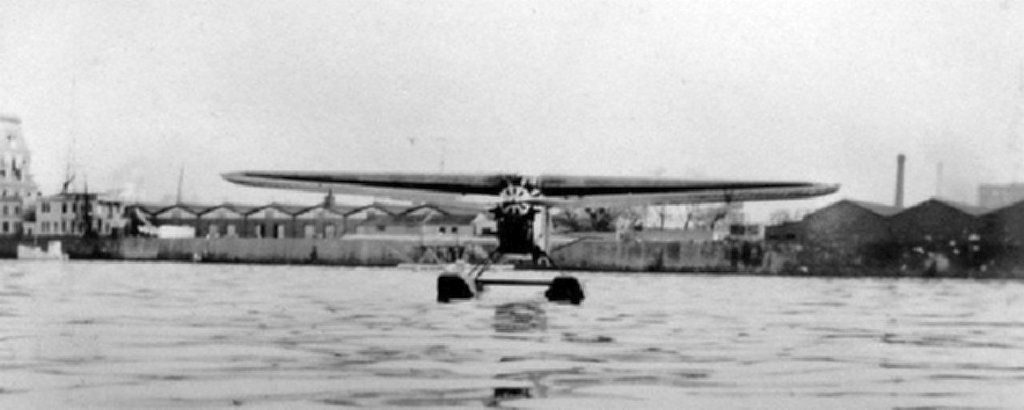
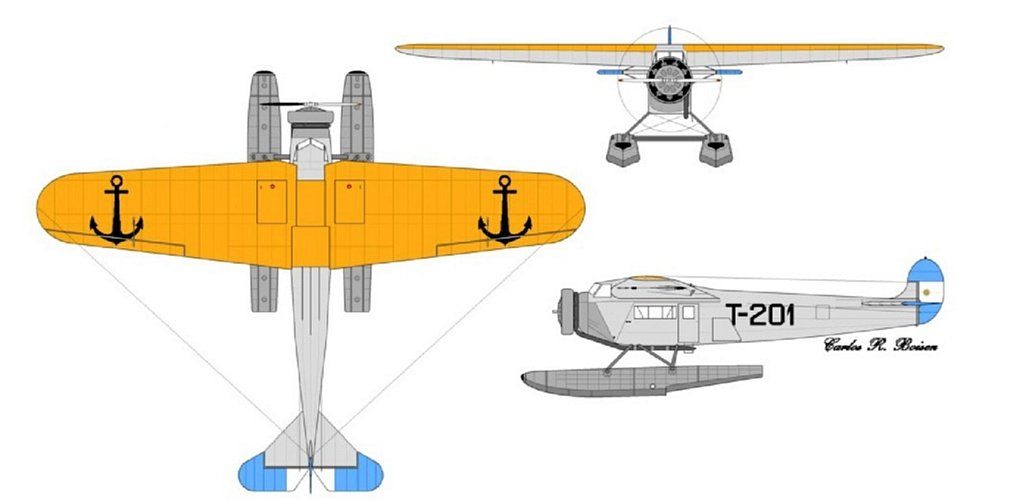
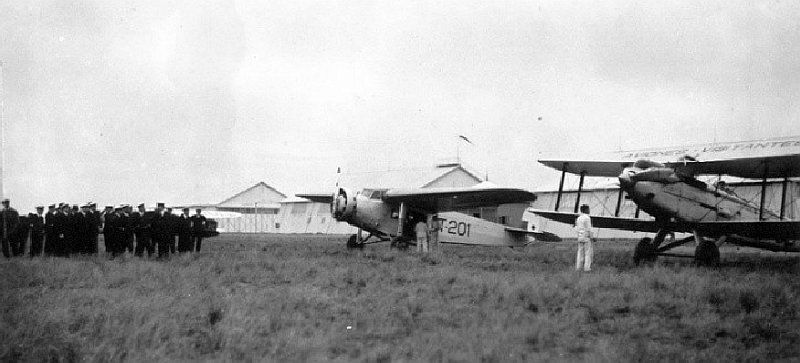
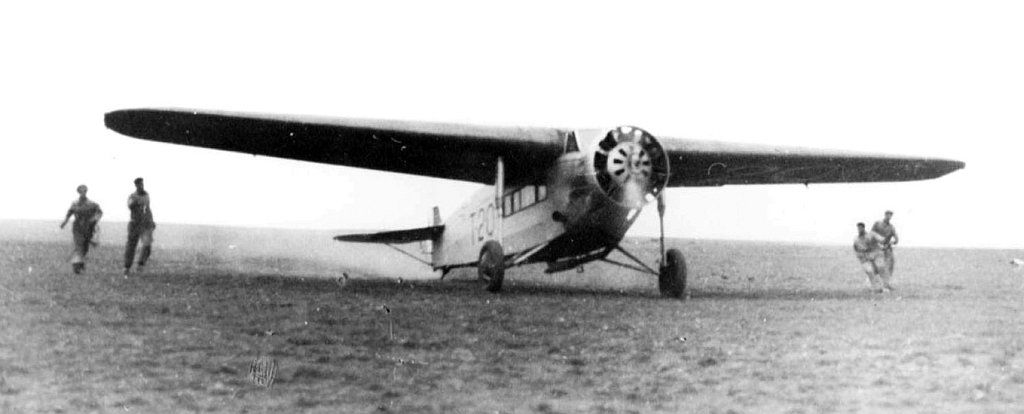
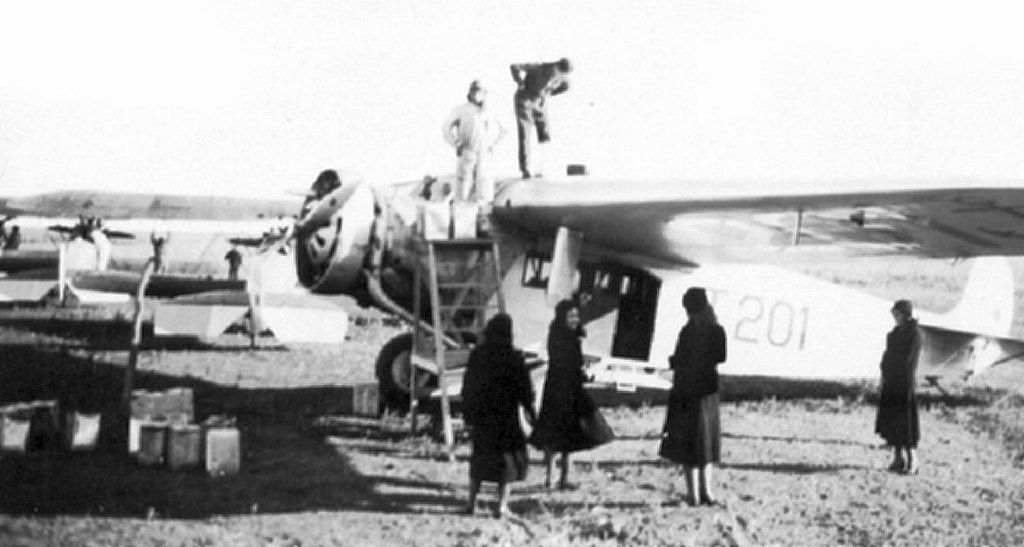
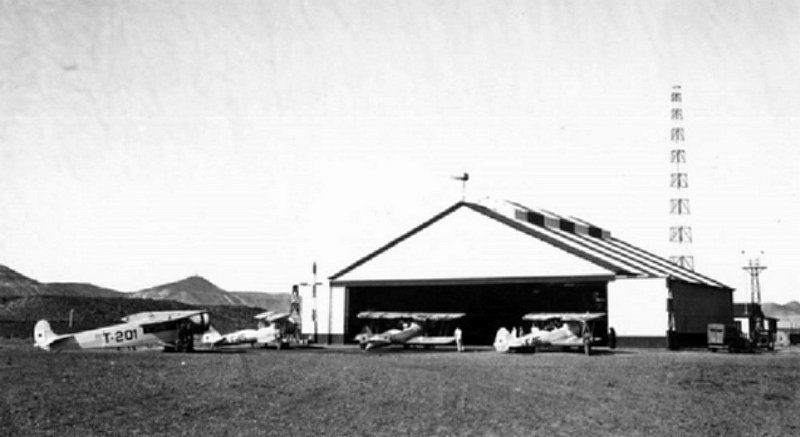
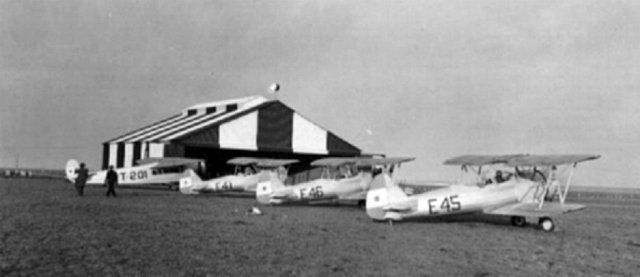
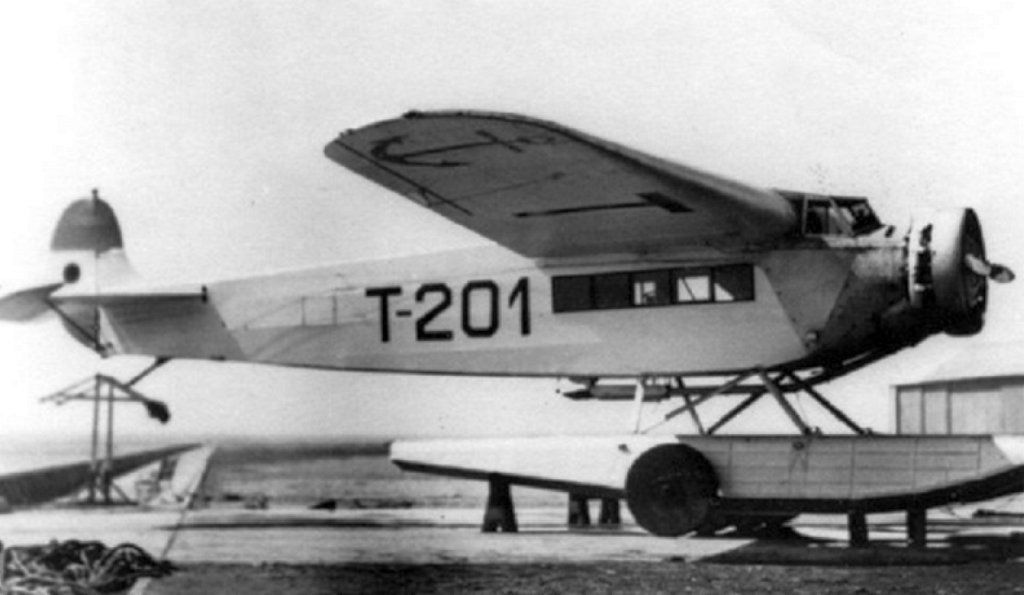
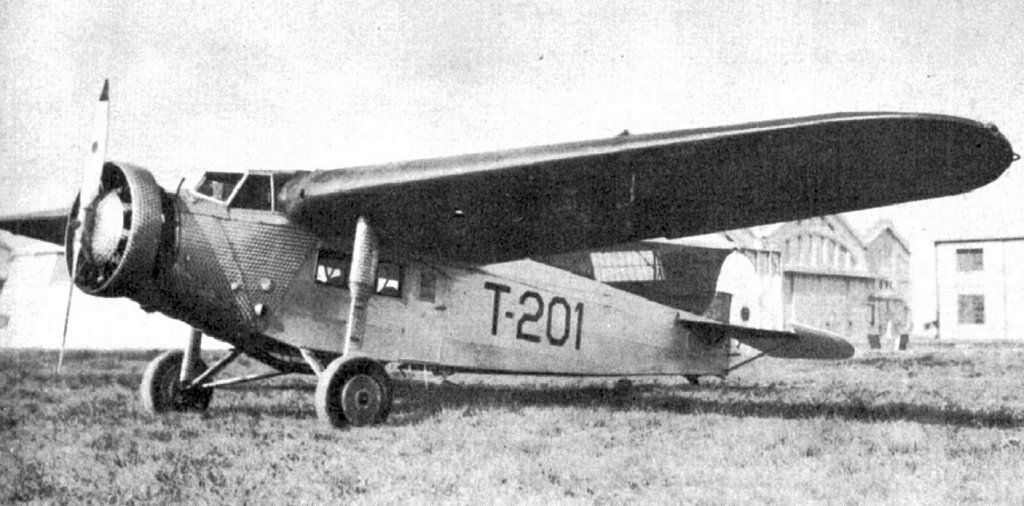
On January 17, it was sold to General Motors Export Co. for $17,950. It was purchased in the United States by the Argentine government (Ministry of the Navy) with a set of pontoons for $3,510 and shipped to Belgium on February 9. It was reportedly unloaded on October 9, 1931, and performed numerous tasks in Patagonia, primarily aerial photography. It was equipped with a 480 hp Bristol Jupiter IX engine and held various registrations: T-1, T-201, 2-GT-4, and 1-GT-1.
Among the most important operations we can mention the following: 27JUL31: An aeronautical concentration was carried out in Corrientes with the participation of the following material: five D-21, two Fairey biplanes, three Huff Daland Petrel 5. The naval air squadron was commanded by Lieutenant Clizio Bertucci. Two Savoia flying boats, crewed by Ensigns Marenco, Medrano, Patrucci and Petty Officer Bazán, left Puerto Nuevo for Puerto Belgrano. Both Savoias remained in Corrientes, together with the Fokker XI58.
10SEP31: Frigate Lieutenant Lorenzo López Naguil with mechanic Labayrú made a raid between Punta Indio, Posadas and return with a transport of parts for frigate ensign Carlos F. Moscarda.
10MAJ32: Raid on Morón, Punta Indio, Morón by a Chance Vought O2U-1A commanded by Frigate Captain Marcos Antonio Zar and Frigate Lieutenant Lorenzo López Naguil with on board the Fokker with Deputy José H. Martínez, Messrs. Rodolfo Medina, Federico Leloir, Guillermo Udaondo and Julio López59.
25OCT32: A squadron composed of Fokker XI Super Universal crewed by Frigate Lieutenant Ernesto Massa and Dewoitine D-21C1 monoplanes crewed by Frigate Lieutenant Edgardo Bonnet, Frigate Ensign Eleodoro Patrucci, Navy Ensign Julio C. Bachini and Petty Officers Horacio Graña, Mario Blanco and Andrés Bazzani made an extended flight south ending on the 30.
24NOV32: Lieutenant Commander Lorenzo López Naguil made a flight between Punta Indio, Morón and return transporting the French Embassy attachés, Lieutenant Commander Juan de Richoufftz and Captain Pedro Defauneaux.
12JUL33: A squadron flight was made between Punta Indio, General Pacheco, Concepción del Uruguay, Monte Caseros, Resistencia, Goya, Santa Fe, Pergamino, and Punta Indio. They flew 2,100 km and returned on July 19.
E-1: Lieutenant Commander Ernesto Massa and Midshipman Arturo Rial.
E-2: Petty Officer Raúl Fraga and Midshipman Armando Payer.
E-3: Petty Officer Horacio Graña and Midshipman CN Monasterio.
E-4: Ensign Raúl Lynch and Mechanic Giovanetti.
E-5: Petty Officer C. Balaguer and Petty Officer E. Molina.
E-6: Warrant Officer A. Bazzani and Petty Officer A. Pizarro.
T-1: Navy Ensign Raúl L. Lynch.
Aerial photographic survey of Isla de Los Estados
Between January and March 1935, a survey was conducted by Captain Ramón A. Brunet at the request of the Navy's Hydrographic Commission. Brunet. It was equipped with pontoons, equipment for vertical and oblique photography, and a heating system necessary for operations at an altitude of 1,500 meters at an average temperature of -25°C.
They left Punta Indio on January 31, with stops in Puerto Belgrano, Puerto Piramides, Puerto Deseado, Rio Gallegos, and Puerto Cook (Isla de los Estados). The crew consisted of Ensign Juan Kay Enemark (pilot), Aeronautical Warrant Officer César Augusto Balaguer (pilot), and Warrant Officer Juan Timossi (mechanic and photographer). He arrived in the operating area on February 1. Flights were made to Flinders Bay, Port Perry, Vancouver, San Juan de Salvamento, Año Nuevo Islands, the Observatory, and Dumpier Islets. Approximately 600 photographs were taken. At the end of the flight, they stopped in Ushuaia where the floats were removed and returned to their base with stops in Rio Gallegos, Puerto Deseado, Comodoro Rivadavia, Puerto Madryn, and Puerto Belgrano, arriving there on May 10, 1935.
Douglas DC-3-294
In 1933, Donald Douglas and Antony Fokker signed a contract to produce American aircraft in Europe. Between August 25, 1934, and July 19, 1937, the Dutch company produced 39 DC-2s and 13 DC-3s for the major airlines in the region (Swissair, KLM, Sabena, Lufthansa, LOT, LARES, Aer Lingus, CLS, etc.).
Two years later, Air France purchased the first Dutch DC-2 (construction number 2122).
It was equipped with two Wright Cyclone 1820 G-103A 1000 hp radial engines and equipped to carry 21 passengers, two pilots, a mechanic, a radio operator, and a stewardess. It was released for service on May 26, 1939. The airline registered the aircraft as F-ARQJ and on June 7, it was designated to fly from General Pacheco Airport in Buenos Aires.
Transfer to Army Aviation
Following Belgium's formal declaration of war against Germany and its allied countries, including France under the Vichy regime, the national government took a series of measures concerning the installations and equipment of the French Air Force. On January 24, 1942, Decree No. 11217264 was issued, authorizing the Directorate of Civil Aviation, an agency of the Military Aviation, to maintain and guard the installations and aircraft of the companies Air France and Servicios Aéreos Condor.
Purchase contract No. 715 was drawn up and countersigned on March 26, 1943, by decree No. 14518265. With this document, the military purchased from Air France the Douglas DC-3 and the Dewoitine D-338, registration numbers F-AQBJ Ville de Chaetres and F-AQBR Ville de Pau. The aircraft were registered under numbers 169, 170, and 17166. After completing the necessary formalities, the three-engine D-338s were assigned to the Transport Group based at El Palomar military air base on May 5 (Reserved Order No. 4), while DC-3 No. 169 was released for service on July 2, 1943. The five aircraft purchased from Air France67 contributed to strengthening the activity of the Junkers JU-52/3m assigned to the Líneas Aéreas al Sud Oeste (LASO) al Noreste (LANE) and other military transport missions.
Among the most important operations performed by the DC-3 in Army Aviation was its use with Junkers Ju-52/3m No. 165 to aid the victims of the San Juan earthquake of January 15, 1944. [68] On July 26, the Commander in Chief of the Army Air Command ordered several measures regarding aircraft paintwork and registration. Reserved Orders Nos. 15 and 58 were issued, which decided to add one or more letters to the registration number to classify aircraft according to their specialty or operational suitability. Since then, it has been registered as T-169.
In November 1944, on the occasion of the military exercises in Pampa de Olaen, it transported General Juan Domingo Perón from El Palomar with a retinue of Argentine and foreign officers, escorted by about twenty aircraft.
Transfer to the Air Force
On January 4, 1945, the T-169 was transferred to the new air force. On September 14, it flew the Minister of War to Cordoba with a retinue escorted by Curtiss fighters of the Regimiento Aereo Escuela (Student Air Force). At 8:50 a.m., the formation was in the Leones-Cañada de Gómez area when it encountered instrument flight conditions and the Curtiss 75-O C-607 crewed by Lieutenant Abel Rubén Bertollo crashed into the DC-3. The twin-engine aircraft made a safe emergency landing, but the fighter pilot was killed when he went down with the aircraft.
That year, the T-169 crashed again on the El Palomar airstrip and remained under repair until January 17, 1946. On November 2, Reserved Order No. 345 was issued, changing the registration of the aircraft T-169, T-174, and T-175 to T-16, T-17, and T-18.
In 1959 it was re-registered as T-01.
Transfer to civil aviation
On December 3, 1970, the aircraft was decommissioned and transferred to the Automóvil Club Argentino with the registration LV-JTC. Its life in this institution was short-lived; on February 25, 1971, it was destroyed when it crashed during takeoff from Teniente Benjamín Matienzo Airport, injuring commander José Antonio Bodas.
The purchase that does not...
Following a series of interpellations concerning the performance of military aviation equipment, the Chamber of Sessions of Congress ratified Secret Law No. 12254 (5 articles) on October 6, 1935, authorizing the Executive Branch to invest $2,200,000 in the purchase of armament aircraft, equipment, ammunition, land trains, mobile workshops, lighting equipment, beacons, communications, radio control for instruction, etc., to meet the operational needs of the Army Aviation. Law No. 12255 was approved along the same lines, allocating $2,000,000 for the equipment of our naval aviation.
LAW No. 12.254 authorizing the Executive Power to invest a sum of money in the purchase of aircraft, armaments, ammunition, etc. to meet the needs of Army aviation The Senate and Chamber of Deputies of the Argentine Nation, meeting in Congress, etc., sanction with the force of Article Iº - authorizing the Executive Power to invest up to an amount of M/N 22,000,000 (twenty-two million pesos of national currency) in the purchase of aircraft, armaments, equipment, ammunition, land trains and mobile workshops, lighting, beacons, communications, radiology, training, etc. to meet the needs of Army aviation.
Art. 2º - During the year 1935, the sum of $7,000,000 (seven million pesos of national currency) and during the years 1936 and 1937, the sum of $7,500,000 may be invested. - % (seven million five hundred thousand pesos of national currency), per year.
The amounts not invested in each of the above-mentioned years will be carried over to the following year or years, in order to ensure full compliance with this Act.
Section 3 - For the implementation of this Act, the Executive Power is authorized to carry out the necessary financial operations and to issue domestic or foreign government securities with an interest rate not exceeding 5% and a cumulative annual repayment of 1% for the amount sufficient to pay the authorized expenses.
Section 4 - The costs arising from the implementation of these regulations shall be borne by the latter.
Section 5 - The executive power shall be informed.
Given in the Chamber of the Argentine Congress, Buenos Aires, on September 28, 1935.
R. PATRON COSTAS MANUEL A. FRESCO Gustavo Figueroa C. González Bonorino Registered under number 12.254 Buenos Aires, October 6, 1935.
CONSIDERATION: Consider it the Law of the Nation, comply with it, communicate it, publish it, send it to the National Register, and file it away when it is done.
JUSTICE. - Manuel A. Rodriguez.
On January 30, 1936, the National Executive established the Joint Technical Commission for Aeronautical Procurement, organized its tasks, and commissioned the international tender for the purchase of the equipment, scheduled to open on April 7. It was composed as follows: for the Ministry of War: Colonel Víctor Majó (chairman); Lieutenant Colonel Pedro Leandro Zanni, Major Bartolomé de la Colina, Major Aristóbulo Fidel Reyes, Captain Eloy Aguilera, Captain Martín Rafael Cairo, and Lieutenant Feliciano Zumelzu. For the Ministry of the Navy: Lieutenant Urbano de la Fuente Olleros, Ensign Vicente Baroja, Chief Engineer Juan Pasciani, and Chief Engineer Carlos Gadda.
On the designated day, the envelopes containing the proposals from the following aviation companies were opened before the government's notary, Dr. Jorge Arturo Cíbert: Bellanca Aircraft Corporation, Seversky Aircraft, The Northrop Corporation, Curtiss Wright Export Corporation, Clemm Martín Co. Societá Italia H. Breda, Tri American Aviation Inc., Cantieri Riunites dell" Adriatico, Societá Idrovolanti Alta Italia Savoia, Fiat Argentina SANU Nederlandsche Vliegtingenfalbrick Fokker, NV Koolhoven Vliegttingen SA, Junkers Flugzengwerke, Henschel Flugzengwerke G.
MBH, United Aircraft Export Company, Société Anonyme des Ateliers d' Aviation Louis Breguet, Bleriot Aeronautique, Société des Aeroplanes Henri Potez, SE. P.E. WE. and The Fairey Aviation Co. Ltd.
On June 3, the Commission informed the Ministry of War that the following factories had been authorized to participate in the competition, which would be held in the country in early September: Société Louis Breguet, Cantieri Riuniti dell' Adriatico, United Aircraft Export Corporation, NV Koolhoven Vliegtuigen, Aeroplani Caproni, Junkers Factory, Societá Idrovolantí Alta Italia Savoia, Association of the Reich, Fokker, Société Ernesto Breda, Tri American Aviation Inc, Bleriot, Potez, Societá Se. Pe. We., Seversky Aircraft Corporation, Bellanca Aircraft Corporation, Curtiss Wright Export Corporation, and Fiat Corporation.
On September 7, a ceremony was held at the El Palomar military air base, chaired by General Basilio Pertiné, where the Joint Procurement Commission began its work. During those first days, tests were carried out on the aircraft presented:
What happened to the Fokker
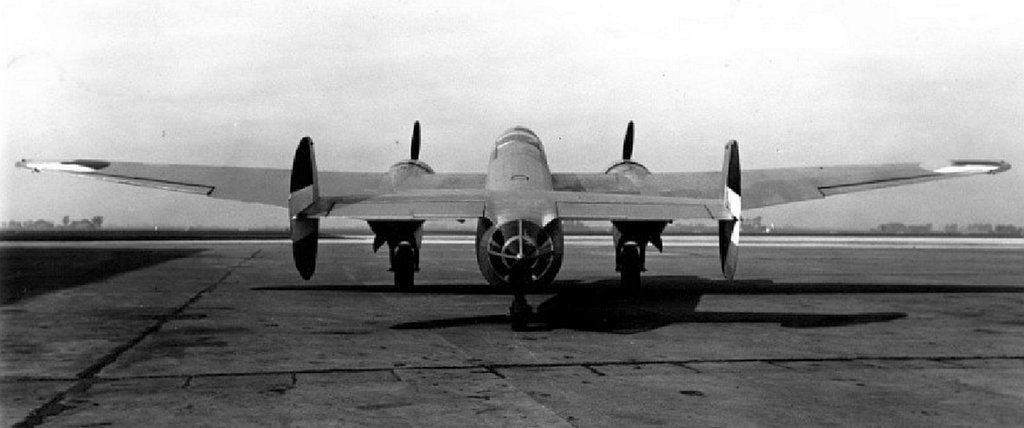
It is currently unknown whether the company would have met the Argentine authorities' requirements to participate in the tender; they had considered offering Fokker CX, C.12, D.XXI, G.1 Faucheur, TV bomber, and the NV Koolhoven-Vliegtuigen models FK.50B and FK.55. However, research by Dutch historian Jan M. Grisnich has revealed that the trade negotiations came to a complete standstill due to a series of events that could not be resolved in time.
Due to the size of the order, Fokker requested permission from the Dutch government, but it refused to offer and ultimately market the D.XXI, as the aircraft had been selected by the army. The Fokker G.1 Faucheur bomber was still being evaluated, and the NV Koolhoven-Vliegtuigen factory was unable to demonstrate its FK.50B and FK.55 models in time. Ultimately, the opportunity for the Dutch aircraft industry vanished completely.