
Fokker V series
This page features scans from our collection. The explanations will be expanded later.
This page still needs to be reviewed by the editor and is therefore a 'sneak preview'.
This page still needs to be reviewed by the editor and is therefore a 'sneak preview'.
The Fokker V series ran from 1916 to 1919 and was largely designed by
Reinhold Platz, who was chief designer at Fokker at that time.
The 'V' refers to 'Verspanningslohs', free-standing or self-supporting.
The M series had tension wires to give the wing its strength, but the V series no longer had these.
The tension wires create significant air resistance, which is detrimental to speed.
(NB The 'V' was later used by Fokker for prototypes (Versuchsflugzeug).
The 'V' refers to 'Verspanningslohs', free-standing or self-supporting.
The M series had tension wires to give the wing its strength, but the V series no longer had these.
The tension wires create significant air resistance, which is detrimental to speed.
(NB The 'V' was later used by Fokker for prototypes (Versuchsflugzeug).
Click on the photo to enlarge the photo
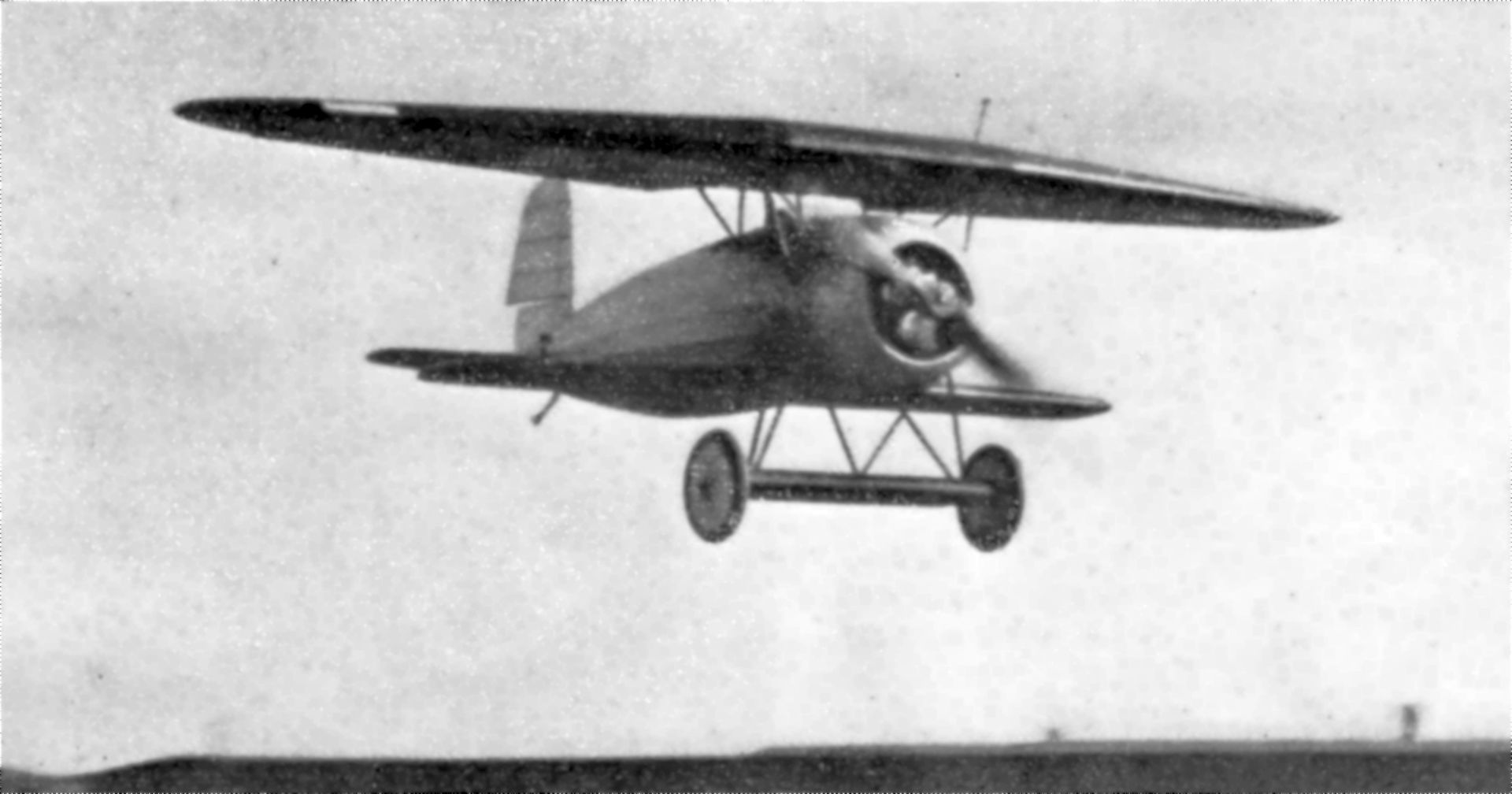
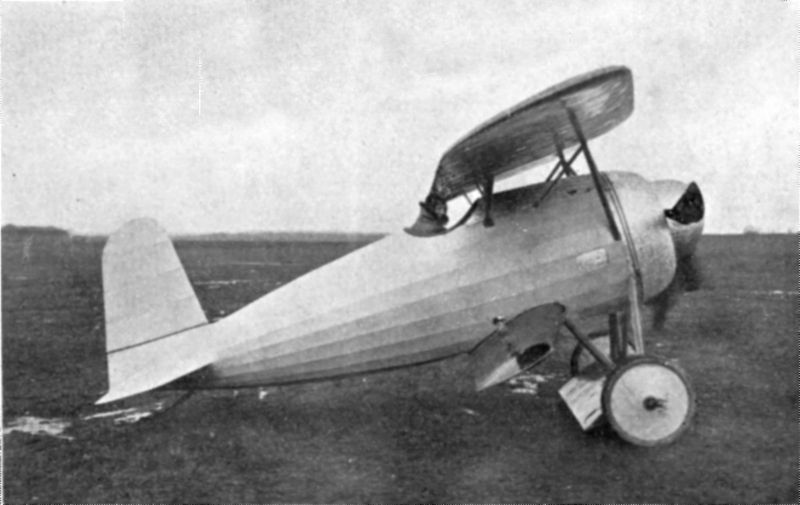
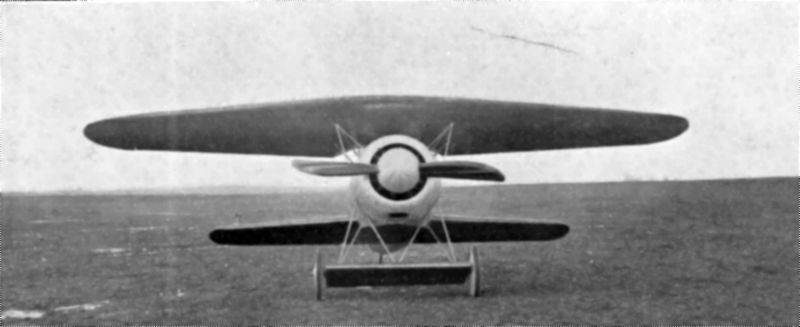
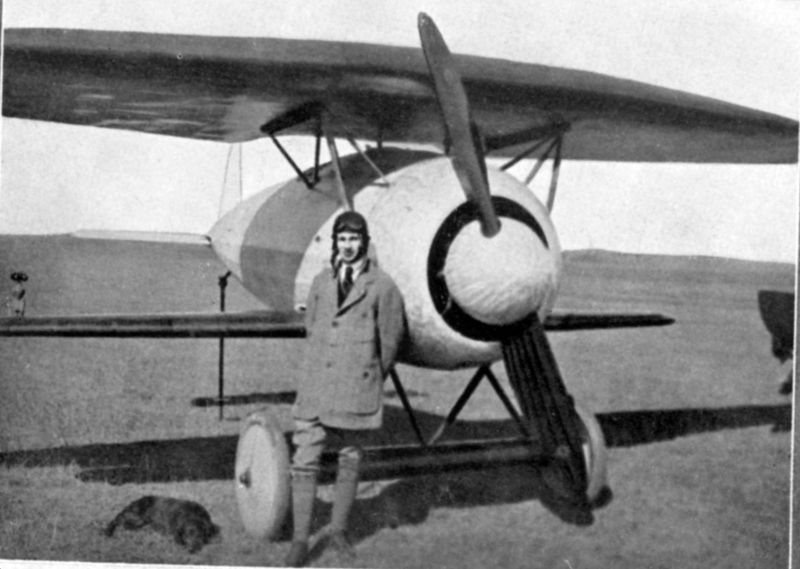
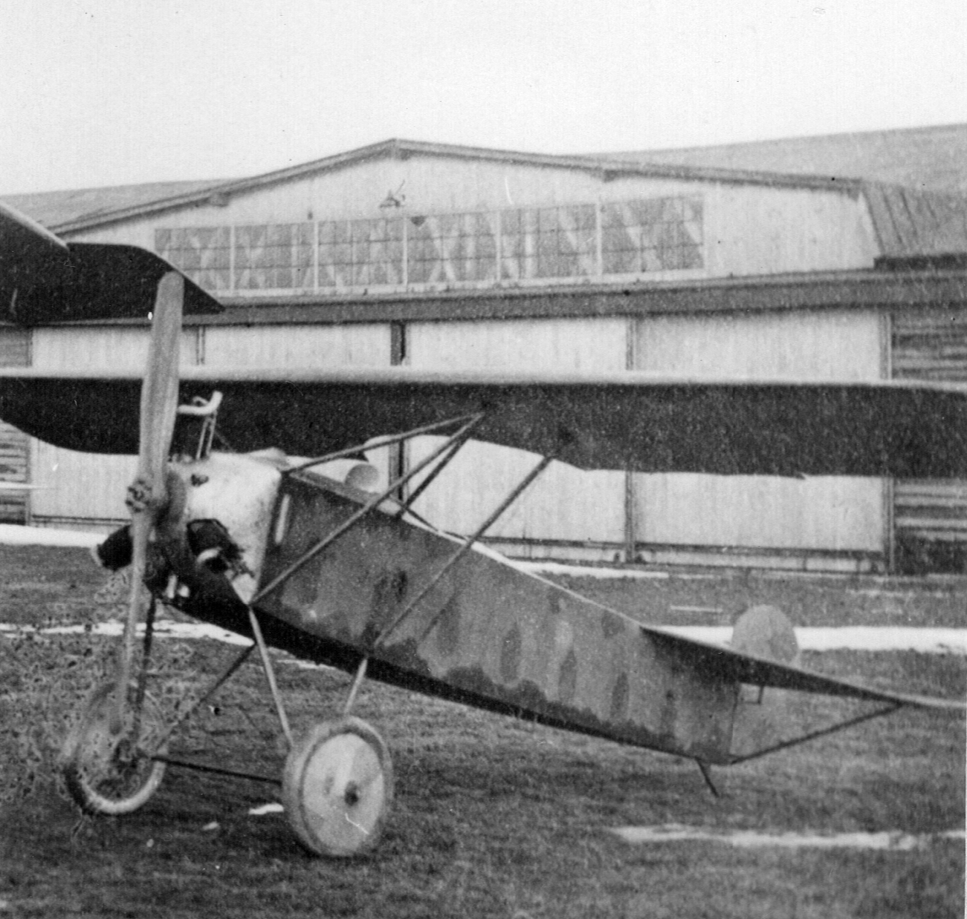
V.1 Fokker V-1
The Fokker V.1 was built in December 1916. It was a single-seat biplane
with a 100 hp Oberursel engine and armed with two machine guns.
The V.1 had no ailerons and its squat shape earned it the nickname “Floh” (Flea).
The V.1 had no ailerons and its squat shape earned it the nickname “Floh” (Flea).
V.2ochre V-2
The V.2 was built in January 1917 and was a further development of the V.1.
The dimensions were slightly larger and this type had a 129 hp Mercedes engine.
The dimensions were slightly larger and this type had a 129 hp Mercedes engine.
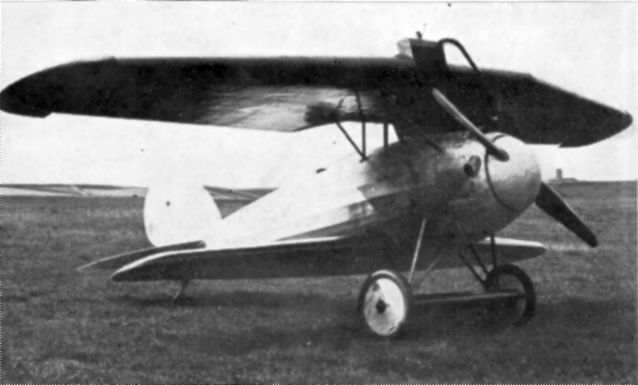
V.3 Fokker V-3
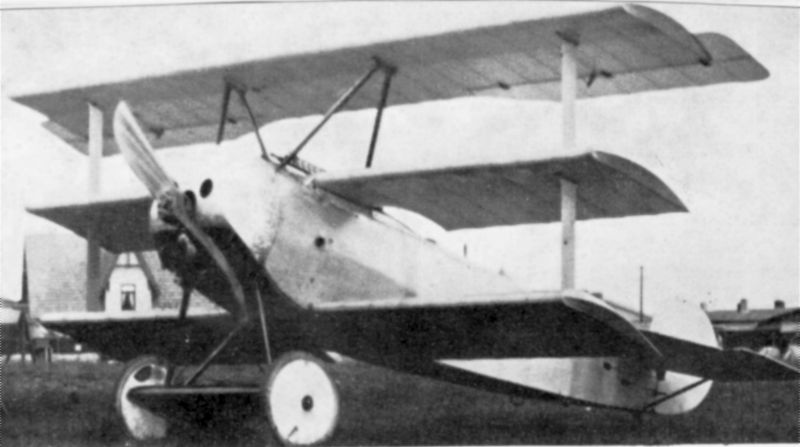
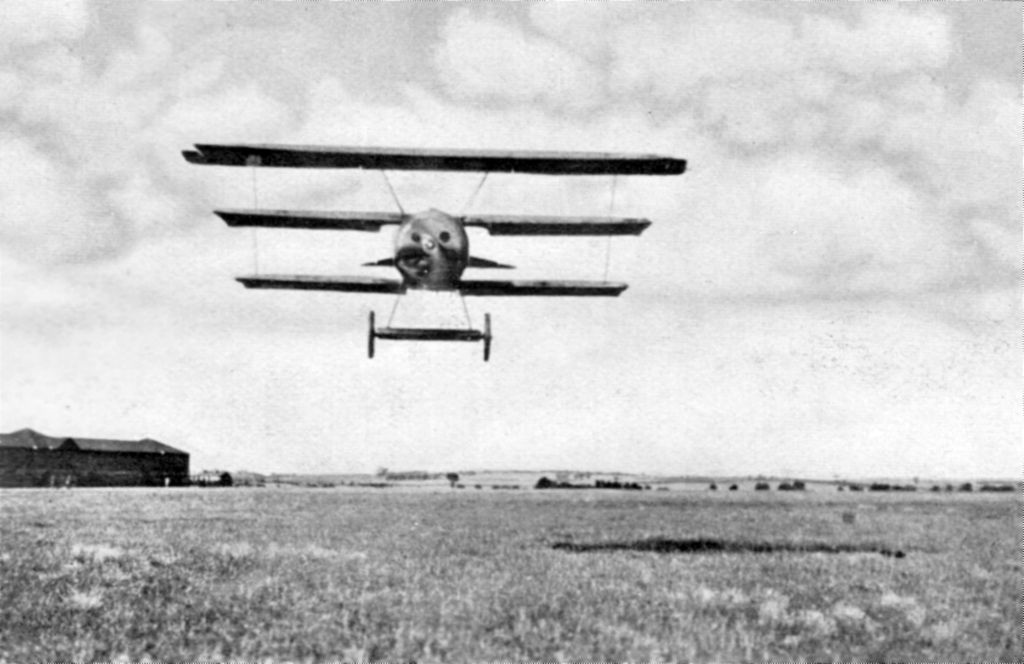
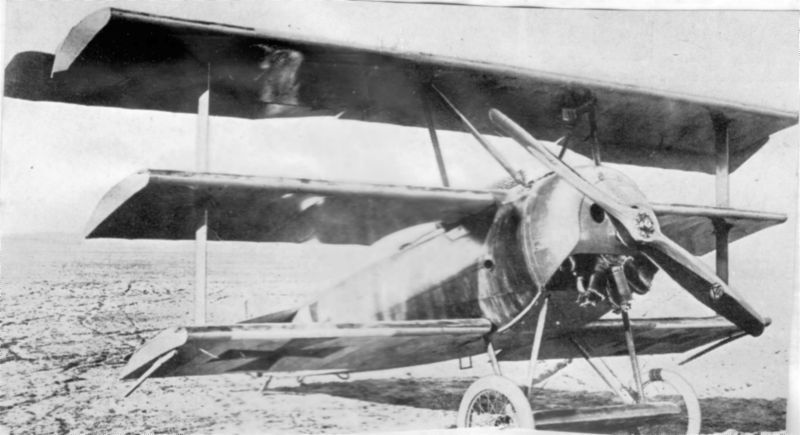
The V.3 was built in August 1917 and was a cantilever 3-decker
and had a 100 hp Oberursel engine.
Apparently the German army did not find the wings stiff enough and wanted
Apparently the German army did not find the wings stiff enough and wanted
that the wings were spanned with struts.
This became the V.4 and this type was purchased.
This became the V.4 and this type was purchased.
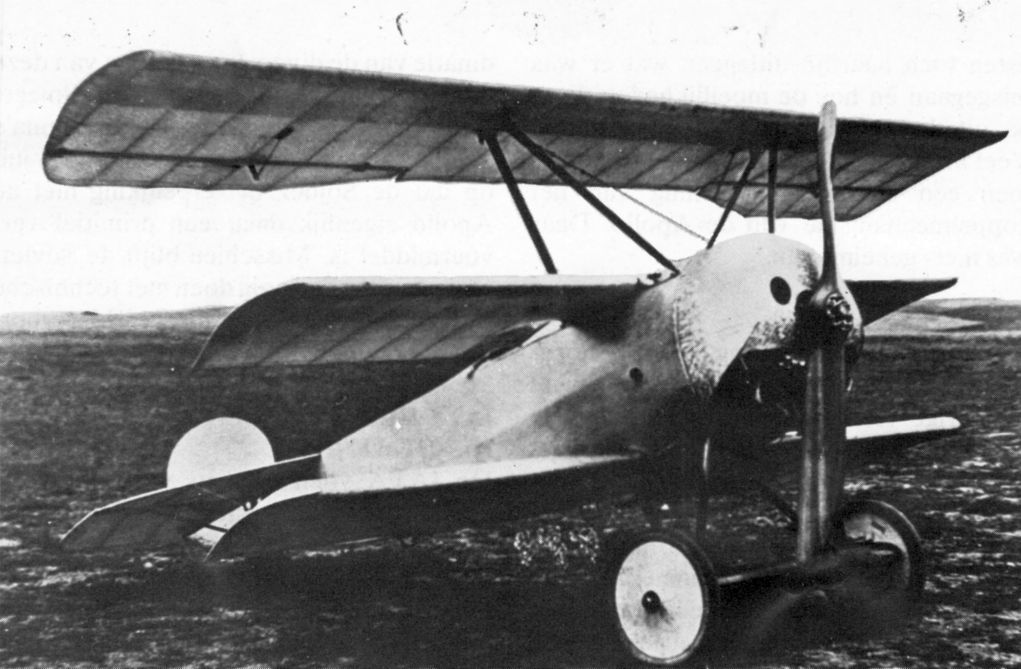
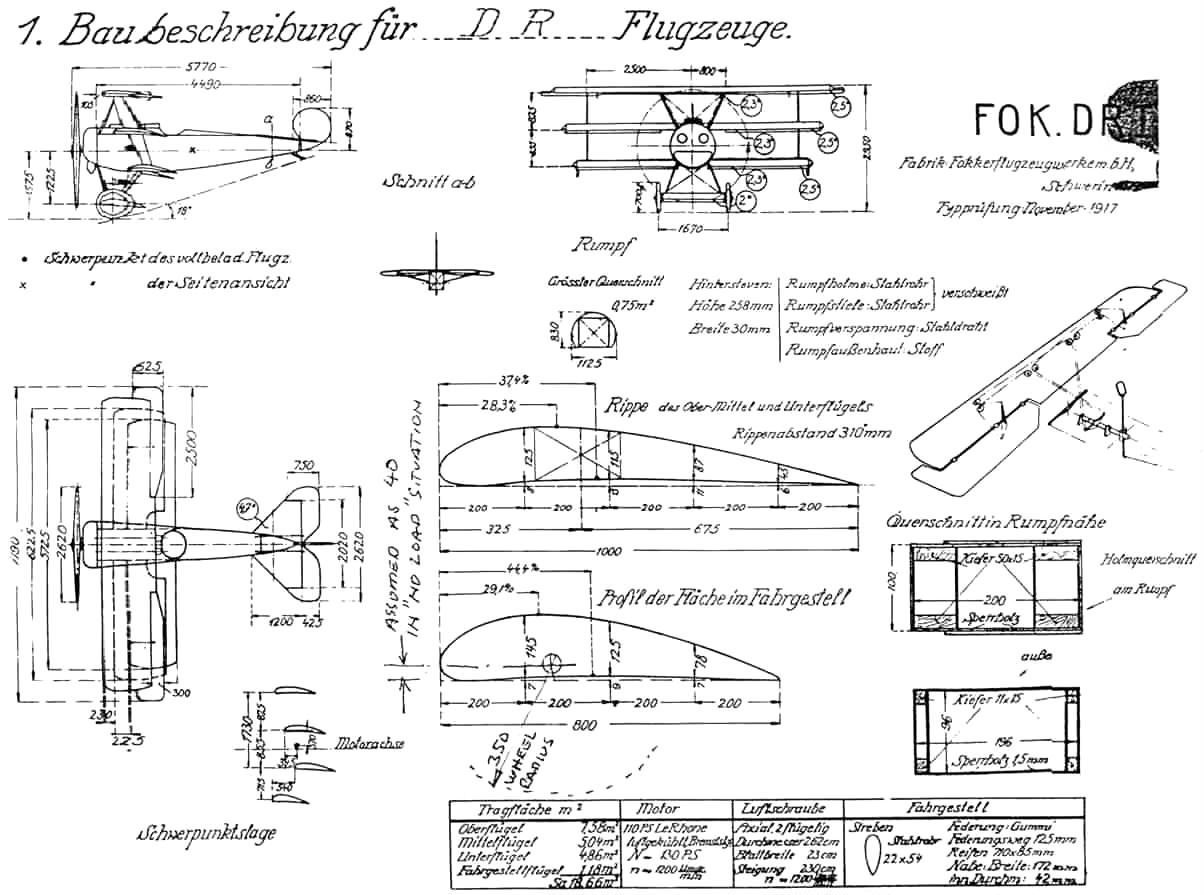
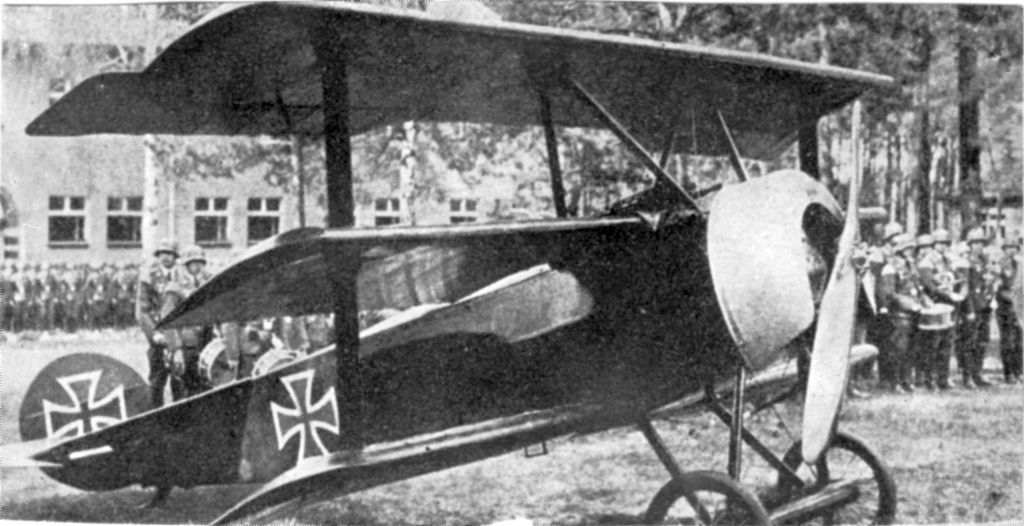
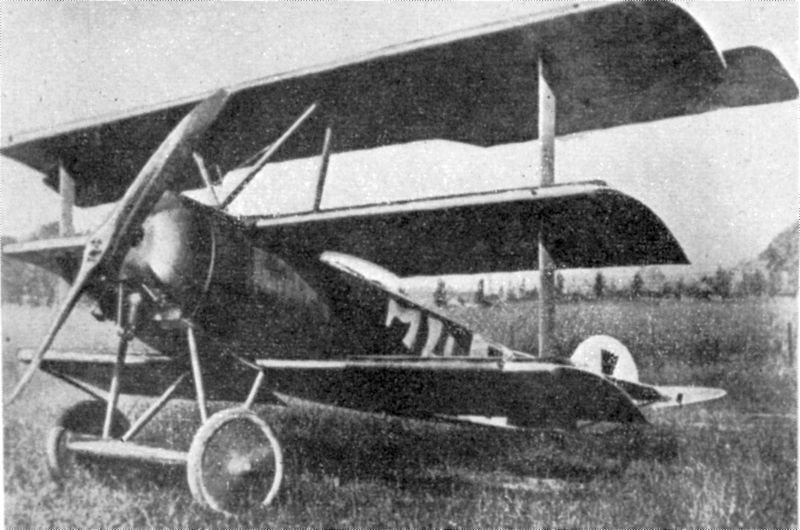
V.4 / FI / Dr-I Fokker V-4, Fokker F-1, Fokker DR-1
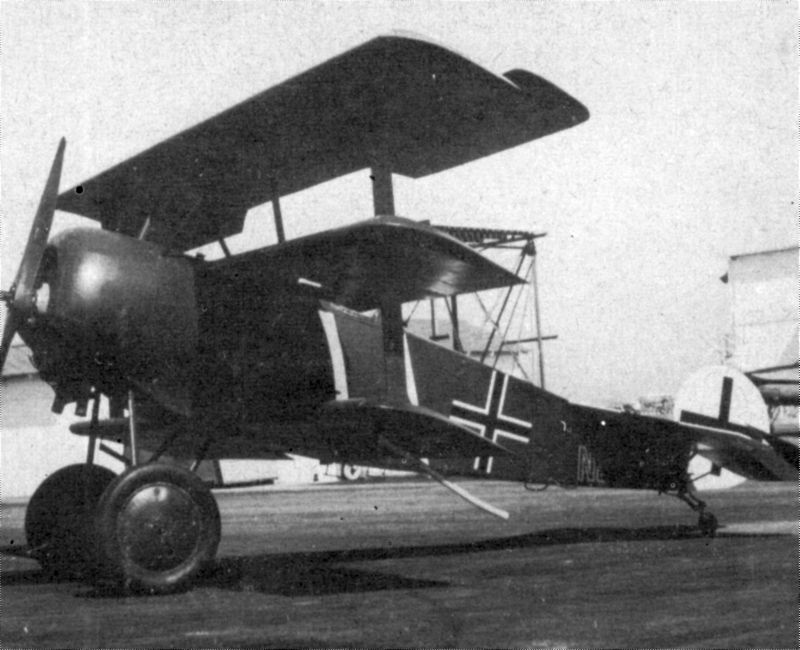
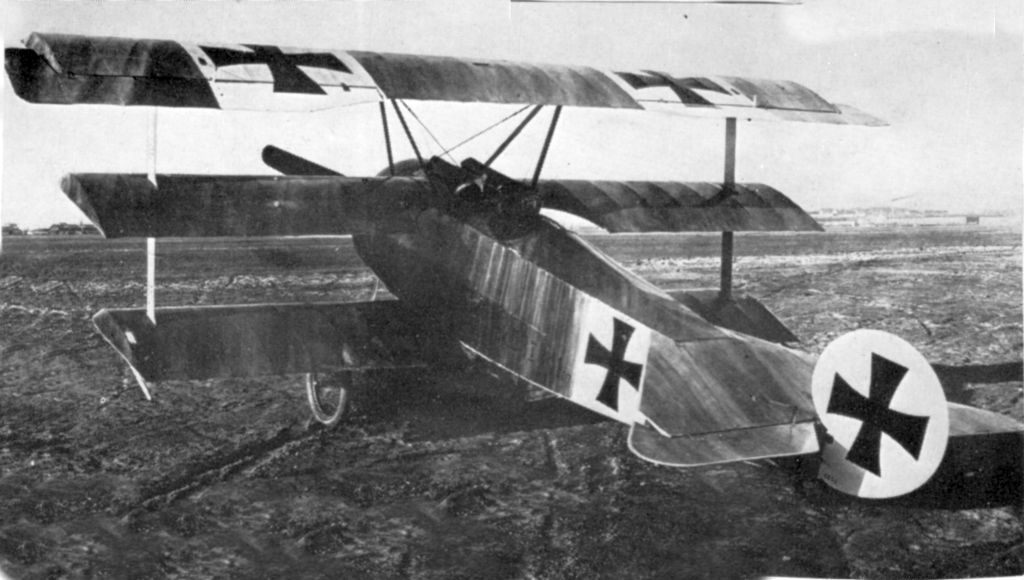
The V.4 was a modified V.3 and had connecting struts between the wings.
The aircraft was built in mid-1917 and was initially given the Fokker designation FI
The aircraft was built in mid-1917 and was initially given the Fokker designation FI
(the F.1 101/17 up to and including F.1 103/17).
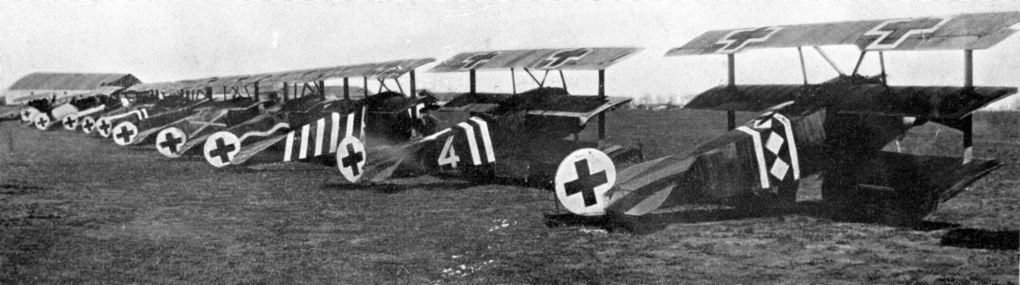
But the aircraft became generally known as the Dr-I (Dreideker-I).
By May 1918, 320 units were built, although another source mentions 600.
The car company (?) Sarotti built the Dr-1 under license as the FI or SP-5.
But the aircraft became generally known as the Dr-I (Dreideker-I).
By May 1918, 320 units were built, although another source mentions 600.
The car company (?) Sarotti built the Dr-1 under license as the FI or SP-5.
This type had a different rudder.
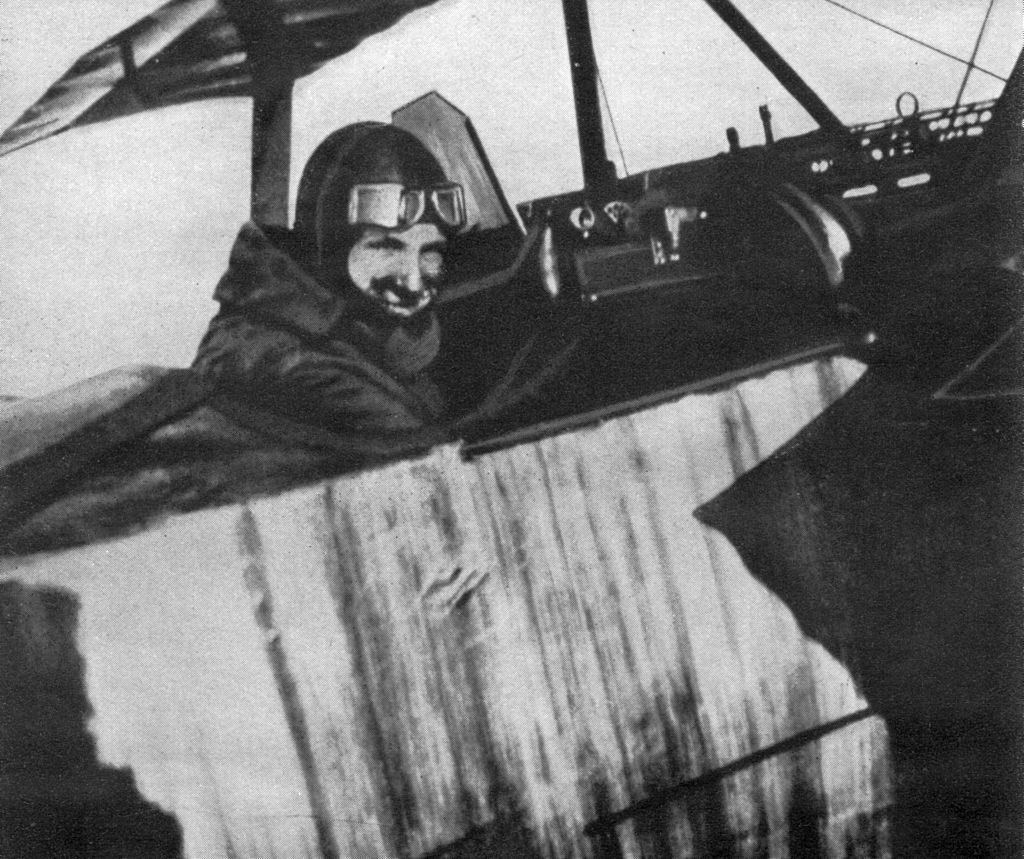
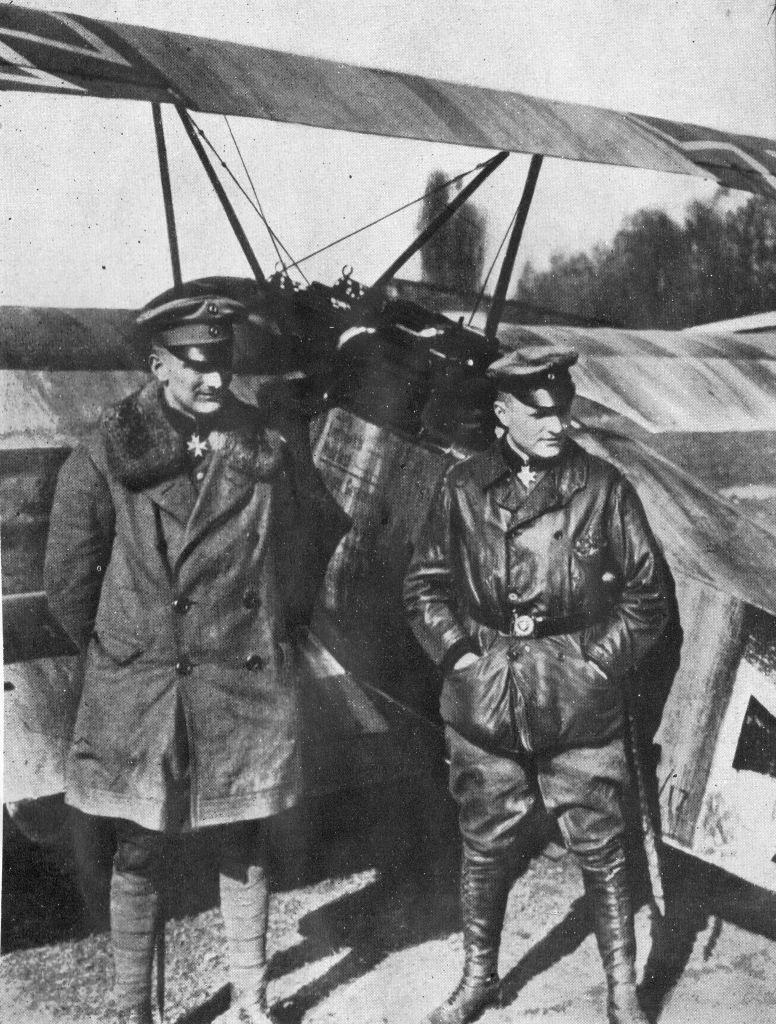
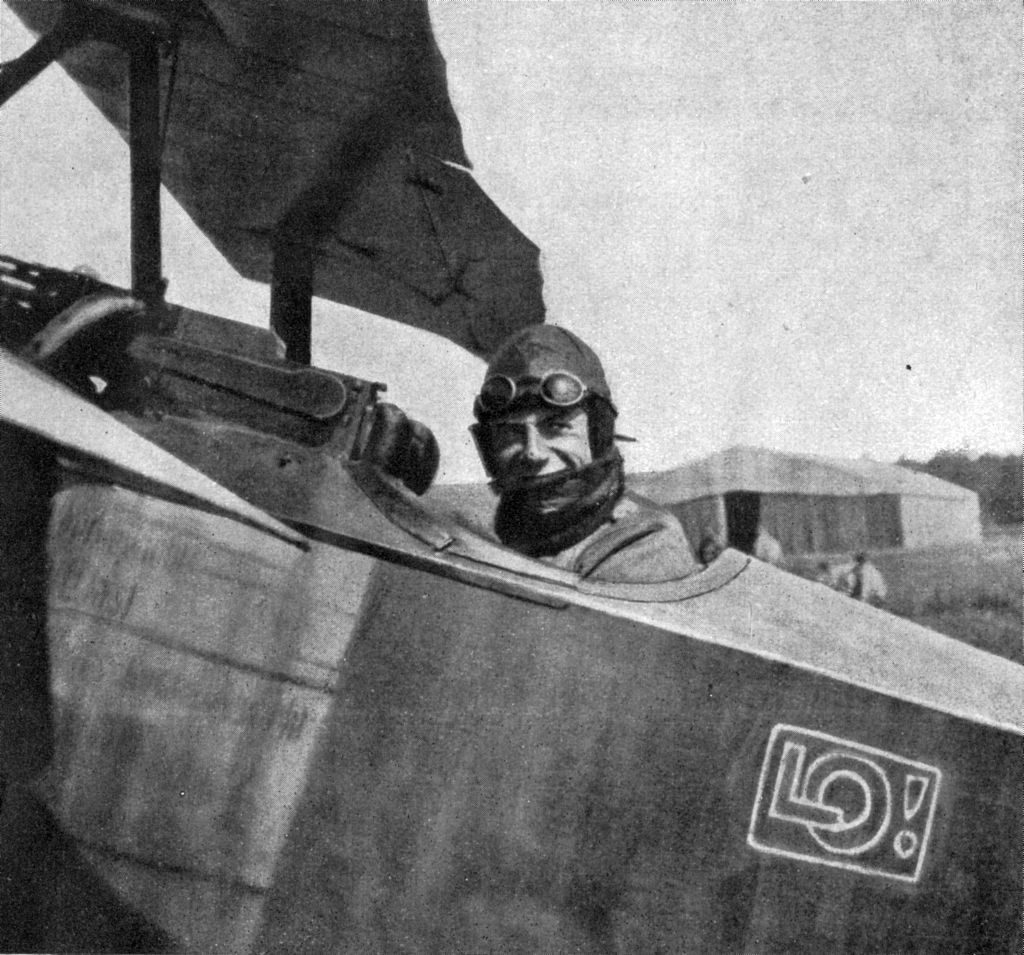
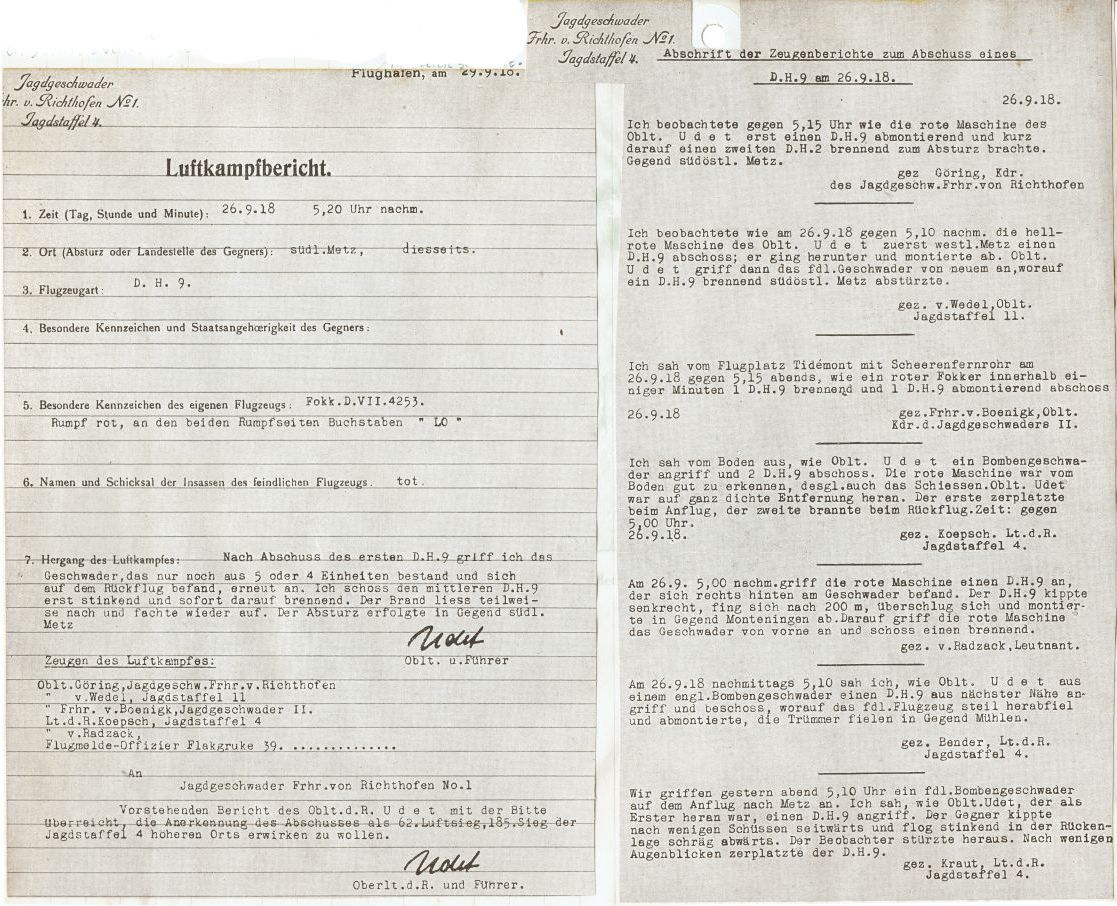
Many famous German pilots flew a Dr-I, such as Udet, Von Richthofen,
Many famous German pilots flew a Dr-I, such as Udet, Von Richthofen,
Gontermann and Boelcke.
Von Richthoven flew a bright red Dr-I and was therefore nicknamed 'the Red Baron'.
Von Richthoven flew a bright red Dr-I and was therefore nicknamed 'the Red Baron'.
He achieved 80 victories, 40 of which were in a Dr-I.
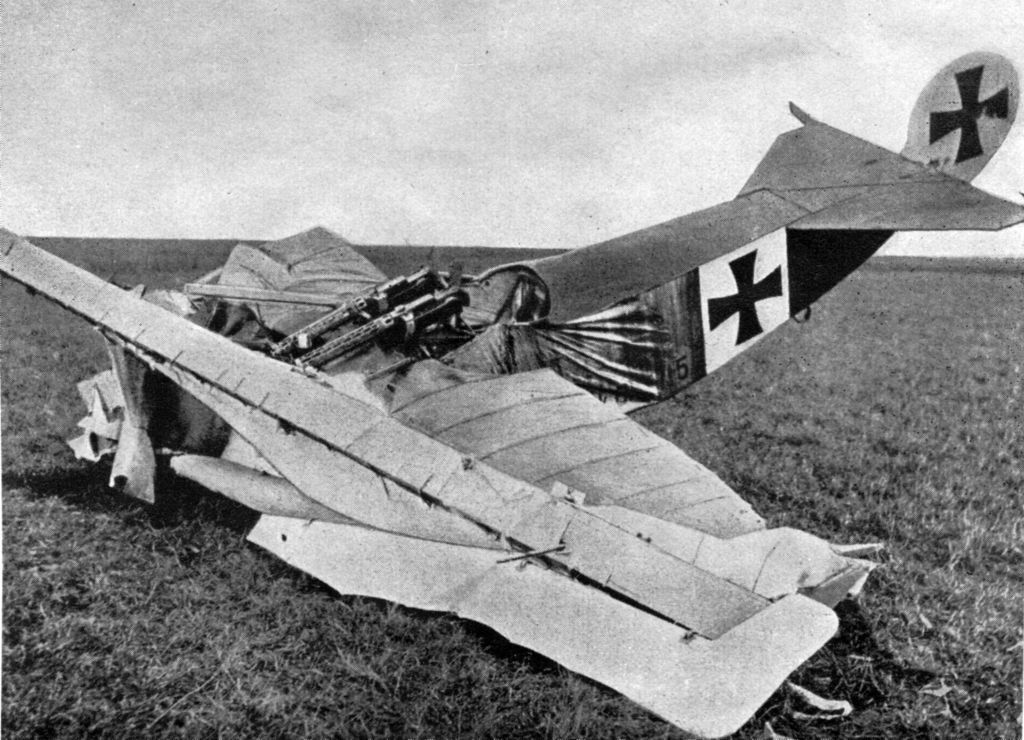
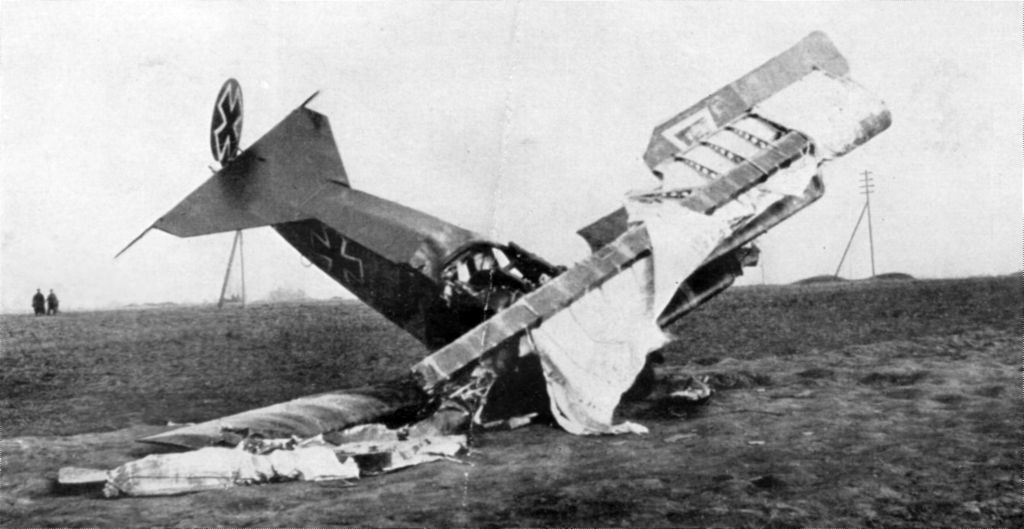
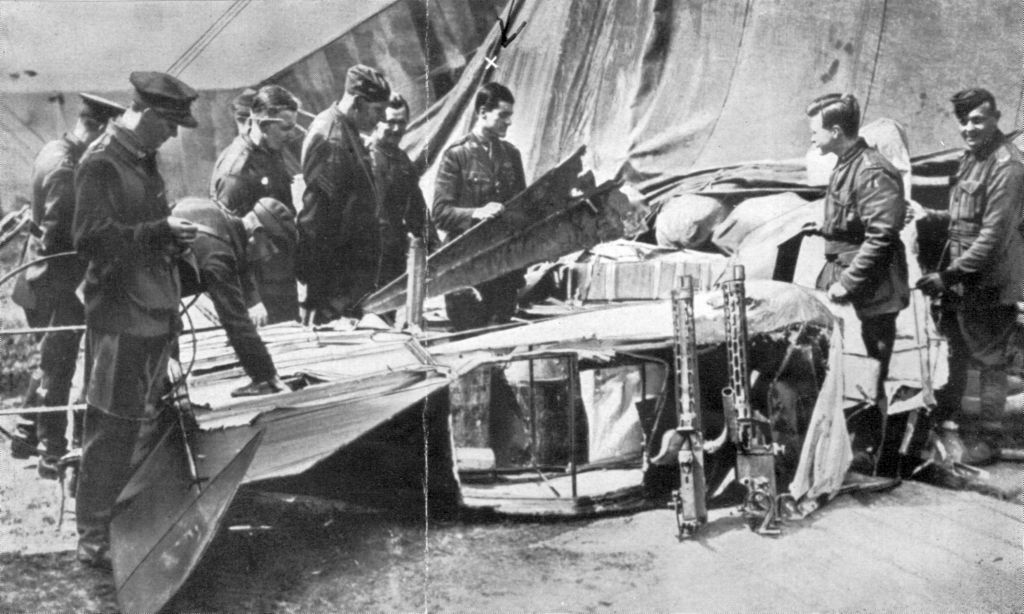
On October 30, von Gontermann wanted to test one of the new Dr-Is. He quickly ascended to 700 meters.
There he started performing stunts. After his second loop, he turned downwards into a left turn.
In doing so, its top wing failed, broke off and made the aircraft uncontrollable,
causing it to crash. Von Gontermann was pulled from the wreckage alive.
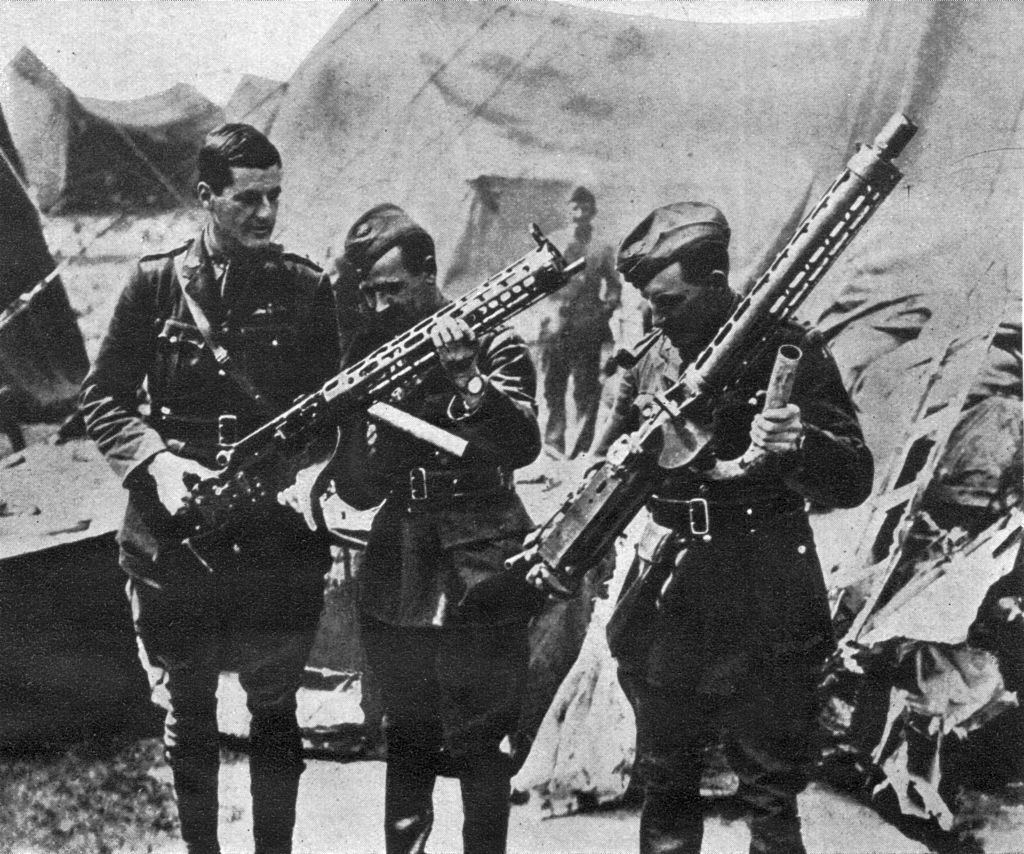
He suffered serious head wounds from the on-board machine guns.
He died a few hours later at the local dressing station.
Von Gontermann was not the first pilot to die during a test flight of the Dr-I.
Von Gontermann was not the first pilot to die during a test flight of the Dr-I.
Anthony Fokker was accused of shoddy construction of the aircraft and was ordered to improve production.
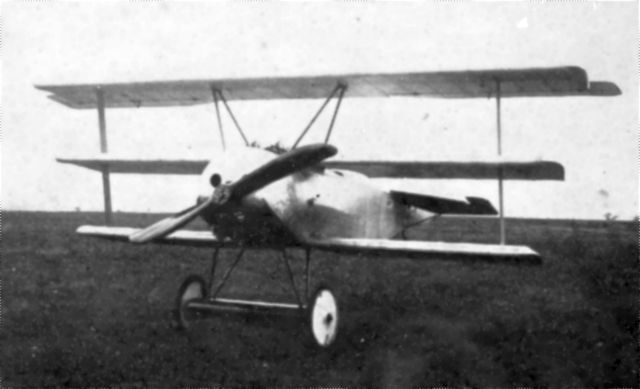

V.6 Fokker V-6
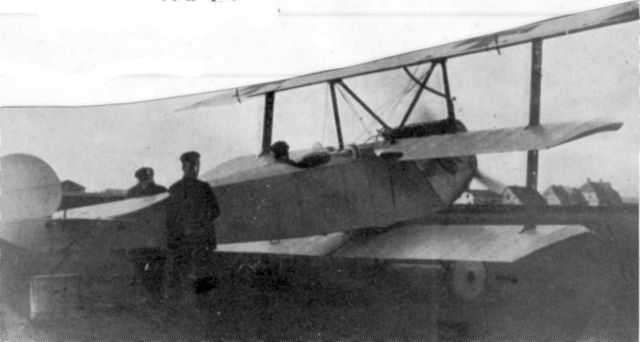
The V.6 was built in the summer of 1917 and was an enlarged version of the V.4 (Dr-I).
It had a 120 hp Mercedes engine.
Only one prototype was built.
V.8 Fokker V-8
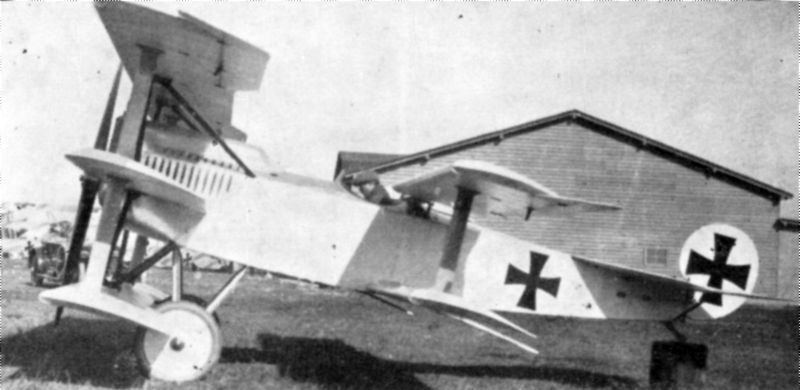
One of the most remarkable Fokker aircraft is the V8.
The five-decker was built in the summer of 1917 and had a 120 hp Mercedes engine.
V.9 / D-VI Fokker V9, Fokker D-6
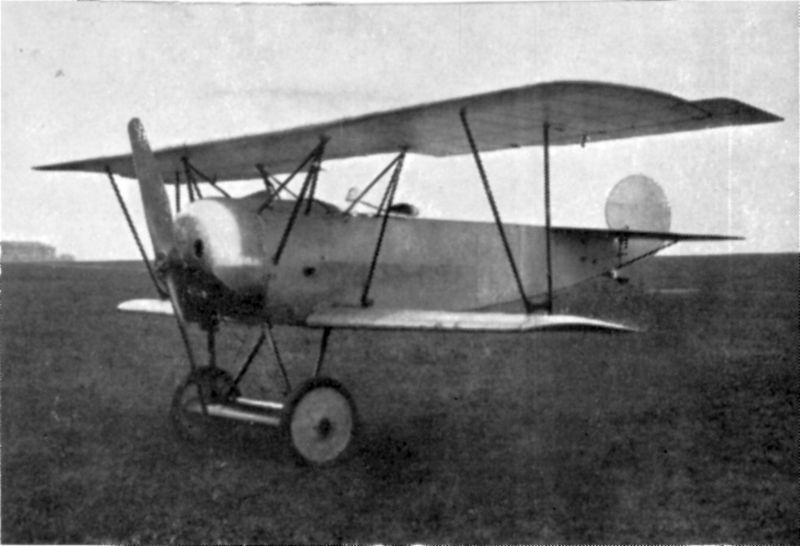
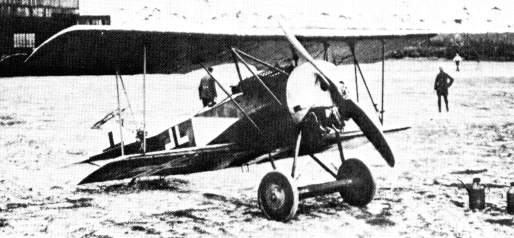
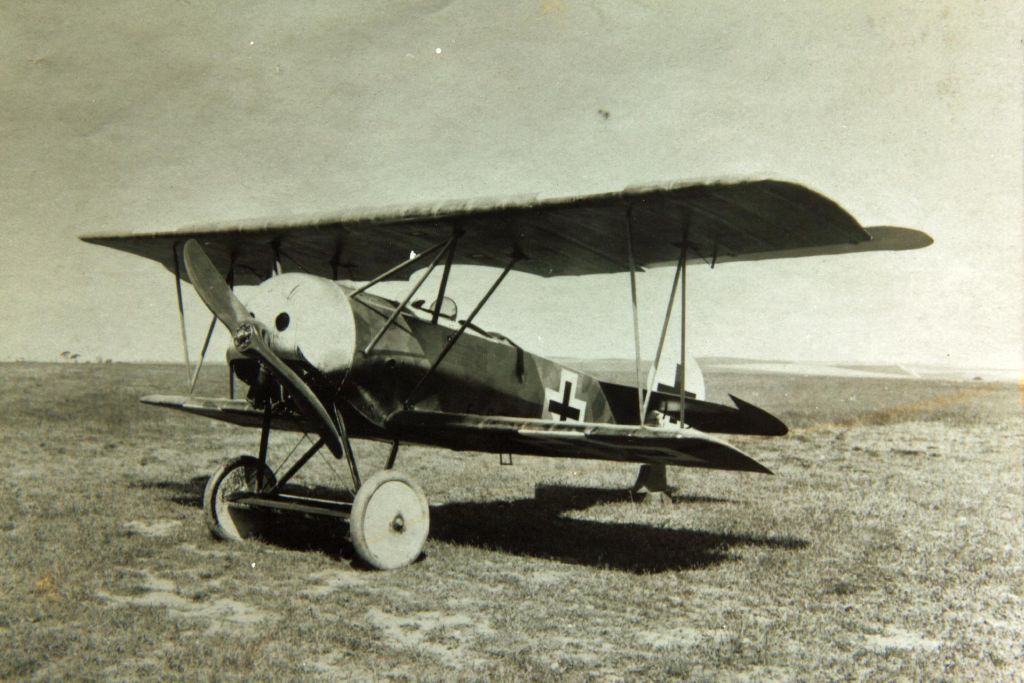
The V.9 was built in late 1917 with an 80 or 110 hp Oberursel engine.
It became a biplane again for the first time in a long time and had V-struts between the wings.
In January the V.9 was fitted with a 110 hp Oberursel and took part in fighter competitions in 1918.
V.10 Fokker Fokker V-10
The V.10 was built in the summer of 1917 and had a four-bladed propeller
and a 160 hp Siemens Halske engine.
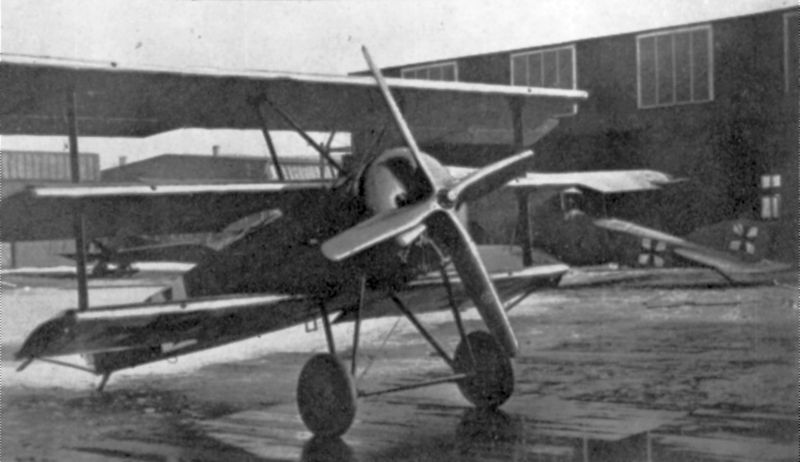
V.11 (protype D-VII) Fokker V-11, prototype Fokker D-7
The V.11 was built in late 1917 and had a 160 hp Mercedes engine.
This type was the winner of the fighter aircraft competition of January 1918.

V.13 / D-VI Fokker V-13, Fokker D-6
The V.13/1 was built in November 1917 and had a 110 hp Le Rhône engine.
It was a prototype of the D-VI, which was widely used by the German army.
At the front, the D-VIs were fitted with a 160 hp Goebel engine.
After the D-VII came to the front, the D-VI was used as a training aircraft.
It was a prototype of the D-VI, which was widely used by the German army.
At the front, the D-VIs were fitted with a 160 hp Goebel engine.
After the D-VII came to the front, the D-VI was used as a training aircraft.
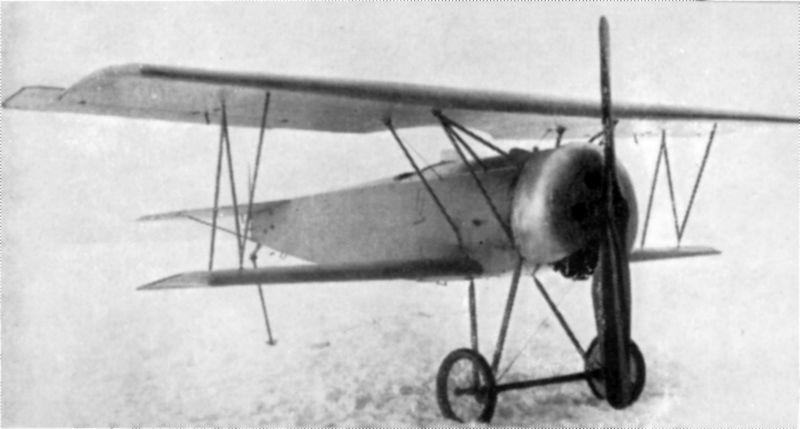
V.17Fokker V-17
The V.17 was built in December 1917 and had a 110 hp Oberursel or Le Rhône engine.
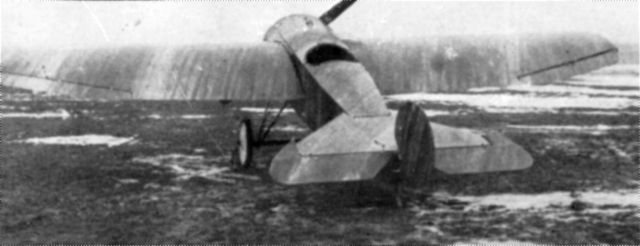
V.18 / D-VII Fokker V-18, Fokker D-7
The V.18 was built in December 1917 and had a 160 hp Mercedes engine.
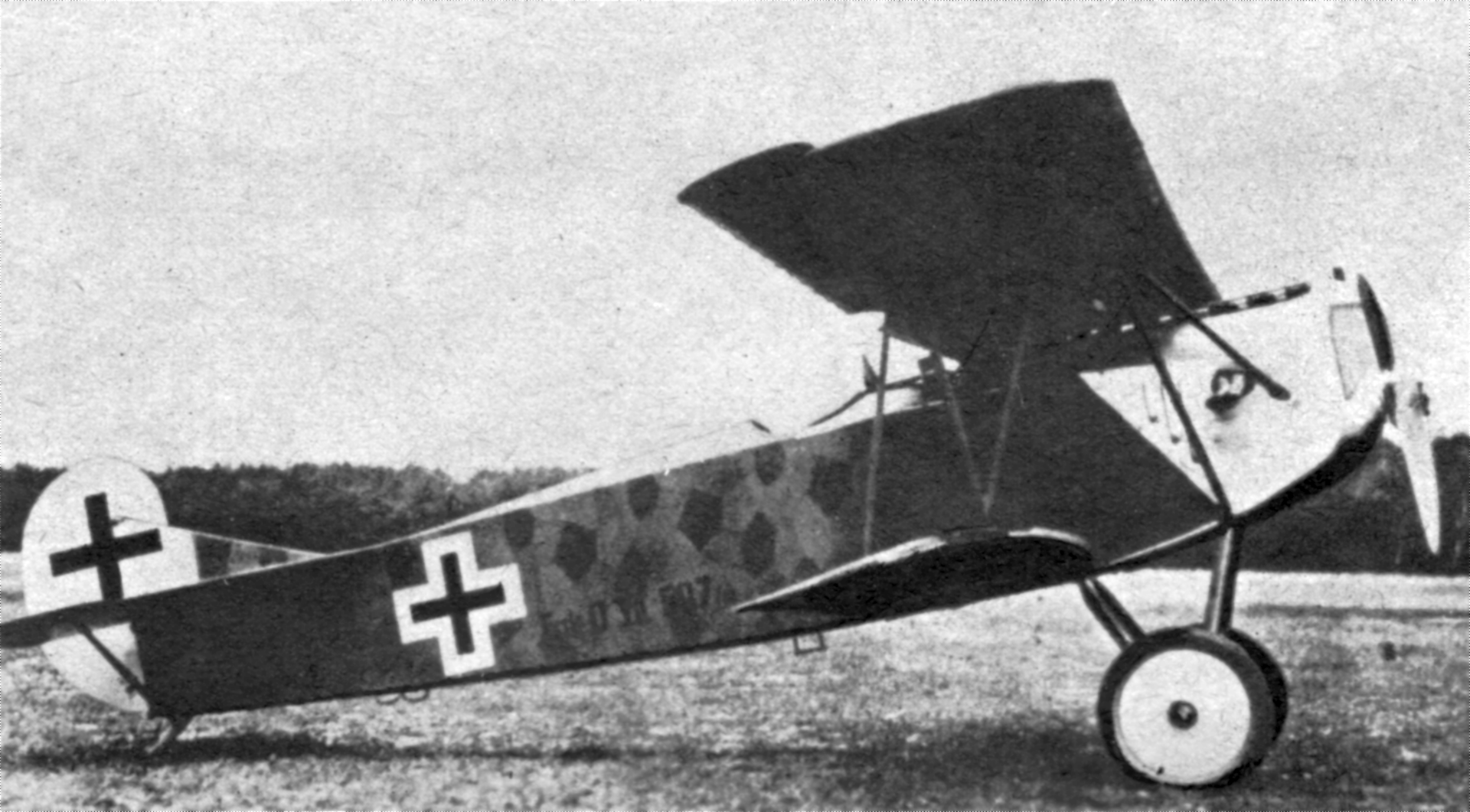
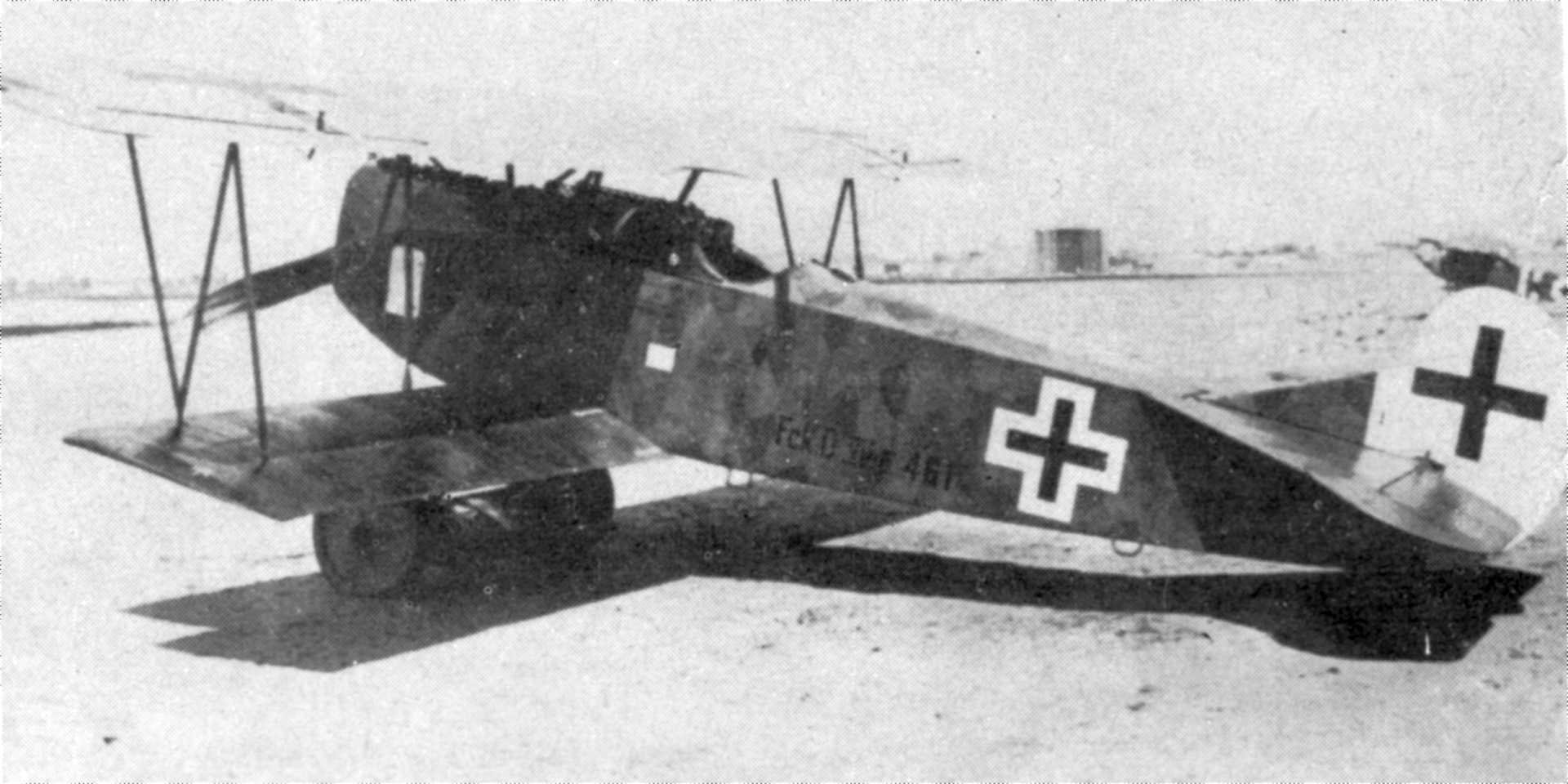
The fighter was designed by Reinhold Platz, Fokker's chief engineer, but the V.18 was not built by Fokker, but exclusively under license by other aircraft manufacturers.
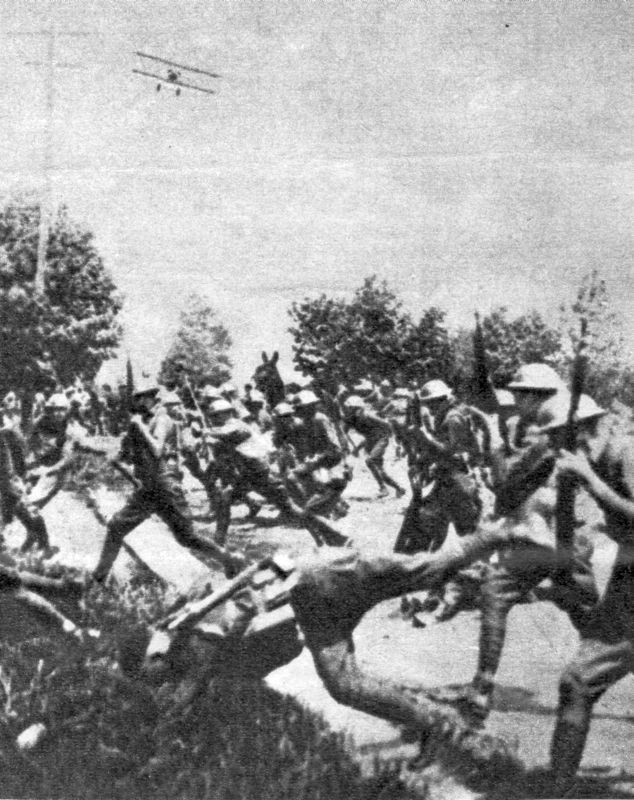
The D-VII was of course used in Germany, but also in the Netherlands, Belgium, Switzerland, Russia, Finland, Sweden, Denmark, Poland, Lithuania, Romania, Italy, Great Britain, the Dutch East Indies, Canada, the United States.
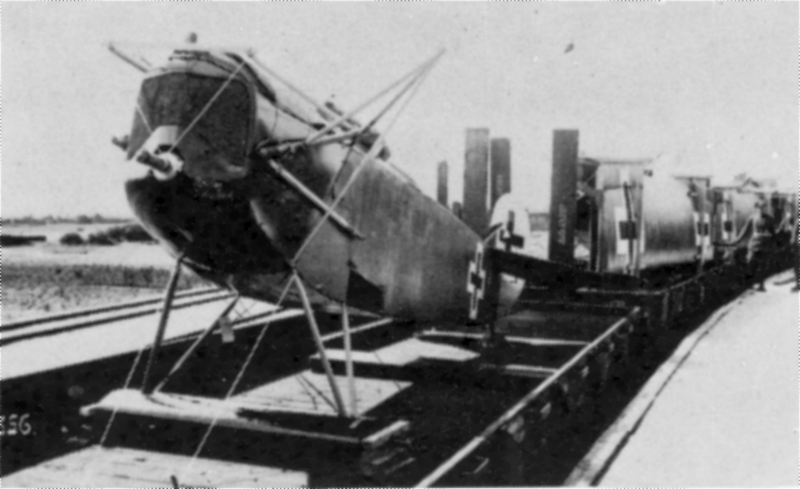
The infamous smuggling train contained approximately 120 D-VIIs. These were either sold to the aforementioned countries or these countries had captured D-VIIs.
The V.18 was built in December 1917 and had a 160 hp Mercedes engine.
The fighter was designed by Reinhold Platz, Fokker's chief engineer, but the V.18 was not built by Fokker, but exclusively under license by other aircraft manufacturers.
The V.24 (D-VII-F) was indeed built by Fokker. However, the difference is so slight that we will treat them as a single type.
The armament of the (German) D-VII consisted of 2 fixed Spandau machine guns
on the hood.
Fokker received an order from the German government to build 400 D-VIIs at a price of 25,000 Marks each (without engine).
Another 400 or so units were built by Ost-Deutsche Albatross Werke (OAW) and by AEG in Austria.
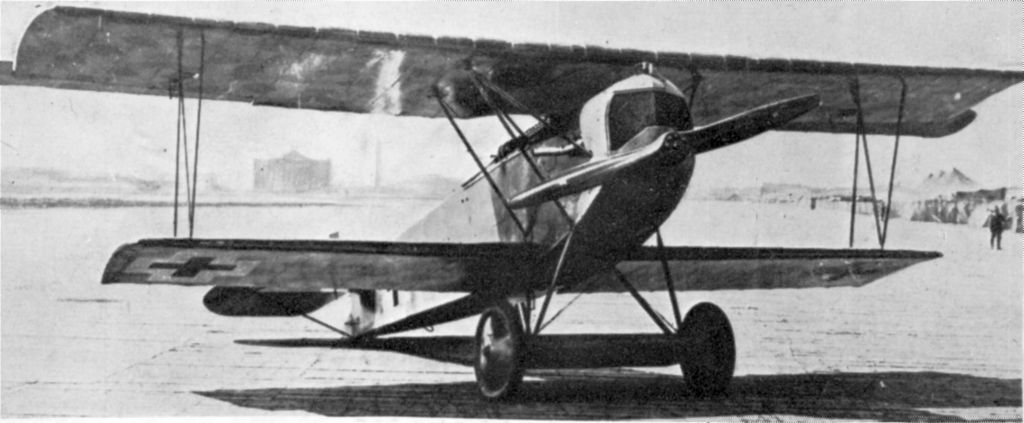
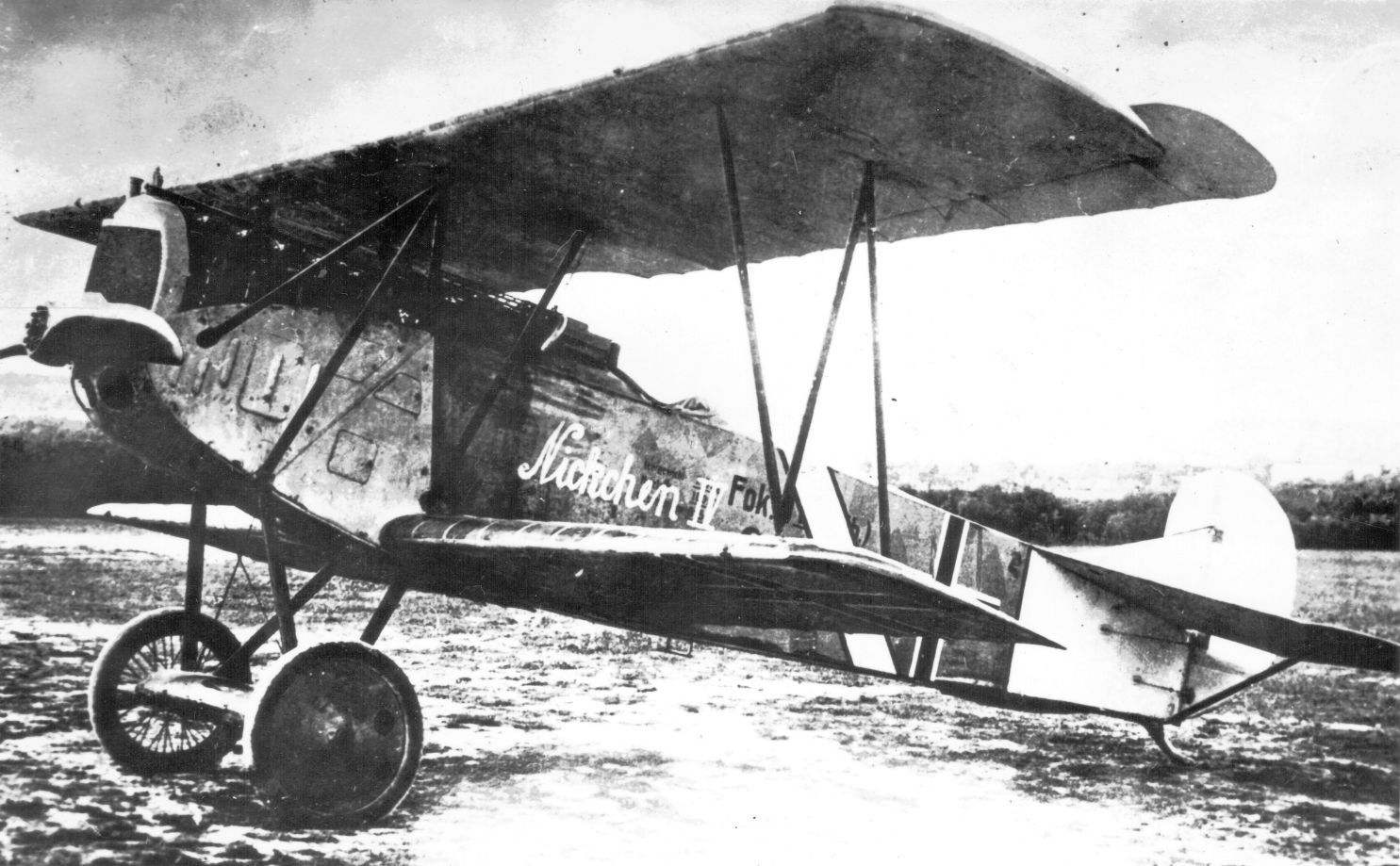
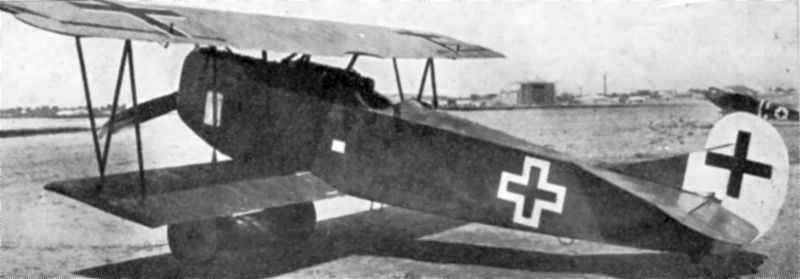
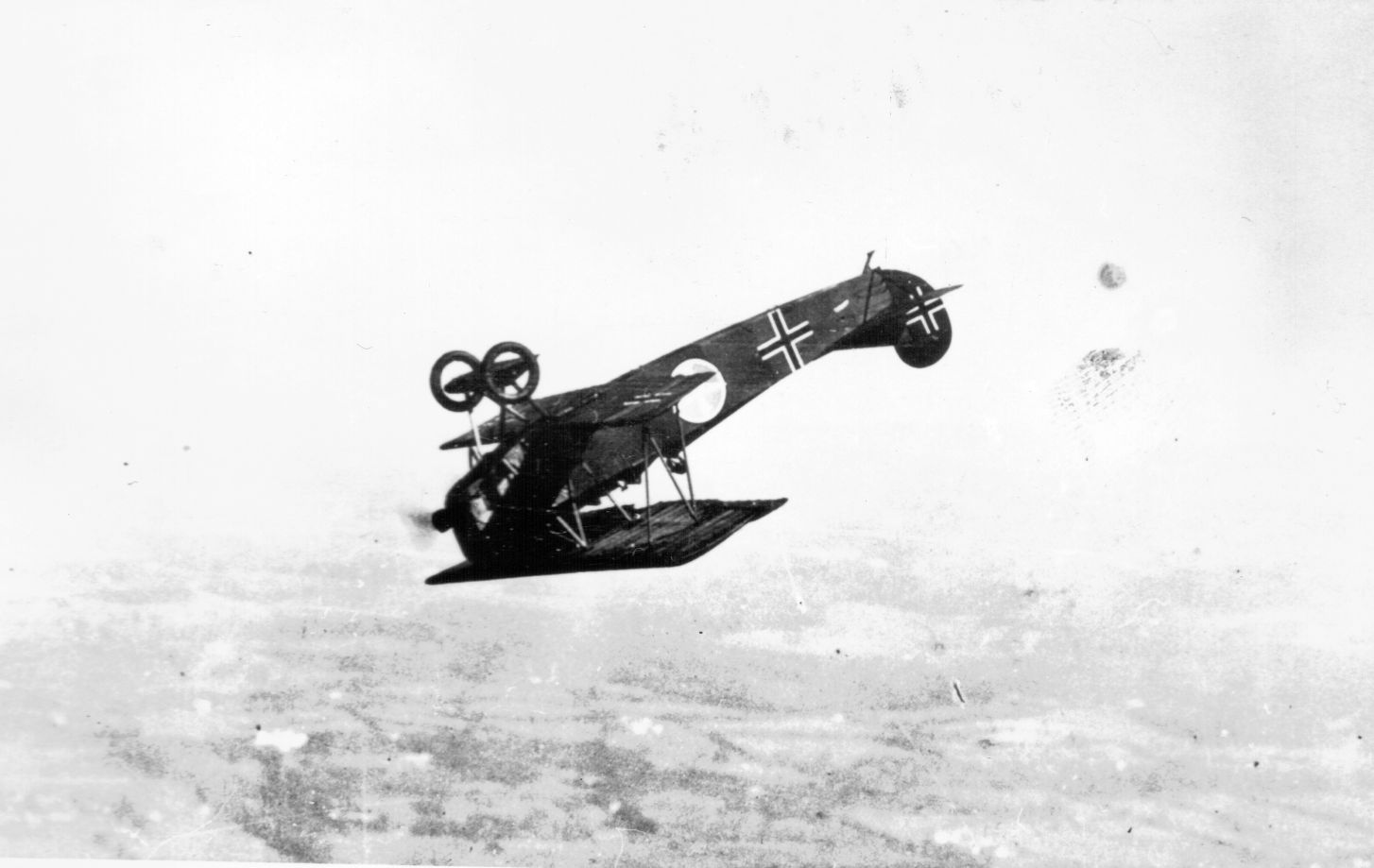
The D-VII was of course used in Germany, but also in the Netherlands, Belgium, Switzerland, Russia, Finland, Sweden, Denmark, Poland, Lithuania, Romania, Italy, Great Britain, the Dutch East Indies, Canada, the United States.
The infamous smuggling train contained approximately 120 D-VIIs. These were either sold to the aforementioned countries or these countries had captured D-VIIs.
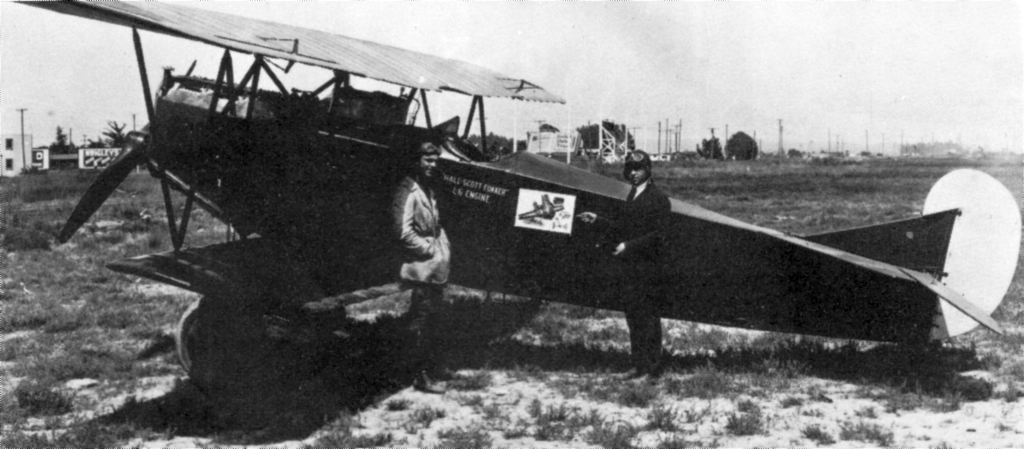
In America, a D-VII flew for the then NACA (National Advisory Committee for Aeronautics) as a laboratory aircraft.
In the Netherlands, the D-VII also became famous through the LVA stunt team "Vijf vingers aan één hand" (Five fingers on one hand).
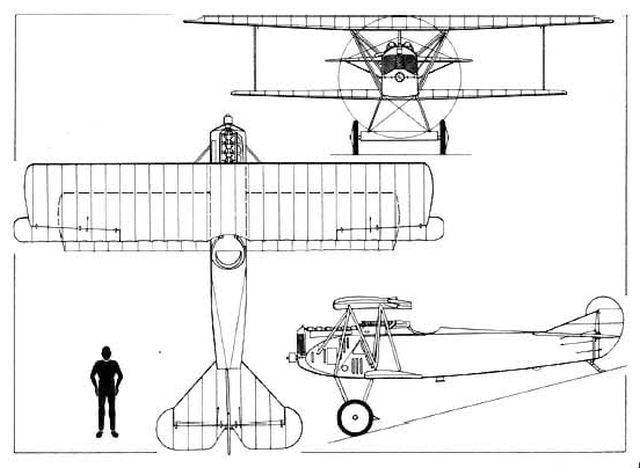
Wingspan: 8.40 - 8.90 m, length: 6.95 m, height: 2.95
Wing area: 20.20 - 21.60 m^2
Empty weight: 688 kg, flying weight: 906 kg.
Max. speed: 165 - 193 km/h, cruising speed 140 - 160 km/h.
The D-VII was fitted with several engines during its operational life:
• BMW (185, 250 or 260 hp)
• Mercedes (170 hp)
• Hall-Scott (200 hp)
• Hispano-Suiza
• Packard Liberty (200 or 300 hp)
• Armstrong-Siddely Puma (230 hp)
The D-VIIs with a BMW engine were slightly faster than the types with the Mercedes.
• BMW (185, 250 or 260 hp)
• Mercedes (170 hp)
• Hall-Scott (200 hp)
• Hispano-Suiza
• Packard Liberty (200 or 300 hp)
• Armstrong-Siddely Puma (230 hp)
The D-VIIs with a BMW engine were slightly faster than the types with the Mercedes.
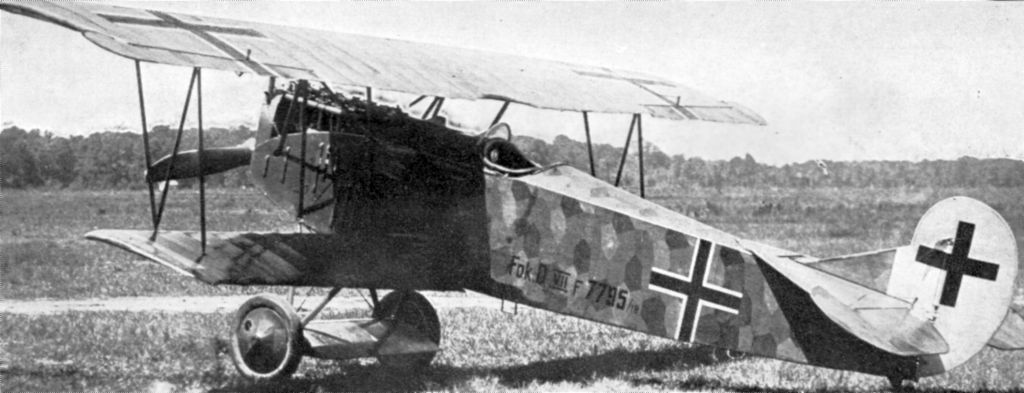
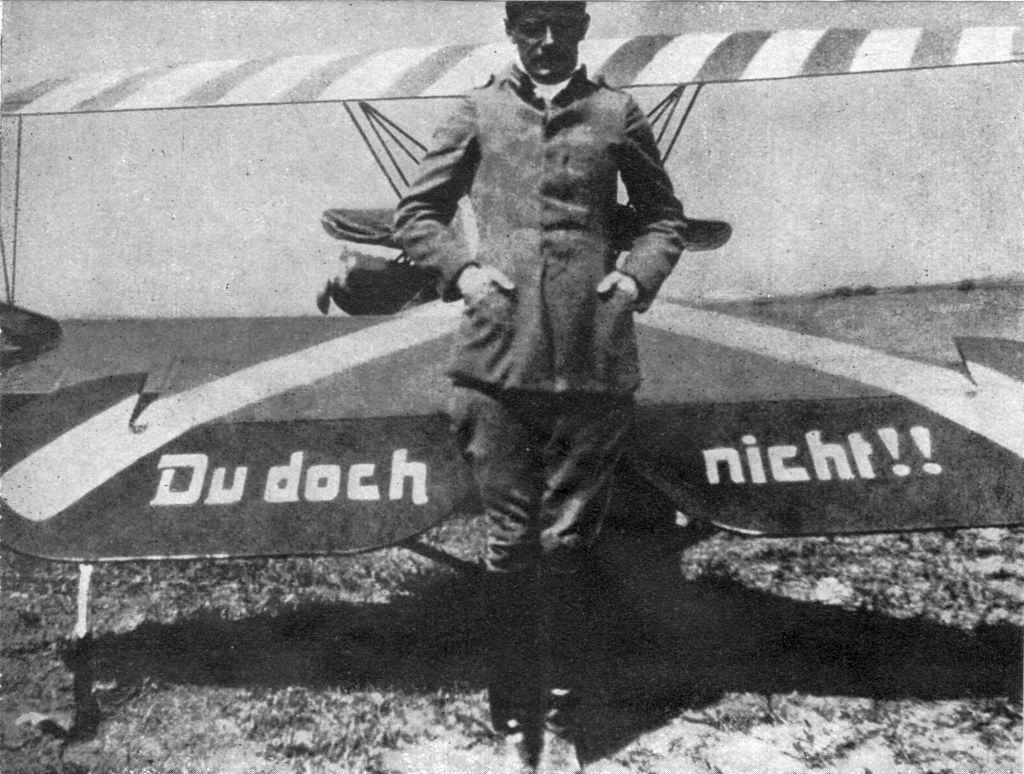
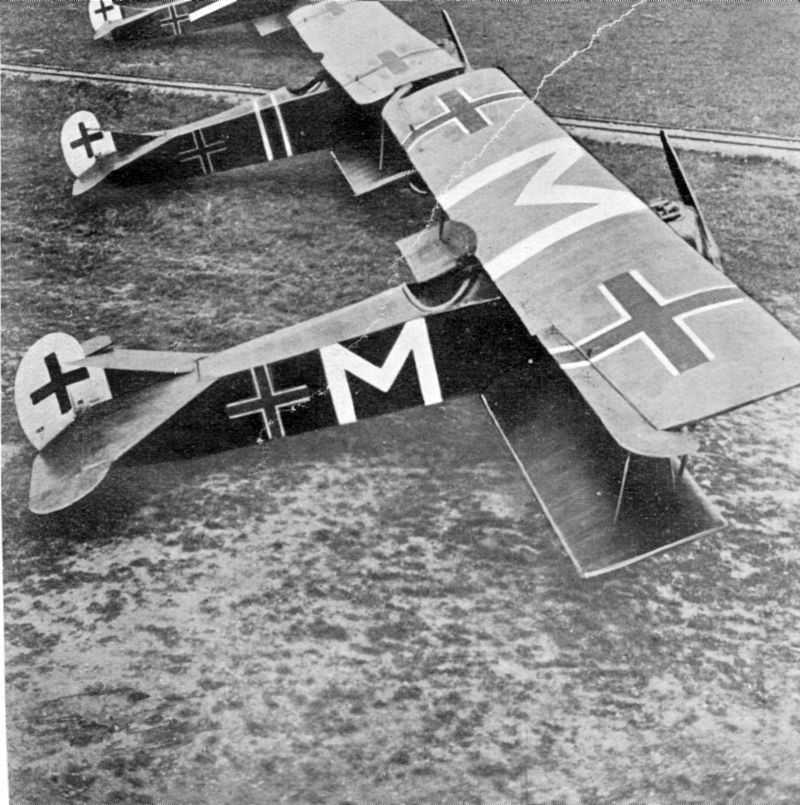
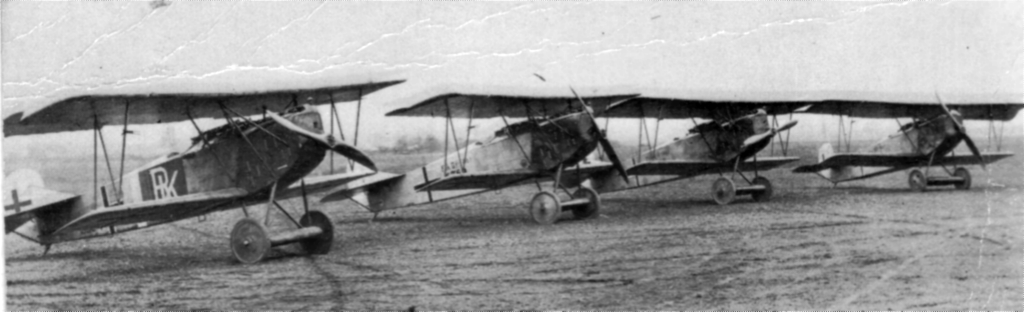
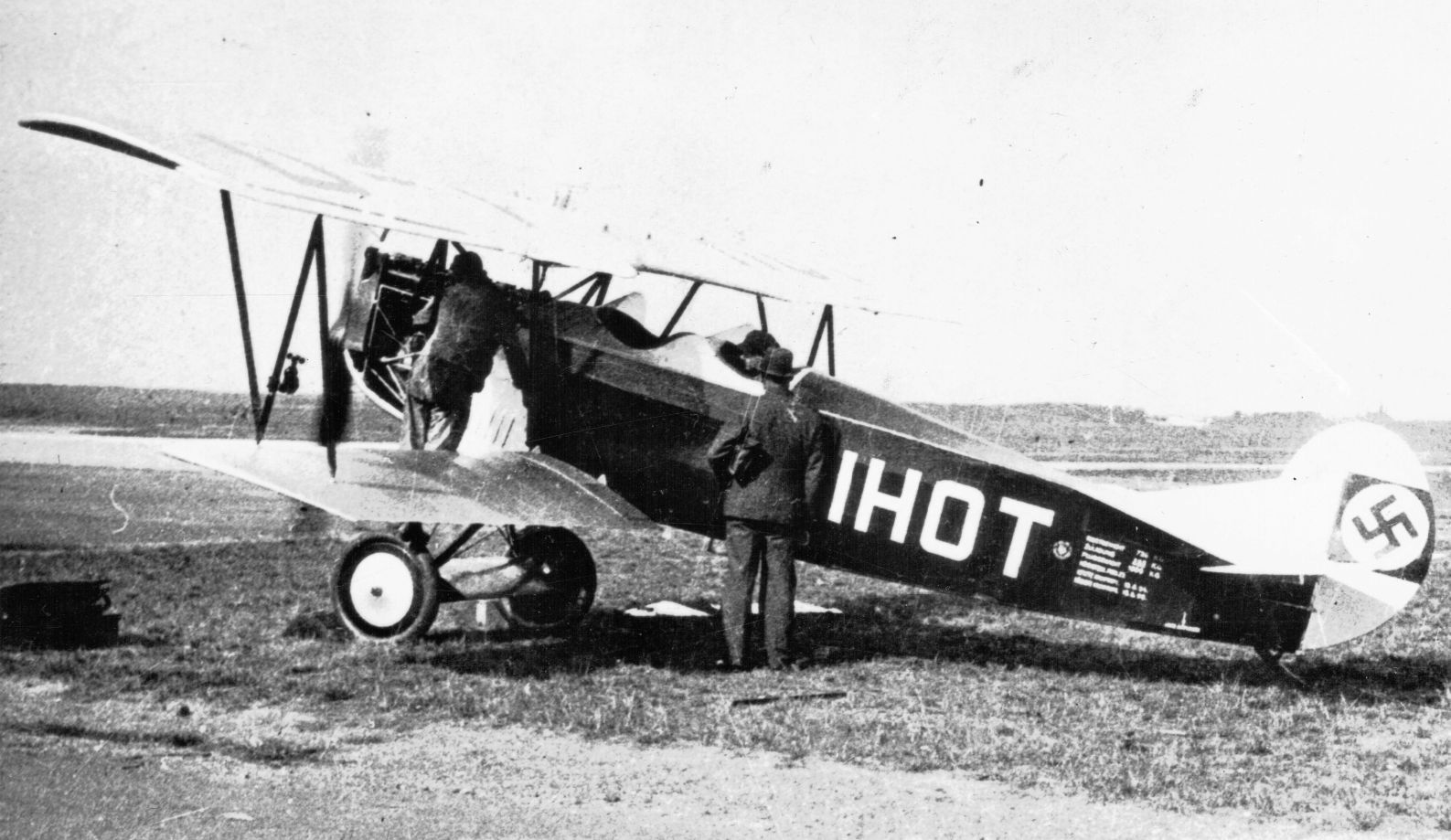
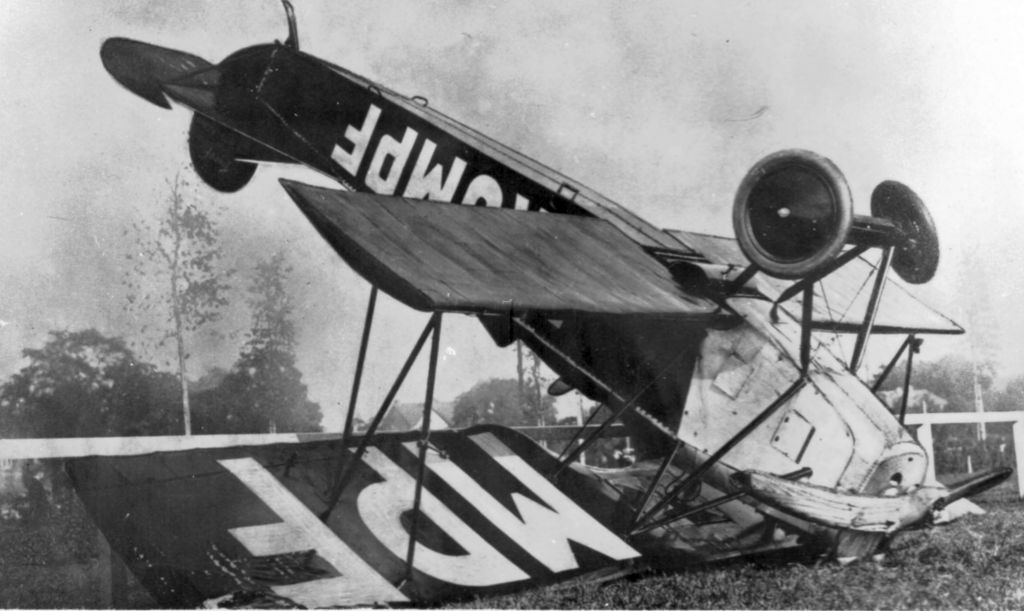
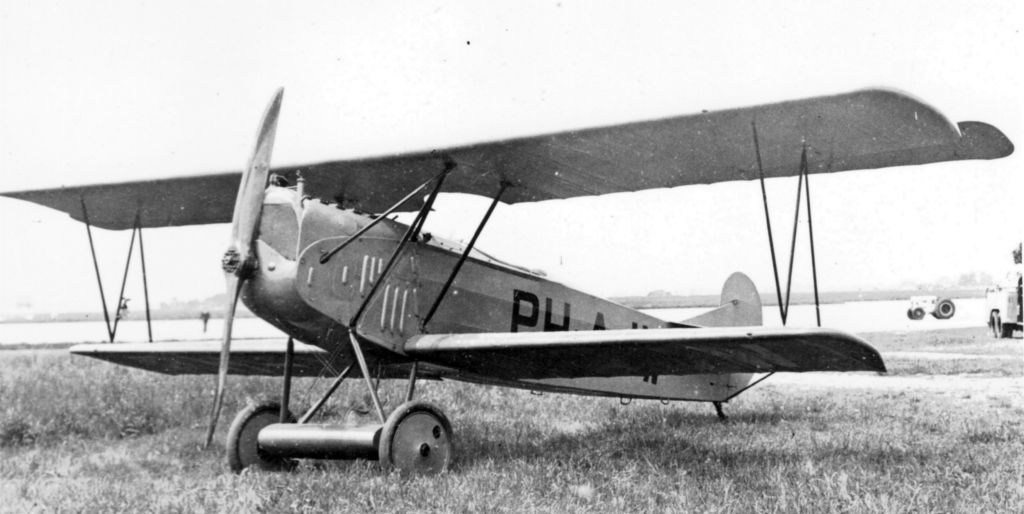
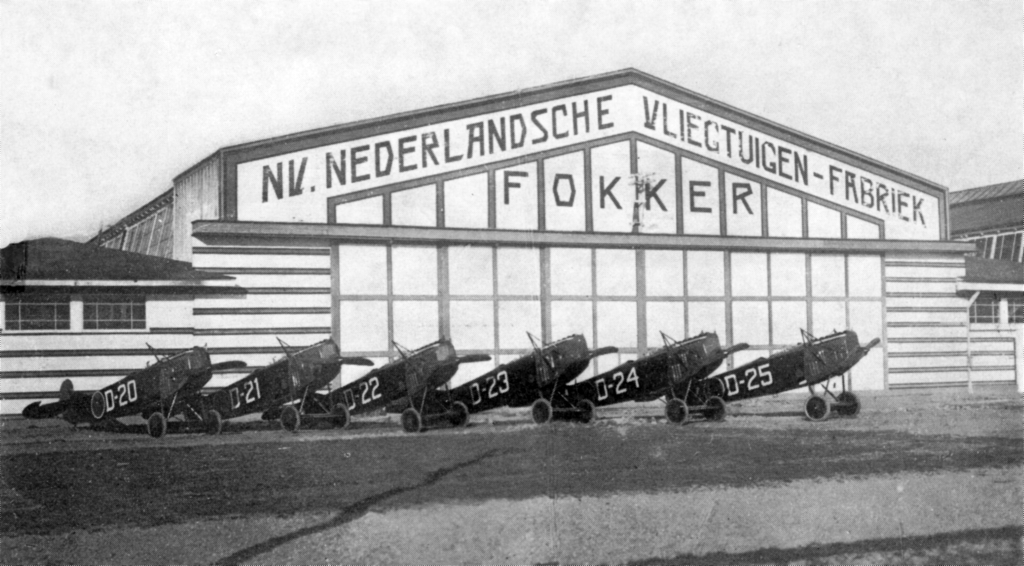
D-VIIs outside Germany
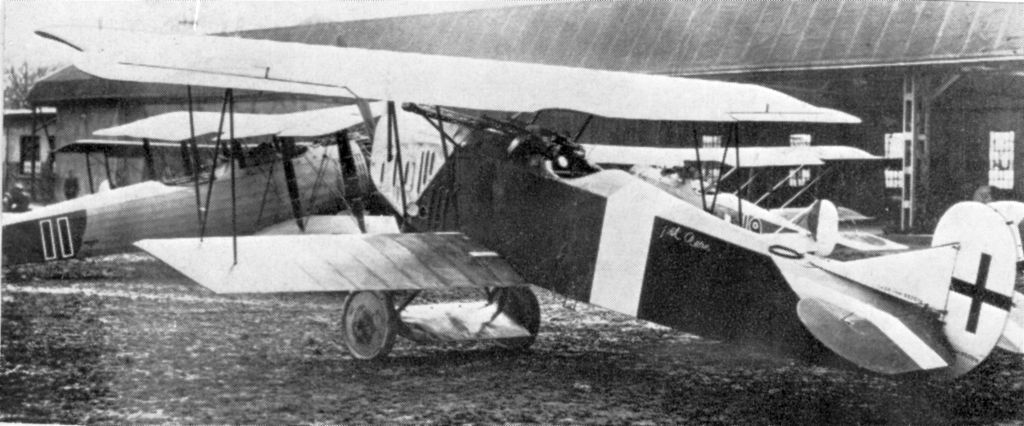
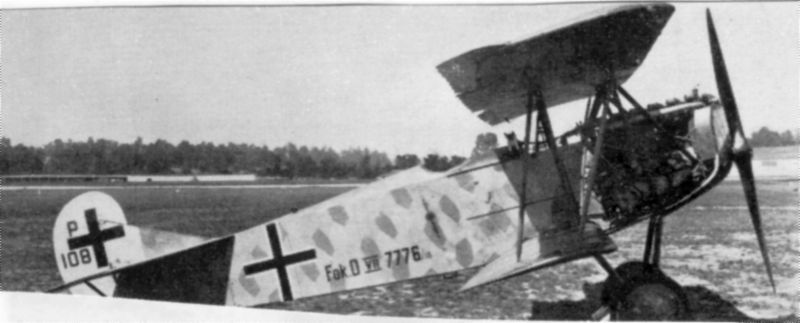
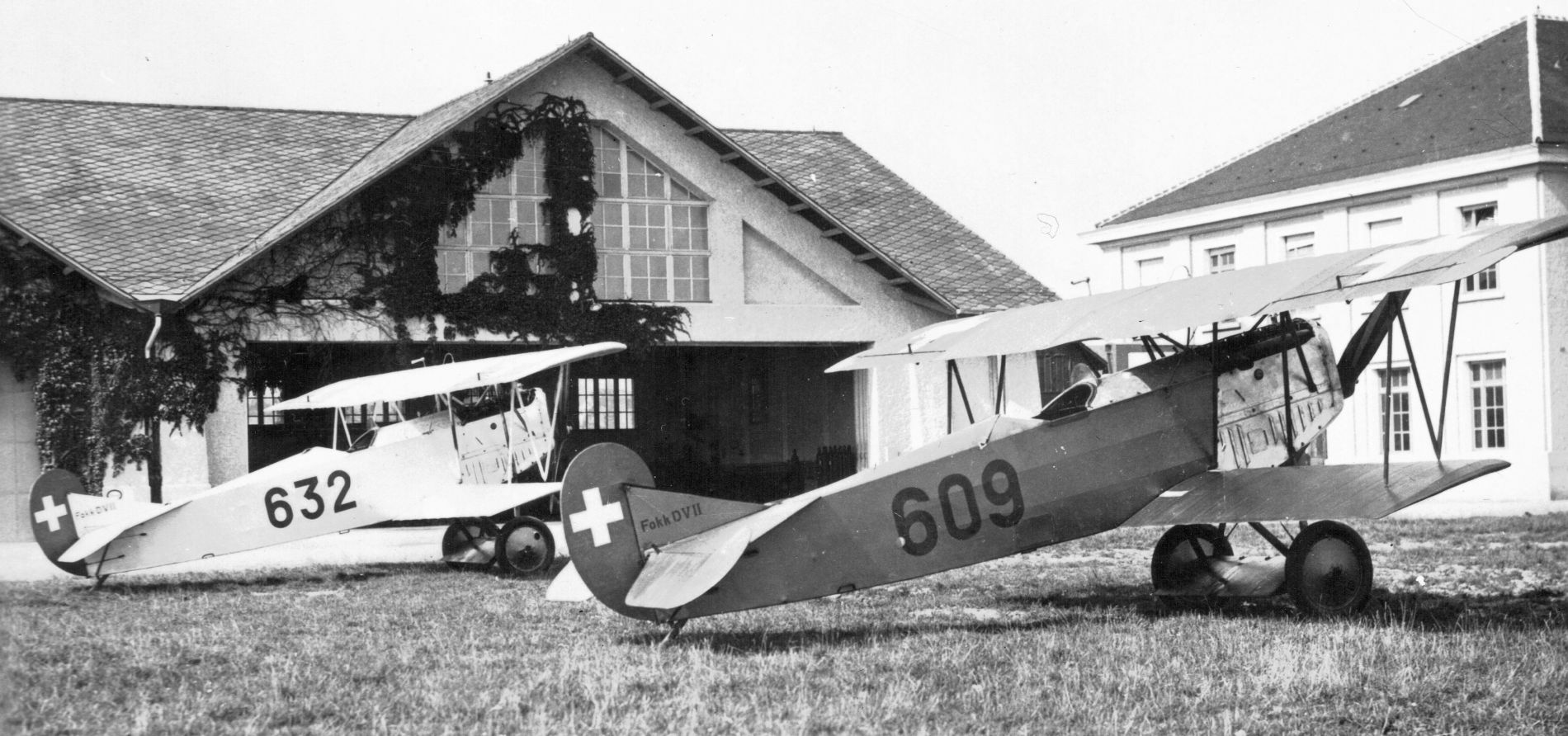
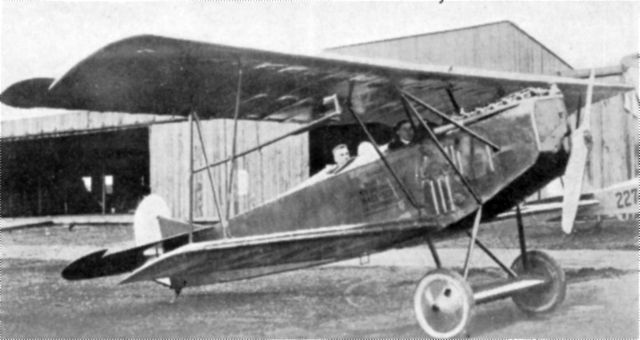
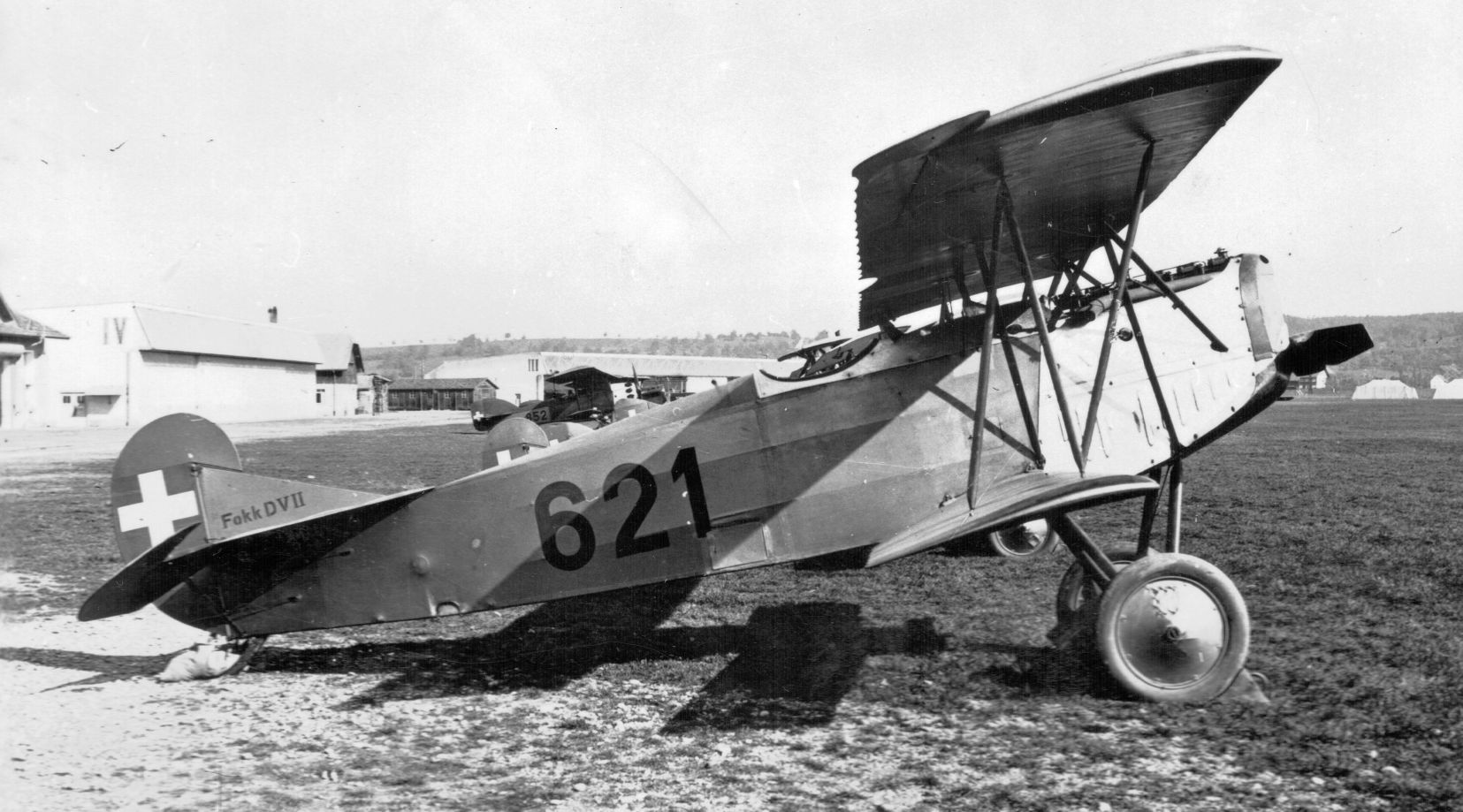
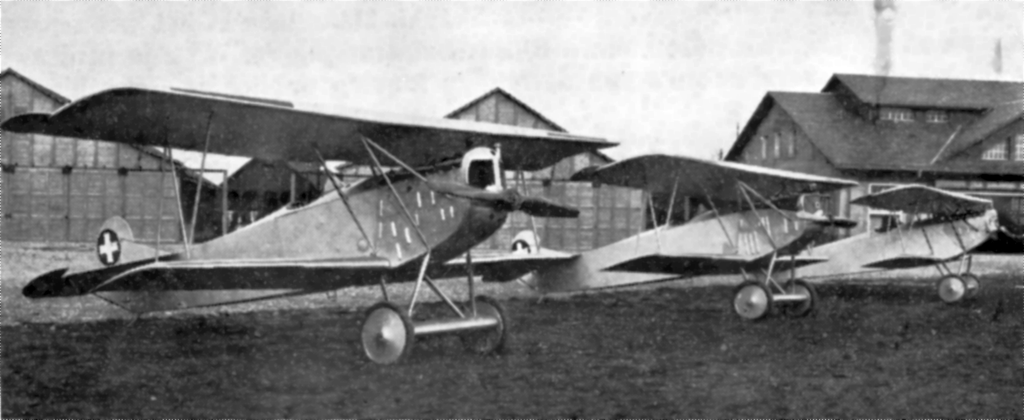
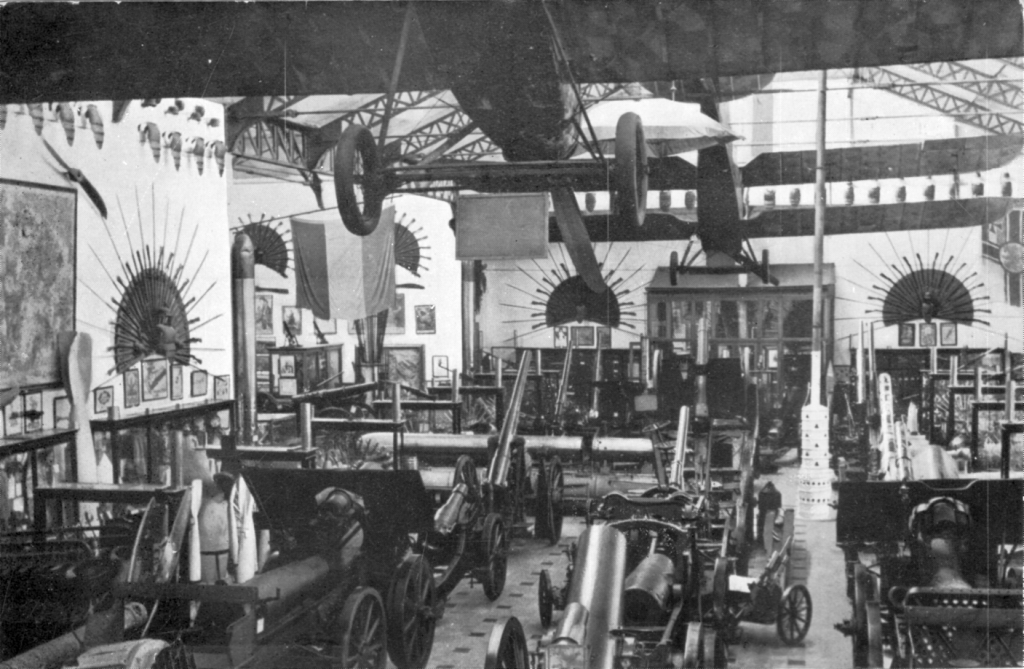
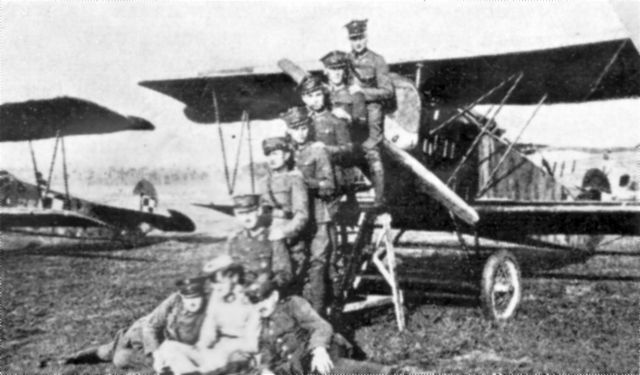
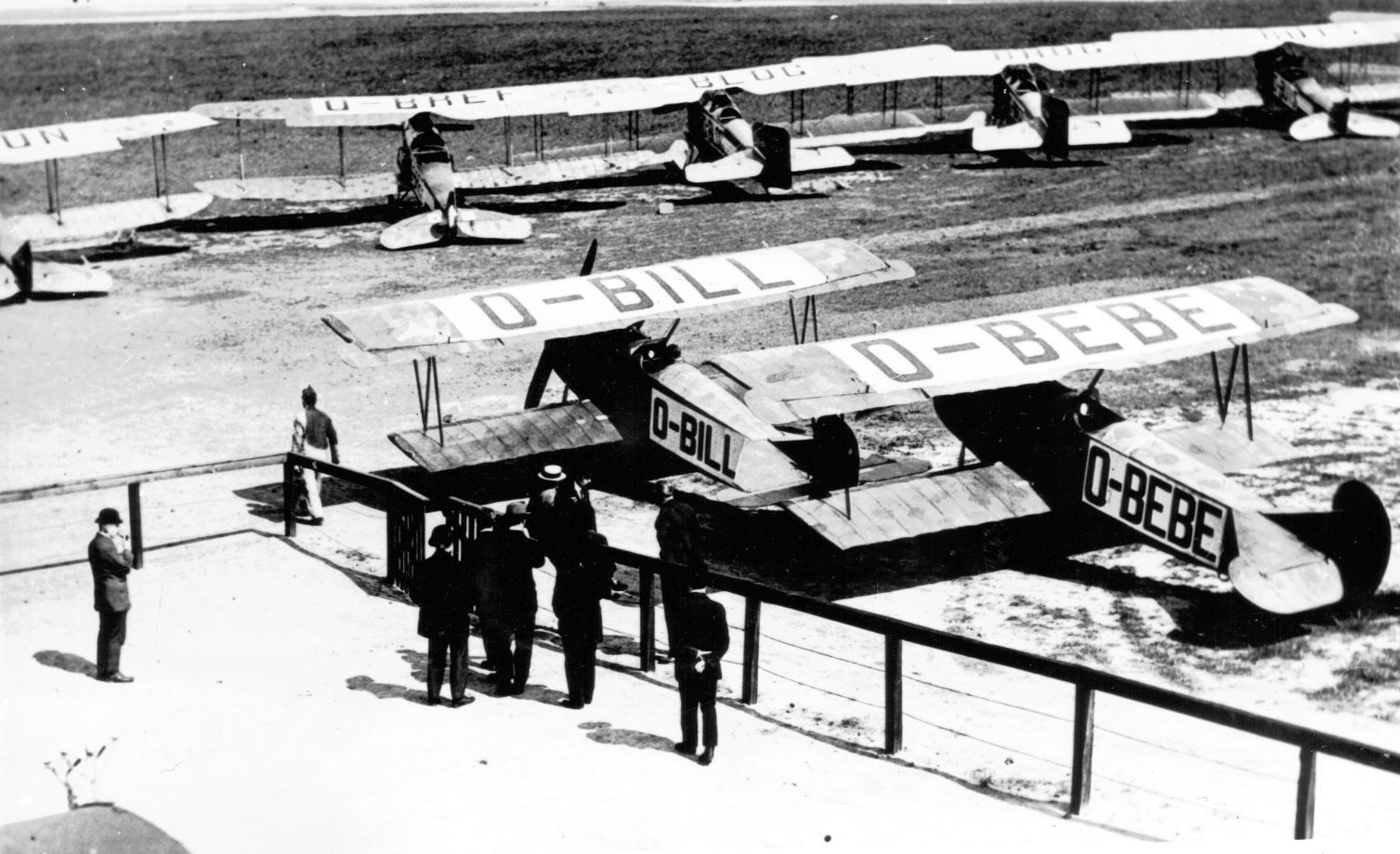
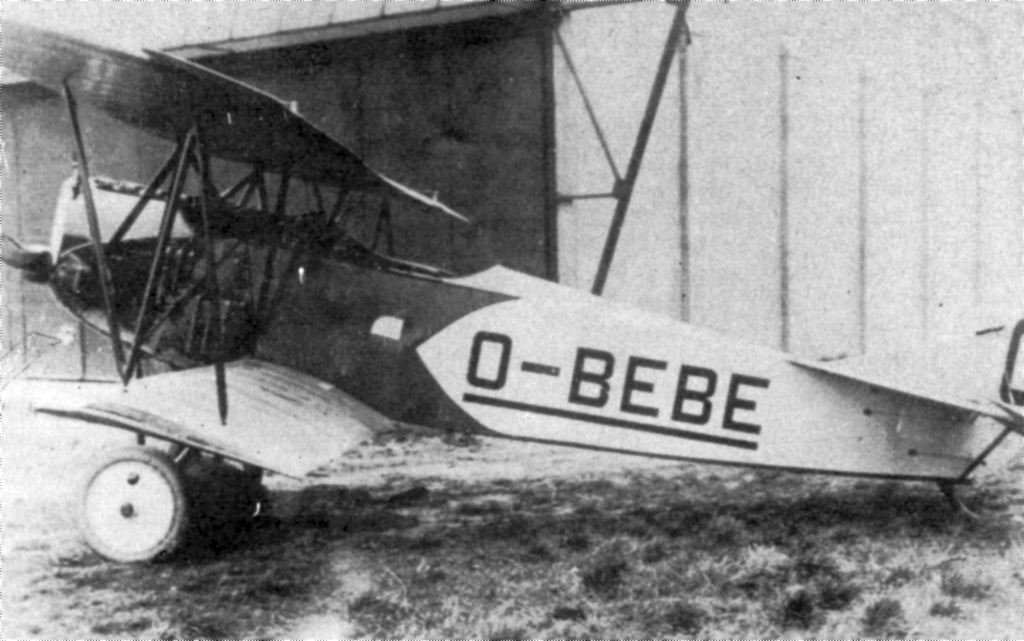
D-VIIs in the Netherlands and the Dutch East Indies
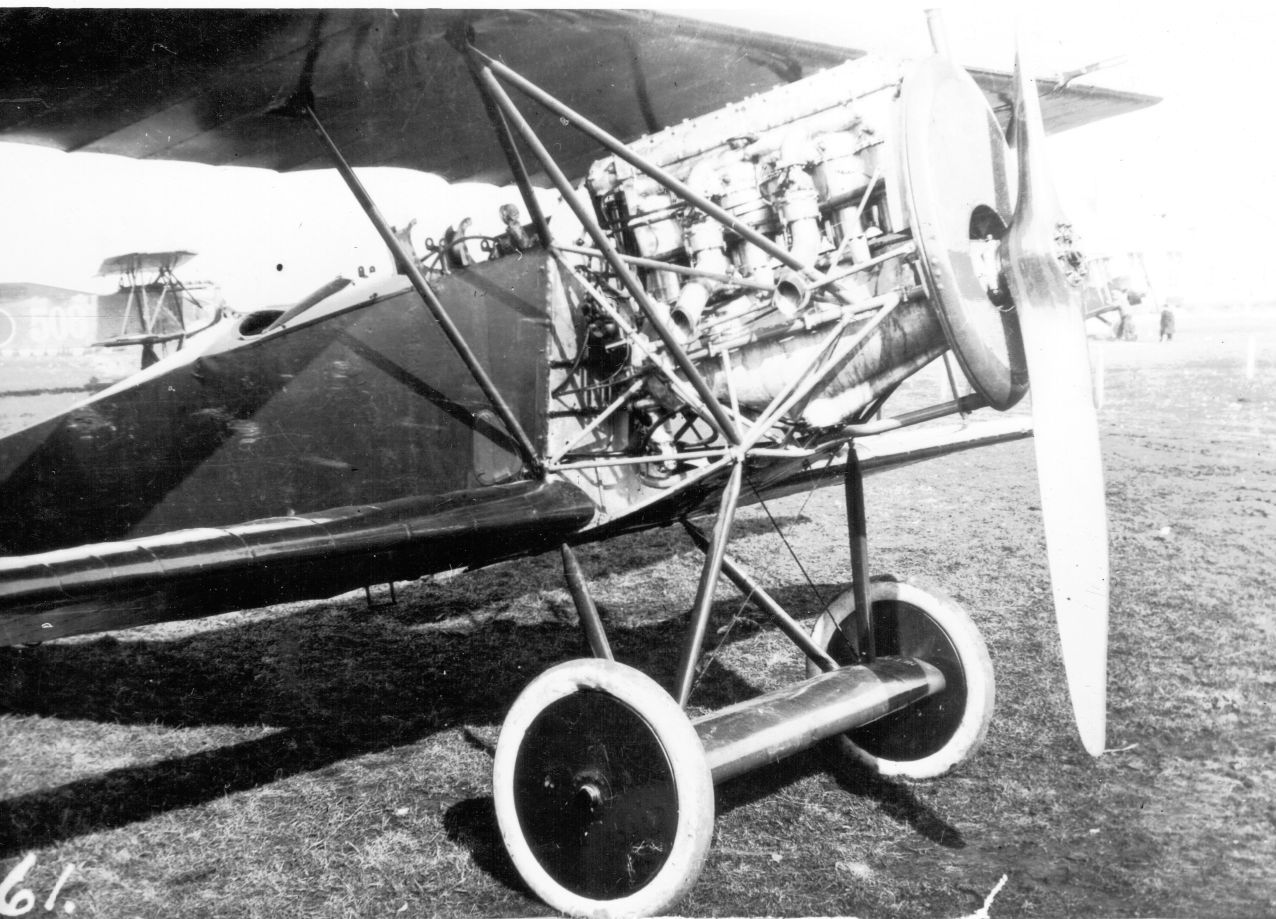
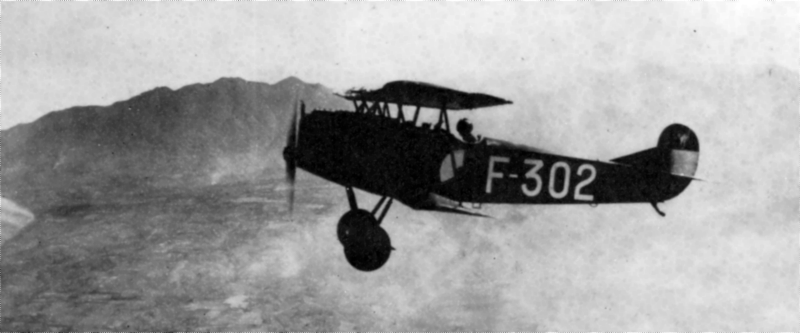
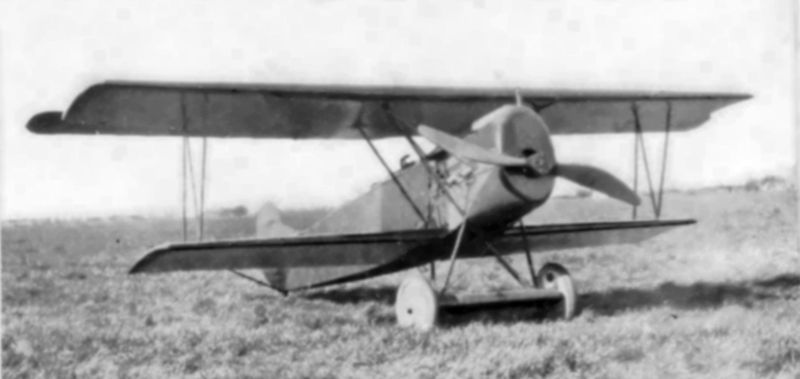

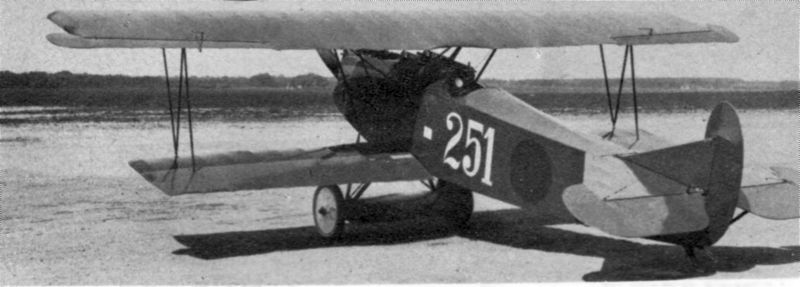
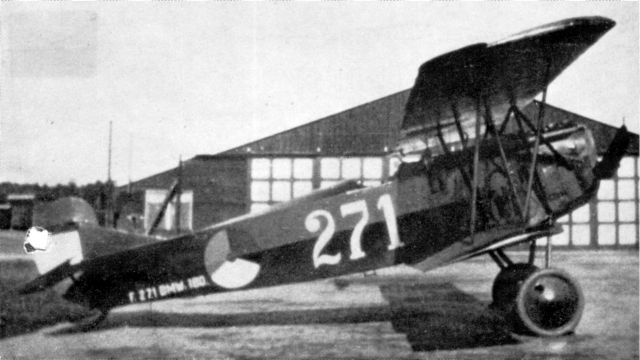
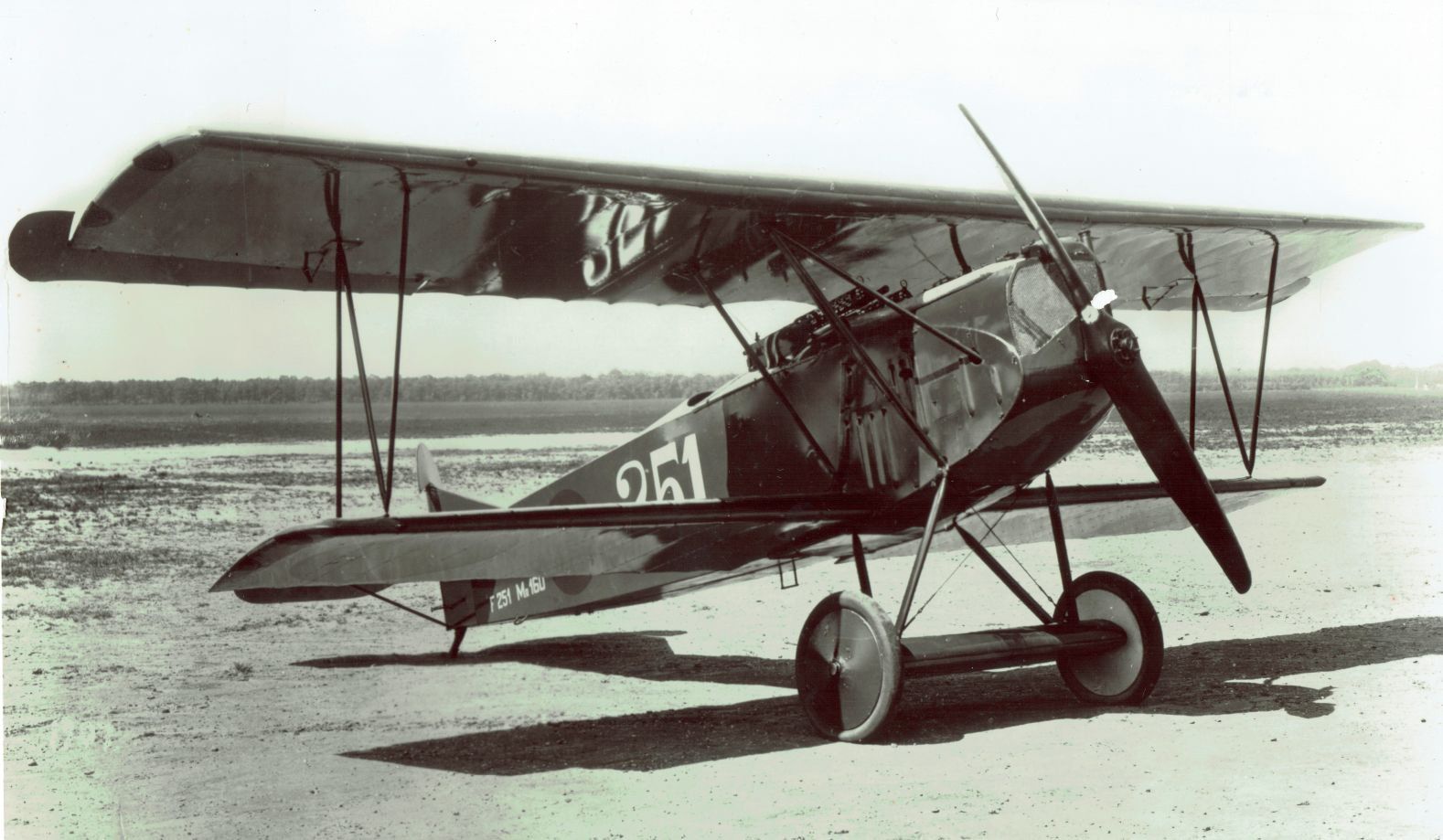
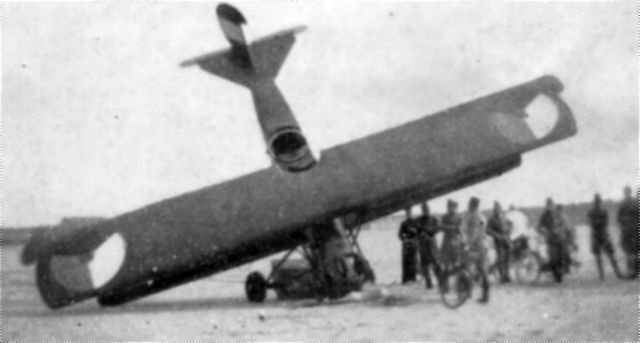
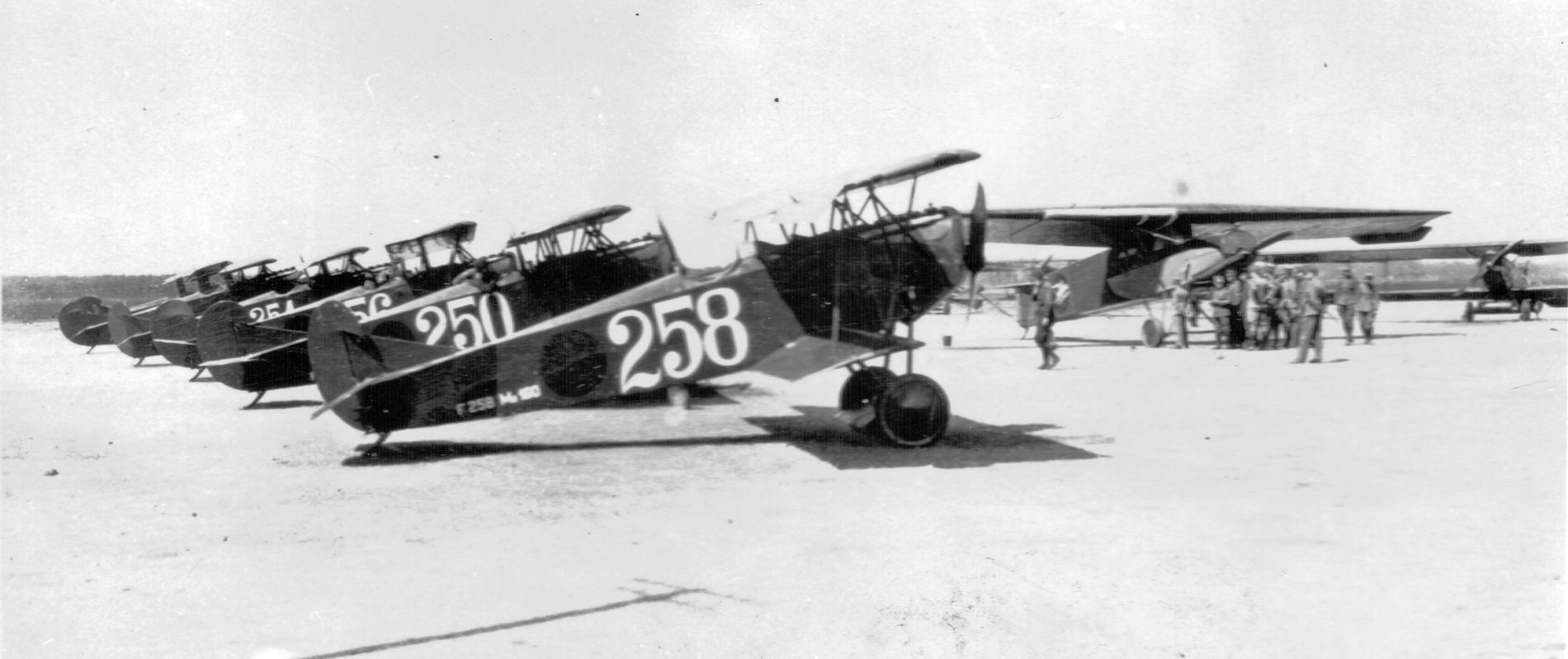
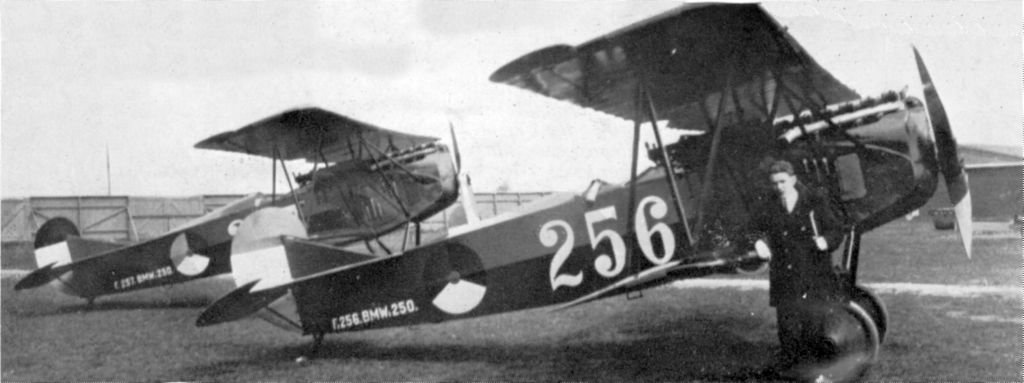
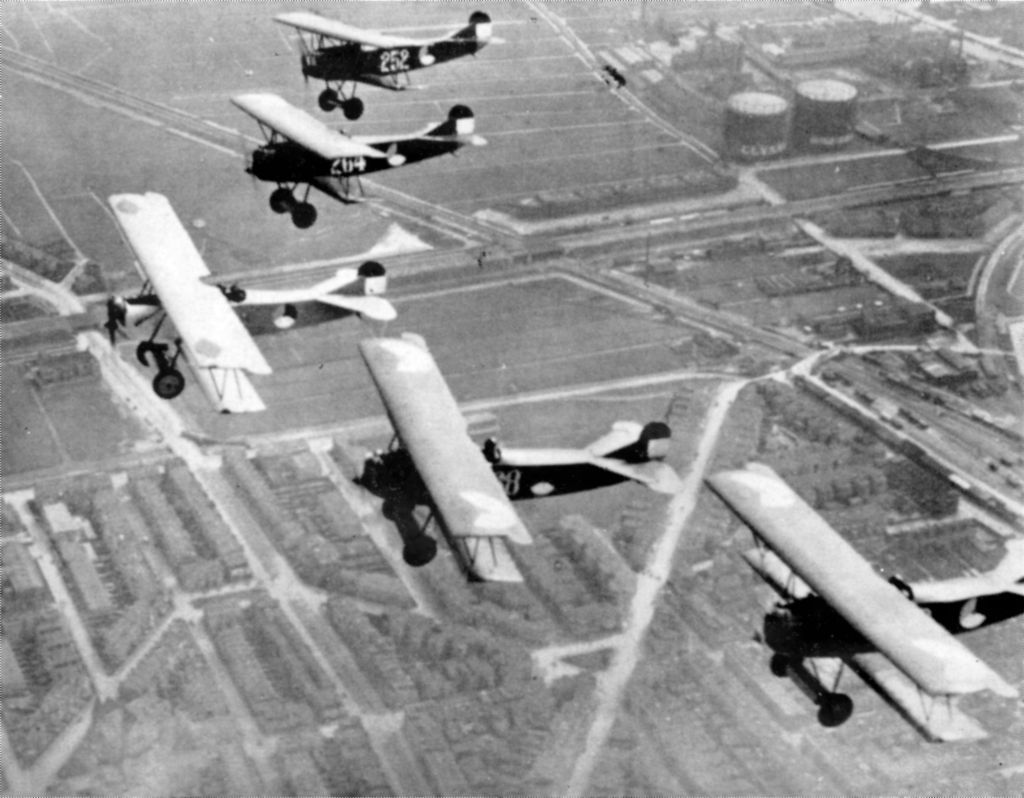
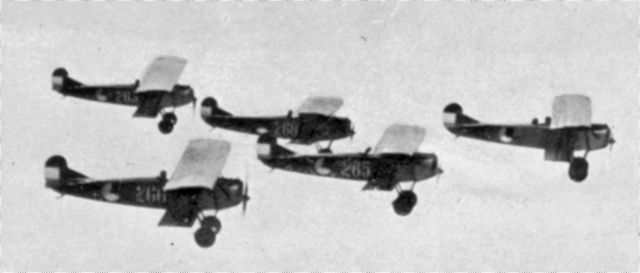
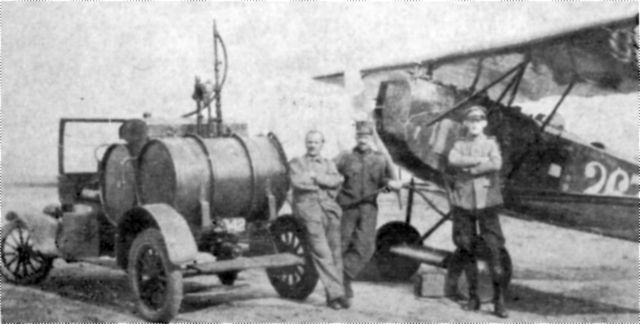
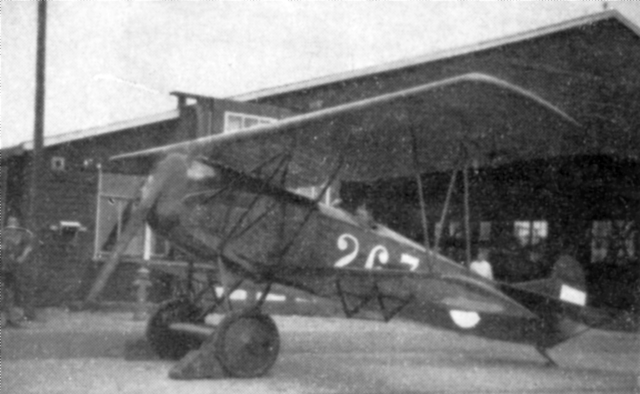

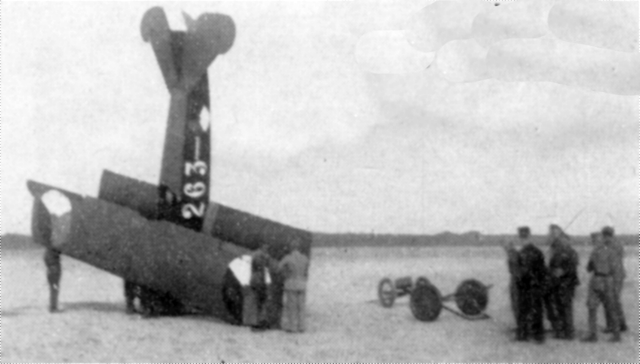
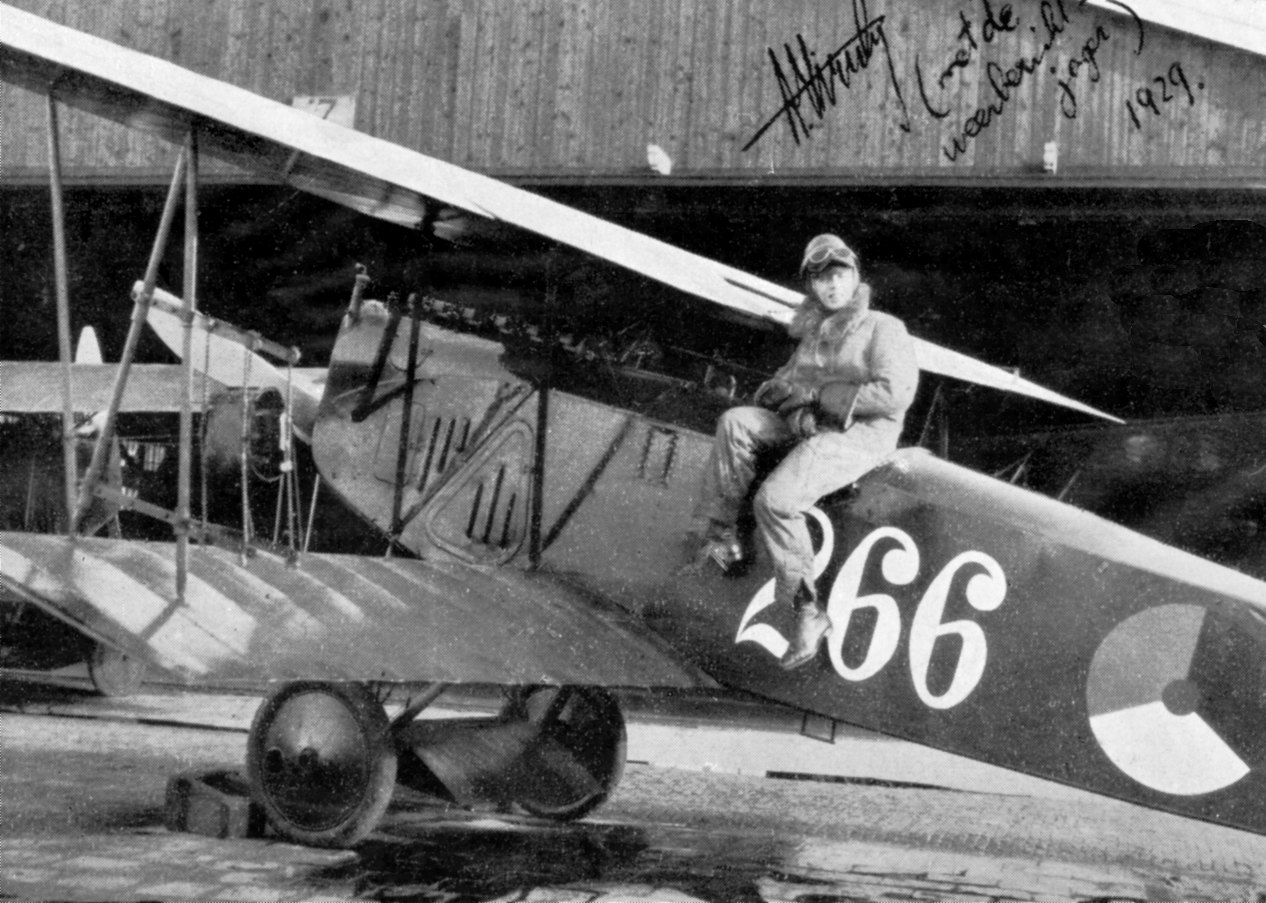
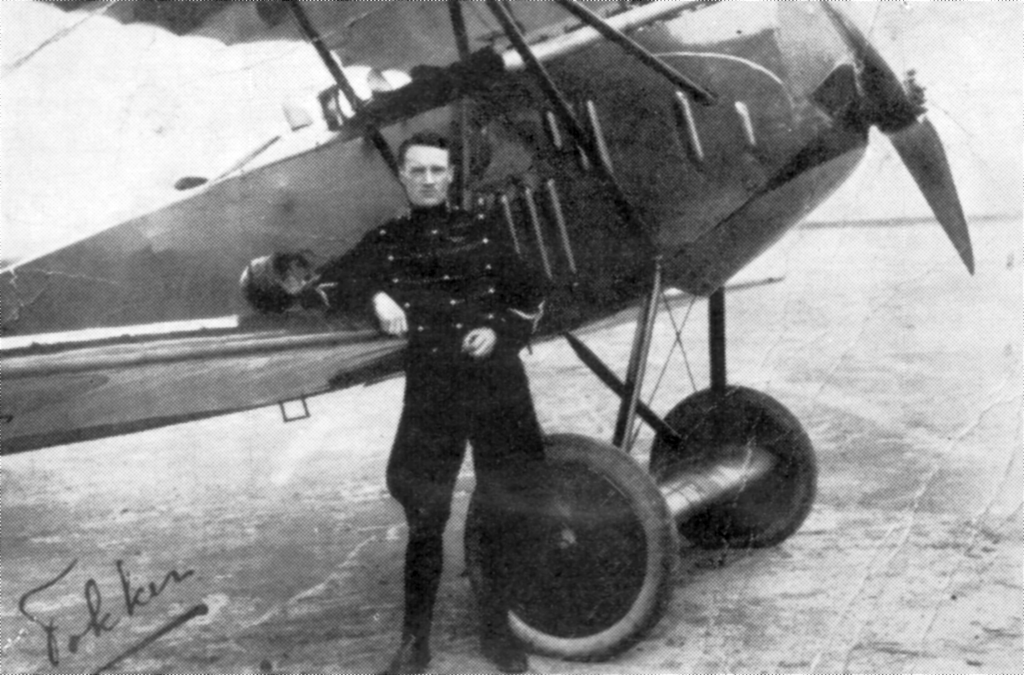
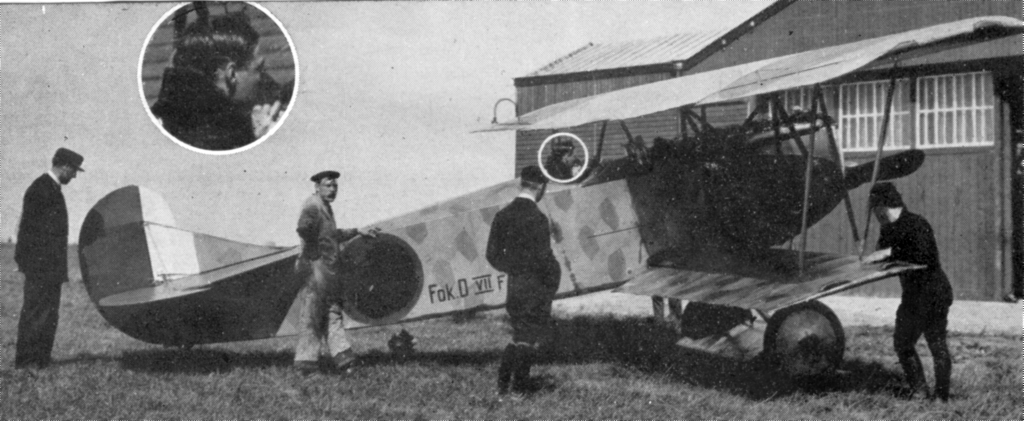
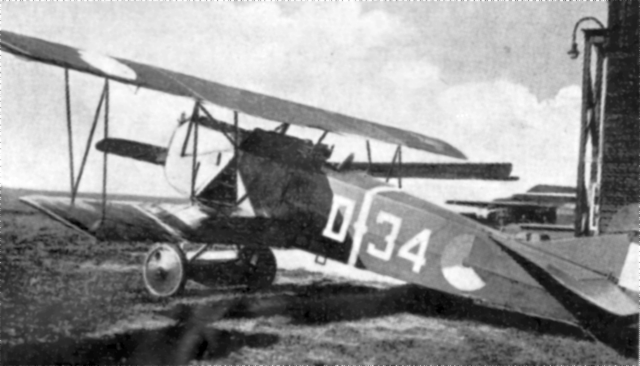
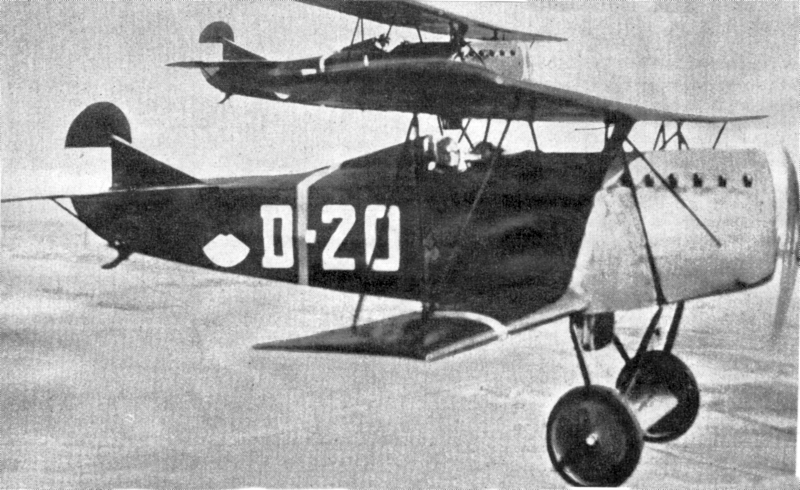
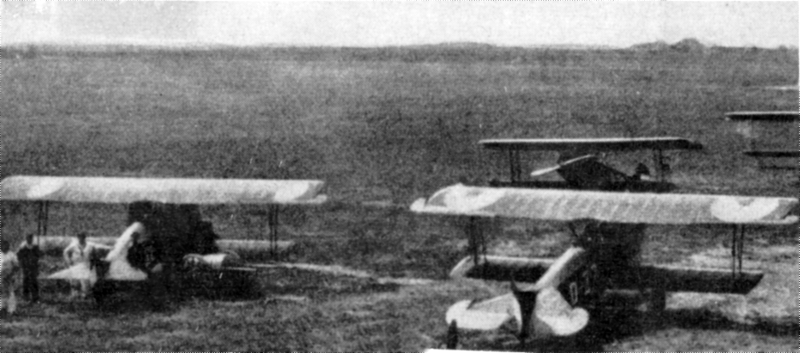
In 1932, two LVA D-VIIs flew to Iceland to conduct 'weather tests'.
(Meteorological observations).




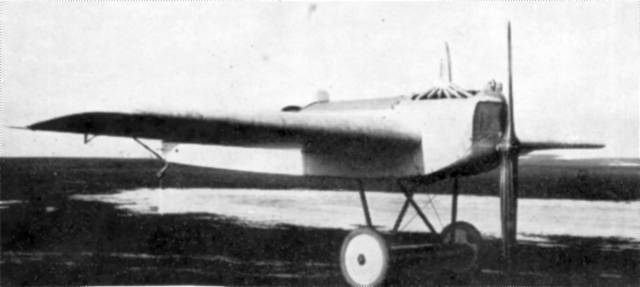
V.20 Fokker V-20
The V.20 was built in January 1918 and had a 160 hp Mercedes engine.
This monoplane was in fact an enlarged version of the V.17
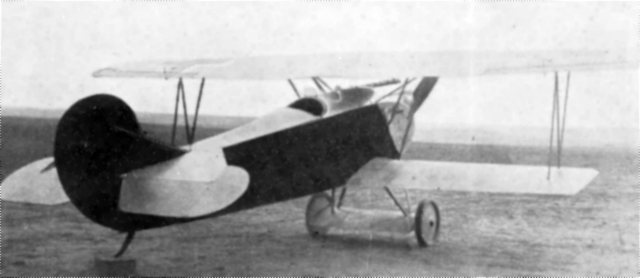
V.21 Fokker V-21
The V.21 closely resembled the D-VII, was built in early 1918 and had a 160 hp Mercedes engine.
This type took part in the second fighter competition in April 1918.
No further development took place.
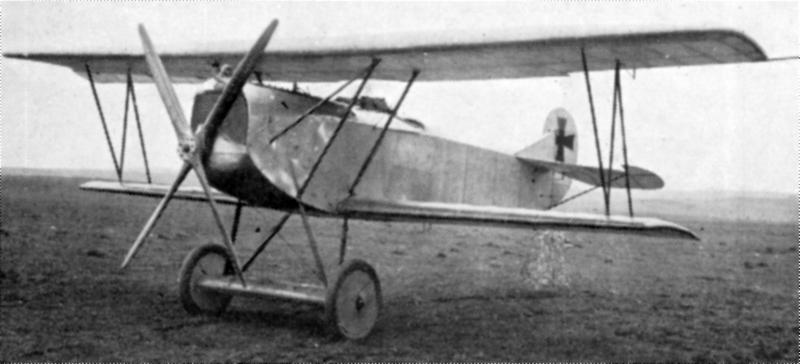
V.22 Fokker V-22
The V.22I was developed in early 1918 and was fitted with a 160 hp Mercedes engine.
A striking feature of this design was the four-bladed propeller.
The V.22 was later converted to a 2-seater, but no further development followed.
V.23Fokker V-23
This machine, developed in 1918, was also equipped with a 160 hp Mercedes engine.
The V.23 was a further development of the V.20 and took part in the second fighter competition of April 1918.
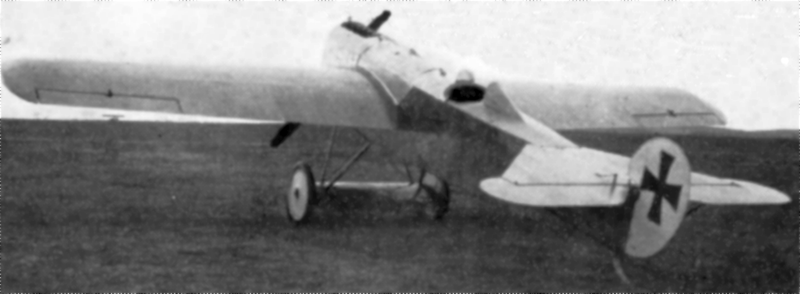
V.25Fokker V-25
The V.25 was built in March 198 and had a 110 hp Oberursel engine.
This type took part in the 'second fighter competition' of 1918.
No production followed.
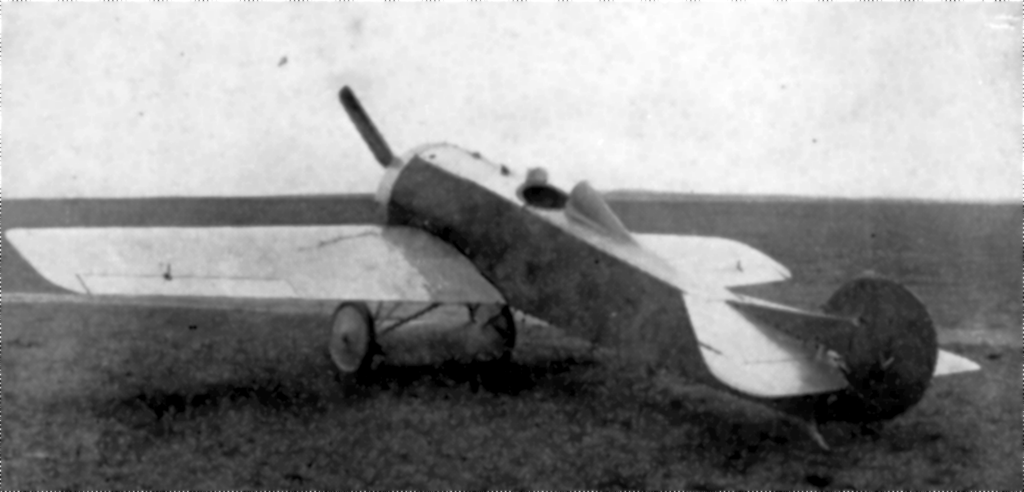
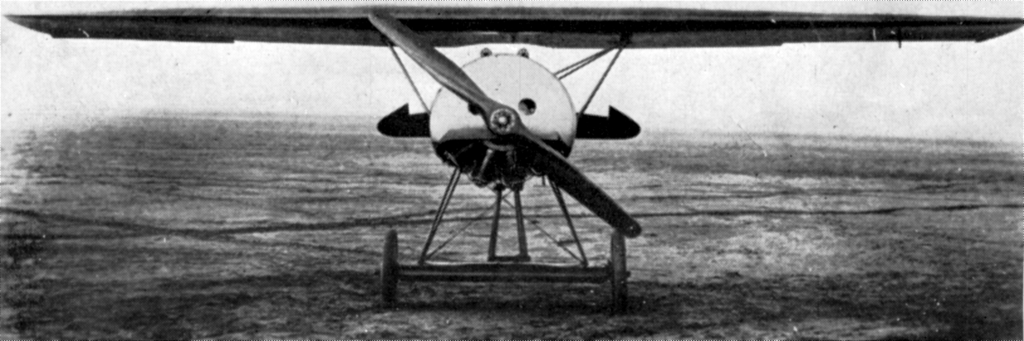
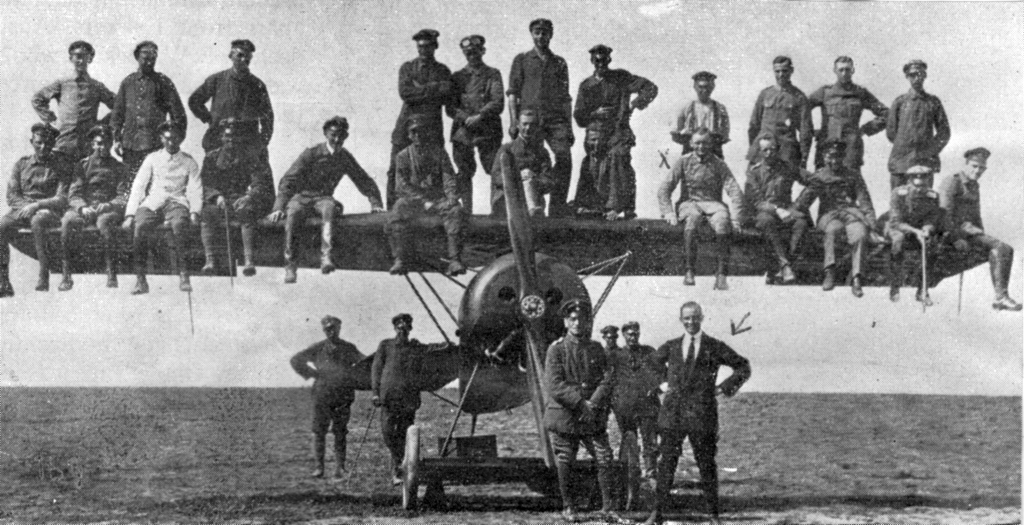
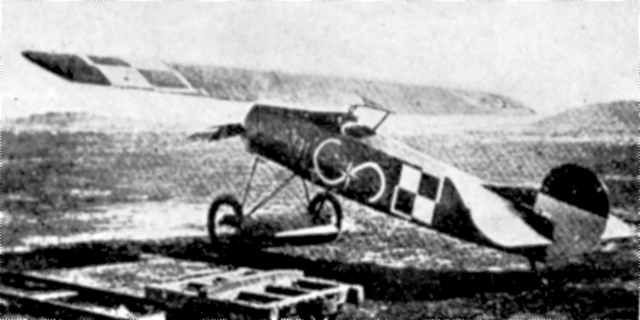
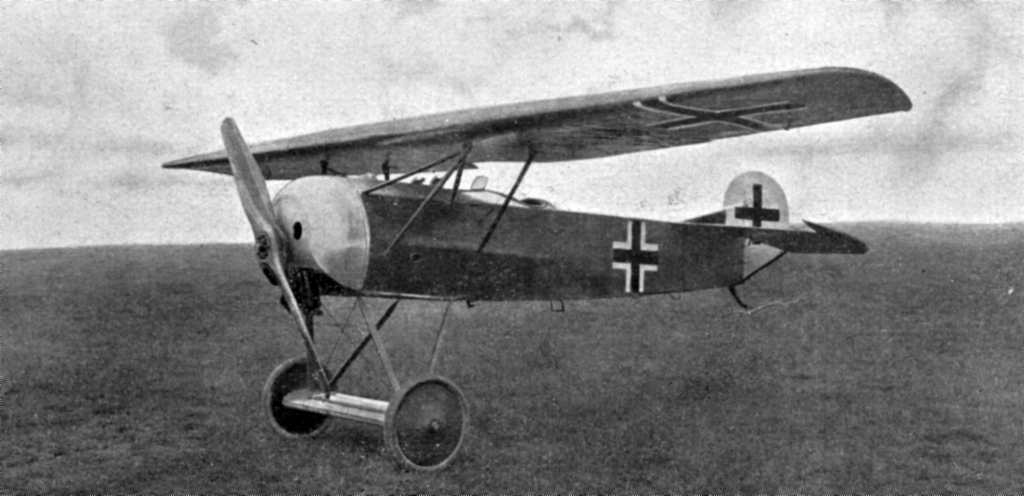
V.26/1 / prototype EV / D-VIII Fokker V-26/1, Fokker E-5, Fokker D-8
The V.26/1 was a high-wing plane and was built in March 1918.
The aircraft had a 110 hp Le Rhône engine.
It was the prototype of the EV/D-VIII fighter aircraft.
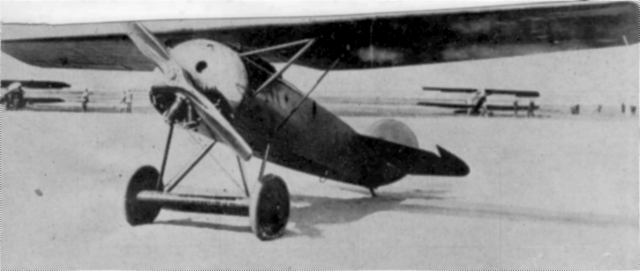
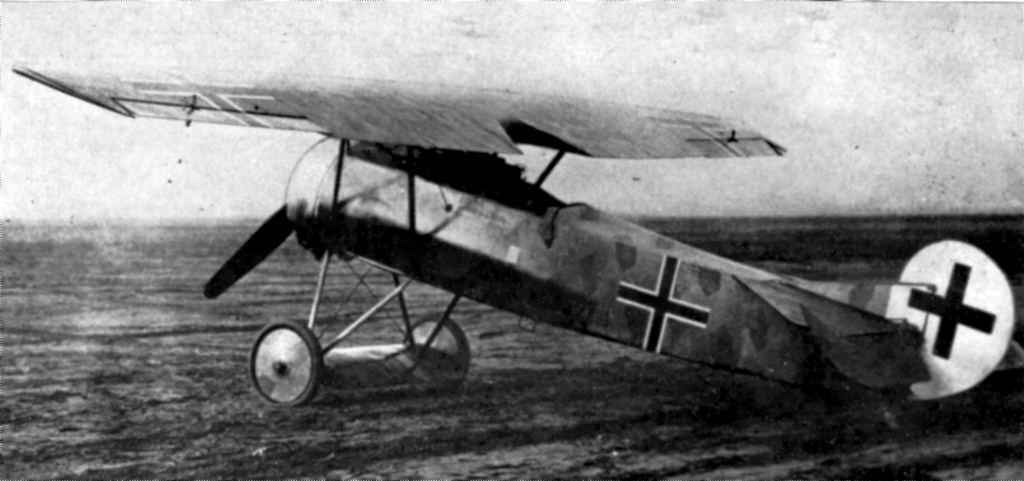
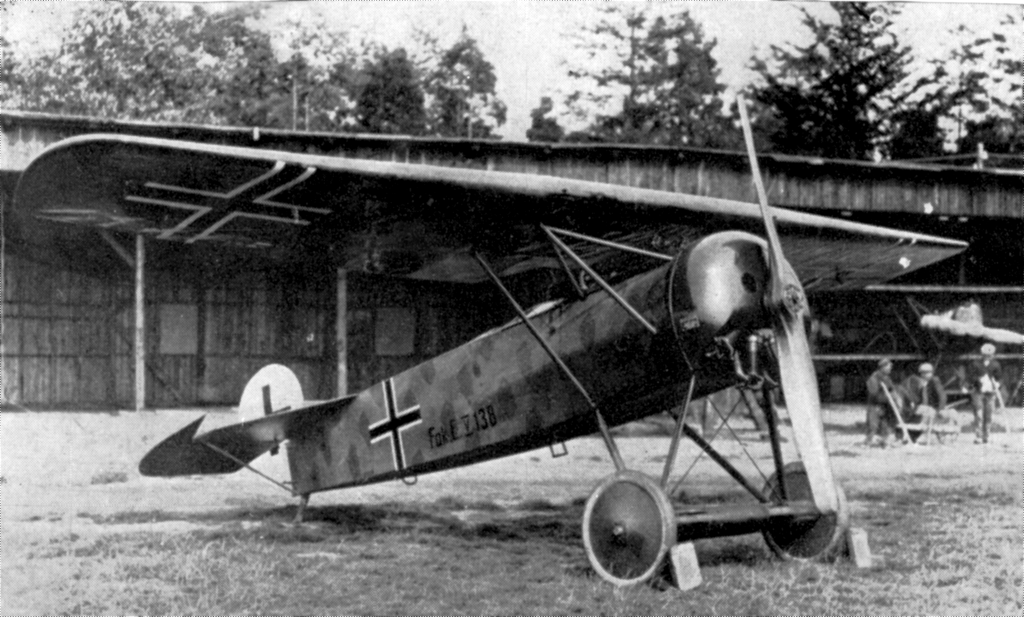
V.26/2 / EV / D-VIII Fokker V-26/2 Fokker E-5, Fokker D-8
The V.26/2 was built in April 1918 and had a Le Rhône engine.
This aircraft was first given the type designation EV and later D-VIII by the German army.The D-VIII/2 saw action in August 1918, but was soon withdrawn due to wing problems.
The "Richthoven Geschwader, Jasta-6" flew the D-VIII (EV). Three aircraft crashed due to wing problems.
The improved version came too late because the armistice was already in effect.
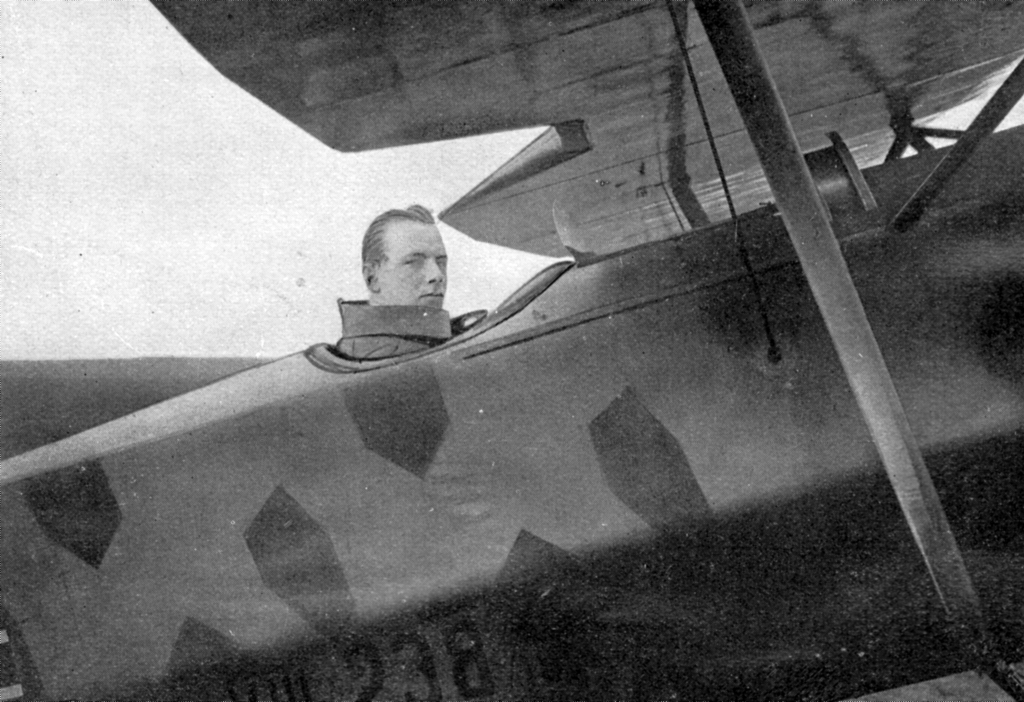
V.27Fokker V-27
The V.27 was built in April 1918.
It was an enlarged version of the V.26 and had a 195 hp V-8 Benz engine.
This type also took part in the 'second hunter competitions'.
The V.27 was a precursor to the V.30 and also the prototype of the Fokker F-VI.
The F-VI was purchased by America where it was given the type designation 'PW-5'
It was an enlarged version of the V.26 and had a 195 hp V-8 Benz engine.
This type also took part in the 'second hunter competitions'.
The V.27 was a precursor to the V.30 and also the prototype of the Fokker F-VI.
The F-VI was purchased by America where it was given the type designation 'PW-5'

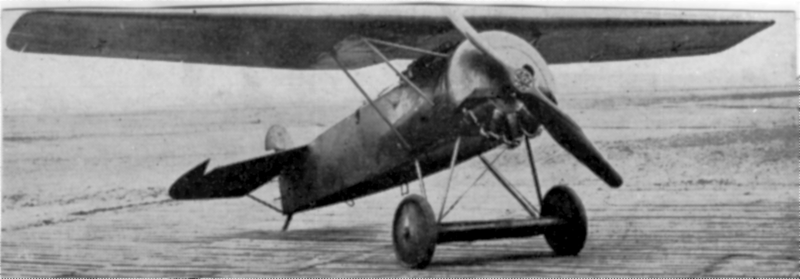
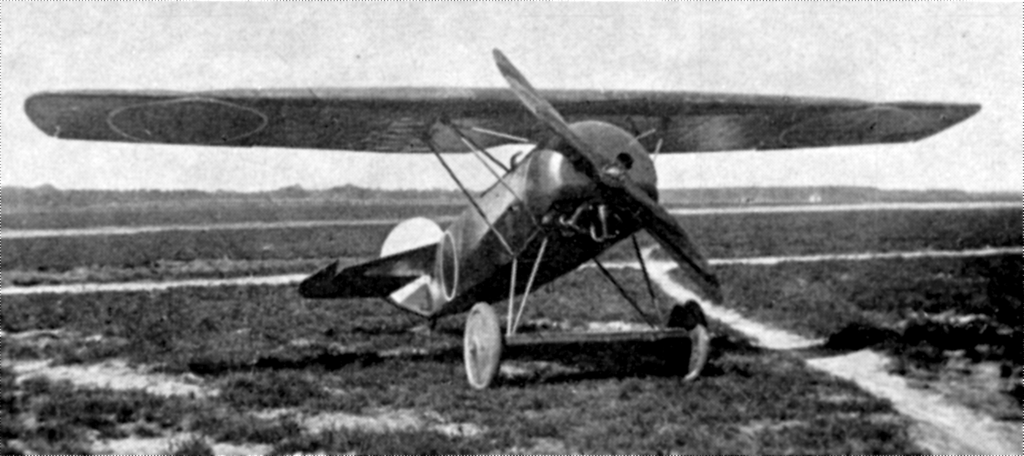
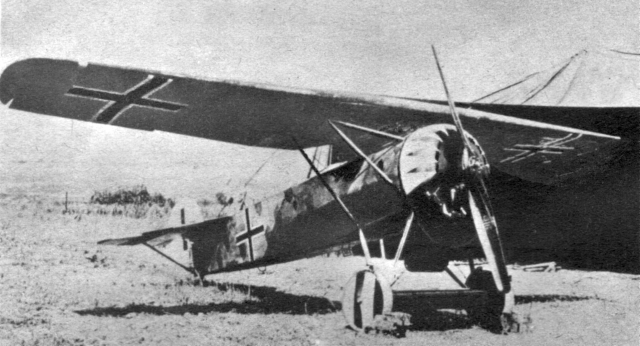
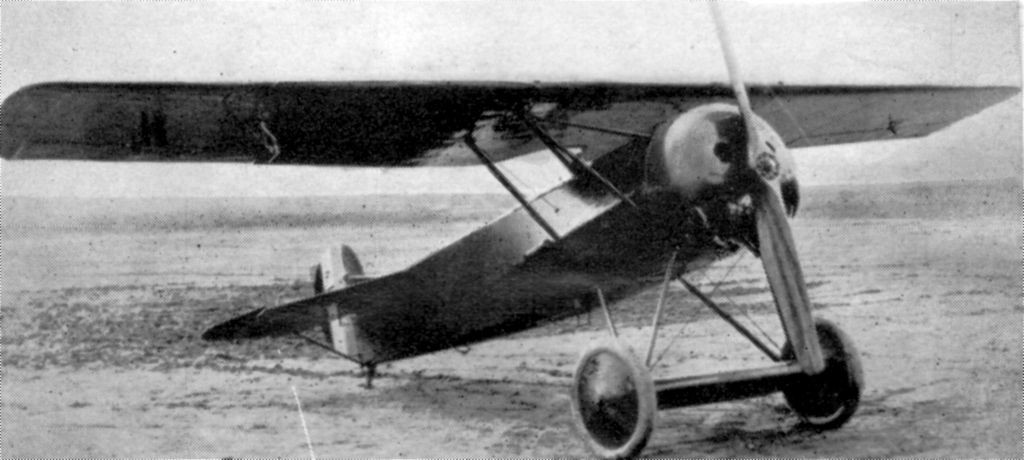
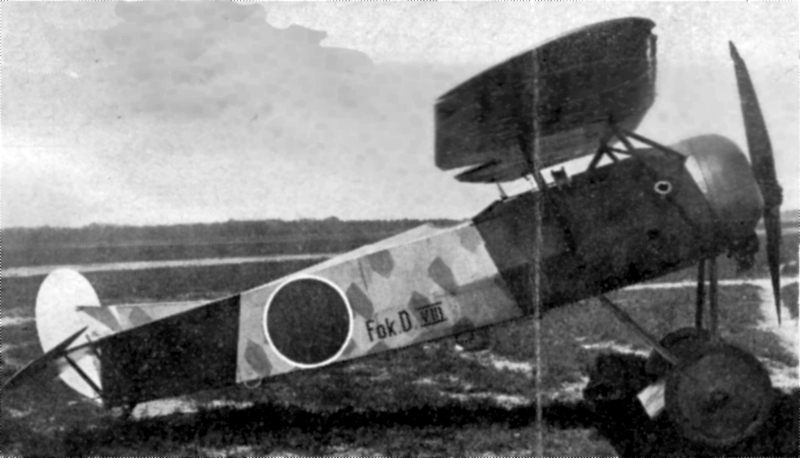
V.28 / D-VIII Fokker V-28, Fokker D-8
The V.28 was built in the summer of 1918.
This aircraft was similar to the V26/2 but had a different engine.
In the 3rd fighter competition this aircraft flew with both a 160 hp Siemens-Halske rotary engine, as well as a 160 hp Goebel engine.
The German army designated the V.28 D-VIII instead of EV.
This aircraft was similar to the V26/2 but had a different engine.
In the 3rd fighter competition this aircraft flew with both a 160 hp Siemens-Halske rotary engine, as well as a 160 hp Goebel engine.
The German army designated the V.28 D-VIII instead of EV.
This type was also the predecessor of the later Fokker D-IX
V.29 Fokker V-29
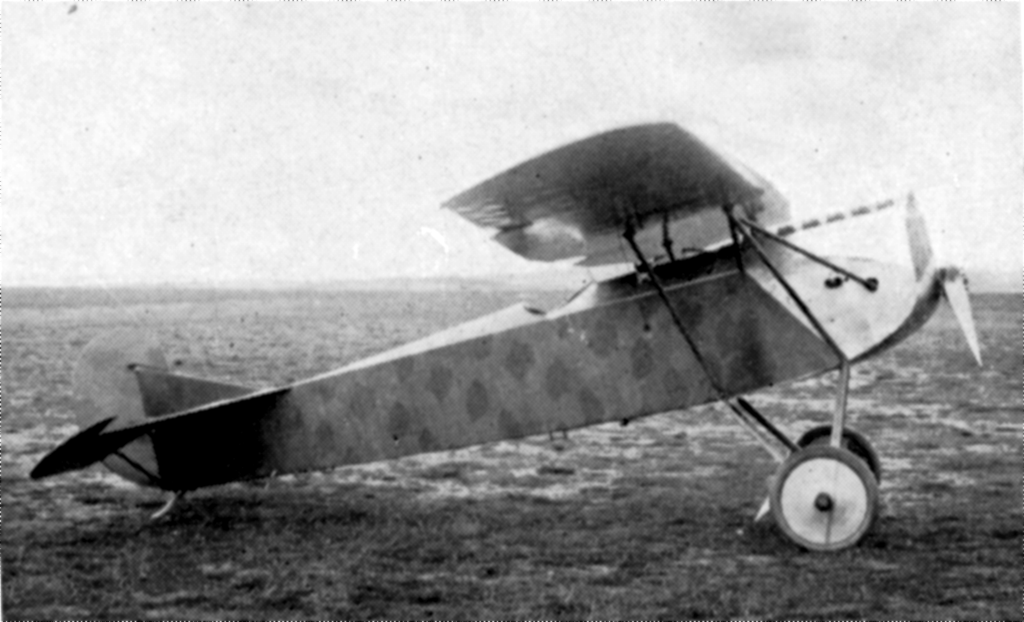
The V.29 was built in 1918 and had a 160 hp engine.
This aircraft was a larger version of the D-VIII.
Later it got a 185 hp BMW engine.
With this BMW engine the V.29 took part in the 3rd fighter competitions.
No production followed.
This aircraft was a larger version of the D-VIII.
Later it got a 185 hp BMW engine.
With this BMW engine the V.29 took part in the 3rd fighter competitions.
No production followed.
V.30Fokker V-30
The V.30 was built in the summer of 1918.
It is a parasol-winged glider (parasol glider).
The V.30 was to be a flying bomb towed by a D-VII
It is a parasol-winged glider (parasol glider).
The V.30 was to be a flying bomb towed by a D-VII
would become and then, after dropping off, would float to its goal.
The explosive charge would be carried in the nose.
The V.30 was constructed from the fuselage and wings of the V.26.
Unfortunately for Fokker, the Germans had no interest in this product.
Unfortunately for Fokker, the Germans had no interest in this product.
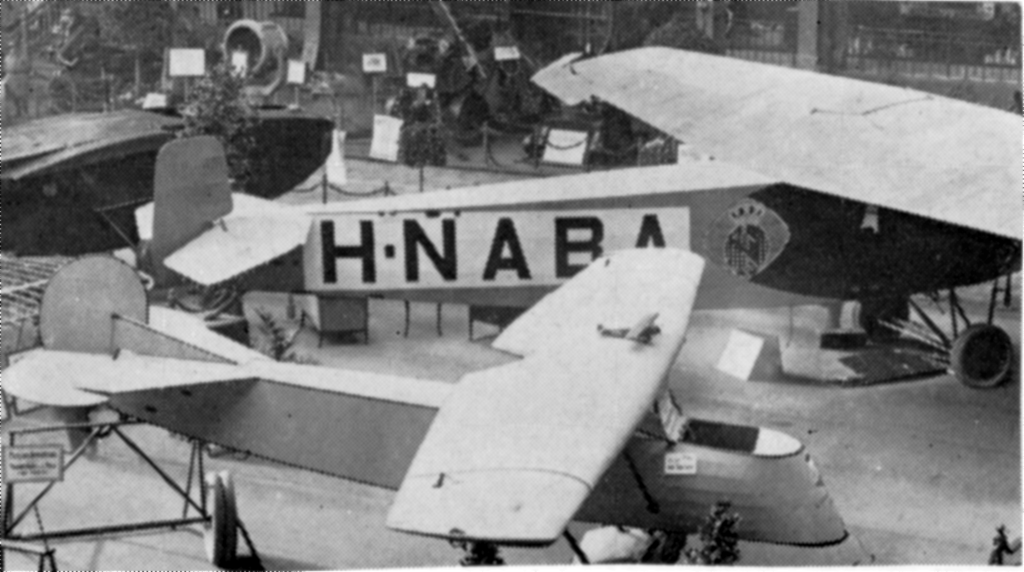
V.33 Fokker V-33
The V.33 was built in the summer of 1918 and had a 110 hp Le Rhône engine.
This device is a further development of the V.9.
Only one was built.
This device is a further development of the V.9.
Only one was built.
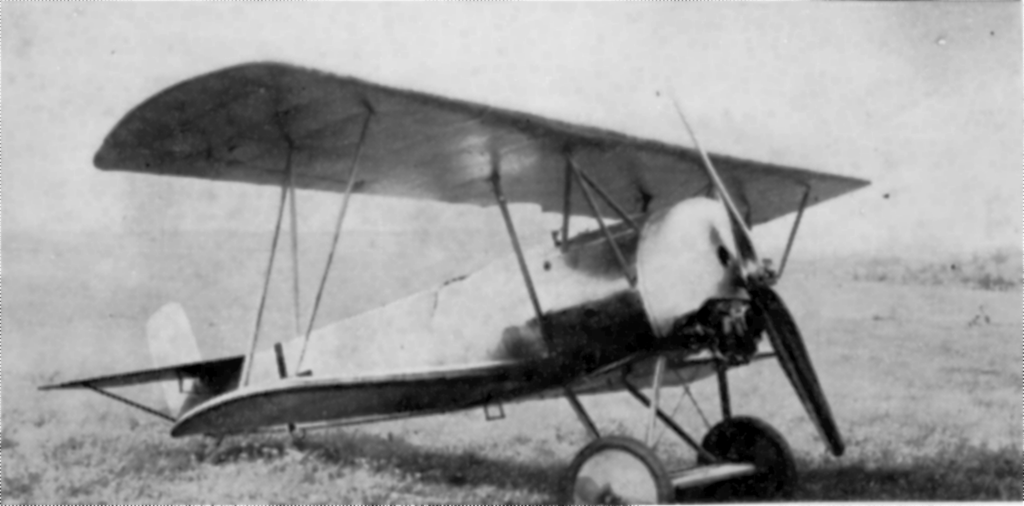
V.34 Fokker V-34
The V.34 was built in the summer of 1918 and had a 185 hp BMW engine.
This aircraft was a further development of the V.24 and had an oval radiator.
The tail rudder was the rudder of the V.33 and this aircraft type is one of the predecessors of the Fokker CI reconnaissance aircraft.
However, this type was a single-seater.
This aircraft was a further development of the V.24 and had an oval radiator.
The tail rudder was the rudder of the V.33 and this aircraft type is one of the predecessors of the Fokker CI reconnaissance aircraft.
However, this type was a single-seater.
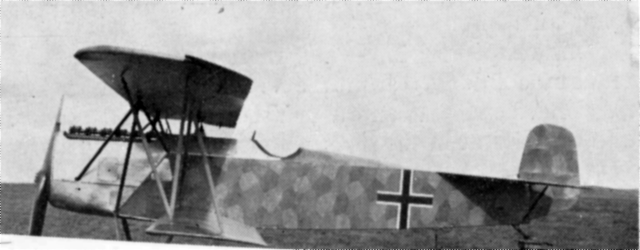
V.35 Fokker V-25
The V.35 was built in 1918 and had a 185 hp BMW engine.It was a two-seater and a further development of the V.24 and had a long flight range.
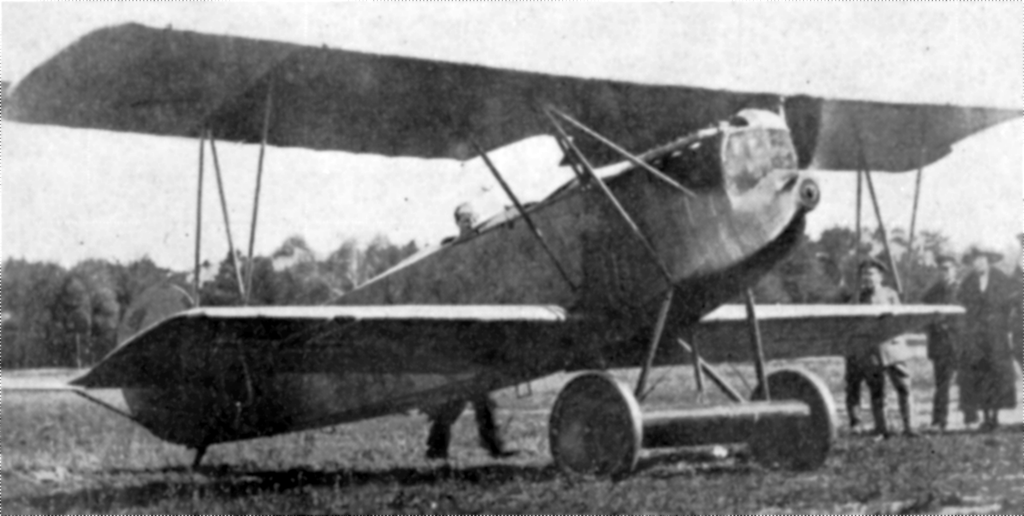
V.36 Fokker V-26
The V.36 was built in June 1918 and had a 185 hp BMW engine.
It was a further development of the V.24.
It was a further development of the V.24.
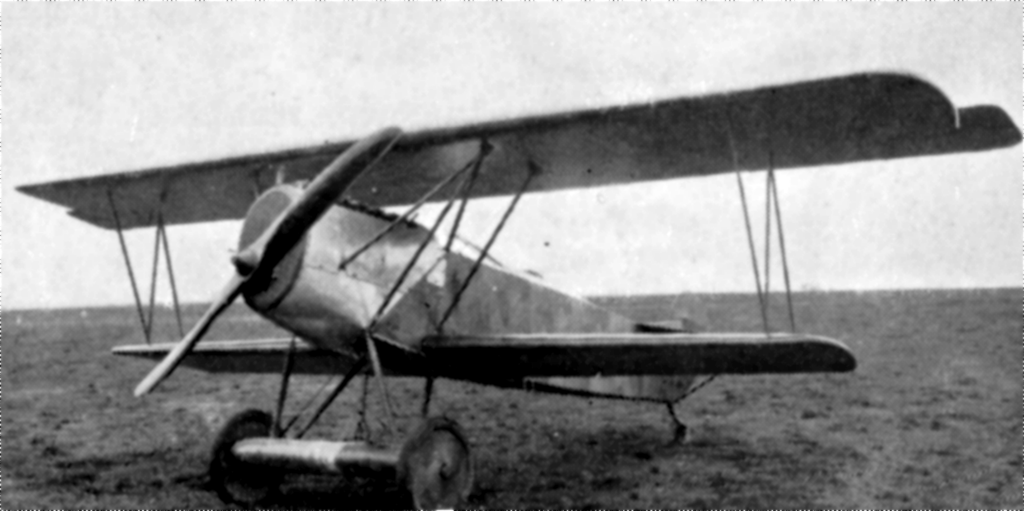
V.37 Fokker V-37
The V.37 was built in August 1918 and had a 195 hp Benz engine.
It was a further development of the V.27.No further development or production took place.
In 1921 or 1922, two aircraft were purchased by the US Air Service.
These had a 330 hp Wright-Hispano engine and two .30 Browning machine guns.
These aircraft are sometimes mistakenly referred to as V-40.In the US they were designated 'PW-5' (also F-VI).
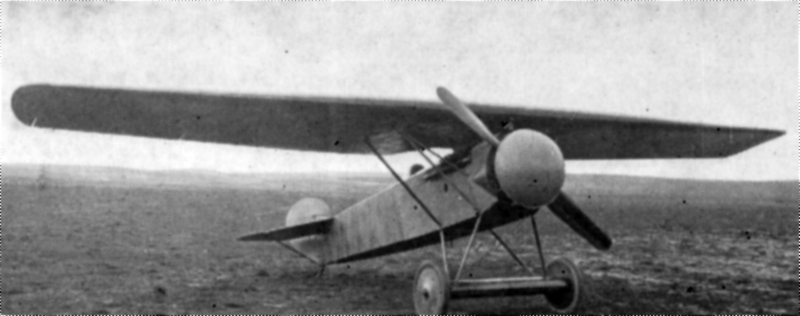
V.38 / CI Fokker V-38 / Fokker C-1
The V.38/CI was built in September 1918 and had a 185 hp BMW engine.
It was a larger version of the D-VII and later also the prototype of the CI.
The German Air Force ordered a number of these, but they were not completed before the armistice of 1918.
Some went to the Netherlands and were sold to the LVA and the MLD.
Between 250 and 300 CIs were built. Construction no longer took place in Schwerin, but in Amsterdam Noord.
Click here for the CI page.
It was a larger version of the D-VII and later also the prototype of the CI.
The German Air Force ordered a number of these, but they were not completed before the armistice of 1918.
Some went to the Netherlands and were sold to the LVA and the MLD.
Between 250 and 300 CIs were built. Construction no longer took place in Schwerin, but in Amsterdam Noord.
Click here for the CI page.

V.39 Fokker V-39
The V.39 was built in late 1918 and had a 110 hp Le Rhône engine.The design was based on the D-VIII, but was smaller.
Since it was built after the armistice, it was intended as a sports aircraft.
It was also equipped with a 50 or 80 hp Gnome engine or a 110 hp Oberursel.
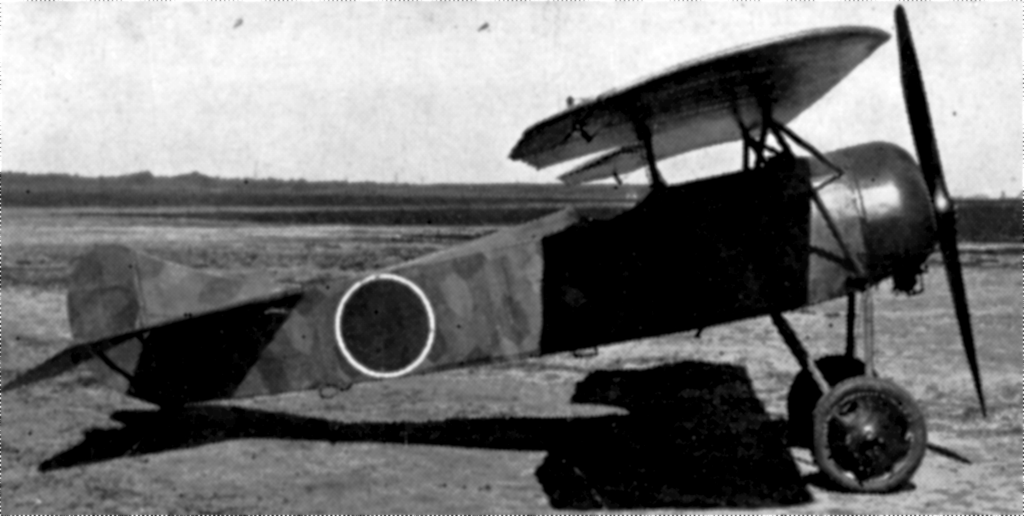
V.40 Fokker-40
The V.40 was built at the end of 1918 and had a 38(!) hp Anzani
engine.
It was a special light sports aircraft with a parasol wing.
The V.40 was a smaller version of the V.30 and flew until 1920.
It was a special light sports aircraft with a parasol wing.
The V.40 was a smaller version of the V.30 and flew until 1920.
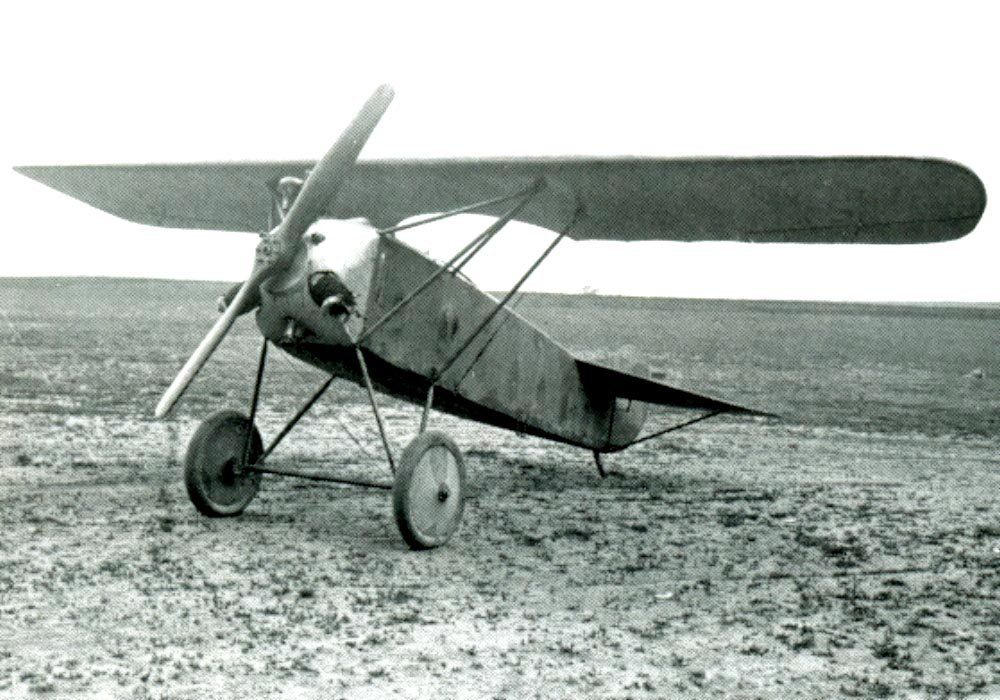
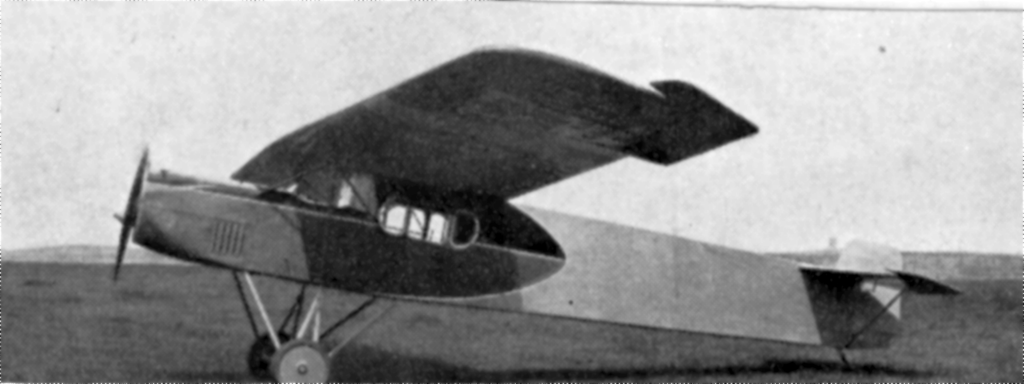
V.45 / prototype F-II Fokker V-45 / prototype F-2
The V.45 was still built in Schwerin after the end of World War I
and was Fokker's first attempt to build an airliner.
The V-XLV was in fact the prototype of the F-II.
This plane was secretly flown to Amsterdam by Bernard de Waal and
The V-XLV was in fact the prototype of the F-II.
This plane was secretly flown to Amsterdam by Bernard de Waal and
on the ELTA
on display.
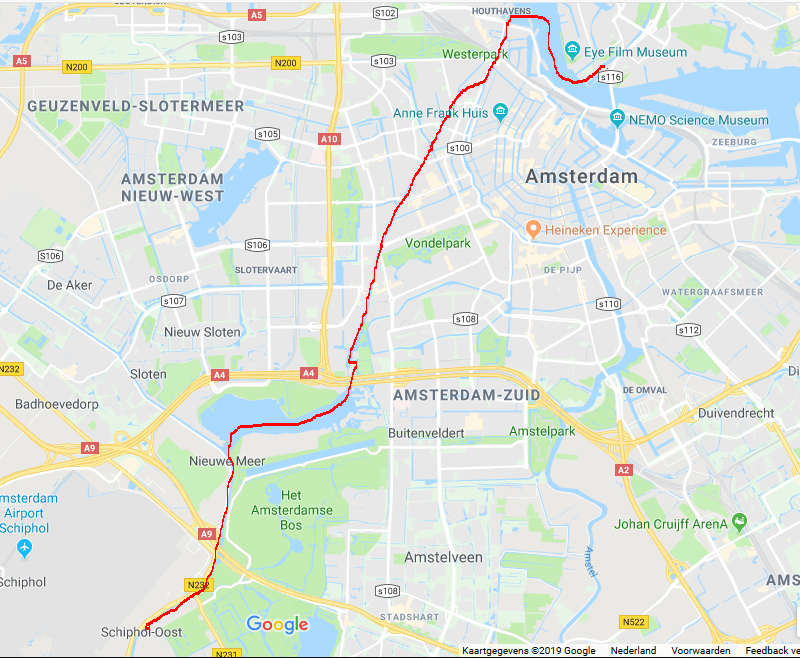
The ELTA halls soon afterwards became the Fokker factories in Amsterdam-Noord.
Fokker V1 Fokker V2 Fokker V3 Fokker V4 Fokker Fokker V5 Fokker V6 Fokker V7 Fokker V8 Fokker V9 Fokker V10 Fokker V11 Fokker V12 Fokker V13 Fokker V14 Fokker V15 Fokker V16 Fokker V17 Fokker V18 Fokker V19 Fokker V20 Fokker V21 Fokker V22 Fokker V23
Fokker V-1 Fokker V-2 Fokker V-3 Fokker V-4 Fokker V-5 Fokker V-6 Fokker V-7 Fokker V-8 Fokker V-9 Fokker V-10 Fokker V-11 Fokker V-12 Fokker V-13 Fokker V-14 Fokker V-15 Fokker V-16 Fokker V-17 Fokker V-18 Fokker V-19 Fokker V-20 Fokker V-21 Fokker V-22 Fokker V-23