They Fokker
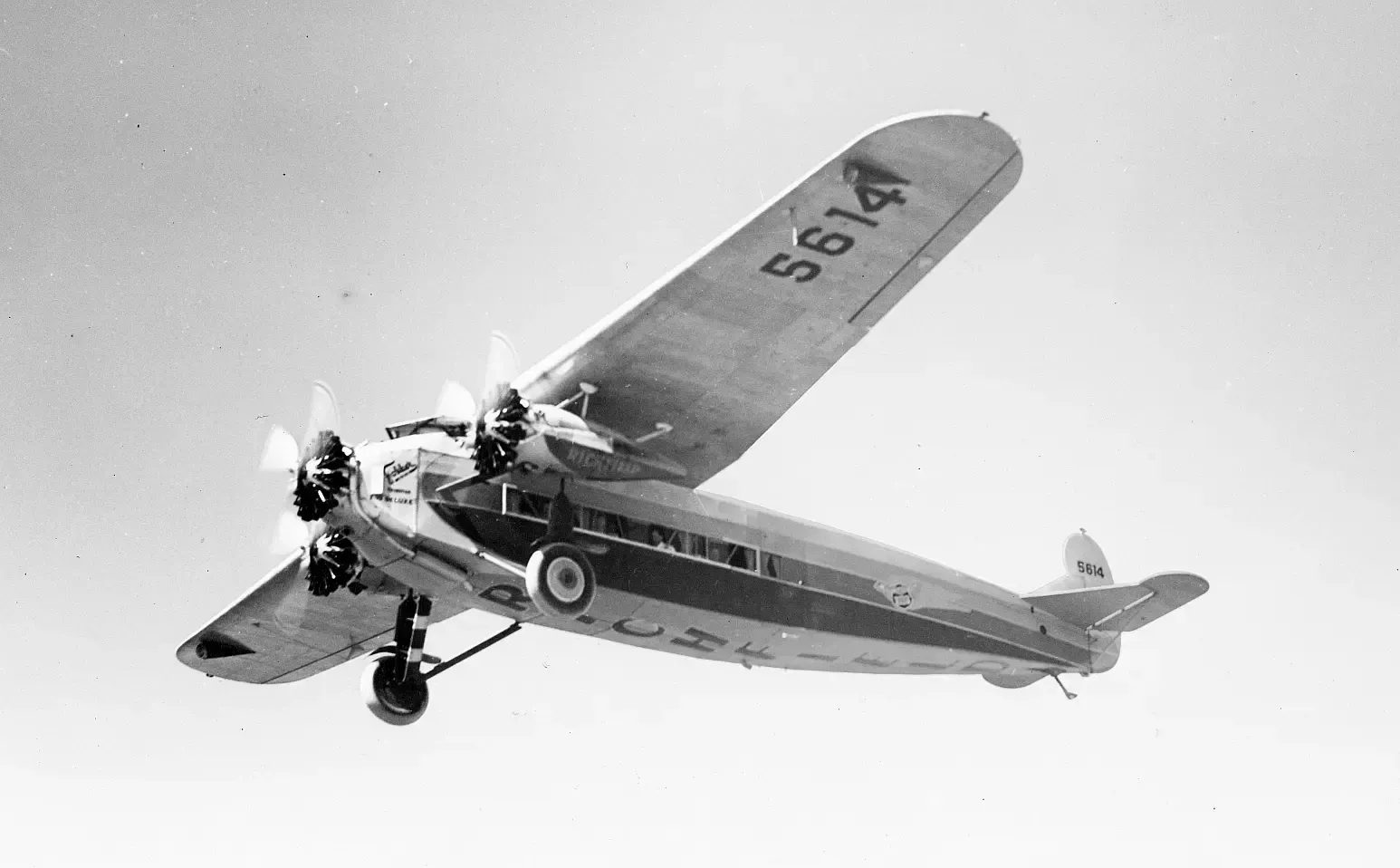
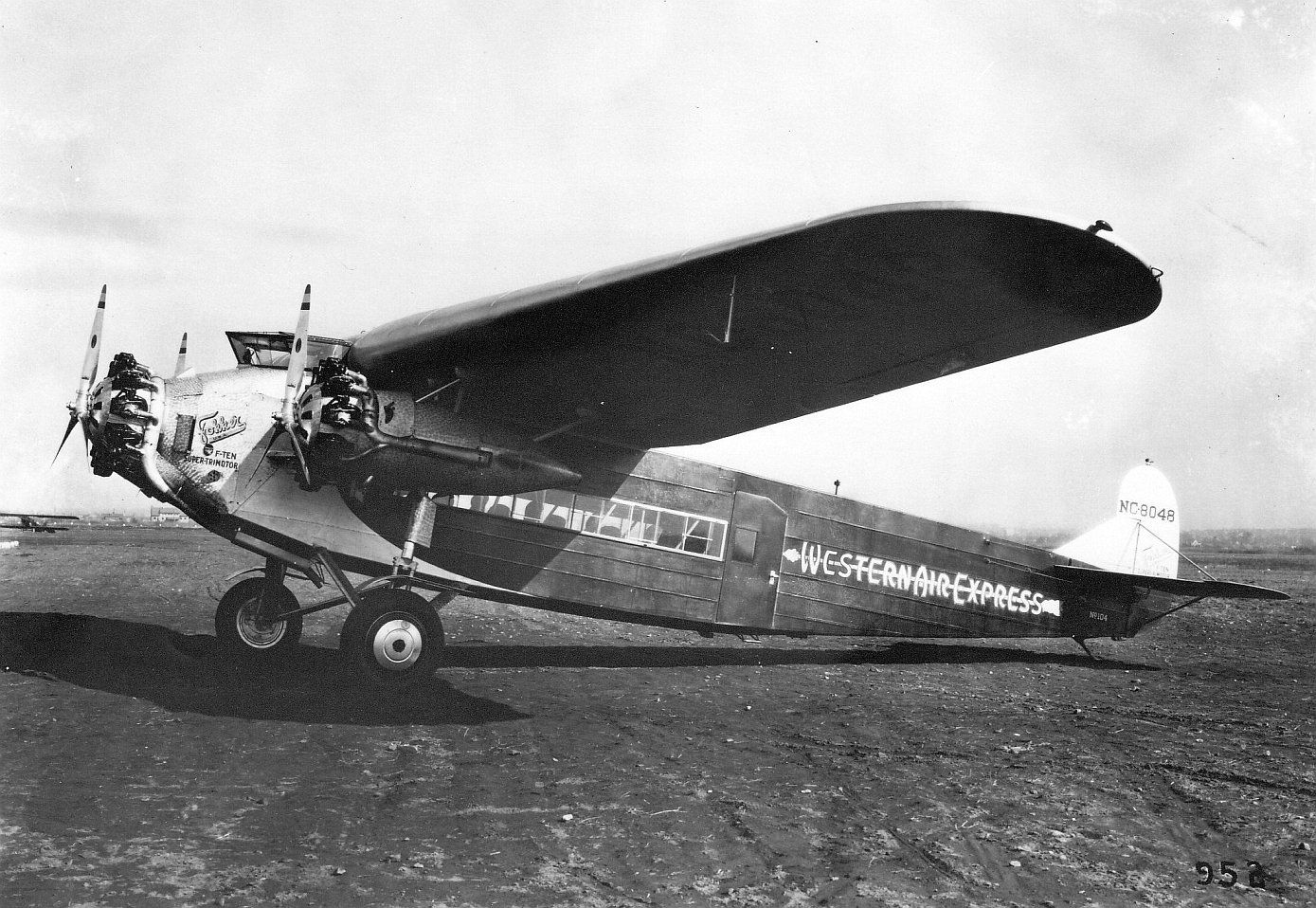
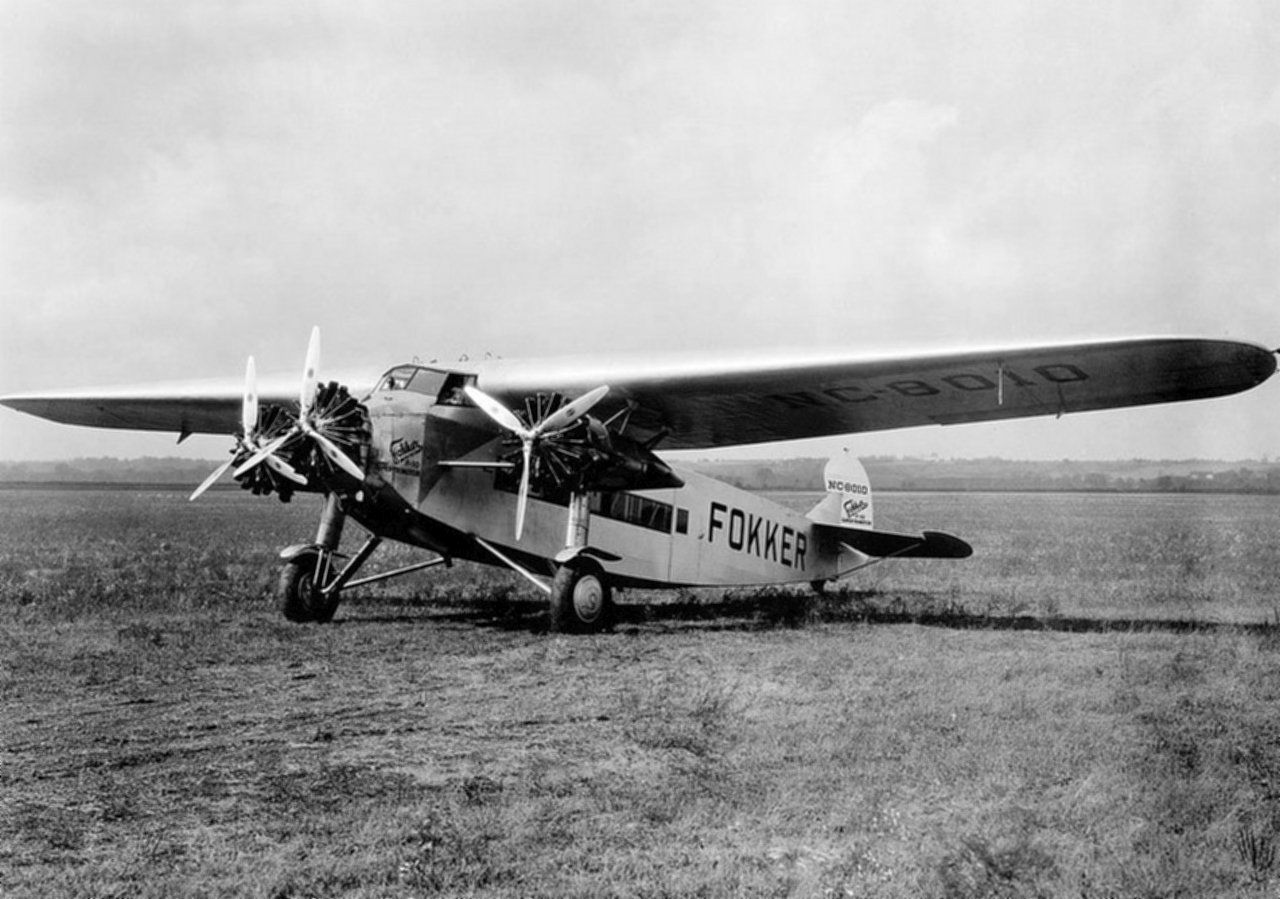
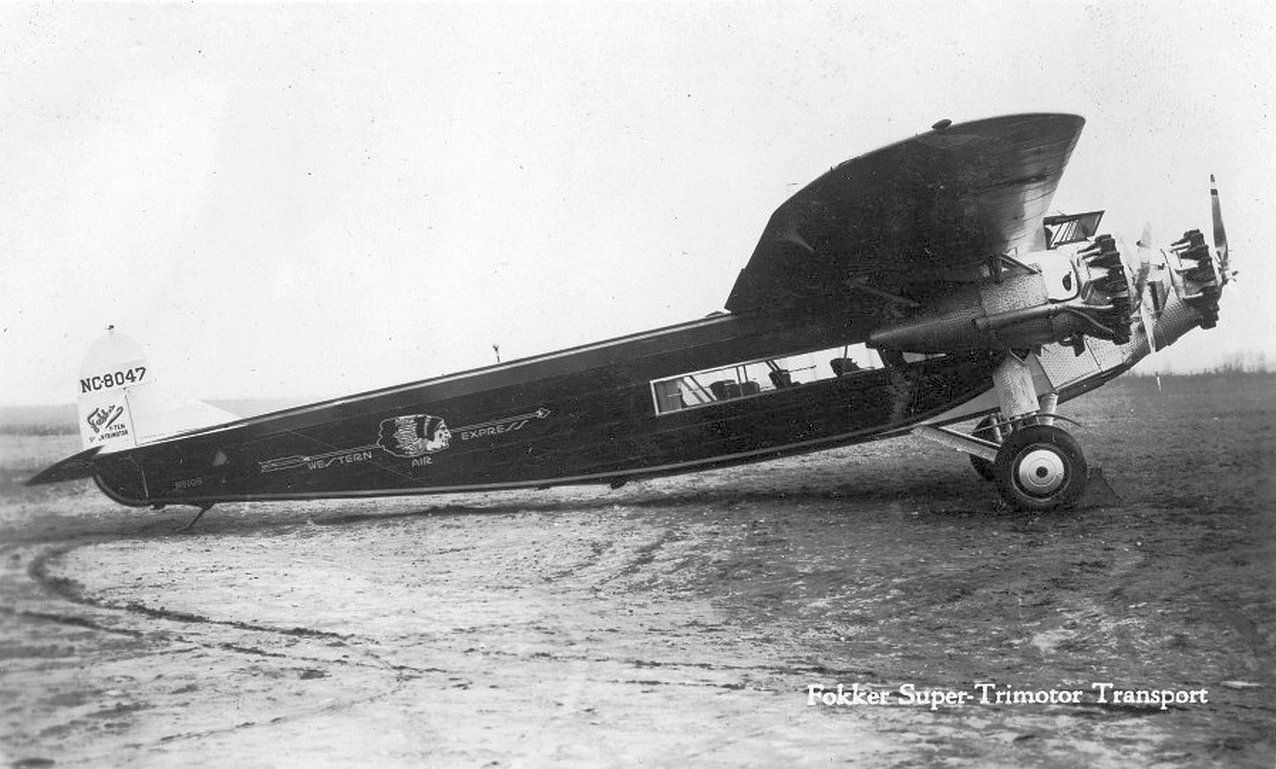
F-10 /F-10A Super Trimotor model 10
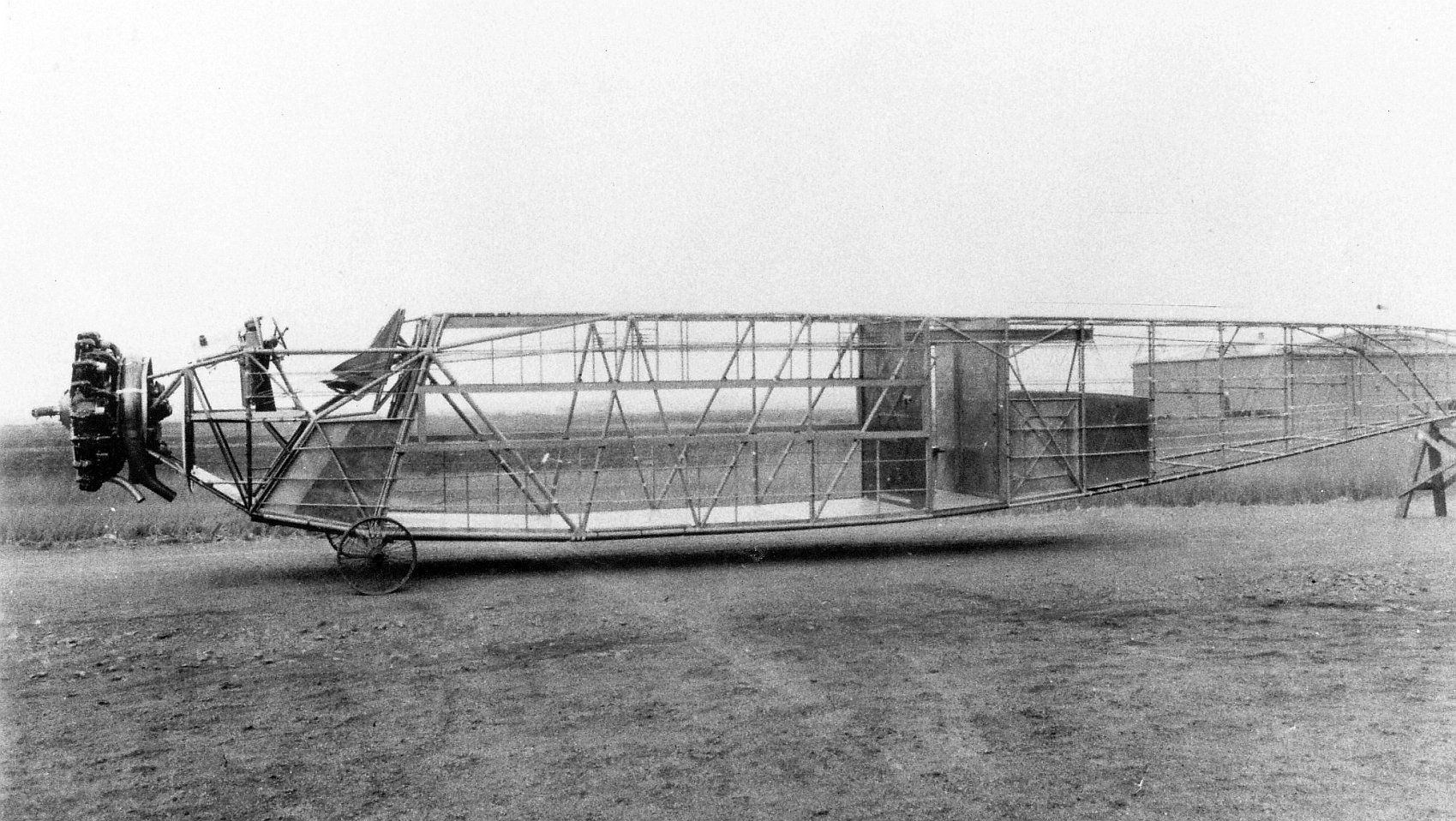
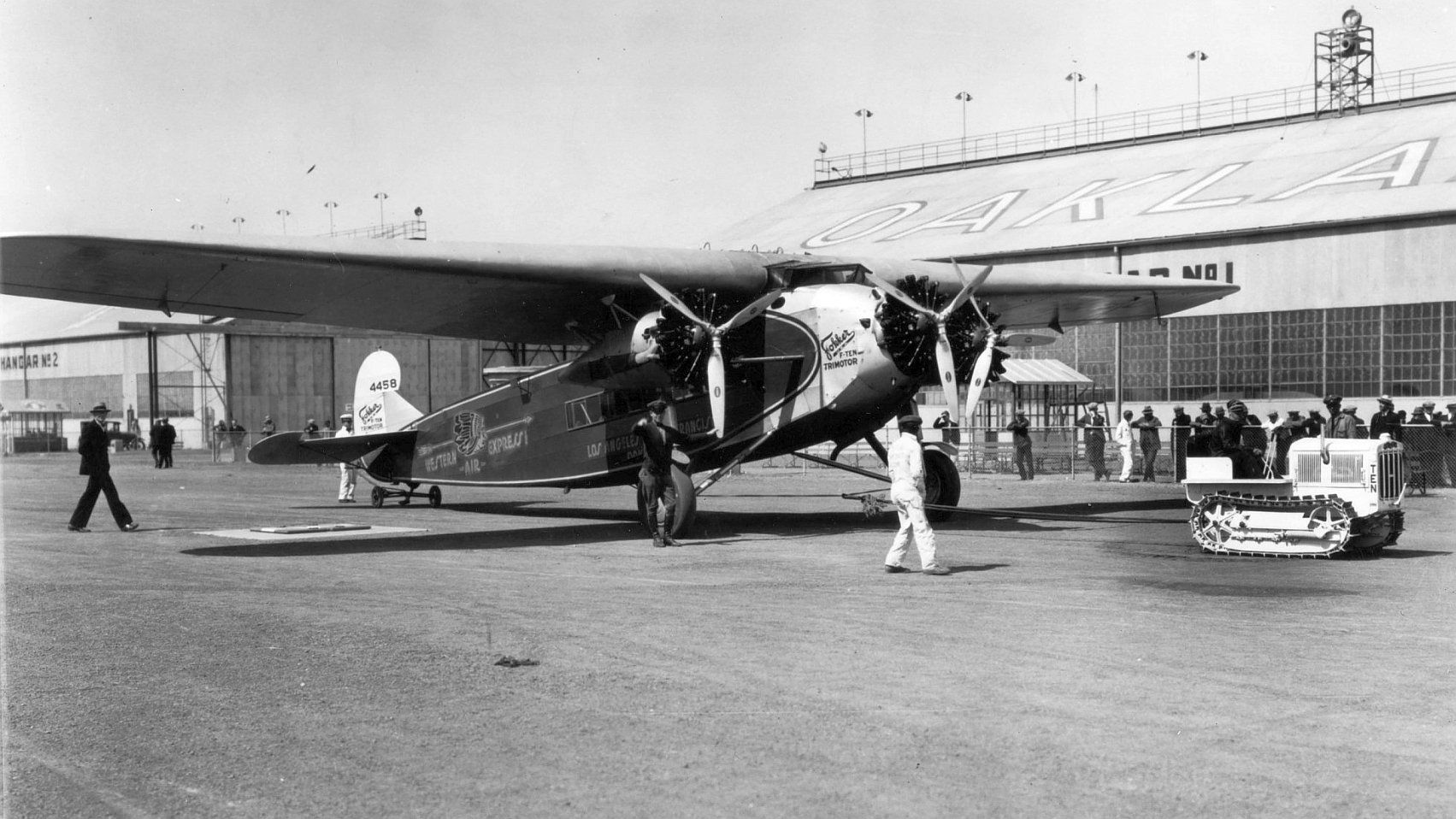
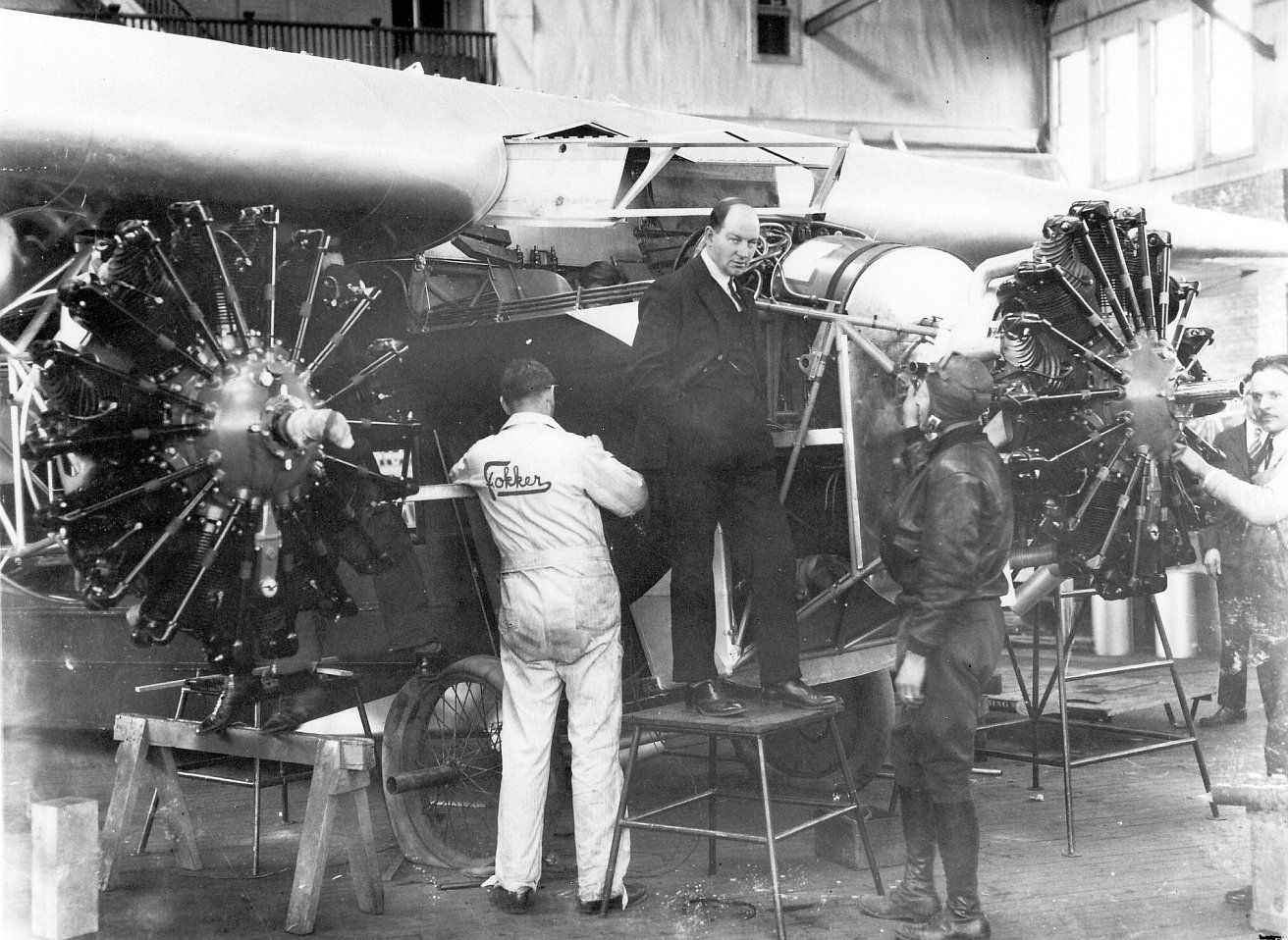
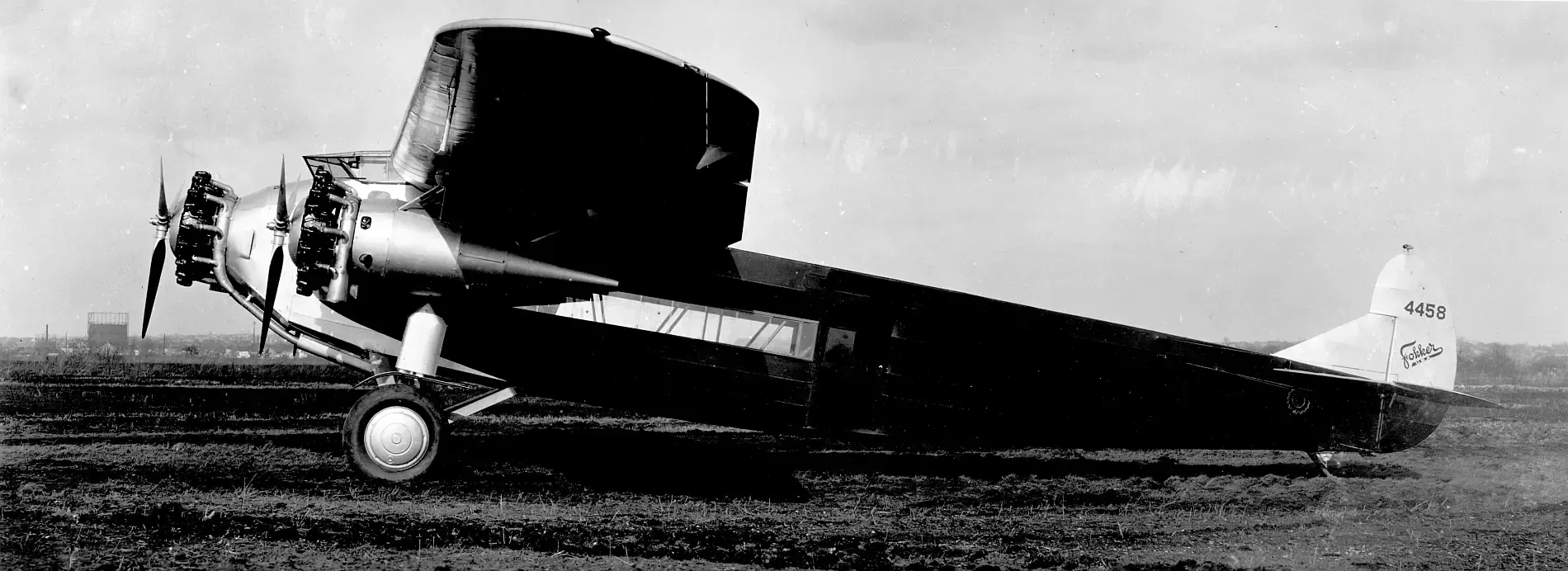
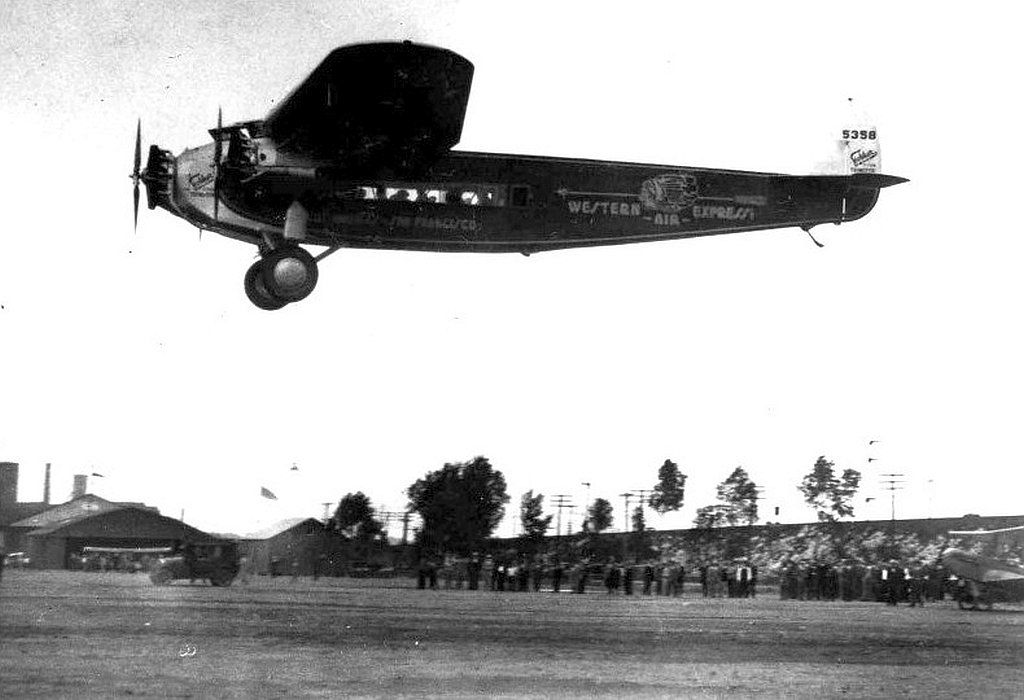
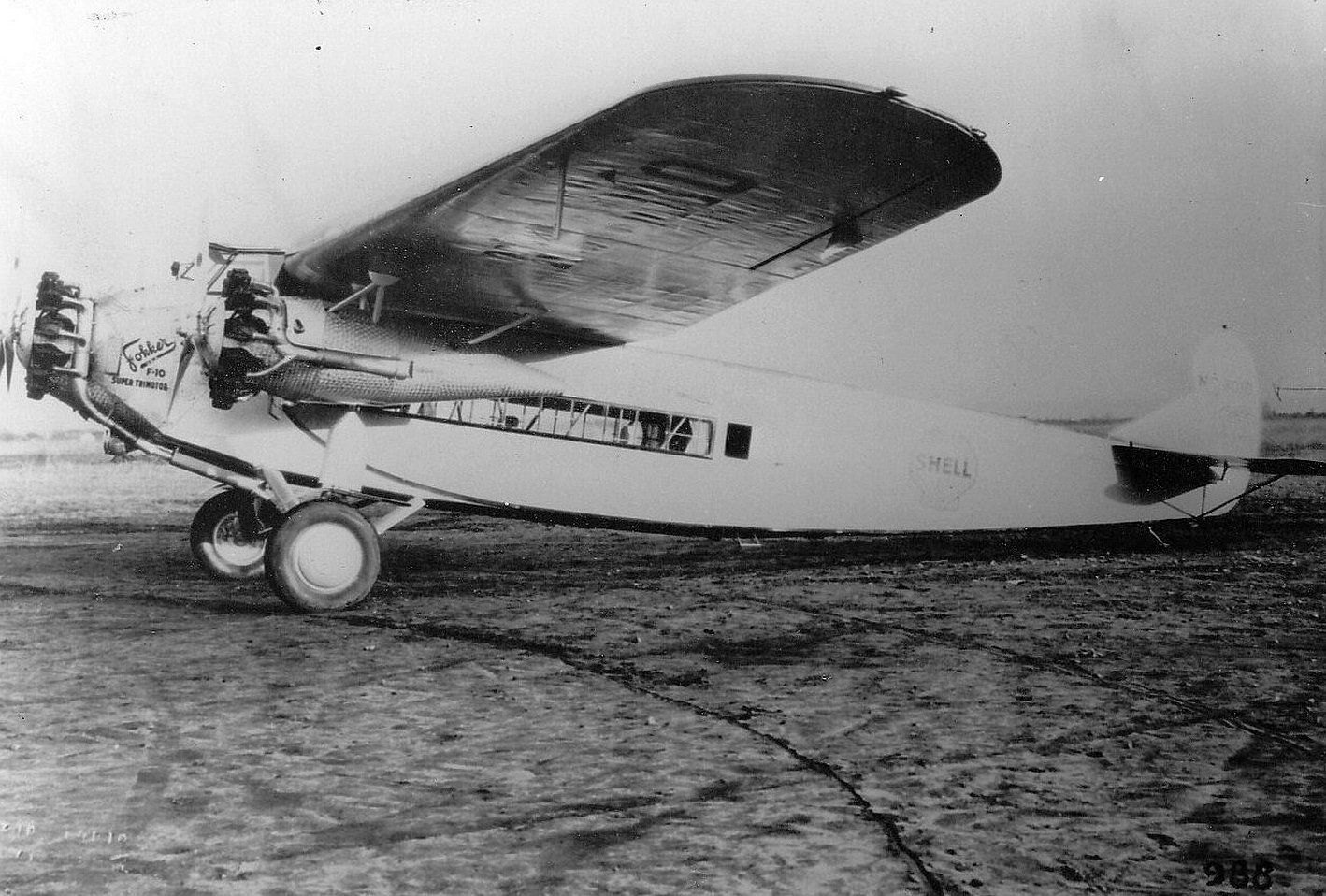
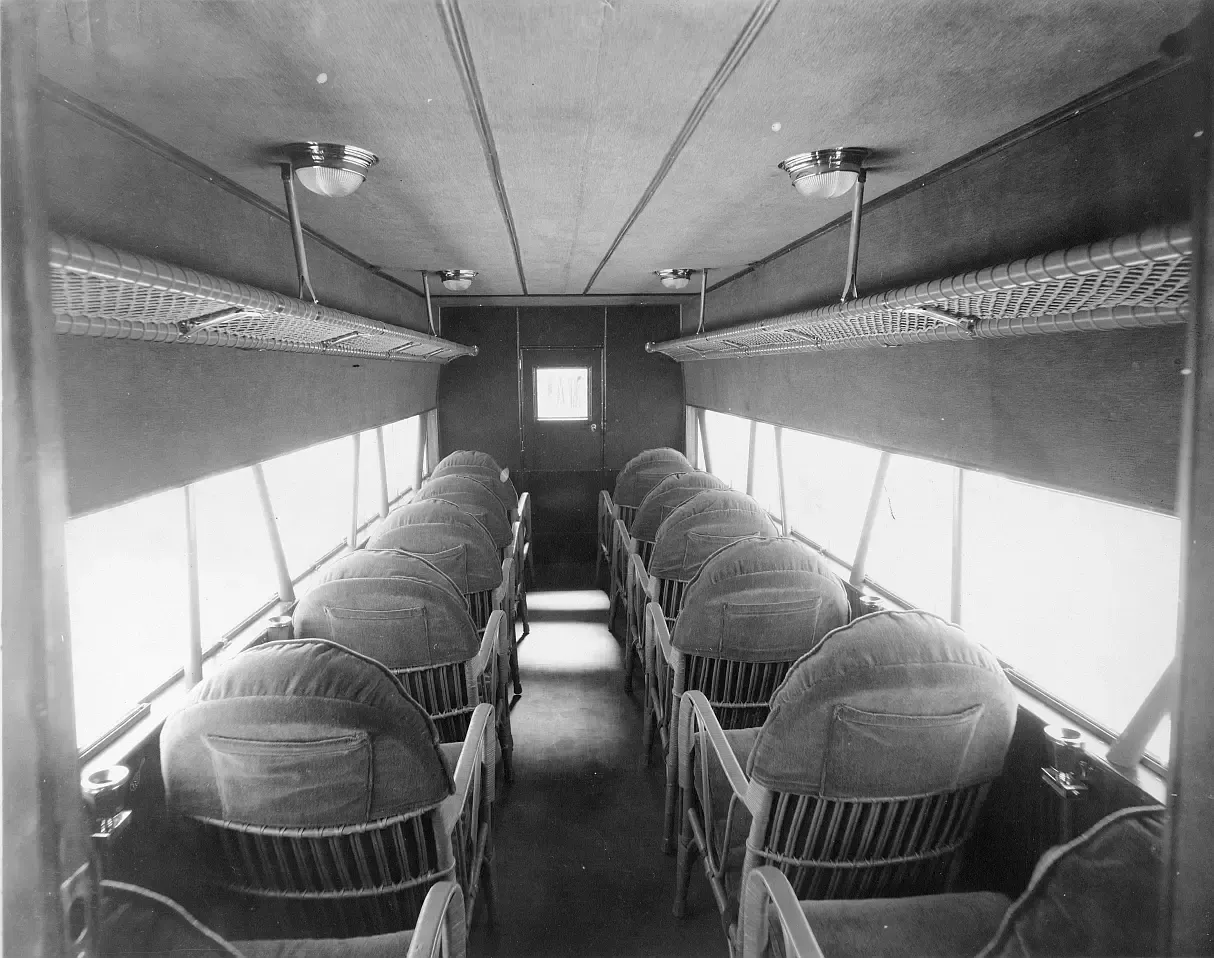
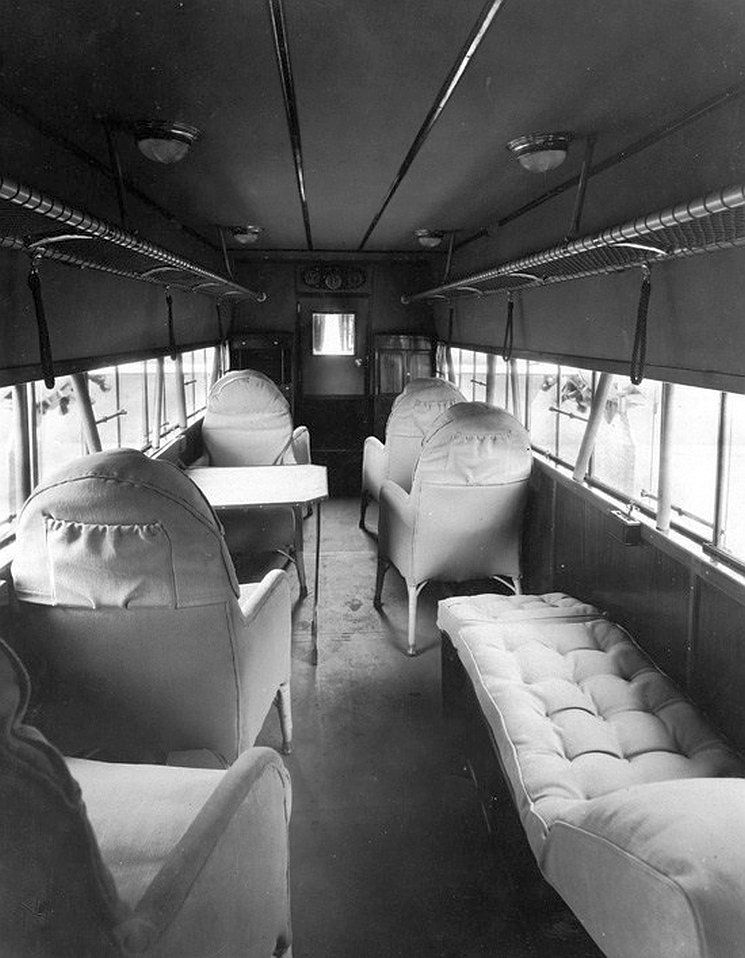
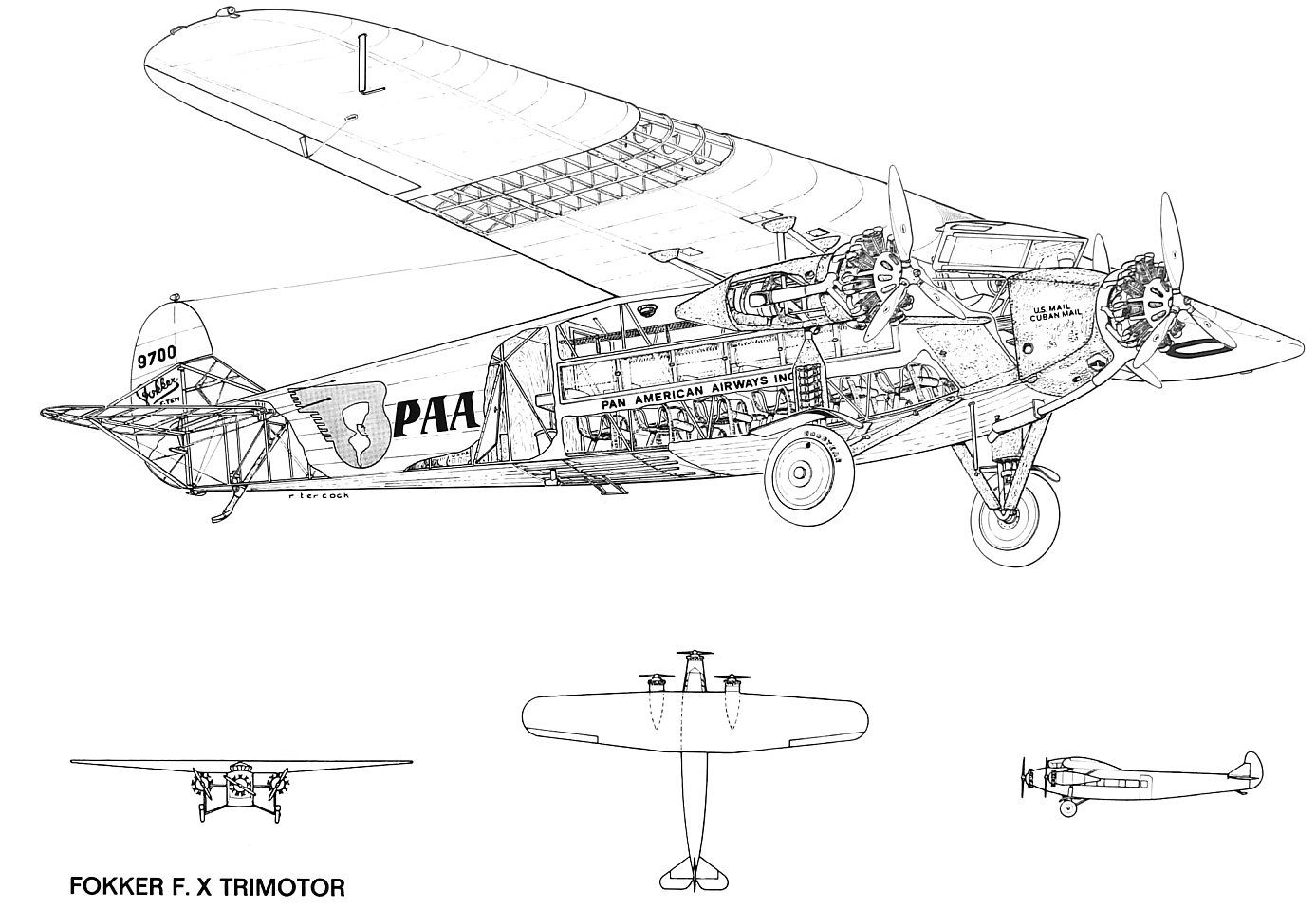
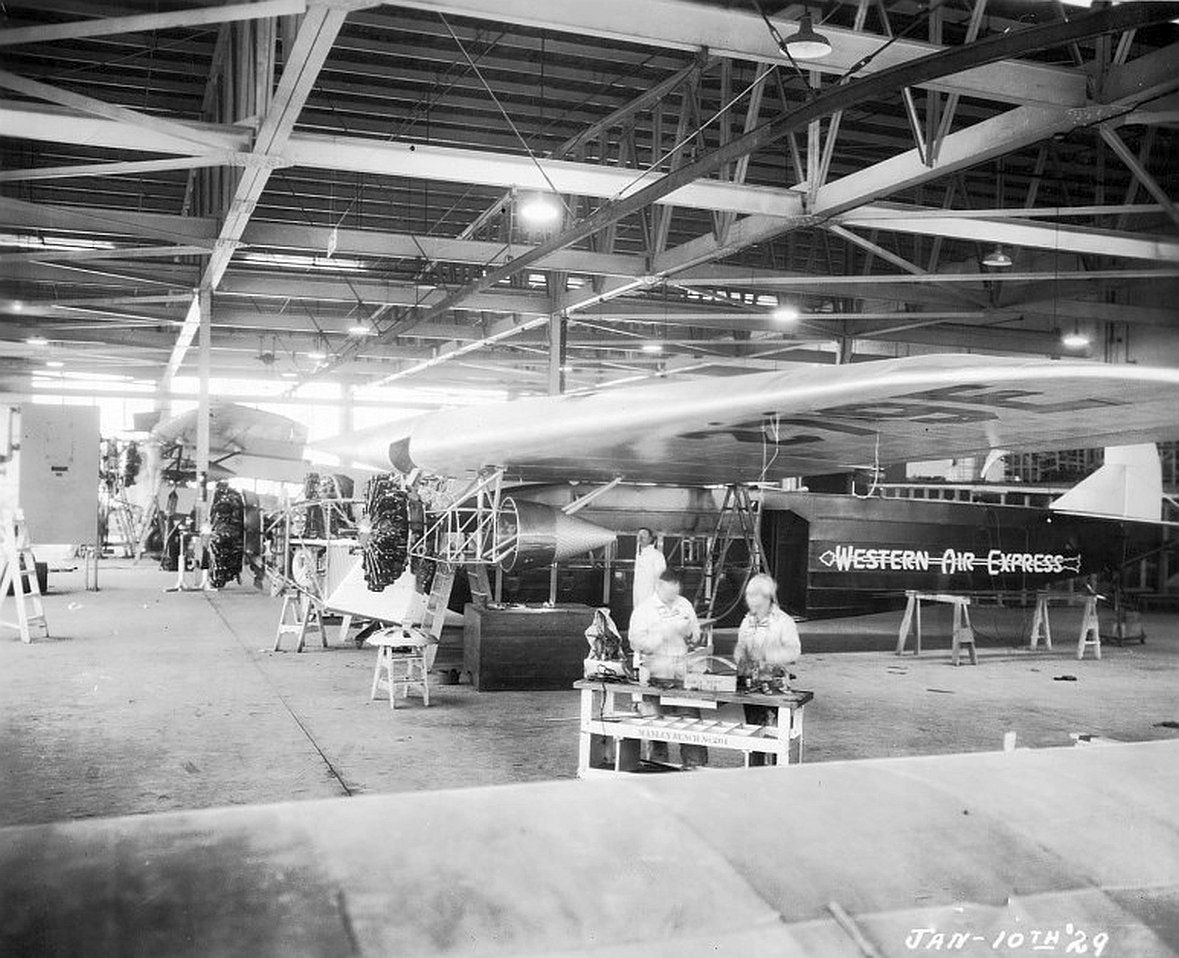
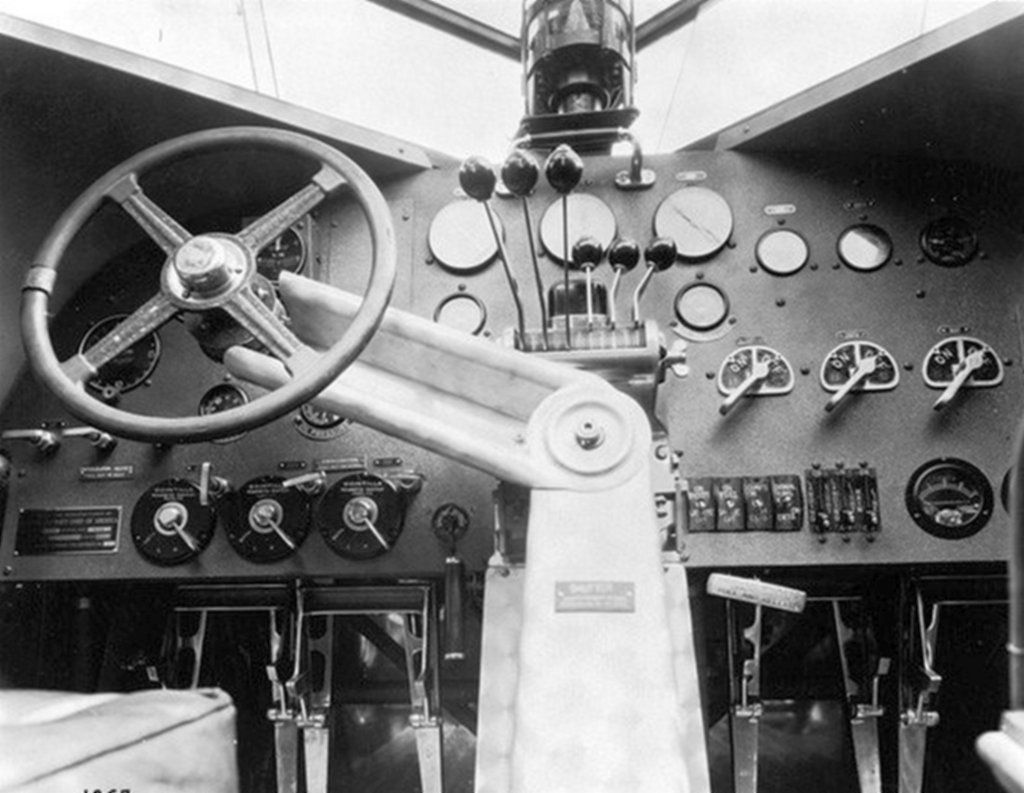
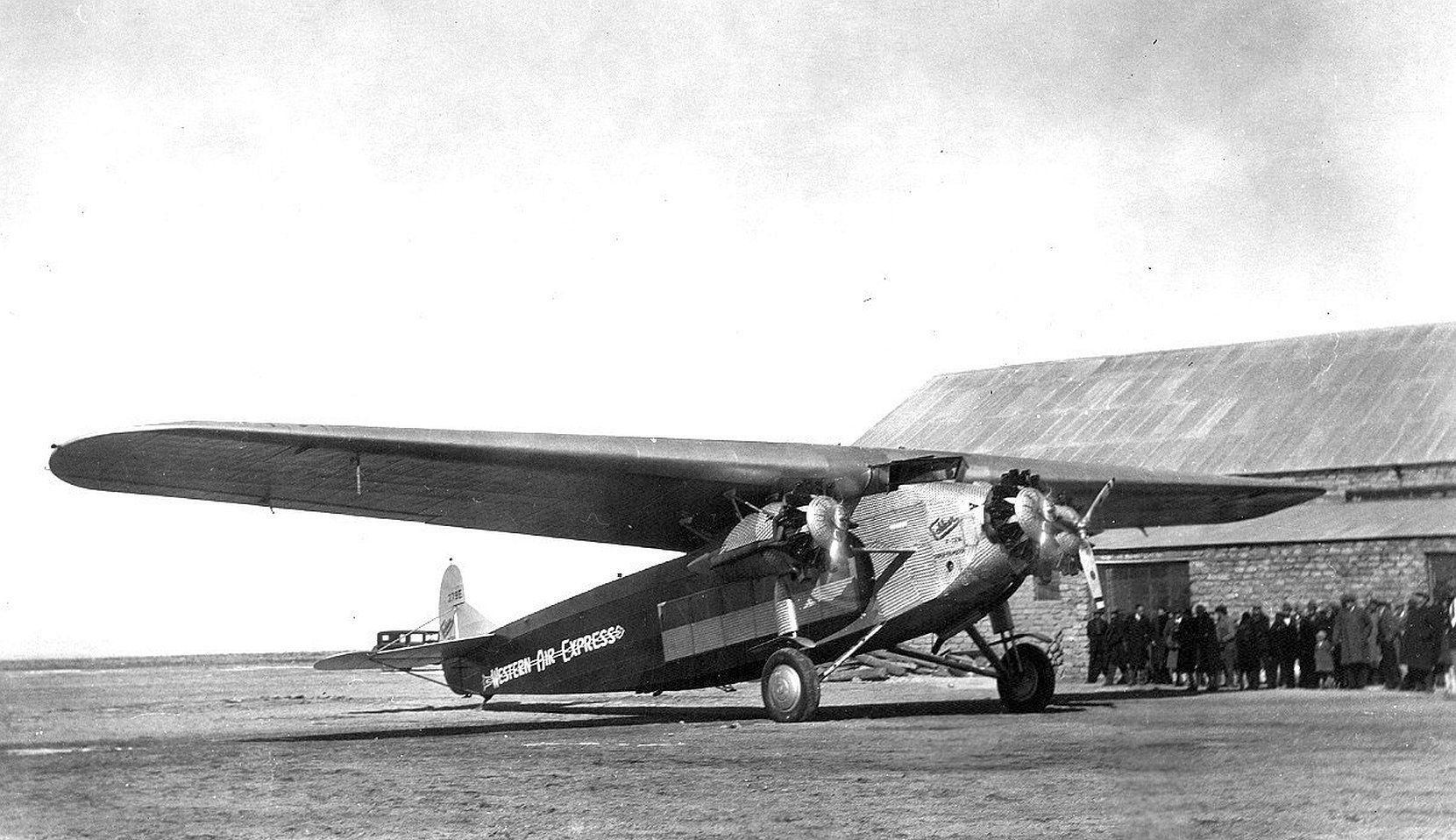
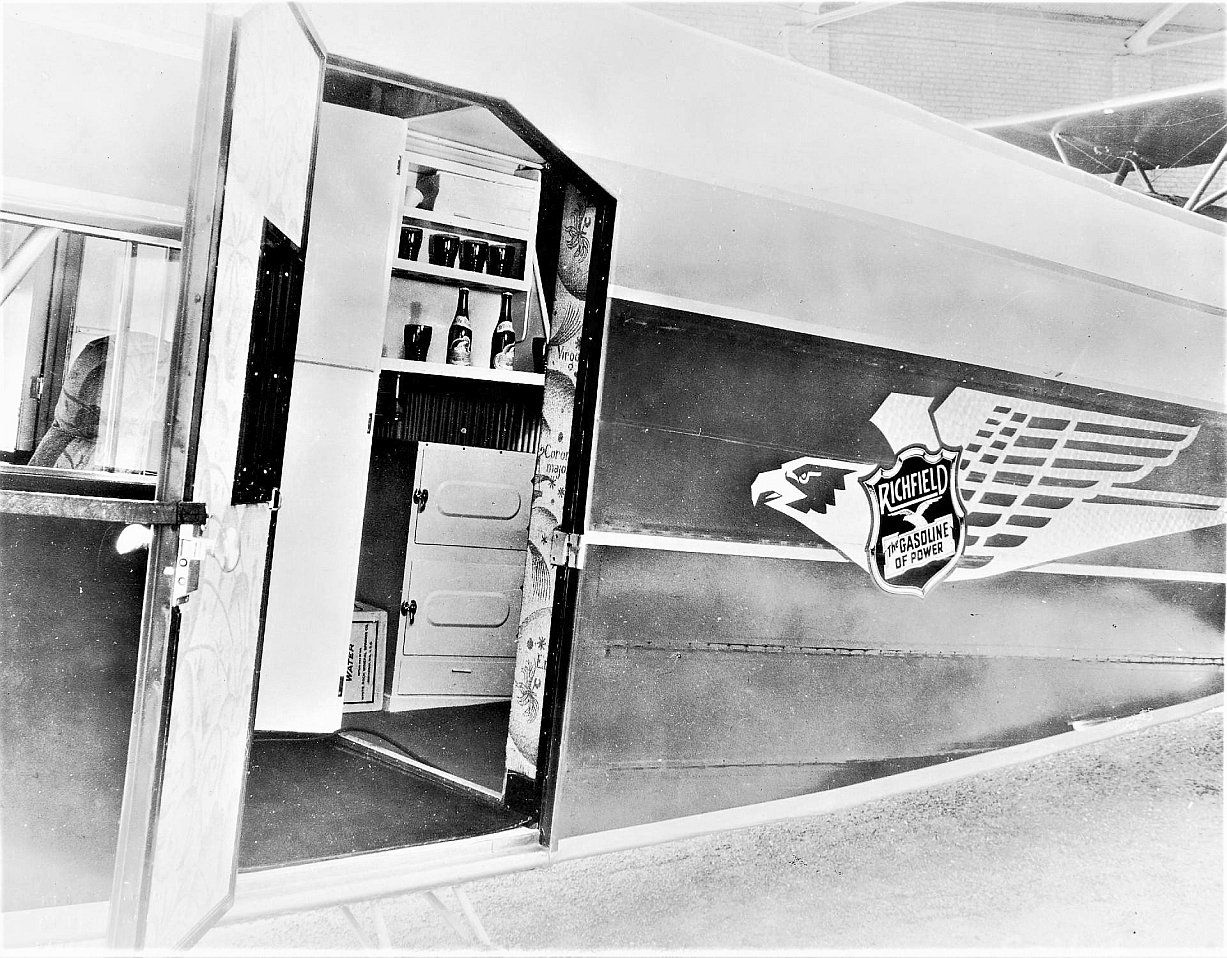
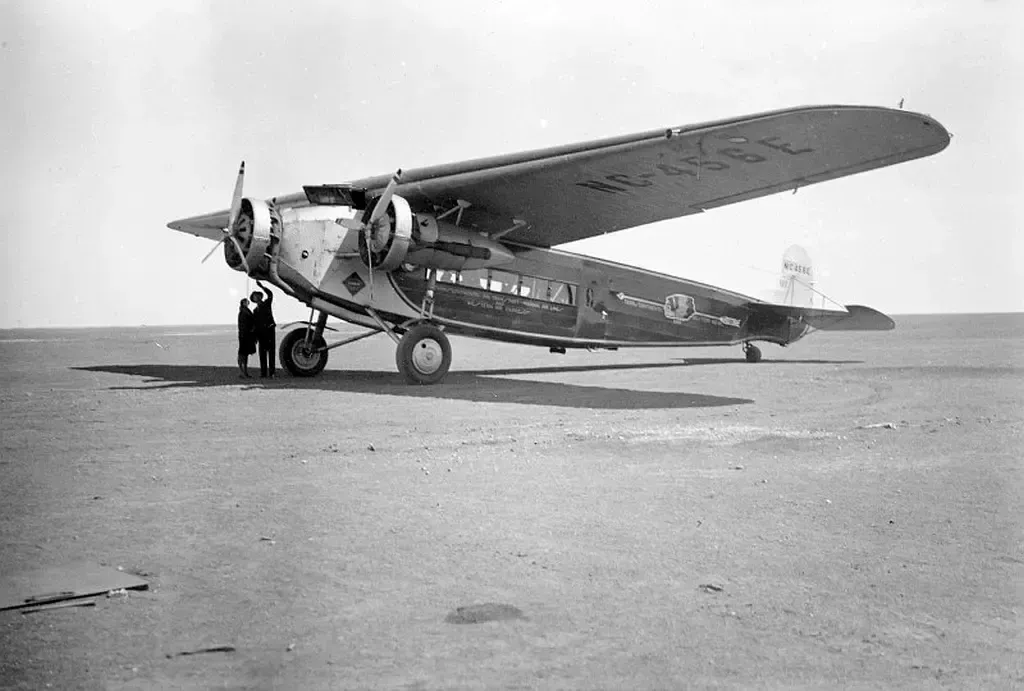
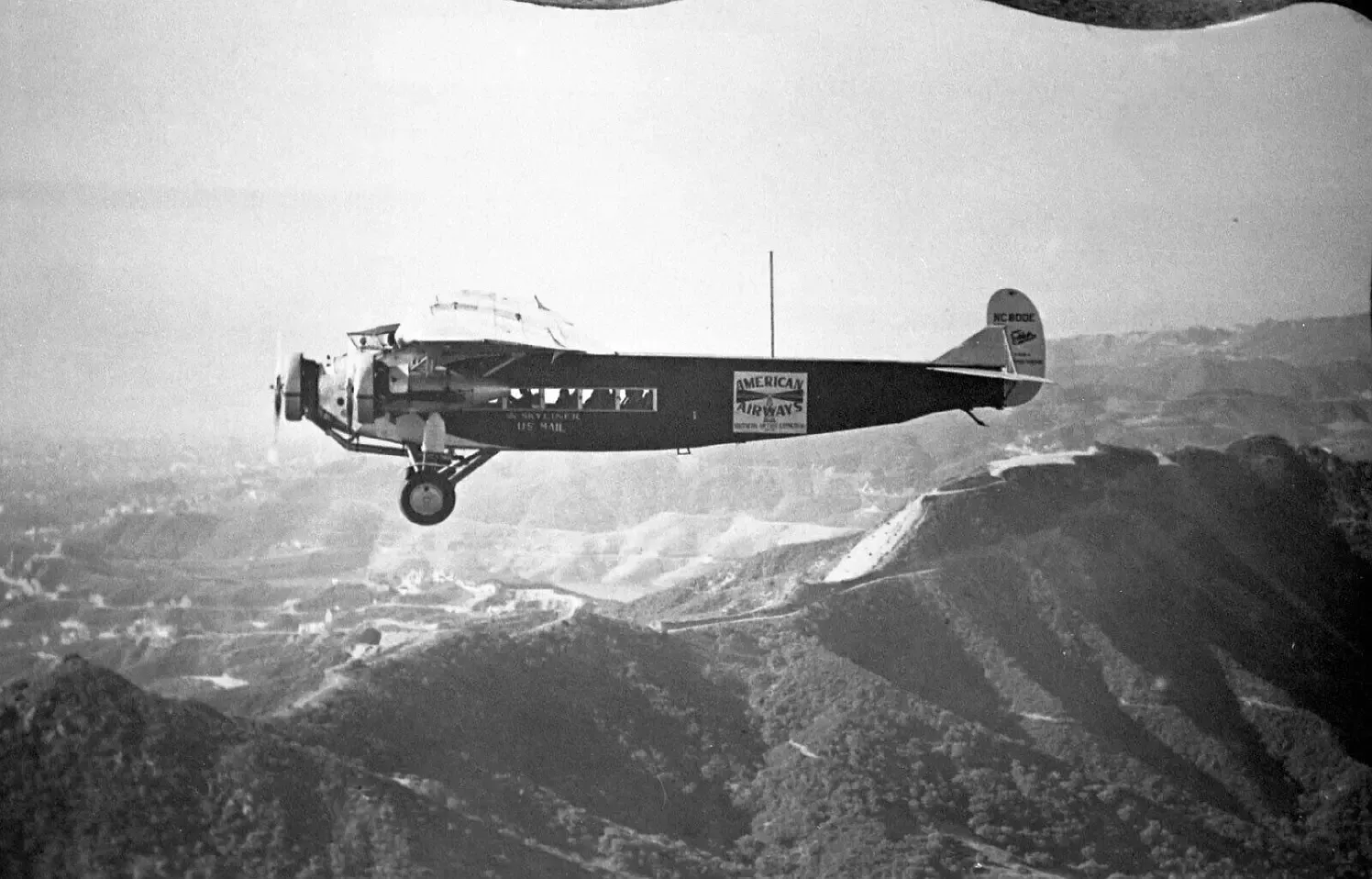
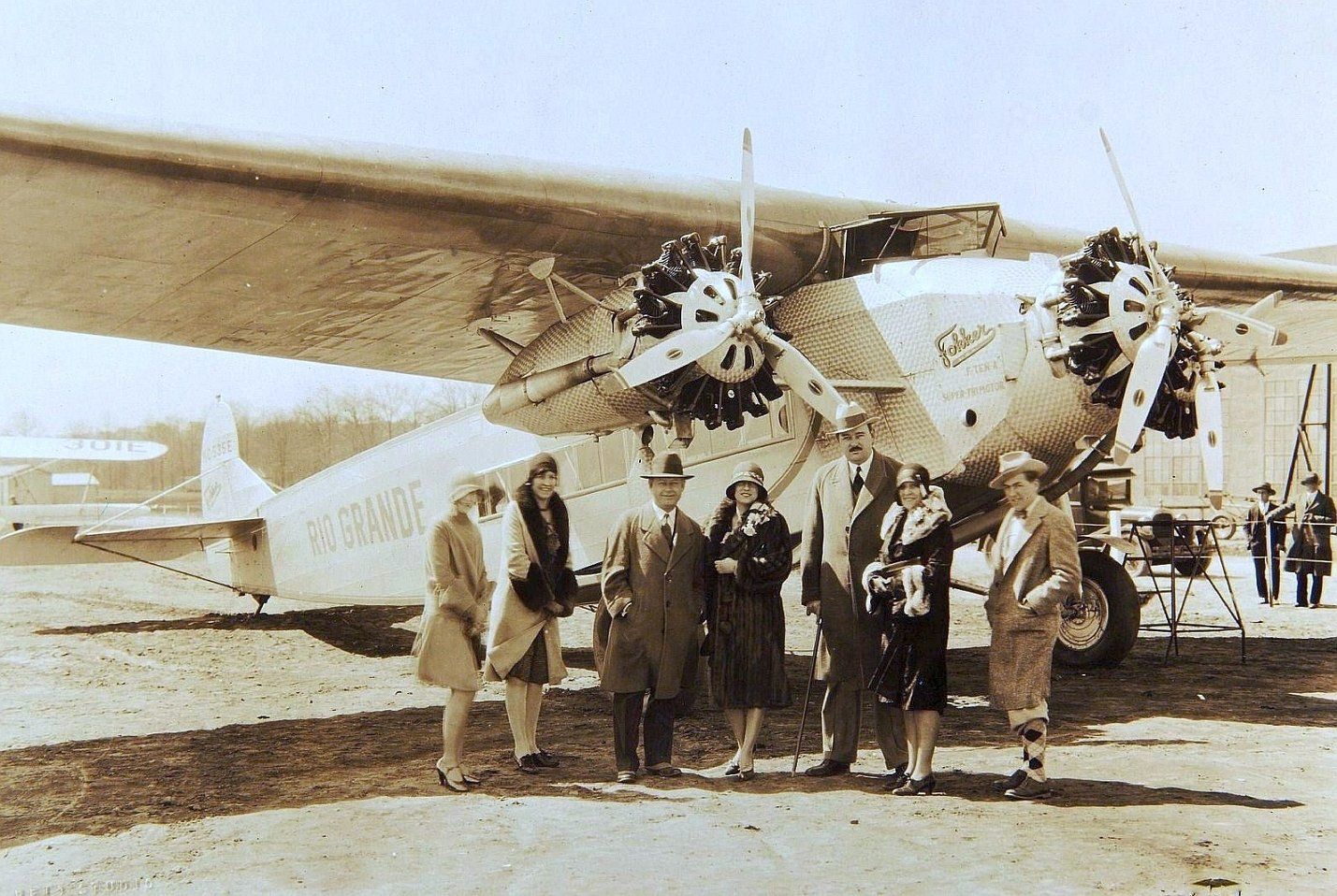
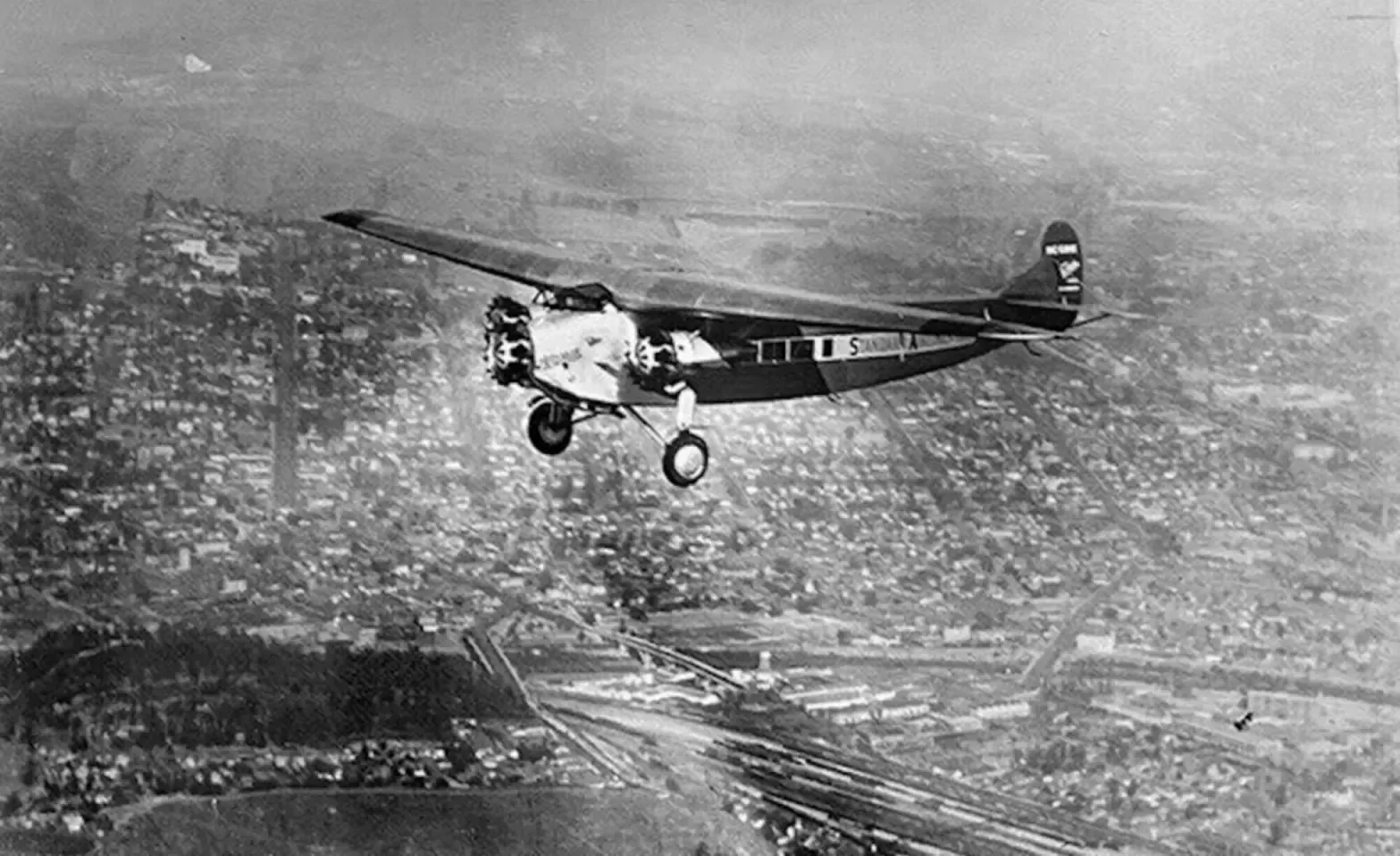
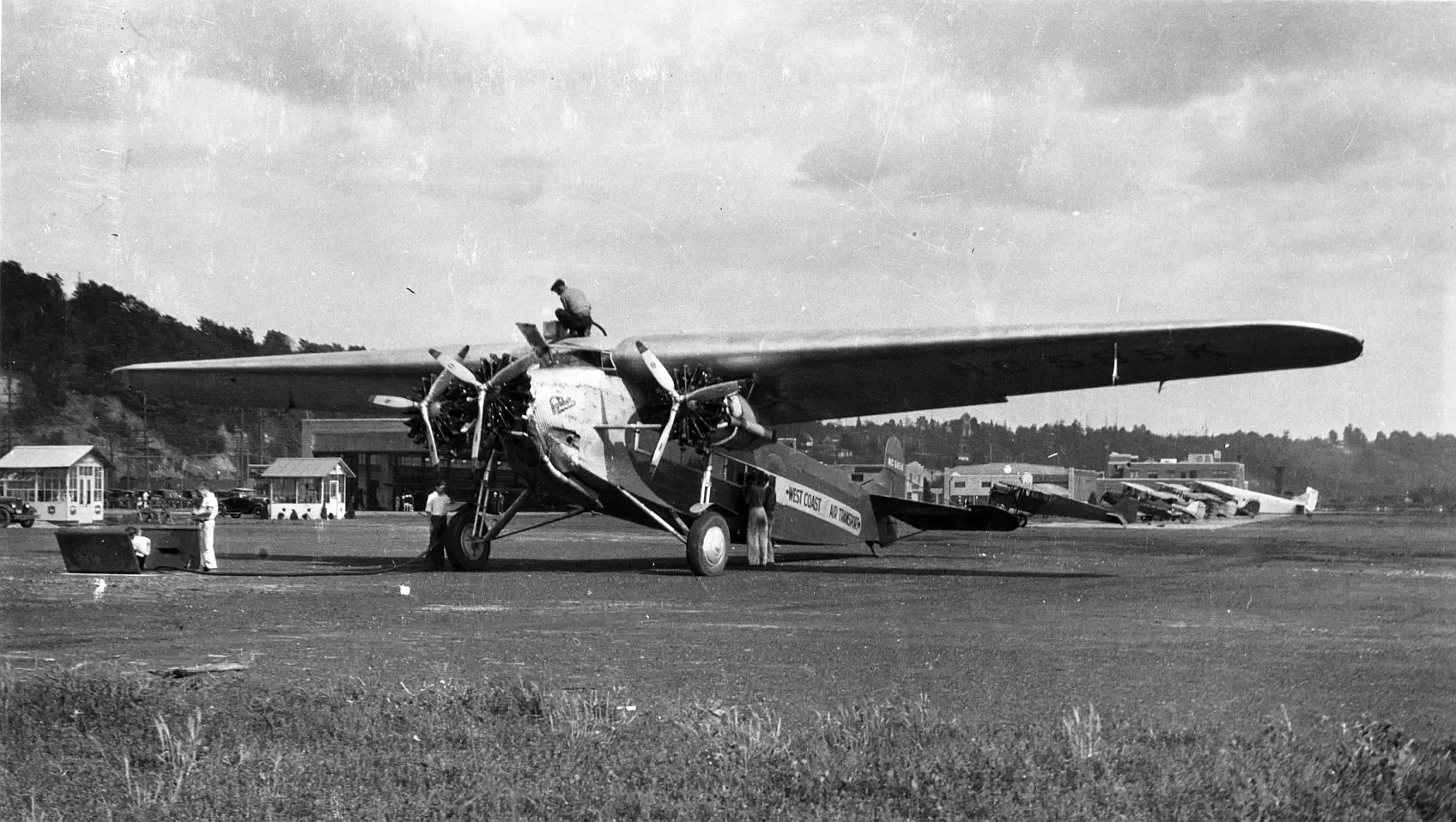
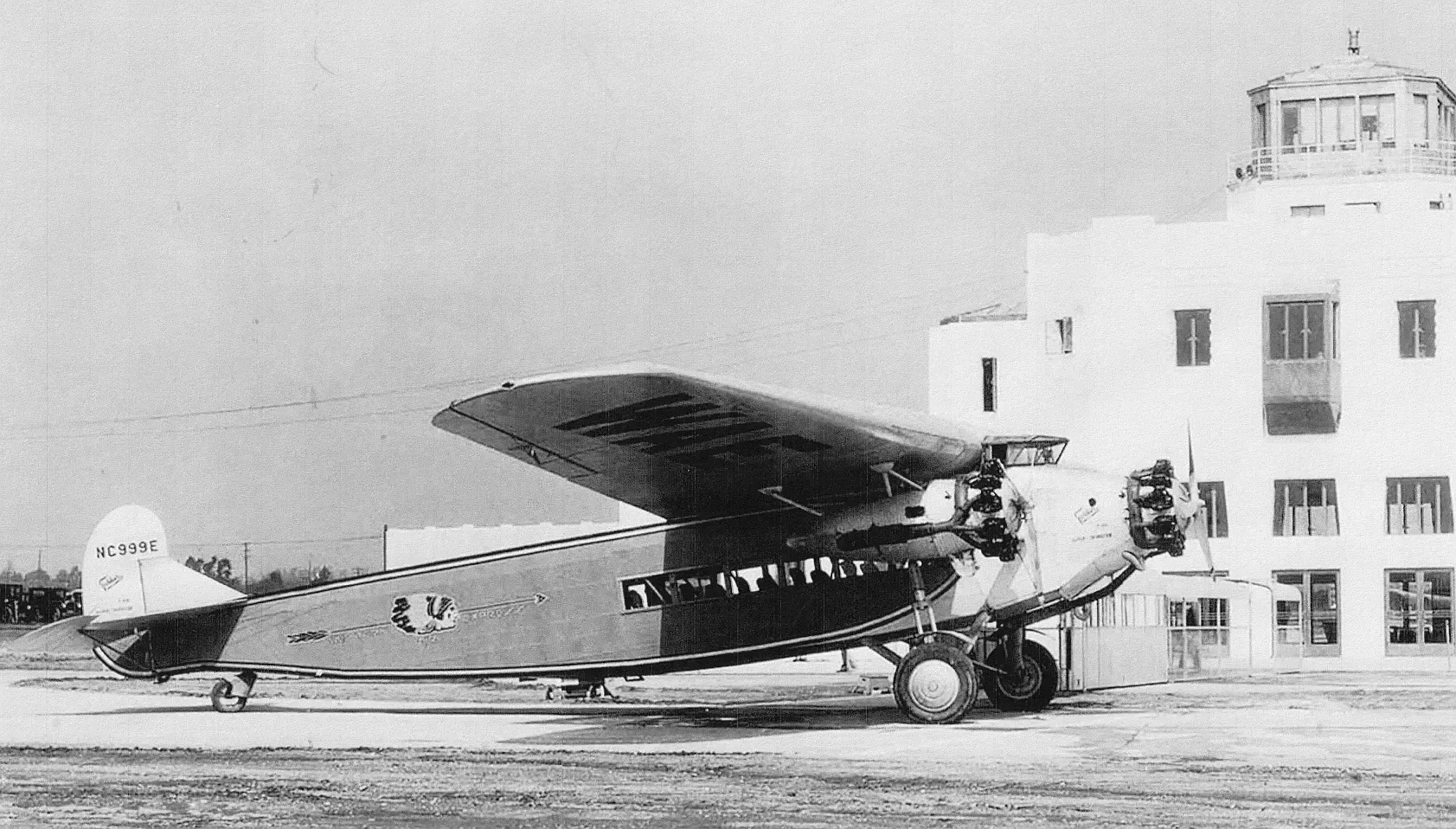
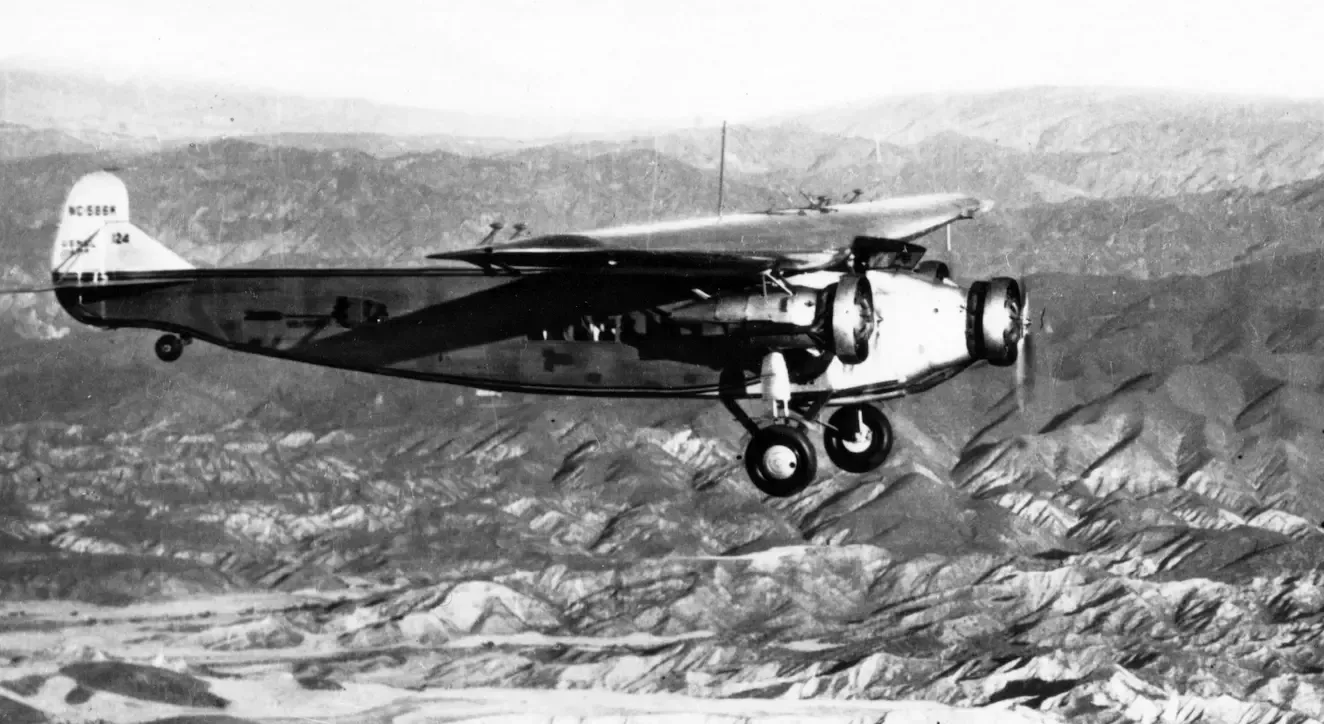
In 1927, the Guggenheim Fund wanted to stimulate air transport in the US. Therefore, it announced it would support a model airline with a large loan on favorable terms. Western Air Lines of Los Angeles was eager to qualify for this. To this end, it planned to open an airline between Los Angeles and San Francisco. And although sales of the F-VII Trimotor were limited, Fokker saw a future for a somewhat larger version of this aircraft. This version was to be equipped with three more powerful P&W Wasp engines. The existing 'b' wing was used. The cabin had room for 12 passengers. The WAE/Fokker combination proved to have the best credentials and was selected to receive the loan. The Atlantic Aircraft Corporation received an order for three aircraft from WAE. With that, the F-10 Super Trimotor was born.
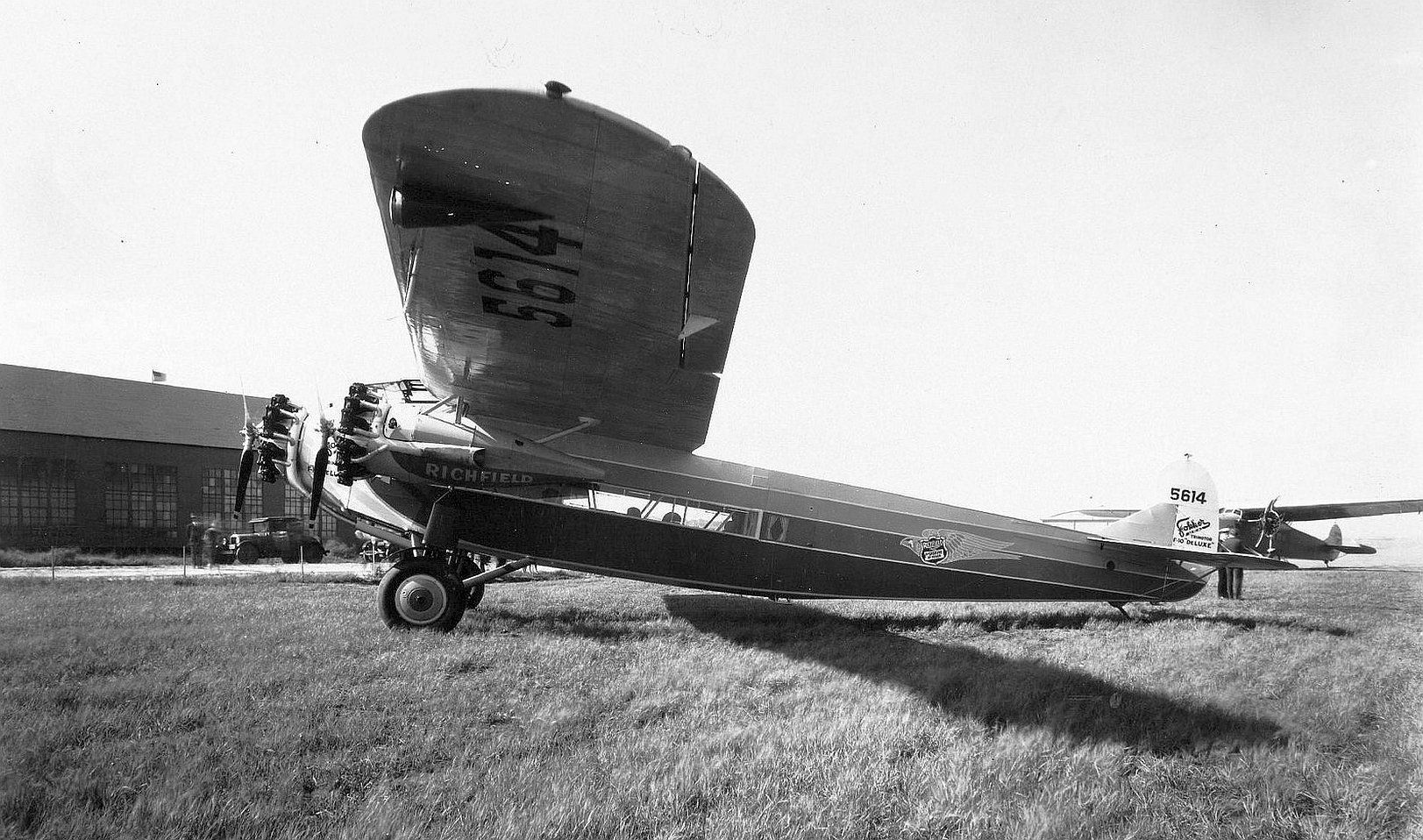
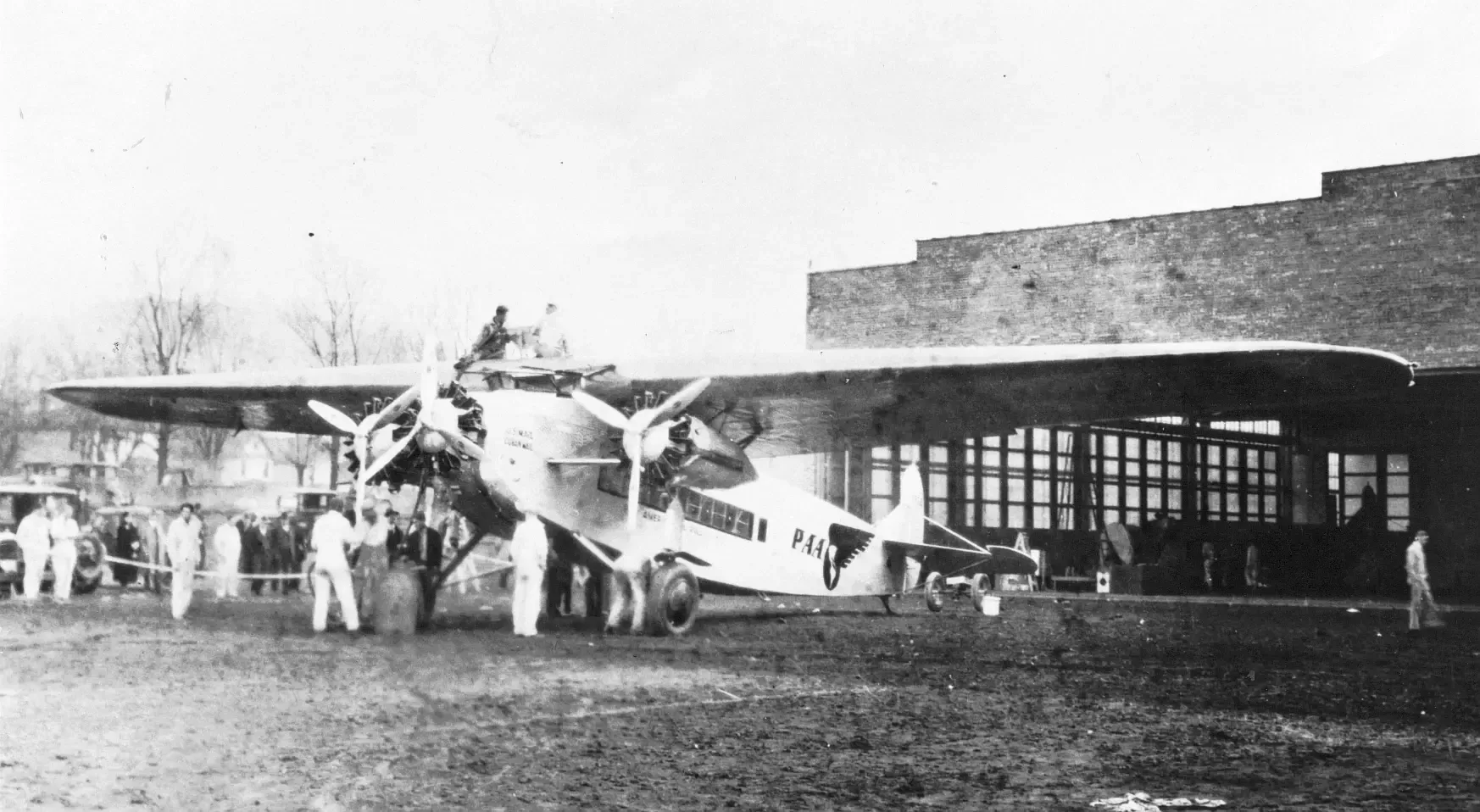
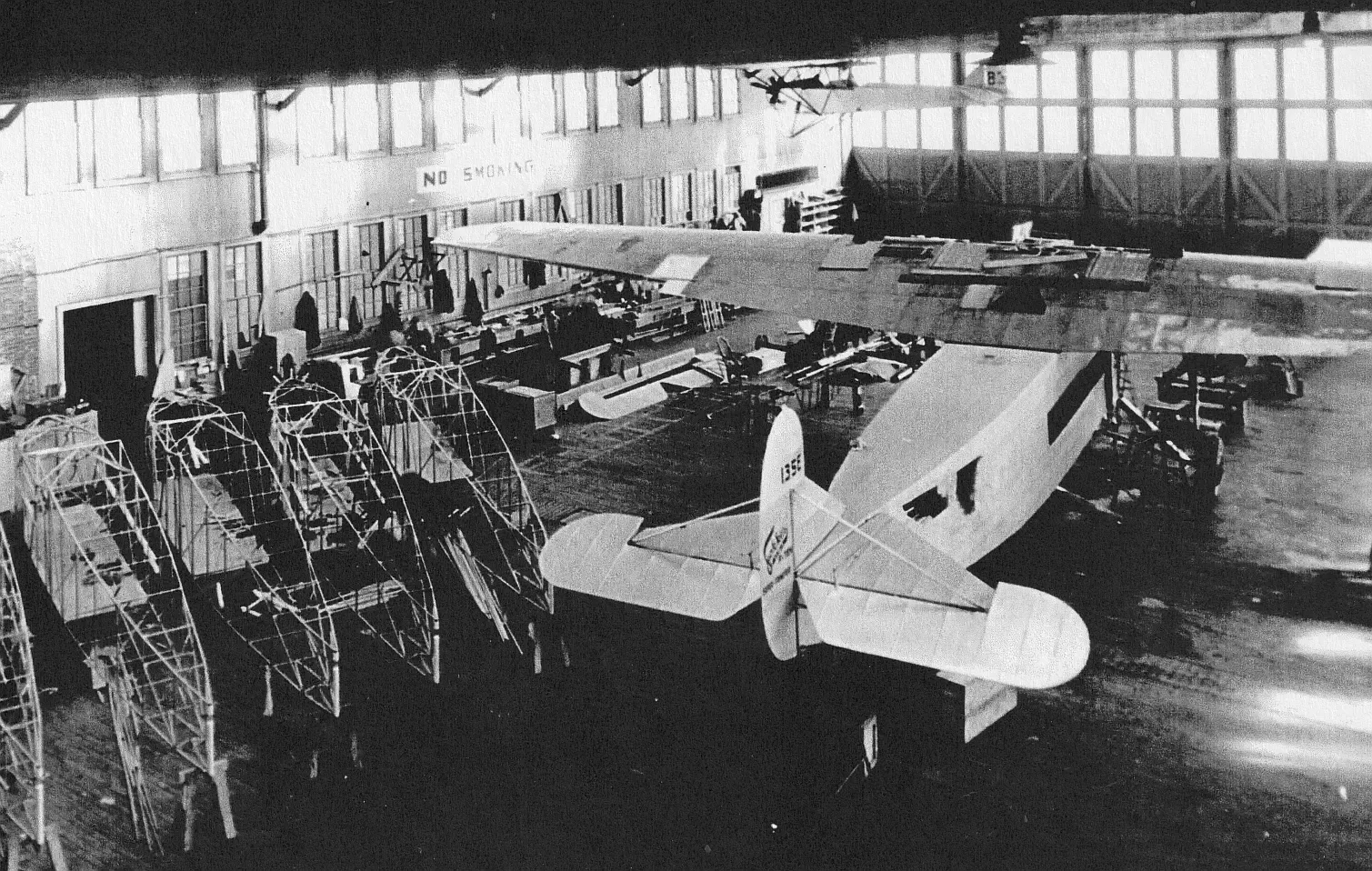
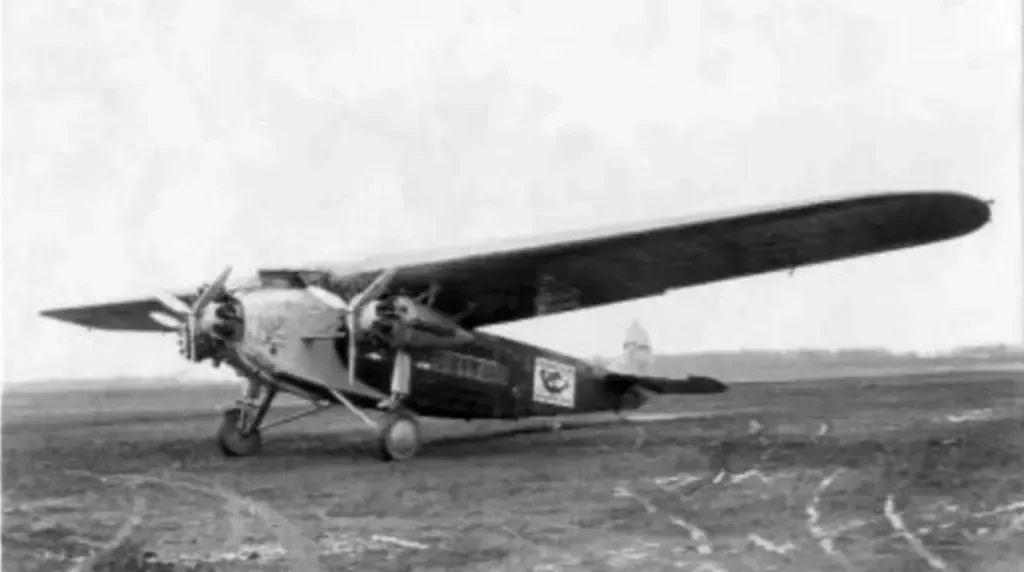
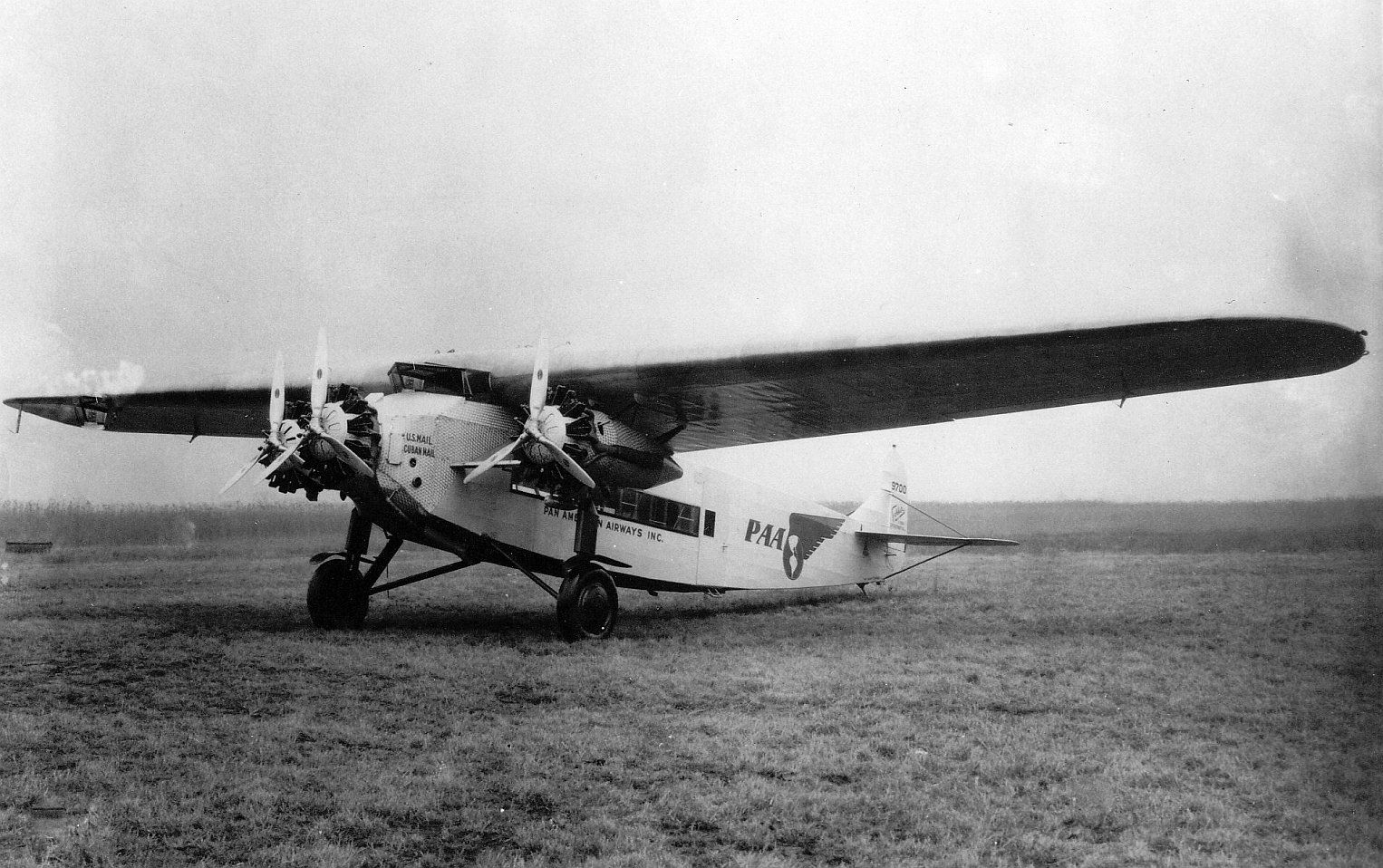
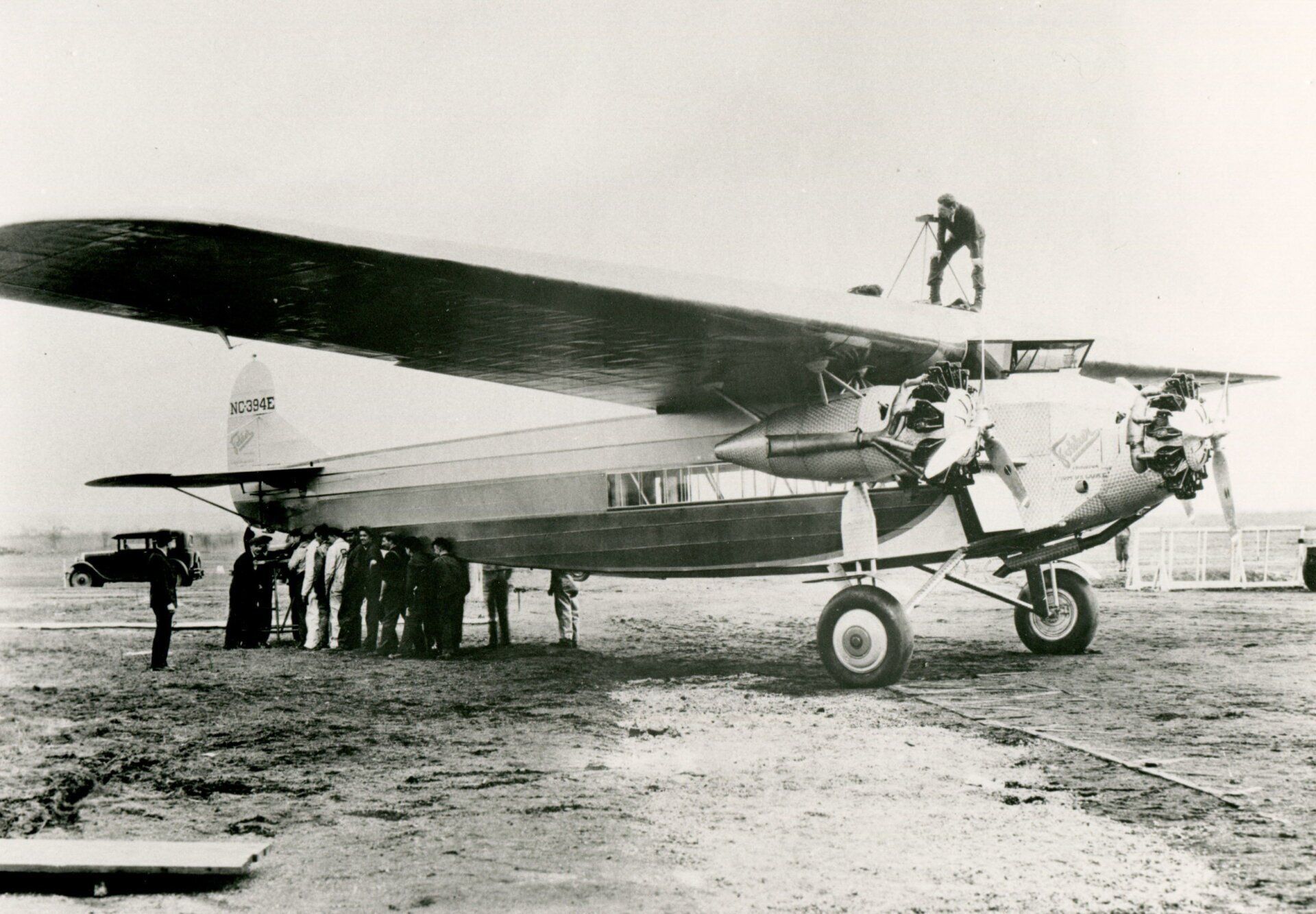
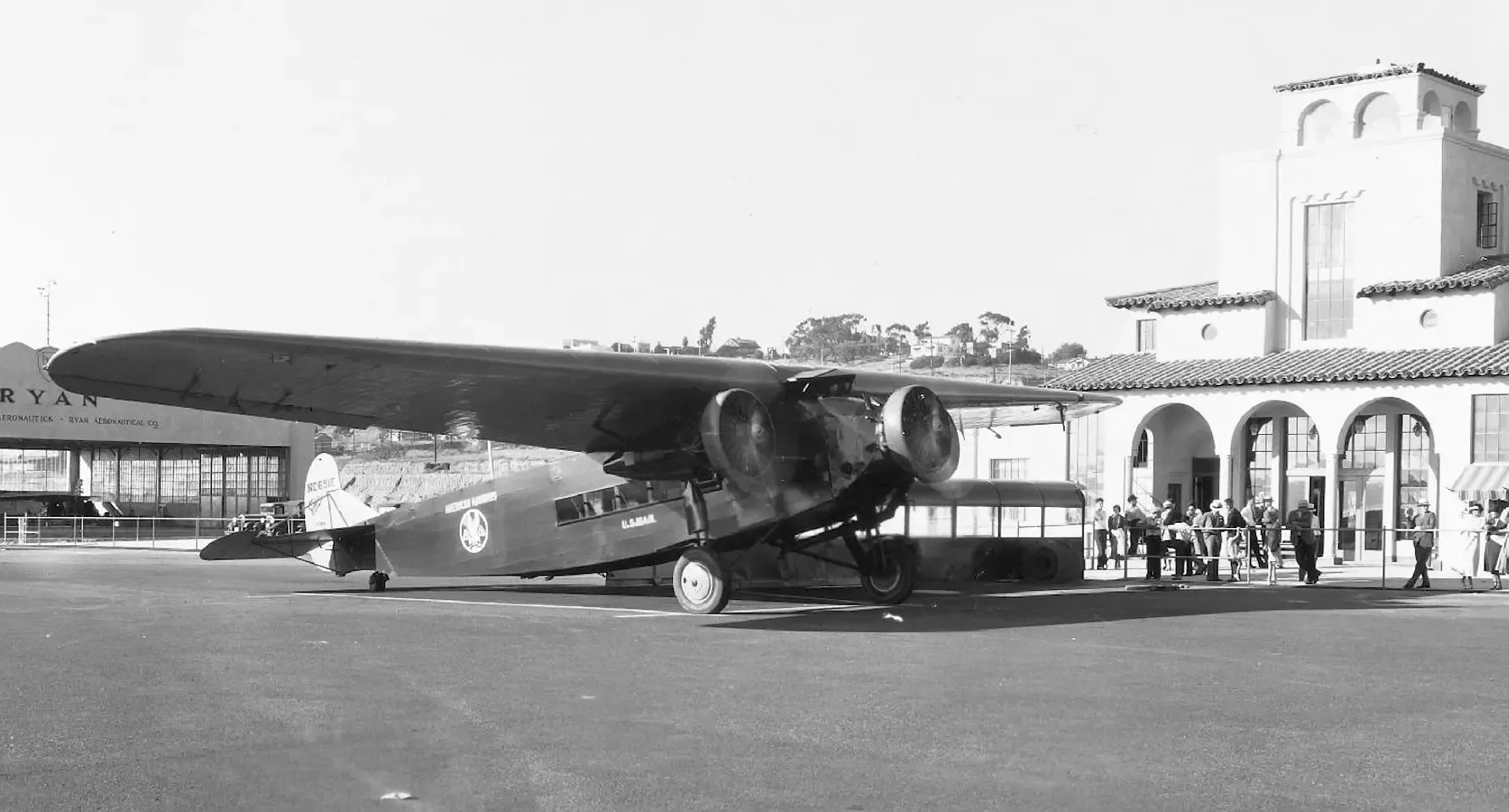
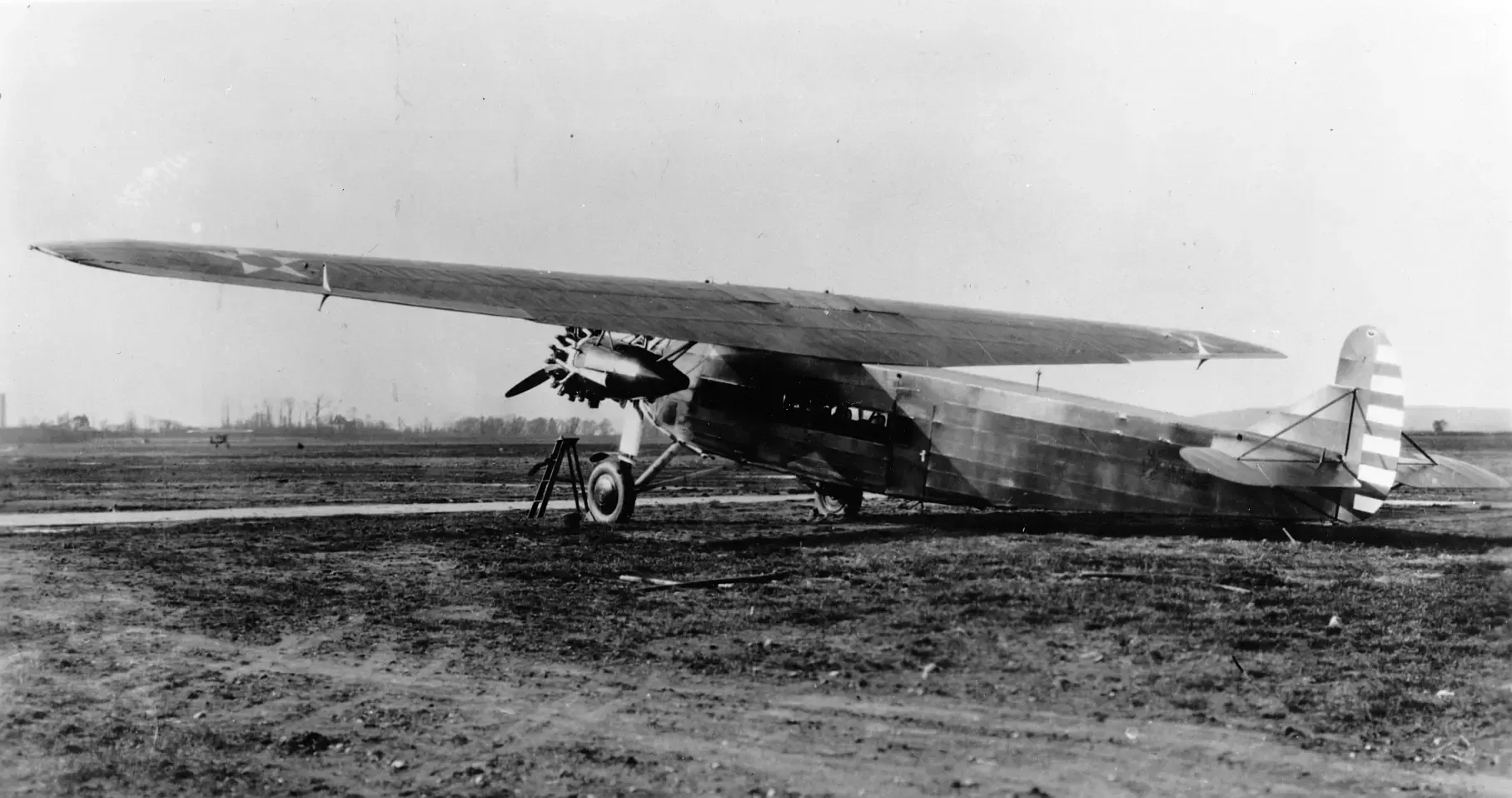
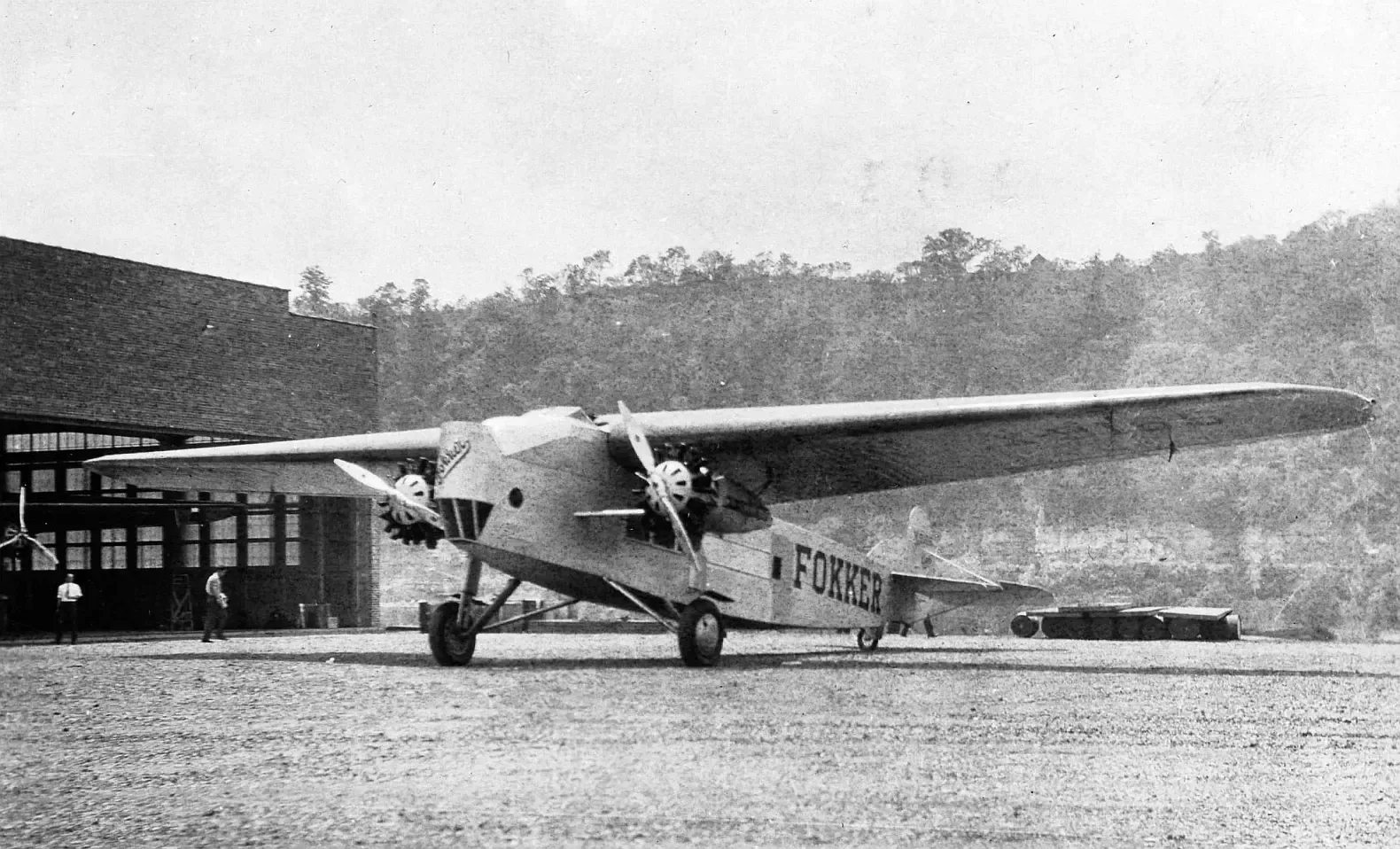
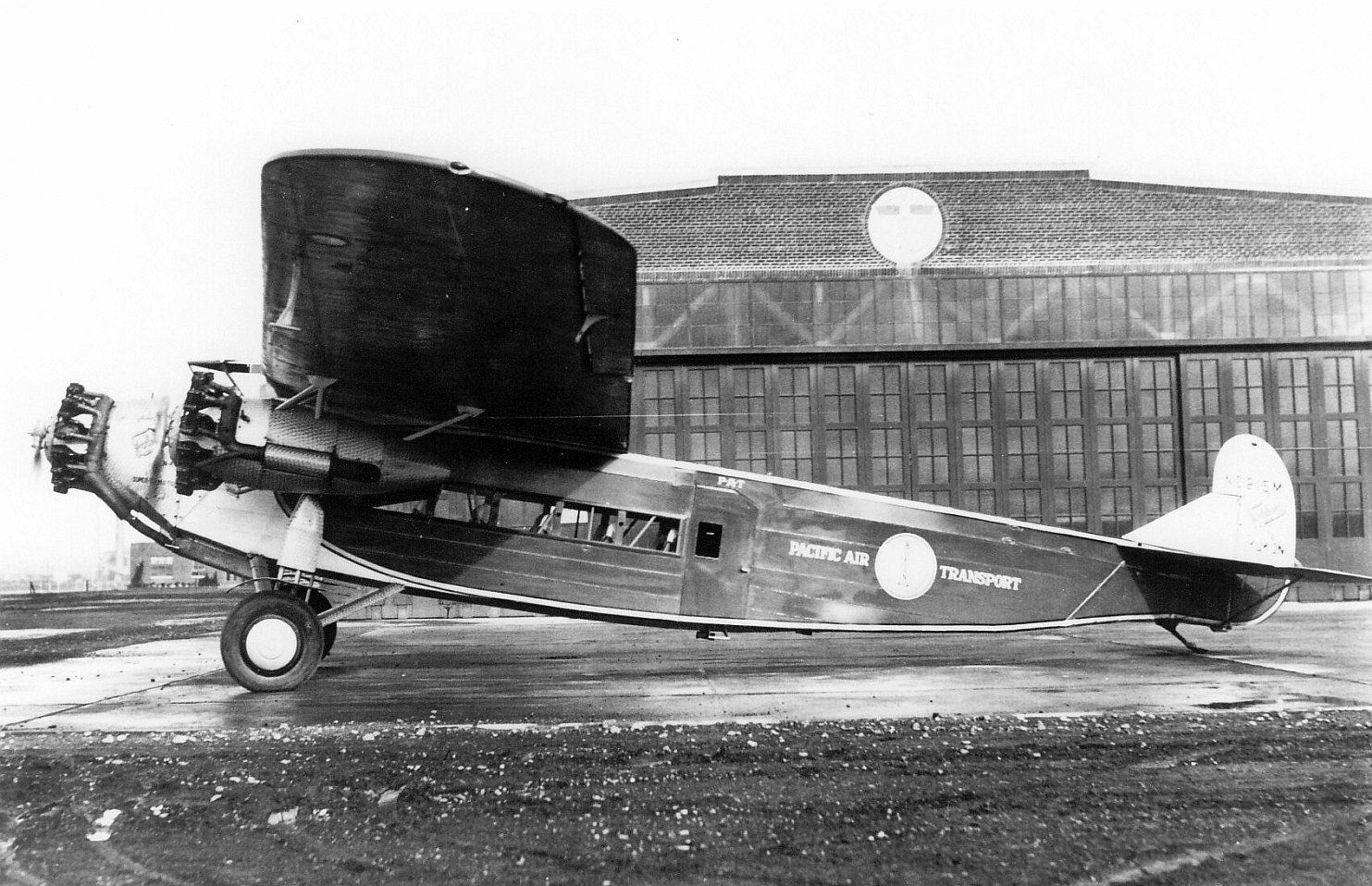
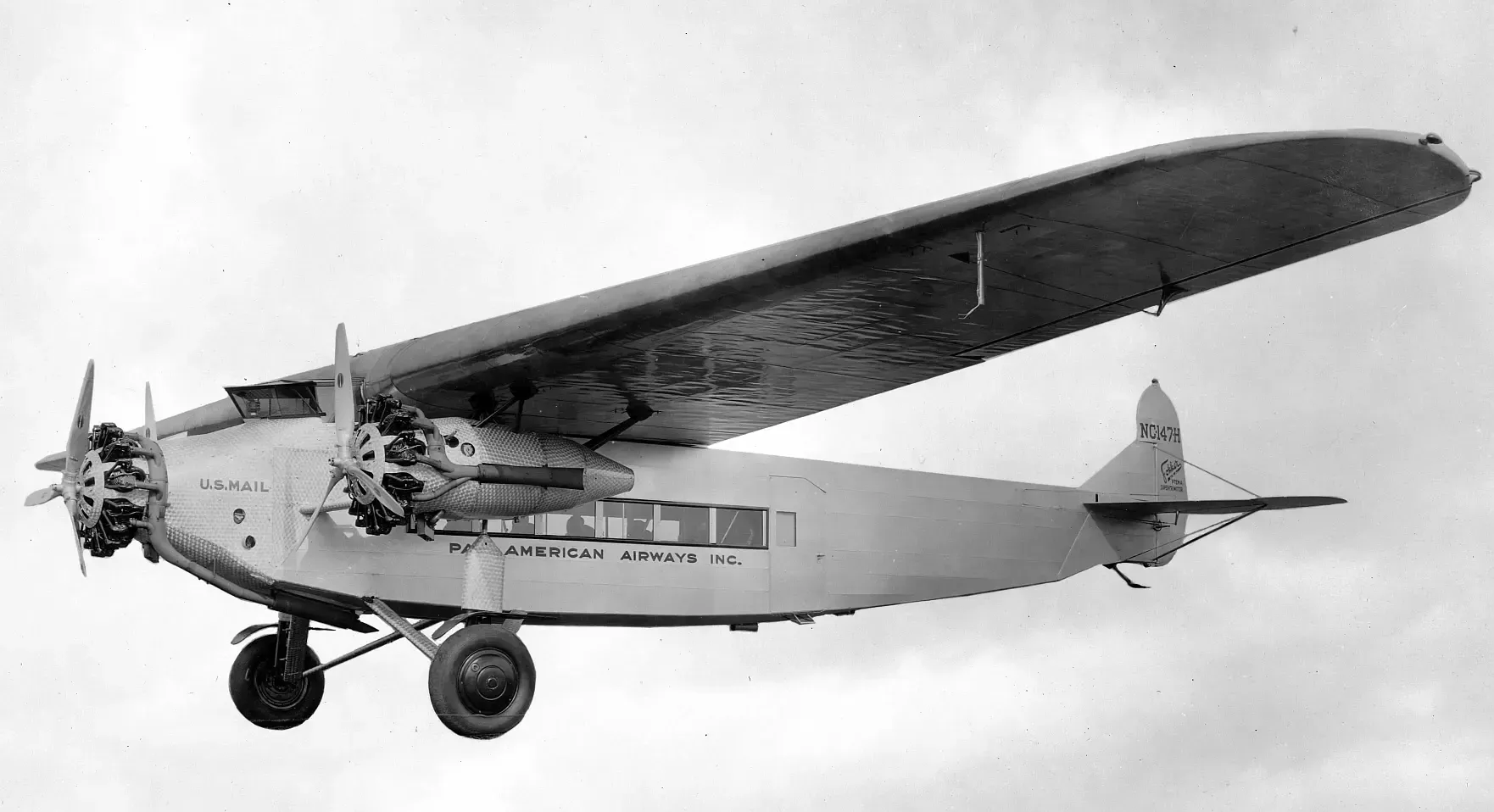
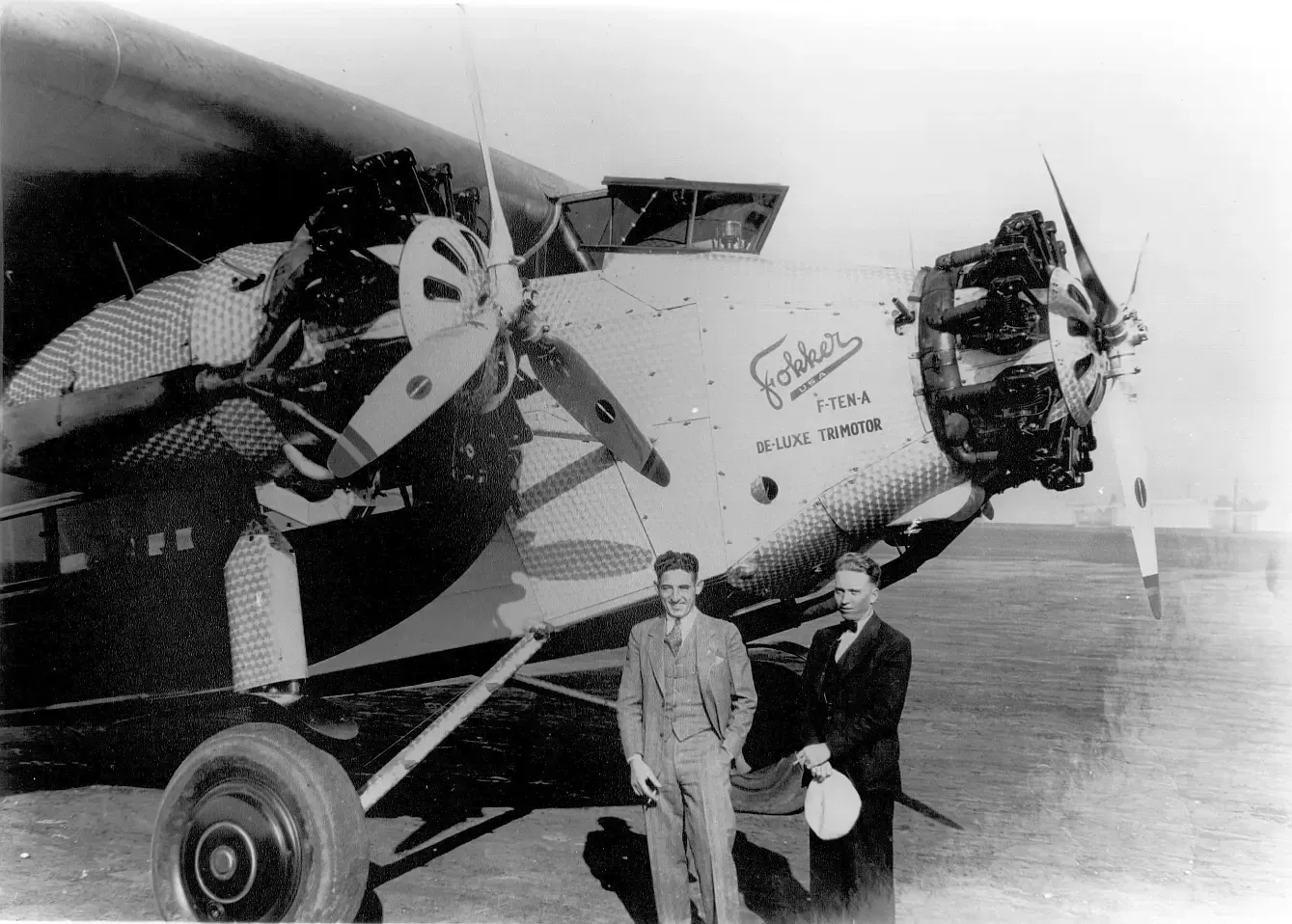
Gassner designed the type that likely made its first flight on March 23, 1928. Bert Balchen flew it. An initial series of five aircraft (msn 1000-1004) was built in Hasbrouck Heights. WAE's airline became a great success, and soon two more aircraft (msn 1005-1006) were ordered. Fokker foresaw good sales opportunities for the type and had a new factory built for production in Glen Dale, West Virginia, not far from Wheeling. The slightly improved model built there featured a larger, American-made wing. It was designated as the F-10A. Production commenced with an order for six aircraft for Pan American Airways and a follow-up order from WAE. In October 1928, the first aircraft for PAA was ready. However, due to the inexperience of the personnel, it was so flawed that PAA refused to accept it. It was not until the end of the year that the production quality level was sufficient. Universal Air Lines (a predecessor of American Airways) also ordered a substantial number of aircraft.
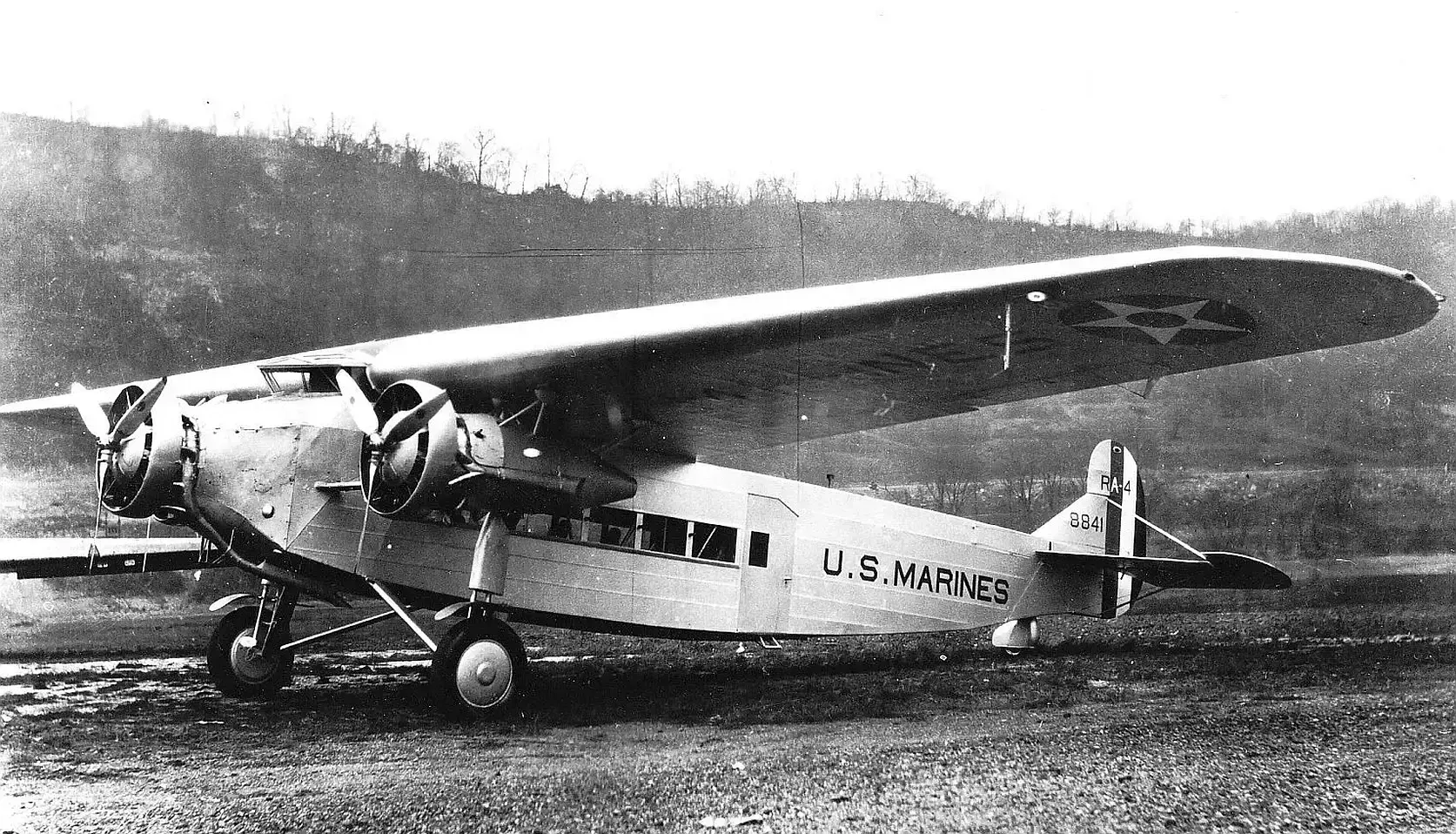
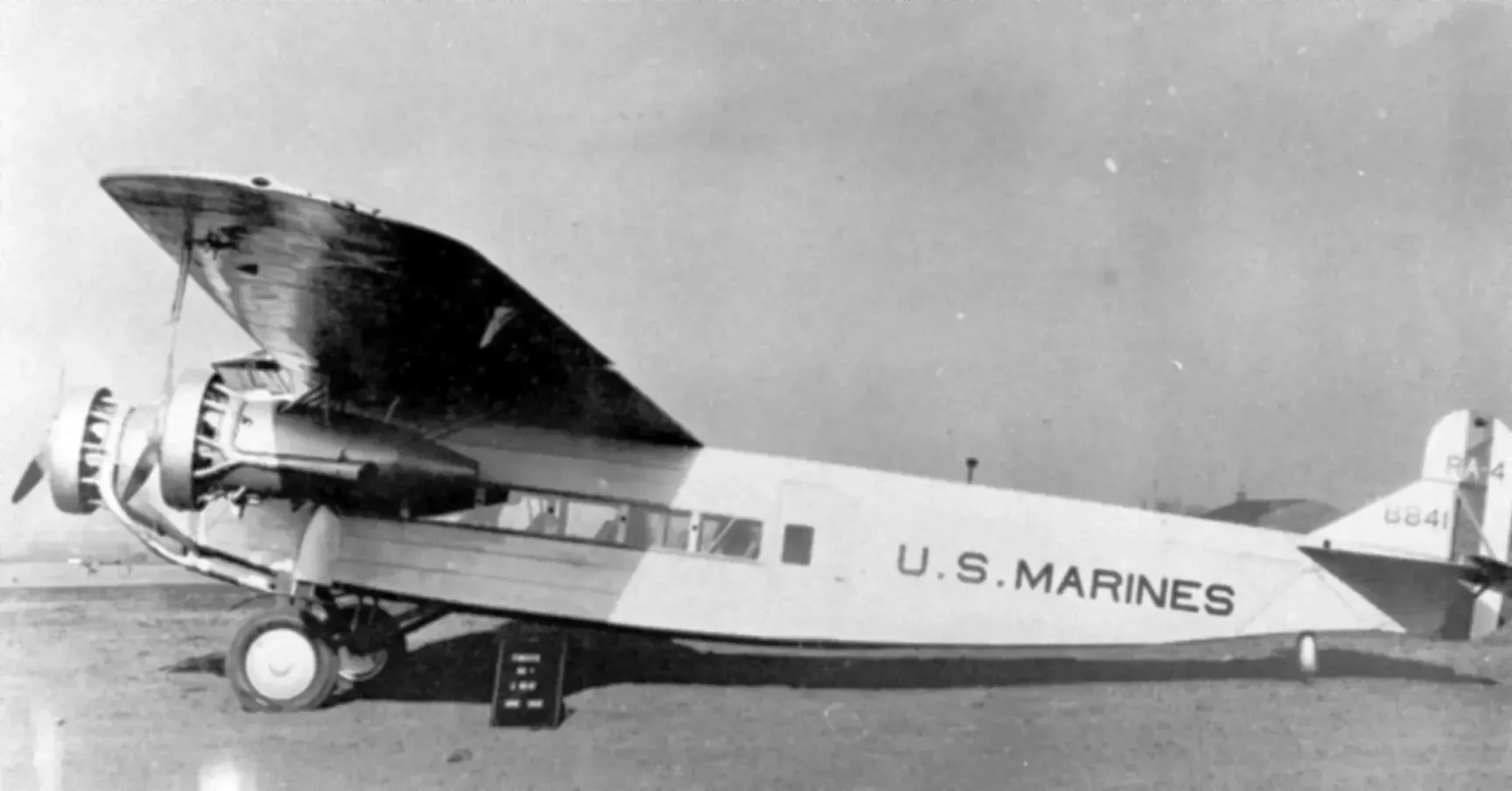
However, the stability of the type was not as perfect as that of the F.VII Trimotor. To address this, the horizontal tail surfaces were enlarged, and from serial number 1041 onwards, the nose was also slightly lengthened. During production, a steerable tail ski was also installed, followed later by a tail wheel. During the turbulent growth period until the end of October 1929, production had risen to one aircraft per week. But as a result of the economic downturn, demand also ceased. The factory operated at a reduced capacity, and Fokker was left with unsold stock. The US Navy did order the last production machine (new serial number 1064) but withdrew from the purchase when stability problems could not be resolved.
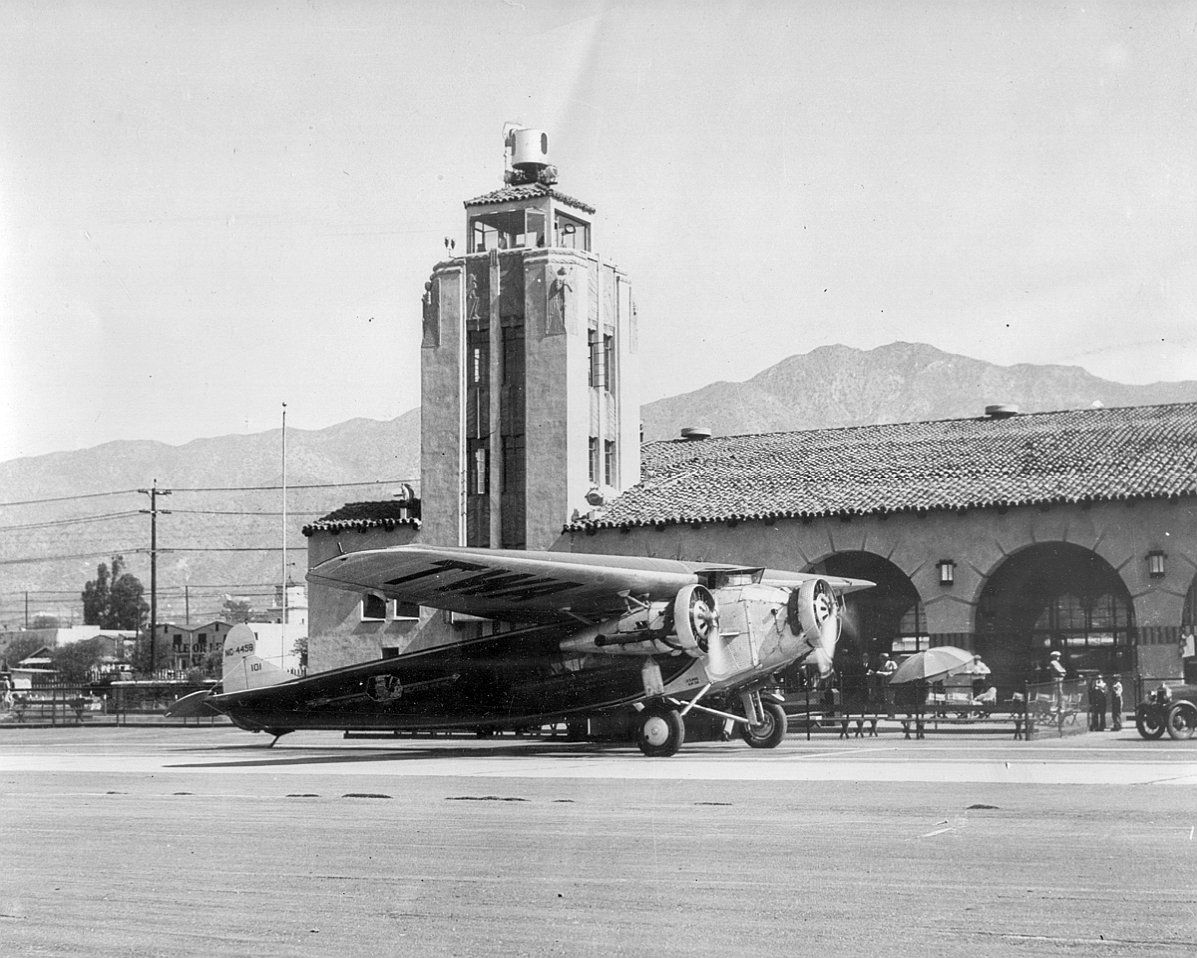
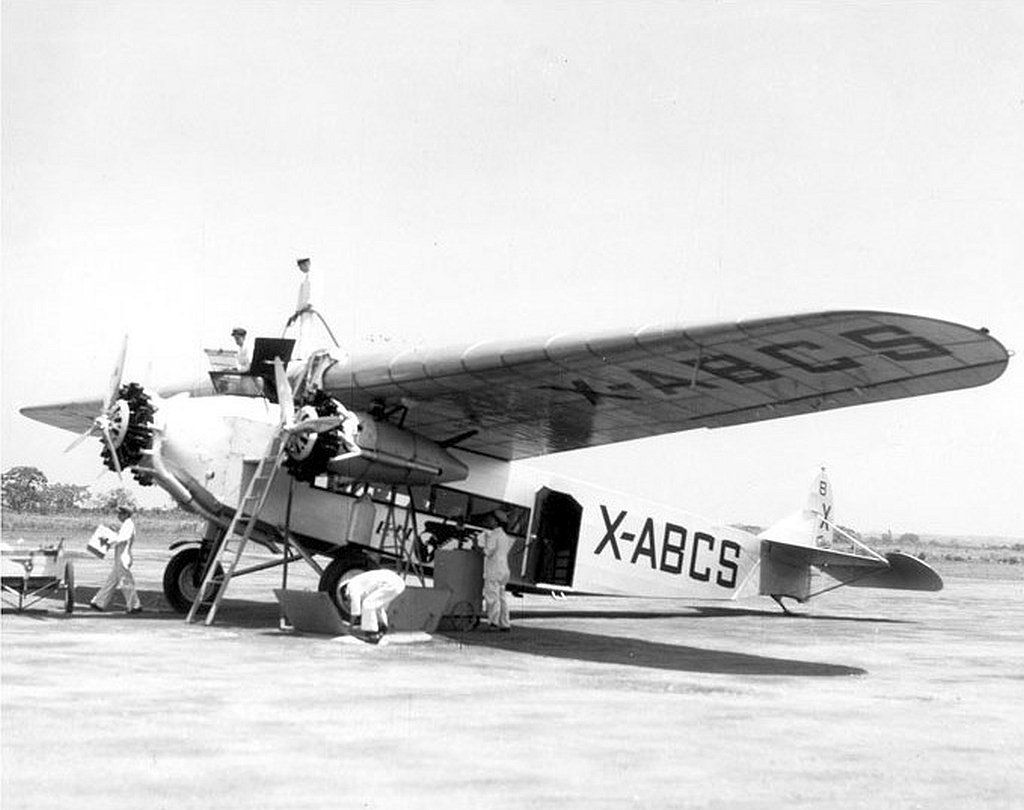
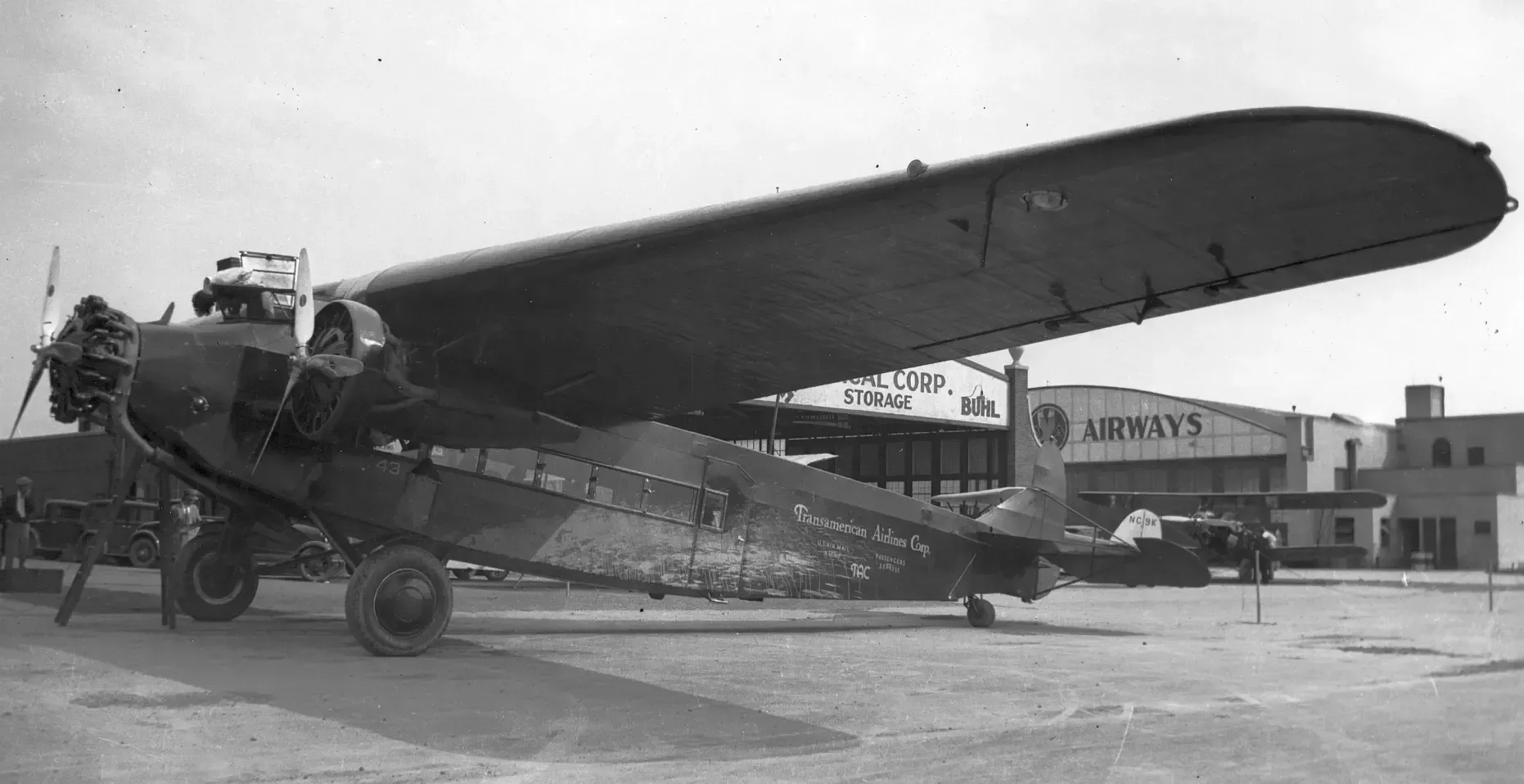
F-10As flew on a considerable number of airlines in the US, sometimes modified with separate mail compartments and fewer passengers. An accident that dominated the media from coast to coast for days changed that. On March 31, 1931, a section of the wing of a Transcontinental & Western Air F-10A broke off in flight, and it crashed. One of the passengers was the famous baseball coach Knute Rockne. This led to a ban on passenger transport for a specific type being announced for the first time a month later. Within a few weeks thereafter, a program was agreed upon for wing inspections and the implementation of balanced ailerons. After modifications, F-10As continued to fly on a limited scale but were quickly displaced after the DC-2 entered the market.
Click on the photo to enlarge it.