
The Fokker G.1A
After years of neglect of the Dutch army in the late 1920s and early 1930s, a period of renewal followed.
Government and business are investing in promising projects.
The same applies to the Dutch Army, Navy and Air Force.
Fokker focuses on designing monoplane fighter aircraft, modern bombers and floatplanes.
And as a special bonus, the construction of a versatile and large fighter aircraft with the task of a heavily armed reconnaissance/fighter and light bomber.
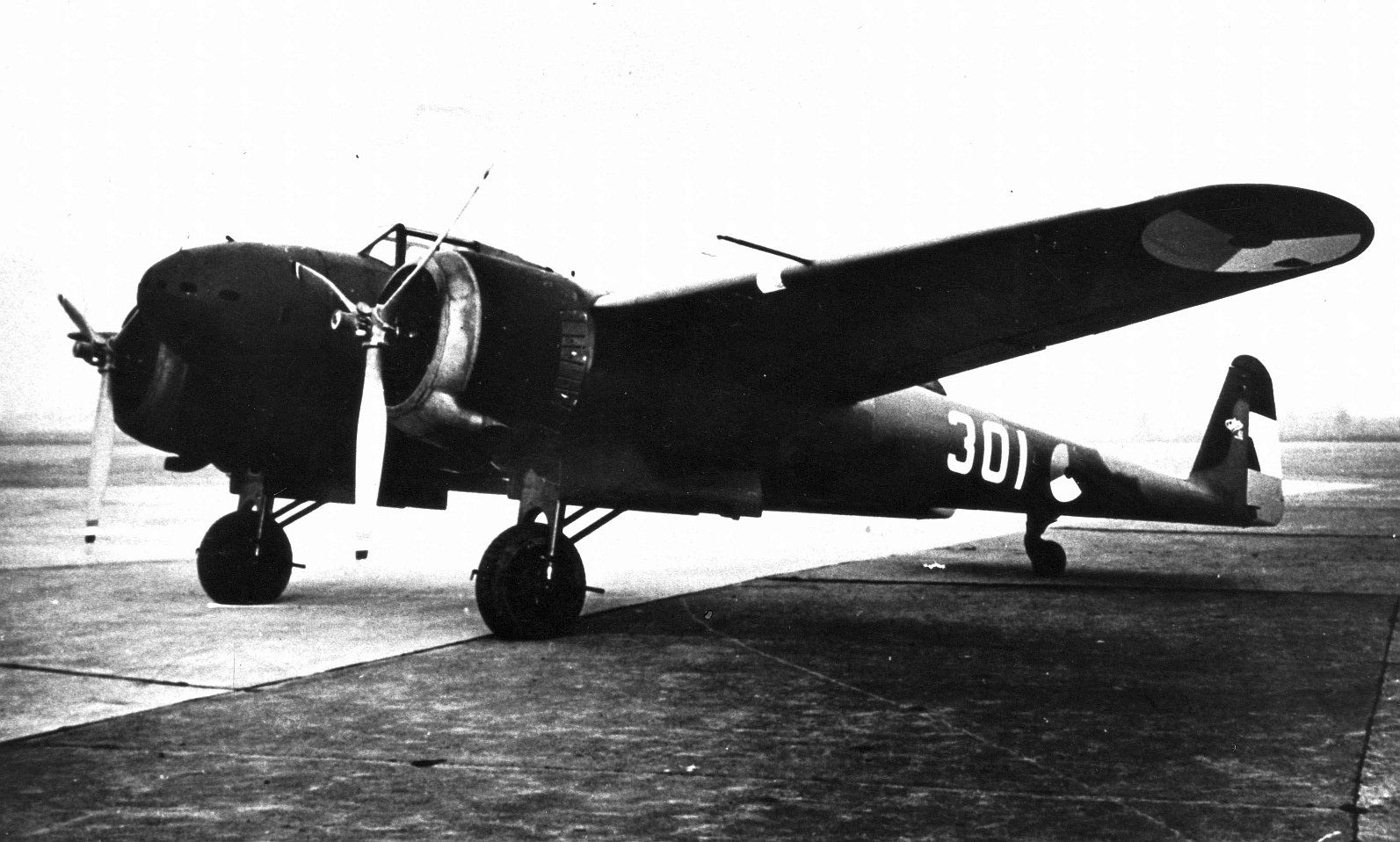
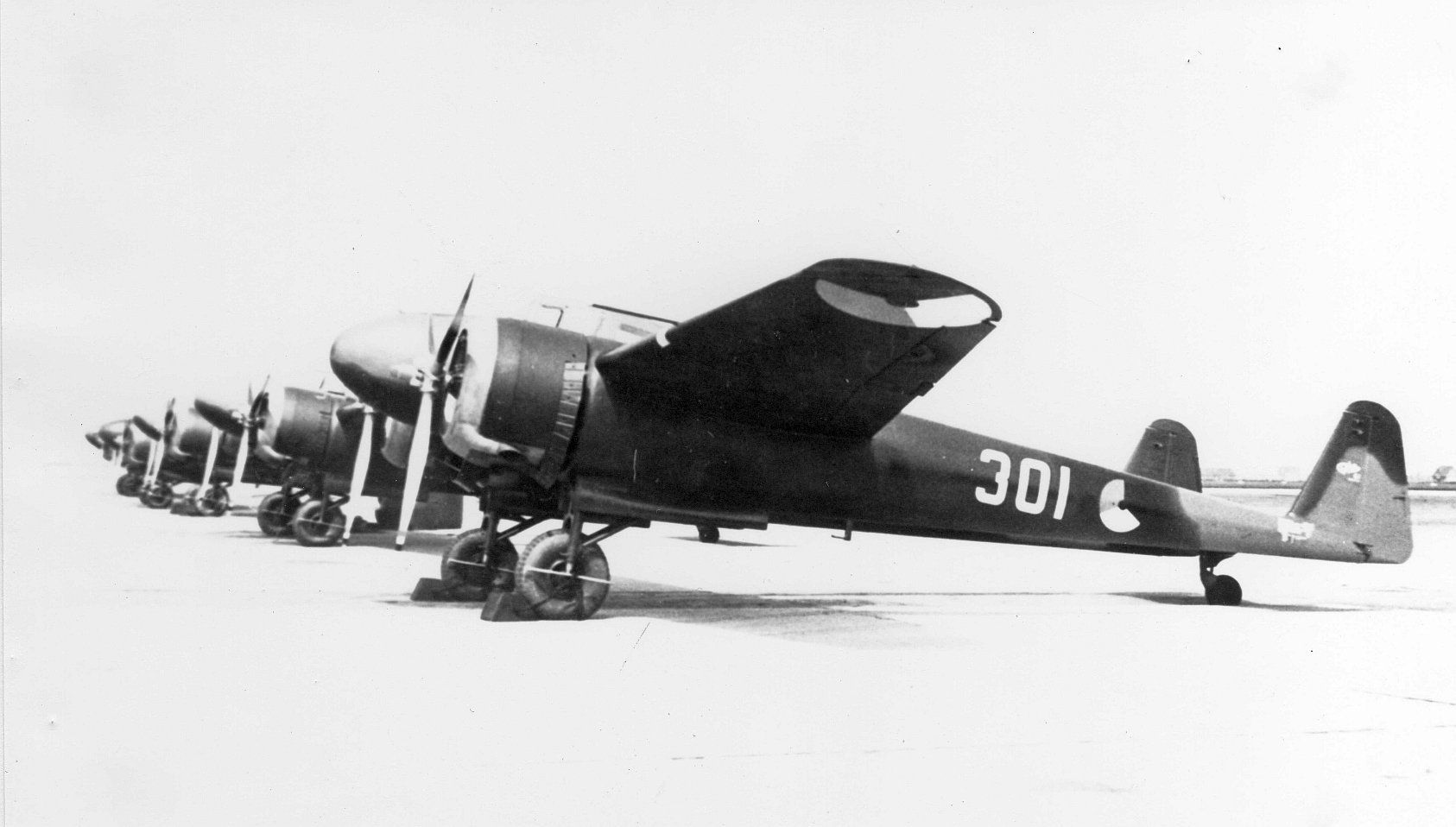
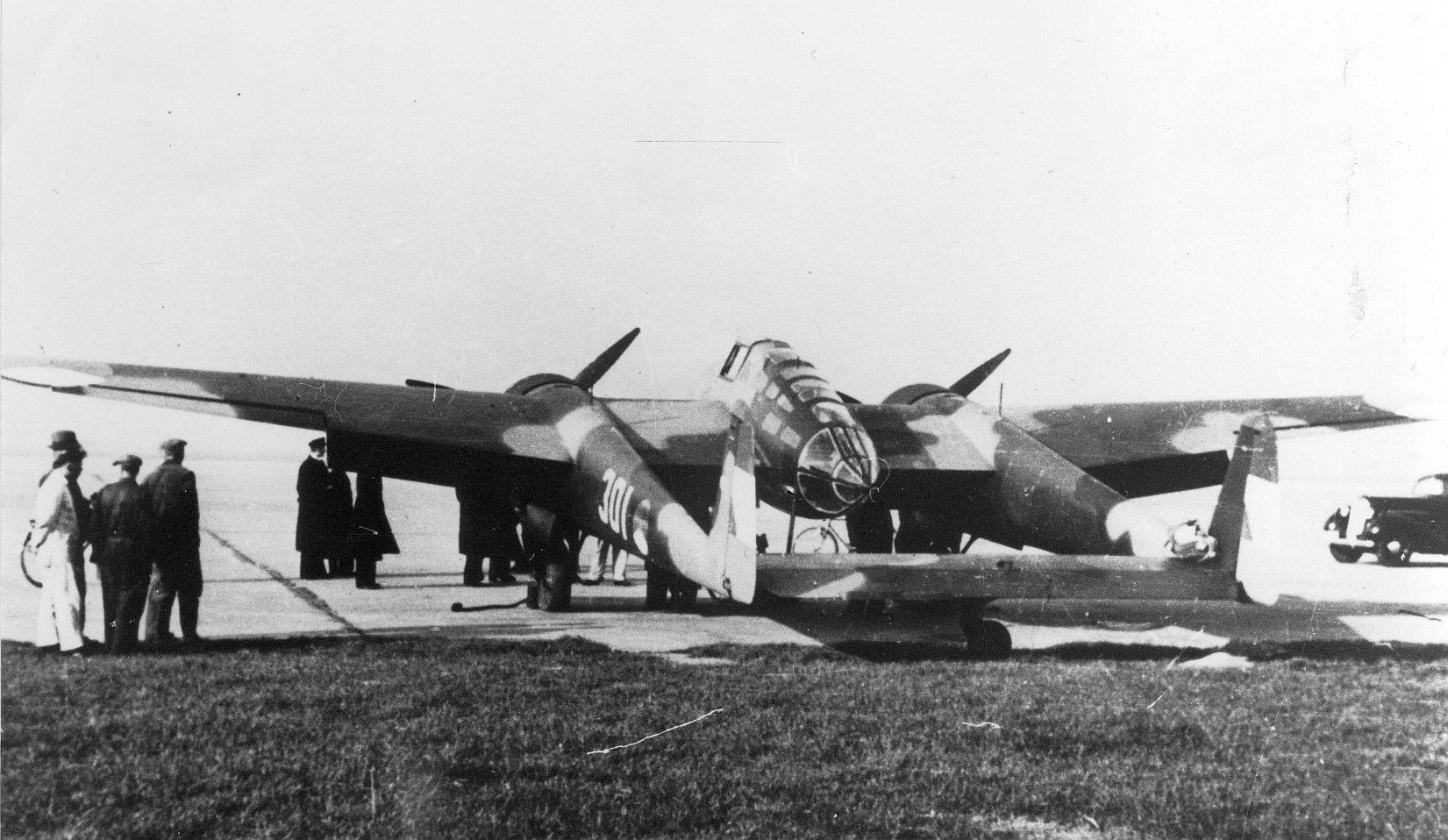
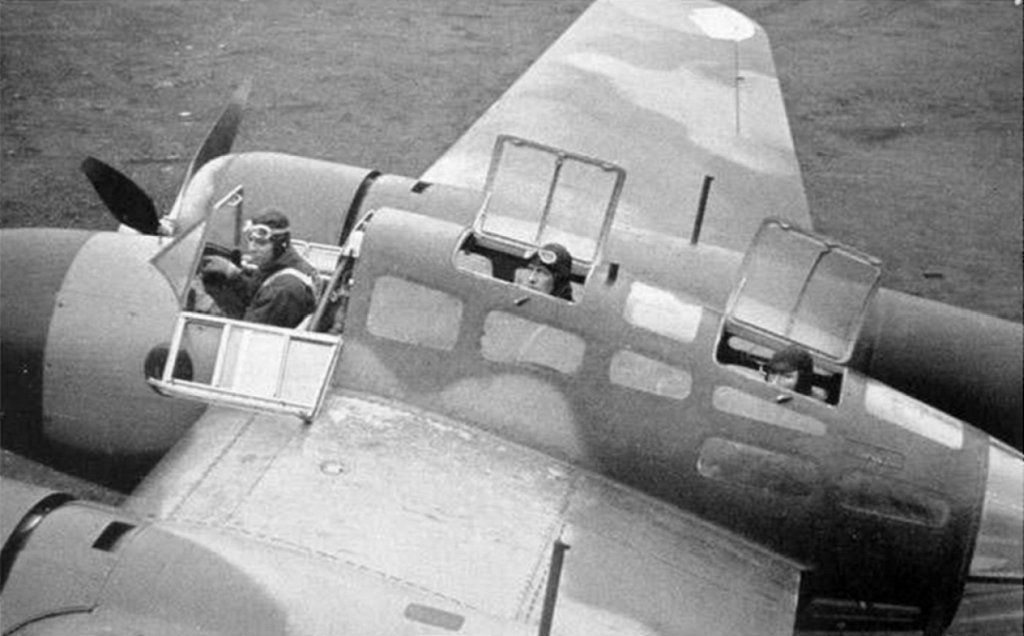
That will then be the G.1 fighter cruiser with a lot of firepower fore and aft and even from below.
A very important practical feature becomes an uninterrupted stay in the air of four hours.
After much deliberation, the Aviation Department decided to purchase no fewer than 36 of them.
The introduction of Mobilization for the entire Army and Navy at the end of August 1939 further increased the pressure.
Due to international developments, time is running out and that casts its shadow before us.
There is little time left to iron out the inevitable teething problems.
So minor and major accidents do occur.
Good armament and engines also become a major concern.
Bringing aircraft into the hangar for repairs is a regular occurrence.
The LVA therefore decided to ask Fokker mechanics and other specialists for assistance.
That works quite well, but it requires an accelerated learning process to operate this yacht cruiser.
LVA has chosen to place some of its G.1 aircraft at Waalhaven-Rotterdam.
A brand new airport in Bergen (NH) has been built with great success.
Flights take place at Welschap-Eindhoven, Waalhaven-Rotterdam and Schiphol-Amsterdam.
At the permanent G.1 airfields of Waalhaven and Bergen, everything was done to be ready by the end of 1939 and the beginning of 1940.
Incidentally, with the help of Fokker TV, the D.XXI, the CX and the Douglas 8A.
And the fact that devices from around 1924 to 1930 also play a role has proven to be an expensive cutback.
In the early morning around 4 to 5 am on May 10, 1940, neutrality became a fairy tale.
The German Luftwaffe enters into battle and soon gains the upper hand in both quality and quantity.
Data from the G1A:
- Wingspan 17.15 m
- Length 11.55 m
- Height 3.40 to 3.65 m.
- Wing area 38.3 m2
- Empty weight 3360 kg
- Flying weight 4800 kg
- Max speed 475 km/h
- Cruising speed 400 km/h.
- Ceiling 9,600 m(!)
- Flight range 1,416 km.(!)
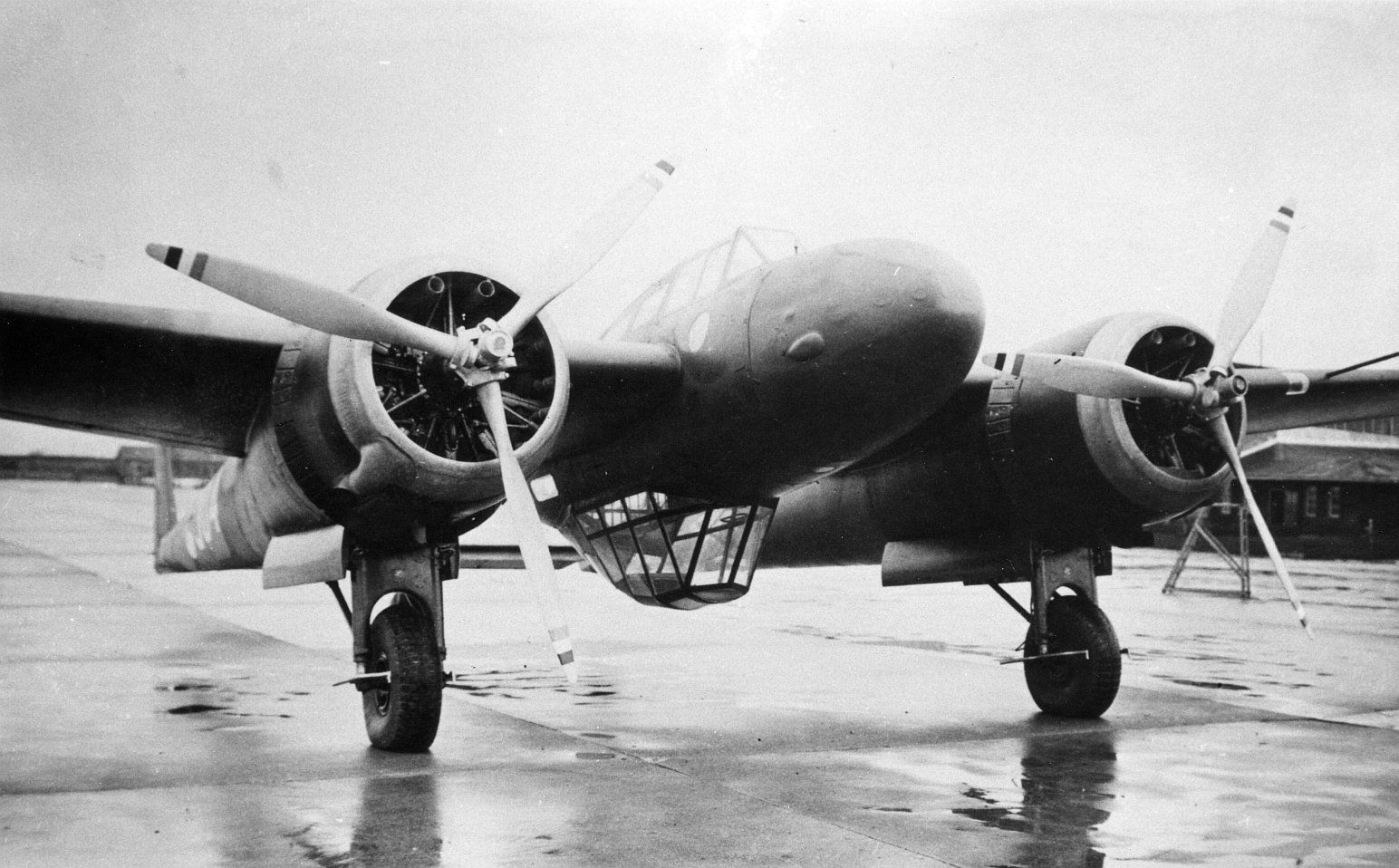
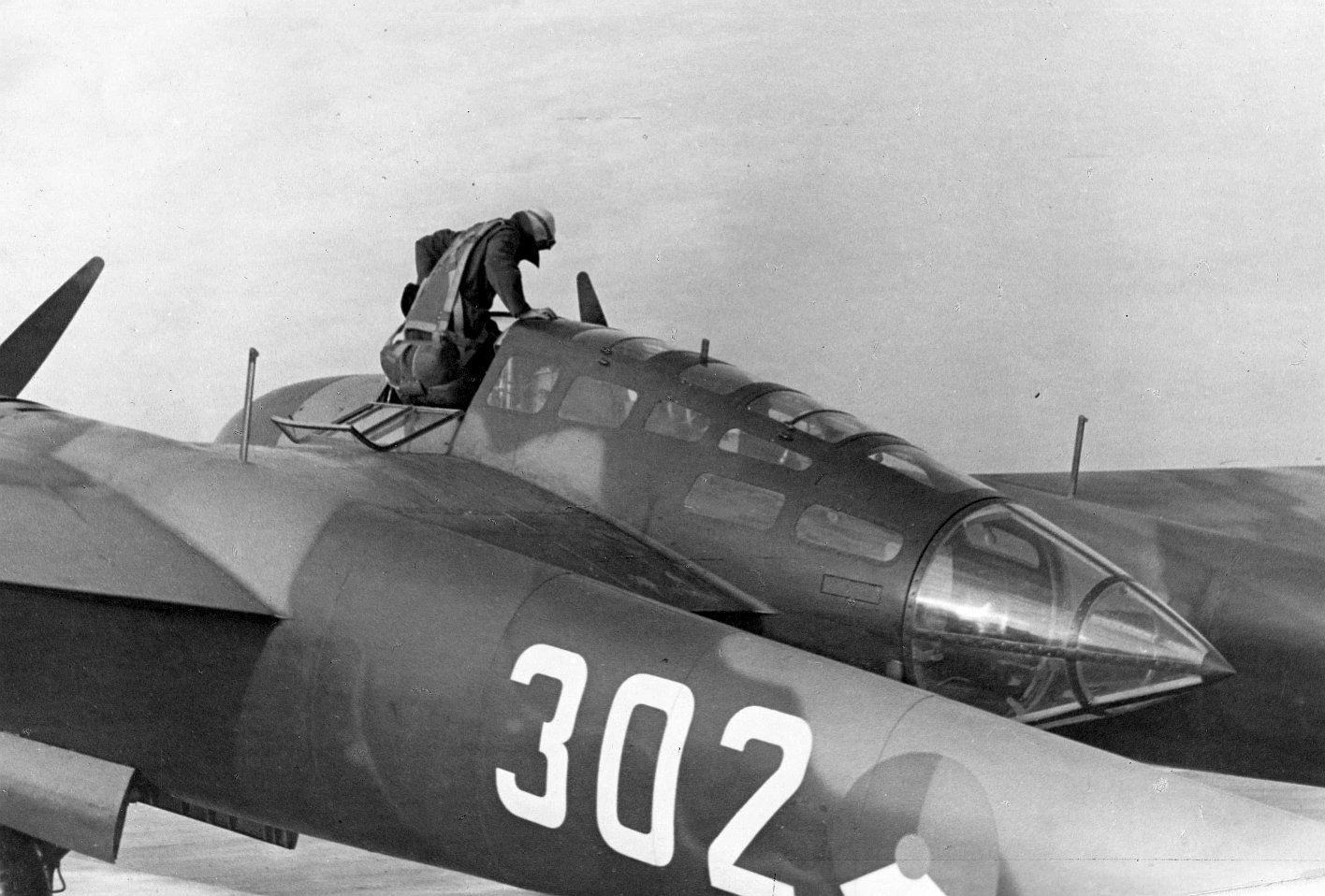
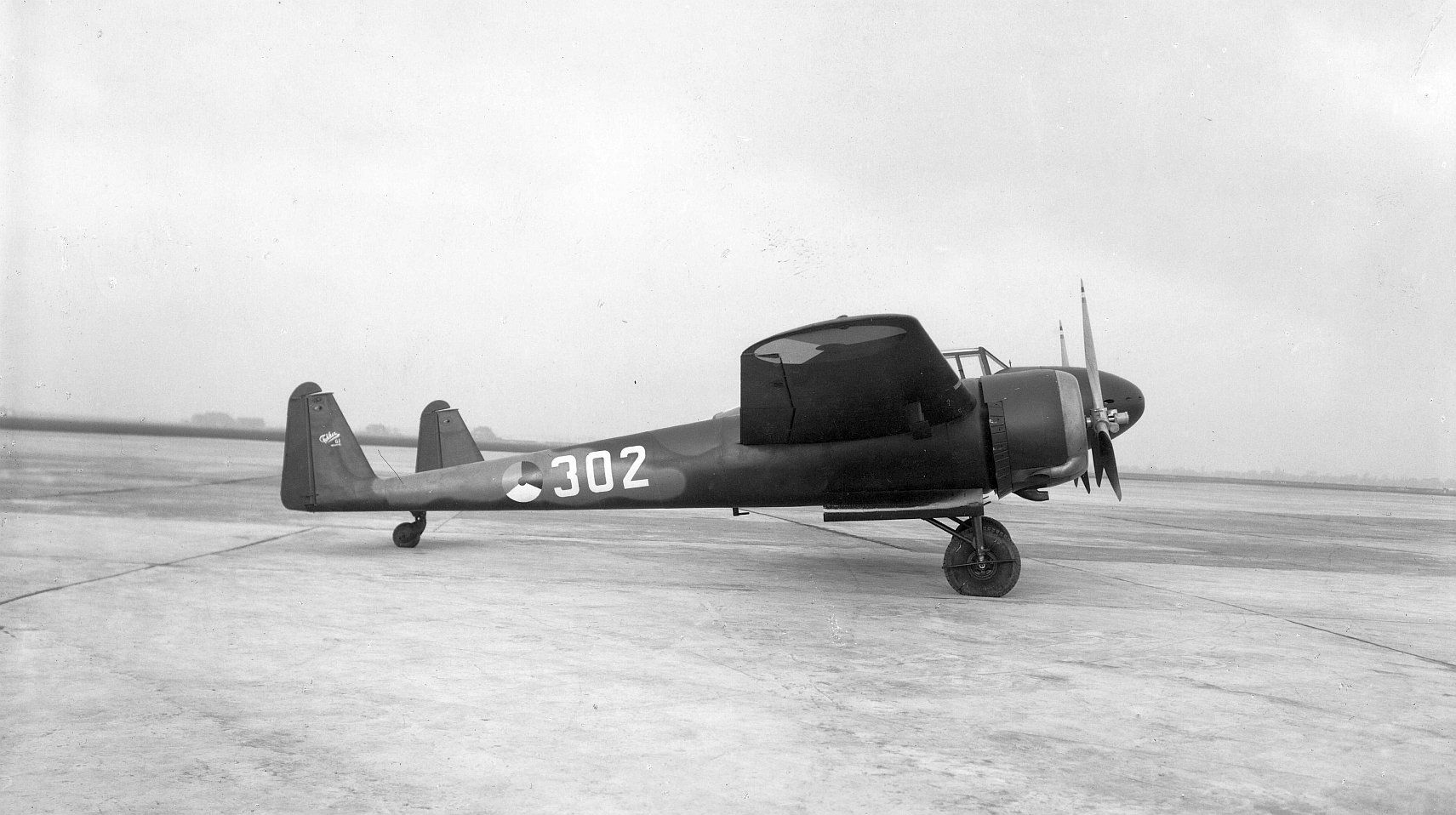
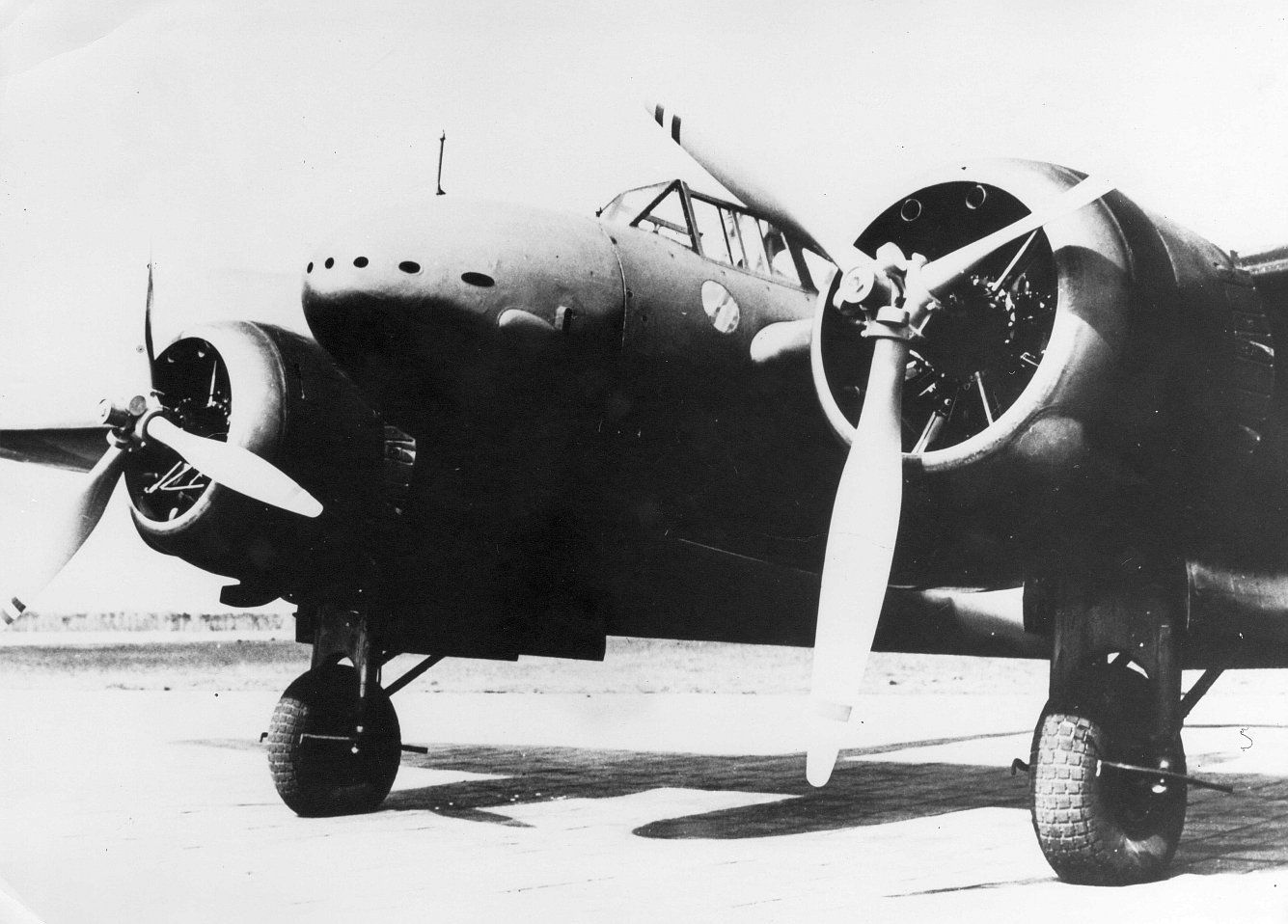
Click on the photo to enlarge the photo
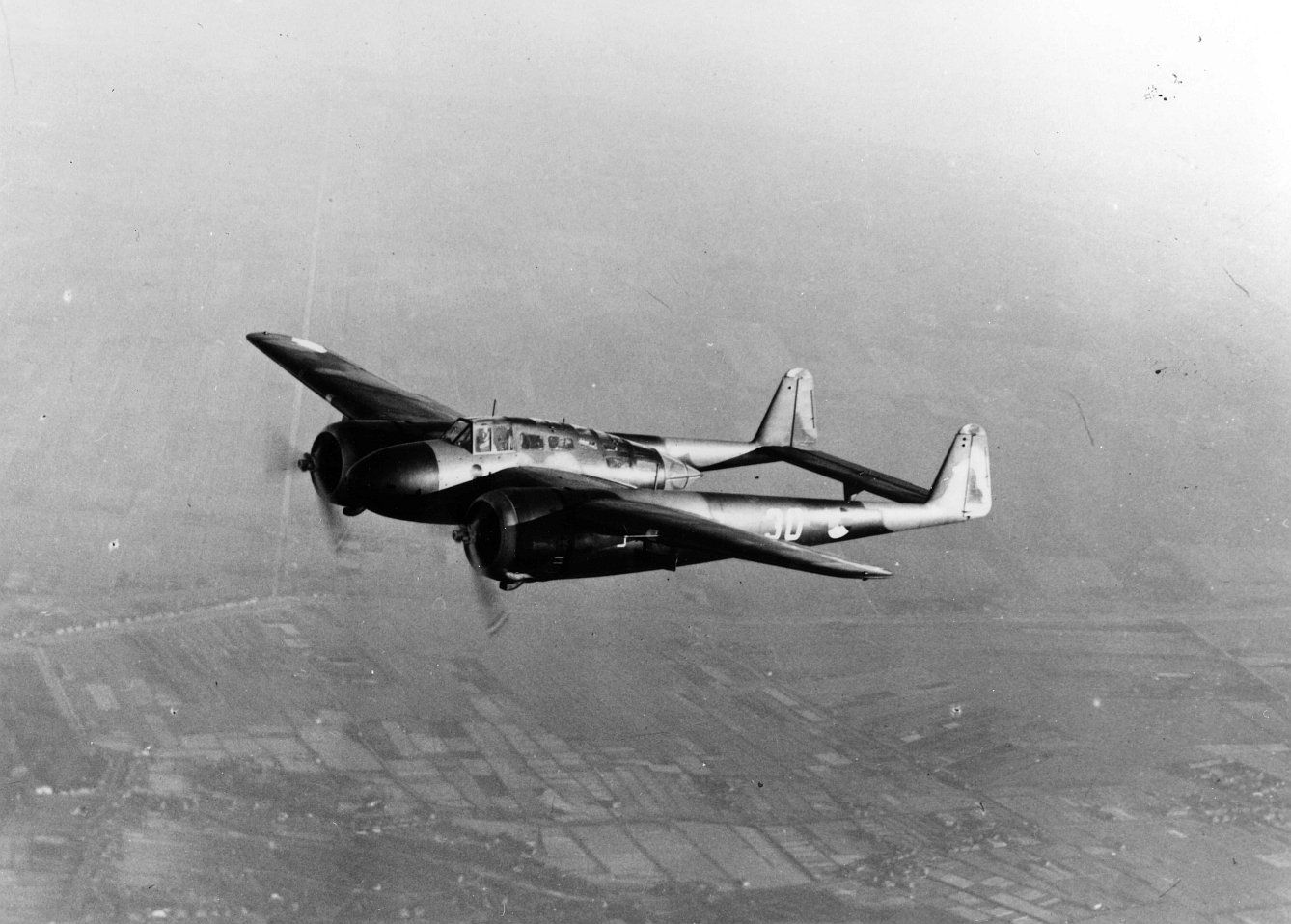
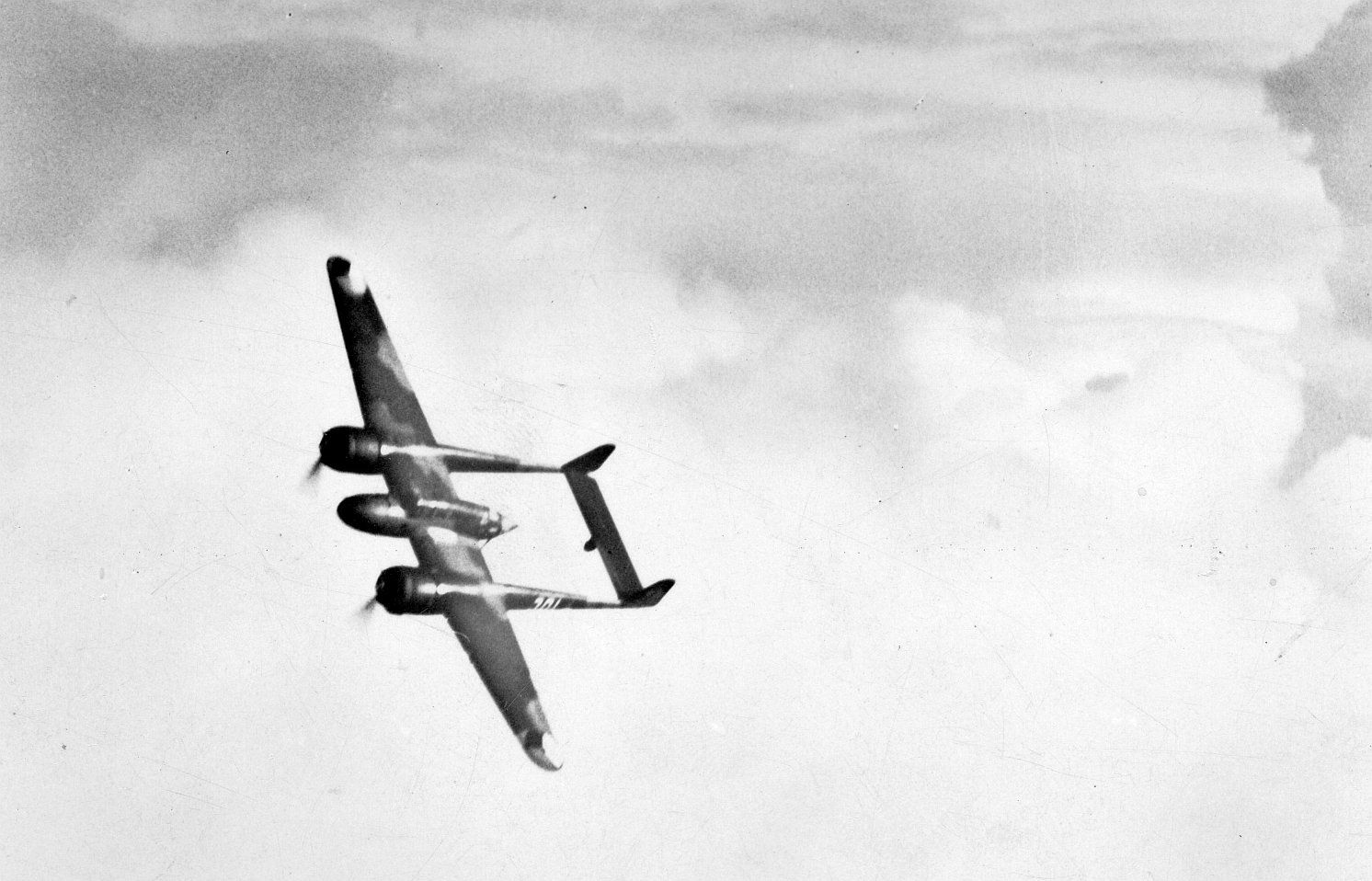
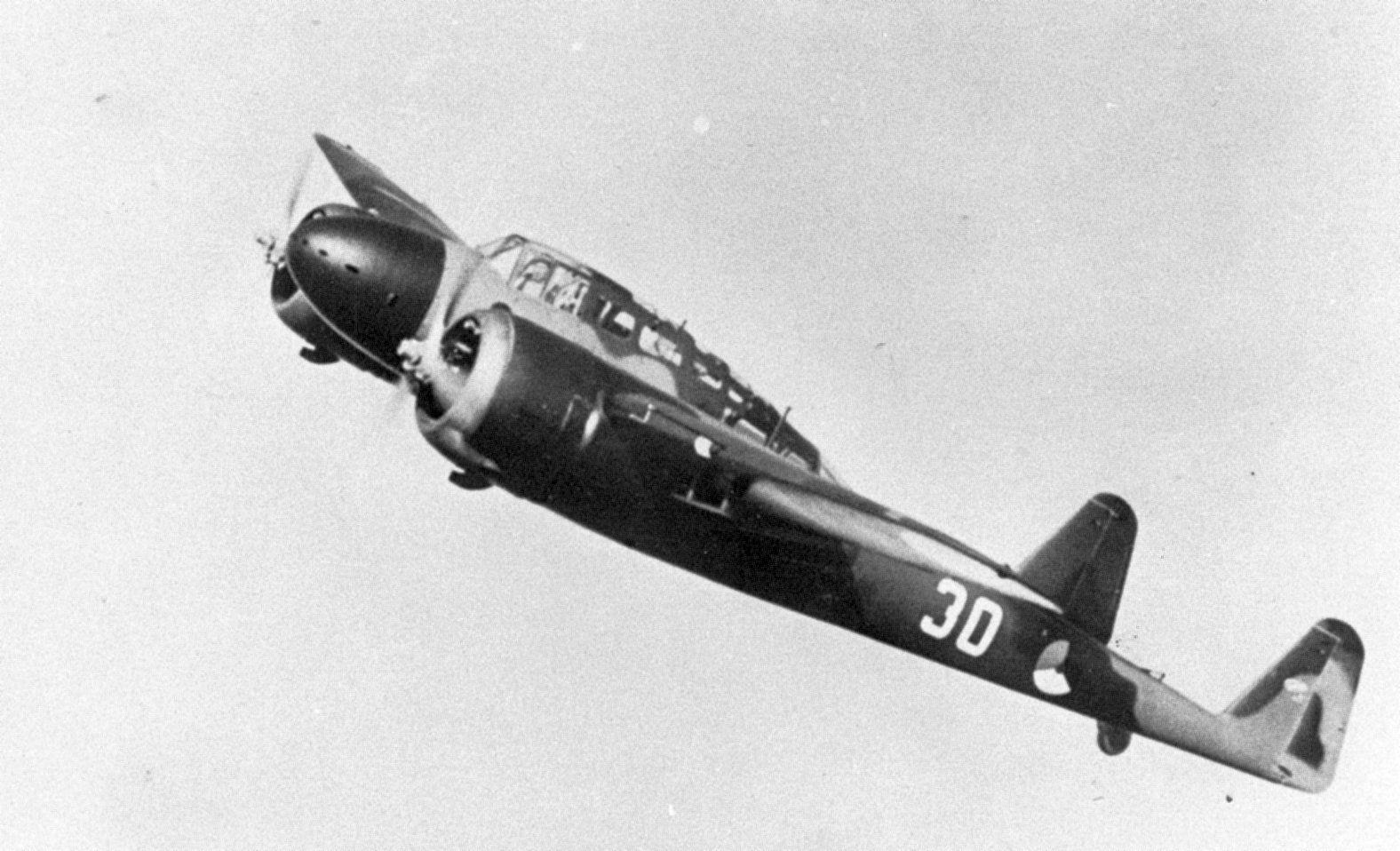
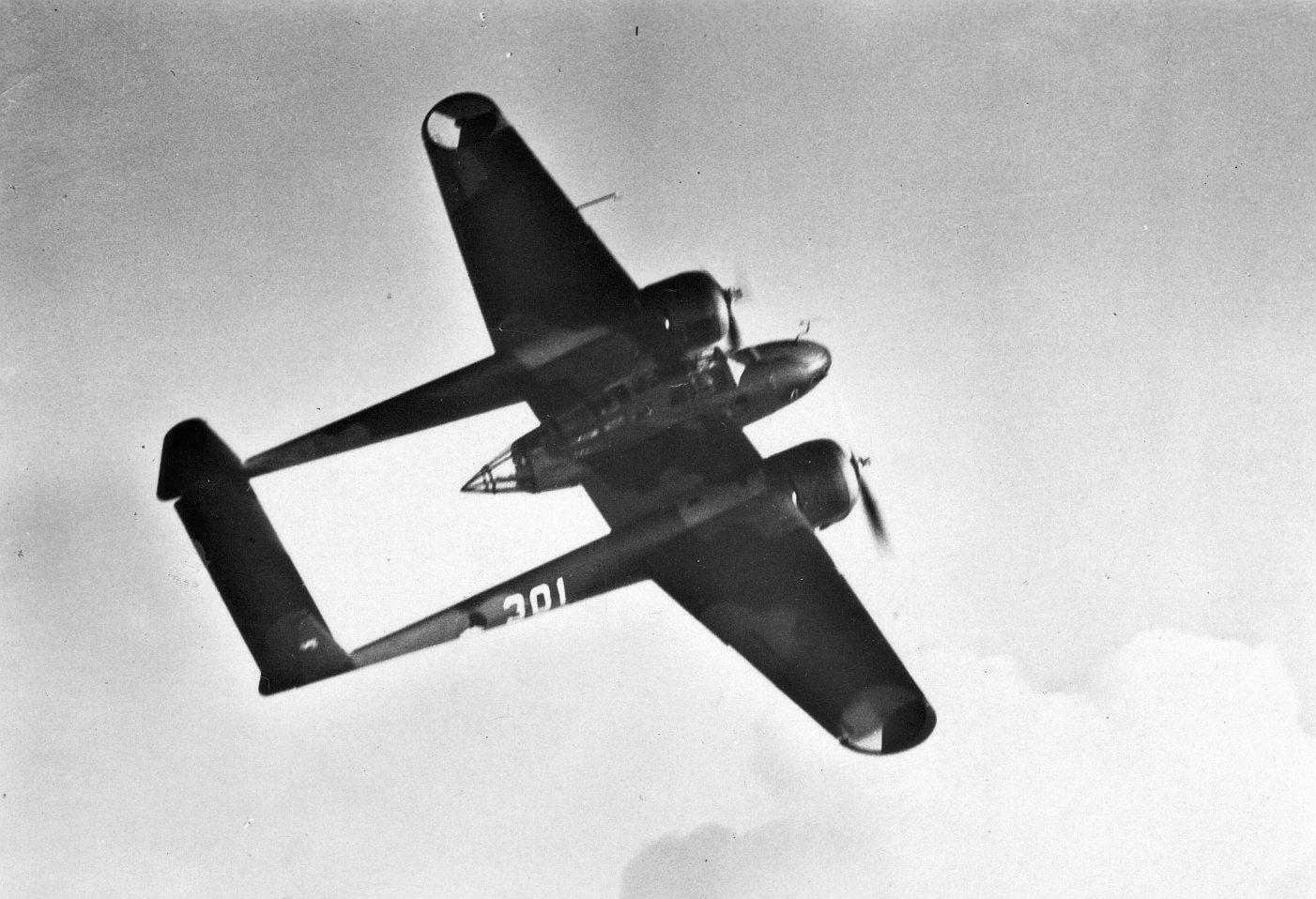
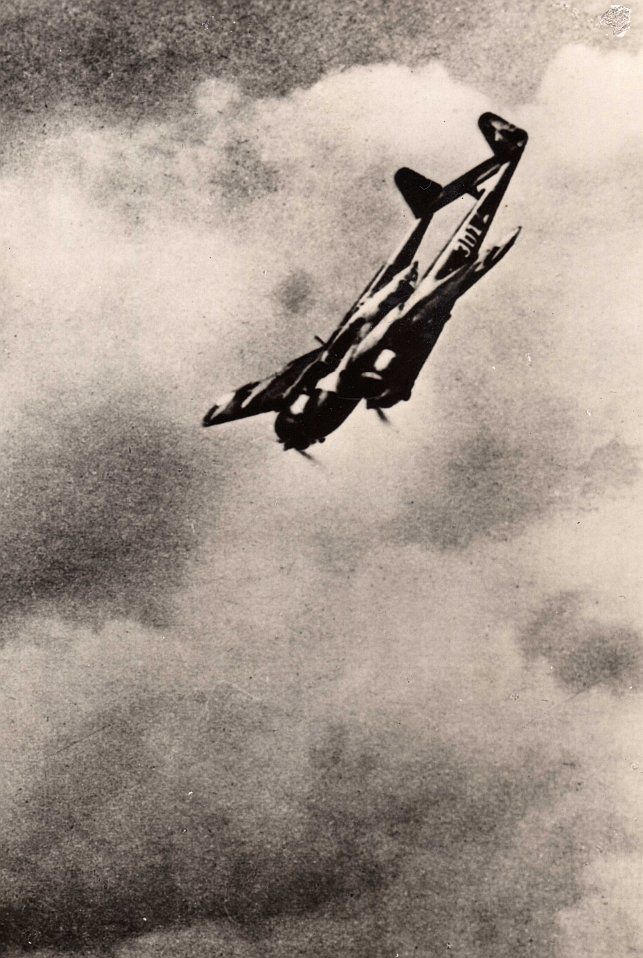
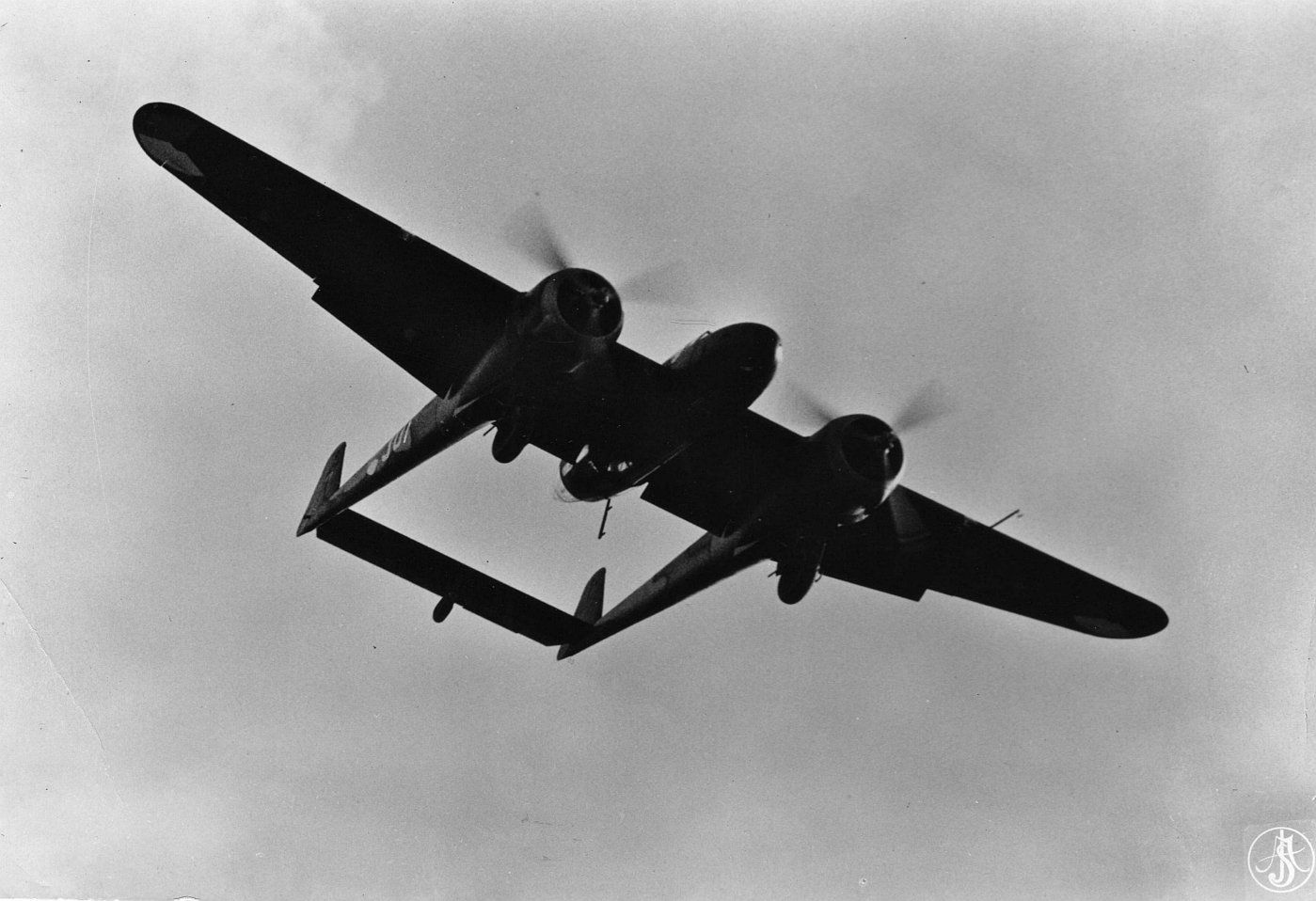
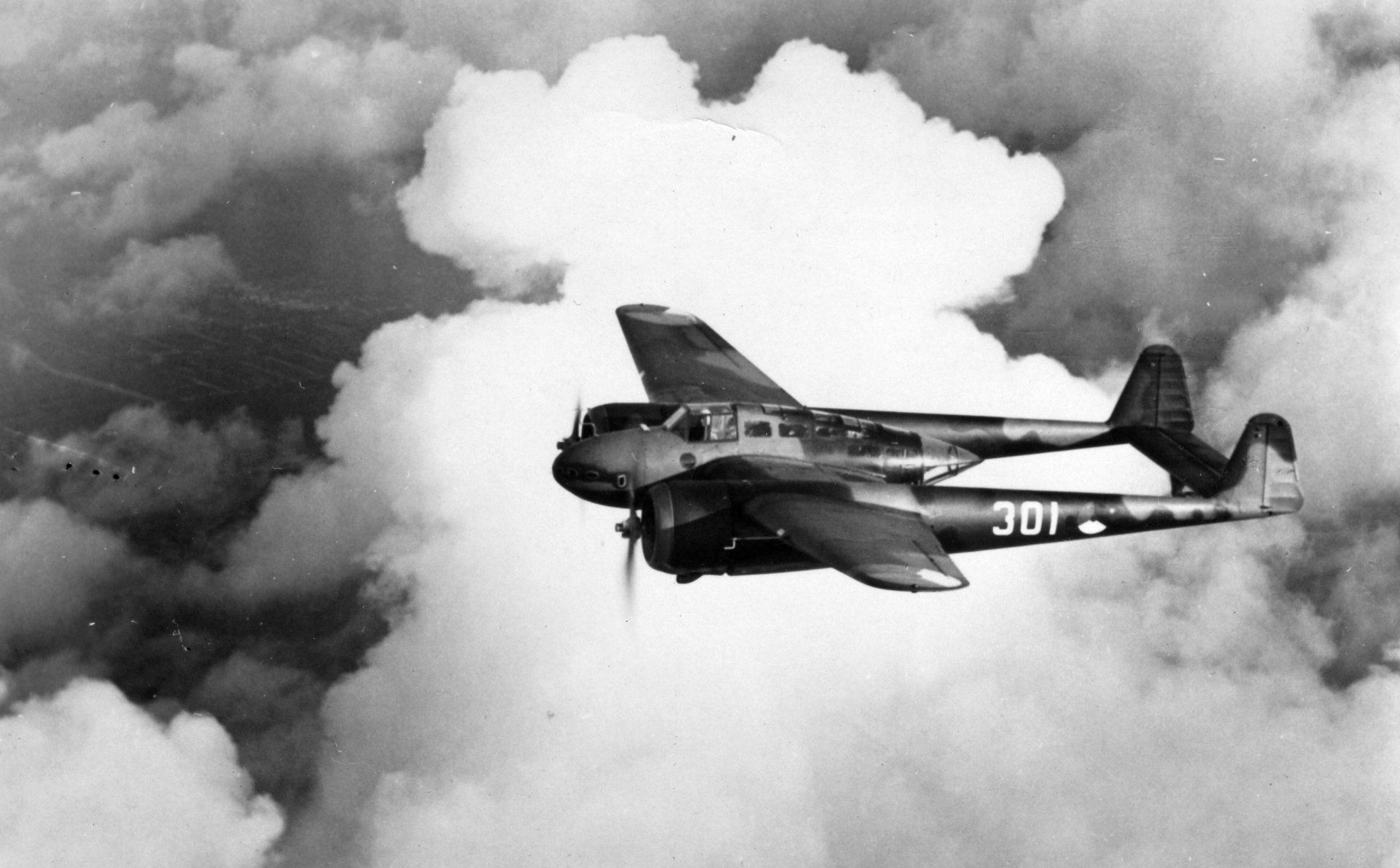
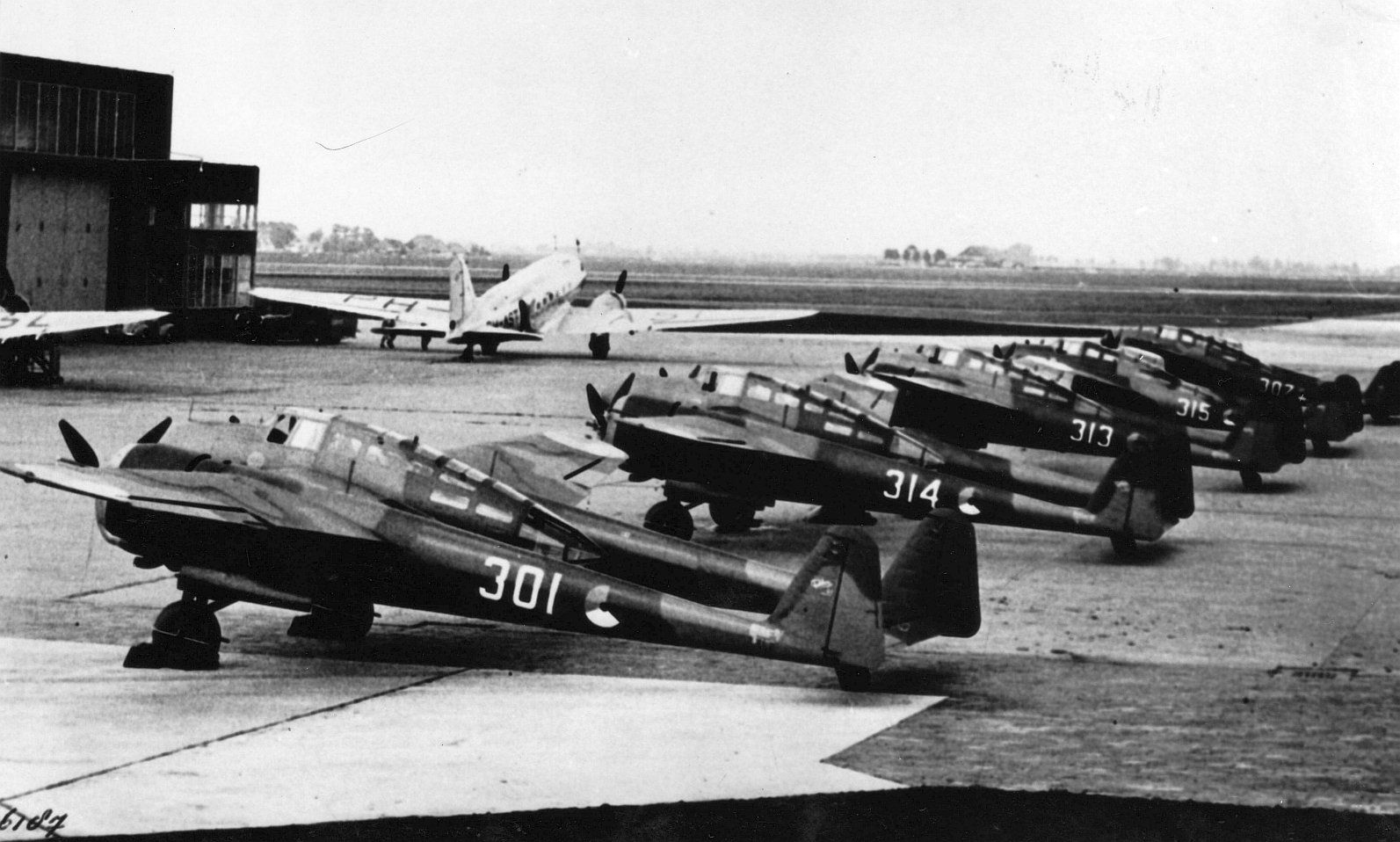
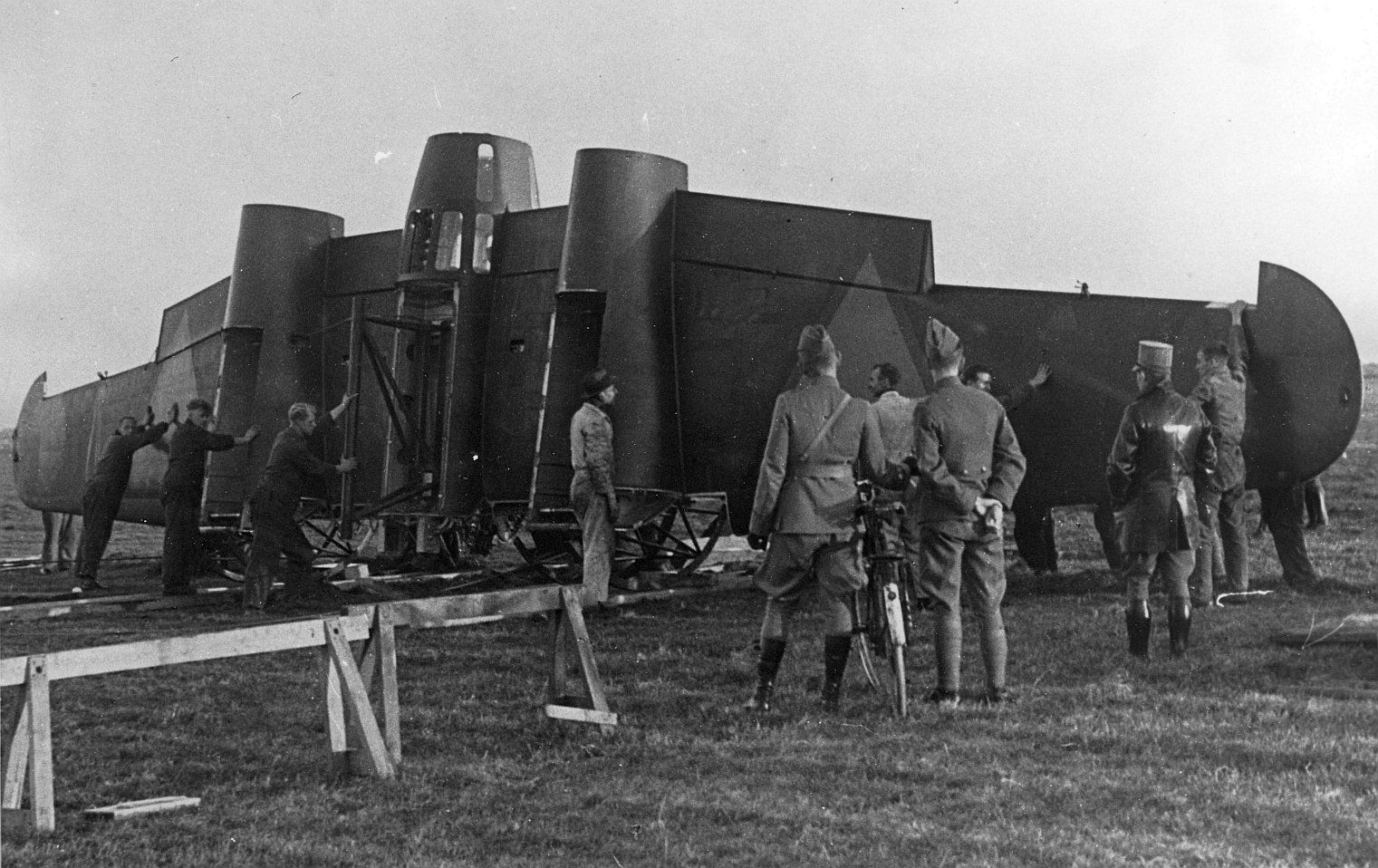
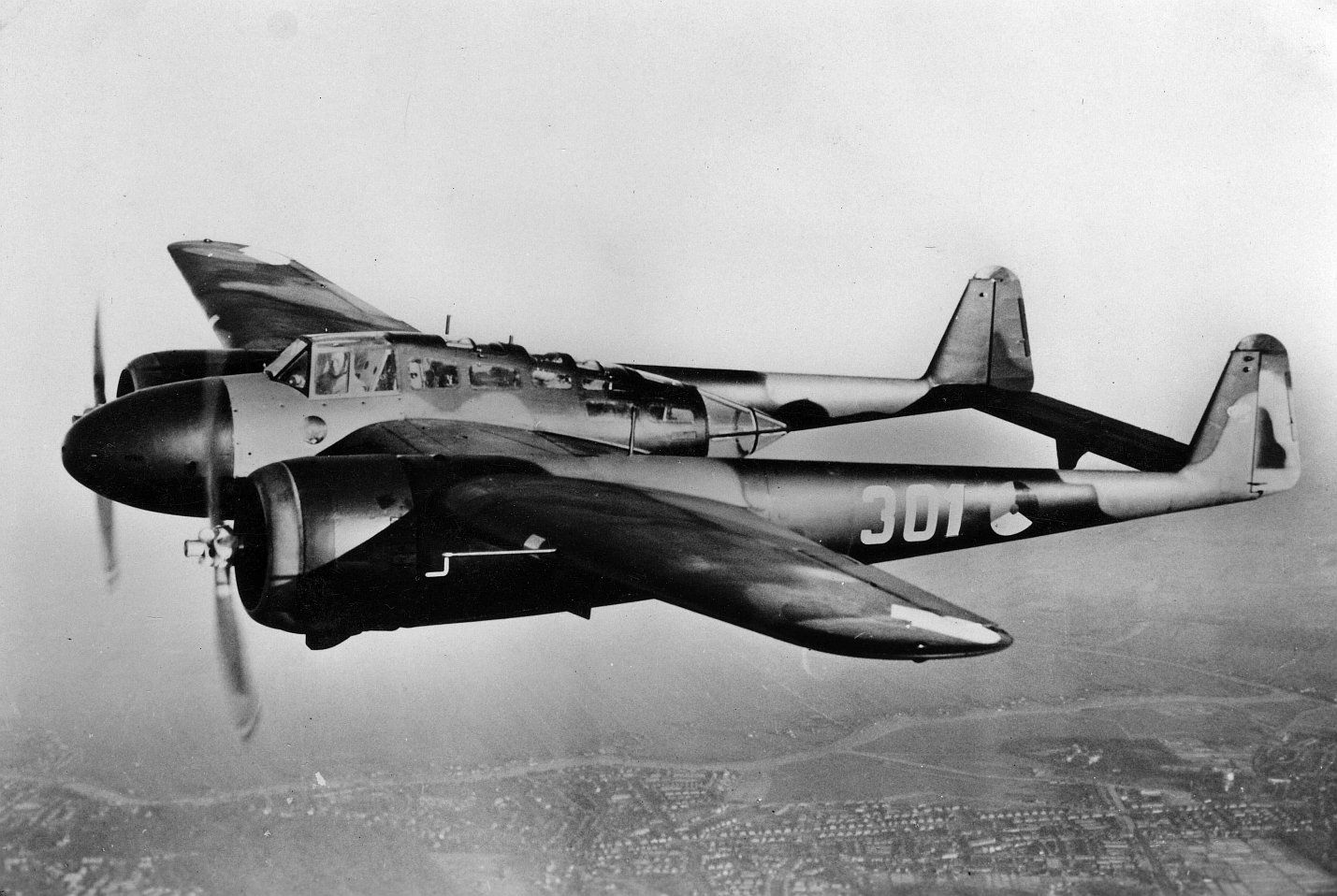
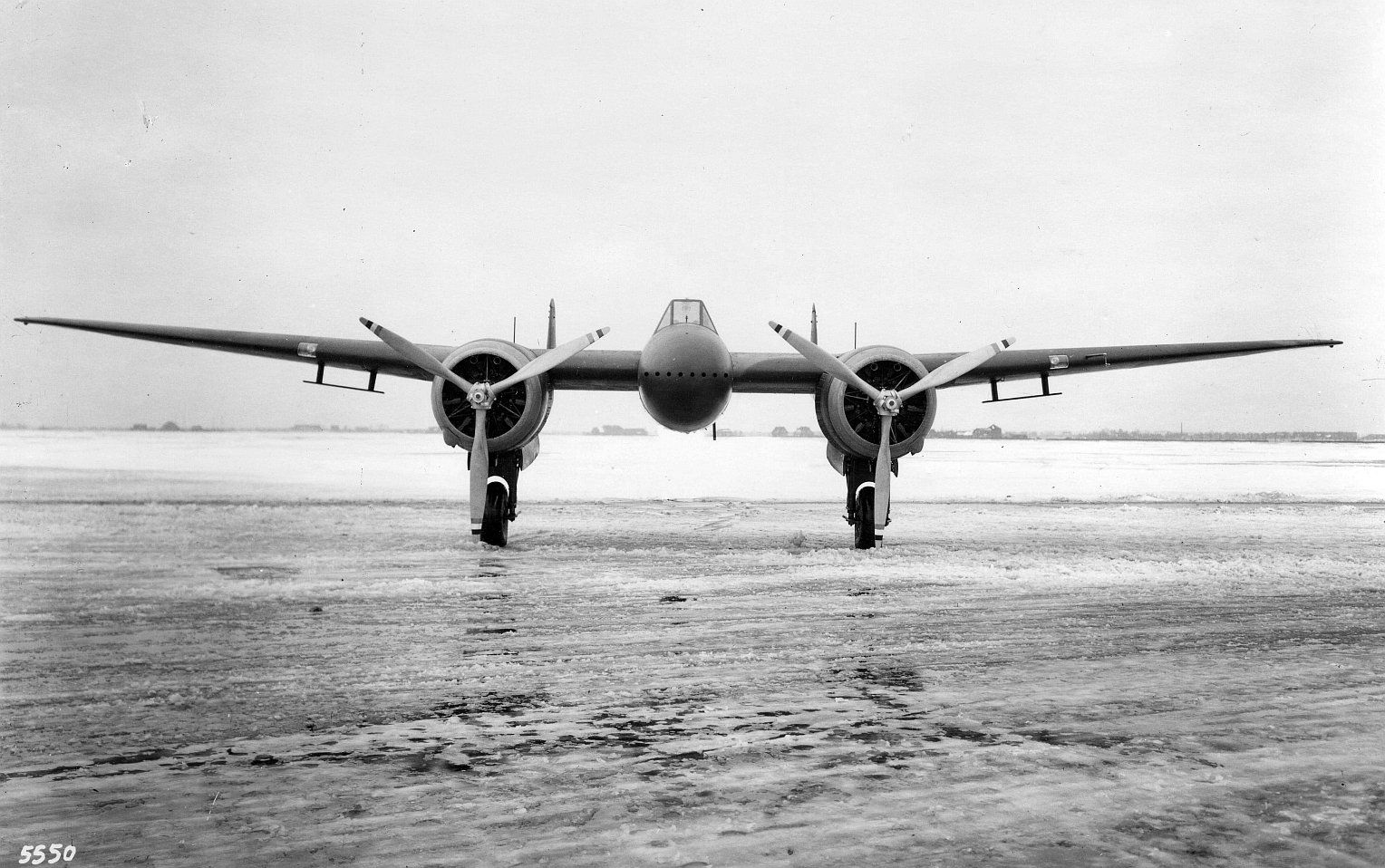
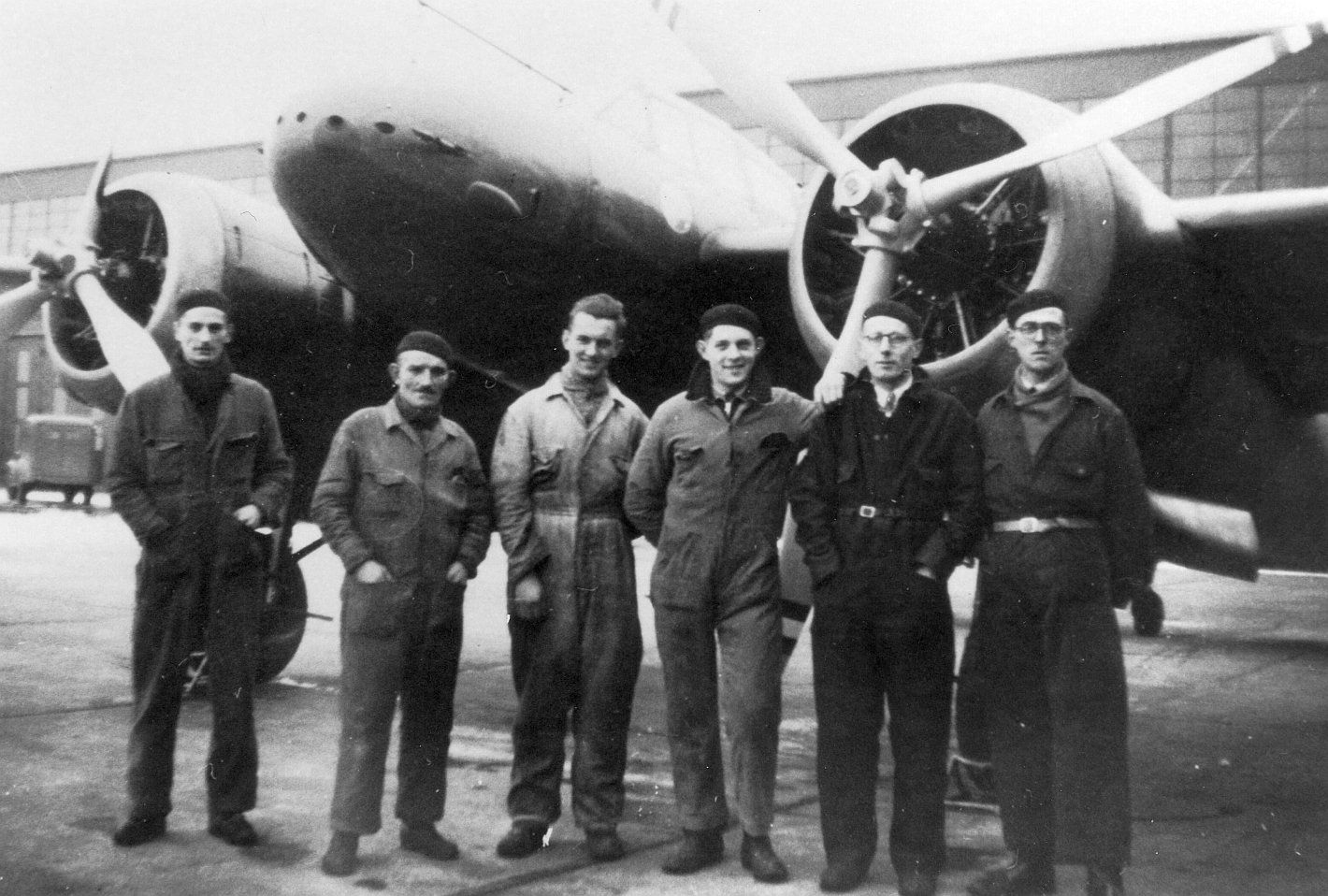
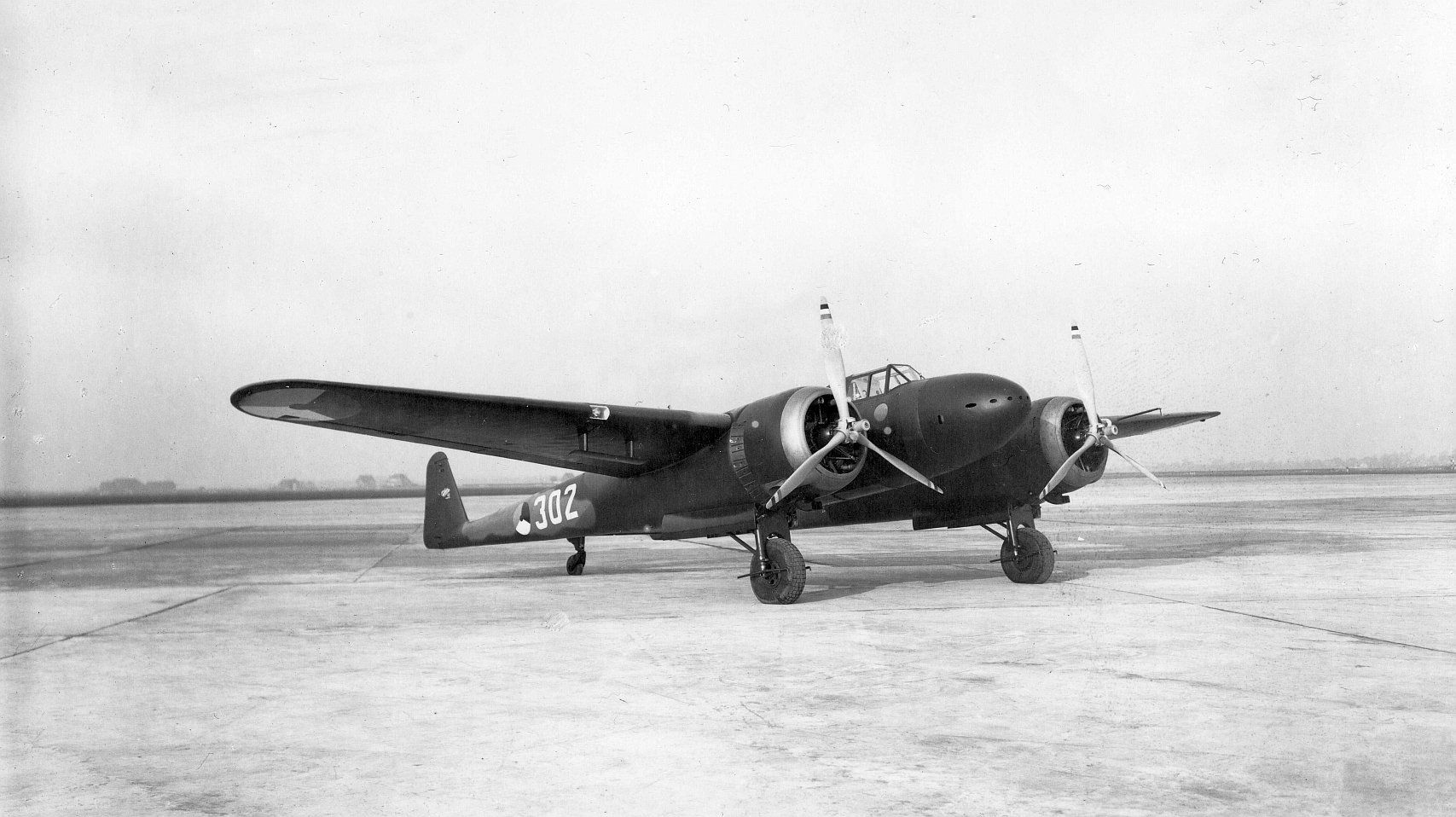
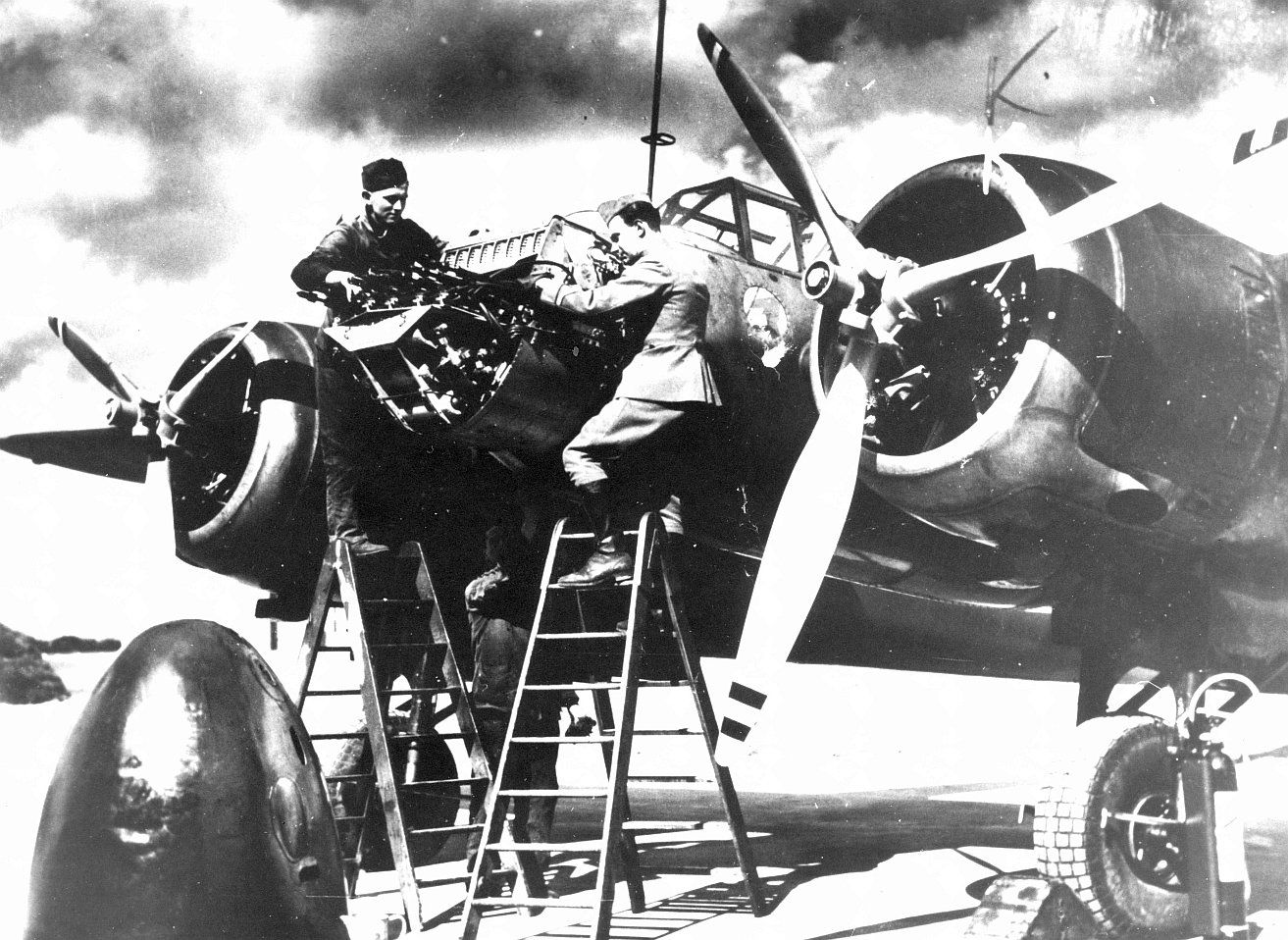
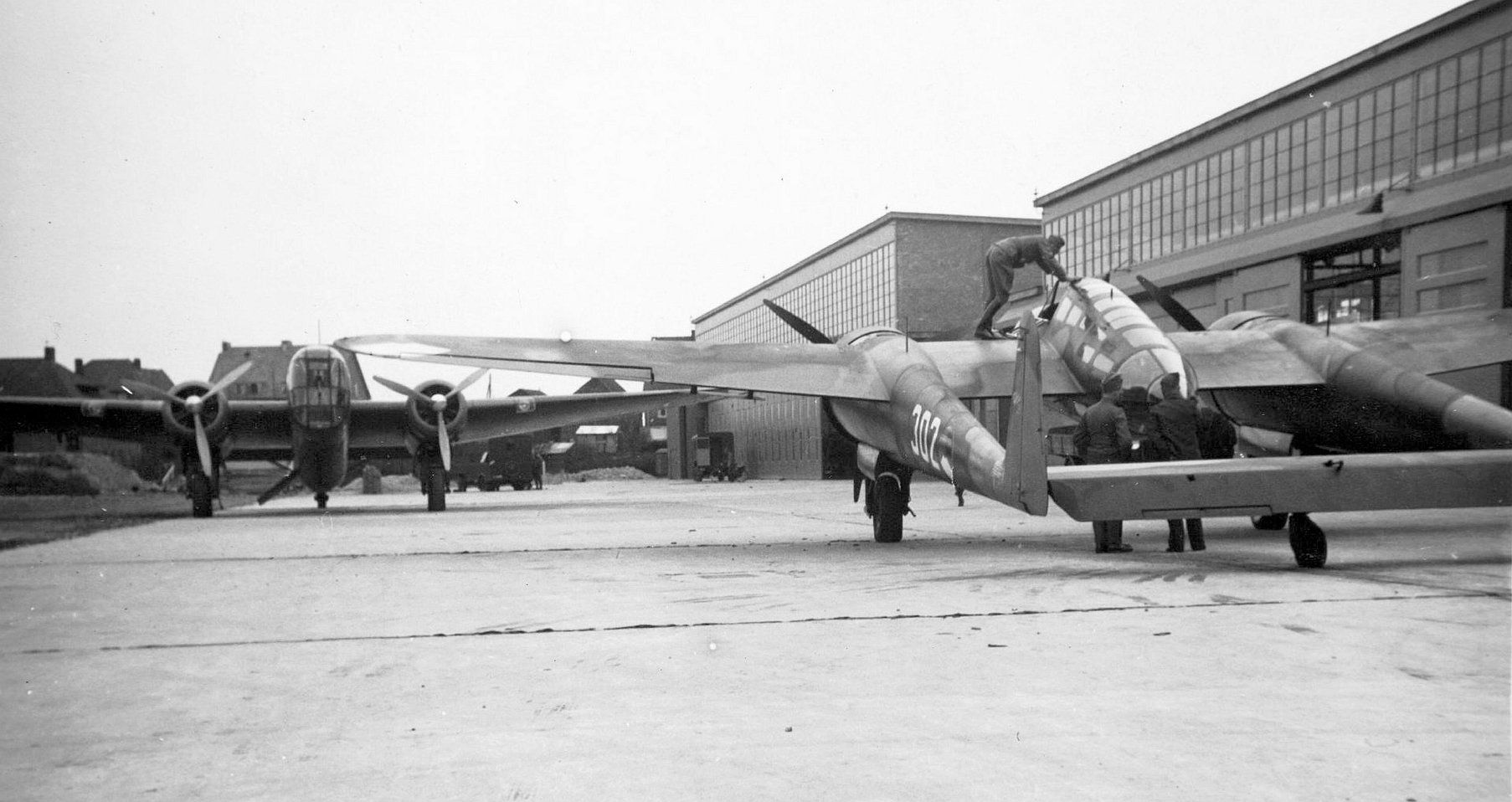
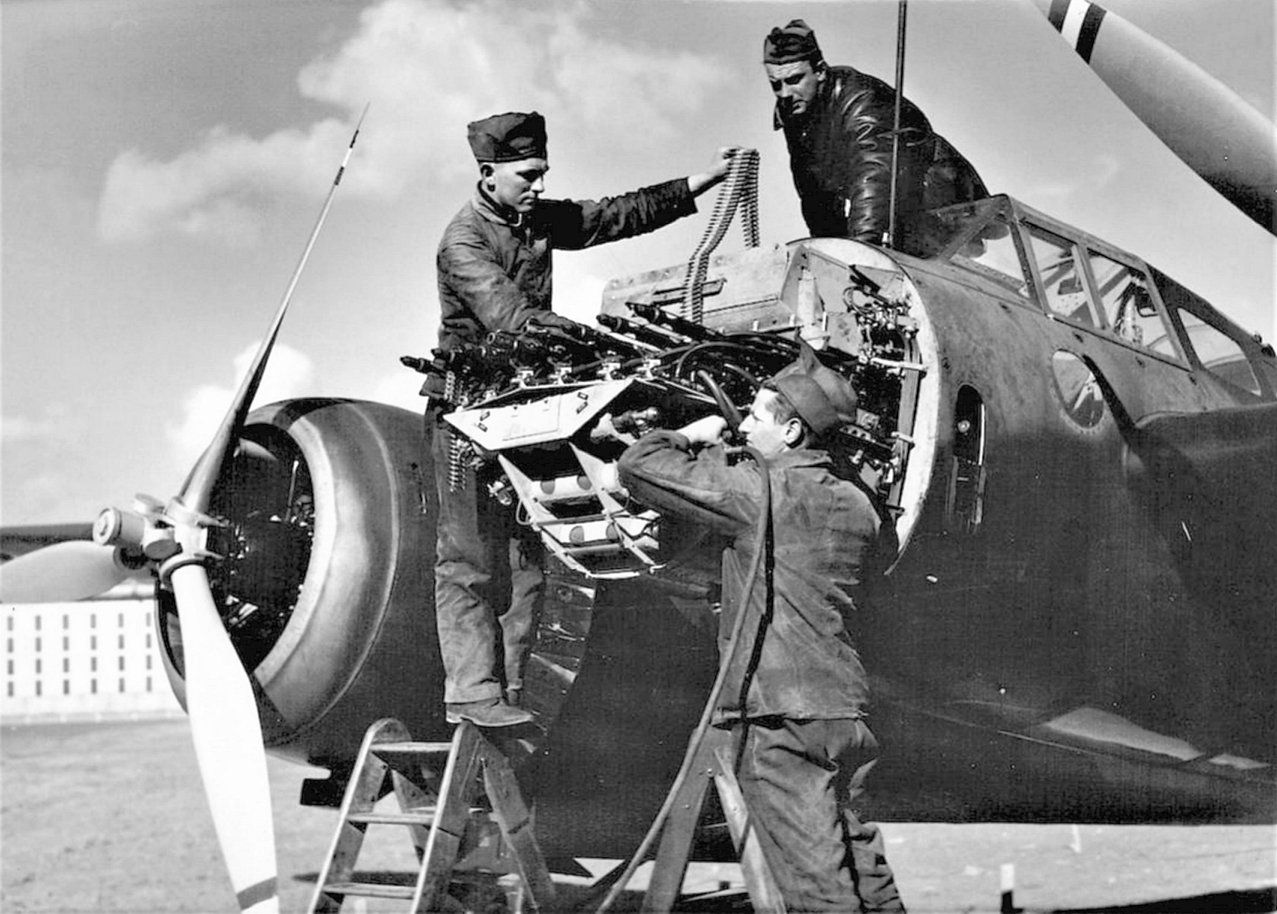
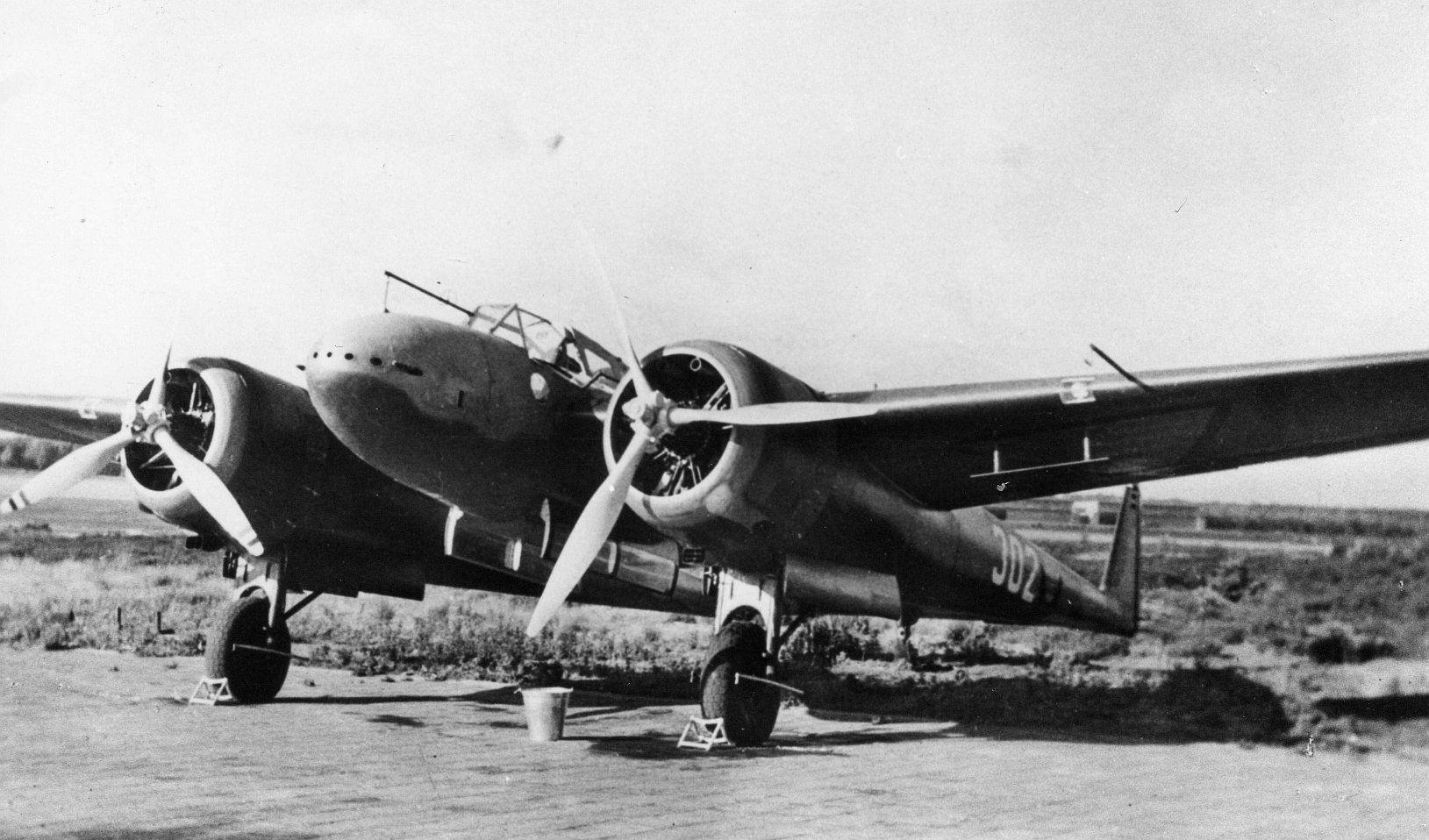
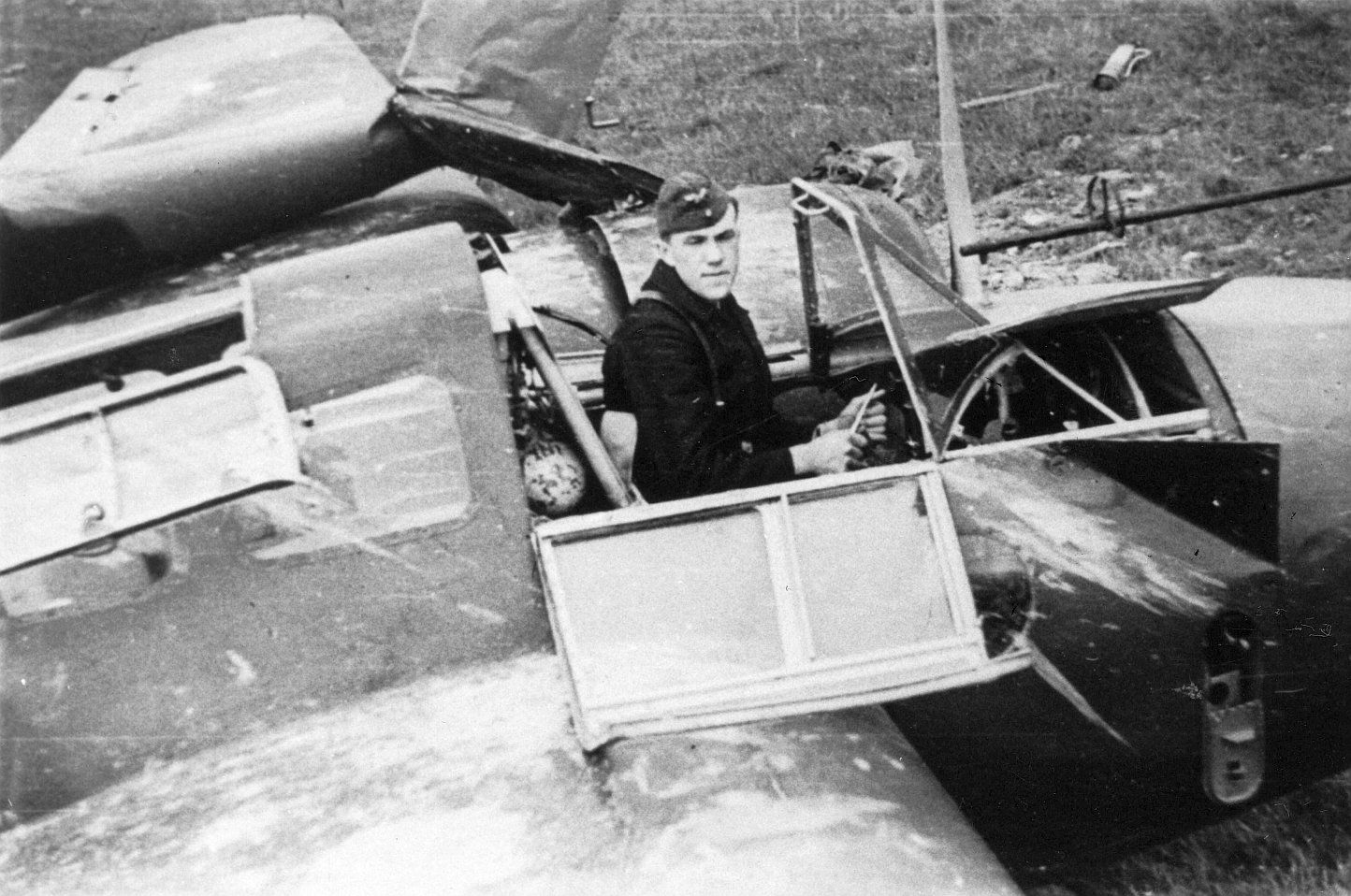
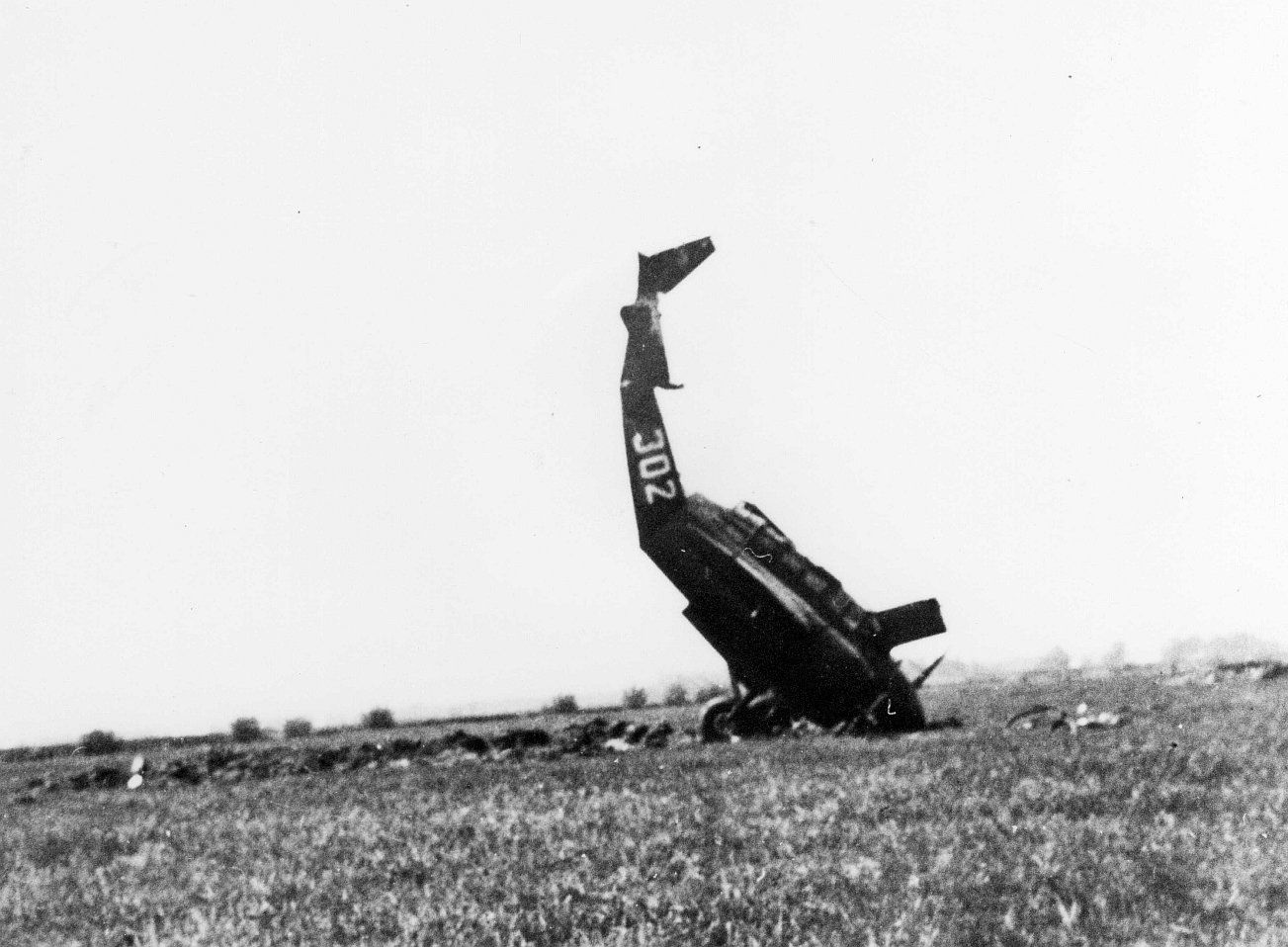
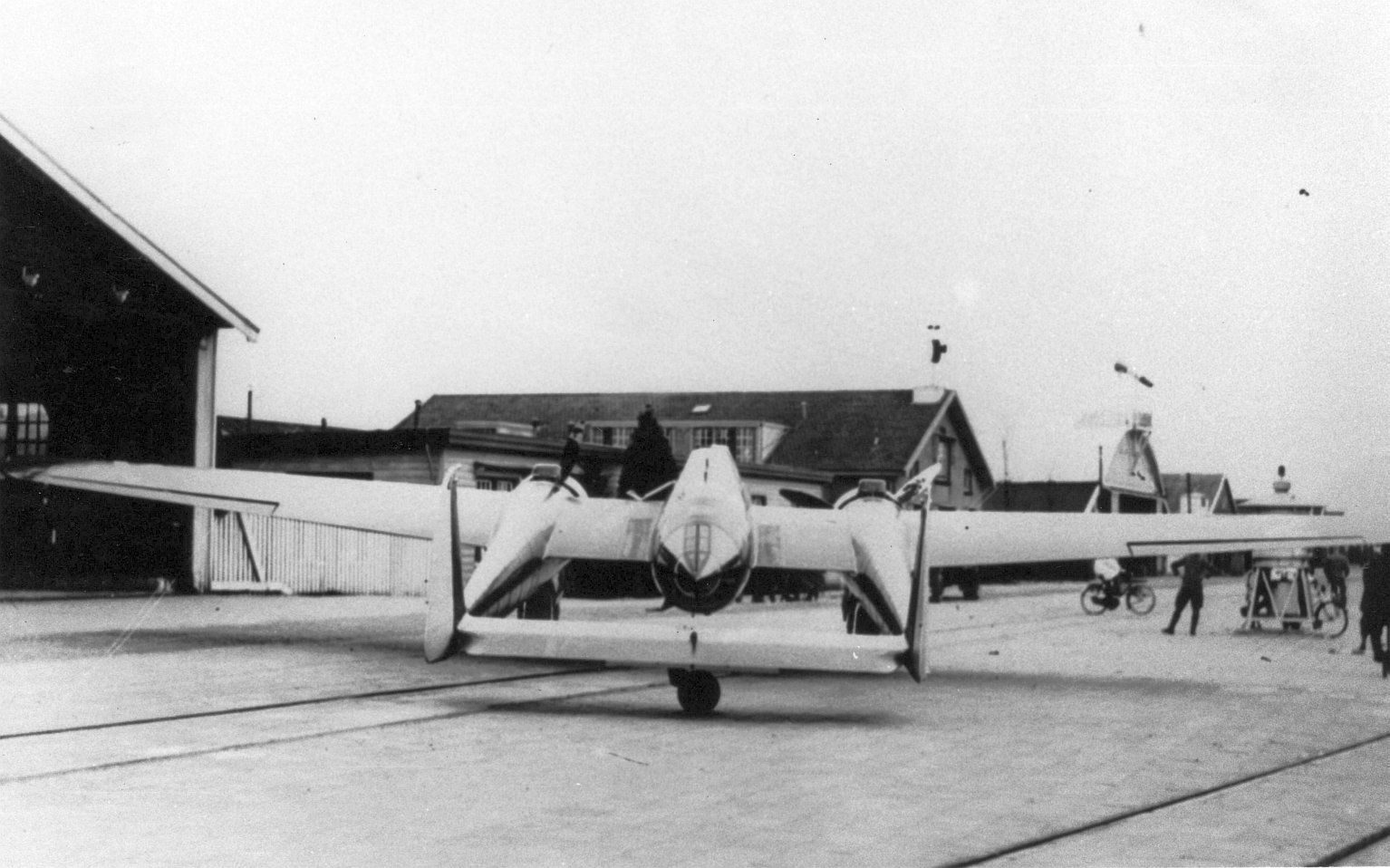
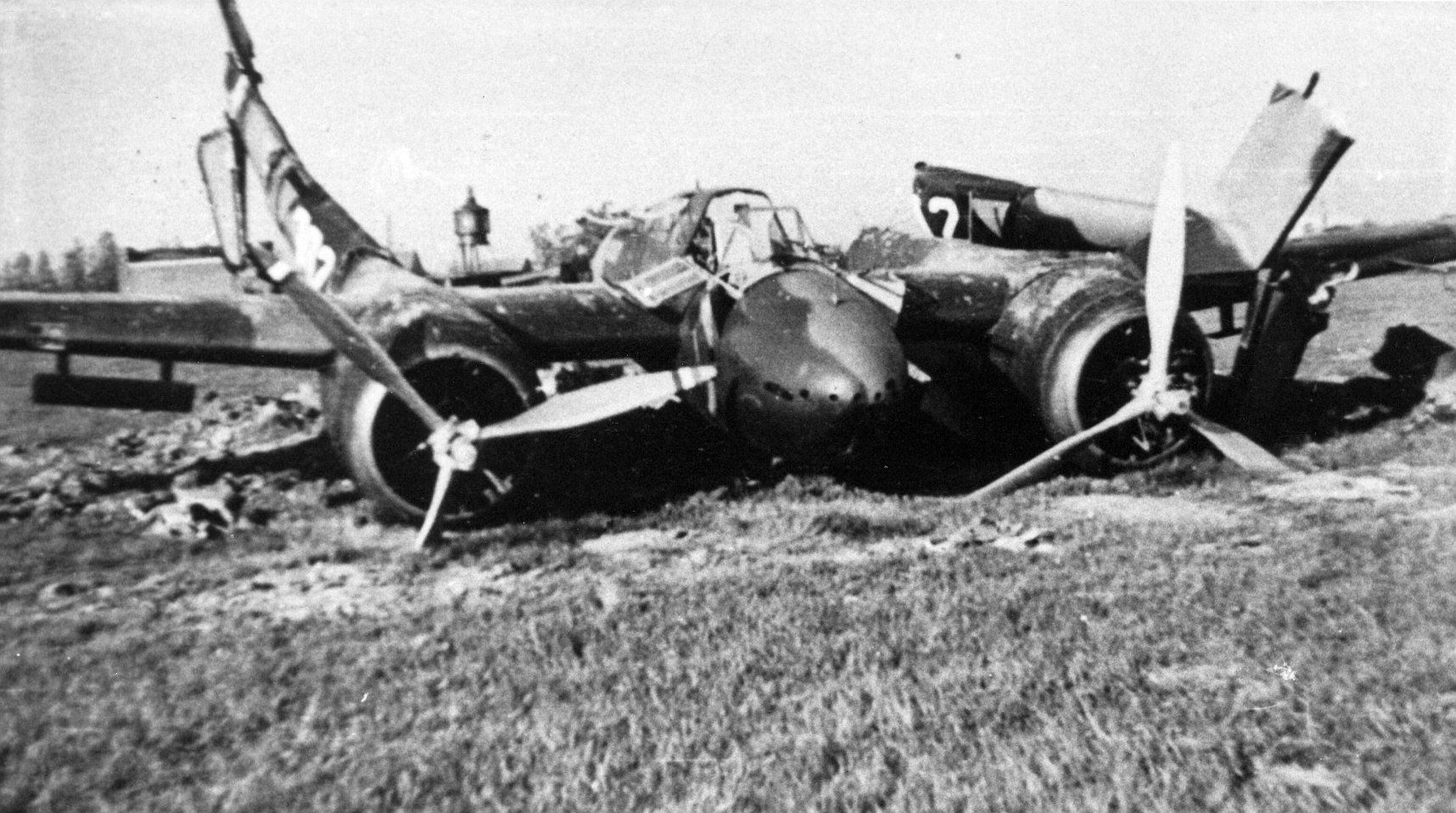
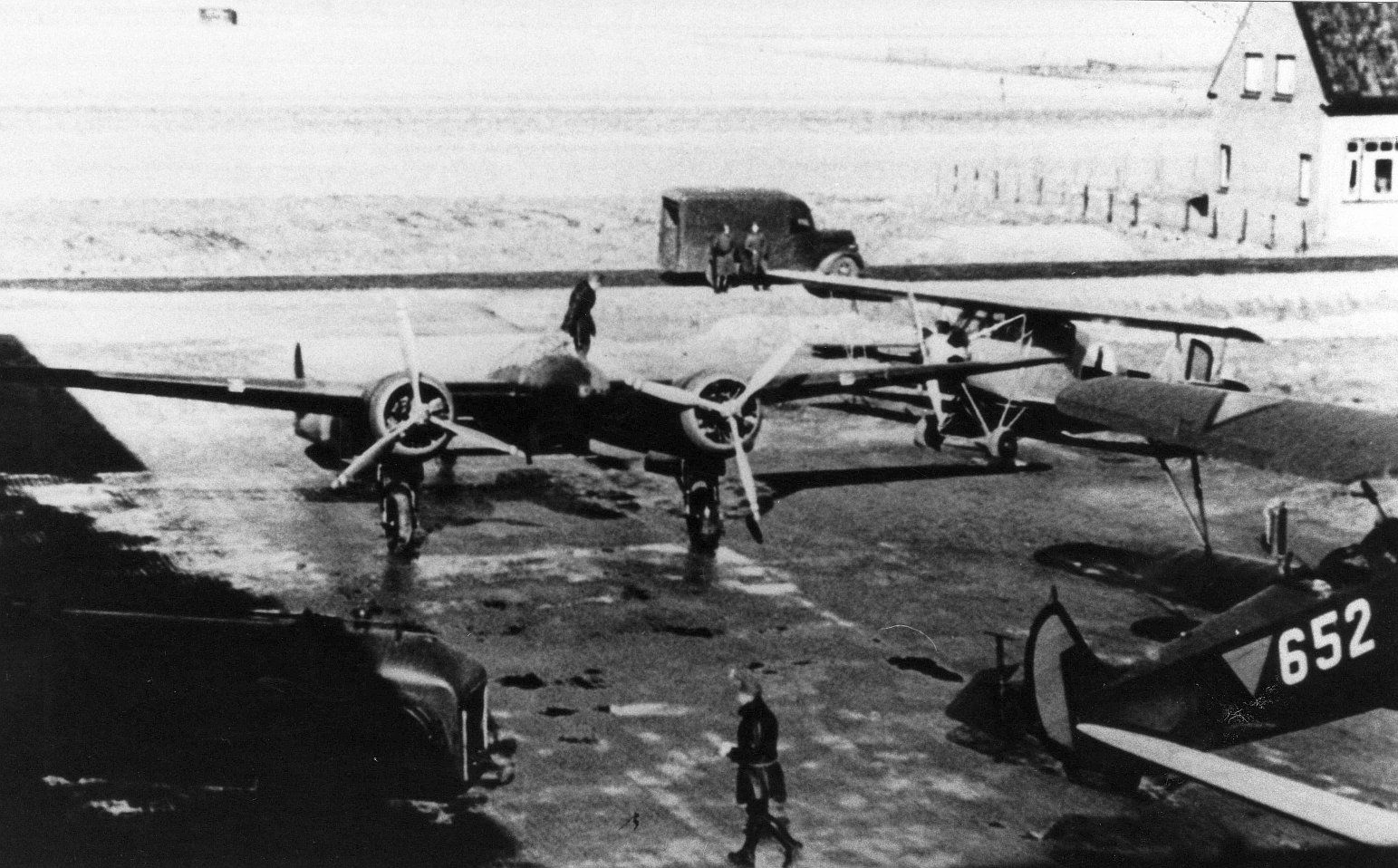
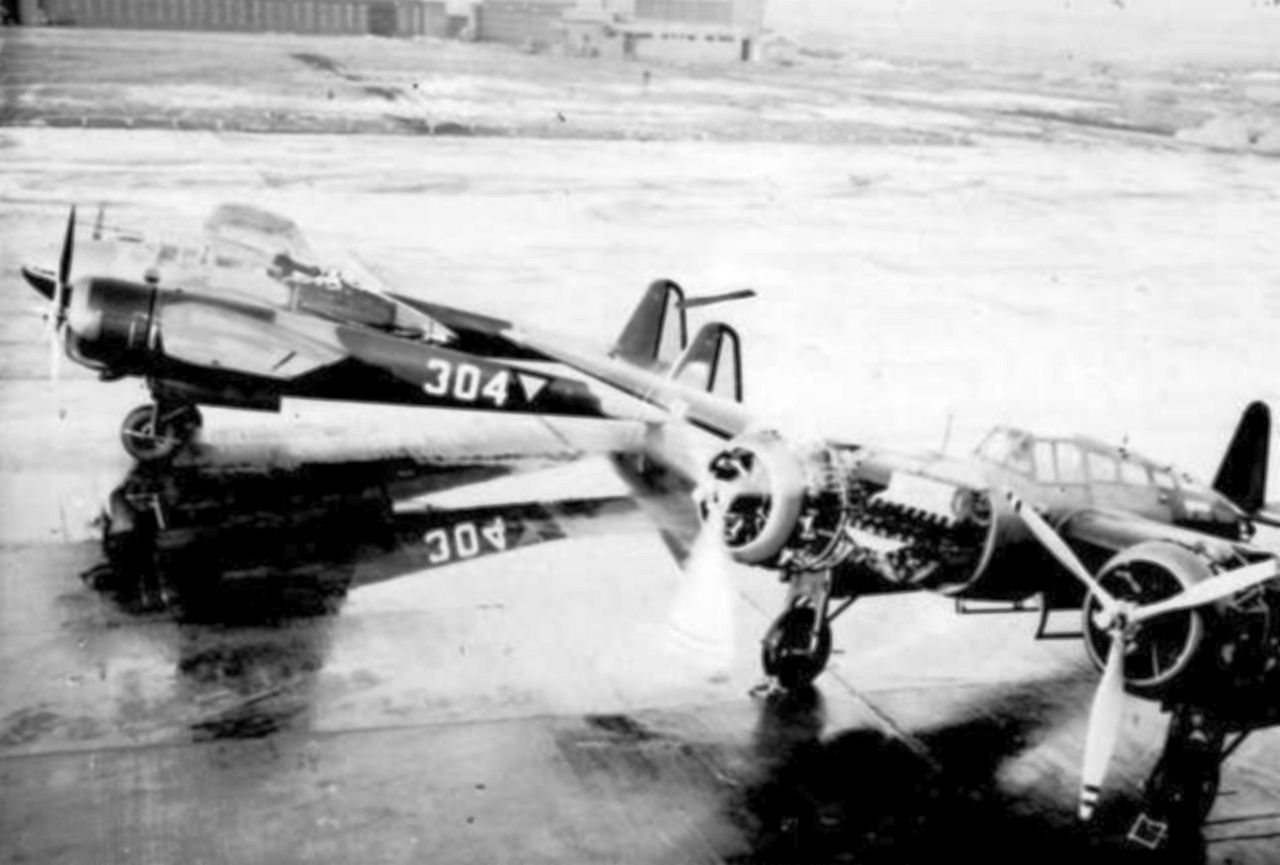
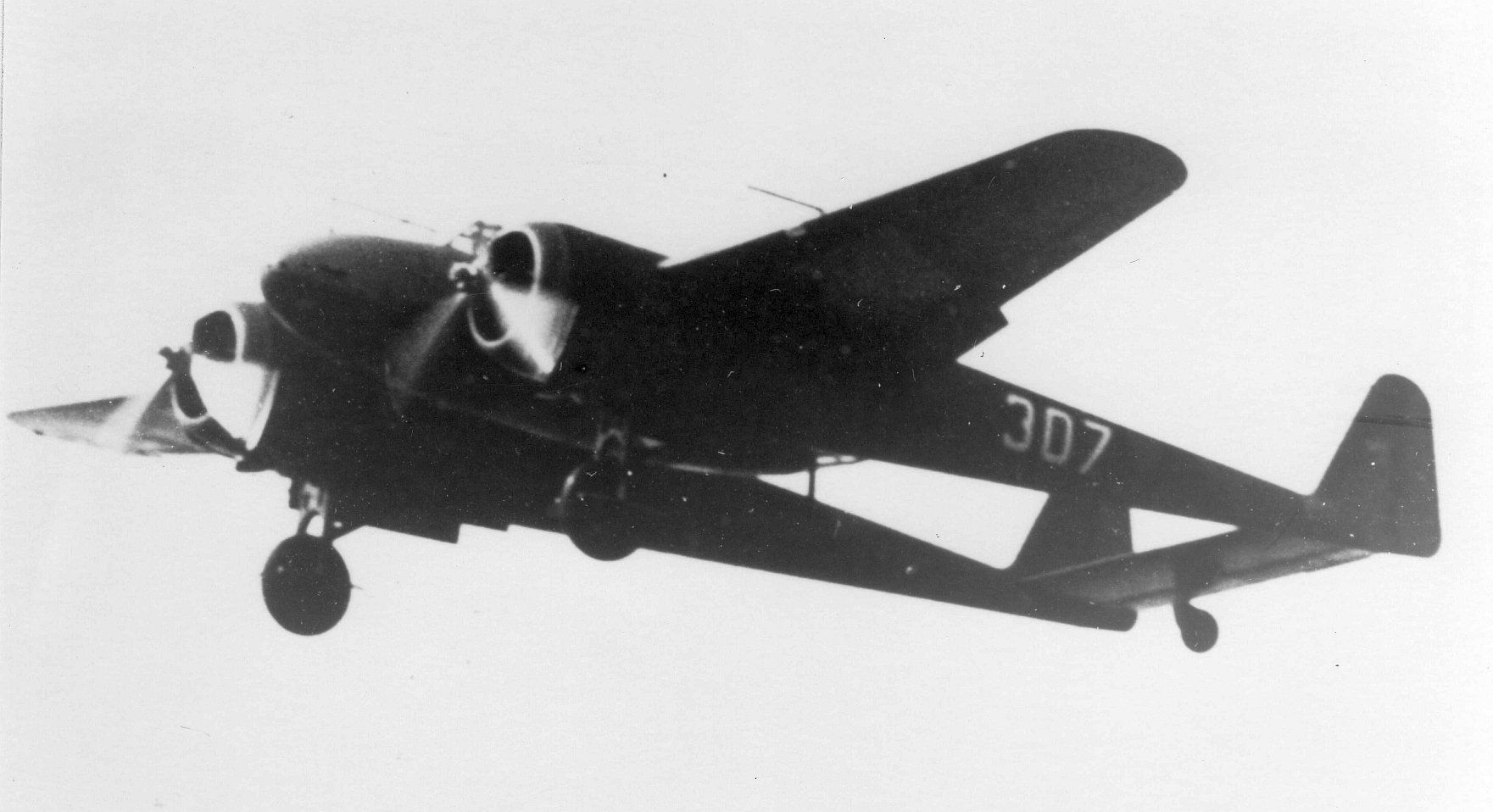
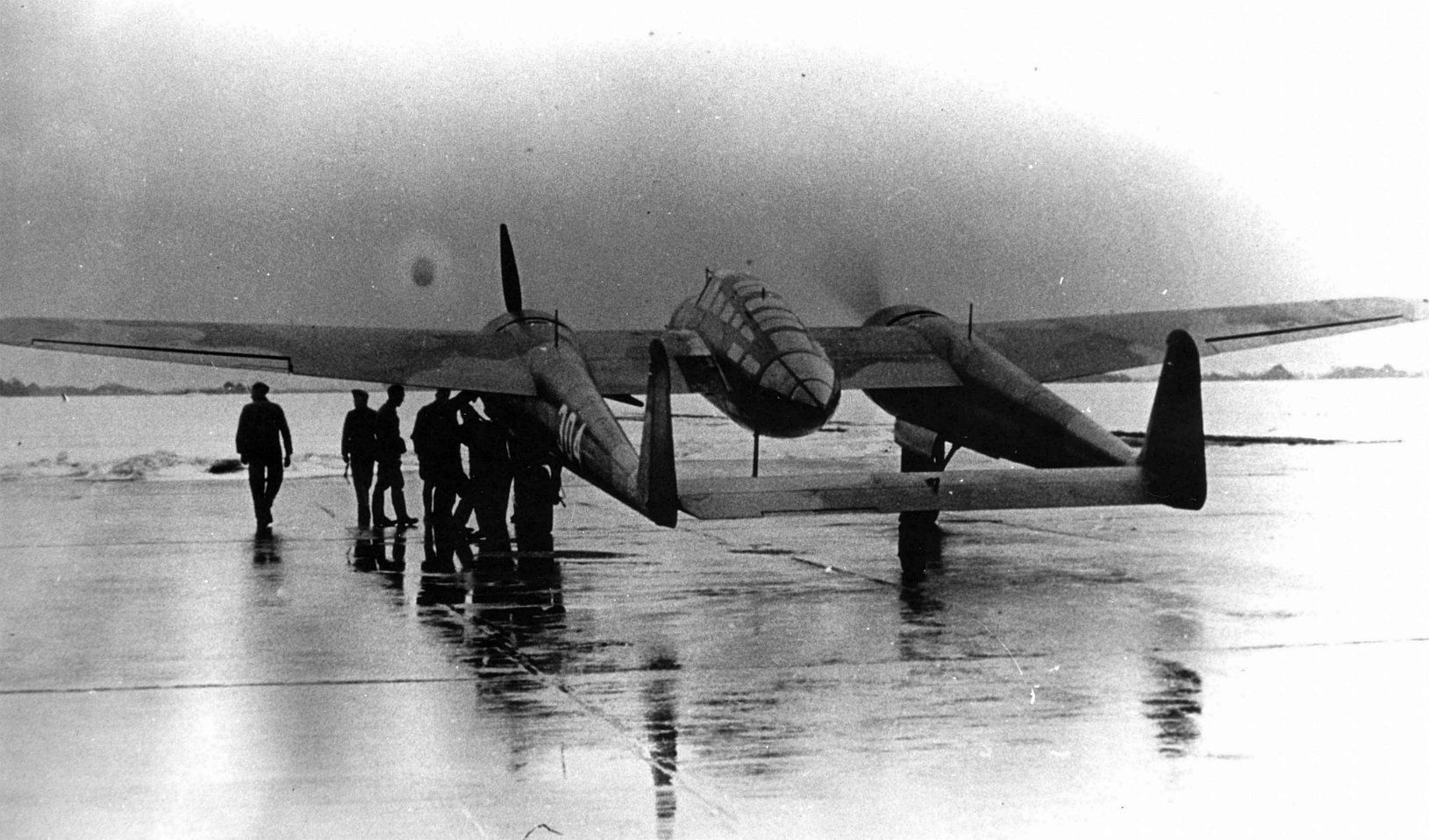
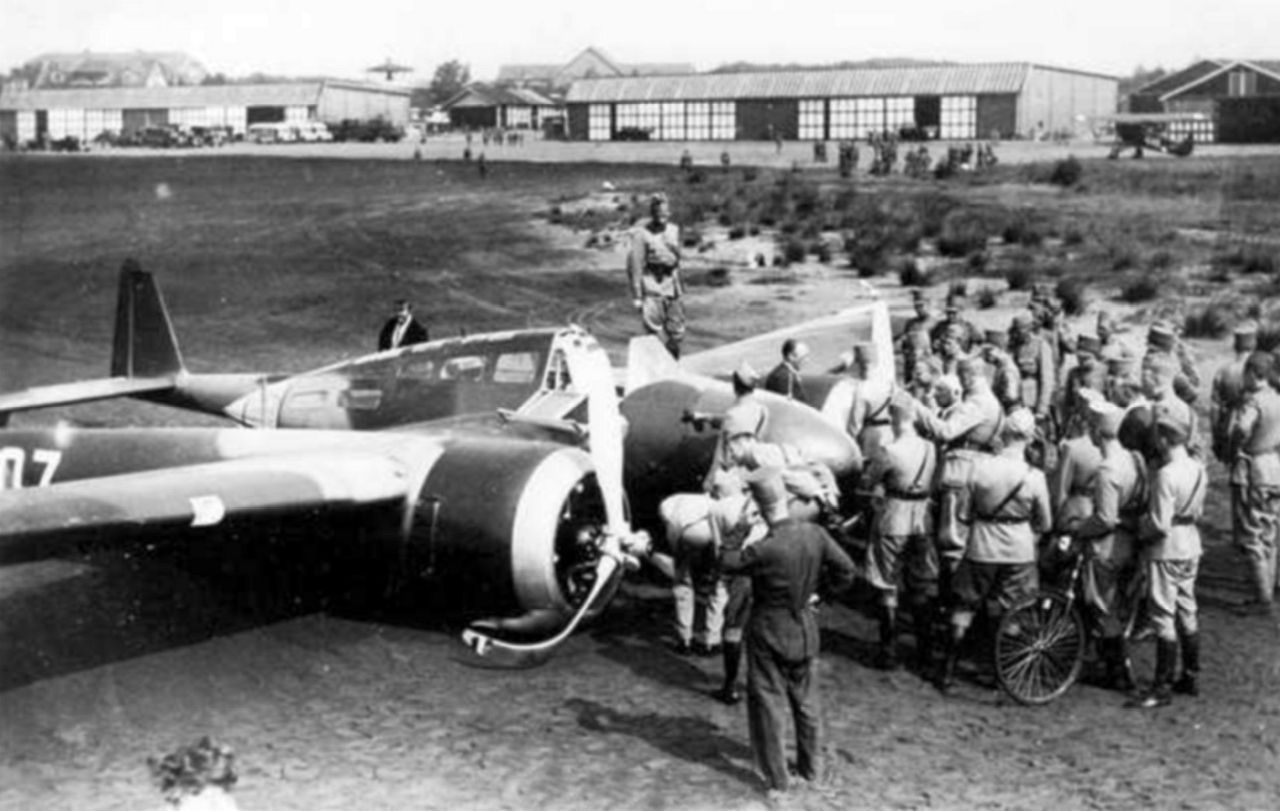
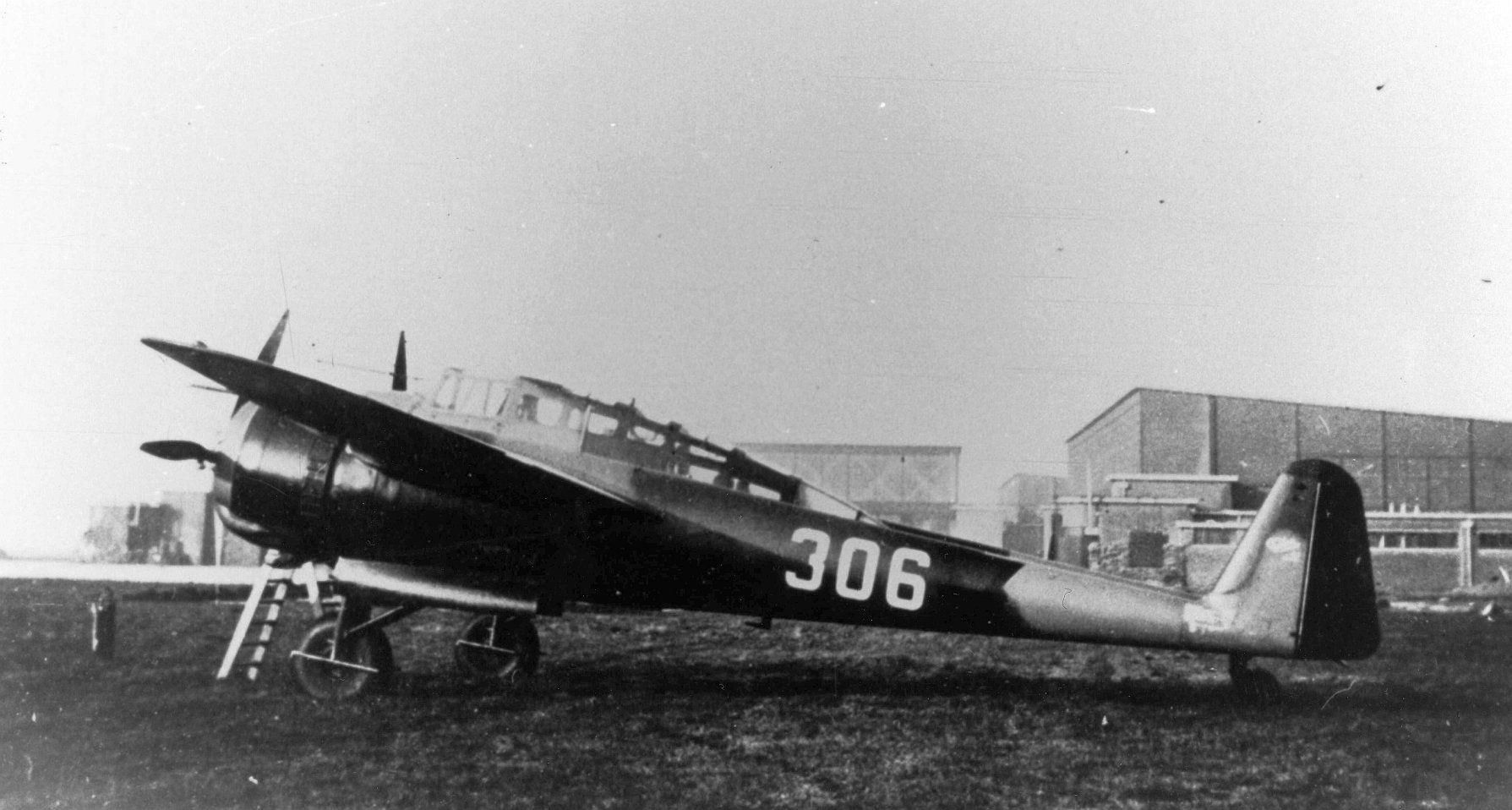
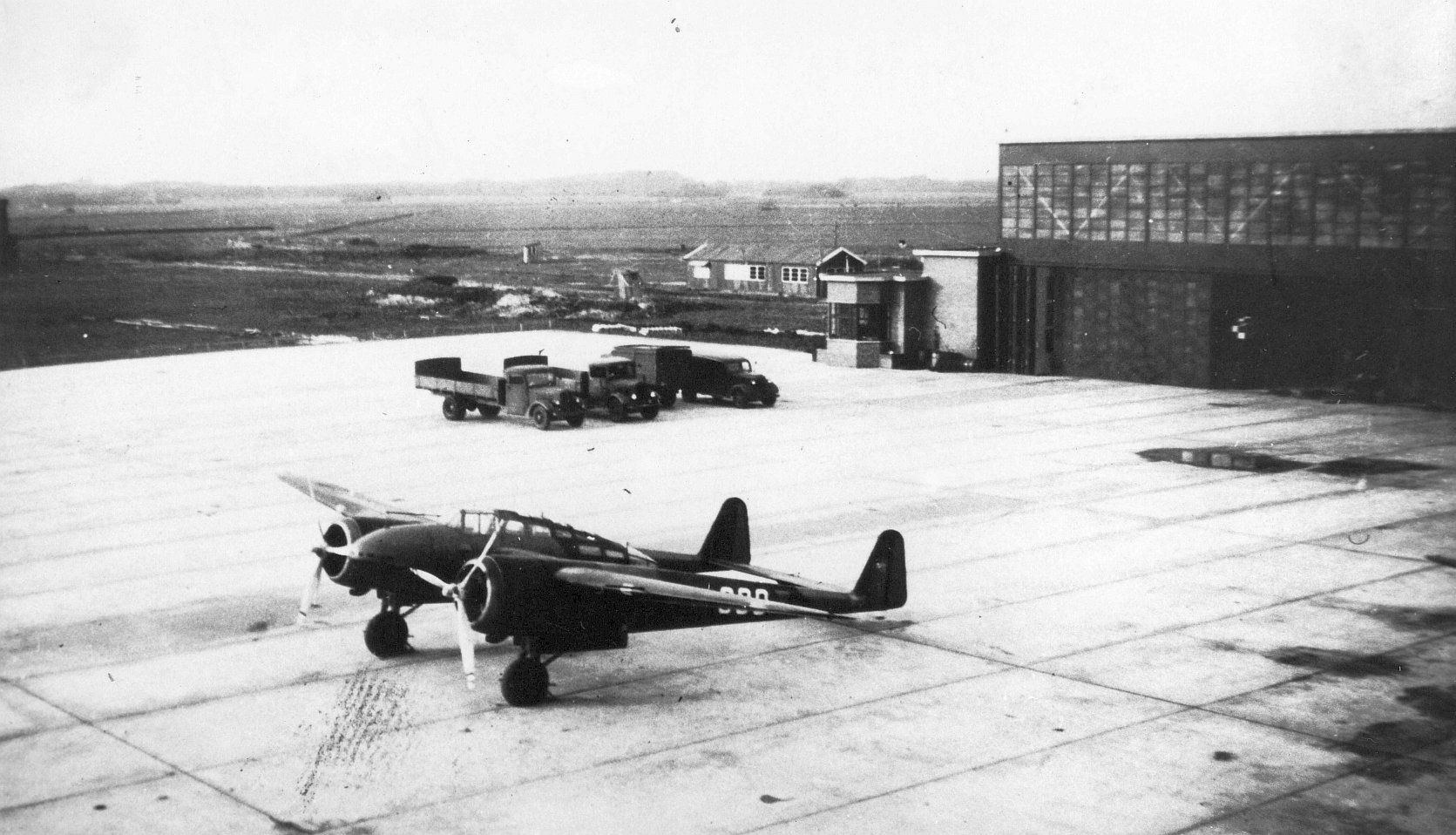
The battle from Waalhaven airport
At WAALHAVEN airfield at 2:30 a.m. on May 10, 1940, a group of 11 G.1 fighter cruisers stood ready with their engines running.
At 4:00 a.m., after the Heinkel 111s approached, Commander Res. Captain H.J. Scholtmeijer gave the order to attack.
The crews in the G.1's certainly do not need to be motivated.
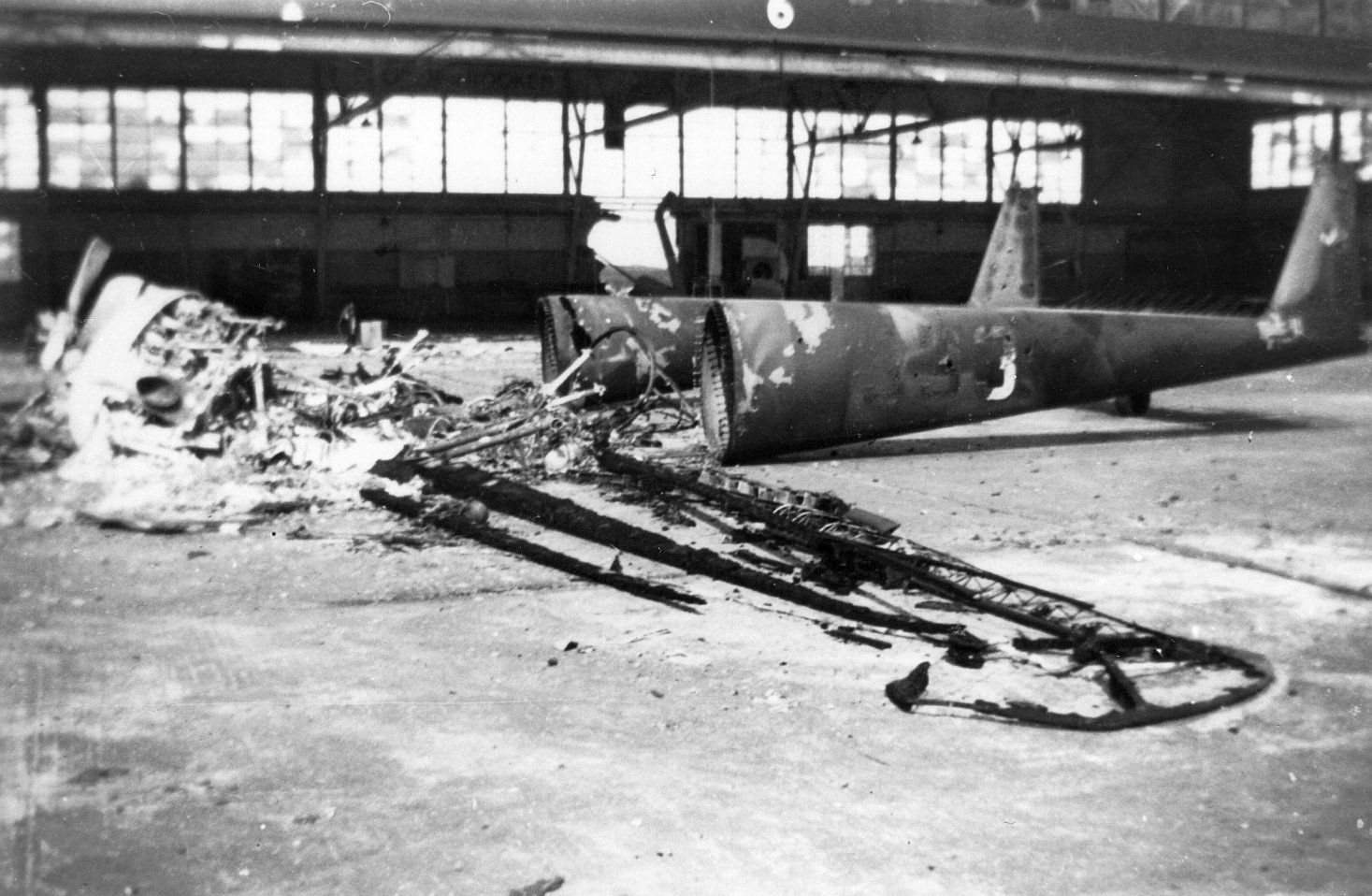
The hangars and other buildings at the airport, the Koolhoven factory and the apron will be extensively renovated.
These are the same aircraft that will reduce Rotterdam's city centre to ashes on May 14, 1940.
Three of the eleven G.1s of the 3rd JaVA Fighter Aircraft Section of the LVA proved unable to take to the air in time.
The other 8 fighter cruisers advance towards the Germans and engage in battle.
The 312, flown by Lt. Pilot P. Noomen and gunner Corporal H. De Vries, is the first to approach the Heinkels.
Two German aircraft are shot down.
After the right engine was badly damaged, he returned to Waalhaven.
The 312 and its crew were subsequently eliminated from further participation.
The 309 flown by First Lieutenant J. Kuijpers and tail gunner Sgt. J. Venema shot down two Heinkels and damaged a third.
They just reach Waalhaven, but are not given a replacement plane.
Fokker pilot 2nd Lt. Gen. Gerben Sonderman and tail gunner Sgt. H. Holwerda take out two German fighters and a Ju-52.
Due to fuel and ammunition shortages, the 311 will divert to the beach at Oostvoorne.
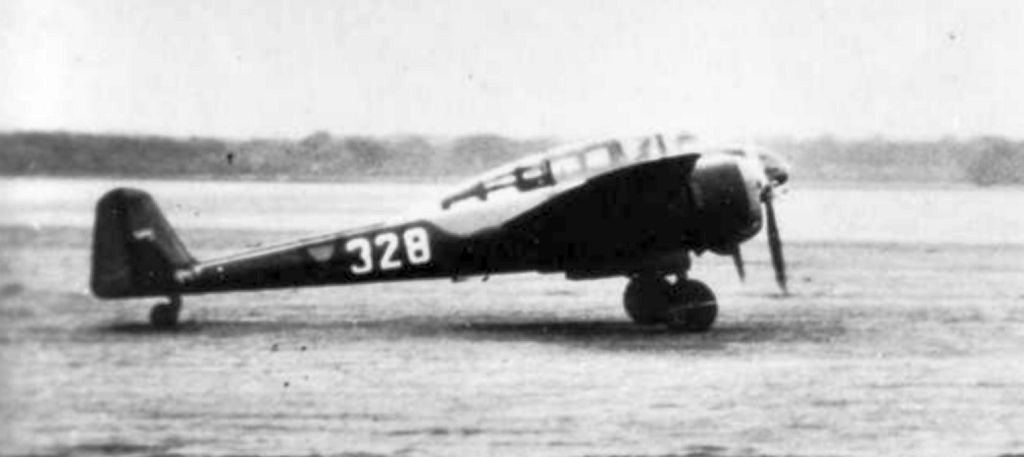
The 328, flown by Sgt.Vl. H. Souffree and air gunner Sgt. J. de Man, knocks out a fighter and a Ju 52.
The shortage of fuel and ammunition also forces the fighter cruiser to fly to Oostvoorne.
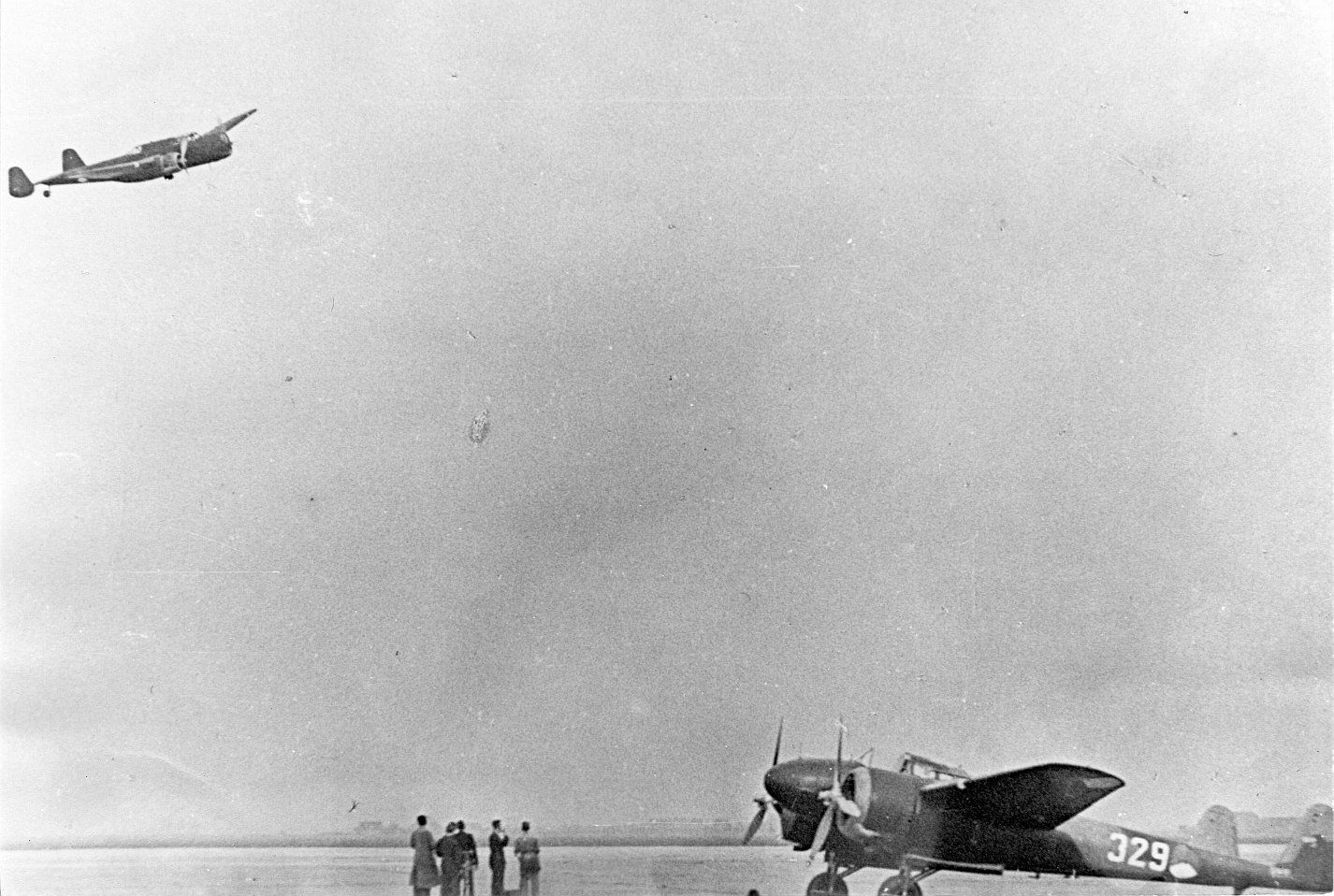
The 329, flown by Lieutenant-General K. Woudenberg and gunner Sgt. J. Pouw, diverted to Haamstede airfield after several attacks.
On the way they discovered some other G.1 aircraft on the beach of Oostvoorne.
All are practically out of fuel and ammunition.
After putting up some makeshift camouflage, they wait for supplies.
A Fokker CV 618 flown by Wachtm.Vl. J. Wildschut takes as much of the aircraft as possible from Haamstede in the second cockpit.
Finally, on May 13, the Germans discovered the aircraft and bombed them.
The 303, flown by Lt. A. van Oorschot and tail gunner Sgt. Wesley, was slightly damaged but returned to Waalhaven.
From there, the fighter cruiser will travel via De Kooij to Bergen, where repairs will be carried out and it will be incorporated into the 4th JaVA Fighter Aircraft Department.
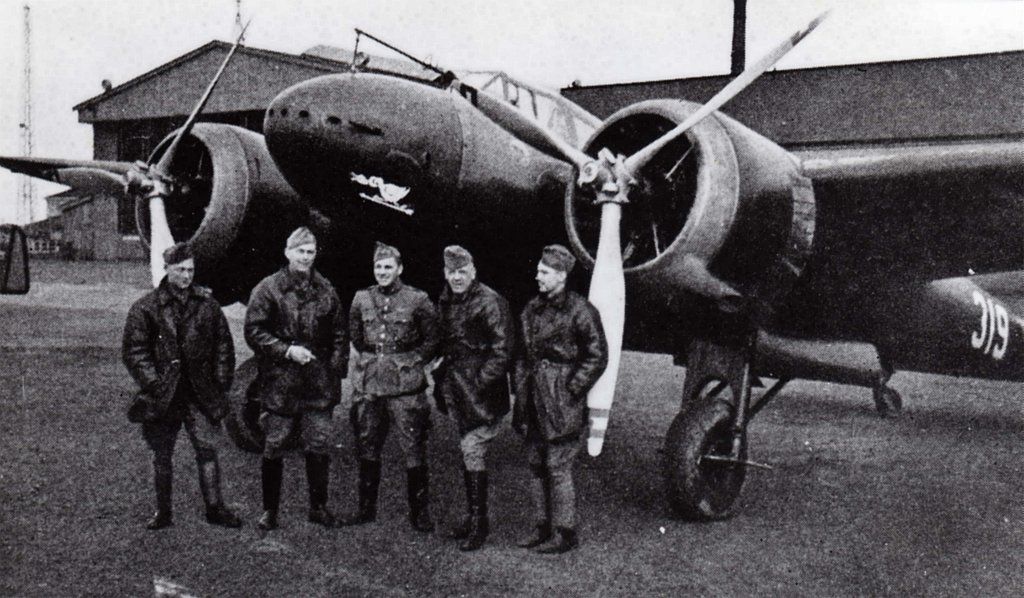
The 319, commanded by 2nd Ltn. Vl. J. Van der Jagt, flies towards Vlaardingen without an air gunner. The air gunner, Sgt. S. de Vos, has already been killed during the bombardment.
In Vlaardingen, the 319 crashes. Van der Jagt is also killed.
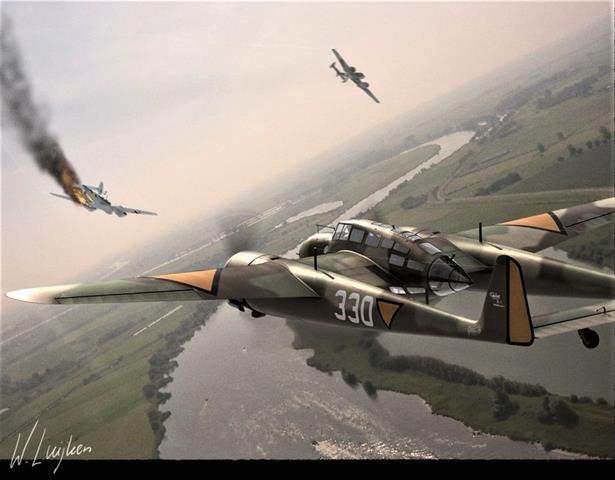
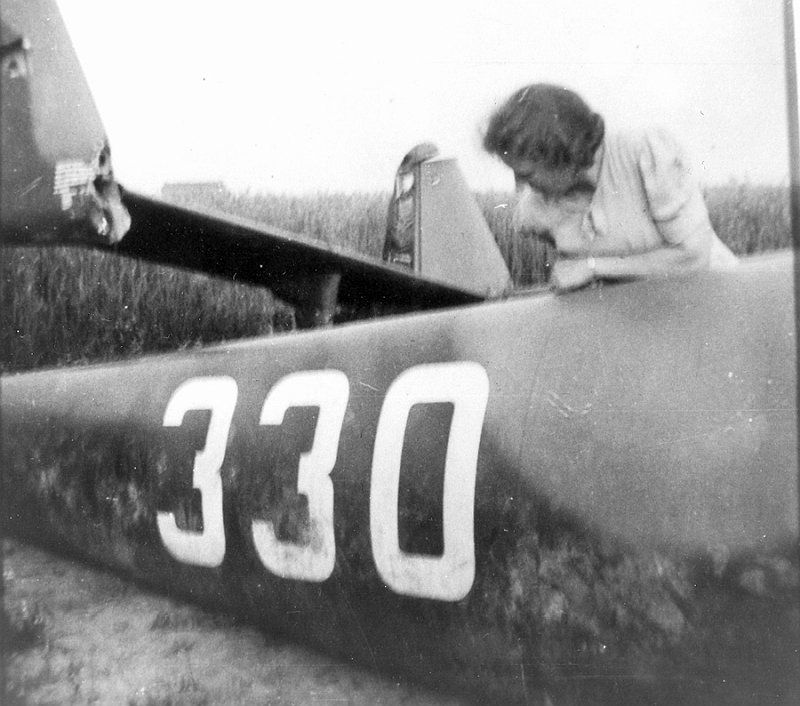
The 330 flown by Sgt-Maj.Vl. J. Buwalda and air gunner J. Wagner shot down two bombers.
Bf 109 aircraft then cause too much damage and an emergency landing follows near Zevenbergen.
Of the 8 G.1 fighter cruisers that took off, only one ultimately survived and landed at Bergen airfield.
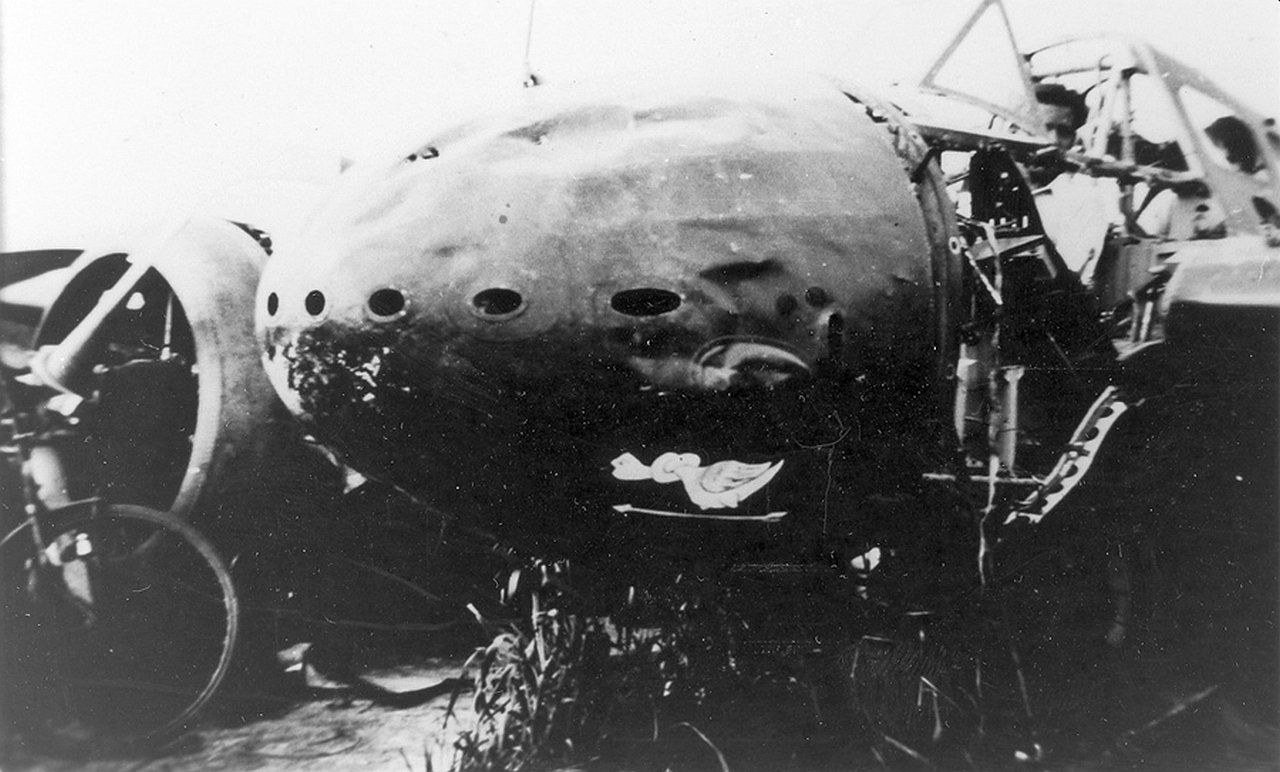
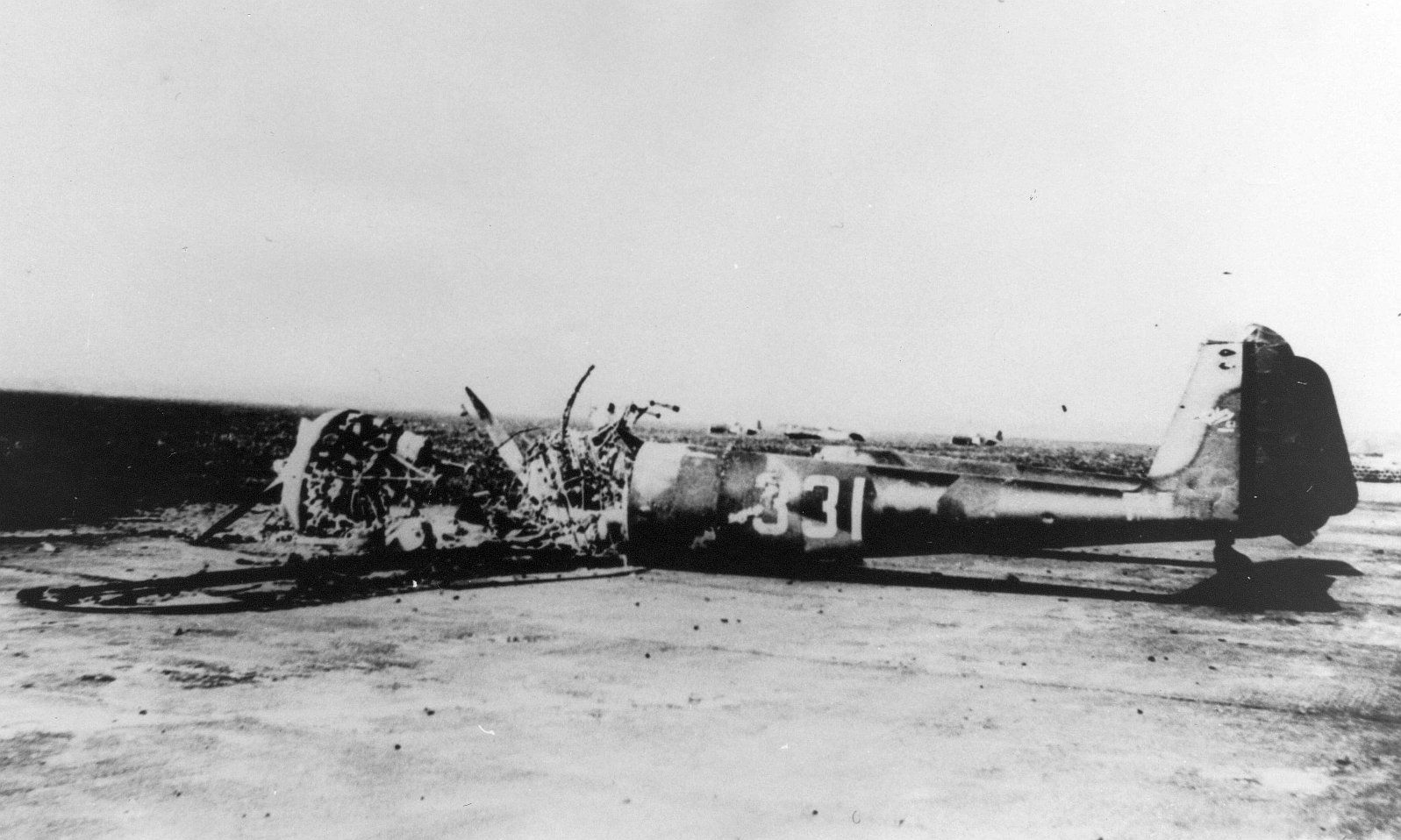
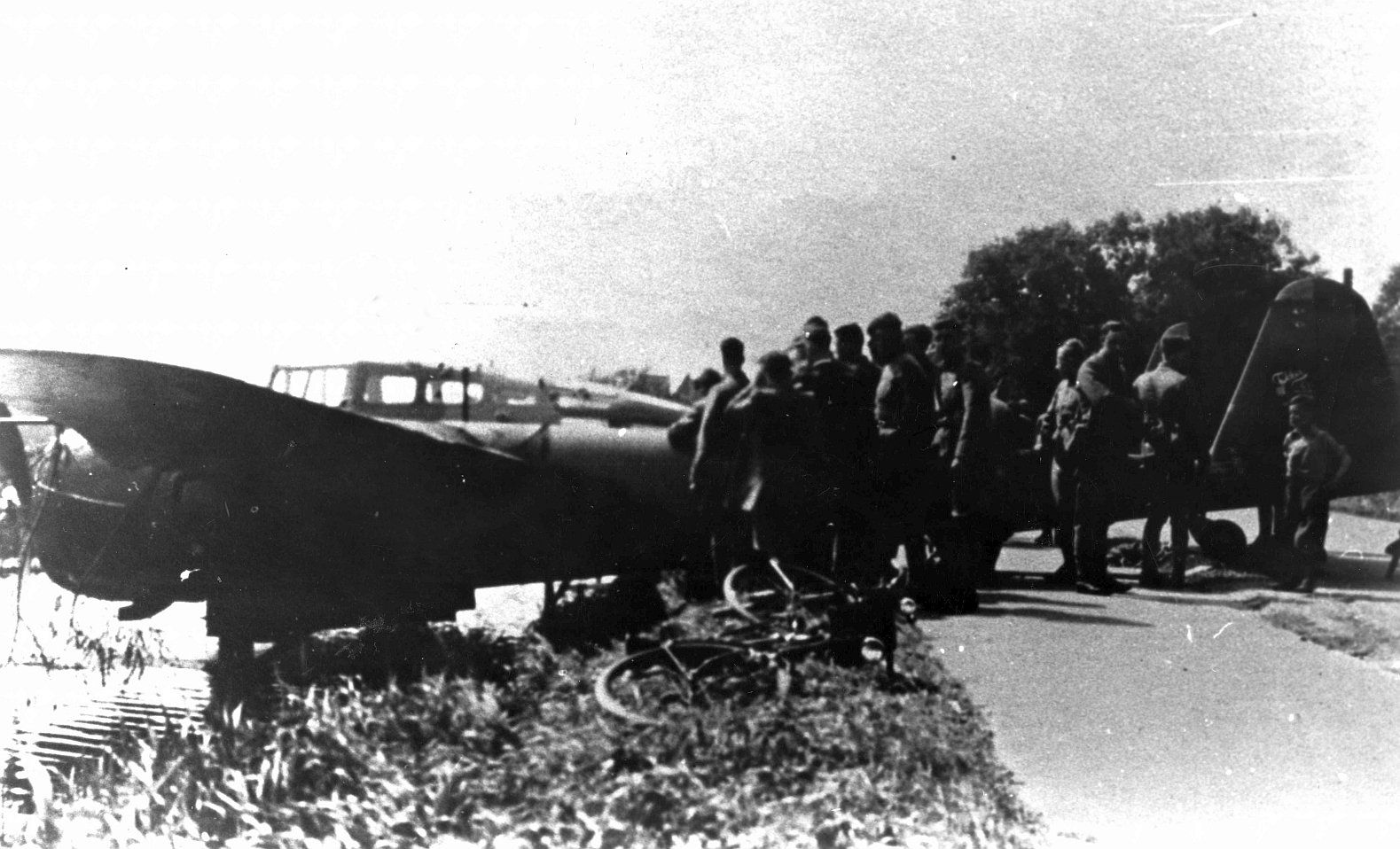
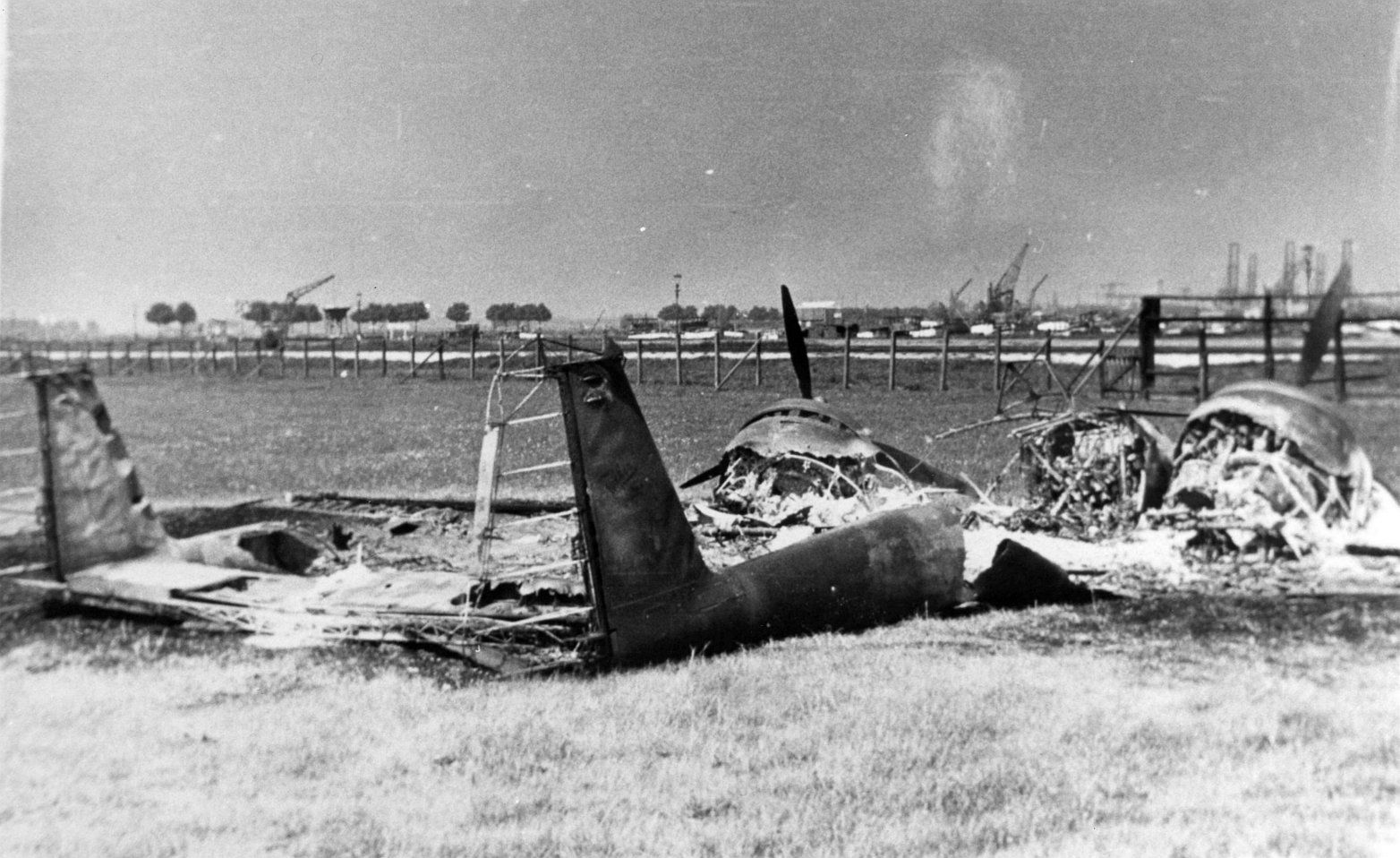
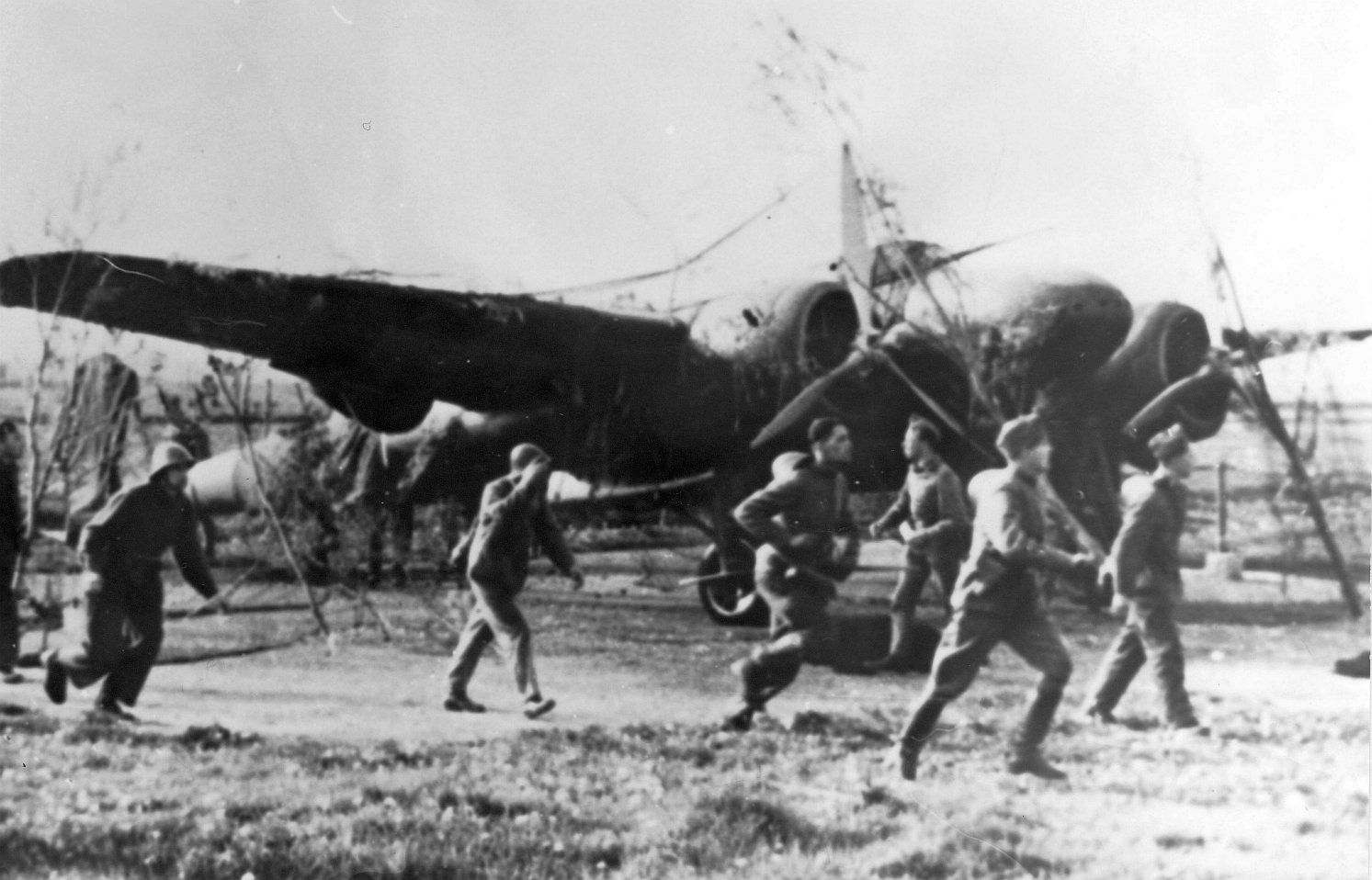
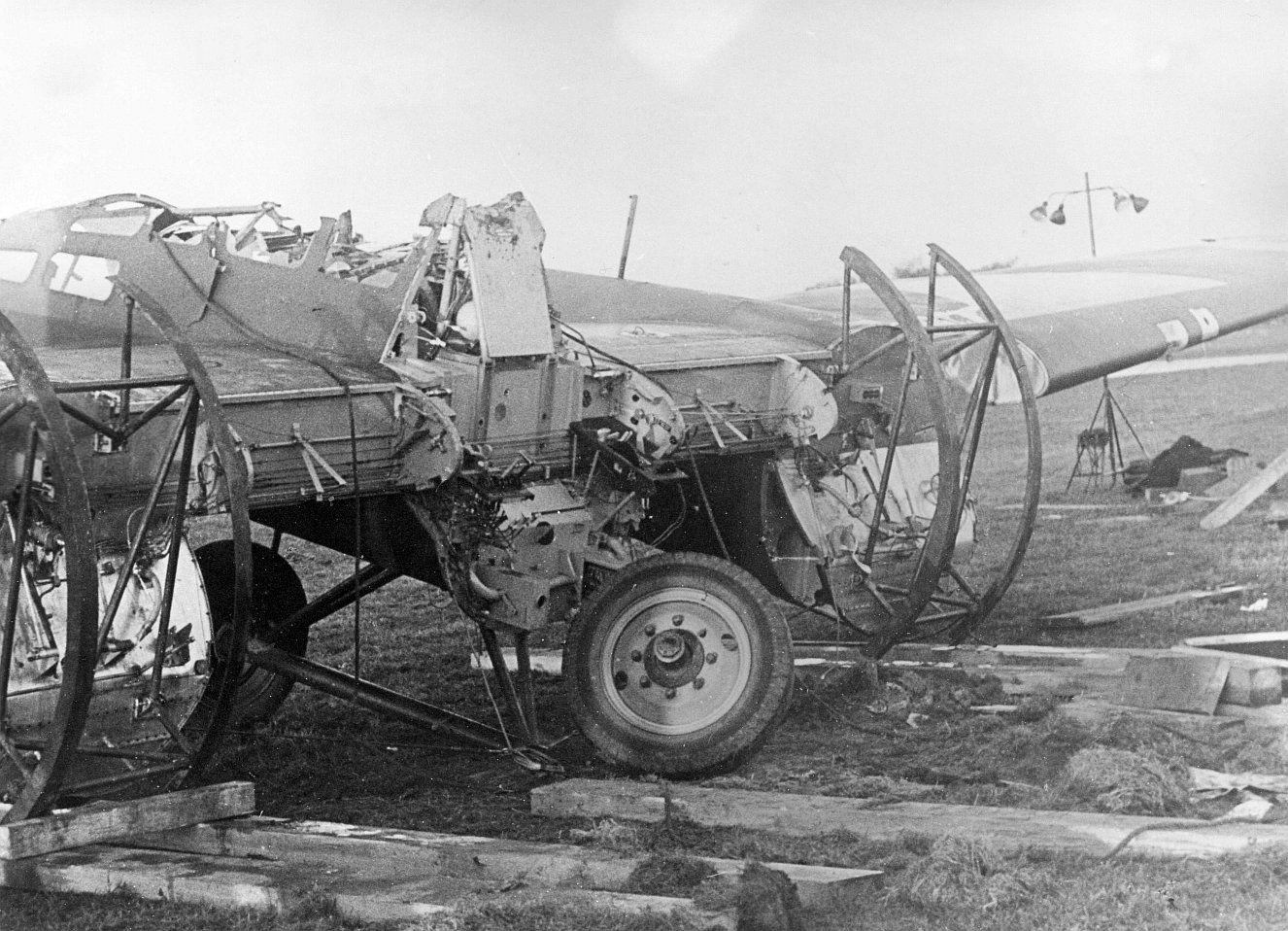
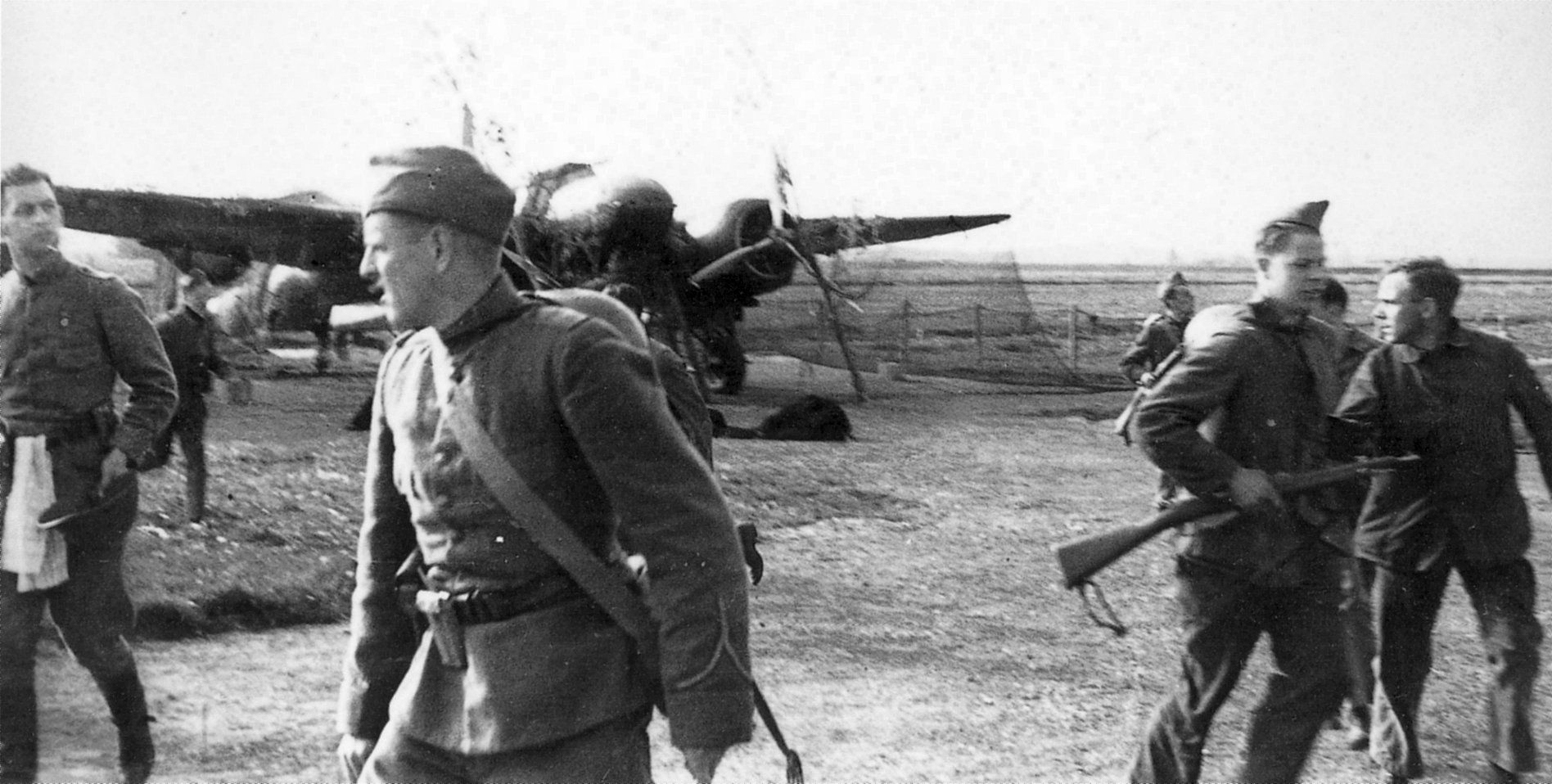
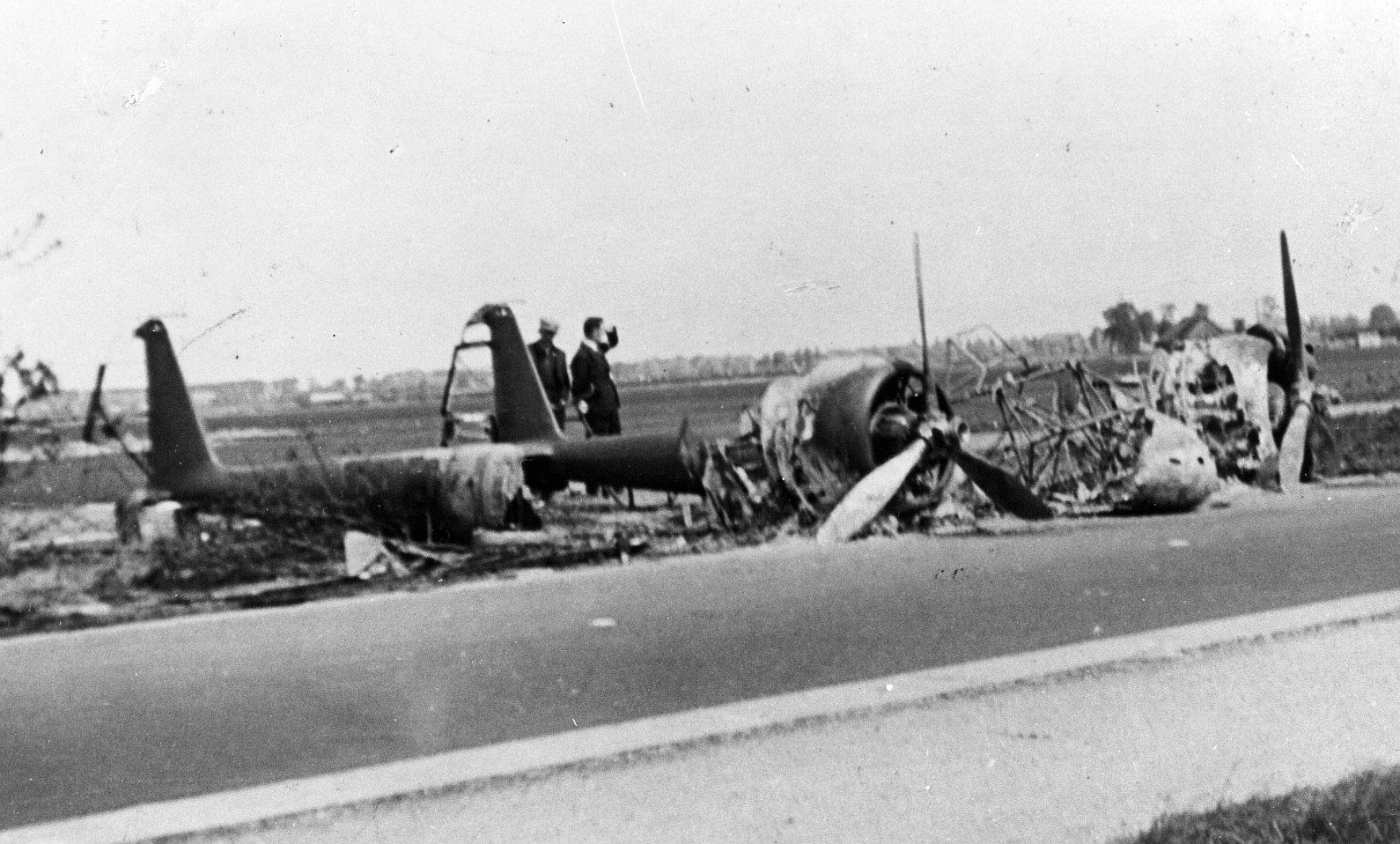
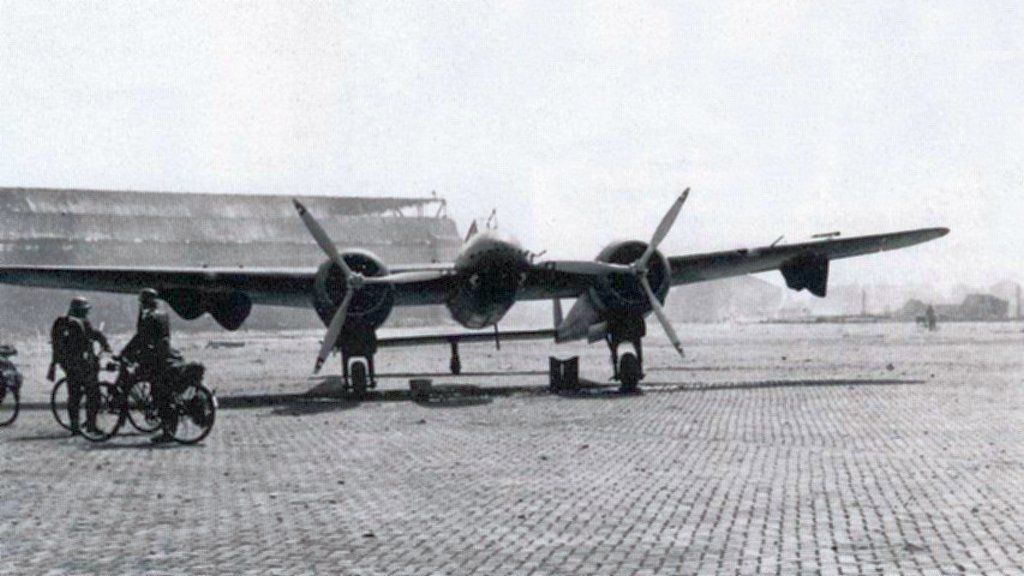
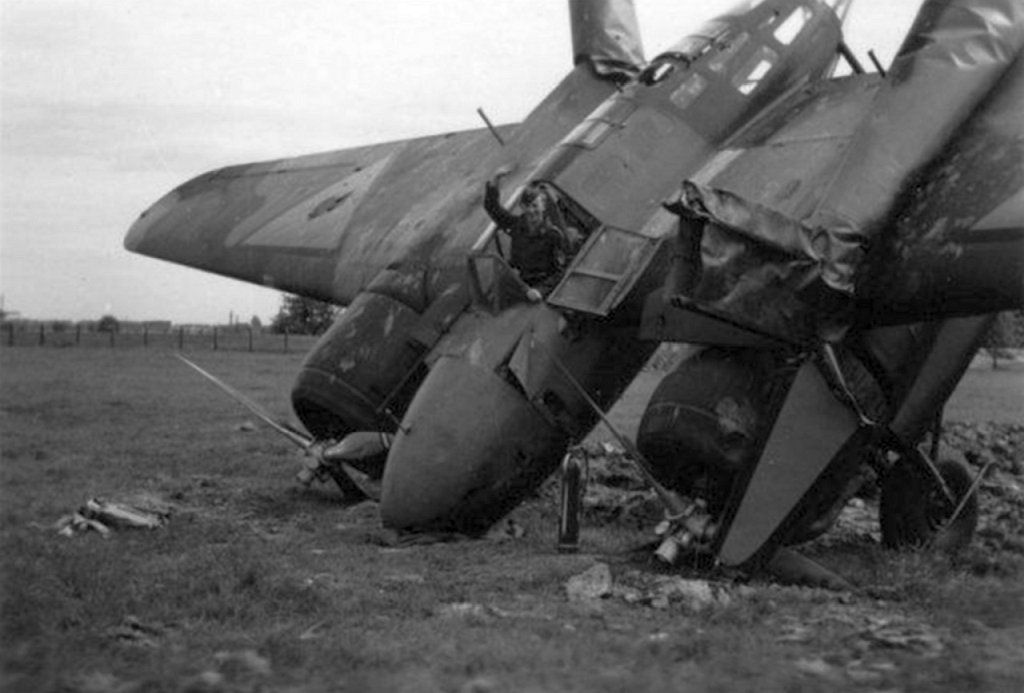
Overview Fokker G1A
In the overview below we have listed the most important achievements of the G1 from various sources.
We would of course be happy to receive additions or corrections.
Sources often contradict themselves or state different 'facts'.
| Register. | Construction-no. | The story of this plane |
|---|---|---|
| 300 | 5521 | The aircraft was delivered to LVA in December 1939. This was the last G.1A delivered to LVA. The registration number was actually reserved first. After the capitulation on May 14, 1940, it was captured by the Germans at Bergen Air Park. It was reportedly sighted at Maldeghem airfield (Belgium) as ?? 93. Other sources report its destruction after May 14, 1940. |
| 301 | 5522 | Delivered to LVA on July 27, 1939, at Bergen Air Park. It was the first production aircraft delivered to LVA. Used in 1939 for test flights for Denmark and Sweden by pilot Gerben Sonderman. In service with the 4th JaVA in Bergen, it was severely damaged there as early as May 10, 1940. The initial damage was repaired on May 11. Whether it fell into German hands is uncertain. |
| 302 | 5523 | Delivered to the LVA in September 1940 at Waalhaven Airfield in Rotterdam. This G.1A was used briefly for demonstrations in Brussels. It was fitted with dive brakes for a trial run. On May 10, 1940, the 302 was assigned to the 3rd JaVA and was damaged by a German bombing raid. The pilot was LVA Sgt.Vl. Sipkes, with mechanics/gunners Strik and Fluit flying alongside. The fate of this former 302 is uncertain. |
| 303 | 5524 | This aircraft was delivered to the LVA in July 1939 for the 3rd JaVA at Waalhaven airfield in Rotterdam. On May 10, 1940, around 11:00 a.m., the 303 departed Waalhaven and flew via Schiphol and later De Kooij airfield to Bergen. There, the 303 underwent further repairs from the bombing and other damage sustained at Waalhaven. Many crews flew the 303, such as pilot Schoute and air gunner Lok, and later pilot A. van Oorschot and air gunner W. Wesley. Other crews included pilot K. Parmentier, pilot Dill and air gunner Van den Breemer, pilot Hartkoren, and tail gunner Heeres. On May 14, 1940, the 303 burned to the ground along the Amsterdam-The Hague highway near Schiphol. |
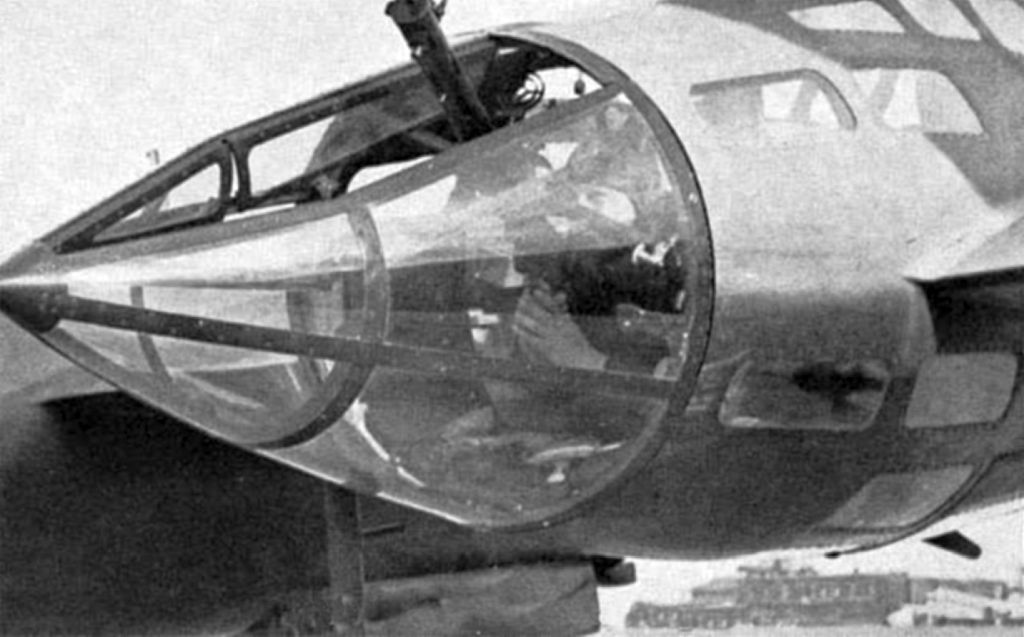
| 304 | 5525 | This G1 was delivered to the LVA on July 8, 1939, for the 4th JaVA at Bergen Air Base. Initially, the 304 was equipped with an additional plexiglass reconnaissance dome under the fuselage. In August 1939, it was used as a strategic reconnaissance aircraft. After several test flights, the dome was removed. Its nickname is almost inevitable: the BATHTUB G.1. The 304 played a rather unusual role during the German Luftwaffe raid on May 10, 1940. The crew, with pilot Thate and tail gunner Coene, left the aircraft unmanned on the apron. Work on it continued on May 11, 1940, but it apparently was not flown again. |
| 305 | 5526 | Delivered to the LVA on July 8, 1939, for the 4th JaVA at Bergen Air Base. The 305 sustained heavy damage during the German raid on May 10, 1940. Due to the chaos on the departure platform, the fighter cruiser was unable to escape in time. The pilot was Sgt. Vl. A. Bosman and the tail gunner Sgt. Wnr. Coene, who were initially scheduled to depart with the 304. Another flight was reportedly made on May 11, 1940, but this is uncertain. Afterward, the 305 was permanently disabled by fire. |
| 306 | 5527 | This G1A was delivered to the LVA on July 11, 1939, and was destined for the 4th JaVA at Bergen Air Park. On January 5, 1940, the 306, flown by pilot 2nd Lt.Vl. A. van Ulsen and gunner Sgt.Wnr. P. Lok, crashed. The cause was a collision with the Fokker D.XXI 234, flown by pilot O. Thate, which was flying too close. The crew of the G.1 managed to bail out. The G.1's accident occurred around 1:30 p.m., near the Meggelsloot canal near the village of Graft (North Holland). The remains of the fighter cruiser were not officially written off—or released—until January 31, 1940. Incidentally, the D.XXI and its pilot survived the crash. |
| 307 | 5528 | The 307 was delivered to the LVA (Luchtvaart Adeeling) in 1939. The G.1 was assigned to the Fighter Pilot School to train all the new G.1 aircraft as quickly as possible. Therefore, the fighter cruiser was stationed at De Vlijt Airfield on Texel. An open shed was used as an additional and easily accessible hangar. On May 14, 1940, upon the surrender of Germany, the Luftwaffe seized the 307. The aircraft disappeared from the Netherlands and likely operated in Germany for quite some time. |
| 308 | 5529 | This aircraft was delivered to the LVA on July 13, 1939, for the 4th JaVA at Bergen Air Park. This G.1 was also ready for departure from a platform at Bergen and was hit by the Luftwaffe on May 10, 1940. The left engine, in particular, sustained significant damage, but that wasn't the end of it. After repairs, the 308 continued to fly numerous missions. Even until its final day, May 14, 1940, the aircraft remained active, flown by 1st Lt. Fl. A. van Oorschot and gunner Sgt. W. Wesley. Before that, 2nd Lt. Fl. B. Sandberg and gunner Sgt. J. van den Breemer flew the 308. On May 14, the 308 met its end at Schiphol Airport. |
| 309 | 5530 | The 309 was delivered to the LVA in July 1939 and was destined for the 3rd Java Army Air Corps at Waalhaven airfield. During the German bombardment on May 10, 1940, it was severely hit and ultimately burned. The designated crew consisted of pilot 1st Lt. Fl. J. Kuijpers and tail gunner Sgt. J. Venema. |
| 310 | 5531 | This aircraft was delivered to the LVA on July 19, 1939, and was destined for the 4th JaVA in Bergen. This 310 was also damaged during the German attack on Bergen Air Base on May 10, 1940. The damage was repairable, and it wasn't until May 13, 1940, that the 310 crashed near Badhoevedorp (Haarlemmermeer). The crew consisted of Airman Sgt. Vl. A. Bosman and Air Gunner Sgt. R. Coene. Both survived the crash, and the damaged aircraft may have fallen into German hands afterward(?). |
| 311 | 5532 | The 311 was delivered to the LVA on July 9, 1939, and was destined for the 3rd JaVA at Waalhaven Airfield in Rotterdam. After the first bombing of Waalhaven on May 10, 1940, and several operations, fuel and ammunition shortages developed. Pilot 2nd Lt.Vl. Gerben Sonderman and tail gunner H. Holwerda landed on the beach at Oost-Voorne. They arrived there along with the 328 and 329, which had also encountered difficulties. Because the LVA saw no way to refuel, the crews departed. It wasn't until May 13, 1940, that Luftwaffe aircraft discovered the three G.1As and set them on fire. |
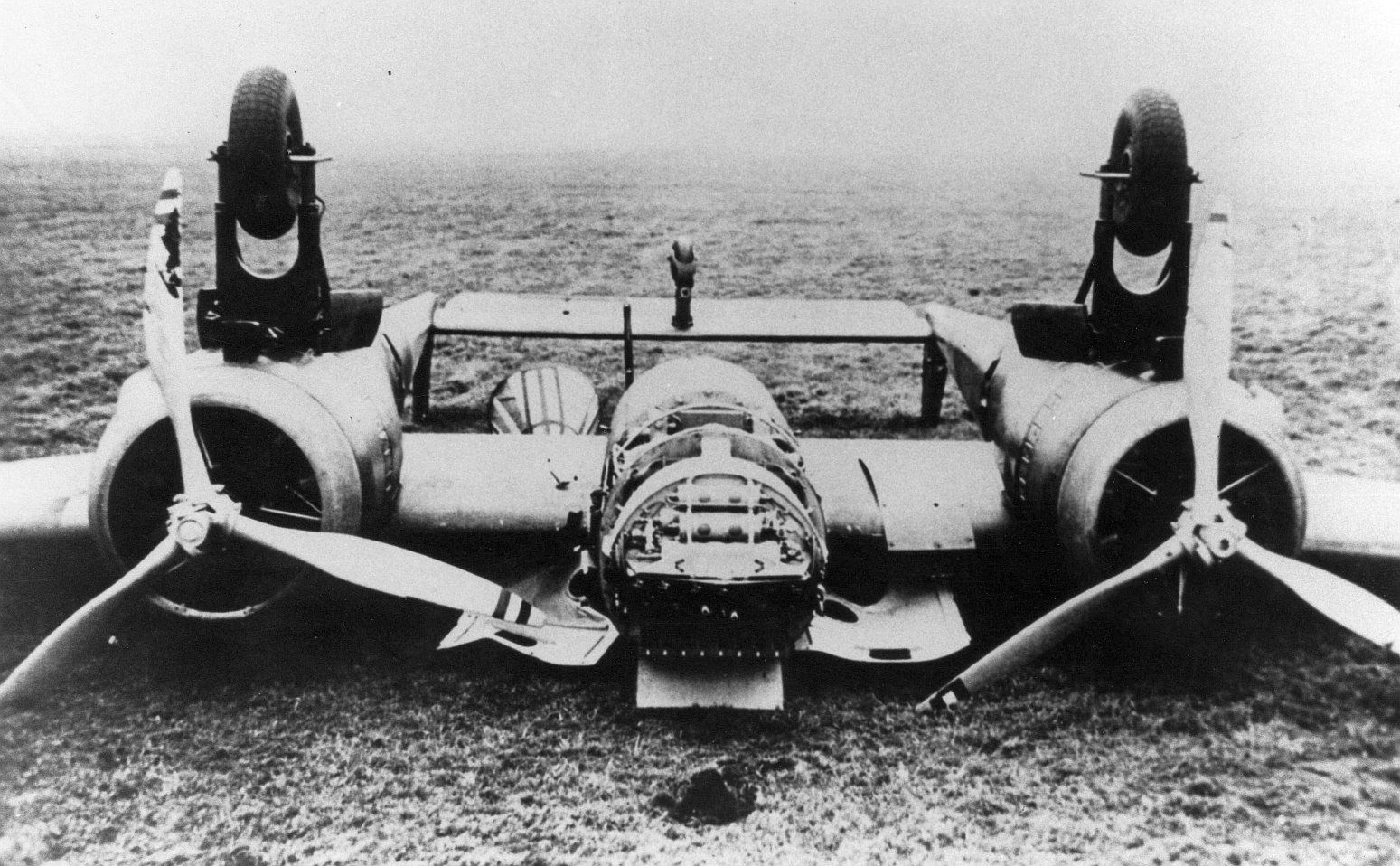
| 312 | 5533 | Delivered to the LVA on July 21, 1939, and destined for the 3rd Java Cruiser at Waalhaven. On October 22, 1939, the fighter cruiser capsized during a mobilization exercise. The G.1 A was fully repaired. However, on May 10, 1940, the 312 returned to Waalhaven with significant damage. The fighter cruiser was reportedly decommissioned there. The pilot was 2nd Lt. Vl. P. Noomen, and the tail gunner was H. de Vries. Some sources indicate that the 312 was captured by the Luftwaffe and repaired again. |
| 313 | 5534 | This aircraft was delivered to the LVA on July 27, 1939, and was destined for the 4th Java Squadron at Bergen Air Park. On May 10, 1940, the fighter cruiser was in Hangar 5 at Bergen Air Park for repairs. The 313 caught fire during the first German bombing raid and was therefore written off on May 10, 1940. |
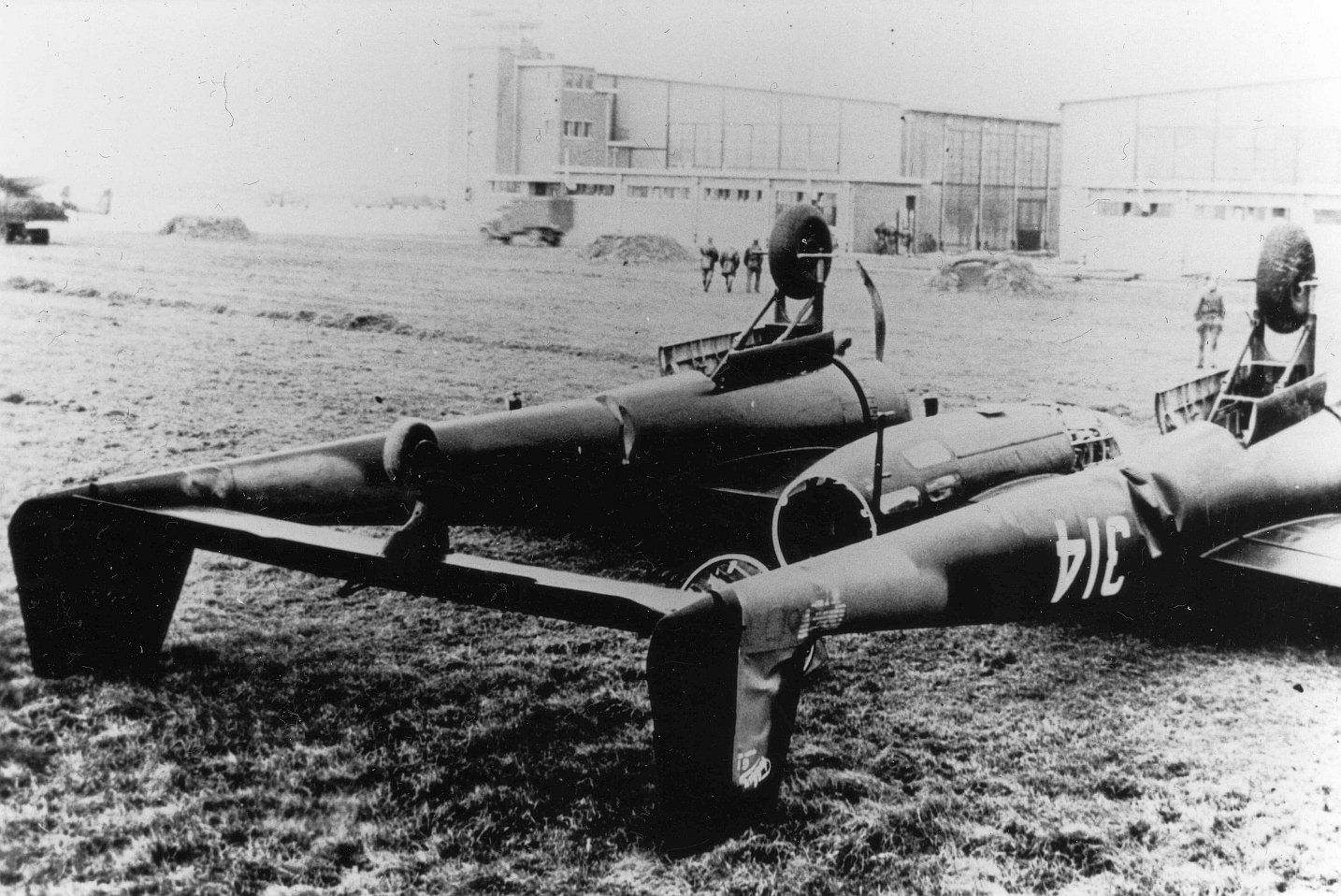
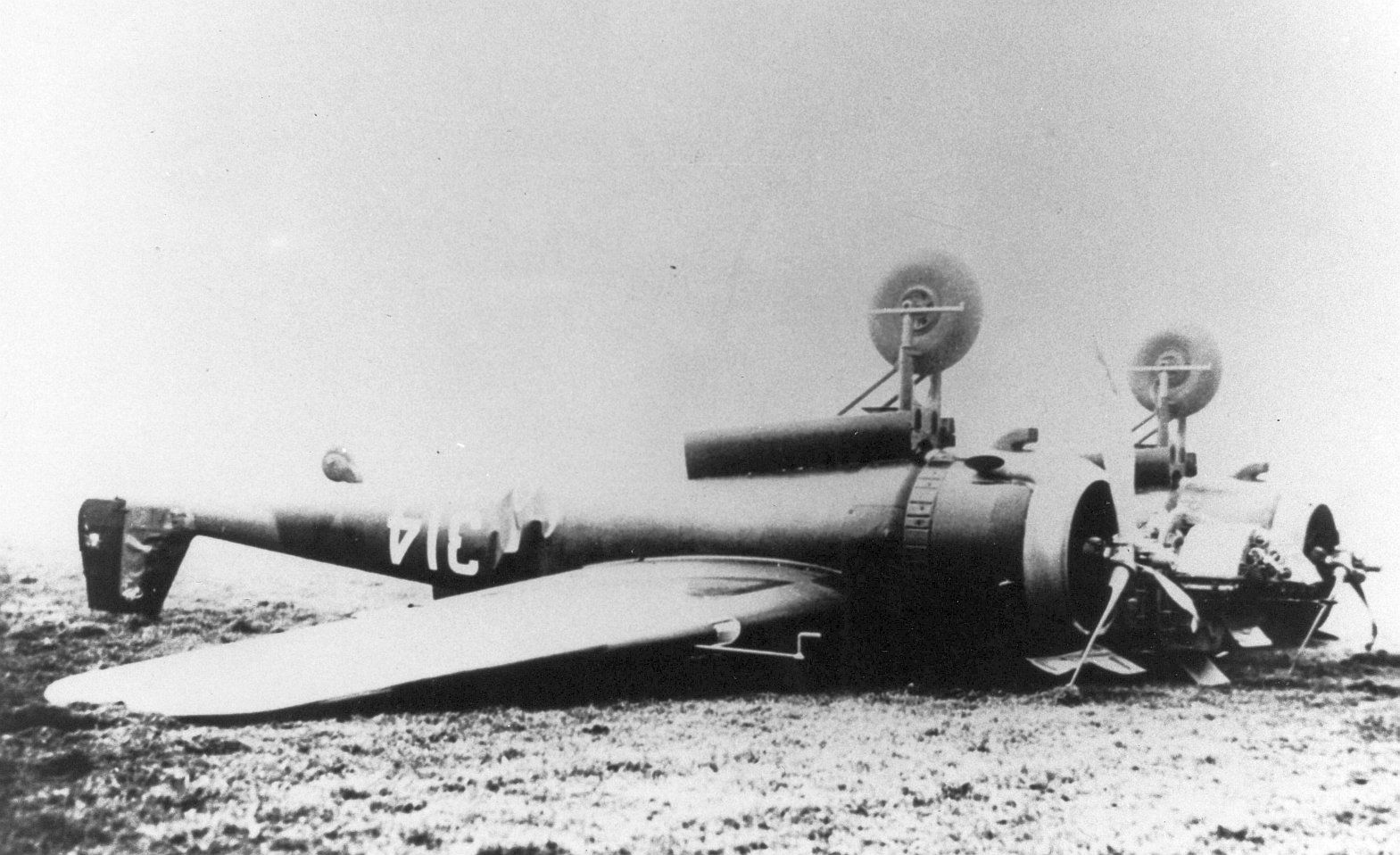
| 314 | 5535 | The 314 was delivered to the LVA in July 1939, intended for the 3rd JaVA at Waalhaven Airfield. The strange thing is that the 314 was also assigned to the 4th JaVA, thus a mystery. During mobilization, on October 18, 1939, an oil pressure problem developed in the left engine. Pilot 1st Ltn.Vl. J. Thijssen and air gunner Sgt. R. Coene rolled over. The 314 then appeared to have been in storage at Waalhaven Airfield. The fighter cruiser therefore fell into German hands after May 10, 1940. In June 1940, the 314 departed for Erprobungsstelle Rechlin, south of Rostock. This was a German testing facility established during the First World War for testing all kinds of aircraft. Later, this G.1 was used at Altenburg Airfield near Leipzig until February 1941. |
| 315 | 5536 | The aircraft was delivered to the LVA (Aviation Department) at Bergen Air Park on July 25, 1939. There, the fighter cruiser became part of the 4th JaVA. The 315 was flown by Pilot 1st Lt.Vl. A. van Oorschot and Gunner Sgt. W. Wesly. It was initially stationed at Waalhaven, but ultimately diverted to De Kooij due to the German bombing. From there, it went to Bergen Air Park, where it arrived in a severely damaged condition. After the capitulation on May 14, 1940, the 315 fell into German hands. By June 1940, the 315 was ready to fly again and incorporated into the German Luftwaffe. |
| 316 | 5537 | The 316 was delivered to the LVA at Waalhaven Airfield in November 1939 and assigned to the 3rd JaVA (Fighter Fighter Section). On May 10, 1940, the 316 was severely damaged during the German bombing of Waalhaven and was never repaired. |
| 317 | 5538 | This aircraft arrived at Bergen Air Park on August 18, 1939. It was assigned to the 4th Java Squadron. On May 10, 1940, the 317 was in Hangar 5 for repairs to problems with the tail wheel pressure and a strut problem. The fighter cruiser burned completely as a result of the German bombing and was therefore written off on May 10, 1940. |
| 318 | 5539 | The 318 was delivered to the LVA at Bergen Air Park on November 1, 1939, and assigned to the 4th JaVA. On May 10, 1940, it was behind O. Thate's stationary 304 and therefore unable to leave the platform. The damage was minor, and pilot 2nd Lt.Vl. F. Peetoom and gunner Sgt. G. Govers were quickly able to continue. On May 13, the G.1 flew an escort flight of four Fokker CX and five Fokker D.XXI aircraft together with the G.1 321. The 318 presumably met its end near Badhoevedorp. Other sources mention further damage and repair in June in Bergen, followed by its seizure by the Luftwaffe. |
| 319 | 5540 | The 319 was delivered to the LVA on September 2, 1939, destined for the 3rd JaVA at Waalhaven Airport in Rotterdam. There are two versions: the first is that the 319 burned down at Waalhaven on May 10, 1940. The second is that the 319 was not flown until May 13, 1940, by pilot 2nd Lt.Vl. vander Jagt. In that case, the fighter cruiser crashed in Zevenbergen near Vlaardingen and was abandoned. |
| 320 | 5541 | The 320 was delivered to the LVA at Waalhaven airfield on October 20, 1939. For some reason, it wasn't deployed from May 10, 1940. The aircraft was reportedly deregistered on May 14, 1940. The pilot was Sgt.Vl. S. De Vos. It may have been captured by the Germans after all. |
| 321 | 5542 | The 321 was delivered to the LVA on September 27, 1939, destined for the 4th JaVA at Bergen Air Park. First Lieutenant/Flemish J. Thijssen and air gunner Sgt. K. Vermaat were ready to depart from the platform at 4:00 a.m. on May 10, 1940. They were even the first to evade the German bombing raid and didn't return until 6:20 a.m. On May 13, a large escort flight followed with the 318, and the aircraft returned to Bergen heavily damaged. The pilots were Second Lieutenant/Flemish A. Van Ulsen and air gunner Sgt. K. Vermaat. The four Fokker CX and five Fokker D.XXI aircraft flown along didn't fare much better. The 321 eventually ended up in a canal next to Bergen Air Park (the Middentocht in Bergen). After the capitulation on May 14, 1940, it was repaired by Fokker and KLM personnel in June 1940. |
| 322 | 5543 | The 322 c/n 5543 was delivered to the LVA on September 11, 1939, for the 4th JaVA at Bergen Air Park. The 322 was probably the most frequently used G.1A, flying numerous flights from May 10 to 14, 1940. As early as May 11, 1940, the 322 was flown from Bergen Air Park to Schiphol Airport due to minor damage. The crews rotated regularly throughout the day: A. van Oorschot with W. Wesley and H. Hartkoren with P. Lok, and also T. Leegstra with W. Wesley and H. Hartkoren with W. Wesley. Some even flew missions several times a day. On May 14, the 322 caught fire at Schiphol after yet another landing near Loevestein Farm. |
| 323 | 5544 | 323 c/n 5544 was delivered to the LVA at Schiphol Airport on August 30, 1939. On April 7, 1940, the aircraft overturned and was returned from Schiphol to the factory in Amsterdam Noord. There, repairs were about halfway completed by May 10, 1940. The Germans took it over, but it is uncertain whether it was further repaired or used for parts. |
| 324 | 5545 | The 324 was delivered to LVA on August 24, 1939, and written off the same day. This indicates a serious accident on that delivery date, causing extensive damage. Nothing is known about repairs or any attempts at them, nor is the aircraft's location on May 10, 1940. Not even about its capture by the Germans. Not even about all the good parts. Finally, there's the possibility that one of the potential buyers actually received this aircraft, or the rest of it, due to possible license production in Spain or Scandinavia. |
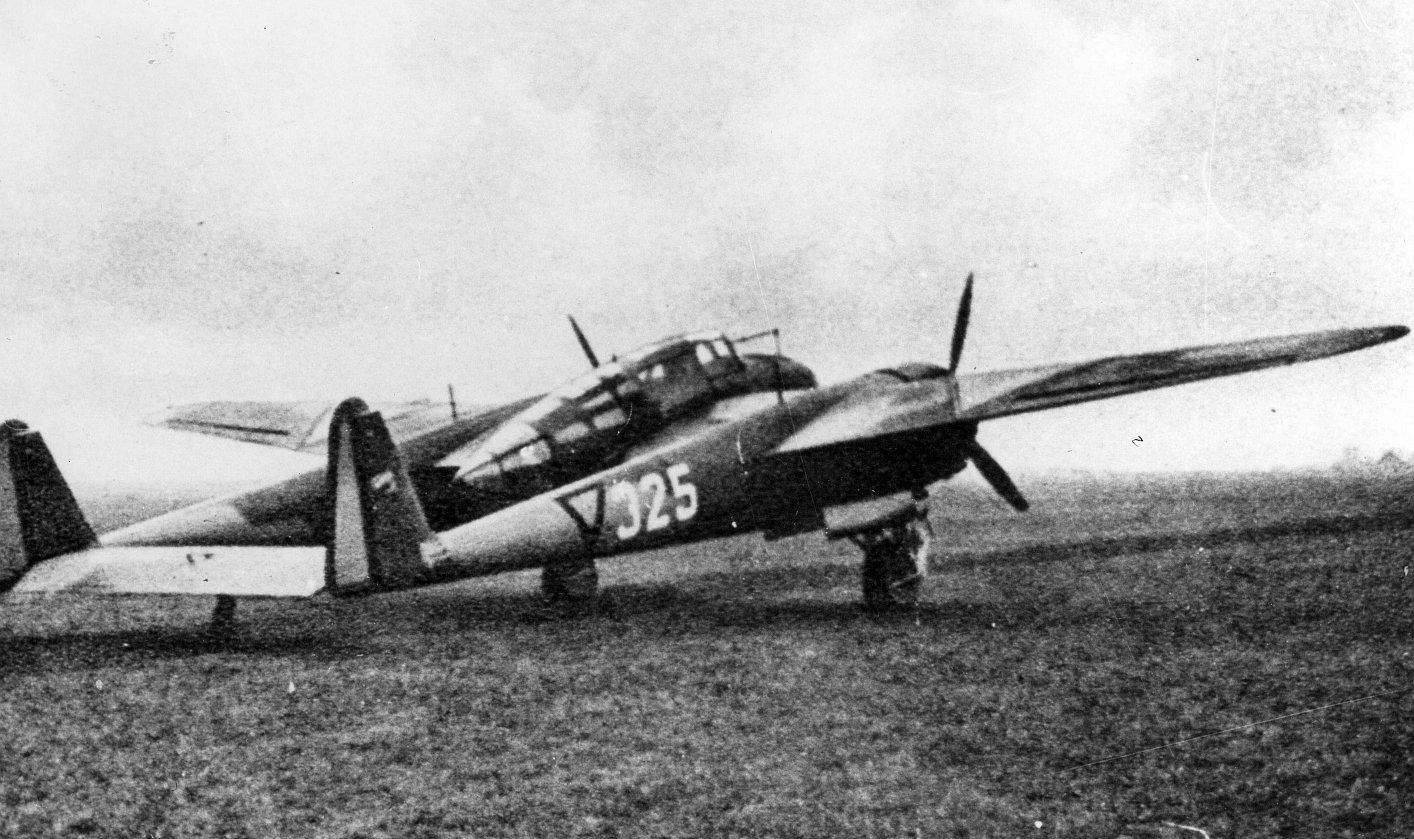
| 325 | 5546 | The 325 was delivered to the LVA on July 28, 1939, at Waalhaven airfield with the 3rd JaVA. The G.1 departed on May 11, 1940, after the first bombing of Waalhaven, carrying Thate and Coene to Bergen. The aircraft sustained minor damage. Later, it flew from Bergen to Schiphol with pilot Leegstra and an LVA mechanic. On May 12, 1940, it departed with Sandberg and Van den Breemer to Middenmeer emergency airfield and flew two missions from there. Later that day, it flew to Schiphol and then to Soesterberg and back. On May 13, it flew with Hartkoren and Sonneveld back to Soesterberg and back to Schiphol. The 325 burned up at Schiphol near the Amsterdam-The Hague highway on May 14, 1940. An impressive flying record. |
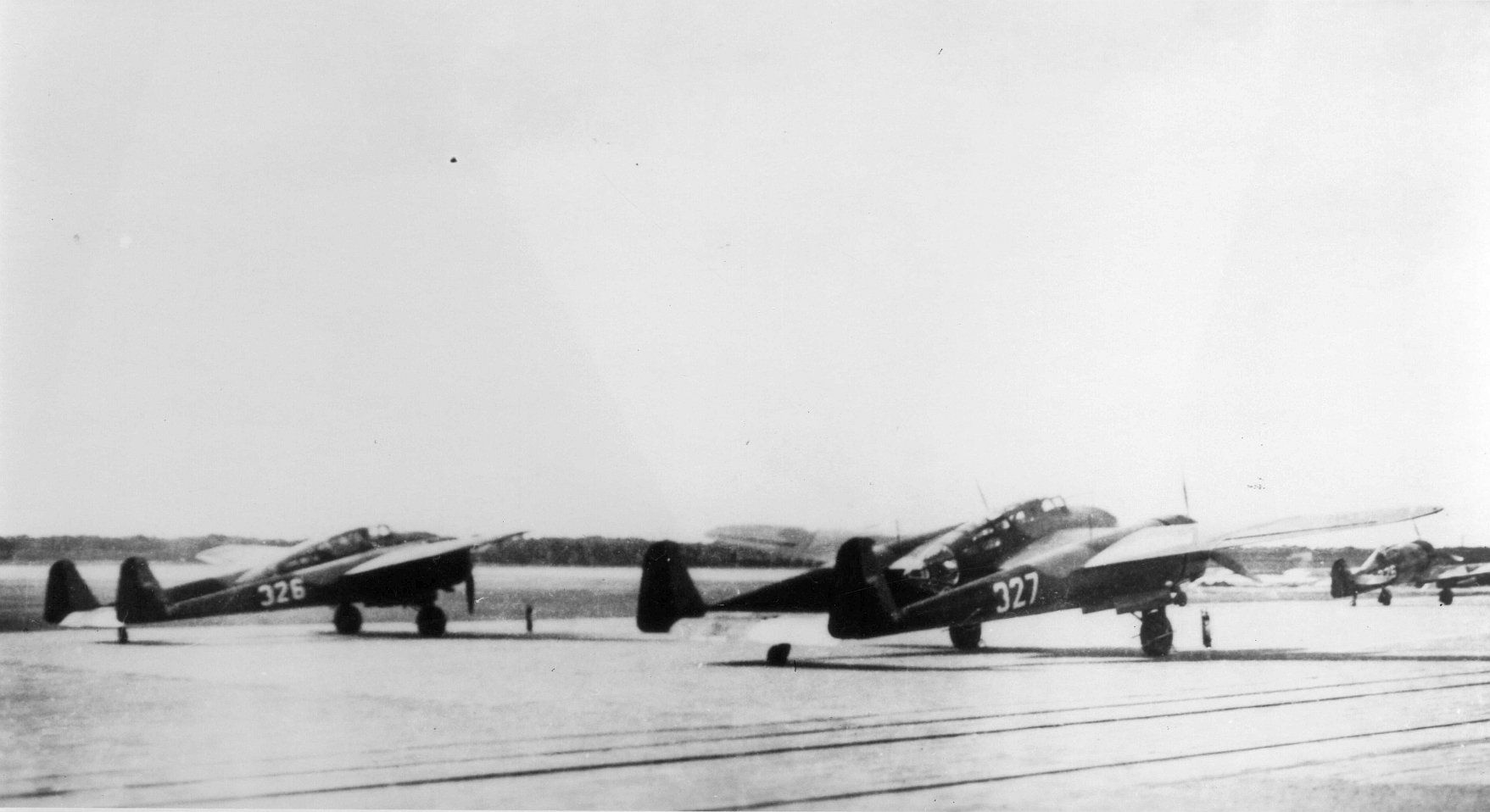
| 326 | 5547 | The 326 was delivered to the LVA on September 2, 1939. We don't know of any assignment, but it was probably destroyed at Waalhaven airfield on September 10, 1940. There is also talk of a possible stationing at Ockenburg emergency airfield near The Hague and destruction there. |
| 327 | 5548 | The 327 was delivered to the LVA on September 8, 1939. Like the 326, it was not yet assigned to a JaVA. Initially, the 327, like the 326, was stationed at Ockenburg emergency airfield near The Hague. The G.1 soon returned to the factory in Amsterdam Noord for repairs. Damage during the initial flight may have played a role. On May 10, 1940, the 327 was almost complete and then fell into German hands. Like the 314, the Luftwaffe flew the 327 to Altenburg airfield near Leipzig. The former 327 remained active until 1941, and ultimately, only the engines were sold to Finland. |
| 328 | 5549 | The 328 was delivered to the LVA on September 11, 1939, for the 3rd JaVA at Waalhaven. The fighter cruiser was flown by Sgt.Vl. H. Souffree and air gunner Sgt.Wnr. J. De Man. The 328 quickly became involved in several missions from Waalhaven airfield on May 10, 1940, including the downing of He-111 and Me-109 aircraft. However, the 328 was unable to replenish its fuel and ammunition. The German bombing of Waalhaven further prevented the airfield from being used. The 328 was temporarily parked on the beach at Oostvoorne, along with the 329. The Luftwaffe discovered the two fighter cruisers on May 13, 1940, and immediately destroyed them. |
| Register. | Construction-no. | The story of this plane |
|---|---|---|
| 329 | 5550 | The 329 was also delivered to the LVA on September 11, 1939, for the 3rd JaVA at Waalhaven. This fighter cruiser was flown by 2nd Lt.Vl. K. Woudenberg and tail gunner Sgt.Wnr. J. Pouw. The 329 was directly involved in several actions on May 10, 1940, from Waalhaven Airfield, including the destruction of Ju-52 and Ju-87 aircraft. However, the 329 also failed to replenish fuel or ammunition. The German bombing of Waalhaven prevented further use of the airfield. The 329 and 328 were parked together on the beach at Oostvoorne. Only on May 13, 1940, were both discovered and set ablaze. It was incomprehensible that they couldn't manage to refuel within three days. |
| 330 | 5551 | The 330 was delivered to the LVA on September 16, 1939, and assigned to the 3rd JaVA, the third Fighter Aircraft Section at Waalhaven Airport in Rotterdam. As early as May 10, 1940, the 330 had to make an emergency landing near Zevenbergen, just south of Moerdijk. The pilot at that time was Sgt.Maj. J. Buwalda. The 330 was so badly damaged that the Luftwaffe decided to scrap it in August 1940. This is remarkable, as quite a few G.1 fighter cruisers had been refurbished by the Germans. This 330 has nothing to do with a beautiful 330 replica that is (unfortunately) in storage at the NMM in Soesterberg. The Aviodrome would like to have it on loan for a while. |
| 331 | 5552 | The 331st was delivered to the LVA on September 22, 1939, and assigned to the 4th JaVA in Bergen. The 331st would be flown by Sgt. Flt. A. Bosman and tail gunner Sgt.Wnr. R. Coene. As early as May 10, 1940, an engine failed on the platform, subsequently misfiring and sustaining heavy damage. This brought the 331st face-to-face with the G.1 of 1st Lt. Flt. H. Dill and ultimately burned. |
| 332 | 5553 | The 332 was delivered to the LVA on September 30, 1939, and assigned to the 4th Java Company. This fighter cruiser also suffered severe damage during the German bombing raid on May 10, 1940. LVA mechanics in Bergen began working on it as early as May 11, 1940. The Germans confiscated it after the Dutch capitulation and continued its restoration. The Luftwaffe subsequently used this G.1A for training. Registered as ?? 97 with the c/n 5553 on the tail. See photo 9 of "The G.1 in Foreign Military Service," taken in Munich in 1941. (Source: Fam. W. Vredeling Hoofddorp). |
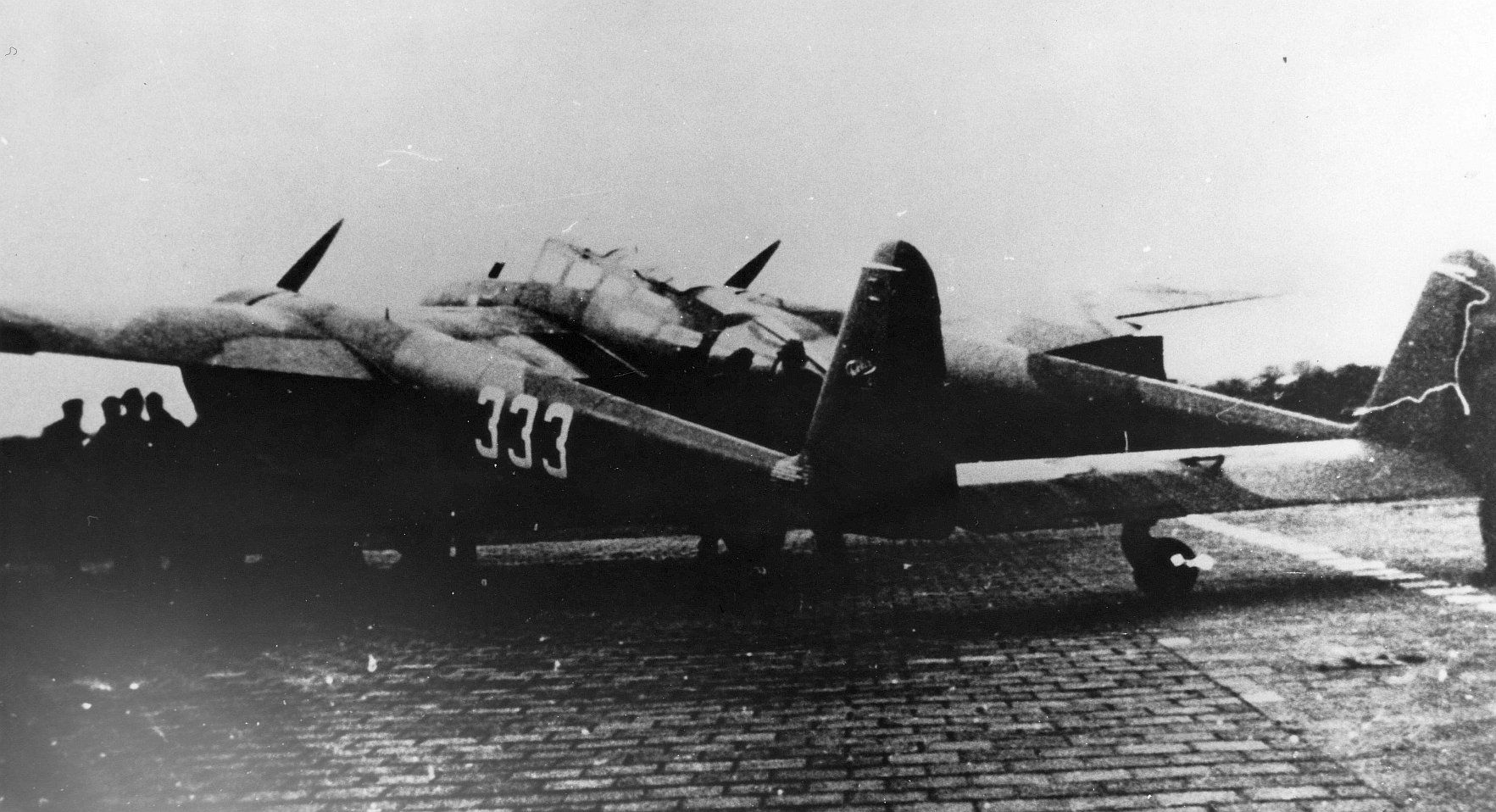
| 333 | 5554 | The 333 was delivered to the LVA on October 17, 1939, and deployed to the 4th JaVA at Bergen Air Base. On May 10, immediately after the German bombing of Bergen began, the 333 was completely destroyed. The G.1 was completely burned. The 333 was also part of the astonishingly incompetent group deployed on the platform. |
| 334 | 5555 | The 334 was delivered to the LVA on October 20, 1939, and assigned to the 3rd JaVA at Waalhaven. This G.1 was written off as early as May 10, 1940, during the German bombing of Rotterdam Airport. |
| 335 | 5556 | The 335 c/n 5556 was delivered to the LVA on October 31, 1939, and also stationed with the 3rd JaVA at Waalhaven. Incidentally, this G.1 is still held in storage at Waalhaven. It is suspected that the LVA likes to keep some items in reserve, or that, for example, some of the armament is not yet ready. It is therefore quite likely that the Germans flew this G.1 to the Erprobungsstelle (Testing Department) Rechlin in Mecklenburg. Incidentally, more Fokker G.1A aircraft ended up there. And not without reason, as the G.1 possessed some remarkable qualities at that time. |