
De Fokker V.18 / D-VII
The Fokker V.18 is treated differently from other V-types.
Partly this is due to the importance of the D-VI which emerged from the V.18.
Partly it is also a result of the way the site was created, first by scanning scrapbooks, later by contributions from other editors.
In the V.18 there has clearly been a duplication and it is in fact treated here as the D.VII.
The real V.18 is actually the prototype with a significantly different tailplane and some other minor changes.
Ultimately, the V.18 will transition to the D.VII type, which will specifically apply to all license construction of the D.VII.
But there are no, or very few, duplicate photos. So enjoy this important Fokker product.
Click on the photo to enlarge the photo
V.18 / D-VII
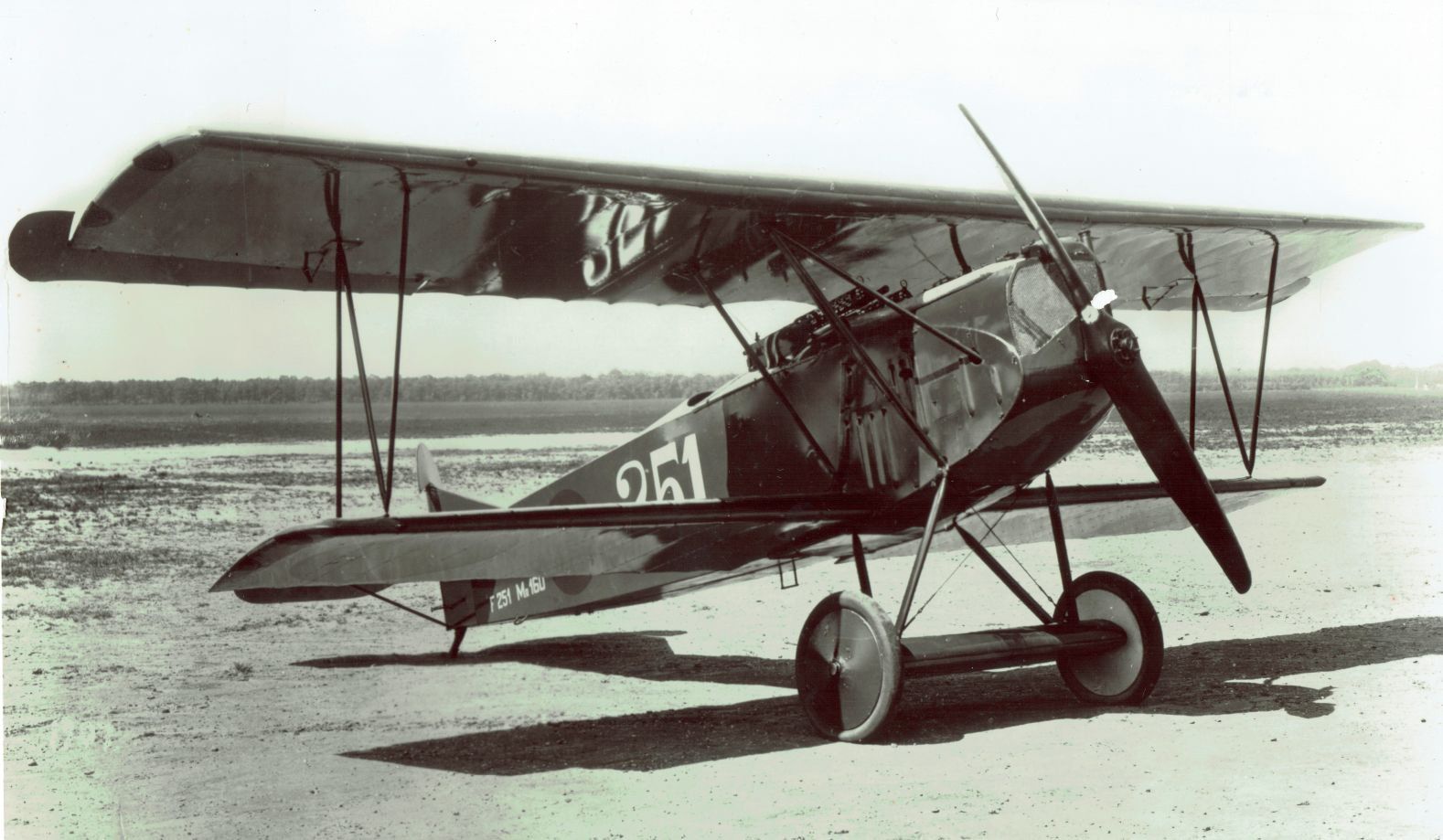
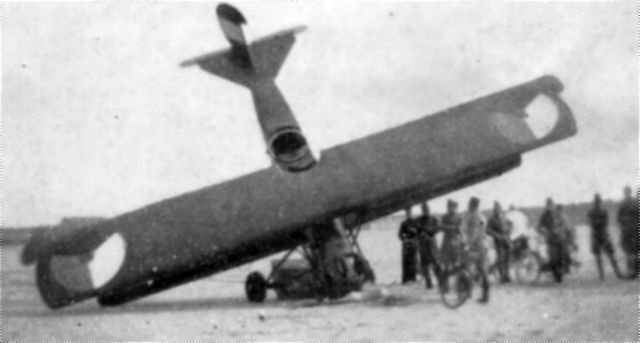
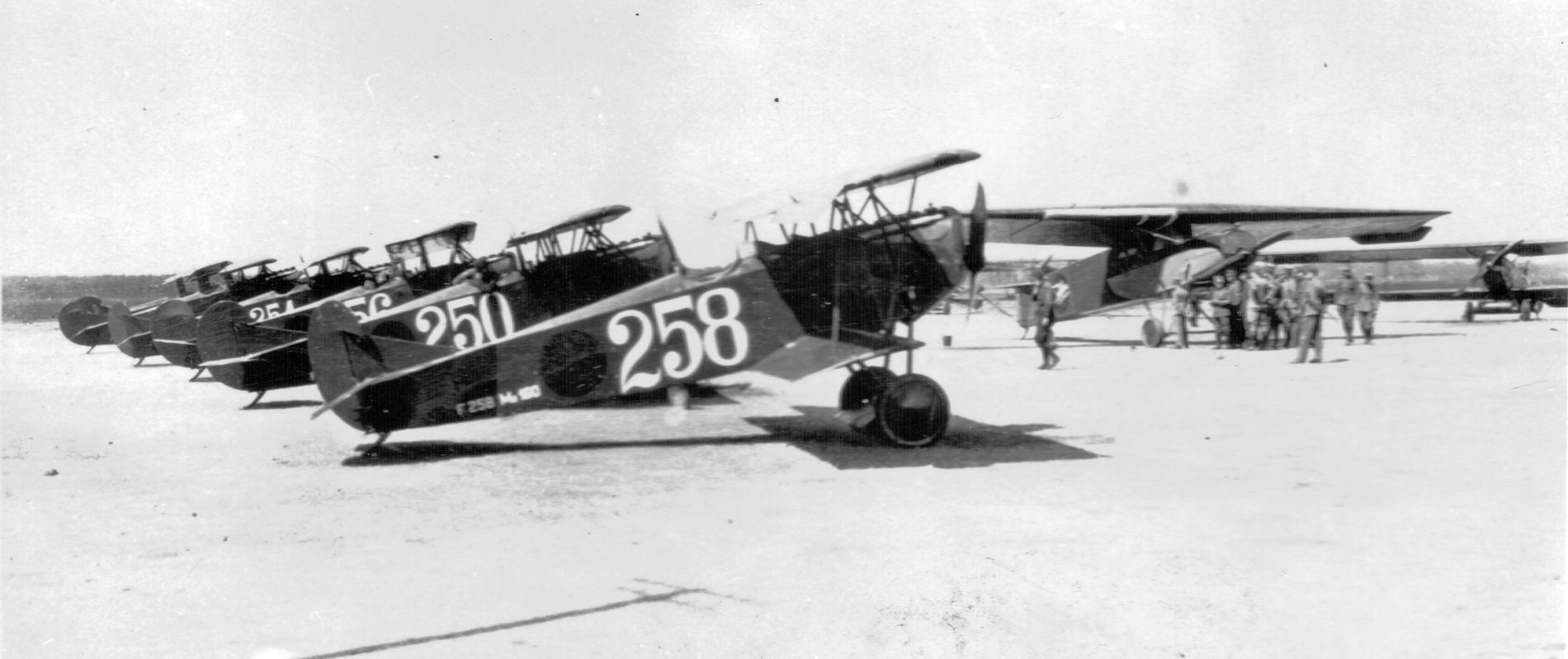
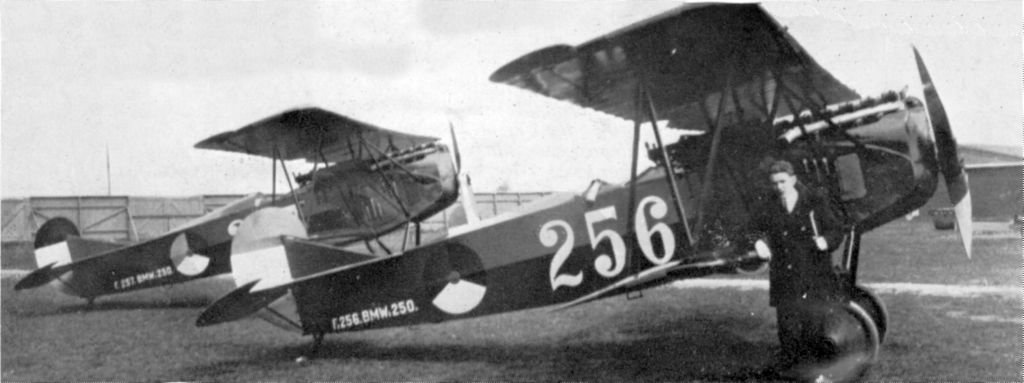
Fokker V-18, Fokker D-7
The V.18 was built in December 1917 and had a 160 hp Mercedes engine.
The fighter was designed by Reinhold Platz, Fokker's chief engineer, but the V.18 was not built by Fokker, but exclusively under license by other aircraft manufacturers.
The V.24 (D-VII-F) is indeed built by Fokker. However, the difference is so slight that we will treat them as a single type.
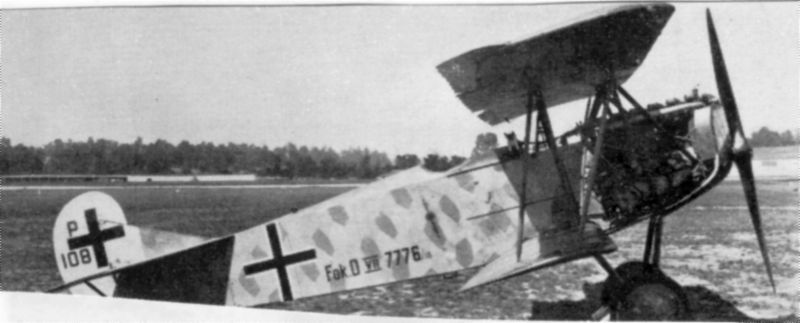
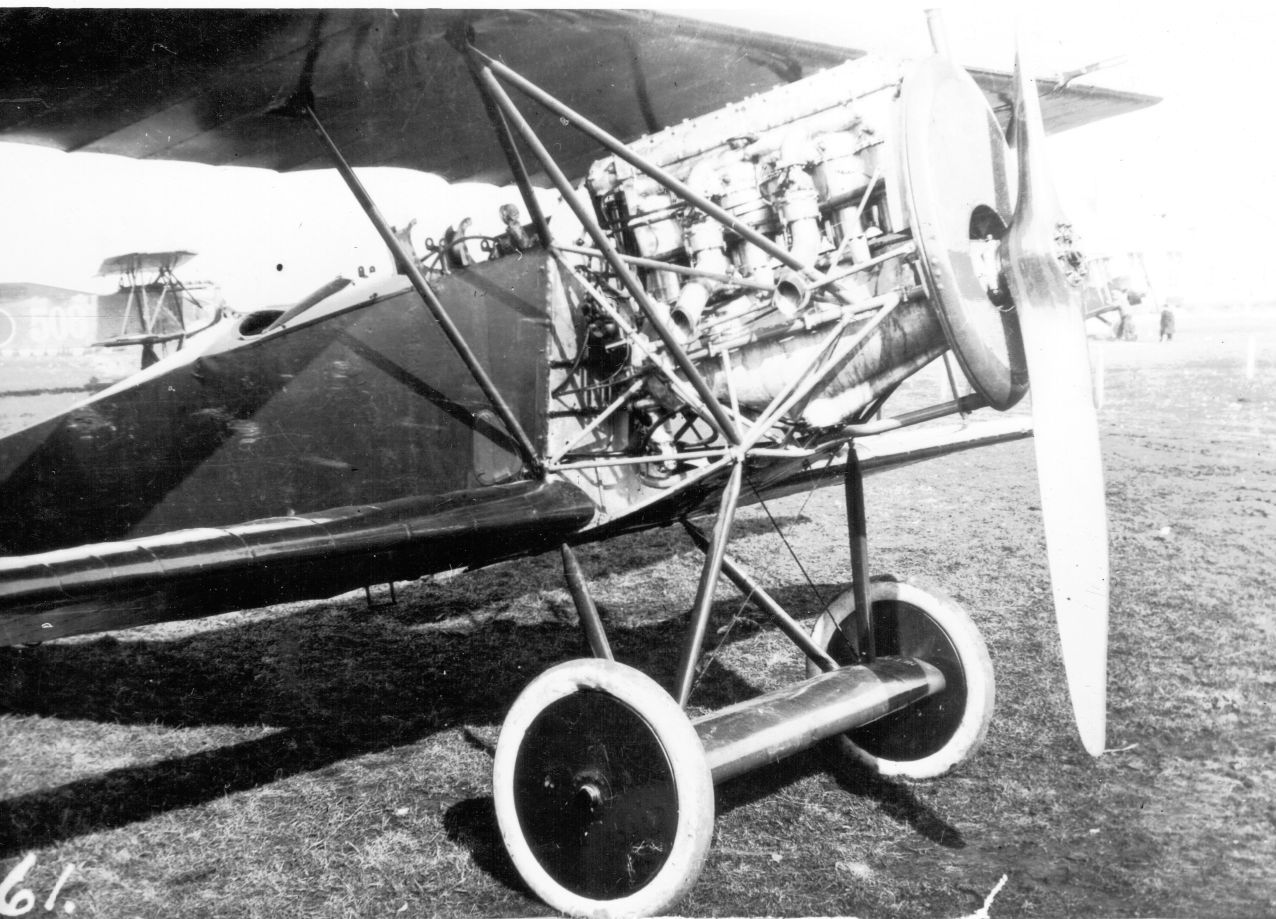
The armament of the (German) D-VII consisted of 2 fixed
Spandau machine guns
on the hood.
Fokker was awarded an order by the German government to build 400 D-VIIs at a price of 25,000 Reichsmarks each (excluding engine).
Another 400 or so units are being built by Ost-Deutsche Albatross Werke (OAW) in Germany and by AEG in Austria.
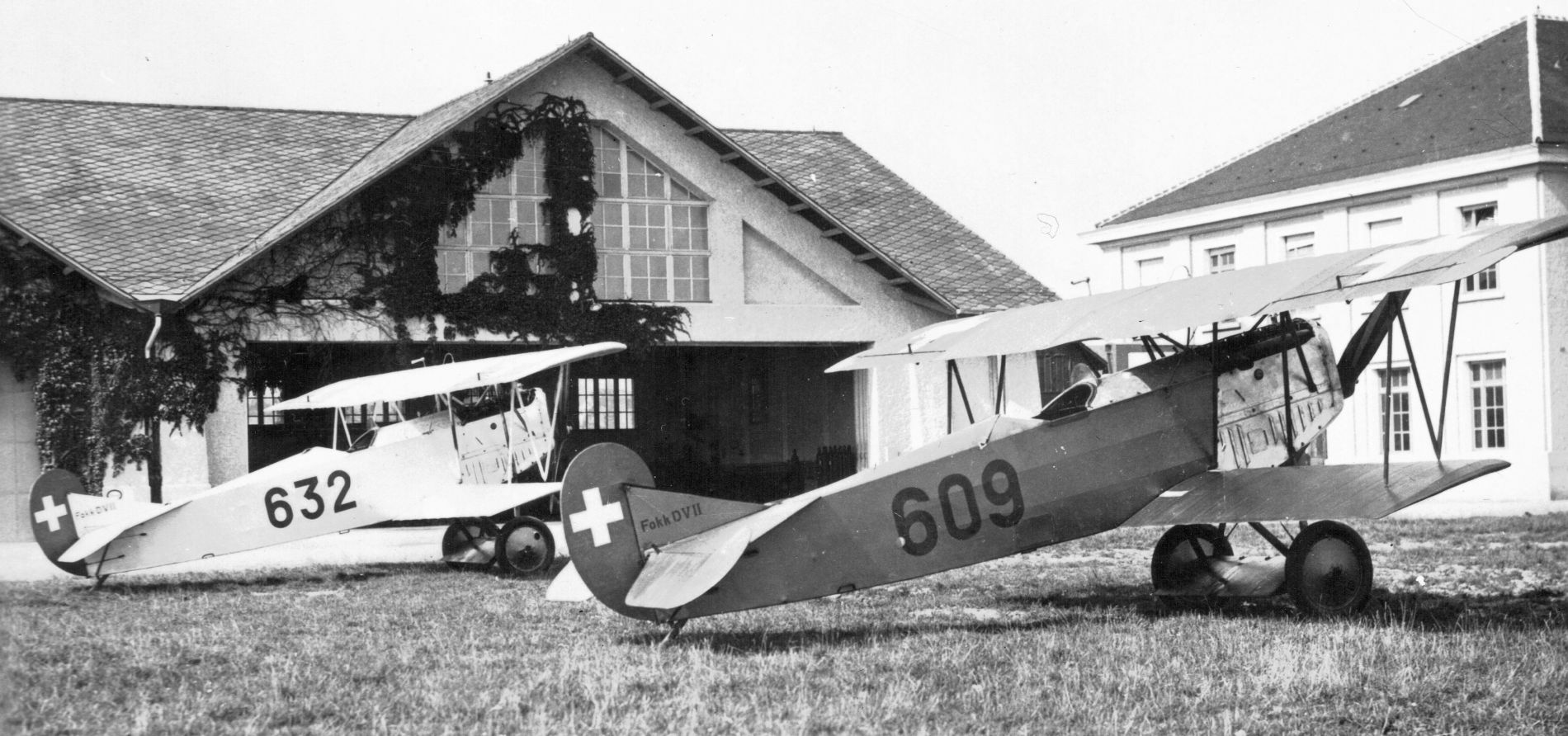
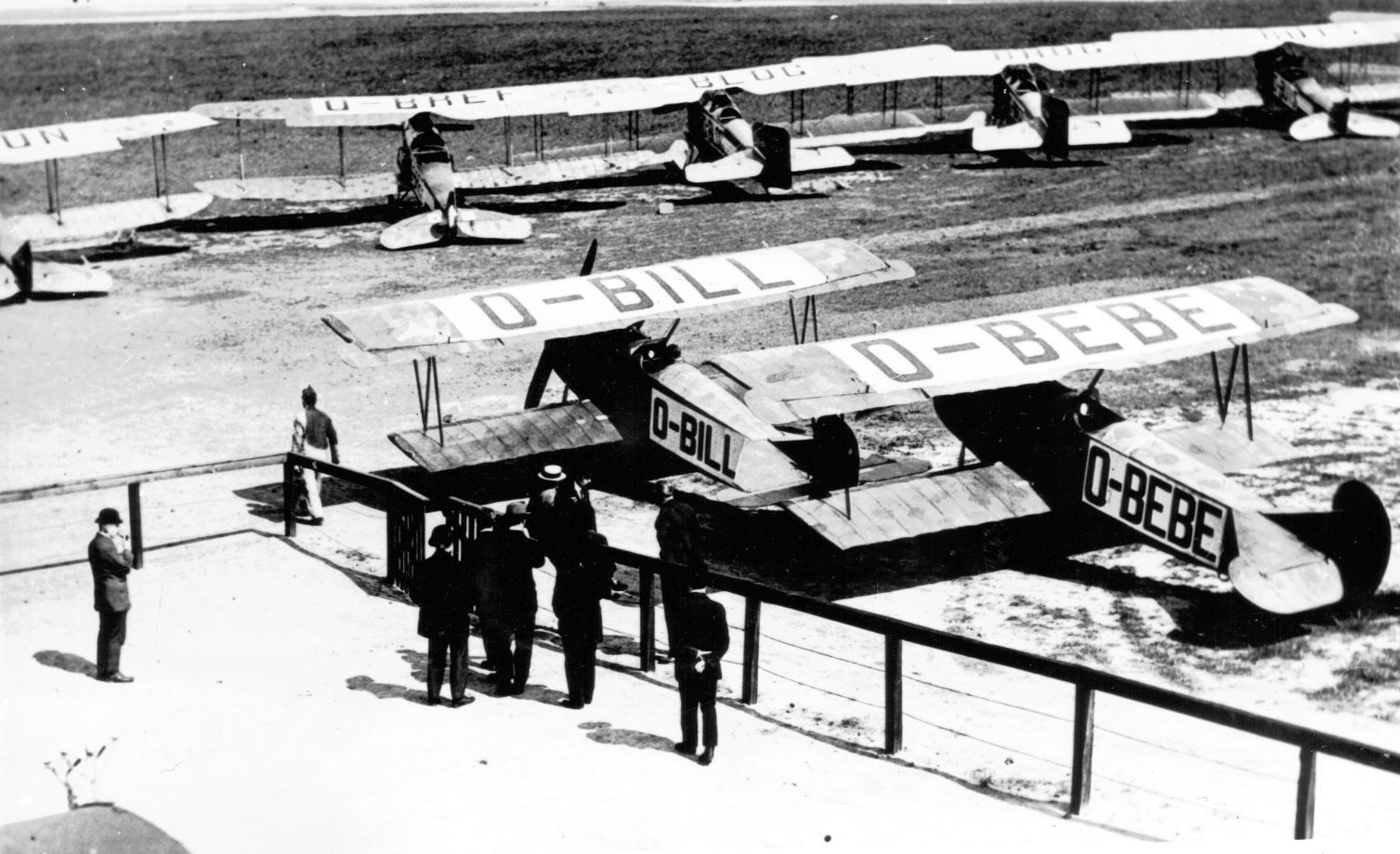
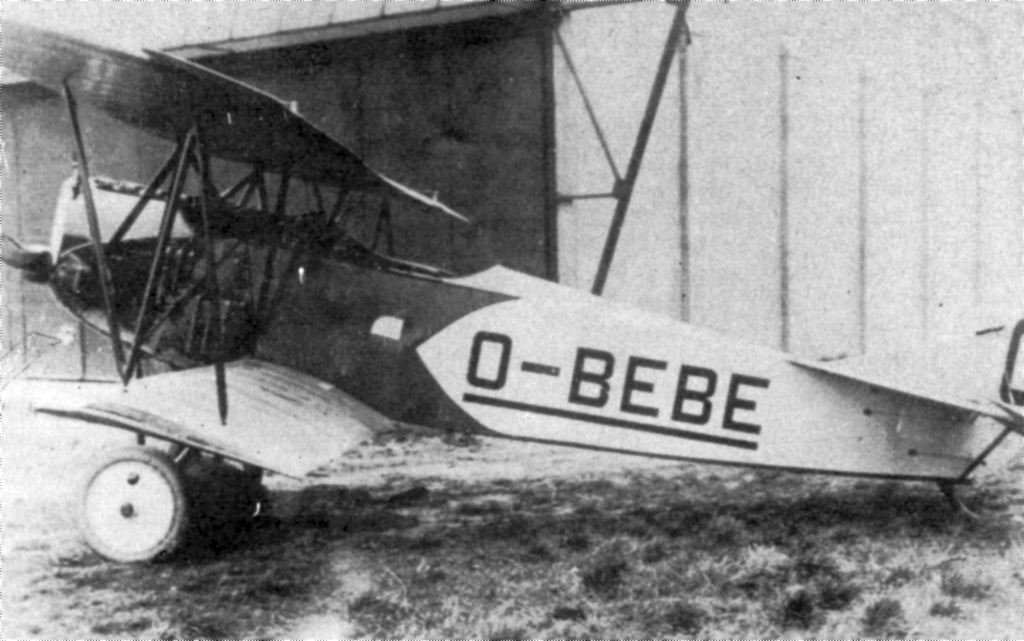
The D-VII is of course used in Germany, but also in the Netherlands, Belgium, Switzerland, Russia, Finland, Sweden, Denmark, Poland, Lithuania, Romania, Italy, Great Britain, the Dutch East Indies,
Canada, United States, Austria and Hungary.
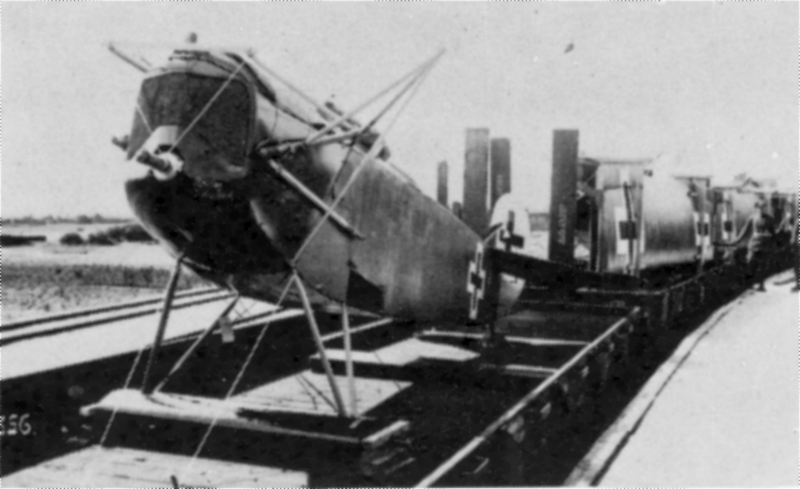
The infamous smuggling train contains approximately 120 D-VIIs. These are either sold to the aforementioned countries or these countries have captured the D-VIIs.
In America, a D-VII flies for the then NACA (National Advisory Committee for Aeronautics) as a laboratory aircraft.
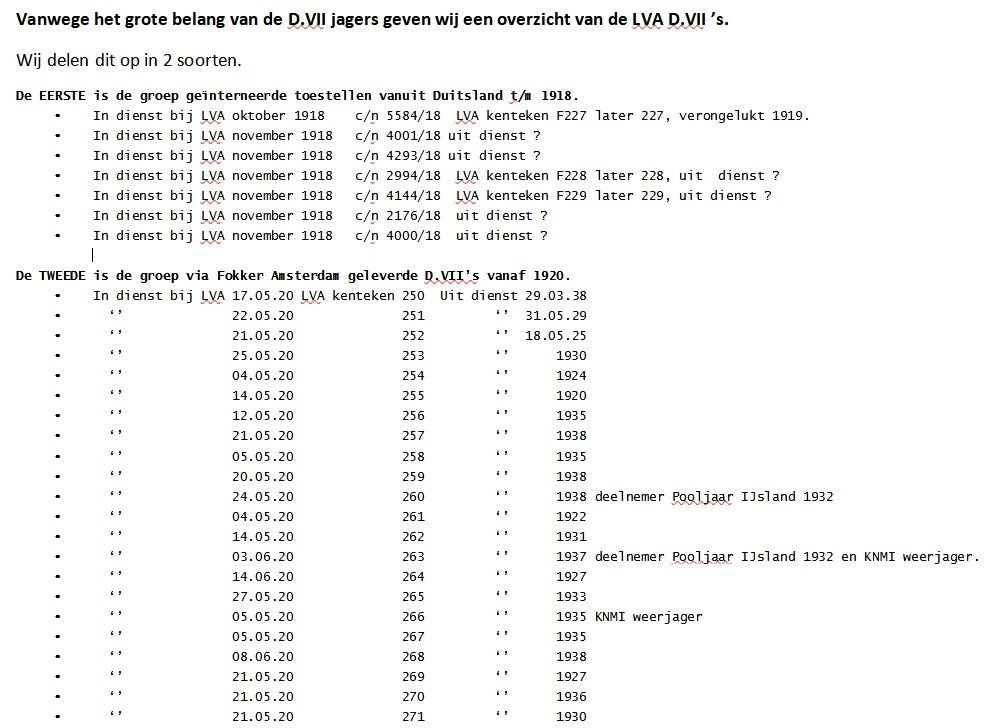
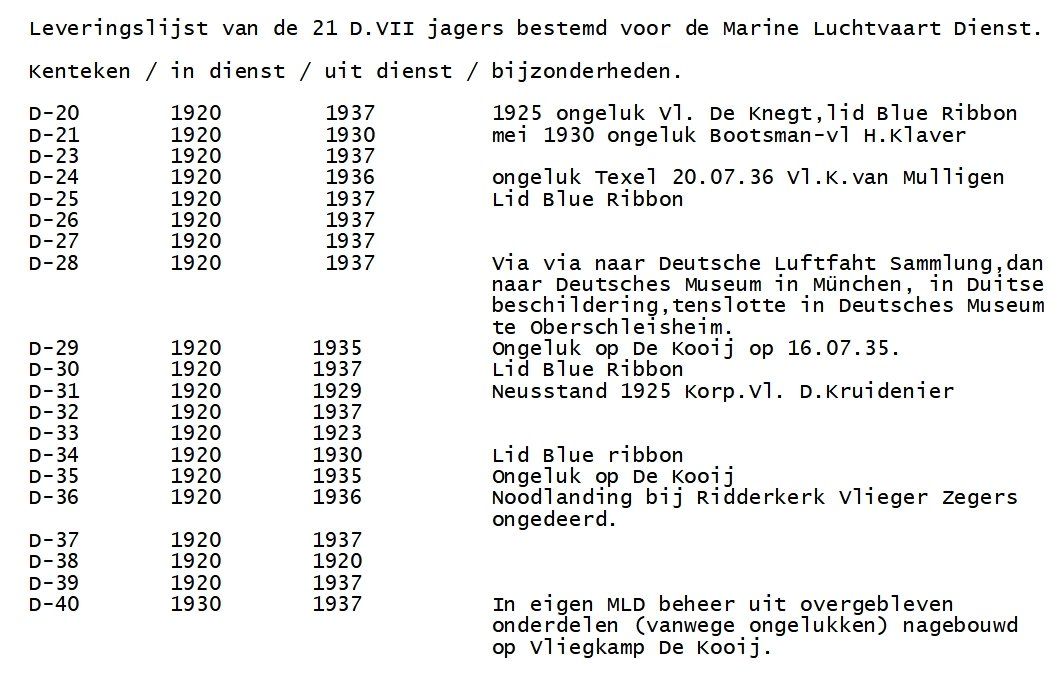
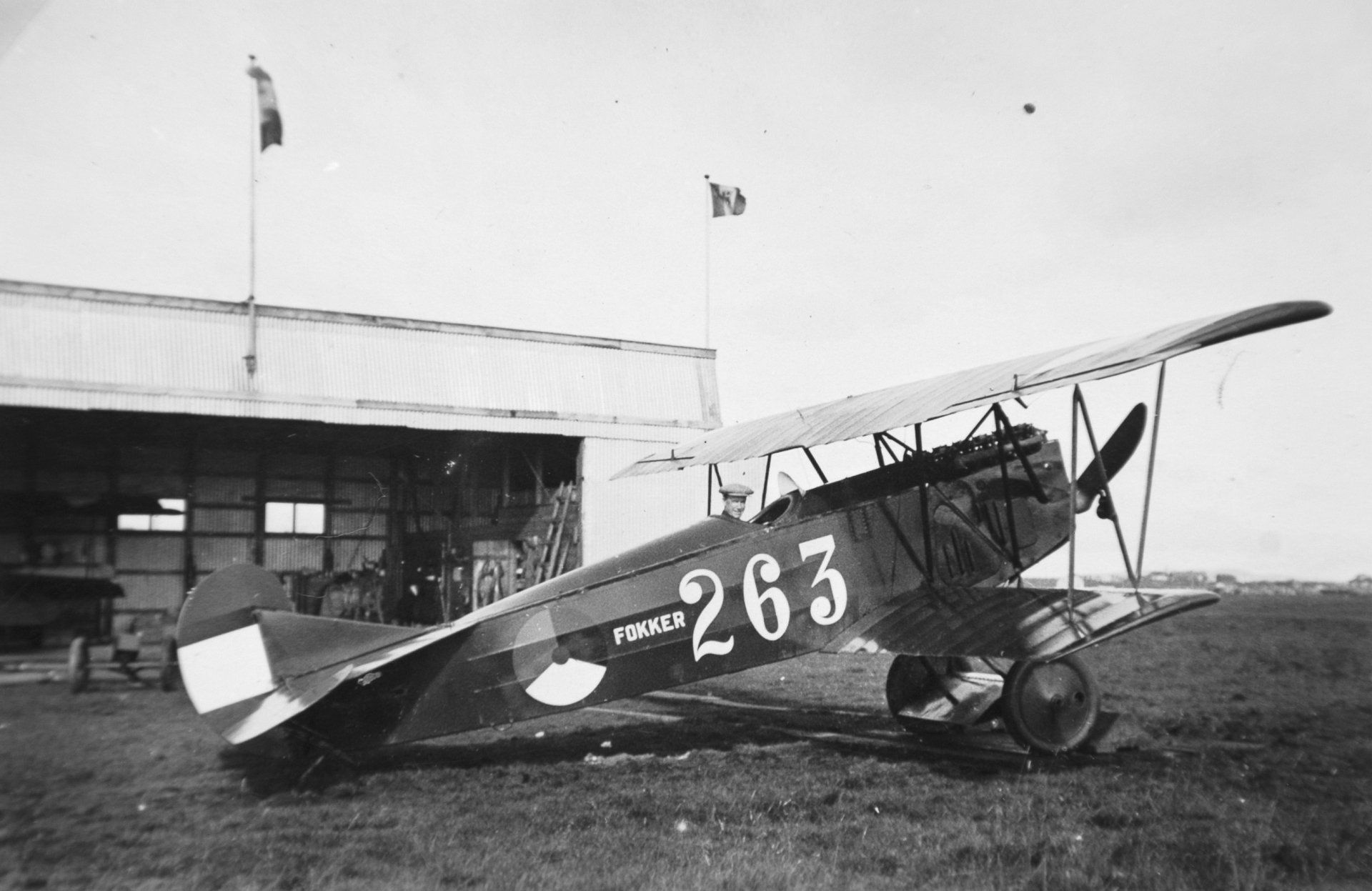
In the Netherlands, the D-VII also became known through the stunt team of the LVA (Aviation Department) "Five fingers on one hand".
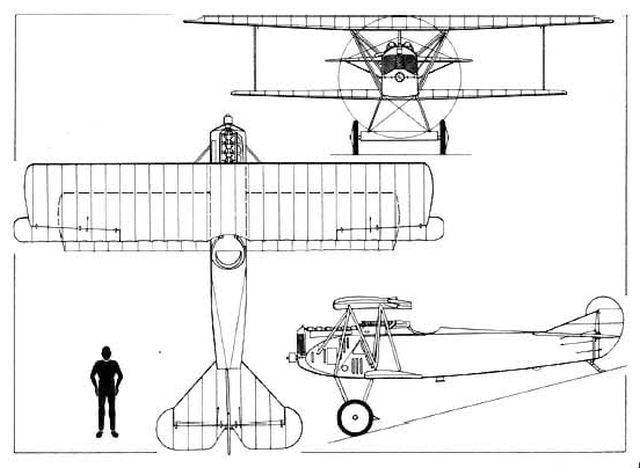
Wingspan: 8.40 - 8.90 m, length: 6.95 m, height: 2.95
Wing area: 20.20 - 21.60 m^2
Empty weight: 688 kg, flying weight: 906 kg.
Max. speed: 165 - 193 km/h, cruising speed 140 - 160 km/h.
The D-VII was fitted with several engines during its operational life:
• BMW 185, 250 or 260 hp
• Mercedes 170 hp or 160 hp
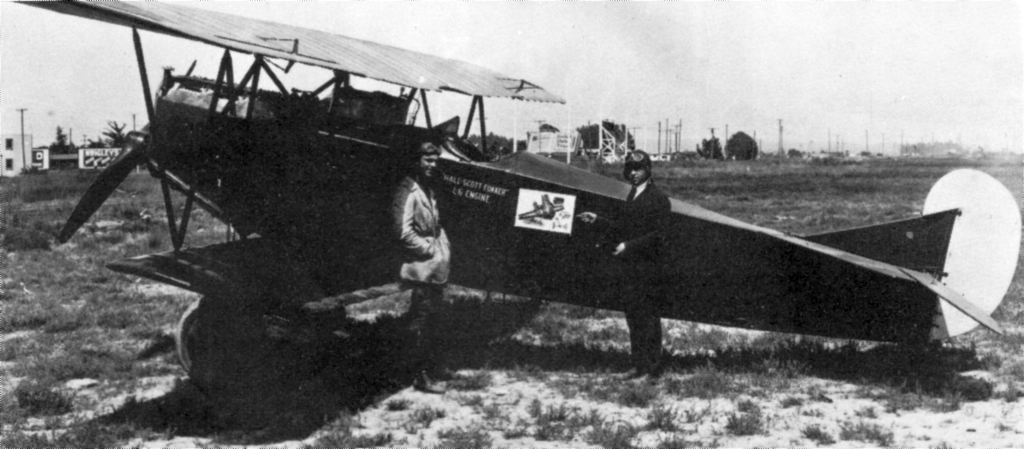
• Hall-Scott 200 hp
• Hispano-Suiza
• Packard Liberty 200 or 300 hp
• Armstrong-Siddely Puma 230 hp
The D-VIIs with a BMW engine were slightly faster than the types with the Mercedes.
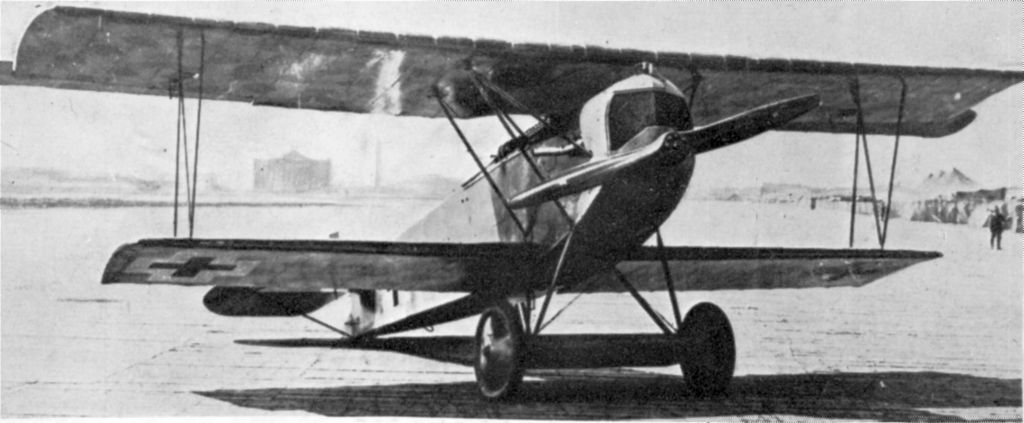
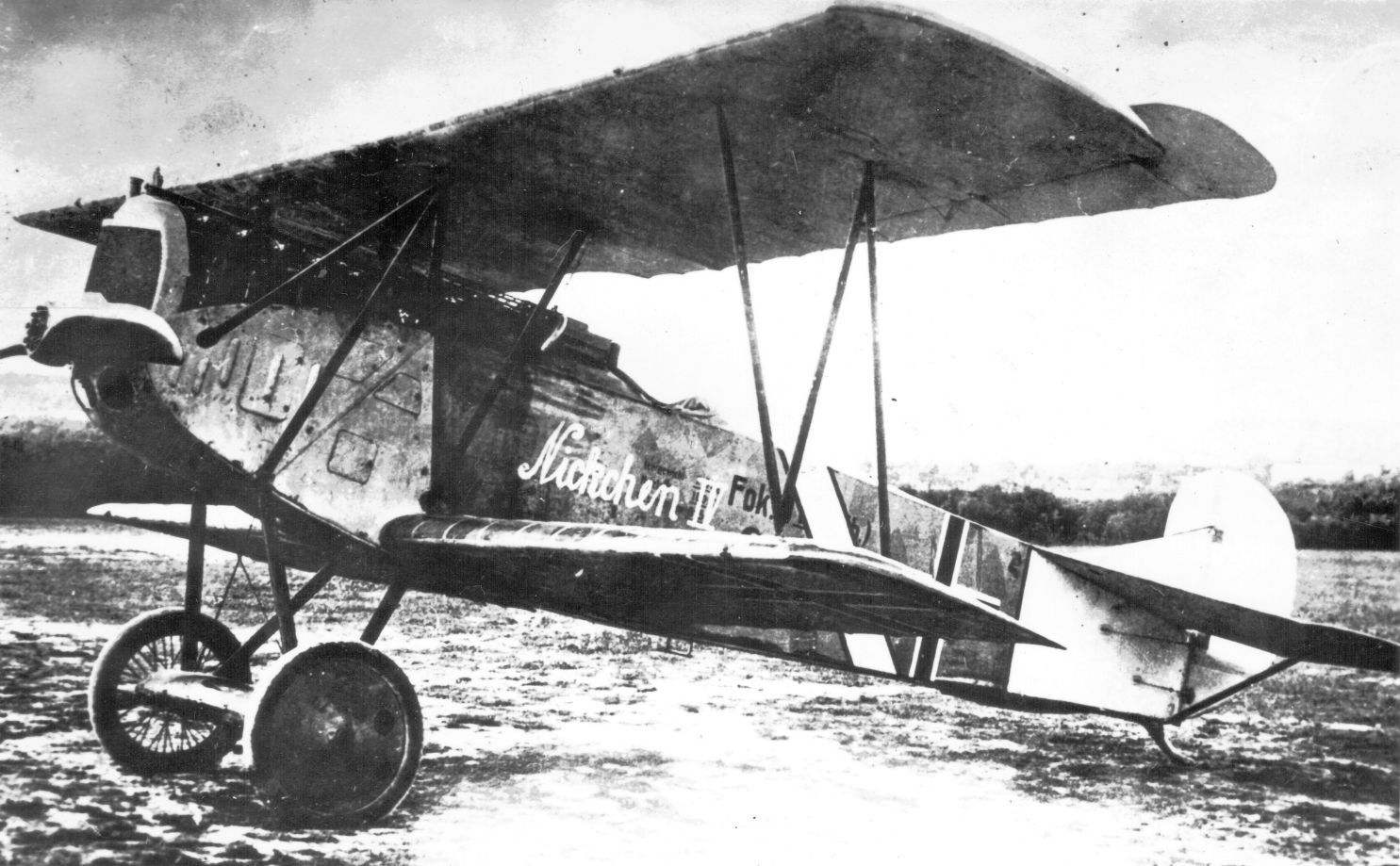
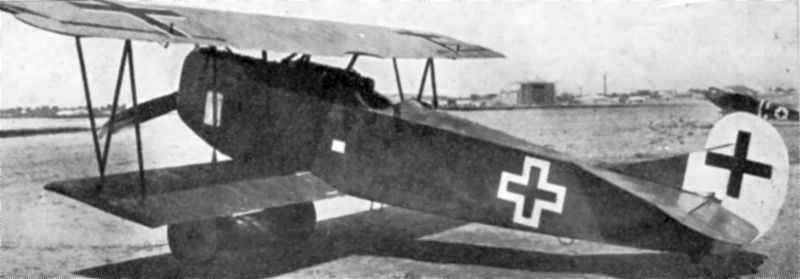
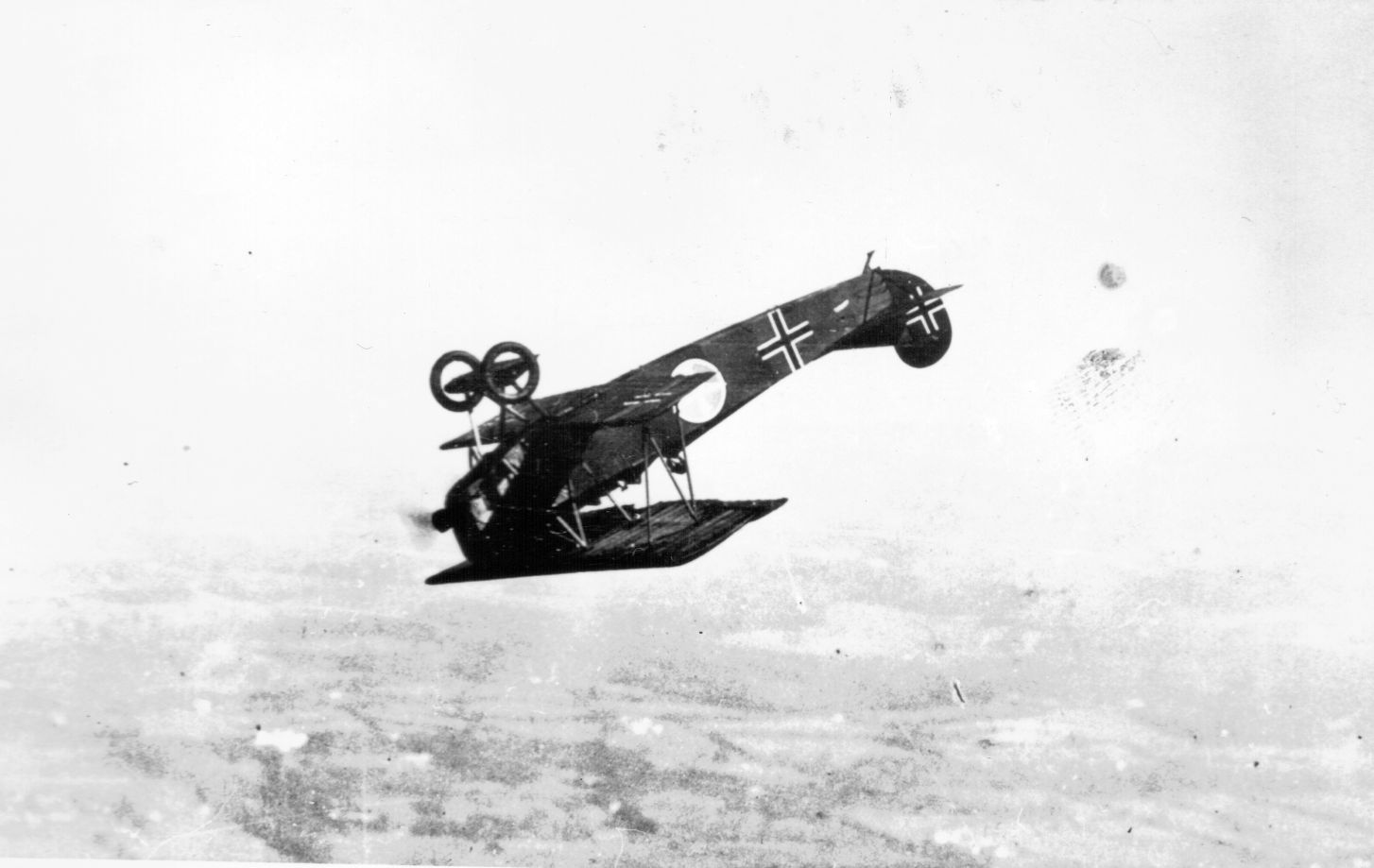
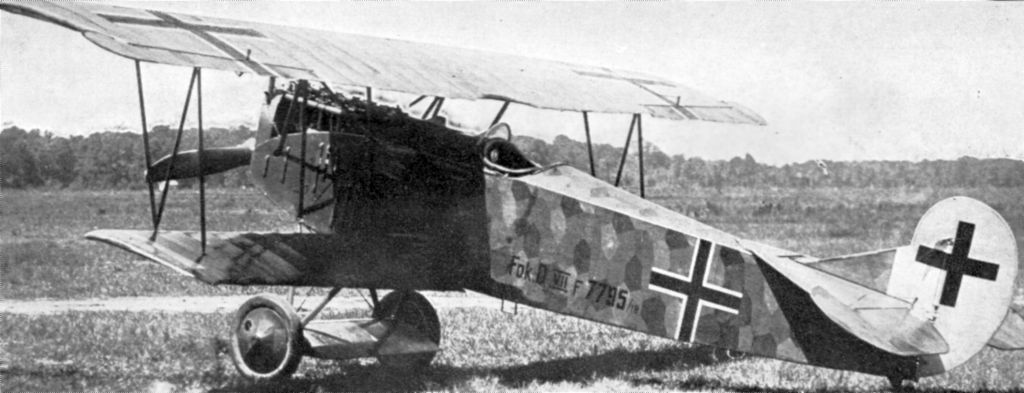
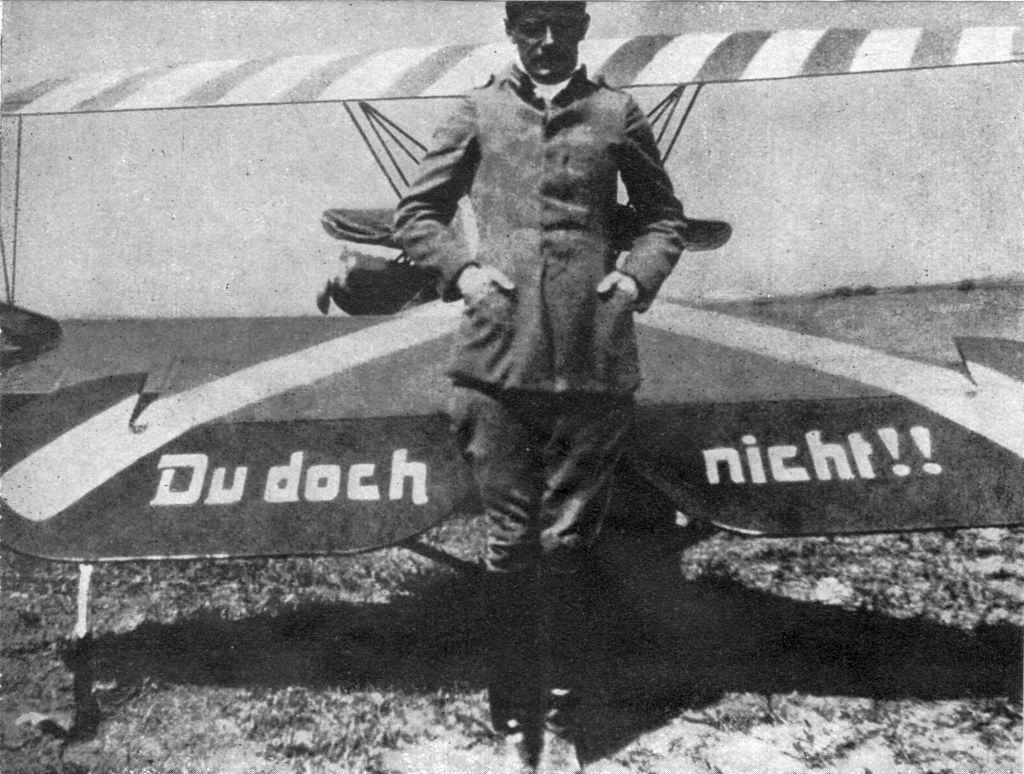
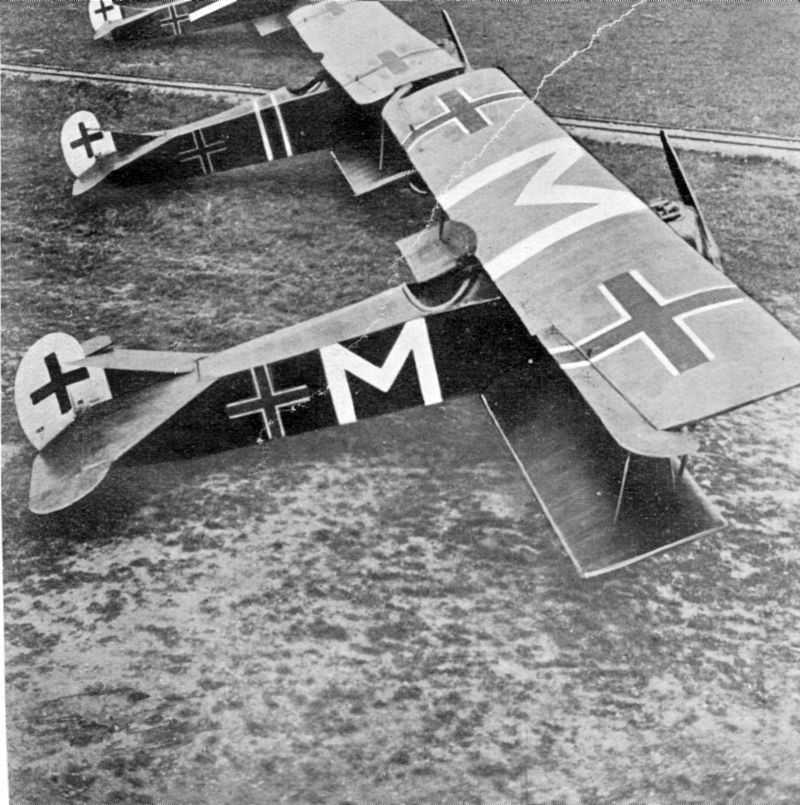
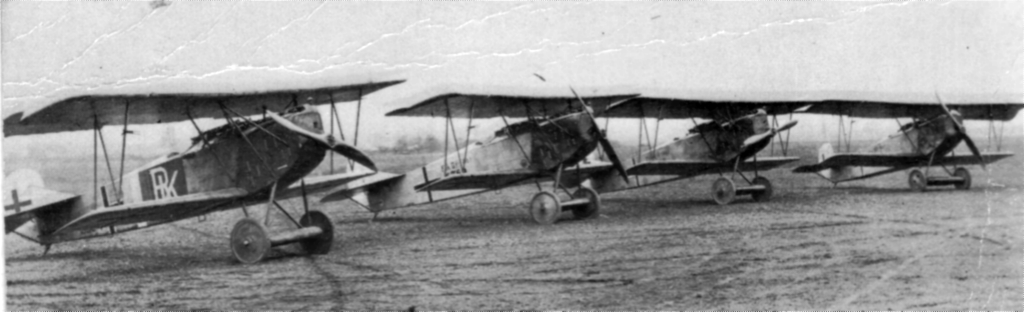
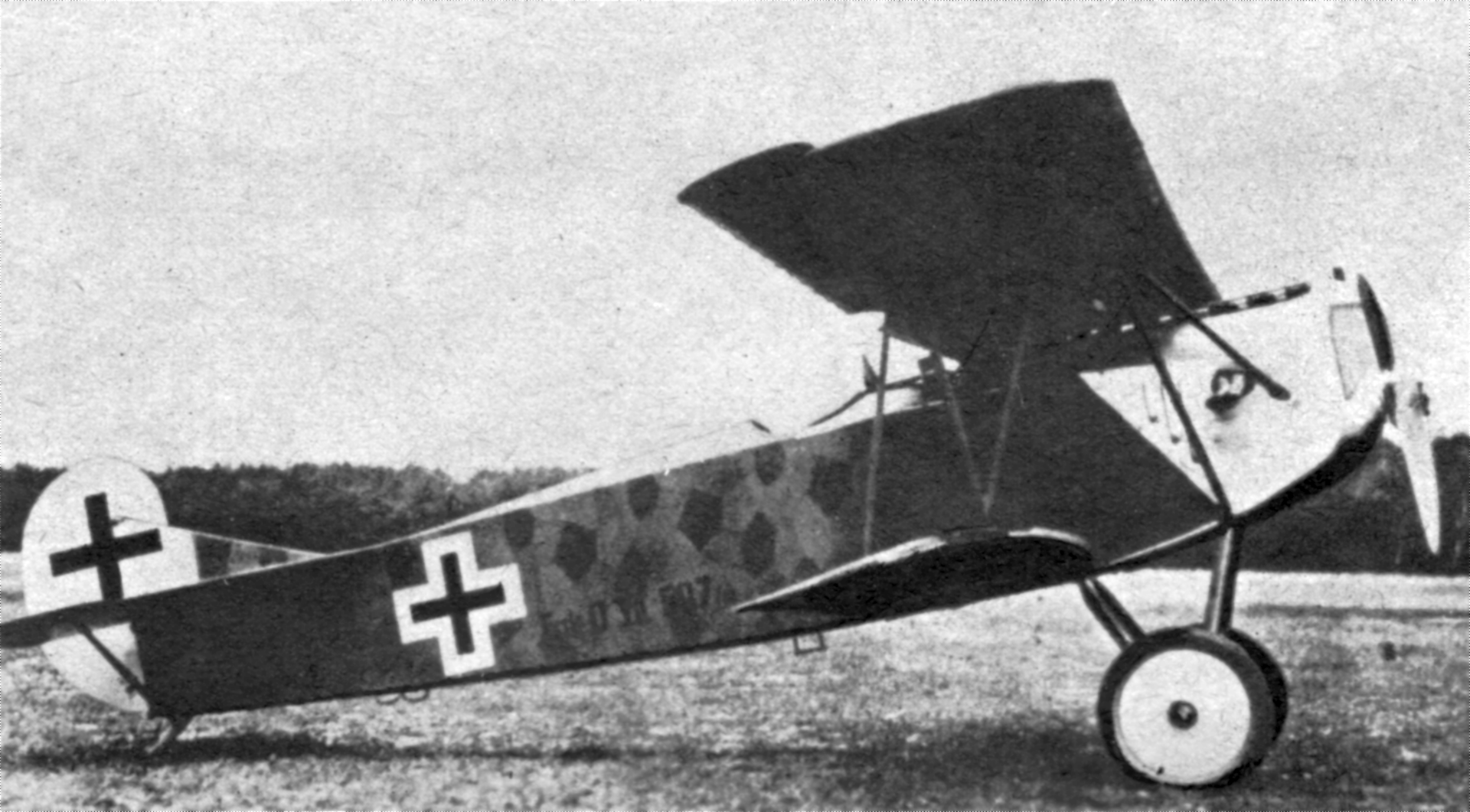
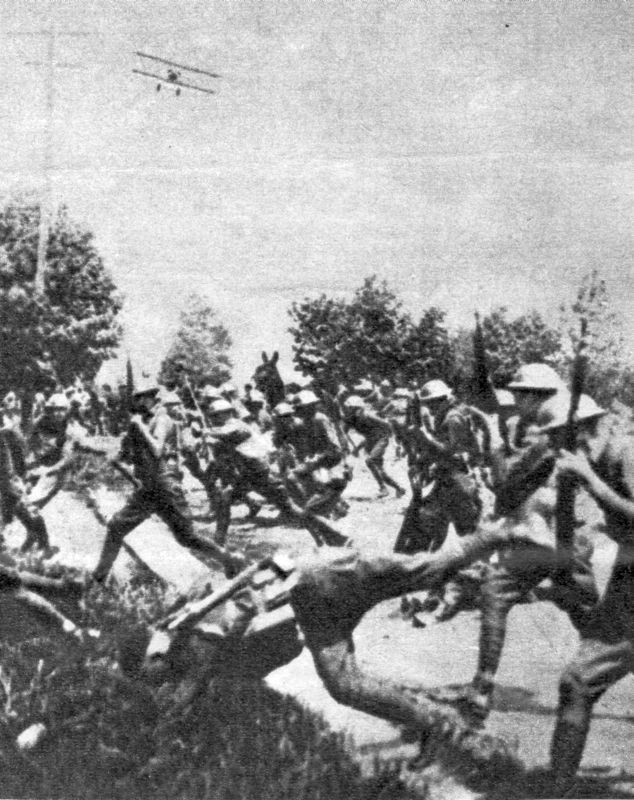
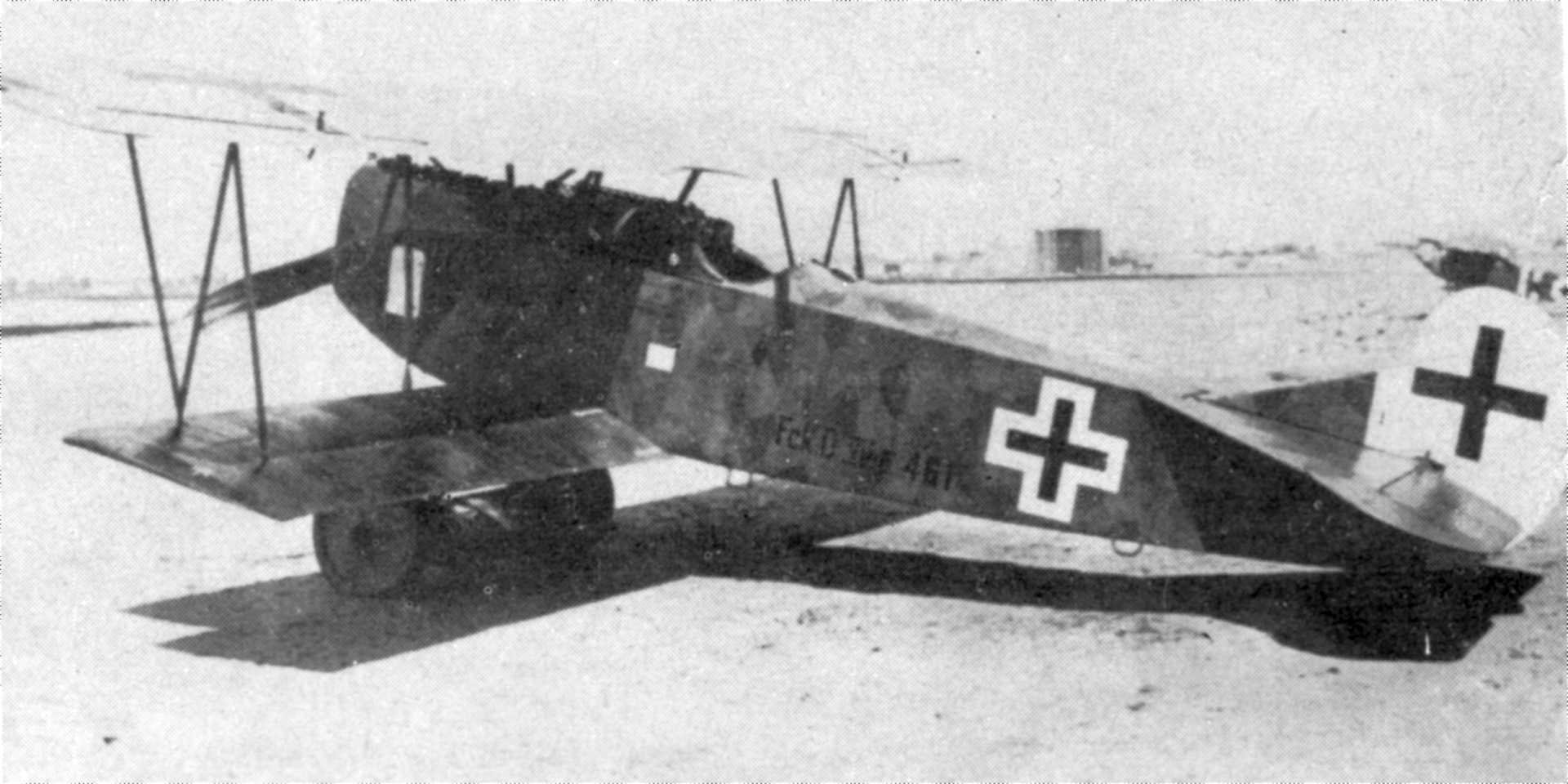
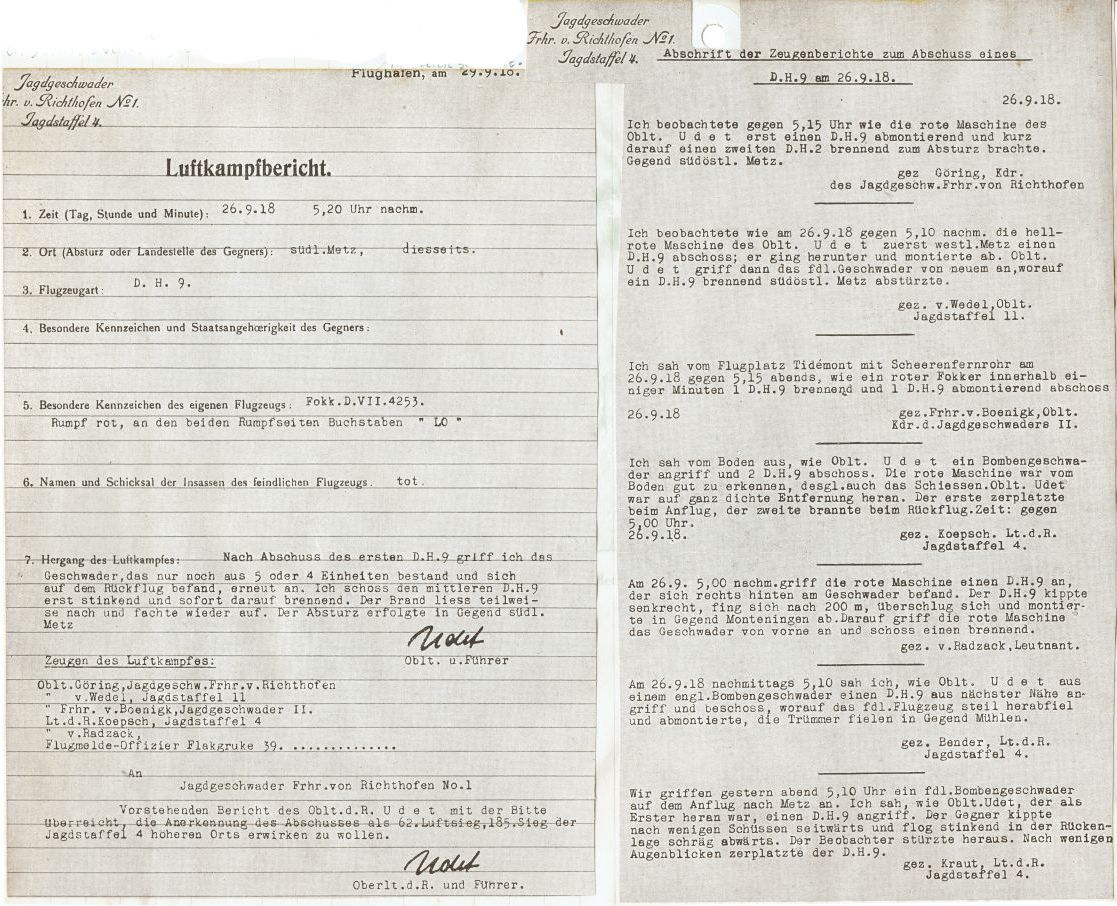
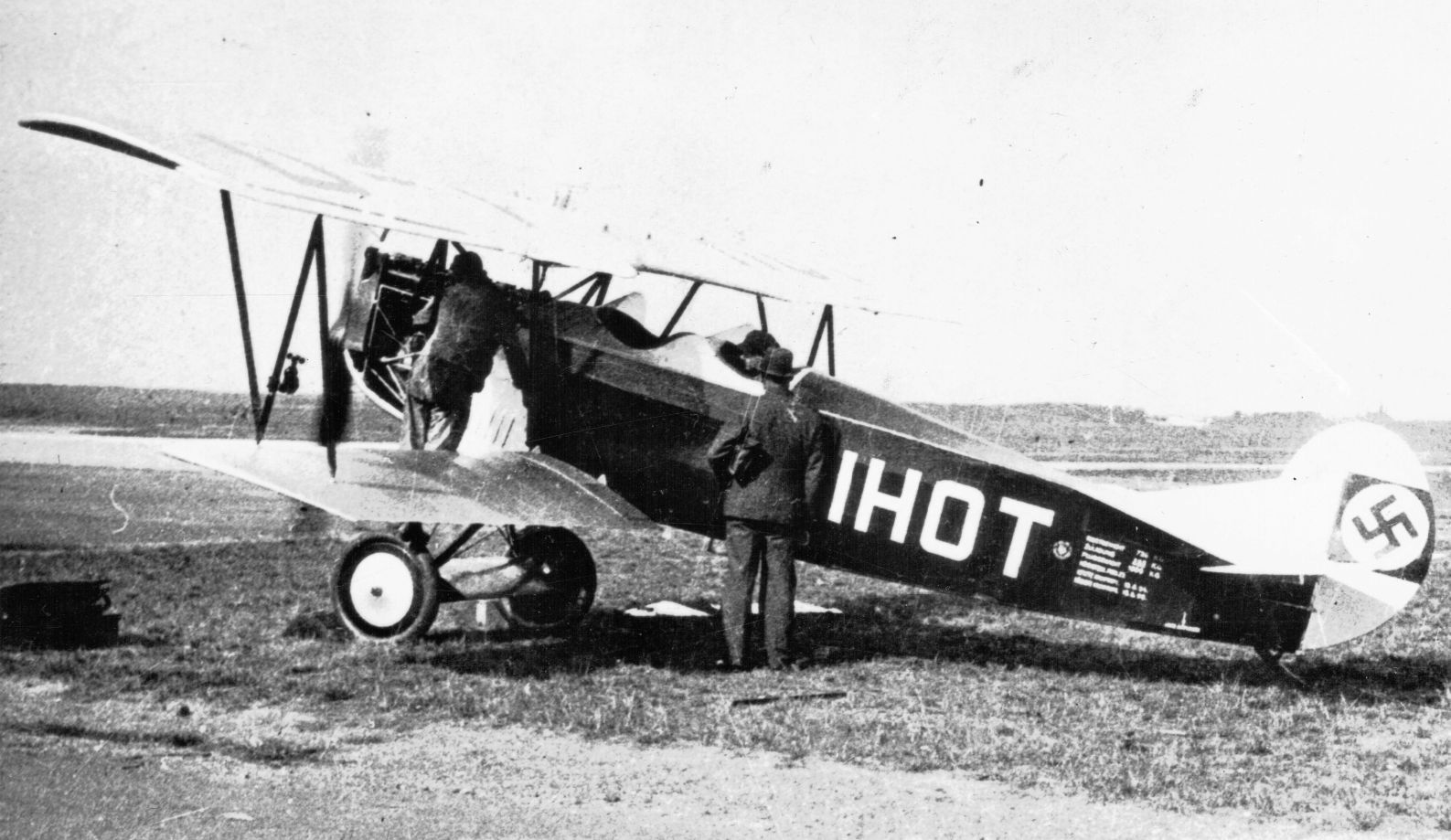
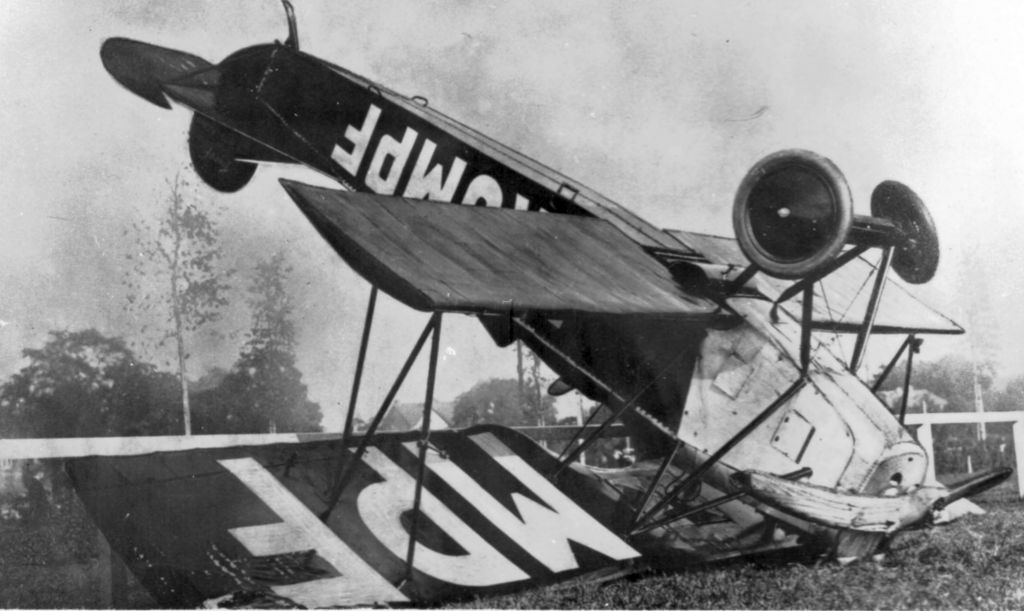
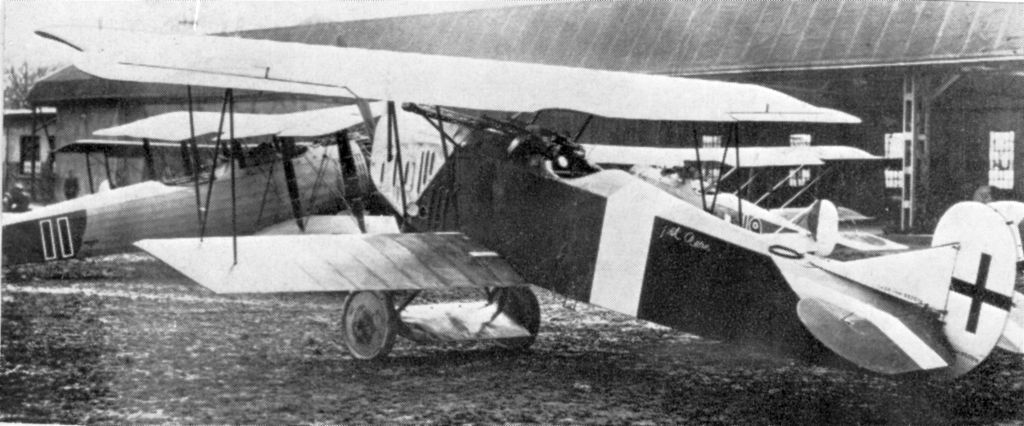
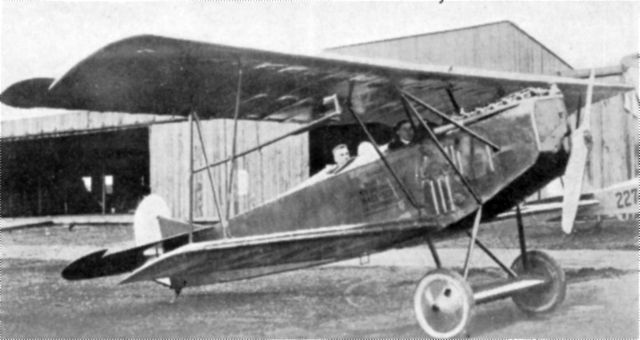
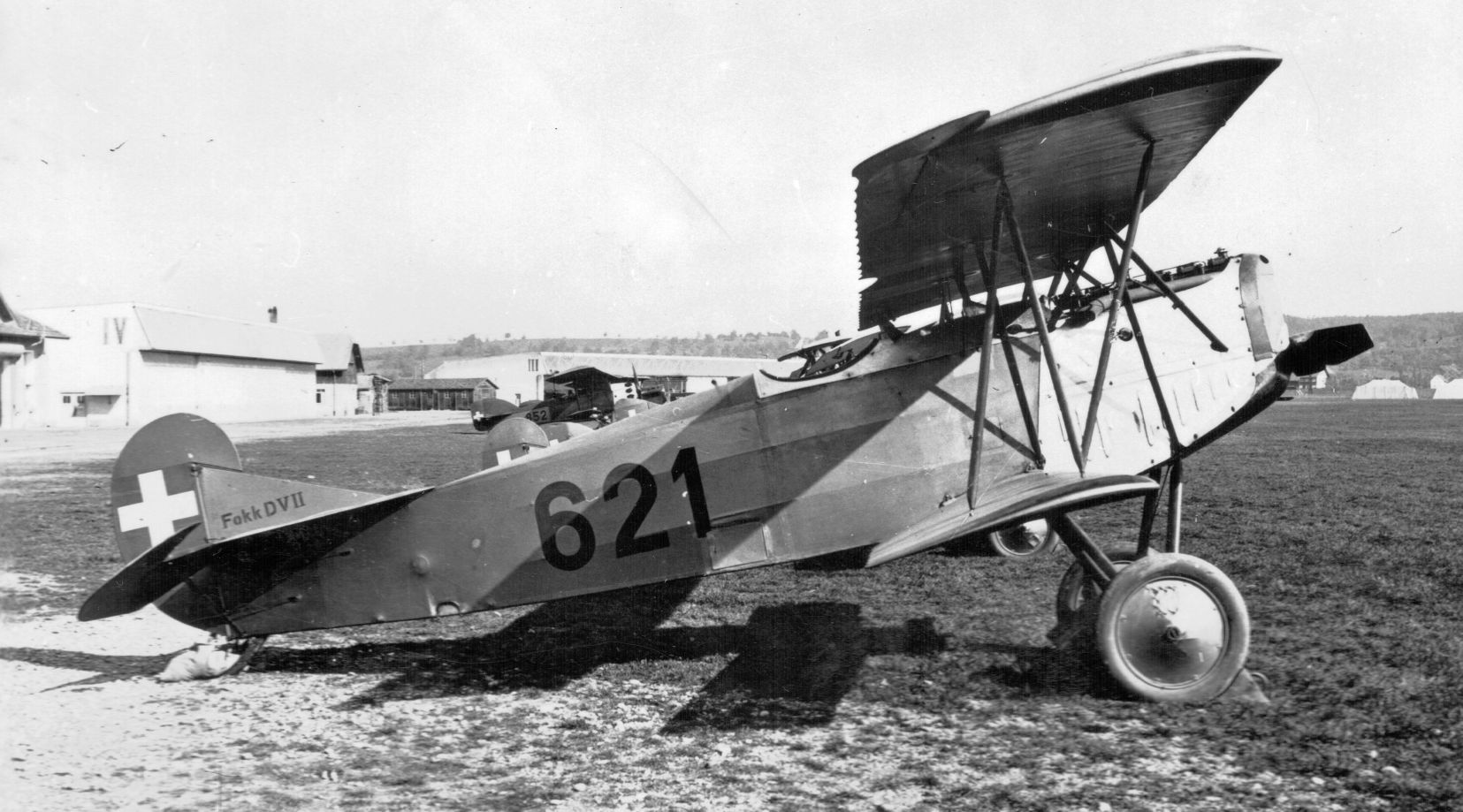
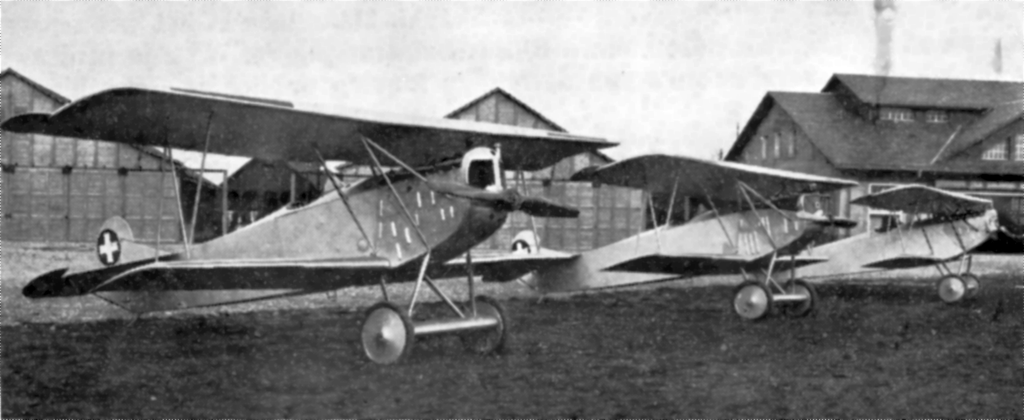
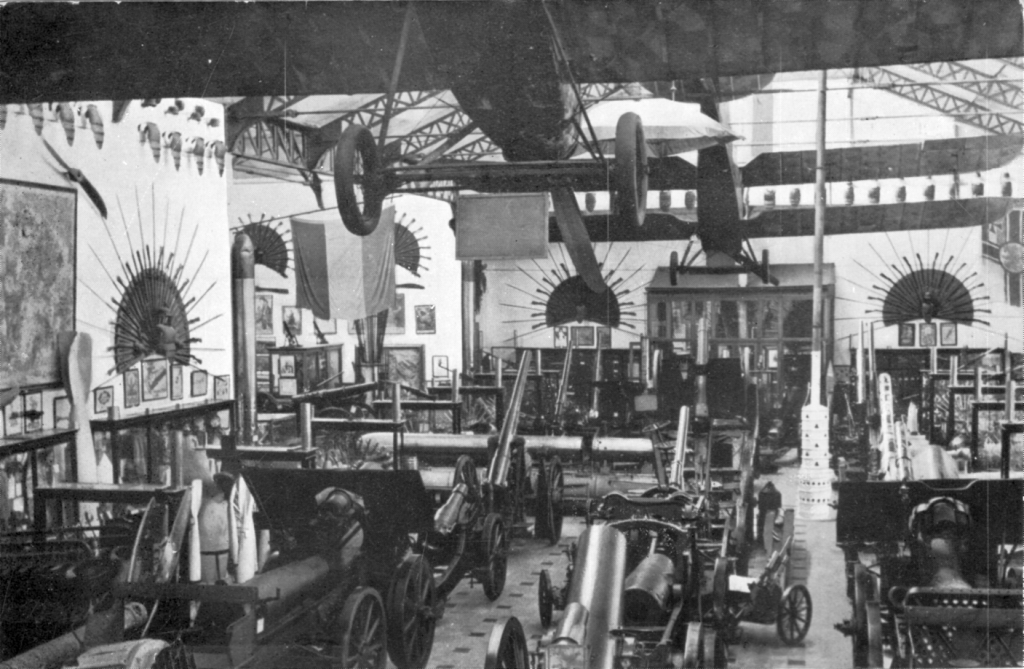
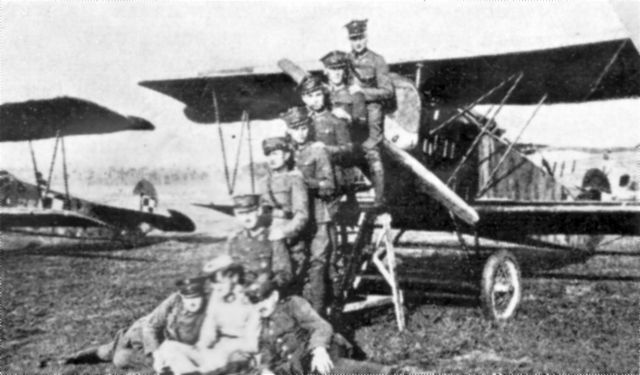
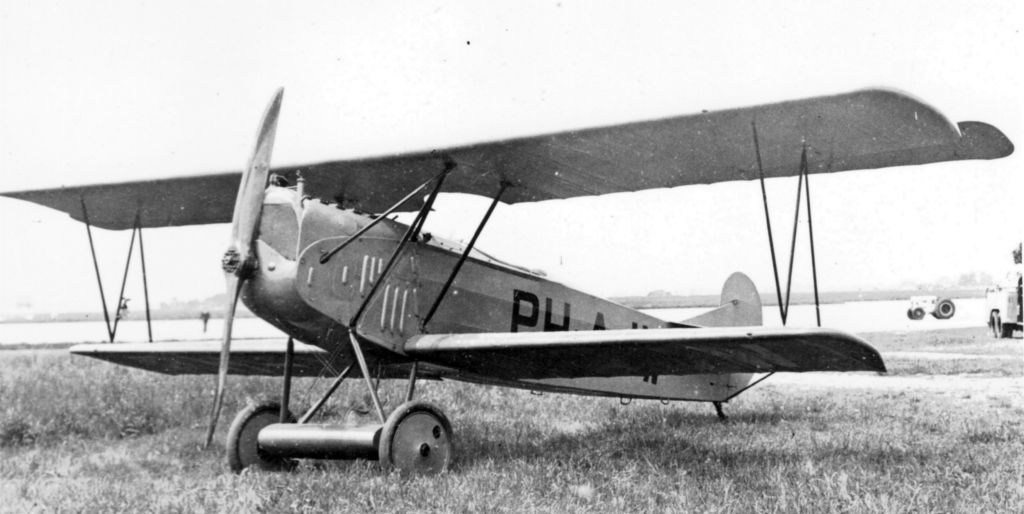
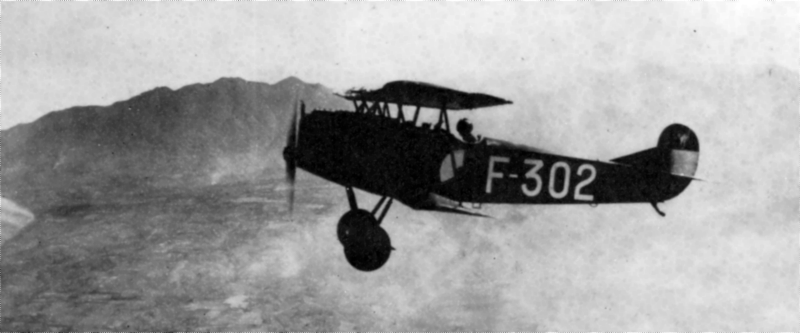
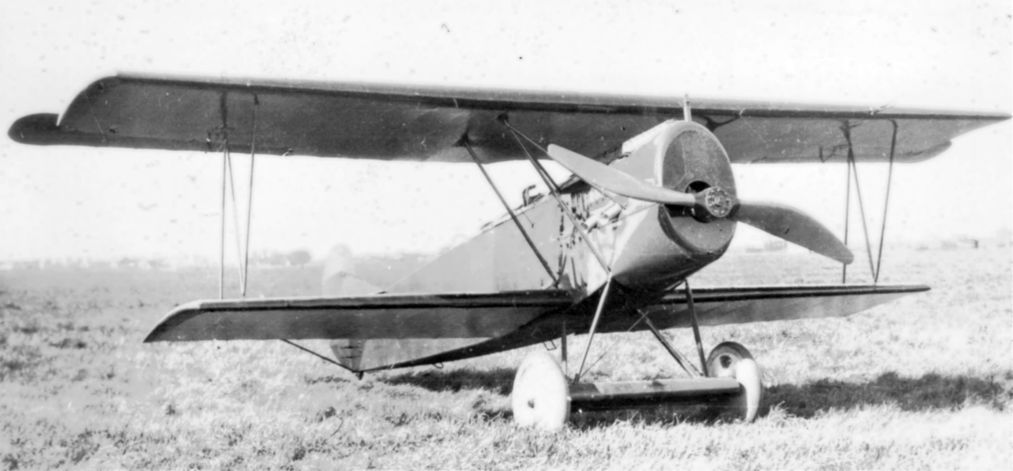
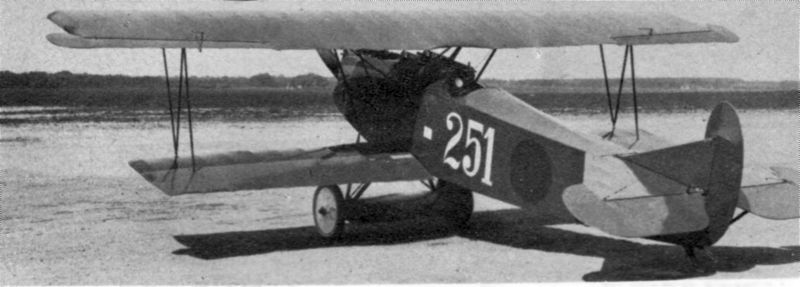
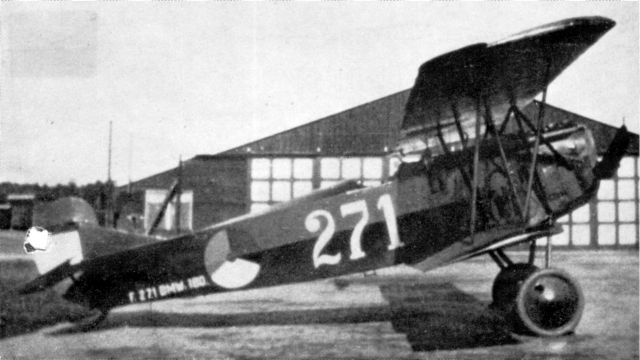
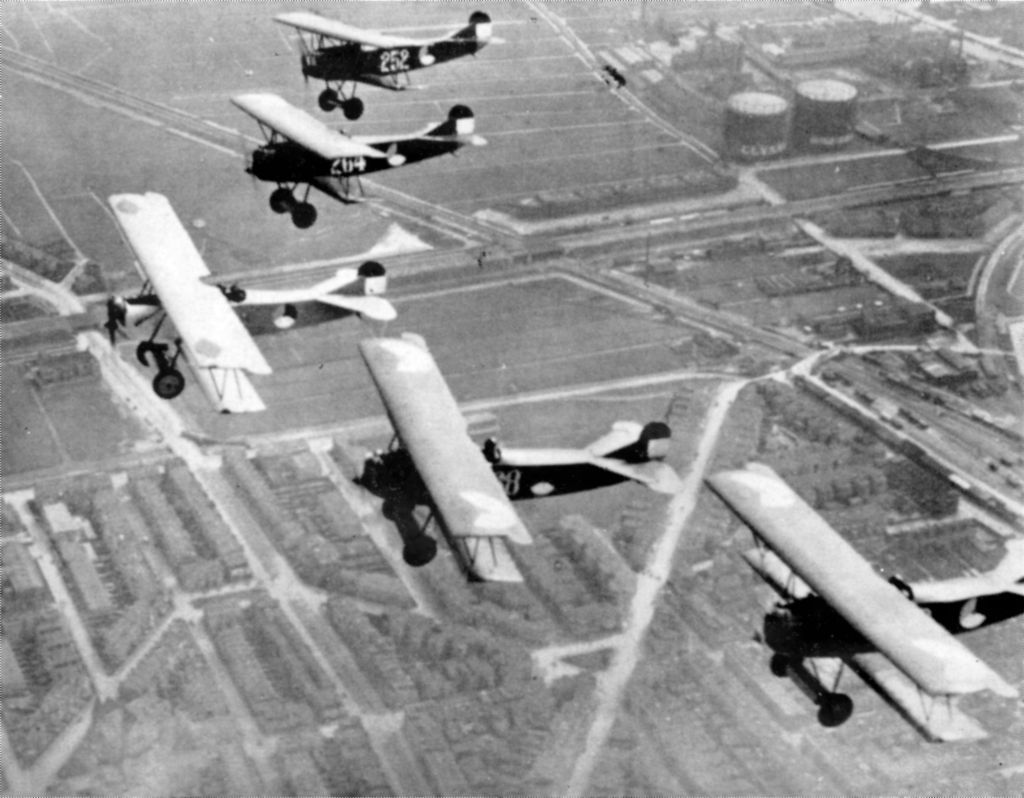
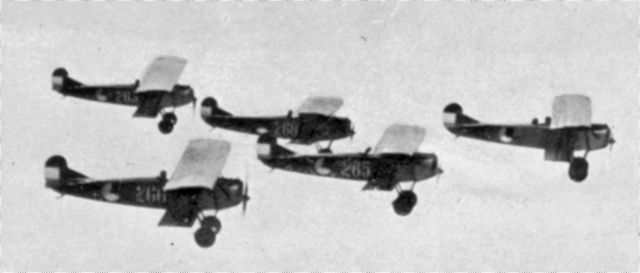
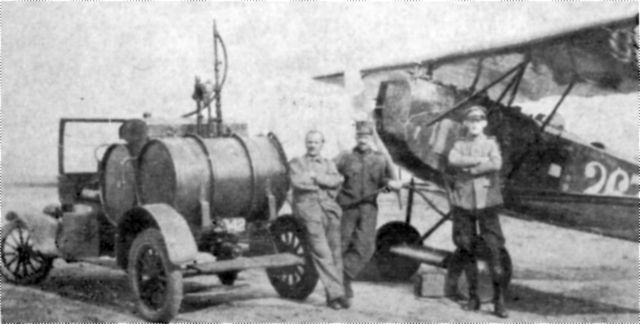
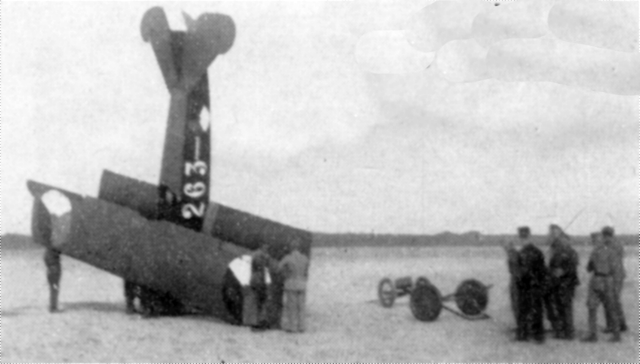
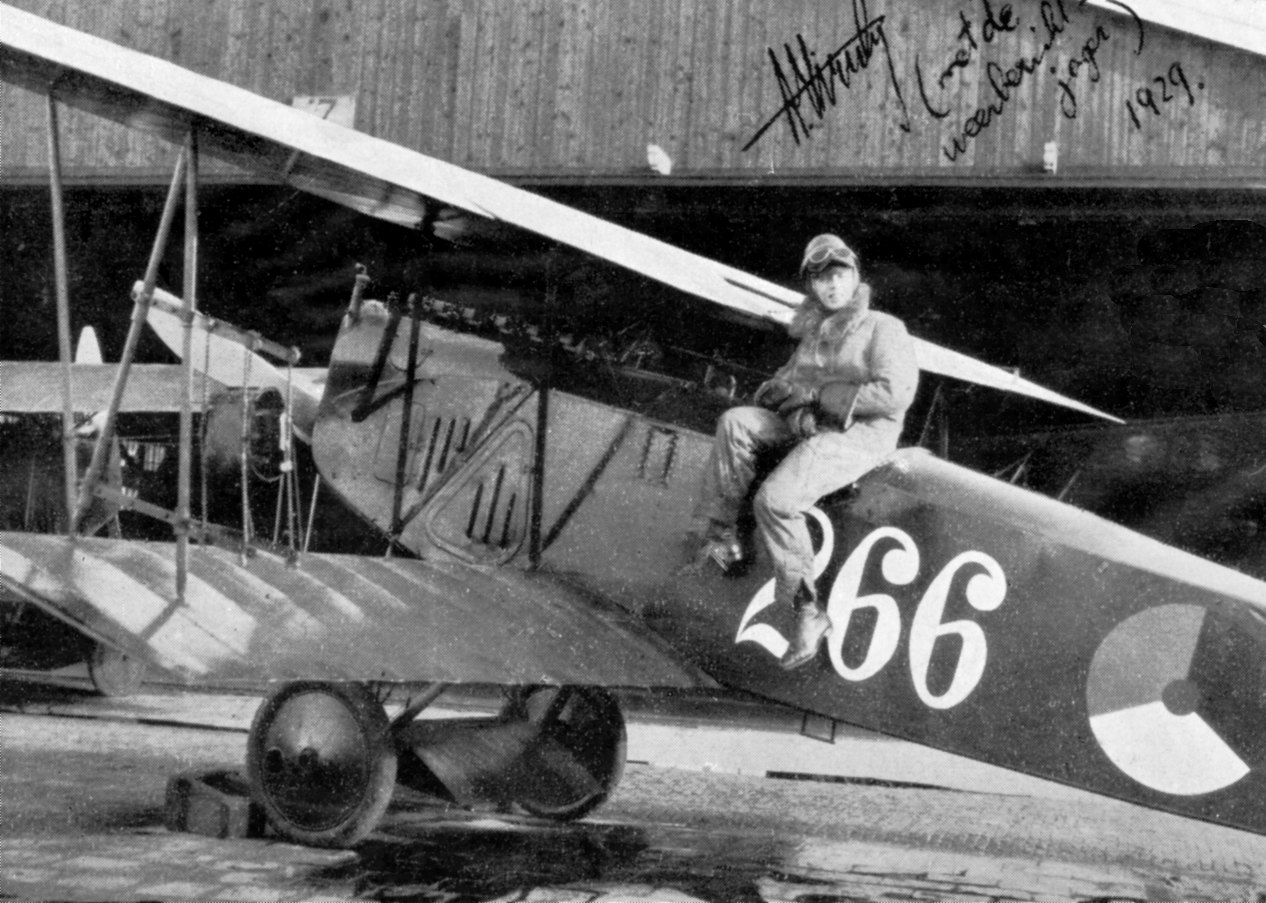
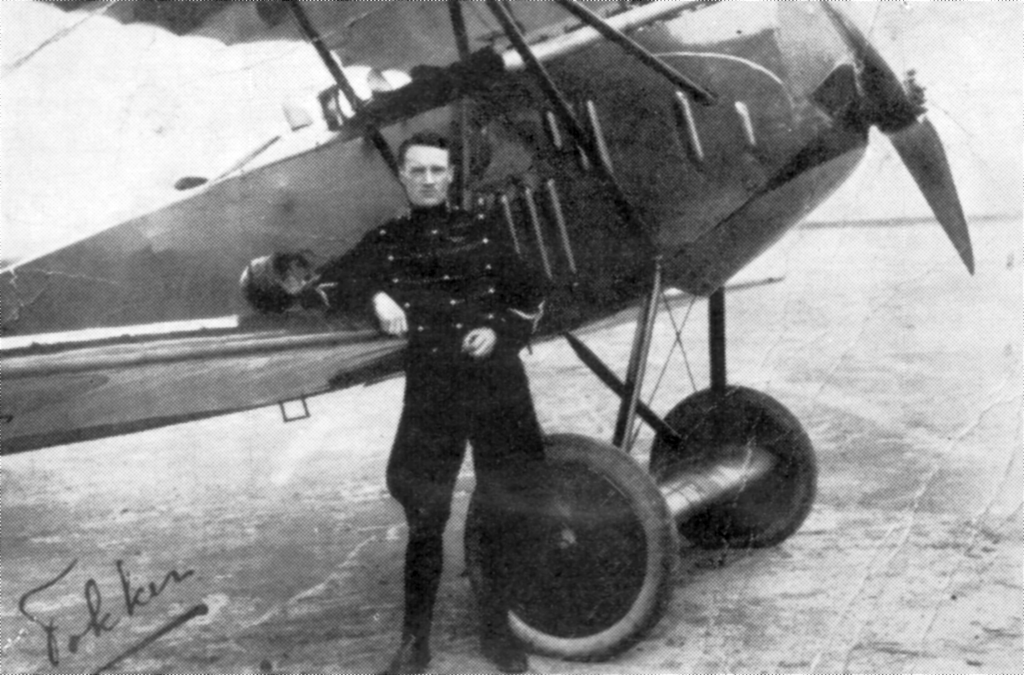
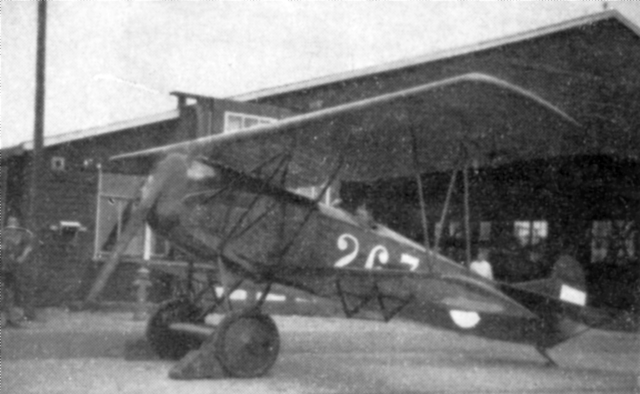
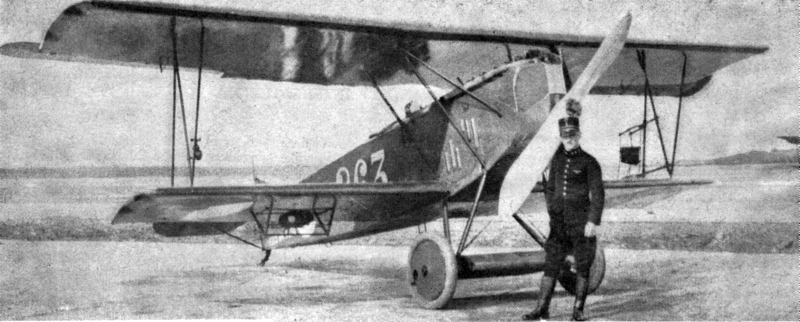
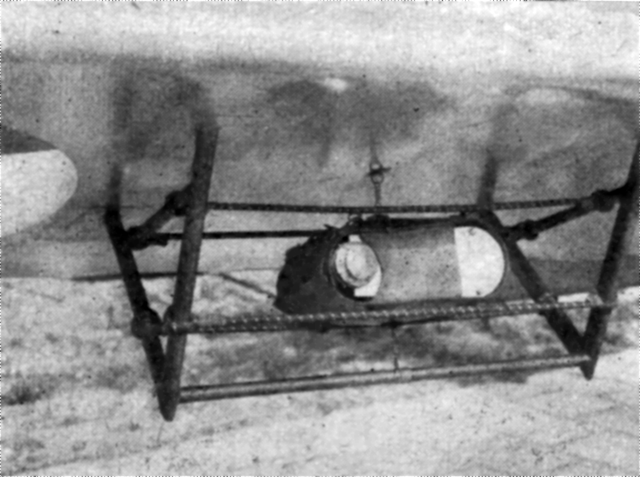
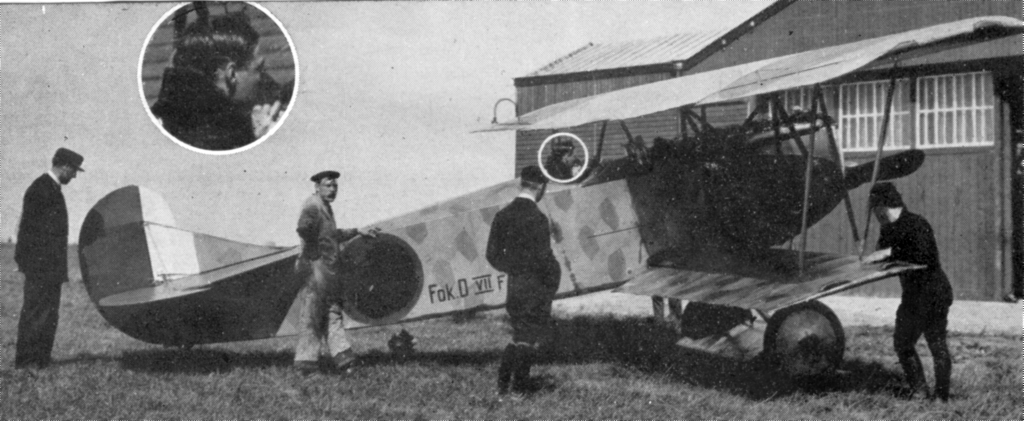
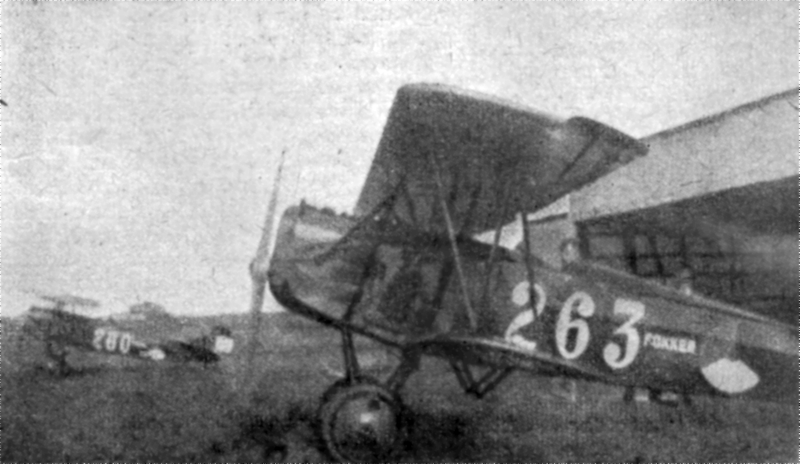
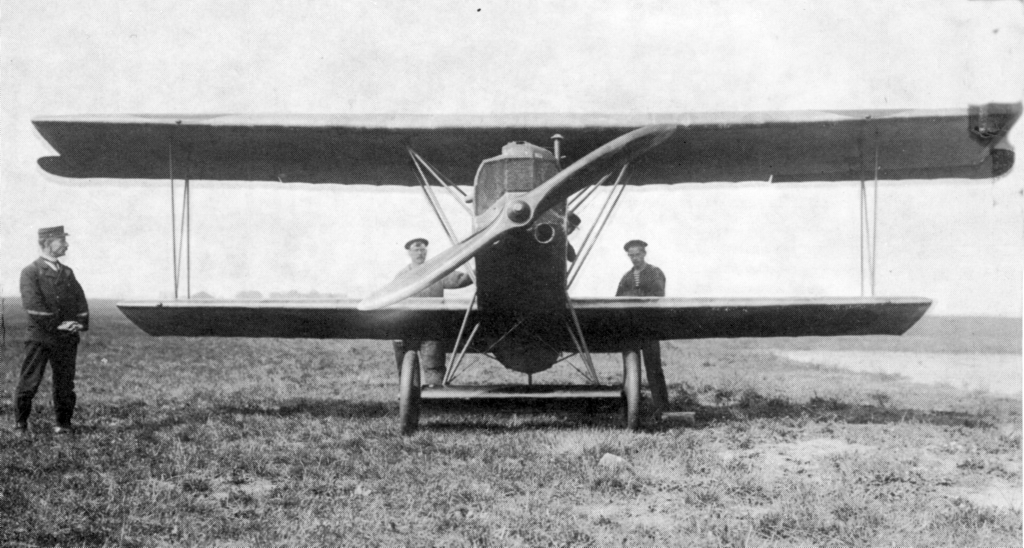

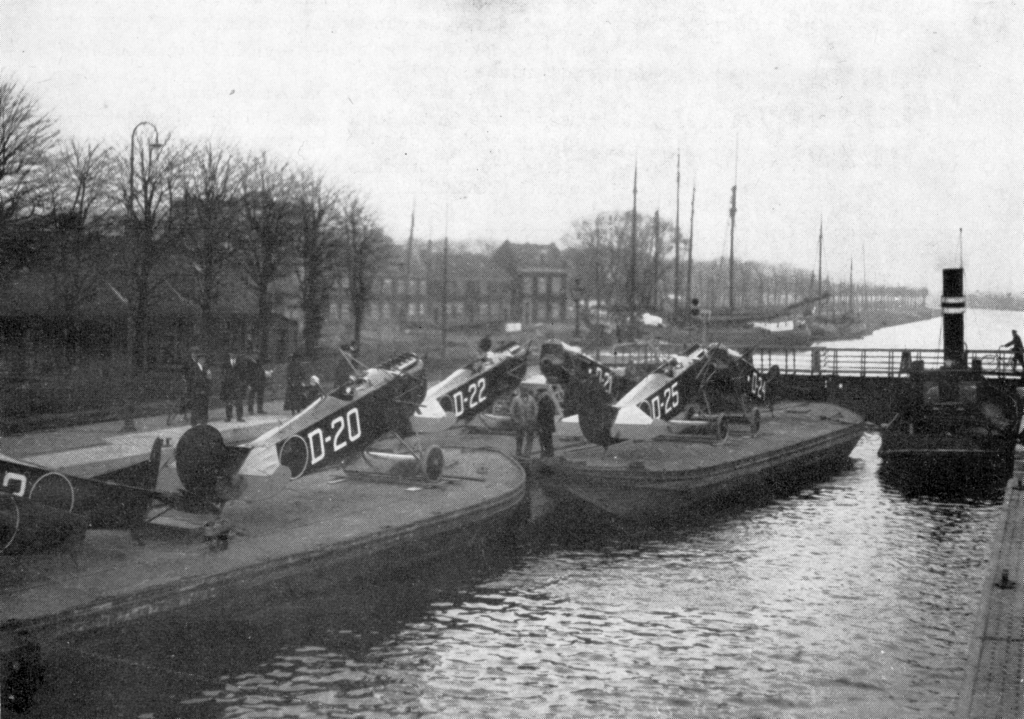
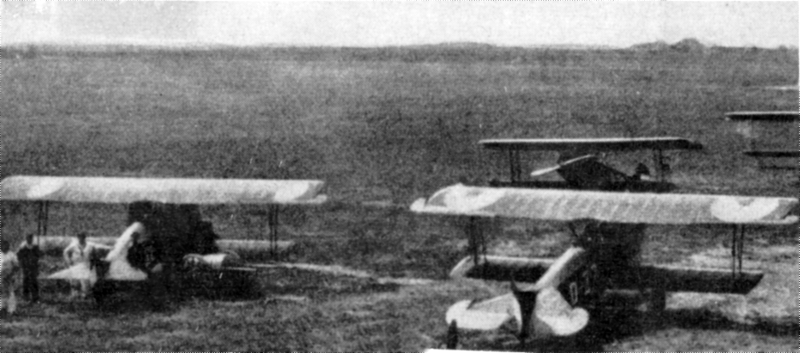

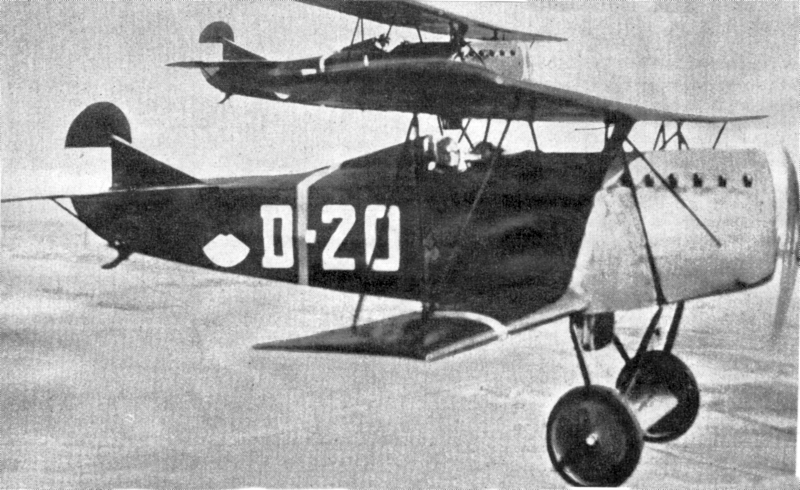
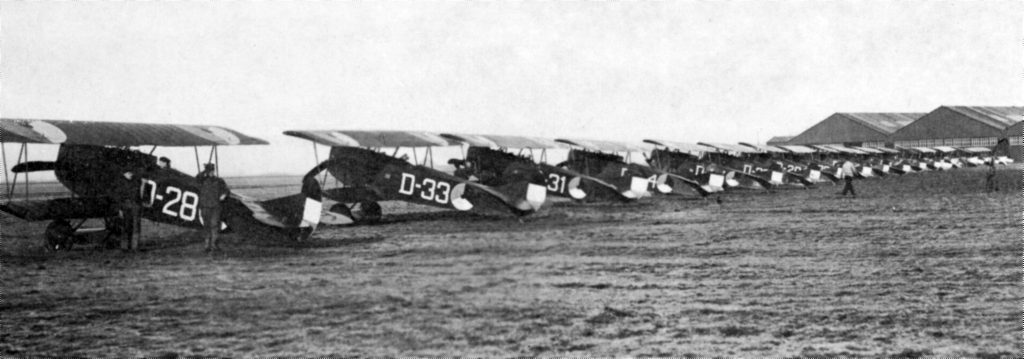
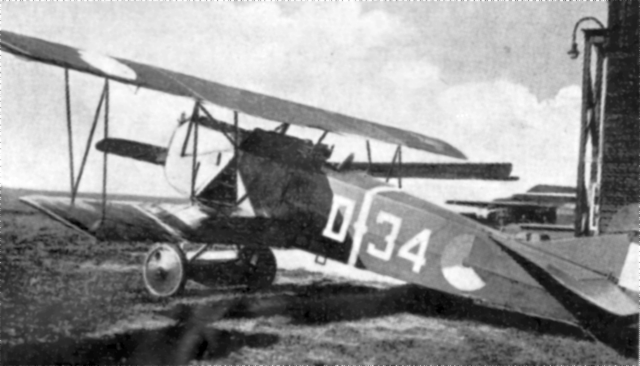
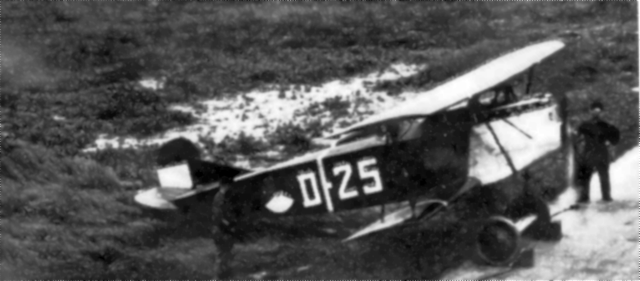
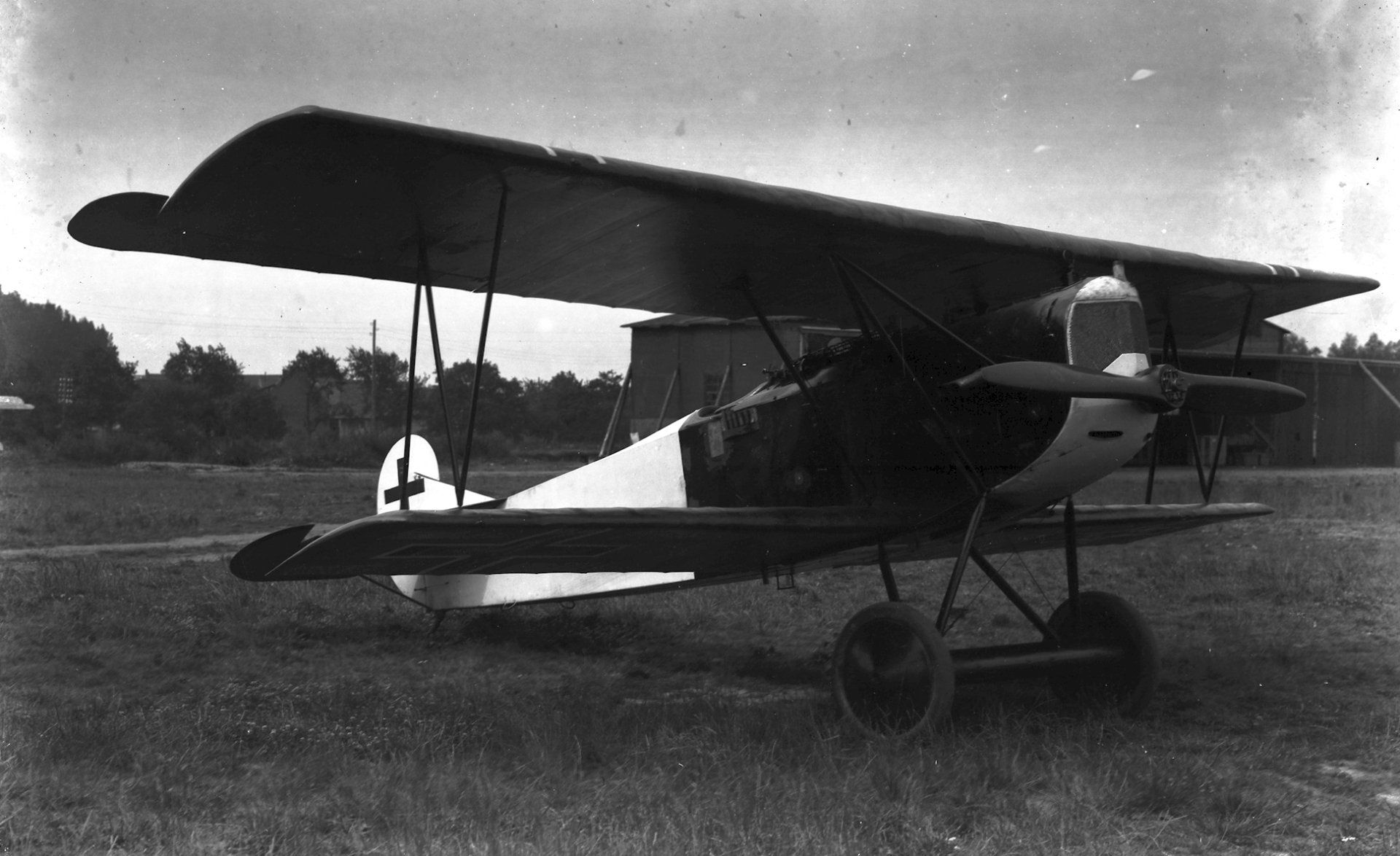
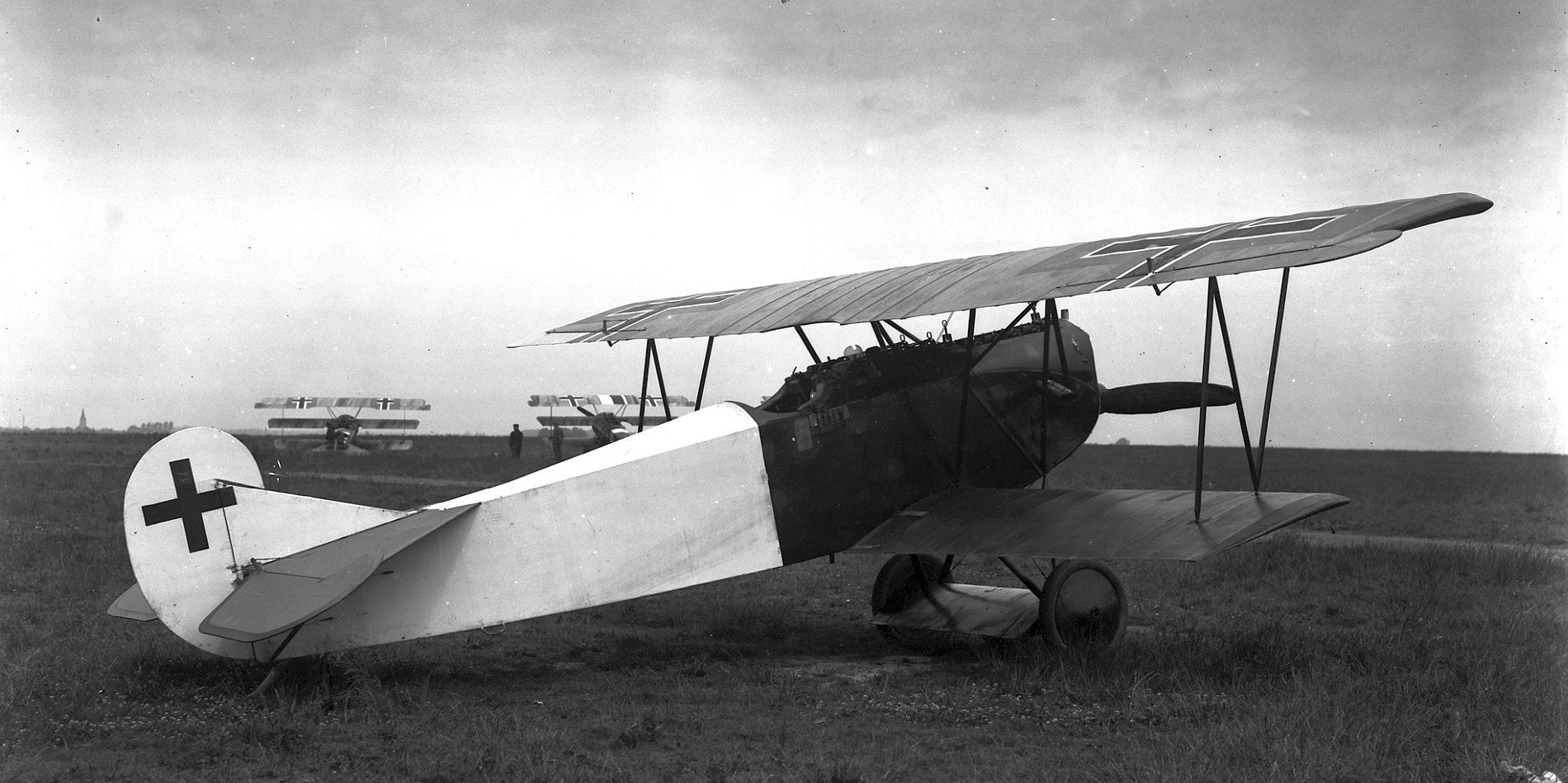
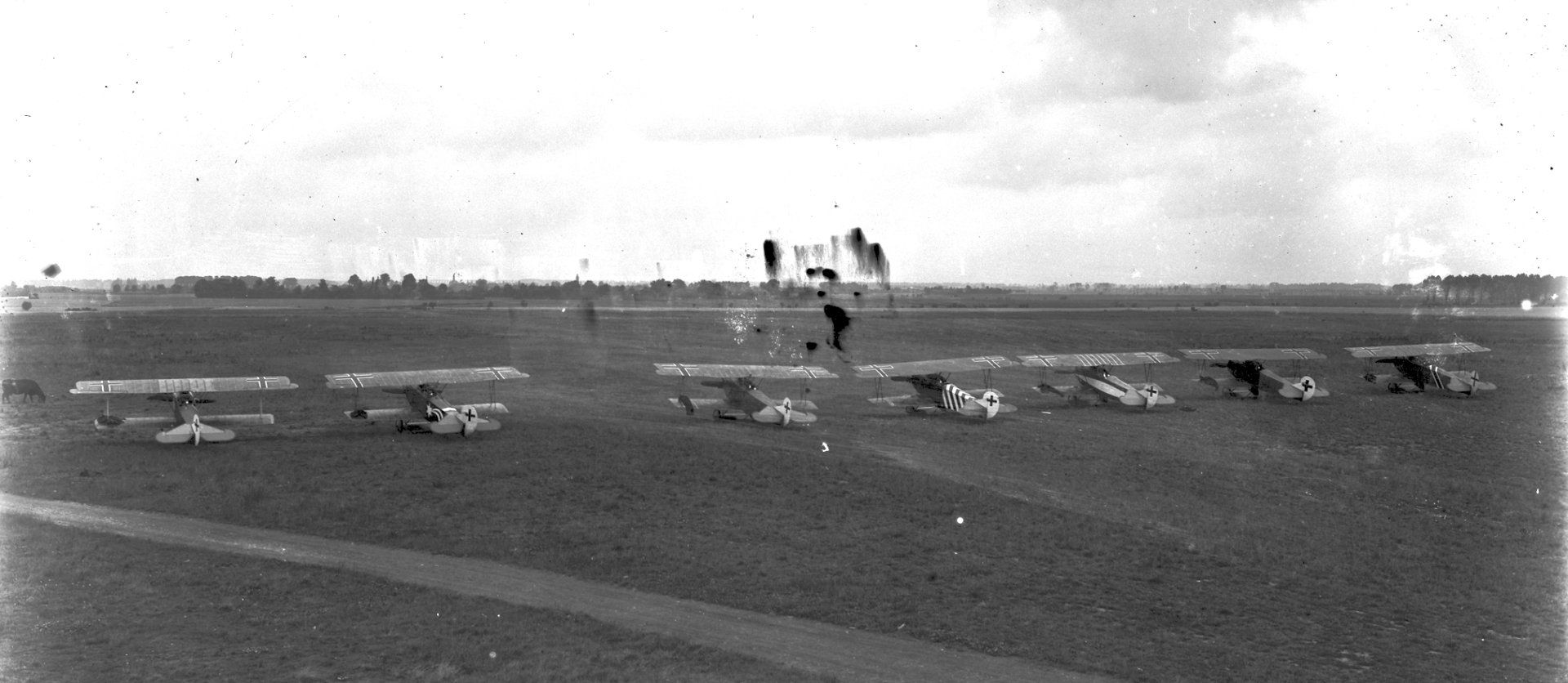
We received a beautiful series of glass plate photographs from the period 1917-1918 and made in Germany.
From these we selected the Fokker aircraft during the First World War.
This technique produces a very different look than the photos we were used to later.
More info about the D.VII: https://www.aerofile.info/wordpress/?page_id=13